

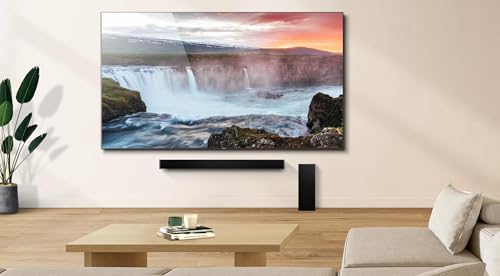
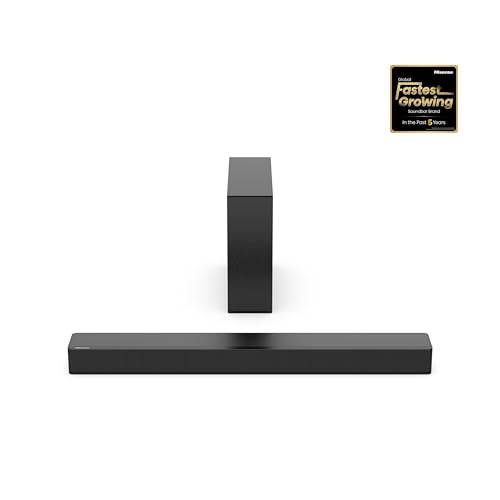
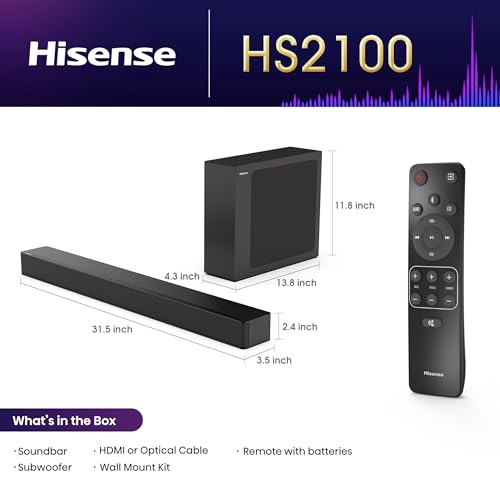

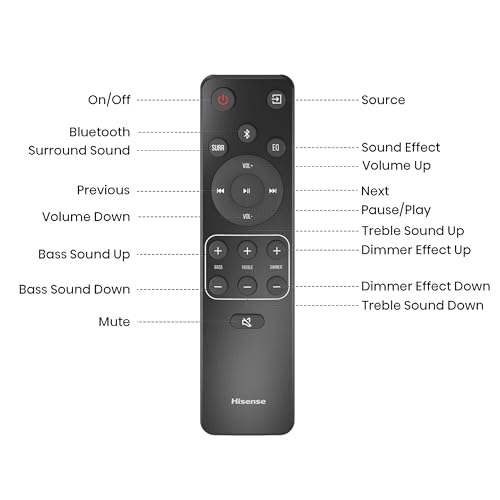
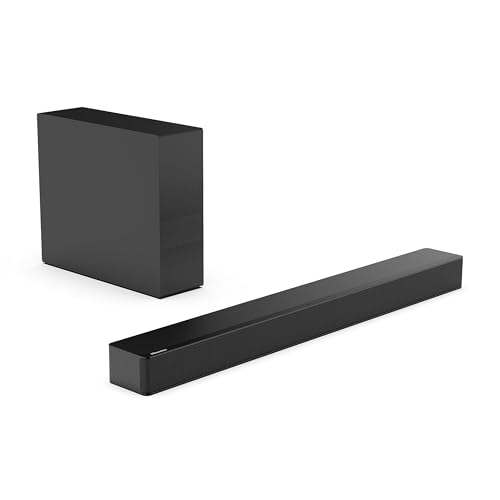
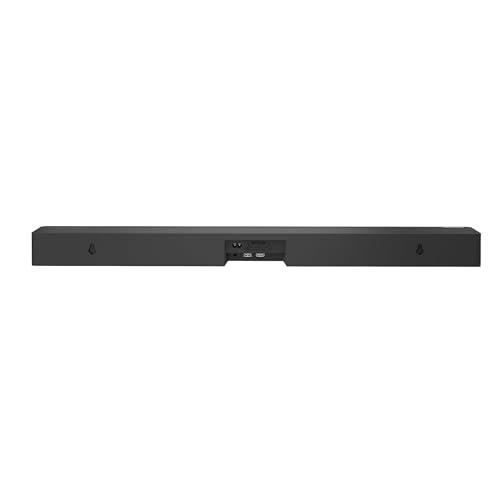
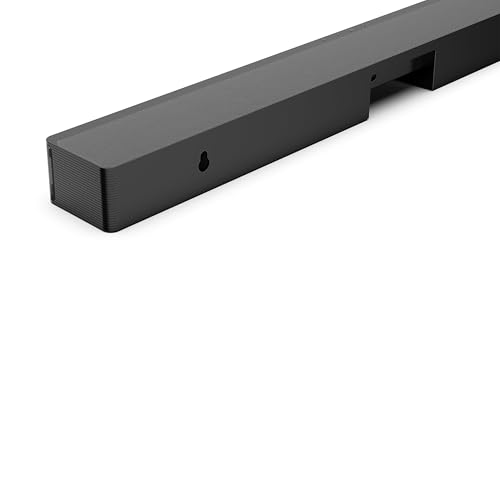
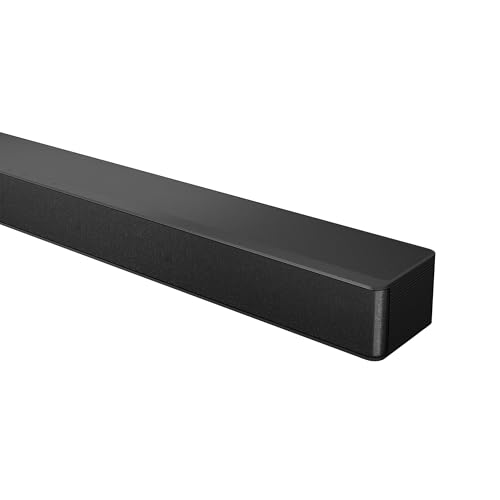
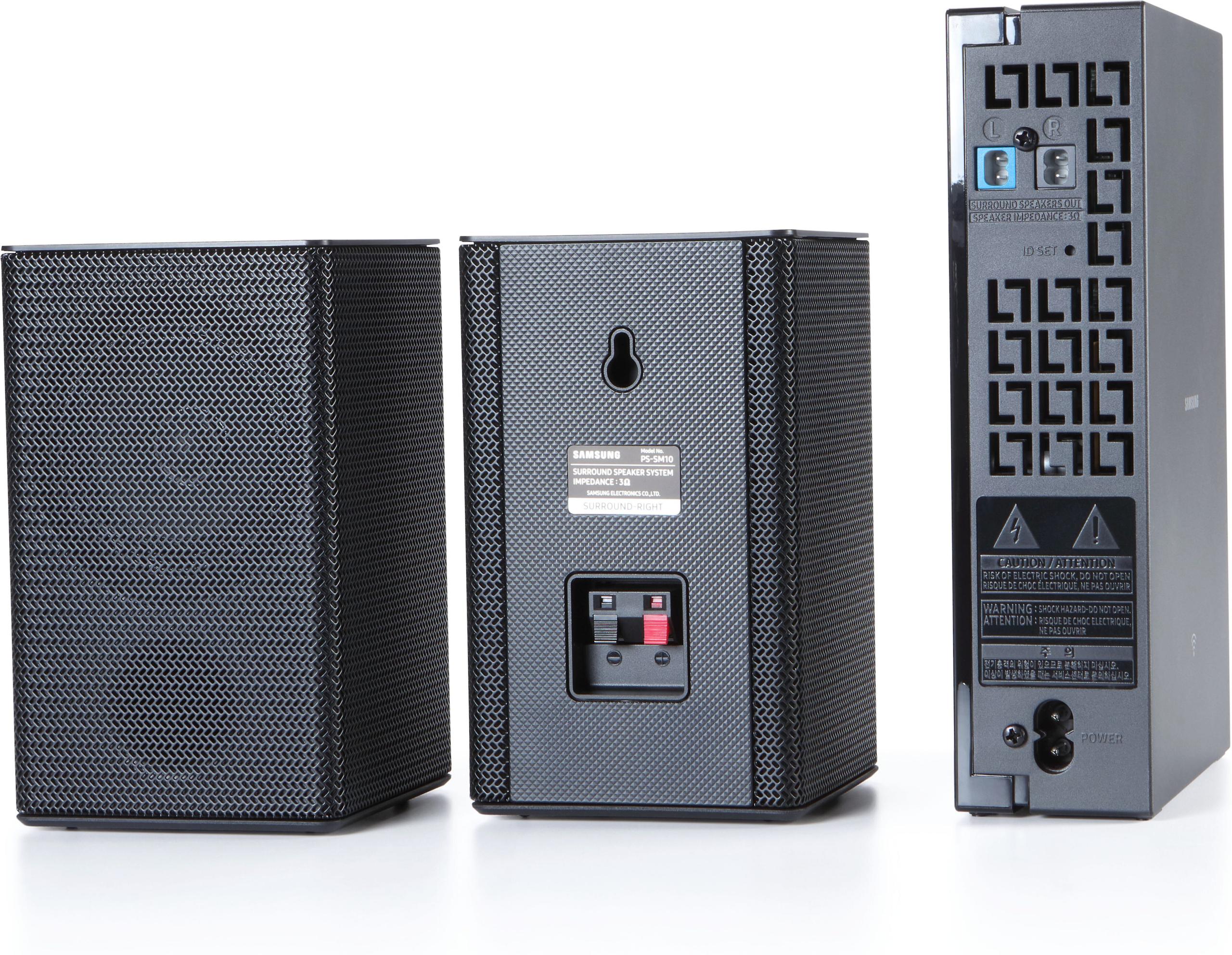
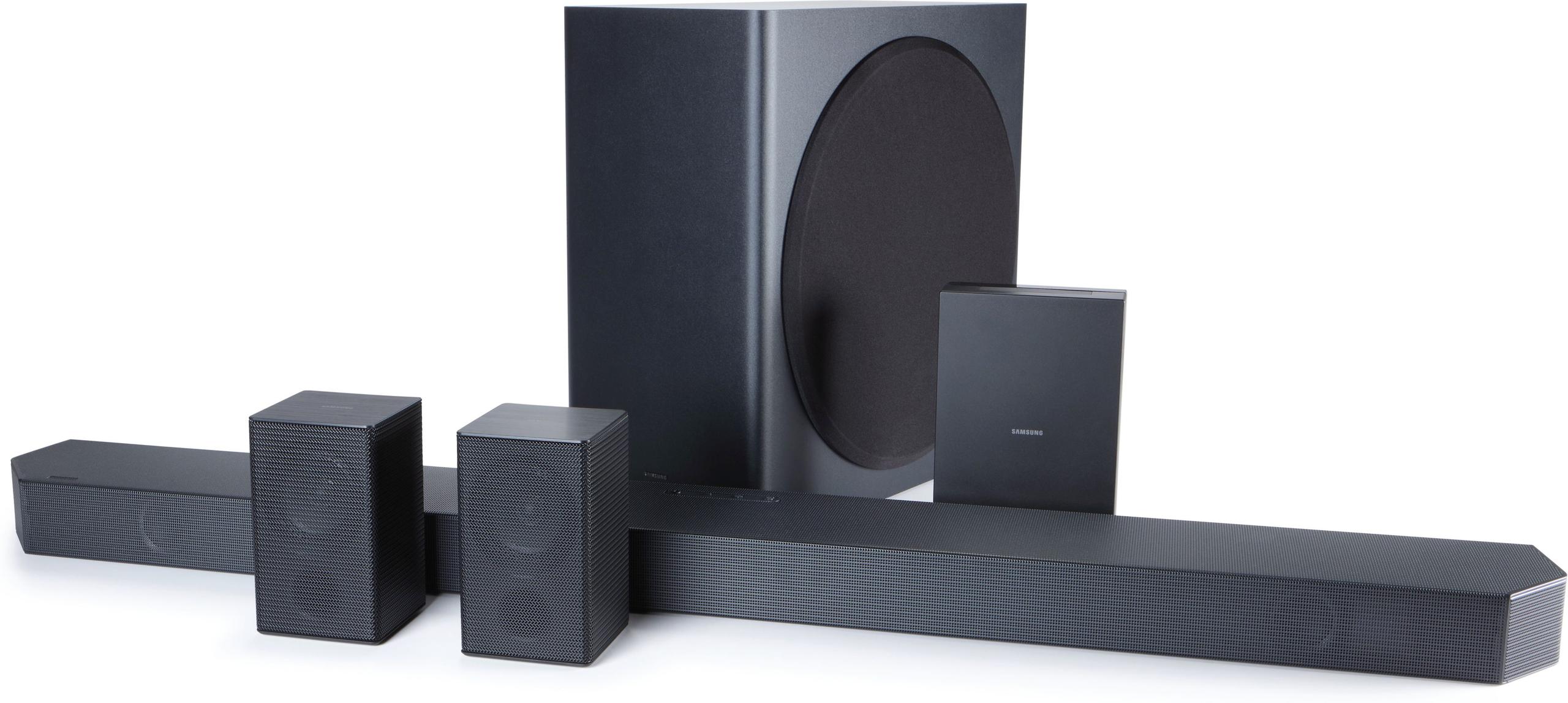
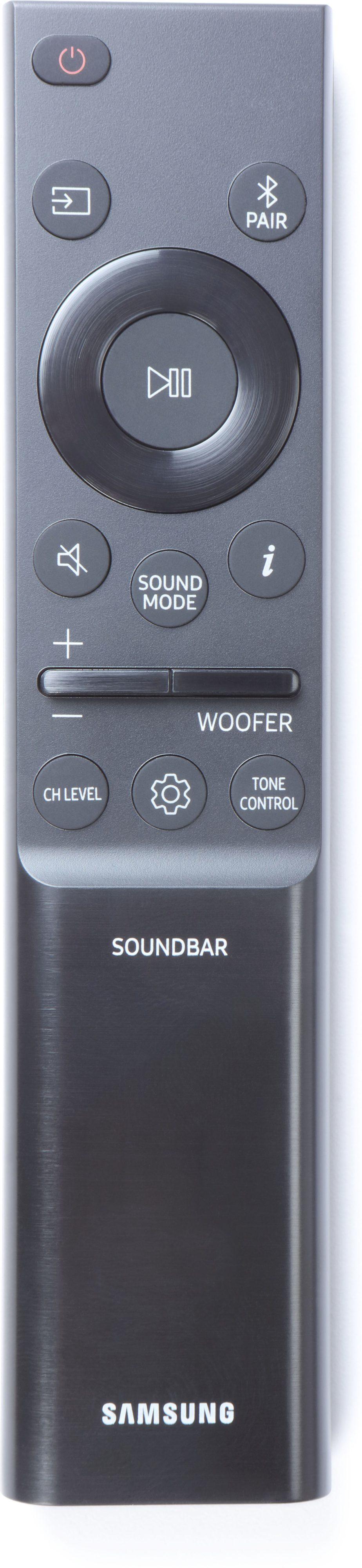
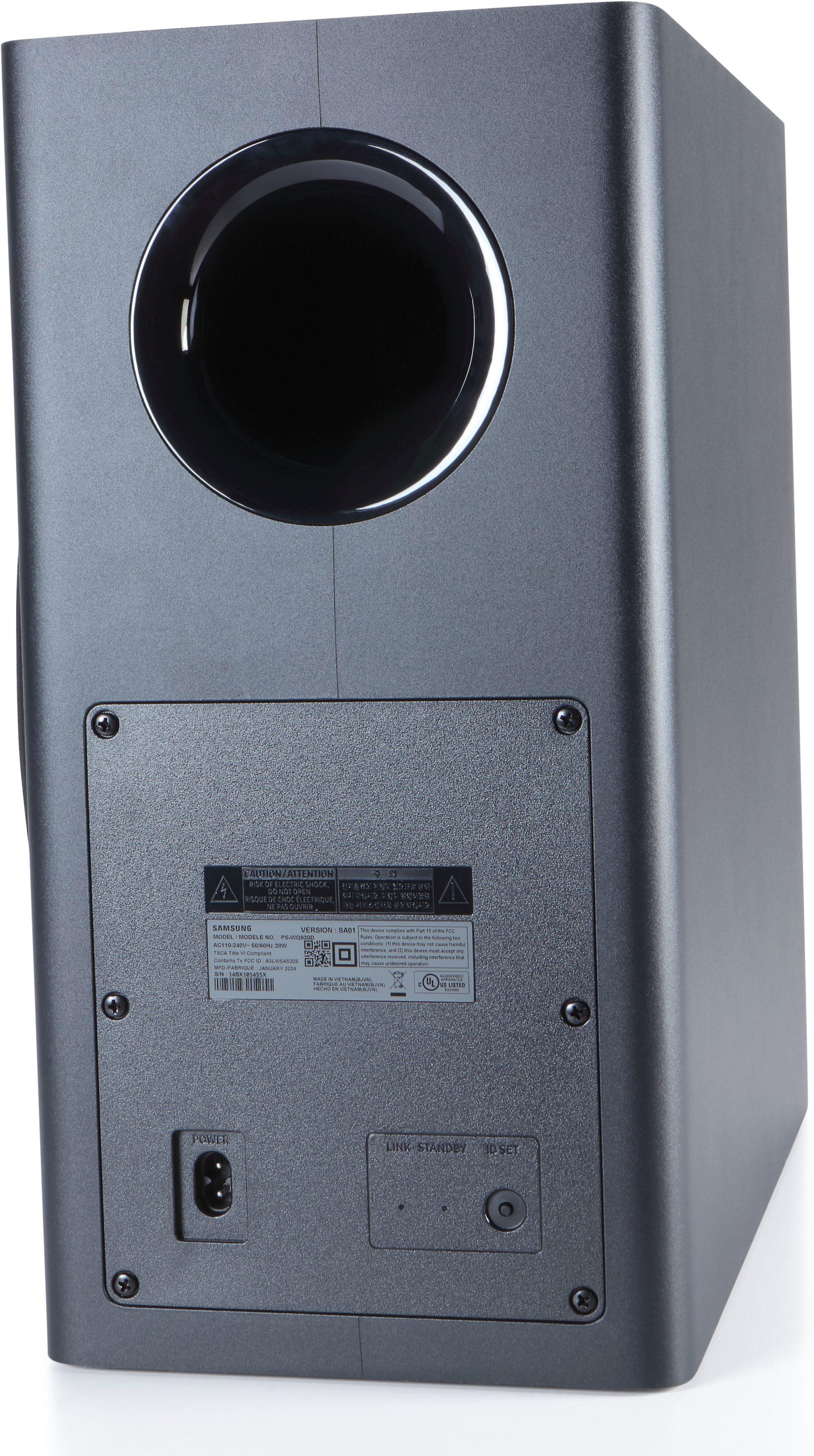
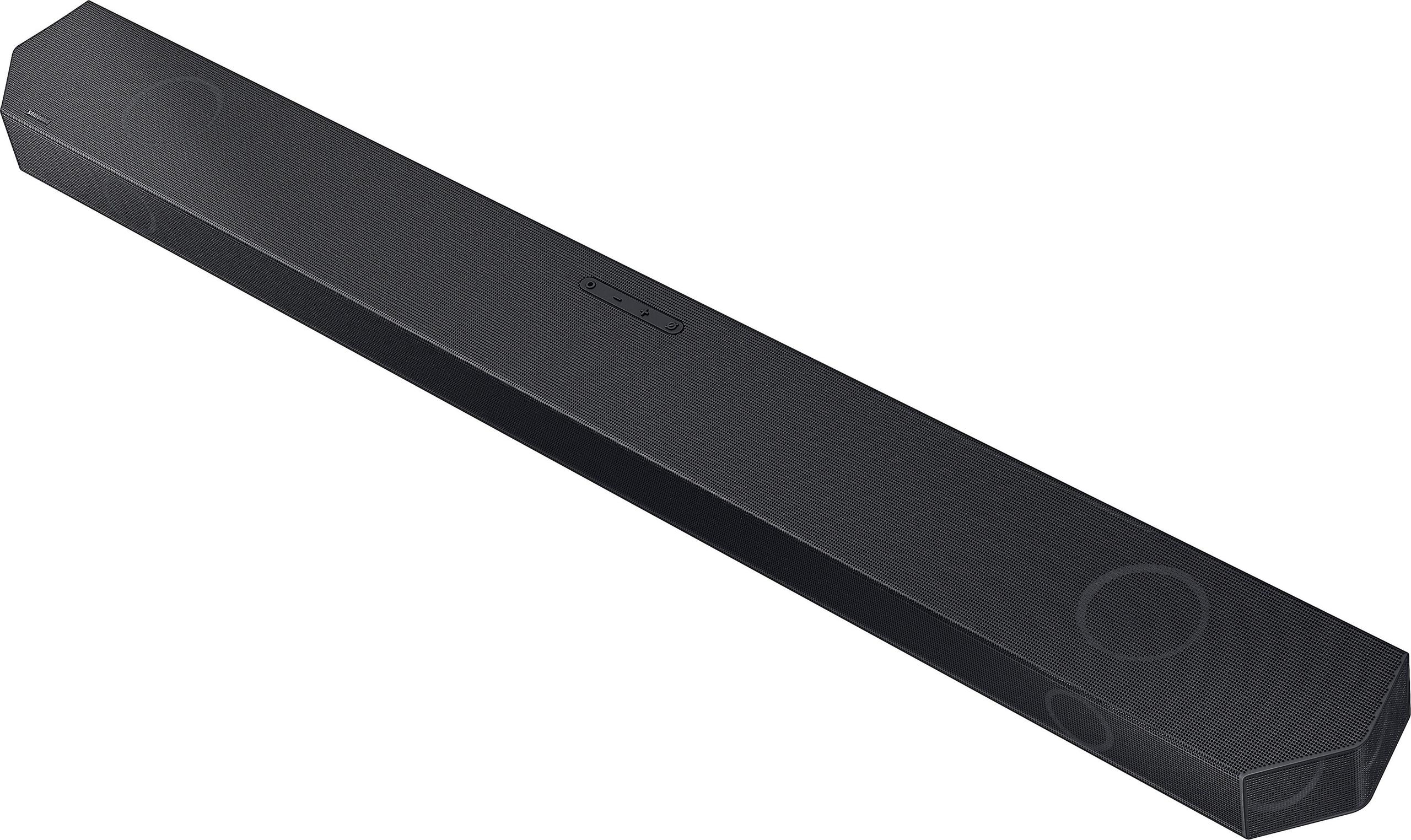

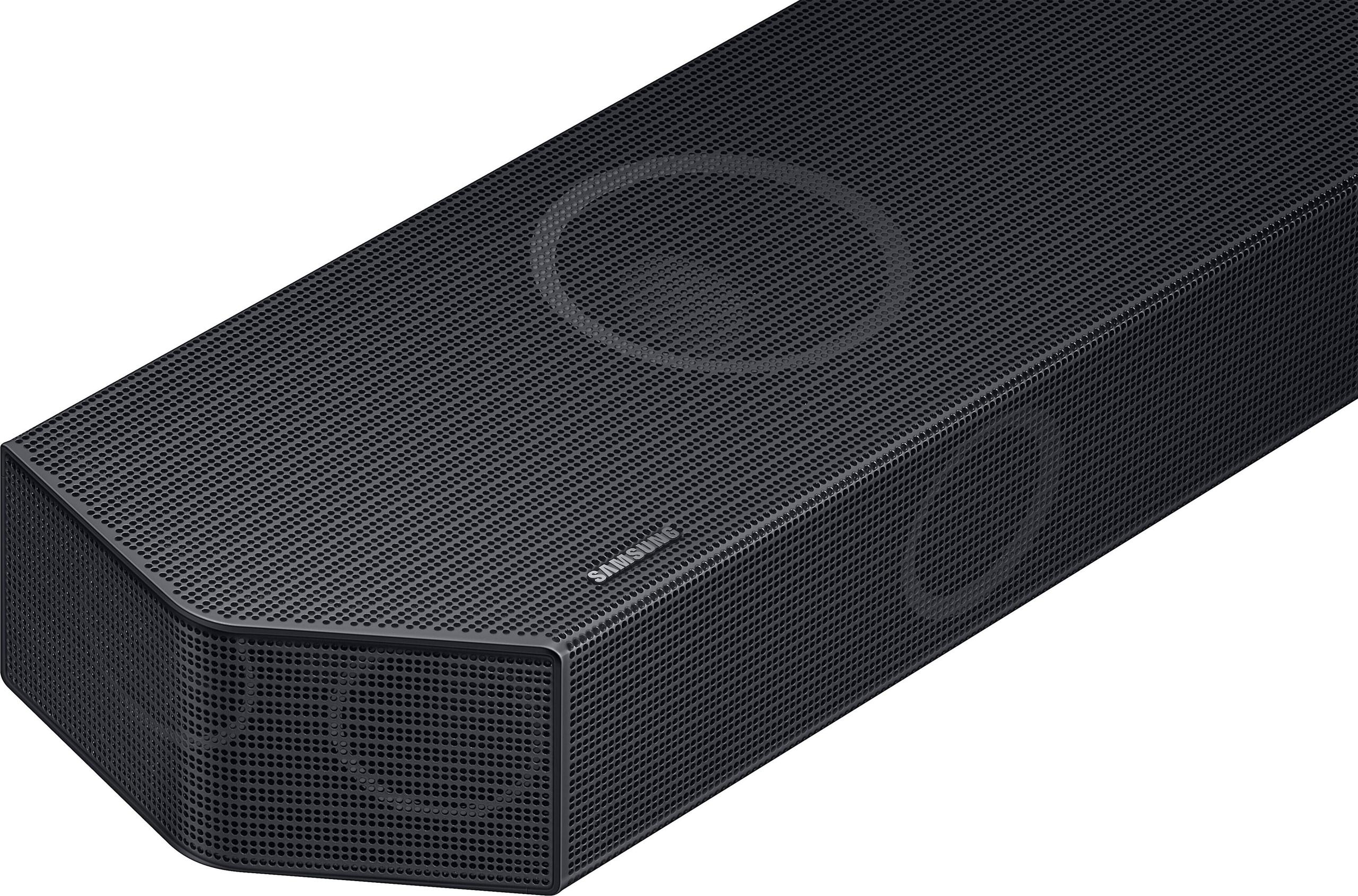




The world of soundbars has evolved dramatically over the past decade, splitting into two distinct camps that serve very different purposes. On one side, you have budget-friendly options like the Hisense HS2100 that focus on solving the fundamental problem of terrible TV audio without breaking the bank. On the other, premium systems like Samsung's Q Series 9.1.2 aim to replace traditional home theater speaker setups entirely, bringing cinema-quality audio to your living room.
Understanding this divide is crucial because these aren't just different price points of the same product—they represent fundamentally different approaches to home audio. The Hisense HS2100, released in 2023, embodies the "good enough" philosophy that has made soundbars mainstream. Meanwhile, Samsung's Q Series 9.1.2 represents the cutting edge of what's possible when manufacturers prioritize performance over price.
When you're shopping for a soundbar, you're essentially choosing between two different philosophies. Budget soundbars like the Hisense HS2100 are designed around a simple premise: your TV speakers are terrible, and almost anything will be an improvement. These systems focus on delivering clear dialogue, some bass impact, and enough volume to fill a typical living room without requiring a degree in audio engineering to set up.
Premium soundbars like the Samsung Q Series 9.1.2 take a completely different approach. They're designed to recreate the full cinematic experience in your home, supporting advanced audio formats like Dolby Atmos—a technology that places sounds in a three-dimensional space around you rather than just left and right. These systems often include multiple speakers, wireless rear channels, and sophisticated room correction technology that analyzes your space and adjusts the sound accordingly.
The key technical difference comes down to channels. The Hisense HS2100 is a 2.1 system, meaning it has two main speakers (left and right) plus one subwoofer for bass. The Samsung Q Series 9.1.2 is a 9.1.2 system—nine main speakers, one subwoofer, and two height speakers that fire sound toward the ceiling to create overhead effects. That's not just more speakers; it's an entirely different audio experience.
The performance gap between these systems becomes immediately apparent when you understand what's happening behind the scenes. The Hisense HS2100 takes whatever audio signal it receives and processes it through DTS Virtual:X technology. This system uses psychoacoustic tricks—essentially fooling your brain—to create the impression of surround sound from just two speakers plus a subwoofer. It works reasonably well, especially considering the limitations, but it's still a simulation.
Our research into professional reviews and user feedback consistently shows that the Hisense HS2100 delivers what most people expect from a budget soundbar. The default sound profile is warm and balanced, meaning it doesn't emphasize any particular frequency range too heavily. Dialogue comes through clearly, which is crucial since poor speech intelligibility is the main complaint people have about TV speakers. The wireless subwoofer adds genuine bass impact that's completely missing from flat-panel TVs.
However, the limitations become apparent when you push the system or listen critically. The frequency response officially ranges from 45Hz to 20kHz, which sounds comprehensive but tells only part of the story. That 45Hz lower limit means you're missing the deepest bass frequencies that make explosions rumble through your chest in movie theaters. The compression artifacts that appear at higher volumes—where the sound becomes slightly squashed and less dynamic—remind you that this is still a budget system.
The Samsung Q Series 9.1.2 operates in a different league entirely. With true Dolby Atmos and DTS:X support, it can process object-based audio—a technology where sound effects are treated as individual objects that can be placed anywhere in a three-dimensional space. When a helicopter flies overhead in a movie, the Samsung system can actually make it sound like it's above you, using its dedicated height speakers to bounce sound off your ceiling.
The difference in bass performance is equally dramatic. While the Hisense HS2100 includes Auto EQ technology that helps optimize the subwoofer's output, the Samsung Q Series 9.1.2 features SpaceFit Sound+, which uses microphones to analyze your room's acoustics and adjust the entire system accordingly. This isn't just about making the bass louder or quieter—it's about correcting for the way your room's dimensions and furniture affect how sound waves interact.
The technical sophistication gap between these systems reflects years of audio engineering advancement. The Hisense HS2100 uses relatively straightforward digital signal processing to enhance its 2.1 output. Its six sound modes—Movie, Music, News, Sport, Night, and Game—essentially apply different equalization curves that emphasize certain frequencies over others. The Night mode, for example, compresses dynamic range so explosions won't wake your neighbors while keeping dialogue audible.
Samsung's Q Series 9.1.2 incorporates significantly more advanced processing. Q-Symphony technology allows the soundbar to work in tandem with compatible Samsung TVs, using both the TV's speakers and the soundbar simultaneously to create a more expansive soundstage. This coordination requires precise timing and frequency management to avoid phase cancellation—where sound waves interfere with each other destructively.
The Active Voice Amplifier (AVA) technology in the Samsung system represents another level of sophistication. Rather than simply boosting mid-range frequencies where voices live, AVA analyzes the audio content in real-time and dynamically adjusts voice clarity based on the complexity of the soundtrack. During quiet dialogue scenes, it might barely intervene, but during action sequences with lots of competing sounds, it becomes more aggressive in ensuring speech remains intelligible.
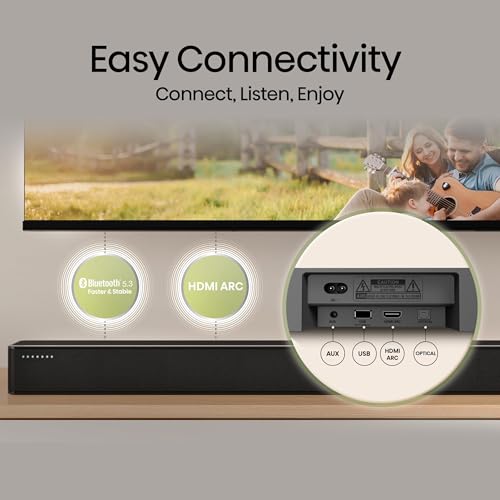
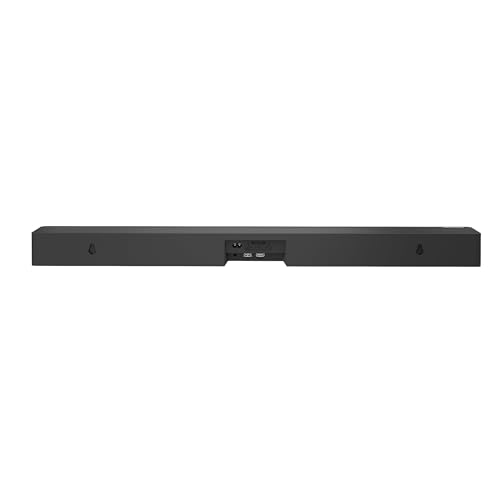
Connectivity options also reflect the different approaches. The Hisense HS2100 includes the basics: HDMI ARC, optical input, analog input, and Bluetooth 5.3. The Roku TV Ready feature is particularly useful, allowing you to control the soundbar with your Roku TV remote through HDMI CEC (Consumer Electronics Control) protocols. This simplifies the user experience significantly—no hunting for multiple remotes.
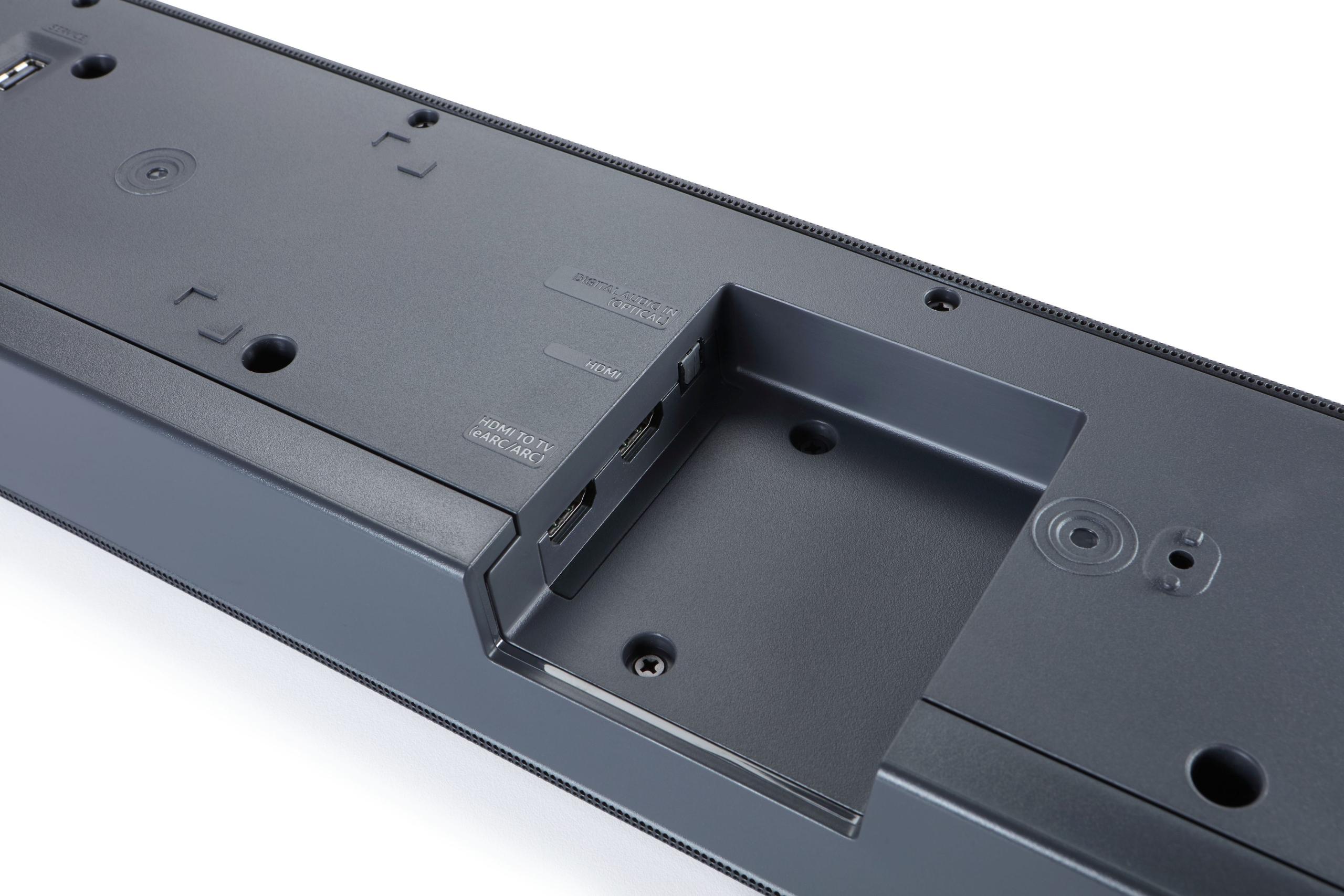
The Samsung Q Series 9.1.2 takes connectivity much further. Beyond the standard inputs, it includes Wi-Fi for wireless music streaming, support for Apple AirPlay 2, Chromecast built-in, and integration with SmartThings for smart home control. The system can receive Dolby Atmos signals wirelessly from compatible Samsung TVs, eliminating the need for cables while maintaining full audio fidelity.
Based on extensive review analysis and user feedback, the performance differences between these systems become clear in specific scenarios. For television and movie watching, the Hisense HS2100 provides a satisfying upgrade from TV speakers without overwhelming complexity. Dialogue is clear and natural-sounding, and the dedicated subwoofer adds weight to explosions and musical scores that's completely absent from built-in TV speakers.
However, the stereo limitations become apparent with complex soundtracks. Multi-channel audio gets downmixed to stereo, so you lose the discrete surround effects that filmmakers intended. Sounds that should come from behind you still appear to originate from the front of the room, though the DTS Virtual:X processing does create a sense of width that extends beyond the physical soundbar.
The Samsung Q Series 9.1.2 delivers genuine surround sound that can be revelatory if you've never experienced proper home theater audio. Sound effects move convincingly around the room, and the height channels create an authentic sense of overhead space. The difference is particularly dramatic with action movies and video games where directional audio cues are important.
For music listening, the gap narrows somewhat. The Hisense HS2100 actually performs quite well with stereo music content, offering a balanced presentation that works across genres. The bass response is adequate for most music, though electronic and hip-hop tracks that rely heavily on sub-bass might leave you wanting more extension.
The Samsung system provides more sophisticated stereo imaging and better frequency extension, but the difference isn't as dramatic as it is with surround content. Both systems can get loud enough to fill a typical living room, though the Samsung handles high volumes with less compression and distortion.
The user experience differs significantly between these approaches. The Hisense HS2100 embodies the plug-and-play philosophy that has made soundbars popular. The wireless subwoofer pairs automatically, HDMI ARC setup is straightforward, and the six sound modes provide enough customization for most users without overwhelming them with choices.
There are some quirks worth noting. Switching between sound modes causes a brief audio pause while the system reconfigures, which can be annoying if you like to experiment with different settings. The basic LED indicator system works but doesn't provide as much information as a full display would.
The Samsung Q Series 9.1.2 requires more initial setup but rewards the effort with superior performance. The SpaceFit Sound+ calibration process involves playing test tones while microphones analyze your room's acoustic signature. This data allows the system to compensate for factors like hard surfaces that cause reflections or furniture that absorbs certain frequencies.
The SmartThings app provides extensive control over the system's behavior, including detailed EQ settings, room correction adjustments, and integration with other smart home devices. This flexibility comes with complexity—there are enough settings to overwhelm casual users who just want better TV sound.
At the time of writing, the Hisense HS2100 represents exceptional value in the budget soundbar category, typically priced under $150. For that investment, you get a meaningful improvement over TV audio that includes genuine bass response and clear dialogue reproduction. When compared to other options in this price range, the inclusion of a wireless subwoofer and support for modern Bluetooth standards makes it particularly attractive.
The Samsung Q Series 9.1.2 commands premium pricing, often costing five to six times more than the Hisense option. This positions it against other high-end audio solutions, including traditional component systems with separate speakers and receivers. The value proposition depends heavily on your priorities and expectations.
For someone upgrading from basic TV speakers, the Hisense HS2100 delivers most of the benefits people seek from a soundbar—better dialogue, actual bass response, and sufficient volume—at a fraction of the cost. The limitations only become apparent when compared directly to more sophisticated systems.
The Samsung Q Series 9.1.2 justifies its premium pricing through features that genuinely enhance the viewing experience for those who prioritize audio quality. The overhead effects in Dolby Atmos content, the room correction technology, and the seamless integration with Samsung's ecosystem provide value that budget alternatives simply cannot match.
The performance gap extends to gaming scenarios as well. The Hisense HS2100 includes a dedicated Game mode that aims to reduce audio latency and enhance directional cues, but the fundamental stereo limitations remain. While perfectly adequate for casual gaming, it can't provide the spatial audio advantages that competitive gamers often seek.
The Samsung Q Series 9.1.2 includes Game Mode Pro, which not only reduces latency but leverages the system's true surround capabilities to provide genuine directional audio. In first-person shooters or competitive games where audio cues matter, the ability to accurately locate sounds can provide a real advantage.
The choice between these systems ultimately depends on your expectations, budget, and living situation. The Hisense HS2100 makes sense for anyone seeking a significant improvement over TV audio without major financial commitment. It's ideal for apartments, secondary rooms, or situations where the additional complexity of a premium system isn't warranted.
If your TV viewing primarily consists of news, talk shows, and casual entertainment, the Hisense system provides everything you need. The clear dialogue reproduction and adequate bass response will enhance your experience without overwhelming your space or wallet.
The Samsung Q Series 9.1.2 justifies its premium positioning for serious movie enthusiasts, gamers, and music lovers who want the closest approximation to theatrical audio in their homes. The investment makes particular sense if you already own or plan to purchase Samsung displays that can take advantage of Q-Symphony technology.
Room size also factors significantly into the decision. The Hisense HS2100 works well in smaller to medium-sized rooms where its stereo presentation can adequately fill the space. Larger rooms benefit more from the Samsung system's ability to create genuine surround effects and room-filling audio.
Consider your content consumption patterns as well. If you primarily stream television shows and occasional movies, the Hisense HS2100 provides sufficient enhancement. If you regularly watch action movies, play immersive games, or listen to music critically, the Samsung Q Series 9.1.2 offers capabilities that justify the additional investment.
Both systems represent sound engineering within their respective market segments, but they're solving different problems for different users. Understanding which problem you're actually trying to solve—basic TV audio improvement or comprehensive home theater replacement—will guide you toward the right choice for your specific needs and expectations.
| Hisense HS2100 | Samsung Q Series 9.1.2 |
|---|---|
| Channel Configuration - Determines surround sound capabilities and immersion level | |
| 2.1 channels (stereo + subwoofer) | 9.1.2 channels (true surround with height speakers) |
| Audio Format Support - Essential for modern streaming and Blu-ray content | |
| Dolby Digital/Plus, DTS Virtual:X (simulated surround) | Dolby Atmos, DTS:X (genuine object-based 3D audio) |
| Total Power Output - Affects maximum volume and dynamic range | |
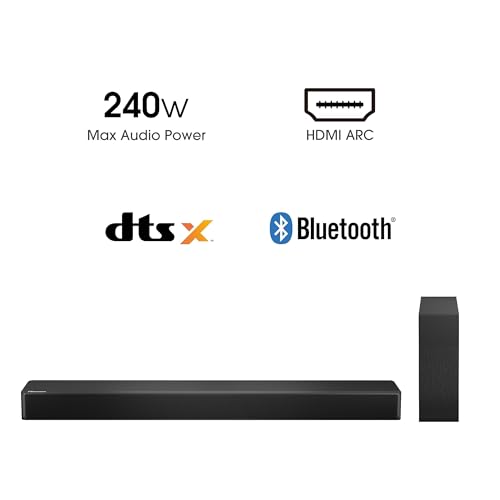
| 240W (adequate for small-medium rooms) | Higher wattage (scales to large rooms and reference levels) |
| Subwoofer Design - Impact on bass performance and room placement flexibility | |
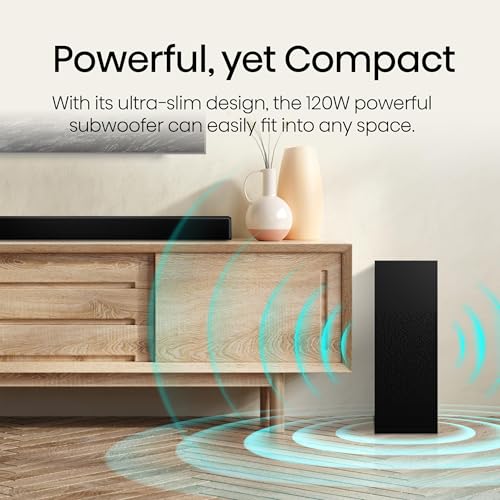
| Ultra-thin 5.25" wireless sub (120W, fits tight spaces) | Larger wireless sub with room correction (deeper extension) |
| Smart Features - Convenience and integration capabilities | |
| Roku TV Ready, basic auto power management | Q-Symphony, SpaceFit Sound+, SmartThings integration |
| Physical Speakers - Determines authentic surround vs. virtual processing | |
| Soundbar only (relies on psychoacoustic tricks) | Includes wireless rear speakers and height channels |
| Room Calibration - Optimizes sound for your specific space | |
| Basic Auto EQ for subwoofer only | Advanced SpaceFit Sound+ analyzes entire room acoustics |
| Gaming Features - Important for console and PC gaming | |
| Basic Game mode (reduced latency) | Game Mode Pro with true directional audio |
| Connectivity Options - Affects compatibility with devices and streaming | |
| HDMI ARC, optical, AUX, Bluetooth 5.3 | HDMI eARC, Wi-Fi, AirPlay 2, Chromecast built-in |
| Setup Complexity - Time investment vs. performance optimization | |
| Plug-and-play simplicity (minimal configuration) | Advanced setup with app control and calibration |
| Target Market - Best fit based on needs and expectations | |
| First-time upgraders seeking TV audio improvement | Home theater enthusiasts wanting cinema-quality sound |
| Value Proposition - Cost-benefit analysis for different user types | |
| Exceptional upgrade per dollar spent | Premium investment for uncompromising audio experience |
The Hisense HS2100 is a basic 2.1 channel soundbar that simulates surround sound, while the Samsung Q Series 9.1.2 is a premium system with actual rear speakers and height channels for true Dolby Atmos. The Samsung provides genuine 360-degree audio, whereas the Hisense relies on virtual processing to create a wider soundstage.
The Hisense HS2100 is ideal for smaller spaces due to its compact design and simplified setup. Its 2.1 configuration provides excellent dialogue clarity and bass improvement without overwhelming small rooms. The Samsung Q Series 9.1.2 is designed for larger spaces and may be overkill for compact living situations.
No, only the Samsung Q Series 9.1.2 supports true Dolby Atmos with overhead sound effects. The Hisense HS2100 supports Dolby Digital and DTS Virtual:X, which simulates surround sound but cannot reproduce authentic Atmos height effects that bounce sound off your ceiling.
The Hisense HS2100 offers exceptional value for budget-conscious buyers, providing significant audio improvement over TV speakers at an entry-level price point. The Samsung Q Series 9.1.2 provides better value for serious home theater enthusiasts who prioritize premium features and authentic surround sound over cost savings.
The Hisense HS2100 includes a wireless 5.25" subwoofer that handles most bass needs adequately for movies and music. The Samsung Q Series 9.1.2 features a more powerful subwoofer with room correction technology, delivering deeper bass extension and more precise low-frequency control for demanding content.
The Hisense HS2100 offers plug-and-play simplicity with automatic subwoofer pairing and basic sound modes. The Samsung Q Series 9.1.2 requires more initial setup including room calibration and rear speaker placement, but provides extensive customization options through its smartphone app.
Yes, both soundbars support wireless music streaming. The Hisense HS2100 uses Bluetooth 5.3 for phone connectivity, while the Samsung Q Series 9.1.2 offers Bluetooth plus Wi-Fi options including AirPlay 2, Chromecast, and direct streaming service integration for higher audio quality.
The Samsung Q Series 9.1.2 excels for gaming with its Game Mode Pro feature and true directional audio that helps locate enemies and sound cues accurately. The Hisense HS2100 includes a basic Game mode but cannot provide the spatial audio advantages that competitive gamers often need.
The Hisense HS2100 works equally well with any TV brand through HDMI ARC, optical, or analog connections. The Samsung Q Series 9.1.2 also works with other TV brands but offers enhanced features like Q-Symphony only when paired with compatible Samsung televisions.
Both soundbars significantly improve dialogue clarity over TV speakers. The Hisense HS2100 provides clear voice reproduction with a dedicated News mode for speech-heavy content. The Samsung Q Series 9.1.2 features Active Voice Amplifier technology that dynamically adjusts voice clarity based on the complexity of the soundtrack.
The Samsung Q Series 9.1.2 is specifically designed for larger spaces with its multi-speaker configuration and room-filling surround sound capabilities. The Hisense HS2100 works best in small to medium rooms where its stereo presentation can adequately cover the listening area without requiring additional speakers.
The Samsung Q Series 9.1.2 already includes rear speakers and represents a complete surround system, though some models support additional Samsung wireless speakers. The Hisense HS2100 cannot be expanded with additional speakers, as it's designed as a complete 2.1 system with no upgrade path to true surround sound.
We've done our best to create useful and informative comparisons to help you decide what product to buy. Our research uses advanced automated methods to create this comparison and perfection is not possible - please contact us for corrections or questions. These are the sites we've researched in the creation of this article: rtings.com - shop.hisense-usa.com - bestbuy.com - content.syndigo.com - bestbuy.com - hisensedealers.co.ke - stuff.co.za - dtc-aus-api.hisense.com - youtube.com - manuals.plus - youtube.com - bestbuy.com - youtube.com - gallifurniture.com - hisense-usa.com - manuals.plus - uk.hisense.com - device.report - youtube.com - costco.ca - elmcreekwsa.com - gallifurniture.com - rtings.com - samsung.com - markselectrical.co.uk - techradar.com - walmart.com - samsung.com - samsung.com - youtube.com - samsung.com - biancos.com - crutchfield.com - samsung.com

Privacy Policy
Terms and Conditions - Affiliate Policy
Home Security
© Copyright 2008-2026.
11816 Inwood Rd #1211, Dallas, TX 75244