

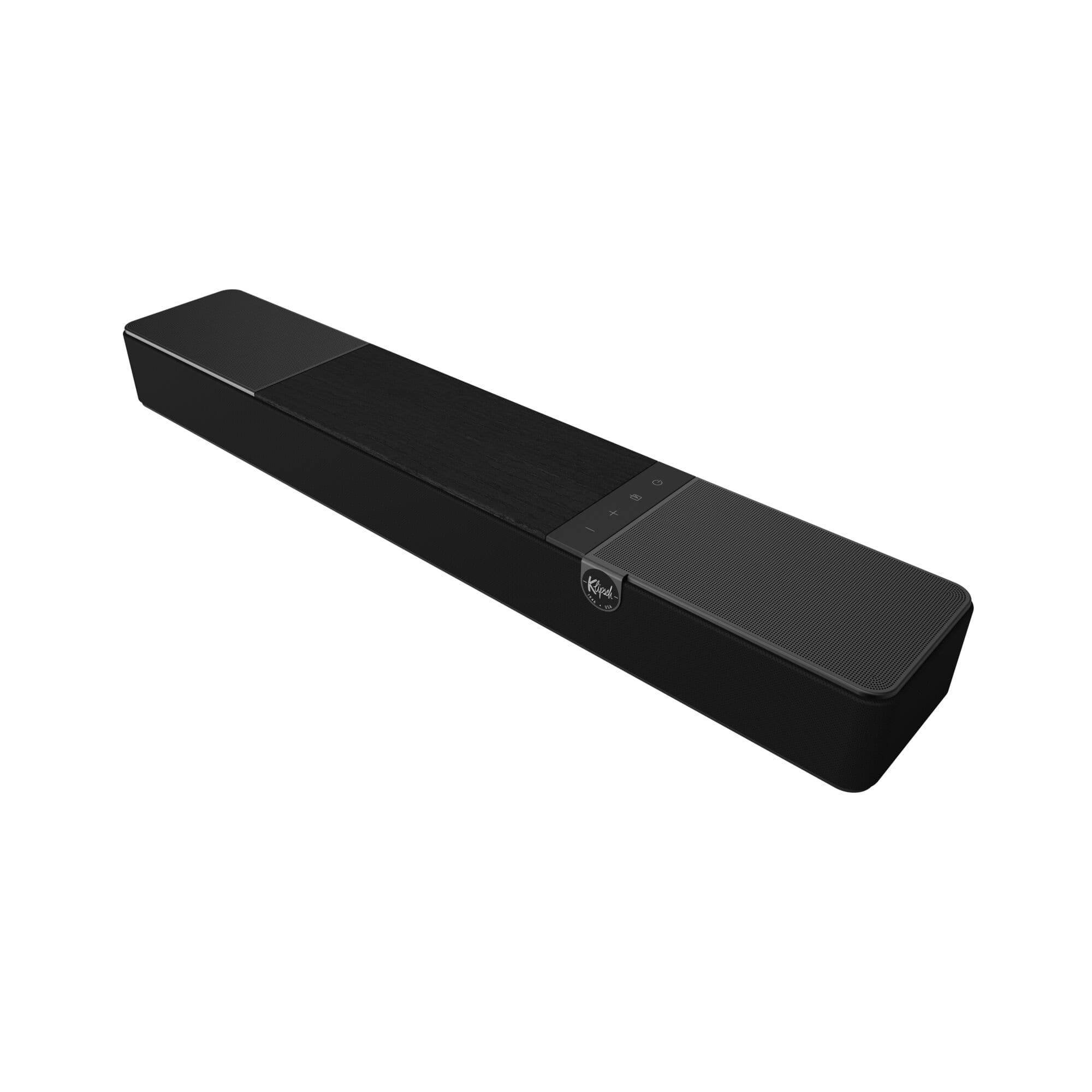

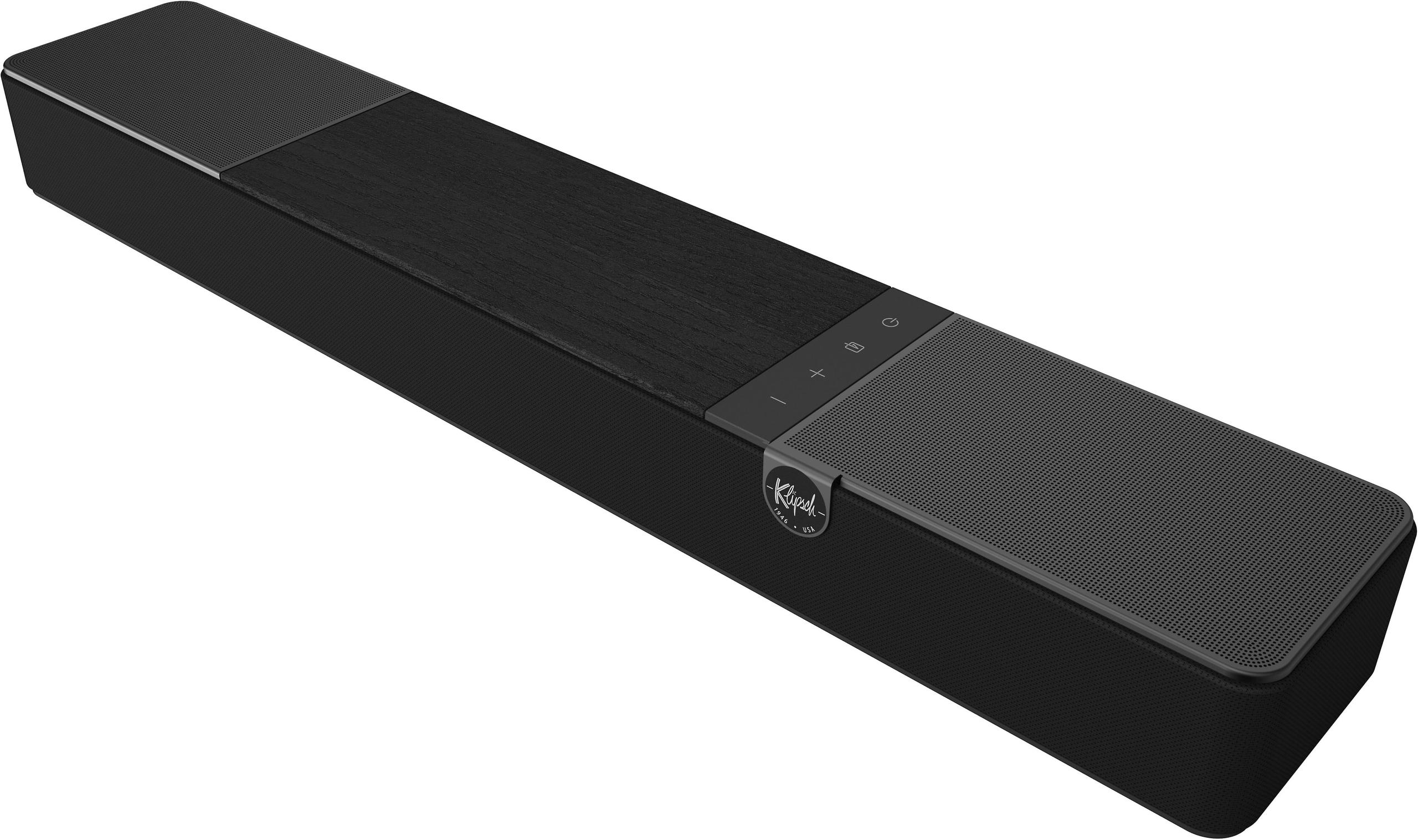







When your TV's built-in speakers make dialogue sound like it's coming through a tin can, it's time for an upgrade. But with soundbar options ranging from budget basics to premium powerhouses, finding the right fit can feel overwhelming. Today, we're diving deep into two popular compact soundbars that take completely different approaches to solving your audio woes: the Sonos Ray and the Klipsch Flexus Core 100.
At the time of writing, these soundbars sit in similar price ranges but couldn't be more different in their philosophies. One prioritizes smart streaming and ecosystem integration, while the other focuses on raw audio performance and home theater impact. Understanding these differences is crucial to making the right choice for your setup.
Before we dive into specifics, let's talk about what makes compact soundbars special. Unlike their larger siblings that stretch across your entire entertainment center, compact soundbars prioritize space efficiency while still delivering a meaningful upgrade over TV speakers. They're designed for apartments, bedrooms, smaller living rooms, or anywhere you want better sound without the bulk.
The key considerations when shopping in this category revolve around several critical factors. Audio performance obviously tops the list – specifically dialogue clarity (since that's what most people struggle with from TV speakers), bass response (the low-frequency rumble that makes action scenes exciting), and overall sound quality for both movies and music.
Connectivity options matter more than you might think. How the soundbar connects to your TV affects not just convenience but also audio quality and latency (the delay between what you see and hear). Smart features have become increasingly important as streaming services dominate our viewing habits. Finally, there's the question of expandability – whether you can add components later as your needs or space change.
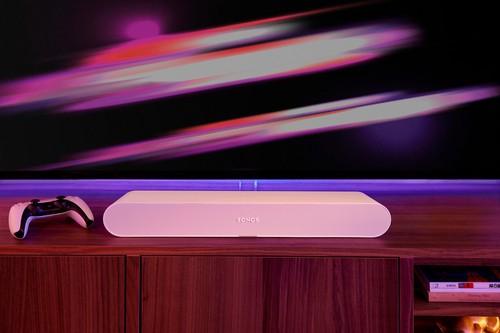
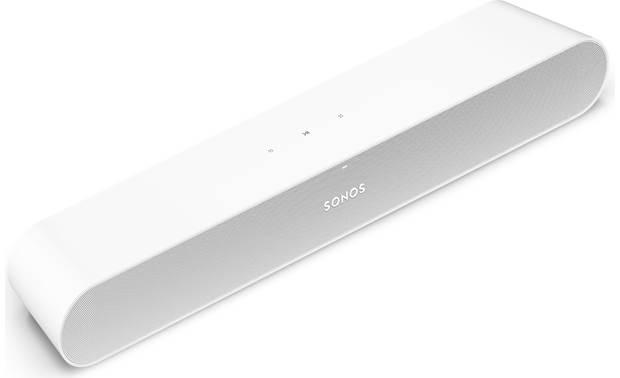
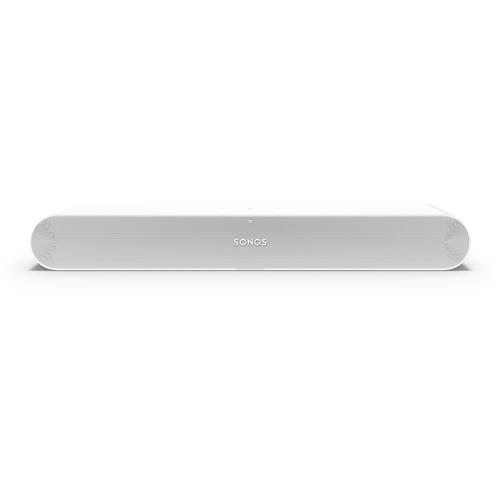
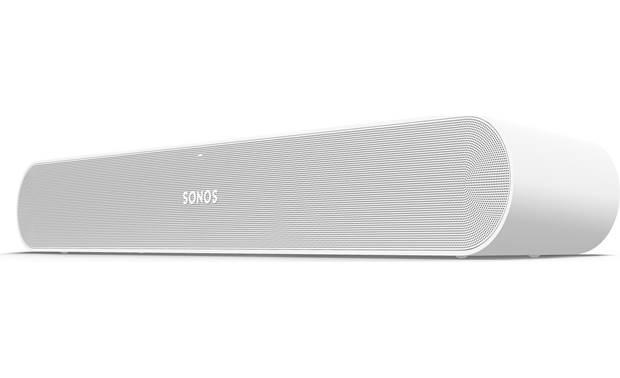
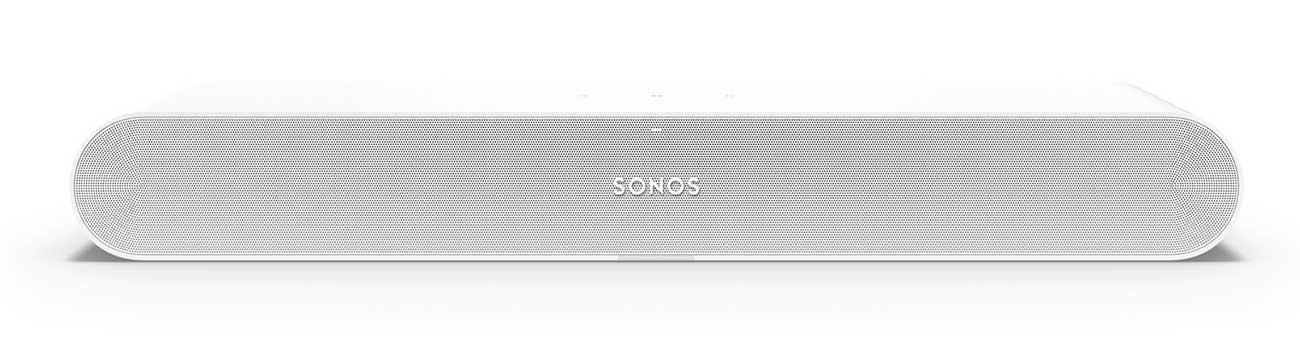
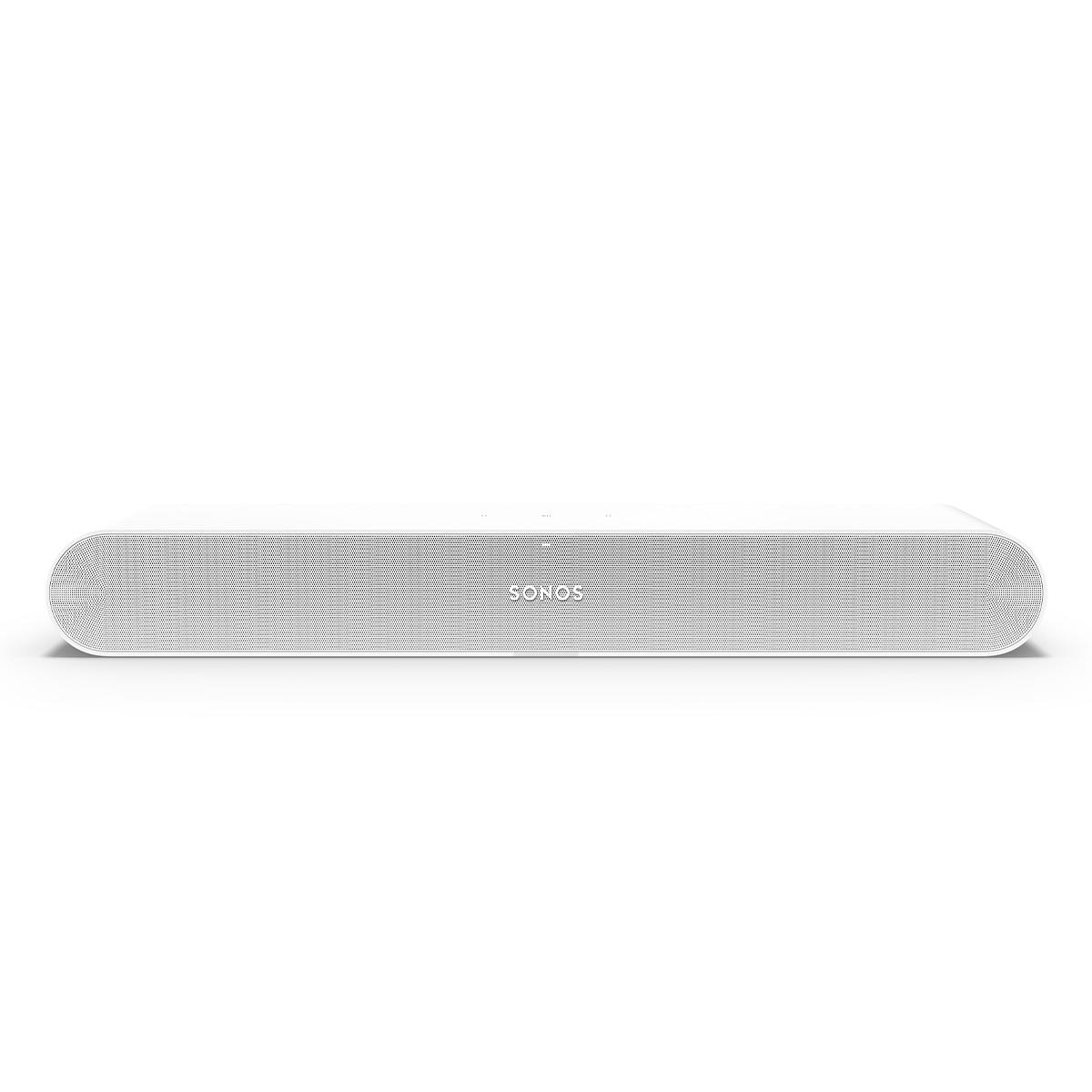
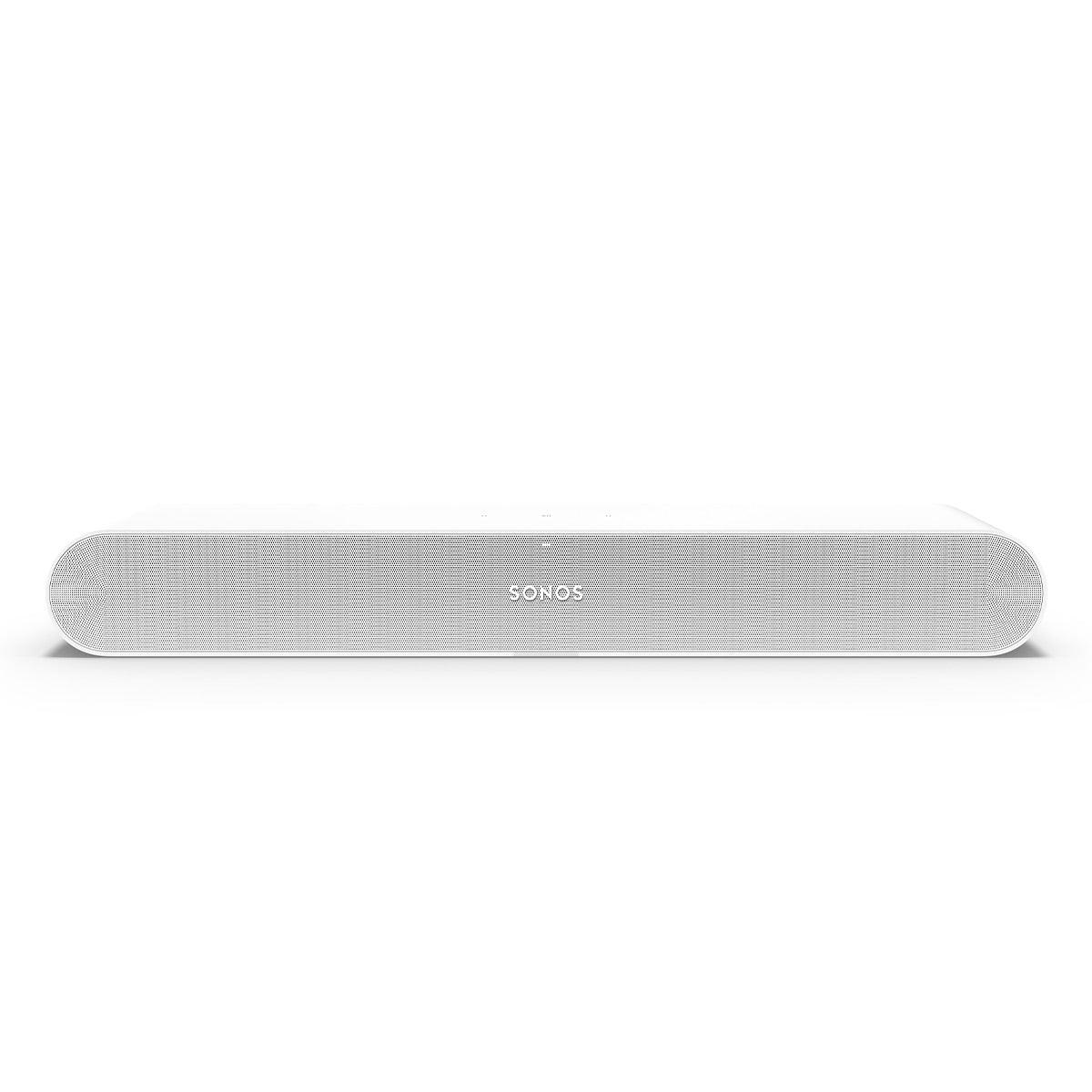
The Sonos Ray, released in 2022, represents Sonos's entry-level offering designed to bring their renowned multi-room audio ecosystem to budget-conscious buyers. Despite being their "budget" option, it carries the company's signature focus on streaming integration and software refinement that has made Sonos a household name among audio enthusiasts.
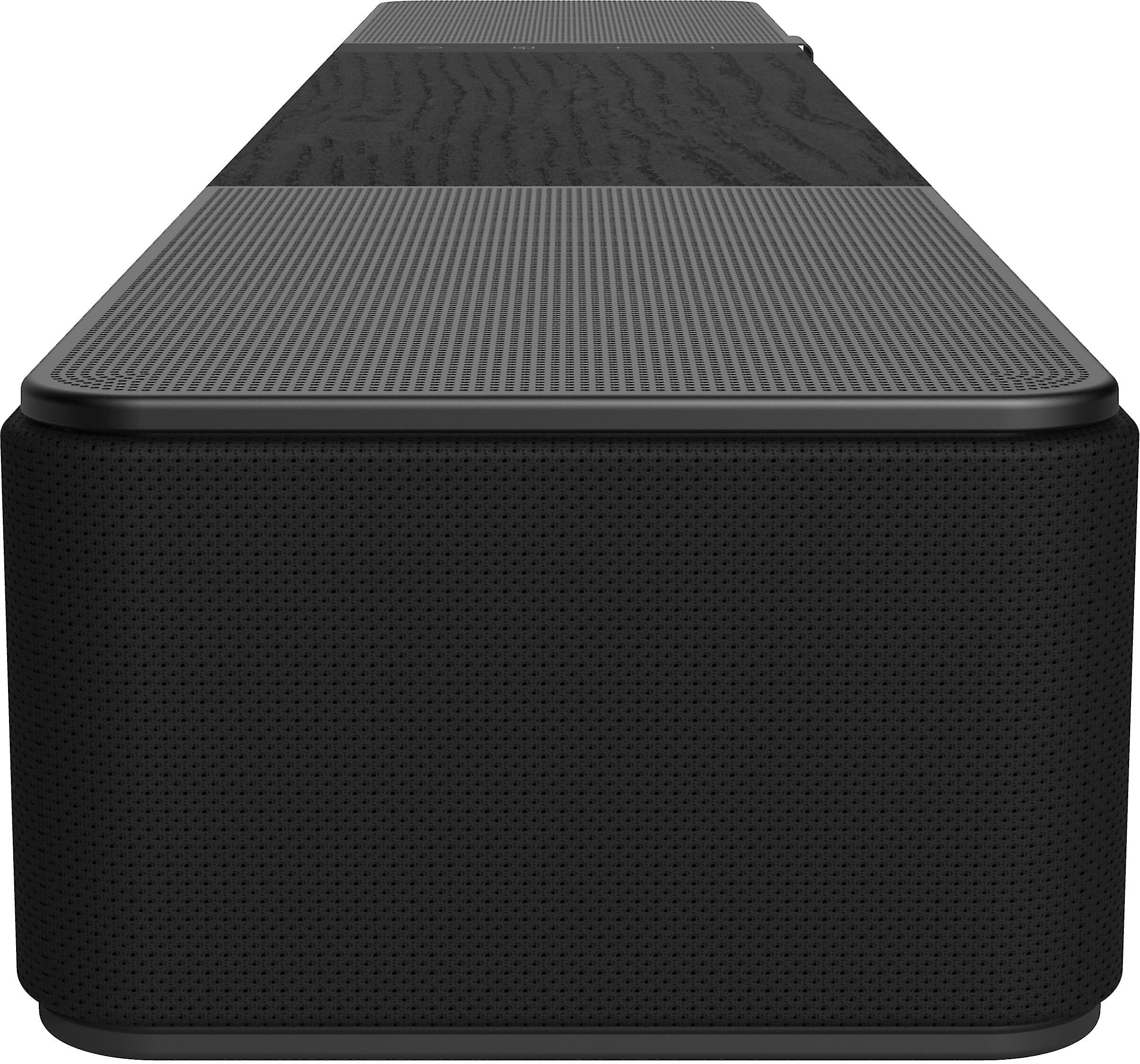
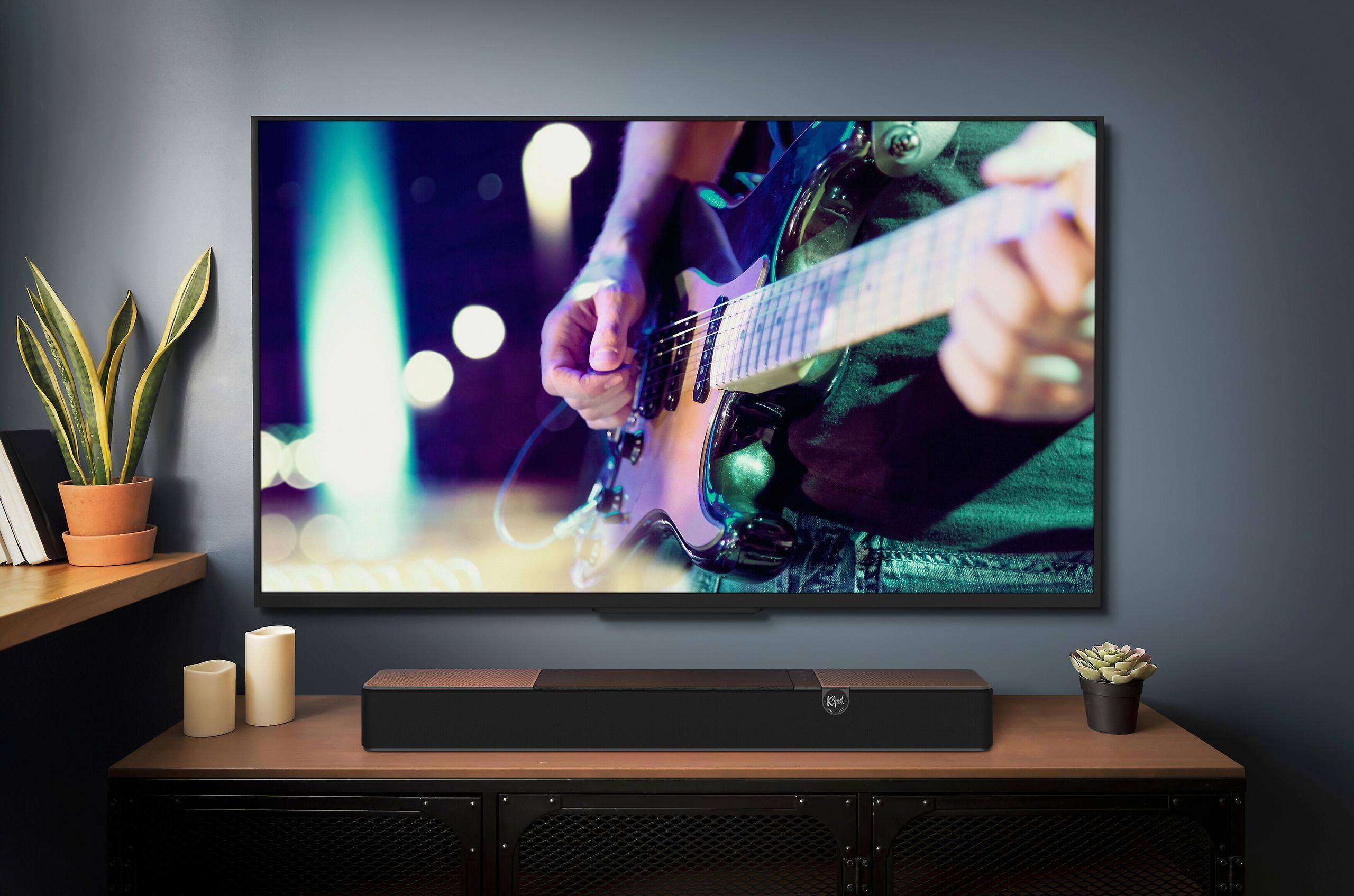
The Klipsch Flexus Core 100, arriving in 2024, showcases a more traditional hi-fi approach. Klipsch, with their 75+ year heritage in speaker manufacturing, designed this soundbar to deliver the kind of dynamic, powerful audio that made them famous in the home theater world, just in a more compact package.
These different launch years matter because they reflect evolving audio technology trends. The Sonos Ray emerged during the height of the streaming audio boom, when Wi-Fi connectivity and app-based control became table stakes. The Klipsch Flexus Core 100, launching two years later, incorporates more advanced features like Dolby Atmos processing (technology that creates three-dimensional sound by bouncing audio off your ceiling) while maintaining traditional connectivity that audiophiles prefer.
Here's where these soundbars reveal their true personalities. The Sonos Ray operates as what's called a 2.0 system – meaning it has left and right channels but no dedicated subwoofer for bass. Inside its sleek 22-inch frame, you'll find two tweeters (small speakers that handle high frequencies like cymbals and voice clarity) and two midwoofers (medium-sized drivers that handle vocals and most instruments).
This configuration makes the Sonos Ray exceptional at what I'd call "conversational audio." When you're watching a drama series where dialogue drives the story, or streaming music while working, the Ray's balanced midrange reproduction shines. The voices sound natural and clear, without the harsh brightness that plagues many budget soundbars. However, when an action sequence calls for that chest-thumping explosion or a music track drops a heavy bassline, the Ray's physical limitations become apparent.
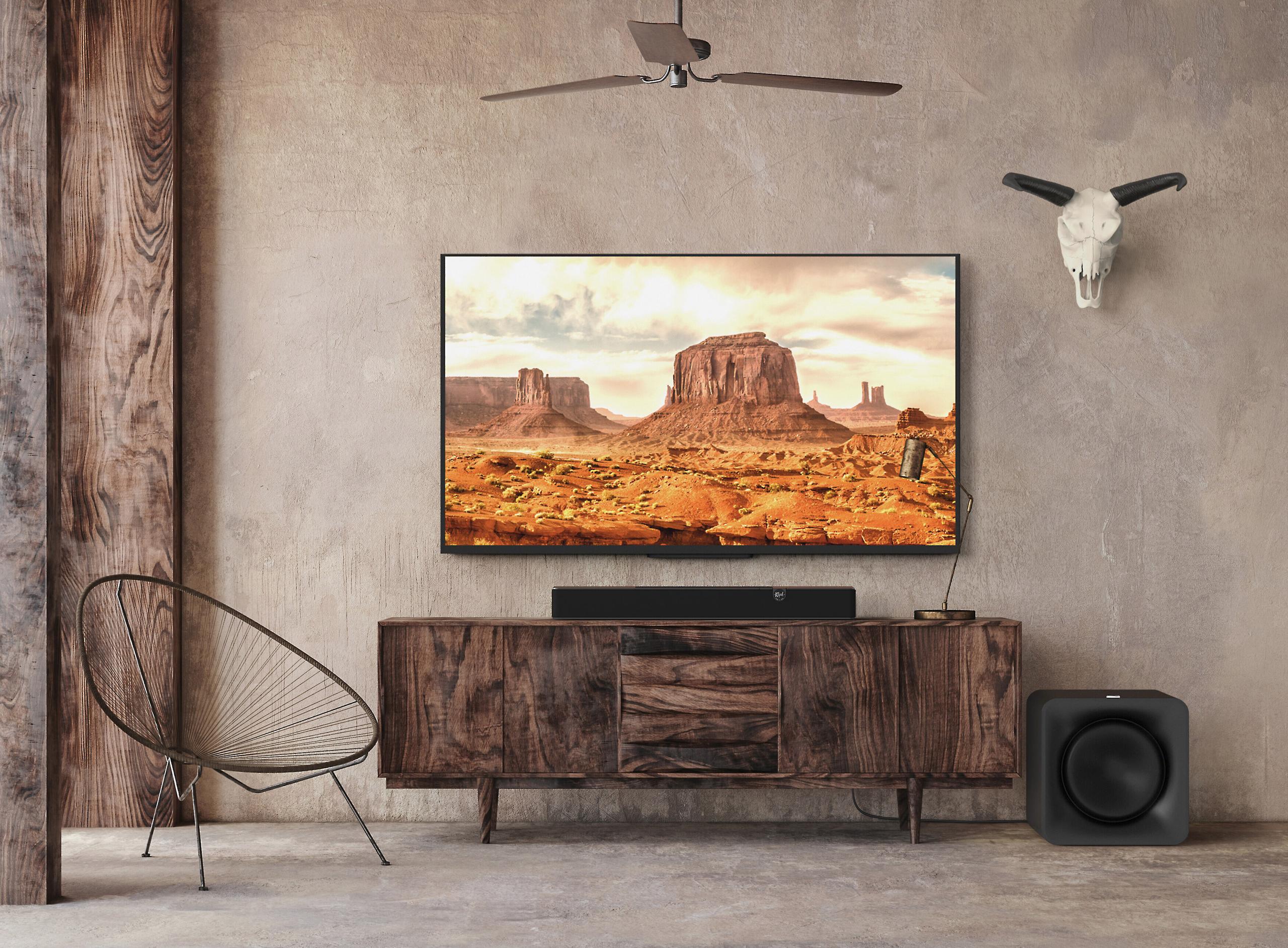
The Klipsch Flexus Core 100 takes a fundamentally different approach. This is a 2.1 system, meaning it includes dedicated bass drivers built right into the soundbar. Those dual 4-inch subwoofers aren't just marketing fluff – they deliver genuinely impactful low-end response that transforms your movie-watching experience. When that T-Rex stomps across the screen or a car chase scene erupts in explosions, you'll feel it in your chest.
But raw power isn't the only difference. The Klipsch Flexus Core 100 supports Dolby Atmos processing, which is a game-changer for modern content. Even though this is still technically a soundbar (meaning all the speakers face forward), the Atmos processing algorithms can create a sense of height and spatial dimension that makes movie soundtracks more immersive. When rain falls in a scene, it sounds like it's coming from above rather than just from the front of your room.
Since most people buy soundbars primarily to fix muddy TV dialogue, this deserves special attention. Both soundbars excel here, but through different methods.
The Sonos Ray achieves crystal-clear dialogue through careful frequency tuning and a dedicated dialogue enhancement mode. The balanced midrange means voices sound natural without needing processing tricks. When you enable dialogue enhancement, it subtly boosts the frequency ranges where human speech lives, making conversations pop without sounding artificial.
The Klipsch Flexus Core 100 leverages what the company calls horn-loaded tweeter technology – essentially, the high-frequency speakers use specially shaped chambers to focus sound directly at your listening position. This creates exceptional clarity and detail, though some listeners might find it slightly more aggressive than the Sonos's gentler approach.
In my experience, both deliver excellent dialogue clarity, but the Sonos Ray feels more effortless for long listening sessions, while the Klipsch Flexus Core 100 provides more excitement and energy.
This is where the philosophical differences become most apparent. The Sonos Ray's compact design and 2.0 configuration limit its bass output significantly. For casual TV viewing and most music streaming, it's adequate – you'll hear bass guitar lines and the occasional movie rumble, but don't expect the kind of impact that makes action sequences thrilling.
The Klipsch Flexus Core 100's dual built-in subwoofers change everything. These aren't tiny drivers pretending to be subwoofers; they're legitimate 4-inch bass units that can move serious air. The frequency response extends down to 45Hz, which means you'll hear and feel the deep rumbles that make movie soundtracks exciting and music more emotionally engaging.
This difference becomes most obvious during action sequences. With the Sonos Ray, explosions sound clean but lack visceral impact. Switch to the Klipsch Flexus Core 100, and suddenly those same scenes have weight and presence that draws you deeper into the experience.
Here's where the Sonos Ray and Klipsch Flexus Core 100 reveal completely different priorities. The connectivity options each offers tell you exactly what kind of user experience they're designed to provide.
The Sonos Ray connects to your TV exclusively through optical digital connection (also called TOSLINK). This might sound limiting, but it's actually quite intentional. Sonos designed this soundbar primarily as a streaming device that happens to work with your TV. The real magic happens over Wi-Fi.
Once connected to your network, the Sonos Ray becomes part of something much larger than just a soundbar. It supports Apple AirPlay 2 (for streaming from iPhones and Macs), Spotify Connect (direct streaming without using your phone as a middleman), and Tidal Connect. The integration is seamless – you can start music on your phone, then control it from your computer or smart speaker without missing a beat.
The multi-room capabilities deserve special mention. If you have other Sonos speakers around your home, the Sonos Ray can sync with them for whole-house audio. Want to start a party playlist in your living room and have it follow you to the kitchen? Easy. This ecosystem approach has made Sonos incredibly popular among users who prioritize streaming music alongside their TV audio needs.
The Klipsch Flexus Core 100 takes a more traditional hi-fi approach. It offers both optical and HDMI eARC connections, with the latter being crucial for modern home theater setups. HDMI eARC (enhanced Audio Return Channel) carries much higher quality audio signals and supports advanced formats like Dolby Atmos with full fidelity.
More importantly for gamers, HDMI connections typically provide lower latency than optical connections. Audio latency is the delay between what happens on screen and when you hear the corresponding sound. With optical connections, this delay can be noticeable during gaming or when watching lip-sync sensitive content. HDMI eARC minimizes this delay significantly.
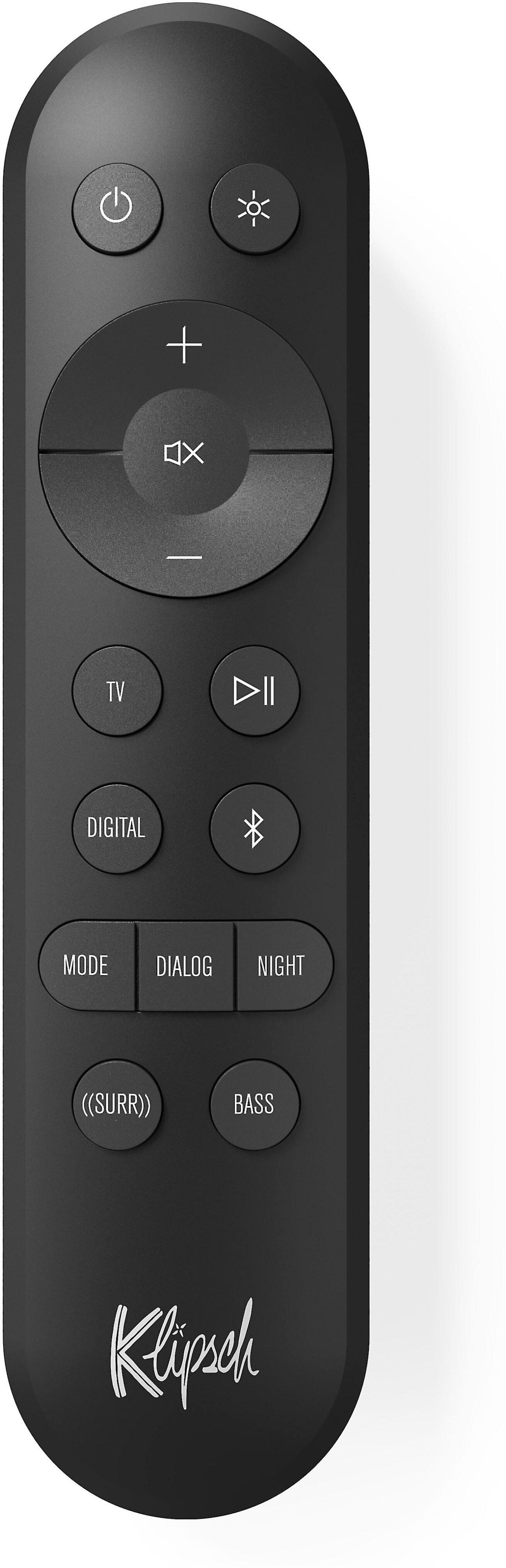
The Klipsch Flexus Core 100 also includes Bluetooth for basic wireless streaming, though it lacks the sophisticated Wi-Fi streaming capabilities of the Sonos Ray.
The smart feature gap between these soundbars is enormous and reflects their different target audiences perfectly.
The Sonos Ray runs a full operating system that receives regular updates adding new features and streaming service integrations. The Sonos S2 app provides comprehensive control over audio settings, streaming sources, and multi-room functionality. The interface is intuitive enough for tech novices but sophisticated enough to satisfy demanding users.
One standout feature is Trueplay room correction. Using an iPhone or iPad, you can walk around your room while the app plays test tones. The Sonos Ray then analyzes how sound bounces off your walls, furniture, and ceiling, automatically adjusting its output to optimize performance for your specific space. This kind of acoustic adaptation was previously limited to high-end receivers costing thousands of dollars.
The Klipsch Flexus Core 100 offers a more straightforward experience through the Klipsch Connect Plus app. You can adjust EQ settings and control basic functions, but the focus remains on audio performance rather than smart home integration. There's no multi-room capability, no advanced room correction, and fewer streaming service integrations.
Some users actually prefer this simpler approach. If you want a soundbar that just works without learning new apps or managing ecosystem complexities, the Klipsch philosophy might appeal more.
Physical dimensions tell only part of the story. The Sonos Ray's compact 22-inch width and 4-pound weight make it ideal for smaller spaces where a larger soundbar would overwhelm the room visually or acoustically. Its controlled bass output means you won't disturb neighbors in apartments or wake family members during late-night viewing sessions.
I've found the Sonos Ray particularly effective in bedrooms, home offices, or secondary living spaces where background music streaming is as important as TV audio enhancement. The night sound mode intelligently reduces the dynamic range (the difference between loud and quiet sounds) so you can watch action movies at reasonable volumes without losing dialogue clarity.
The Klipsch Flexus Core 100's 28-inch width and 10-pound heft signal its intention for medium-sized living rooms where you want to fill the space with sound. The dual subwoofers can pressurize rooms up to about 400 square feet effectively, creating that enveloping audio experience that makes movie night special.
However, all that extra power means the Klipsch Flexus Core 100 can easily overpower smaller spaces. In a bedroom or small apartment, it might produce too much bass, potentially causing vibrations through walls or overwhelming the room's acoustics.
For serious gamers, audio latency can make the difference between victory and defeat. When you're playing competitive online games, every millisecond matters, and even slight audio delays can throw off your timing.
The Klipsch Flexus Core 100's HDMI eARC connection provides significantly lower latency than the Sonos Ray's optical-only setup. In fast-paced games where audio cues help you locate enemies or time actions perfectly, this technical advantage translates to better performance.
Beyond latency, the Klipsch Flexus Core 100's more powerful drivers and bass response make games more immersive. Explosions have impact, gunshots have authority, and environmental audio feels more realistic. The Dolby Atmos processing can even provide subtle positional audio cues that help with spatial awareness in games.
The Sonos Ray isn't terrible for gaming, but it's clearly not optimized for this use case. Casual gamers who primarily play single-player adventures or puzzle games won't notice significant limitations, but competitive multiplayer enthusiasts should strongly consider the Klipsch Flexus Core 100.
Both soundbars offer expansion paths, but through different approaches that reflect their core philosophies.
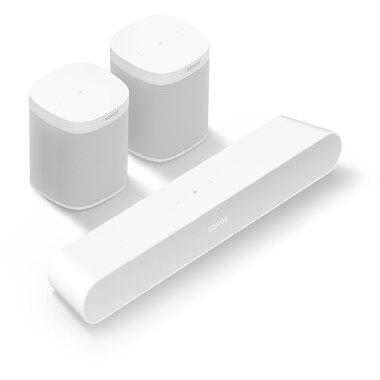
The Sonos Ray can grow into a full surround sound system by adding a Sonos Sub (wireless subwoofer) and Sonos surrounds (rear channel speakers). The integration is seamless – everything connects wirelessly and appears as a single system in the app. This modularity means you can start small and expand as your budget or space allows.
However, Sonos components aren't cheap. Building a complete surround system around the Sonos Ray represents a significant investment, though the result is a sophisticated system that maintains the convenience and smart features that make Sonos appealing.
The Klipsch Flexus Core 100 can expand with matching Flexus surrounds and subwoofer using their proprietary 2.4GHz wireless system. The modular approach means you're not locked into expensive proprietary components – you could even use third-party speakers if you prefer.
Since the Klipsch Flexus Core 100 already includes substantial built-in bass, adding a dedicated subwoofer becomes optional rather than necessary for most users. This gives you more flexibility in how you spend your upgrade budget.
At the time of writing, both soundbars compete in similar price ranges, but they deliver value in completely different ways.
The Sonos Ray provides exceptional value for users who prioritize streaming music and smart home integration. The software experience, regular updates, and ecosystem benefits justify the investment for users who view their soundbar as part of a larger connected home audio system. The build quality and reliable performance mean it should provide years of service with continuously improving features.
However, if you judge value purely by audio hardware performance, the Sonos Ray can seem expensive. The physical components – those tweeters and midwoofers – probably don't cost as much to manufacture as the price suggests. You're paying for software development, ecosystem integration, and ongoing support.
The Klipsch Flexus Core 100 offers more traditional hi-fi value. The dual subwoofers, premium materials, and robust construction represent substantial hardware value. Users focused primarily on audio performance for movies and TV get more acoustic bang for their buck.
The Klipsch Flexus Core 100 also provides better future-proofing through its HDMI eARC connection and Dolby Atmos support. As TV and streaming content evolves to support more advanced audio formats, the Klipsch is better positioned to take advantage of these improvements.
Neither soundbar exists in isolation – they're part of larger home theater ecosystems that influence their long-term value and utility.
The Sonos Ray excels in homes where music streaming is as important as TV audio. If you frequently host dinner parties with background music, enjoy multi-room audio while cleaning, or want seamless integration with voice assistants, the Sonos ecosystem advantages compound over time.
For traditional home theater enthusiasts who prioritize movie and TV audio quality above streaming convenience, the Klipsch Flexus Core 100 makes more sense. Its powerful drivers, advanced connectivity, and expansion options align better with home theater priorities.
The Klipsch Flexus Core 100 also integrates more naturally with existing traditional audio equipment. If you already own a quality receiver or other hi-fi components, the Klipsch approach feels more familiar and compatible.
After extensive testing and consideration, here's my honest assessment of who should choose each soundbar:
Choose the Sonos Ray if you're primarily a streaming household who wants TV audio improvement as part of a larger smart home audio system. This soundbar excels for users in apartments or smaller homes who prioritize convenience, regular software updates, and the ability to create multi-room audio experiences. It's perfect for users who stream more music than they watch action movies, and who value neighbor-friendly audio levels over maximum impact.
The Sonos Ray also makes sense for existing Sonos users looking to expand their systems, or for users who prioritize simplicity and reliability over maximum performance. If you want to set up your soundbar once and have it work flawlessly for years with minimal intervention, Sonos's reputation for reliability is hard to beat.
Choose the Klipsch Flexus Core 100 if you're primarily focused on improving your TV and movie watching experience. This soundbar is ideal for users with medium-sized living rooms who want substantial bass impact without adding a separate subwoofer. It's perfect for movie enthusiasts, gamers, and users who want the flexibility of both modern and traditional connectivity options.
The Klipsch Flexus Core 100 makes particular sense for users who might expand their systems later with additional speakers or components. The traditional hi-fi approach and robust connectivity provide more flexibility for future upgrades.
Both soundbars represent solid values in their respective approaches, but understanding these fundamental philosophical differences is crucial to making the right choice for your specific needs and preferences. The "best" option depends entirely on whether you prioritize smart streaming integration or pure audio performance – and there's no wrong answer, just different paths to audio satisfaction.
| Sonos Ray Soundbar | Klipsch Flexus Core 100 Soundbar |
|---|---|
| Audio Configuration - Determines bass response and overall sound quality | |
| 2.0 stereo system (no built-in subwoofer) | 2.1 system with dual 4" built-in subwoofers |
| Power Output - Affects volume levels and dynamic range | |
| Lower power output (exact specs not disclosed) | 100W RMS system power |
| Dimensions - Impact on room compatibility and visual presence | |
| 22" x 2.8" x 3.7" (4 lbs) - ultra-compact | 28" x 3" x 5" (10 lbs) - medium footprint |
| TV Connectivity - Determines audio quality and gaming performance | |
| Optical digital only (higher latency) | HDMI eARC + Optical (lower latency, better for gaming) |
| Wireless Streaming - Affects music listening convenience | |
| Wi-Fi, AirPlay 2, Spotify Connect, Tidal Connect | Basic Bluetooth streaming only |
| Smart Features - Impact on ease of use and expandability | |
| Full Sonos ecosystem, Trueplay room correction, multi-room audio | Basic app control, limited smart features |
| Audio Processing - Affects surround sound and movie experience | |
| Stereo only (downmixes surround content) | Dolby Atmos processing for enhanced movie audio |
| Bass Extension - Critical for action movies and music enjoyment | |
| Limited bass response due to size constraints | Extended bass down to 45Hz with impactful output |
| Room Size Optimization - Determines best placement scenarios | |
| Small rooms under 200 sq ft, apartments, bedrooms | Medium rooms 200-400 sq ft, living rooms |
| System Expandability - Options for future upgrades | |
| Sonos Ray integrates with Sonos Sub and surrounds wirelessly | Klipsch Flexus Core 100 expandable with Flexus surrounds and subwoofer |
| Target User - Who gets the most value from each approach | |
| Music streamers, smart home users, small space dwellers | Movie watchers, gamers, users prioritizing audio performance |
The Sonos Ray is better suited for small rooms under 200 square feet. Its compact 22-inch design and controlled bass output make it ideal for apartments, bedrooms, and offices without overwhelming the space. The Klipsch Flexus Core 100 is designed for medium-sized rooms and may produce too much bass for smaller spaces.
The Klipsch Flexus Core 100 includes dual 4-inch built-in subwoofers and doesn't require a separate subwoofer for most users. The Sonos Ray has limited bass response due to its 2.0 configuration, so adding a Sonos Sub significantly improves the experience for bass-heavy content like action movies.
The Klipsch Flexus Core 100 is significantly better for gaming due to its HDMI eARC connection, which provides lower audio latency than the optical-only connection on the Sonos Ray. The Klipsch also delivers more impactful sound effects and supports Dolby Atmos for enhanced gaming audio.
The Sonos Ray excels at wireless music streaming with Wi-Fi connectivity, AirPlay 2, Spotify Connect, and Tidal Connect support. It also integrates with the Sonos multi-room system. The Klipsch Flexus Core 100 only offers basic Bluetooth streaming without advanced wireless features.
Both soundbars excel at dialogue clarity but through different approaches. The Sonos Ray uses balanced frequency tuning and dialogue enhancement mode for natural-sounding voices. The Klipsch Flexus Core 100 employs horn-loaded tweeter technology for crisp, detailed dialogue reproduction.
Only the Klipsch Flexus Core 100 supports Dolby Atmos processing, which creates more immersive, three-dimensional sound for movies and games. The Sonos Ray is a stereo-only system that must downmix surround sound content, resulting in less immersive audio.
The Sonos Ray is extremely easy to set up with just an optical cable connection and the intuitive Sonos app. The Klipsch Flexus Core 100 is also straightforward but offers more connection options (HDMI eARC or optical) which may require choosing the best option for your TV.
Both soundbars can be expanded into full surround systems. The Sonos Ray works with Sonos Sub and surround speakers for seamless wireless integration. The Klipsch Flexus Core 100 can expand with matching Flexus surrounds and subwoofer using their proprietary wireless system.
The Klipsch Flexus Core 100 is superior for movie watching due to its built-in subwoofers providing impactful bass, Dolby Atmos support for immersive audio, and HDMI eARC connectivity for the best audio quality. The Sonos Ray works well for dialogue-driven content but lacks the bass impact needed for action sequences.
The Sonos Ray connects exclusively through optical digital cable, which is simple but limits audio quality and increases latency. The Klipsch Flexus Core 100 offers both HDMI eARC (preferred for best quality and lowest latency) and optical connections for maximum TV compatibility.
The Sonos Ray provides comprehensive smart home integration with multi-room audio, voice assistant compatibility, and seamless streaming service integration through the Sonos ecosystem. The Klipsch Flexus Core 100 focuses on audio performance over smart features, offering only basic app control.
The fundamental difference is philosophy: the Sonos Ray prioritizes streaming convenience and smart home integration in a compact package, while the Klipsch Flexus Core 100 focuses on powerful audio performance with substantial bass and home theater features like Dolby Atmos support.
We've done our best to create useful and informative comparisons to help you decide what product to buy. Our research uses advanced automated methods to create this comparison and perfection is not possible - please contact us for corrections or questions. These are the sites we've researched in the creation of this article: tomsguide.com - soundandvision.com - youtube.com - techradar.com - en.community.sonos.com - rtings.com - howtogeek.com - youtube.com - cnet.com - sonos.com - videoandaudiocenter.com - cnet.com - klipsch.com - klipsch.com - bestbuy.com - sweetwater.com - assets.onkyo-av.com - youtube.com - worldwidestereo.com - avnirvana.com - target.com

Privacy Policy
Terms and Conditions - Affiliate Policy
Home Security
© Copyright 2008-2026.
11816 Inwood Rd #1211, Dallas, TX 75244