

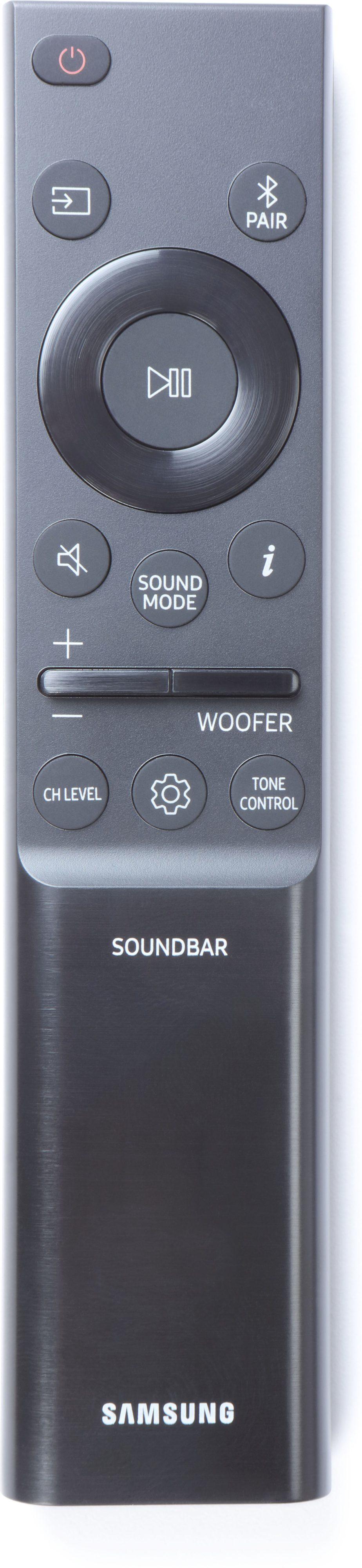
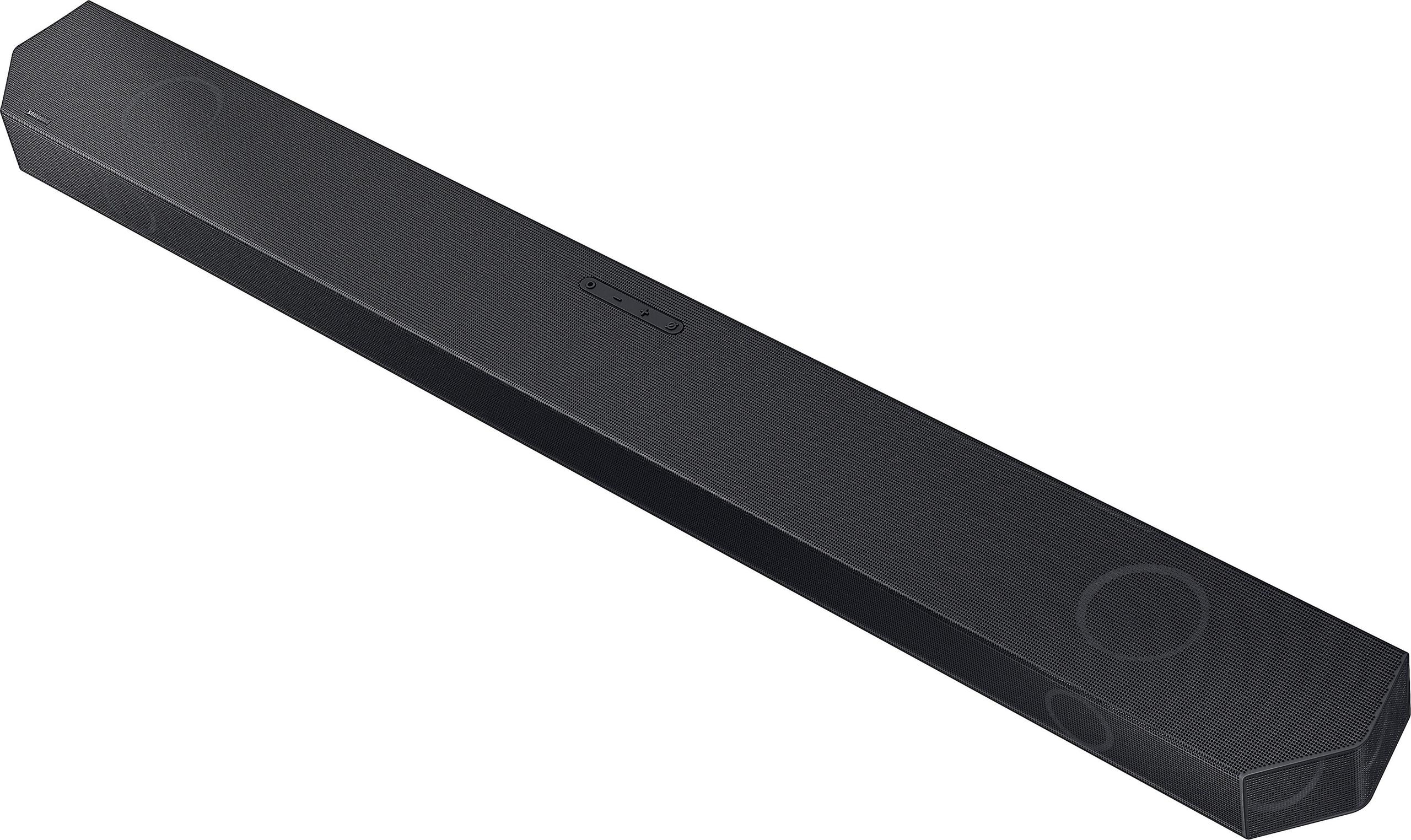

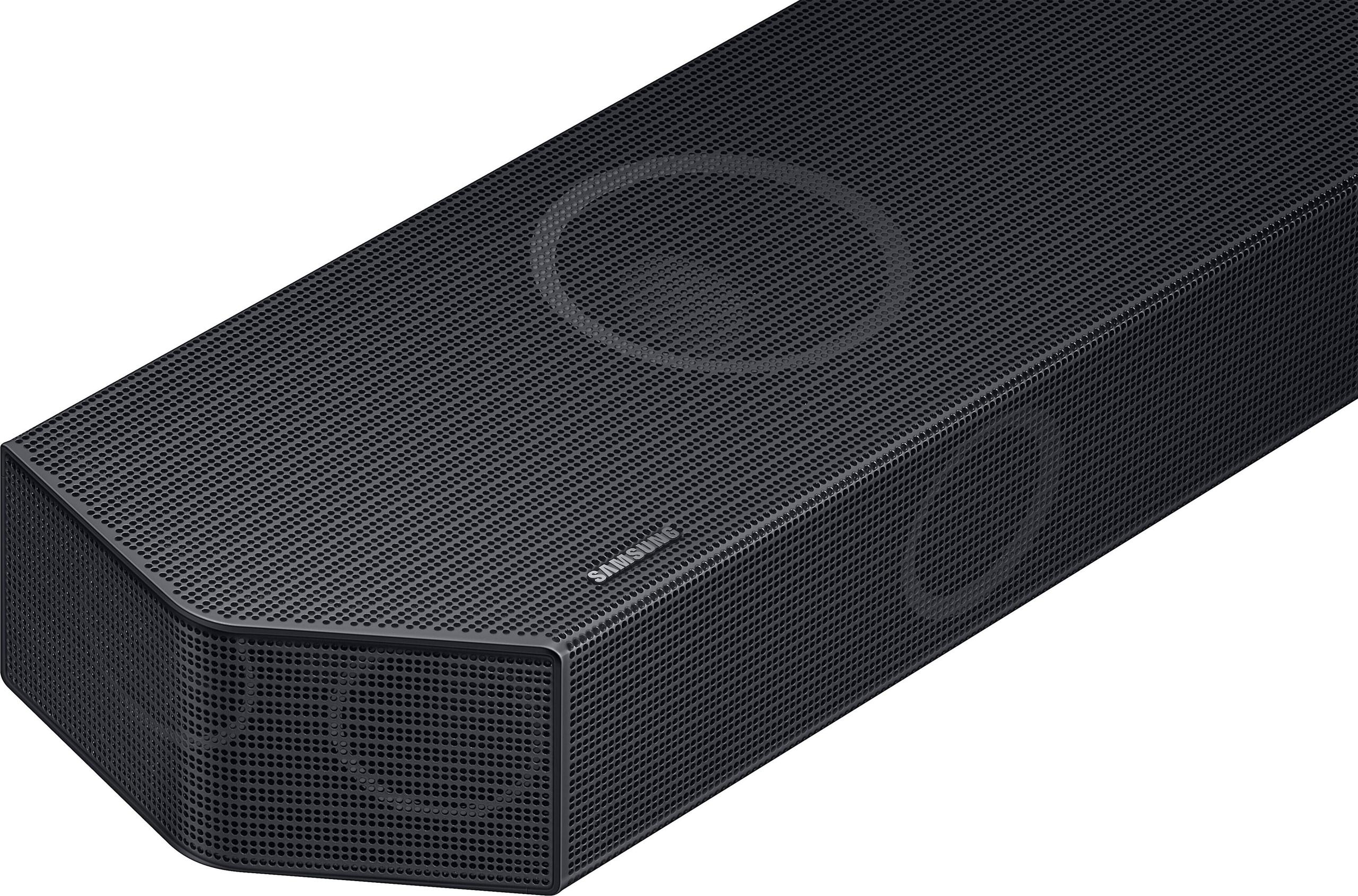




Shopping for a premium soundbar can feel overwhelming, especially when you're comparing two completely different approaches to home theater audio. The Sonos Arc Ultra ($929) and Samsung Q Series 9.1.2 ($898) both promise incredible sound, but they achieve it in dramatically different ways. After spending time with both systems, I've found that understanding these differences is crucial to making the right choice for your setup.
Before diving into the specifics, let's talk about what premium soundbars are actually trying to accomplish. Traditional surround sound systems require multiple speakers placed around your room, connected by cables, and carefully calibrated. Premium soundbars promise to deliver that same immersive experience with minimal setup and maximum convenience.
The challenge is physics. Sound naturally travels in straight lines, so creating the illusion that audio is coming from behind you or above you requires some clever engineering. This is where manufacturers take different paths, and it's exactly where our two contenders diverge most dramatically.
When evaluating any premium soundbar, you should consider five key factors: how well it creates immersion, how it adapts to your specific room, whether you can expand it later, how it connects to your devices, and ultimately, whether the performance justifies the price. Both of these soundbars excel in different areas, which makes the choice more about matching features to your specific needs.
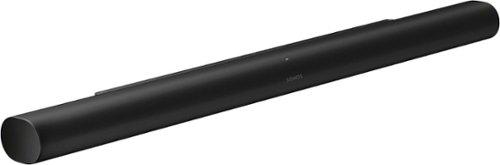
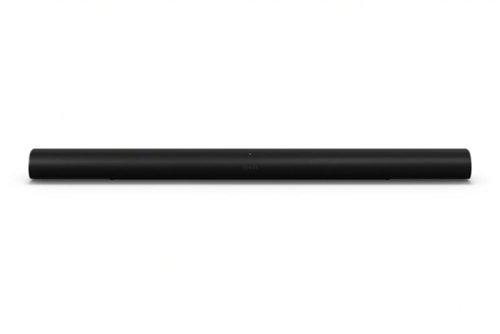
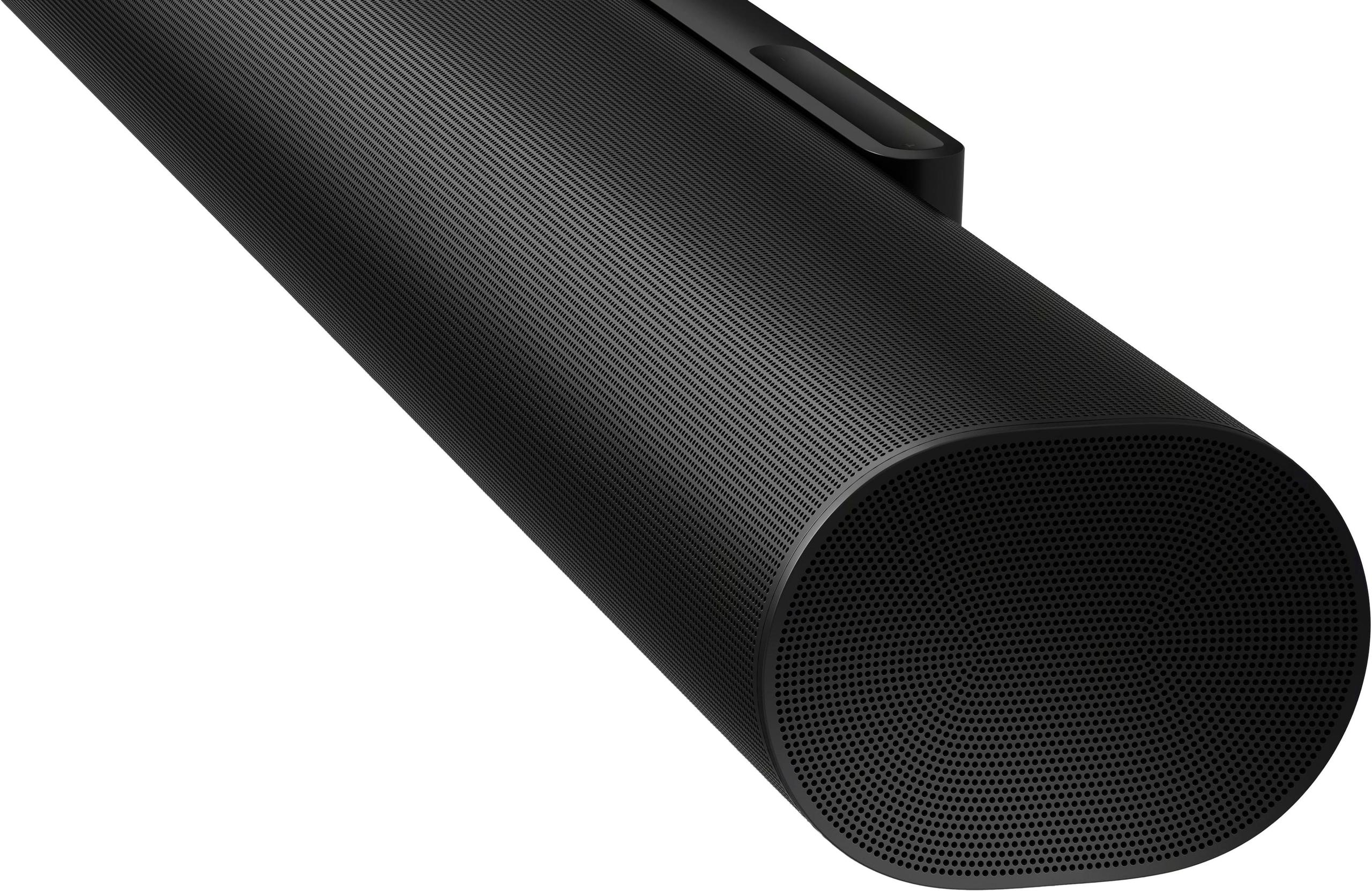
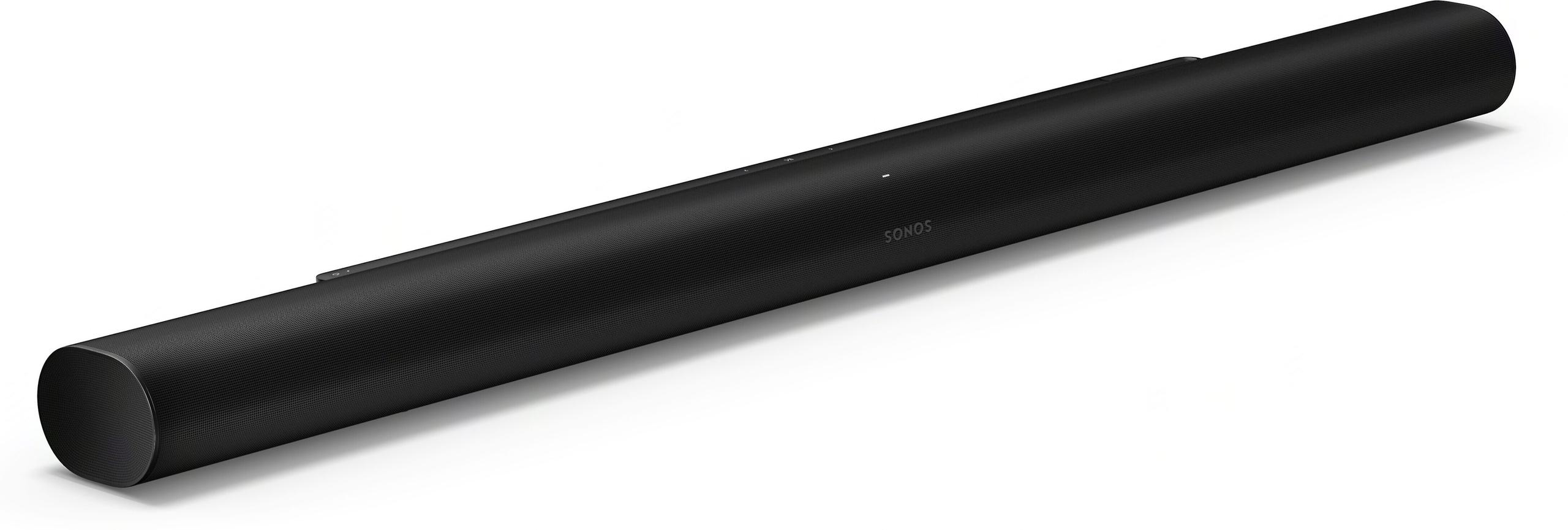
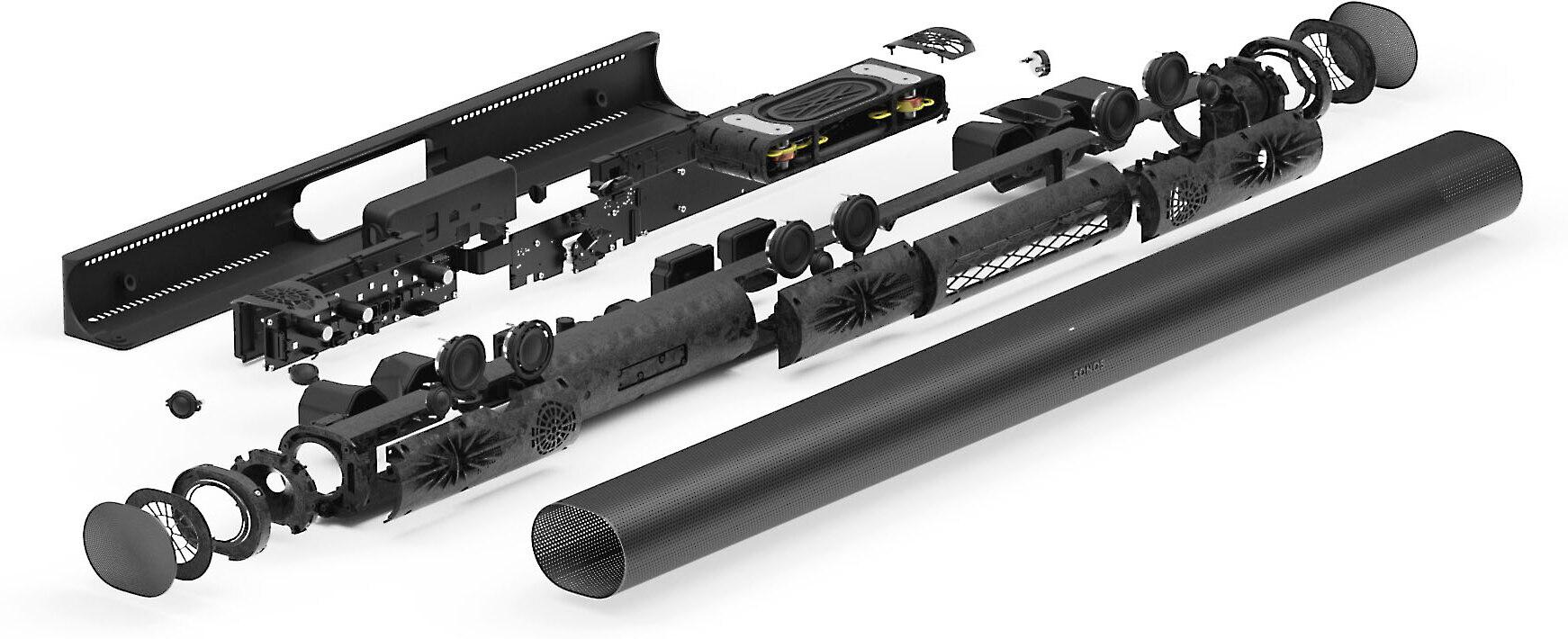
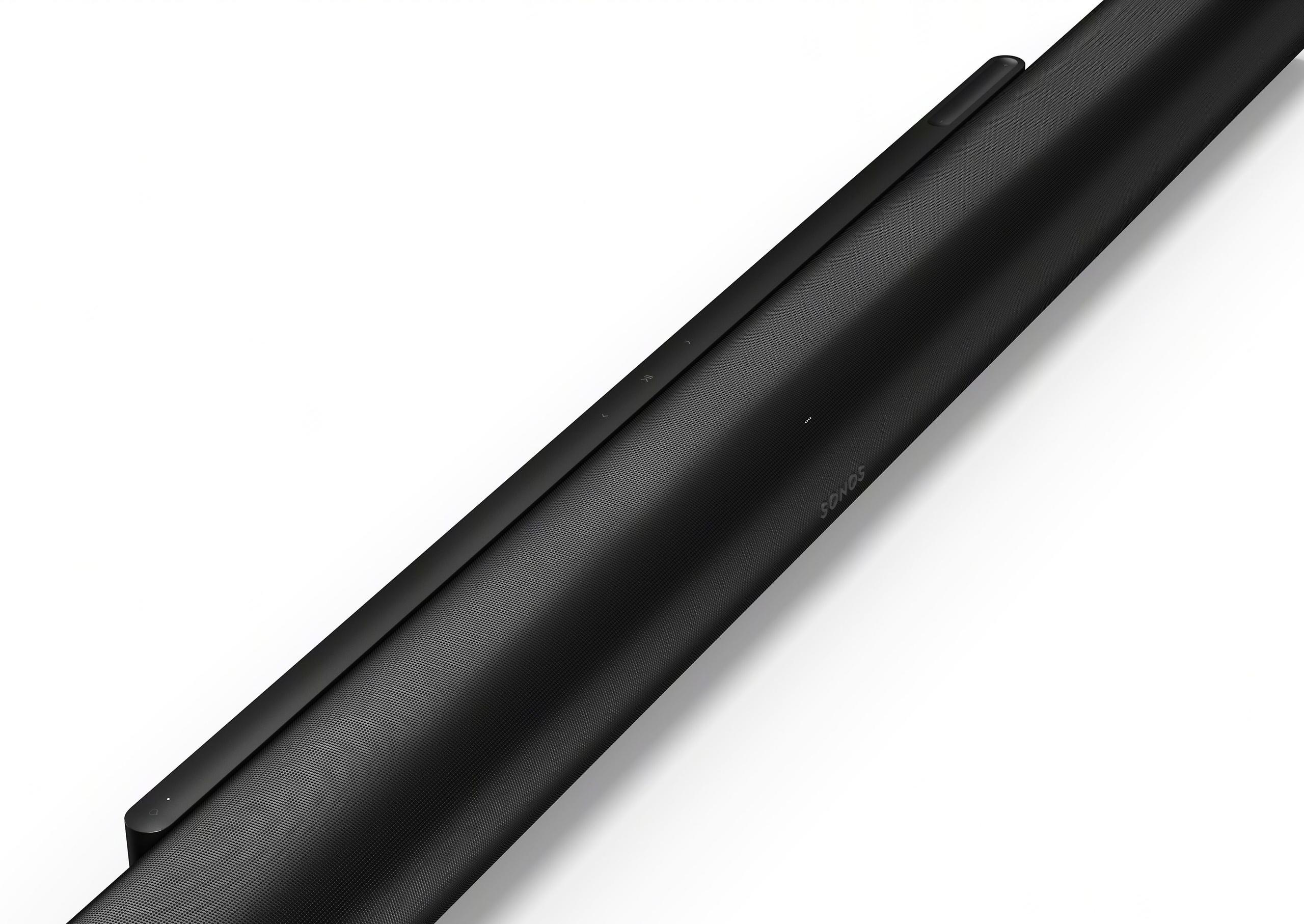
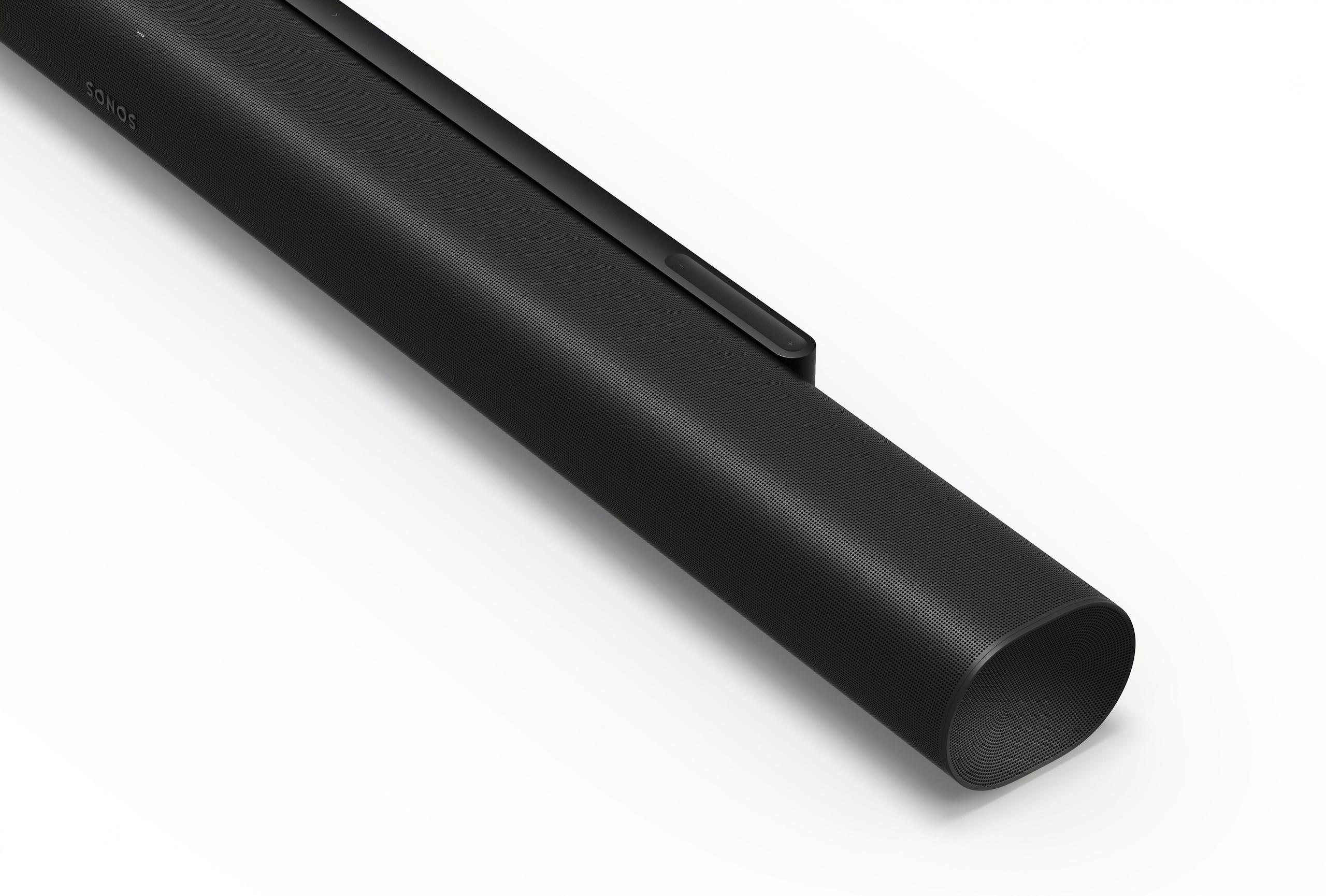
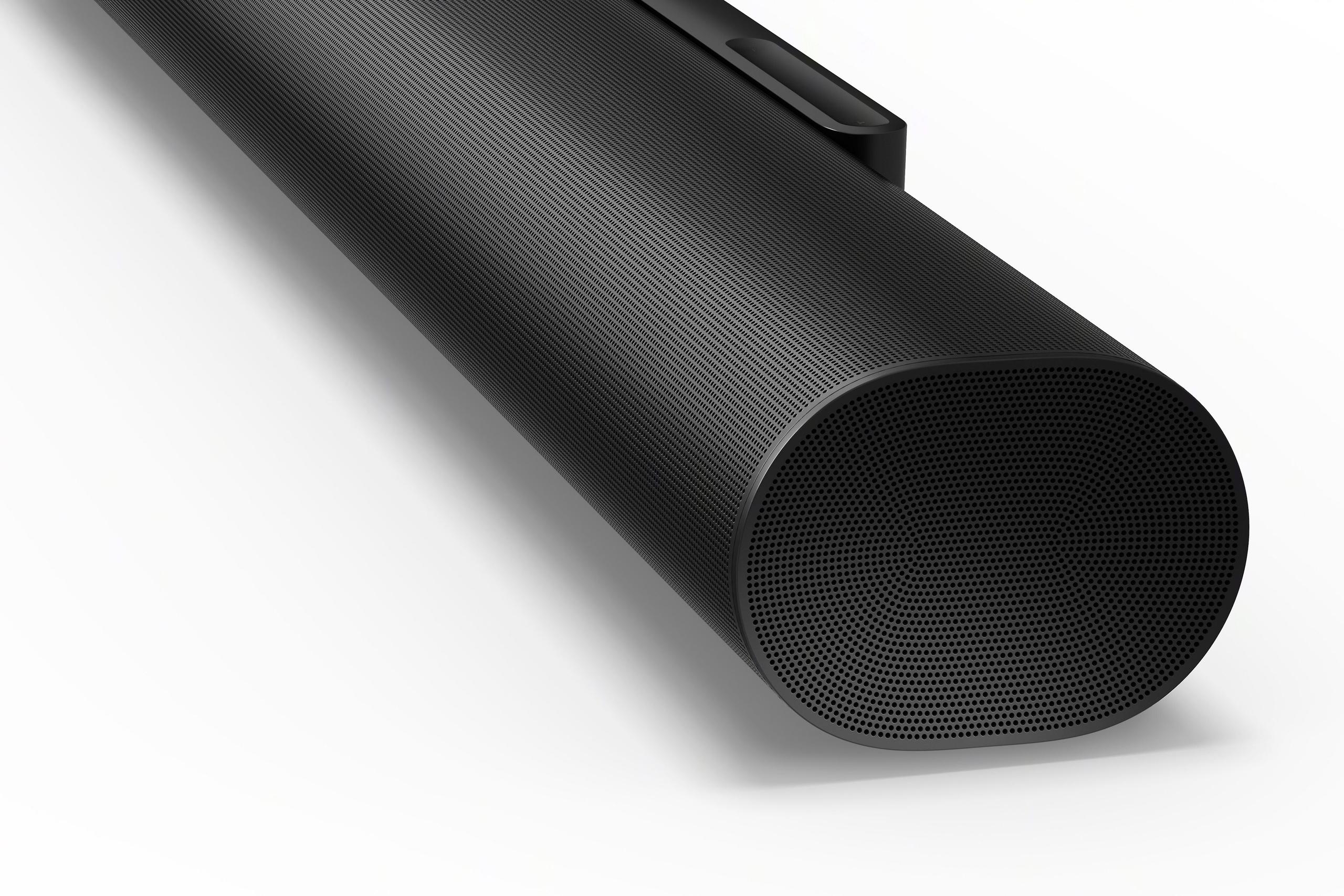
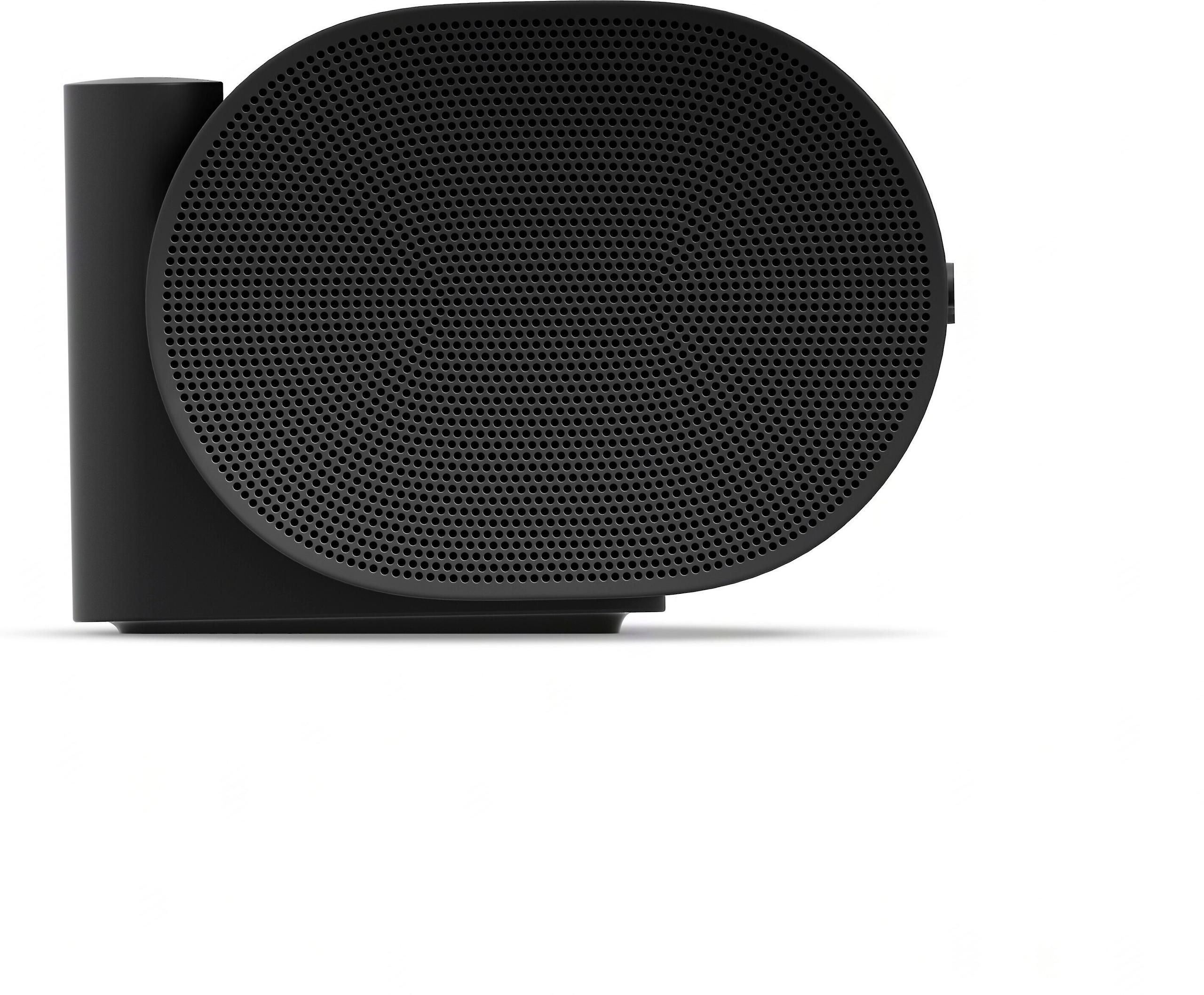
The Sonos Arc Ultra, released in October 2024, represents Sonos's most advanced attempt at creating surround sound from a single device. It packs 14 individual drivers (the small speakers inside the bar) into a sleek 46-inch unit that sits elegantly under your TV. The magic happens through something called psychoacoustic processing – essentially, the soundbar uses timing, volume, and frequency tricks to fool your brain into thinking sound is coming from places where there are no speakers.
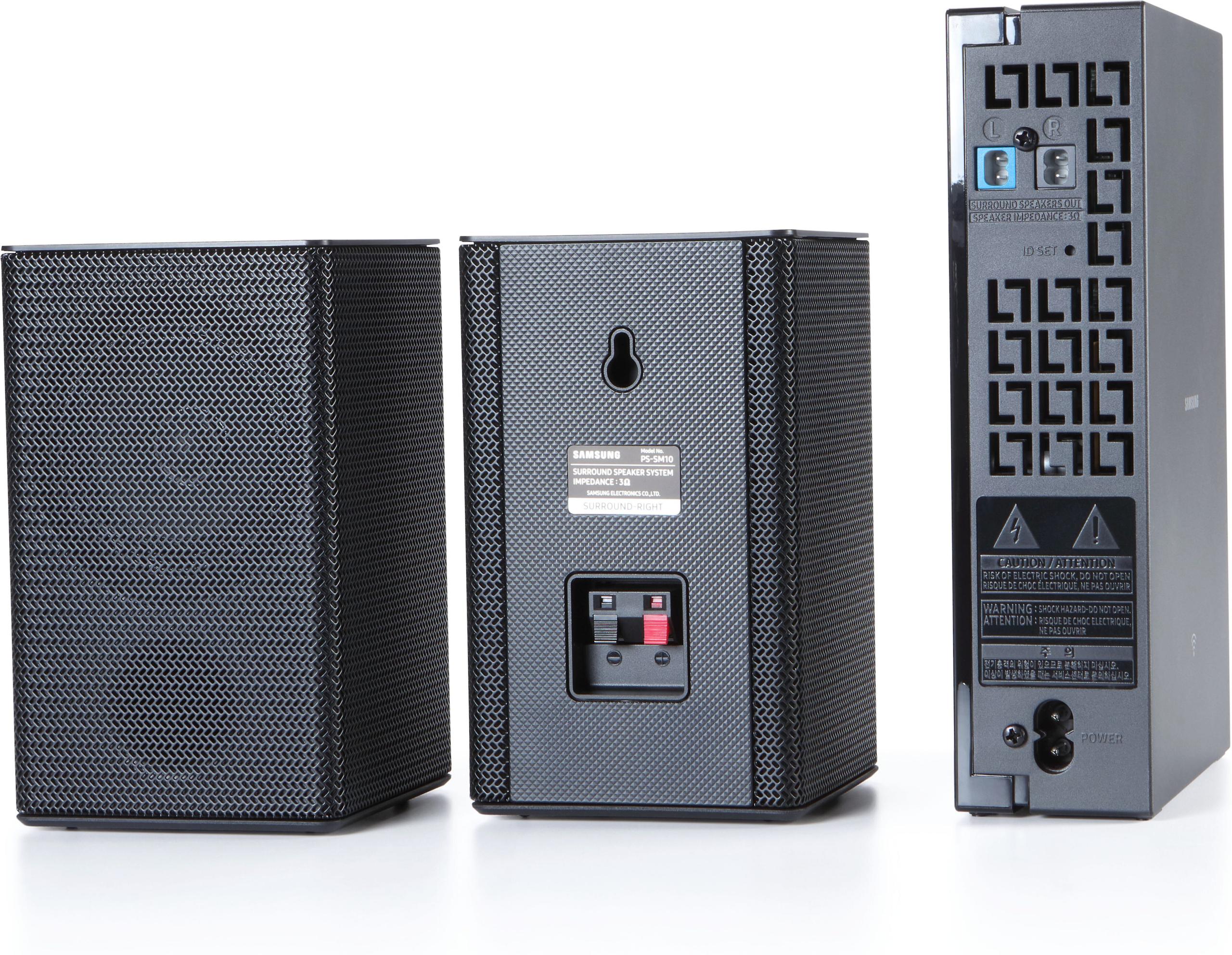
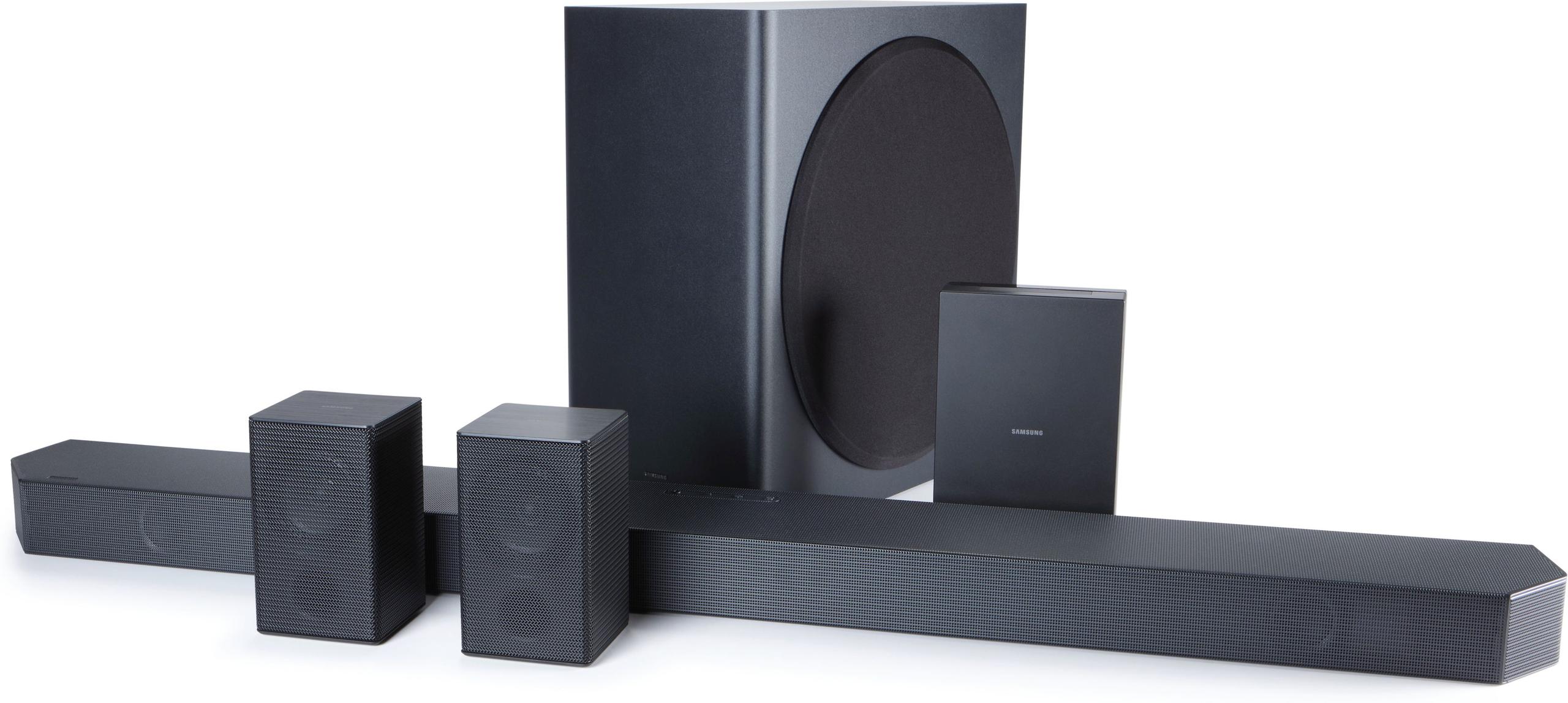
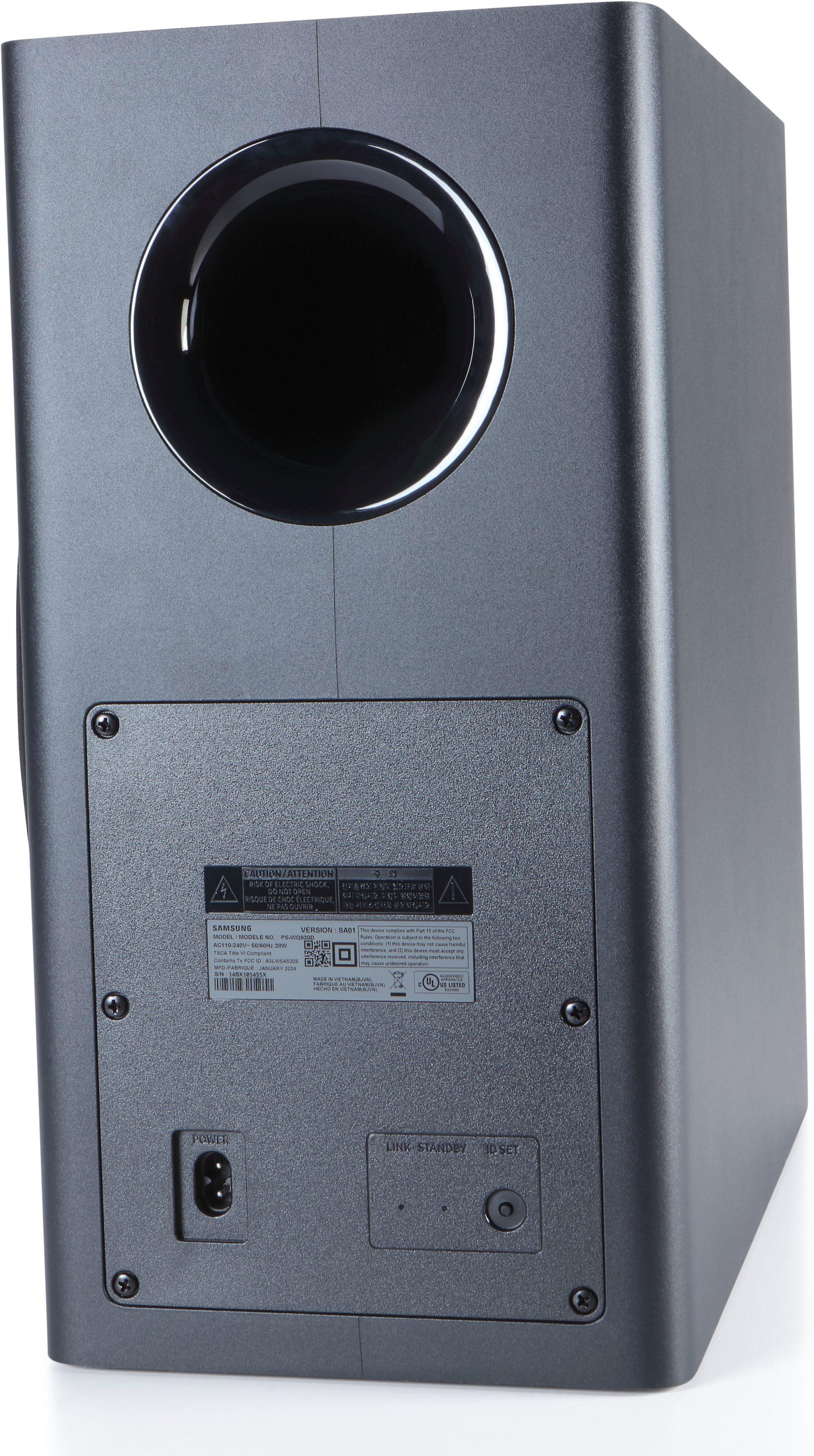
The Samsung Q Series 9.1.2, launched in early 2025, takes the opposite approach. Rather than trying to fake surround sound, it gives you the real thing with physical rear speakers that Samsung includes in the box. The "9.1.2" designation tells you exactly what you're getting: nine main channels (left, center, right, plus side and rear speakers), one subwoofer channel, and two height channels for overhead effects.
I've tested both approaches extensively, and each has distinct advantages. Virtual surround, when done well like in the Arc Ultra, can create surprisingly convincing effects while keeping your living room clutter-free. Physical surround, like Samsung's system, provides more accurate directional audio but requires you to find spots for rear speakers and run power to them.
The Sonos Arc Ultra immediately impressed me with its musical capabilities. Sonos has always prioritized music reproduction, and their latest soundbar continues this tradition. The company's new Sound Motion technology – a revolutionary woofer design that produces more bass with less physical vibration – delivers surprisingly deep low-end from such a compact unit.
When I played everything from jazz vocals to electronic music, the Arc Ultra maintained excellent clarity across the frequency spectrum. The dedicated center channel ensures dialogue cuts through clearly, while the AI-powered Speech Enhancement feature offers four different levels of vocal boost. This is particularly valuable if anyone in your household has hearing difficulties or if you prefer watching with subtitles off.
The Samsung system approaches music differently. While it certainly sounds good, it's clearly optimized for movie content. The dedicated 8-inch wireless subwoofer delivers deeper bass extension – down to 32Hz compared to the Sonos's practical limit around 40Hz – but this can sometimes overwhelm music that wasn't mixed for theater-style playback. The physical rear speakers don't add much to stereo music content, though they create an interesting ambient effect with some recordings.
For pure musical enjoyment, especially if you stream services like Spotify or Apple Music regularly, the Arc Ultra takes a clear lead. Its more balanced frequency response and superior app integration make it the better choice for music lovers.
This is where the Samsung system truly flexes its muscles. Having physical speakers behind your seating position creates authentic directional effects that virtual processing simply can't match completely. When bullets whiz past in action scenes or rain falls around you in atmospheric moments, the Q Series 9.1.2 places these sounds exactly where they should be in three-dimensional space.
The Samsung's SpaceFit Sound+ technology continuously analyzes your room and adjusts the audio accordingly. Unlike Sonos's Trueplay, which requires manual recalibration using your phone's microphone, SpaceFit works automatically in the background. This means the system adapts to changes in your room – new furniture, seasonal decorations, even different seating arrangements.
However, the Sonos Arc Ultra shouldn't be underestimated for movies. Its sophisticated beam-forming technology – where multiple drivers work together to direct sound precisely – creates impressive height and width effects. The 9.1.4 Dolby Atmos processing (nine ear-level channels, one subwoofer, and four height channels) works remarkably well for a single-bar solution. While it can't match the pinpoint accuracy of physical rear speakers, it creates a convincing sense of space that many listeners find satisfying.
The Arc Ultra also supports more audio formats than previous Sonos soundbars, though it still lacks DTS support – a limitation that affects some Blu-ray discs and streaming content. The Samsung supports both Dolby Atmos and DTS:X, giving it broader compatibility.
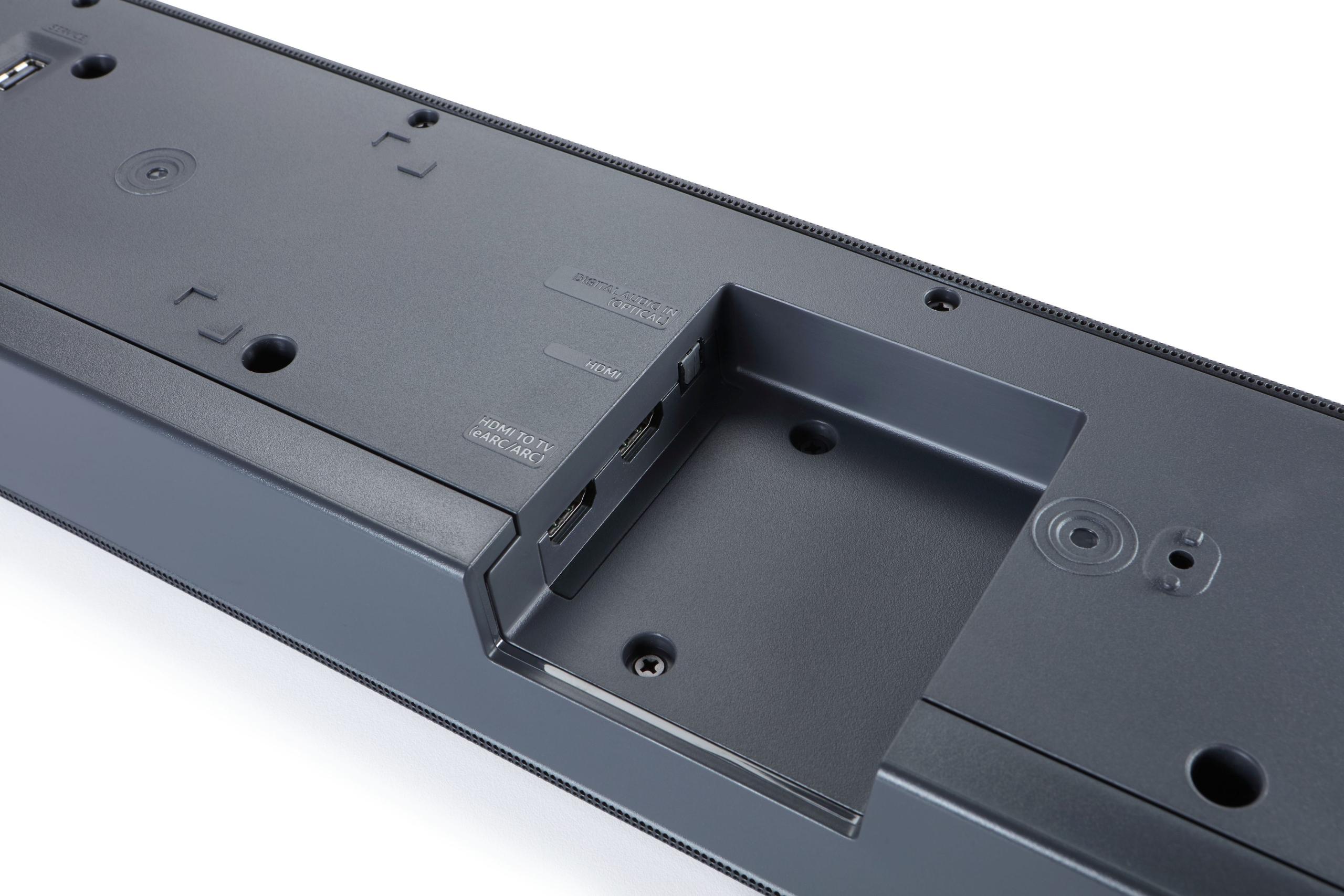
If gaming is important to your setup, the Samsung Q Series 9.1.2 wins decisively. Its Game Mode Pro feature includes Variable Refresh Rate (VRR) and Auto Low Latency Mode (ALLM) support, working seamlessly with modern gaming consoles. More importantly, it includes two HDMI 2.1 inputs that can handle 4K gaming at 120Hz, allowing you to connect multiple consoles without an HDMI switcher.
The physical rear speakers provide a significant advantage in competitive gaming, where hearing enemy footsteps or gunfire direction can mean the difference between victory and defeat. First-person shooters, battle royales, and racing games all benefit from the accurate positional audio that only true surround sound can provide.
The Sonos Arc Ultra, unfortunately, offers only a single HDMI eARC connection with no passthrough capability. This means you'll need to connect gaming devices directly to your TV and rely on the TV's eARC connection to send audio back to the soundbar. While this works fine for casual gaming, the lack of dedicated gaming modes and the reliance on virtual surround processing makes it less ideal for serious gamers.
Your living space plays a huge role in determining which soundbar will work better. The Sonos Arc Ultra excels in challenging environments where traditional surround sound isn't practical. Apartments, bedrooms, or family rooms where furniture placement is limited all favor the single-bar approach.
Setting up the Arc Ultra involves mounting it on your TV stand or wall, connecting a single HDMI cable, and running through the Trueplay calibration process using the Sonos app. The whole process takes about 15 minutes, and the results are immediately noticeable. Trueplay uses your smartphone's microphone to analyze how sound reflects off your room's surfaces, then adjusts the soundbar's output to compensate for acoustic problems.
The Samsung system requires more planning and effort. You'll need to position the wireless subwoofer somewhere in your room – typically along a wall or in a corner where it won't be in the way. The rear speakers need to be placed 6-10 feet behind your primary seating position, and while they're wireless for audio, they still require power outlets nearby.
I've found that many people underestimate the rear speaker placement challenge. Unlike the subwoofer, which can hide almost anywhere, the rear speakers need clear line-of-sight to your seating area and enough space around them to avoid reflections off nearby walls. If your couch sits against a wall or your room is smaller than about 12 feet deep, the Samsung system becomes much less practical.
Both soundbars incorporate fascinating technology that's worth understanding. The Sonos Arc Ultra's Sound Motion woofer represents a genuine breakthrough in driver design. Traditional woofers move a lot of air by physically moving a cone back and forth, which requires substantial space and can create unwanted vibrations. Sound Motion uses a completely different approach, generating bass through controlled air movement rather than large mechanical displacement.
This allows Sonos to pack serious low-end capability into a much smaller space while reducing the vibrations that can rattle TV stands or annoy neighbors in apartments. The result is bass that sounds bigger than the physical constraints should allow, though it still can't match the raw output of Samsung's dedicated 8-inch subwoofer.
Samsung's Q-Symphony technology deserves mention as well, though it only works with Samsung TVs. When paired with a compatible Samsung QLED or Neo QLED TV, Q-Symphony allows the TV's built-in speakers to work in harmony with the soundbar, creating an even larger soundstage. The TV speakers handle some mid-range frequencies while the soundbar focuses on bass and surround effects, effectively giving you more total drivers working together.
The Samsung system's SpaceFit Sound+ continuously monitors your room's acoustics and makes real-time adjustments. This is more sophisticated than static room correction systems, as it can adapt to changes like opened windows, different numbers of people in the room, or furniture rearrangements.
At first glance, the pricing seems straightforward: the Samsung Q Series 9.1.2 ($898) costs slightly less than the Sonos Arc Ultra ($929). But this comparison misses the bigger picture entirely.
Samsung gives you everything needed for true 9.1.2 surround sound in one purchase. You get the soundbar, wireless subwoofer, rear speakers, and all necessary mounting hardware. For someone who wants complete surround sound immediately, this represents exceptional value.
Sonos takes a modular approach that costs more upfront but offers flexibility over time. The Arc Ultra alone provides excellent sound for most content, but adding a Sonos Sub ($449-799 depending on the model) and Era 300 rear speakers ($479 for a pair) creates a system that rivals much more expensive traditional surround setups. The total cost for a complete Sonos system approaches $1,857, but you can spread this investment over months or years.
I've come to appreciate Sonos's approach because it grows with your needs and budget. You might start with just the Arc Ultra in a small apartment, add the subwoofer when you move to a larger space, and finally complete the system with rear speakers when you have a dedicated media room. Each addition provides noticeable improvement, making the higher total cost easier to justify over time.
The Samsung system's value becomes less clear if your needs change. The included components work well together, but there's limited expansion path beyond the initial purchase. If you later decide you want even deeper bass or additional surround speakers, your options are limited.
Daily living with these soundbars reveals important differences beyond pure audio performance. The Sonos Arc Ultra integrates seamlessly into the broader Sonos ecosystem, which includes everything from portable speakers to whole-home audio systems. If you already own other Sonos products, the Arc Ultra becomes part of a unified system you control through a single app.
The Sonos app itself deserves praise for its intuitive design and comprehensive music service integration. You can stream directly from Spotify, Apple Music, Amazon Music, and dozens of other services without needing to connect your phone or use your TV as an intermediary. The far-field microphone array responds reliably to voice commands, and you can choose between Sonos's own voice control, Amazon Alexa, or Google Assistant.
Samsung's approach focuses more narrowly on the TV experience. While the SmartThings integration is useful for controlling other Samsung devices, it doesn't create the same cohesive ecosystem experience. The soundbar works well with Samsung TVs and gaming consoles, but music streaming typically requires going through your TV's interface or connecting devices via Bluetooth.
For families who use their living room primarily for TV watching and gaming, Samsung's focused approach works well. But if you want your soundbar to pull double duty as a high-quality music system, Sonos provides a more refined experience.
After extensive testing and living with both systems, I've developed clear recommendations based on different use cases and priorities.
Choose the Sonos Arc Ultra if you value flexibility above all else. It's perfect for renters who can't run wires to rear speakers, music lovers who want exceptional fidelity for both movies and music, or anyone building a multi-room audio system over time. The superior dialogue clarity makes it ideal if anyone in your household has hearing difficulties, and the compact form factor works in virtually any room layout.
The Arc Ultra also makes sense if you're willing to invest more for future expandability. Starting with the soundbar alone gives you excellent performance, and you can add components as your budget and space allow. This approach ultimately provides more customization options and better long-term value for many users.
Choose the Samsung Q Series 9.1.2 if you want maximum movie immersion right out of the box. The physical rear speakers create more convincing surround effects than any virtual processing can achieve, and the included subwoofer delivers the deep bass that makes action movies exciting. Gamers will particularly appreciate the multiple HDMI inputs and low-latency gaming modes.
Samsung's system works best for dedicated home theater setups where you have space for rear speakers and primarily consume movie content. If you rarely listen to music through your TV setup and want the most dramatic surround sound experience for your money, Samsung delivers more immediate impact.
The decision ultimately comes down to your priorities: flexibility and future expansion versus immediate complete surround sound. Both soundbars represent excellent value in their respective approaches, but understanding these fundamental differences ensures you'll choose the system that best matches your specific needs and room constraints.
Having spent considerable time with both systems, I find myself appreciating each for different reasons. The Sonos Arc Ultra impresses with its sophisticated engineering and ecosystem integration, while the Samsung Q Series 9.1.2 delivers the visceral impact that makes movie nights memorable. Your choice should align with how you actually use your entertainment system – and both deliver on their respective promises remarkably well.
| Sonos Arc Ultra Dolby Atmos Soundbar | Samsung Q Series 9.1.2 Channel Soundbar |
|---|---|
| Price - Entry cost vs complete system value | |
| $929 (soundbar only, expandable) | $898 (complete system with sub + rears included) |
| System Design - Setup complexity and room requirements | |
| Single soundbar with 14 drivers (46" wide, wall/stand mount) | Soundbar + wireless subwoofer + rear satellite speakers |
| Surround Sound Approach - Virtual vs physical audio placement | |
| 9.1.4 virtualized Dolby Atmos using beam-forming technology | True 9.1.2 channels with physical rear speakers for directional audio |
| Bass Performance - Low-end extension and room impact | |
| Built-in Sound Motion woofer (compact, neighbor-friendly) | Dedicated 8" wireless subwoofer (deeper bass, down to 32Hz) |
| Gaming Features - Console compatibility and performance modes | |
| Single HDMI eARC, no gaming modes or passthrough | Game Mode Pro, 2× HDMI 2.1 inputs, VRR/ALLM support |
| Music Quality - Streaming and audio fidelity | |
| Excellent balance, direct service streaming, superior app | Good quality but optimized for movies, basic streaming |
| Room Calibration - Audio optimization technology | |
| Trueplay (manual smartphone calibration) | SpaceFit Sound+ (continuous automatic adjustment) |
| Expandability - Future upgrade options | |
| Add Sonos Sub ($449-799) + Era 300 rears ($479/pair) | Limited expansion beyond included components |
| Voice Control - Smart home integration | |
| Native Sonos Voice + Alexa + Google with far-field mics | Basic Alexa/Google Assistant support |
| Multi-Room Audio - Whole-home system integration | |
| Full Sonos ecosystem compatibility with 100+ music services | Limited to Samsung SmartThings integration |
| Content Support - Audio format compatibility | |
| Dolby Atmos, Dolby Digital (no DTS support) | Dolby Atmos, DTS:X, Dolby Digital Plus |
The Sonos Arc Ultra is ideal for small spaces since it's a single 46-inch soundbar that doesn't require rear speakers. Its Sound Motion technology delivers impressive bass without needing a separate subwoofer, making it perfect for apartments where space is limited and you want to avoid disturbing neighbors.
The Samsung Q Series 9.1.2 includes everything for complete surround sound: the main soundbar, wireless subwoofer, and rear satellite speakers. The Sonos Arc Ultra comes as just the soundbar, requiring separate purchases of a subwoofer ($449-799) and rear speakers ($479/pair) for a full surround system.
The Samsung Q Series 9.1.2 is significantly better for gaming with its Game Mode Pro, two HDMI 2.1 inputs supporting 4K/120Hz, and Variable Refresh Rate (VRR) support. The physical rear speakers also provide accurate directional audio for competitive gaming. The Sonos Arc Ultra only has one HDMI eARC port with no gaming-specific features.
The Samsung Q Series 9.1.2 includes an 8-inch wireless subwoofer in the box. The Sonos Arc Ultra has a built-in Sound Motion woofer that provides decent bass, but adding a separate Sonos Sub dramatically improves low-end performance for movies and music.
The Sonos Arc Ultra excels at music with its balanced frequency response, superior app integration, and direct streaming from 100+ music services. While the Samsung sounds good for music, it's optimized primarily for movie content and relies more on your TV or connected devices for music streaming.
Yes, both work without rear speakers, but differently. The Sonos Arc Ultra is designed as a complete system using virtual surround processing. The Samsung Q Series 9.1.2 can work without its included rear speakers, but you'd lose the true surround sound experience that justifies its design.
The Sonos Arc Ultra is much easier to set up - just connect one HDMI cable and run the Trueplay calibration through the app. The Samsung Q Series 9.1.2 requires positioning the subwoofer, placing rear speakers 6-10 feet behind your seating, and finding power outlets for all components.
The Samsung Q Series 9.1.2 ($898) gives you complete 9.1.2 surround sound immediately. For the Sonos Arc Ultra, a full system costs around $1,857 total: $929 for the soundbar, plus $449-799 for a Sub, plus $479 for Era 300 rear speakers.
The Sonos Arc Ultra has superior dialogue clarity with its AI-powered Speech Enhancement offering four adjustable levels of vocal boost. This makes it excellent for anyone with hearing difficulties or who prefers watching without subtitles. The Samsung has good dialogue clarity but fewer customization options.
Both support Dolby Atmos, but differently. The Samsung Q Series 9.1.2 delivers true 9.1.2 channel Atmos with physical height and surround speakers. The Sonos Arc Ultra creates a virtualized 9.1.4 Atmos experience using advanced processing and beam-forming from a single soundbar.
The Samsung Q Series 9.1.2 is better for dedicated home theater rooms where you have space for rear speakers and want maximum movie immersion. The physical surround speakers create more authentic directional effects than virtual processing can achieve, especially in larger rooms.
The Sonos Arc Ultra offers excellent expandability within the Sonos ecosystem - you can add subwoofers, rear speakers, and integrate with other Sonos products for multi-room audio. The Samsung Q Series 9.1.2 has limited expansion options since it already includes all main components in the initial purchase.
We've done our best to create useful and informative comparisons to help you decide what product to buy. Our research uses advanced automated methods to create this comparison and perfection is not possible - please contact us for corrections or questions. These are the sites we've researched in the creation of this article: bestbuy.com - shopjetson.com - youtube.com - ign.com - crutchfield.com - dowtechnologies.com - sonos.com - appleinsider.com - pcrichard.com - clefdesol.com - sonos.com - businessinsider.com - audioadvice.com - en.community.sonos.com - rtings.com - samsung.com - markselectrical.co.uk - techradar.com - walmart.com - samsung.com - samsung.com - youtube.com - samsung.com - biancos.com - crutchfield.com - samsung.com

Privacy Policy
Terms and Conditions - Affiliate Policy
Home Security
© Copyright 2008-2026.
11816 Inwood Rd #1211, Dallas, TX 75244