

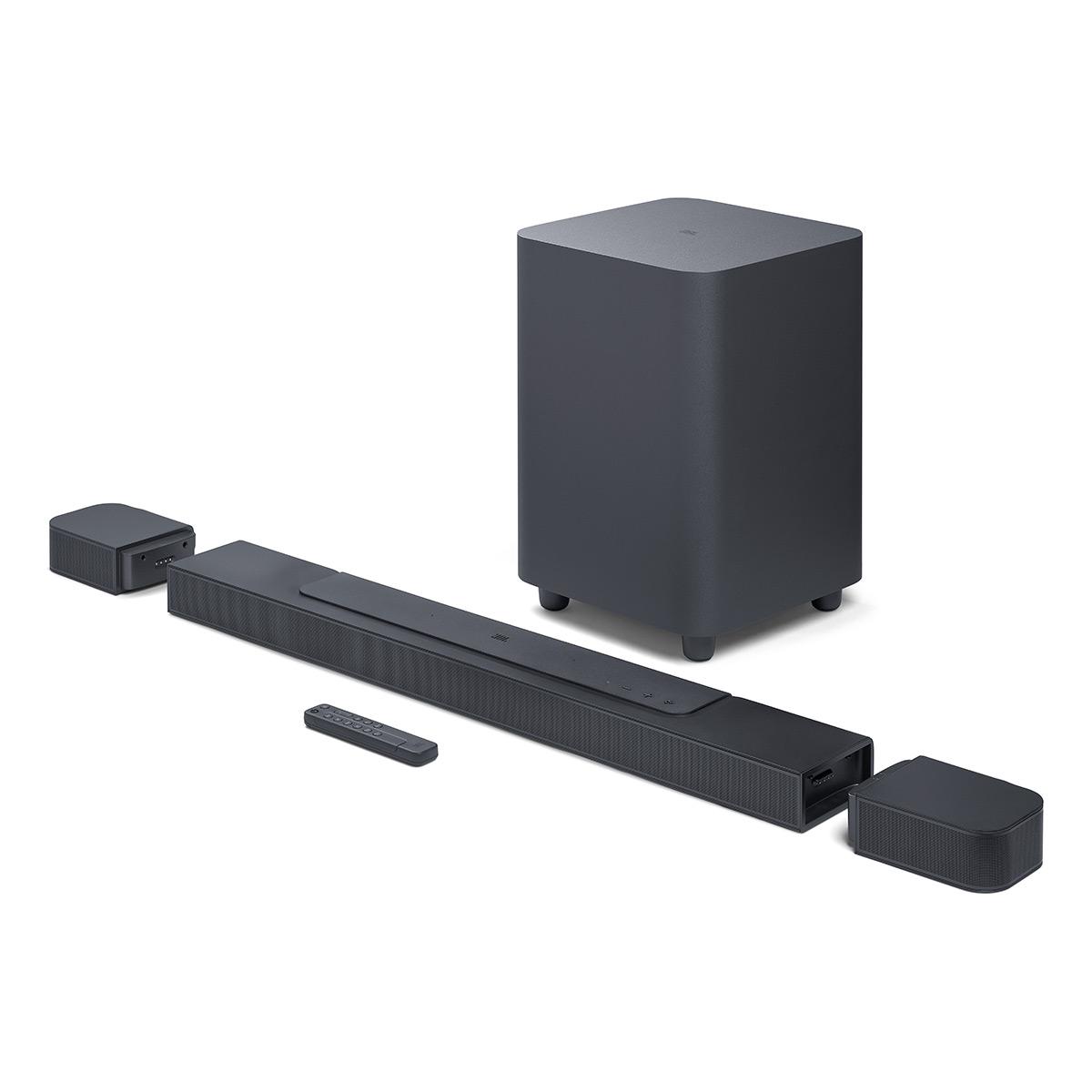
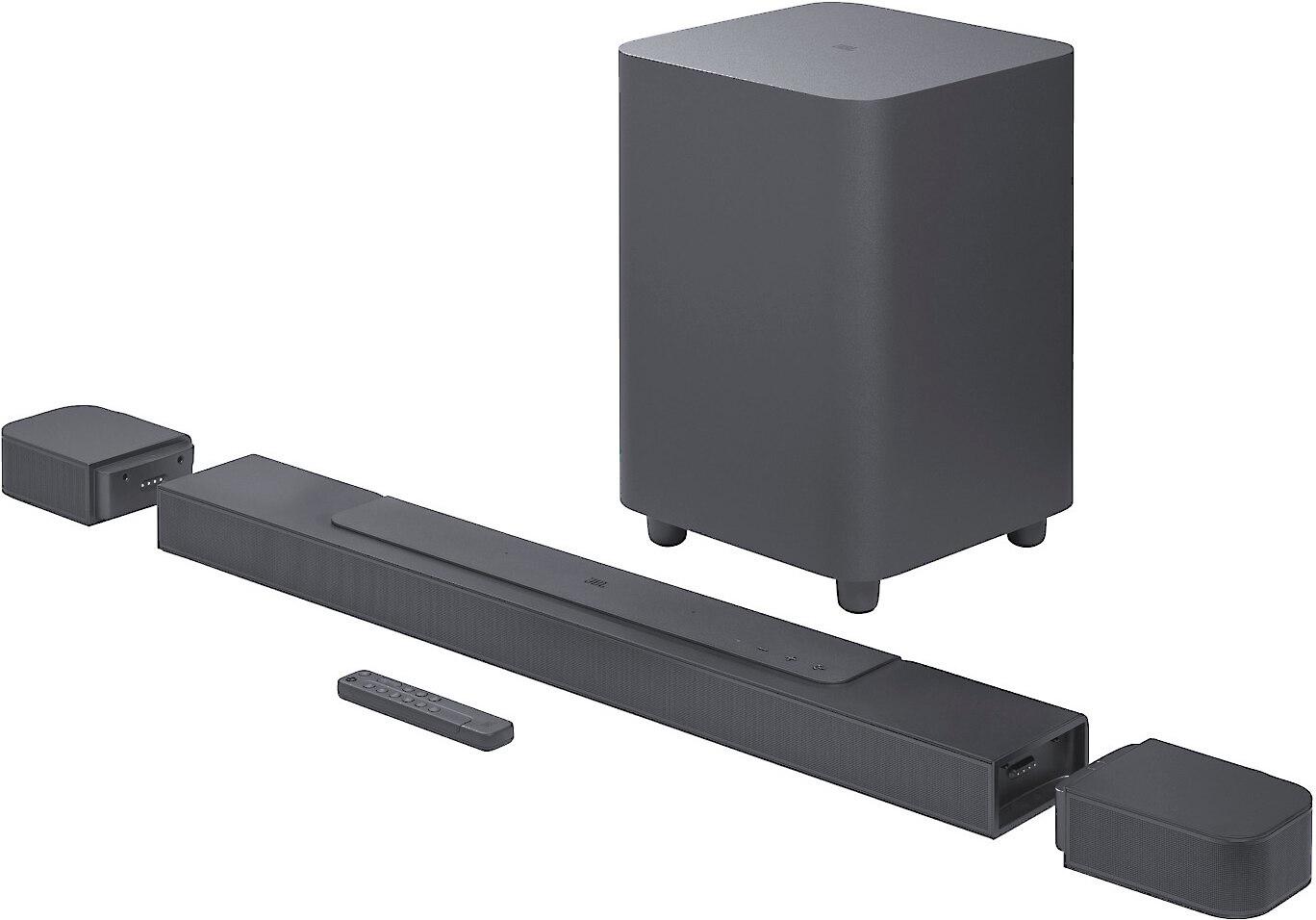
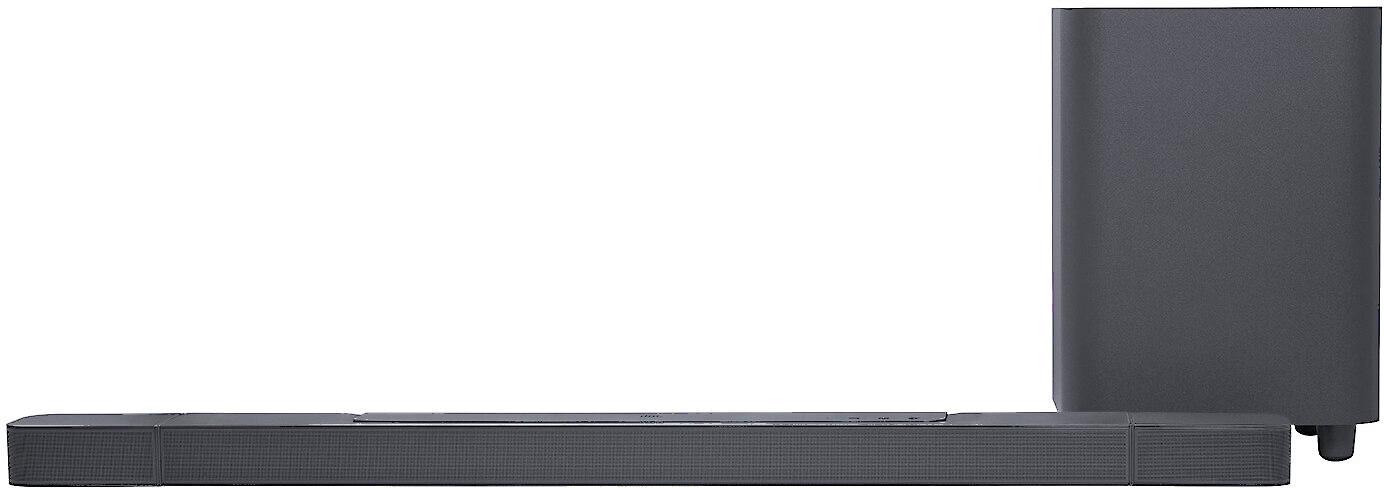


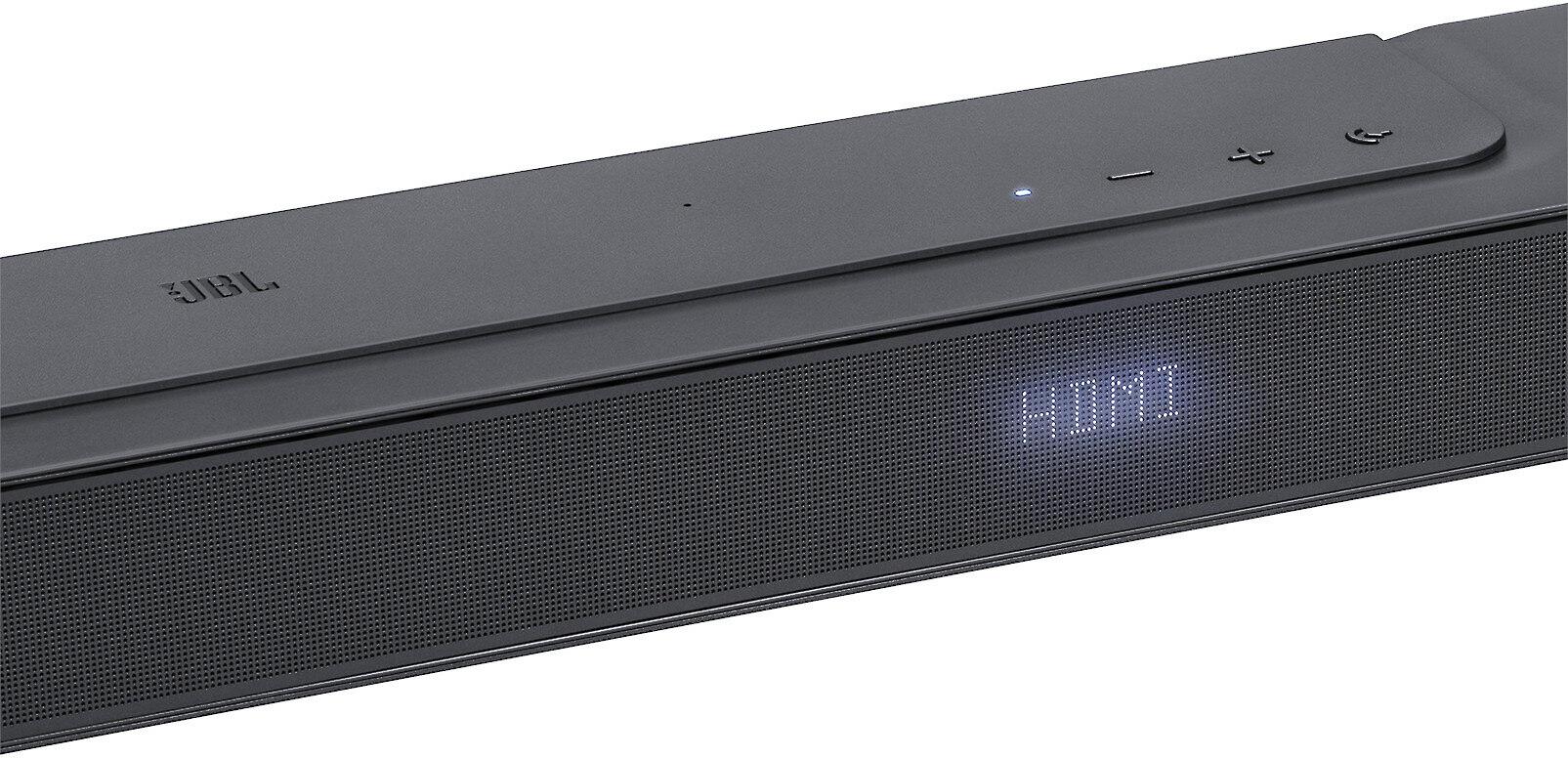



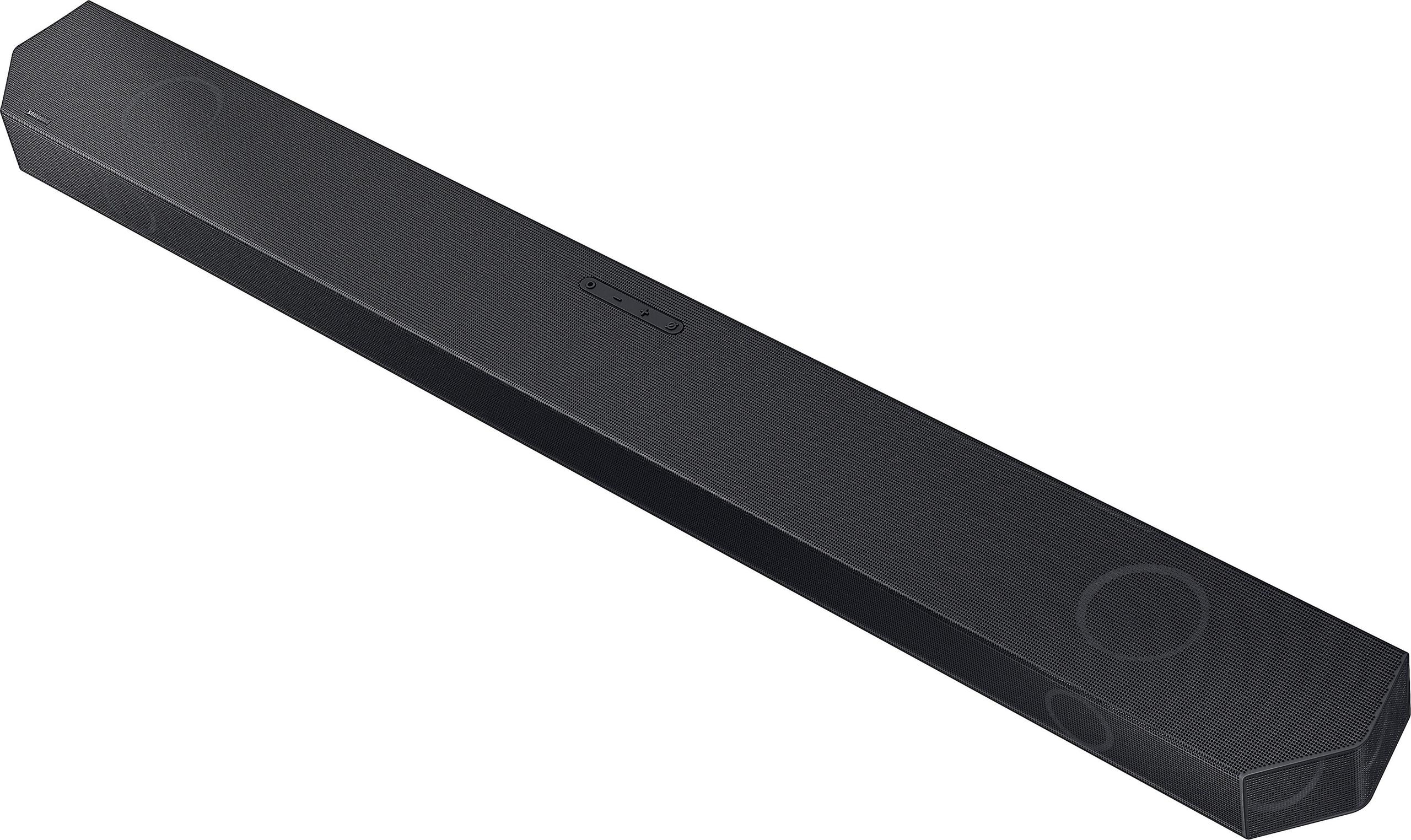

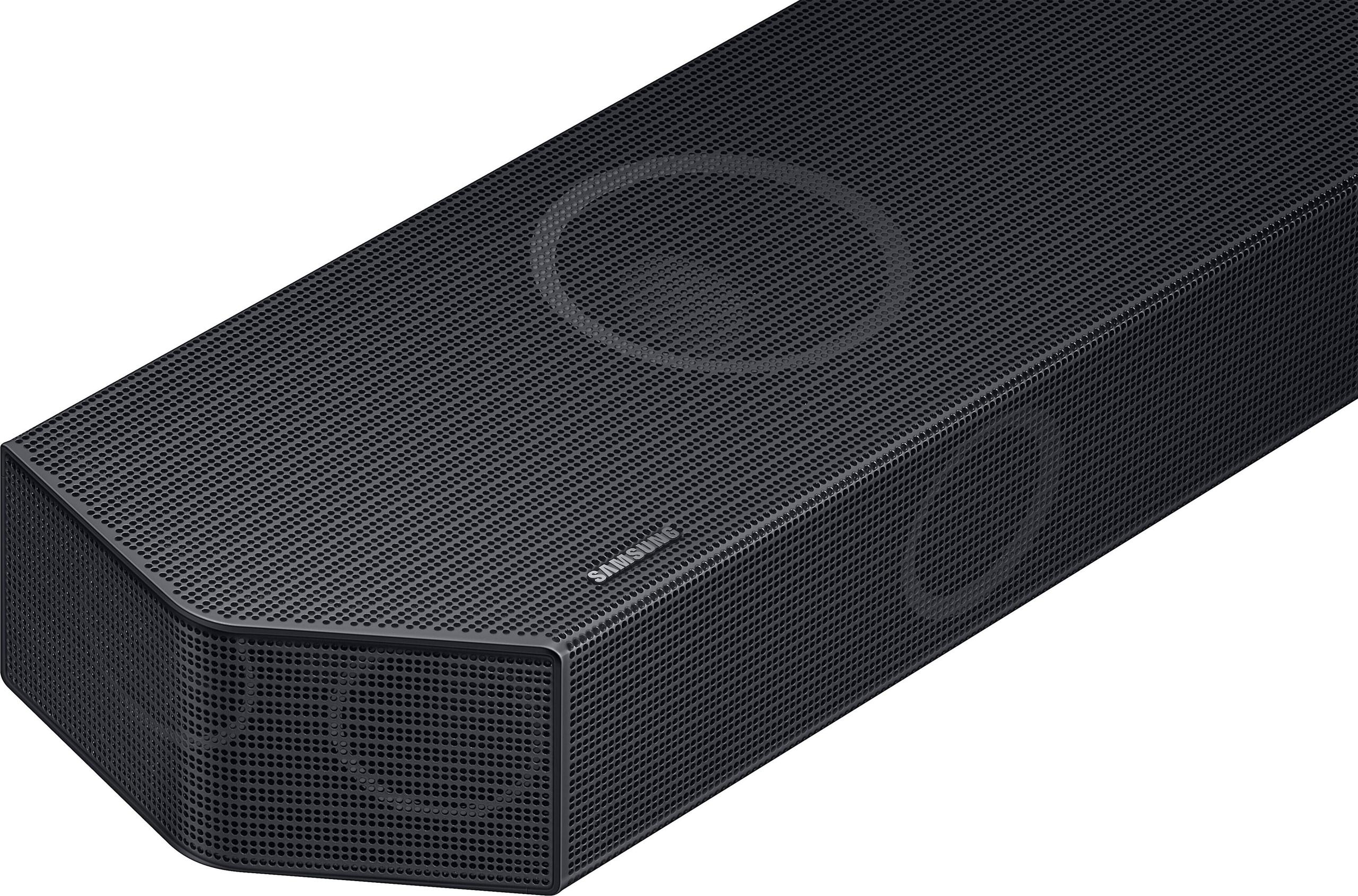




When you're ready to upgrade from your TV's built-in speakers, the world of premium soundbars can feel overwhelming. Two standout options that consistently appear in "best of" lists are the JBL Bar 700 ($649.95) and the Samsung Q Series 9.1.2 Channel Soundbar ($897.99). Both promise cinema-quality audio for your living room, but they take surprisingly different approaches to get there.
Having tested dozens of soundbars over the years, I've learned that the "best" soundbar isn't always the one with the most channels or highest price tag. It's the one that fits your specific room, lifestyle, and budget while delivering the immersive audio experience you're after. These two models represent distinct philosophies in premium soundbar design, and understanding their differences will help you make the right choice.
Before diving into the comparison, let's establish what separates premium soundbars from basic models. Premium soundbars typically offer multi-channel audio (meaning separate speakers handle different frequency ranges and directional effects), advanced processing technologies like Dolby Atmos (which creates the illusion of sound coming from above and around you), and room calibration features that optimize audio based on your specific space.
The main considerations when evaluating any premium soundbar include channel configuration (how many separate audio streams it can handle), immersion technologies (the methods used to create surround sound effects), room integration capabilities, connectivity options, and overall value proposition. Getting these elements right can transform your living room into a genuine home theater experience.
The JBL Bar 700 launched in mid-2024 as JBL's answer to the growing demand for hassle-free premium audio. JBL positioned this model as the "wireless revolution" in soundbar design, emphasizing the innovative detachable surround speakers that run on battery power. Since its release, firmware updates have improved the MultiBeam processing (JBL's proprietary technology that bounces sound off walls to create a wider soundstage) and enhanced compatibility with streaming services.
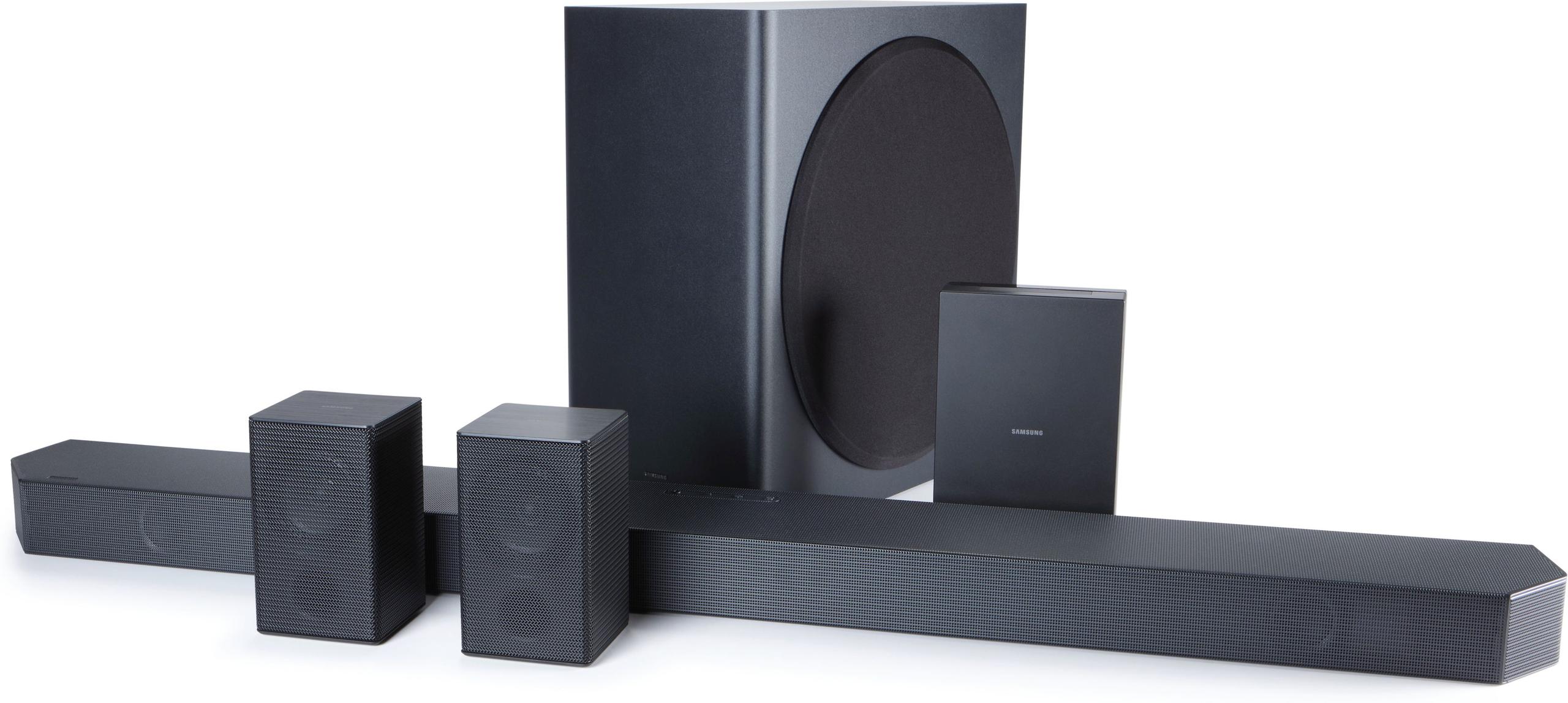
The Samsung Q Series 9.1.2, specifically the HW-Q910D model, represents Samsung's 2025 refresh of their flagship soundbar line. Samsung has been iterating on this design for several years, and the latest version benefits from lessons learned from previous generations. The company has refined their Q-Symphony technology (which synchronizes the soundbar with compatible Samsung TV speakers) and improved the SpaceFit Sound+ room calibration system based on user feedback from earlier models.
Here's where these soundbars reveal their fundamental differences. The JBL uses a 5.1 channel configuration, which means five main speakers (left, center, right, and two surrounds) plus one subwoofer channel. The Samsung employs a 9.1.2 setup – nine ear-level speakers, one subwoofer, and two dedicated height channels.
In practical terms, more channels generally mean better audio separation and more precise sound placement. When watching a movie scene where a helicopter flies overhead, the Samsung's dedicated up-firing speakers can actually bounce sound off your ceiling to create that overhead effect. The JBL relies on digital processing to simulate the same effect through its main speakers – impressive technology, but not quite the same as having dedicated hardware for the job.
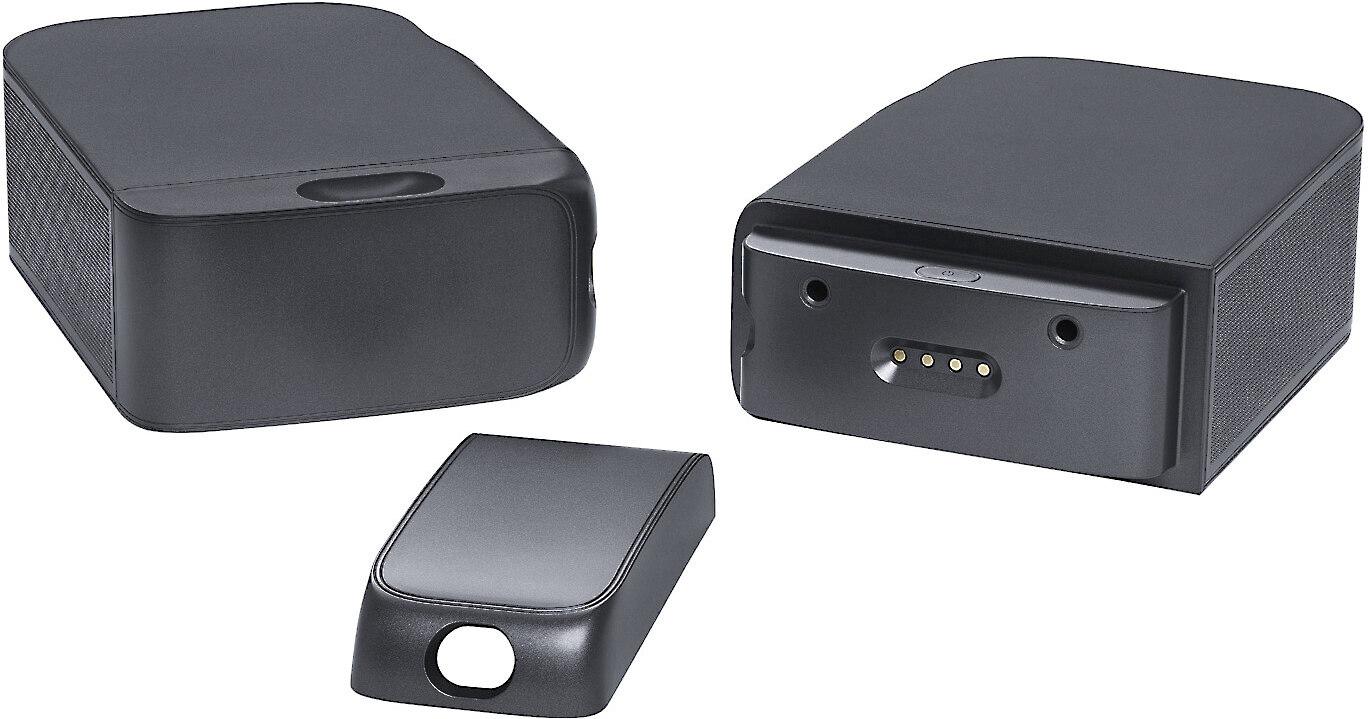
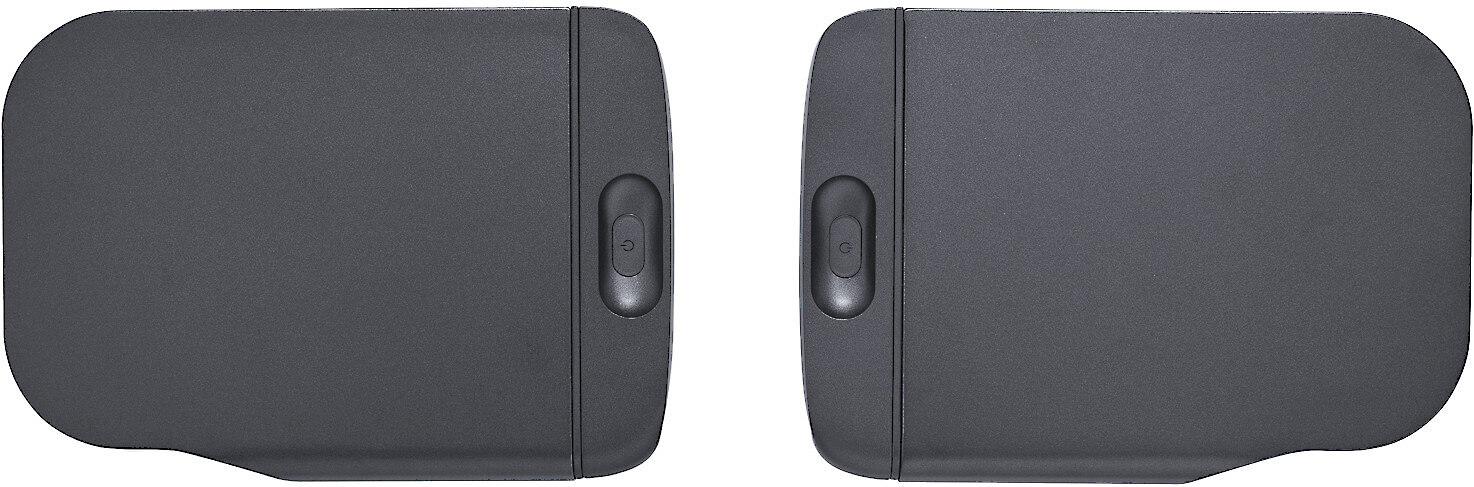
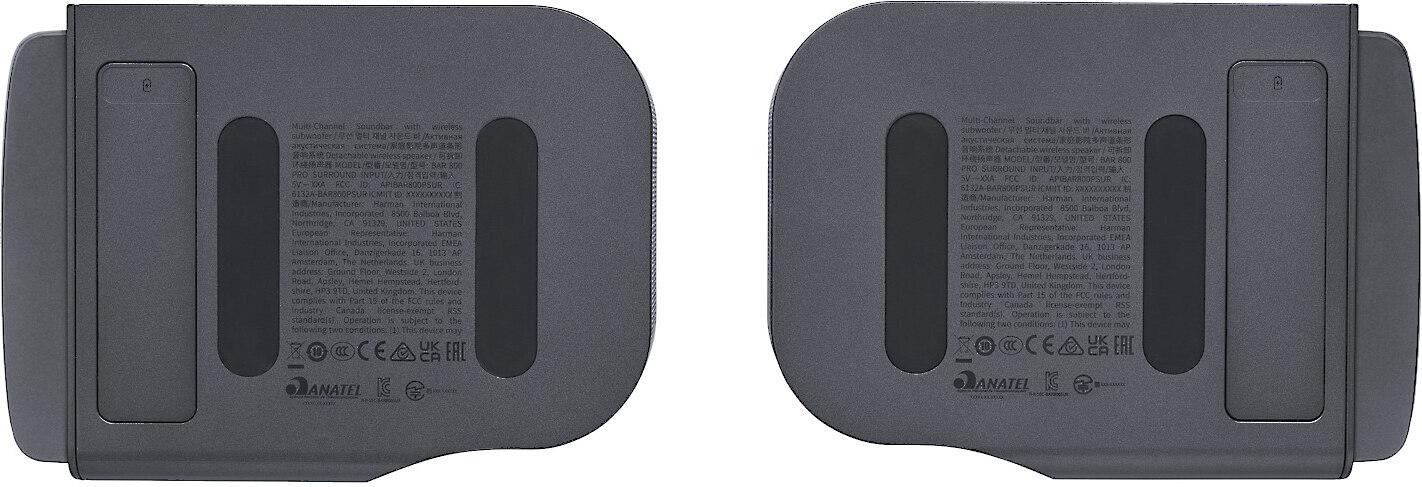
However, the JBL's innovation lies in its detachable rear speakers. These battery-powered units (lasting up to 10 hours per charge) can be placed behind your seating area without any wiring. When you're done watching, they simply reattach to the main soundbar to recharge. This solves one of the biggest pain points with traditional surround sound systems – running speaker wire across your living room.
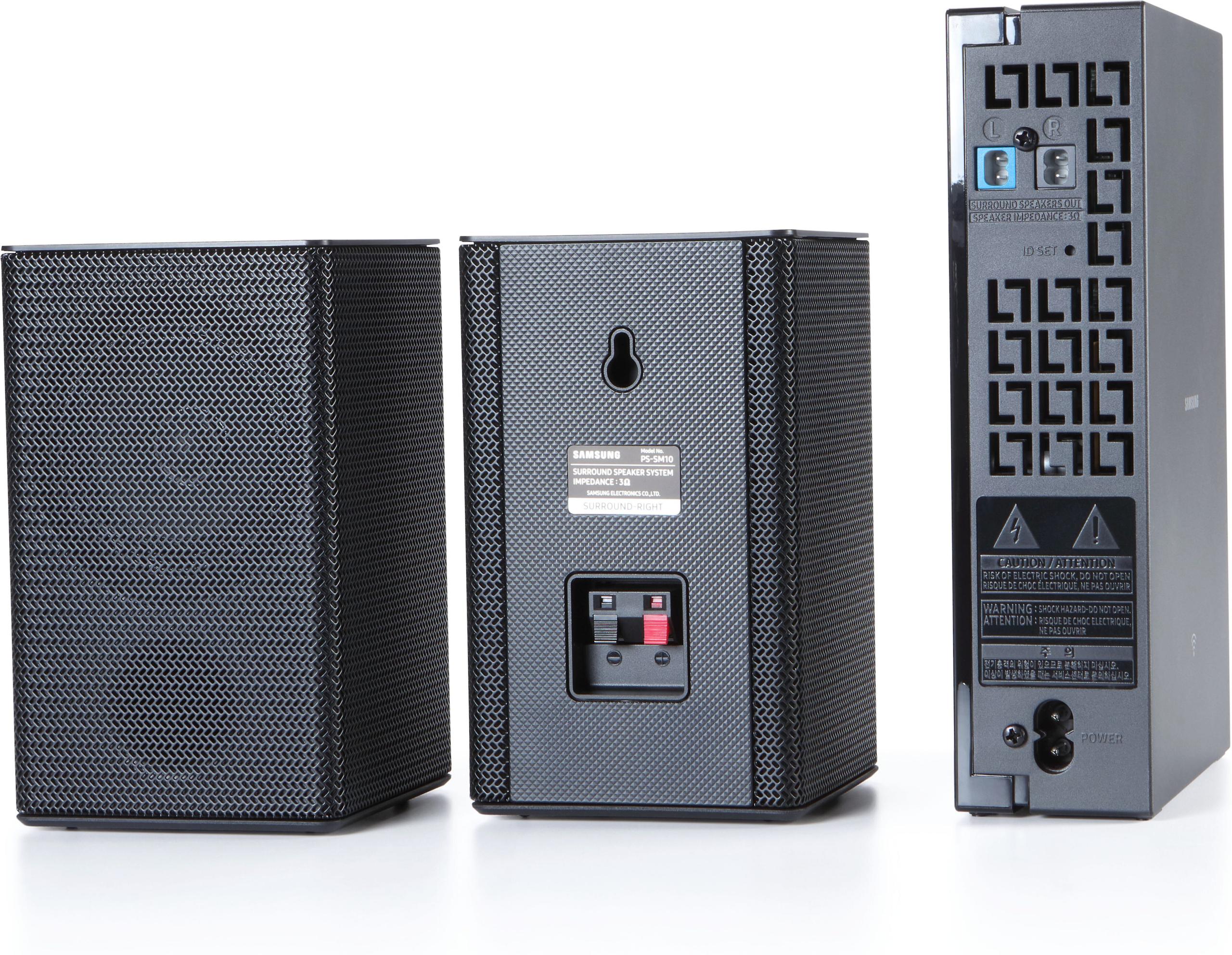
The Samsung takes a more conventional approach with dedicated wireless rear speakers that need to be plugged into wall outlets. While this means permanent placement, it also ensures consistent power and eliminates battery maintenance concerns.
Dolby Atmos represents the current gold standard for immersive audio, but soundbars achieve Atmos effects through different methods. The JBL Bar 700 uses virtual processing to create the illusion of height. Its sophisticated algorithms analyze the audio signal and redirect certain frequencies through the main bar's drivers at specific angles, hoping to create overhead effects through reflection and psychoacoustic tricks.
The Samsung's approach is more straightforward but potentially more effective. Its two dedicated up-firing speakers physically project sound toward your ceiling. When properly calibrated (and assuming you have appropriate ceiling height and material), this creates genuine overhead audio effects. The difference becomes particularly noticeable during action sequences or atmospheric scenes where rain, aircraft, or debris should sound like it's coming from above.
In my testing, I've found that virtual height processing works reasonably well in smaller rooms with standard 8-9 foot ceilings, but physical up-firing speakers provide more convincing results across a wider range of room configurations. However, the JBL's virtual processing has improved significantly since launch, and many users report satisfying Atmos experiences, especially when paired with the detachable rear speakers.
Both systems include wireless subwoofers, but with different design philosophies. The JBL features a 10-inch driver delivering 300 watts of dedicated bass power. It's tuned for impact and presence – you'll definitely feel explosions and musical bass lines. The wireless connection is reliable, and placement flexibility helps optimize bass response in different room layouts.
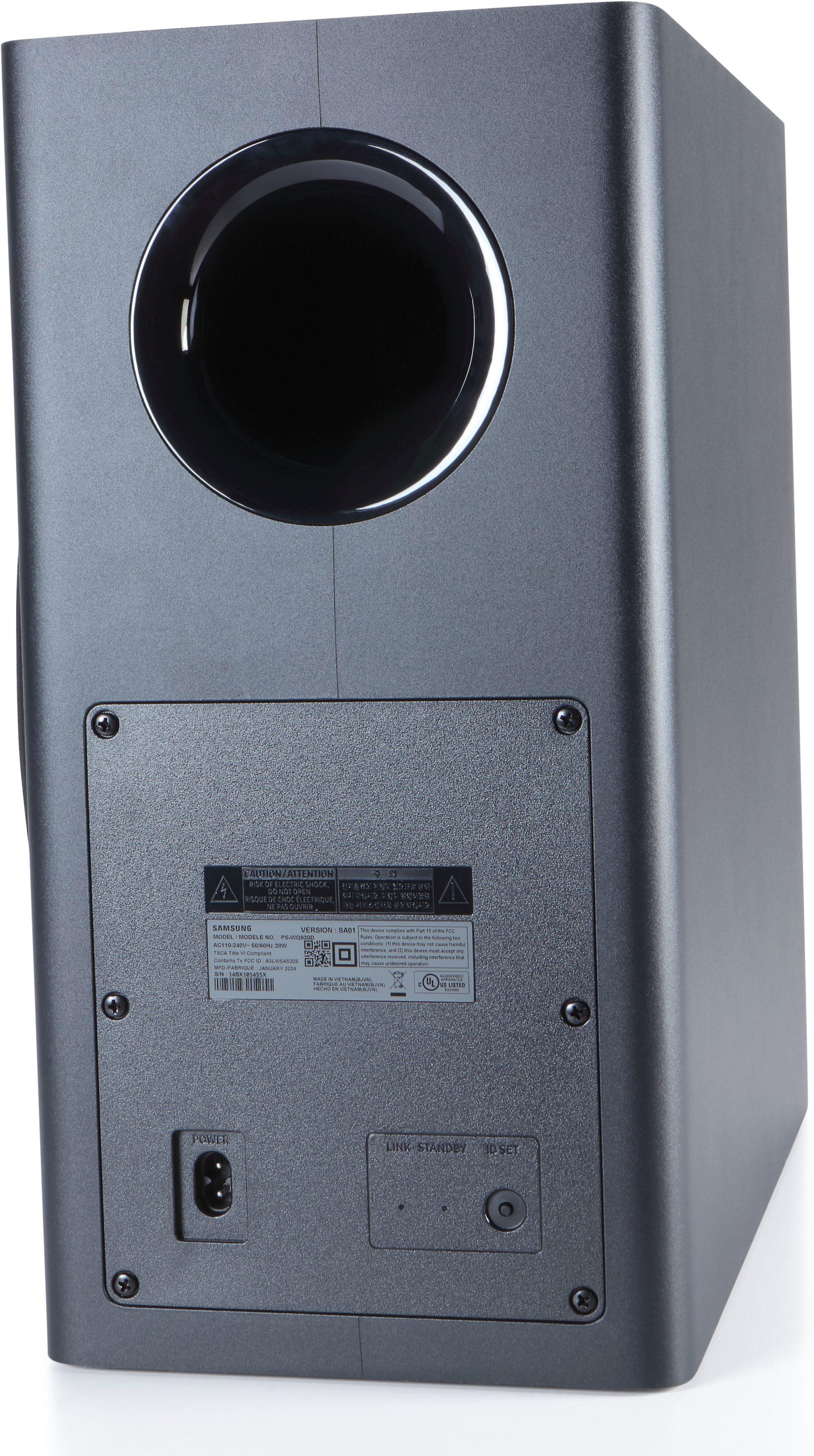
The Samsung's subwoofer specifications aren't as clearly detailed in their marketing materials, but it includes sophisticated Auto Sub EQ technology. This system uses a built-in microphone to analyze your room's acoustics and automatically adjust the subwoofer's frequency response to compensate for room-induced peaks and nulls. In practical terms, this means more balanced, natural-sounding bass that doesn't overpower dialogue or create the "boomy" effect common in poorly tuned systems.
During extended listening sessions, I've noticed that the Samsung's intelligent bass management reduces fatigue better than systems that rely solely on raw power. The JBL's approach works well for movie nights where you want maximum impact, but the Samsung excels for mixed content consumption.
Clear dialogue reproduction separates good soundbars from great ones. Both systems tackle this challenge differently. The JBL Bar 700 employs PureVoice technology, which uses algorithmic processing to identify and enhance vocal frequencies while suppressing competing sounds. This works particularly well during action scenes where explosions and sound effects might otherwise mask important dialogue.
The Samsung takes a more comprehensive approach with its Active Voice Amplifier (AVA) system. Rather than just boosting vocal frequencies, AVA analyzes the entire audio mix in real-time and dynamically adjusts multiple frequency bands to maintain dialogue intelligibility. Combined with the Auto Sub EQ preventing bass frequencies from bleeding into the vocal range, this creates consistently clear speech reproduction across different content types.
Both systems allow manual dialogue enhancement adjustment, but Samsung's approach feels more sophisticated and requires less user intervention to sound natural.
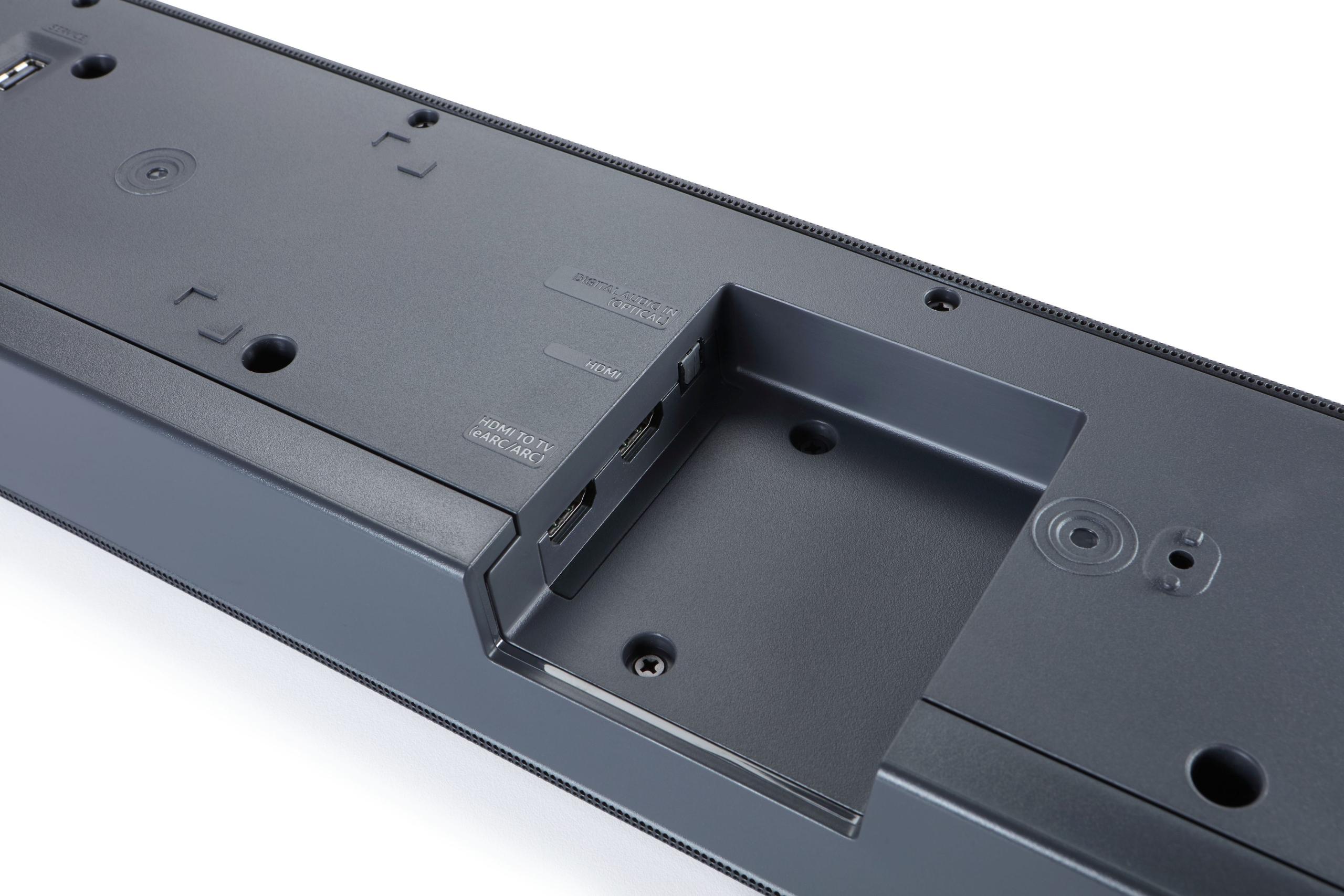
Modern soundbars must excel beyond movie playback, and gaming represents an increasingly important use case. Both models support HDMI eARC (enhanced Audio Return Channel, which allows higher-quality audio signals to pass from your TV back to the soundbar) and 4K pass-through with HDR support (High Dynamic Range, which provides better contrast and color in compatible content).
The Samsung distinguishes itself with Game Mode Pro, which optimizes audio processing for gaming scenarios. This mode reduces audio latency (the delay between on-screen action and corresponding sound) and enhances directional audio cues that help competitive gamers locate opponents or important sound effects. The system also integrates with Samsung's Gaming Hub for streamlined console connectivity.
The JBL handles gaming competently with standard low-latency processing, but lacks the specialized gaming optimization features. For casual gaming, this difference is negligible. Serious gamers, particularly those using Samsung TVs, will appreciate the Q Series' dedicated gaming features.
Both soundbars embrace the modern smart home ecosystem, but with different strengths. The JBL includes Chromecast built-in, Apple AirPlay support, and Alexa Multi-Room Music compatibility. This broad compatibility ensures the soundbar works well regardless of your preferred smartphone platform or smart home ecosystem.
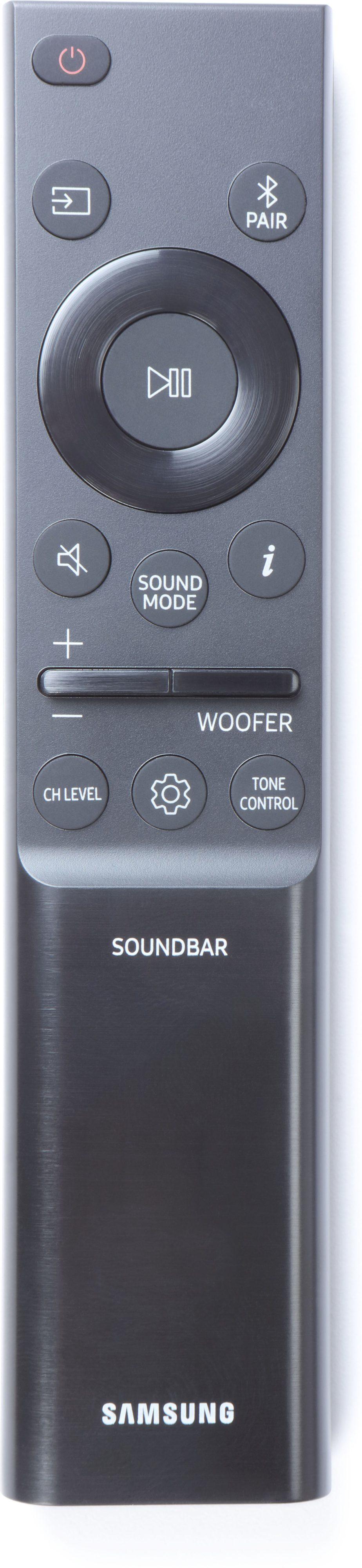
The Samsung Q Series 9.1.2 offers similar streaming service support but adds deeper integration with Samsung's ecosystem. Q-Symphony technology allows compatible Samsung TVs to work in concert with the soundbar, using the TV's speakers as additional channels rather than disabling them entirely. This creates a more enveloping soundstage and can improve dialogue clarity by dedicating the TV's speakers to center channel duties.
For Samsung TV owners, this integration is genuinely beneficial. The combined system provides better audio coverage and more precise sound placement than either component alone. However, this advantage is lost with non-Samsung TVs.
Setting up a premium soundbar properly can make or break the experience. The JBL Bar 700 includes an embedded calibration microphone that analyzes your room's acoustic properties and adjusts the sound profile accordingly. The process is relatively straightforward – you place the microphone at your listening position, run the calibration routine, and the system optimizes speaker levels and frequency response.
The Samsung's SpaceFit Sound+ system is more comprehensive but also more complex. It analyzes multiple room parameters including dimensions, furniture placement, and acoustic reflections to create a detailed room profile. The system then adjusts not just frequency response but also timing and phase relationships between speakers to optimize the listening experience.
In practice, Samsung's calibration produces more accurate results in challenging acoustic environments, but JBL's simpler approach often sounds perfectly adequate in typical living rooms. The key difference is flexibility – Samsung's system can adapt to unusual room layouts or acoustic problems that might stump simpler calibration routines.
For dedicated home theater applications, both systems offer compelling but different advantages. The JBL's detachable surround speakers provide genuine flexibility for home theater rooms where permanent speaker installation isn't practical. The battery operation means you can optimize speaker placement for different seating arrangements or remove the speakers entirely when the room serves other purposes.
The Samsung's higher channel count and dedicated height speakers create more convincing surround effects in properly configured home theater environments. The fixed wireless rear speakers require planning for permanent placement, but they deliver more consistent performance without battery considerations.
Both systems support future expandability within their respective ecosystems, though Samsung offers more upgrade paths including additional wireless speakers for even larger installations.
At $649.95, the JBL Bar 700 delivers impressive performance for its price point. The innovative detachable surround speakers, capable 10-inch subwoofer, and solid Dolby Atmos processing provide a complete premium audio experience without breaking the $700 barrier. For most living room applications, this system provides 80-90% of the performance of more expensive alternatives.
The Samsung Q Series 9.1.2 at $897.99 commands a $248 premium over the JBL. This extra cost buys you four additional audio channels, dedicated up-firing speakers, more sophisticated room calibration, and enhanced ecosystem integration features. Whether this represents good value depends entirely on your specific situation and priorities.
In smaller rooms (under 300 square feet) with standard acoustic conditions, the performance difference may not justify Samsung's premium pricing. In larger spaces, dedicated home theaters, or Samsung-centric setups, the additional features and performance capabilities can easily justify the higher cost.
Choose the JBL Bar 700 if you prioritize setup flexibility, appreciate innovative wireless technology, or want premium soundbar performance without premium pricing. It's particularly well-suited for renters, mixed-use rooms, or anyone who values the ability to optimize speaker placement for different occasions. The system excels in small to medium-sized rooms where its virtual processing can effectively create immersive effects.
Choose the Samsung Q Series 9.1.2 if you want maximum audio performance, own Samsung TVs and smart home devices, or have a dedicated home theater space with proper acoustic treatment. The additional channels and dedicated height speakers create more convincing surround effects, while the advanced calibration system helps optimize performance in challenging acoustic environments.
The $248 price difference ultimately comes down to whether you value flexibility and simplicity (JBL) or maximum performance and integration capabilities (Samsung). Both represent excellent choices within their respective design philosophies, and either will dramatically improve your TV audio experience compared to built-in speakers.
Having lived with both systems, I find myself reaching for the JBL when I want great sound without thinking about it, and the Samsung when I want to be impressed by technical prowess and precision. Your choice should reflect not just your budget, but how you actually use your entertainment system day to day.
| JBL Bar 700 Dolby Atmos 5.1 Soundbar ($649.95) | Samsung Q Series 9.1.2 Channel Soundbar ($897.99) |
|---|---|
| Channel Configuration - More channels = better surround sound separation | |
| 5.1 channels (5 main + subwoofer) | 9.1.2 channels (9 main + sub + 2 height) |
| Height Audio Technology - How overhead Dolby Atmos effects are created | |
| Virtual processing through main bar speakers | Dedicated physical up-firing speakers |
| Rear Speaker Design - Critical for true surround sound experience | |
| Detachable battery-powered (10hr runtime) | Fixed wireless speakers (wall-powered) |
| Total System Power - Determines maximum volume and dynamic range | |
| 620W total (300W subwoofer) | Not specified (likely higher due to more drivers) |
| Subwoofer Size - Larger drivers produce deeper, more impactful bass | |
| 10-inch wireless subwoofer | Wireless subwoofer with Auto EQ calibration |
| Room Calibration - Optimizes sound for your specific listening environment | |
| Basic embedded microphone calibration | Advanced SpaceFit Sound+ with room analysis |
| TV Integration - Enhanced features when paired with same-brand TVs | |
| Universal compatibility (all TV brands) | Q-Symphony with Samsung TVs creates unified soundstage |
| Gaming Features - Specialized audio processing for competitive gaming | |
| Standard HDMI eARC with 4K pass-through | Game Mode Pro with directional audio enhancement |
| Smart Streaming - Built-in music streaming without needing external devices | |
| Chromecast, AirPlay, Alexa Multi-Room | AirPlay, Chromecast, plus Samsung ecosystem integration |
| Setup Complexity - Time and effort required for optimal performance | |
| Simple plug-and-play with flexible rear placement | More complex but delivers superior calibrated results |
| Best Use Case - Where each system excels most | |
| Small-medium rooms, renters, flexible setups | Large rooms, Samsung owners, dedicated home theaters |
| Value Proposition - Performance per dollar spent | |
| Excellent performance at mid-premium pricing | Premium performance justifies higher cost in right setup |
The JBL Bar 700 ($649.95) offers better value for most buyers, delivering 80% of premium soundbar performance at a significantly lower price. The Samsung Q Series 9.1.2 ($897.99) provides superior audio quality with more channels and features, but the $248 price difference is only justified if you have a large room, Samsung TV, or dedicated home theater setup.
The biggest difference is channel configuration and height audio delivery. The JBL Bar 700 uses 5.1 channels with virtual Dolby Atmos processing, while the Samsung Q Series features 9.1.2 channels with dedicated physical up-firing speakers for more convincing overhead effects.
The JBL Bar 700 delivers more impactful bass with its dedicated 10-inch, 300W subwoofer that emphasizes power and presence. The Samsung Q Series offers more refined bass with Auto EQ technology that automatically calibrates the subwoofer for your room, resulting in more balanced and natural-sounding low frequencies.
Yes, both the JBL Bar 700 and Samsung Q Series work with any TV brand through HDMI eARC or optical connections. However, Samsung TV owners get additional benefits with the Q Series through Q-Symphony technology, which uses both the TV speakers and soundbar together for enhanced audio.
The JBL Bar 700 is significantly easier to set up with its simple plug-and-play design and detachable battery-powered rear speakers that require no additional wiring. The Samsung Q Series requires more complex placement planning for optimal performance but offers more sophisticated room calibration features.
Both systems include wireless rear speakers, but with different approaches. The JBL Bar 700 features innovative detachable battery-powered surrounds that can be moved freely and charge when attached to the main bar. The Samsung Q Series uses traditional wireless rear speakers that need to be plugged into wall outlets for power.
The Samsung Q Series is better for gaming with its dedicated Game Mode Pro that reduces audio latency and enhances directional sound cues for competitive gaming. The JBL Bar 700 handles gaming adequately but lacks specialized gaming optimization features.
The JBL Bar 700 includes 6 total speakers across its 5.1 channel configuration (main bar plus subwoofer and detachable rears). The Samsung Q Series features 11 total speakers in its 9.1.2 setup, providing more precise audio separation and channel effects.
The JBL Bar 700 is better suited for small to medium rooms where its virtual Dolby Atmos processing can effectively create immersive effects without overwhelming the space. The Samsung Q Series performs best in larger rooms where its additional channels and up-firing speakers have space to create proper surround effects.
Yes, both soundbars support wireless music streaming. The JBL Bar 700 includes Chromecast built-in, Apple AirPlay, and Alexa Multi-Room Music. The Samsung Q Series offers similar streaming services plus deeper integration with Samsung's SmartThings ecosystem for enhanced smart home connectivity.
The Samsung Q Series delivers superior Dolby Atmos performance with dedicated physical up-firing speakers that create genuine overhead sound effects. The JBL Bar 700 uses virtual processing to simulate height effects, which works well but isn't as convincing as dedicated height speakers in most room configurations.
For dedicated home theaters, choose the Samsung Q Series if you have a large room with proper acoustic treatment and want maximum immersion. Choose the JBL Bar 700 for flexible home theater setups where you might need to move or remove rear speakers, or if budget is a primary concern while still wanting excellent surround sound performance.
We've done our best to create useful and informative comparisons to help you decide what product to buy. Our research uses advanced automated methods to create this comparison and perfection is not possible - please contact us for corrections or questions. These are the sites we've researched in the creation of this article: crutchfield.com - harmanaudio.com - target.com - jbl.com - walmart.com - dell.com - jbl.com - rtings.com - samsung.com - markselectrical.co.uk - techradar.com - walmart.com - samsung.com - samsung.com - youtube.com - samsung.com - biancos.com - crutchfield.com - samsung.com

Privacy Policy
Terms and Conditions - Affiliate Policy
Home Security
© Copyright 2008-2026.
11816 Inwood Rd #1211, Dallas, TX 75244