






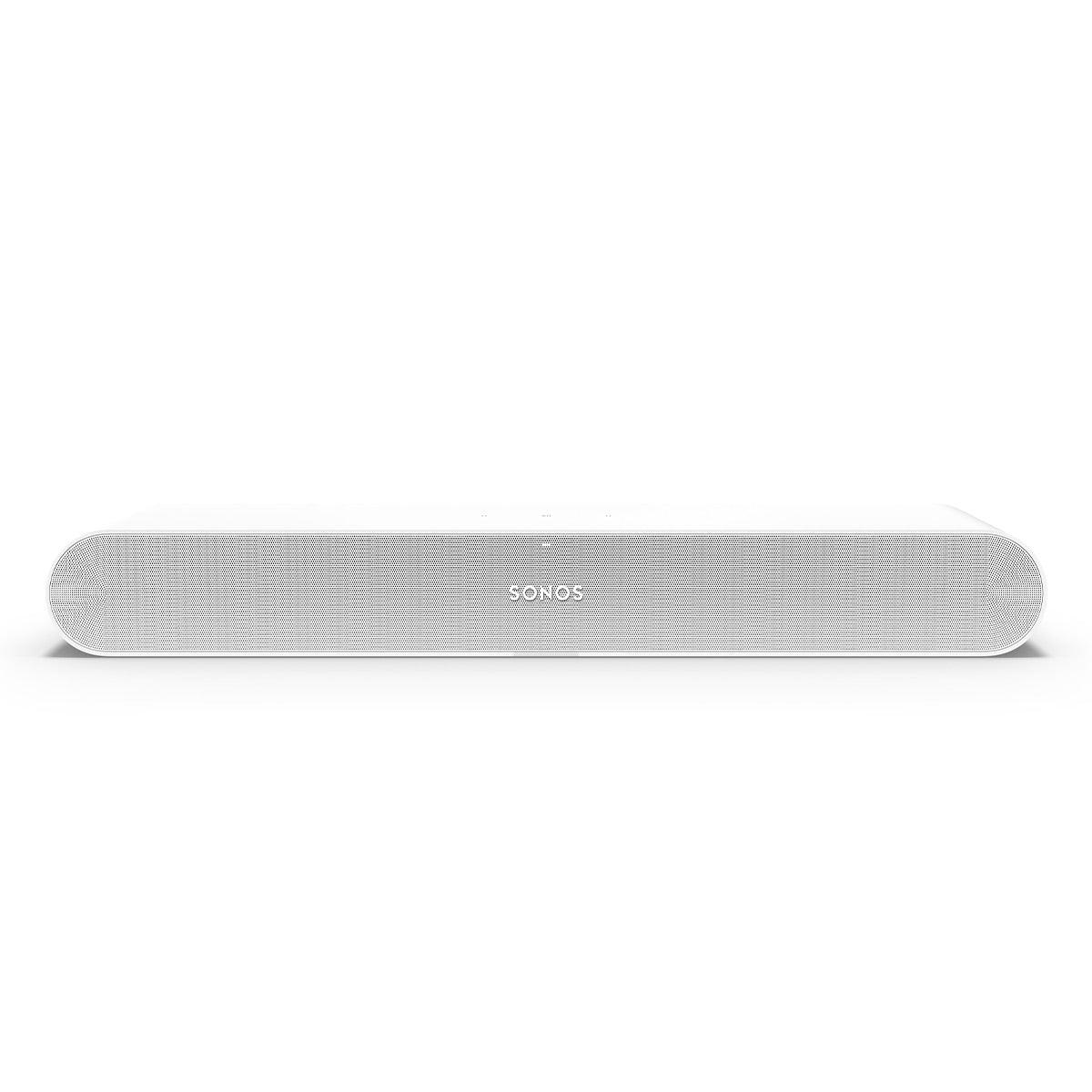
When your TV's built-in speakers make action movies sound like they're coming from a tin can, it's time to consider a soundbar. Modern TVs have gotten impressively thin, but this sleek design comes at a cost—there's simply no room for decent speakers. That's where soundbars come in, and today we're comparing two very different approaches to solving your audio woes.
The Sonos Ray and Samsung HW-B550D represent fundamentally different philosophies in soundbar design. At the time of writing, the Samsung typically costs about $100 less than the Sonos, but this price difference tells only part of the story. These aren't just competing products—they're competing visions of what a soundbar should be.
Before diving into specifics, let's talk about what actually matters in a soundbar. The most crucial factor is dialogue clarity—you need to understand what characters are saying without constantly reaching for the volume remote. Second is overall audio quality that makes movies, music, and shows more engaging. Room compatibility matters too; a soundbar that works great in a large living room might overwhelm a bedroom setup.
Then there's the value equation, which isn't just about the sticker price. Some soundbars are complete systems right out of the box, while others serve as building blocks for larger audio setups. Finally, consider your primary use case. Are you mainly watching Netflix and cable TV, or do you stream a lot of music too? This distinction will heavily influence which soundbar serves you better.
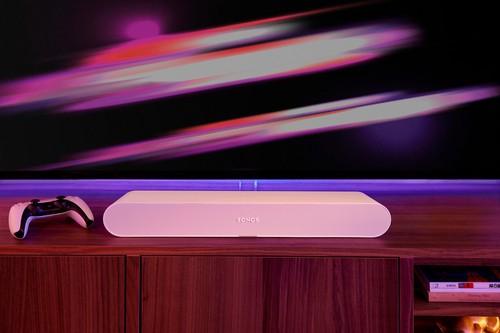
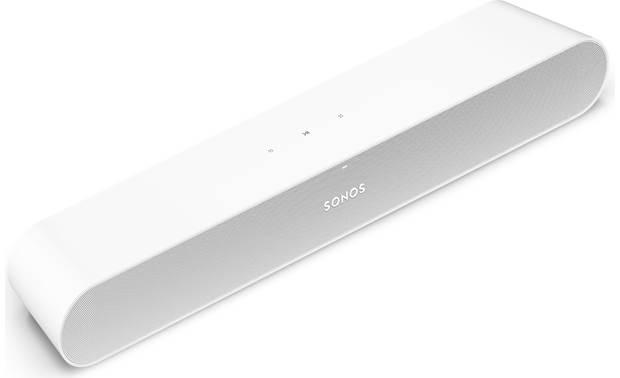
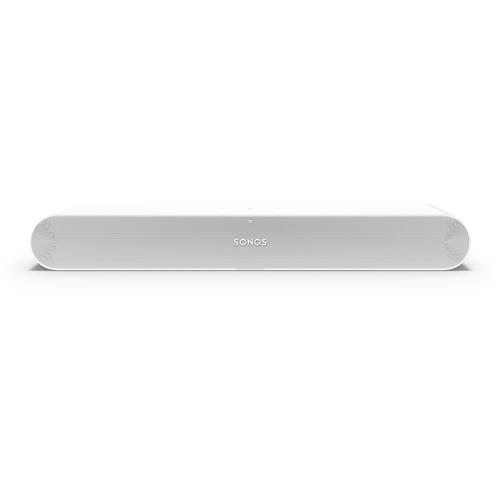
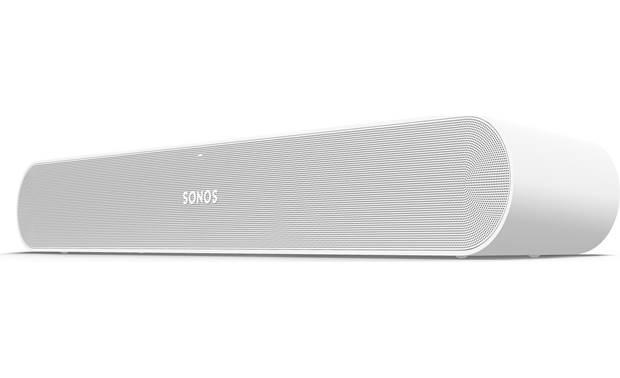
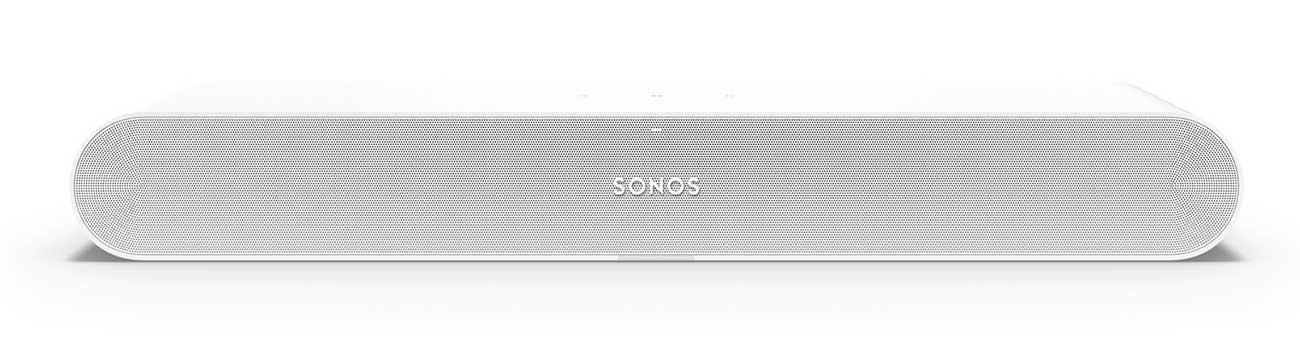
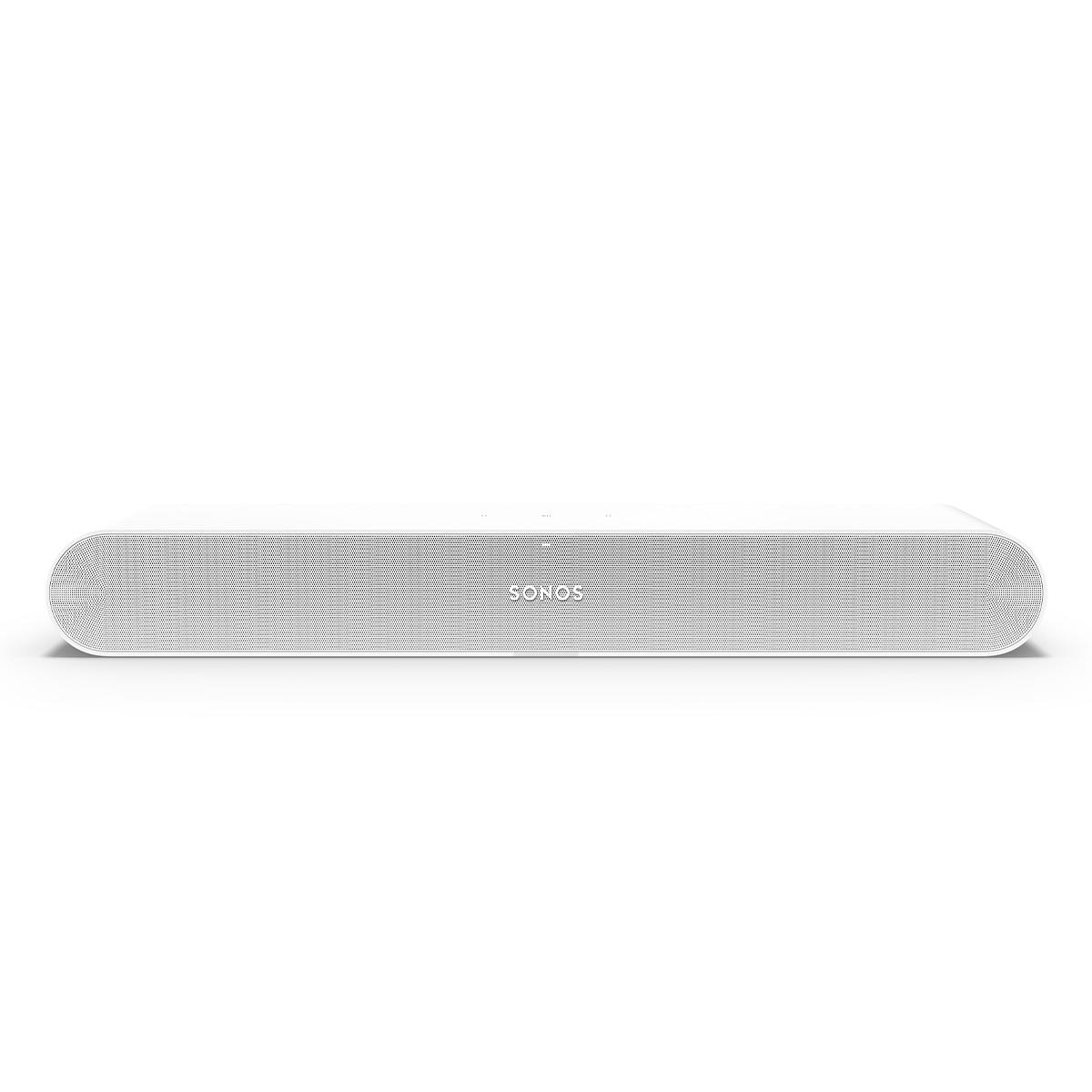
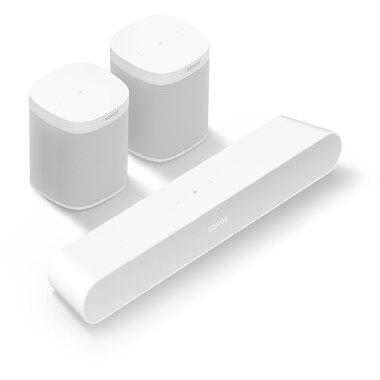
The Sonos Ray, released in 2022, represents Sonos's entry-level offering in the soundbar market. It's a compact, stereo-only device that focuses on audio quality and ecosystem integration. Think of it as a high-quality wireless speaker that happens to work exceptionally well with your TV.
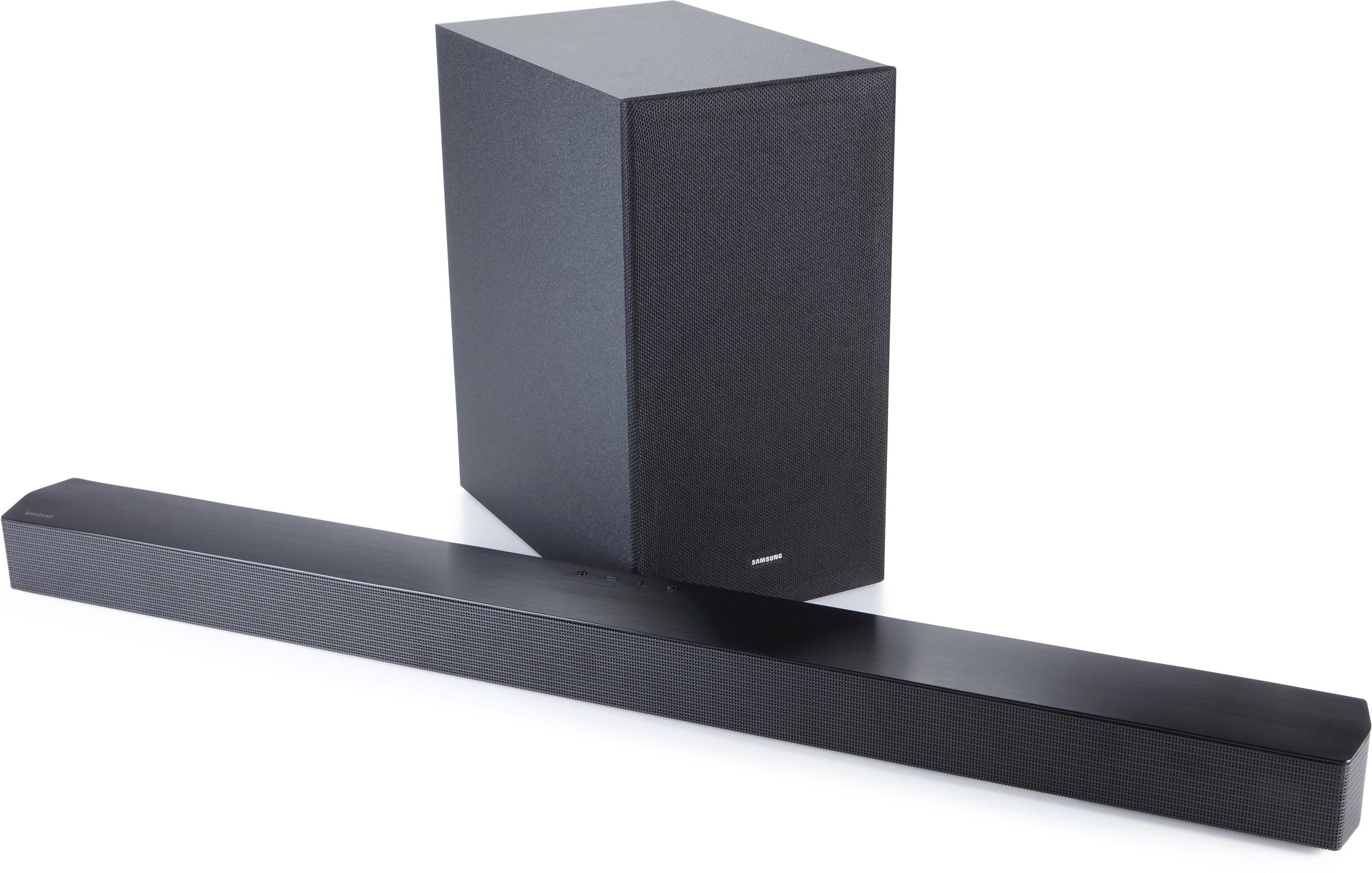
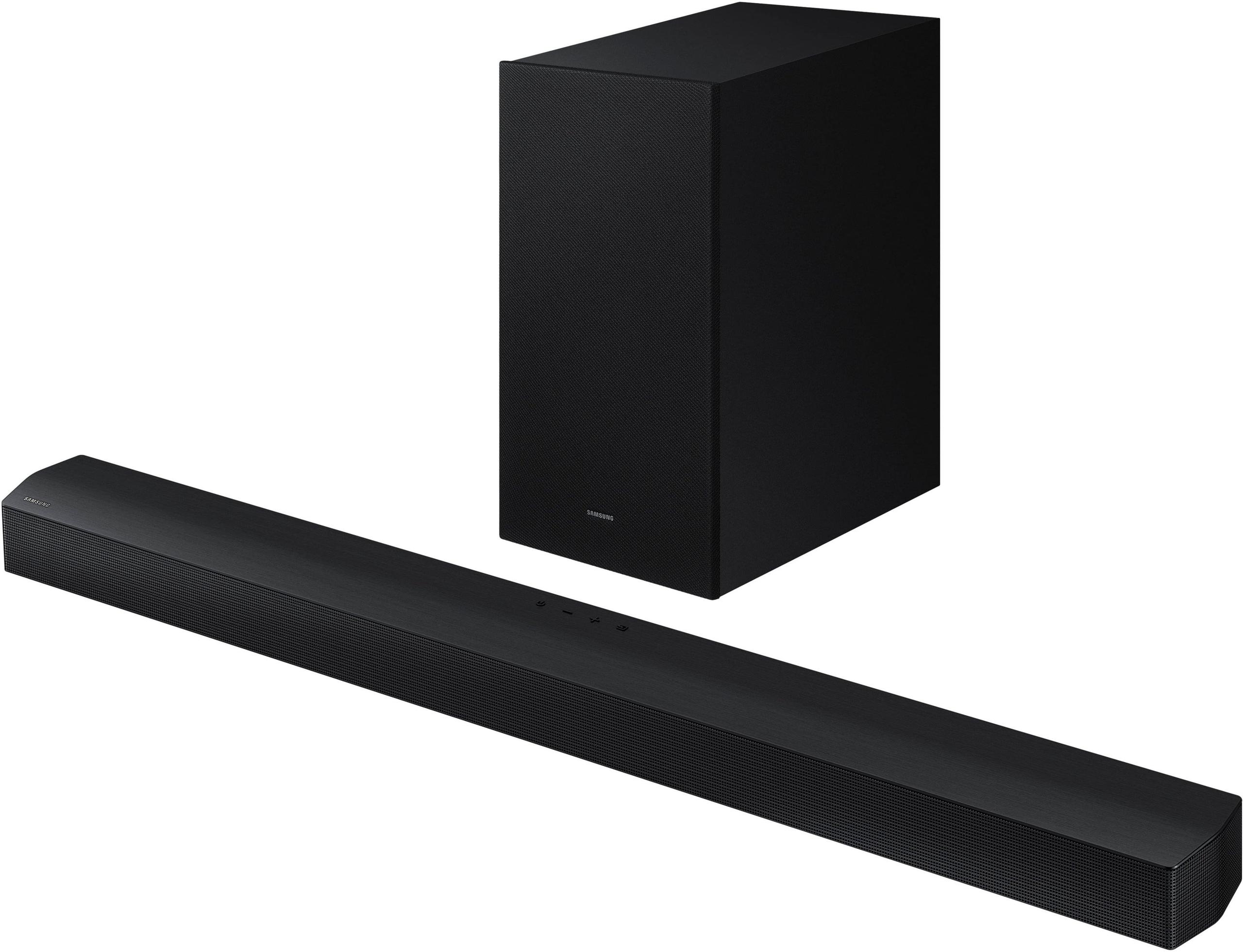
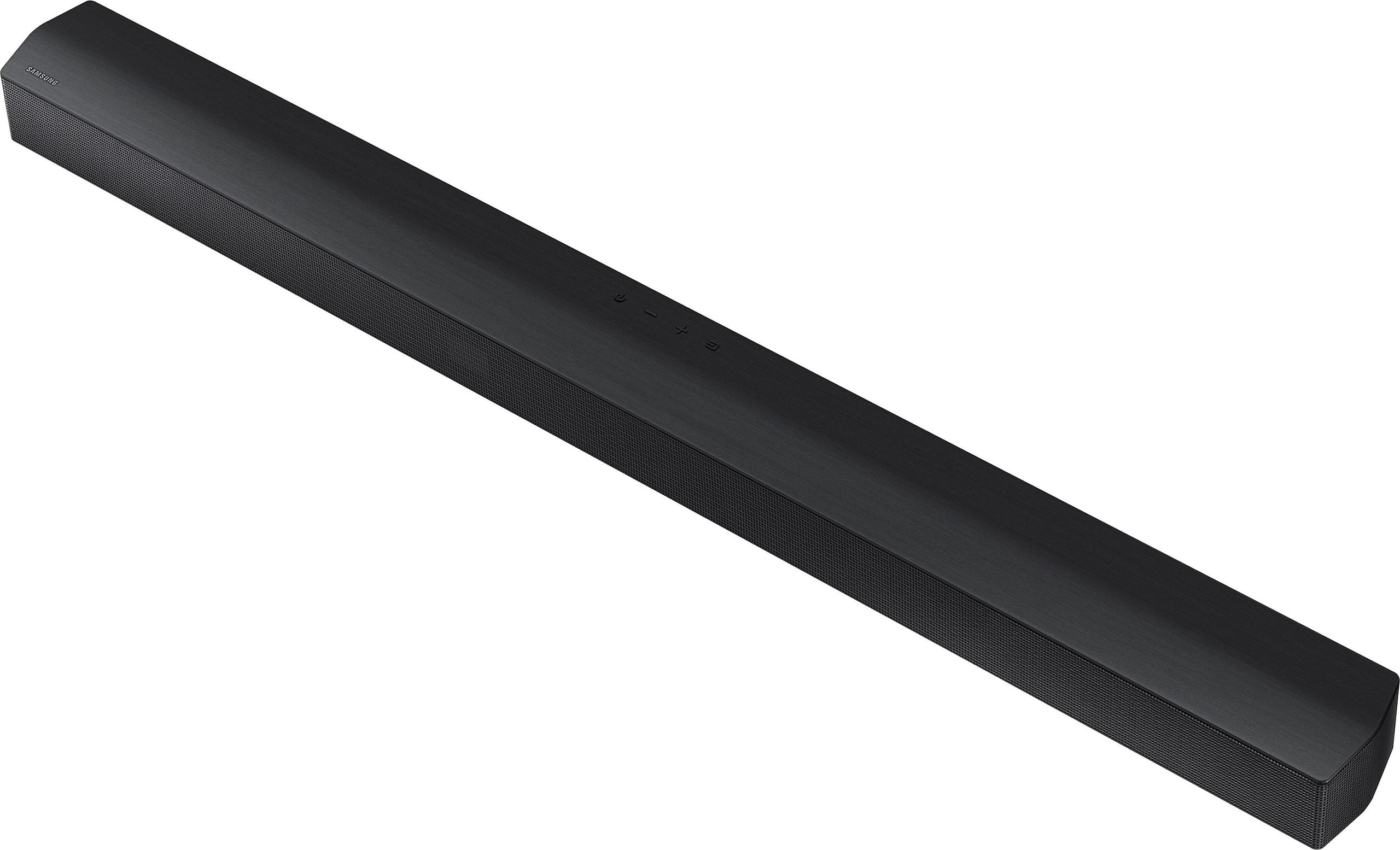
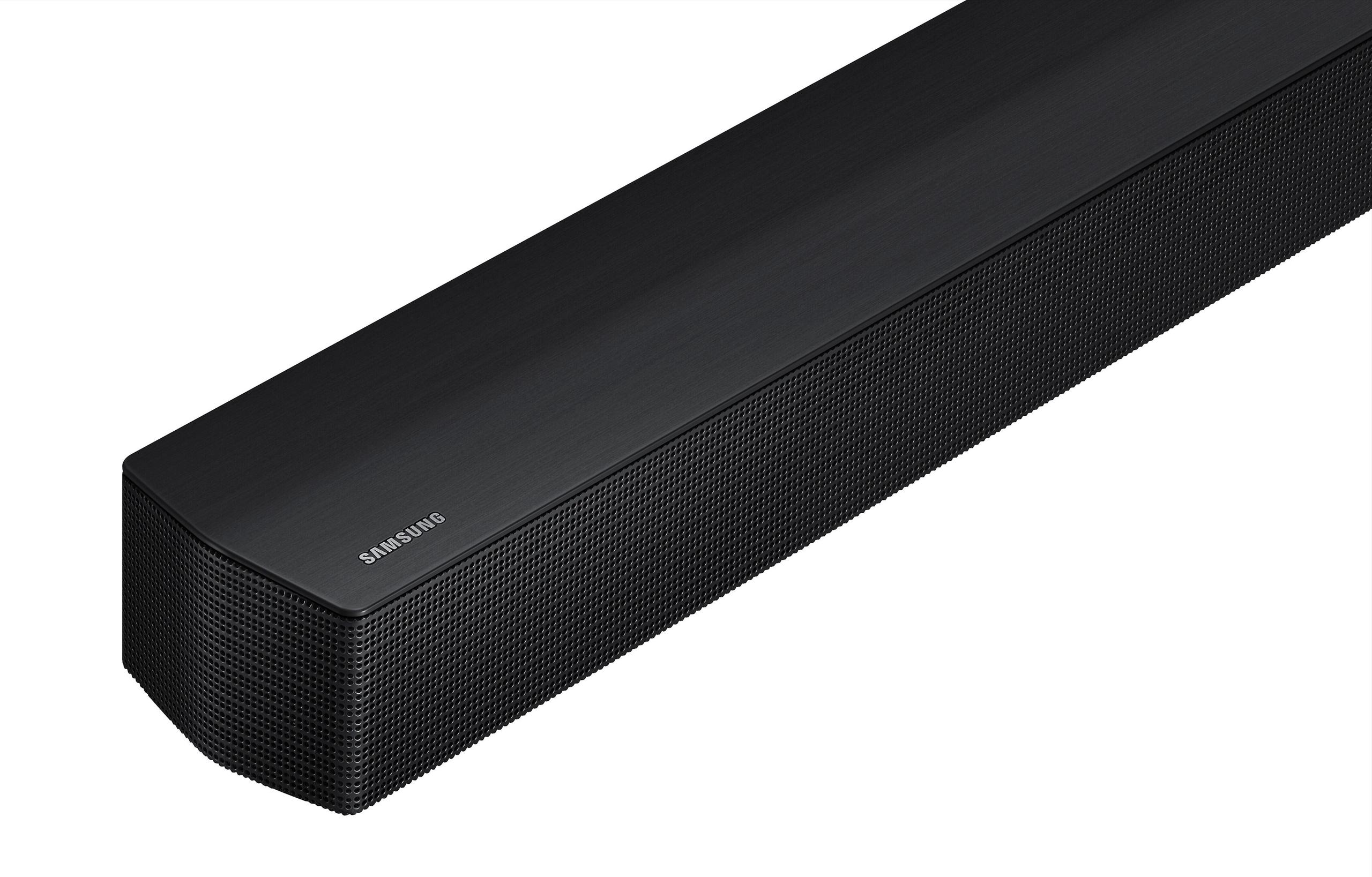
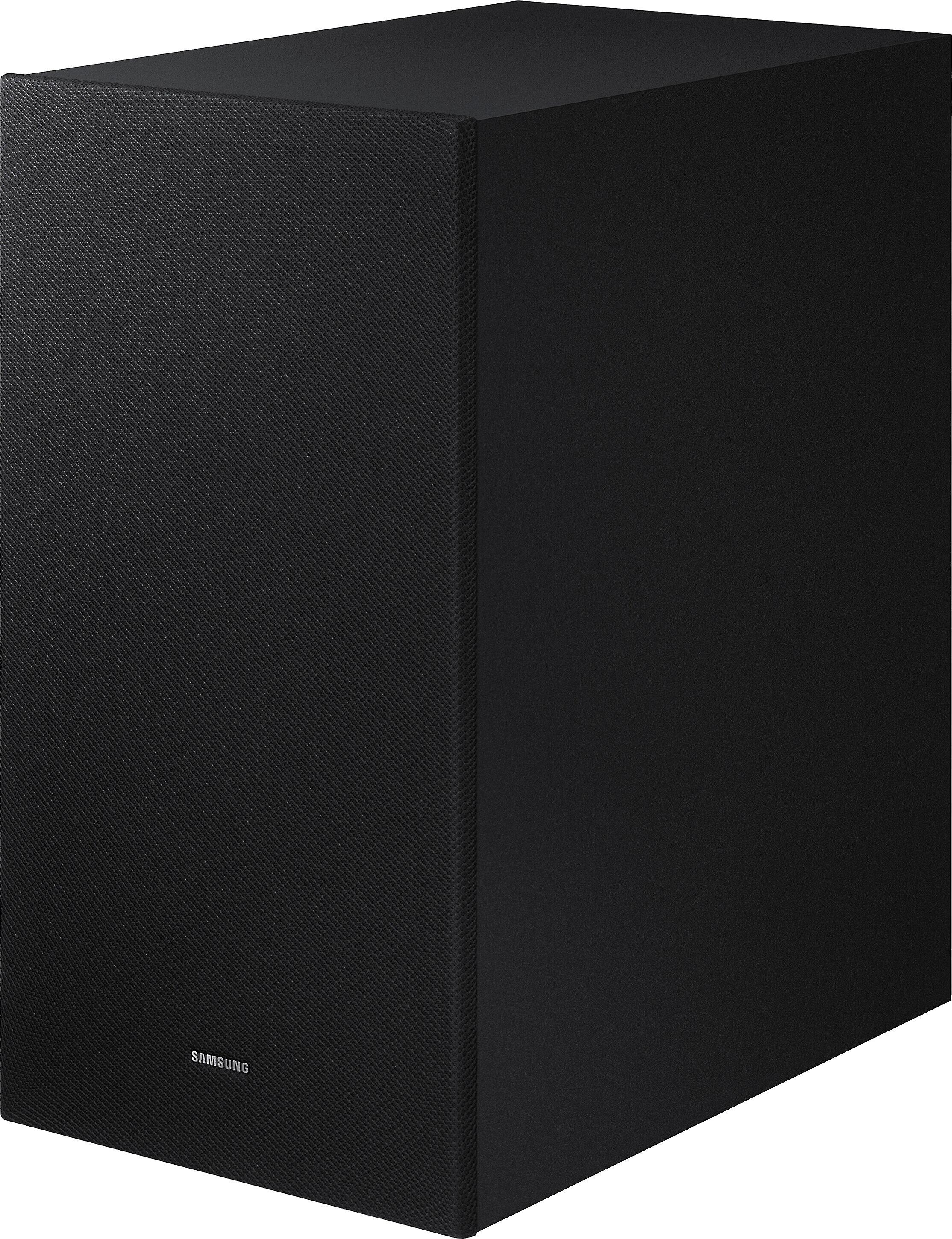
The Samsung HW-B550D, available since 2021, takes the traditional home theater approach. It's a 3.1 channel system, which means it has left, right, and center channels in the main bar, plus a separate wireless subwoofer. This configuration directly addresses the two biggest complaints people have about TV audio: muddy dialogue and lack of bass.
Here's where the Samsung's 3.1 design really shines. That dedicated center channel—essentially a specialized speaker just for voices—makes a dramatic difference in dialogue clarity. When watching movies or shows with complex soundtracks, voices remain distinct and clear even during explosive action sequences.
The Sonos Ray handles dialogue differently. Without a center channel, it relies on precise stereo imaging to position voices between the left and right speakers. For most content, this works well, especially in smaller rooms where you're sitting relatively close to the soundbar. However, in challenging audio scenes with lots of background noise or music, the Samsung's dedicated approach wins.
I've found that the Samsung's voice enhancement feature can be particularly helpful for older movies or shows with uneven audio mixing. It's like having a built-in audio engineer making sure you never miss important dialogue.
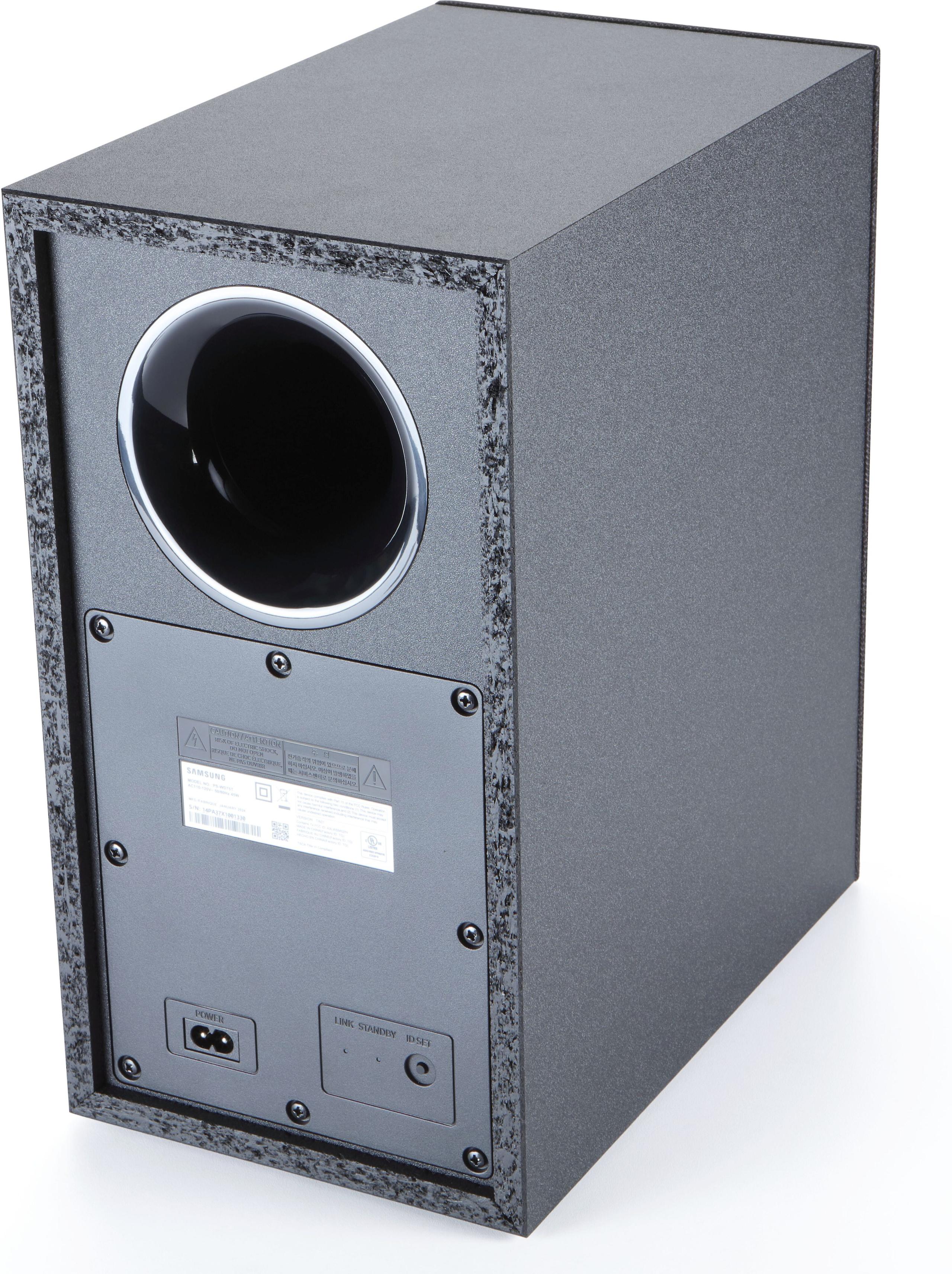
This is where the biggest performance gap emerges. The Samsung HW-B550D includes a wireless subwoofer—a dedicated speaker designed specifically for low-frequency sounds. This subwoofer handles everything from movie explosions to the deep bass lines in music, adding physical impact that you can actually feel.
The Sonos Ray, being a compact stereo soundbar, simply cannot produce the same level of bass. It does reasonably well for its size, but physics is physics—small speakers in a small enclosure have limitations. For casual TV watching, this might be perfectly adequate. For action movies or bass-heavy music, you'll notice the difference immediately.
Sonos offers a separate subwoofer add-on, but at the time of writing, it costs significantly more than the entire Samsung system. This creates an interesting value proposition that we'll explore more later.
The Sonos Ray excels at creating a precise, well-defined stereo image. When listening to music, instruments feel properly positioned in space, and the soundstage extends convincingly beyond the physical boundaries of the soundbar. This precision comes from Sonos's expertise in music reproduction—they've been perfecting this for decades.
The Samsung HW-B550D takes a different approach, using DTS Virtual:X processing to create the impression of surround sound from its front-facing speakers. This technology analyzes the audio signal and manipulates it to trick your brain into perceiving sounds coming from beside and behind you. It's not true surround sound, but it's more immersive than standard stereo for movie watching.
For music listening, I prefer the Sonos's approach—it's more accurate and natural. For movies, the Samsung's processing creates a more enveloping experience that better matches what filmmakers intended.
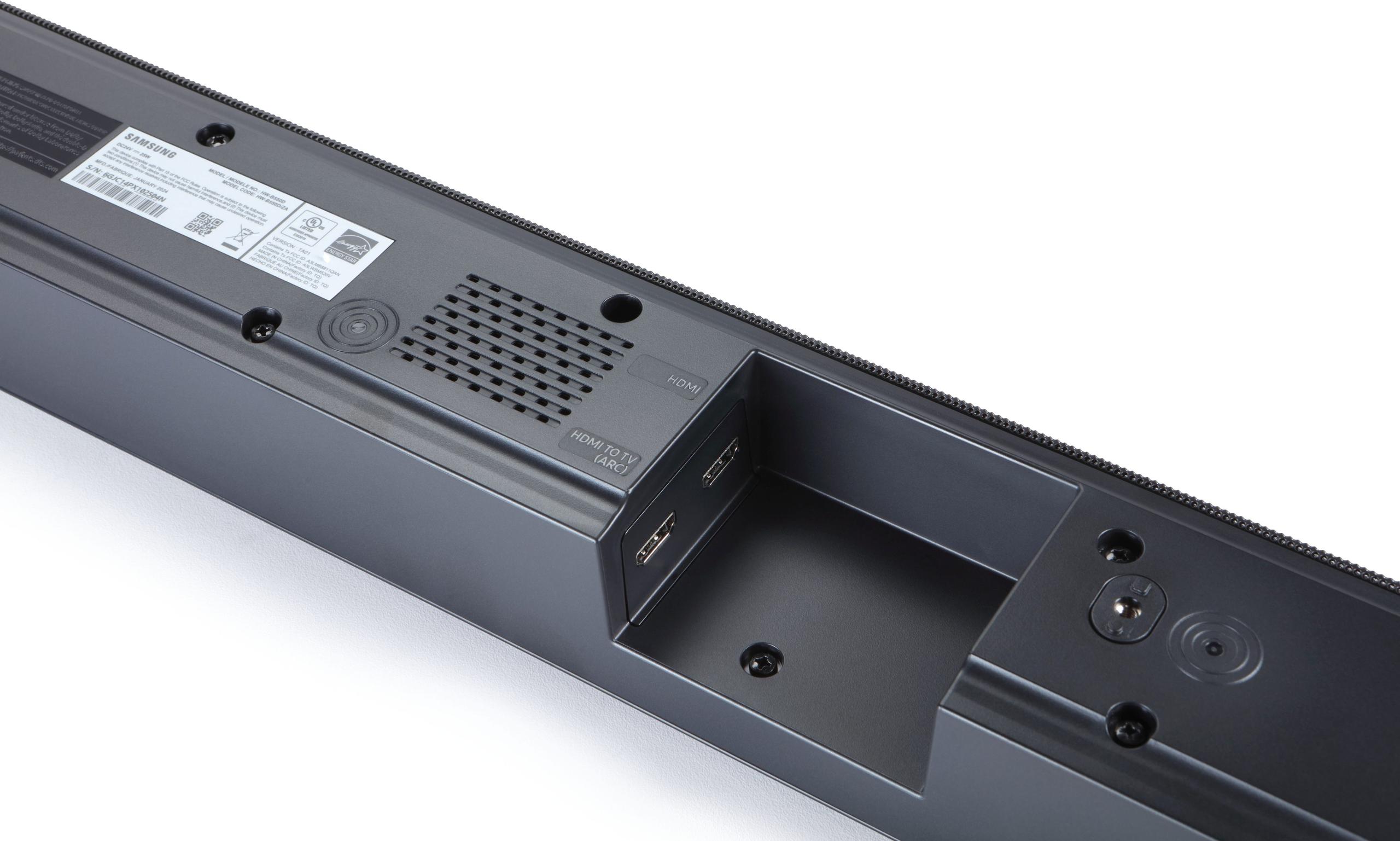
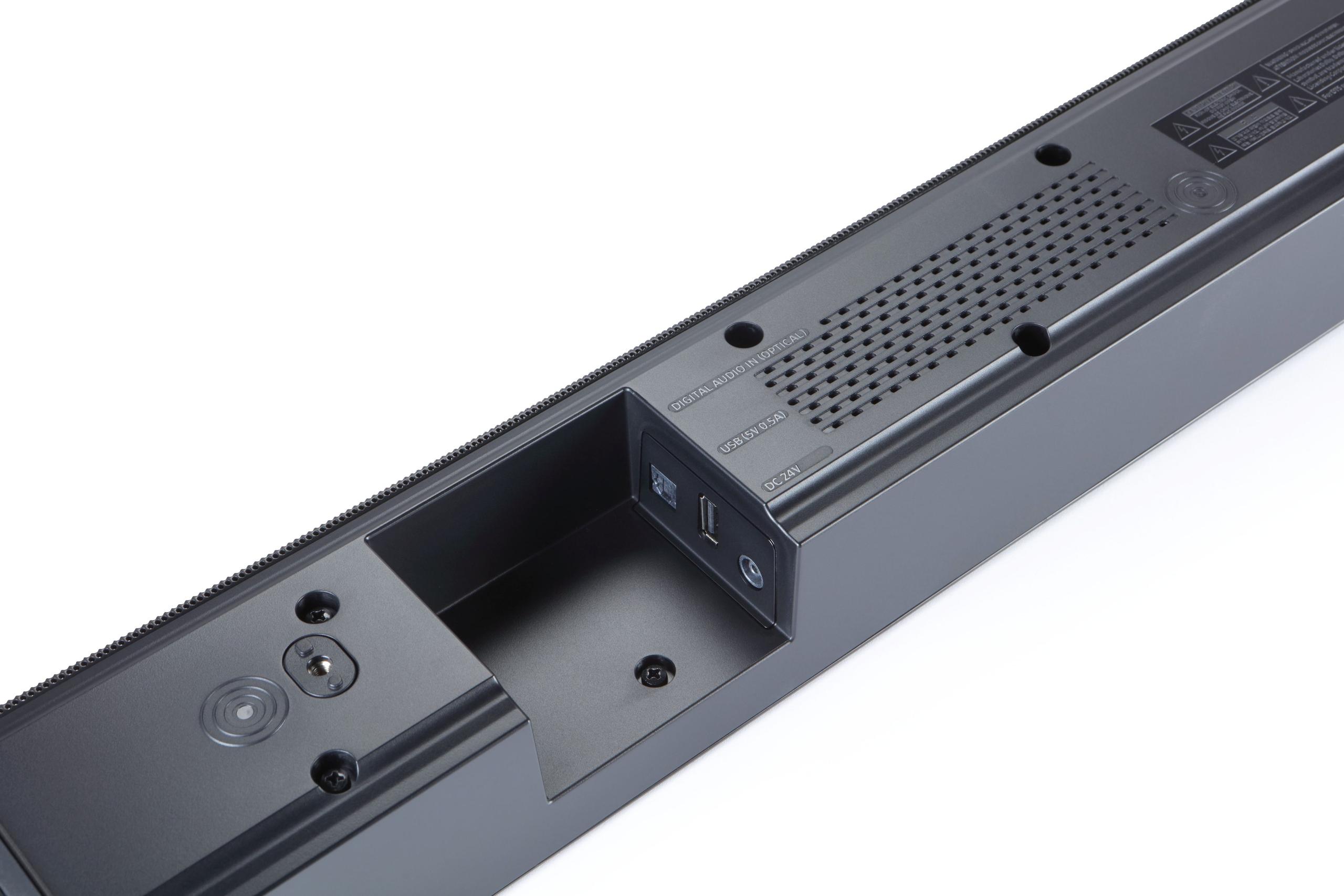
The Samsung HW-B550D offers the connectivity most people expect in 2024. HDMI ARC (Audio Return Channel) creates a single-cable connection to your TV that handles both audio and basic control functions. This means you can often control the soundbar's volume with your TV remote. There's also an optical input for older TVs and Bluetooth for streaming directly from your phone.
The Sonos Ray makes some interesting choices here. It includes optical input for TV connection but notably lacks both HDMI and Bluetooth. Instead, it focuses on Wi-Fi connectivity and AirPlay 2 support. This might seem limiting, but it reflects Sonos's philosophy of prioritizing high-quality wireless streaming over universal compatibility.
Where the Sonos Ray really distinguishes itself is in smart features. The Sonos app provides sophisticated control options, and the soundbar receives regular software updates that add new features over time. Multi-room audio capability means you can sync it with other Sonos speakers throughout your home, creating a whole-house audio system.
The Sonos Trueplay feature deserves special mention. Using an iPhone's microphone, it analyzes your room's acoustics and automatically adjusts the soundbar's output to compensate for your specific environment. Hard surfaces, furniture placement, and room shape all affect how audio sounds, and Trueplay adapts accordingly.
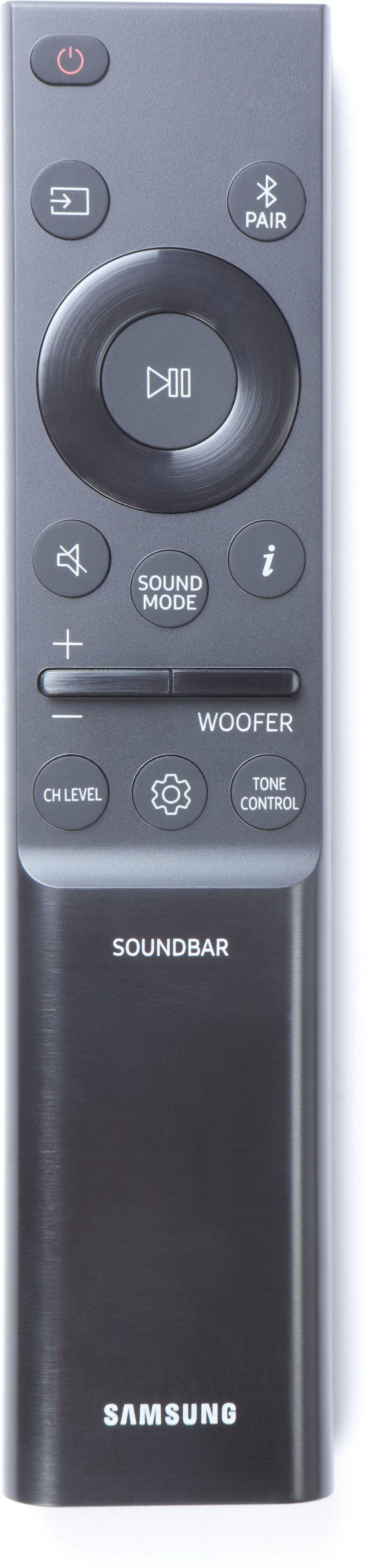
The Samsung HW-B550D keeps things simpler. You get basic remote control, some sound mode adjustments, and that's about it. There's no app for advanced control or room correction features. For many users, this simplicity is actually a benefit.
The Sonos Ray measures just 22 inches wide, making it suitable for smaller TVs and more constrained spaces. Its low profile means it won't block your TV's infrared receiver or overwhelm a media console. The build quality feels premium, with a clean design that disappears into most room setups.
The Samsung HW-B550D stretches nearly 34 inches wide, better matching larger TVs but requiring more space. The included subwoofer adds another component to place, though its wireless connection provides flexibility in positioning. You can tuck the subwoofer beside a couch, in a corner, or even in an adjacent room if needed.
I've found that the Sonos Ray works best in small to medium rooms—bedrooms, apartments, or secondary living spaces. In very large rooms, it can sound somewhat lost, lacking the power to fill the space adequately.
The Samsung HW-B550D handles medium to large rooms more effectively. The subwoofer's bass output and the soundbar's overall power create a more substantial sonic presence that scales better with room size.
At the time of writing, the Samsung HW-B550D offers compelling immediate value. You get a complete 3.1 system with subwoofer for significantly less money than the Sonos Ray alone. For someone primarily interested in improving their TV's audio and maybe streaming some music occasionally, the Samsung delivers more noticeable improvement for less money.
The Sonos Ray represents a different value proposition—it's an entry point into a comprehensive ecosystem. If you eventually want multi-room audio, seamless music streaming, or the ability to build a more sophisticated home theater setup, the Sonos makes more sense despite its higher initial cost.
Consider software support too. Sonos has a track record of supporting their products with feature updates for many years. The Samsung HW-B550D, while perfectly functional, is essentially a fixed-feature product that won't gain new capabilities over time.
For dedicated home theater use, the Samsung HW-B550D provides a more traditionally satisfying experience. Action movies benefit enormously from the subwoofer's impact, and the center channel keeps dialogue clear even during complex audio scenes. The DTS Virtual:X processing, while not true surround sound, creates enough spatial audio to make movies more engaging.
I've noticed that the Samsung particularly excels with streaming service content, where audio compression can make dialogue muddy on TV speakers. The center channel cuts through this compression effectively.
The Sonos Ray transforms into an entirely different product when streaming music. Its stereo precision and tonal balance make it genuinely enjoyable for dedicated music listening. The multi-room capabilities mean you can start music on the soundbar and extend it to other Sonos speakers throughout your home.
AirPlay 2 support makes streaming from Apple devices seamless, and the integration with streaming services through the Sonos app provides a more sophisticated music experience than the Samsung's basic Bluetooth connection.
For apartment living, the Sonos Ray often makes more sense. Its compact size fits smaller spaces better, and the lack of a subwoofer means no worries about bothering downstairs neighbors. The night mode feature helps maintain dialogue clarity at lower volumes—crucial for late-night viewing in close quarters.
You're primarily focused on improving your TV watching experience and want immediate, dramatic improvement for the least money. The Samsung works best for people who watch a lot of movies and shows, have medium to large rooms, and prefer straightforward plug-and-play operation. If your music listening consists mainly of background streaming while doing other things, the Samsung handles this adequately while excelling at its primary home theater mission.
The Samsung also makes sense if you're not interested in building a larger audio system over time. It's a complete solution that addresses the most common TV audio complaints effectively and affordably.
You want a soundbar that works well for both TV and dedicated music listening, plan to potentially expand your audio system over time, or prefer the ongoing feature additions that come with software updates. The Sonos makes particular sense in smaller rooms, for people with mixed-use scenarios, or for those who value audio precision over raw impact.
If you're already invested in the Apple ecosystem or streaming services, the Sonos's more sophisticated connectivity options provide genuine advantages. The multi-room capabilities alone can justify the higher cost for the right user.
Both soundbars succeed at their intended purposes, but they're solving different problems. The Samsung HW-B550D delivers traditional home theater improvements—better bass, clearer dialogue, and more immersive movie watching—for less money. The Sonos Ray offers a more nuanced approach that prioritizes audio quality, smart features, and long-term flexibility.
For most people buying their first soundbar primarily to improve TV audio, the Samsung provides more immediate satisfaction for less money. For users who see their soundbar as part of a larger audio ecosystem or who split their time between TV and music, the Sonos justifies its higher cost through superior versatility and long-term potential.
The choice ultimately comes down to whether you want the best immediate home theater improvement for your dollar, or whether you're willing to pay more for a foundation that can grow with your needs over time.
| Sonos Ray Soundbar | Samsung HW-B550D 3.1 Channel Sound Bar |
|---|---|
| Channel Configuration - Determines dialogue clarity and bass performance | |
| 2.0 stereo (no dedicated center or subwoofer) | 3.1 channels with center speaker + wireless subwoofer |
| Audio Processing - How surround content is handled | |
| Downmixes 5.1 to stereo (less immersive) | DTS Virtual:X creates simulated surround sound |
| Bass Performance - Critical for movies and music impact | |
| Limited by compact size, requires separate sub for deep bass | Wireless 5" subwoofer included for full-range sound |
| Connectivity Options - How you connect devices | |
| Optical only (no HDMI or Bluetooth) | HDMI ARC, Optical, Bluetooth, USB |
| Smart Features - Long-term value and convenience | |
| Multi-room audio, AirPlay 2, Trueplay room correction | Basic remote control, Game Mode |
| Software Updates - Ongoing feature additions | |
| Regular updates add new features over time | Fixed feature set, no updates |
| Physical Size - Room compatibility | |
| 22" wide, very compact for small spaces | 34" wide soundbar + separate subwoofer placement |
| Music Performance - Dedicated listening quality | |
| Excellent stereo imaging, optimized for music | Movie-focused tuning, adequate for casual music |
| Setup Complexity - Getting started | |
| App-based setup with Wi-Fi configuration | Plug-and-play with immediate operation |
| Expandability - Future system building | |
| Entry point to full Sonos ecosystem | Complete closed system, no expansion options |
| Best Use Case - Primary strength | |
| Small rooms, music + TV, part of larger system | Medium/large rooms, movie-focused, budget home theater |
| Value Proposition - What you get for the money | |
| Higher cost but long-term ecosystem potential | Lower cost complete system with immediate impact |
The Samsung HW-B550D is better for movies and TV shows due to its dedicated center channel speaker that makes dialogue crystal clear and its wireless subwoofer that adds impactful bass for action scenes. The Sonos Ray can handle TV audio well but lacks the bass depth and surround processing that enhance the cinematic experience.
The key difference is channel configuration: the Samsung HW-B550D features 3.1 channels with a center speaker and wireless subwoofer, while the Sonos Ray uses 2.0 stereo channels only. This means the Samsung delivers better dialogue clarity and bass, while the Sonos focuses on precise stereo imaging and music quality.
The Samsung HW-B550D offers better immediate value as a complete 3.1 system with subwoofer at a lower cost. However, the Sonos Ray provides long-term value through ecosystem integration, software updates, and superior music performance, making it worthwhile for users planning to build a larger audio system.
For movies and bass-heavy content, a subwoofer makes a significant difference. The Samsung HW-B550D includes one, providing deep bass impact out of the box. The Sonos Ray lacks a subwoofer, which limits its bass performance unless you add Sonos's separate subwoofer later.
The Sonos Ray excels at music playback with superior stereo imaging, precise instrument placement, and integration with streaming services. The Samsung HW-B550D handles music adequately but is optimized primarily for TV and movie audio rather than dedicated music listening.
The Sonos Ray works best in small to medium rooms due to its compact size and power output. The Samsung HW-B550D is better suited for medium to large rooms where its subwoofer and higher power output can properly fill the space with sound.
The Samsung HW-B550D offers more versatile connectivity with HDMI ARC, optical input, Bluetooth, and USB ports. The Sonos Ray focuses on Wi-Fi streaming and optical input but lacks HDMI and Bluetooth, prioritizing high-quality wireless streaming over universal compatibility.
The Sonos Ray can be expanded into a full surround system by adding rear speakers and a subwoofer from the Sonos ecosystem. The Samsung HW-B550D is a complete, closed system with no expansion options beyond what's included in the box.
The Samsung HW-B550D offers simpler plug-and-play setup with immediate operation using a basic remote control. The Sonos Ray requires app-based setup and Wi-Fi configuration but provides more sophisticated control options and features once configured.
Both soundbars support standard formats like Dolby Digital and DTS, but neither supports premium formats like Dolby Atmos. The Samsung HW-B550D processes surround content through its 3.1 channels, while the Sonos Ray downmixes surround content to stereo.
The Sonos Ray is often better for apartments due to its compact size and lack of a subwoofer that might disturb neighbors. Its night mode feature maintains dialogue clarity at lower volumes, perfect for late-night viewing in close quarters.
Consider your existing devices and future plans. The Sonos Ray integrates seamlessly with other Sonos speakers and Apple devices through AirPlay 2, making it ideal for building a multi-room audio system. The Samsung HW-B550D works as a standalone solution without requiring ecosystem commitment.
We've done our best to create useful and informative comparisons to help you decide what product to buy. Our research uses advanced automated methods to create this comparison and perfection is not possible - please contact us for corrections or questions. These are the sites we've researched in the creation of this article: tomsguide.com - soundandvision.com - youtube.com - techradar.com - en.community.sonos.com - rtings.com - howtogeek.com - youtube.com - cnet.com - sonos.com - videoandaudiocenter.com - bestbuy.com - crutchfield.com - avsforum.com - consumerreports.org - abt.com - pcrichard.com - samsung.com - samsung.com - rtings.com - samsung.com - jeffsappliance.com

Privacy Policy
Terms and Conditions - Affiliate Policy
Home Security
© Copyright 2008-2026.
11816 Inwood Rd #1211, Dallas, TX 75244