









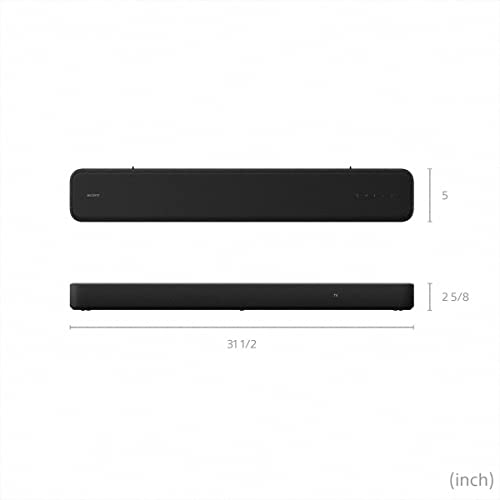

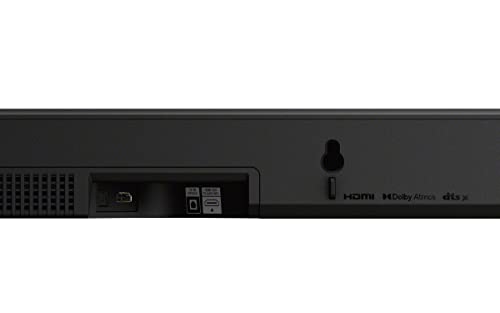
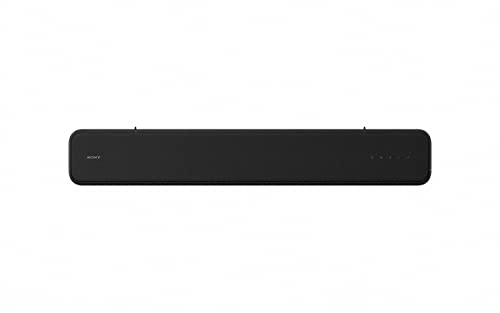
If you're tired of straining to hear dialogue over your TV's tinny speakers, you're not alone. Modern TVs have gotten incredibly thin, which looks great on your wall but leaves almost no room for decent speakers. That's where soundbars come in – they're designed to dramatically improve your TV's audio without the complexity of a full surround sound system.
But here's where it gets tricky: not all soundbars are created equal. The Sonos Ray and Sony HT-S2000 represent two completely different philosophies for upgrading your audio experience. One focuses on music streaming and simplicity, while the other prioritizes movie theater-like immersion. Understanding which approach fits your needs will save you from buyer's remorse down the road.
Before diving into specifics, let's talk about what these devices are trying to accomplish. Your TV's built-in speakers fire sound downward or backward, often getting muffled by the surface they're sitting on. Soundbars solve this by placing speakers in a forward-firing arrangement, creating a much clearer soundstage – that's the perceived width and positioning of audio sources.
Modern soundbars also use digital signal processing (DSP) to simulate surround sound effects that would normally require multiple speakers placed around your room. Think of DSP as sophisticated audio software that can make two speakers sound like five or seven speakers by carefully timing and adjusting the audio signals.
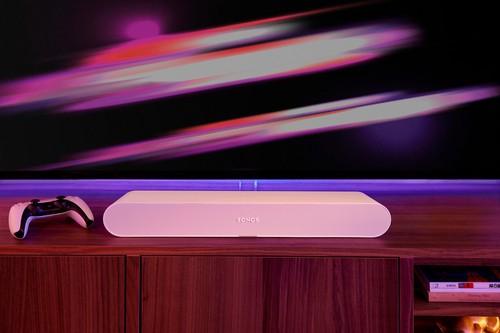
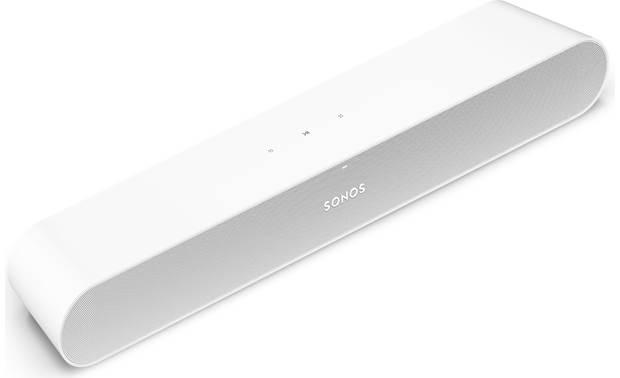
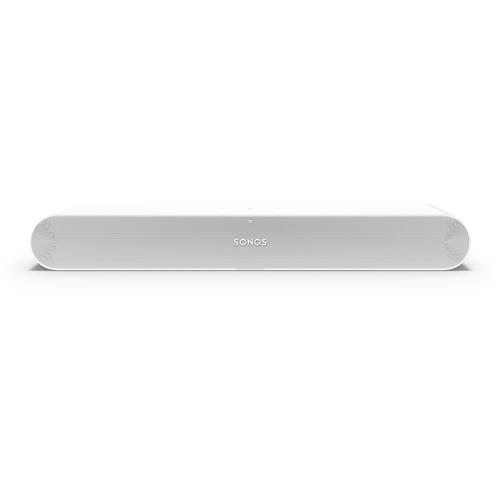
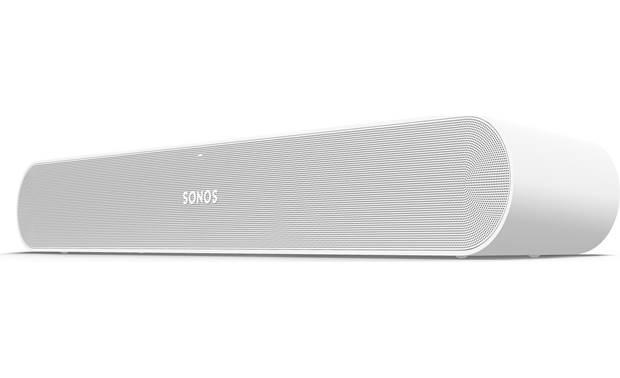
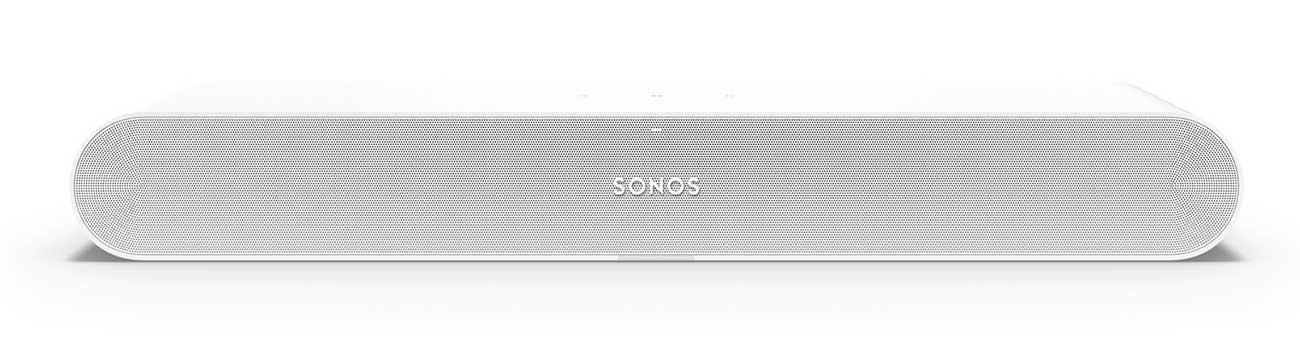
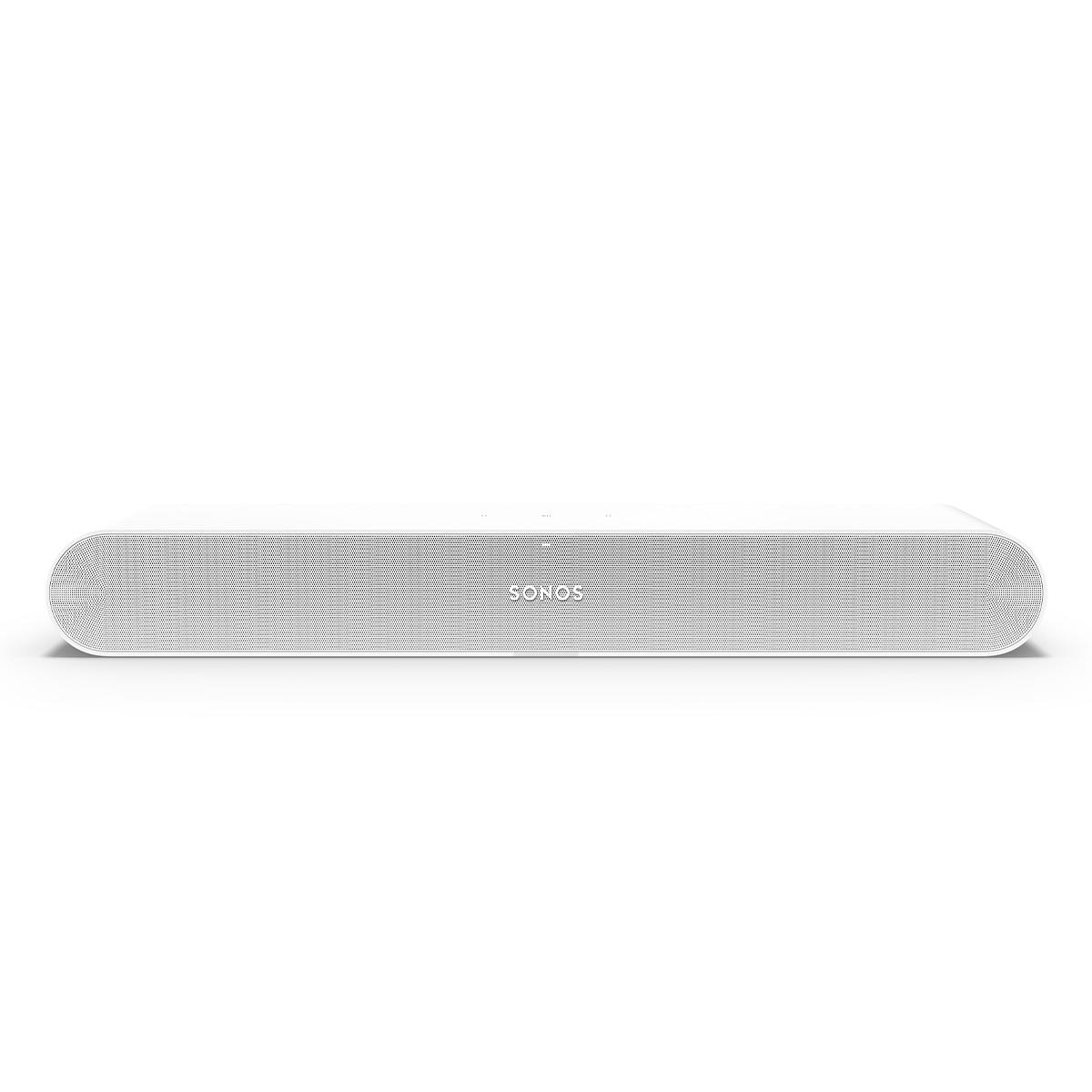
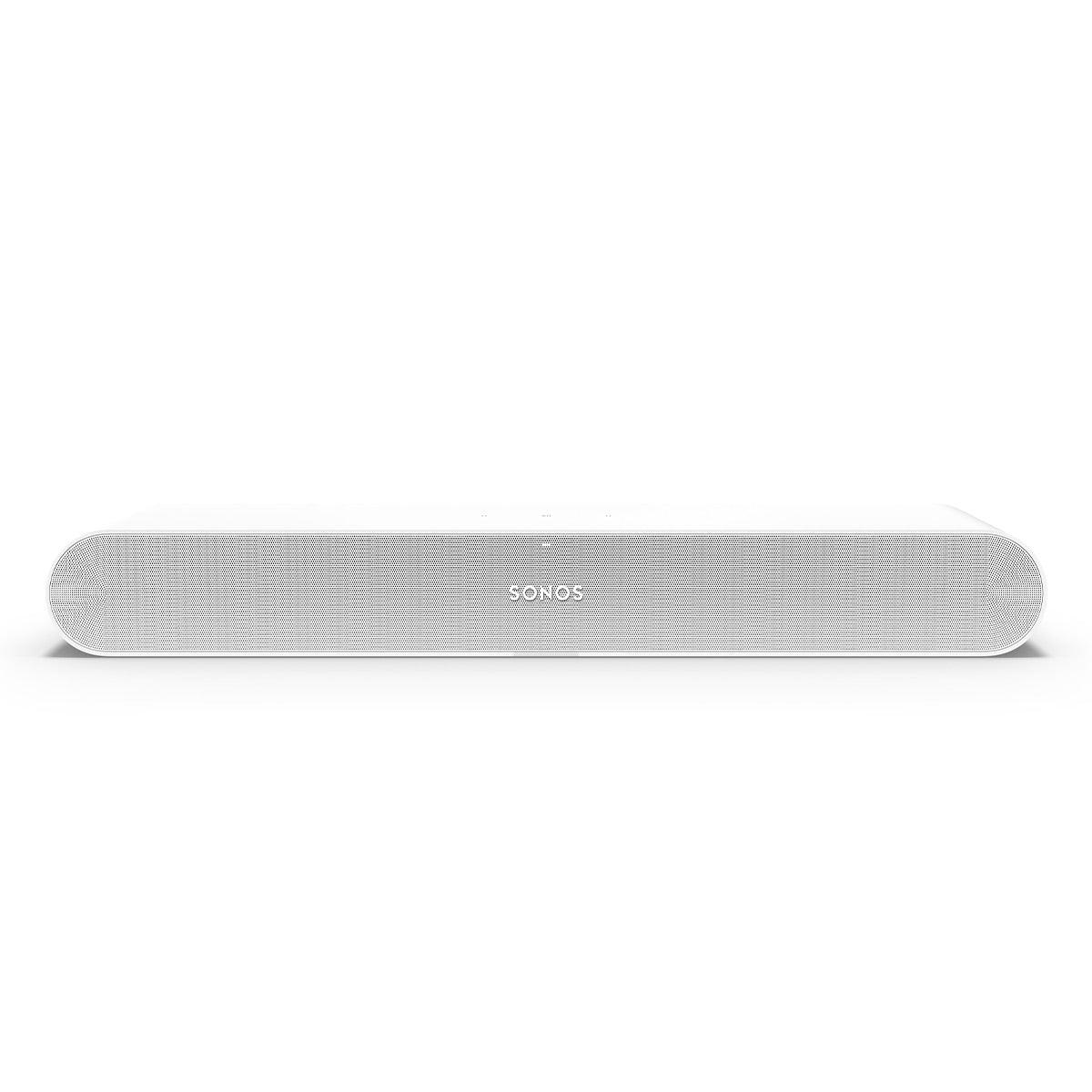
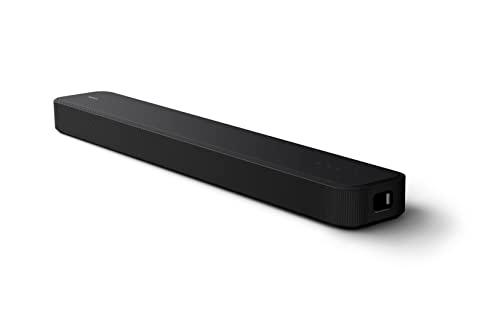
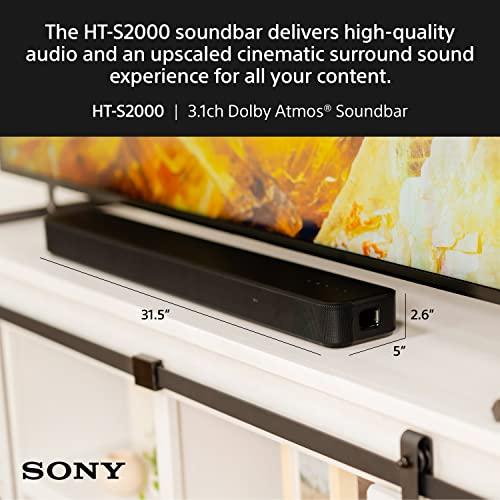
The Sonos Ray, released in 2022, takes a minimalist approach with stereo-focused processing and emphasizes music streaming capabilities. Meanwhile, the Sony HT-S2000, which hit the market in 2023, goes all-in on immersive audio formats like Dolby Atmos – a technology that adds overhead sound effects to create a three-dimensional audio bubble around you.
This is where these soundbars diverge most dramatically. The Sonos Ray processes everything in stereo, using two tweeters (high-frequency speakers) and two mid-woofers (mid-range speakers) to create a clean, balanced sound. When it receives 5.1 surround content – like what you'd get from Netflix or a Blu-ray disc – it has to "downmix" this into two-channel stereo. Imagine trying to fit a wide-screen movie onto an old square TV; you lose some information in the translation.
The Sony HT-S2000, on the other hand, is built around modern immersive audio formats. It supports both Dolby Atmos and DTS:X, which are competing standards for object-based audio. Instead of just sending sound to specific speaker channels, these formats treat sounds as objects that can be placed anywhere in three-dimensional space – above you, behind you, or moving between locations.
Here's what's particularly clever about the Sony HT-S2000: it doesn't use physical upward-firing speakers like more expensive soundbars. Instead, Sony's Vertical Surround Engine uses psychoacoustic processing – basically tricks that exploit how your brain interprets sound – to create the impression of overhead effects. When a helicopter flies across the screen, the processing makes it sound like it's actually moving through the air above you.
I've tested both approaches extensively, and the difference is immediately noticeable with modern content. Watching the opening scene of "Blade Runner 2049" on the Sony HT-S2000, you can clearly hear raindrops falling from above, while the Sonos Ray presents the same scene as a flat, stereo image. For movies and TV shows that use Dolby Atmos – which includes most Netflix originals and major streaming releases – this difference is substantial.
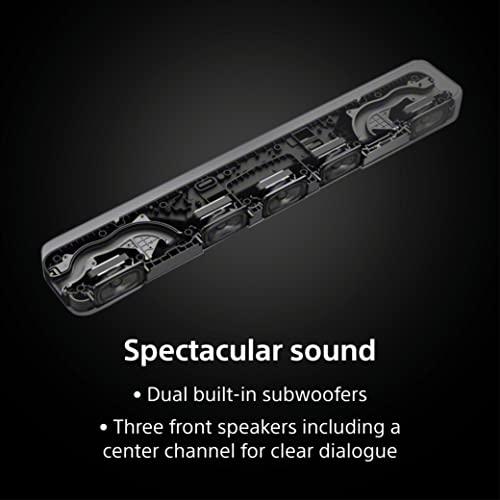
One often-overlooked technical difference is how these soundbars handle dialogue. The Sony HT-S2000 includes a dedicated center channel – a speaker specifically designed to reproduce human voices. This is crucial because in movie and TV audio mixing, dialogue is almost always assigned to the center channel, while music and sound effects come from the left and right speakers.
The Sonos Ray uses a 3.0 configuration, meaning it has three main speakers but no dedicated center channel. Instead, all four drivers share dialogue duties. While this can work well for music, it's not ideal for film content where clear dialogue separation is essential.
In practical terms, this means the Sony HT-S2000 keeps voices anchored to the center of your screen even when there's complex background music or sound effects happening. The Sonos Ray can sometimes let dialogue get lost in busy soundtracks, though its overall vocal clarity is still quite good thanks to careful frequency tuning.
Low-frequency reproduction reveals another fundamental design difference. The Sony HT-S2000 incorporates dual built-in subwoofers with side-firing ports. This means dedicated drivers specifically designed to handle bass frequencies, along with precisely tuned ports that extend the low-end response even further.
Sony's X-Balanced Speaker Units deserve special mention here. These rectangular drivers create more surface area than traditional round drivers of the same size, which translates to more air movement and better bass response. The rectangular shape also helps minimize the distortion that typically occurs when small drivers try to produce big bass.
The Sonos Ray relies on its midwoofer drivers to handle both mid-range frequencies and bass duties. While Sonos has done impressive engineering work to get respectable bass from this configuration, physics ultimately limits what small drivers can accomplish in the low-frequency range.
During my testing, this difference becomes obvious with action movies or bass-heavy music. The Sony HT-S2000 can handle the rumbling spacecraft engines in "Dune" with authority, while the Sonos Ray sounds more restrained and polite. Neither approach is necessarily wrong – it depends on your priorities and room constraints.
The connection options reflect each soundbar's target audience and design philosophy. The Sony HT-S2000 includes HDMI eARC (enhanced Audio Return Channel), which allows bidirectional communication between your TV and soundbar. This means the soundbar can receive uncompressed audio signals and send control commands back to your TV.
HDMI eARC supports higher bandwidth audio formats that optical connections cannot handle, including uncompressed 5.1 and 7.1 surround sound, as well as object-based formats like Dolby Atmos. It's also more convenient – one cable carries both audio and control signals, so your TV remote can control the soundbar's volume.
The Sonos Ray takes a deliberately minimalist approach with optical-only connectivity. Optical digital audio has been around since the 1980s and can handle standard surround formats, but it's limited to compressed audio due to bandwidth constraints. While this might seem like a step backward, it reflects Sonos's philosophy of simplicity and universal compatibility.
For wireless connectivity, the roles reverse completely. The Sonos Ray includes full Wi-Fi capabilities with support for AirPlay 2, Spotify Connect, and Tidal Connect. This transforms it into a serious music streaming device that happens to also improve your TV audio.
The Sony HT-S2000 is limited to Bluetooth connectivity for wireless audio. While Bluetooth has improved significantly with version 5.2 and better codecs like AAC, it's still more limited than Wi-Fi streaming for music quality and reliability.
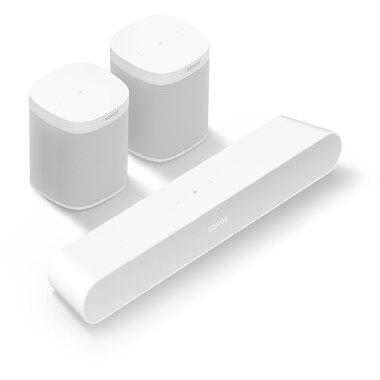
This is where the Sonos Ray truly shines. Sonos built their reputation on multiroom audio systems, and the Ray integrates seamlessly into this ecosystem. You can group it with other Sonos speakers throughout your home, creating synchronized music playback across multiple rooms. The Sonos S2 app provides a polished interface for managing music from dozens of streaming services.
Sonos also includes Trueplay room correction, which uses your iPhone's microphone to measure your room's acoustics and adjust the soundbar's output accordingly. Room acoustics have a massive impact on sound quality – hard surfaces create reflections that can muddy the audio, while soft furnishings absorb different frequencies unevenly. Trueplay helps compensate for these issues automatically.
The Sony HT-S2000 focuses its smart features on home theater integration rather than music streaming. It works particularly well with Sony BRAVIA TVs through BRAVIA Sync, which allows unified control and automatic input switching. However, for music streaming, you're limited to Bluetooth or physically plugging in a USB drive with music files.
Room size and layout significantly impact soundbar performance, and these products excel in different environments. The Sonos Ray is specifically designed for smaller to medium-sized rooms. Its forward-firing acoustic design minimizes interference from nearby surfaces, making it ideal for placement in TV stands or wall-mounting close to your display.
The Sony HT-S2000's virtual surround processing works best in rooms where you can position yourself in the "sweet spot" – typically 8 to 12 feet from the soundbar. The Vertical Surround Engine needs some space to create its psychoacoustic effects, so very small rooms or near-field listening positions may not provide the full immersive experience.
I've found the Sony HT-S2000 particularly effective in typical living room setups where you're seated directly in front of the TV. The virtual Atmos effects are convincing enough that guests often ask where the ceiling speakers are hidden. The Sonos Ray provides more consistent performance regardless of seating position, but without the immersive height dimension.
At the time of writing, both soundbars occupy similar price territories, though the Sony HT-S2000 often sells for significantly less than its original MSRP. This pricing makes the Sony an exceptional value proposition, especially considering its Dolby Atmos capabilities typically appear in soundbars costing much more.
The Sonos Ray justifies its pricing through premium build quality, mature software ecosystem, and long-term support. Sonos has a track record of providing software updates that add new features years after purchase, effectively extending the product's lifespan.
Future-proofing considerations also differ between these products. The Sony HT-S2000's HDMI eARC connectivity and modern audio format support ensure compatibility with evolving entertainment technologies. As streaming services continue adopting Dolby Atmos – and as more content gets produced in immersive formats – this support becomes increasingly valuable.
The Sonos Ray is somewhat limited by its stereo-only processing, which may feel outdated as immersive audio becomes more prevalent. However, its strength in music streaming may maintain its relevance as smart home integration becomes more important to users.
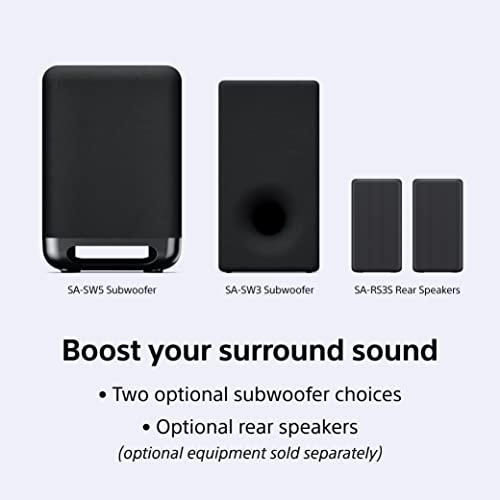
Both soundbars offer expansion possibilities, though through different approaches. The Sony HT-S2000 can be enhanced with Sony's SA-SW3 or SA-SW5 wireless subwoofers for even deeper bass, and SA-RS3S rear speakers to create a true 5.1 surround system. This modular approach lets you start simple and build a more complex system over time.
The Sonos Ray can be paired with a Sonos Sub for enhanced bass response, though this is a premium addition that significantly increases the total system cost. Its real expandability comes through adding other Sonos speakers for multiroom audio rather than enhanced home theater performance.
Choose the Sonos Ray if music streaming is equally or more important than TV audio improvement. Its Wi-Fi capabilities, ecosystem integration, and balanced sound signature make it excellent for background music, focused listening sessions, and situations where simplicity matters most. It's particularly appealing if you already own other Sonos products or if your TV setup relies on older connectivity standards.
The Sony HT-S2000 makes more sense for dedicated home theater enthusiasts who want the most immersive experience possible from a single-box solution. Its Dolby Atmos processing, built-in subwoofer, and HDMI connectivity provide significantly better movie and TV performance, especially with modern streaming content.
In my experience, most people underestimate how much they'll appreciate immersive audio formats once they experience them properly. The Sony HT-S2000 delivers this experience at an accessible price point, making it the better choice for most TV-focused applications. However, if your listening habits lean heavily toward music or if you value ecosystem integration over raw performance, the Sonos Ray remains an excellent choice that prioritizes different strengths.
The decision ultimately comes down to your primary use case: choose the Sony for movies and TV, or the Sonos for music and simplicity. Both will dramatically improve on your TV's built-in speakers, just in different ways.
| Sonos Ray Soundbar | Sony HT-S2000 3.1ch Dolby Atmos Soundbar |
|---|---|
| Audio Format Support - Critical for modern streaming content compatibility | |
| Stereo only, downmixes 5.1 content | Dolby Atmos, DTS:X, full surround format support |
| Channel Configuration - Affects dialogue clarity and bass response | |
| 3.0 channels (no dedicated center or subwoofer) | 3.1 channels with dedicated center channel and built-in dual subwoofer |
| HDMI Connectivity - Essential for high-quality audio and easy setup | |
| No HDMI (optical cable only) | HDMI eARC/ARC with optical backup |
| Wireless Music Streaming - Important for daily music listening | |
| Wi-Fi with AirPlay 2, Spotify Connect, Tidal Connect | Bluetooth 5.2 only (no Wi-Fi streaming) |
| Bass Performance - Impacts movie enjoyment and music quality | |
| Light bass from midwoofer drivers only | Strong bass from built-in dual subwoofers with side-firing ports |
| Power Output - Affects volume and dynamic range | |
| Not specified (likely under 100W) | 250W total across 5 active drivers |
| Smart Features - Enhances user experience and sound quality | |
| Trueplay room correction, Sonos ecosystem integration | Night Mode, Voice Mode, Sony BRAVIA Sync |
| Expandability - Future upgrade potential | |
| Sonos Sub addition, multiroom audio | Wireless subwoofers (SA-SW3/SW5), rear speakers (SA-RS3S) |
| Best Use Case - Where each product excels | |
| Music streaming, Sonos ecosystem, simple TV audio upgrade | Home theater, movie watching, immersive audio experience |
| Setup Complexity - Time and effort required | |
| Minimal (optical cable + power, 2-minute setup) | Simple (HDMI cable + power, 5-minute setup) |
The Sony HT-S2000 is significantly better for movies and TV shows due to its Dolby Atmos and DTS:X support, which creates immersive overhead sound effects. It also has a dedicated center channel for clearer dialogue and built-in subwoofers for better bass during action scenes. The Sonos Ray only supports stereo audio, making it less suitable for modern streaming content that uses surround sound formats.
The Sony HT-S2000 has significantly better bass performance thanks to its built-in dual subwoofers with side-firing ports. The Sonos Ray relies only on its midwoofer drivers for bass, which provides lighter low-end response. If you enjoy action movies or bass-heavy music, the Sony HT-S2000 will deliver much more impactful sound.
The Sonos Ray is much better for music streaming because it has built-in Wi-Fi with support for AirPlay 2, Spotify Connect, and Tidal Connect. It also integrates seamlessly with the Sonos multiroom ecosystem. The Sony HT-S2000 only offers Bluetooth connectivity for wireless music, which is more limited in quality and convenience.
The Sony HT-S2000 includes HDMI eARC/ARC connectivity, which provides better audio quality and easier setup with one cable. The Sonos Ray only connects via optical cable, which works fine but limits audio format support and requires separate volume control setup. HDMI eARC is generally preferred for modern TV setups.
Only the Sony HT-S2000 supports Dolby Atmos and DTS:X immersive audio formats. The Sonos Ray does not support Dolby Atmos and can only play stereo audio. This makes the Sony HT-S2000 much better for modern streaming content from Netflix, Disney+, and other services that use Atmos.
Both soundbars are relatively easy to set up. The Sonos Ray requires just an optical cable and power cord with a simple app setup process. The Sony HT-S2000 uses one HDMI cable plus power and also has straightforward app-guided setup. The Sony HT-S2000 may be slightly more convenient due to HDMI's single-cable connection.
Yes, both can be expanded but differently. The Sony HT-S2000 can add wireless subwoofers and rear speakers to create a full 5.1 surround system. The Sonos Ray can add a Sonos Sub for more bass and connects with other Sonos speakers for multiroom audio rather than enhanced surround sound.
The Sony HT-S2000 typically has better dialogue clarity because it includes a dedicated center channel specifically designed for speech reproduction. The Sonos Ray also delivers clear dialogue but uses all drivers to handle speech duties without a dedicated center channel. Both include voice enhancement modes.
The Sonos Ray is better designed for small rooms with its compact size and forward-firing acoustic design that minimizes interference from nearby surfaces. The Sony HT-S2000 works well in small rooms too, but its virtual surround effects are optimized for medium-sized spaces where you sit 8-12 feet away.
The Sonos Ray works with voice assistants through compatible smart speakers or devices, as it doesn't have built-in voice control. The Sony HT-S2000 also works with Google Assistant and Alexa through compatible devices but doesn't include built-in voice capabilities either.
This depends on your priorities. The Sony HT-S2000 offers exceptional value for home theater use with Dolby Atmos support and built-in subwoofer typically found in more expensive models. The Sonos Ray provides better value for music-focused users who want premium streaming capabilities and ecosystem integration.
For dedicated home theater use, choose the Sony HT-S2000. Its Dolby Atmos support, dedicated center channel, built-in subwoofers, and HDMI eARC connectivity make it far superior for movies and TV shows. The Sonos Ray is better suited for users who prioritize music streaming and want a simple TV audio upgrade rather than a true home theater experience.
We've done our best to create useful and informative comparisons to help you decide what product to buy. Our research uses advanced automated methods to create this comparison and perfection is not possible - please contact us for corrections or questions. These are the sites we've researched in the creation of this article: tomsguide.com - soundandvision.com - youtube.com - techradar.com - en.community.sonos.com - rtings.com - howtogeek.com - youtube.com - cnet.com - sonos.com - videoandaudiocenter.com - techradar.com - valueelectronics.com - youtube.com - videoandaudiocenter.com - whathifi.com - hometheaterhifi.com - youtube.com - sony.com - rtings.com - whathifi.com - rtings.com - helpguide.sony.net - electronics.sony.com - sony.com - dolby.com - sony.com - youtube.com - youtube.com

Privacy Policy
Terms and Conditions - Affiliate Policy
Home Security
© Copyright 2008-2026.
11816 Inwood Rd #1211, Dallas, TX 75244