




If you've ever strained to hear dialogue during a Netflix binge or felt underwhelmed by your TV's tinny speakers, you're not alone. Modern televisions prioritize sleek designs over audio quality, leaving built-in speakers as an afterthought. This is where budget soundbars come in – compact audio solutions designed to dramatically improve your listening experience without breaking the bank or requiring a complete home theater overhaul.
The budget soundbar market has exploded in recent years, offering everything from basic stereo upgrades to sophisticated wireless systems. At the time of writing, quality options typically range from around $100 to $250, with each price point offering distinct advantages. Today we're comparing two popular choices that represent different philosophies in this space: the Amazon Fire TV Soundbar and the Sonos Ray.
Before diving into specifics, it's worth understanding what these devices actually do. A soundbar is essentially multiple speakers housed in a single enclosure, designed to sit beneath or mount near your TV. Unlike the downward or backward-firing speakers in most TVs, soundbars project audio directly toward your listening position, creating a wider "soundstage" – the perceived width and depth of audio.
The key considerations when shopping for budget soundbars include connectivity options (how they connect to your TV), audio processing capabilities (how they enhance sound), expandability (whether you can add more speakers later), and ecosystem integration (how well they work with other smart home devices). These factors often matter more than raw specifications in determining real-world satisfaction.
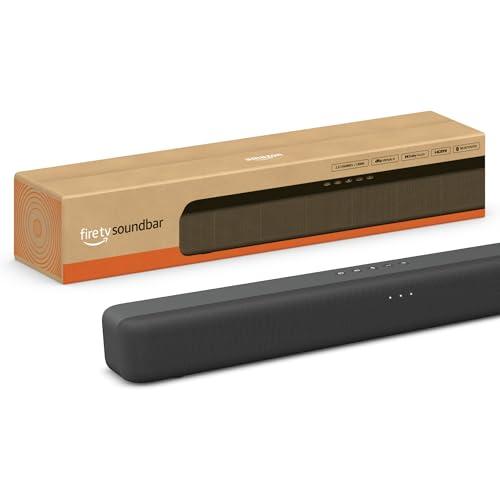
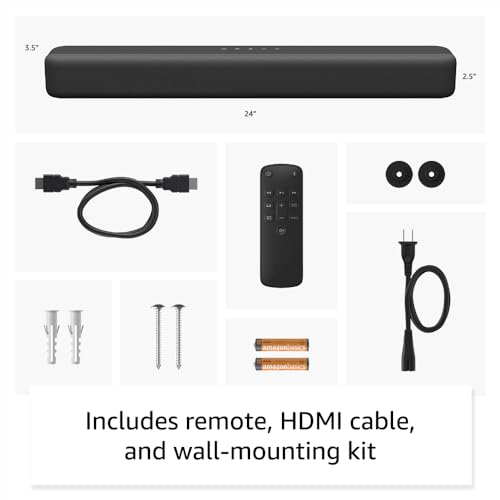
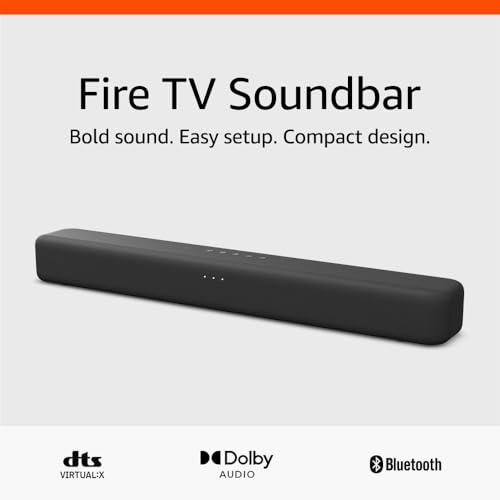
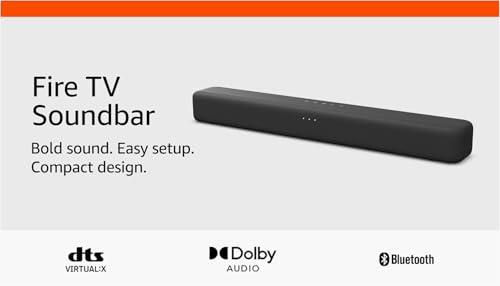
The Amazon Fire TV Soundbar, released in 2023, represents Amazon's straightforward approach to TV audio improvement. Despite its "Fire TV" branding suggesting smart features, this is actually a fairly traditional soundbar focused on simplicity and value. Amazon designed it primarily as a plug-and-play solution that gets out of your way while delivering clearer dialogue and fuller sound than typical TV speakers.
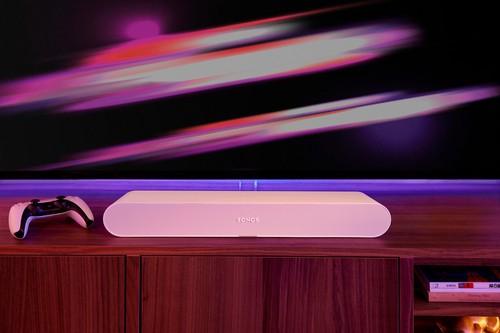
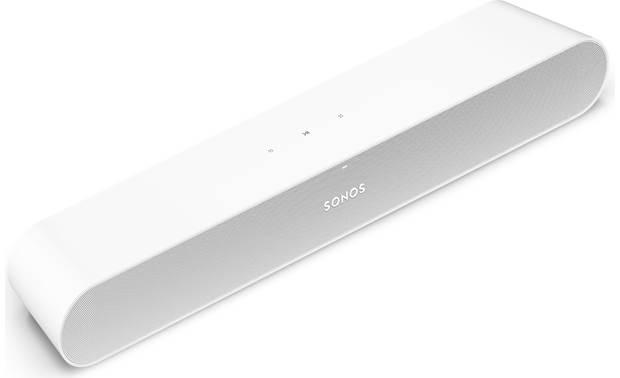
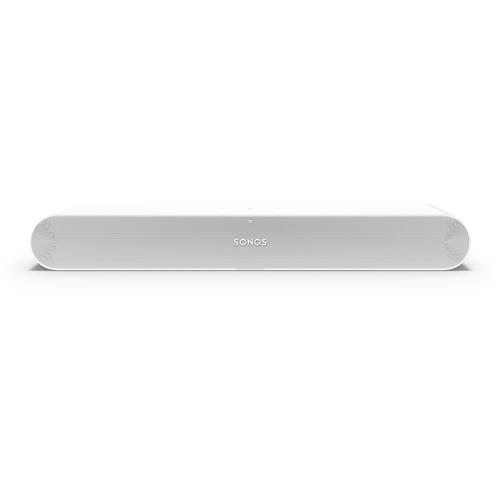
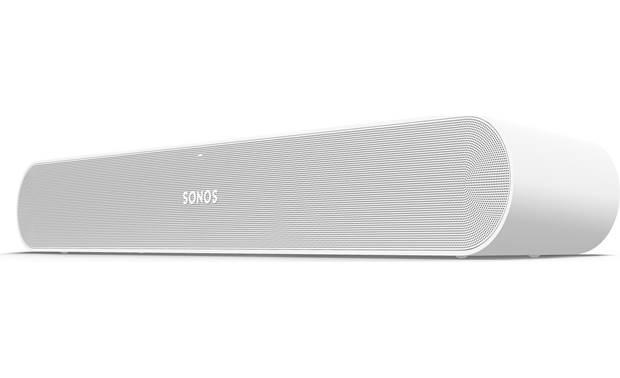
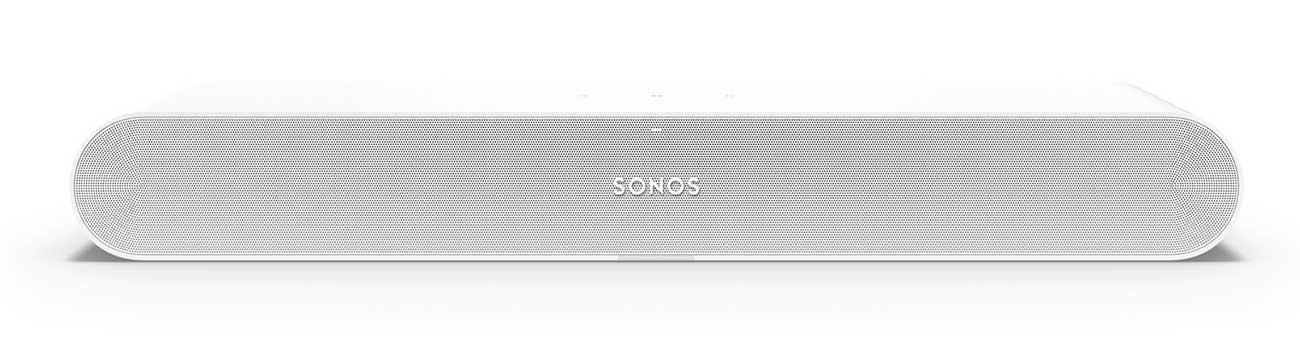
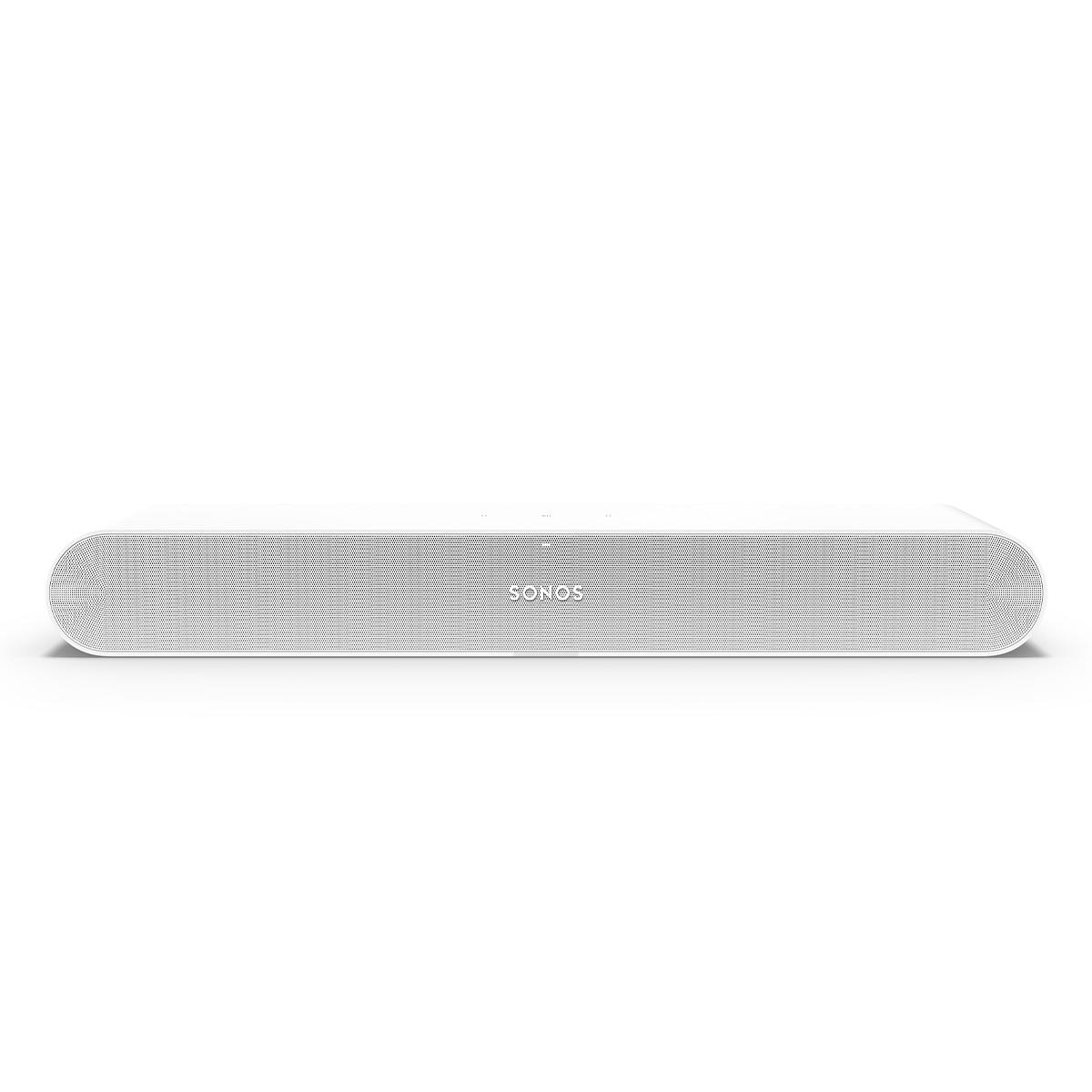
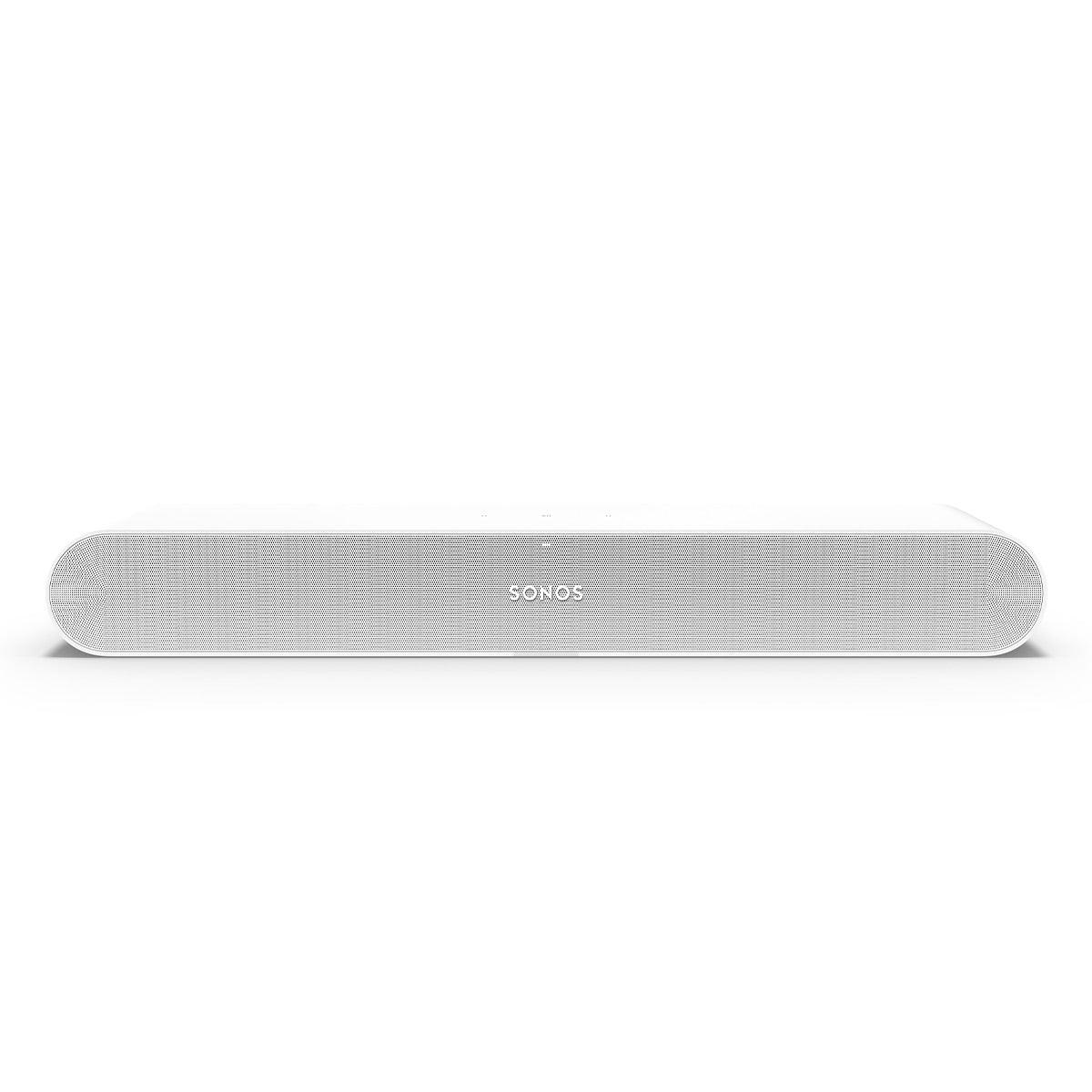
The Sonos Ray, launched in 2022, takes a more sophisticated approach. As Sonos's entry-level offering, it brings many premium features from higher-end models down to a more accessible price point. This soundbar prioritizes audio refinement and smart home integration over raw simplicity, representing Sonos's philosophy that even budget audio products should offer room for customization and growth.
Sound quality represents the most crucial performance metric for any soundbar, and here the differences between these models become immediately apparent. The Sonos Ray employs what Sonos calls a "proprietary acoustic architecture" – marketing speak that actually describes some genuinely clever engineering.
Inside the Ray, you'll find two tweeters (speakers optimized for high frequencies like cymbals and vocals) and two midwoofers (handling everything from guitar to dialogue). More importantly, Sonos designed a custom waveguide system that helps focus high-frequency sound toward your listening position while minimizing reflections off nearby surfaces. This matters because dialogue clarity – arguably the most important aspect of TV audio – lives primarily in these higher frequencies.
The bass response comes from a "bass reflex" design, which uses carefully tuned ports to enhance low-frequency output. Think of it like the sound hole in an acoustic guitar – it helps the small internal space produce deeper bass than you'd expect from the soundbar's compact size.
In contrast, the Amazon Fire TV Soundbar uses what Amazon calls "Racetrack" drivers – oval-shaped speakers that maximize surface area within the soundbar's slim profile. While this sounds fancy, it's essentially a space-saving measure rather than an acoustic innovation. The soundbar relies more heavily on digital signal processing (DSP) to shape its sound signature.
Based on extensive research into user and professional reviews, the Sonos Ray consistently delivers more balanced, refined audio. Voices sound more natural and present, while music playback reveals better separation between instruments. However, the Amazon Fire TV Soundbar can get significantly louder, making it more suitable for larger rooms or noisy environments.
Nothing ruins a movie night quite like constantly adjusting volume to hear dialogue clearly. Both soundbars address this common complaint, but through different methods. The Sonos Ray includes a dedicated "Speech Enhancement" mode that specifically boosts the frequency ranges where human voices naturally sit. This isn't just a simple volume increase – it's frequency-specific processing that makes voices cut through background music and sound effects.
The Amazon Fire TV Soundbar offers three preset sound modes including a "Dialog" setting, plus three-stage bass adjustment. While less sophisticated than Sonos's approach, many users report significant improvement in dialogue clarity compared to TV speakers.
Both soundbars also include "night modes" that compress the dynamic range – essentially reducing the volume difference between quiet dialogue and loud explosions. This feature proves invaluable for apartment living or late-night viewing.
Here's where things get technically interesting. Neither soundbar includes discrete surround speakers, but both attempt to create a wider, more immersive soundstage through processing tricks.
The Amazon Fire TV Soundbar supports DTS Virtual:X, a sophisticated algorithm that analyzes stereo audio and creates the illusion of sound coming from beside and even above your listening position. While it can't match true surround sound systems, DTS Virtual:X often produces surprisingly convincing effects, particularly for movie soundtracks designed with spatial audio in mind.
The Sonos Ray takes a different approach, using Sonos's own stereo processing alongside support for 5.1 surround formats like Dolby Digital – though it must "downmix" this multi-channel audio into its two-channel setup. The result feels less artificially processed than DTS Virtual:X but may not create the same sense of envelopment.
This represents perhaps the most significant practical difference between these soundbars, with implications extending far beyond simple setup.
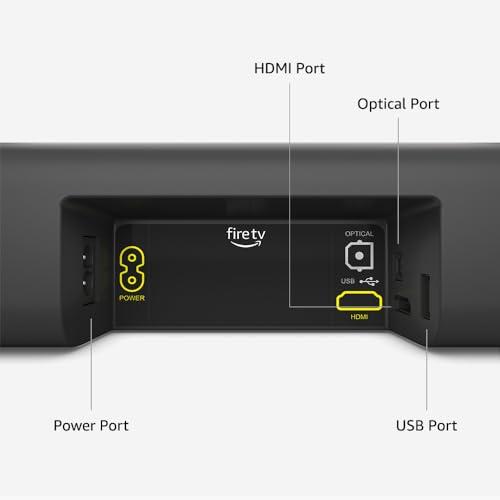
The Amazon Fire TV Soundbar connects via HDMI ARC (Audio Return Channel) or eARC (enhanced Audio Return Channel). This isn't just about convenience – HDMI carries significantly more audio information than older connection types. While eARC can handle uncompressed audio formats and advanced surround formats like Dolby Atmos, even basic ARC supports higher-quality compressed audio than optical connections.
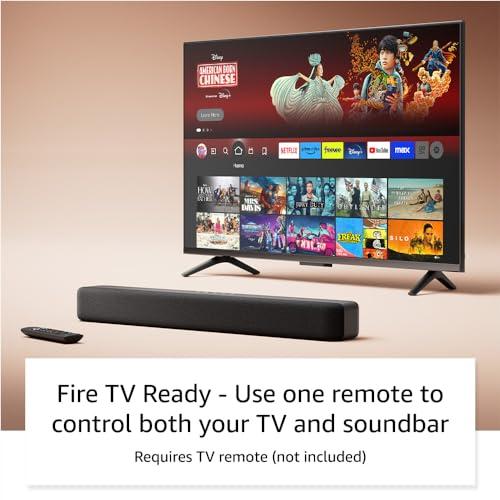
More importantly, HDMI ARC allows your TV remote to control the soundbar's volume and power, creating a seamless user experience. When you adjust volume on your TV remote, you're actually controlling the soundbar directly.
The Sonos Ray uses only optical (also called TOSLINK) connections. This digital connection works reliably and supports standard surround formats, but it limits audio quality compared to HDMI and requires more setup steps to achieve TV remote control integration.
The connectivity philosophy differences extend to wireless capabilities. The Sonos Ray includes Wi-Fi and integrates fully with the Sonos app ecosystem. This means you can stream music directly to the soundbar via AirPlay 2, Spotify Connect, or other services without your TV being involved. The soundbar essentially functions as a smart speaker when not handling TV duties.
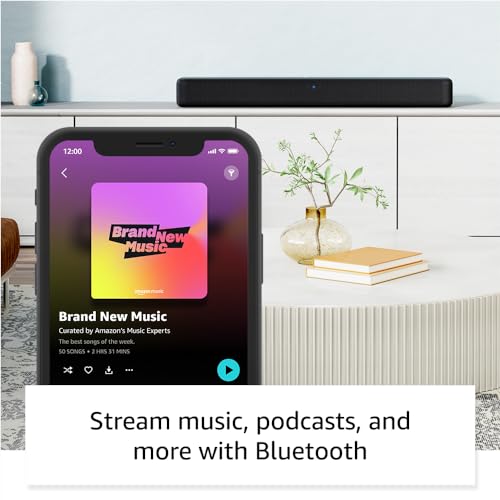
The Amazon Fire TV Soundbar includes Bluetooth for wireless music streaming but lacks Wi-Fi connectivity. Despite the "Fire TV" branding, it doesn't integrate with Amazon's streaming platform or offer voice control. It's essentially a traditional soundbar with modern processing capabilities.
The smart feature divide reveals the fundamental philosophical difference between these products. The Sonos Ray represents a thoroughly modern approach to audio control, with the Sonos S2 app providing extensive customization options. You can adjust detailed equalizer settings, enable room correction (more on this below), and manage multiple Sonos speakers throughout your home from a single interface.
Particularly impressive is Sonos's "Trueplay" room correction technology. Using your iPhone's microphone, the system analyzes your room's acoustic properties and automatically adjusts the soundbar's output to compensate for factors like wall proximity, furniture placement, and room size. While this requires an iOS device (Android users are out of luck), it can dramatically improve audio quality in challenging room setups.
The Amazon Fire TV Soundbar takes the opposite approach – all controls are physical buttons on the device itself. There's no app, no smartphone integration, and no automatic room correction. Some users prefer this simplicity, particularly those who want to avoid adding another app to their phone or dealing with software updates.
Both soundbars can grow into larger systems, but through different approaches that significantly affect long-term value.
The Amazon Fire TV Soundbar can connect to compatible wireless subwoofers and rear speakers, though Amazon's ecosystem for expandable audio remains limited compared to established audio brands. However, its HDMI connectivity provides a solid foundation for future upgrades, including potential support for Dolby Atmos content if you add compatible components.
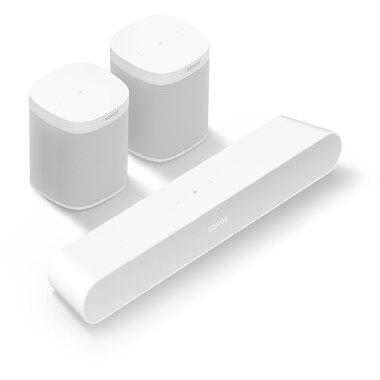
The Sonos Ray integrates seamlessly with other Sonos products, including the Sub (subwoofer) and various surround speakers. The wireless setup process is notably streamlined – you simply add components through the app without running additional cables. However, the optical-only connectivity means you won't be able to take full advantage of advanced audio formats even with expanded systems.
Based on comprehensive research into user feedback and professional reviews, clear patterns emerge regarding real-world performance.
The Amazon Fire TV Soundbar consistently impresses with its dramatic improvement over TV speakers, particularly for its price point. Users frequently comment on clearer dialogue and fuller sound, though some note that bass can sound "mushy" at higher volumes. The DTS Virtual:X processing works better with some content than others – movie soundtracks benefit more than music or news programs.
The Sonos Ray receives praise for its refined, balanced sound signature. Users report that voices sound more natural and music playback reveals better detail and instrument separation. However, some find it quieter than expected, making it less suitable for larger rooms or noisy environments. The app-based control system generally receives positive feedback, though some users report occasional connectivity hiccups.
For dedicated home theater use, several factors become particularly important. Room size plays a crucial role – the Amazon Fire TV Soundbar's higher volume output makes it more suitable for larger spaces, while the Sonos Ray's refined audio quality shines in smaller, more intimate settings.
Both soundbars work well for streaming content from Netflix, Amazon Prime, and similar services. However, if you plan to use physical media like Blu-ray players or gaming consoles, the Amazon Fire TV Soundbar's HDMI connectivity provides more flexibility and better audio format support.
The expandability question becomes crucial for serious home theater enthusiasts. While both can grow into larger systems, the Amazon Fire TV Soundbar's foundation seems better prepared for future advanced audio formats, even though Sonos currently offers more seamless expansion options.
The decision ultimately depends on your priorities, room setup, and long-term plans.
Choose the Amazon Fire TV Soundbar if you want maximum value and simplicity. It's ideal for budget-conscious buyers who primarily want better TV audio without complexity. The HDMI connectivity and expandability make it a smart choice if you might upgrade your system later. Its higher volume output suits larger rooms, and the straightforward setup appeals to users who prefer physical controls over smartphone apps.
The Sonos Ray makes sense if you value audio refinement and smart home integration over raw value. It's perfect for users who listen to music frequently, not just TV and movies. The app-based control system and room correction technology justify the higher price for those who want to fine-tune their audio experience. If you already own Sonos products or plan to build a multiroom system, the Ray becomes an obvious choice.
Consider your room size carefully – the Sonos Ray excels in smaller to medium spaces where its refined sound signature can shine, while the Amazon Fire TV Soundbar works better in larger rooms where volume matters more than absolute audio quality.
Both represent significant upgrades over typical TV speakers, but they achieve this improvement through different approaches. The Amazon model prioritizes accessibility and future-proofing, while the Sonos focuses on immediate audio quality and ecosystem integration. Understanding these philosophical differences will help you choose the soundbar that best matches your needs and listening preferences.
At the time of writing, both products offer compelling value in their respective price ranges, making either a solid choice for upgrading your TV audio experience. The key is matching the product's strengths to your specific situation and priorities.
| Amazon Fire TV Soundbar | Sonos Ray Soundbar |
|---|---|
| Audio Configuration - Determines sound quality and room-filling capability | |
| 2.0 channel with dual Racetrack drivers, 40W total power | 2.0 channel with dual tweeters + dual midwoofers, proprietary acoustic architecture |
| Connectivity - Affects audio quality and ease of setup | |
| HDMI ARC/eARC + Optical + Bluetooth (seamless TV remote control) | Optical only + Wi-Fi + AirPlay 2 (requires separate volume setup) |
| Audio Processing - Creates immersive sound from stereo speakers | |
| DTS Virtual:X surround simulation + Dolby Audio + 3 sound modes | Stereo processing + 5.1 downmixing + Dolby Digital support |
| Smart Features - App control and customization options | |
| Physical controls only, no app or voice control | Full Sonos S2 app with EQ, Trueplay room correction, streaming services |
| Maximum Volume - Important for larger rooms | |
| Higher output suitable for medium-large rooms | Lower output optimized for small-medium rooms |
| Expandability - Ability to add subwoofer and surround speakers | |
| Limited wireless expansion options but HDMI foundation supports future upgrades | Seamless wireless expansion within Sonos ecosystem |
| Dialogue Enhancement - Critical for clear speech | |
| Dedicated Dialog mode + Night mode | Speech Enhancement mode + Night Sound feature |
| Music Streaming - Wireless audio capabilities | |
| Bluetooth only (requires phone/device to stay connected) | Wi-Fi streaming, Spotify Connect, AirPlay 2 (device-independent) |
| Room Correction - Automatic sound optimization | |
| Manual 3-stage bass adjustment only | Trueplay automatic room tuning (iOS devices only) |
| Setup Complexity - Time and effort to get running | |
| Plug-and-play with TV remote integration | Requires app setup but offers more customization |
The Amazon Fire TV Soundbar is more beginner-friendly due to its plug-and-play setup with HDMI ARC connection. You simply connect one cable and your TV remote automatically controls volume and power. The Sonos Ray requires app setup and optical connection configuration, which can be more complex for first-time soundbar users.
The key difference is connectivity and smart features. The Amazon Fire TV Soundbar uses HDMI ARC for seamless TV integration but lacks app control, while the Sonos Ray uses optical connection but offers extensive app-based customization, room correction, and wireless streaming capabilities.
The Sonos Ray delivers superior sound quality with more balanced audio, clearer dialogue, and better music reproduction thanks to its dual tweeters and proprietary acoustic design. The Amazon Fire TV Soundbar offers good sound improvement over TV speakers but focuses more on volume than audio refinement.
Both can be expanded, but differently. The Sonos Ray seamlessly integrates with other Sonos speakers through wireless connections managed by the app. The Amazon Fire TV Soundbar has limited expansion options but its HDMI foundation provides better compatibility for future surround sound upgrades.
The Amazon Fire TV Soundbar works better in larger rooms because it can achieve higher volume levels without distortion. The Sonos Ray is optimized for small to medium rooms where its refined sound quality can shine without needing excessive volume.
Yes, both work with virtually all modern TVs. The Amazon Fire TV Soundbar connects via HDMI ARC (preferred) or optical input, while the Sonos Ray uses optical connection. However, the Amazon model offers better integration with your TV remote for volume control.
The Sonos Ray excels at music streaming with Wi-Fi connectivity, AirPlay 2, Spotify Connect, and dedicated music optimization. The Amazon Fire TV Soundbar only offers Bluetooth streaming, requiring your phone to stay connected and limiting audio quality compared to Wi-Fi-based streaming.
Only the Sonos Ray offers comprehensive app control through the Sonos S2 app, including EQ adjustments, room correction, and streaming service integration. The Amazon Fire TV Soundbar has no companion app and relies entirely on physical buttons and your TV remote for control.
The Amazon Fire TV Soundbar provides exceptional value for basic TV audio improvement with HDMI connectivity and virtual surround processing. The Sonos Ray costs more but justifies the premium with superior audio quality, smart features, and room correction technology.
Both improve home theater audio significantly over TV speakers. The Amazon Fire TV Soundbar works well for casual movie watching with DTS Virtual:X processing, while the Sonos Ray offers more refined dialogue clarity and can integrate into larger Sonos home theater systems.
The Sonos Ray provides superior dialogue clarity with its dedicated Speech Enhancement mode and balanced frequency response. The Amazon Fire TV Soundbar also improves dialogue significantly with its Dialog mode, but the Sonos delivers more natural-sounding voices.
Neither connects wirelessly to TVs - both require physical cable connections. The Amazon Fire TV Soundbar uses HDMI ARC cables, while the Sonos Ray uses optical cables. However, the Sonos Ray can stream music wirelessly from phones and other devices through Wi-Fi and Bluetooth.
We've done our best to create useful and informative comparisons to help you decide what product to buy. Our research uses advanced automated methods to create this comparison and perfection is not possible - please contact us for corrections or questions. These are the sites we've researched in the creation of this article: rtings.com - developer.amazon.com - stereoguide.com - developer.amazon.com - techradar.com - hometechnologyreview.com - whathifi.com - youtube.com - whathifi.com - wirelessplace.com - hometechnologyreview.com - dolby.com - aboutamazon.com - developer.amazon.com - community.anker.com - youtube.com - cordbusters.co.uk - tomsguide.com - soundandvision.com - youtube.com - techradar.com - en.community.sonos.com - rtings.com - howtogeek.com - youtube.com - cnet.com - sonos.com - videoandaudiocenter.com

Privacy Policy
Terms and Conditions - Affiliate Policy
Home Security
© Copyright 2008-2026.
11816 Inwood Rd #1211, Dallas, TX 75244