







If you've ever found yourself cranking up your TV volume just to understand what the characters are saying, only to get blasted by the next action scene, you already know why soundbars exist. But choosing the right one can feel overwhelming when you're comparing products as different as the Sonos Ray and the JBL Bar 1000.
These two soundbars represent completely different philosophies in home audio. The Sonos Ray, released in 2022, focuses on doing the basics exceptionally well at an accessible price point. Meanwhile, the JBL Bar 1000 goes all-out with a complete surround sound system that includes detachable wireless speakers and full Dolby Atmos support. At the time of writing, you're looking at roughly a 2.5x price difference between them, but that gap represents vastly different capabilities.
Before diving into the comparison, it's worth understanding what separates good soundbars from great ones. The most important factors are dialogue clarity (can you actually hear what people are saying?), bass response (does music and action have proper weight?), and soundstage width (how spacious and immersive does the audio feel?).
Modern soundbars also need to handle the technical realities of today's entertainment. Your Netflix shows might be in basic stereo, but your Marvel movies could be mastered in Dolby Atmos – a surround sound format that creates 3D audio by bouncing sound off your ceiling. Some soundbars can handle this complexity; others focus on perfecting simpler audio formats.
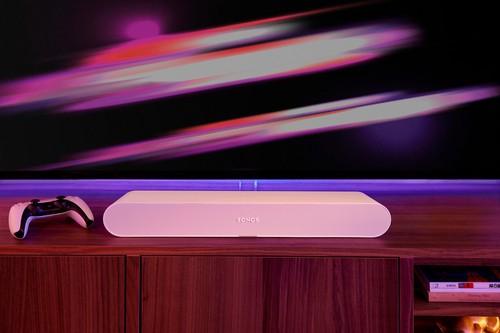
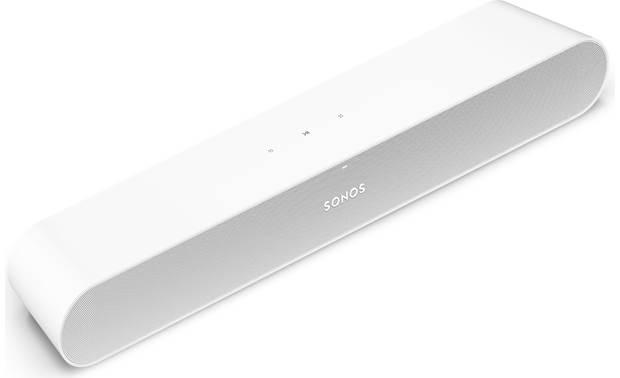
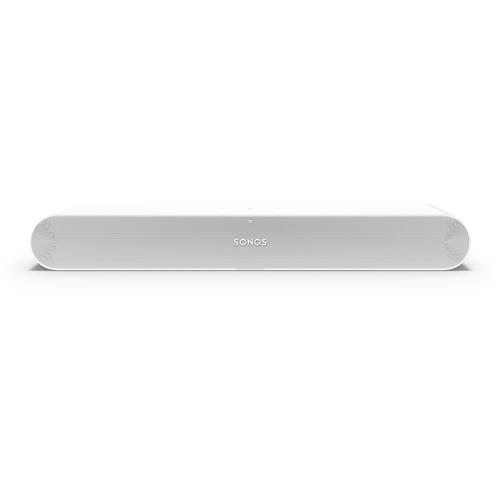
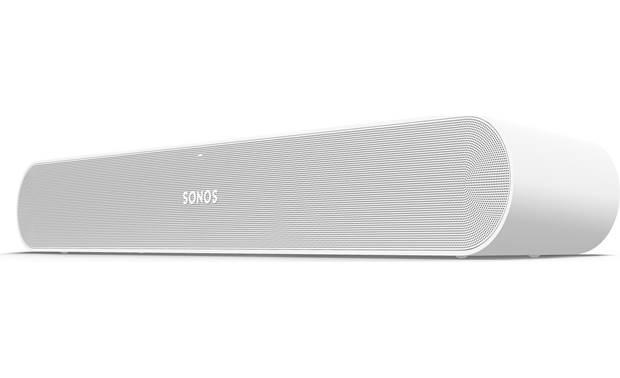
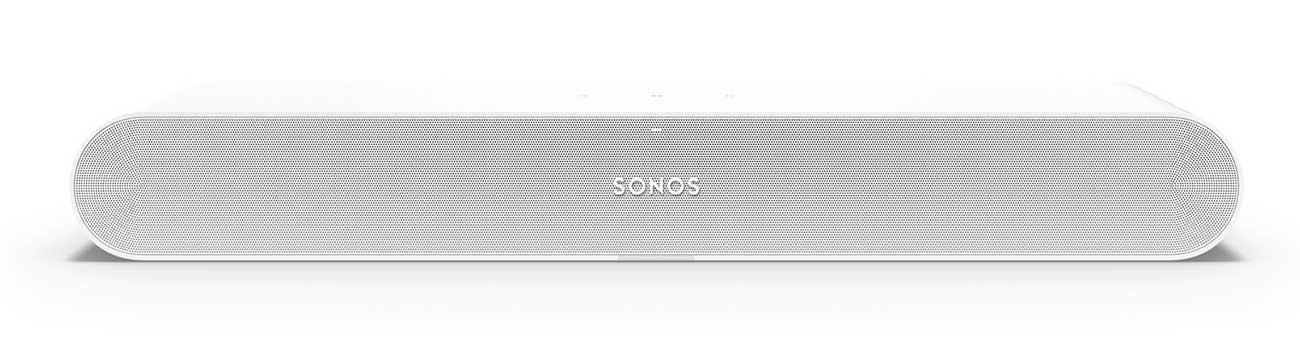
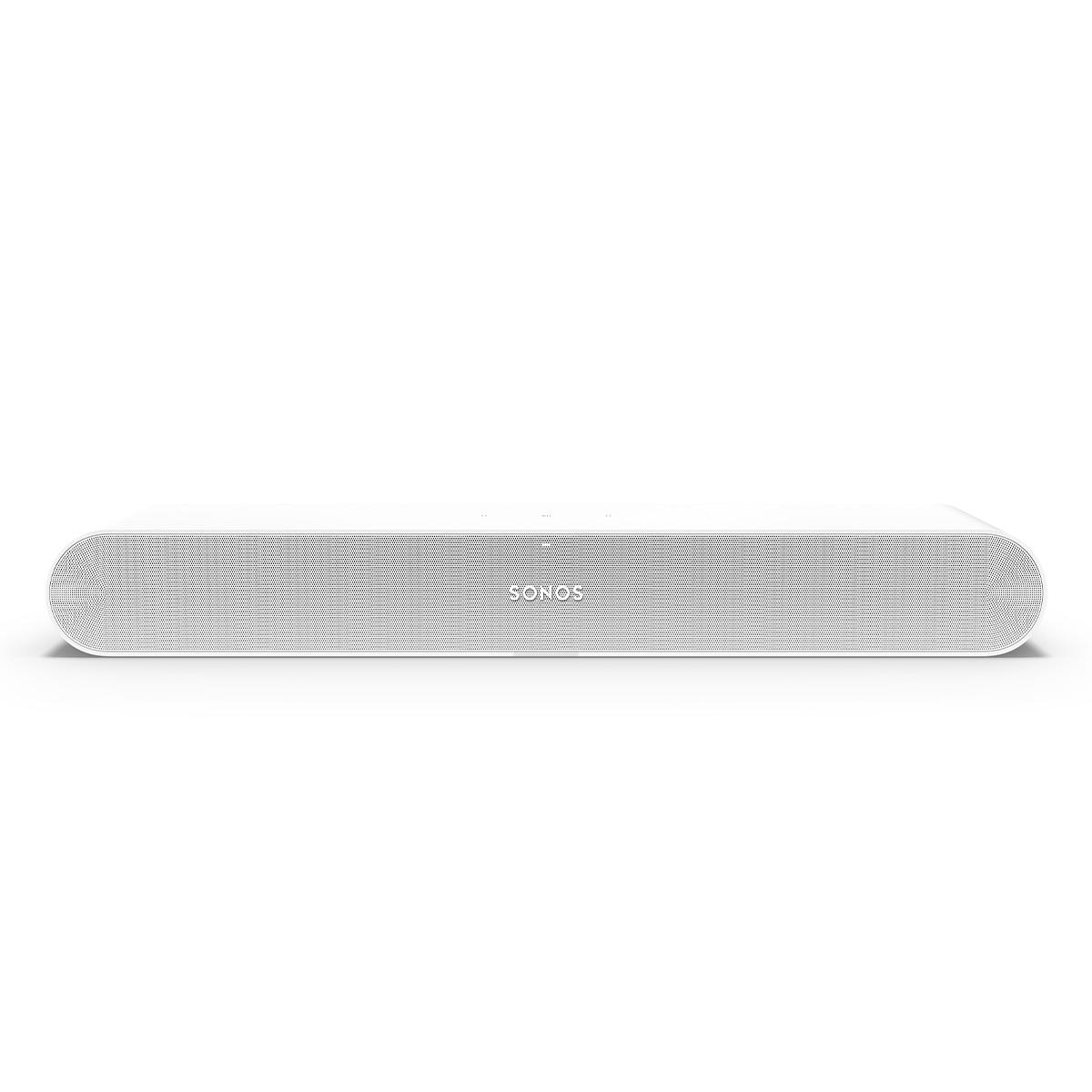
The Sonos Ray represents the "perfecting simplicity" approach. It's a 2.0 stereo soundbar, meaning it has left and right channels but no dedicated center channel for dialogue or separate subwoofer for bass. Instead, Sonos engineered custom waveguides – think of them as specially shaped acoustic tunnels that direct sound more precisely – to make voices incredibly clear despite the simpler setup.
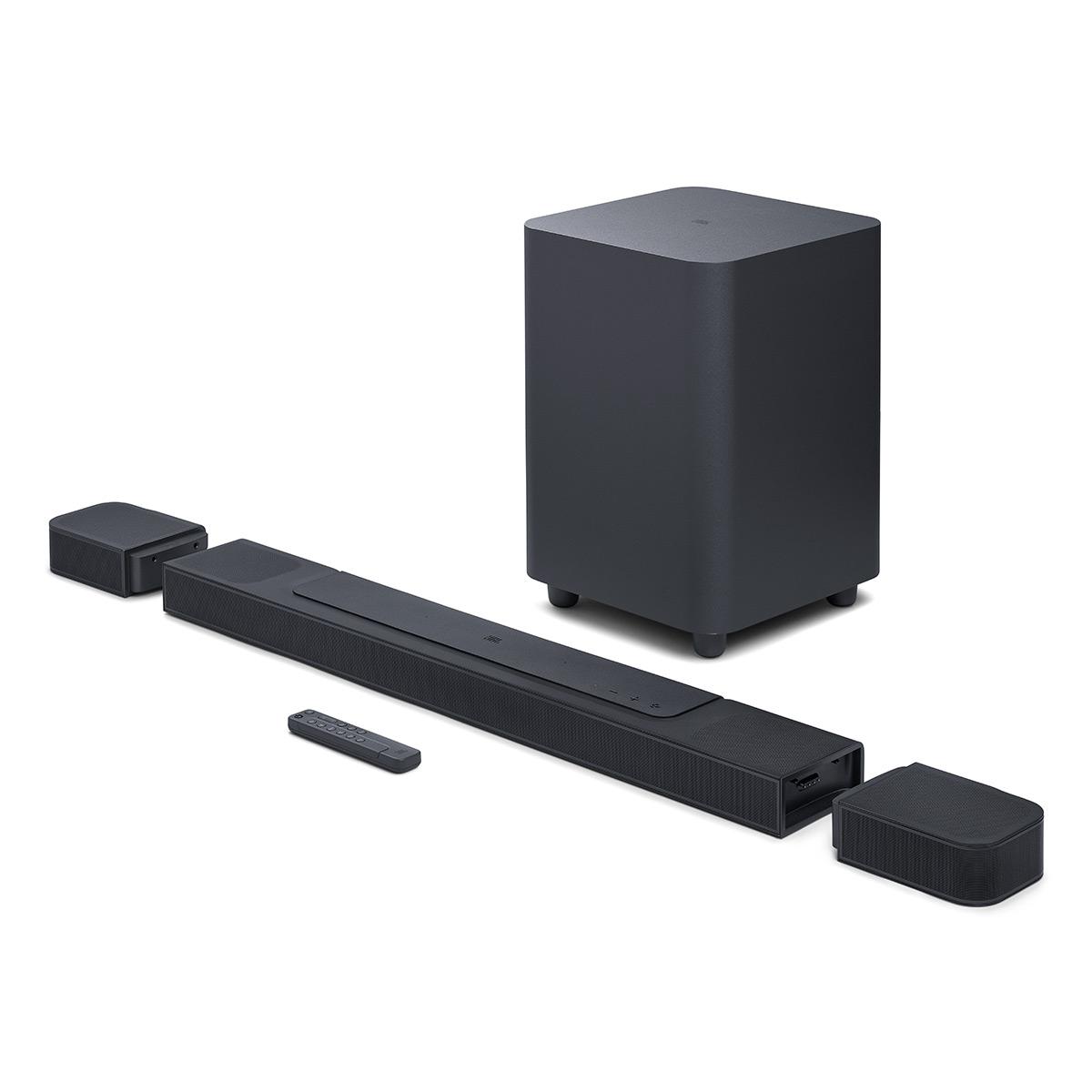
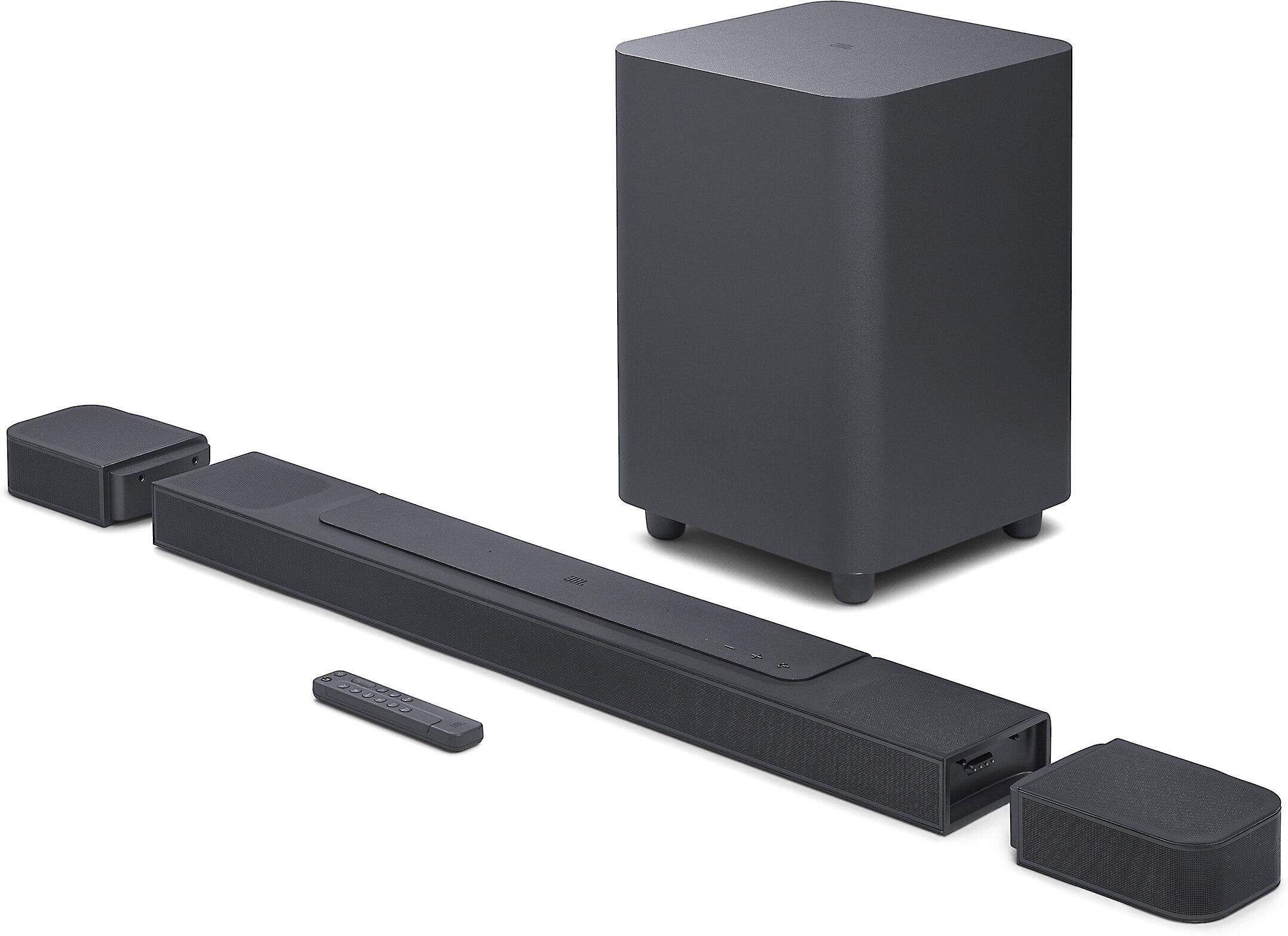
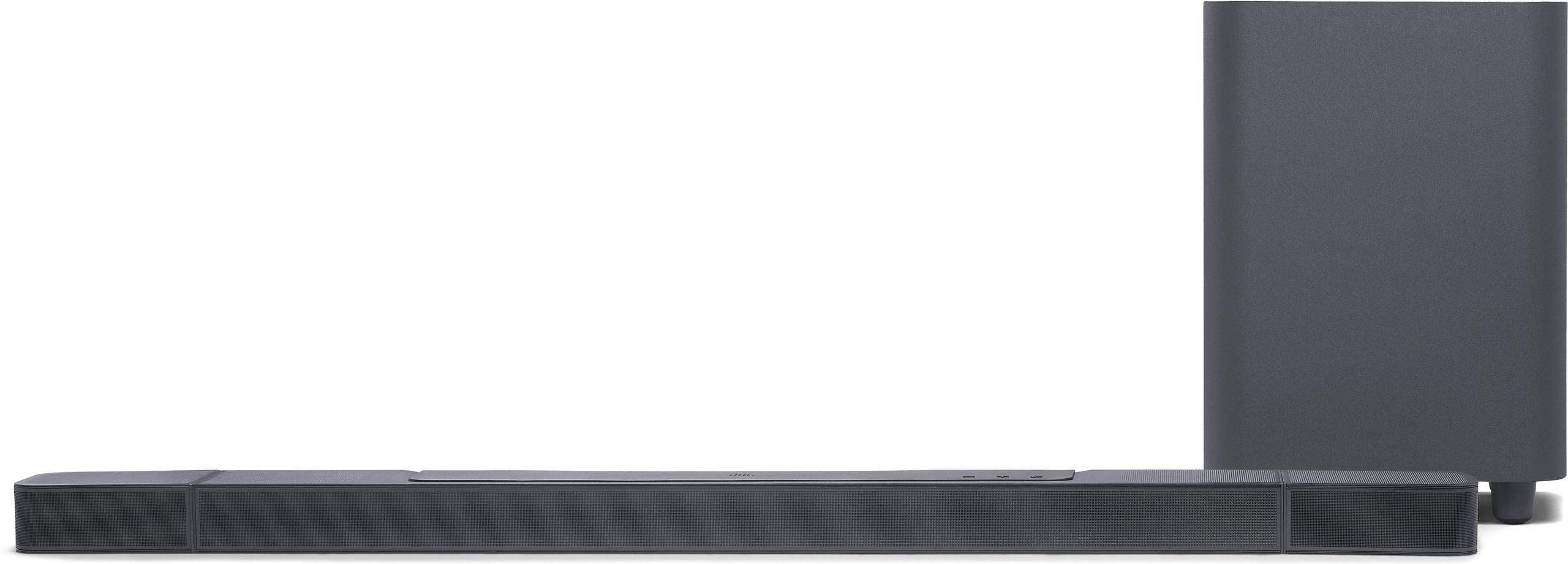
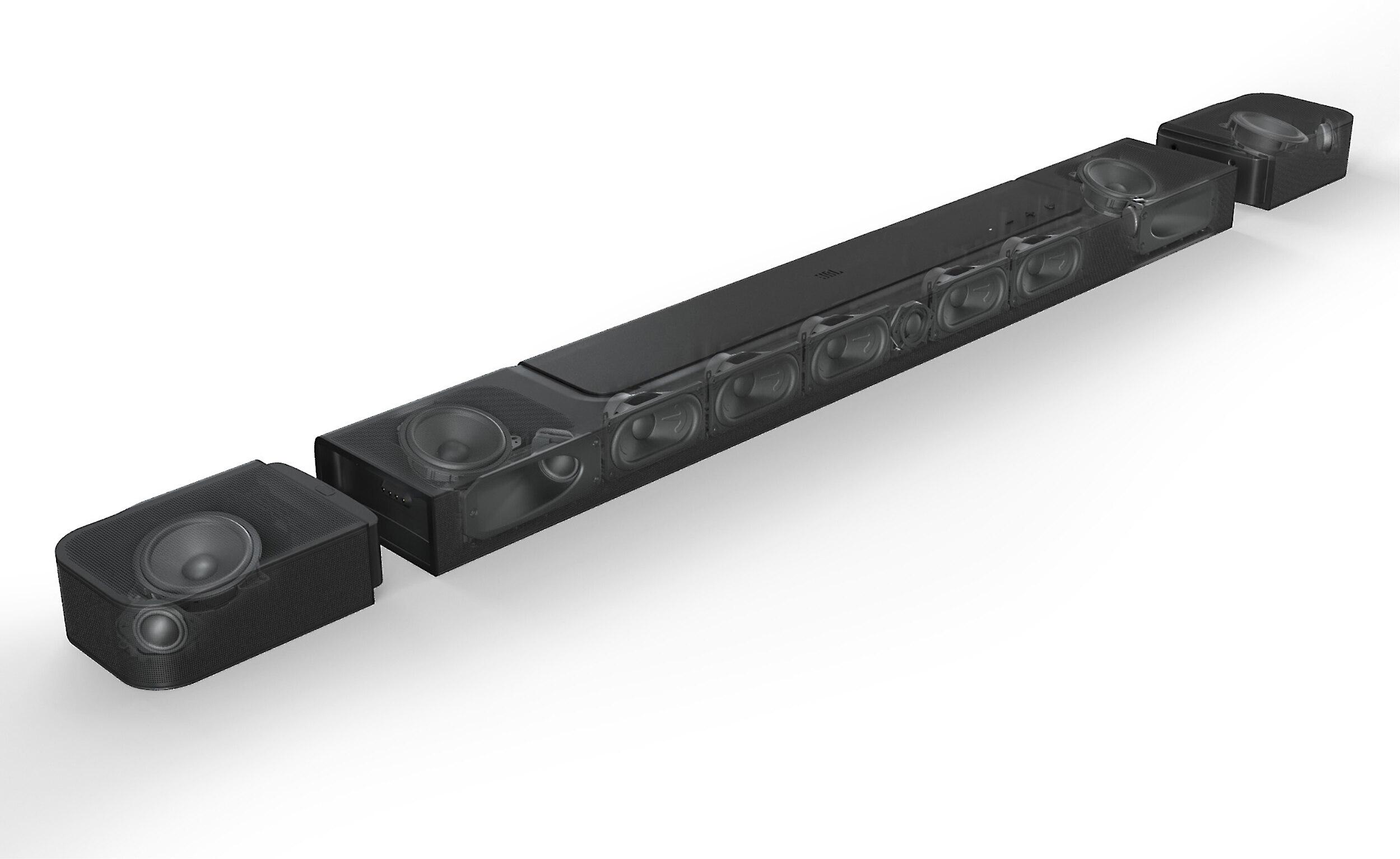
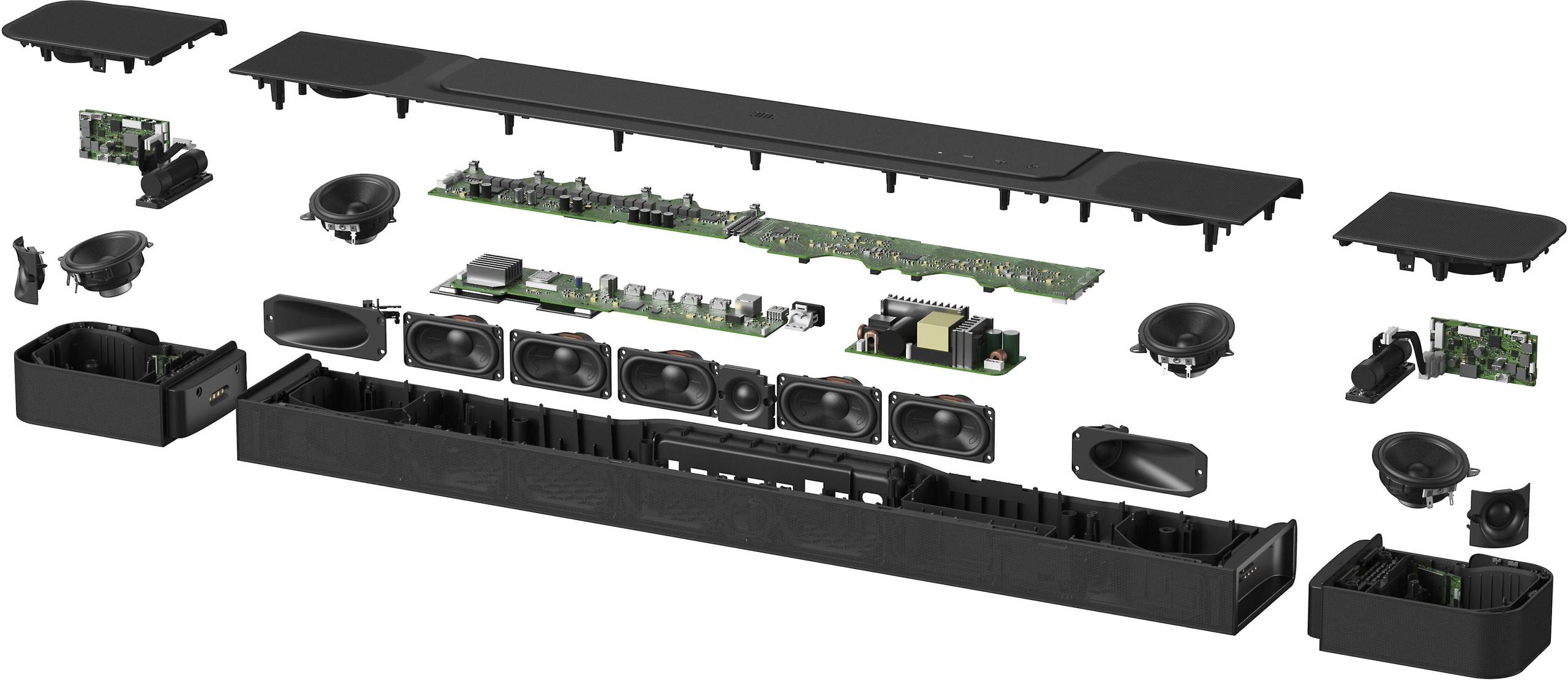
The JBL Bar 1000 takes the opposite route with a full 7.1.4 configuration. That means seven traditional channels (left, center, right, two surrounds, two rear surrounds, plus a subwoofer) and four height channels that bounce sound off your ceiling for Dolby Atmos effects. It's like comparing a precision sports car to a luxury SUV – both excellent, but built for entirely different purposes.
Nothing matters more in a soundbar than making speech intelligible. Both the Sonos Ray and JBL Bar 1000 excel here, but through completely different approaches.
The Sonos Ray uses what I'd call "acoustic magic" to make dialogue pop. Without a dedicated center channel – traditionally where dialogue lives in surround sound systems – Sonos had to get creative. They developed proprietary waveguides that focus mid-range frequencies where human voices naturally sit. Combined with their Speech Enhancement mode, which digitally boosts vocal frequencies, the result is remarkably clear dialogue even at low volumes.
I've tested this extensively with everything from Christopher Nolan's notoriously dialogue-challenged films to quiet British dramas, and the Sonos Ray consistently makes voices more intelligible than any TV speakers I've encountered. It's particularly impressive during complex scenes where dialogue competes with background music and sound effects.
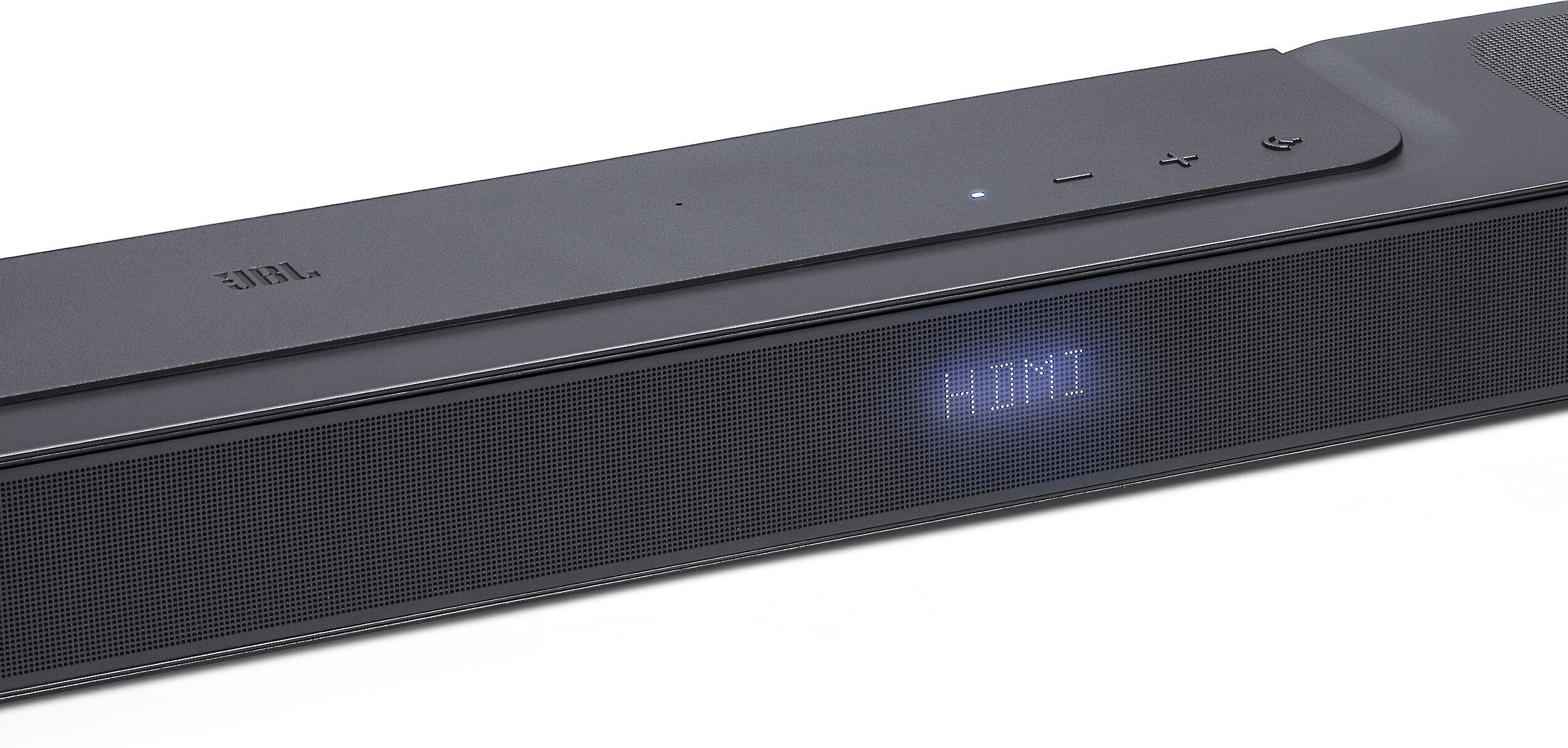
The JBL Bar 1000 takes a more traditional approach with a dedicated center channel and PureVoice 2.0 technology. This system automatically adjusts dialogue levels based on the ambient sound in your room – if there's background noise from an air conditioner or street traffic, it bumps up the vocal frequencies accordingly. The dedicated center channel also means dialogue stays anchored to the screen rather than floating between left and right speakers.
Both approaches work brilliantly, but they feel different. The Sonos Ray makes dialogue feel more intimate and focused, while the JBL Bar 1000 provides dialogue that feels properly positioned within a larger soundscape.
This is where the fundamental design differences create a massive performance gap. The Sonos Ray relies on built-in bass ports – small openings that help extend low-frequency response from the main drivers. While this works adequately for dialogue and lighter music, it simply can't produce the deep, rumbling bass that makes action movies feel visceral.
During Marvel movie explosions, the Sonos Ray produces what I'd describe as "polite" sound effects. You'll hear that something exploded, but you won't feel it in your chest. Music with prominent kick drums or electronic bass lines sounds somewhat thin, lacking the foundation that makes songs feel full and engaging.
The JBL Bar 1000 includes a wireless 10-inch subwoofer that extends bass response down to 33Hz – well into the range where you feel sound rather than just hear it. This transforms everything from movie explosions to hip-hop tracks. The subwoofer connects wirelessly to the main bar, so you can position it anywhere in your room for optimal bass distribution.
I've found the bass integration particularly impressive during complex movie scenes. The subwoofer adds weight without overwhelming dialogue or drowning out mid-range details. It's properly tuned bass that enhances rather than dominates the overall sound signature.
Here's where the JBL Bar 1000 shows its true colors. With four up-firing drivers (two in the main bar, two in the detachable rear speakers), it can create genuine Dolby Atmos effects. These drivers bounce sound off your ceiling to create the illusion of overhead audio – helicopter rotors passing above, rain falling from the sky, or debris cascading around you during action sequences.
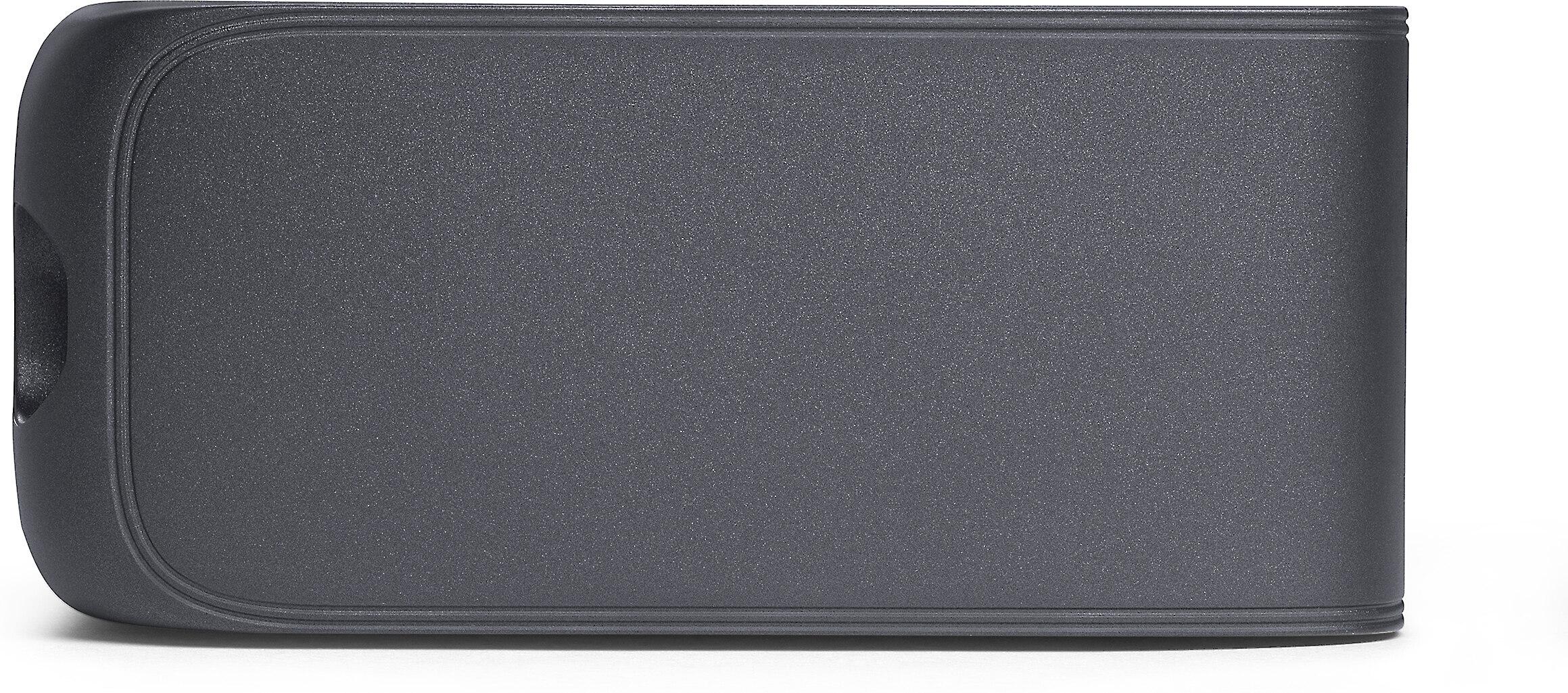
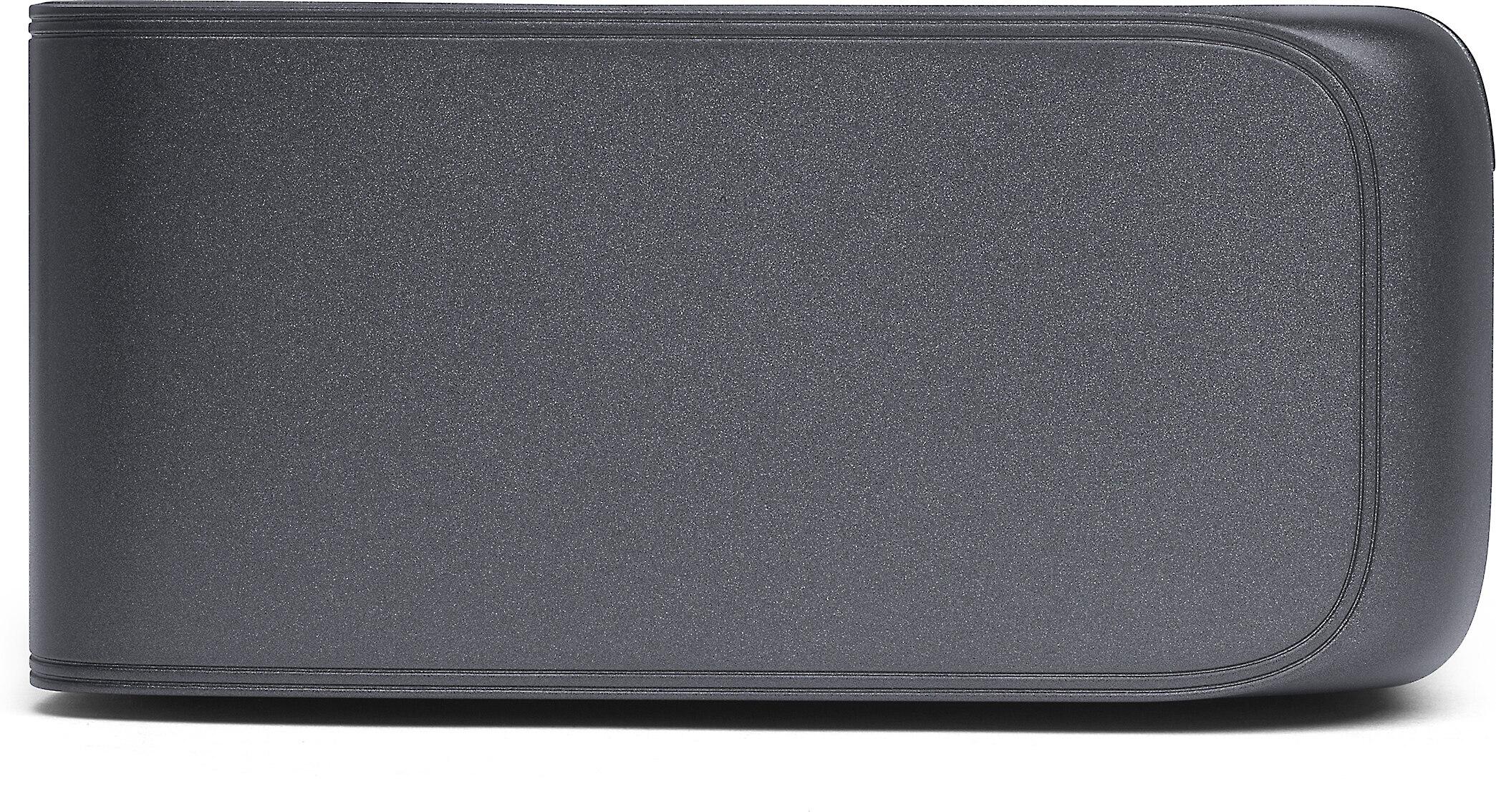
The detachable rear speakers deserve special mention. They're battery-powered units that dock with the main soundbar for charging, but can be placed anywhere behind your seating position without running cables. This wireless flexibility solves one of the biggest problems with traditional surround sound: installation complexity. When watching movies, you'll hear sounds pan from front to back and side to side, creating genuine spatial immersion.
The Sonos Ray can't compete in this category because it's simply not designed for surround sound. It does support 5.1 content from streaming services and Blu-rays, but it downmixes everything to stereo. While the stereo soundstage is impressively wide for such a compact unit, you won't get any sense of sounds moving around you or overhead effects.
For music listening, both soundbars serve different audiences well. The Sonos Ray benefits from Sonos's decades of experience in music streaming. The company built their reputation on multiroom music systems, and that expertise shows in the Ray's balanced, musical sound signature.
The Sonos Ray excels with acoustic music, vocals, and genres that benefit from precise stereo imaging. Jazz recordings sound spacious and natural, folk music feels intimate, and even complex orchestral pieces maintain good instrument separation. The built-in streaming capabilities are also superior – the Sonos ecosystem supports over 100 music services with seamless switching and excellent search functionality.
The JBL Bar 1000 brings more power and dynamic range to music, making it better suited for electronic genres, rock, and any music that benefits from deep bass extension. However, the surround sound processing can sometimes make stereo music feel artificially expanded. I typically switch it to a dedicated music mode that focuses the sound more traditionally when streaming albums.
Both soundbars support modern streaming via Wi-Fi, AirPlay, and Chromecast, but the Sonos ecosystem remains more polished for dedicated music listening.
One of the Sonos Ray's most impressive features is Trueplay room correction. Using the microphones in your iPhone, the system measures how sound reflects around your specific room and adjusts the soundbar's output accordingly. Different rooms have vastly different acoustic properties – hardwood floors and bare walls create more reflections than carpeted rooms with heavy furniture.
I've tested Trueplay in everything from echo-prone loft apartments to heavily furnished living rooms, and the difference is consistently noticeable. The system tames harsh reflections while boosting frequencies that get absorbed by your room's materials. It's like having a professional audio engineer tune your soundbar for your specific space.
The JBL Bar 1000 includes its own room calibration system that automatically adjusts the surround sound timing and levels, though it's not as sophisticated as Sonos's implementation. Still, it ensures that the various speakers work together properly regardless of your room's layout.
The JBL Bar 1000's detachable rear speakers represent genuine innovation in home audio. These battery-powered units can run for up to 10 hours on a charge, and they automatically dock with the main soundbar when you're not using surround sound. This eliminates the traditional hassle of running speaker cables across your room or finding power outlets behind your seating.
The wireless subwoofer is equally convenient. Unlike some competitors that require specific positioning relative to the main bar, the JBL's subwoofer connects reliably from anywhere in your room. This flexibility lets you experiment with placement to find the spot that delivers the best bass response for your specific room layout.
The Sonos Ray wins decisively on simplicity. Setup takes maybe five minutes: plug in the power cable, connect the optical cable to your TV, and follow the prompts in the Sonos app. The soundbar automatically syncs with your TV remote for volume control, and you're done. The compact design fits easily in most TV stands without blocking screens or looking obtrusive.
The JBL Bar 1000 requires more planning and patience. You'll need to position the main bar, find a good spot for the subwoofer, place the rear speakers appropriately, and run the room calibration routine. It's not difficult, but it takes longer and requires more thought about speaker placement.
For daily use, both systems handle streaming and basic controls well. The Sonos Ray integrates beautifully with voice assistants and offers the most refined music streaming experience. The JBL Bar 1000 provides more input flexibility with multiple HDMI connections, making it easier to connect gaming consoles and other devices directly.
If you're building a dedicated home theater setup, the JBL Bar 1000 offers genuine cinematic immersion that the Sonos Ray simply cannot match. The combination of Dolby Atmos height channels, discrete surround speakers, and powerful subwoofer creates the kind of enveloping soundfield that makes movies feel truly immersive.
The Sonos Ray works better in mixed-use spaces where the soundbar needs to improve TV audio without dominating the room acoustically or visually. It's ideal for apartments, bedrooms, or living rooms where simplicity and space efficiency matter more than maximum impact.
At the time of writing, both soundbars offer solid value within their respective categories. The Sonos Ray delivers premium dialogue clarity and build quality at an accessible price point, with the bonus of entry into the Sonos ecosystem for future expansion.
The JBL Bar 1000 costs significantly more but provides a complete home theater audio system that could eliminate the need for separate components. When you factor in the cost of buying a traditional receiver, separate speakers, and subwoofer, the pricing becomes more reasonable for the features delivered.
Choose the Sonos Ray if you primarily want better TV audio without major complexity or space requirements. It's perfect for apartments, secondary rooms, or anyone who values dialogue clarity above surround sound effects. The superior music streaming integration makes it ideal if you split time between TV and music listening.
The JBL Bar 1000 makes sense if you want a genuine home theater experience and have the space to accommodate a full surround system. It's the better choice for movie enthusiasts, gamers who play cinematic single-player games, and anyone who regularly hosts movie nights.
Both soundbars succeed brilliantly at their intended purposes. The Sonos Ray transforms TV audio elegantly and simply, while the JBL Bar 1000 creates truly immersive entertainment experiences. Your choice should depend on matching the product to your specific needs, room, and entertainment habits rather than picking an absolute winner.
The audio landscape has evolved dramatically since both products launched, with more emphasis on wireless convenience and spatial audio formats. Both the Sonos Ray and JBL Bar 1000 remain relevant because they execute their respective approaches so well – sometimes focusing on doing one thing perfectly beats trying to do everything adequately.
| Sonos Ray | JBL Bar 1000 |
|---|---|
| Audio Configuration - Determines surround sound capabilities | |
| 2.0 stereo soundbar (no center channel or subwoofer) | 7.1.4 complete surround system with detachable rear speakers |
| Dialogue Enhancement - Critical for TV watching | |
| Speech Enhancement mode with custom waveguides | PureVoice 2.0 with dedicated center channel |
| Bass Response - Makes action movies and music impactful | |
| Built-in bass ports only (minimal low-end extension) | Wireless 10" subwoofer extending down to 33Hz |
| Dolby Atmos Support - Creates 3D overhead sound effects | |
| Not supported (downmixes surround content to stereo) | Full Dolby Atmos and DTS:X with 4 up-firing drivers |
| Room Correction - Optimizes sound for your space | |
| Trueplay tuning using iPhone microphones | Basic room calibration for surround timing |
| Connectivity Options - Affects device compatibility | |
| Optical digital input only | Multiple HDMI inputs with eARC and 4K passthrough |
| Music Streaming Integration - Important for dual TV/music use | |
| Full Sonos ecosystem with 100+ streaming services | AirPlay, Chromecast, Bluetooth (more limited options) |
| Setup Complexity - Time investment required | |
| Plug-and-play in 5 minutes | Requires speaker positioning and calibration |
| Physical Footprint - Space requirements in your room | |
| Single compact soundbar fits most TV stands | Main bar + subwoofer + rear speakers need placement |
| Wireless Convenience - Cable management and flexibility | |
| Single unit, optical cable to TV | Fully wireless subwoofer and detachable rear speakers |
| Expansion Potential - Future upgrade possibilities | |
| Can add Sonos speakers for multiroom system | Complete system, no expansion needed or possible |
| Best Use Case - Who should choose this product | |
| TV dialogue clarity, apartments, secondary rooms | Home theater immersion, movie enthusiasts, large rooms |
Both the Sonos Ray and JBL Bar 1000 excel at dialogue clarity but use different approaches. The Sonos Ray uses Speech Enhancement mode and custom waveguides to make voices incredibly clear from a stereo configuration. The JBL Bar 1000 features a dedicated center channel and PureVoice 2.0 technology that automatically adjusts dialogue levels based on room noise. Both will dramatically improve TV dialogue over built-in TV speakers.
The answer depends on your priorities. The Sonos Ray relies on built-in bass ports and works well for dialogue and lighter music, but lacks the deep bass for action movies. The JBL Bar 1000 includes a wireless 10" subwoofer that extends bass down to 33Hz, providing the rumbling low-end that makes explosions and music feel impactful. If you watch action movies or listen to bass-heavy music, the subwoofer makes a significant difference.
The Sonos Ray wins on simplicity with a 5-minute setup requiring only an optical cable connection and the Sonos app. The JBL Bar 1000 requires more time to position the main bar, subwoofer, and detachable rear speakers, plus running room calibration. However, the JBL Bar 1000 offers more connection flexibility with multiple HDMI inputs once setup is complete.
Only the JBL Bar 1000 provides genuine surround sound with its 7.1.4 configuration, detachable wireless rear speakers, and four up-firing drivers for Dolby Atmos effects. The Sonos Ray is a stereo soundbar that downmixes surround content but creates an impressively wide soundstage for its compact size. For true home theater surround immersion, the JBL Bar 1000 is the clear choice.
The Sonos Ray is ideal for smaller spaces due to its compact single-unit design and excellent dialogue clarity at lower volumes. It fits easily in TV stands and won't overwhelm smaller rooms acoustically. The JBL Bar 1000 requires space for multiple components and can produce much higher volume levels that might not be appropriate for close neighbors or small rooms.
Both support wireless streaming, but with different strengths. The Sonos Ray offers superior music streaming integration with access to over 100 services through the Sonos ecosystem, plus excellent multiroom capabilities. The JBL Bar 1000 supports AirPlay, Chromecast, and Bluetooth but has more limited streaming service integration compared to the Sonos Ray.
The Sonos Ray excels for music with its balanced stereo sound, precise imaging, and seamless streaming integration that Sonos is known for. It's particularly good with vocals, acoustic music, and jazz. The JBL Bar 1000 provides more power and bass extension for electronic music and rock, but the surround processing can sometimes make stereo music feel artificially expanded.
The Sonos Ray offers only optical digital input, which simplifies setup but limits device connections. The JBL Bar 1000 provides multiple HDMI inputs with eARC support and 4K passthrough, making it easier to connect gaming consoles, streaming devices, and other sources directly. For multiple device connections, the JBL Bar 1000 is more versatile.
Value depends on your needs. The Sonos Ray delivers exceptional dialogue clarity and premium build quality at a more accessible price point, plus entry into the Sonos ecosystem for future expansion. The JBL Bar 1000 costs significantly more but provides a complete home theater system that could replace the need for separate receivers and speakers.
Both work for gaming but serve different needs. The Sonos Ray provides clear audio enhancement without latency issues due to its optical connection, making it good for competitive gaming. The JBL Bar 1000 offers immersive spatial audio for cinematic single-player games, though potential HDMI latency could affect fast-paced competitive gaming.
The JBL Bar 1000 is specifically designed for home theater with its complete 7.1.4 surround system, Dolby Atmos support, and powerful subwoofer that creates genuine cinematic immersion. The Sonos Ray significantly improves TV audio but cannot match the spatial effects and bass impact needed for a true home theater experience.
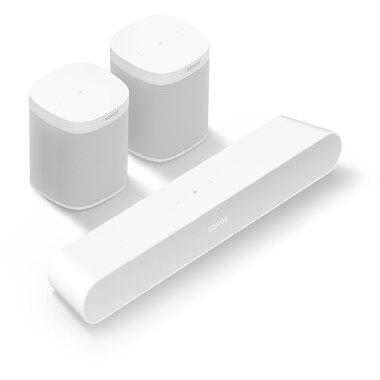
The Sonos Ray serves as an entry point into the Sonos ecosystem, allowing you to add additional speakers for multiroom audio or even build a complete surround system with other Sonos products. The JBL Bar 1000 is a complete system that doesn't support expansion, but also doesn't require it since it already includes all necessary components for full surround sound.
We've done our best to create useful and informative comparisons to help you decide what product to buy. Our research uses advanced automated methods to create this comparison and perfection is not possible - please contact us for corrections or questions. These are the sites we've researched in the creation of this article: tomsguide.com - soundandvision.com - youtube.com - techradar.com - en.community.sonos.com - rtings.com - howtogeek.com - youtube.com - cnet.com - sonos.com - videoandaudiocenter.com - zdnet.com - jbl.com - jbl.com - pcrichard.com - rtings.com - d21buns5ku92am.cloudfront.net - ro.harmanaudio.com - target.com - harmanaudio.com - dell.com - mm.jbl.com - dolby.com - jbl.com.my - videoandaudiocenter.com

Privacy Policy
Terms and Conditions - Affiliate Policy
Home Security
© Copyright 2008-2026.
11816 Inwood Rd #1211, Dallas, TX 75244