

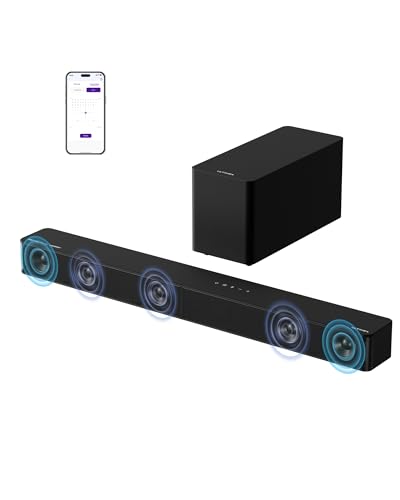







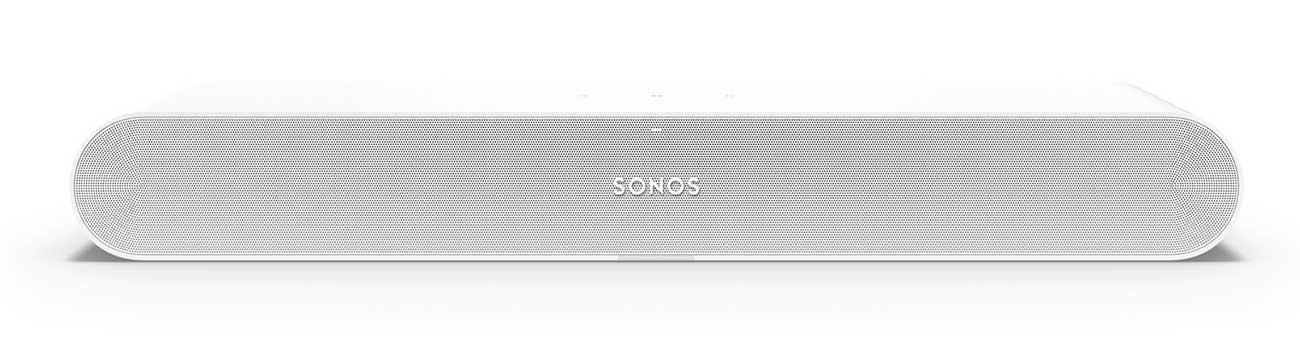
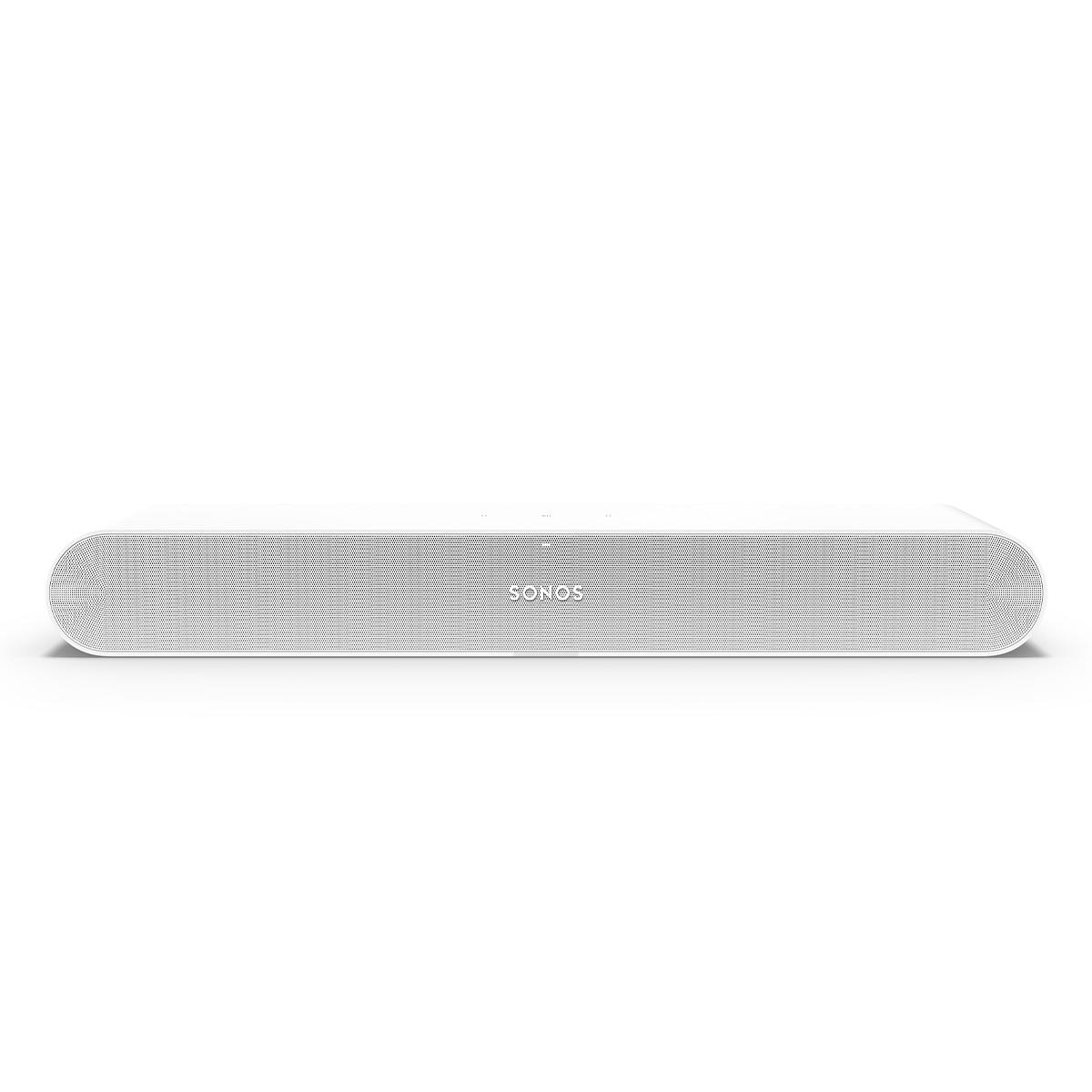

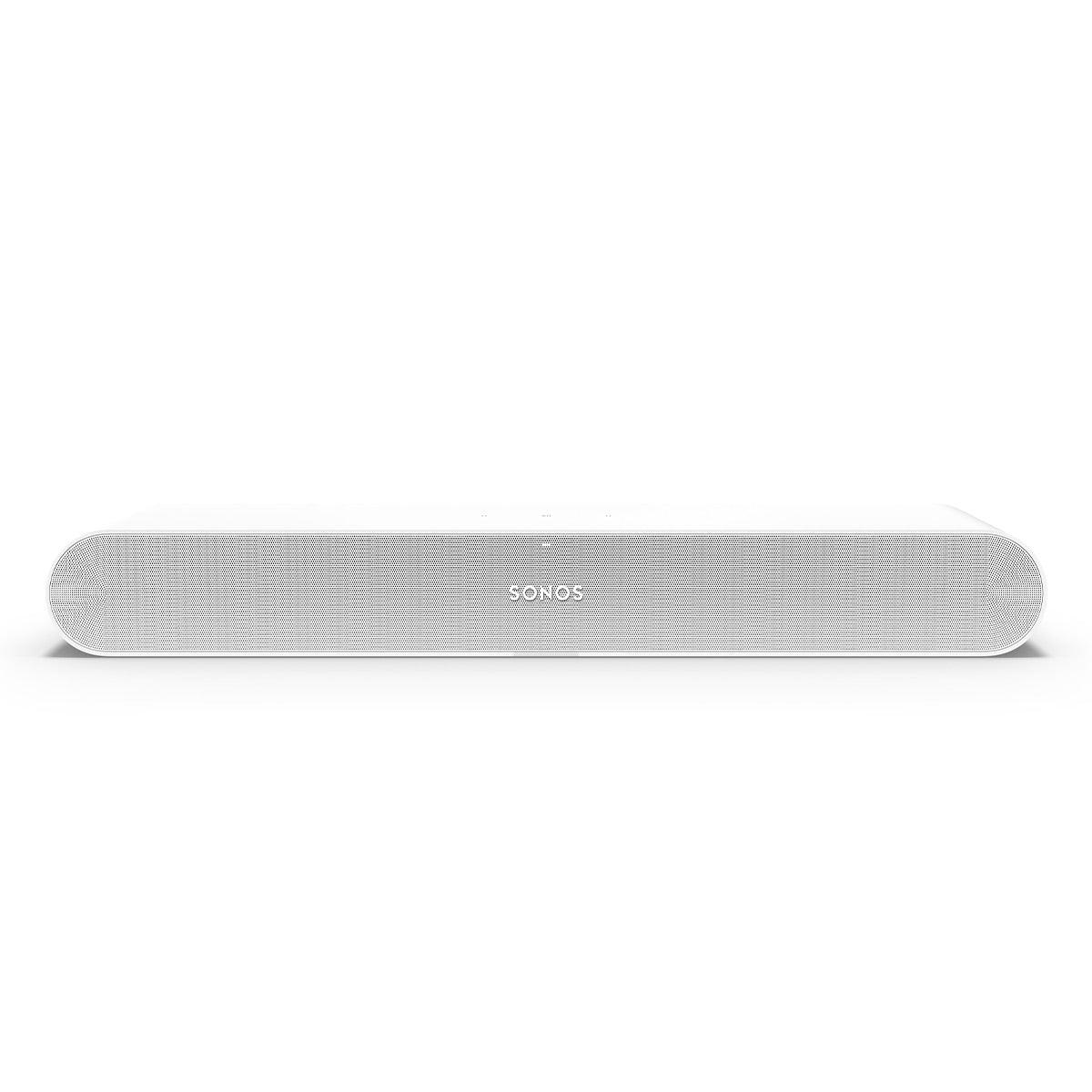
Shopping for a soundbar can feel overwhelming with hundreds of options across wildly different price ranges. Two models that frequently appear in buyer searches represent completely different approaches to upgrading your TV's audio: the budget-friendly Ultimea Poseidon M60 Boom with its 5.1 surround sound system, and the premium Sonos Ray focusing on refined stereo performance. Understanding these different philosophies will help you make the right choice for your specific needs.
The soundbar market has evolved dramatically since these models launched—the Ultimea M60 Boom arrived in 2023 while the Sonos Ray debuted in 2022. Both represent significant technological advances in their respective categories, incorporating features that were previously found only in much more expensive systems.
When evaluating soundbars, you're essentially choosing between three main approaches. Entry-level stereo bars focus primarily on making dialogue clearer than your TV's built-in speakers. Mid-range surround systems like the M60 Boom add virtual or physical surround sound processing—this means they can take multi-channel audio (like 5.1 surround) and create the impression of sound coming from multiple directions using clever digital processing. Premium systems typically offer true multi-channel setups with separate rear speakers, though some like the Sonos Ray take a different route by perfecting stereo reproduction instead.
The most important performance metrics aren't always obvious from spec sheets. Peak power numbers (measured in watts) can be misleading since they represent maximum theoretical output rather than sustained performance. More meaningful are frequency response (how well the system reproduces different pitches from deep bass to high treble), maximum sound pressure level or SPL (how loud it can play without distortion), and dynamic range (the difference between the quietest and loudest sounds it can reproduce clearly).
For home theater use, dialogue intelligibility becomes crucial—this is where many TV speakers fail miserably, burying conversations under background music and sound effects. Bass extension (how deep those low frequencies go) dramatically affects the impact of action scenes, while soundstage width (how spread out the audio feels) determines whether you feel immersed in the content or just listening to a small speaker.
The Ultimea Poseidon M60 Boom and Sonos Ray represent fundamentally different philosophies about what makes great TV audio. Understanding these approaches helps explain why they're priced differently and who they serve best.
The M60 Boom follows the "more is more" philosophy. Its 5.1-channel configuration includes five full-range drivers housed within the main soundbar unit, plus a separate wired subwoofer. When you play content with Dolby Atmos or 5.1 surround sound encoding, the system's triple-core DSP (Digital Signal Processor) chips—running at 800MHz and 600MHz respectively—work to create the impression that sounds are coming from beside and behind you. This virtual surround processing analyzes the incoming audio and adjusts timing, phase, and frequency response to trick your brain into perceiving directional audio cues.
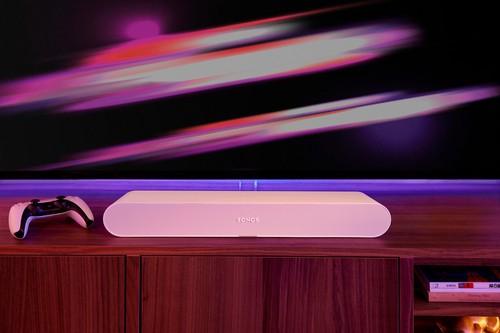
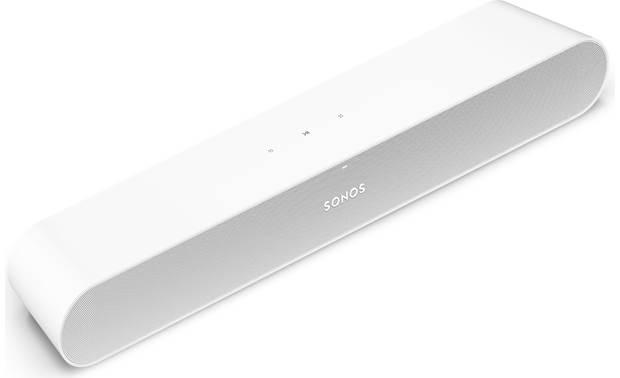
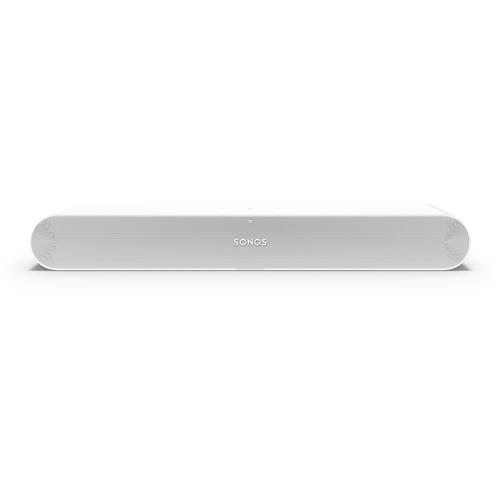
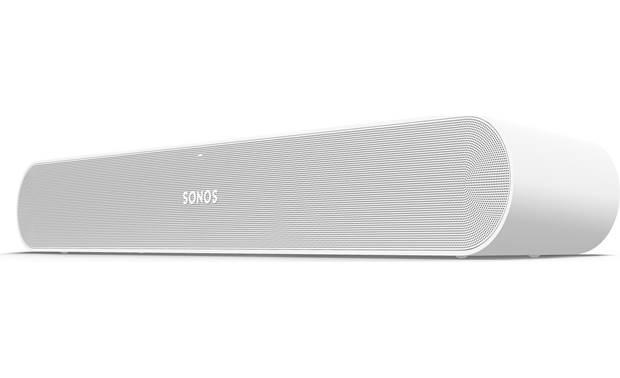
The Sonos Ray takes the opposite approach: perfect what you can do well rather than attempting everything. Its stereo configuration uses two precision-matched tweeters (for high frequencies) and two midwoofers (for middle and lower frequencies) in a carefully engineered acoustic chamber. Rather than trying to simulate surround effects, it focuses on creating the most accurate, balanced stereo image possible. This philosophy extends to its connectivity—while most soundbars load up on input options, the Ray includes only optical digital input, betting that most users will connect through their TV anyway.
The Ultimea M60 Boom's 340W peak power rating sounds impressive, but the more relevant figure is its maximum SPL of 99 dB. This means it can play loudly enough to fill most living rooms without noticeable distortion—crucial for action movie soundtracks that demand both whisper-quiet dialogue and explosive sound effects. Its frequency response spans 45 Hz to 18 kHz, meaning it reproduces everything from deep bass drum hits to the shimmer of cymbals.
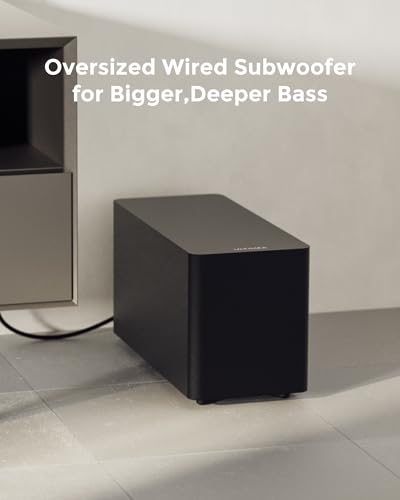
The system's BassMX technology deserves special attention. Rather than simply boosting low frequencies (which often creates muddy, boomy sound), it uses an oversized cabinet design and high-excursion driver that can move up to 16mm in either direction. This physical movement is what creates actual bass waves rather than just the illusion of bass. Our research into user reviews consistently highlights the surprising bass impact for the price range, though some note it can become overwhelming in smaller rooms without proper adjustment.
The Sonos Ray takes a completely different approach to audio quality. Its proprietary acoustic architecture focuses on phase coherence—ensuring that all frequencies reach your ears at precisely the right time to create a cohesive sound image. Professional reviews consistently praise its midrange articulation, meaning voices and instruments in that crucial 300Hz to 3kHz range (where most music and dialogue lives) sound natural and clear.
What's particularly impressive about the Ray is its bass performance despite lacking a dedicated subwoofer. Its bass reflex port design uses carefully calculated internal air chambers to extend low-frequency response beyond what the driver size would suggest. While it can't match the M60 Boom's subwoofer for pure impact, it provides what reviewers describe as "solid bass" that complements rather than dominates the overall sound signature.
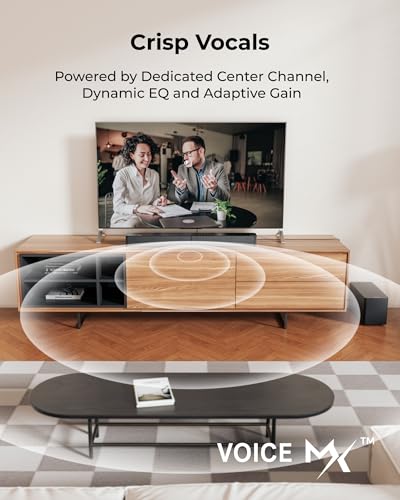
Both systems prioritize dialogue clarity but achieve it through different methods, and this distinction matters significantly for daily TV watching. The M60 Boom uses VoiceMX technology, which dynamically monitors the 300Hz to 3kHz frequency range where human voices primarily exist. When the system detects complex audio scenes—like explosions mixed with dialogue—it automatically boosts voice frequencies while temporarily reducing competing background elements.
This active processing can be remarkably effective for action movies and shows with dense soundtracks. However, some users report that it can make dialogue sound slightly artificial during quieter scenes where such aggressive processing isn't needed. The good news is that the system's smartphone app allows you to adjust or disable these effects entirely.
The Sonos Ray achieves dialogue clarity through more traditional means: careful frequency balancing and a dedicated dialogue enhancement mode. Rather than dynamic processing, it maintains consistent voice reproduction by ensuring that the midrange frequencies are never masked by bass or treble emphasis. Reviews consistently rank it among the best performers for voice clarity in its price range, with many noting that it makes even poorly mixed TV shows more intelligible.
For home theater enthusiasts, this difference becomes crucial. If you primarily watch content with high-quality audio mixing—like modern streaming shows and Blu-ray movies—the Ray's approach often sounds more natural. If you frequently watch older content, live TV, or shows with inconsistent audio levels, the M60 Boom's active processing might be more beneficial.
Here's where the fundamental differences between these systems become most apparent. The Ultimea M60 Boom can decode and process true Dolby Atmos and 5.1 surround content, taking advantage of the spatial information encoded in modern movies and shows. Its five-driver array works together to create virtual surround effects—sounds that appear to come from beside and behind your listening position.
However, it's important to understand the limitations of virtual surround processing. Unlike systems with physical rear speakers, the M60 Boom creates these effects using psychoacoustic principles—essentially tricking your brain through careful manipulation of timing and frequency response. The effectiveness varies significantly based on your room's acoustics, seating position, and the specific content being played. Action movies with distinct directional effects work better than subtle ambient sounds.
Our analysis of user feedback reveals that most people find the surround effects convincing enough to enhance their viewing experience, particularly coming from basic TV speakers. However, those expecting the immersion of a true multi-channel system with physical rear speakers may find it lacking.
The Sonos Ray makes no attempt at surround processing. When fed 5.1 or Dolby Atmos content, it downmixes everything to stereo. This might sound like a limitation, but it's actually a design choice that prevents the phase issues and artificial soundstage problems that plague some virtual surround systems. For music listening and dialogue-focused content, this approach often sounds more natural and coherent.
Bass performance represents perhaps the biggest differentiator between these systems. The M60 Boom's dedicated subwoofer uses a 5.25-inch driver in a ported wooden enclosure, allowing it to reproduce frequencies down to 45 Hz. To put this in perspective, that covers most of the bass content in music and movies, including the rumble of explosions and the fundamental frequencies of bass guitars and kick drums.
The subwoofer connects via a wired connection, which ensures consistent performance without the potential dropouts that sometimes affect wireless subwoofers. However, the wired connection does limit placement flexibility—you'll need to position it within cable reach of the main soundbar unit.
User reviews consistently praise the bass impact, though several note that the default settings can be overwhelming in smaller rooms. Fortunately, the system's app provides extensive bass adjustment options, and the various EQ presets (Movie, Music, Voice, Sport, Game, Night) automatically adjust bass levels for different content types.
The Sonos Ray achieves respectable bass performance through its internal drivers and carefully tuned port design. While it can't match the physical impact of a dedicated subwoofer, it provides what most reviewers describe as "sufficient" bass for normal TV watching and music listening. The bass is well-integrated with the midrange and treble, creating a balanced sound signature rather than emphasized low-end impact.
For apartment dwellers or those concerned about disturbing neighbors, the Ray's approach might actually be preferable. It provides enough bass to feel satisfying without the room-shaking impact that can become problematic in shared living spaces.
The connectivity philosophies of these two systems reflect their different target audiences and design priorities. The Ultimea M60 Boom includes virtually every connection option you might need: HDMI eARC for lossless audio from compatible TVs, optical digital for older TVs, USB for direct music playback, AUX for analog sources, and Bluetooth 5.4 for wireless streaming from phones and tablets.
HDMI eARC (Enhanced Audio Return Channel) deserves special explanation because it's becoming increasingly important. Unlike regular HDMI ARC, eARC can carry uncompressed, high-bandwidth audio signals including lossless Dolby Atmos tracks. This means you get bit-perfect audio reproduction rather than compressed versions that lose subtle details. For serious movie watching, this connection method provides noticeably better sound quality than optical or standard ARC connections.
The M60 Boom's Bluetooth 5.4 implementation offers several improvements over older Bluetooth versions, including faster pairing, more stable connections, and reduced latency (the delay between audio and video). This makes it much more usable for watching video content on tablets or phones without annoying lip-sync issues.
The Sonos Ray takes a radically different approach, offering only optical digital input for TV connection. This reflects Sonos's philosophy that most users will connect through their TV anyway, and additional inputs just add complexity without meaningful benefit. While this limits direct device connections, it simplifies setup and reduces the chance of connection problems.
Where the Ray truly shines is wireless streaming capabilities. It supports Wi-Fi connection to your home network, Apple AirPlay 2 for seamless streaming from iOS devices, and direct integration with Spotify Connect and Tidal Connect. This means you can control music playback directly from streaming apps without needing the Sonos app as an intermediary.
The Ray's integration with the broader Sonos ecosystem represents its biggest advantage for certain users. If you have or plan to add other Sonos speakers throughout your home, they can all be controlled together through the Sonos app, creating synchronized multi-room audio experiences. This capability alone justifies the higher price for users building whole-home audio systems.
Both systems offer smartphone app control, but with very different philosophies and capabilities. The Ultimea M60 Boom's dedicated app provides extensive customization options that let you fine-tune the system's performance for your specific room and preferences. You can adjust individual frequency bands (bass, midrange, treble), select from multiple EQ presets optimized for different content types, and control advanced features like the VoiceMX dialogue enhancement.
The app also enables features like night mode, which compresses the dynamic range to keep loud scenes from waking sleeping family members while ensuring quiet dialogue remains audible. For home theater enthusiasts who enjoy tweaking settings, these options provide significant value.
The Sonos Ray uses the comprehensive Sonos S2 app, which prioritizes ease of use over granular control. While you can adjust bass and treble levels and enable dialogue enhancement, the focus is on content discovery and multi-room coordination rather than detailed audio customization. The app's strength lies in its ability to seamlessly manage music from dozens of streaming services and coordinate playback across multiple Sonos devices.
One unique feature of the Ray is Trueplay room correction, though it's limited to iOS devices. This system uses your iPhone or iPad's microphone to measure your room's acoustic characteristics and automatically adjusts the soundbar's output to compensate for reflective surfaces, room size, and speaker placement. While not as comprehensive as professional room correction systems, it can make a noticeable difference in challenging acoustic environments.
Pricing in the soundbar market fluctuates significantly, but at the time of writing, these systems occupy different value propositions. The Ultimea M60 Boom typically costs significantly less than the Sonos Ray, making it an exceptional value for users seeking surround sound capabilities and powerful bass performance.
When evaluating value, consider not just the initial purchase price but the complete ownership experience. The M60 Boom delivers features and performance that were found only in much more expensive systems just a few years ago. Its combination of Dolby Atmos processing, dedicated subwoofer, and comprehensive connectivity provides substantial upgrades over TV speakers or basic soundbars.
However, the Sonos Ray justifies its higher price through build quality, acoustic refinement, and ecosystem integration. Sonos products typically receive software updates for many years after purchase, potentially adding new features and streaming service support. The company's track record of long-term support means your investment remains current longer than products from smaller manufacturers.
For budget-conscious buyers, the M60 Boom represents remarkable value, delivering surround sound processing and bass impact that significantly enhances movie and gaming experiences. For users prioritizing long-term value, build quality, and integration with existing smart home systems, the Ray's premium pricing reflects genuine advantages in materials, engineering, and ongoing support.
Understanding how these systems perform in different real-world scenarios helps determine which better suits your specific needs and living situation.
For Movie and Gaming Enthusiasts: The Ultimea M60 Boom clearly serves users who prioritize cinematic impact and immersive audio experiences. Its Dolby Atmos processing and powerful subwoofer create engaging soundtracks for action films, while gaming-specific EQ presets optimize performance for different game types. The multiple connectivity options ensure compatibility with gaming consoles, streaming devices, and other entertainment sources.
For Music-Focused Listeners: The Sonos Ray excels when audio quality and tonal accuracy matter more than sheer impact. Its refined stereo imaging and balanced frequency response make it excellent for music streaming, while its integration with major streaming services provides convenient access to high-quality audio sources. The lack of surround processing actually benefits music listening, as stereo recordings sound more natural without artificial spatial effects.
For Multi-Room Integration: Only the Ray enables true whole-home audio systems through Sonos's ecosystem. If you plan to add speakers in other rooms or want to coordinate audio throughout your home, this capability alone justifies the price premium. The ability to start music in one room and seamlessly transfer it to others, or play synchronized audio throughout the house, transforms how you experience music at home.
For Space-Constrained Installations: The Sonos Ray's compact, single-unit design suits tight spaces and minimalist aesthetics better than the M60 Boom's soundbar-plus-subwoofer configuration. However, the separate subwoofer actually provides placement flexibility that can optimize bass performance in challenging rooms.
Choose the Ultimea Poseidon M60 Boom if you want maximum audio impact and features for your money. This system makes sense for users who primarily watch movies, TV shows, or play games with surround sound content. Its comprehensive connectivity options future-proof your investment against changing source devices, while the extensive app-based customization lets you optimize performance for your specific room and preferences.
The M60 Boom particularly suits larger rooms that can benefit from its power and bass extension, and users who don't require multi-room audio capabilities. If you're upgrading from basic TV speakers and want the most dramatic improvement in audio impact, this system delivers exceptional value.
Choose the Sonos Ray if you prioritize audio refinement, build quality, and long-term ecosystem integration over raw impact. This system makes sense for users who listen to significant amounts of music through their TV setup, prefer understated aesthetics, and value the convenience of multi-room audio systems.
The Ray works best in smaller to medium rooms where its balanced output and refined acoustics can shine, and for users who prefer simplicity over extensive customization options. If you have or plan to build a Sonos system throughout your home, the ecosystem integration alone justifies the higher price.
The fundamental choice comes down to whether you prioritize surround sound immersion and value (M60 Boom) or stereo refinement and ecosystem integration (Sonos Ray). Both represent significant upgrades over TV speakers, but they serve different priorities and use cases. Consider your room size, content preferences, and long-term audio plans when making your decision.
| Ultimea Poseidon M60 Boom 5.1 Soundbar | Sonos Ray Soundbar |
|---|---|
| Audio Configuration - Determines surround sound capabilities and immersion level | |
| 5.1-channel Dolby Atmos with virtual surround processing | Stereo-only with downmixed surround content |
| Power Output - Affects maximum volume and room-filling capability | |
| 340W peak power, 99 dB maximum SPL | Not specified, designed for moderate listening levels |
| Bass Performance - Critical for movie impact and music enjoyment | |
| Dedicated 5.25" wired subwoofer with BassMX technology | Built-in bass reflex system, no separate subwoofer |
| Frequency Response - Shows how well it reproduces different sound ranges | |
| 45 Hz - 18 kHz (excellent low-end extension) | Not specified (optimized for balanced stereo) |
| Connectivity Options - Determines compatibility with your devices | |
| HDMI eARC, optical, USB, AUX, Bluetooth 5.4 | Optical input only, Wi-Fi, AirPlay 2 |
| Smart Features - App control and customization capabilities | |
| Dedicated app with extensive EQ controls, multiple presets | Sonos S2 app with basic adjustments, Trueplay room correction (iOS) |
| Multi-Room Integration - Ability to connect with other speakers in your home | |
| Standalone system only | Full Sonos ecosystem integration with multi-room capabilities |
| Physical Design - Size and setup requirements | |
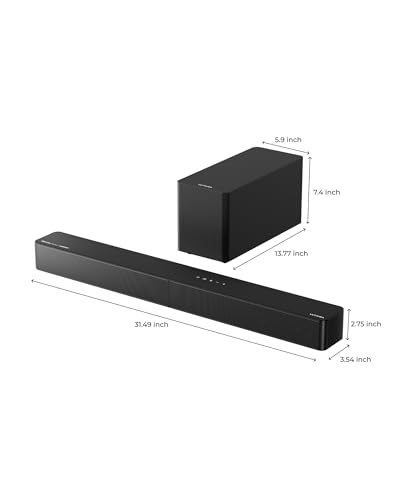
| Two-piece modular soundbar plus separate wired subwoofer | Single compact unit, no external subwoofer |
| Voice Enhancement - How well it clarifies dialogue | |
| VoiceMX dynamic processing with automatic dialogue boost | Dialogue enhancement mode with balanced frequency response |
| Streaming Services - Direct access to music platforms | |
| Bluetooth streaming only | Spotify Connect, Tidal Connect, AirPlay 2 built-in |
| Release Year - Indicates how current the technology is | |
| 2023 (latest Bluetooth 5.4 and processing technology) | 2022 (established Sonos platform with ongoing updates) |
The Ultimea Poseidon M60 Boom 5.1 Soundbar is significantly better for movies due to its 5.1-channel Dolby Atmos processing and dedicated subwoofer. It creates virtual surround sound effects and delivers powerful bass for action scenes. The Sonos Ray Soundbar only offers stereo sound and downmixes surround content, making it less immersive for movie watching.
The Sonos Ray Soundbar excels at music playback with its refined stereo imaging, balanced frequency response, and direct integration with streaming services like Spotify Connect. The Ultimea Poseidon M60 Boom 5.1 Soundbar can sound good for music but is optimized more for movies and may have overpowering bass for some musical genres.
The Ultimea Poseidon M60 Boom 5.1 Soundbar has significantly better bass performance thanks to its dedicated 5.25-inch wired subwoofer with BassMX technology. It can reproduce frequencies down to 45 Hz for deep, impactful bass. The Sonos Ray Soundbar relies on built-in drivers and provides adequate but limited bass without a separate subwoofer.
The Ultimea Poseidon M60 Boom 5.1 Soundbar offers comprehensive connectivity including HDMI eARC, optical, USB, AUX, and Bluetooth 5.4. The Sonos Ray Soundbar has limited physical connections with only optical input, but compensates with Wi-Fi streaming, AirPlay 2, and direct streaming service integration.
The Sonos Ray Soundbar is generally easier to set up as a single compact unit with simple optical connection to your TV. The Ultimea Poseidon M60 Boom 5.1 Soundbar requires positioning both the main bar and separate subwoofer, though setup is still straightforward and the system offers more customization options through its dedicated app.
Only the Sonos Ray Soundbar supports true multi-room audio as part of the Sonos ecosystem, allowing you to add other Sonos speakers throughout your home. The Ultimea Poseidon M60 Boom 5.1 Soundbar is a standalone system that cannot connect to additional speakers for multi-room functionality.
Both soundbars excel at dialogue clarity but use different approaches. The Ultimea Poseidon M60 Boom 5.1 Soundbar uses VoiceMX technology to dynamically boost voice frequencies during complex scenes. The Sonos Ray Soundbar achieves excellent dialogue clarity through balanced frequency tuning and a dedicated dialogue enhancement mode.
The Ultimea Poseidon M60 Boom 5.1 Soundbar is better for gaming due to its surround sound processing, powerful bass, and ultra-low latency Bluetooth 5.4 connection. It includes gaming-specific EQ presets and can create more immersive audio experiences. The Sonos Ray Soundbar works for gaming but offers only stereo sound without gaming-optimized features.
The Sonos Ray Soundbar focuses on refined, accurate stereo reproduction with excellent tonal balance and midrange clarity. The Ultimea Poseidon M60 Boom 5.1 Soundbar prioritizes impact and immersion with virtual surround effects and powerful bass, though it may sacrifice some tonal accuracy for dramatic effect.
The Sonos Ray Soundbar takes up less space as a single compact unit that fits easily under most TVs. The Ultimea Poseidon M60 Boom 5.1 Soundbar requires additional floor space for its separate wired subwoofer, though this can be positioned flexibly within cable reach of the main bar.
Neither the Ultimea Poseidon M60 Boom 5.1 Soundbar nor the Sonos Ray Soundbar has built-in voice assistants like Alexa or Google Assistant. However, the Sonos Ray can be controlled through voice commands if you have other Sonos devices with voice assistant capabilities in your system.
The Ultimea Poseidon M60 Boom 5.1 Soundbar offers excellent immediate value with premium features at a budget-friendly price point. The Sonos Ray Soundbar provides better long-term value through superior build quality, ongoing software updates, ecosystem expandability, and the company's established track record of long-term product support.
We've done our best to create useful and informative comparisons to help you decide what product to buy. Our research uses advanced automated methods to create this comparison and perfection is not possible - please contact us for corrections or questions. These are the sites we've researched in the creation of this article: ultimea.com - ultimea.com - youtube.com - bestbuy.com - youtube.com - avsforum.com - youtube.com - manuals.plus - youtube.com - device.report - ultimea.com - ultimea.de - community.ultimea.com - ultimea.com - community.ultimea.com - ultimea.com - youtube.com - aliexpress.com - ultimea.com - tomsguide.com - soundandvision.com - youtube.com - techradar.com - en.community.sonos.com - rtings.com - howtogeek.com - youtube.com - cnet.com - sonos.com - videoandaudiocenter.com

Privacy Policy
Terms and Conditions - Affiliate Policy
Home Security
© Copyright 2008-2026.
11816 Inwood Rd #1211, Dallas, TX 75244