

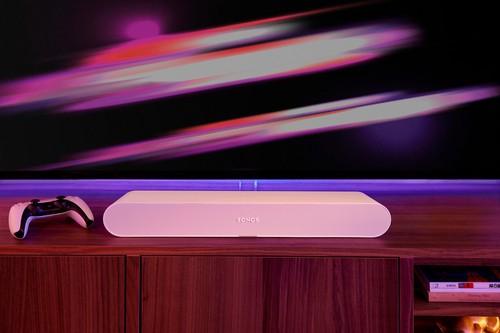




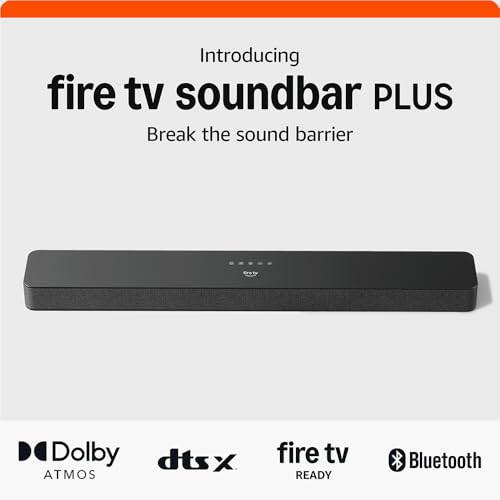
If you've ever cranked up an action movie only to scramble for the remote when dialogue becomes impossible to hear, you know exactly why soundbars exist. Built-in TV speakers are frankly terrible – they're tiny, face backward, and prioritize thin design over audio quality. Entry-level soundbars like the Sonos Ray and Amazon Fire TV Soundbar Plus promise to fix this fundamental problem, but they take dramatically different approaches to get there.
Entry-level soundbars occupy a sweet spot in home audio, typically priced between $200-400 at the time of writing. They're designed for people who want better TV audio without diving into the complexity of full surround sound systems with multiple speakers and receivers. Think of them as the audio equivalent of upgrading from a basic car stereo to something with decent bass and clear vocals – not audiophile territory, but a massive improvement over what you had before.
The key considerations in this category boil down to four main areas: audio quality, connectivity options, expandability potential, and ecosystem integration. Some soundbars prioritize pure audio refinement, while others focus on features and future-proofing. This fundamental difference shapes everything about how these products perform and who they're best suited for.
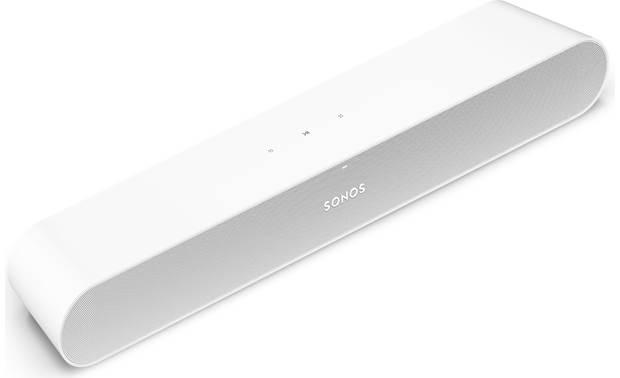
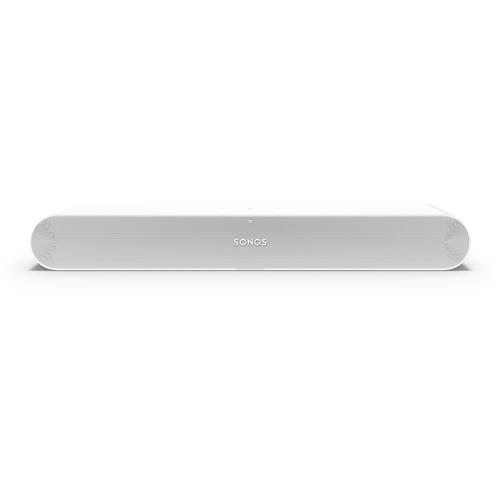
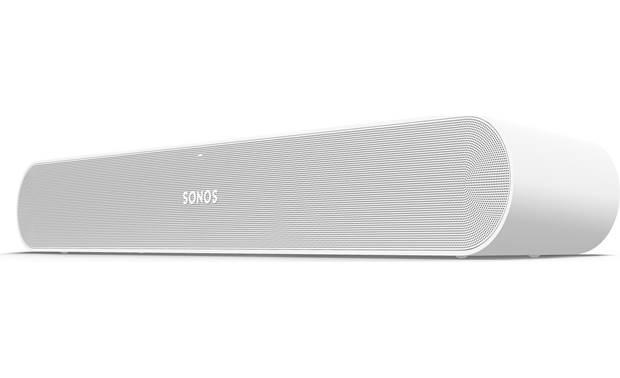
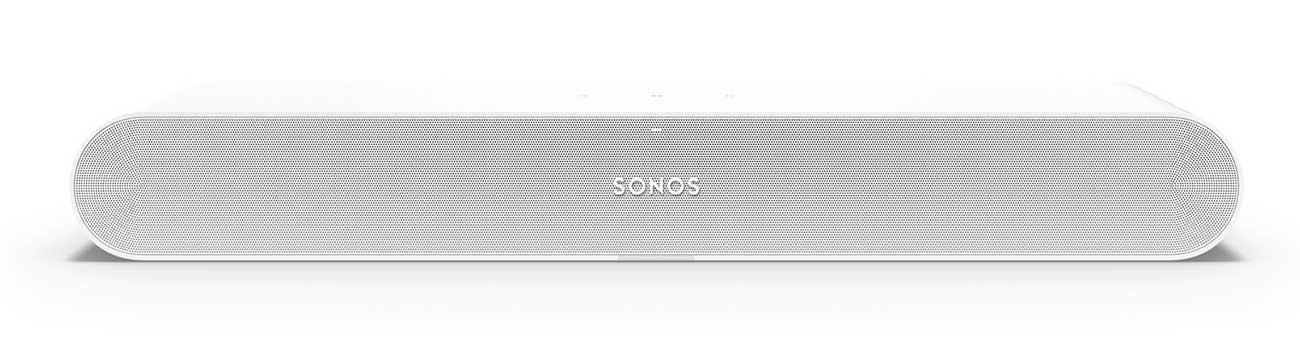
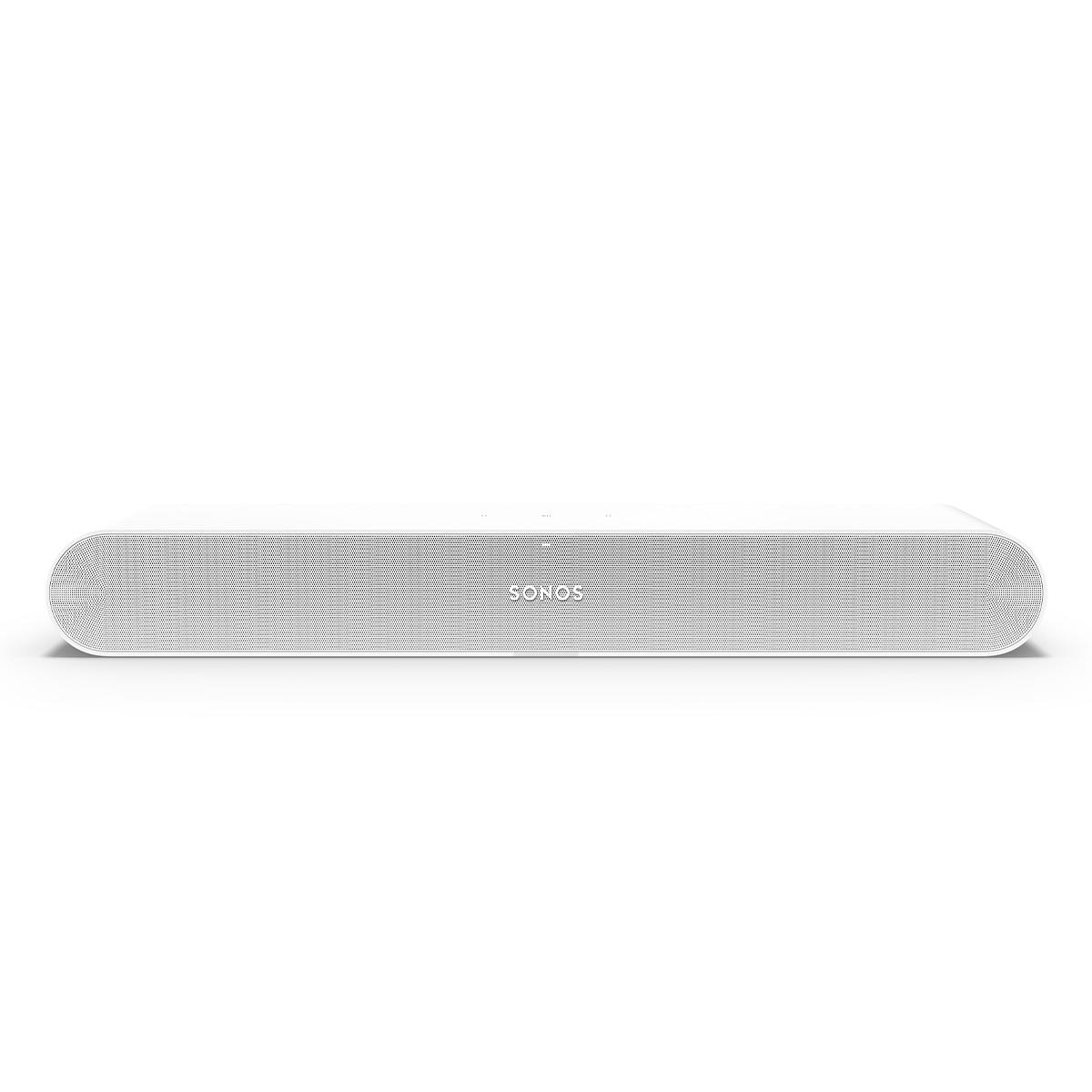
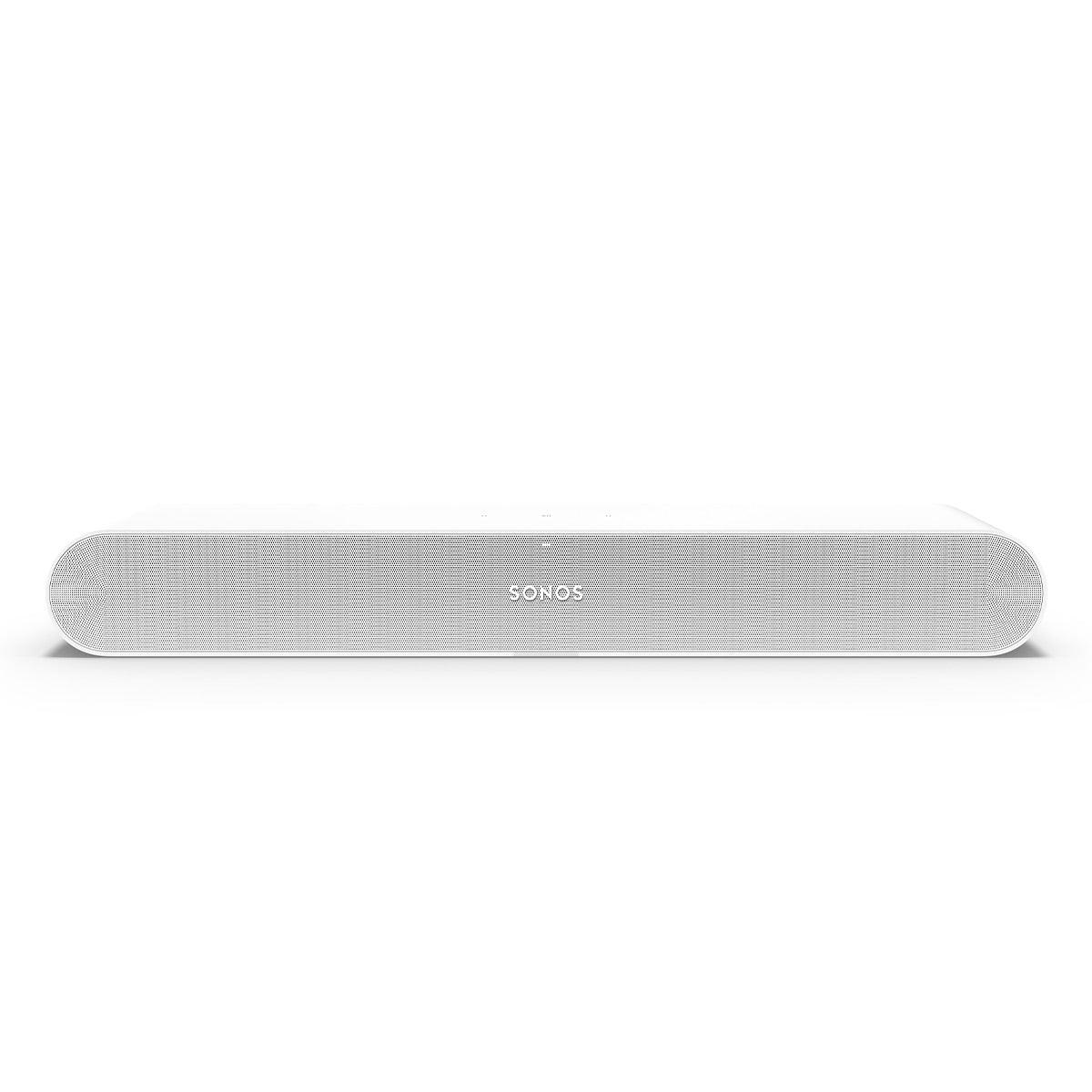
The Sonos Ray and Amazon Fire TV Soundbar Plus represent opposing design philosophies, which makes comparing them particularly interesting. Released in 2022, the Sonos Ray marked Sonos's entry into truly affordable soundbars after years of premium-only products. It maintains Sonos's reputation for refined audio engineering while stripping away features to hit a lower price point.
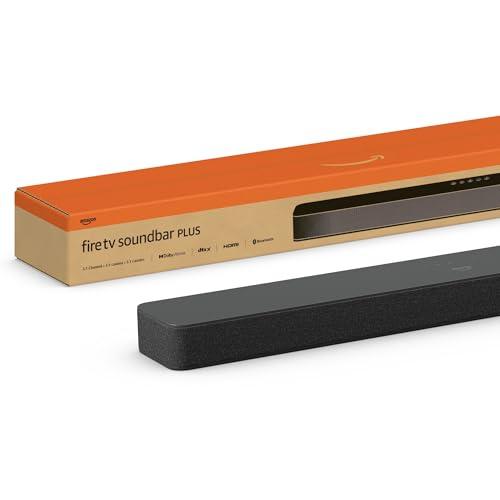
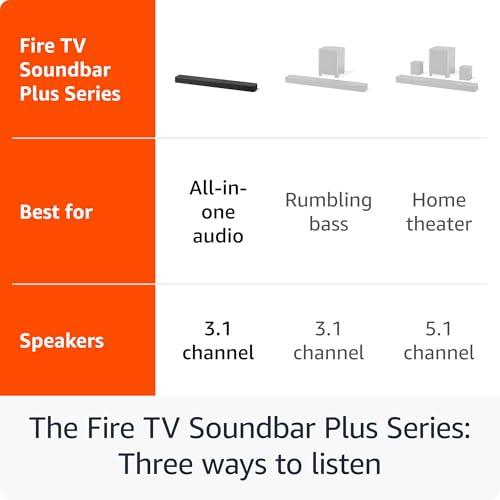
The Amazon Fire TV Soundbar Plus, also released in 2022, takes the opposite approach. Amazon packed in wireless rear speakers, multiple connectivity options, and virtual surround sound processing, essentially building a complete 5.1 system at an entry-level price. It's the "more speakers for less money" philosophy that has become increasingly common as manufacturing costs have dropped.
Since 2022, both companies have refined their approaches. Sonos has improved their Trueplay room correction software (which uses your phone's microphone to optimize sound for your specific room), while Amazon has enhanced their virtual Dolby Atmos processing to create better height effects without physical upward-firing speakers.
Here's where personal preference and room acoustics really matter. The Sonos Ray delivers what I'd describe as a "reference" sound signature – balanced, neutral, and designed not to fatigue your ears during long listening sessions. Voices sit naturally in the mix without sounding artificially boosted, and instruments maintain their distinct character rather than blending into mush.
The frequency response (how evenly a speaker reproduces different pitches) on the Sonos Ray stays remarkably flat through the critical midrange frequencies where most dialogue and lead instruments live. This technical achievement translates to real-world benefits: actors' voices sound natural, whether it's Morgan Freeman's deep baritone or a child actor's higher-pitched dialogue.
In contrast, the Amazon Fire TV Soundbar Plus employs what audio engineers call an "excited" sound signature – boosted bass and slightly enhanced treble that immediately grabs your attention. This isn't necessarily worse; many people prefer this more dramatic presentation, especially for action movies where you want explosions to have real impact.
Raw volume capability represents one of the biggest practical differences between these soundbars. The Amazon Fire TV Soundbar Plus can get significantly louder than the Sonos Ray without distortion – crucial if you have a large room, hard-of-hearing family members, or simply enjoy reference-level movie volumes.
This volume advantage comes from Amazon's decision to include a built-in subwoofer (a specialized speaker designed for low frequencies) and more powerful amplification. The result is not just louder sound, but sound that maintains its clarity even when pushed hard. The Sonos Ray, while beautifully balanced, simply can't match this raw output capability.
Both soundbars excel at dialogue clarity – the number one reason people buy soundbars in the first place. However, they achieve this goal through different methods. The Sonos Ray uses precise acoustic engineering and balanced frequency response to ensure voices naturally cut through the mix. Its proprietary waveguide design (think of it as a carefully shaped tunnel that focuses sound waves) helps direct vocal frequencies toward your listening position.
The Amazon Fire TV Soundbar Plus takes a more technological approach with dedicated dialogue enhancement modes and a discrete center channel speaker specifically for voices. This center channel is crucial in surround sound systems because it anchors dialogue to the screen rather than letting it wander across the soundstage. The system also includes adjustable dialogue enhancement with five different levels, letting you fine-tune voice clarity to your preferences.
This might be the most important technical difference between these soundbars. The Amazon Fire TV Soundbar Plus includes HDMI ARC (Audio Return Channel) connectivity, while the Sonos Ray relies solely on optical digital connection. This isn't just about having different cables – it fundamentally affects how these soundbars integrate with your TV and what audio formats they can handle.
HDMI ARC allows your TV remote to control the soundbar's volume automatically. More importantly, it supports higher-bandwidth audio formats like uncompressed multichannel audio and lossless surround sound. Optical connections, while reliable, are limited to compressed audio formats that sacrifice some quality for compatibility.
In practical terms, this means the Amazon Fire TV Soundbar Plus can handle the full audio track from 4K Blu-rays and streaming services, while the Sonos Ray receives a compressed version of the same content. The difference isn't always audible, but it becomes more noticeable with high-quality source material.
The Sonos Ray connects to your home Wi-Fi network and supports Apple AirPlay 2, Spotify Connect, and other streaming protocols. This integration with the Sonos ecosystem is genuinely useful – you can group the soundbar with other Sonos speakers throughout your home for synchronized music playback. The Sonos app provides sophisticated control options and the ability to build playlists from multiple streaming services.
Surprisingly, the Amazon Fire TV Soundbar Plus doesn't include Wi-Fi or built-in streaming capabilities despite the "Fire TV" branding. This naming is somewhat misleading – the soundbar works seamlessly with Fire TV devices but doesn't have Fire TV functionality built in. However, it does include Bluetooth connectivity for direct streaming from phones and tablets, which the Sonos Ray lacks.
The Amazon Fire TV Soundbar Plus ships as a complete 5.1 system with wireless rear speakers that require no additional setup – they're pre-paired and ready to go. This provides genuine surround sound with discrete audio channels for left, right, center, and surround effects, plus a dedicated subwoofer channel for deep bass. When a helicopter flies across the screen in a movie, you'll actually hear it move from front to back through your room.
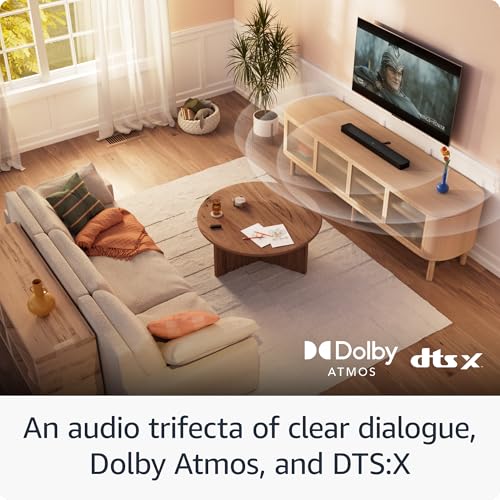
The system also supports Dolby Atmos and DTS:X, advanced surround formats that add height information to create three-dimensional soundscapes. However, without physical upward-firing speakers, this implementation is entirely virtual – the soundbar uses psychoacoustic processing (essentially audio tricks that fool your brain) to simulate overhead effects. The results are noticeable but not as convincing as true height speakers.
The Sonos Ray operates strictly in stereo, though it does an admirable job creating a wide soundstage that extends beyond the physical boundaries of the speaker. Sonos's acoustic engineering creates impressive stereo imaging (the ability to precisely locate sounds from left to right), but you won't get true surround effects or overhead audio.
The Sonos Ray includes Trueplay room correction, a genuinely useful feature that uses your iPhone's microphone to measure your room's acoustic characteristics and adjust the soundbar's output accordingly. Every room affects audio differently – hard surfaces create reflections, soft furnishings absorb certain frequencies, and room dimensions create standing waves at specific frequencies.
Trueplay addresses these issues by playing test tones through the soundbar while you walk around the room with your phone, measuring how the sound changes in different locations. The system then applies equalization (frequency adjustments) to compensate for your room's specific acoustic signature. In my experience, this makes a noticeable difference, especially in rooms with challenging acoustics.
The Amazon Fire TV Soundbar Plus lacks automatic room correction but provides manual adjustment options including bass and treble controls with nine different levels each, plus the aforementioned dialogue enhancement. These manual controls are useful, but they require experimentation to optimize for your specific room and preferences.
Size matters when choosing a soundbar, especially if you have limited space around your TV. The Sonos Ray is remarkably compact – about 22 inches wide and designed to fit in tight spaces without overwhelming smaller TVs. Its understated design and premium build quality (solid construction with a fabric grille) make it practically invisible in most setups.
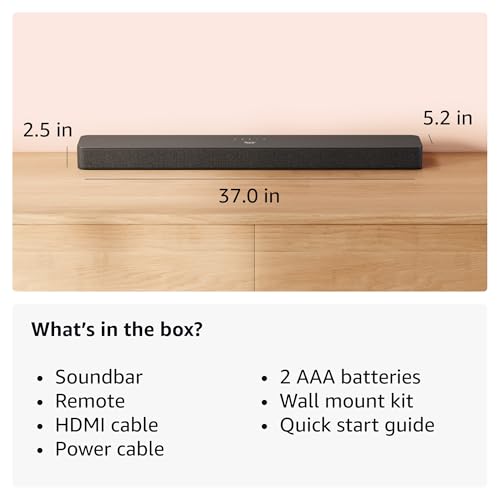
The Amazon Fire TV Soundbar Plus is significantly larger at about 37 inches wide, designed to pair with 50-65 inch TVs. While this larger size helps with acoustic performance (bigger speakers generally sound better), it also means you need more space on your TV stand. The included wireless rear speakers add another placement consideration – you'll need appropriate locations for these speakers and access to power outlets.
Sonos has built their reputation on products that last for years, and the Sonos Ray continues this tradition with solid construction and components chosen for longevity rather than cost-cutting. The fabric grille feels substantial, and the overall fit and finish suggests this soundbar will age well.
The Amazon Fire TV Soundbar Plus feels well-constructed but clearly prioritizes value over premium materials. This isn't necessarily a criticism – Amazon made deliberate choices to include more speakers and features rather than spending budget on premium finishes. The trade-off seems reasonable given the price difference at the time of writing.
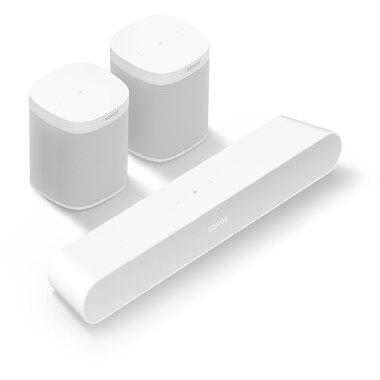
The Sonos Ray integrates seamlessly into the broader Sonos ecosystem, which opens up interesting possibilities for whole-home audio. You can group it with Sonos speakers in other rooms for synchronized music playback, or use it as part of a larger multi-room system. However, it's not designed for traditional home theater expansion – adding a separate subwoofer or rear speakers isn't really an option due to the optical-only connectivity.
The Amazon Fire TV Soundbar Plus takes the opposite approach, including everything you need for surround sound from day one. The system can accommodate an additional wireless subwoofer if you want more bass impact, but the included speakers already provide a complete home theater experience. The HDMI ARC connection also future-proofs the system for new audio formats and technologies.
Since these products launched in 2022, streaming services have increasingly adopted object-based audio formats like Dolby Atmos for their premium content. The Amazon Fire TV Soundbar Plus's support for these formats (even in virtual form) means it can take advantage of this trend. Netflix, Disney+, and other services regularly release new content with enhanced spatial audio that the system can process and present.
The Sonos Ray's optical-only connectivity limits its ability to handle these emerging formats, though Sonos continues to improve their processing algorithms through software updates. The company's track record of supporting products with updates for many years is impressive, but there are fundamental limitations to what can be achieved through the optical connection.
For movie watching, especially action films with complex soundtracks, the Amazon Fire TV Soundbar Plus provides a more immersive experience. The rear speakers create genuine surround effects – explosions feel more enveloping, ambient sounds like rain or crowd noise fill the room, and directional effects like cars passing by are convincingly positioned around you.
The dedicated subwoofer also makes a substantial difference with low-frequency content. Deep bass isn't just about volume – it's about feeling the rumble of an earthquake or the impact of explosions. The Amazon Fire TV Soundbar Plus delivers this visceral experience, while the Sonos Ray, despite impressive engineering, simply can't match the physical impact of a dedicated subwoofer.
The Sonos Ray shines with music and mixed content where audio quality takes precedence over raw impact. Its balanced frequency response and excellent stereo imaging make it genuinely enjoyable for music listening, not just TV audio enhancement. Many soundbars struggle with music because they're optimized for dialogue and sound effects, but the Sonos Ray handles both well.
The streaming integration also makes the Sonos Ray more versatile for daily use. You can easily stream music from your phone, access your Spotify playlists, or integrate it into a whole-home audio system. It functions more like a premium wireless speaker that happens to excel at TV audio, rather than a TV accessory that can play music.
At the time of writing, the Amazon Fire TV Soundbar Plus typically costs less than the Sonos Ray while including significantly more hardware – five total speakers versus two, wireless connectivity for the rear channels, and more sophisticated processing. From a pure features-per-dollar perspective, Amazon's offering is hard to beat.
However, value extends beyond initial feature counts. The Sonos Ray represents a longer-term investment in audio quality and ecosystem integration. If you value refined sound reproduction and plan to build a multi-room audio system over time, the higher initial cost may prove worthwhile.
The Amazon Fire TV Soundbar Plus provides most of what you'd want from a home theater system immediately. The upgrade path typically involves adding a more powerful subwoofer or eventually replacing the entire system with something more premium. This approach works well for people who want maximum impact now and aren't necessarily planning a long-term audio investment.
The Sonos Ray serves as an entry point into Sonos's ecosystem, which encourages gradual expansion over time. You might add Sonos speakers to other rooms, creating a sophisticated whole-home audio system that far exceeds what any single soundbar can achieve. This approach requires a larger long-term financial commitment but offers unique capabilities that traditional home theater systems can't match.
You prioritize audio quality over features and volume. The Sonos Ray excels in smaller to medium-sized rooms where its refined sound signature and excellent dialogue clarity shine. It's particularly well-suited for people who value music listening as much as TV audio enhancement, and for those interested in building a multi-room Sonos system over time.
The compact design makes it ideal for apartments, bedrooms, or any space where a large soundbar would overwhelm the setup. If you're willing to sacrifice some features for better sound quality and don't need thunderous volume levels, the Sonos Ray delivers exceptional performance within its intended scope.
You want maximum impact and features for your money. The Amazon Fire TV Soundbar Plus provides a complete home theater experience out of the box, with genuine surround sound, substantial bass response, and room-filling volume levels. It's perfect for larger rooms, movie enthusiasts, and anyone who wants the excitement of true surround sound without the complexity of separate components.
The superior connectivity options and straightforward TV integration make it ideal for people who value convenience and future-proofing. If you primarily watch movies and TV shows rather than listening to music, and you want an immediate upgrade that transforms your entertainment experience, the Amazon Fire TV Soundbar Plus delivers exceptional value.
Both soundbars succeed in their intended roles, but they serve different audiences and priorities. The Sonos Ray represents the refined, quality-focused approach – fewer features but better execution of core audio performance. The Amazon Fire TV Soundbar Plus embodies the value-maximizing philosophy – more speakers, more features, and more immediate impact at a lower price.
For most people, especially those new to soundbars, the Amazon Fire TV Soundbar Plus provides better overall value and a more transformative upgrade from TV speakers. The included surround speakers and higher volume capability deliver the "wow factor" that makes the investment feel worthwhile.
However, if audio quality is your primary concern, or if you're interested in building a sophisticated whole-home audio system, the Sonos Ray offers superior sound reproduction and ecosystem integration that justify its higher cost. The choice ultimately depends on whether you prioritize immediate impact or long-term audio refinement.
Both products represent solid entries in the competitive soundbar market, but understanding their different approaches will help you choose the one that best matches your priorities, room size, and long-term audio goals.
| Sonos Ray Soundbar | Amazon Fire TV Soundbar Plus |
|---|---|
| Speaker Configuration - Determines surround sound capability and bass response | |
| 2.0 channel stereo (2 tweeters, 2 midwoofers) | 3.1 channel with built-in subwoofer + wireless rear speakers for 5.1 surround |
| Connectivity - Affects audio quality, TV integration, and future-proofing | |
| Optical digital only | HDMI eARC, optical, USB-A, Bluetooth |
| Audio Format Support - Determines compatibility with streaming services and 4K content | |
| Stereo, Dolby Digital (downmixed to stereo) | Dolby Atmos (virtual), DTS:X, Dolby Digital 5.1, DTS-HD |
| TV Remote Integration - Simplifies daily use and family adoption | |
| Requires manual setup with TV remote | Automatic with HDMI eARC connection |
| Maximum Volume - Critical for large rooms and hearing accessibility | |
| Lower output, best for small-medium rooms | Significantly louder, handles large spaces well |
| Smart Features - Adds convenience for music streaming and multi-room audio | |
| Wi-Fi, Sonos app, AirPlay 2, Spotify Connect, multi-room capability | No Wi-Fi or streaming apps, but Bluetooth for direct device connection |
| Room Optimization - Automatically adjusts sound for your space | |
| Trueplay room correction (iOS devices required) | Manual bass/treble adjustment, 4 sound modes |
| Physical Size - Important for TV stand space and visual aesthetics | |
| Compact: 22" wide, 1.95kg (ideal for smaller TVs and tight spaces) | Larger: 37" wide, 4kg + rear speakers (designed for 50-65" TVs) |
| Expandability - Determines long-term system growth potential | |
| Sonos ecosystem integration for whole-home audio | Can add wireless subwoofer, already includes complete 5.1 system |
| Build Quality - Affects durability and premium feel | |
| Premium materials, fabric grille, known for longevity | Solid construction prioritizing value over premium finishes |
| Dialogue Enhancement - Essential for clear speech in movies and TV | |
| Natural balance through acoustic engineering | Dedicated center channel + 5-level adjustable dialogue boost |
| Music Performance - Important if you'll stream music regularly | |
| Excellent stereo imaging, balanced for music listening | Bass-forward signature better for movies than critical music listening |
The Amazon Fire TV Soundbar Plus is significantly better for movies. It includes wireless rear speakers for true 5.1 surround sound, supports Dolby Atmos (virtually), and has a built-in subwoofer for deep bass during action scenes. The Sonos Ray only offers stereo sound, which limits the cinematic experience for movie watching.
The biggest difference is that the Amazon Fire TV Soundbar Plus is a complete 5.1 surround sound system with rear speakers and a subwoofer, while the Sonos Ray is a compact stereo soundbar focused on audio quality. The Amazon option provides more immersive sound for movies, while the Sonos prioritizes balanced audio in a smaller package.
Both excel at dialogue clarity but achieve it differently. The Sonos Ray uses precise acoustic engineering for naturally clear voices, while the Amazon Fire TV Soundbar Plus has a dedicated center channel speaker and adjustable dialogue enhancement with five levels. For most users, the Amazon's dedicated center channel provides slightly better dialogue separation.
No, the Sonos Ray is a stereo-only soundbar that doesn't support true surround sound formats. It can play 5.1 content but downmixes it to stereo. If you want genuine surround sound with rear speakers, the Amazon Fire TV Soundbar Plus is the better choice as it includes wireless rear speakers for full 5.1 audio.
The Amazon Fire TV Soundbar Plus gets significantly louder than the Sonos Ray and is better suited for large rooms. The Amazon soundbar has more powerful amplification and a built-in subwoofer, while the compact Sonos Ray is designed for small to medium-sized spaces where loud volume isn't as critical.
The Amazon Fire TV Soundbar Plus works seamlessly with your TV remote through its HDMI eARC connection, automatically controlling volume without any setup. The Sonos Ray requires manual programming with your TV remote since it only connects via optical cable, making the Amazon option more convenient for daily use.
The Sonos Ray is better for music listening due to its balanced frequency response and excellent stereo imaging. It integrates with streaming services through Wi-Fi and the Sonos app, making it ideal for both TV and music use. The Amazon Fire TV Soundbar Plus has a more bass-forward sound signature that's optimized for movies rather than critical music listening.
The Amazon Fire TV Soundbar Plus offers more connectivity with HDMI eARC, optical, USB, and Bluetooth connections. The Sonos Ray only has optical input but connects to Wi-Fi for streaming services and supports AirPlay 2. The Amazon's HDMI eARC connection provides better audio quality and easier TV integration.
The Amazon Fire TV Soundbar Plus typically offers better value, providing a complete 5.1 surround system with more speakers at a lower price point than the Sonos Ray. However, the Sonos offers superior build quality and audio refinement, making it better value for users prioritizing sound quality over features.
The systems expand differently: the Sonos Ray integrates into the Sonos ecosystem for whole-home multi-room audio but can't add traditional subwoofers or rear speakers. The Amazon Fire TV Soundbar Plus already includes rear speakers and can add a compatible wireless subwoofer, making it better for traditional home theater expansion.
The Sonos Ray is much more compact at 22 inches wide and weighs less than half as much as the Amazon Fire TV Soundbar Plus. The Sonos is ideal for smaller TVs and tight spaces, while the Amazon soundbar at 37 inches wide plus rear speakers requires significantly more room but delivers more powerful sound.
The Amazon Fire TV Soundbar Plus supports virtual Dolby Atmos processing, creating simulated height effects without upward-firing speakers. The Sonos Ray doesn't support Dolby Atmos at all due to its optical-only connection and stereo design. For any Atmos content experience, choose the Amazon Fire TV Soundbar Plus.
We've done our best to create useful and informative comparisons to help you decide what product to buy. Our research uses advanced automated methods to create this comparison and perfection is not possible - please contact us for corrections or questions. These are the sites we've researched in the creation of this article: tomsguide.com - soundandvision.com - youtube.com - techradar.com - en.community.sonos.com - rtings.com - howtogeek.com - youtube.com - cnet.com - sonos.com - videoandaudiocenter.com - rtings.com - wirelessplace.com - techradar.com - cordbusters.co.uk - whathifi.com - developer.amazon.com - t3.com - dolby.com - youtube.com - youtube.com - youtube.com - dugoutnorthbrook.com - dolby.com - aboutamazon.com - youtube.com - developer.amazon.com

Privacy Policy
Terms and Conditions - Affiliate Policy
Home Security
© Copyright 2008-2026.
11816 Inwood Rd #1211, Dallas, TX 75244