






When your TV's built-in speakers just aren't cutting it anymore, you're probably looking at soundbars to solve the problem. But here's where things get interesting – not all soundbars take the same approach to better audio. Some focus on doing stereo really well, while others go all-in on surround sound from day one.
That's exactly the choice you're facing between the Sonos Ray and the VIZIO 5.1 Soundbar SE Dolby Atmos Surround System. These represent two completely different philosophies in home audio, and understanding which approach fits your needs better will save you from buyer's remorse down the road.
Before diving into specifics, let's talk about what really matters when choosing a soundbar. The most fundamental decision is channel configuration – essentially, how many separate audio channels the system can handle. A 2.0 system means two channels (left and right stereo), while 5.1 means five main channels plus a dedicated subwoofer (that's what the ".1" represents).
Channel count directly impacts immersion. More channels mean sounds can be placed more precisely around you, but it also means more complexity and usually higher cost. Then there's immersive audio formats like Dolby Atmos, which adds height information to create a three-dimensional sound bubble around your listening position.
Connectivity matters more than most people realize. HDMI eARC (enhanced Audio Return Channel) can carry high-quality audio formats and lets you control volume with your TV remote. Optical connections are more limited but work with virtually any TV. Wireless streaming capabilities determine how well the soundbar handles music from your phone or streaming services.
Room size and layout play huge roles too. A compact stereo soundbar might be perfect for a bedroom but feel inadequate in a large living room. Similarly, discrete surround speakers need proper placement to work effectively – something that's not always possible in every room.
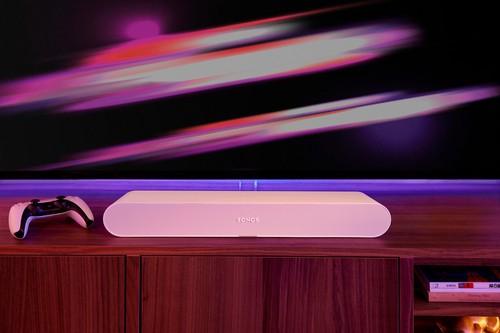
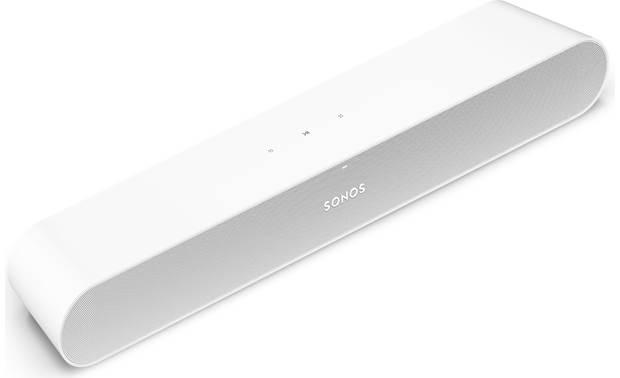
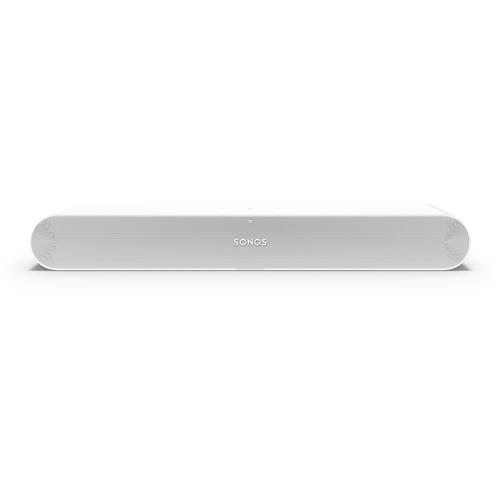
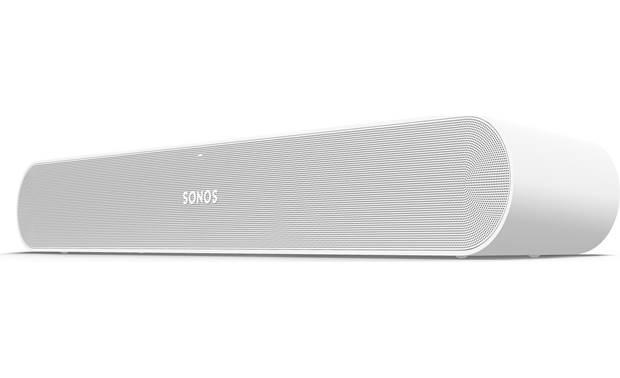
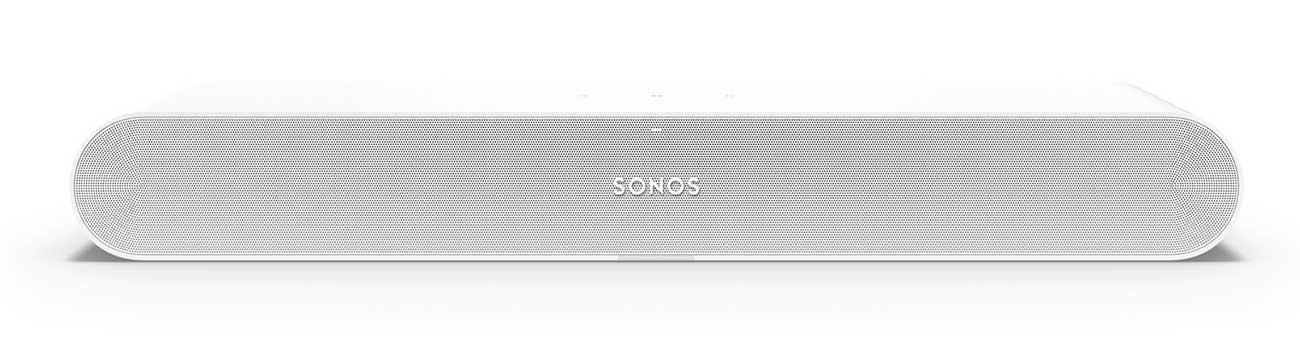
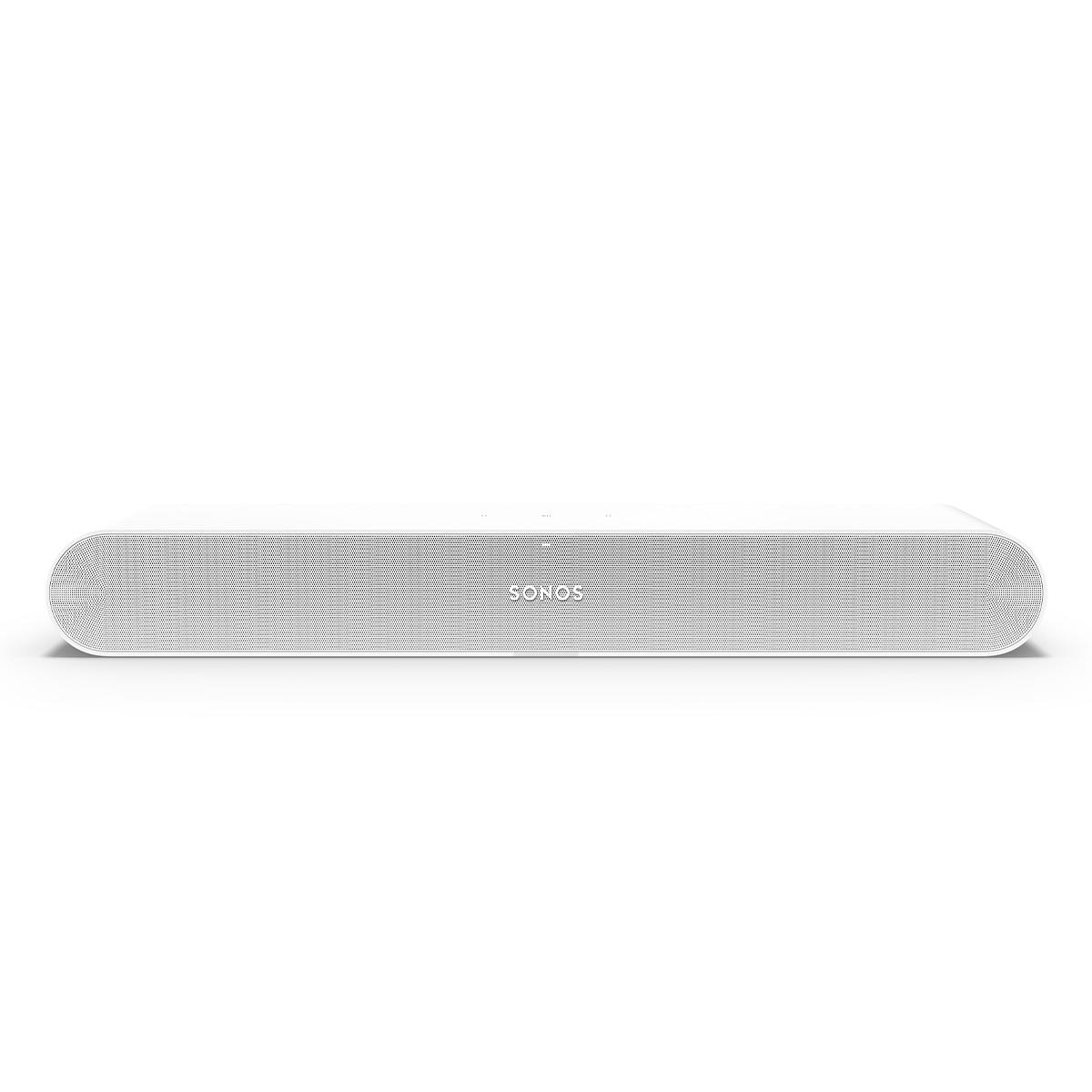
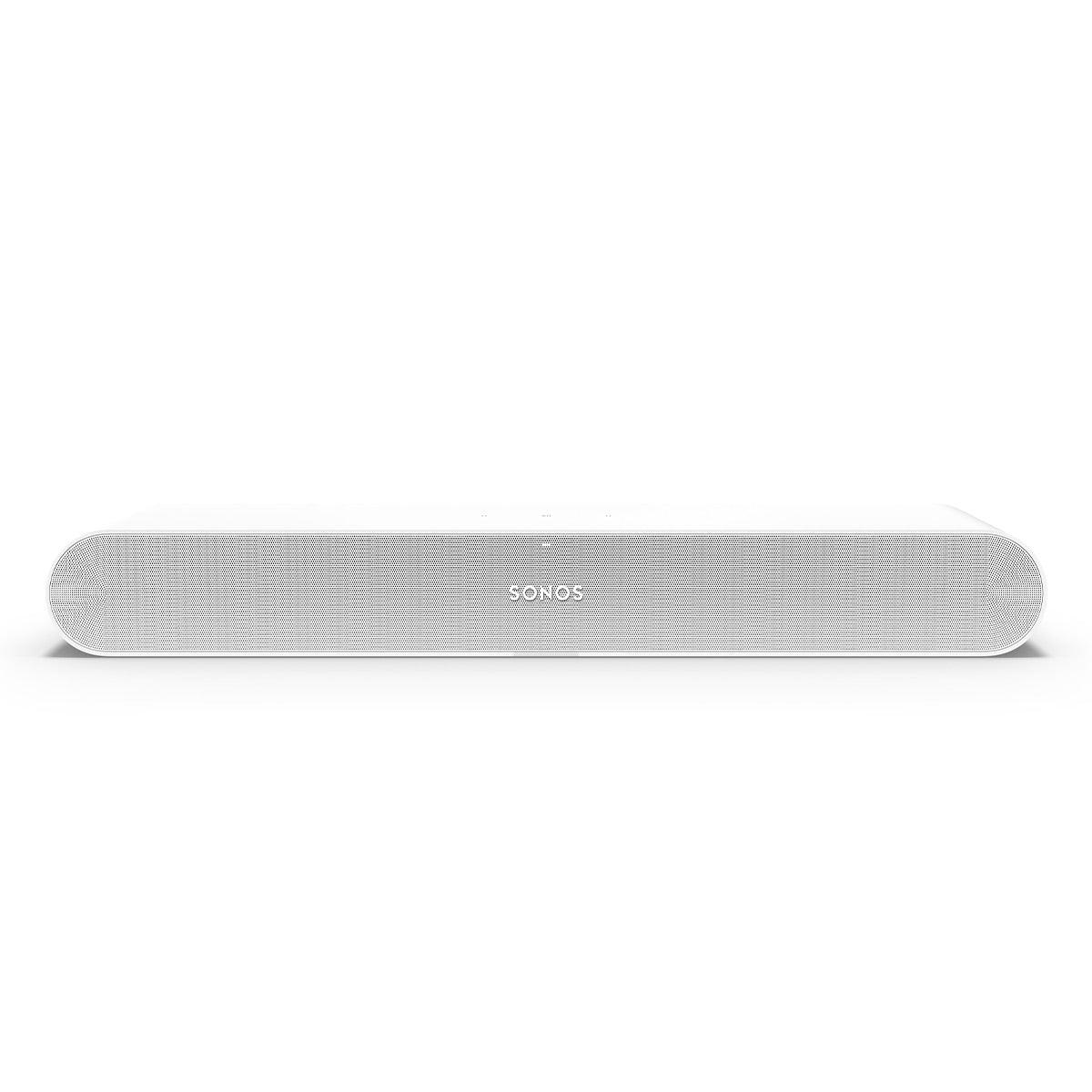
The Sonos Ray, released in 2022, represents Sonos's entry-level approach to TV audio enhancement. Don't let "entry-level" fool you – this is still a premium product that packs four custom-designed drivers into a compact form factor. It's built around the idea that excellent stereo sound, combined with sophisticated streaming capabilities, can satisfy most users without the complexity of surround sound.
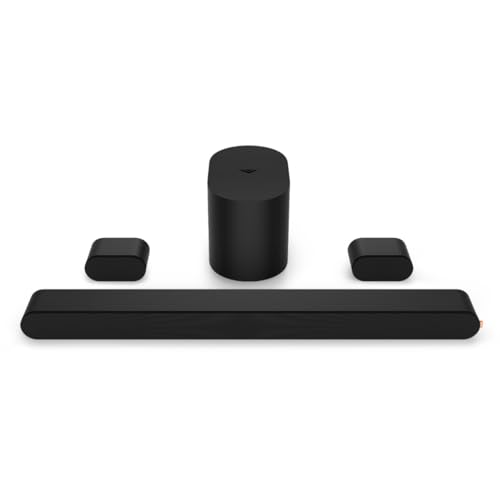
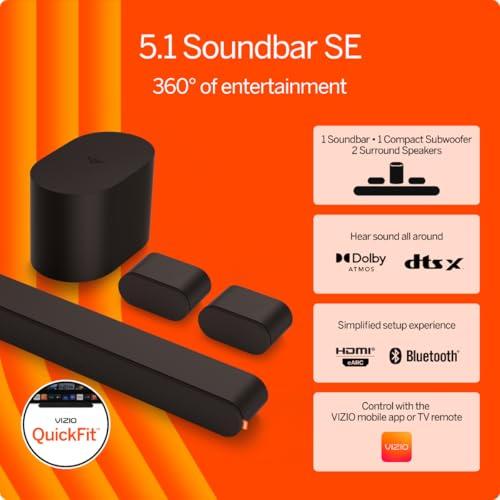
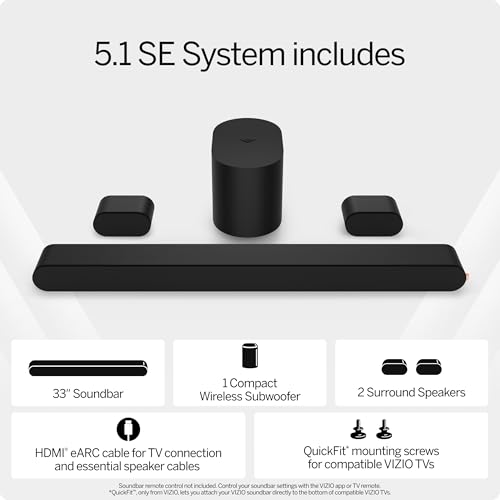
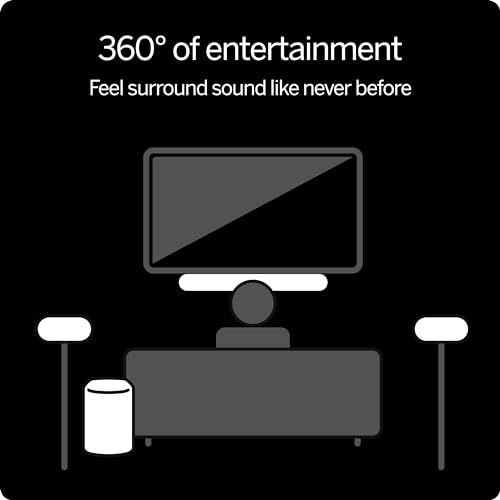
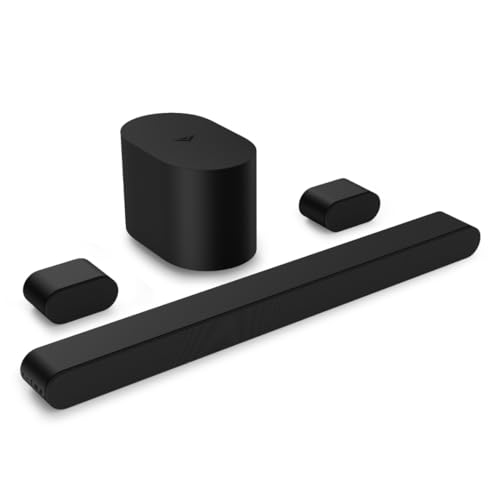
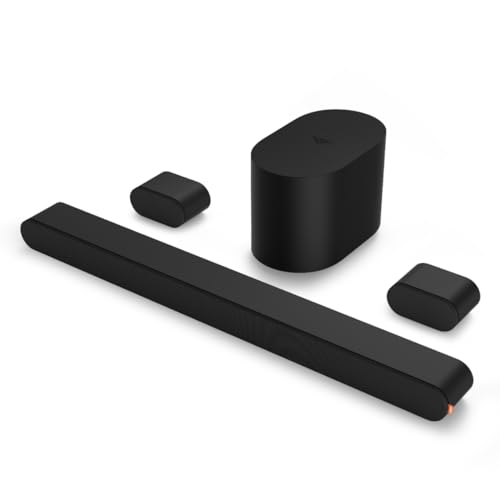
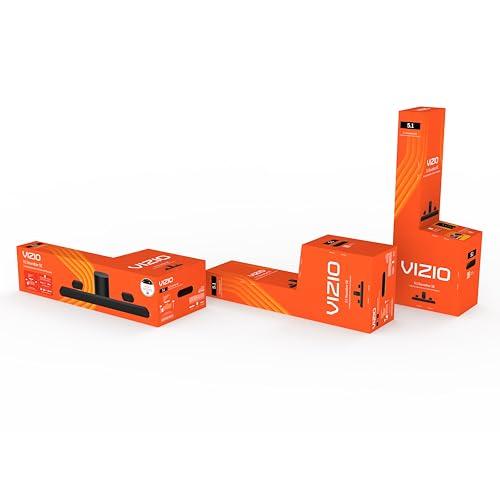
The VIZIO 5.1 SE, also from the 2022 era, takes the complete opposite approach. Rather than asking you to imagine surround sound from a single bar, it gives you the real thing with discrete satellite speakers and a dedicated subwoofer. It's designed for users who want that immersive movie theater experience right out of the box.
Since their release, both have benefited from firmware updates that have refined their performance and added features. The soundbar market has also become increasingly competitive, with more brands offering Dolby Atmos support at lower price points, which makes the VIZIO's value proposition even stronger today.
This is where the fundamental difference becomes clear. The Sonos Ray uses a 2.0 configuration with two tweeters (high-frequency drivers) and two midwoofers (handling mid and lower frequencies). All four drivers face forward, which is actually clever engineering – it means the soundbar works well even when placed inside TV stands where side-firing speakers might reflect off walls and create muddy sound.
The Ray's approach to bass is particularly interesting. Instead of trying to force deep bass from small drivers, Sonos engineered a bass reflex system with what they call a "low-velocity port design." Think of this as a carefully tuned opening that helps extend the lower frequencies without creating the whooshing sounds (called port noise) that plague cheaper soundbars. When you push the Sonos Ray to its limits, it actually clips bass frequencies to protect the drivers rather than letting them distort – a responsible design choice that maintains clarity even if it means less thump.
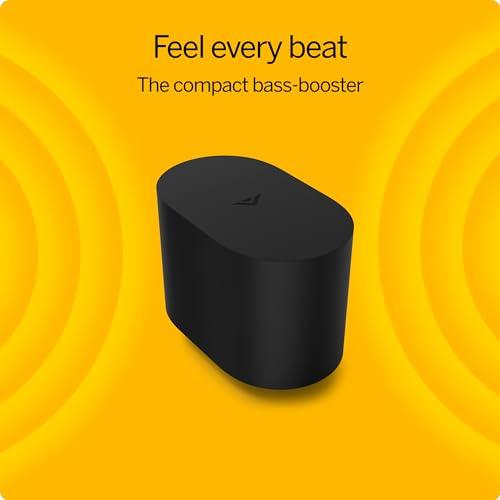
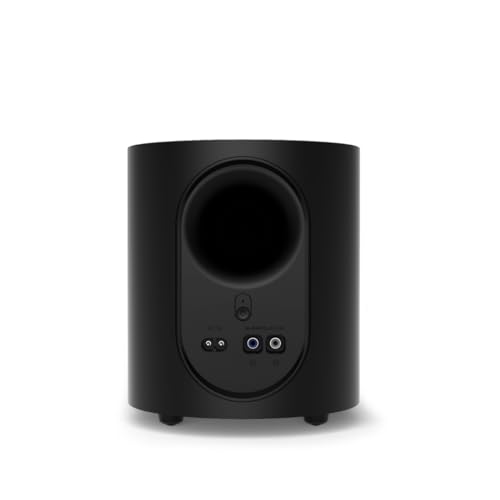
The VIZIO 5.1 SE, meanwhile, doesn't need to make these compromises. Its dedicated 6-inch subwoofer handles frequencies down to 50Hz – that's getting into proper bass territory where you feel explosions and music kicks in your chest. The satellite speakers each contain full-range drivers that create genuine surround effects, not the "virtual" surround that single soundbars attempt through acoustic trickery.
But here's what's fascinating: the Sonos Ray actually excels at something many surround systems struggle with – dialogue clarity. Its front-facing tweeters and careful acoustic tuning mean voices cut through even complex soundtracks. When watching dialogue-heavy shows or movies with heavy accents, this clarity advantage becomes really noticeable.
Dolby Atmos represents a fundamental shift in how audio works. Traditional surround sound assigns sounds to specific channels – left rear, right front, center, and so on. Atmos treats sounds as objects that can be placed anywhere in three-dimensional space, including above your head. This creates incredibly realistic effects, like helicopters that seem to actually fly overhead or rain that feels like it's falling around you.
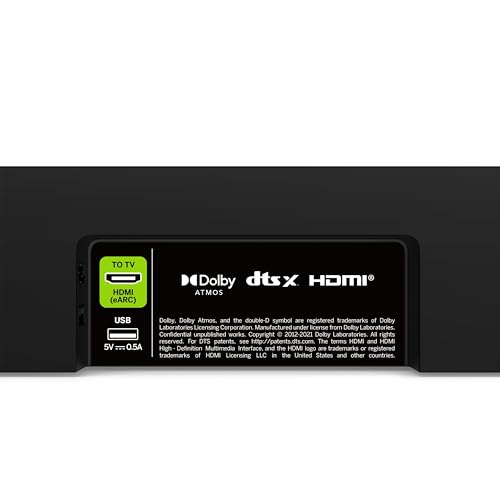
The VIZIO 5.1 SE supports both Dolby Atmos and DTS:X, giving it access to these object-based audio formats. While it doesn't have dedicated upward-firing speakers like more expensive Atmos systems, it processes height information through its existing drivers to create vertical effects. It's not as dramatic as systems with dedicated height channels, but it's still noticeably more immersive than stereo.
The Sonos Ray doesn't support Atmos at all. When it receives Atmos or standard 5.1 content, it downmixes everything to stereo. This isn't necessarily bad – the downmixing is done well, and you still get all the audio information, just repositioned for stereo playback. But you lose the spatial positioning that makes action scenes feel more engaging.
This difference becomes most apparent with modern streaming content. Netflix, Disney+, and other services increasingly offer Atmos soundtracks for their original content. With the VIZIO system, you get the full immersive experience these soundtracks were designed to deliver. With the Ray, you get excellent stereo sound, but you're missing the spatial information that filmmakers intended.
Here's where the Sonos Ray really shines. Sonos has been perfecting wireless music streaming for over two decades, and that expertise shows in every aspect of the Ray's musical performance. The acoustic tuning prioritizes the midrange frequencies where vocals and most instruments live, creating what audiophiles call "musical" sound – engaging and natural rather than artificially boosted.
The Ray's Trueplay technology deserves special mention. Using your iPhone's microphones, it actually measures your room's acoustics and adjusts the soundbar's output to compensate for reflective surfaces, room size, and speaker placement. I've tested this feature extensively, and the difference is genuinely noticeable – it's like having a professional come tune your system for your specific room.
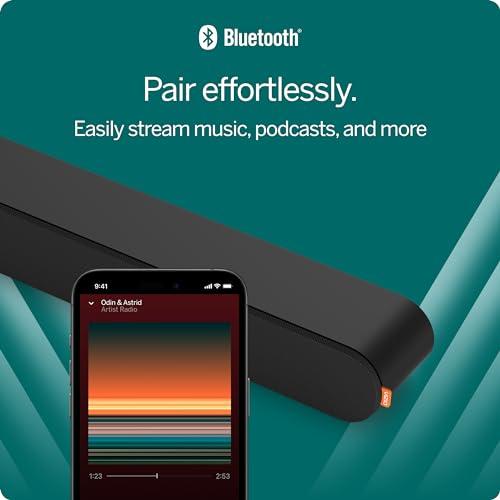
Streaming capabilities set the Ray apart completely. It connects to over 100 music services directly, supports Apple AirPlay 2, and integrates with Spotify Connect and Tidal Connect. This means higher audio quality than Bluetooth and seamless integration with your existing music habits. The difference is particularly noticeable with high-quality streaming services like Tidal or Apple Music's lossless tracks.
The VIZIO 5.1 SE, by contrast, treats music as a secondary consideration. It sounds fine for casual listening, but it lacks the sophisticated streaming capabilities and acoustic tuning that make the Sonos system special for dedicated music listening. If you primarily use your soundbar for background music while cooking or entertaining, this might not matter. But if you sit down for serious music listening sessions, the difference is significant.
Bass performance highlights the fundamental compromise in soundbar design. The Sonos Ray's compact form factor simply can't move enough air to create deep, impactful bass. At moderate volumes, its bass response is surprisingly good for the size – tight and controlled, if not particularly deep. But push it harder, and the system starts limiting bass output to protect the drivers.
This isn't necessarily a flaw. In smaller rooms or for primarily dialogue-focused content, the Ray's bass response is perfectly adequate. The real issue comes when watching action movies or listening to bass-heavy music at higher volumes. The system starts to feel restrained, like it's holding back when you want it to deliver more impact.
The VIZIO 5.1 SE's dedicated subwoofer changes everything. That 6-inch driver in a properly sized enclosure can deliver the kind of low-frequency impact that makes explosions feel visceral and music sound full-bodied. The wireless connection means you can place it optimally for bass response – usually in a corner where room boundaries reinforce the low frequencies.
But there's a subtlety here that matters for home theater use. The VIZIO system's bass integration isn't quite as seamless as what you get from high-end systems. Sometimes the transition between the subwoofer and main speakers is noticeable, particularly with music that has complex bass lines. The Ray, despite its limitations, maintains better coherence across its frequency range because all the drivers are in the same enclosure and tuned together.
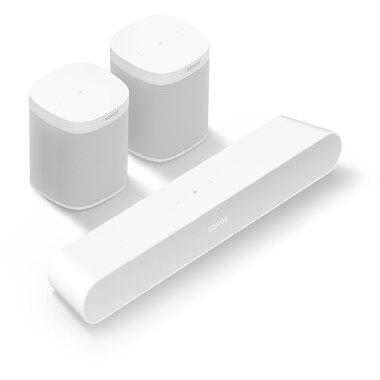
Both systems approach smart features differently, reflecting their target audiences. The Sonos Ray integrates into Sonos's mature ecosystem, which means excellent mobile app control, voice assistant compatibility (though you need separate Sonos speakers for built-in voice control), and seamless multiroom audio. If you already have Sonos speakers elsewhere in your home, the Ray becomes part of that ecosystem immediately.
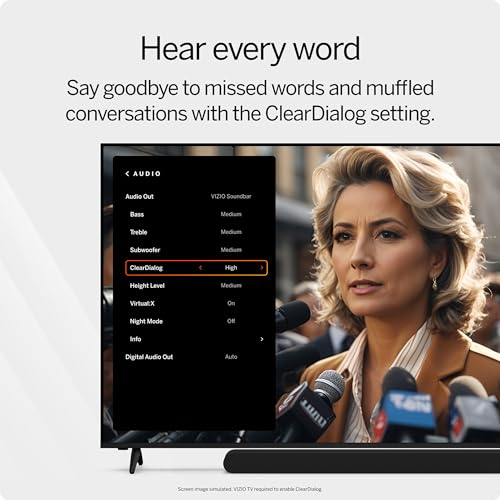
The Ray's Speech Enhancement mode is particularly well-implemented. Rather than just boosting treble (which can make dialogue sound harsh), it specifically targets the frequency ranges where human voices are most intelligible. Combined with Night Sound mode that reduces dynamic range for late-night viewing, these features make the Ray exceptionally user-friendly for daily TV watching.
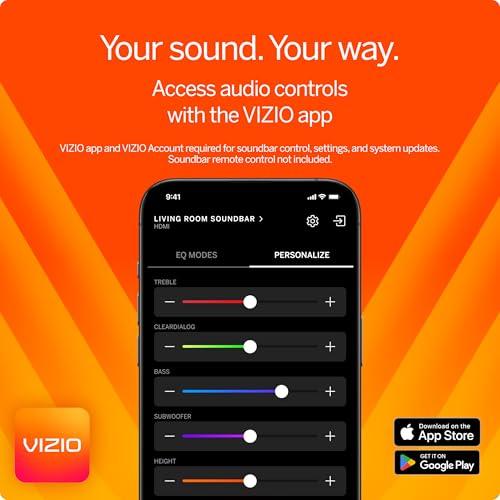
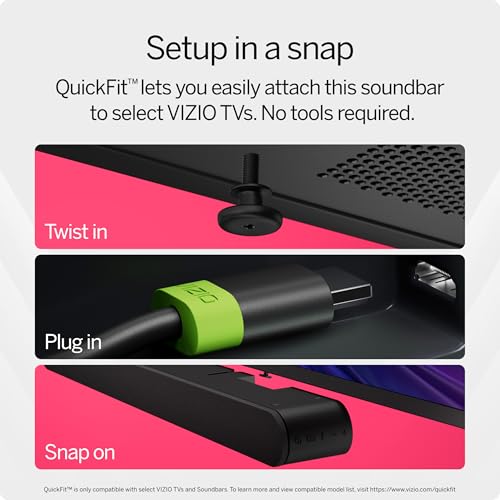
The VIZIO 5.1 SE uses VIZIO's mobile app for control, which handles basic functions well but lacks the sophistication of the Sonos ecosystem. The HDMI eARC connection does enable TV remote volume control, which is convenient for daily use. The QuickFit mounting system for compatible VIZIO TVs is genuinely useful if you're buying both components together.
At the time of writing, the VIZIO 5.1 SE costs significantly less than the Sonos Ray while delivering more audio channels and Atmos support. From a pure features-per-dollar perspective, the VIZIO system seems like an obvious choice.
But value calculations in audio get complicated quickly. The Ray is expandable – you can add Sonos Sub and surround speakers later to create a full surround system. However, doing so would cost several times more than the complete VIZIO system, making it really expensive to achieve equivalent channel count.
The VIZIO's value proposition is compelling if you want surround sound immediately without planning future expansion. You get everything needed for immersive movie watching at a price point that's hard to beat. The included components would cost significantly more if purchased separately from most other brands.
The Ray's value argument is more nuanced. You're paying for superior build quality, advanced streaming capabilities, ecosystem integration, and the option to expand over time. If you primarily watch TV in a smaller room and care about music performance, these premium features might justify the higher cost.
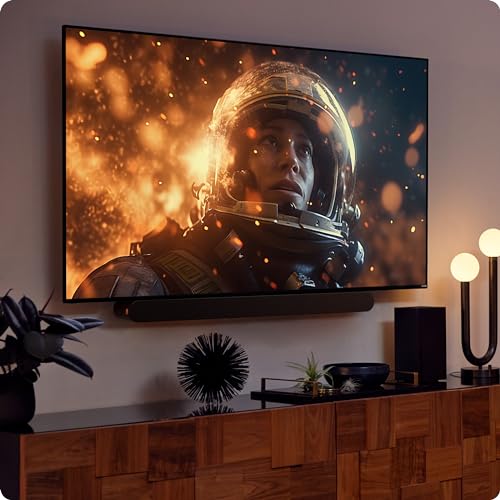
Room acoustics play a huge role in how these systems perform. The Sonos Ray excels in smaller to medium rooms where its stereo imaging can create a satisfying soundstage. Its forward-firing design means it works well in TV stands or wall-mounted close to the TV. The compact size also makes it aesthetically pleasing in bedrooms, offices, or secondary living spaces.
The VIZIO 5.1 SE really comes alive in larger rooms where the satellite speakers have space to create proper surround effects. The wireless subwoofer gives you placement flexibility to optimize bass response, but you need to consider where the satellite speakers will go. They work best with some distance from your listening position, which isn't always practical in smaller rooms.
For home theater use, the differences become more pronounced. In a dedicated theater room with proper seating distance from the display, the VIZIO system creates significantly more immersion. Action sequences feel more engaging when explosions come from behind you and atmospheric effects surround your listening position. The Ray, despite its excellent dialogue clarity, simply can't match this spatial experience.
The decision ultimately comes down to understanding what you value most in your audio experience. If you're primarily interested in improving your TV's dialogue clarity and want a system that doubles as an excellent music speaker, the Sonos Ray is hard to beat. Its superior streaming capabilities, room correction technology, and expandability make it a solid long-term choice, especially if you might add more Sonos speakers to other rooms.
Choose the Ray if you're in a smaller room, prioritize music listening, value premium build quality and smart features, or plan to expand your system gradually. It's also the better choice if you already have Sonos speakers elsewhere and want ecosystem consistency.
The VIZIO 5.1 SE makes more sense if you want immediate surround sound gratification, primarily watch movies and shows, have a medium to large room, or simply want the most immersive audio experience for your budget. The Dolby Atmos support and true surround separation create experiences that the stereo Ray simply cannot match.
For home theater enthusiasts, the VIZIO system is generally the better choice unless space constraints make satellite speaker placement impractical. The immersive audio formats and dedicated subwoofer create the kind of engaging experience that makes movie nights feel special.
Both represent solid engineering approaches to different problems. The Ray perfects stereo sound for modern streaming lifestyles, while the VIZIO 5.1 SE delivers complete surround immersion at an accessible price point. Understanding which approach aligns with your priorities, room constraints, and usage patterns will guide you to the right choice for your home entertainment setup.
| Sonos Ray Soundbar | VIZIO 5.1 Soundbar SE Dolby Atmos Surround System |
|---|---|
| Channel Configuration - Determines surround sound capability and immersion level | |
| 2.0 stereo (must downmix surround content) | True 5.1 surround with discrete rear speakers |
| Dolby Atmos Support - Essential for modern streaming content's 3D audio effects | |
| No Atmos support | Full Dolby Atmos and DTS:X support |
| Included Components - What you get in the box affects total value | |
| Single soundbar only | Complete system: soundbar + wireless subwoofer + 2 satellite speakers |
| Bass Extension - Critical for movie impact and music fullness | |
| Limited by compact drivers, clips at higher volumes | Dedicated 6" subwoofer extends to 50Hz with room-filling impact |
| Wireless Streaming - Affects music quality and service compatibility | |
| 100+ services, AirPlay 2, Spotify/Tidal Connect | Basic Bluetooth streaming only |
| Room Correction Technology - Optimizes sound for your specific space | |
| Trueplay tuning using iPhone microphones | Basic EQ adjustments via mobile app |
| Expandability - Future upgrade potential without replacing core system | |
| Can add Sonos Sub and surrounds (expensive but seamless) | Complete system included, no expansion needed or available |
| Connectivity Options - Determines compatibility with different TV types | |
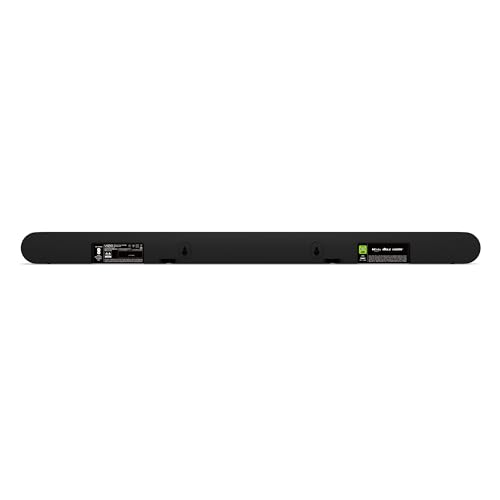
| Optical digital only | HDMI eARC plus optical (better format support) |
| Maximum Output - Important for larger rooms and dynamic content | |
| Moderate output, compression at high volumes | 96dB maximum with minimal compression |
| Dialogue Enhancement - Critical for clear speech in movies and shows | |
| Exceptional vocal clarity with dedicated Speech Enhancement mode | Good center channel performance, less specialized than Sonos |
| Smart Home Integration - Matters if you have existing ecosystems | |
| Full Sonos ecosystem, voice assistant compatible | VIZIO app control, basic smart features |
| Physical Design - Affects placement flexibility and aesthetic appeal | |
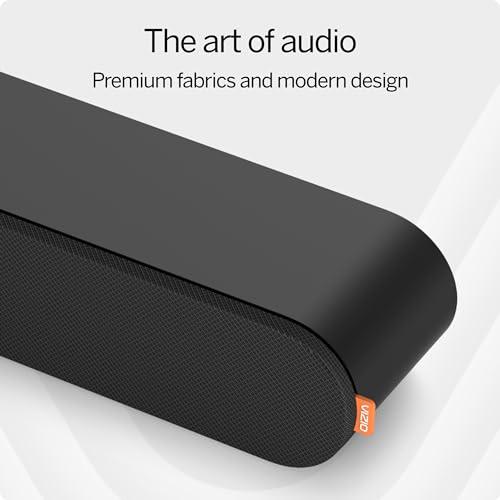
| Ultra-compact, front-firing design ideal for TV stands | Larger system requires satellite placement and subwoofer positioning |
The VIZIO 5.1 Soundbar SE Dolby Atmos Surround System is significantly better for movies and TV shows. It provides true 5.1 surround sound with discrete rear speakers and a dedicated subwoofer, plus Dolby Atmos support for immersive 3D audio effects. The Sonos Ray Soundbar only offers stereo sound and must downmix surround content, though it does excel at dialogue clarity.
The VIZIO 5.1 SE includes a wireless subwoofer in the box, providing deep bass without additional purchases. The Sonos Ray doesn't include a subwoofer and has limited bass due to its compact size, though you can add a Sonos Sub later for significantly more money.
The Sonos Ray Soundbar is superior for music listening. It offers access to 100+ streaming services, AirPlay 2 support, and Trueplay room correction technology that optimizes sound for your space. The VIZIO 5.1 SE only provides basic Bluetooth streaming and lacks the sophisticated music-focused features of the Sonos system.
The VIZIO 5.1 SE delivers more immersive sound with true surround effects and deeper bass from its dedicated subwoofer. The Sonos Ray offers exceptional dialogue clarity and better midrange detail but is limited to stereo sound. For movies, the VIZIO wins; for dialogue and music quality, the Ray excels.
The Sonos Ray Soundbar can be expanded with additional Sonos speakers, including a subwoofer and surround speakers, though this gets expensive. The VIZIO 5.1 SE comes complete with all components included and doesn't offer expansion options, but none are needed since it's already a full surround system.
The Sonos Ray Soundbar is ideal for small rooms due to its compact size and front-firing design that works well in TV stands. The VIZIO 5.1 SE needs space for satellite speaker placement and performs better in medium to large rooms where the surround effects have room to work properly.
Only the VIZIO 5.1 Soundbar SE Dolby Atmos Surround System supports Dolby Atmos and DTS:X for immersive 3D audio. The Sonos Ray doesn't support Atmos at all and will downmix Atmos content to stereo, losing the height effects and spatial positioning.
The VIZIO 5.1 SE offers better value for those wanting surround sound, providing a complete 5.1 system with Atmos support at a lower price than the stereo Sonos Ray. However, the Ray offers better long-term value if you prioritize music streaming, build quality, and ecosystem integration over channel count.
The VIZIO 5.1 SE offers both HDMI eARC and optical connections for maximum TV compatibility. The Sonos Ray Soundbar only has optical digital input, which limits it to basic audio formats but works with virtually any TV. HDMI eARC provides better audio quality and TV remote control integration.
Both are relatively easy to set up, but the Sonos Ray has a slight edge with just one cable connection and excellent app guidance. The VIZIO 5.1 SE requires placing satellite speakers and the subwoofer around your room, which takes more time but isn't difficult. The QuickFit mounting for VIZIO TVs simplifies installation.
The VIZIO 5.1 SE works with your TV remote when connected via HDMI eARC, making daily use convenient. The Sonos Ray Soundbar requires the Sonos app or a separate remote for most functions since it only connects via optical, though basic volume control may work depending on your TV model.
The VIZIO 5.1 Soundbar SE Dolby Atmos Surround System is better for gaming due to its surround sound positioning that helps locate enemies and environmental audio cues, plus Atmos support for compatible games. The Sonos Ray provides good audio quality but lacks the spatial awareness and bass impact that enhance gaming experiences.
We've done our best to create useful and informative comparisons to help you decide what product to buy. Our research uses advanced automated methods to create this comparison and perfection is not possible - please contact us for corrections or questions. These are the sites we've researched in the creation of this article: tomsguide.com - soundandvision.com - youtube.com - techradar.com - en.community.sonos.com - rtings.com - howtogeek.com - youtube.com - cnet.com - sonos.com - videoandaudiocenter.com - bestbuy.com - vizio.com - rtings.com - vizio.com - vizio.com - vizio.com - youtube.com - vizio.com - vizio.com - cnet.com - samsclub.com - walmart.com - nfm.com - finelinesdesignstudio.com - dugoutnorthbrook.com - bestbuy.com

Privacy Policy
Terms and Conditions - Affiliate Policy
Home Security
© Copyright 2008-2026.
11816 Inwood Rd #1211, Dallas, TX 75244