




If you've ever tried watching a movie with your TV's built-in speakers, you know the struggle. Dialogue gets drowned out by music, explosions sound like muffled pops, and you find yourself constantly adjusting the volume. That's where soundbars come in – they're the most practical way to dramatically improve your TV audio without turning your living room into a speaker showroom.
But with dozens of options available, choosing the right soundbar can feel overwhelming. Today we're comparing two popular models that represent different approaches to better TV sound: the Bose Smart Soundbar 1100 and the Sonos Ray. These aren't just random picks – they illustrate the fundamental choice you'll face when shopping for a soundbar: do you prioritize advanced features and room-filling power, or simple setup and excellent music performance?
Before diving into specifics, let's establish what separates a great soundbar from TV speakers or a mediocre upgrade. The most important factor is dialogue clarity – if you can't understand what characters are saying, nothing else matters. Next comes dynamic range, which is the difference between the quietest whispers and loudest explosions. A good soundbar maintains detail across this entire spectrum without making you constantly reach for the volume control.
Bass response matters too, but not in the way many people think. It's not about earth-shaking rumbles (though those can be fun) – it's about providing enough low-end support so that music and sound effects feel full and natural. Many soundbars struggle here because they're trying to produce deep bass from a thin, horizontal cabinet.
Spatial audio capability has become increasingly important since streaming services started offering Dolby Atmos content. This technology creates the illusion that sound is coming from above and around you, not just from the soundbar itself. Some soundbars achieve this through up-firing speakers that bounce sound off your ceiling, while others use digital processing to simulate the effect.
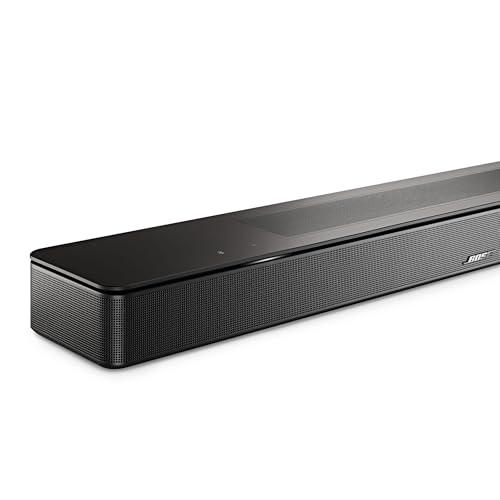
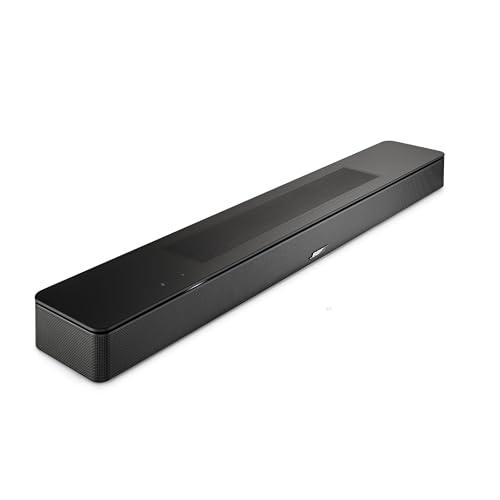
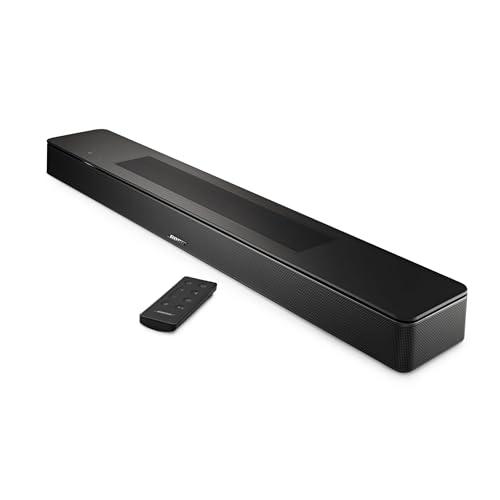
The Bose Smart Soundbar 1100, released in 2024, represents Bose's attempt to pack premium features into a mid-range package. It's built around a 3.0.2 channel configuration – that means three front-facing channels (left, center, right) plus two up-firing channels for overhead effects. The "smart" designation isn't just marketing speak; this soundbar includes AI-powered dialogue enhancement and extensive smart home integration.
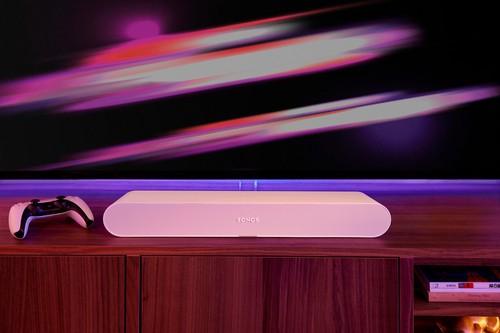
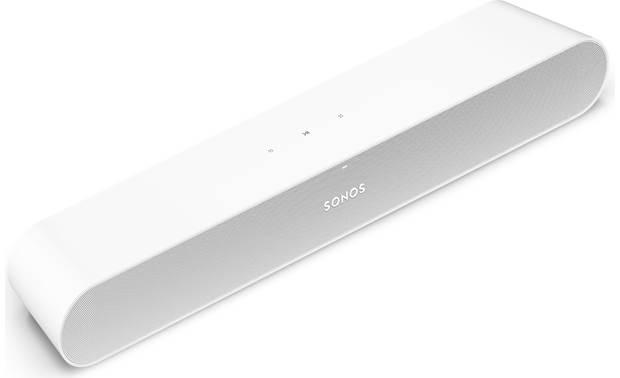
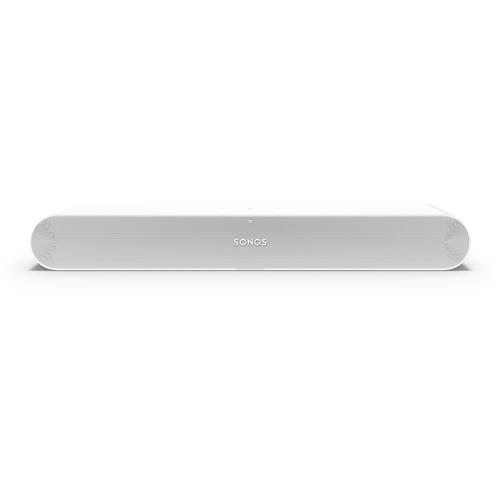
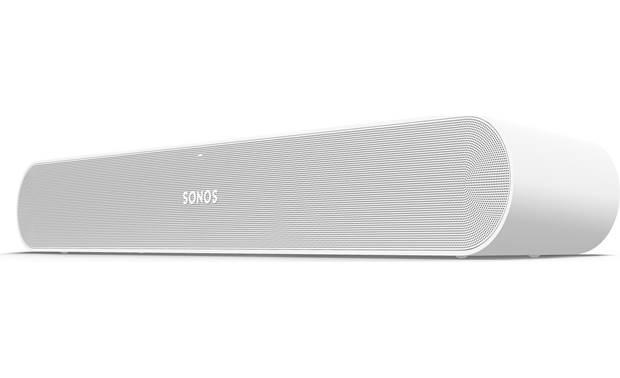
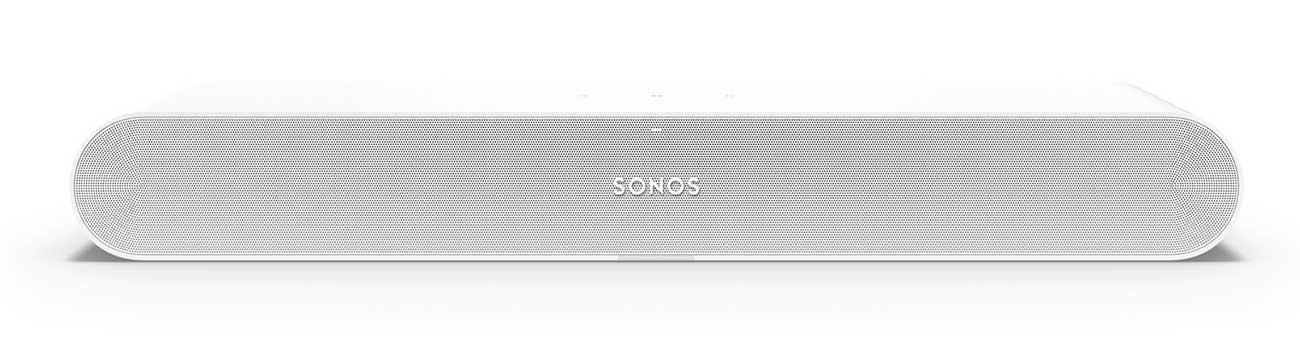
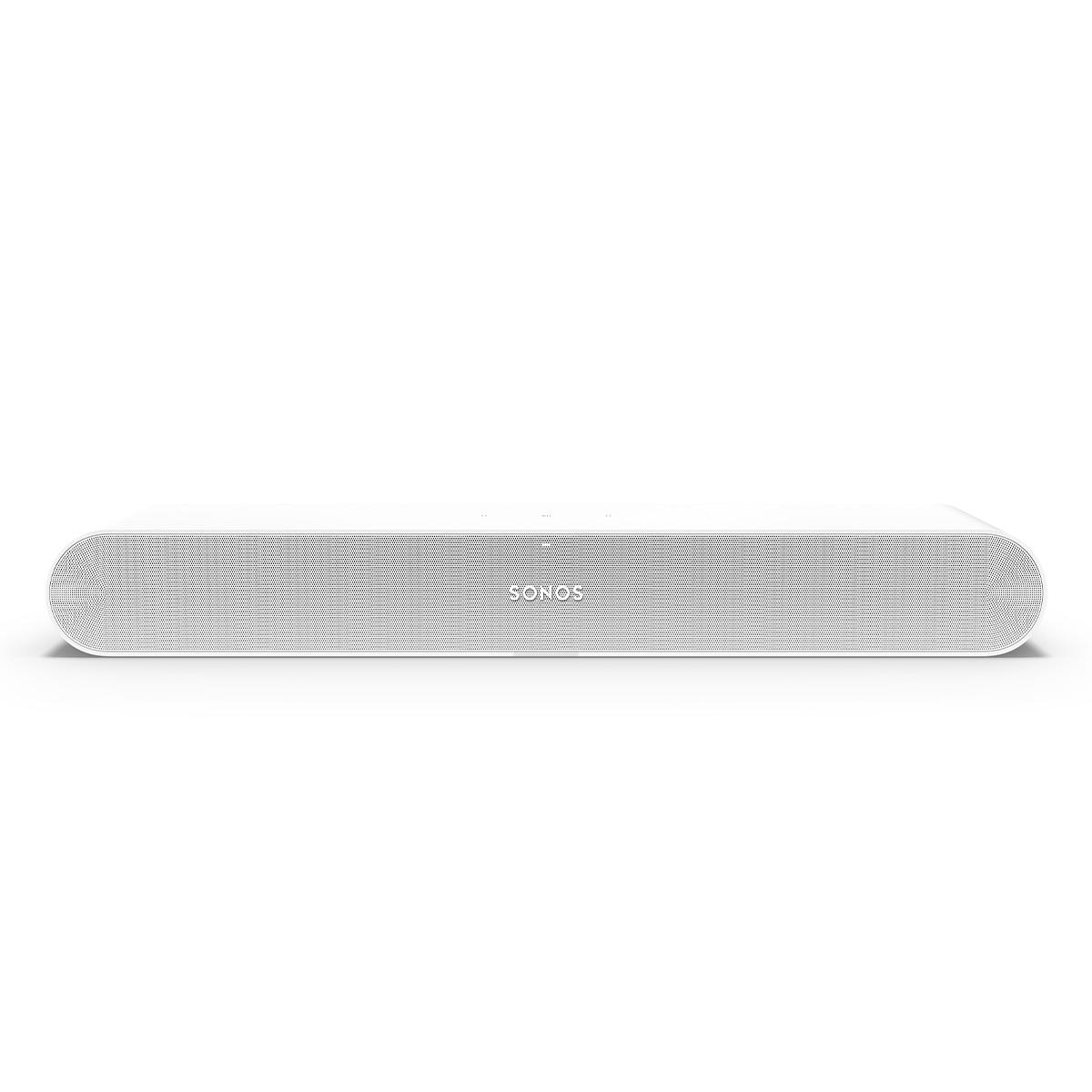
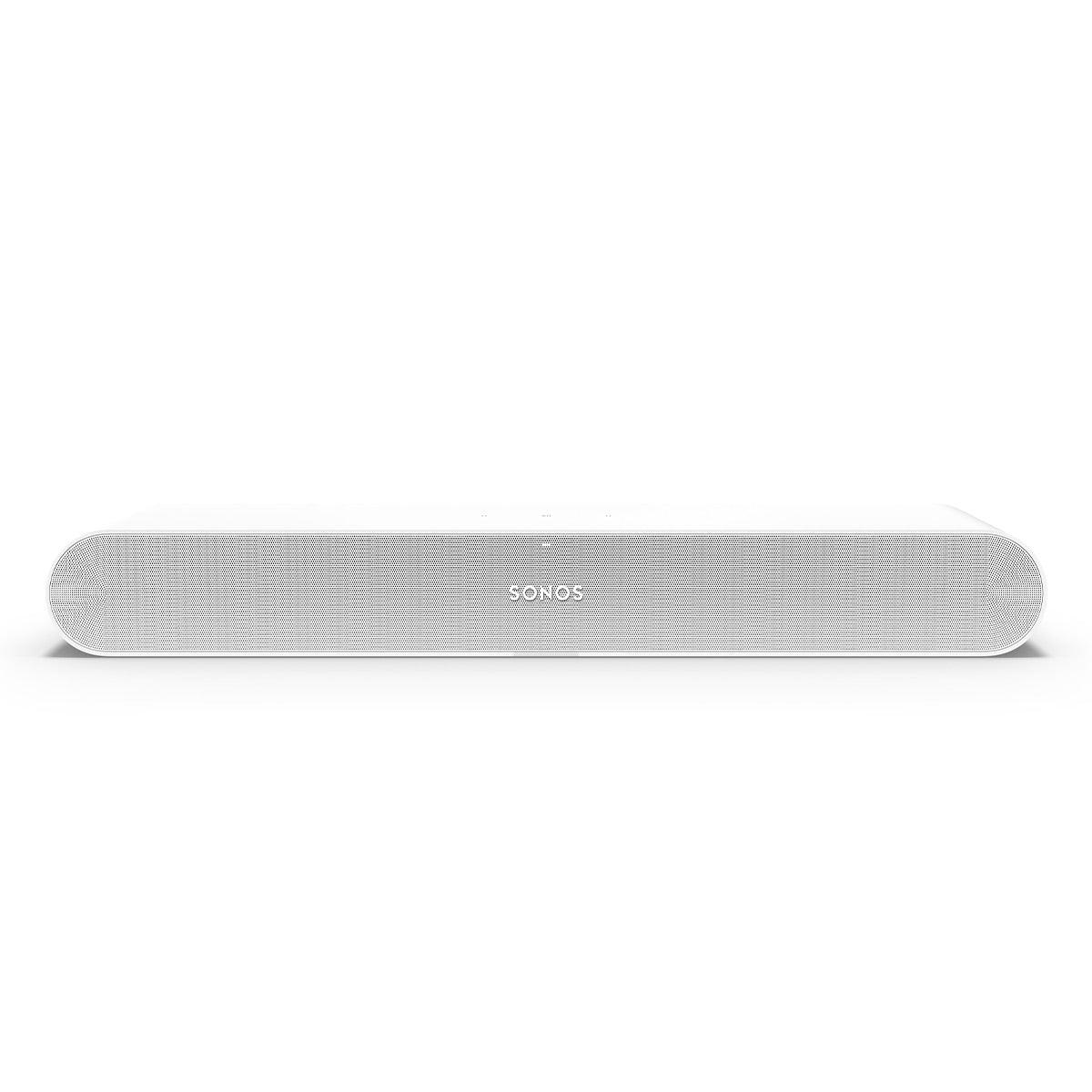
The Sonos Ray, launched in 2022, takes a fundamentally different approach. It's a stereo soundbar focused on doing the basics exceptionally well rather than cramming in every possible feature. Sonos built their reputation on multiroom audio systems, and the Ray serves as an entry point into that ecosystem while delivering the company's signature sound quality.
At the time of writing, these soundbars occupy different price tiers, with the Bose Smart Soundbar 1100 commanding a significant premium over the Sonos Ray. But price alone doesn't tell the whole story – you need to understand what you're getting for that extra investment.
Both soundbars excel at dialogue reproduction, but they achieve it through different methods. The Bose Smart Soundbar 1100 uses what the company calls AI Dialogue Mode – a feature that continuously analyzes audio content and automatically adjusts the tonal balance when it detects speech. This isn't just a simple treble boost; it's machine learning applied to audio processing, ensuring voices remain clear during complex scenes without making everything sound artificially bright.
Based on our research into user experiences, this system works remarkably well. People report being able to follow conversations in action movies without constantly adjusting volume, and the AI adapts seamlessly between different types of content. The dedicated center tweeter in the Bose Smart Soundbar 1100 also contributes to this clarity by handling vocal frequencies with precision.
The Sonos Ray takes a more traditional approach but executes it beautifully. Its balanced frequency response and excellent midrange articulation create naturally clear dialogue without artificial enhancement. The Trueplay room correction feature (which uses your iPhone's microphone to measure your room's acoustics) fine-tunes the sound to your specific space, often improving dialogue clarity significantly.
User feedback consistently highlights the Ray's ability to make voices sound natural and present without fatigue, even during long viewing sessions. However, it lacks the dynamic adjustment capabilities of the Bose system, meaning you might need to manually adjust settings when switching between quiet dramas and explosive blockbusters.
Neither soundbar will shake your walls like a dedicated subwoofer, but their bass performance differs significantly. The Bose Smart Soundbar 1100 uses QuietPort technology – essentially engineered ports that reduce turbulence and distortion while maximizing bass output from the compact cabinet. The result is surprisingly substantial low-end response that supports both music and movie soundtracks effectively.
More importantly, the Bose Smart Soundbar 1100 includes a proprietary output for connecting Bose Bass Module subwoofers. This expandability means you can start with the soundbar alone and add deeper bass later if needed. The wireless connection eliminates cable runs across your room, maintaining a clean setup.
The Sonos Ray produces respectable bass for its size and price point, using what Sonos calls a "proprietary low-velocity port design." However, reviews consistently note that heavy bass content can push the Ray to its limits, creating a somewhat compressed sound during intense action sequences. Unlike the Bose, there's no subwoofer expansion option, so what you hear initially is what you get.
This is where the fundamental difference between these soundbars becomes most apparent. The Bose Smart Soundbar 1100 includes genuine Dolby Atmos support through two up-firing speakers that reflect sound off your ceiling. When you're watching compatible content, this creates convincing overhead effects – helicopters actually sound like they're flying above you, rain seems to fall from the sky, and ambient sounds place you within the scene.
The soundbar also features TrueSpace technology, which analyzes non-Atmos content and creates spatial effects through digital processing. While not as dramatic as true Atmos, it adds dimension to regular stereo and surround content, making older movies and TV shows more engaging.
The Sonos Ray operates in stereo only, with no height channels or spatial processing. It can decode 5.1 surround content, but downmixes everything to two-channel stereo. For some listeners, this actually sounds more natural than poorly implemented surround processing, but you're definitely missing the immersive experience that modern content is designed to deliver.
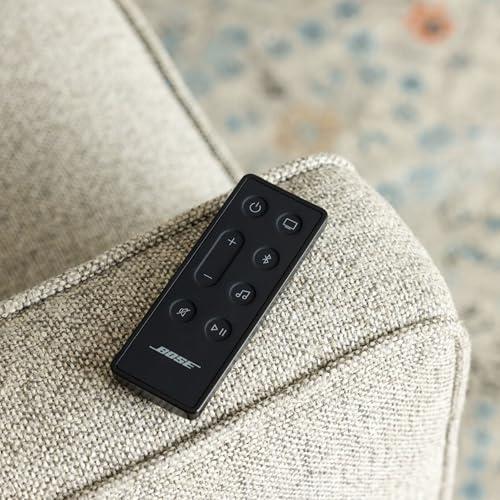
Here's where one of these soundbars has a significant advantage that extends beyond audio quality. The Bose Smart Soundbar 1100 connects to your TV via HDMI eARC (enhanced Audio Return Channel), which supports high-quality audio formats and allows your TV remote to control the soundbar's volume automatically. This might seem like a small detail, but it eliminates the frustrating experience of juggling multiple remotes or dealing with audio sync issues.
The HDMI connection also ensures compatibility with future audio formats and maintains the highest possible audio quality from streaming services and Blu-ray players. The soundbar includes optical input as a backup, plus comprehensive wireless connectivity including Wi-Fi, Bluetooth, Apple AirPlay 2, Google Cast, and Spotify Connect.
The Sonos Ray connects exclusively through optical digital input – there's no HDMI option. While optical can handle most common audio formats, it has limitations with newer high-resolution formats and requires additional setup steps to work with your TV remote. This connection method also means you'll need to ensure your TV has an optical output, which some newer models are eliminating in favor of HDMI-only connectivity.
The Ray does include Wi-Fi for streaming and integrates seamlessly with other Sonos speakers for multiroom audio, but the lack of HDMI connectivity feels increasingly limiting as TV technology evolves.
The Bose Smart Soundbar 1100 functions as both a soundbar and a smart speaker, with Amazon Alexa built directly into the system. The Voice4Video feature extends Alexa's capabilities to control your TV and cable box, letting you change channels, adjust volume, or launch apps with voice commands. This integration feels natural and responsive, based on user feedback we've reviewed.
The soundbar also supports what Bose calls Personal Surround Sound – you can pair compatible Bose earbuds to act as wireless rear speakers for private listening. While this sounds gimmicky, reviews suggest it creates a surprisingly convincing surround experience for late-night viewing without disturbing others.
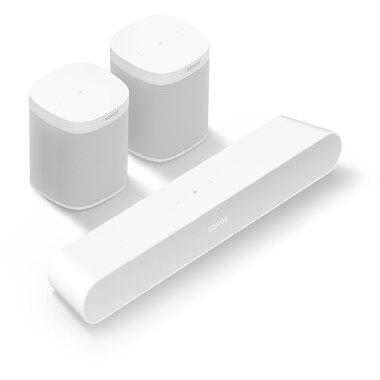
The Sonos Ray doesn't include built-in voice assistants but integrates with existing Alexa or Google devices in your home. Its strength lies in multiroom capabilities – you can group it with other Sonos speakers throughout your house for synchronized music playback. The Sonos app experience is widely praised for its intuitive interface and reliable performance.
Your room size significantly impacts which soundbar will serve you better. The Bose Smart Soundbar 1100 is designed for medium to large spaces, with enough power and soundstage width to fill rooms up to about 15 feet wide effectively. The PhaseGuide technology creates the illusion of a much wider speaker array, projecting sound well beyond the soundbar's physical dimensions.
The Sonos Ray excels in smaller spaces – bedrooms, home offices, or cozy living rooms up to about 12 feet wide. Its compact design and forward-facing acoustics work particularly well when placed in enclosed TV stands, and the balanced sound signature prevents fatigue during extended listening.
Based on user experiences we've analyzed, trying to use the Ray in a large, open-plan living room often results in disappointment – you'll find yourself constantly increasing volume to achieve satisfying sound levels, and the soundstage won't expand to fill the space adequately.
At the time of writing, the Bose Smart Soundbar 1100 costs significantly more than the Sonos Ray, but that premium buys you genuine Dolby Atmos capability, advanced AI features, comprehensive connectivity, and expandability options. For many users, particularly those with medium to large rooms and modern TVs, these features justify the additional investment.
The Sonos Ray offers exceptional value in its price range, delivering audio quality that often matches more expensive soundbars while providing entry into the respected Sonos ecosystem. Its limitations – no HDMI, no Atmos, limited power – are acceptable trade-offs for budget-conscious buyers or those with specific use cases like bedroom TV viewing.
If you're building a home theater setup, the Bose Smart Soundbar 1100 provides a more logical foundation. The Dolby Atmos support, expandability options, and higher power output align with home theater priorities. You can start with just the soundbar and add Bass Modules and surround speakers over time, creating a full 5.1.2 system without replacing your initial investment.
The Sonos Ray isn't really designed for home theater use – its stereo configuration and limited power output make it better suited for casual TV viewing in secondary rooms.
Choose the Bose Smart Soundbar 1100 if you have a medium to large living room, want the latest audio technologies like Dolby Atmos, value smart home integration, or plan to expand your system later. The premium price reflects genuine capabilities that enhance your entertainment experience significantly.
Choose the Sonos Ray if you're working with a tighter budget, have a smaller room, prioritize music listening over movie watching, or want simple, reliable performance without complex features. It's also the better choice if you're already invested in the Sonos ecosystem or prefer the company's approach to multiroom audio.
The Bose Smart Soundbar 1100 represents the modern approach to soundbar design – pack in advanced features and technologies to create an all-in-one entertainment hub. The Sonos Ray focuses on doing the fundamentals exceptionally well at an accessible price point. Both philosophies have merit, but your specific needs, room, and budget should guide your decision.
Remember that either soundbar will dramatically improve your TV audio experience compared to built-in speakers. The question isn't whether they're worth upgrading to – it's which approach to that upgrade makes more sense for your situation.
| Bose Smart Soundbar 1100 | Sonos Ray |
|---|---|
| Audio Channels - Determines immersion and spatial effects | |
| 3.0.2 channels with dedicated up-firing drivers for true Dolby Atmos | 2.0 stereo channels only, no height effects |
| Dolby Atmos Support - Essential for modern movie and streaming content | |
| Full Dolby Atmos with ceiling bounce technology | No Atmos support (downmixes 5.1 content to stereo) |
| AI Dialogue Enhancement - Automatically improves speech clarity | |
| AI Dialogue Mode with real-time voice optimization | Manual dialogue enhancement mode only |
| TV Connectivity - Affects audio quality and ease of use | |
| HDMI eARC for full format support and TV remote control | Optical input only (limiting for modern TVs) |
| Room Size Capability - Matches power output to your space | |
| Medium to large rooms (up to 15+ feet wide) | Small to medium rooms (best under 12 feet wide) |
| Smart Assistant Integration - Voice control and smart home features | |
| Built-in Amazon Alexa with Voice4Video TV control | No built-in assistants (works with external devices) |
| Wireless Streaming Options - Music and audio source flexibility | |
| Wi-Fi, Bluetooth 5.0, AirPlay 2, Google Cast, Spotify Connect | Wi-Fi (2.4GHz only), AirPlay 2, Spotify Connect, Tidal Connect |
| Expandability Options - Future upgrade potential without replacement | |
| Wireless Bass Modules and surround speakers available | No expansion options (stereo system only) |
| Room Correction Technology - Optimizes sound for your specific space | |
| Wall EQ preset for basic adjustment | Trueplay room correction using iOS devices |
| Release Year - Indicates technology generation and feature set | |
| 2024 (latest generation with current AI features) | 2022 (mature platform with proven reliability) |
| Physical Design - Size and placement considerations | |
| 27.3" W × 2.2" H × 4.6" D, wall-mountable | 22" W × 2.75" H × 3.5" D, compact for tight spaces |
| Multiroom Audio Ecosystem - Integration with other wireless speakers | |
| Bose Smart Soundbar 1100 works with Bose Smart Family speakers | Sonos Ray integrates with full Sonos speaker ecosystem |
The Bose Smart Soundbar 1100 is significantly better for movies due to its true Dolby Atmos support with up-firing speakers that create overhead sound effects. The Sonos Ray only supports stereo sound and downmixes surround content, making it less immersive for movie watching.
The Bose Smart Soundbar 1100 connects via HDMI eARC or optical input, working with virtually any modern TV while providing the best audio quality and TV remote control integration. The Sonos Ray requires an optical input on your TV, which some newer TVs are eliminating in favor of HDMI-only connections.
The Sonos Ray excels at music playback with its balanced sound signature and excellent midrange clarity that makes vocals and instruments sound natural. While the Bose Smart Soundbar 1100 also handles music well, the Ray's focus on stereo music reproduction gives it an edge for pure audio listening.
Only the Bose Smart Soundbar 1100 supports subwoofer expansion through its proprietary wireless connection to Bose Bass Modules. The Sonos Ray has no subwoofer expansion options, so the bass you get initially is the maximum available.
The Sonos Ray is specifically designed for smaller spaces with its compact size and forward-facing speakers that work well in enclosed TV stands. The Bose Smart Soundbar 1100 is built for medium to large rooms and may overpower very small spaces.
The Bose Smart Soundbar 1100 has Amazon Alexa built-in with Voice4Video technology that can control your TV and cable box. The Sonos Ray doesn't have built-in voice assistants but works with existing Alexa or Google devices in your home.
The Sonos Ray provides excellent value as an entry-level upgrade from TV speakers, offering quality audio at a lower price point. The Bose Smart Soundbar 1100 costs more but includes premium features like Dolby Atmos, AI dialogue enhancement, and expansion capabilities that justify the higher investment.
The Bose Smart Soundbar 1100 is better for gaming due to its HDMI eARC connection that supports low-latency audio and spatial effects that enhance game immersion. The Sonos Ray works for gaming but lacks the spatial audio features that make modern games more engaging.
Both soundbars are relatively easy to set up, but the Sonos Ray has a slight edge with its simple optical connection and streamlined Sonos app setup process. The Bose Smart Soundbar 1100 requires more initial configuration due to its advanced features but offers better long-term convenience with TV remote integration.
Both soundbars support wireless streaming, but with different capabilities. The Bose Smart Soundbar 1100 includes Wi-Fi, Bluetooth, AirPlay 2, Google Cast, and Spotify Connect. The Sonos Ray offers Wi-Fi streaming, AirPlay 2, Spotify Connect, and Tidal Connect, plus integration with the broader Sonos multiroom system.
The Bose Smart Soundbar 1100 produces higher volume levels suitable for medium to large rooms without distortion. The Sonos Ray has sufficient volume for smaller spaces but may struggle to fill larger rooms adequately, particularly during action-heavy content.
The Bose Smart Soundbar 1100 includes wall-mounting capability with an optional bracket and features a Wall EQ preset to optimize sound when mounted. The Sonos Ray is primarily designed for tabletop placement and doesn't include specific wall-mounting options or acoustic adjustments for wall installation.
We've done our best to create useful and informative comparisons to help you decide what product to buy. Our research uses advanced automated methods to create this comparison and perfection is not possible - please contact us for corrections or questions. These are the sites we've researched in the creation of this article: bestbuy.com - rtings.com - rtings.com - youtube.com - staples.com - youtube.com - soundguys.com - businessinsider.com - youtube.com - rtings.com - crutchfield.com - youtube.com - youtube.com - smart.dhgate.com - dolby.com - bose.com - assets.bose.com - bose.com - connection.com - bestbuy.com - cdw.com - dell.com - device.report - tomsguide.com - soundandvision.com - youtube.com - techradar.com - en.community.sonos.com - rtings.com - howtogeek.com - youtube.com - cnet.com - sonos.com - videoandaudiocenter.com

Privacy Policy
Terms and Conditions - Affiliate Policy
Home Security
© Copyright 2008-2026.
11816 Inwood Rd #1211, Dallas, TX 75244