

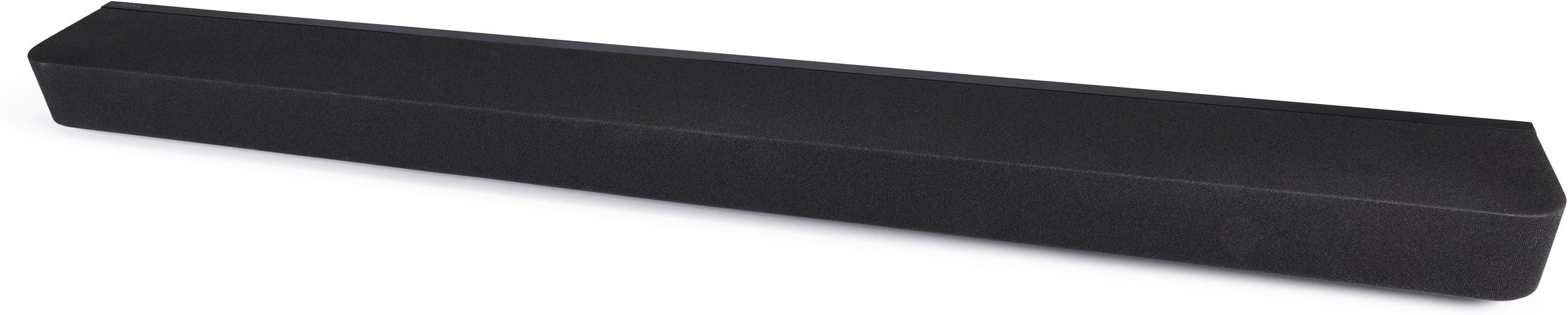
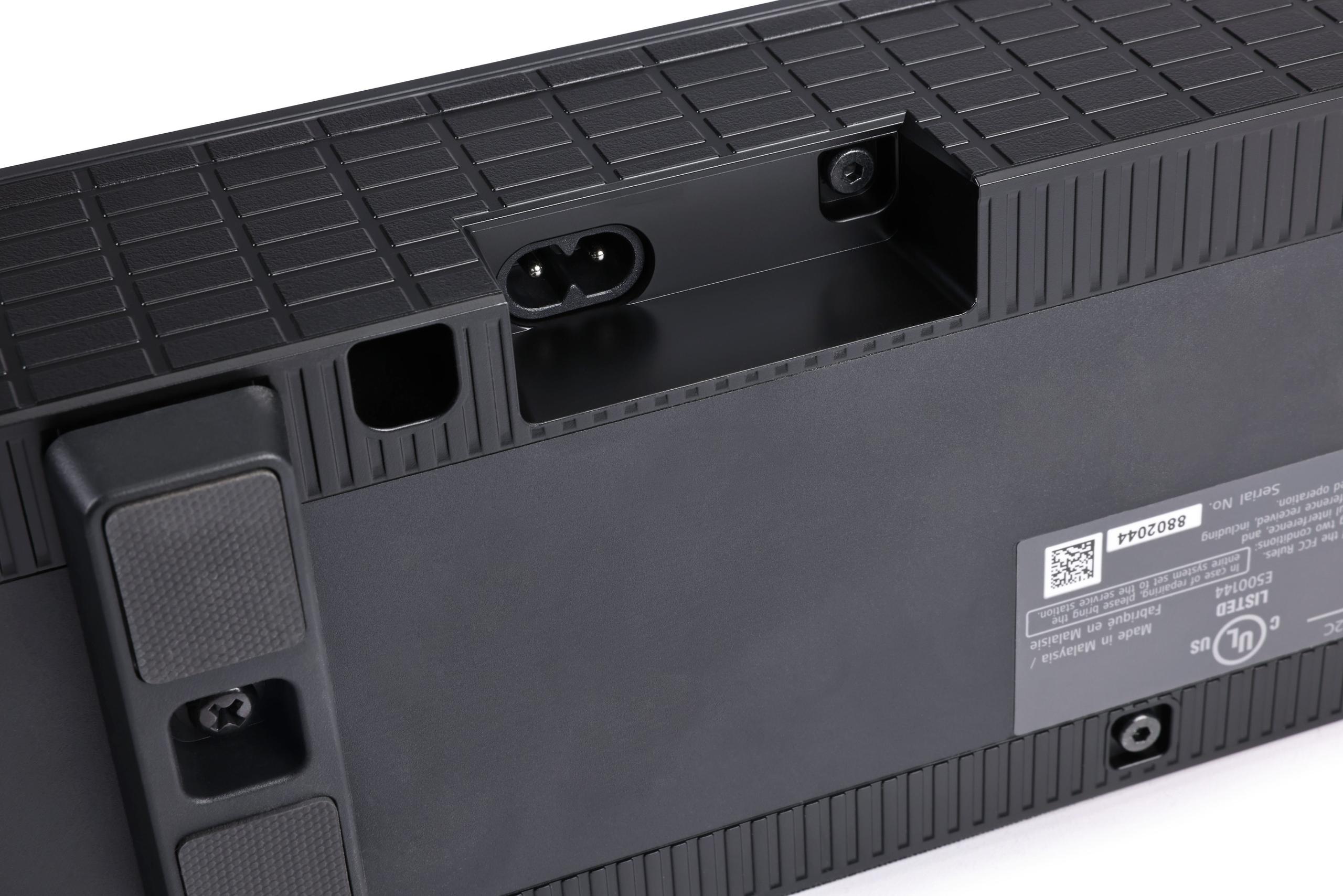
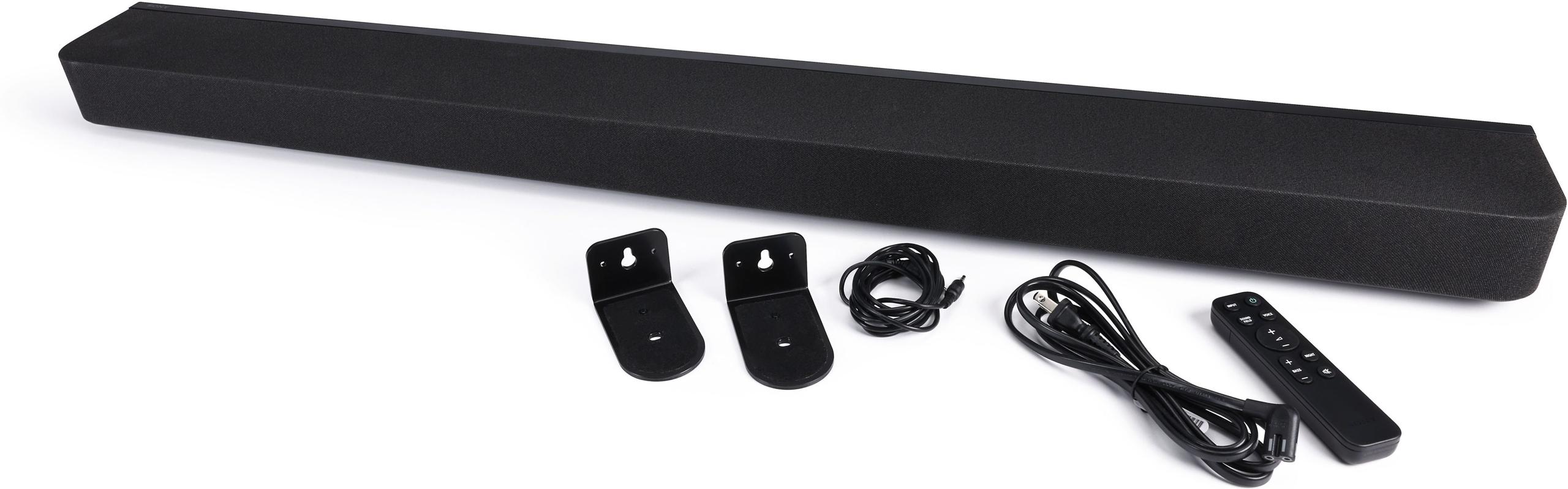
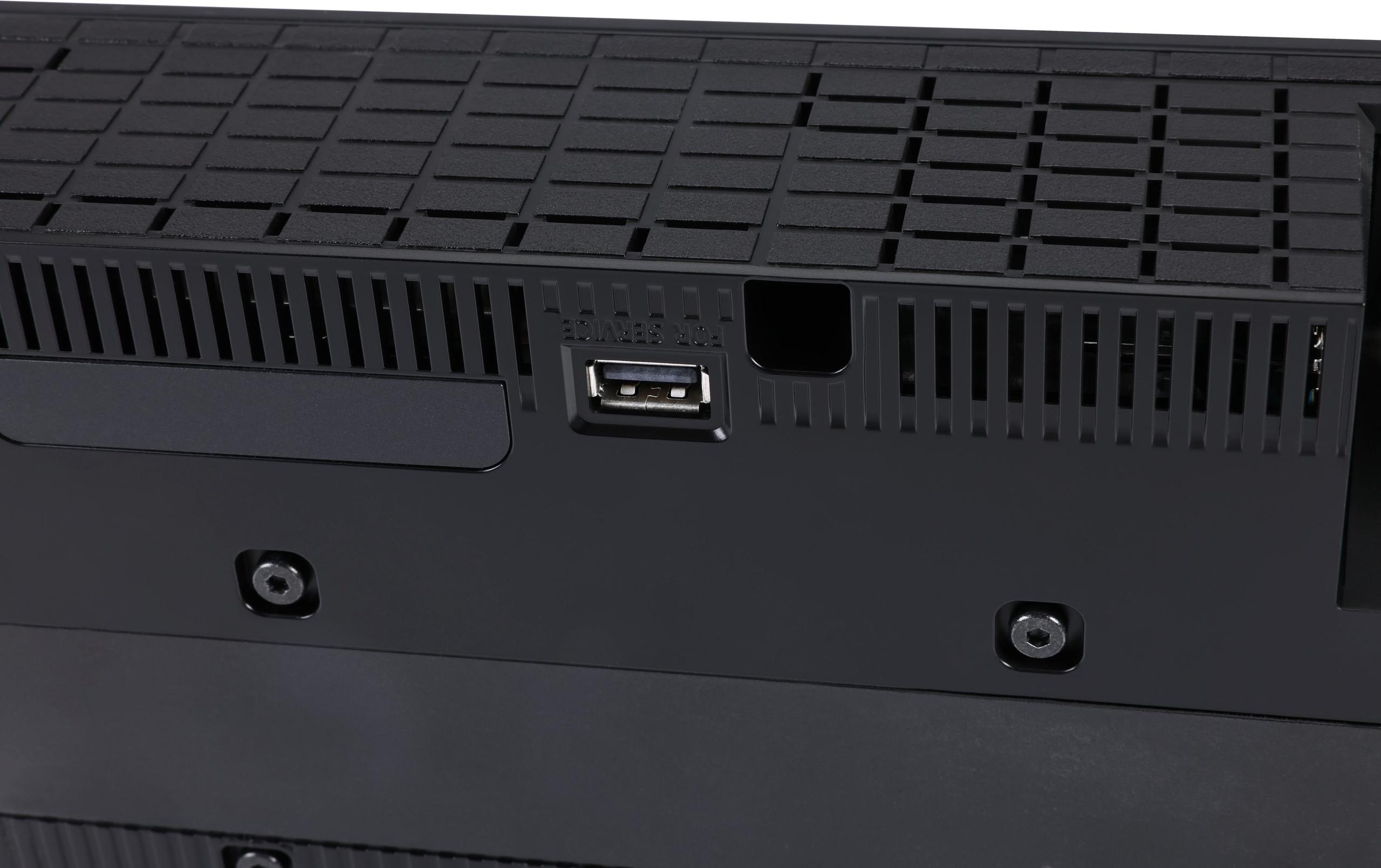
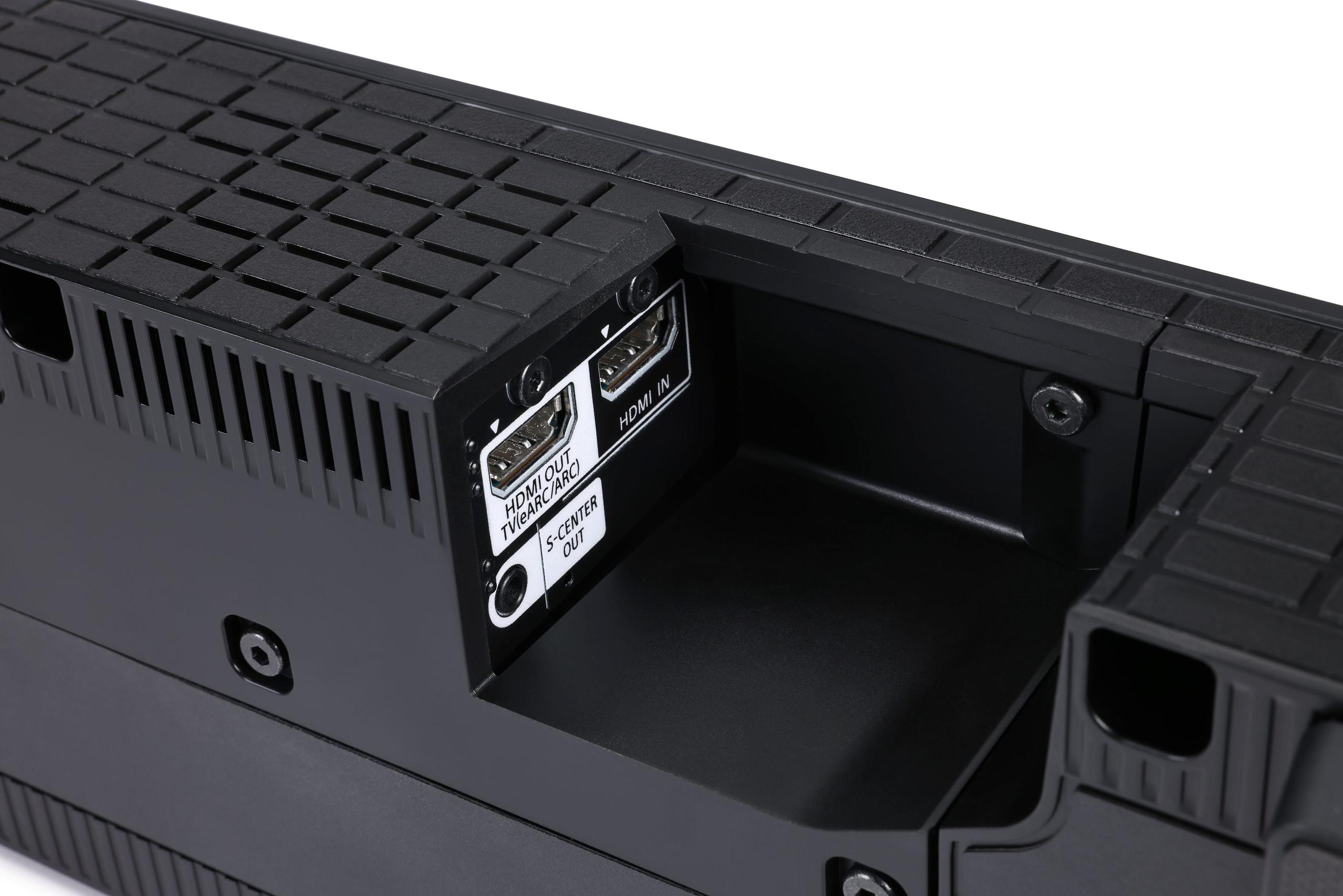

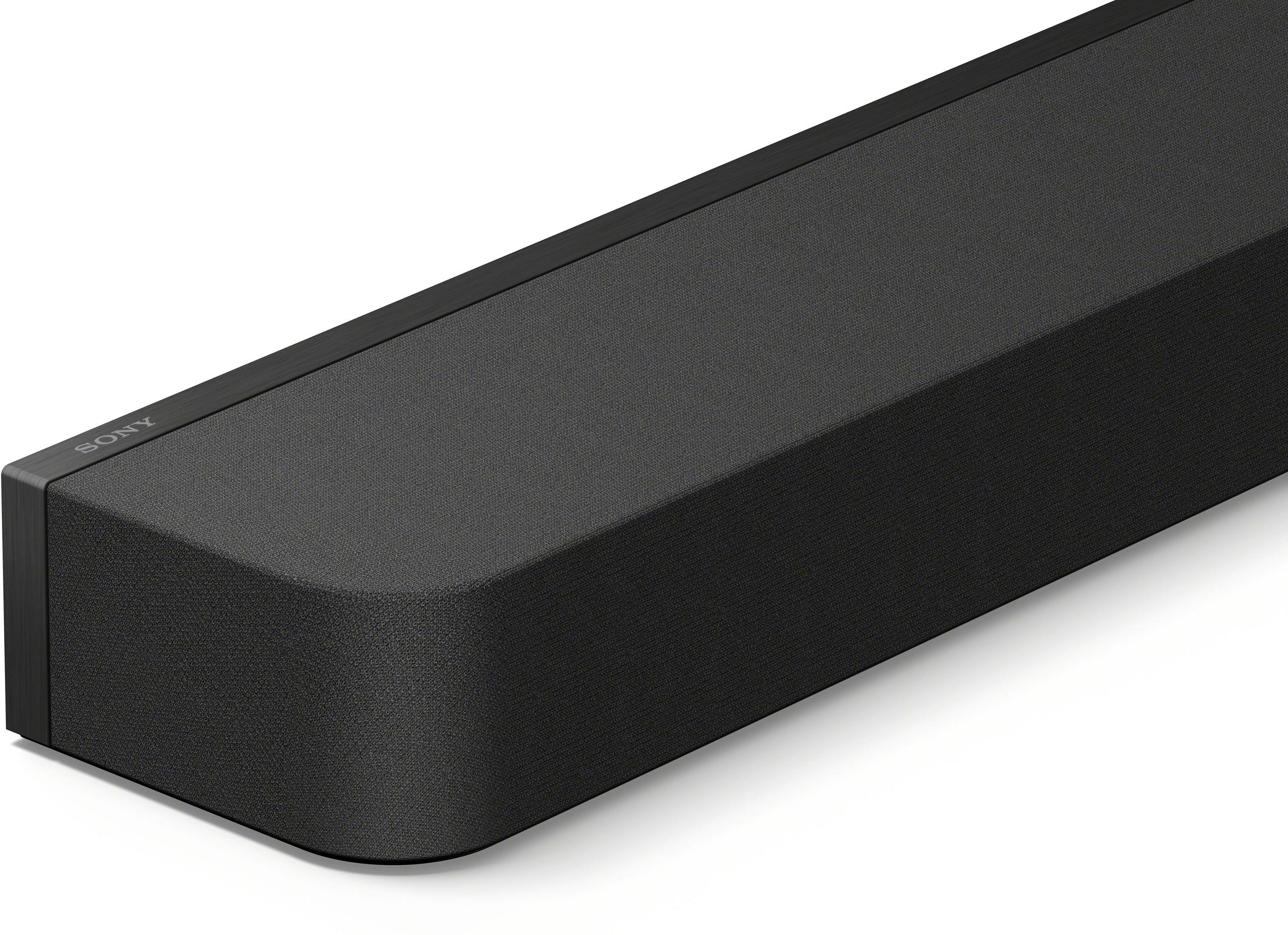
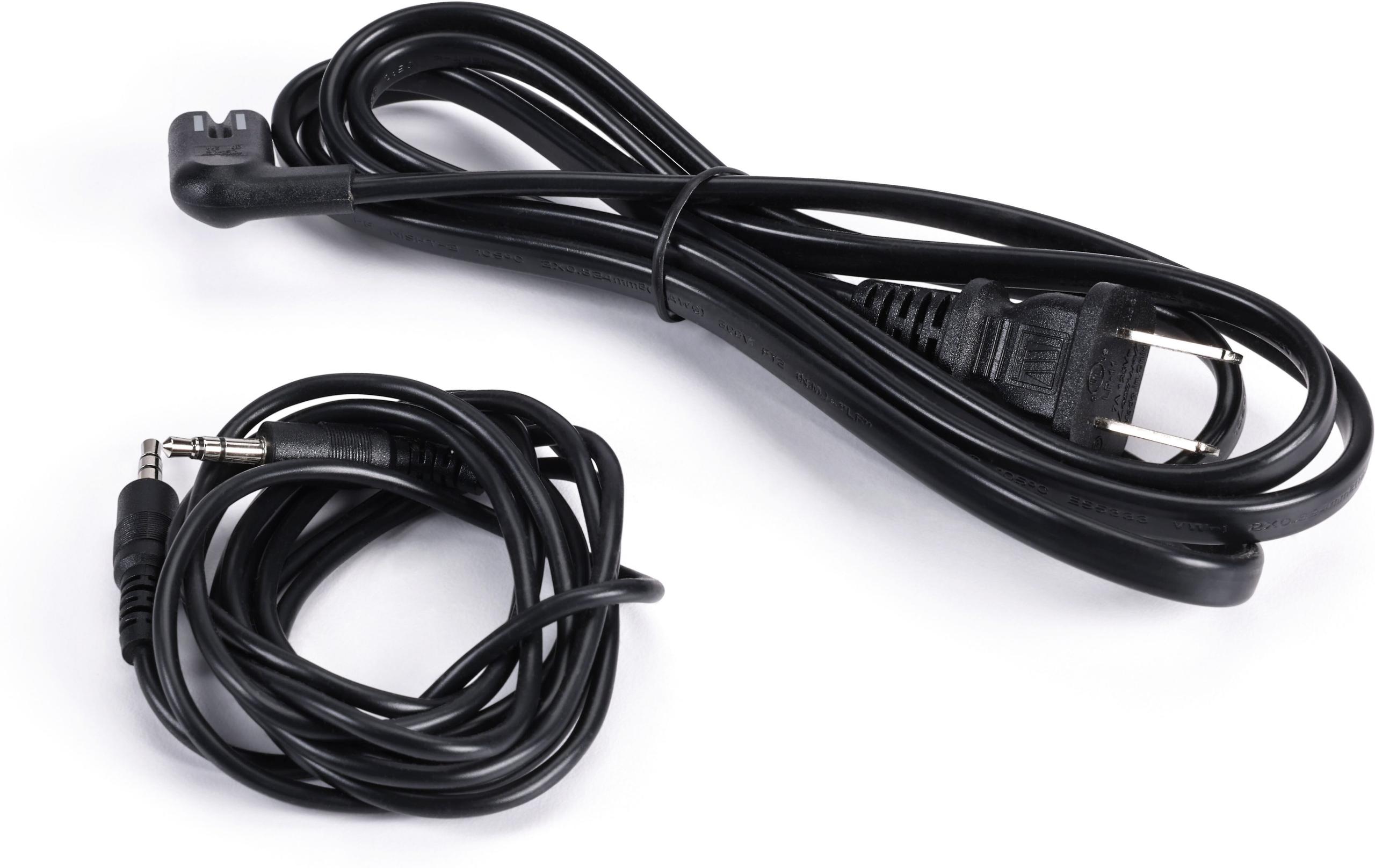

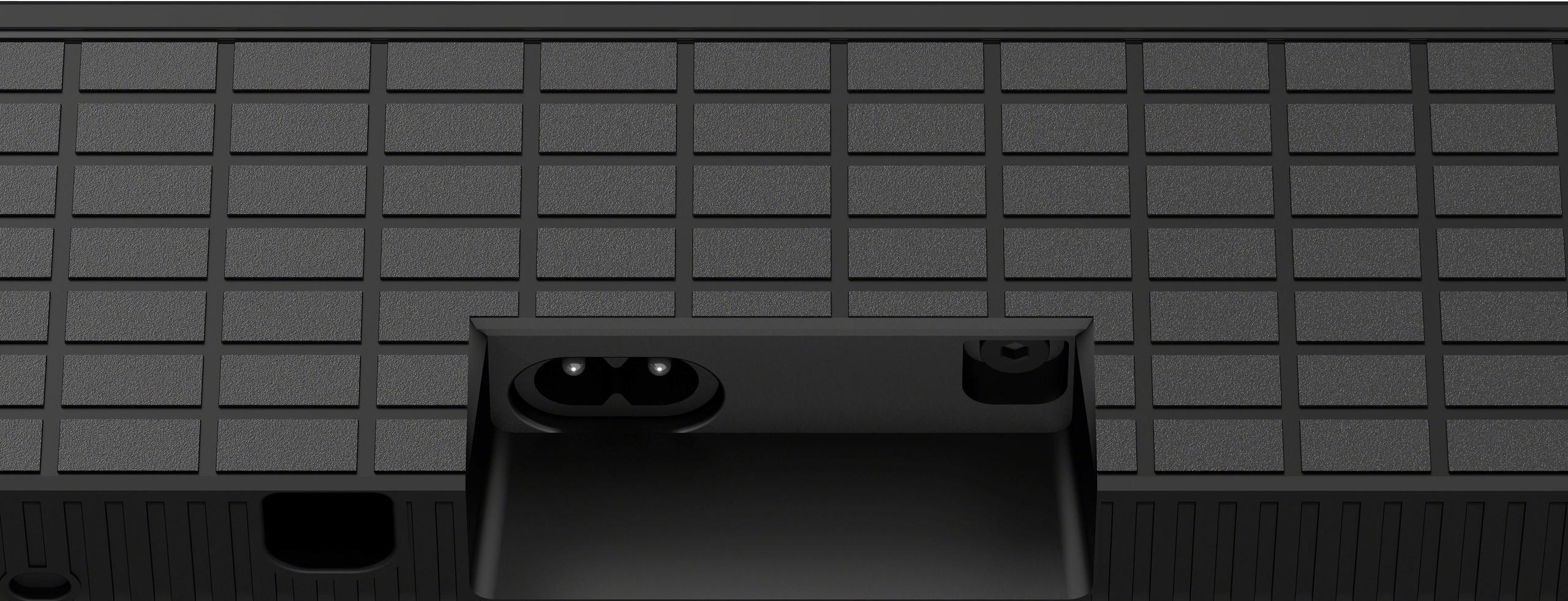
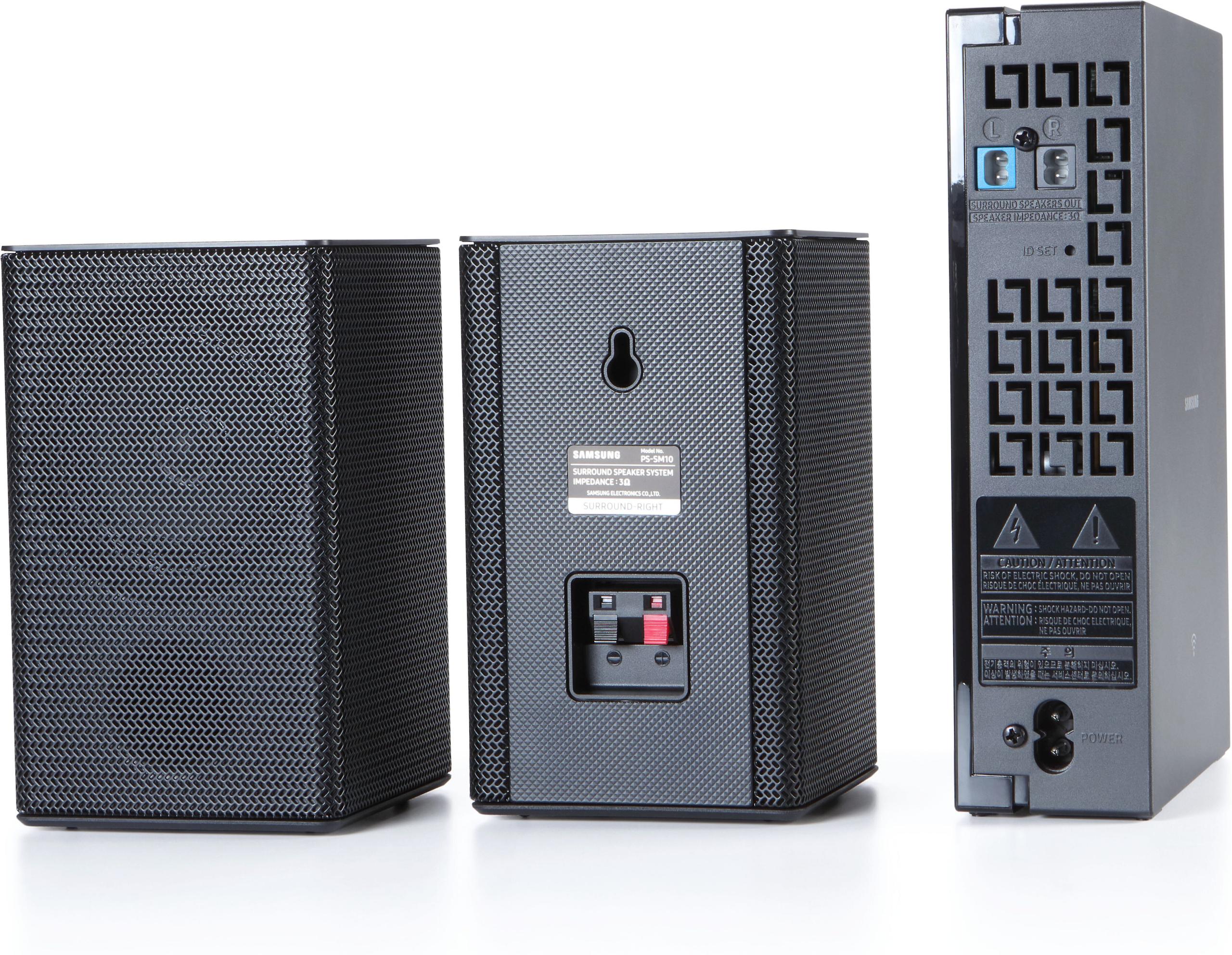
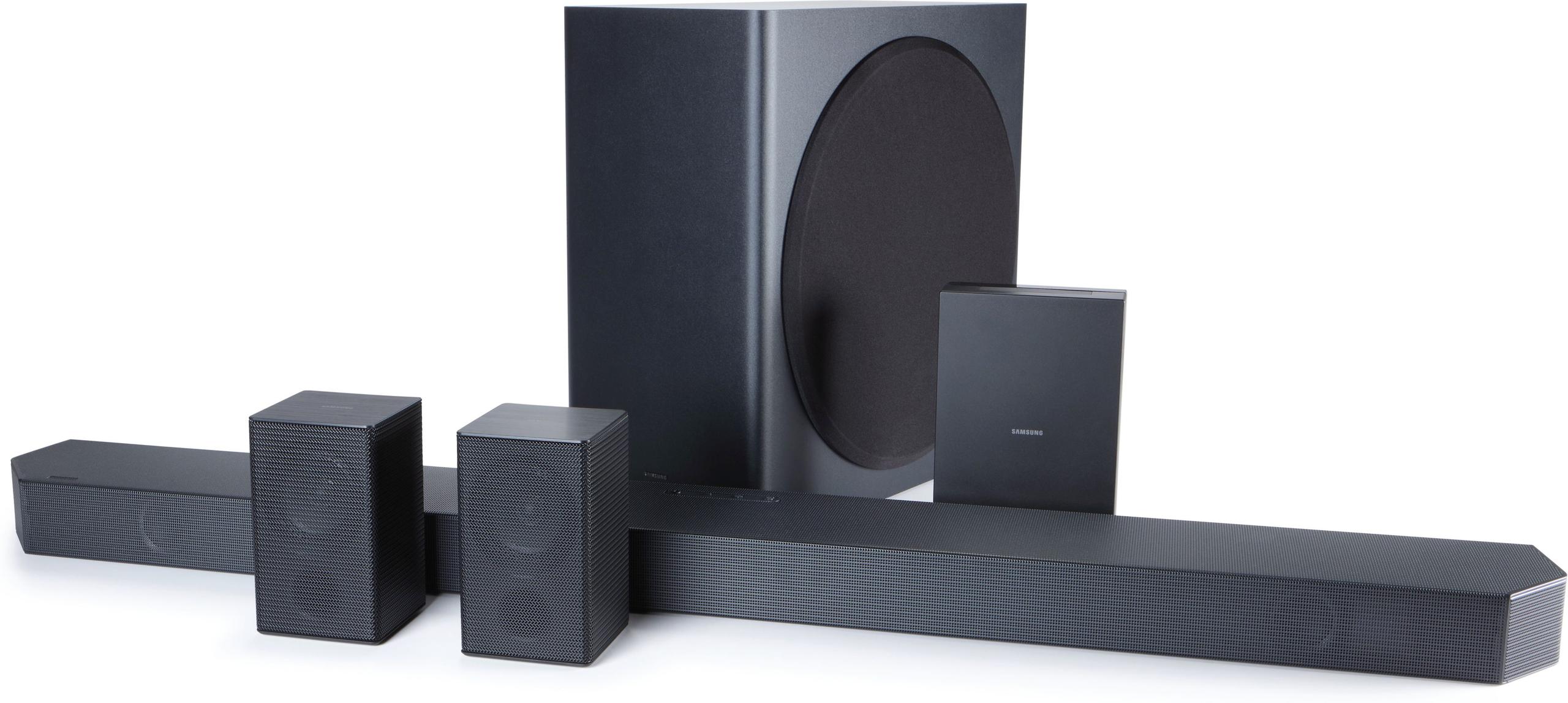
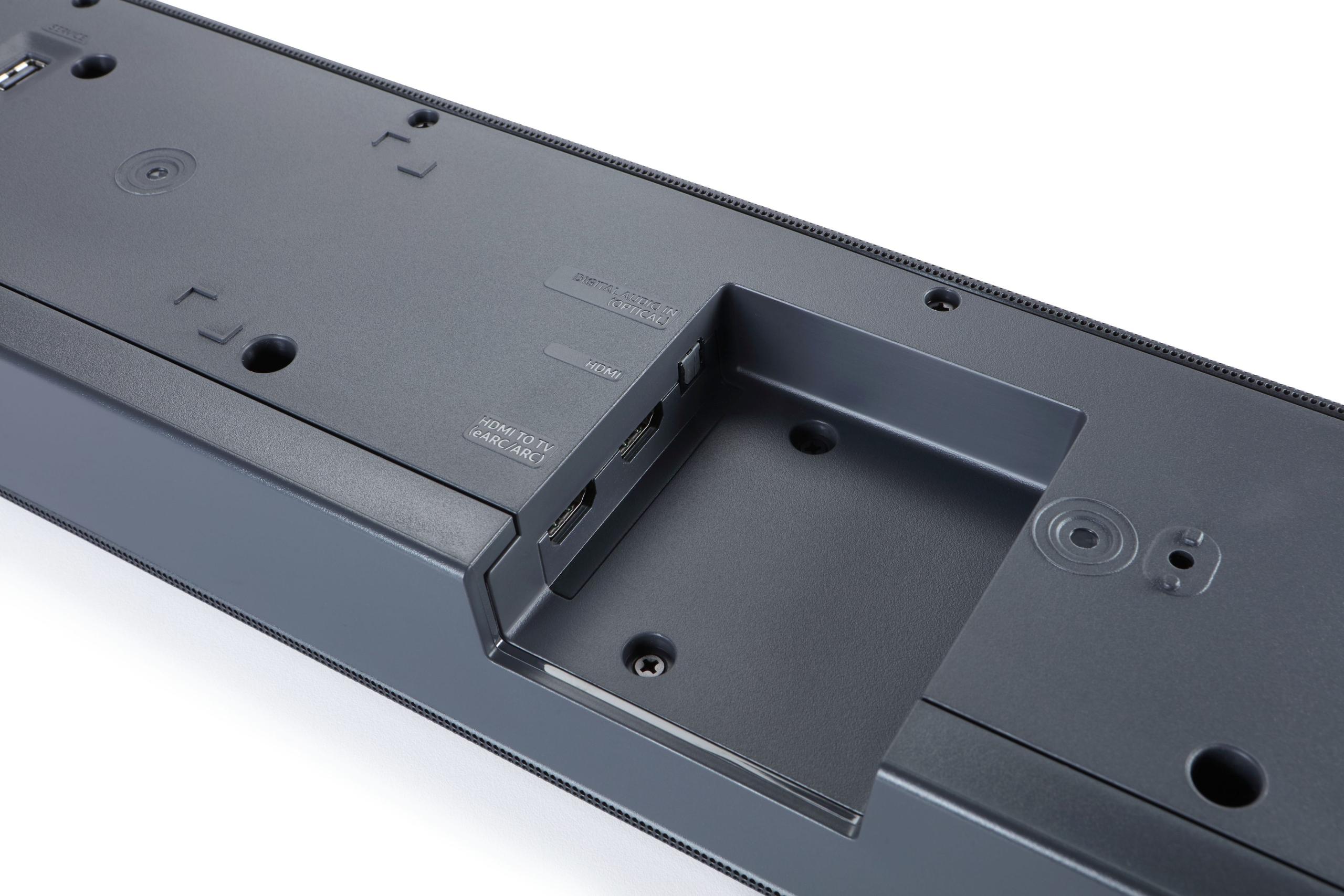
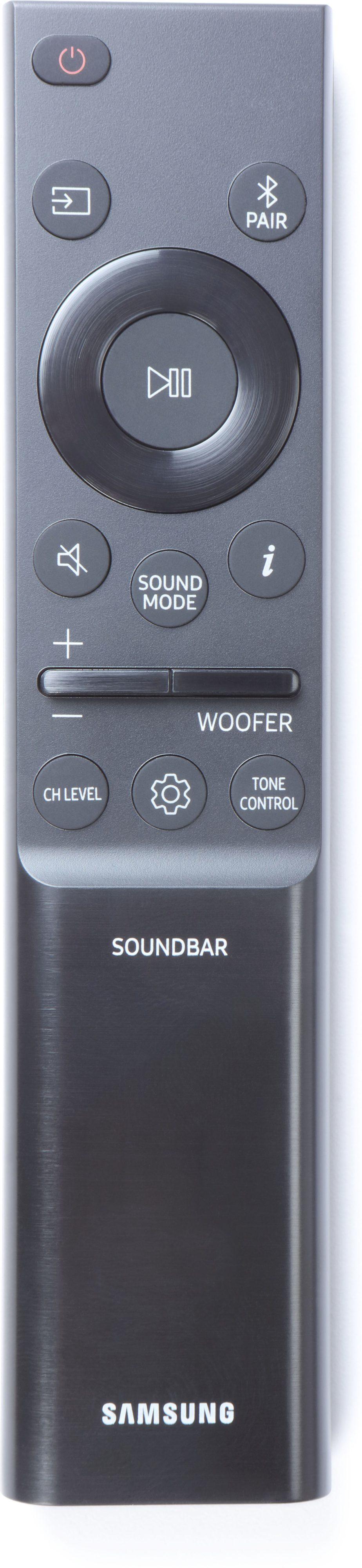
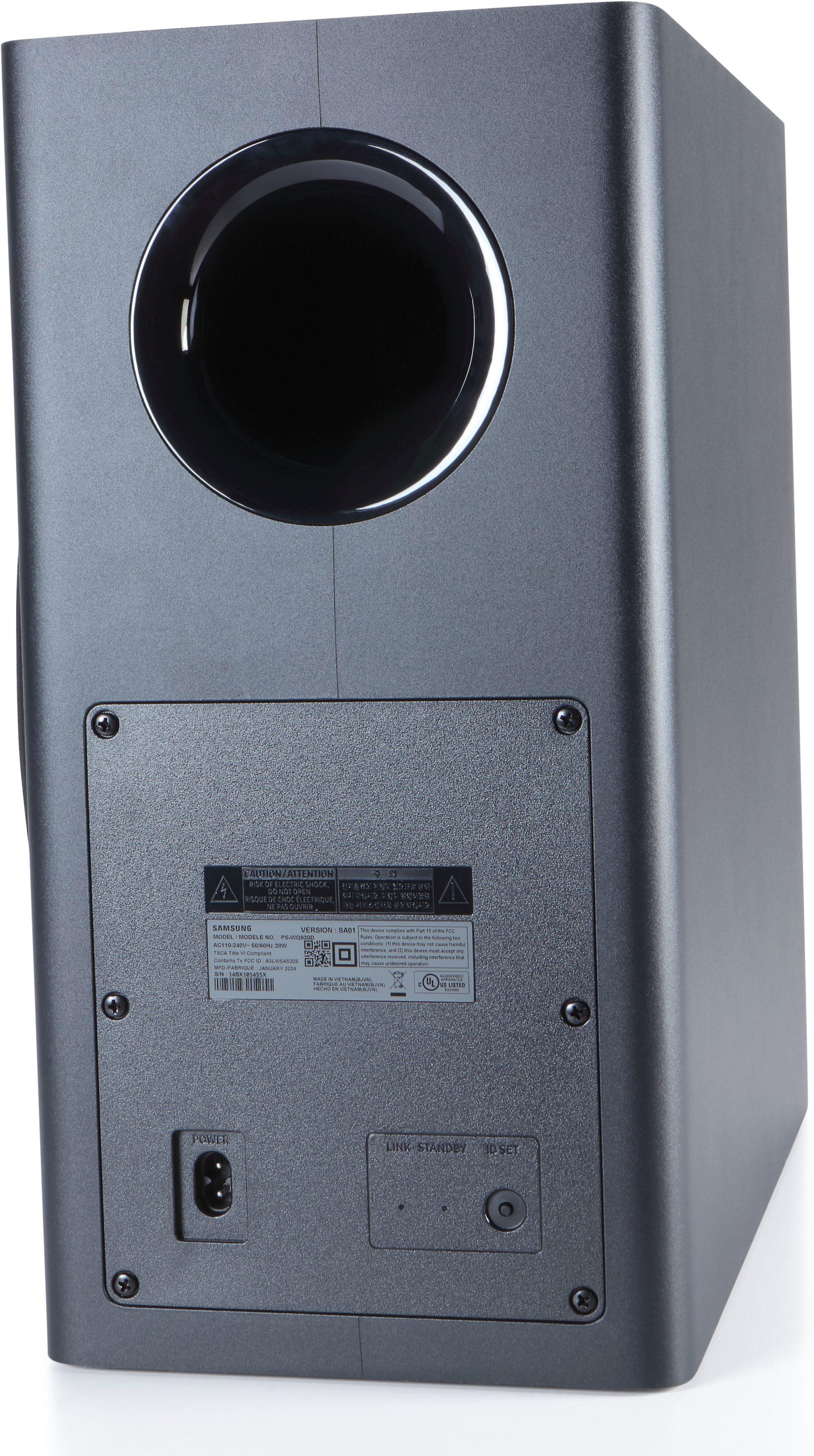
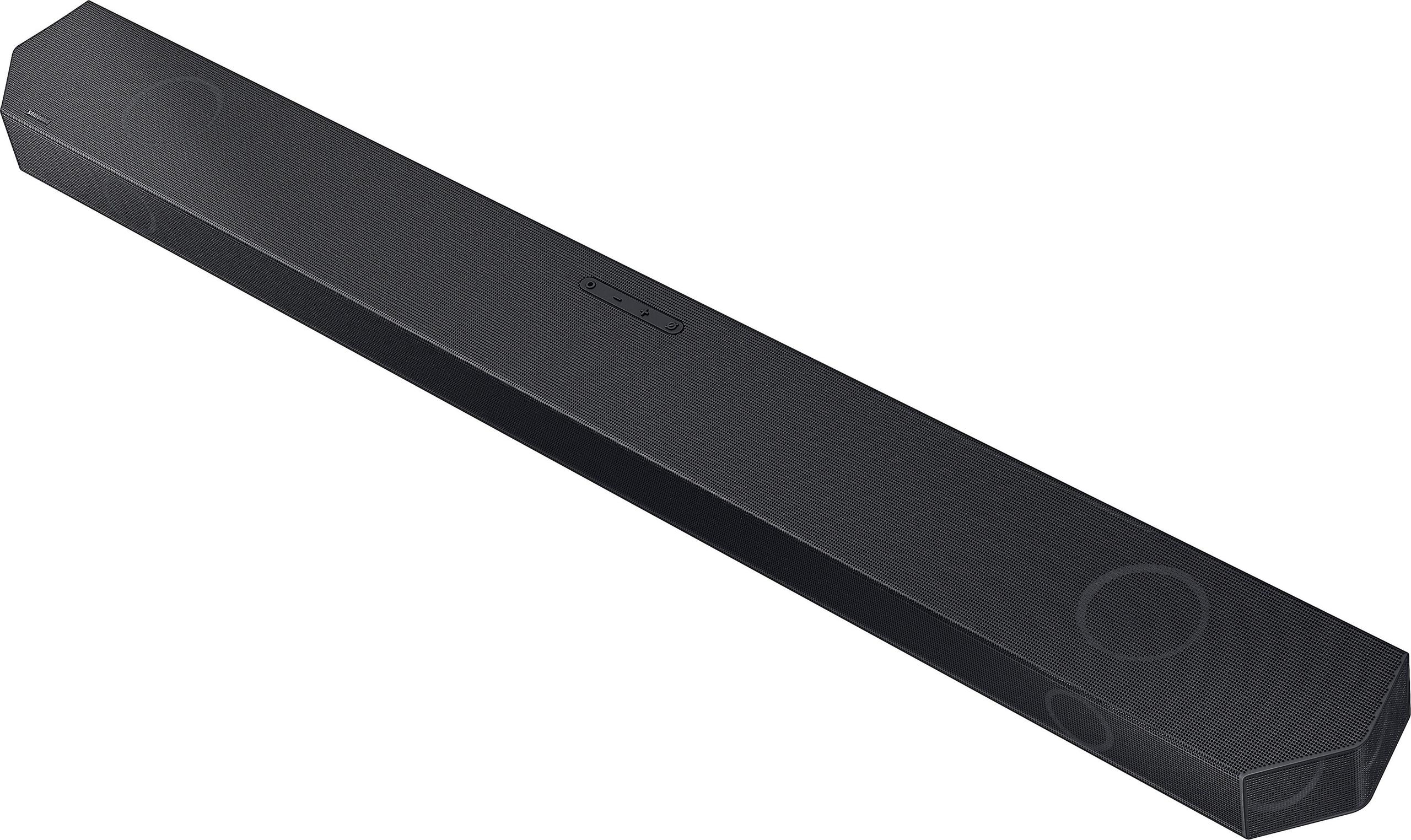

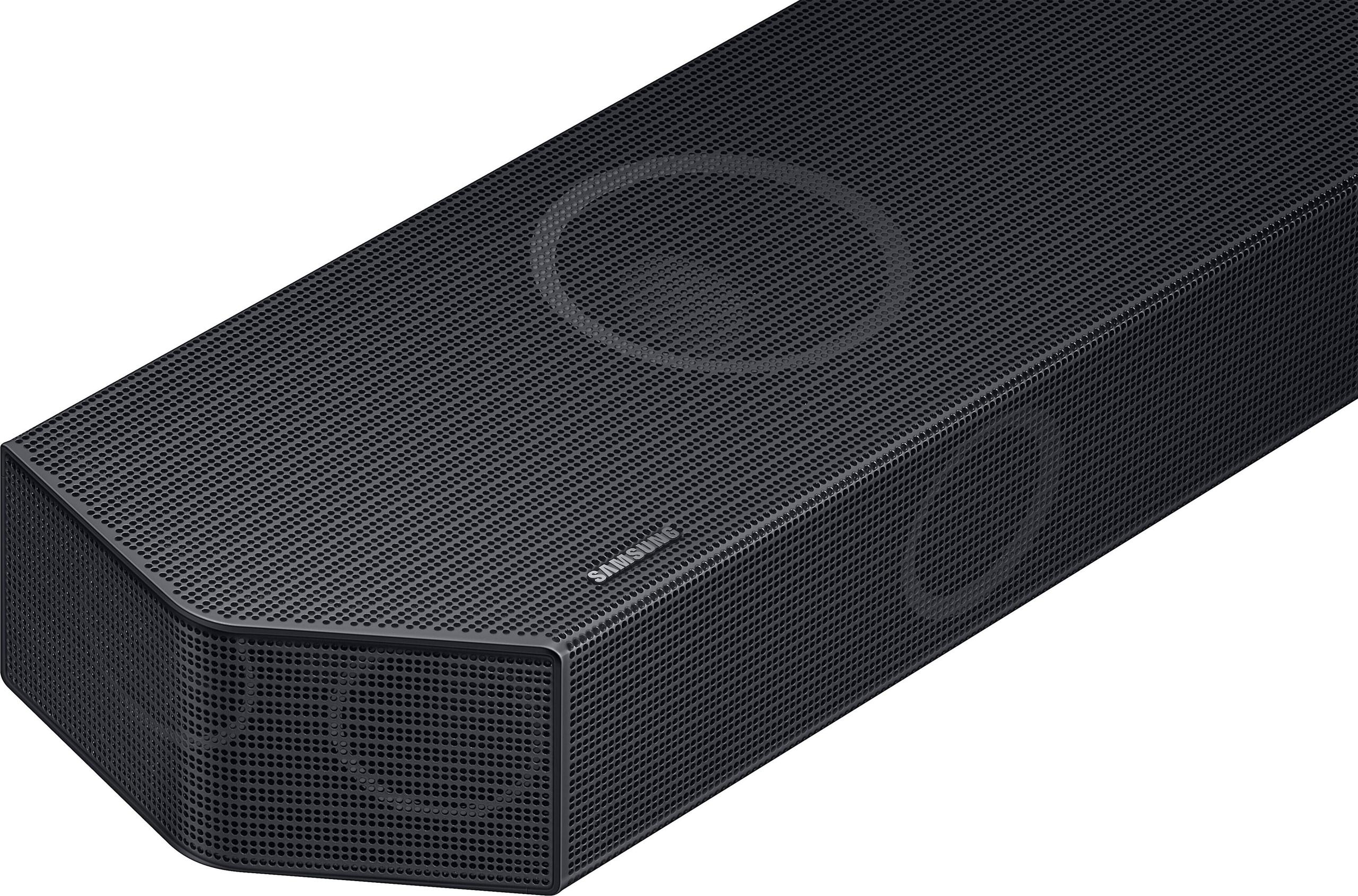




When you're ready to upgrade from tinny TV speakers to something that actually does justice to your favorite movies and shows, the world of premium soundbars can feel overwhelming. Two standout options that consistently earn praise from both critics and users are the Sony HT-A8000 BRAVIA Theater Bar 8 and the Samsung Q Series 9.1.2 Channel Soundbar. Both launched in 2024, representing the latest thinking in home audio technology, but they take fundamentally different approaches to solving the same problem: how to fill your room with immersive, theater-quality sound.
Before diving into specifics, it's worth understanding what separates premium soundbars from their budget counterparts. These aren't just louder versions of basic bars—they're sophisticated audio systems that use advanced processing, multiple drivers (the individual speakers inside the unit), and clever acoustic engineering to create the illusion of surround sound from a relatively compact package.
The key technologies that matter most include spatial audio processing (which creates the sense of sounds coming from all around you), room calibration systems (which adjust the sound based on your specific space), and connectivity features that ensure compatibility with modern TVs and gaming systems. Premium soundbars also typically support advanced audio formats like Dolby Atmos, which adds height information to create truly three-dimensional soundscapes.
At the time of writing, both the Sony HT-A8000 and Samsung Q Series 9.1.2 occupy different price points in the premium category, with the Sony typically priced lower as a standalone unit, while the Samsung commands a higher price but includes additional components that would otherwise cost extra.
The Sony HT-A8000 represents what happens when a company known for audio engineering decides to pack as much technology as possible into a sleek, minimalist package. Released in 2024, it builds on Sony's decades of experience in professional audio and their recent innovations in spatial sound processing.
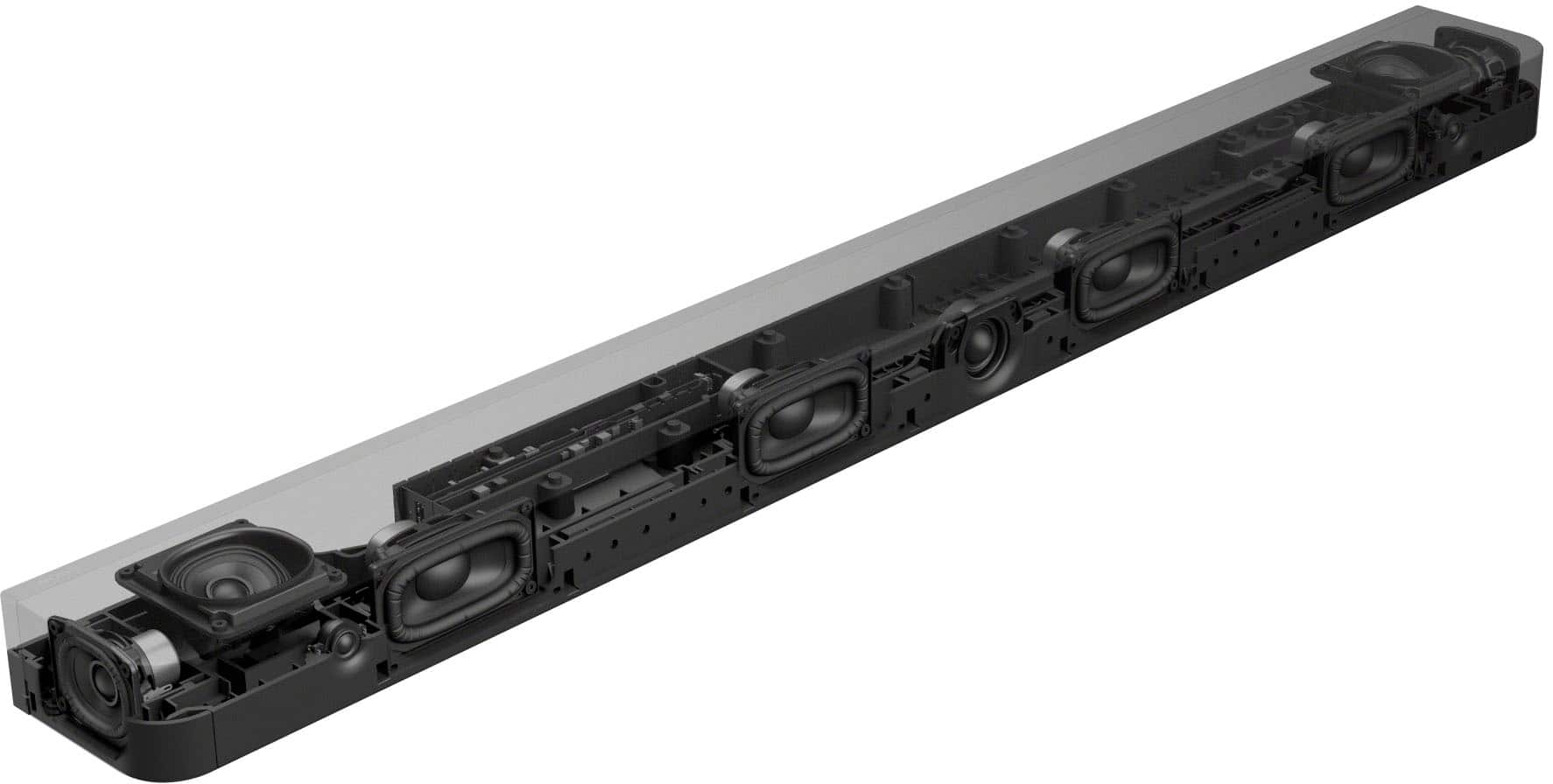
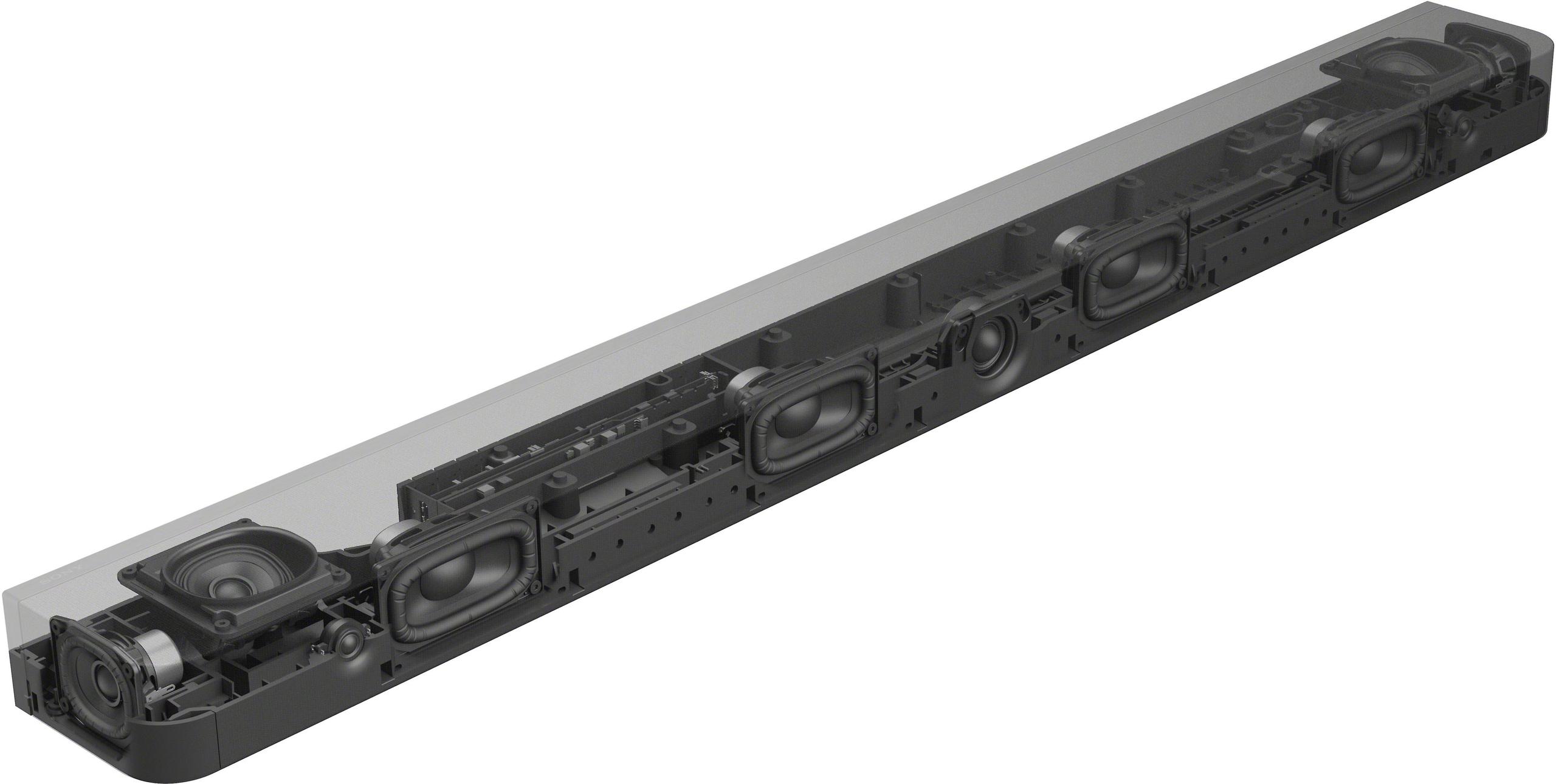
The standout feature of the Sony HT-A8000 is its 360 Spatial Sound Mapping technology. This isn't marketing fluff—it's a genuinely impressive piece of audio engineering. The system uses 11 carefully positioned speakers within the soundbar, including upward-firing drivers and side-firing units, to bounce sound off your walls and ceiling. Through sophisticated digital signal processing (DSP), the soundbar creates what Sony calls "phantom speakers"—the acoustic illusion that sound is coming from locations where no actual speakers exist.
This technology works by analyzing the timing, frequency response, and reflective properties of your room, then adjusting how each driver fires sound to create precise reflections. The result is a soundstage that extends well beyond the physical boundaries of the soundbar itself. In practical terms, this means you'll hear helicopters flying overhead in action movies or sense footsteps moving around the room in thriller films, all without additional speakers cluttering your living space.
Here's where the Sony HT-A8000 makes its first significant compromise. The unit ships without a dedicated subwoofer, instead relying on four built-in woofers using Sony's X-Balanced driver design. These drivers use a unique rectangular shape that maximizes the diaphragm area (the part that moves air to create sound) within the constraints of the soundbar's slim profile.
While these built-in drivers produce surprisingly robust bass for their size, they simply cannot move the volume of air that a dedicated subwoofer can. Sony does offer optional wireless subwoofers (the SA-SW3 and SA-SW5), but these represent additional purchases that significantly increase the total system cost. This modular approach has both advantages and drawbacks, which we'll explore further in the value discussion.
One area where the Sony HT-A8000 truly excels is dialogue clarity. The Voice Zoom 3 feature uses artificial intelligence to identify human speech patterns in the audio mix and selectively amplify them. This isn't just a simple treble boost—the system actually analyzes the frequency content in real-time and adjusts multiple aspects of the sound profile to ensure voices remain clear and intelligible even during complex action sequences.
For viewers who frequently find themselves reaching for the remote to adjust volume during quiet dialogue scenes, this feature can be transformative. The technology works particularly well with the Acoustic Center Sync feature, which allows compatible BRAVIA TVs to act as a center channel speaker, placing dialogue precisely at screen level where it belongs.
The Samsung Q Series 9.1.2 takes a dramatically different approach. Rather than trying to do everything with processing tricks and a single unit, Samsung provides a complete multi-component system out of the box. This 2024 model represents Samsung's belief that true surround sound requires true surround speakers.
The fundamental difference between the Samsung Q Series and Sony HT-A8000 lies in their approach to creating immersive audio. Samsung's 9.1.2 configuration includes dedicated rear speakers that physically place sound sources behind your listening position. The ".2" in the designation refers to upward-firing drivers that bounce sound off the ceiling to create height effects, while the "9.1" indicates nine main channels plus a dedicated low-frequency effects (LFE) channel handled by the included wireless subwoofer.
This physical approach has undeniable advantages. When a spaceship flies from screen left to screen right in a movie, you're hearing actual sound movement from discrete speakers rather than processed reflections. The included wireless subwoofer provides immediate, room-shaking bass that no soundbar-only solution can match.
Samsung's Q-Symphony technology represents an interesting middle ground between single-unit processing and multi-component systems. When paired with compatible Samsung TVs, Q-Symphony allows the television's built-in speakers to work in concert with the soundbar rather than being disabled. This creates additional channels and can fill in gaps in the soundstage, particularly in the center channel where dialogue lives.
The technology works by sending synchronized audio signals to both the TV and soundbar, with each component handling the frequencies and directional information it's best suited for. In practice, this means wider soundstages and more enveloping audio, though the effectiveness depends heavily on having a compatible Samsung TV.
Room calibration is where many soundbar manufacturers struggle, but Samsung's SpaceFit Sound+ system represents a genuinely effective implementation. The technology uses built-in microphones to analyze your room's acoustic properties—including size, wall materials, and furniture placement—then adjusts both the soundbar and subwoofer settings accordingly.
This automated calibration addresses one of the biggest challenges in home audio: every room sounds different. Hard surfaces like glass and tile create reflections that can muddy the sound, while soft furnishings like carpets and curtains absorb certain frequencies. SpaceFit Sound+ measures these characteristics and compensates with precise equalization adjustments.
Our research into professional and user reviews reveals clear performance differences between these approaches. The Sony HT-A8000 creates remarkably convincing spatial effects for a single-unit system, with particular strength in creating width and some sense of height. The phantom speaker technology works best in smaller to medium-sized rooms where wall reflections can be properly controlled.
However, the Samsung Q Series with its physical rear speakers provides more convincing surround effects for larger spaces or when seated further from the wall. The difference becomes most apparent in action sequences with lots of directional audio—car chases, battle scenes, or any content where sounds need to move convincingly around the listening space.
Based on extensive review analysis, dialogue clarity represents one of the Sony HT-A8000's strongest advantages. The combination of Voice Zoom 3 and Acoustic Center Sync creates exceptionally clear speech reproduction. This matters more than many people realize—poor dialogue clarity is one of the most common complaints about TV audio, and it's often the primary reason people invest in soundbars.
The Samsung Q Series handles dialogue well through its Active Voice Amplifier technology, but multiple reviews suggest it doesn't quite match Sony's AI-driven approach. This difference becomes most noticeable with challenging content like heavily accented dialogue or scenes with significant background noise.
This category represents the Samsung Q Series's most significant advantage. The included wireless subwoofer, with its Auto EQ calibration, provides immediate and substantial bass impact that the Sony HT-A8000 simply cannot match without additional purchases.
The difference isn't subtle. Action movies, electronic music, and any content with significant low-frequency information will sound dramatically more impactful through the Samsung system. The Sony's built-in woofers perform admirably for their size, but they're fighting physics—you need to move air to create bass, and larger drivers with dedicated enclosures will always have advantages.
Here, the Sony HT-A8000 takes a decisive lead through its HDMI 2.1 support. This newer connection standard enables 4K gaming at 120Hz refresh rates, which is crucial for PlayStation 5 and Xbox Series X gaming. The soundbar can pass this high-bandwidth signal through to your TV without compression or downscaling.
The Samsung Q Series, limited to HDMI 2.0, restricts gaming to 4K at 60Hz maximum. For serious gamers, this represents a significant limitation that may matter more in the coming years as game developers increasingly target higher refresh rates.
Evaluating value requires looking beyond initial cost to consider the complete ownership experience. The Sony HT-A8000, at the time of writing, typically costs significantly less than the Samsung Q Series as a standalone unit. However, this comparison becomes more complex when considering the upgrade path.
To achieve comparable bass performance to Samsung's included subwoofer, Sony users need to purchase the optional SA-SW3 or SA-SW5 subwoofer, which adds considerable cost. Adding rear speakers for true surround sound brings the total investment much closer to Samsung's all-inclusive price.
However, this modular approach offers flexibility that some users will appreciate. You can start with just the soundbar and add components as your budget allows or as your needs change. This matters particularly for renters who might move to different spaces with different acoustic requirements.
The Samsung Q Series provides immediate gratification and a complete surround sound experience without future decision-making. For users who want to buy once and be done, this approach offers clear advantages.
Room acoustics play a crucial role in determining which system will perform better in your specific space. The Sony HT-A8000's phantom speaker technology works best in rooms with reasonably reflective surfaces and dimensions that allow for proper sound bouncing. Very large rooms or spaces with extremely absorptive materials may not provide the reflections necessary for optimal performance.
Conversely, the Samsung Q Series with its physical components can work effectively in a wider variety of spaces, though the rear speakers require thoughtful placement and ideally some flexibility in room arrangement. The wireless connectivity helps with placement options, but you still need power outlets and clear line-of-sight for optimal performance.
Both systems offer enhanced performance when paired with TVs from their respective manufacturers. The Sony HT-A8000 provides the most dramatic improvements when connected to BRAVIA TVs through Acoustic Center Sync, which truly transforms the viewing experience by integrating TV and soundbar speakers into a cohesive system.
Samsung's Q-Symphony offers similar benefits with compatible Samsung TVs, though the implementation differs in its approach to channel management and frequency distribution. Neither system requires same-brand TVs to function well, but the additional features can justify brand loyalty for some users.
The choice between these systems ultimately depends on your priorities, space, and viewing habits. The Sony HT-A8000 makes sense for users who prioritize dialogue clarity, have smaller to medium-sized rooms, care about gaming performance, and prefer flexibility in system building. It's particularly compelling for BRAVIA TV owners and those who value sophisticated audio processing over sheer impact.
The Samsung Q Series suits users who want immediate, full-range performance without future upgrade decisions. It's ideal for larger spaces, bass enthusiasts, and anyone who primarily watches action-oriented content where the physical surround speakers provide clear advantages.
Consider the Sony HT-A8000 if you frequently watch dialogue-heavy content like dramas and documentaries, game regularly on modern consoles, or live in an apartment where a large subwoofer might be problematic. The upgrade path also makes it attractive for budget-conscious buyers who want premium performance but need to spread the investment over time.
Choose the Samsung Q Series if you want the full home theater experience immediately, have a dedicated viewing room where component placement isn't an issue, and prioritize the visceral impact that only a real subwoofer can provide. It's also the better choice for users who don't want to think about future upgrades or compatibility concerns.
Both systems represent genuine advances in soundbar technology, with 2024 bringing improvements in room calibration, wireless connectivity, and audio processing that weren't available in previous generations. The decision comes down to whether you prefer Sony's sophisticated single-unit approach or Samsung's comprehensive multi-component strategy—both have merit, and both can transform your home entertainment experience in different but equally valid ways.
| Sony HT-A8000 BRAVIA Theater Bar 8 | Samsung Q Series 9.1.2 Channel Soundbar |
|---|---|
| Channel Configuration - Determines surround sound capability | |
| 5.0.2 (11 speakers in soundbar only) | 9.1.2 (soundbar + subwoofer + rear speakers) |
| Subwoofer Inclusion - Critical for bass impact | |
| Optional wireless subwoofer (sold separately) | Wireless subwoofer included |
| Amplifier Power - Affects overall volume and dynamics | |
| 495W with S-Master HX digital amplification | 360W across all components |
| Spatial Audio Technology - How surround effects are created | |
| 360 Spatial Sound Mapping with phantom speakers | Physical rear speakers + Q-Symphony TV integration |
| HDMI Gaming Support - Important for console gaming | |
| HDMI 2.1 with 4K/120Hz passthrough | HDMI 2.0 with 4K/60Hz maximum |
| Voice Enhancement - Critical for dialogue clarity | |
| Voice Zoom 3 with AI voice recognition | Active Voice Amplifier (AVA) |
| Room Calibration - Optimizes sound for your space | |
| Sound Field Optimization with acoustic analysis | SpaceFit Sound+ with Auto EQ |
| TV Integration - Enhanced performance with same-brand TVs | |
| Acoustic Center Sync with Sony BRAVIA TVs | Q-Symphony with Samsung TVs |
| Wireless Connectivity - Streaming and smart features | |
| Bluetooth 5.2, AirPlay 2, Spotify Connect | Bluetooth 5.2, Chromecast, AirPlay 2, TIDAL Connect |
| Physical Setup Complexity - Installation and placement considerations | |
| Single soundbar (minimal setup) | Multi-component system (requires rear speaker placement) |
| Upgrade Path - Future expansion options | |
| Modular system - add subwoofer and rears later | Complete system included, no upgrades needed |
| Weight and Size - Important for wall mounting | |
| 10.4 lbs soundbar only | 11.2 lbs soundbar + 21.6 lbs subwoofer + rear speakers |
The Sony HT-A8000 BRAVIA Theater Bar 8 is generally better for small apartments because it's a single unit that uses advanced processing to create surround sound effects without requiring additional speakers. Its 360 Spatial Sound Mapping technology works well in smaller spaces where you can't place rear speakers, and the lack of a large subwoofer means fewer noise complaints from neighbors.
The Samsung Q Series 9.1.2 Channel Soundbar comes complete with a wireless subwoofer and rear speakers included in the box. The Sony HT-A8000 works as a standalone unit but requires separate purchases for the wireless subwoofer and rear speakers if you want the fullest surround sound experience.
The Samsung Q Series 9.1.2 has significantly better bass performance out of the box because it includes a dedicated wireless subwoofer. The Sony HT-A8000 relies on built-in woofers that, while impressive for their size, cannot match the low-frequency impact of a dedicated subwoofer.
The Sony HT-A8000 BRAVIA Theater Bar 8 is better for next-gen gaming because it supports HDMI 2.1 with 4K/120Hz passthrough. The Samsung Q Series 9.1.2 is limited to HDMI 2.0, which caps gaming at 4K/60Hz, potentially limiting the performance of modern gaming consoles.
The Sony HT-A8000 is much easier to set up since it's just one unit that you place in front of your TV and connect with a single HDMI cable. The Samsung Q Series 9.1.2 requires positioning the soundbar, subwoofer, and rear speakers throughout your room, though all connections are wireless after initial setup.
The Sony HT-A8000 BRAVIA Theater Bar 8 typically has superior dialogue clarity thanks to its Voice Zoom 3 technology, which uses AI to identify and enhance human speech. When paired with compatible Sony TVs, the Acoustic Center Sync feature places dialogue directly at screen level for even clearer speech.
The Samsung Q Series 9.1.2 Channel Soundbar performs better in large rooms because it has physical rear speakers that can fill bigger spaces with true surround sound. The Sony HT-A8000 relies on sound reflections that may not work as effectively in very large or acoustically challenging rooms.
Both the Sony HT-A8000 and Samsung Q Series 9.1.2 work with any TV brand through HDMI connections. However, each offers enhanced features when paired with their respective TV brands - Sony with BRAVIA TVs and Samsung with Samsung TVs - but these premium features aren't required for basic operation.
Value depends on your needs: the Sony HT-A8000 typically costs less upfront but may require additional purchases for subwoofer and rear speakers. The Samsung Q Series 9.1.2 costs more initially but includes everything needed for a complete surround sound system, potentially offering better overall value for users wanting immediate full performance.
Both soundbars handle music well, but the Samsung Q Series 9.1.2 generally provides a more dynamic music experience due to its included subwoofer and wider frequency range. The Sony HT-A8000 BRAVIA Theater Bar 8 offers excellent clarity and detail but may lack the bass impact that many music genres benefit from without an additional subwoofer.
The Sony HT-A8000 uses Sound Field Optimization to analyze your room and adjust the sound accordingly, working particularly well with its phantom speaker technology. The Samsung Q Series 9.1.2 features SpaceFit Sound+ with Auto EQ that calibrates both the soundbar and subwoofer based on room acoustics, often providing more comprehensive calibration for multi-component systems.
The Sony HT-A8000 BRAVIA Theater Bar 8 is more future-proof for gaming due to its HDMI 2.1 support, and its modular design allows you to add components over time. The Samsung Q Series 9.1.2 provides a complete current-generation experience but has limited upgrade options and HDMI 2.0 connectivity that may become limiting as technology advances.
We've done our best to create useful and informative comparisons to help you decide what product to buy. Our research uses advanced automated methods to create this comparison and perfection is not possible - please contact us for corrections or questions. These are the sites we've researched in the creation of this article: consumerreports.org - skybygramophone.com - target.com - rtings.com - bestbuy.com - rubbermonkey.co.nz - shopatsc.com - audioadvice.com - sony.com - sony.com - sony.com - shop.cosmopolitan.com - store.sony.com.my - videoandaudiocenter.com - rtings.com - samsung.com - markselectrical.co.uk - techradar.com - walmart.com - samsung.com - samsung.com - youtube.com - samsung.com - biancos.com - crutchfield.com - samsung.com

Privacy Policy
Terms and Conditions - Affiliate Policy
Home Security
© Copyright 2008-2026.
11816 Inwood Rd #1211, Dallas, TX 75244