






If you've ever tried watching an action movie and found yourself constantly adjusting the volume—cranking it up for explosions, then quickly turning it down when dialogue kicks in—you know exactly why soundbars have become essential. Your TV's built-in speakers simply weren't designed to handle the dynamic range of modern content. But with soundbar prices ranging from under $300 to well over $1,000, choosing the right one can feel overwhelming.
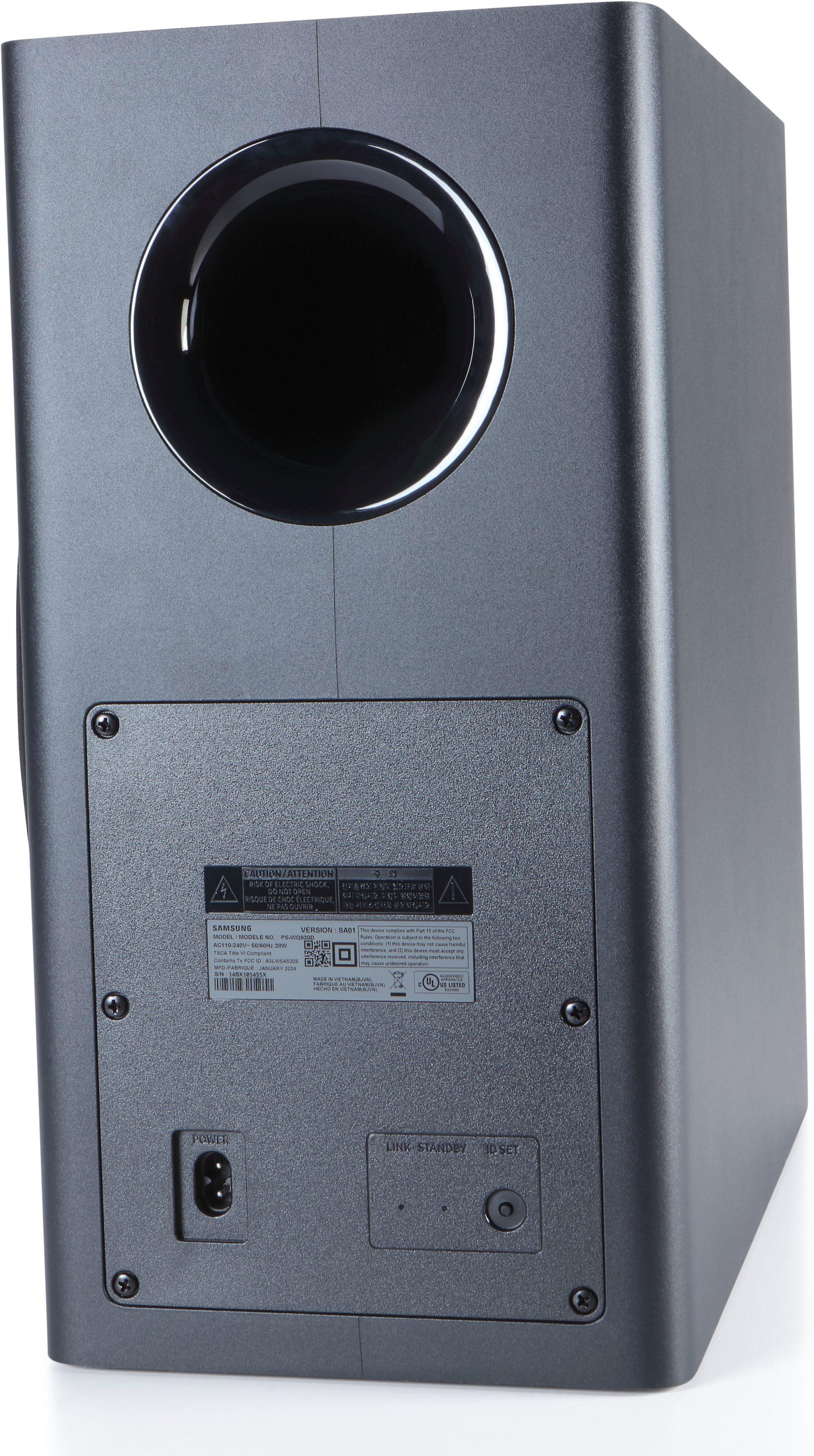
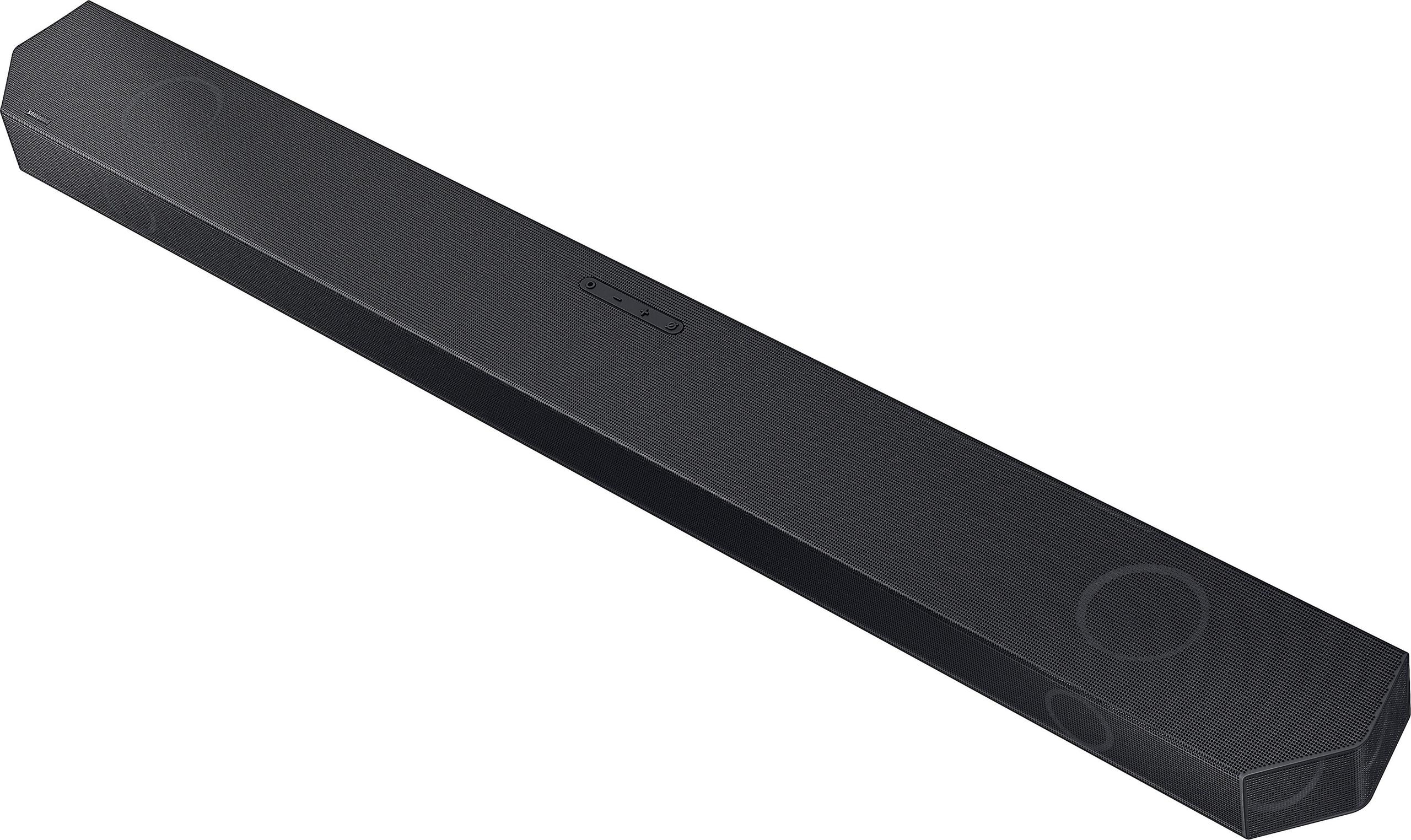
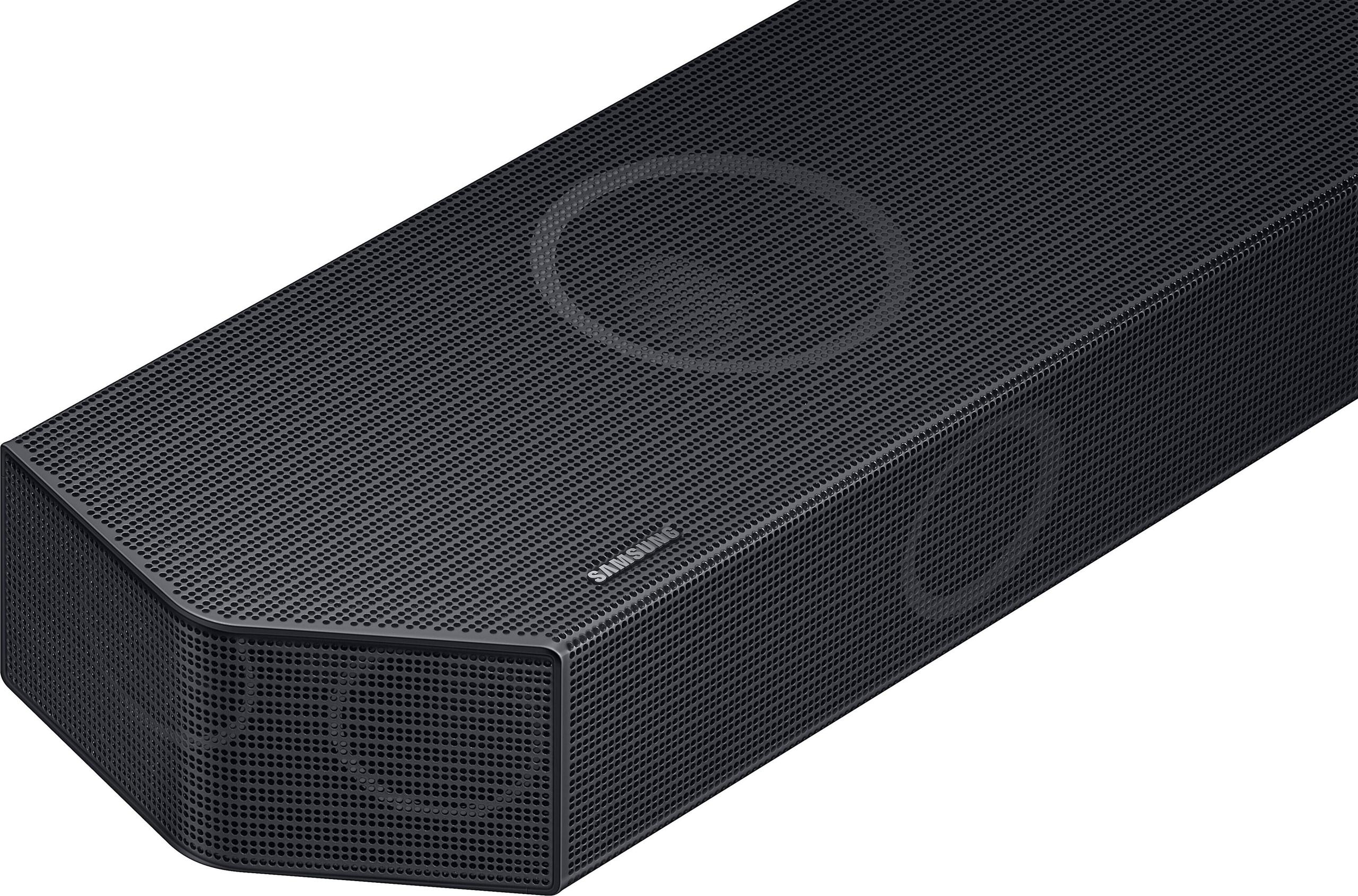
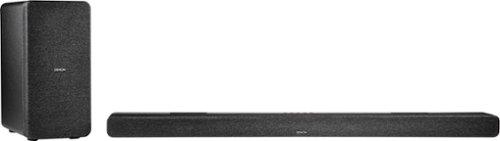
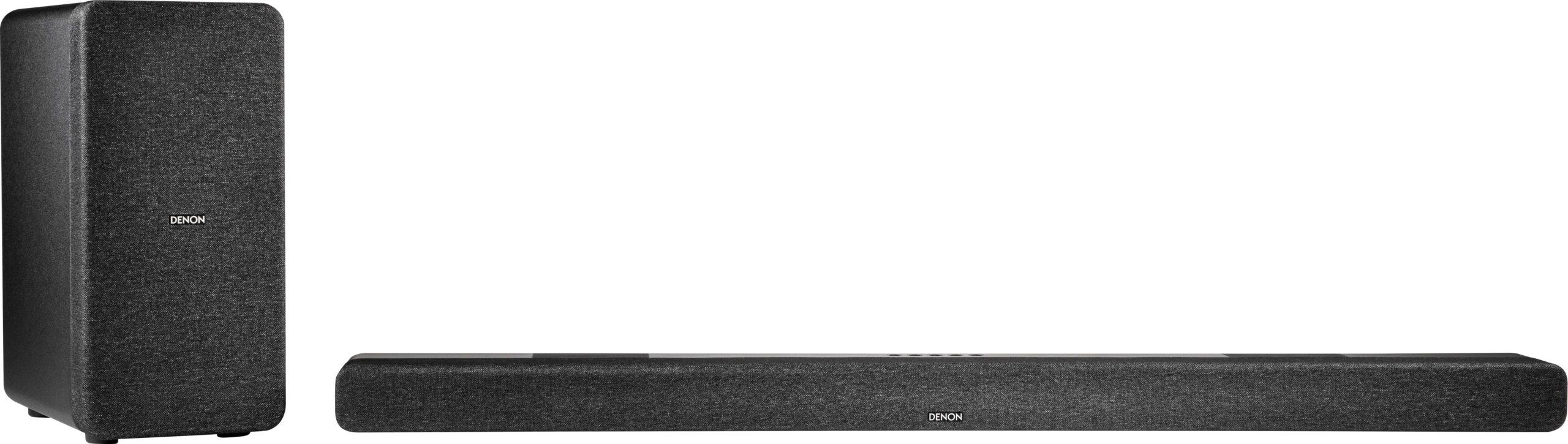
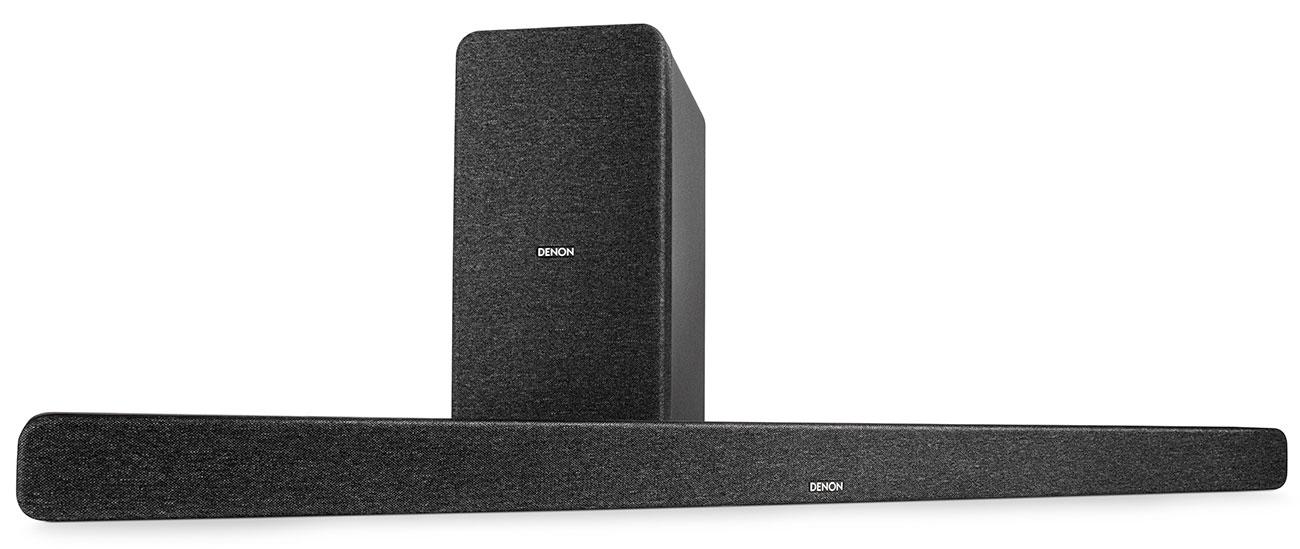
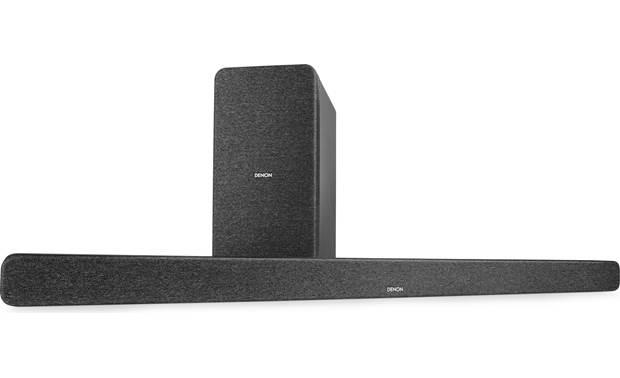
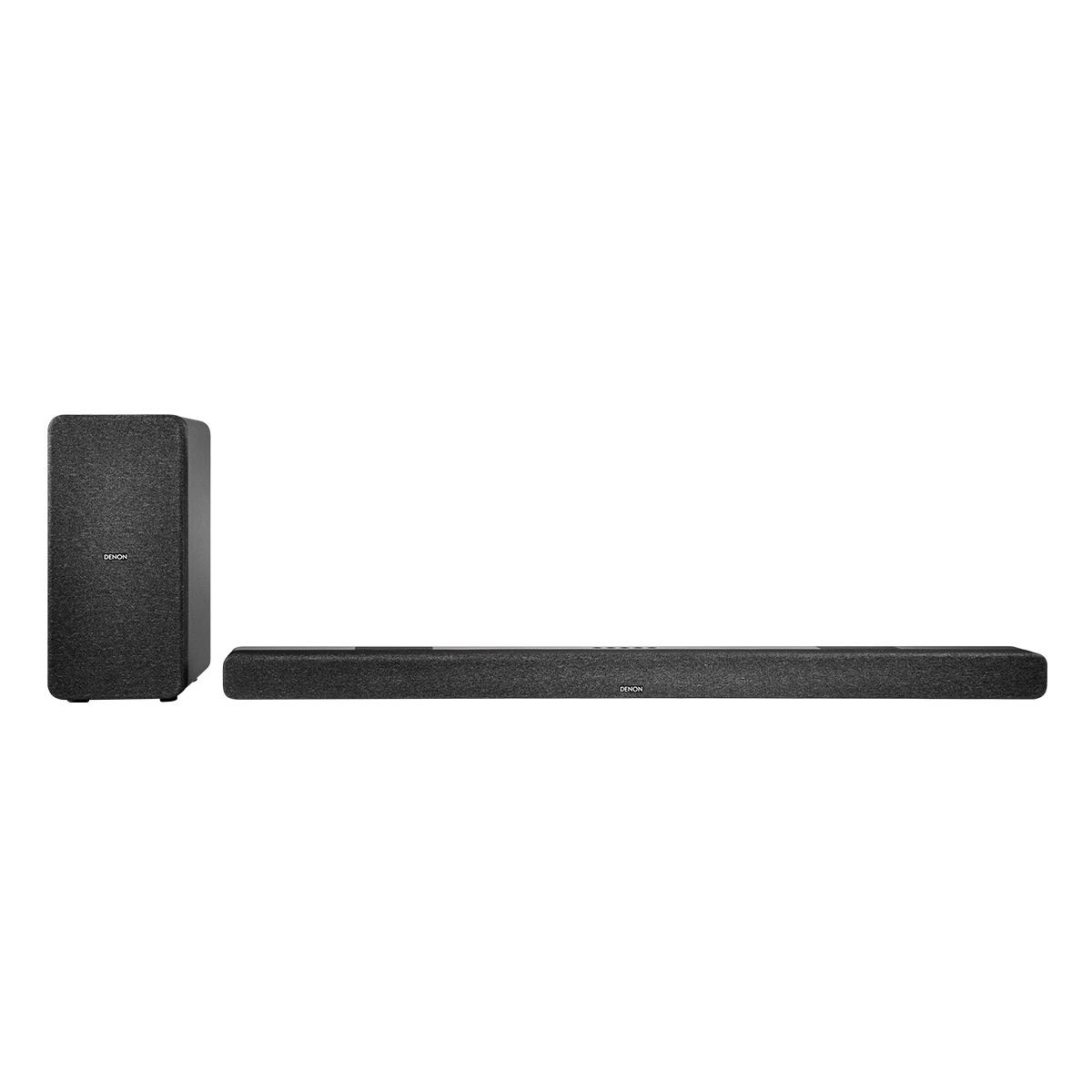
Today we're comparing two soundbars that represent completely different philosophies: the Samsung Q Series 9.1.2 Channel Soundbar at $900 and the Denon DHT-S517 Soundbar with Wireless Subwoofer at $302. One targets premium users with a complete surround system, while the other focuses on delivering core soundbar benefits without breaking the bank.
Before diving into specifics, let's establish what matters most in a soundbar. Channel configuration is probably the most important spec you'll encounter. When you see "3.1.2" or "9.1.2," those numbers tell a story. The first number represents ear-level speakers (left, center, right), the second is subwoofers, and the third indicates height channels for Dolby Atmos—that overhead audio that makes helicopters sound like they're actually flying above your couch.
Dolby Atmos deserves special attention because it's revolutionized home audio. Instead of sound coming from just in front of you, Atmos creates a three-dimensional sound bubble. Rain falls from above, planes fly overhead, and ambient sounds surround you completely. However, not all Atmos implementations are equal—some use virtual processing to simulate height effects, while others use physical upward-firing speakers.
Room size compatibility often gets overlooked, but it's crucial. A soundbar designed for large spaces will sound thin and weak in a small apartment, while a compact system will get lost in a big family room. TV integration features, especially for Samsung TV owners, can dramatically improve the user experience through technologies like Q-Symphony, which lets your TV's speakers work alongside the soundbar rather than being disabled.
The Denon DHT-S517 launched in January 2022, representing Denon's effort to bring genuine Dolby Atmos to the budget market. At the time, most affordable soundbars either skipped Atmos entirely or used virtual processing—essentially software tricks to simulate overhead audio. Denon took a different approach, including actual upward-firing speakers in a sub-$350 package.
The Samsung Q Series 9.1.2, part of Samsung's 2025 lineup, builds on years of refinement in their premium soundbar technology. Samsung has been iterating on their Q-Symphony technology since 2020, and by 2025, they've solved many of the compatibility and setup issues that plagued earlier versions. The current model represents their most mature attempt at creating a complete home theater solution in soundbar form.
This three-year gap reveals different market philosophies. When the Denon launched, including a wireless subwoofer and physical Atmos speakers at $302 was genuinely impressive. By 2025, Samsung has packed even more advanced features into their premium tier, but at a price point that reflects the complexity.
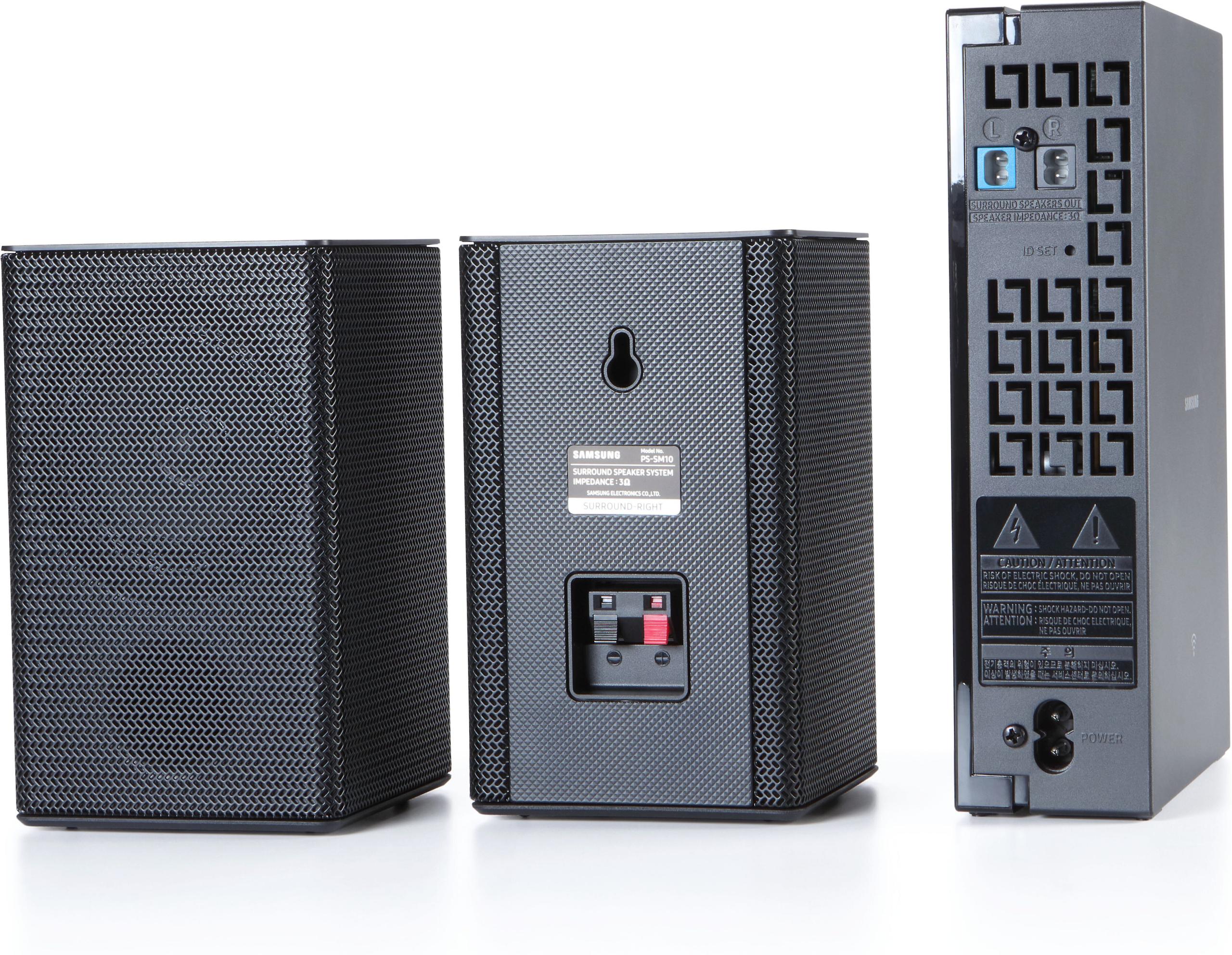
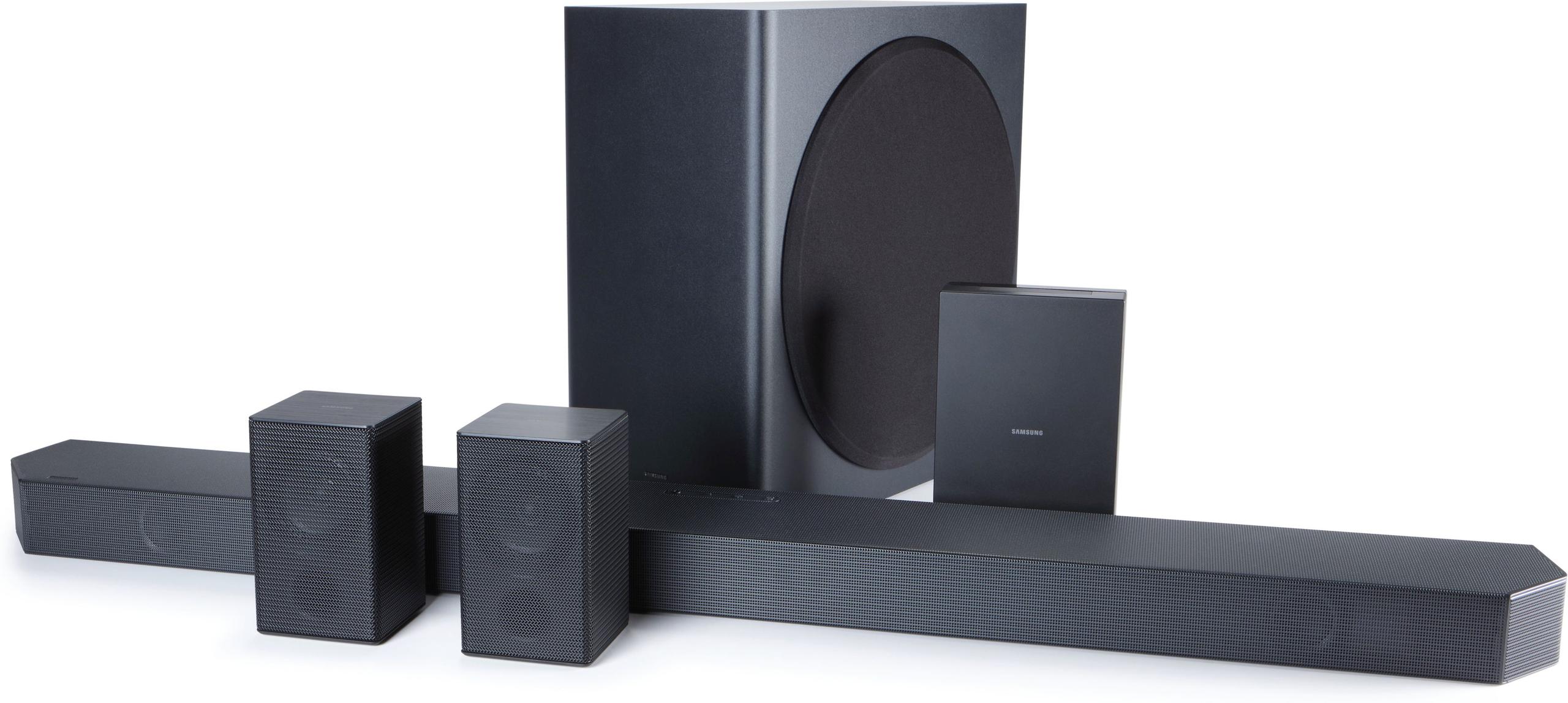
The most dramatic difference between these soundbars lies in their approach to surround sound. The Samsung Q Series 9.1.2 includes dedicated rear speakers that create authentic directional audio. When a car crashes off-screen in an action movie, you hear it coming from behind your right shoulder, not just from the general direction of your TV.
I've spent considerable time with both 3.1.2 and 9.1.2 systems, and the difference is immediately apparent. With the Samsung's rear speakers properly positioned, you get that "surrounded by sound" feeling that makes movie nights genuinely cinematic. The 9.1.2 configuration means you have nine ear-level speakers creating a complete circle of sound, plus overhead effects from the height channels.
The Denon DHT-S517, working with just front-firing drivers, does something clever with psychoacoustics—the science of how we perceive sound. Its seven-driver array creates a surprisingly wide soundstage that extends well beyond the physical boundaries of the soundbar. While you won't get true rear surround effects, the Denon does an admirable job of making action sequences feel more expansive than basic TV audio.
For smaller rooms under 12 feet deep, the Denon's approach works well because sound reflects off walls to create some sense of envelopment. In larger spaces, however, the Samsung's rear speakers become essential for maintaining that surround experience across the entire seating area.
Both soundbars support Dolby Atmos, but their implementations differ significantly. The Samsung Q Series 9.1.2 features multiple upward-firing speakers in both the main soundbar and rear units. This creates genuine overhead audio positioning—when it rains in a movie, you hear individual droplets falling from different points above your head.
Samsung's SpaceFit Sound+ technology takes this further by using room analysis to optimize these height effects. The system sends out test tones, measures how they bounce around your space, and adjusts the processing accordingly. If you have a low ceiling or your couch sits close to a wall, the system compensates automatically.
The Denon DHT-S517 uses physical 2.5-inch upward-firing drivers—not virtual processing like many budget competitors. This matters because real upward-firing speakers create more convincing height effects than software simulation. However, with only front-mounted height channels, the overhead soundstage is narrower than what you get from the Samsung's distributed approach.
In practice, both deliver noticeable Atmos effects, but the Samsung creates a more complete overhead soundscape. The Denon's approach works particularly well for dialogue-heavy content where atmospheric sounds enhance immersion without overwhelming the mix.
The subwoofer game reveals interesting engineering choices. Samsung's wireless subwoofer includes Auto Sub EQ technology, which uses internal microphones to measure room acoustics and automatically adjust bass response. This matters because subwoofer placement dramatically affects how bass sounds—too close to a corner and you get boomy, overwhelming low-end; too far from walls and bass sounds thin.
I've found Samsung's auto-calibration genuinely helpful, especially when you can't place the subwoofer in the acoustically ideal spot. The system identifies problem frequencies and reduces them while boosting others to create more balanced bass response.
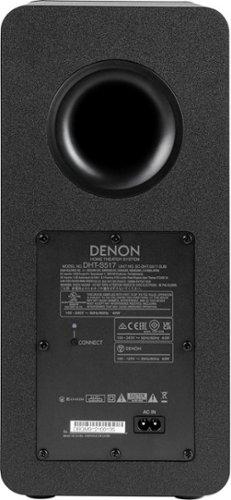
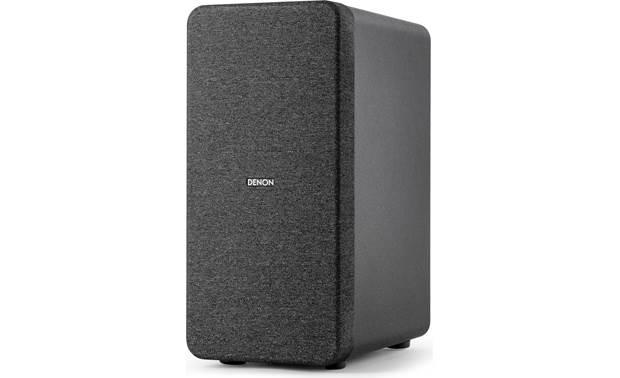
The Denon DHT-S517 takes a more traditional approach with its 100-watt wireless subwoofer. It delivers impressive bass impact for the price, though some users report slight boominess in smaller rooms. The lack of automatic room correction means you might need to experiment with subwoofer placement to find the sweet spot.
Both subwoofers connect wirelessly, eliminating the need to run cables across your room. However, Samsung's more sophisticated bass management gives it an edge in difficult room situations.
Nothing ruins a movie night faster than constantly rewinding to catch dialogue you missed. Both soundbars address this differently. The Samsung Q Series 9.1.2 uses Active Voice Amplifier (AVA) technology, which analyzes incoming audio in real-time and automatically boosts dialogue frequencies when it detects background noise or music that might mask voices.
This automatic approach works seamlessly across different content types. Whether you're watching a whisper-quiet drama or an explosion-heavy action film, the Samsung continuously adjusts to keep voices clear and present.
The Denon DHT-S517 offers manual control through its Dialogue Enhancer feature, with Low, Medium, and High settings. While this requires more user intervention, it provides precise control over how much dialogue boost you want. Some viewers prefer this approach because they can tailor the effect to their hearing preferences and room acoustics.
Both systems include dedicated center channels—crucial for dialogue reproduction—but Samsung's automatic optimization gives it an advantage for users who want set-and-forget operation.
The three-year gap between these products shows dramatically in their smart features. The Samsung Q Series 9.1.2 includes built-in Alexa, AirPlay 2, Chromecast, and direct connectivity to high-resolution streaming services like Spotify Hi-Fi and Tidal Connect. You can ask Alexa to play music, adjust volume, or control other smart home devices directly through the soundbar.
Samsung's Q-Symphony technology, when paired with compatible Samsung TVs, creates something unique in the soundbar world. Instead of disabling your TV's speakers when the soundbar connects, Q-Symphony uses both simultaneously. Your TV's speakers handle certain frequency ranges while the soundbar manages others, creating a larger, more enveloping soundstage.
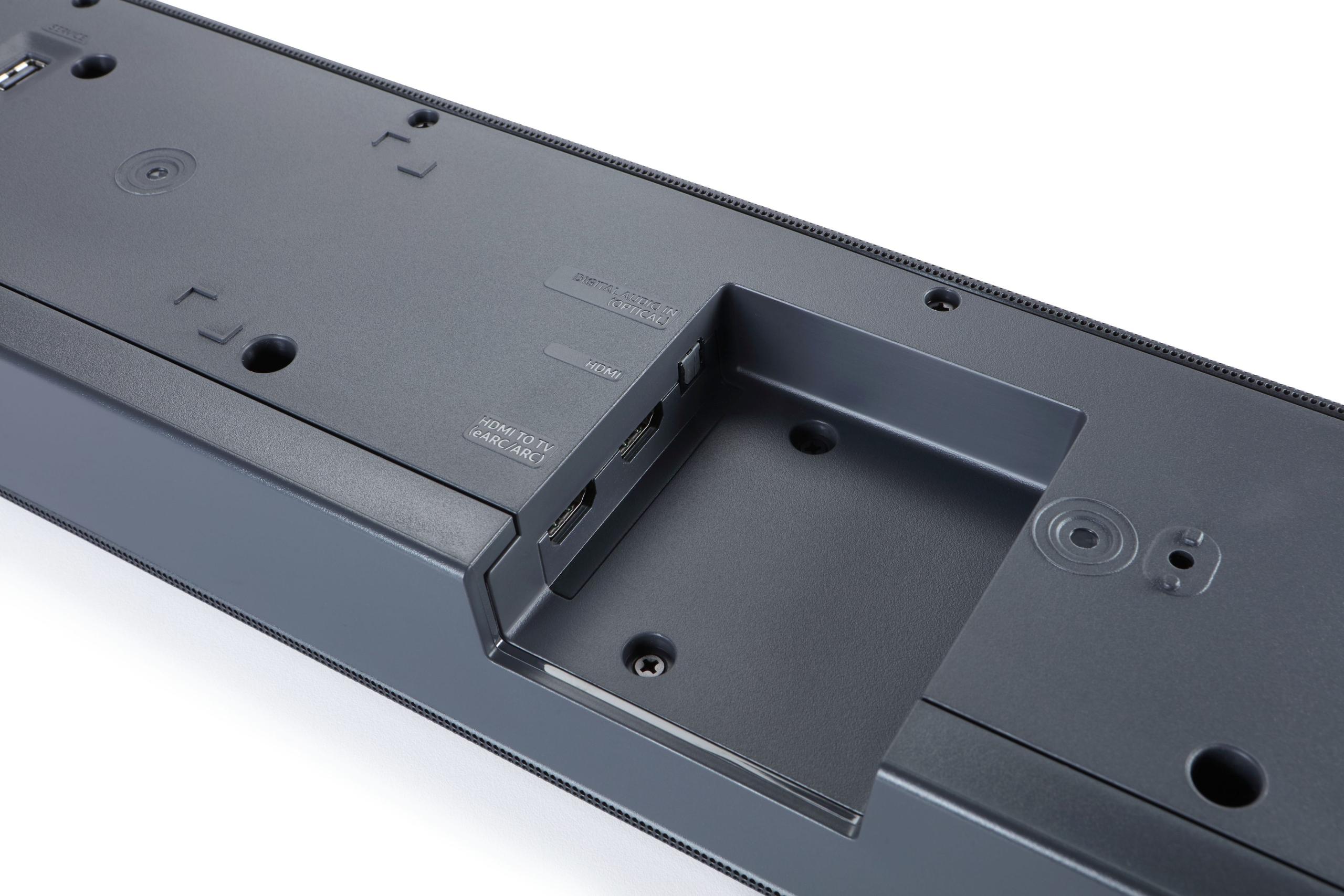
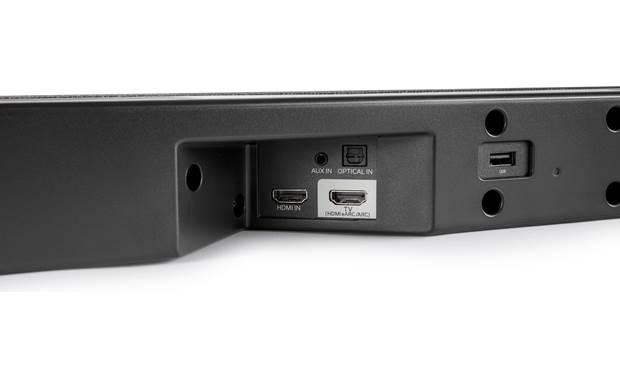
The Denon DHT-S517 keeps things simpler with Bluetooth 5.0 streaming and HDMI eARC connectivity. While it lacks voice assistants and advanced streaming protocols, this simplicity can be an advantage for users who prefer straightforward operation without the complexity of smart features.
At $900, the Samsung Q Series 9.1.2 asks for serious money, but you're getting a complete 9.1.2 surround system with rear speakers, wireless subwoofer, and advanced room calibration. Break this down per channel and you're paying roughly $100 per channel for a premium audio experience.
The Denon DHT-S517 at $302 represents exceptional value in the soundbar market. You get genuine Dolby Atmos with physical upward-firing speakers, a wireless subwoofer, and solid build quality for about $60 per channel. This pricing makes high-quality audio accessible to budget-conscious buyers who still want meaningful improvement over TV speakers.
The value equation depends heavily on your priorities and room setup. In a small apartment where rear speakers might be impractical, the Denon delivers 80% of the Samsung's performance at one-third the price. For larger rooms or dedicated home theater spaces, the Samsung's additional investment pays off in dramatically improved immersion.
For serious home theater use, room size becomes the primary consideration. The Samsung Q Series 9.1.2 truly shines in rooms where you can properly position the rear speakers 6-8 feet behind your seating area. This allows the full 9.1.2 surround experience to work as intended, creating that enveloping soundscape that makes movies feel cinematic.
Ceiling height also matters for Dolby Atmos performance. Both soundbars work best with 8-10 foot ceilings—high enough for upward-firing speakers to reflect properly, but not so high that the sound dissipates before reaching your ears.
The Denon DHT-S517 excels in smaller theater setups where simplicity and space constraints matter more than ultimate immersion. Its compact design and straightforward setup make it ideal for apartments, bedrooms, or secondary viewing areas.
Every design involves compromises. The Samsung Q Series 9.1.2 requires more complex setup with multiple components to position and calibrate. Its premium features may overwhelm users who just want better TV audio without the complexity. Additionally, Q-Symphony's best features require a compatible Samsung TV, limiting its appeal for other TV brands.
The Denon DHT-S517 sacrifices surround immersion for simplicity and affordability. Without rear speakers, you miss the full enveloping experience that makes premium soundbars special. Its basic smart features also mean missing out on voice control and high-resolution streaming that many users now expect.
Choose the Samsung Q Series 9.1.2 if you have the budget for a $900+ investment and want maximum immersion. It's particularly compelling for Samsung TV owners who can leverage Q-Symphony, and for anyone with a room larger than 15 feet where rear speakers can be properly positioned. The automatic calibration and advanced features make it relatively future-proof as streaming services continue adding Atmos content.
Choose the Denon DHT-S517 if you want genuine improvement over TV speakers without premium pricing. It's perfect for smaller rooms, first-time soundbar buyers, or anyone who prioritizes simplicity. The included subwoofer and real Atmos speakers at $302 represent exceptional value that's hard to match.
The $600 price difference reflects genuinely different target audiences and use cases. Both soundbars succeed at their intended purpose—the Samsung delivers premium theater-grade audio with comprehensive features, while the Denon provides core soundbar benefits with impressive bass at an accessible price point. Your room size, budget, and complexity preferences should guide your choice more than specifications alone.
| Samsung Q Series 9.1.2 Channel Soundbar | Denon DHT-S517 Soundbar with Wireless Subwoofer |
|---|---|
| Price - Budget impact and value positioning | |
| $899.99 (premium tier with complete surround system) | $302.34 (exceptional value for genuine Dolby Atmos) |
| Channel Configuration - Determines surround sound quality | |
| 9.1.2 channels (9 ear-level, 1 subwoofer, 2 height) | 3.1.2 channels (3 front, 1 subwoofer, 2 height) |
| Included Components - What's in the box affects total value | |
| Rear speaker kit + wireless subwoofer (complete system) | Wireless subwoofer only (no rear speakers) |
| Dolby Atmos Implementation - Real vs simulated overhead audio | |
| Multiple physical up-firing speakers front and rear | Physical 2.5" up-firing drivers (front only) |
| Room Calibration - Automatic vs manual sound optimization | |
| SpaceFit Sound+ with automatic room analysis | Manual sound modes (Movie, Music, Night) |
| Smart Features - Voice control and streaming capabilities | |
| Built-in Alexa, AirPlay 2, Chromecast, Hi-Fi streaming | Bluetooth 5.0 streaming only |
| TV Integration - Special features for TV compatibility | |
| Q-Symphony (works with Samsung TVs to use TV + soundbar speakers) | Standard HDMI eARC (universal TV compatibility) |
| Dialogue Enhancement - Automatic vs manual voice clarity | |
| Active Voice Amplifier (automatic real-time adjustment) | Dialogue Enhancer (3 manual settings: Low/Medium/High) |
| Bass Management - Subwoofer optimization technology | |
| Auto Sub EQ with room-based frequency correction | 100W wireless subwoofer with manual positioning |
| Ideal Room Size - Where each performs best | |
| Large rooms 15+ feet (rear speakers need proper spacing) | Small to medium rooms under 15 feet |
The Denon DHT-S517 at $302 offers exceptional value with genuine Dolby Atmos, physical up-firing speakers, and a wireless subwoofer. The Samsung Q Series 9.1.2 at $900 provides premium features like rear speakers and room calibration, making it better value for large rooms and serious home theater setups.
The Samsung Q Series 9.1.2 has 9 ear-level speakers creating true 360-degree surround sound with included rear speakers. The Denon DHT-S517 uses 3 front-facing speakers that create a wide soundstage but can't match the immersive surround experience of dedicated rear channels.
Yes, both support Dolby Atmos with physical up-firing speakers. The Samsung Q Series 9.1.2 has multiple height channels in both front and rear units for fuller overhead audio. The Denon DHT-S517 uses 2.5-inch up-firing drivers in the main soundbar only, still delivering genuine Atmos effects at a budget price.
The Denon DHT-S517 works excellently in small to medium rooms under 15 feet, where its front-firing design and wireless subwoofer provide great sound without requiring rear speaker placement. The Samsung Q Series 9.1.2 needs proper rear speaker positioning to perform optimally, making it better suited for larger spaces.
The Samsung Q Series 9.1.2 includes built-in Alexa, AirPlay 2, Chromecast, and high-resolution streaming support. The Denon DHT-S517 focuses on simplicity with Bluetooth 5.0 streaming and HDMI eARC connectivity, making it easier to use but with fewer smart home integration options.
Both include wireless subwoofers, but the Samsung Q Series 9.1.2 features Auto Sub EQ technology that automatically calibrates bass for your room. The Denon DHT-S517 has a powerful 100-watt subwoofer that delivers impressive bass impact but requires manual placement optimization for best results.
The Samsung Q Series 9.1.2 uses Active Voice Amplifier technology that automatically enhances dialogue in real-time based on background noise. The Denon DHT-S517 offers manual Dialogue Enhancer with three intensity levels, giving users direct control over voice clarity but requiring manual adjustment.
The Denon DHT-S517 works with any TV through HDMI eARC or optical connections. The Samsung Q Series 9.1.2 also connects to any TV, but Samsung TV owners get additional benefits through Q-Symphony technology that uses both TV and soundbar speakers simultaneously.
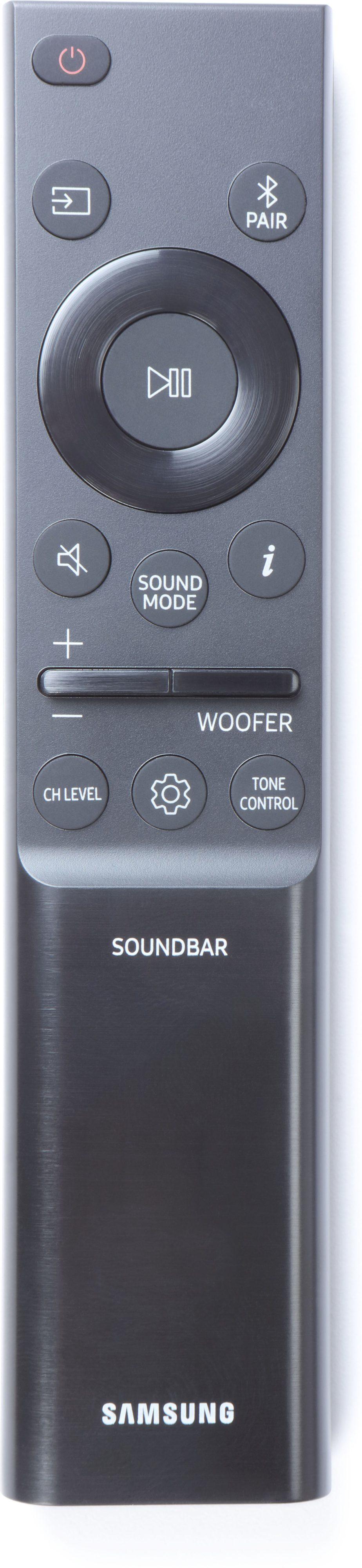
The Samsung Q Series 9.1.2 includes the main soundbar, wireless rear speakers, wireless subwoofer, and remote control for a complete surround system. The Denon DHT-S517 comes with the soundbar, wireless subwoofer, and remote control but no rear speakers.
For dedicated home theater rooms over 15 feet, the Samsung Q Series 9.1.2 provides superior immersion with its complete 9.1.2 surround setup and rear speakers. The Denon DHT-S517 works well for casual movie watching in smaller spaces but can't match the cinematic experience of true surround sound.
The Denon DHT-S517 offers simple plug-and-play setup with automatic subwoofer pairing and basic sound modes. The Samsung Q Series 9.1.2 requires positioning multiple speakers and running calibration, but includes SpaceFit Sound+ for automatic room optimization once positioned properly.
Choose the Denon DHT-S517 at $302 if you want significant audio improvement over TV speakers with genuine Atmos support on a budget. Select the Samsung Q Series 9.1.2 at $900 if you can invest in premium features and have a larger room where the complete surround system can shine.
We've done our best to create useful and informative comparisons to help you decide what product to buy. Our research uses advanced automated methods to create this comparison and perfection is not possible - please contact us for corrections or questions. These are the sites we've researched in the creation of this article: rtings.com - samsung.com - markselectrical.co.uk - techradar.com - walmart.com - samsung.com - samsung.com - youtube.com - samsung.com - biancos.com - crutchfield.com - samsung.com - techradar.com - consumerreports.org - crutchfield.com - bestbuy.com - bestbuy.com - pocket-lint.com - abt.com - manuals.denon.com - connectedmag.com.au - bestbuy.com - forum.flirc.tv - bhphotovideo.com

Privacy Policy
Terms and Conditions - Affiliate Policy
Home Security
© Copyright 2008-2026.
11816 Inwood Rd #1211, Dallas, TX 75244