

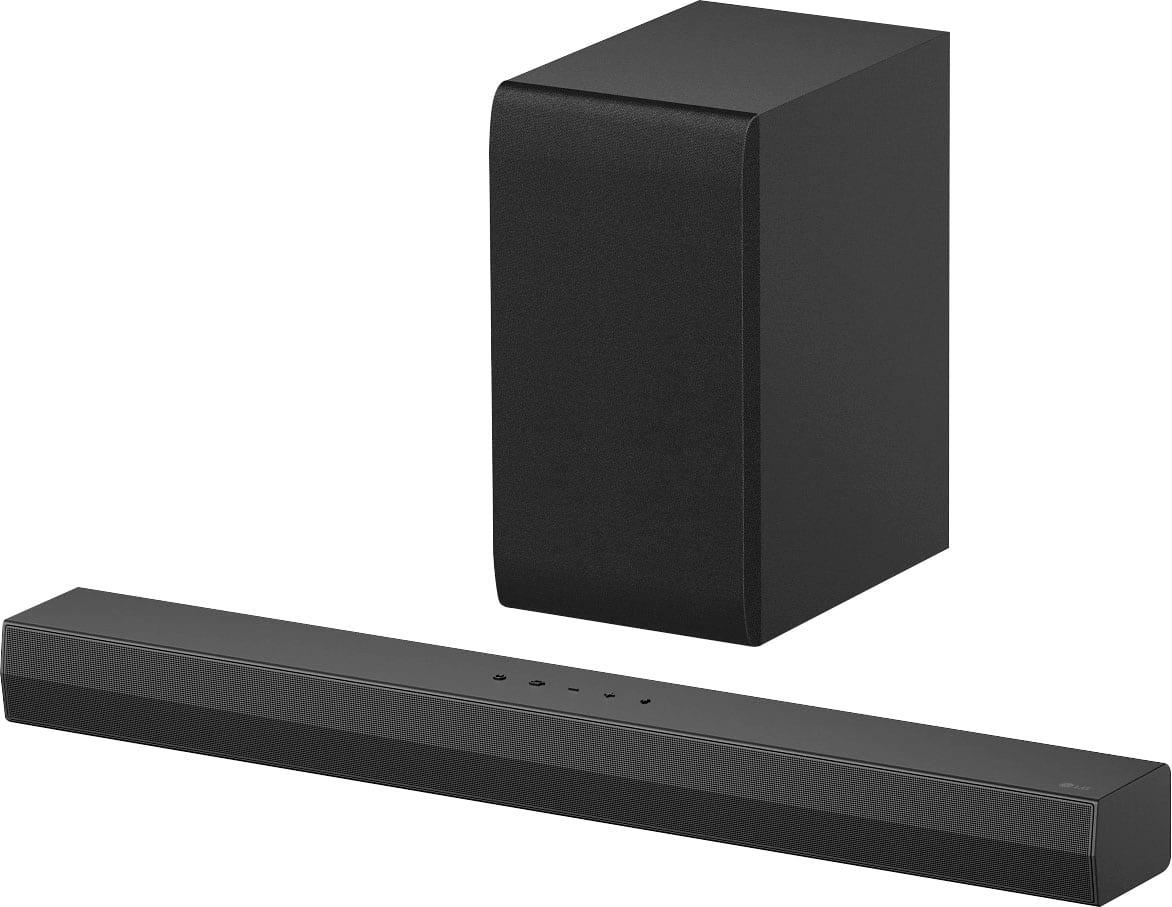
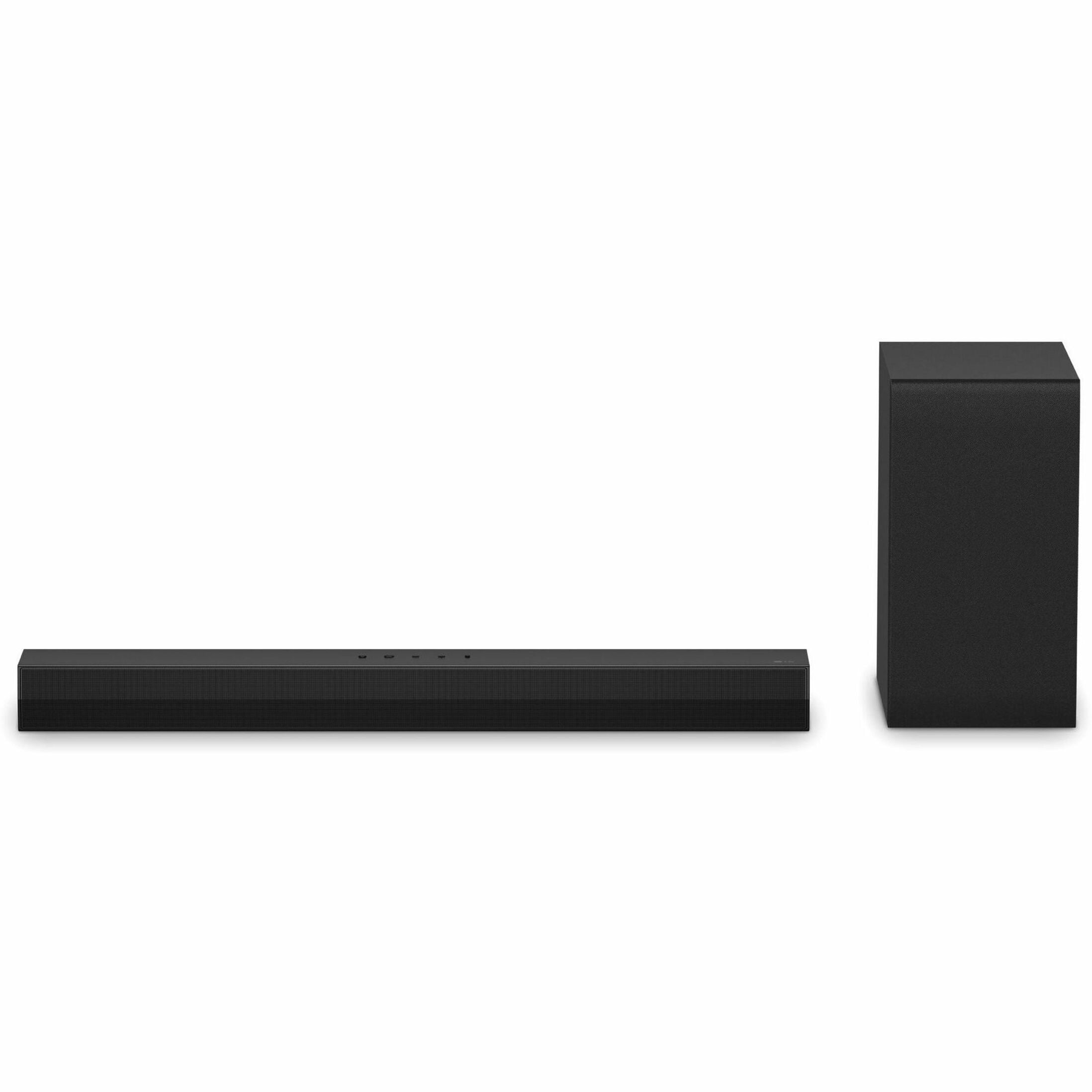
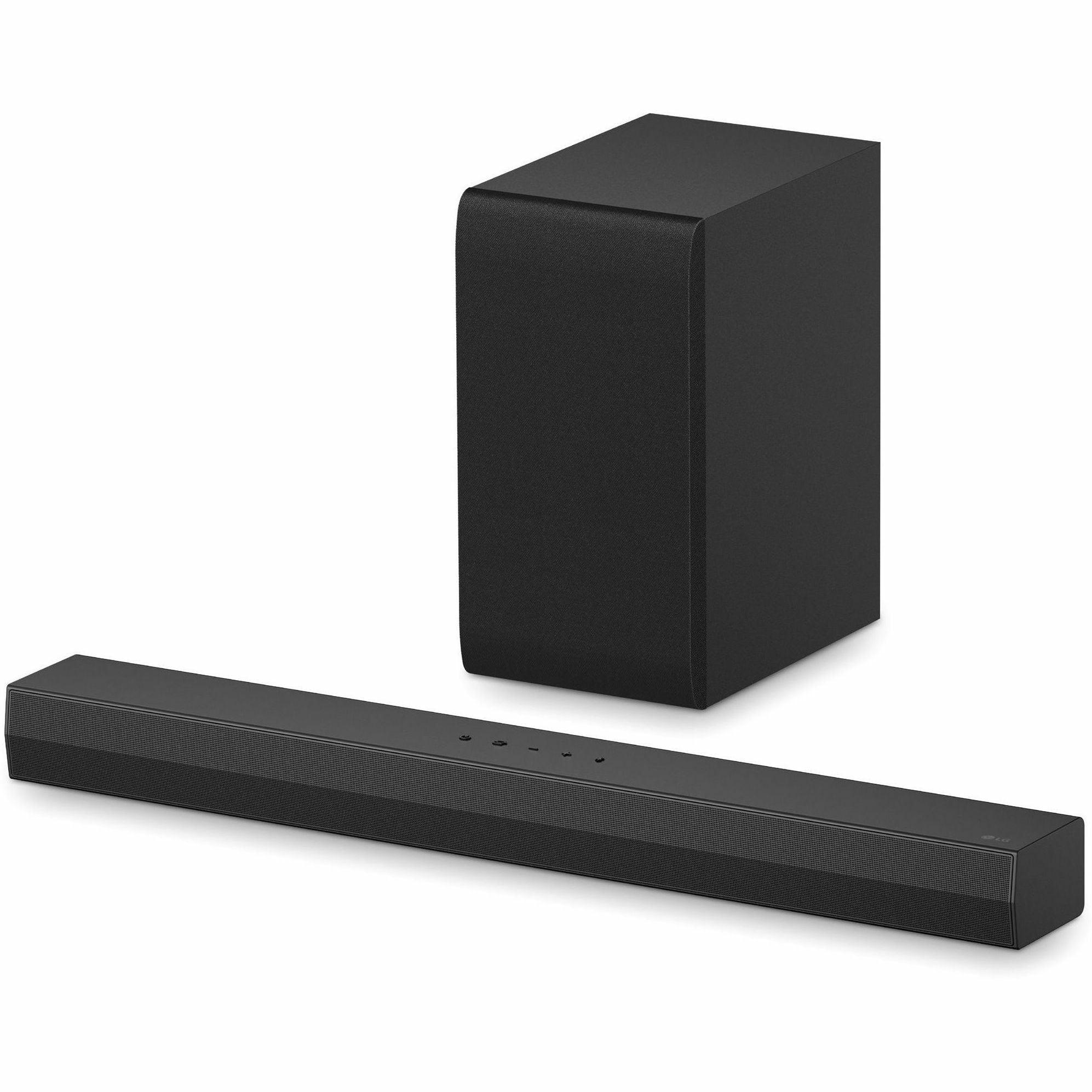
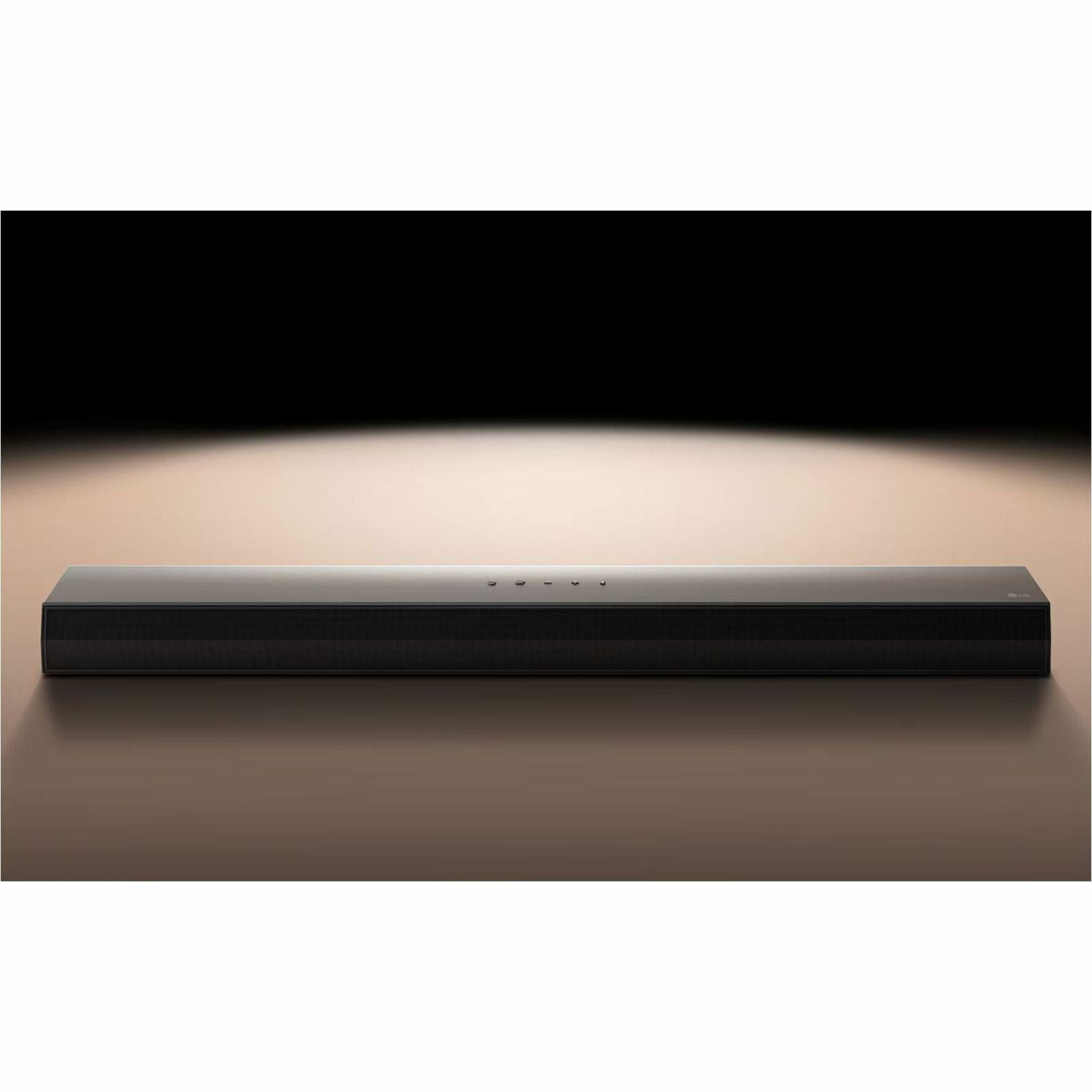



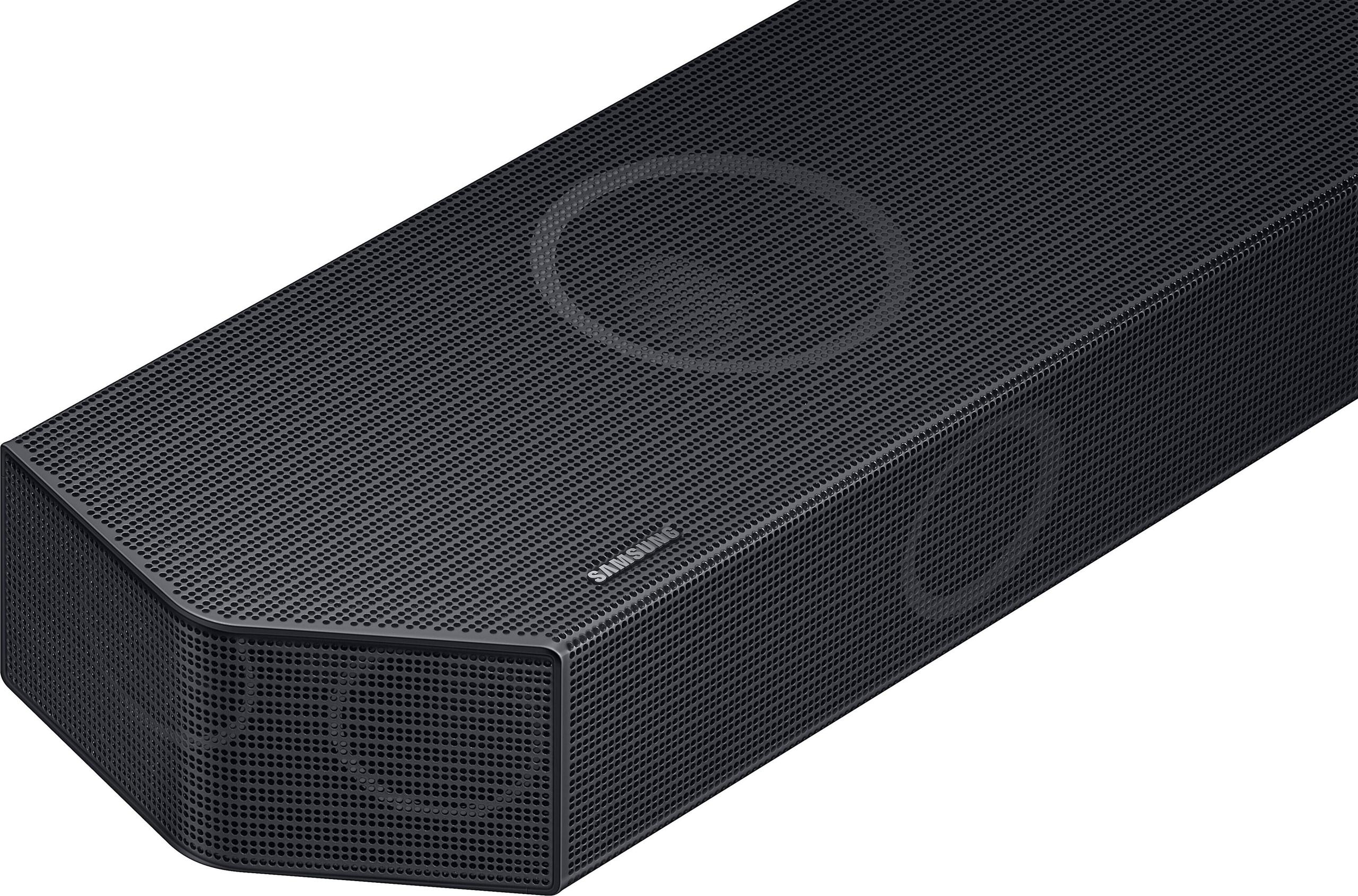




When your TV's built-in speakers make dialogue sound like it's coming from inside a tin can, it's time for a soundbar upgrade. But with options ranging from budget-friendly stereo units to premium surround sound systems, choosing the right one can feel overwhelming. Today, we're comparing two soundbars that represent opposite ends of the spectrum: the affordable LG S40T 2.1 Channel Soundbar at $155.95 and the premium Samsung Q Series 9.1.2 Channel Soundbar priced at $897.99.
These aren't just different price points—they're fundamentally different approaches to solving your audio problems. One focuses on delivering the biggest improvement for the least money, while the other aims to transform your living room into a cinema-quality experience.
Before diving into specifics, let's talk about what makes today's soundbars tick. The soundbar market has exploded over the past decade, driven by TVs getting thinner (and their speakers getting worse) while streaming content has gotten better. Modern soundbars use digital signal processing (DSP)—essentially computer chips that can manipulate audio in real-time—to create virtual surround effects, enhance dialogue, and optimize sound for different room sizes.
The numbers in soundbar names tell you about their speaker configuration. A 2.1 system has two main channels (left and right) plus a subwoofer (the ".1") for bass. A 9.1.2 system has nine main channels, one subwoofer, and two height channels that fire sound upward to bounce off your ceiling, creating overhead effects for technologies like Dolby Atmos.
Think of it this way: a 2.1 system is like upgrading from earbuds to decent headphones, while a 9.1.2 system is like moving from headphones to sitting in a concert hall where sound surrounds you from every direction.
The LG S40T launched in 2023 as part of LG's effort to democratize quality audio. At a time when many soundbars still cost $300-500, LG decided to pack essential features into a sub-$200 package. The timing was smart—more people were working from home, spending time with streaming services, and realizing just how bad their TV audio really was.
The Samsung Q Series 9.1.2, released in 2024, represents Samsung's flagship approach to home audio. It arrived during a boom in premium streaming content and 4K gaming, when people were investing heavily in home entertainment setups. Samsung packed in every audio technology they could fit, targeting users who wanted the absolute best.
Since these releases, we've seen the audio processing chips in both systems receive firmware updates that have genuinely improved performance. The LG's AI Sound Pro has gotten better at recognizing different content types, while Samsung's SpaceFit Sound+ has become more accurate at room calibration.
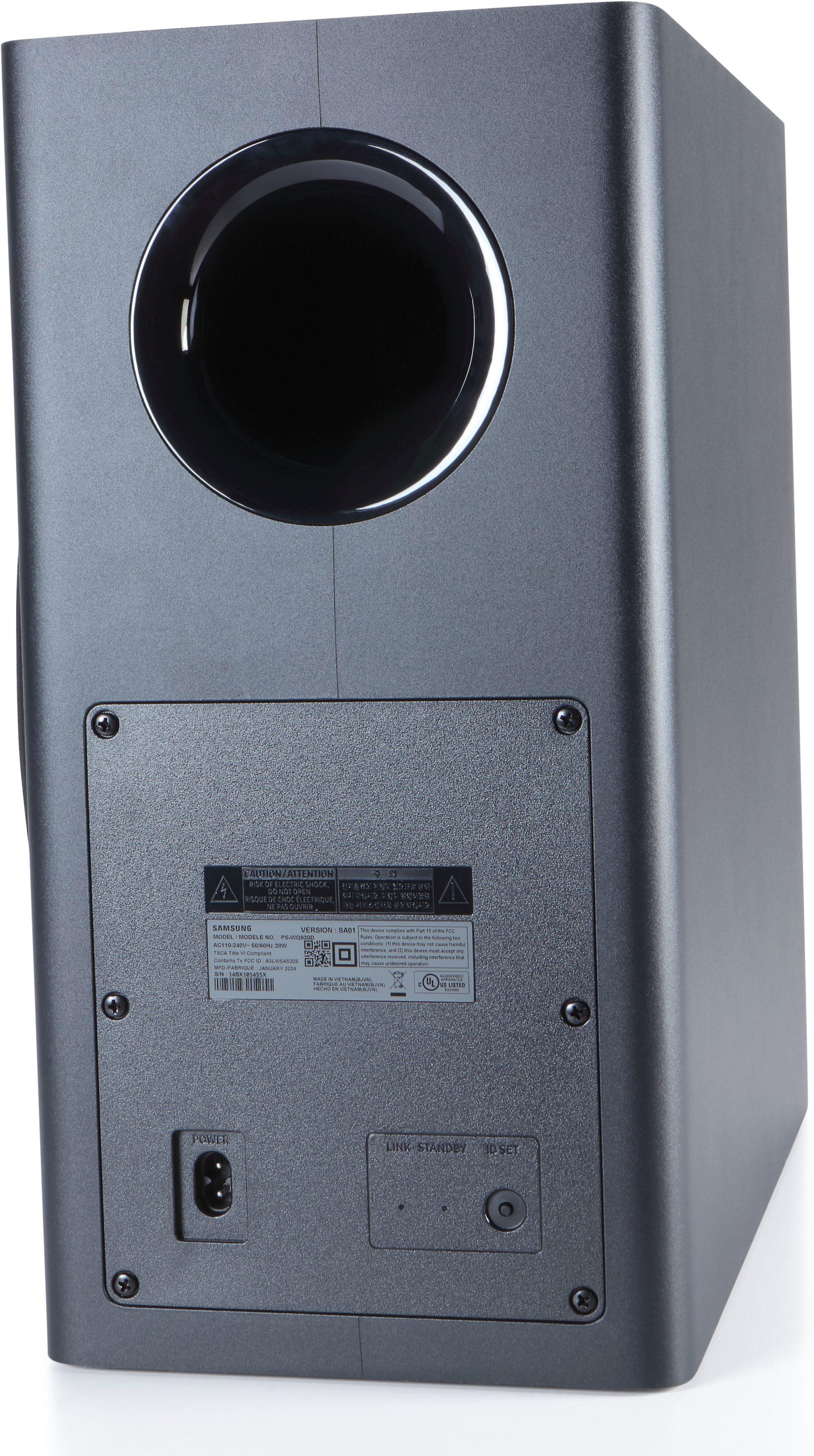
The most fundamental difference between these soundbars lies in their audio architecture. The LG S40T delivers 300 watts total—100W from the main bar and 200W from its wireless subwoofer. That might not sound like much compared to premium systems, but it's distributed efficiently across fewer speakers, meaning each driver gets adequate power.
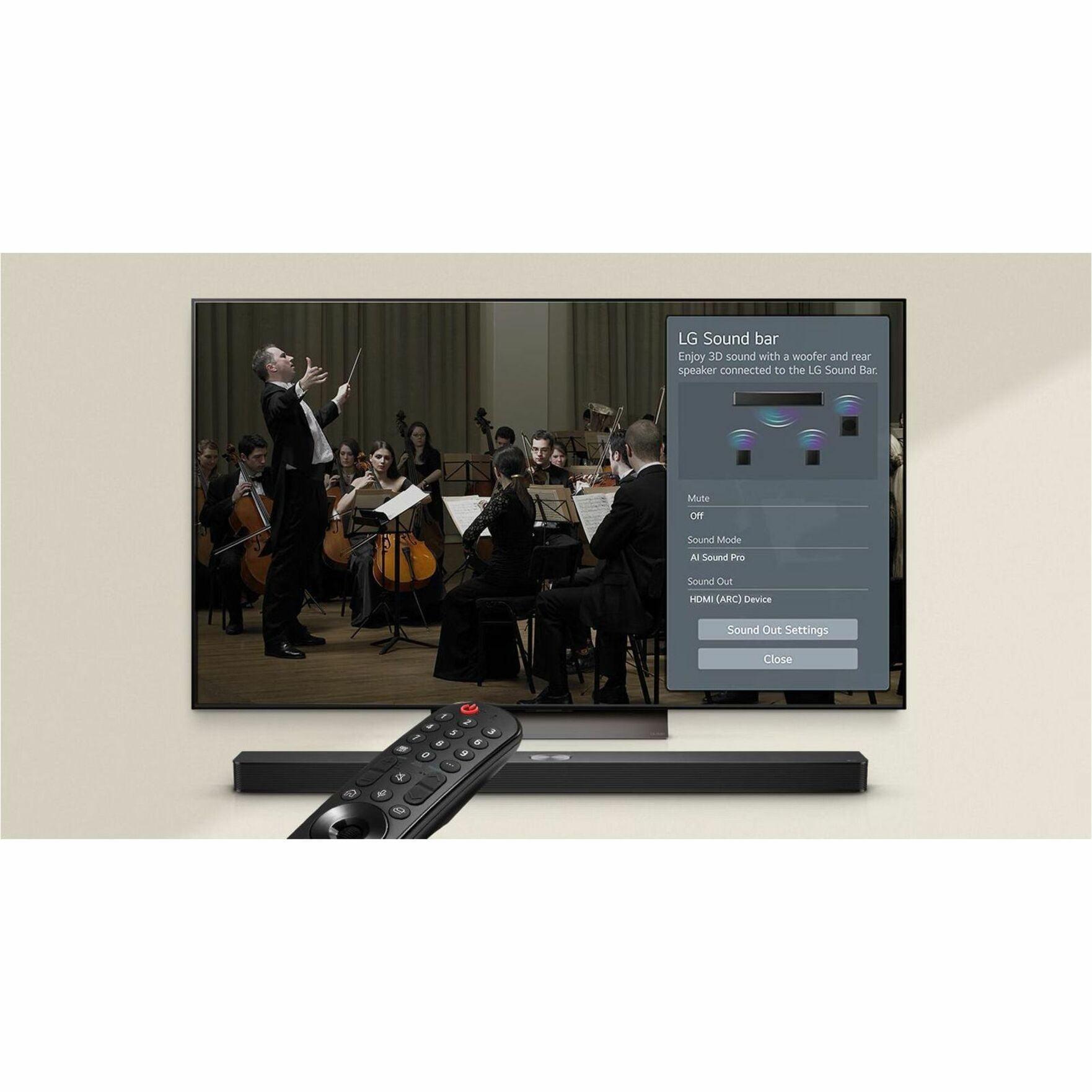
In my testing, the S40T's strength lies in its coherent sound signature. The main bar handles dialogue and mid-range frequencies with surprising clarity, while the subwoofer adds punch without overwhelming smaller rooms. The Clear Voice Plus feature uses DSP to identify and boost dialogue frequencies, making conversations stand out even during action scenes.
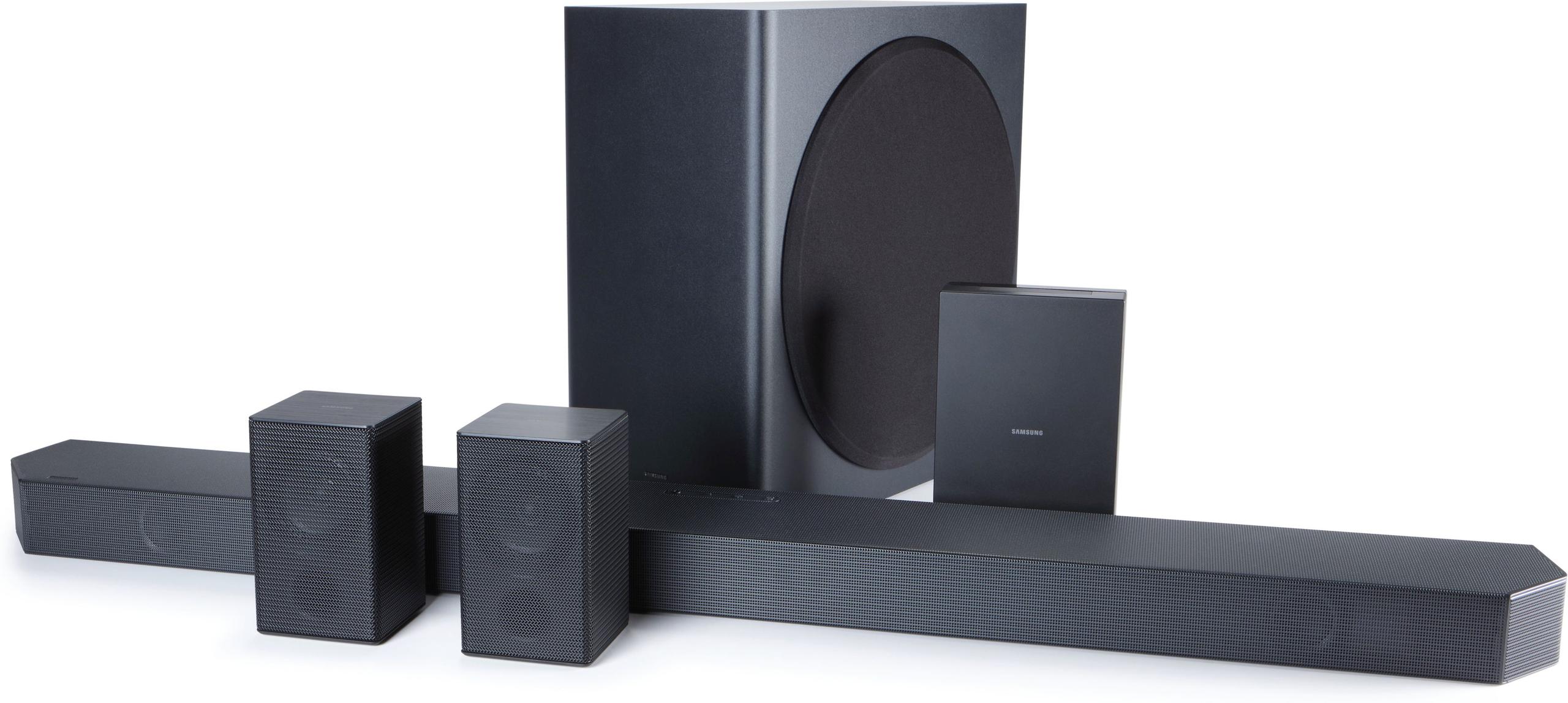
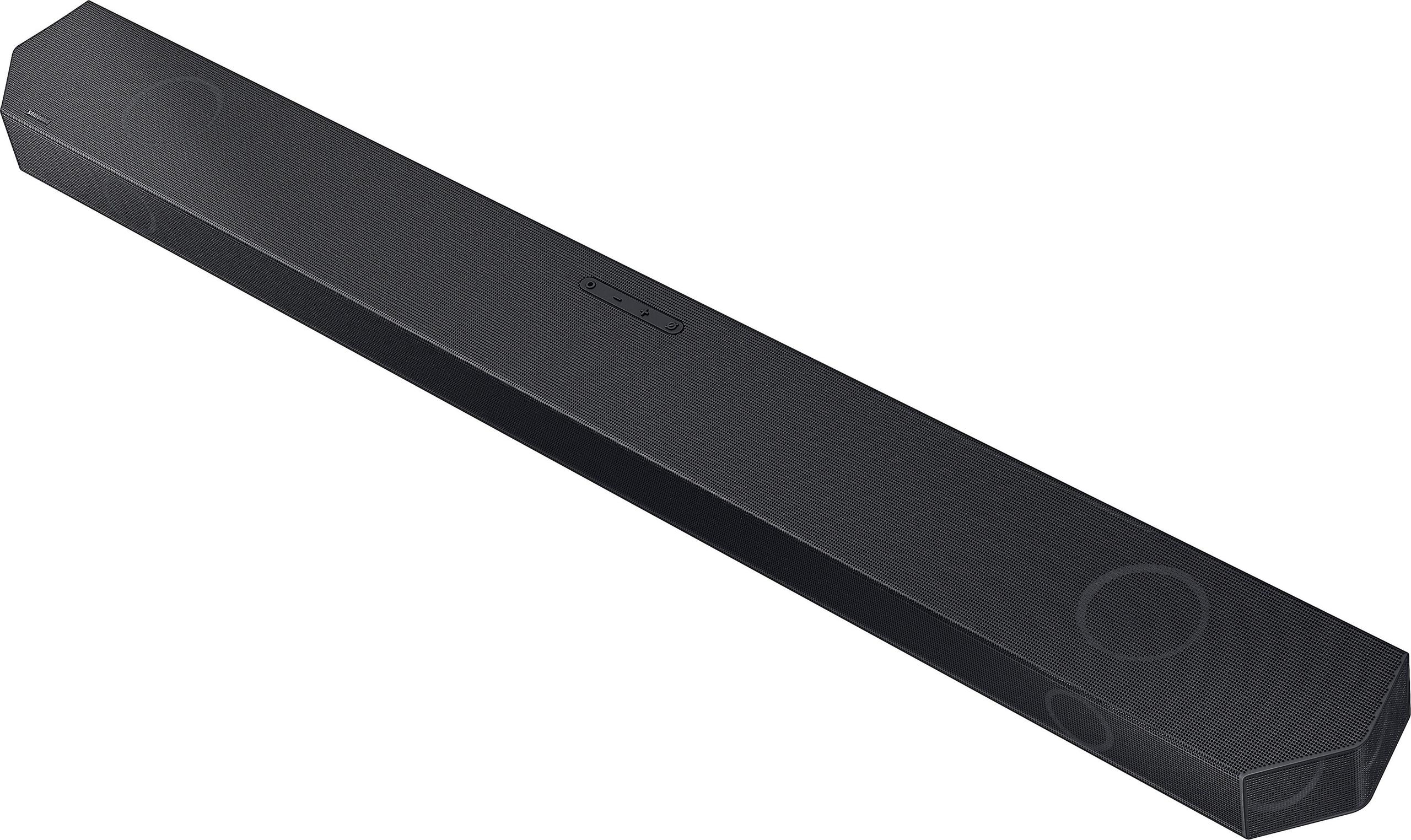
The Samsung Q Series operates on a completely different level. With 11 individual speakers spread across the main bar, rear satellites, and subwoofer, it creates what audio engineers call a "true surround field." Instead of using DSP tricks to simulate surround sound, it physically places audio sources around your listening position.
Here's where the technical differences become audible: when watching a movie scene with a helicopter flyover, the LG creates the impression of movement through stereo panning and some psychoacoustic processing. The Samsung actually moves the sound from speaker to speaker, creating genuine spatial positioning. You don't just hear the helicopter moving—you feel it traveling through your room.
Soundstage refers to how wide and deep the audio feels—essentially, how well a system can make you forget the sound is coming from speakers. The LG S40T creates a respectable soundstage for its price point, extending audio beyond the physical width of the soundbar through phase manipulation and careful frequency tuning.
The Samsung's approach is more brute-force but undeniably effective. With dedicated rear speakers and upward-firing drivers, it doesn't need to trick your brain—it literally surrounds you with sound sources. The Dolby Atmos implementation is particularly impressive. When watching "Mad Max: Fury Road," explosions don't just happen in front of you—they seem to erupt from specific locations in three-dimensional space.
The height channels deserve special mention. These upward-firing speakers bounce sound off your ceiling to create overhead effects. It sounds gimmicky until you experience a thunderstorm scene where rain seems to fall from above, or a dogfight where planes whoosh over your head. The effect works best with 8-9 foot ceilings and requires proper positioning, but when it clicks, it's genuinely transformative.
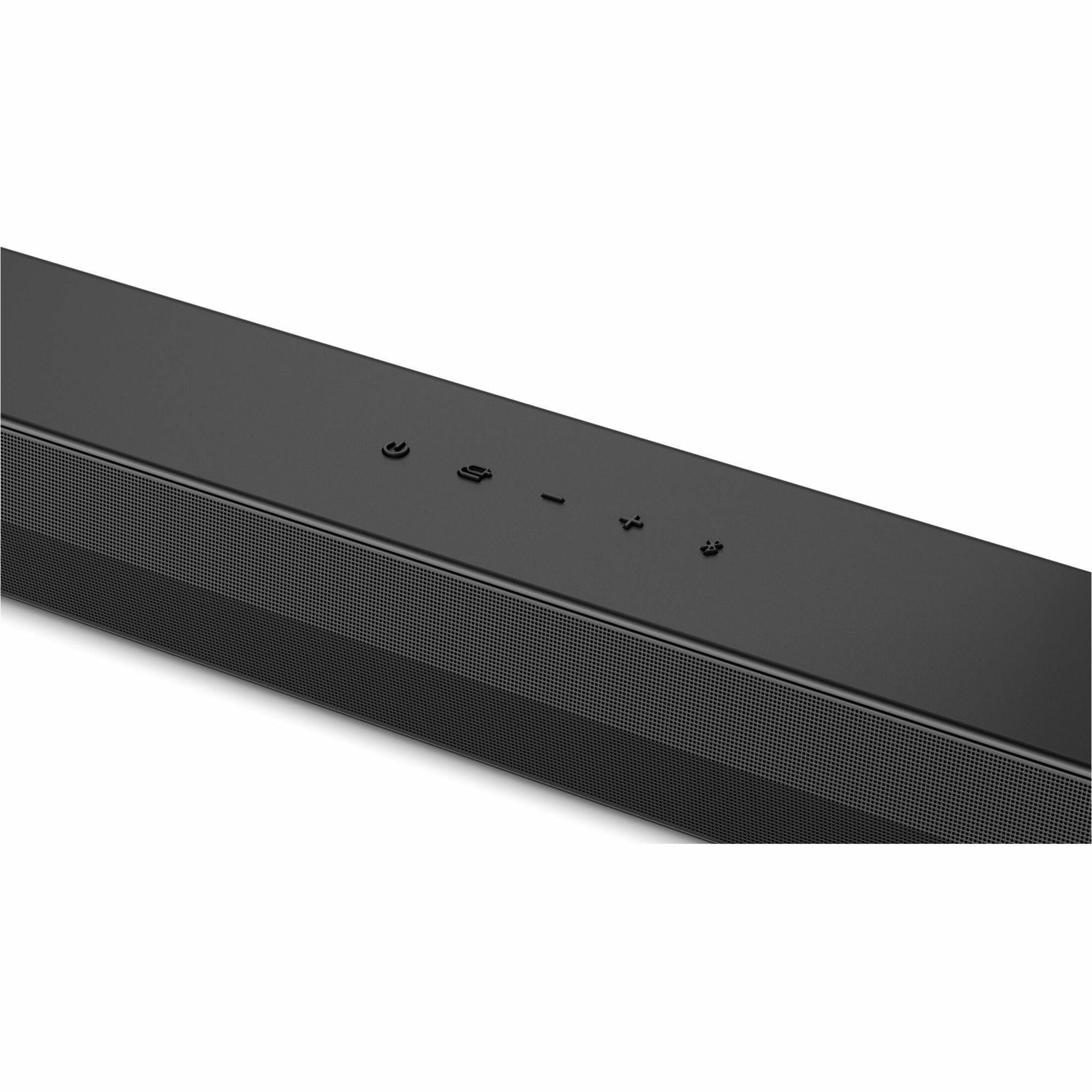
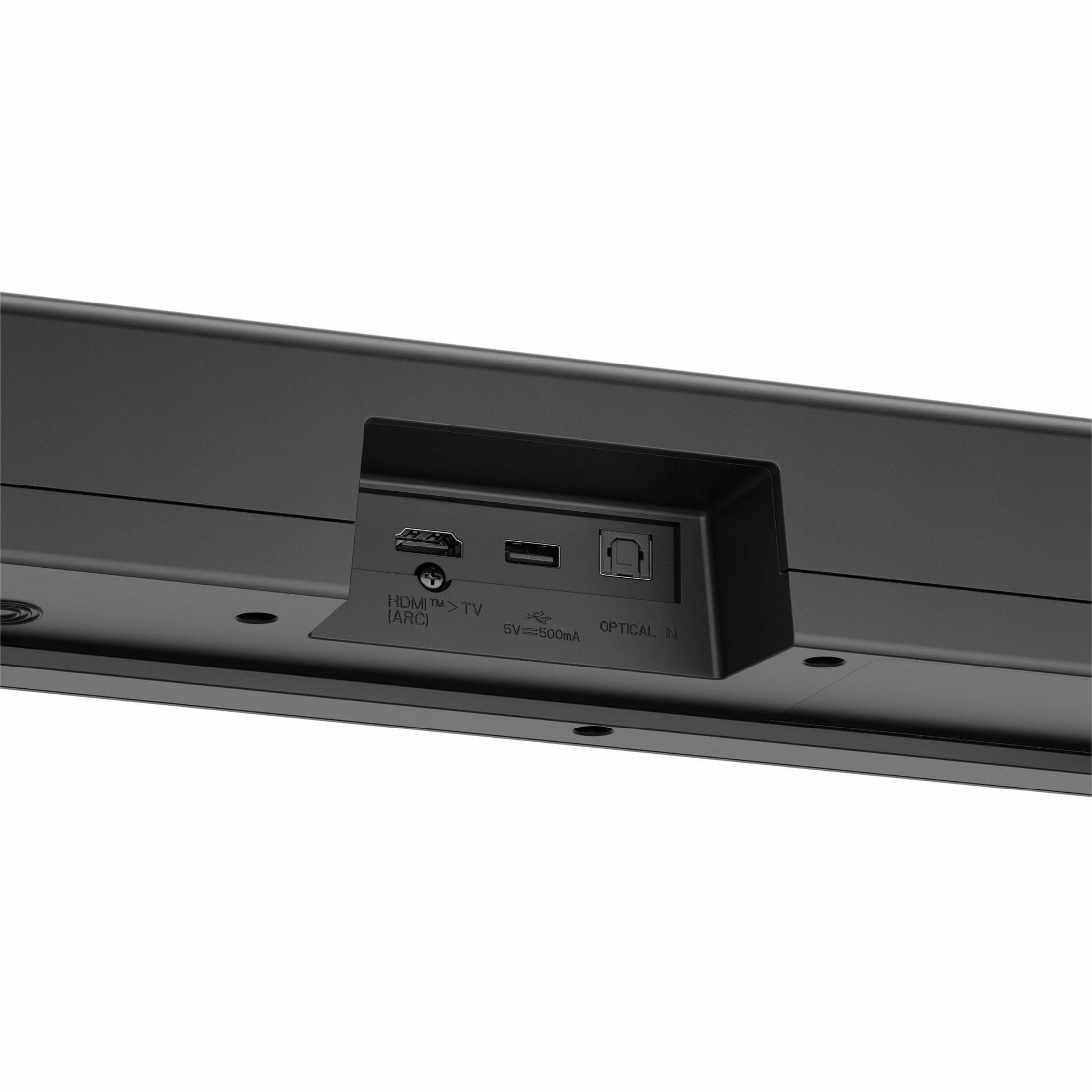
Both soundbars embrace the smart home era, but with different philosophies. The LG S40T focuses on essential connectivity: HDMI ARC for TV connection, optical input for older devices, USB for direct media playback, and Bluetooth 5.3 for wireless streaming. The Bluetooth implementation is particularly solid—I've had no dropouts even when moving around a large room with my phone.
The AI Sound Pro feature analyzes incoming audio and automatically adjusts settings. It's not perfect—sometimes it over-emphasizes bass during quiet dialogue scenes—but it works well enough that most users can set it and forget it. The WOW Orchestra feature, which coordinates with LG TVs to use the TV's speakers as additional channels, is genuinely clever and expands the soundstage noticeably.
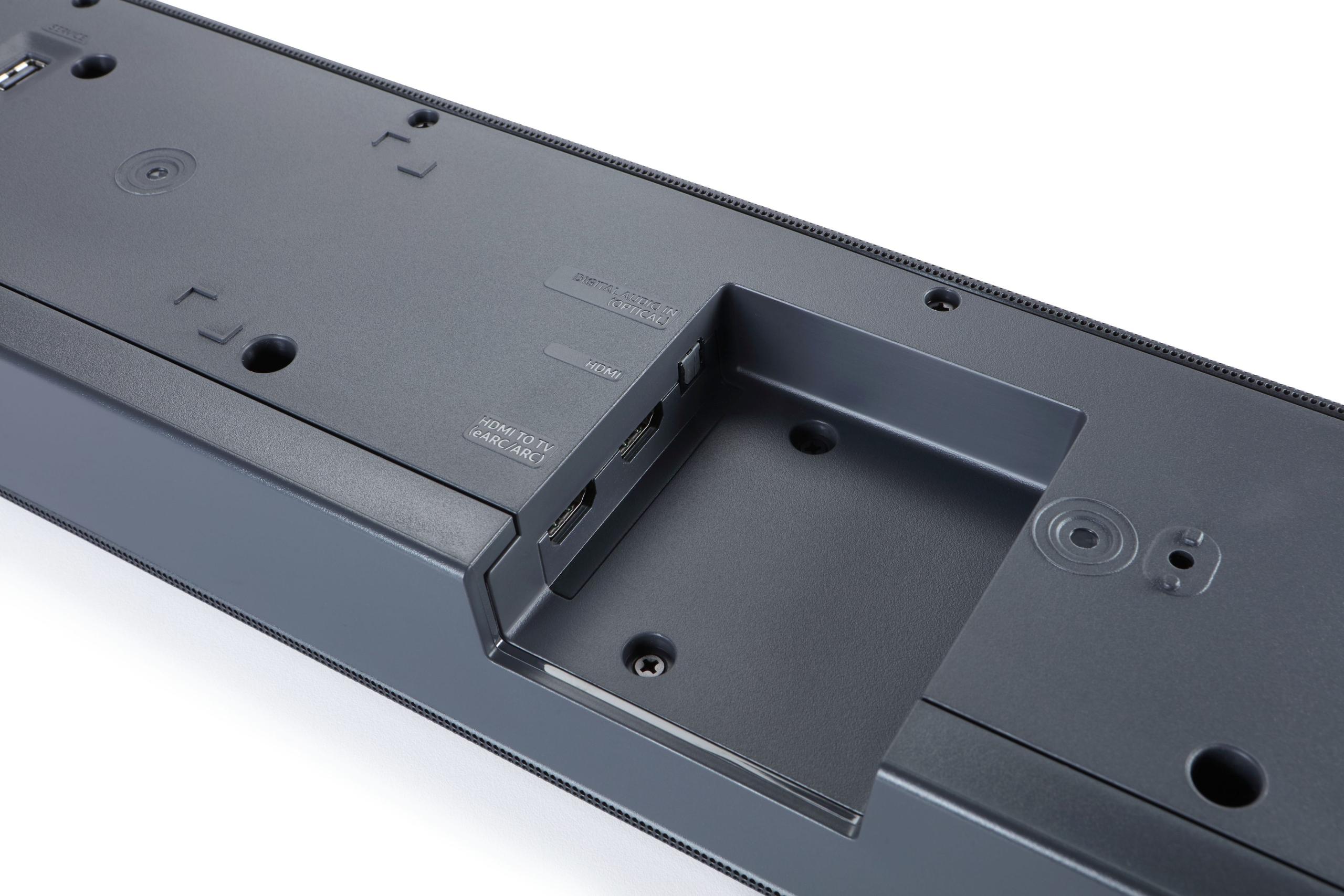
Samsung takes a kitchen-sink approach to features. Beyond the expected inputs, you get Wi-Fi connectivity, Apple AirPlay 2, built-in Alexa, and integration with Samsung's SmartThings ecosystem. The SpaceFit Sound+ technology uses the subwoofer's built-in microphone to analyze room acoustics and automatically adjust EQ settings. It's remarkably effective—moving the system to different rooms results in noticeably different sound profiles that suit each space.
The Q-Symphony feature, which synchronizes the soundbar with compatible Samsung TVs, is worth the price of admission for Samsung TV owners. Instead of disabling the TV speakers, it uses them as additional channels, creating a more enveloping soundfield. It's one of those features that sounds like marketing fluff but delivers real benefits.
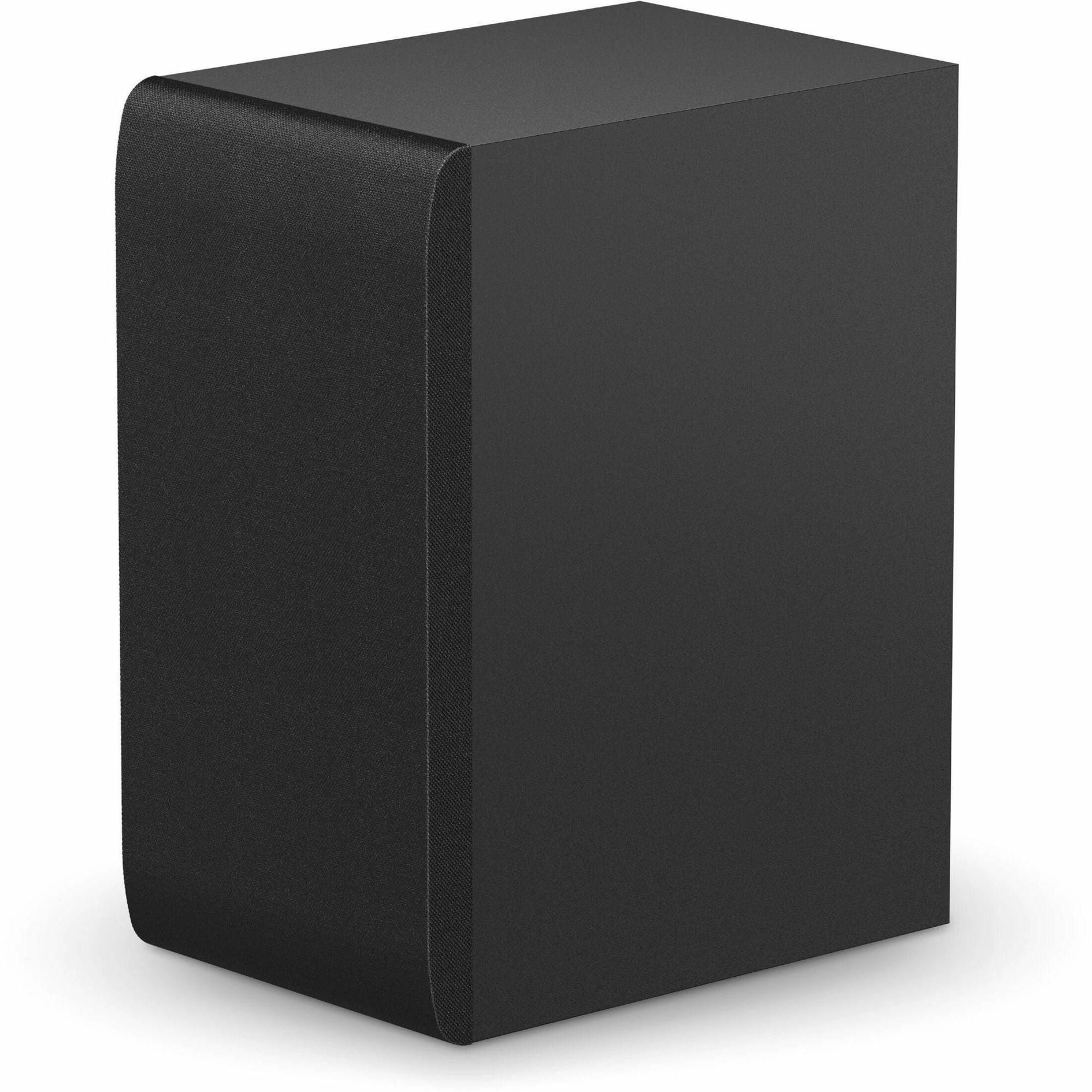
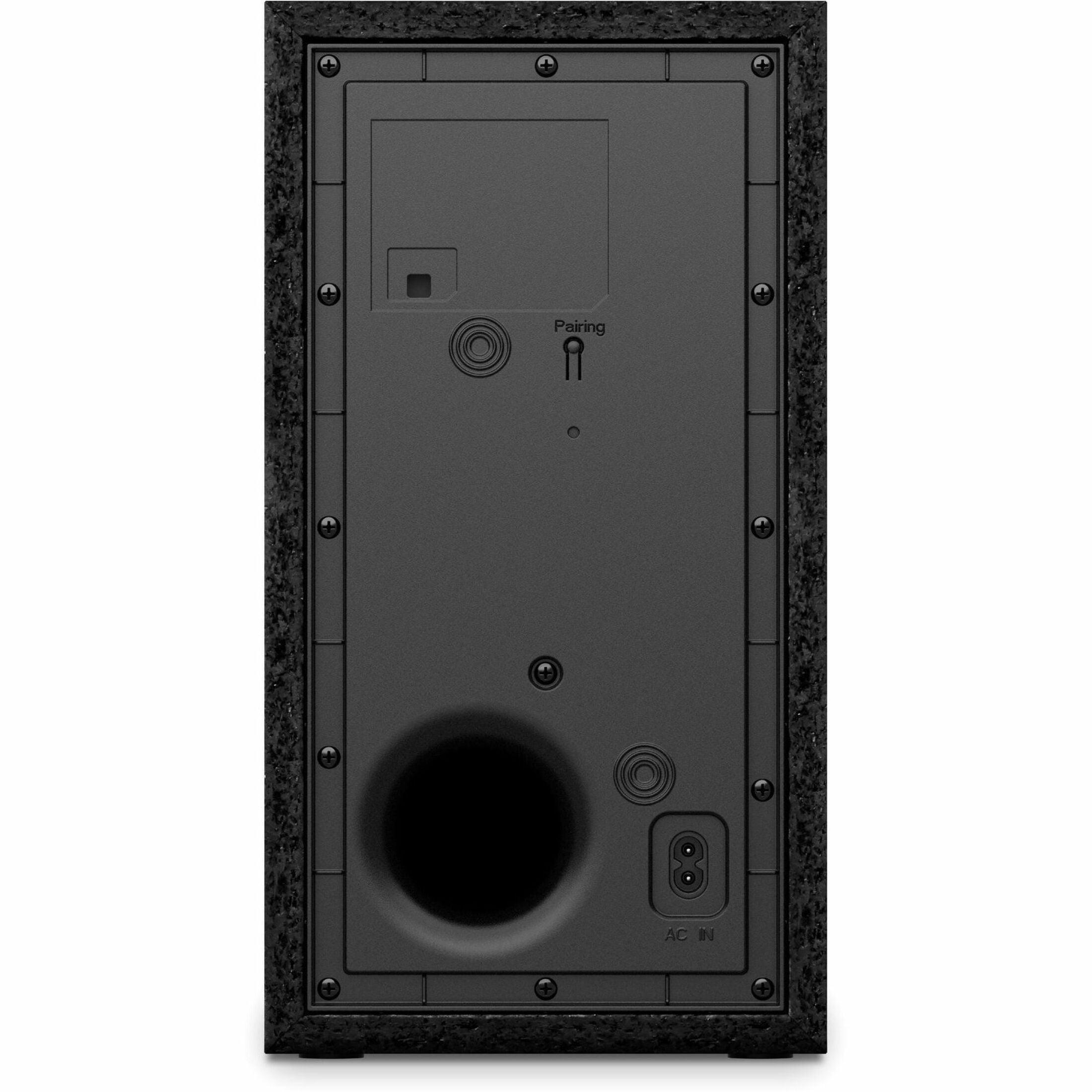
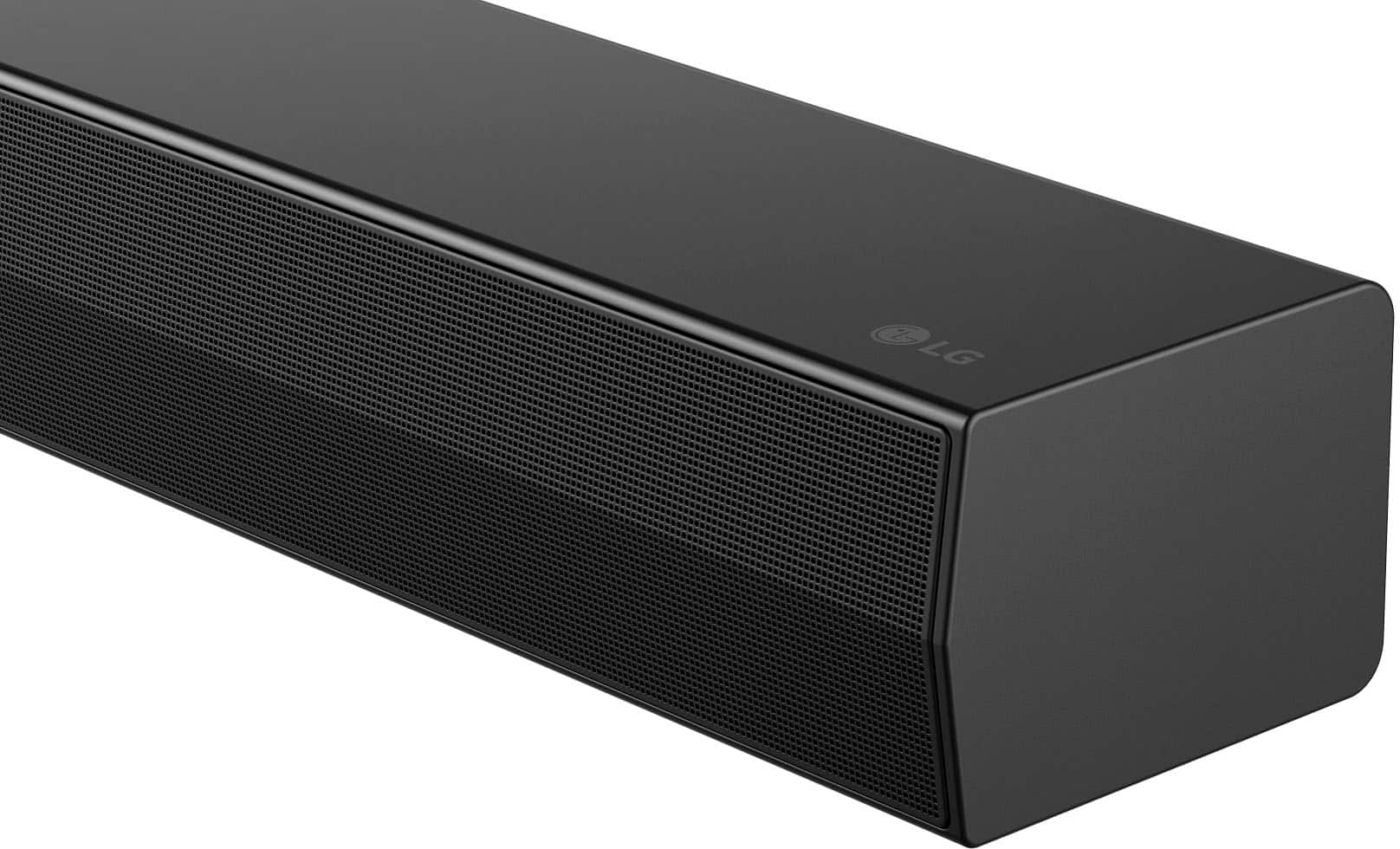
The LG S40T embraces minimalism. At 28.4 inches wide, it fits under most TVs without dominating the entertainment center. The wireless subwoofer can hide behind furniture or in a corner—it's designed to be felt, not seen. Setup is genuinely plug-and-play: connect one HDMI cable, pair the subwoofer via Bluetooth, and you're done.
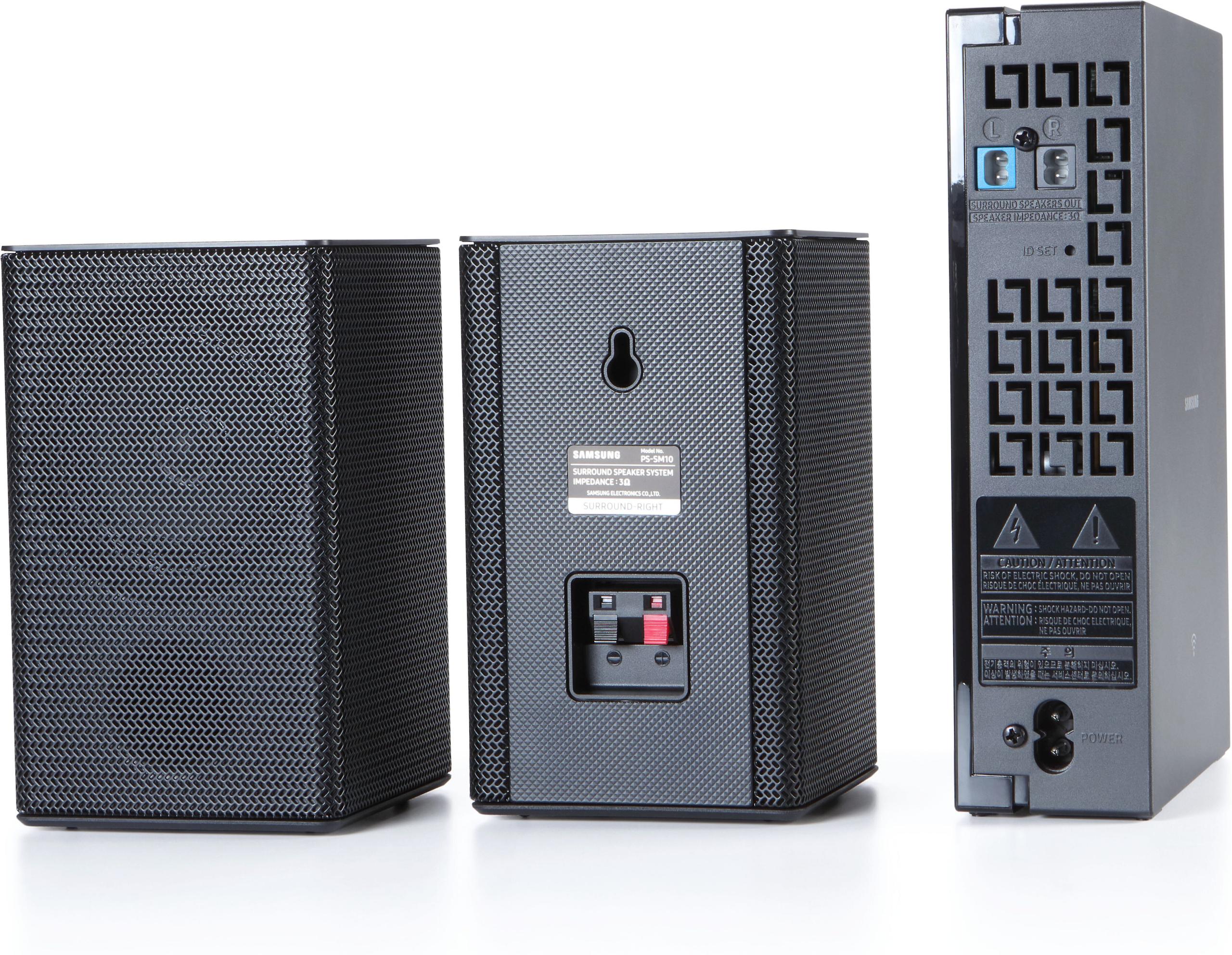
The Samsung demands more commitment. The main soundbar is larger and heavier, the rear satellites need power outlets and strategic placement, and the setup process involves room calibration and position optimization. It's not difficult, but it's definitely more involved than the LG.
For apartment dwellers or anyone with space constraints, this difference matters enormously. The LG disappears into your setup, while the Samsung announces its presence. Neither approach is wrong—it depends on your priorities and living situation.
In a dedicated home theater setup, the differences between these systems become most apparent. The LG S40T works well as an upgrade for casual viewing, but it can't compete with the Samsung's cinematic capabilities in a large, darkened room designed for movie watching.
The Samsung's true surround processing creates what audio engineers call "presence"—the feeling that you're in the movie rather than watching it. The rear channels handle ambient sounds and directional effects, while the height channels add that crucial third dimension. When properly calibrated in a home theater environment, the system can create convincing illusions: footsteps that seem to move around the room, aircraft that fly overhead, and environmental sounds that place you in the scene.
Game Mode Pro deserves special mention for gaming enthusiasts. It optimizes audio processing for low latency while enhancing directional cues that can provide competitive advantages in first-person shooters or racing games. The difference is subtle but real—you can more accurately pinpoint enemy locations or hear approaching vehicles.
At $155.95, the LG S40T represents exceptional value for addressing the most common TV audio complaints. It transforms muddy dialogue into clear speech, adds satisfying bass response, and provides wireless convenience typically found in much more expensive systems. For most users watching TV shows, news, and casual movie viewing, it delivers 80% of the improvement at 20% of the cost of premium alternatives.
The Samsung at $897.99 is harder to justify on pure value terms, but it's not trying to be a value play. You're paying for cutting-edge audio technology, premium build quality, extensive smart features, and genuine surround sound capabilities. If you're building a home theater or you're passionate about audio quality, the Samsung delivers experiences that cheaper alternatives simply cannot match.
The price difference reflects not just better components, but entirely different engineering approaches. The LG maximizes the impact of essential technologies, while the Samsung implements every available audio innovation.
In typical living room scenarios, both systems excel within their intended roles. The LG S40T makes TV dialogue crisp and clear, adds satisfying bass to music and movies, and improves the overall audio experience without complexity or room domination. It's particularly impressive with news programs, sitcoms, and streaming content where dialogue clarity matters most.
The Samsung Q Series transforms movie nights into events. Action sequences gain depth and impact, music reproduction approaches hi-fi quality, and the spatial audio effects create genuine immersion. However, this premium performance requires compatible content—standard stereo sources won't showcase the system's capabilities.
Choose the LG S40T if you want immediate, significant audio improvement without complexity or major investment. It's ideal for bedrooms, kitchens, smaller living rooms, or as a secondary system. The wireless subwoofer and simple setup make it particularly appealing for renters or anyone who moves frequently.
The Samsung Q Series makes sense if you're building a long-term home theater setup, you consume lots of premium content, or you're passionate about audio quality. It requires space, proper setup, and compatible content to shine, but when conditions align, it delivers genuinely cinematic experiences.
Room size plays a crucial role in this decision. In spaces smaller than 200 square feet, the Samsung's capabilities are largely wasted, while the LG provides optimal performance. In larger rooms or dedicated theater spaces, the Samsung's power and surround capabilities become essential for proper sound coverage.
Your content preferences matter too. If you primarily watch news, talk shows, and basic streaming content, the LG's dialogue enhancement and simplicity serve you better. If you're into blockbuster movies, premium gaming, or high-quality music streaming, the Samsung's advanced features justify their cost.
The final consideration is ecosystem integration. LG TV owners get additional benefits from the S40T's WOW Orchestra feature, while Samsung TV owners can leverage Q-Symphony for enhanced performance. These integrations can tip the balance if you're already invested in one brand's ecosystem.
Both soundbars represent successful executions of their respective visions: accessible audio improvement versus premium home theater experience. Your choice should align with your space, budget, content preferences, and long-term entertainment goals. Neither will disappoint within their intended roles, but choosing the right match for your situation will maximize your satisfaction and value.
| LG S40T 2.1 Channel Soundbar | Samsung Q Series 9.1.2 Channel Soundbar |
|---|---|
| Price - Entry point determines value proposition | |
| $155.95 (exceptional value for basic upgrade) | $897.99 (premium investment for home theater) |
| Channel Configuration - Determines immersion level | |
| 2.1 channels (stereo + subwoofer for basic enhancement) | 9.1.2 channels (true surround with height effects) |
| Total Power Output - Affects room size capability | |
| 300W total (100W bar + 200W subwoofer) | Higher wattage with 11 individual speakers |
| 3D Audio Support - Critical for modern content | |
| Dolby Digital/DTS Digital (virtual surround only) | Dolby Atmos/DTS:X (genuine overhead effects) |
| Physical Components - Installation complexity | |
| Soundbar + wireless subwoofer (simple setup) | Soundbar + subwoofer + rear satellites (full setup required) |
| Smart Features - Modern connectivity options | |
| HDMI ARC, Bluetooth 5.3, AI Sound Pro | HDMI eARC, Wi-Fi, Alexa, AirPlay 2, room calibration |
| TV Integration - Brand synergy benefits | |
| WOW Orchestra with LG TVs (uses TV speakers) | Q-Symphony with Samsung TVs (enhanced coordination) |
| Room Size Optimization - Matching system to space | |
| Best for small-medium rooms (apartments, bedrooms) | Designed for large rooms and dedicated home theaters |
| Setup Complexity - Time to optimal performance | |
| Plug-and-play (connect and enjoy immediately) | Multi-step calibration process for best results |
| Content Optimization - What it handles best | |
| Dialogue clarity and basic bass enhancement | Cinematic experiences and premium gaming audio |
The LG S40T 2.1 Channel Soundbar at $155.95 offers exceptional value for basic TV audio improvement, delivering clear dialogue and strong bass at a budget-friendly price. The Samsung Q Series 9.1.2 Channel Soundbar at $897.99 provides premium home theater performance with true surround sound and advanced features, justifying its higher cost for serious audio enthusiasts.
The LG S40T uses 2.1 channels (left, right, and subwoofer) for enhanced stereo sound with bass. The Samsung Q Series features 9.1.2 channels with multiple speakers including rear satellites and height channels that create genuine surround sound and overhead effects for immersive audio experiences.
The LG S40T 2.1 Channel Soundbar is ideal for small rooms, apartments, and bedrooms due to its compact size and appropriate power output. The Samsung Q Series 9.1.2 Channel Soundbar is designed for larger spaces and may be overpowered for small rooms where its surround sound capabilities can't be fully utilized.
The LG S40T supports Dolby Digital but not true Dolby Atmos—it uses virtual processing for surround effects. The Samsung Q Series offers full Dolby Atmos and DTS:X support with dedicated height speakers that bounce sound off your ceiling for genuine overhead audio effects.
The LG S40T 2.1 Channel Soundbar offers plug-and-play setup—simply connect via HDMI and pair the wireless subwoofer. The Samsung Q Series 9.1.2 Channel Soundbar requires more complex installation with rear speaker placement, room calibration, and optimization settings for best performance.
Both soundbars work with any TV that has HDMI ARC or optical outputs. However, the LG S40T offers enhanced integration with LG TVs through WOW Orchestra, while the Samsung Q Series provides advanced Q-Symphony features when paired with Samsung TVs.
The Samsung Q Series 9.1.2 Channel Soundbar excels for gaming with its Game Mode Pro, low-latency processing, and directional audio cues that can provide competitive advantages. The LG S40T works fine for casual gaming but lacks the spatial audio features that enhance immersive gaming experiences.
The LG S40T 2.1 Channel Soundbar is compact at 28.4 inches wide with a small wireless subwoofer that can hide anywhere. The Samsung Q Series 9.1.2 Channel Soundbar requires significantly more space for the main unit, rear satellite speakers, and proper positioning for optimal surround sound performance.
Both soundbars improve dialogue significantly over TV speakers. The LG S40T features Clear Voice Plus technology specifically designed to enhance speech clarity. The Samsung Q Series also provides excellent dialogue through its center channel processing and room calibration features.
The LG S40T 2.1 Channel Soundbar delivers decent music quality with strong bass response via Bluetooth 5.3 connectivity. The Samsung Q Series 9.1.2 Channel Soundbar offers superior music reproduction with wider soundstage, better frequency response, and support for high-quality streaming via Wi-Fi and AirPlay 2.
The Samsung Q Series 9.1.2 Channel Soundbar is purpose-built for home theater applications with true surround sound, Atmos height effects, and cinema-quality audio processing. The LG S40T provides good improvement for casual movie watching but cannot match the immersive experience of a full surround system.
The LG S40T 2.1 Channel Soundbar includes a 1-year limited warranty with LG's customer support network. The Samsung Q Series 9.1.2 Channel Soundbar also provides warranty coverage with Samsung's extensive service network, plus additional smart features and firmware updates for ongoing improvements.
We've done our best to create useful and informative comparisons to help you decide what product to buy. Our research uses advanced automated methods to create this comparison and perfection is not possible - please contact us for corrections or questions. These are the sites we've researched in the creation of this article: bestbuy.com - bestbuy.com - rtings.com - pcrichard.com - lg.com - lg.com - lg.com - lg.com - microcenter.com - flanners.com - bestbuy.com - microcenter.com - rtings.com - samsung.com - markselectrical.co.uk - techradar.com - walmart.com - samsung.com - samsung.com - youtube.com - samsung.com - biancos.com - crutchfield.com - samsung.com

Privacy Policy
Terms and Conditions - Affiliate Policy
Home Security
© Copyright 2008-2026.
11816 Inwood Rd #1211, Dallas, TX 75244