





Shopping for a soundbar can feel overwhelming. Walk into any electronics store and you'll find dozens of black bars promising to transform your TV experience. But the reality is that soundbars serve vastly different purposes and audiences, even when they're sitting on the same shelf.
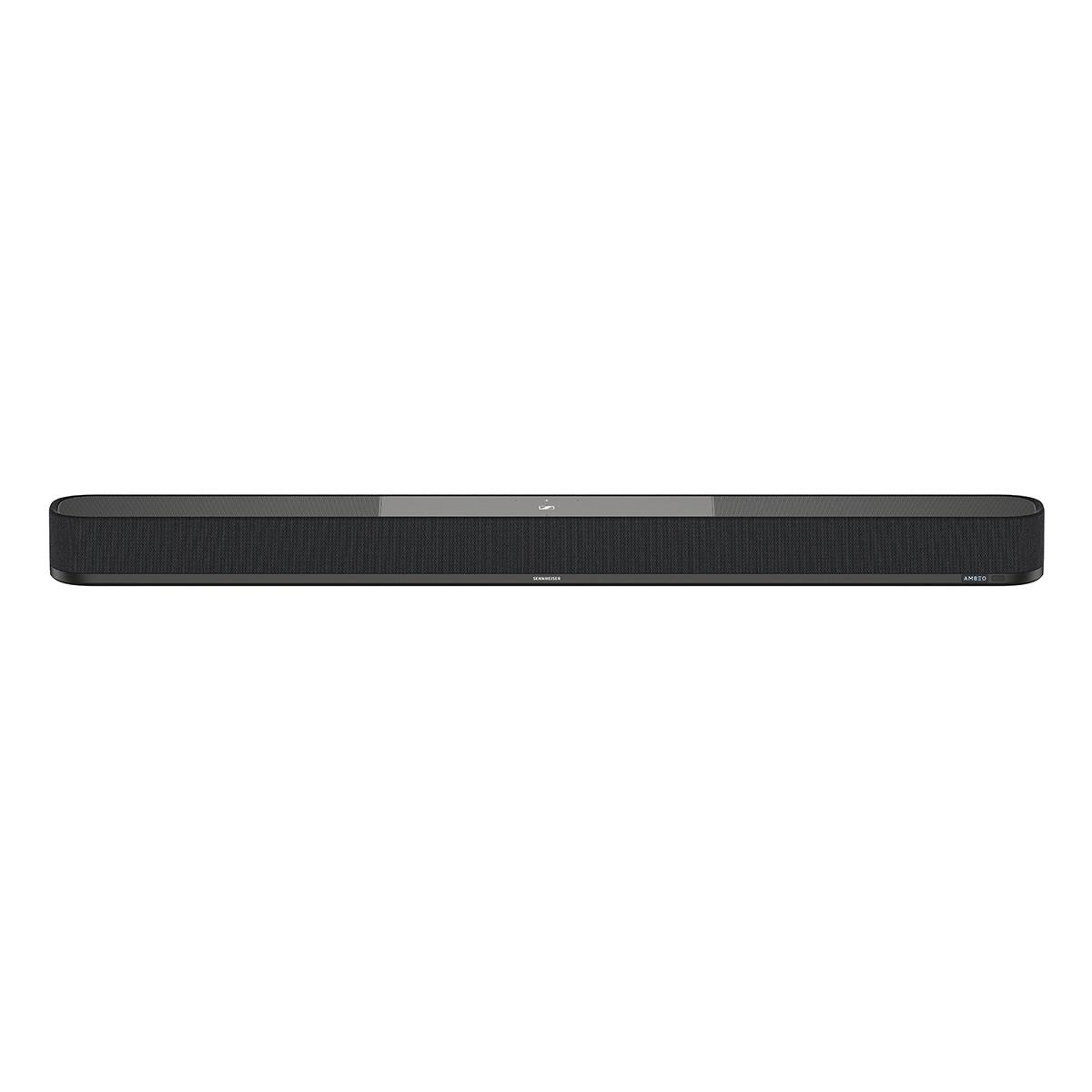
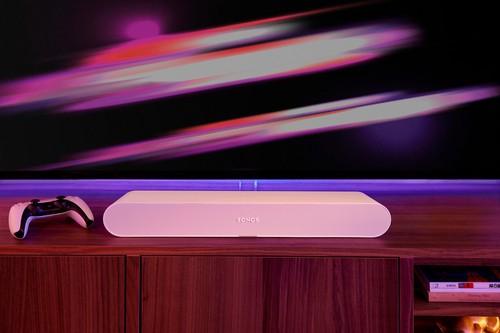
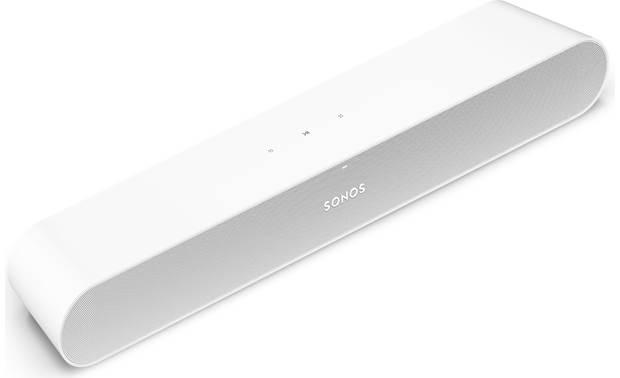
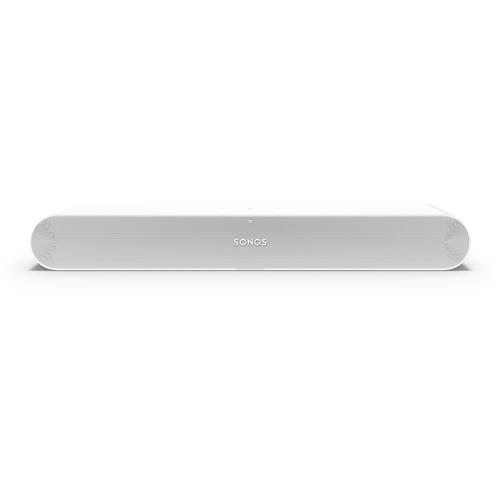
Today we're comparing two soundbars that perfectly illustrate this point: the Sonos Ray and the Sennheiser AMBEO Soundbar Plus. At the time of writing, these products sit at opposite ends of the price spectrum—the Ray positioning itself as an affordable upgrade while the AMBEO Plus commands premium pricing that's roughly four times higher. But price alone doesn't tell the whole story of which might be right for your setup.
Before diving into specifics, let's establish what we're really talking about when we discuss soundbar performance. Modern TVs, despite their impressive picture quality, have notoriously poor audio. Manufacturers prioritize thin designs over speaker quality, leaving you with tinny, unclear dialogue and virtually no bass response.
Soundbars solve this problem by housing multiple speakers in a single enclosure that sits below or above your TV. But here's where things get interesting—not all soundbars approach this challenge the same way. Some focus primarily on making dialogue clearer and adding some bass. Others attempt to create immersive surround sound experiences that rival traditional multi-speaker home theater systems.
The most important performance characteristics to consider are dialogue clarity (can you understand what actors are saying?), frequency response (does it sound balanced across highs, mids, and bass?), spatial audio capabilities (does it create a sense of sound coming from different directions?), and integration features (how well does it work with your existing setup and streaming habits?).
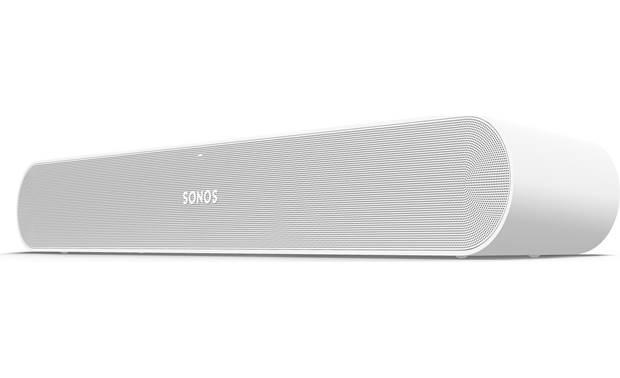
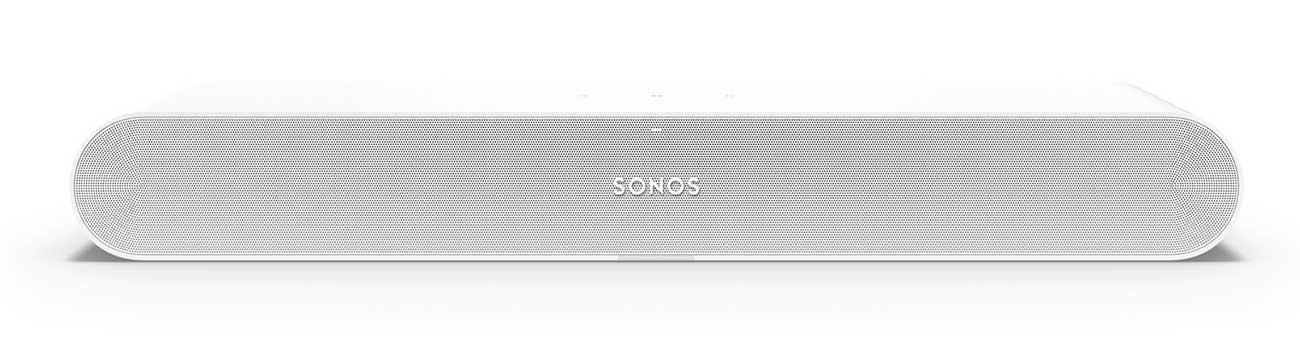
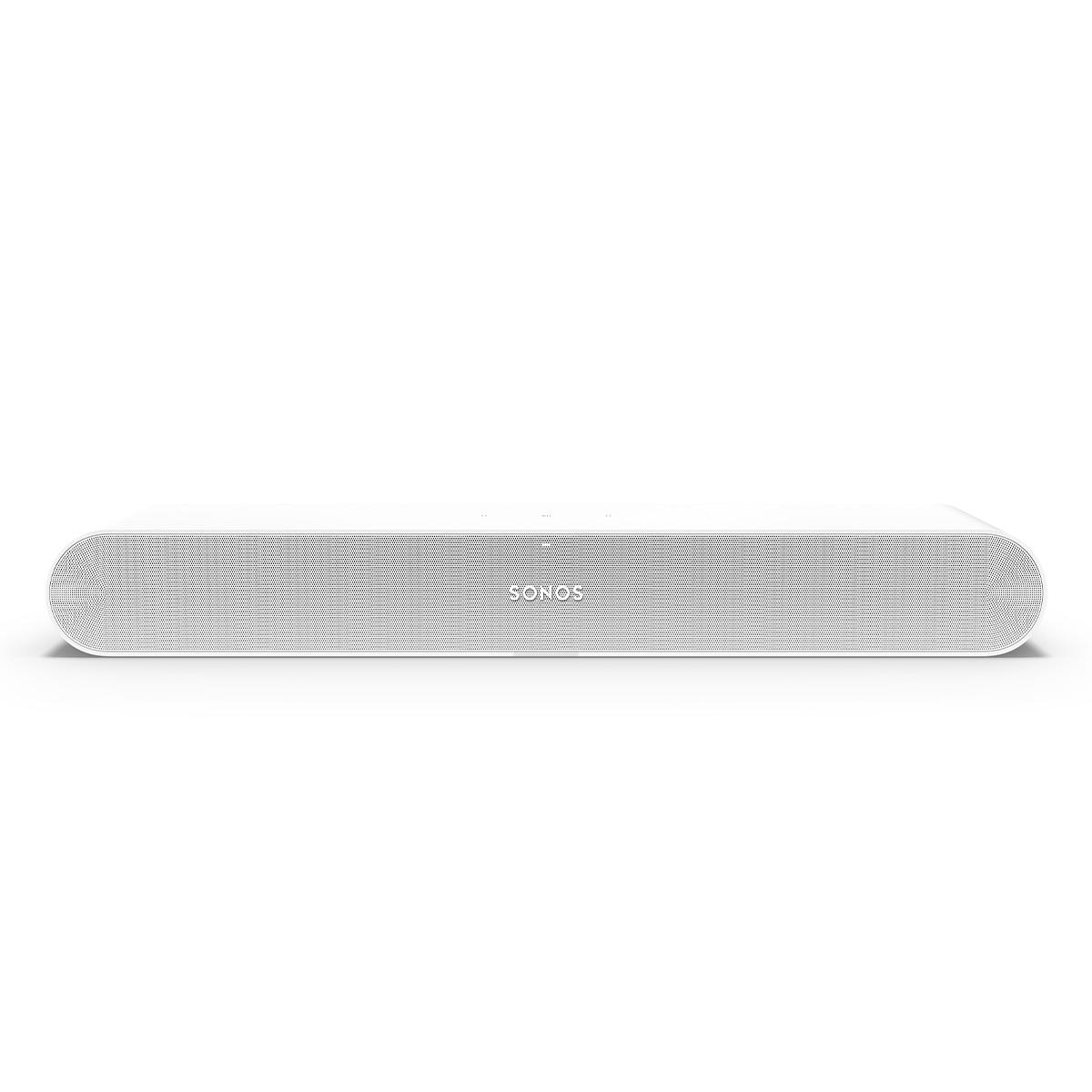
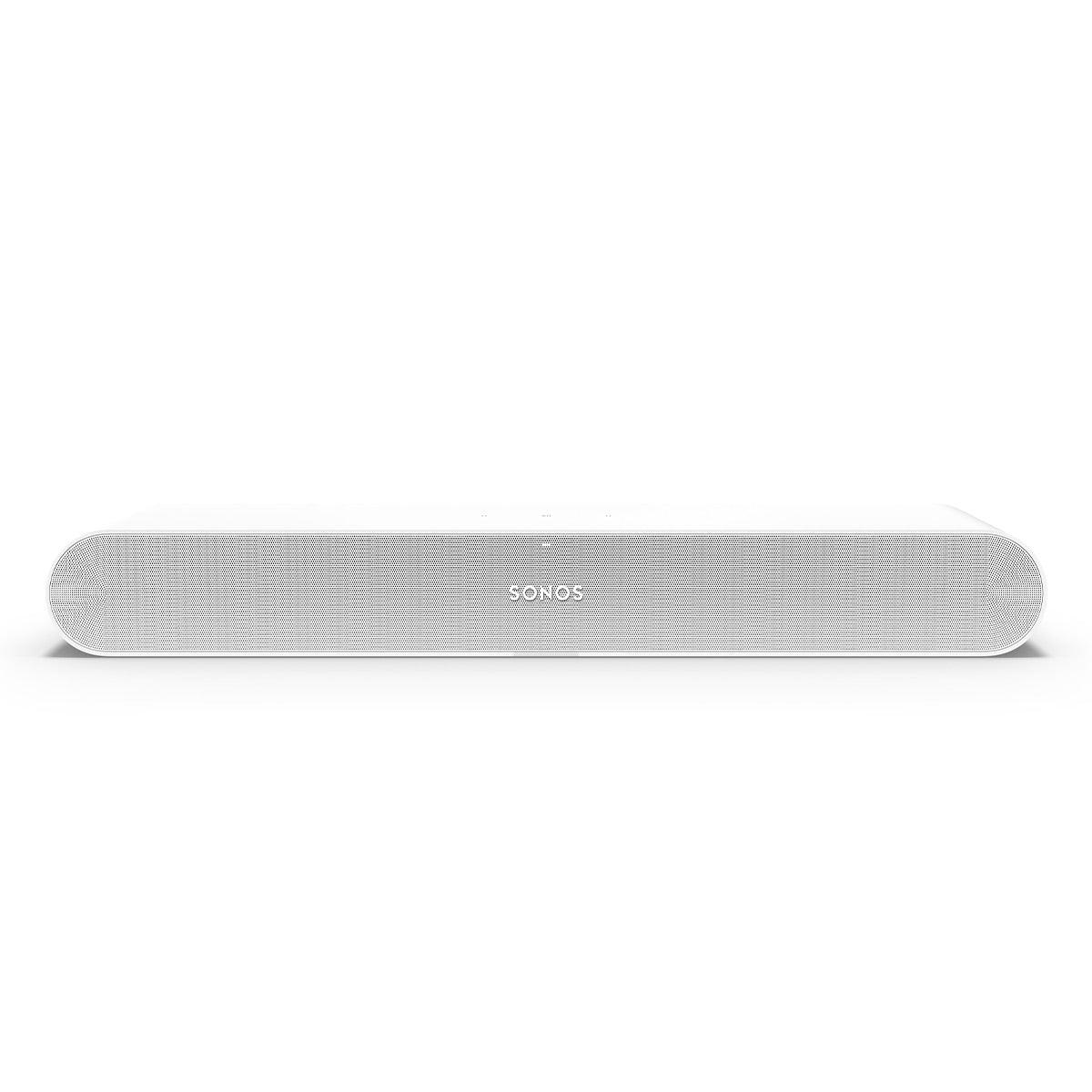
The Sonos Ray, released in 2022, represents Sonos's entry-level approach to soundbar design. Rather than trying to pack every possible feature into an affordable package, Sonos focused on doing a few things exceptionally well: improving dialogue clarity, providing seamless streaming integration, and serving as a gateway into their larger ecosystem of wireless speakers.
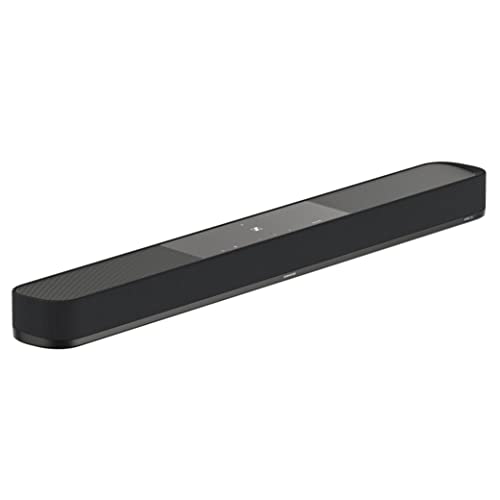
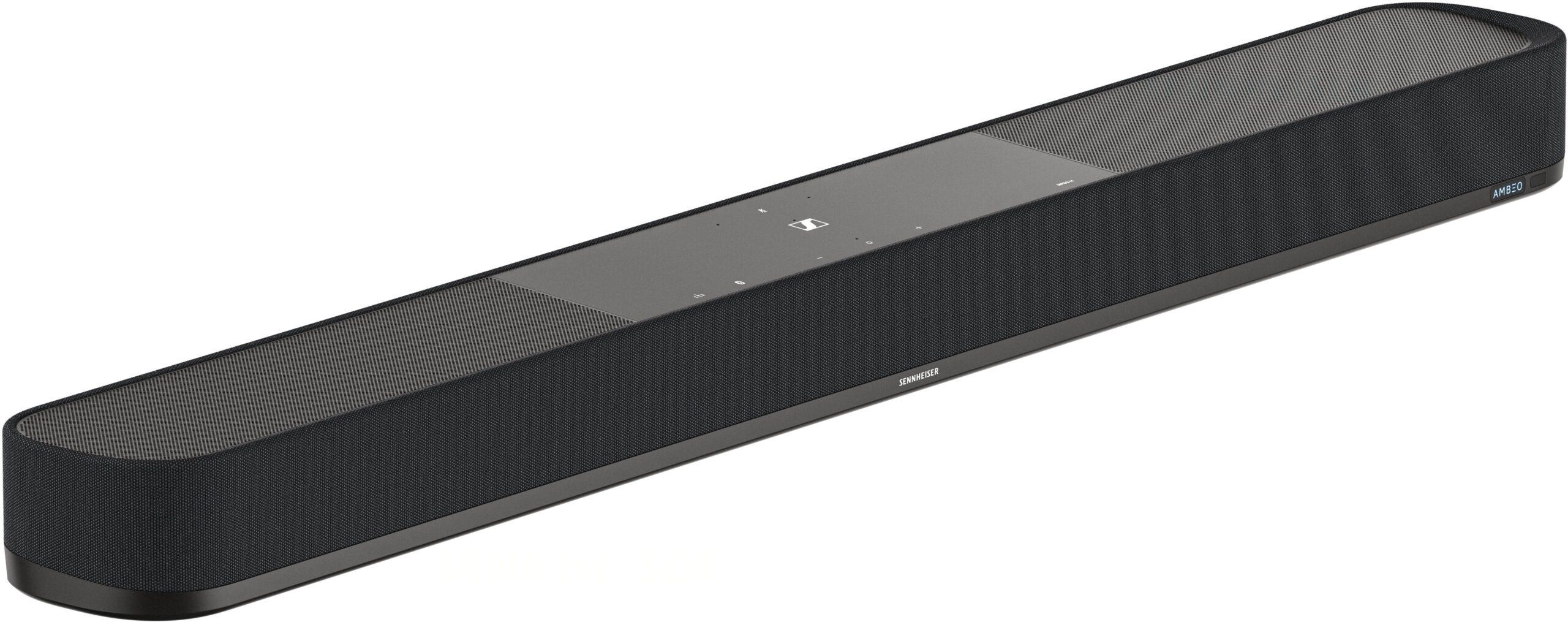
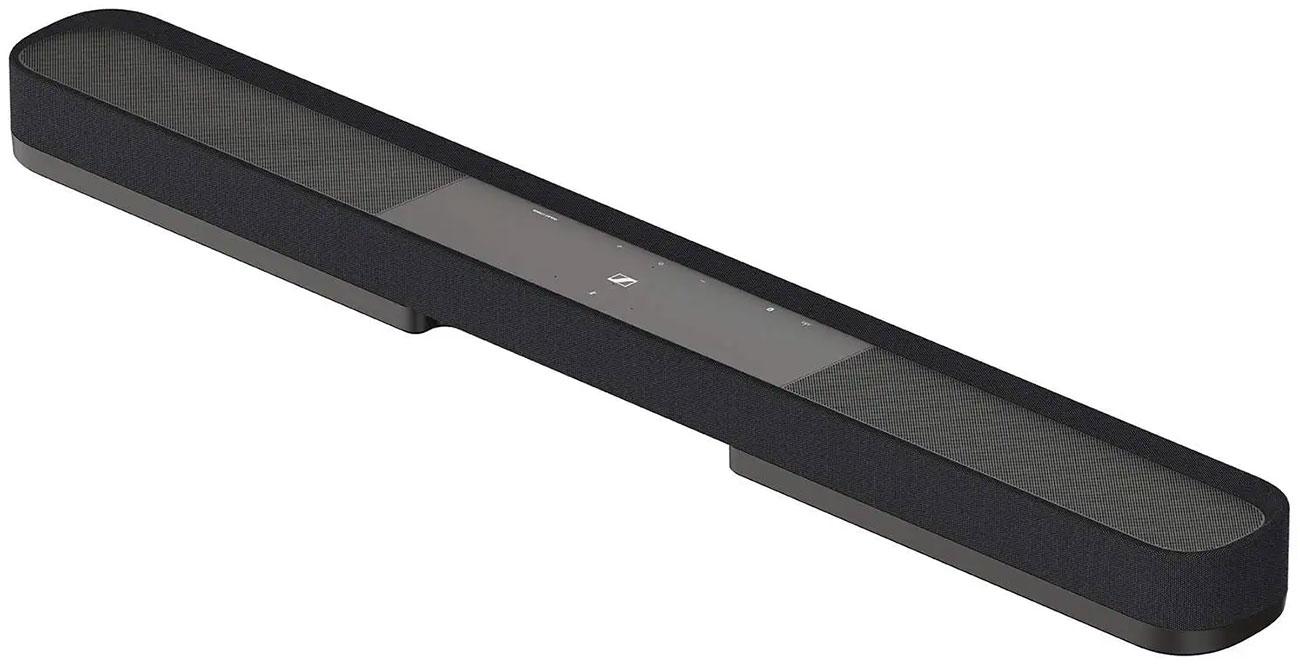
The Sennheiser AMBEO Soundbar Plus, also released in 2022, takes the opposite approach. This is a premium product designed to deliver serious home theater performance from a single unit. Where the Ray makes compromises to hit its price point, the AMBEO Plus prioritizes advanced audio processing and powerful amplification.
Since their 2022 releases, both products have received regular software updates. The Sonos Ray has benefited from Sonos's excellent track record of long-term support, gaining new streaming features and audio optimizations. The AMBEO Plus has similarly evolved, with Sennheiser adding new virtualization modes and improving room calibration accuracy through firmware updates.
Let's start with dialogue clarity because this is where most people first notice their TV's audio shortcomings. Both soundbars excel here, but they achieve clarity through completely different methods.
The Sonos Ray uses what they call "Hollywood-tuned vocal processing." Sonos engineers analyzed how dialogue is mixed in movies and TV shows, then tuned the Ray's frequency response to emphasize the specific ranges where human voices live while reducing interference from background sounds and music. This approach works remarkably well—voices sound clearer and more present without sounding artificially boosted.
The engineering behind this is particularly clever. The Ray doesn't have a dedicated center channel speaker (the speaker in traditional surround systems specifically designed for dialogue). Instead, it uses custom-designed waveguides—essentially acoustic lenses that shape how sound travels from the speakers. These waveguides create the illusion that dialogue is coming from the center of your TV screen, even though it's actually coming from a stereo soundbar positioned below.
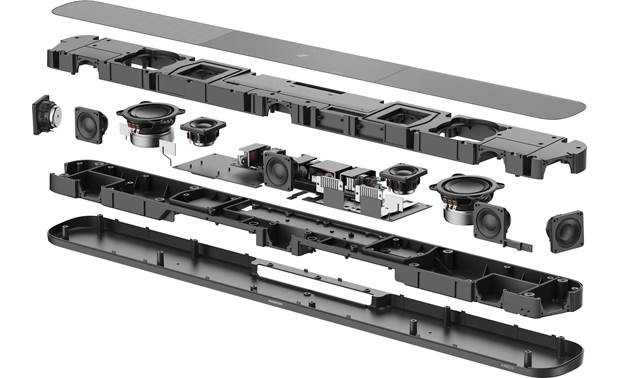
The AMBEO Plus achieves superior dialogue clarity through brute force precision. With nine individual speakers, each powered by its own dedicated amplifier, it can place dialogue exactly where it should be in the soundstage. The result is not just clear dialogue, but dialogue that sounds naturally positioned within the broader audio landscape of whatever you're watching.
In my experience, both soundbars deliver dramatically clearer speech than built-in TV speakers. The Ray makes dialogue more intelligible and pleasant to listen to. The AMBEO Plus makes dialogue sound like it's happening in a real space around you.
Frequency response describes how evenly a speaker reproduces different pitches, from deep bass to bright treble. This is where the price difference between these soundbars becomes most apparent.
The Sonos Ray delivers what audiophiles call a "balanced" sound signature. The midrange frequencies where most voices and instruments live are reproduced clearly and naturally. The treble has what one professional review described as "a polite level of bite and attack"—meaning it adds clarity without becoming harsh or fatiguing during long listening sessions.
Bass response is the Ray's most obvious limitation. While it produces respectable low-end for its size and price point, it simply can't move enough air to create the deep, rumbling bass that makes action movies exciting or music feel full-bodied. This isn't necessarily a flaw—many users in apartments or smaller rooms actually prefer more modest bass response—but it's worth understanding going in.
The AMBEO Plus operates in a different league entirely. With dual 4-inch woofers and 400 watts of total amplification, it can produce genuinely deep bass that you feel as much as hear. The frequency response extends down to 38Hz, which means it reproduces the lowest frequencies in most movie soundtracks and music recordings.
More importantly, the AMBEO Plus maintains composure at high volumes. Where smaller soundbars start to sound compressed or distorted when you turn them up for movie night, the AMBEO Plus remains clean and dynamic. This headroom—the ability to play loud without distortion—makes the difference between a soundbar that improves your TV and one that truly replaces a traditional surround system.
This is where these two products diverge most dramatically. Spatial audio refers to a soundbar's ability to create the illusion that sounds are coming from different locations around your room, not just from the bar itself.
The Sonos Ray is fundamentally a stereo soundbar. When it encounters surround sound content (like the Dolby Digital 5.1 tracks on most streaming movies), it downmixes everything to stereo. This means you lose the positional information that places sounds behind you or to your sides. What you gain is cleaner, more focused sound with improved dialogue clarity.
For many users, especially those primarily watching TV shows or news, this trade-off makes perfect sense. The Ray makes everything sound better without adding complexity or requiring specific room positioning to work properly.
The AMBEO Plus is designed specifically to preserve and enhance spatial audio information. Its AMBEO virtualization technology uses advanced digital signal processing to create the illusion of 7.1.4-channel surround sound from a single soundbar.
Here's how it works: the soundbar uses up-firing drivers that bounce sound off your ceiling to create height effects, side-firing drivers that reflect off your walls for surround channels, and precise timing and phase relationships to fool your brain into hearing sounds coming from locations where there are no actual speakers.
The technology is genuinely impressive when it works well. Watching action movies, you'll hear helicopters flying overhead, cars racing from left to right across your field of vision, and ambient sounds that seem to surround you. The effect varies depending on your room layout—rooms with appropriate ceiling height and wall placement work better than others—but when properly calibrated, it creates a convincingly immersive experience.
While soundbars are primarily designed for TV and movie audio, many people also use them for music streaming. Both products handle this secondary use case well, but with different strengths.
The Sonos Ray shines as a music speaker within its price range. Professional reviewers consistently note its ability to create "unity of tonality and presentation"—meaning instruments and voices blend naturally rather than sounding disconnected. It has sufficient dynamics to drive music forward, though it's somewhat reserved when it comes to rhythmic expression compared to dedicated music speakers.
Where the Ray truly excels for music is its streaming integration. As part of the Sonos ecosystem, it supports seamless multi-room audio, allowing you to play synchronized music throughout your entire home if you have other Sonos speakers. The setup process is remarkably simple, and the Sonos app provides access to virtually every major streaming service.
The AMBEO Plus delivers higher fidelity music reproduction with more powerful dynamics and better frequency extension. Its greater amplifier power and larger drivers mean it can reproduce the full scale and impact of well-recorded music. However, it functions primarily as a standalone unit—you can stream music to it via Bluetooth or built-in Chromecast, but it doesn't offer the comprehensive multi-room capabilities that make Sonos products so appealing for whole-home audio.
Gaming audio presents unique challenges. Unlike movies with carefully mixed soundtracks, games generate audio in real-time, and positional accuracy can be crucial for competitive play.
The AMBEO Plus provides superior gaming performance through its virtual surround capabilities and low-latency processing. In first-person shooters or other games where hearing enemy movements matters, the AMBEO's ability to place sounds in specific locations around you provides a genuine competitive advantage.
The Sonos Ray works perfectly well for casual gaming but lacks the spatial audio features that enhance immersion in modern games. If gaming is a primary use case, this difference matters significantly.
The complexity of setup reflects each product's target audience and capabilities.
Setting up the Sonos Ray requires connecting just two cables—power and optical audio—and a few minutes with the Sonos app. The app walks you through network connection and basic setup, then offers Trueplay room tuning for iOS users. Trueplay uses your iPhone or iPad's microphones to measure your room's acoustics and automatically adjusts the soundbar's output accordingly. It's elegant and foolproof.
The AMBEO Plus requires more initial investment of time and attention. Beyond the physical connections, the soundbar needs to perform room calibration to optimize its spatial audio algorithms. This process involves playing test tones through the built-in microphones while the soundbar learns how sound behaves in your specific room. When interrupted or performed incorrectly, you'll need to start over, which some users find frustrating.
However, this complexity serves a purpose. The AMBEO's room calibration is what enables its impressive spatial audio performance. Without understanding your room's dimensions and acoustic properties, the virtualization technology can't create convincing surround effects.
This is where the philosophical differences between these products become most apparent.
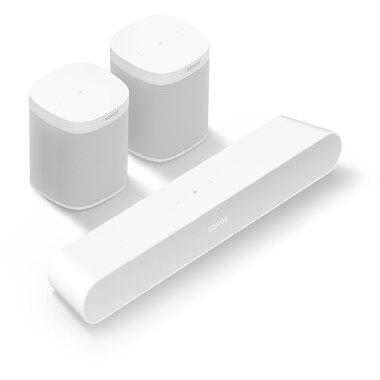
The Sonos Ray is designed as an entry point into a larger ecosystem. Start with the Ray for your TV, then add a Sonos Sub for more bass, rear speakers for true surround sound, or additional Sonos speakers for other rooms. Each addition integrates seamlessly through the same app and can be configured to work together for whole-home audio or independently for different family members' preferences.
This modular approach appeals to many users because it allows you to start small and expand gradually as your needs and budget allow. The Ray performs well on its own but becomes part of something larger over time.
The AMBEO Plus is designed to deliver its full performance immediately as a complete solution. While it can work with external subwoofers, it doesn't offer the same ecosystem benefits or expansion flexibility. You're purchasing a premium single-unit solution rather than joining a platform.
For dedicated home theater use, room size and layout significantly impact performance.
In smaller rooms or apartments, the Sonos Ray actually offers advantages. Its forward-facing acoustic design minimizes interference from nearby walls and surfaces, and its modest power output won't overwhelm smaller spaces or disturb neighbors. The dialogue improvements are immediately apparent, and the sleek design complements modern TV setups without drawing attention to itself.
The AMBEO Plus requires adequate room dimensions to perform optimally. Sennheiser recommends positioning it between roughly 3 and 16 feet from walls and ceiling for best spatial audio performance. In appropriately sized rooms, it delivers genuinely immersive surround sound that can satisfy serious home theater enthusiasts without requiring multiple speakers and complex wiring.
For movie nights with the family, the AMBEO Plus creates a more engaging, theater-like experience. For daily TV watching and streaming, both soundbars provide substantial improvements over built-in TV speakers, though the Ray does so with greater simplicity and value.
The choice between the Sonos Ray and AMBEO Plus ultimately depends on matching product capabilities to your specific needs, room, and budget.
Choose the Ray if you want an affordable first soundbar that significantly improves dialogue clarity while leaving room for future expansion. It's ideal for apartment living, casual TV watching, or anyone who values the Sonos ecosystem's streaming capabilities and multi-room potential. The Ray represents exceptional value for money and provides a clear upgrade path as your audio needs evolve.
Choose the AMBEO Plus if you have a dedicated entertainment room, consume substantial movie and gaming content, and want premium spatial audio performance from day one. It's designed for users who understand they're making a significant investment in audio quality and want immediate access to advanced features without needing additional components.
Consider your long-term goals. The Ray grows with you through ecosystem expansion, while the AMBEO Plus delivers its best performance immediately. Both approaches have merit—the question is which philosophy better matches your situation and preferences.
At the time of writing, the price difference between these products is substantial, but both represent solid value within their respective market segments. The Ray delivers exceptional performance per dollar spent, while the AMBEO Plus provides advanced features that justify its premium positioning for users who will utilize them fully.
| Sonos Ray Soundbar | Sennheiser AMBEO Soundbar Plus |
|---|---|
| Audio Channels - Determines surround sound capability | |
| Stereo (2.0) with virtual center channel | 7.1.4 virtual surround with dedicated drivers |
| Power Output - Affects volume and bass response | |
| Undisclosed (estimated ~100W) | 400W total with Class D amplifiers |
| Frequency Response - How deep the bass goes and how clear highs are | |
| Not specified (limited bass extension) | 38Hz - 20kHz (deep bass to crisp highs) |
| Spatial Audio Technology - Creates immersive surround effects | |
| Stereo downmixing only | AMBEO 3D virtualization with customizable intensity |
| Connectivity Options - How you connect devices | |
| Optical input, Wi-Fi only | HDMI, Optical, Bluetooth, Ethernet, USB |
| Smart Features - Voice control and streaming integration | |
| Sonos ecosystem, AirPlay 2, Spotify Connect | Alexa, Google Assistant, Chromecast built-in |
| Room Calibration - Optimizes sound for your specific space | |
| Trueplay (iOS devices only) | Advanced auto-calibration with built-in microphones |
| Expandability - Ability to add more speakers later | |
| Full Sonos ecosystem integration | Limited to external subwoofers |
| Physical Size - Important for TV stand placement | |
| Compact: 22.0" x 2.7" x 4.1" | Larger: 43.3" x 2.6" x 5.1" |
| Ideal Room Size - Where each performs best | |
| Small to medium rooms, apartments | Medium to large dedicated theater rooms |
| Best Use Cases - Primary scenarios where each excels | |
| Daily TV watching, multi-room music | Movies, gaming, premium home theater |
| Value Proposition - What you get for the investment | |
| Exceptional dialogue upgrade at entry price | Premium spatial audio for serious enthusiasts |
The Sonos Ray is better for most people due to its exceptional value, ease of use, and significant dialogue improvement over TV speakers. It provides the core benefits most users want from a soundbar—clearer speech and better sound quality—without complexity or premium pricing. The Sennheiser AMBEO Plus is only better if you specifically need advanced spatial audio and have a dedicated home theater setup.
The primary difference is surround sound capability. The Sonos Ray is a stereo soundbar focused on dialogue clarity and music streaming, while the Sennheiser AMBEO Plus creates virtual 7.1.4 surround sound with spatial audio effects. The AMBEO Plus also has significantly more power and connectivity options.
Both excel at dialogue, but they achieve it differently. The Sonos Ray uses specialized vocal processing and waveguides to make speech exceptionally clear and natural-sounding. The AMBEO Plus provides superior dialogue placement and separation within a full surround soundstage. For pure dialogue improvement, the Sonos Ray offers excellent results at a much lower cost.
Not necessarily. The Sonos Ray significantly improves movie audio over TV speakers with clearer dialogue and better overall sound quality. However, the Sennheiser AMBEO Plus creates a more immersive movie experience with virtual surround effects, overhead audio, and deeper bass. Choose based on your room size, budget, and how much you prioritize cinematic immersion.
The Sonos Ray excels for music streaming with seamless multi-room capabilities and balanced sound quality. It integrates perfectly with the Sonos ecosystem for whole-home audio. The AMBEO Plus delivers higher fidelity music reproduction with more powerful dynamics, but lacks comprehensive multi-room features. Choose the Sonos Ray for streaming convenience or the AMBEO Plus for audiophile-level music quality.
Yes, both can connect to any TV, but with different options. The Sonos Ray connects via optical cable only, which every modern TV has. The Sennheiser AMBEO Plus offers more connection methods including HDMI and optical, providing more flexibility for different setups and potentially better audio quality depending on your TV's capabilities.
The Sonos Ray is much easier to set up, requiring only two cables and a few minutes with the intuitive Sonos app. The AMBEO Plus requires more complex initial configuration including room calibration procedures that can be finicky if interrupted. If simplicity is important, the Sonos Ray is the clear winner.
The Sonos Ray is specifically designed for smaller spaces with forward-facing acoustics that work well near walls and modest power output that won't overwhelm compact rooms or disturb neighbors. The AMBEO Plus needs adequate room dimensions and distance from walls to perform its spatial audio effectively, making it less ideal for typical apartment living.
The Sonos Ray offers superior expandability as an entry point into the complete Sonos ecosystem. You can easily add subwoofers, rear speakers, or speakers for other rooms that all integrate seamlessly. The AMBEO Plus can work with external subwoofers but doesn't offer the same comprehensive expansion possibilities as the Sonos Ray ecosystem.
The Sennheiser AMBEO Plus is significantly better for gaming, especially competitive gaming where positional audio matters. Its virtual surround capabilities help you hear enemy movements and environmental cues more precisely. The Sonos Ray works fine for casual gaming but lacks the spatial audio features that enhance gaming immersion and competitive advantage.
The Sonos Ray offers exceptional value by delivering substantial audio improvements at an accessible price point with room for ecosystem growth. The AMBEO Plus provides good value within the premium soundbar category for users who will fully utilize its advanced features. For most buyers, the Sonos Ray represents better overall value unless you specifically need premium spatial audio capabilities.
Both brands have strong reputations in their respective areas. Sonos has an excellent track record for long-term software support, regular updates, and ecosystem reliability, making the Sonos Ray a safe long-term investment. Sennheiser brings professional audio expertise to the AMBEO Plus, though their consumer soundbar division has a shorter track record than Sonos's established ecosystem approach.
We've done our best to create useful and informative comparisons to help you decide what product to buy. Our research uses advanced automated methods to create this comparison and perfection is not possible - please contact us for corrections or questions. These are the sites we've researched in the creation of this article: tomsguide.com - soundandvision.com - youtube.com - techradar.com - en.community.sonos.com - rtings.com - howtogeek.com - youtube.com - cnet.com - sonos.com - videoandaudiocenter.com - techradar.com - pocket-lint.com - moon-audio.com - stereonet.com - rtings.com - abt.com - projectorscreen.com - youtube.com - videoandaudiocenter.com - crutchfield.com - sennheiser-hearing.com - newsroom.sennheiser.com

Privacy Policy
Terms and Conditions - Affiliate Policy
Home Security
© Copyright 2008-2026.
11816 Inwood Rd #1211, Dallas, TX 75244