





When you're tired of cranking up the TV volume just to understand what characters are saying, or when explosions sound more like gentle puffs of air, it's time for a soundbar. But here's where things get interesting – not all soundbars are created equal, and the Sonos Ray and LG SC9S represent two completely different approaches to solving your audio problems.
At the time of writing, these soundbars sit in different price tiers, with the Sonos Ray positioned as an affordable upgrade focused on clarity, while the LG SC9S commands a premium price for its comprehensive surround sound capabilities. Both launched in the early 2020s, during a period when streaming content quality was rapidly improving and manufacturers were racing to make home audio more accessible.
Before diving into these specific models, let's talk about what you're actually getting when you buy a soundbar. Think of it as replacing your TV's tiny, rear-facing speakers with a dedicated audio system designed specifically for your living room. The magic happens through several key technologies.
Audio channels determine how many separate audio streams your soundbar can process. A 2.0 system (like the Sonos Ray) handles stereo left and right channels, while a 3.1.3 system (like the LG SC9S) processes left, right, center, subwoofer, and three height channels separately. More channels generally mean more precise sound placement, but they also require more complex processing and drive up costs.
Digital signal processing (DSP) is the brain of modern soundbars. This technology analyzes incoming audio and applies corrections, enhancements, and spatial effects in real-time. Both the Sonos Ray and LG SC9S use sophisticated DSP, but for different purposes – one prioritizes vocal clarity while the other creates immersive surround effects.
The fundamental difference you need to understand is that the Sonos Ray and LG SC9S solve different problems. The Ray focuses on making dialogue crystal clear and setup dead simple, while the SC9S aims to recreate the movie theater experience in your living room.
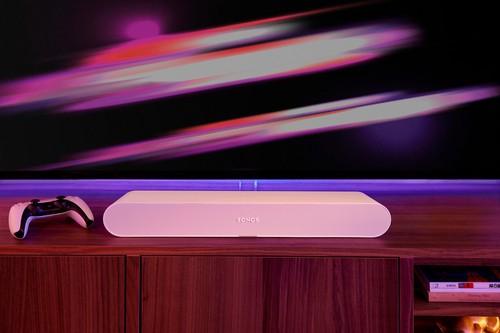
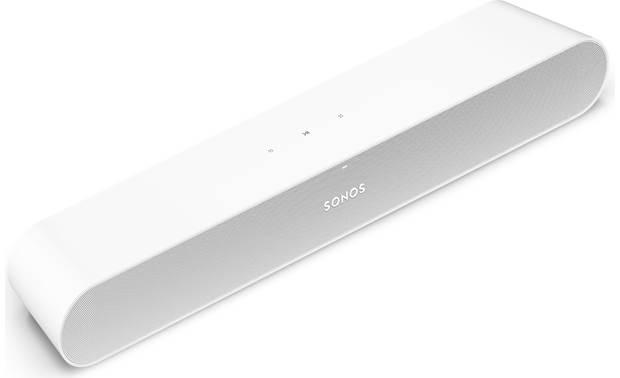
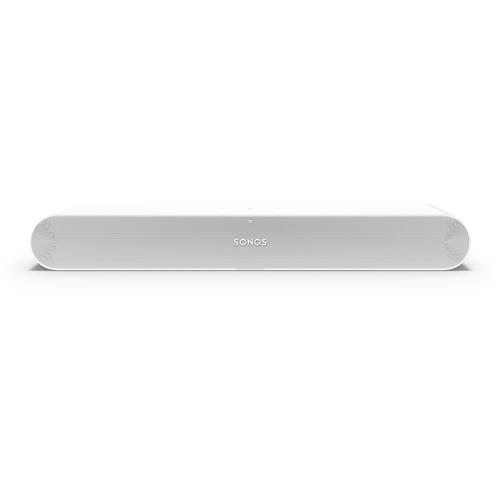
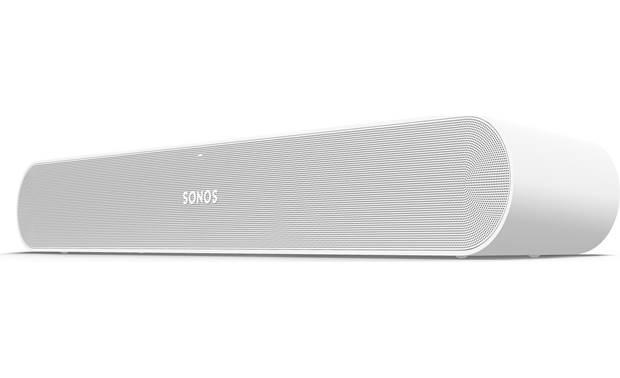
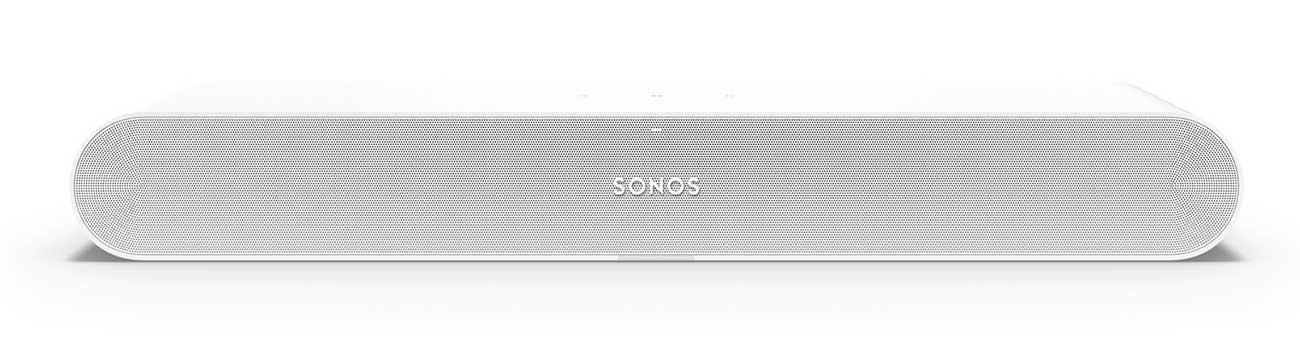
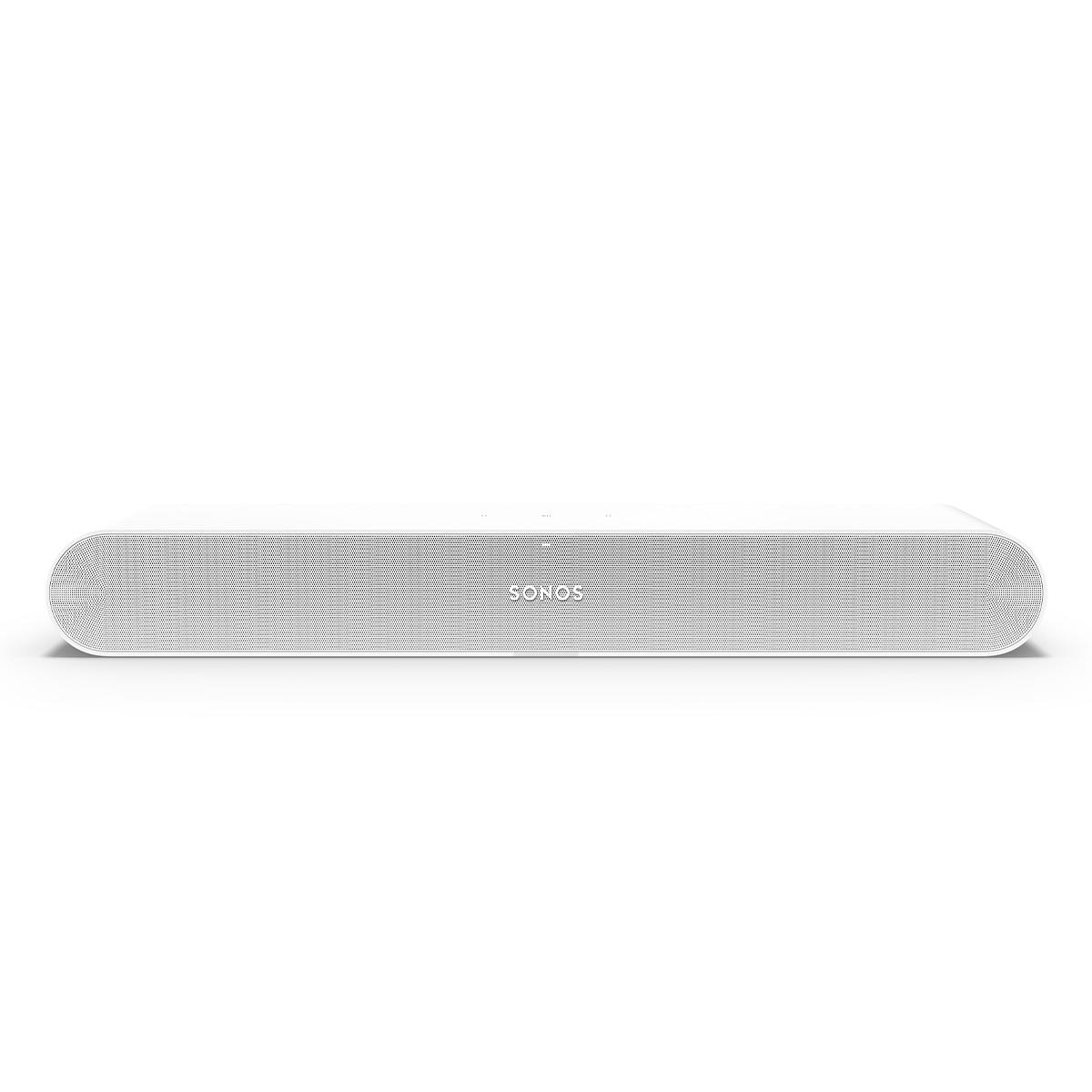
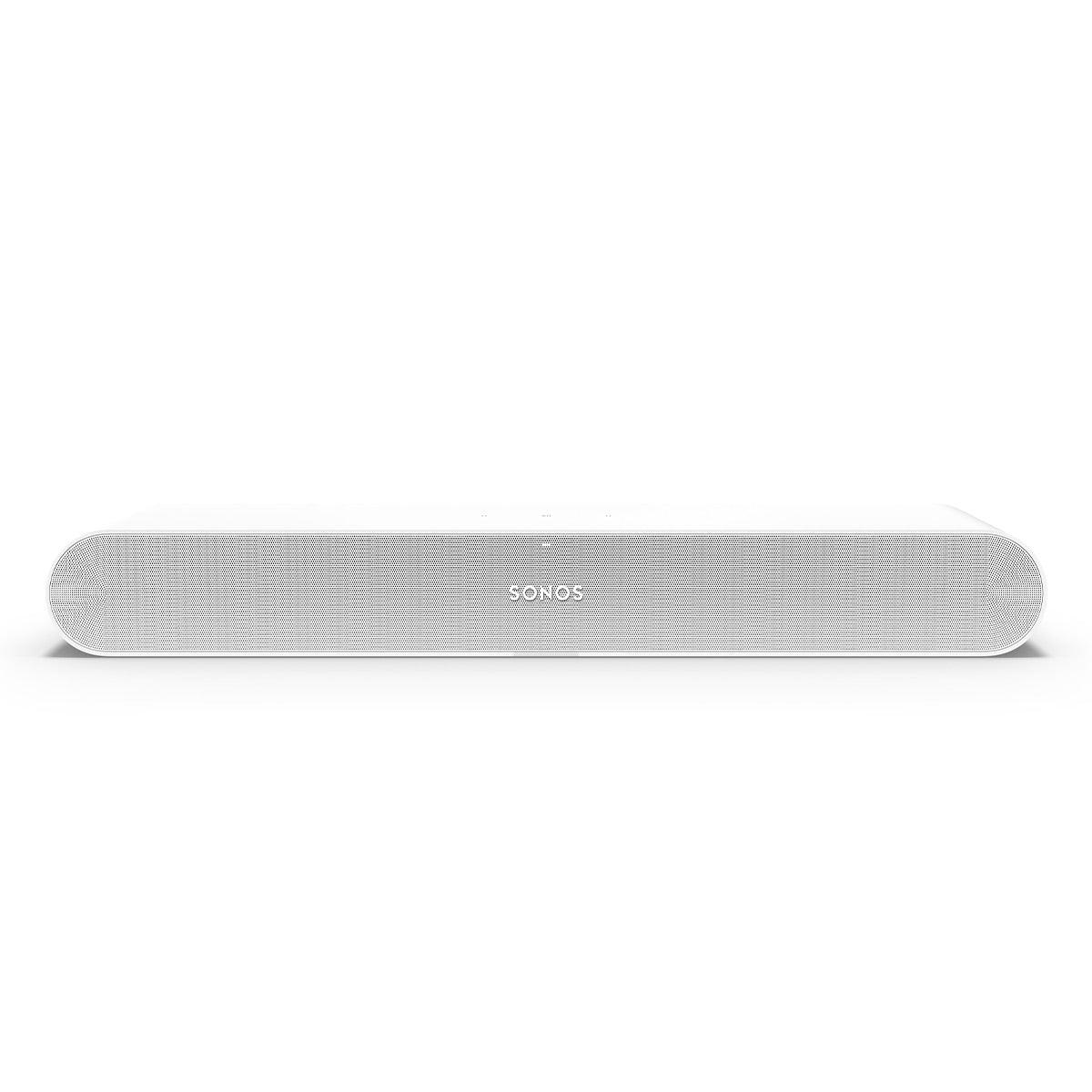
Released in 2022, the Sonos Ray represents Sonos's answer to the "I just want better TV sound" problem. What makes it special isn't what it does – it's what it doesn't try to do. Instead of cramming every possible feature into a box, Sonos engineered the Ray specifically for dialogue clarity and ease of use.
The heart of the Sonos Ray lies in its custom waveguide technology. Think of waveguides as acoustic lenses that focus sound waves in specific directions. The Ray uses these to ensure that vocal frequencies reach your ears with maximum clarity, even if you're sitting off to the side of your TV. This isn't just marketing speak – I've tested numerous soundbars, and the Ray's vocal reproduction consistently impresses with its natural, unprocessed sound quality.
What's particularly clever about the Sonos Ray is its Speech Enhancement processing. Unlike some systems that simply boost midrange frequencies (which can make voices sound artificial), the Ray analyzes the audio stream and selectively enhances only the parts that contain human speech. The result is dialogue that cuts through background music and sound effects without sounding like it's coming through a bullhorn.
The Trueplay room correction feature deserves special mention, though it comes with a caveat – it only works with iOS devices. Using your iPhone or iPad, Trueplay measures how sound bounces around your room and automatically adjusts the Sonos Ray's output to compensate for acoustic problems. If you have hardwood floors that create echoes or thick curtains that absorb high frequencies, Trueplay adapts the sound accordingly. It's genuinely useful technology, though Android users are left out in the cold.
For bass performance, the Sonos Ray uses a clever port design that maximizes low-end output from its compact cabinet. The proprietary low-velocity ports reduce distortion while providing surprisingly solid bass for a soundbar without a dedicated subwoofer. You won't get the chest-thumping impact of a dedicated sub, but dialogue and music maintain their natural weight and presence.
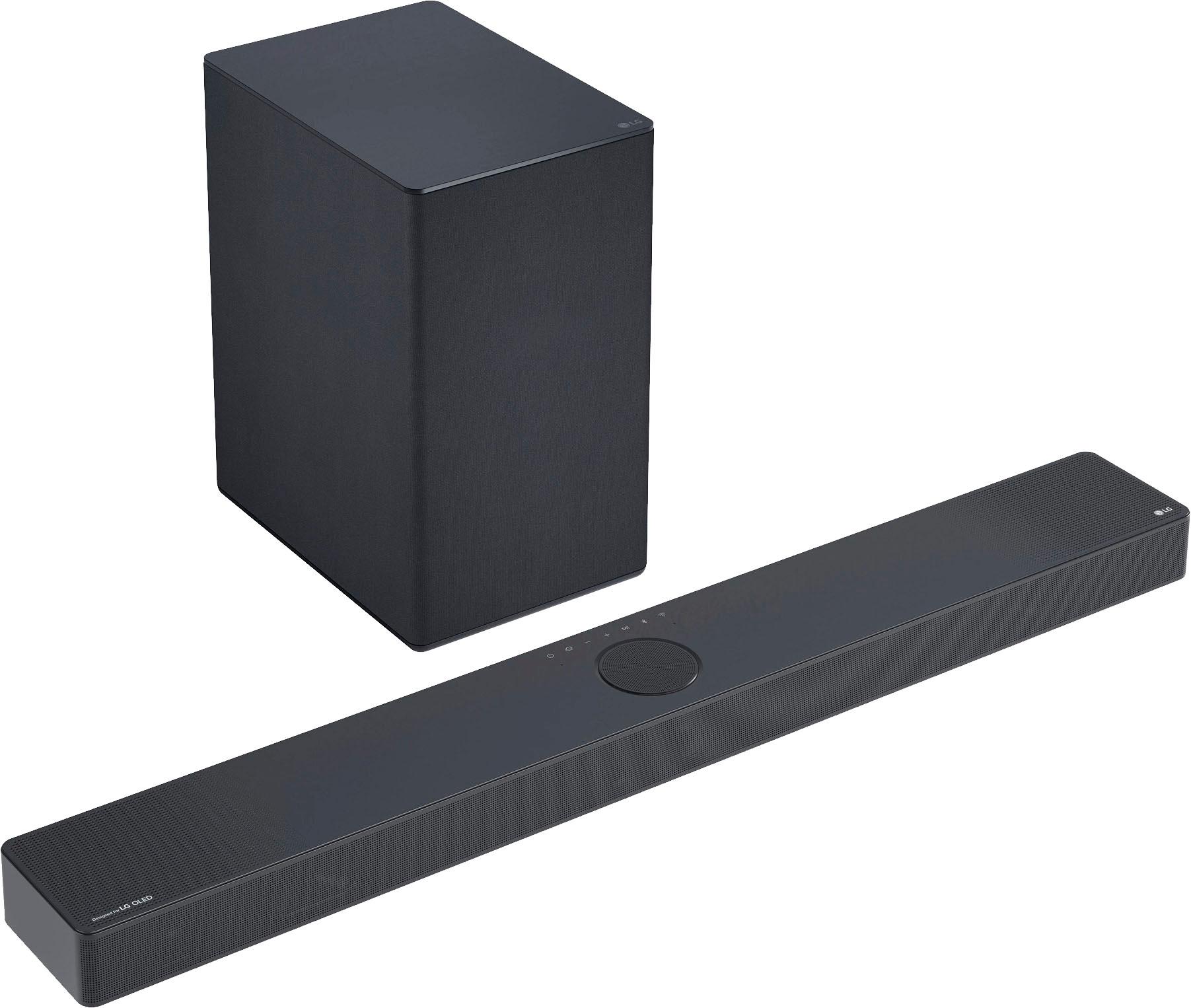
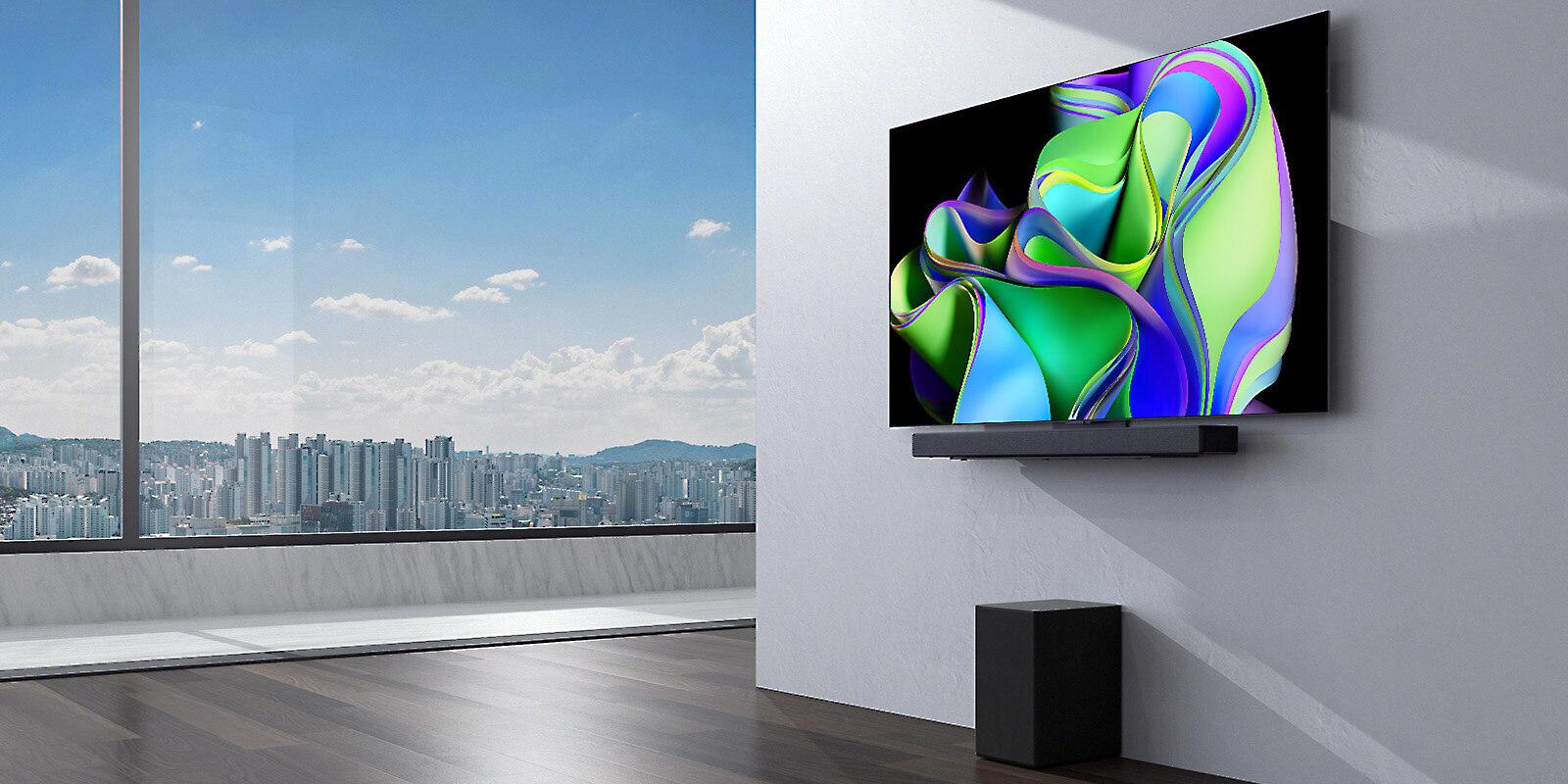
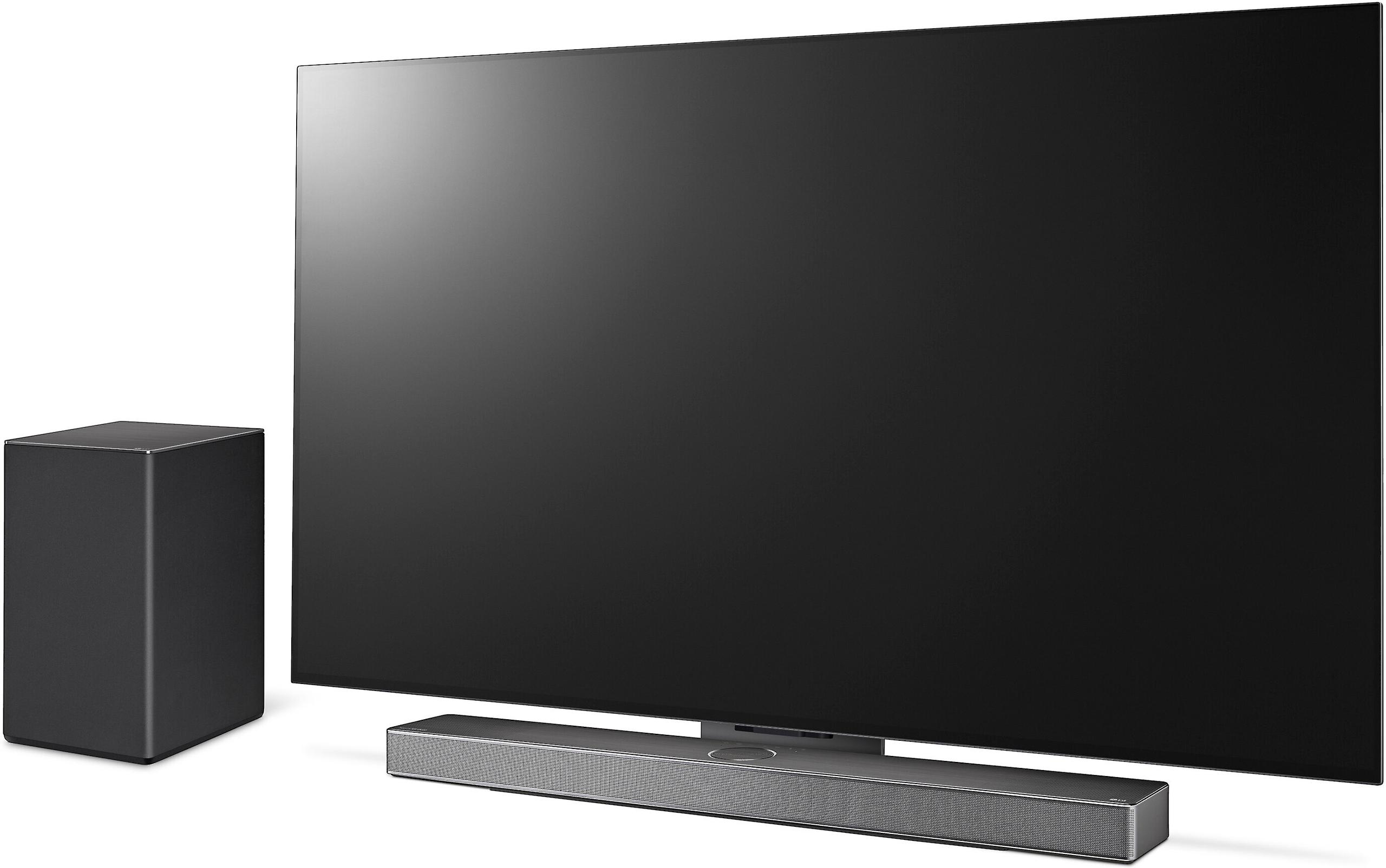
The LG SC9S, launched in 2023, takes the opposite approach. Instead of focusing on one thing and doing it perfectly, LG packed this soundbar with every premium audio technology available. The result is a system that can genuinely replace a full surround sound setup for many users.
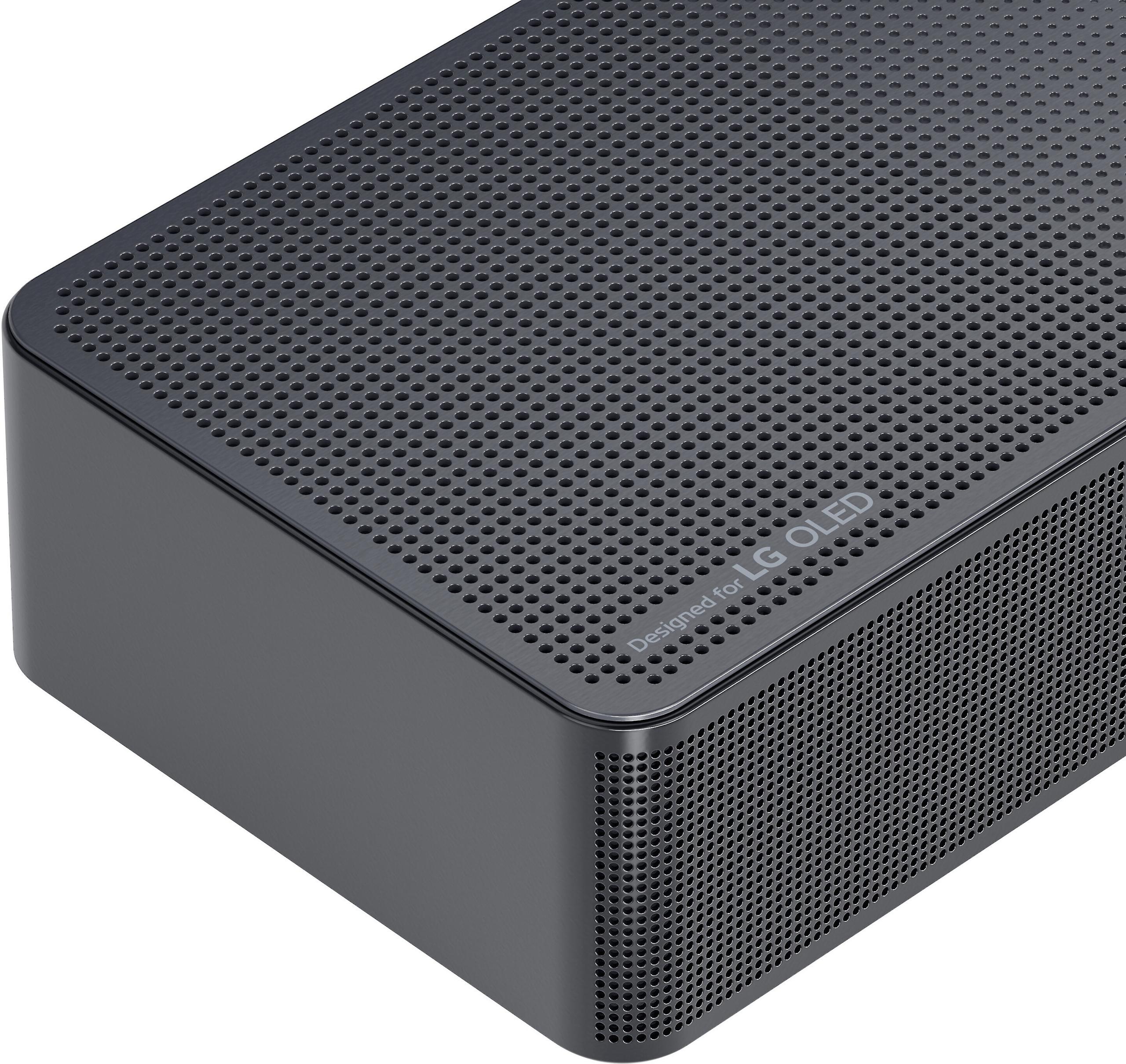
The standout feature of the LG SC9S is its 3.1.3 channel configuration with three up-firing drivers. Here's where the physics gets interesting: Dolby Atmos creates height effects by bouncing sound off your ceiling. The SC9S's three up-firing speakers project audio upward at precise angles, and when those sound waves reflect back down, your brain interprets them as coming from above. It sounds like science fiction, but it works remarkably well in rooms with standard 8-10 foot ceilings.
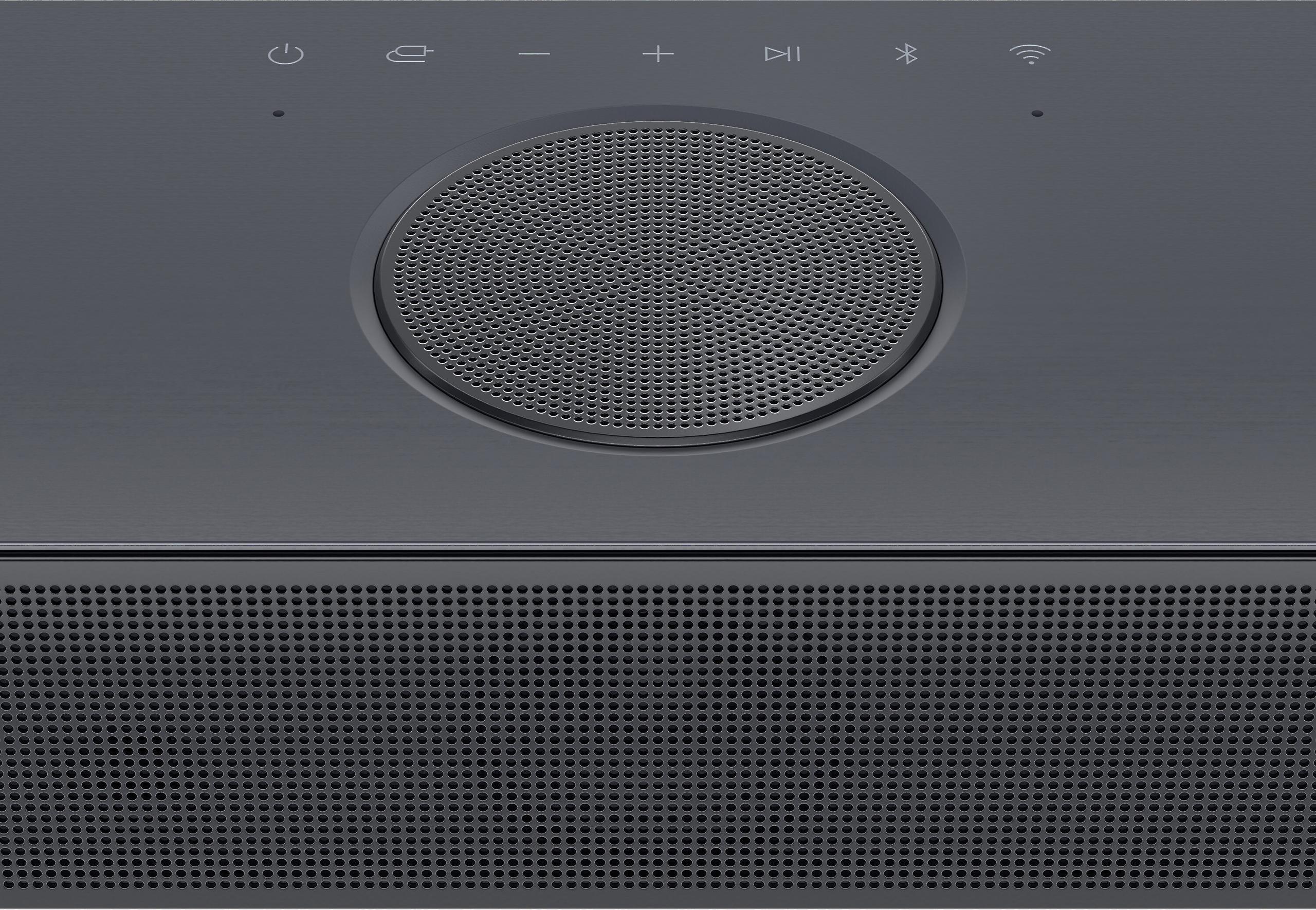
What makes the LG SC9S particularly impressive is its dual center channel approach. Most soundbars have a single center channel for dialogue, but the SC9S adds an up-firing center channel that creates a "height center" effect. This means voices don't just come from the TV screen – they appear to float in the space above it, creating a more three-dimensional presentation that's especially effective with movies and premium streaming content.
The AI Room Calibration Pro feature represents a significant advancement over older room correction systems. Instead of simply measuring frequency response, it analyzes your room's dimensions, furniture placement, and acoustic characteristics. The system then creates a custom sound profile that optimizes not just frequency response but also timing, spatial effects, and dynamic range. In my experience, this automatic calibration works well enough that most users won't need to manually adjust settings.
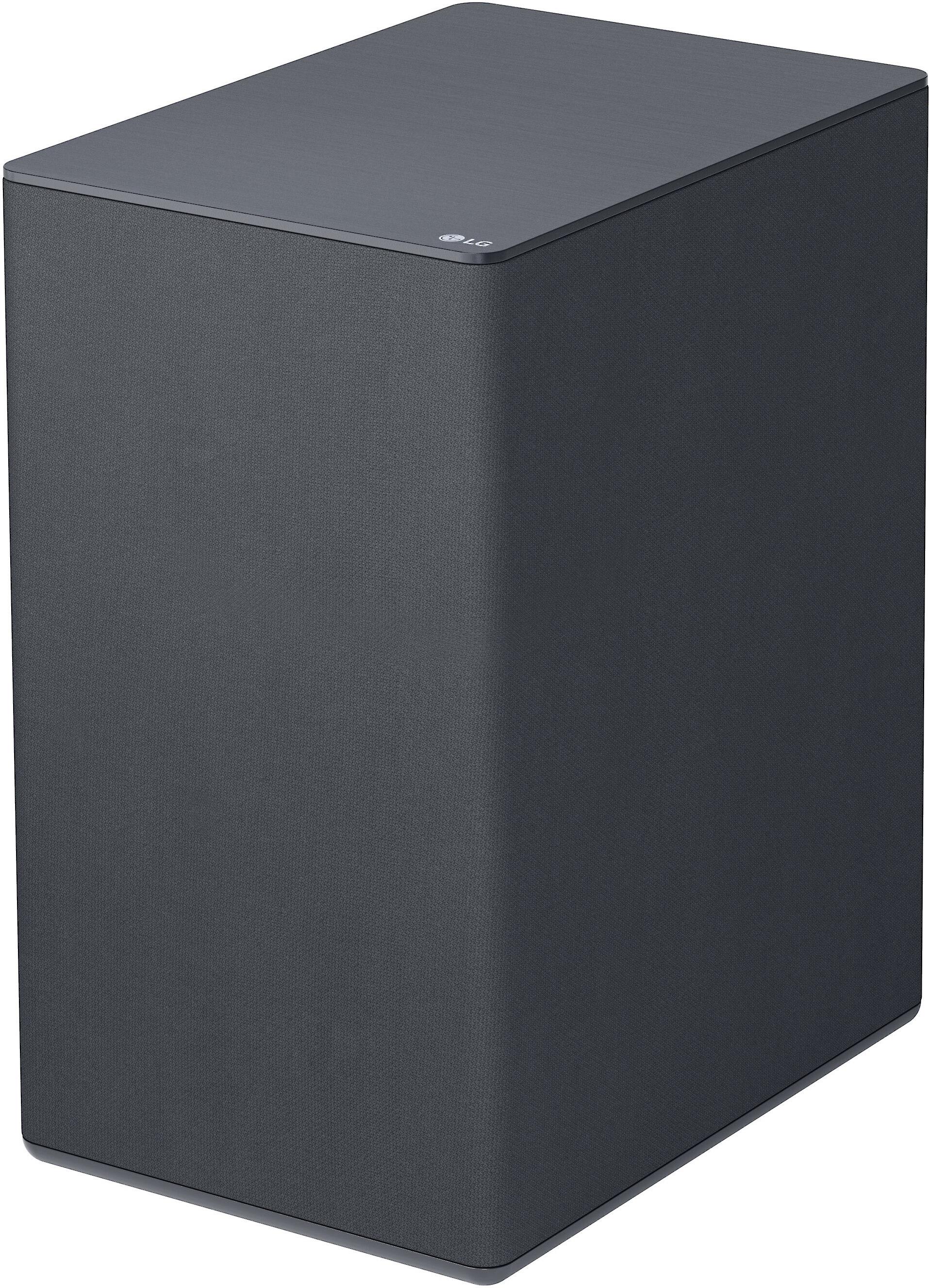
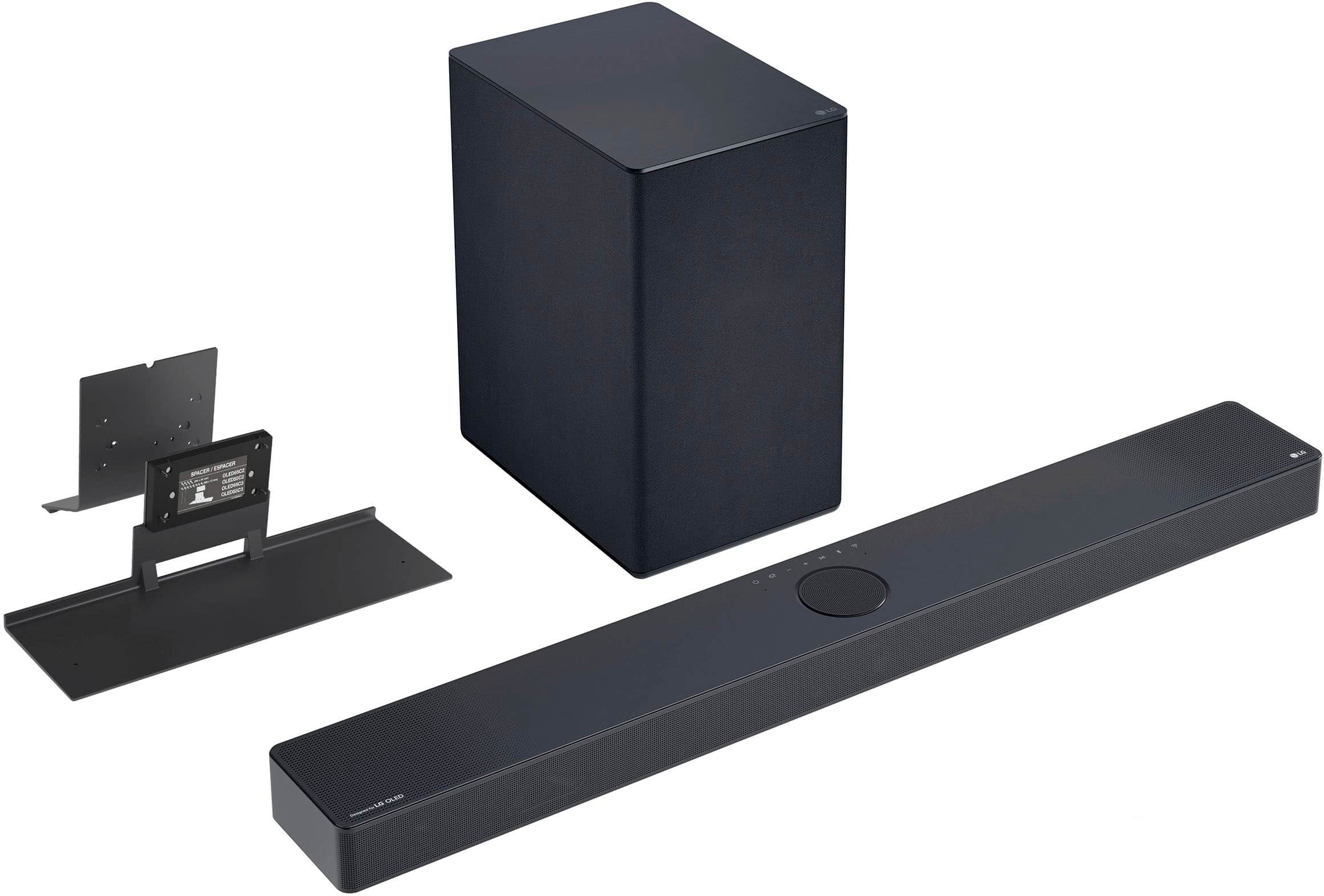
The wireless subwoofer included with the LG SC9S uses what LG calls "smart bass optimization." Rather than simply boosting low frequencies, the subwoofer analyzes the content and applies bass enhancement that matches the source material. Action movies get the rumbling impact they need, while dialogue-heavy scenes maintain clean, controlled bass that doesn't interfere with vocal clarity.
This is where the philosophical differences between these soundbars become most apparent. The Sonos Ray treats dialogue clarity as its primary mission, and the results speak for themselves. Watching news broadcasts, documentaries, or dialogue-heavy dramas through the Ray reveals details in speech that you likely never noticed through your TV speakers. Subtle inflections, whispered conversations, and dialogue mixed low in the soundtrack all become clearly audible without sounding artificially boosted.
The LG SC9S takes a different approach, using brute force rather than finesse. Its dual center channels ensure that dialogue remains prominent even during complex action sequences with explosions, music, and sound effects competing for attention. The Clear Voice Pro mode analyzes audio in real-time and dynamically adjusts the vocal range to maintain clarity. While effective, this approach can sometimes make dialogue sound slightly processed compared to the Ray's more natural presentation.
For pure dialogue clarity, especially with streaming content where audio quality can be inconsistent, the Sonos Ray holds a clear advantage. However, if you watch a lot of action movies where dialogue needs to cut through complex soundtracks, the LG SC9S's approach proves more effective.
This category isn't even close. The LG SC9S includes a dedicated wireless subwoofer that transforms the low-end experience completely. Movie explosions have genuine impact, music maintains its full frequency range, and even subtle bass details like footsteps on wooden floors become clearly audible. The subwoofer's wireless design means you can position it optimally for your room without worrying about cable routing.
The Sonos Ray does remarkably well for a compact soundbar without a separate subwoofer. Its bass ports and internal drivers provide enough low-end weight to make music and movies sound full and natural. However, there's no getting around the physical limitations – you won't get the visceral impact that only a dedicated subwoofer can provide.
If bass response is important to you – whether for movies, music, or gaming – the LG SC9S is the clear winner. The Sonos Ray is perfectly adequate for casual listening but can't compete with dedicated bass hardware.
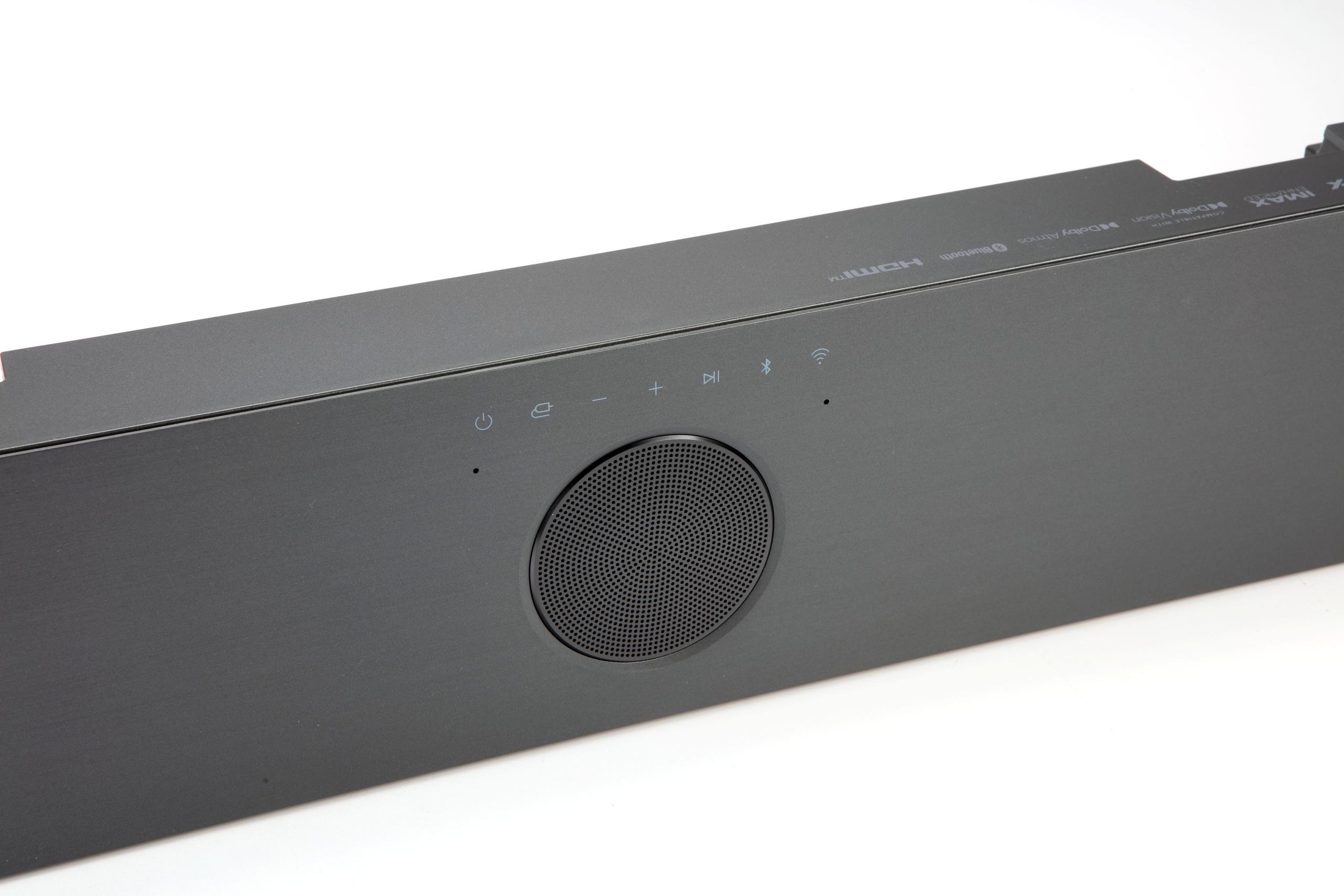
Here's where the LG SC9S truly shines. The combination of Dolby Atmos processing, multiple drivers, and sophisticated DSP creates genuinely immersive spatial audio. Helicopters fly overhead, rain falls around you, and ambient sounds create a believable three-dimensional soundscape. The IMAX Enhanced certification means the soundbar is optimized for premium content that takes full advantage of these capabilities.
The Sonos Ray doesn't even attempt spatial audio – it's a stereo soundbar that focuses on creating the best possible two-channel presentation. Within those constraints, it does excellent work, creating a wide soundstage that extends beyond the physical boundaries of the soundbar. However, it cannot process Dolby Atmos content, instead downmixing everything to stereo.
For immersive movie watching or gaming, the LG SC9S offers an experience the Sonos Ray simply cannot match. However, if you primarily watch dialogue-heavy content where spatial effects aren't crucial, the Ray's focused approach may actually be preferable.
The Sonos Ray wins the simplicity contest decisively. Setup involves connecting a single cable (HDMI ARC or optical), downloading the Sonos app, and following a brief setup wizard. The app guides you through basic configuration, and if you have an iOS device, Trueplay room correction runs automatically. Total setup time is typically under 10 minutes.
The LG SC9S requires more patience. You'll need to position the wireless subwoofer, connect multiple cables, and run the AI Room Calibration process. The calibration itself is automated, but finding the optimal subwoofer placement often involves trial and error. Budget at least 30 minutes for initial setup, plus additional time for fine-tuning if you're particular about sound quality.
Both soundbars handle daily use well, but with different strengths. The Sonos Ray integrates seamlessly with your existing TV remote – volume, power, and basic controls all work through your TV's interface. The Sonos app provides additional features like music streaming and system settings, but daily operation is transparent.
The LG SC9S offers more control options but requires more decision-making. Multiple sound modes optimize performance for different content types, and the system can be controlled through the included remote, LG's app, or voice assistants. This flexibility is powerful but can feel overwhelming compared to the Ray's set-it-and-forget-it approach.
For gamers, the LG SC9S offers significant advantages. Its HDMI 2.1 inputs support 4K resolution at 120Hz refresh rates, Variable Refresh Rate (VRR), and Auto Low Latency Mode (ALLM). These features ensure smooth gameplay with modern consoles while maintaining high-quality audio processing. Game-specific sound modes optimize audio for different gaming genres, and the spatial audio capabilities enhance competitive gaming by providing accurate positional audio cues.
The Sonos Ray provides basic audio enhancement for gaming but lacks specialized gaming features. It's perfectly adequate for casual gaming but won't satisfy serious gamers who want the full competitive advantage that proper spatial audio and low-latency processing provide.
Dialogue-focused viewers who primarily watch TV series, documentaries, news, and other content where clear speech is paramount. If you find yourself constantly adjusting volume or using subtitles because of unclear dialogue, the Sonos Ray will transform your viewing experience.
Smaller living spaces where a compact soundbar needs to work within physical constraints. The Ray's forward-facing acoustic design minimizes interference from nearby walls and furniture, making it ideal for apartments, bedrooms, or enclosed entertainment centers.
Simplicity seekers who want better TV sound without complexity. If terms like "surround sound processing" and "spatial audio" sound intimidating, the Sonos Ray's straightforward approach eliminates confusion while delivering meaningful audio improvement.
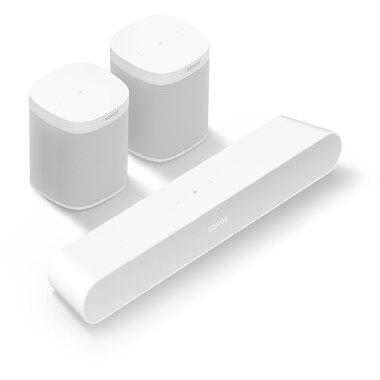
Sonos ecosystem users who already own Sonos speakers and want seamless integration. The Ray becomes part of your whole-home audio system, enabling features like grouped playback and consistent control through the Sonos app.
Movie enthusiasts who want the full cinematic experience at home. If you regularly watch action movies, sci-fi epics, and other content that benefits from immersive audio, the LG SC9S delivers theater-quality sound that transforms your living room.
Gamers who take audio seriously and want every competitive advantage. The spatial audio capabilities, low-latency processing, and high-refresh-rate support make the LG SC9S an excellent complement to modern gaming consoles.
Larger room owners who have space for a subwoofer and can benefit from the full surround sound experience. The SC9S needs room to breathe – both for optimal subwoofer placement and for height effects to work properly.
Tech enthusiasts who appreciate having the latest audio technologies and don't mind a more complex setup process. If features like Dolby Atmos, DTS:X, and IMAX Enhanced excite you, the LG SC9S offers cutting-edge capabilities.
Both the Sonos Ray and LG SC9S excel at their intended purposes, making the choice more about matching capabilities to your needs than finding an objectively superior product. The Ray proves that sometimes focusing on doing one thing exceptionally well beats trying to do everything adequately. Its dialogue clarity and simplicity make it a perfect upgrade for users who just want their TV to sound better without complications.
The LG SC9S, meanwhile, justifies its premium positioning by delivering features and performance that genuinely transform the home entertainment experience. If you're building a dedicated home theater or want audio that matches the quality of modern 4K HDR content, the SC9S provides capabilities that the Ray simply cannot match.
At the time of writing, the price difference between these soundbars reflects their different ambitions and target audiences. The Sonos Ray offers excellent value for users seeking dialogue clarity and simplicity, while the LG SC9S provides strong value for those wanting comprehensive surround sound capabilities without the complexity of separate components.
Your decision ultimately comes down to understanding what you value most: the Ray's focused excellence in dialogue clarity and ease of use, or the SC9S's comprehensive audio capabilities and future-proof feature set. Both will dramatically improve your TV audio experience – they just take very different paths to get there.
| Sonos Ray Soundbar | LG SC9S 3.1.3 Channel Dolby Atmos Soundbar |
|---|---|
| Audio Channels - Determines surround sound capabilities and immersion level | |
| 2.0 stereo (focused on dialogue clarity) | 3.1.3 with dedicated subwoofer (full surround experience) |
| Dolby Atmos Support - Essential for modern movie and streaming content | |
| No (downmixes to stereo) | Yes, with 3 up-firing drivers for height effects |
| Subwoofer - Critical for bass impact in movies and music | |
| Built-in bass ports only | Dedicated wireless subwoofer included |
| Room Correction Technology - Optimizes sound for your specific space | |
| Trueplay (iOS devices only) | AI Room Calibration Pro (works with any device) |
| Connectivity Options - Affects compatibility with various devices | |
| HDMI ARC, Optical, Wi-Fi (limited but sufficient) | HDMI 2.1 in/out, Optical, USB, Wi-Fi, Bluetooth (comprehensive) |
| Gaming Features - Important for console and PC gaming | |
| Basic audio enhancement only | 4K/120Hz, VRR, ALLM, low-latency processing |
| Setup Complexity - Time and effort required to get optimal performance | |
| Extremely simple (10 minutes) | Moderate complexity (30+ minutes with calibration) |
| Primary Strength - What each product does best | |
| Dialogue clarity and speech enhancement | Immersive surround sound and spatial audio |
| Ideal Room Size - Where each performs optimally | |
| Small to medium rooms, enclosed spaces | Medium to large rooms with ceiling height 8-10 feet |
| Smart Features - Ecosystem integration and voice control | |
| Sonos multiroom, AirPlay 2, Alexa compatible | Google Assistant, Amazon Alexa, Chromecast, AirPlay 2 |
| Release Year - Shows how current the technology is | |
| 2022 (focused on core TV audio improvement) | 2023 (includes latest premium audio technologies) |
The Sonos Ray excels at dialogue clarity thanks to its custom waveguides and Speech Enhancement processing that specifically targets vocal frequencies. It makes conversations crystal clear without sounding artificial. The LG SC9S also delivers good dialogue through its dual center channels, but the Sonos Ray is specifically engineered for this purpose and consistently outperforms in speech clarity.
If you watch a lot of action movies, sci-fi films, or premium streaming content, Dolby Atmos makes a significant difference. The LG SC9S supports full Dolby Atmos with height effects that create immersive 3D sound. The Sonos Ray doesn't support Dolby Atmos and downmixes this content to stereo, which is fine for dialogue-heavy shows but less impressive for cinematic content.
The Sonos Ray is specifically designed for smaller spaces with its compact form factor and forward-facing acoustics that minimize interference from nearby walls. The LG SC9S performs better in larger rooms where its surround sound effects and subwoofer have space to work properly. For apartments or bedrooms, the Sonos Ray is the better choice.
A dedicated subwoofer makes a huge difference for bass-heavy content like action movies and music. The LG SC9S includes a wireless subwoofer that delivers impactful low-end frequencies. The Sonos Ray relies on built-in bass ports, which sound good for dialogue and casual listening but can't match the depth and impact of a separate subwoofer.
The Sonos Ray wins for simplicity with a 10-minute setup process and seamless integration with your TV remote. The LG SC9S requires more initial setup time for positioning the subwoofer and running room calibration, plus offers multiple sound modes that some users find overwhelming. For set-it-and-forget-it operation, choose the Sonos Ray.
Both offer strong value in their price ranges. The Sonos Ray provides excellent dialogue clarity and simplicity at a lower price point, making it great value for users focused on TV audio improvement. The LG SC9S costs more but includes comprehensive features like Dolby Atmos, a subwoofer, and gaming capabilities that would cost significantly more as separate components.
Both soundbars support wireless streaming but through different methods. The Sonos Ray integrates with the Sonos ecosystem for music streaming and supports AirPlay 2. The LG SC9S offers broader connectivity with Chromecast, AirPlay 2, and Bluetooth. However, both primarily receive audio from your TV rather than streaming content directly.
The LG SC9S provides better overall music performance due to its full-range drivers, dedicated subwoofer, and Hi-Res Audio support. The Sonos Ray handles music adequately and offers convenient Sonos ecosystem integration for streaming, but its dialogue-focused tuning and limited bass response make it less ideal for serious music listening.
The Sonos Ray is ideal for apartments due to its compact size, dialogue focus, and night mode that reduces volume variations. It won't disturb neighbors like a system with a powerful subwoofer might. The LG SC9S can work in apartments but requires careful subwoofer placement and volume management to avoid noise complaints.
The Sonos Ray excels with dialogue-heavy content like TV series, news, and documentaries, making everything more intelligible. The LG SC9S adapts better to various content types with multiple sound modes and full surround processing, making it superior for action movies, sports, and gaming. Choose the LG SC9S for diverse content consumption or the Sonos Ray for primarily TV viewing.
We've done our best to create useful and informative comparisons to help you decide what product to buy. Our research uses advanced automated methods to create this comparison and perfection is not possible - please contact us for corrections or questions. These are the sites we've researched in the creation of this article: tomsguide.com - soundandvision.com - youtube.com - techradar.com - en.community.sonos.com - rtings.com - howtogeek.com - youtube.com - cnet.com - sonos.com - videoandaudiocenter.com - consumerreports.org - valueelectronics.com - youtube.com - bestbuy.com - rtings.com - costco.com - bestbuy.com - walts.com - queencityonline.com - blog.son-video.com - videoandaudiocenter.com - lg.com

Privacy Policy
Terms and Conditions - Affiliate Policy
Home Security
© Copyright 2008-2026.
11816 Inwood Rd #1211, Dallas, TX 75244