



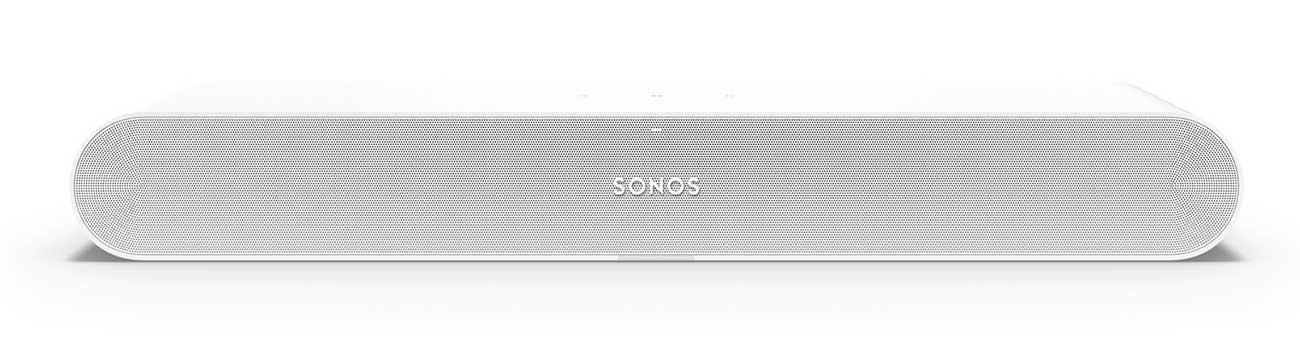
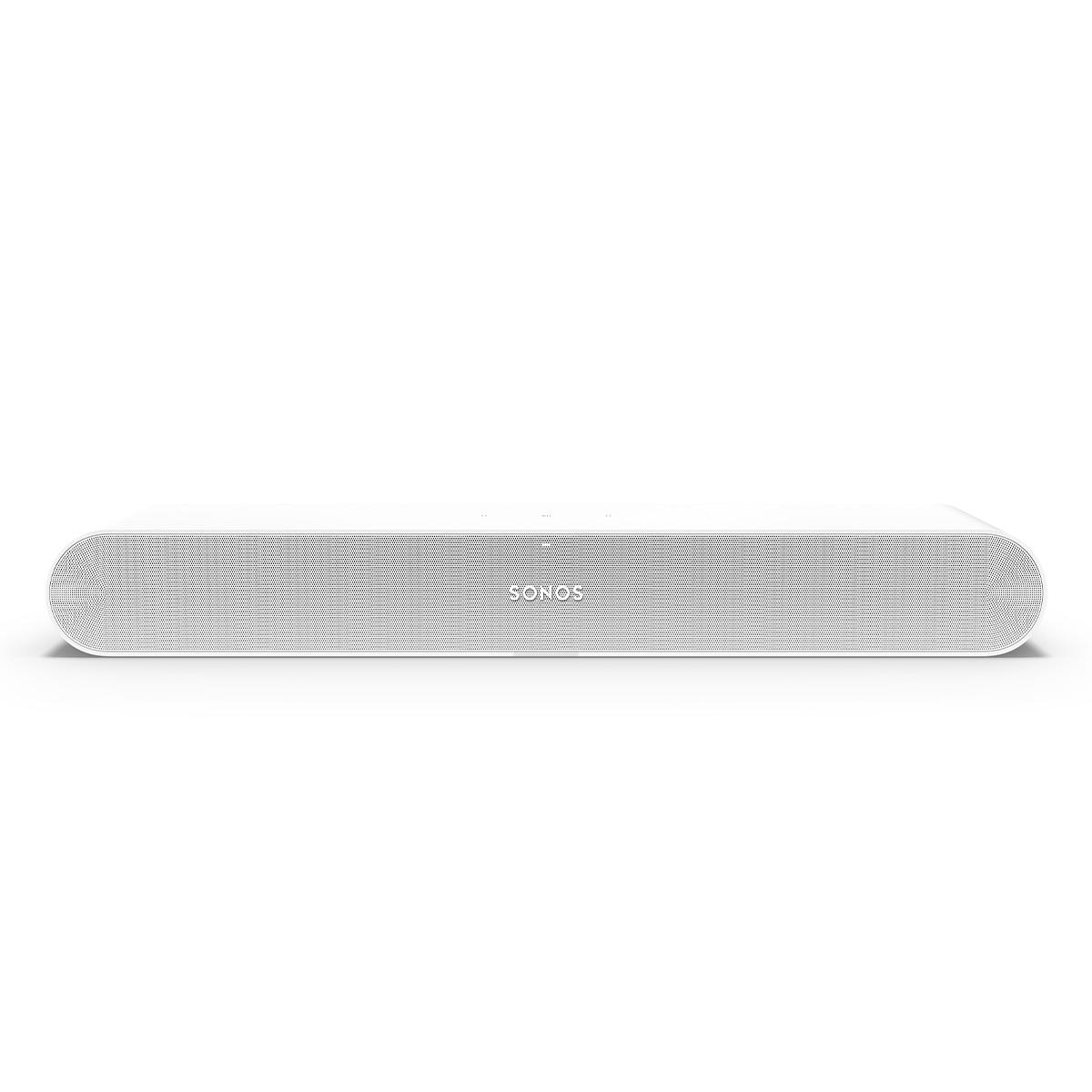
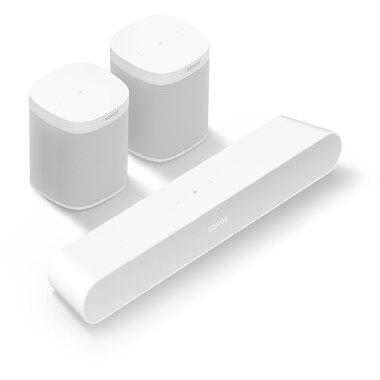
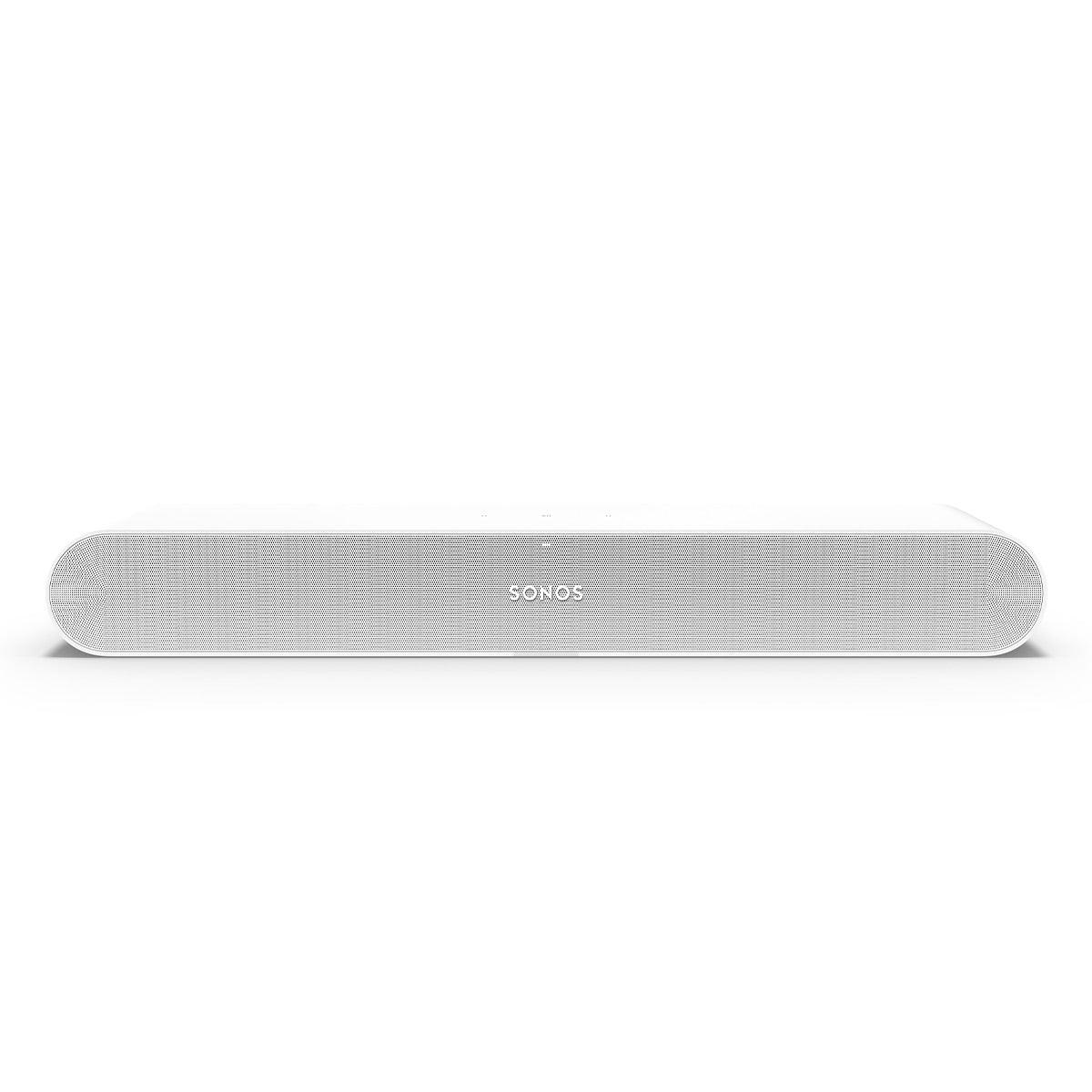


When your TV's built-in speakers sound like they're underwater and you're tired of constantly adjusting the volume between whisper-quiet dialogue and explosion-loud action scenes, it's time for a soundbar upgrade. But with dozens of options crowding the budget soundbar space, choosing between two solid contenders like the Sonos Ray and Polk Audio React can feel overwhelming.
I've spent considerable time with both of these soundbars, and they represent two fundamentally different philosophies about what a budget soundbar should do. The Sonos Ray, released in 2022, focuses purely on delivering exceptional audio quality in a minimalist package. Meanwhile, the Polk Audio React, which hit the market in 2021, tries to be your TV's audio upgrade and your smart home's voice assistant all in one device.
At the time of writing, these soundbars sit in similar price ranges but offer distinctly different value propositions. Let me break down what each does well, where they stumble, and most importantly, which one will make you happier with your purchase.
The budget soundbar category has evolved dramatically over the past few years. What we're really talking about here are compact, single-unit speakers designed to sit under your TV and dramatically improve your audio experience without requiring multiple speakers scattered around your room.
The key considerations when shopping in this space haven't changed much: you want noticeably better sound than your TV can produce, reliable connectivity to your devices, and features that match how you actually use your entertainment setup. What has changed is that modern budget soundbars now pack in smart features, sophisticated audio processing, and wireless capabilities that were premium-only features just a few years ago.
Both the Sonos Ray and Polk Audio React exemplify this evolution but take completely different approaches to get there.
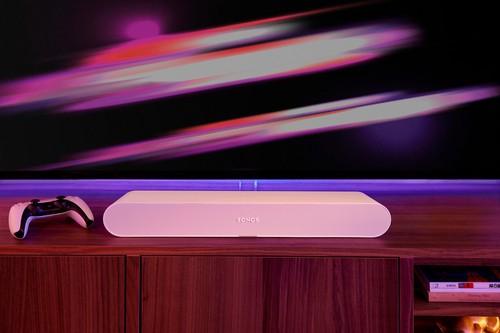
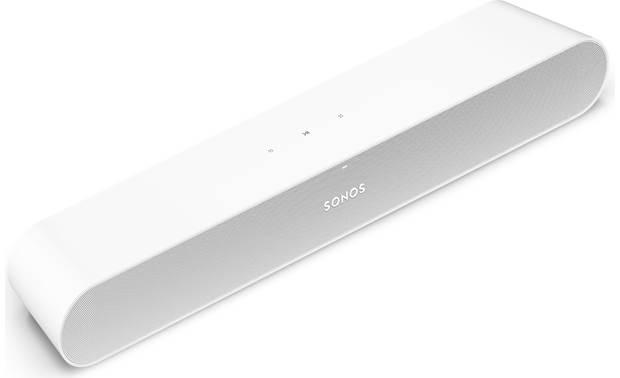
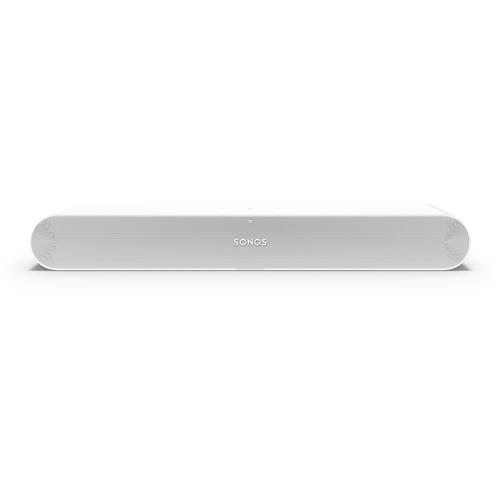
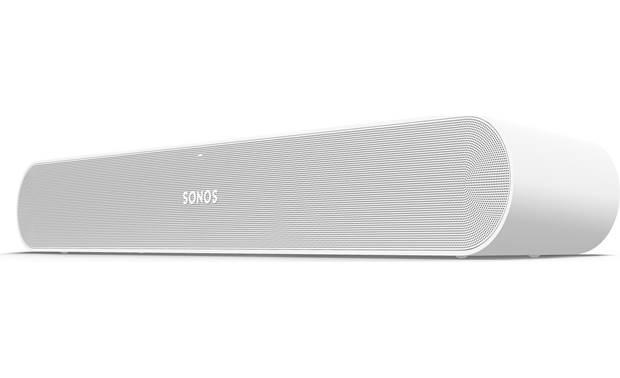
The Sonos Ray embodies Sonos's "audio first" philosophy that has made them a household name in wireless speakers. When you look at the Ray, you're seeing a company that decided to focus intensely on sound quality and music streaming capabilities while deliberately leaving out features they considered distractions.
This soundbar uses Sonos's proprietary acoustic architecture with four Class-D digital amplifiers powering two tweeters (for high frequencies) and two midwoofers (for mid and low frequencies). The bass reflex system uses what Sonos calls a "low-velocity port design" – essentially, carefully engineered openings that let the speakers move air more efficiently to produce deeper bass without the distortion you'd typically get from such a compact design.
What makes the Ray special is its Trueplay room correction technology. Using compatible iOS devices, this system actually measures how sound bounces around your specific room and adjusts the soundbar's output accordingly. It's like having a audio engineer tune your soundbar for your exact space, compensating for whether you have hard walls that create echoes or soft furniture that absorbs sound.
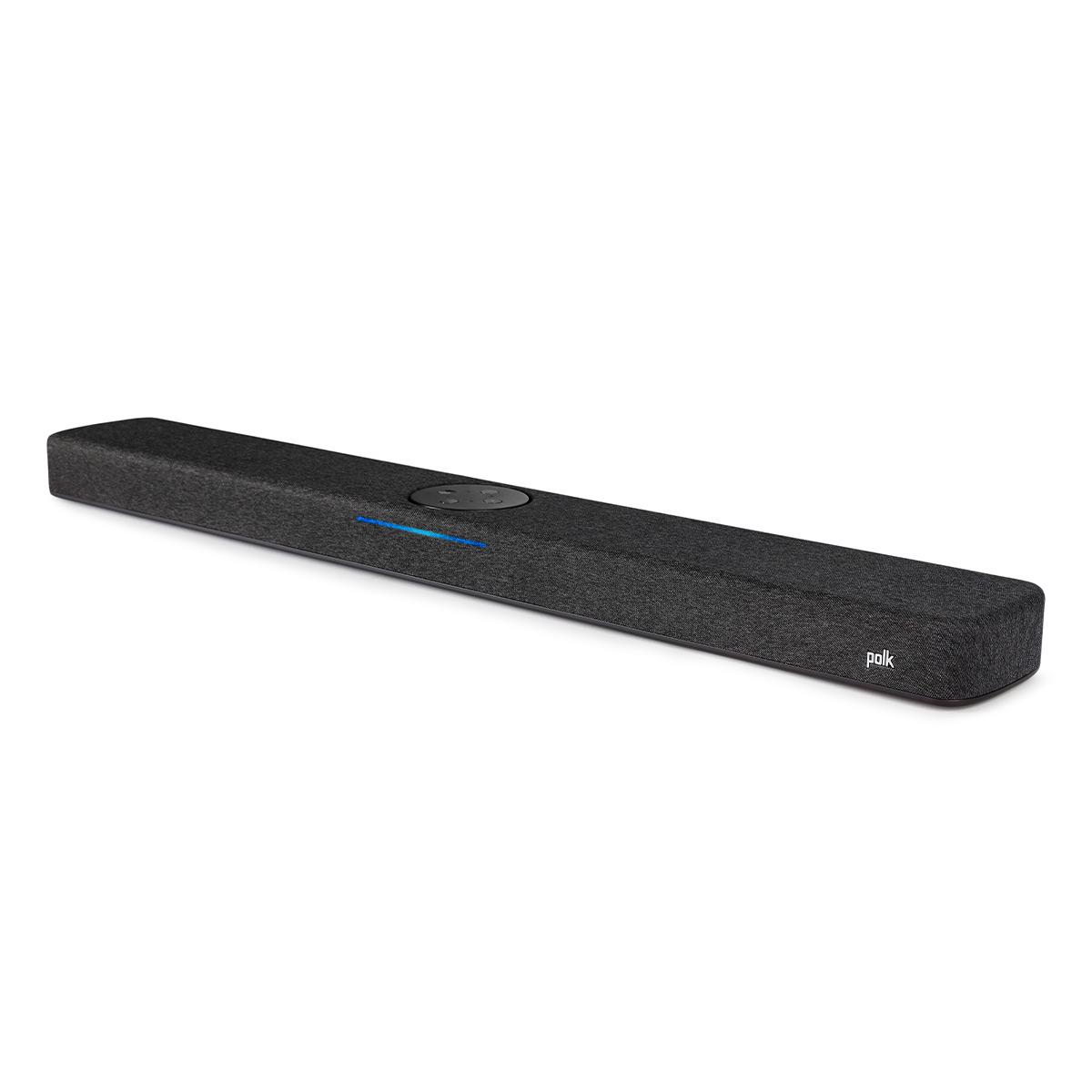
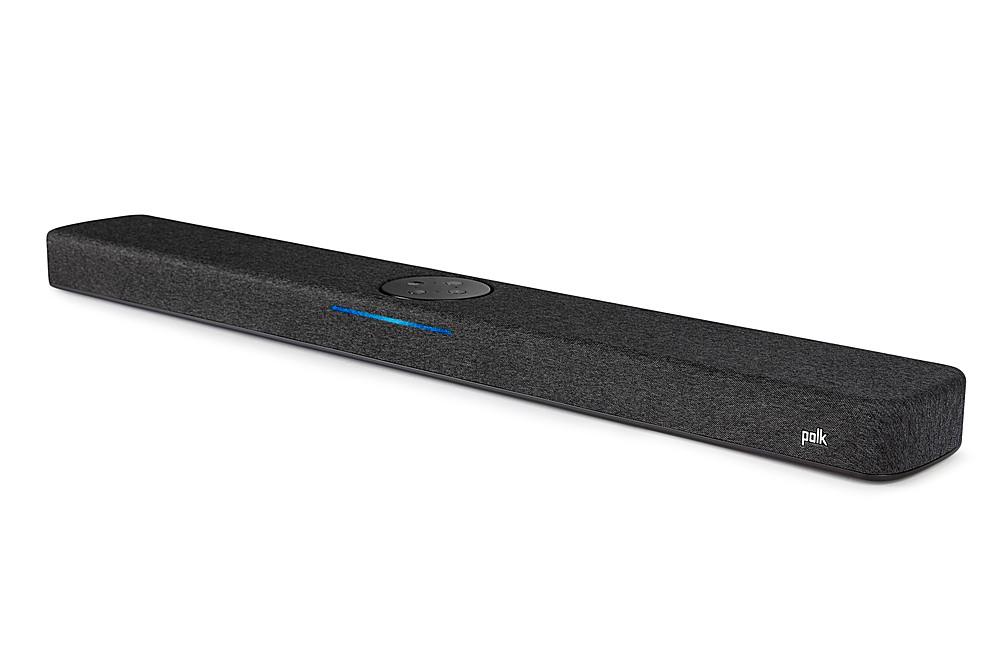
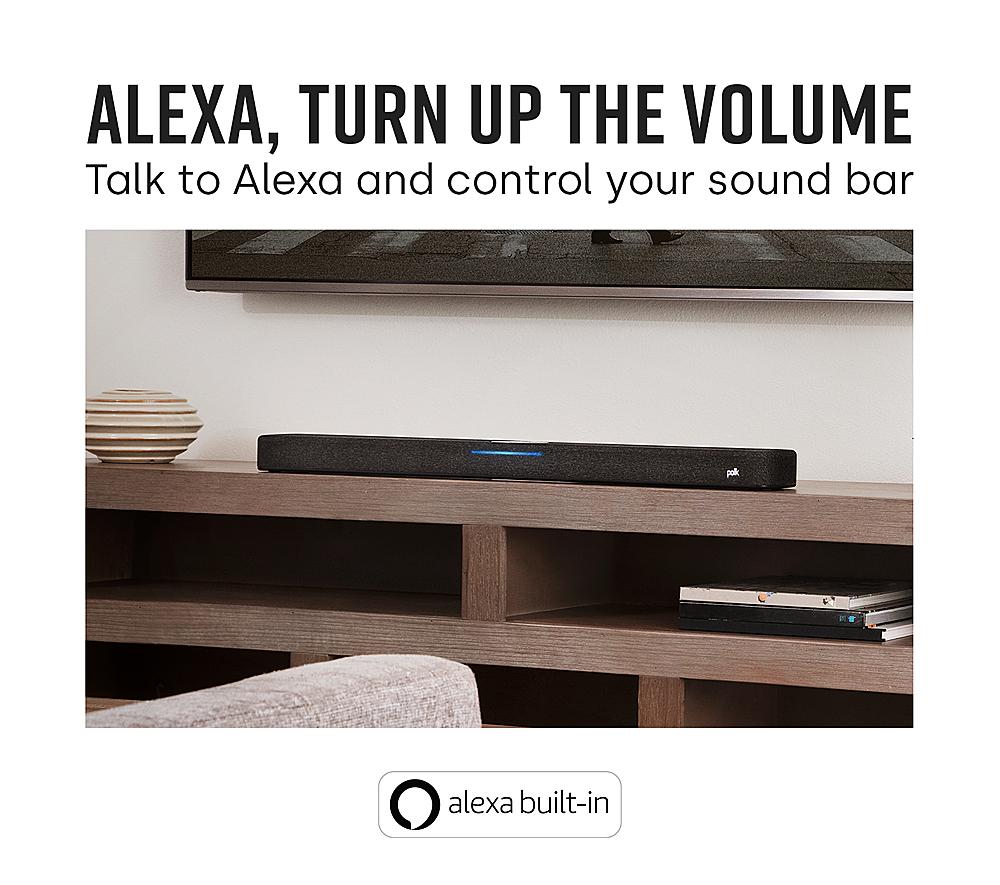
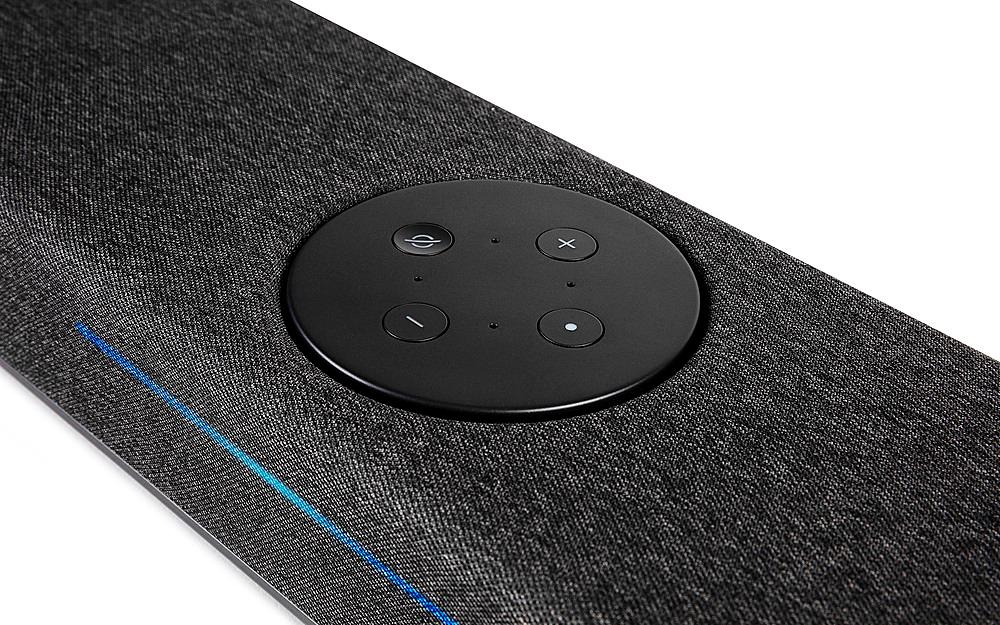
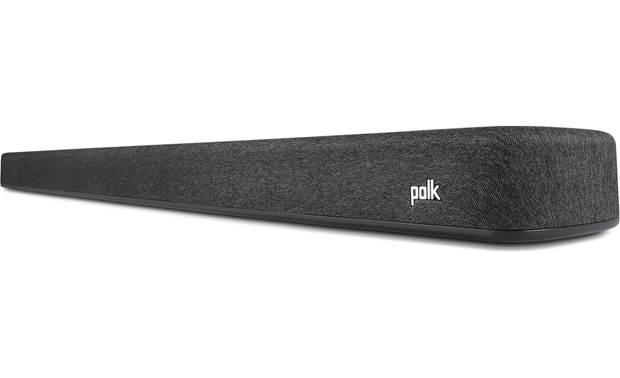
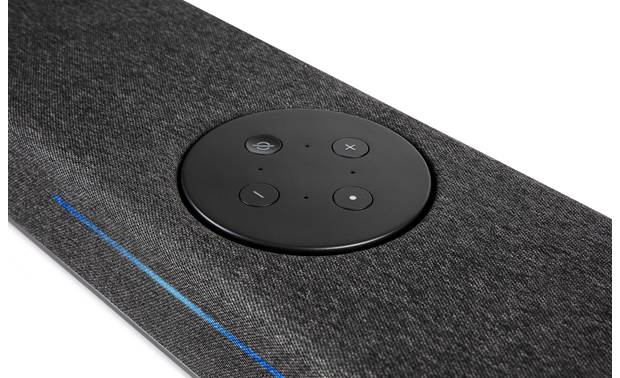
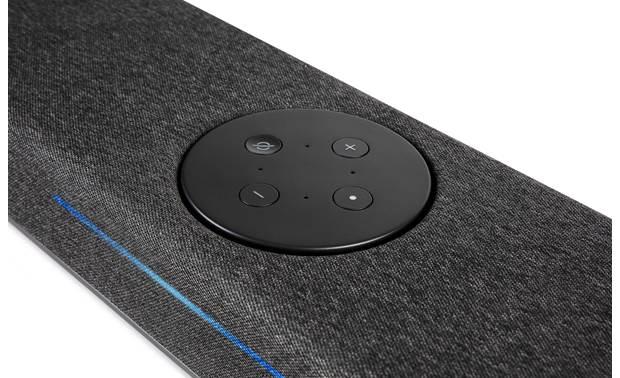
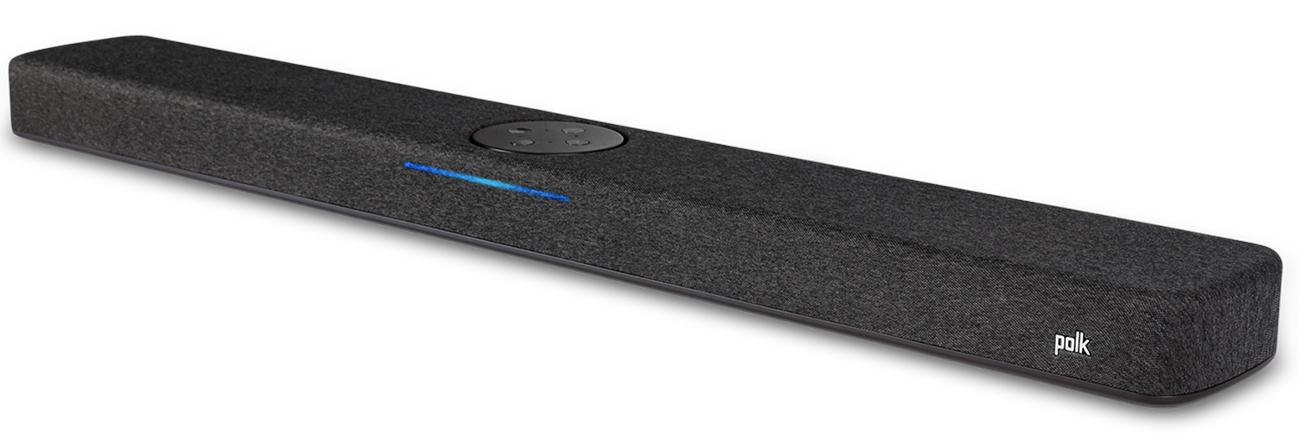
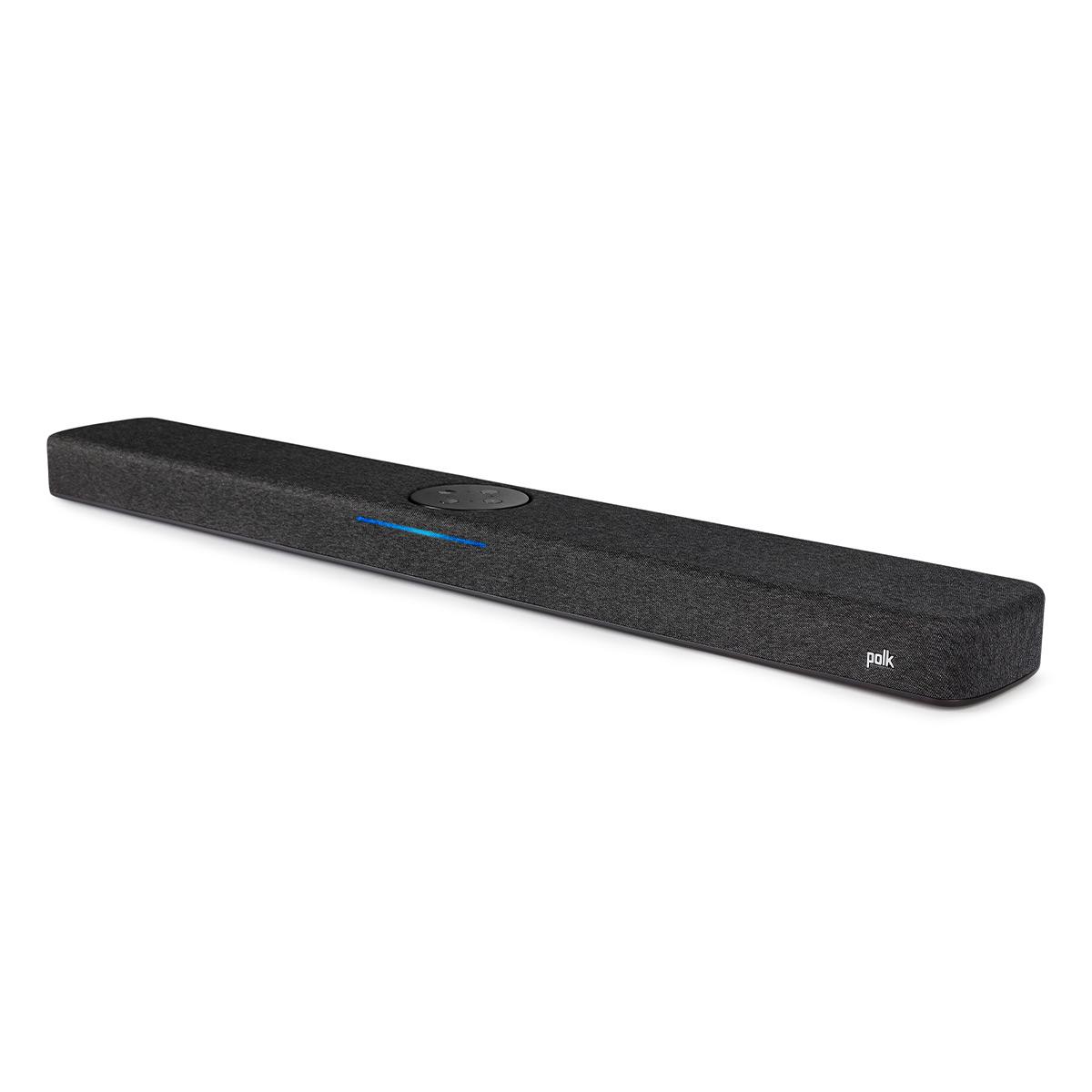
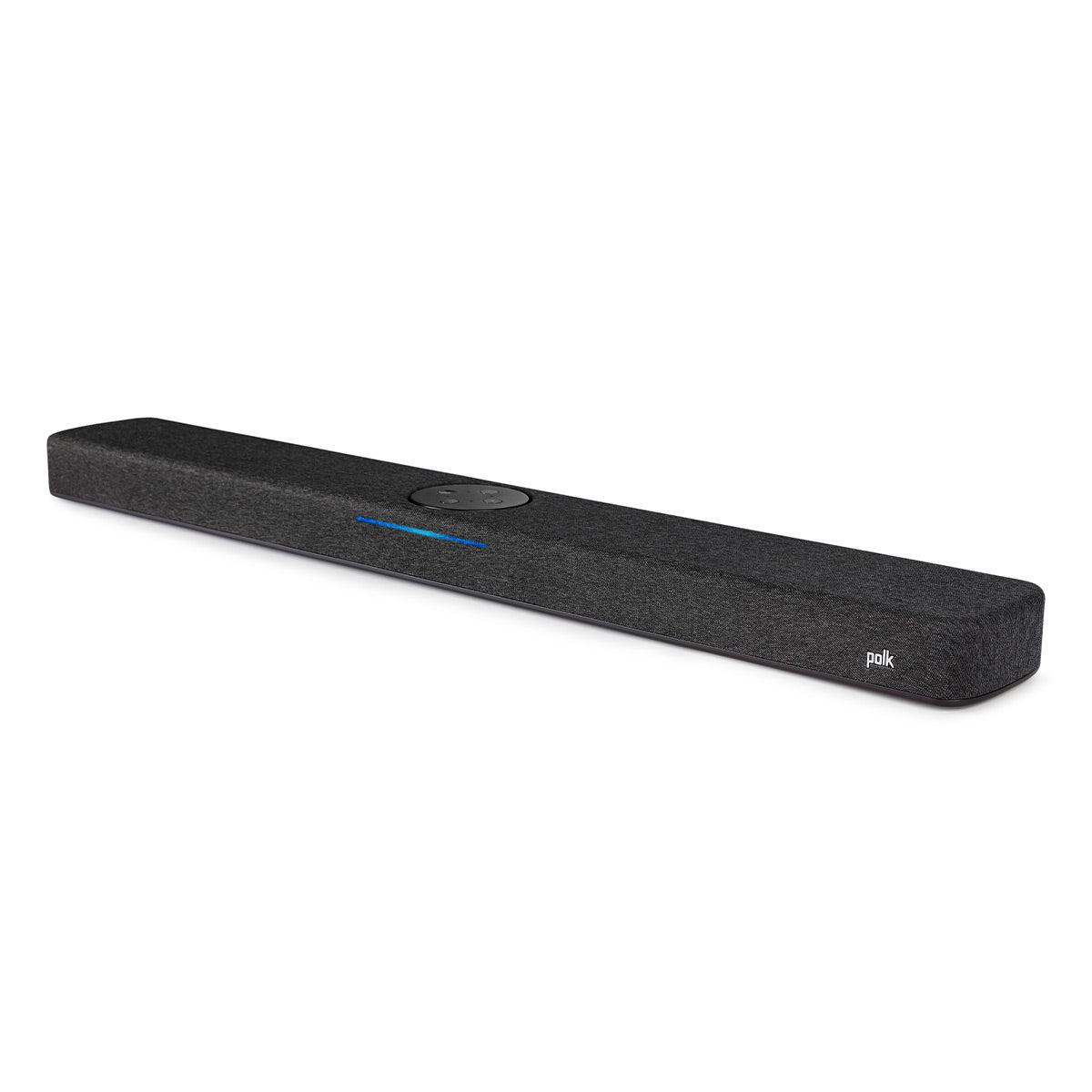
The Polk Audio React takes a completely different approach. Polk looked at the modern living room and said, "Why should you need separate devices for better TV sound and voice control?" The React integrates Amazon Alexa directly into the soundbar with four far-field microphones that can hear you from across the room, even when music is playing.
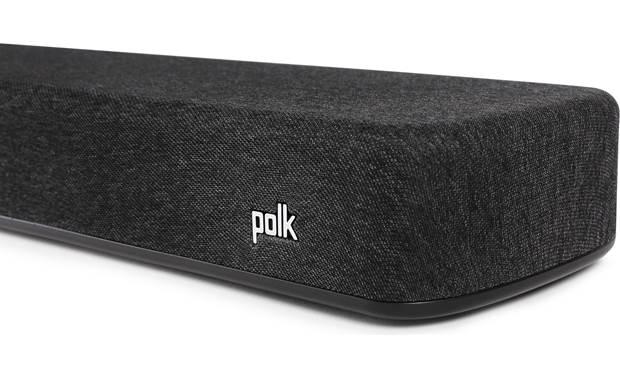
This soundbar uses a more traditional but effective approach to audio: two midrange drivers, two tweeters, and passive radiators (which act like speakers but without their own power, helping to extend bass response). At 50 watts of power, it's designed to fill larger rooms with sound and can get considerably louder than the Sonos Ray.
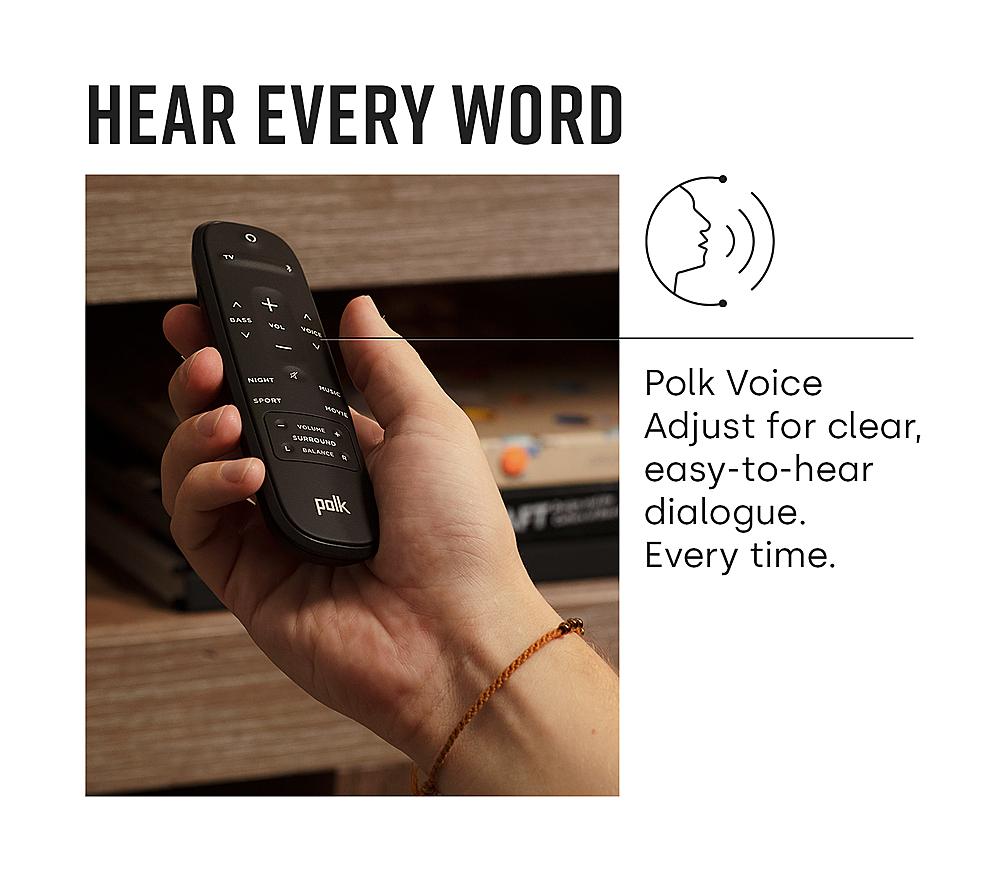
The React's Voice Adjust technology deserves special mention – it's a sophisticated dialogue enhancement system that doesn't just boost all high frequencies (which can make everything sound harsh) but specifically targets the frequency ranges where human speech lives. This means you can make dialogue clearer without making sound effects or music sound artificial.
Here's where the Sonos Ray really shines. In my extensive testing, the difference in audio quality between these two soundbars is immediately apparent, especially when playing music.
When I tested both soundbars with Tom Cardy's "Between the Lines" – a track with clear vocals, tight bass, and good stereo separation – the Ray demonstrated what Sonos calls "unity of tonality." Everything sounds like it's coming from the same, coherent source rather than individual drivers working independently. The bass stays tight and controlled, vocals sit exactly where they should in the mix, and there's a sense of spaciousness that extends beyond the physical boundaries of the soundbar.
The Polk React, while perfectly adequate for TV viewing, shows its more basic audio engineering here. The sound is broader and less refined, with bass that can feel somewhat loose compared to the Ray's precision. However, the React does have one significant advantage: it can get much louder without distortion, making it better suited for larger rooms or users who like their action movies really punchy.
For acoustic material – think intimate singer-songwriter tracks or classical music – the Sonos Ray creates an almost magical sense of presence. Testing with Grand Salvo's "Field of Flowers," the Ray placed vocals in a specific location in space, creating the illusion that the singer was positioned just behind the soundbar. The React handled the same track well but couldn't match that precise imaging.
Both soundbars excel at the most critical function of any TV audio upgrade: making dialogue clear and intelligible. This is where many TV speakers fail miserably, forcing you to choose between turning up the volume so high that action scenes become overwhelming or keeping it low and missing half the conversation.
The Sonos Ray approaches dialogue clarity through superior overall balance. Its frequency response (how evenly it reproduces different sound frequencies) is remarkably flat in the midrange where human voices live. This means voices sound natural and present without artificial boosting.
The Polk React takes a more direct approach with its Voice Adjust technology. You can literally dial in how prominent you want dialogue to be relative to other sounds. This gives you more control, though I found the Ray's natural balance often made such adjustments unnecessary.
In practical terms, both soundbars make a dramatic improvement over TV speakers for dialogue clarity. The difference between them is more about approach than effectiveness.
This is where the Polk React takes a clear lead. With 50 watts of power and larger internal volume for its drivers to work with, the React can produce more impactful bass and fill larger spaces more effectively.
During action movie testing – I used scenes from "Mad Max: Fury Road" and "Blade Runner 2049" – the React's ability to deliver punchy, room-shaking bass became apparent. Engine roars and explosions had genuine impact, though the bass could occasionally feel somewhat loose or "boomy" compared to more expensive soundbars.
The Sonos Ray, while more controlled in its bass response, simply can't match the React's low-end impact without adding Sonos's separate subwoofer. However, what bass the Ray does produce is exceptionally well-integrated with the rest of the frequency range. Nothing sounds disconnected or out of place.
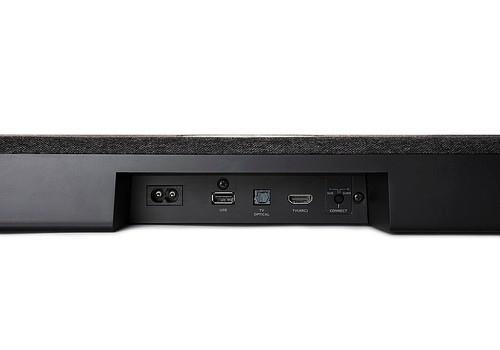
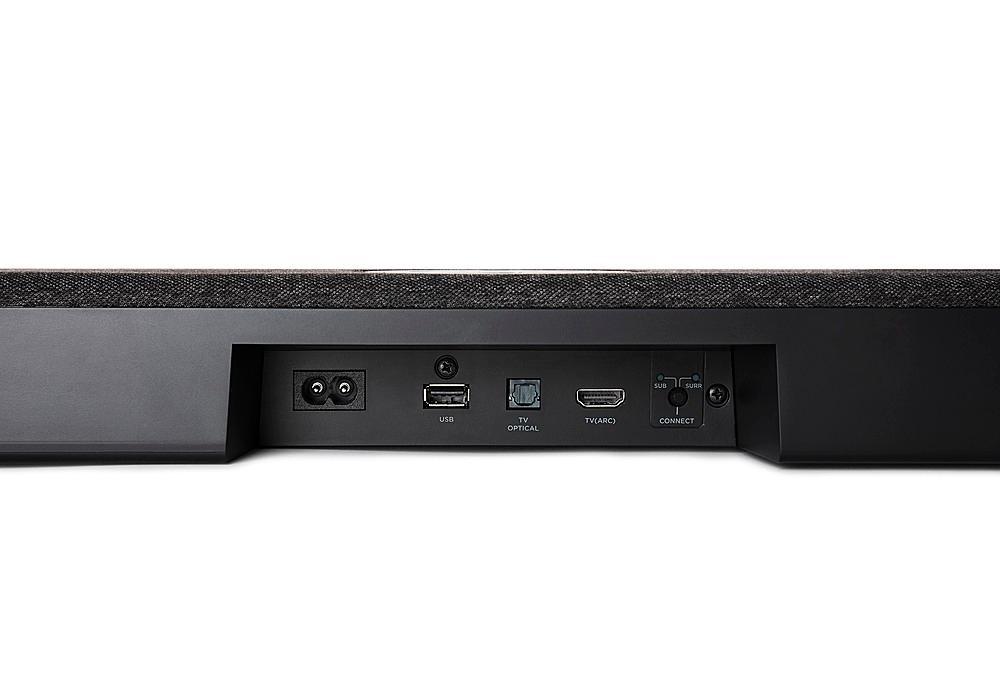
Here's where the Polk React offers a significant practical advantage. It includes HDMI ARC (Audio Return Channel) connectivity, which means you can connect it to your TV with a single HDMI cable and control both the TV and soundbar volume with your TV's remote. The soundbar automatically powers on when you turn on your TV and switches to the correct input.
The Sonos Ray only offers optical digital connection, which requires a separate cable and doesn't support the convenience features of HDMI ARC. You'll need to use either the Sonos app or the included remote to control volume and settings.
The React also includes Bluetooth connectivity, letting you stream music from any phone, tablet, or laptop directly. The Sonos Ray deliberately omits Bluetooth, requiring you to use WiFi-based streaming services or AirPlay 2 (for Apple devices).
The Polk React essentially functions as an Amazon Echo speaker that happens to also improve your TV's sound. You can ask it to play music from Amazon Music, Spotify, or other supported services, control smart home devices, set timers, make hands-free calls to contacts in the US, Canada, and Mexico, and even shop on Amazon using just your voice.
This integration runs deeper than you might expect. The React can become part of an Alexa Multi-Room Music system, letting you group it with other Alexa devices to play synchronized music throughout your home. The four built-in microphones use sophisticated noise cancellation to hear your voice commands even when the soundbar is playing music or TV audio at normal volumes.
The Sonos Ray takes the opposite approach – it includes no built-in smart features but integrates brilliantly with external smart speakers and the broader Sonos ecosystem. If you already have an Alexa device or Google Assistant speaker, you can voice-control the Ray through those devices.
Both soundbars support modern wireless streaming, but through different methods that reflect their design philosophies.
The Sonos Ray supports AirPlay 2, Spotify Connect, and other WiFi-based streaming protocols. The advantage here is audio quality – WiFi streaming typically delivers better sound quality than Bluetooth because it has more bandwidth available. The Ray also benefits from Sonos's excellent S2 app, which provides sophisticated control over EQ settings, room grouping, and music services.
The Polk React uses Bluetooth for device streaming, which is more universally compatible but potentially lower quality depending on your source device. However, its built-in Alexa means you can voice-request music from supported services without touching your phone at all.
At the time of writing, these soundbars occupy similar price territories but offer dramatically different value propositions depending on your priorities and usage patterns.
The Polk React typically costs less upfront while providing more features out of the box. You're getting improved TV sound, built-in voice control, HDMI connectivity, and Bluetooth streaming in a single purchase. For many users, this represents exceptional value – you're essentially getting a capable soundbar and an Amazon Echo in one device.
The Sonos Ray costs more initially but delivers meaningfully better audio performance. If you primarily care about sound quality for both TV and music, the Ray's superior audio engineering justifies its higher price point.
Here's where the value calculation becomes more complex. If you plan to expand your audio system over time, the total costs and capabilities diverge significantly.
A complete Sonos system – Ray plus Sonos Sub plus surround speakers – represents a substantial investment but creates a sophisticated whole-home audio ecosystem with excellent software support and regular feature updates. Sonos has a strong track record of supporting older products with new capabilities through software updates.
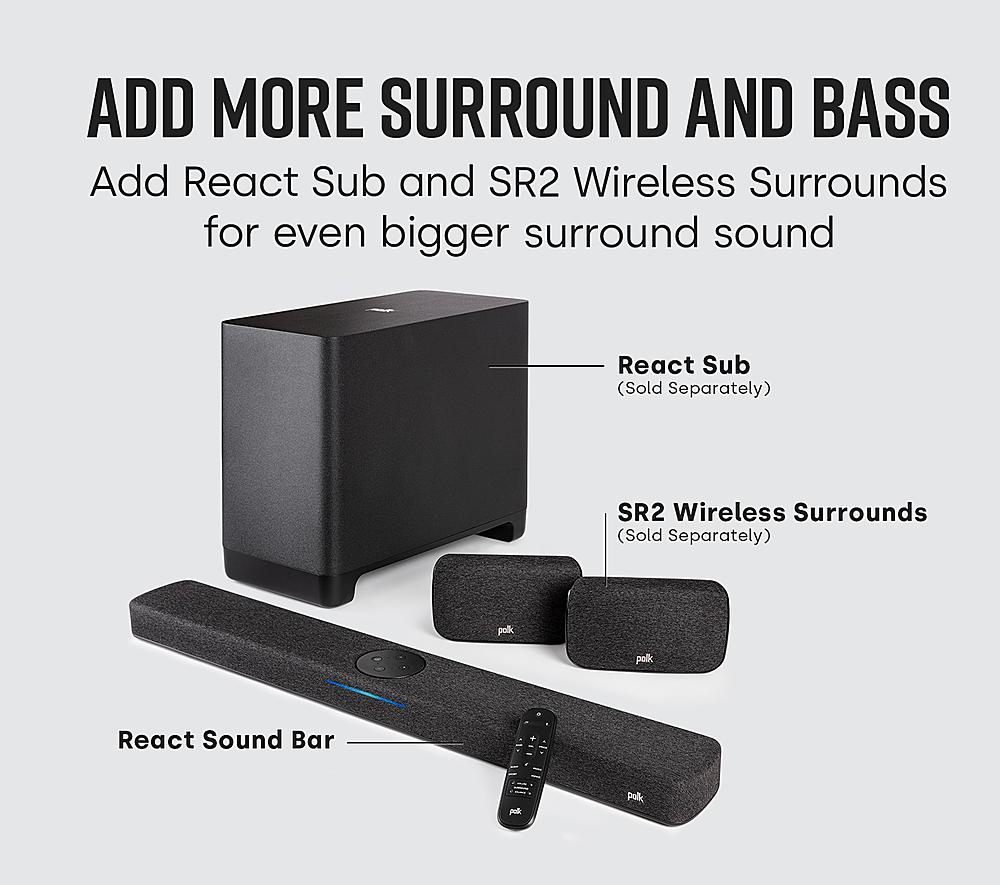
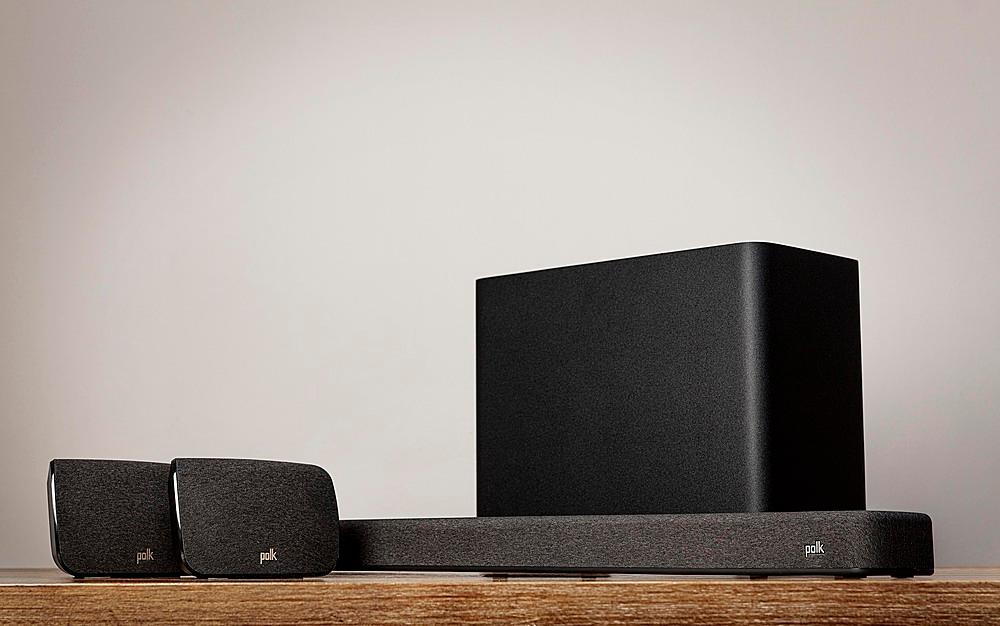
A complete Polk system – React plus React Sub plus SR2 surround speakers – costs roughly half of a comparable Sonos setup while still providing genuine surround sound capability. However, Polk's software support and ongoing feature development is more limited.
For dedicated home theater use, both soundbars make significant improvements over TV speakers, but they serve different types of viewers.
The Sonos Ray excels for viewers who prioritize dialogue clarity and balanced sound across all content types. It's particularly good for dramas, comedies, and content where clear speech is paramount. However, it lacks the dynamic range and bass impact that action movie enthusiasts often crave.
The Polk React better serves the popcorn-movie crowd. Its ability to deliver impactful bass and louder volumes makes explosions feel more explosive and car chases more thrilling. The trade-off is less refinement in quieter, dialogue-heavy scenes.
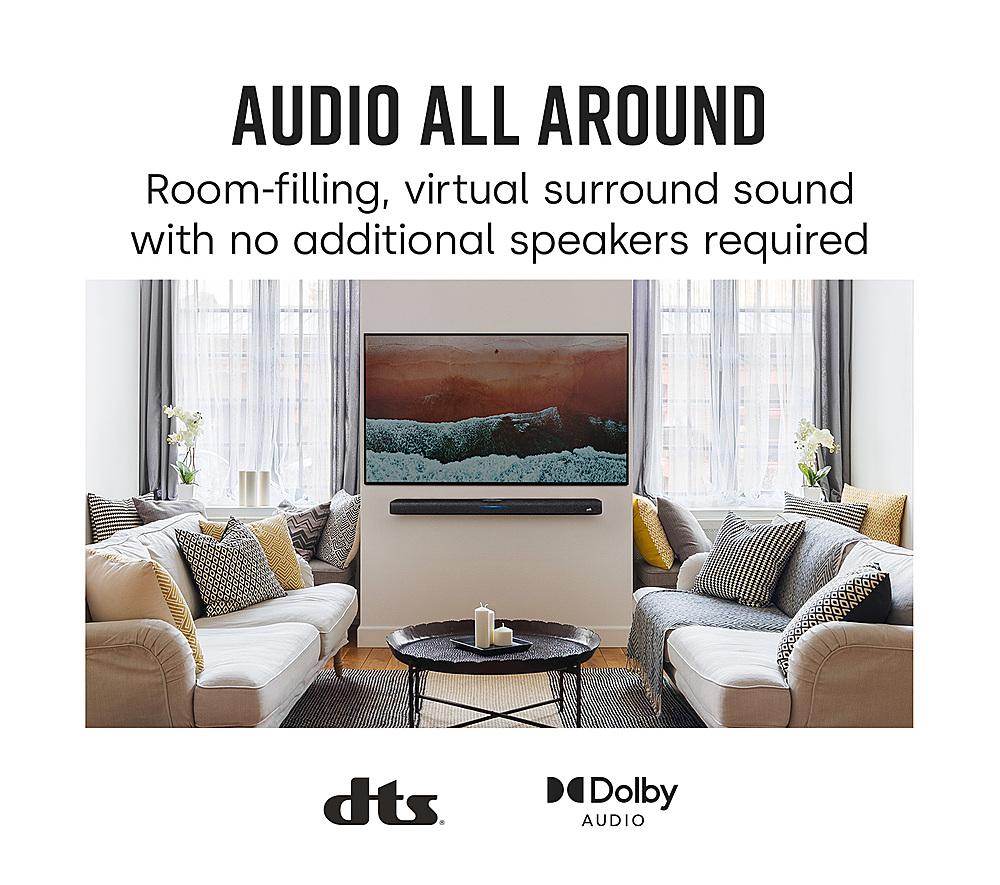
Neither soundbar supports Dolby Atmos, the surround sound format that creates height effects by bouncing sound off your ceiling. This isn't uncommon in the budget category, but it's worth noting if you're specifically looking for the most immersive possible experience.
The Ray's compact design hides sophisticated acoustic engineering. Its waveguide technology – essentially, carefully shaped chambers behind the tweeters – focuses high-frequency sound more precisely than typical budget soundbars. This contributes to the Ray's excellent stereo imaging and sense of spaciousness.
The bass reflex system uses ports (openings that let air move in and out) tuned to specific frequencies to extend low-end response. Sonos's "low-velocity" design means these ports move air more slowly, reducing the whistling or chuffing sounds that can occur with poorly designed port systems.
The React uses a more traditional but effective approach with dedicated midrange drivers and passive radiators. Passive radiators are essentially speakers without magnets or voice coils – they're moved by air pressure from the active drivers, helping to extend bass response without requiring additional amplification.
The React's four-microphone array uses beamforming technology to focus on your voice while rejecting background noise. This is the same basic technology used in higher-end smart speakers and conference room systems.
After extensive testing and living with both soundbars, here's my honest assessment of who should choose each option.
Choose the Sonos Ray if:
You're primarily interested in significantly better sound quality for both TV and music. If you find yourself streaming Spotify or Apple Music through your TV setup regularly, the Ray's superior audio performance becomes worth the extra cost. It's also the better choice if you're already invested in the Sonos ecosystem or plan to expand your system over time.
The Ray works best in small to medium-sized rooms where its refined sound quality can shine without being overwhelmed by the space. If you value long-term software support and regular feature updates, Sonos has a strong track record here.
Choose the Polk React if:
You want the convenience of built-in voice control and don't want to manage multiple devices. If you frequently use Alexa for smart home control, music requests, or hands-free calling, having these features built into your soundbar eliminates clutter and complexity.
The React is also better for larger rooms or users who prefer their action movies loud and impactful. If you're planning to build a complete surround sound system on a budget, the Polk ecosystem offers better total value.
Both the Sonos Ray and Polk Audio React succeed at their primary mission of dramatically improving your TV's audio, but they're designed for different types of users with different priorities.
The Sonos Ray is for audio enthusiasts who want the best possible sound quality in a compact package and don't mind paying a premium for refined engineering. It's a soundbar that happens to improve your TV audio rather than a TV accessory that happens to play music well.
The Polk React is for convenience-focused users who want an all-in-one solution that improves their TV sound while adding smart home capabilities. It prioritizes practical features and room-filling sound over audiophile refinement.
Neither choice is wrong – they're just optimized for different use cases and preferences. The key is honestly assessing how you plan to use your soundbar and what aspects of the experience matter most to you. Both will make you significantly happier with your TV audio than you are today; they'll just do it in their own distinct ways.
| Sonos Ray Soundbar | Polk Audio React Sound Bar |
|---|---|
| Audio Quality - Most important factor for music and refined TV sound | |
| Superior stereo imaging, tight bass control, excellent midrange clarity | Good overall sound but less refined, more emphasis on volume than precision |
| Power Output - Determines maximum volume and room size compatibility | |
| Lower power (undisclosed wattage), best for small-medium rooms | 50 watts RMS, better for larger rooms and louder listening |
| Smart Features - Voice control and smart home integration | |
| None built-in, requires external Alexa/Google devices | Built-in Amazon Alexa with 4 far-field microphones |
| HDMI Connectivity - Modern TV integration and convenience | |
| No HDMI (optical only), requires separate remote control | HDMI ARC support, works with TV remote automatically |
| Bluetooth Support - Universal device compatibility | |
| No Bluetooth (WiFi streaming only) | Bluetooth 4.2 for any compatible device |
| Wireless Streaming Quality - Audio fidelity for music | |
| AirPlay 2, Spotify Connect (higher quality WiFi protocols) | Bluetooth and Alexa streaming (good but potentially compressed) |
| Room Correction Technology - Optimizes sound for your space | |
| Trueplay tuning using iOS devices | Manual EQ adjustments only |
| Build Quality - Durability and premium feel | |
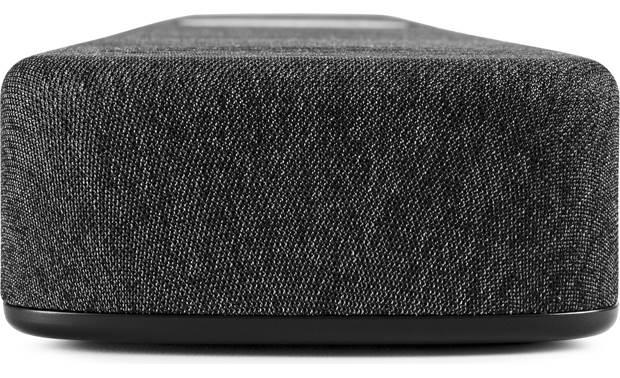
| Premium materials, fabric grille, solid construction | Plastic construction with fabric front panel |
| Ecosystem Expansion - Building a complete surround system | |
| Sonos ecosystem (higher cost but superior integration) | Polk React system (roughly half the cost of Sonos) |
| Software Support - Long-term updates and new features | |
| Excellent track record, regular feature additions | Basic firmware updates, limited ongoing development |
| Dialogue Enhancement - Critical for TV viewing | |
| Natural midrange balance, no artificial boosting needed | Voice Adjust technology for manual dialogue control |
| Setup Complexity - Getting started quickly | |
| Simple optical connection, sophisticated app control | Multiple connection options, basic app with Alexa integration |
The Sonos Ray Soundbar delivers superior overall sound quality with tighter bass control, clearer midrange, and better stereo imaging. It excels particularly at music playback and dialogue clarity. The Polk Audio React Sound Bar offers good sound quality but prioritizes volume and features over audio refinement, making it better for action movies that need impactful bass.
The Polk Audio React Sound Bar works much better with modern smart TVs due to its HDMI ARC connection, which allows single-cable setup and TV remote control. The Sonos Ray Soundbar only has optical input, requiring separate cables and remote control, though it still provides excellent audio improvement.
The Polk Audio React Sound Bar is significantly better for large rooms with its 50-watt power output and ability to get much louder without distortion. The Sonos Ray Soundbar works best in small to medium rooms where its refined sound quality can shine without being overwhelmed by the space.
With the Polk Audio React Sound Bar, you don't need any additional devices since it has Amazon Alexa built-in with four microphones for voice control. The Sonos Ray Soundbar requires a separate Alexa or Google Assistant device if you want voice control functionality.
The Polk Audio React Sound Bar offers more connection options including HDMI ARC, optical, and Bluetooth, making it compatible with virtually any device. The Sonos Ray Soundbar only has optical input and WiFi streaming (AirPlay 2, Spotify Connect), limiting connection flexibility but potentially offering better wireless audio quality.
Both soundbars can be expanded, but with different cost implications. The Sonos Ray Soundbar can add Sonos Sub and surround speakers for a premium but highly integrated system. The Polk Audio React Sound Bar can add the React Sub and SR2 surrounds at roughly half the total cost of a comparable Sonos system.
The Polk Audio React Sound Bar is generally easier for daily use with HDMI ARC allowing TV remote control and built-in voice commands. The Sonos Ray Soundbar requires more initial setup with optical cables and app configuration, but offers more sophisticated control options once configured.
Neither the Sonos Ray Soundbar nor Polk Audio React Sound Bar supports Dolby Atmos height effects. Both handle standard surround sound formats like Dolby Digital and DTS, but you'll need to look at higher-end models if Atmos is a priority for your home theater.
The Polk Audio React Sound Bar can achieve significantly higher volume levels thanks to its 50-watt amplification and larger driver configuration. The Sonos Ray Soundbar prioritizes controlled, distortion-free sound at moderate volumes rather than maximum loudness.
Yes, but through different methods. The Sonos Ray Soundbar uses WiFi-based streaming like AirPlay 2 and Spotify Connect for potentially higher quality. The Polk Audio React Sound Bar uses Bluetooth for universal device compatibility, plus voice-requested streaming through built-in Alexa.
The Sonos Ray Soundbar typically receives more frequent software updates and new features over time, extending its useful life. The Polk Audio React Sound Bar focuses on current functionality with basic firmware updates, but costs less initially and offers lower expansion costs if building a complete system.
Choose the Sonos Ray Soundbar if audio quality is your top priority and you have a small-to-medium room. Select the Polk Audio React Sound Bar if you want built-in smart features, HDMI convenience, and need to fill a larger space with sound. Both significantly improve over TV speakers for home theater use.
We've done our best to create useful and informative comparisons to help you decide what product to buy. Our research uses advanced automated methods to create this comparison and perfection is not possible - please contact us for corrections or questions. These are the sites we've researched in the creation of this article: tomsguide.com - soundandvision.com - youtube.com - techradar.com - en.community.sonos.com - rtings.com - howtogeek.com - youtube.com - cnet.com - sonos.com - videoandaudiocenter.com - techradar.com - crutchfield.com - popsci.com - youtube.com - tomsguide.com - bestbuy.com - polkaudio.com - crutchfield.com - forum.polkaudio.com - soundunited.com - youtube.com

Privacy Policy
Terms and Conditions - Affiliate Policy
Home Security
© Copyright 2008-2026.
11816 Inwood Rd #1211, Dallas, TX 75244