

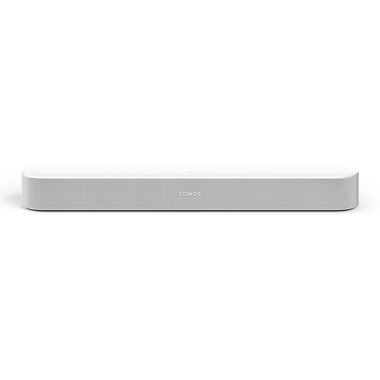
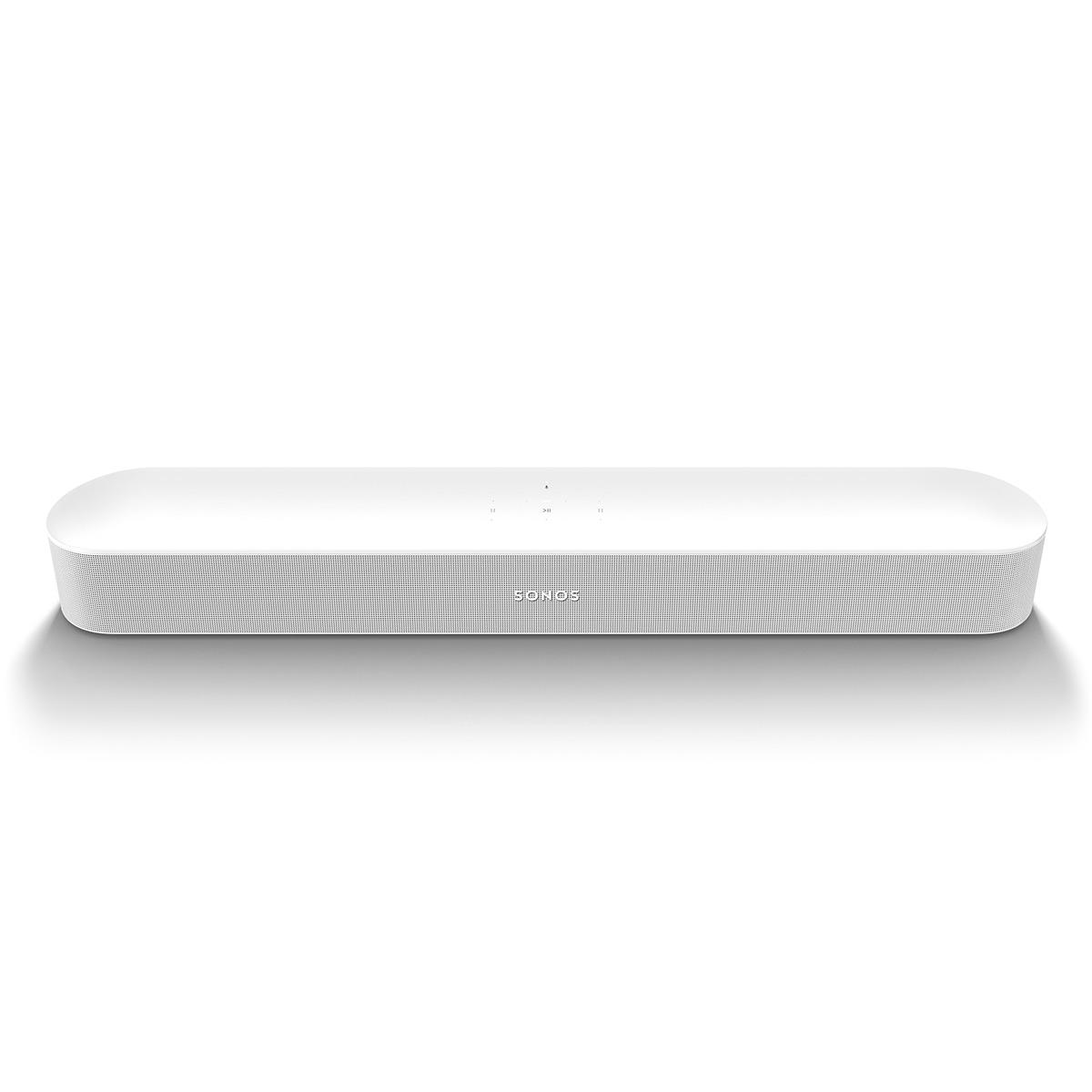
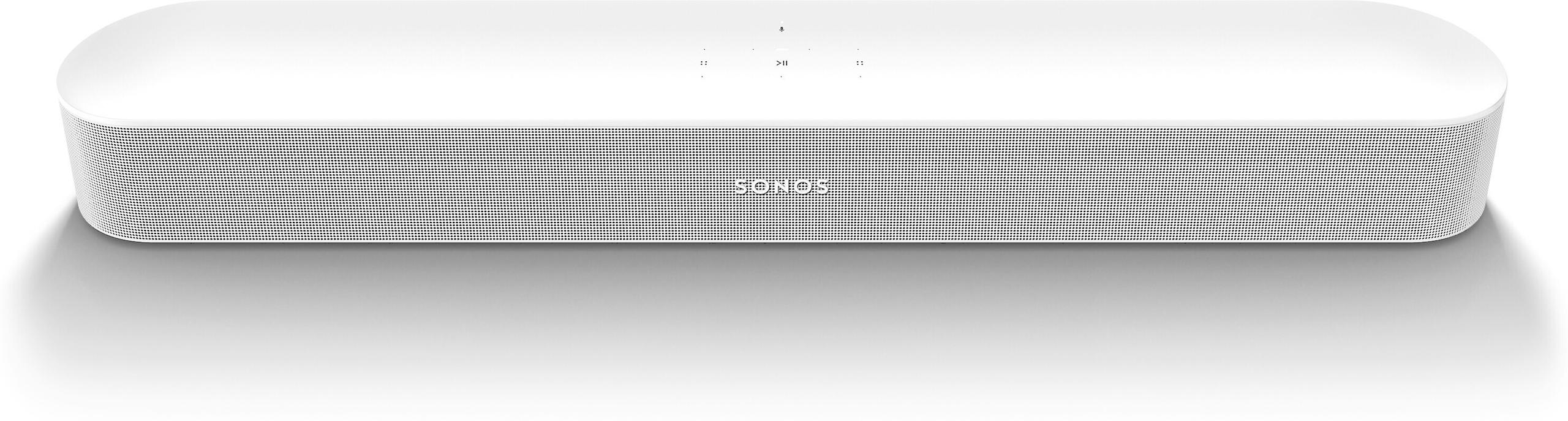
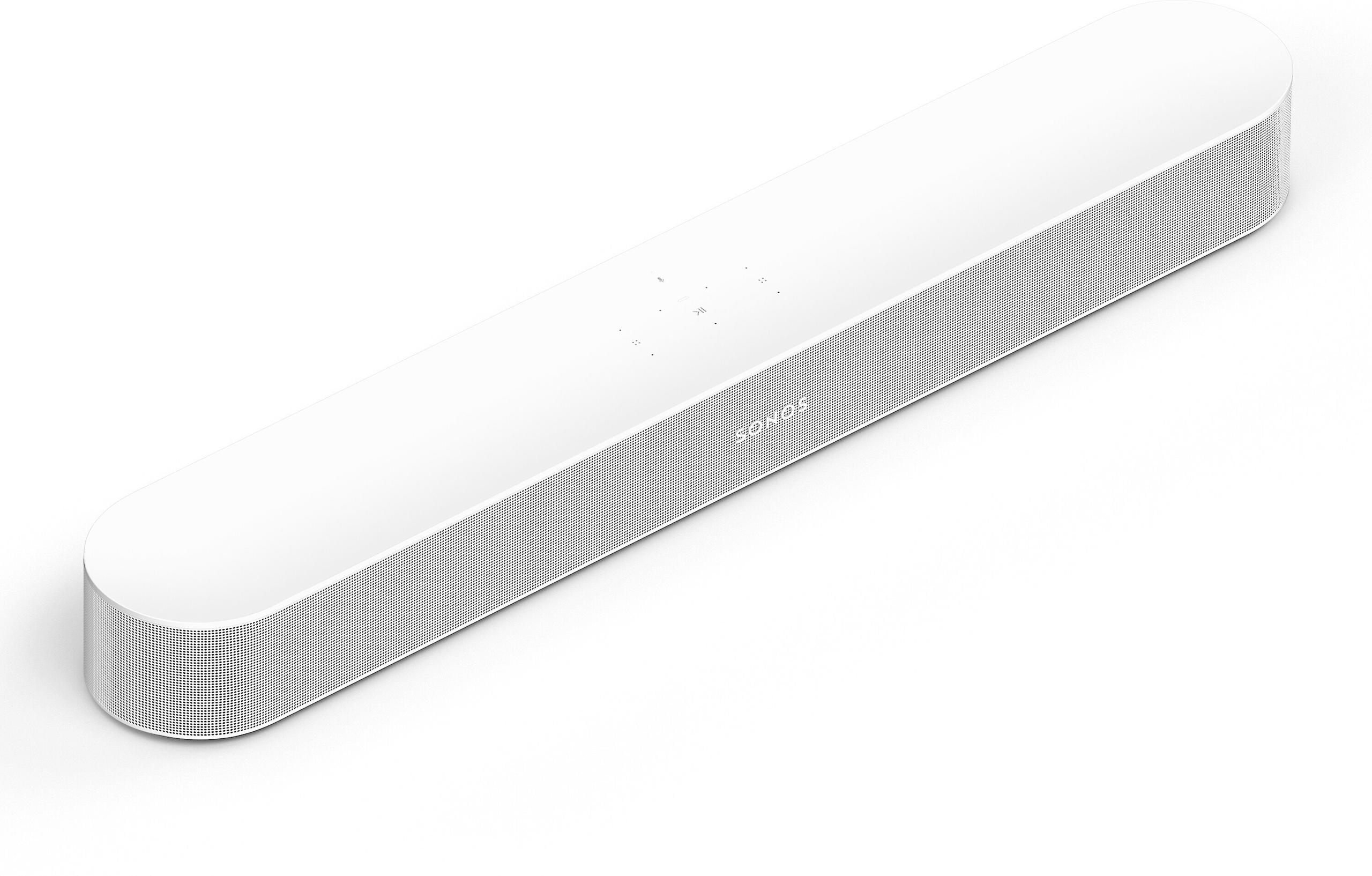



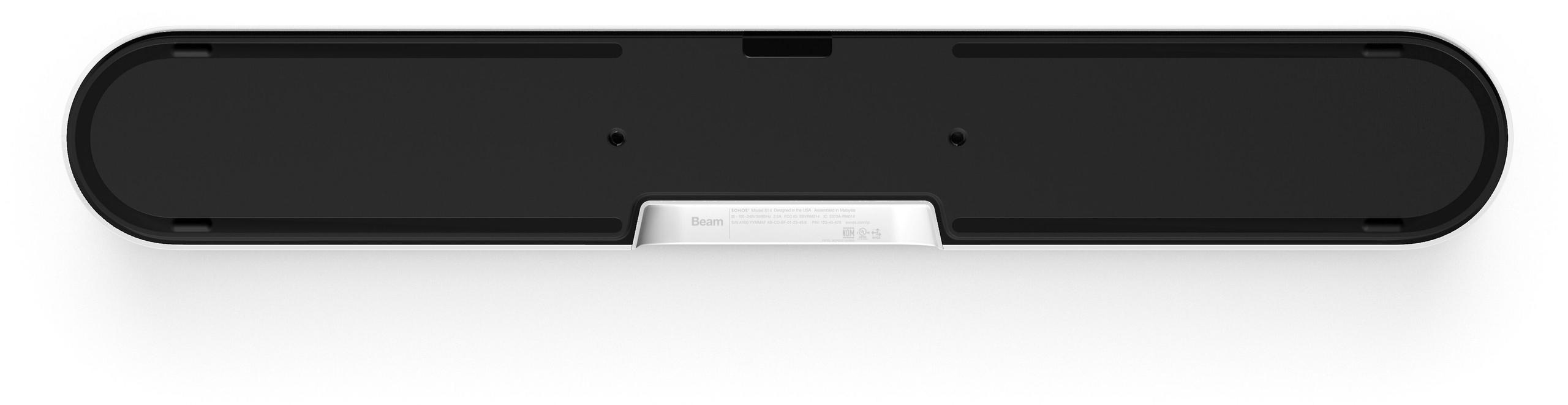
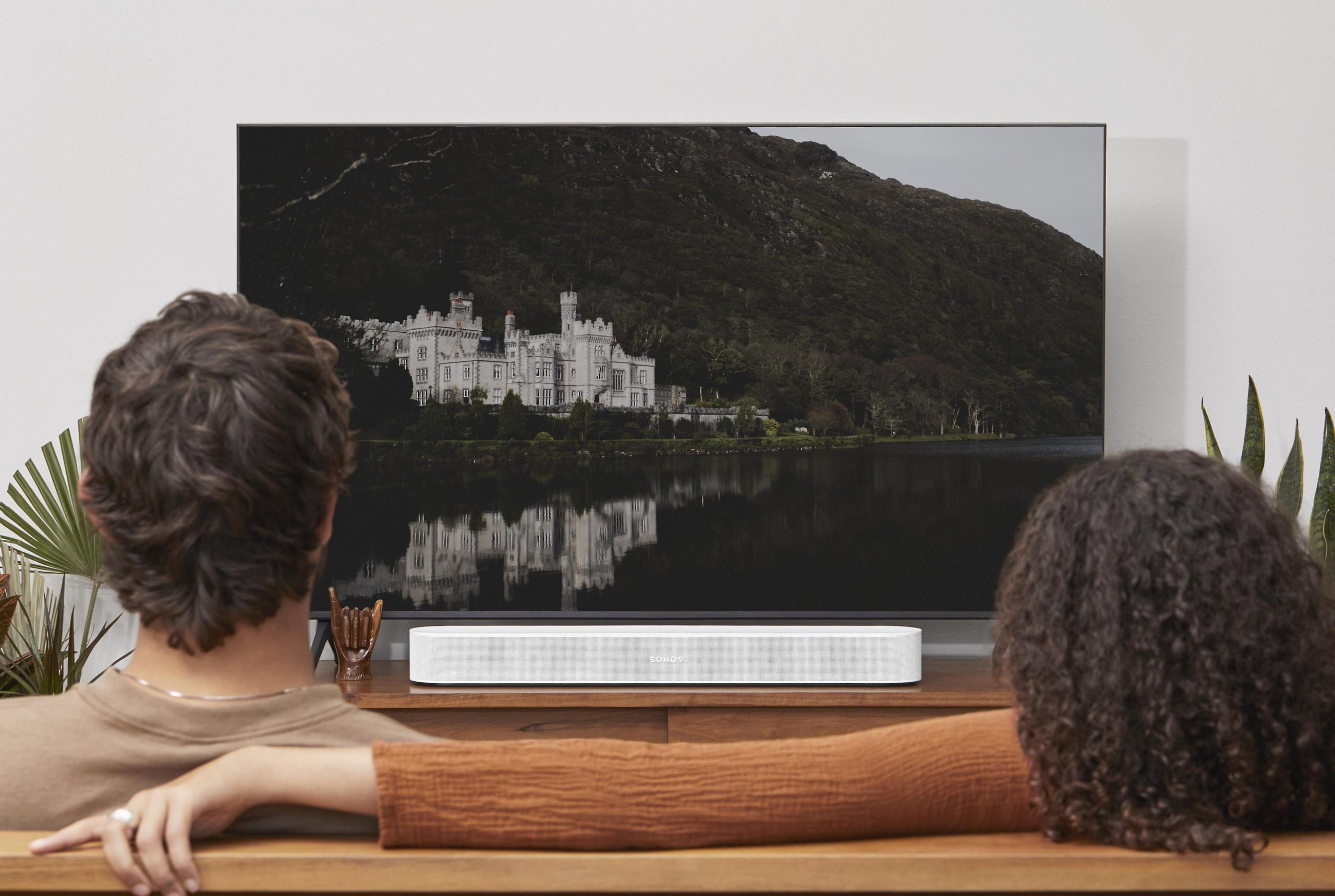
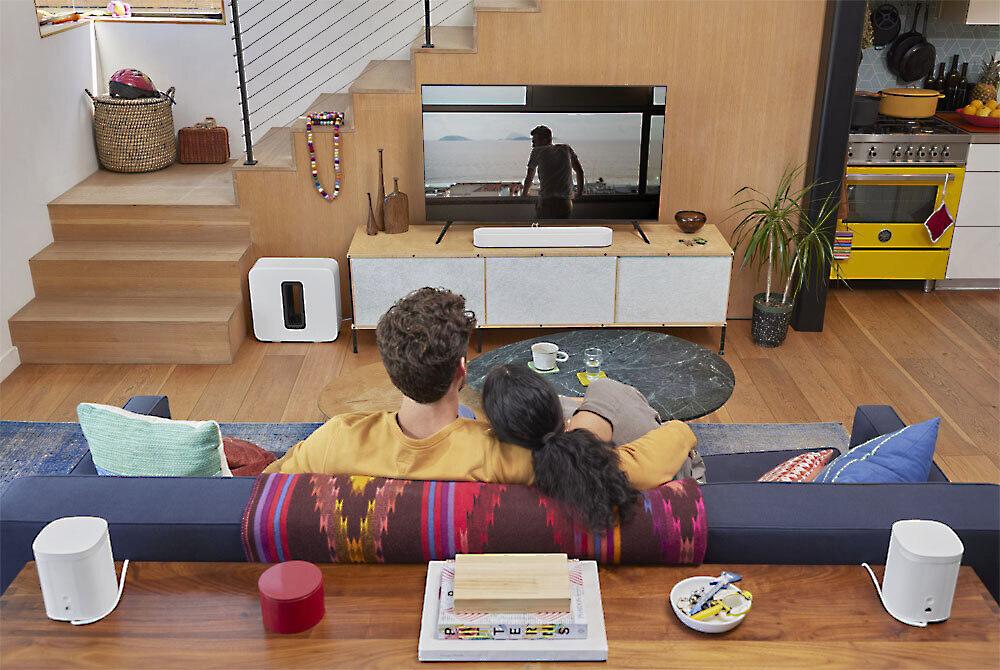

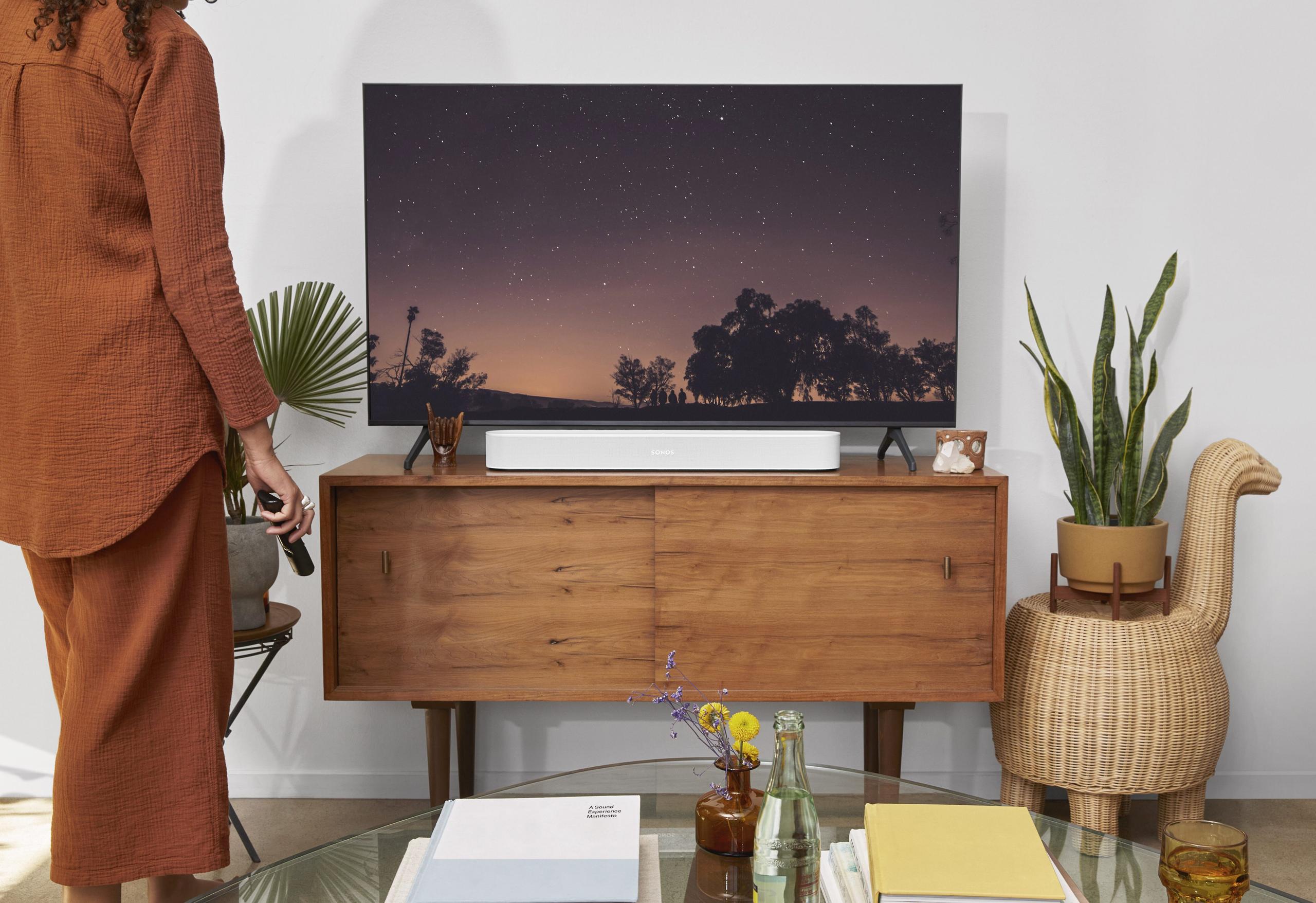
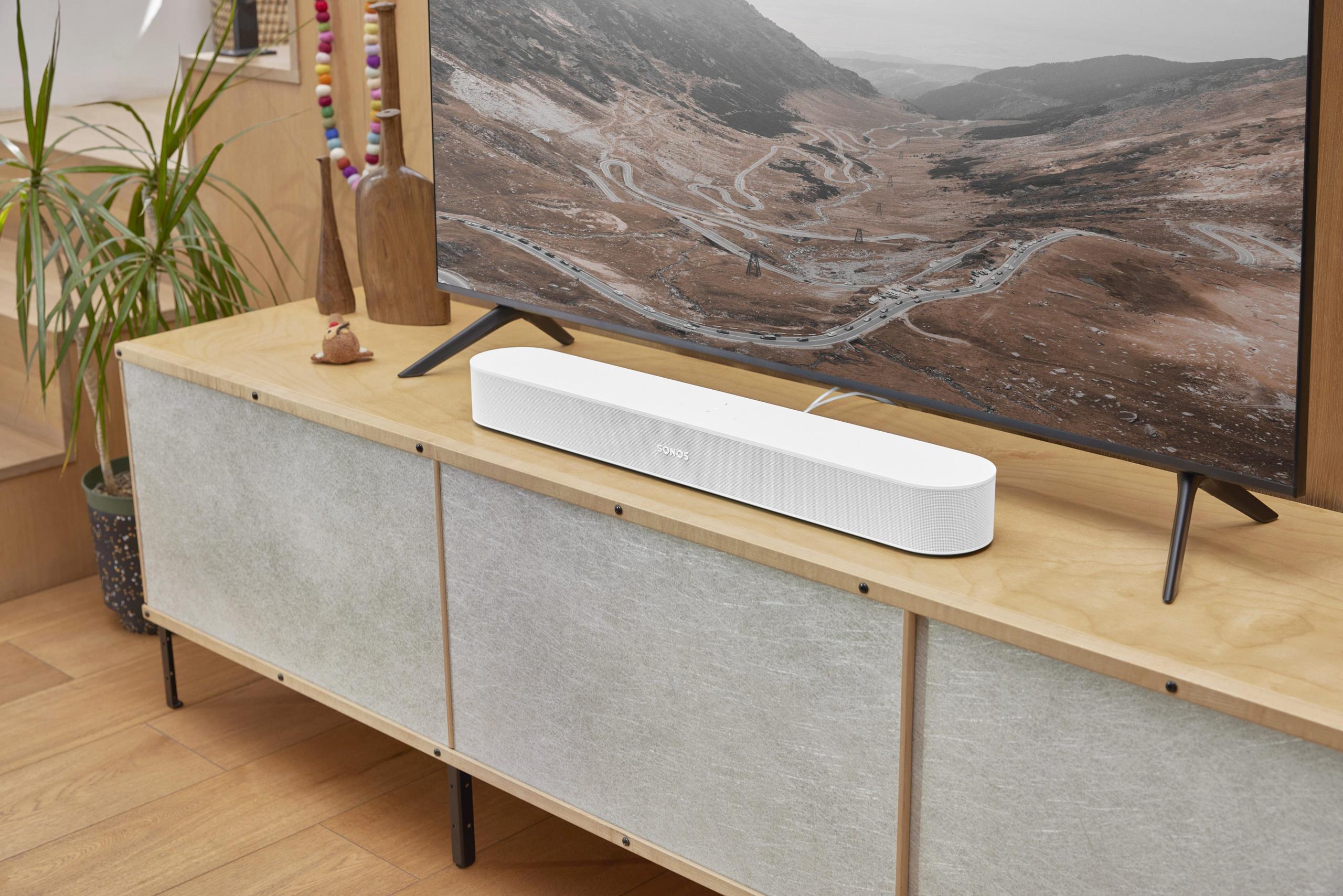
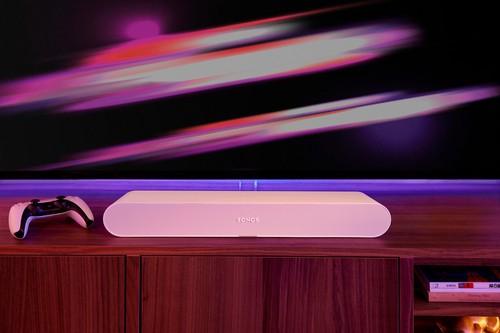
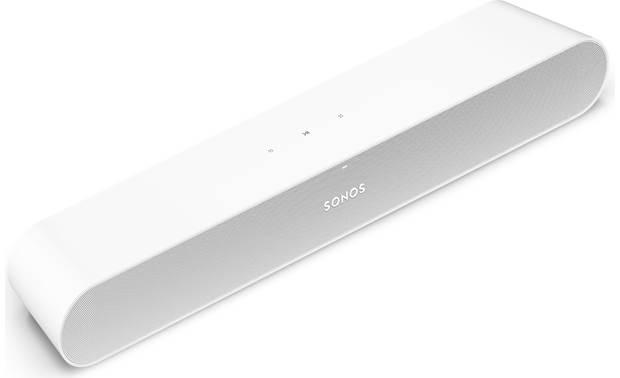

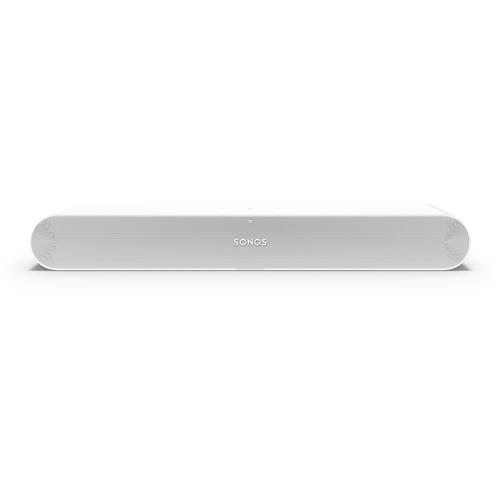

When your TV's built-in speakers just aren't cutting it anymore, compact soundbars offer the perfect solution. They deliver dramatically better audio without taking over your living room or breaking the bank. But with so many options available, how do you choose the right one?
Today, we're comparing two popular Sonos models that represent very different approaches to the compact soundbar market: the Sonos Ray and the Sonos Beam Gen 2. While both carry the Sonos name and share the company's reputation for quality audio, they target distinctly different users and budgets.
Compact soundbars occupy a sweet spot in home audio. They're designed to fit seamlessly under most TVs while delivering sound quality that makes built-in TV speakers seem laughably inadequate. The challenge for manufacturers is cramming meaningful audio improvements into a small package while keeping costs reasonable.
The most important considerations when choosing a compact soundbar include dialogue clarity (since that's what you'll hear most while watching TV), overall sound quality for movies and music, connectivity options for future-proofing, and smart features that integrate with your home setup. Size constraints mean every design choice involves trade-offs, making it crucial to understand what matters most for your specific situation.
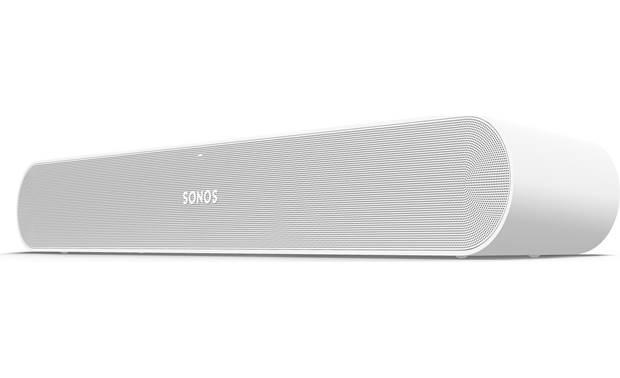
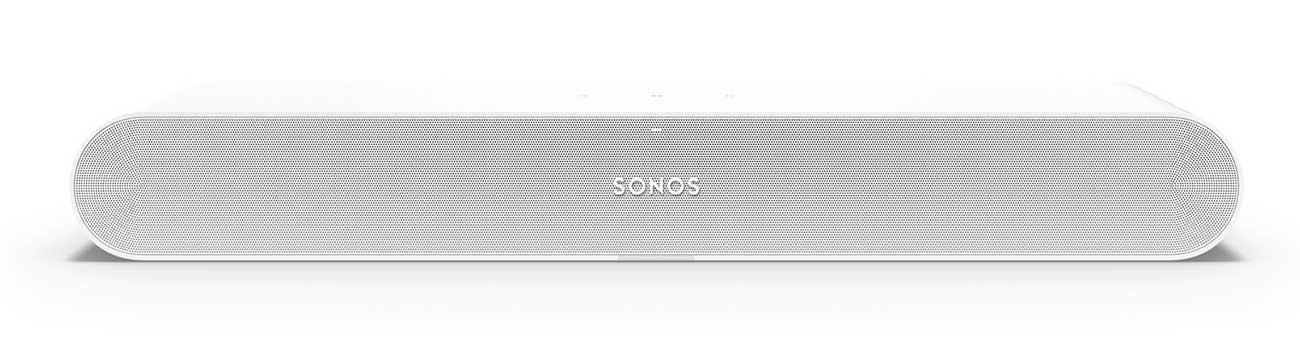
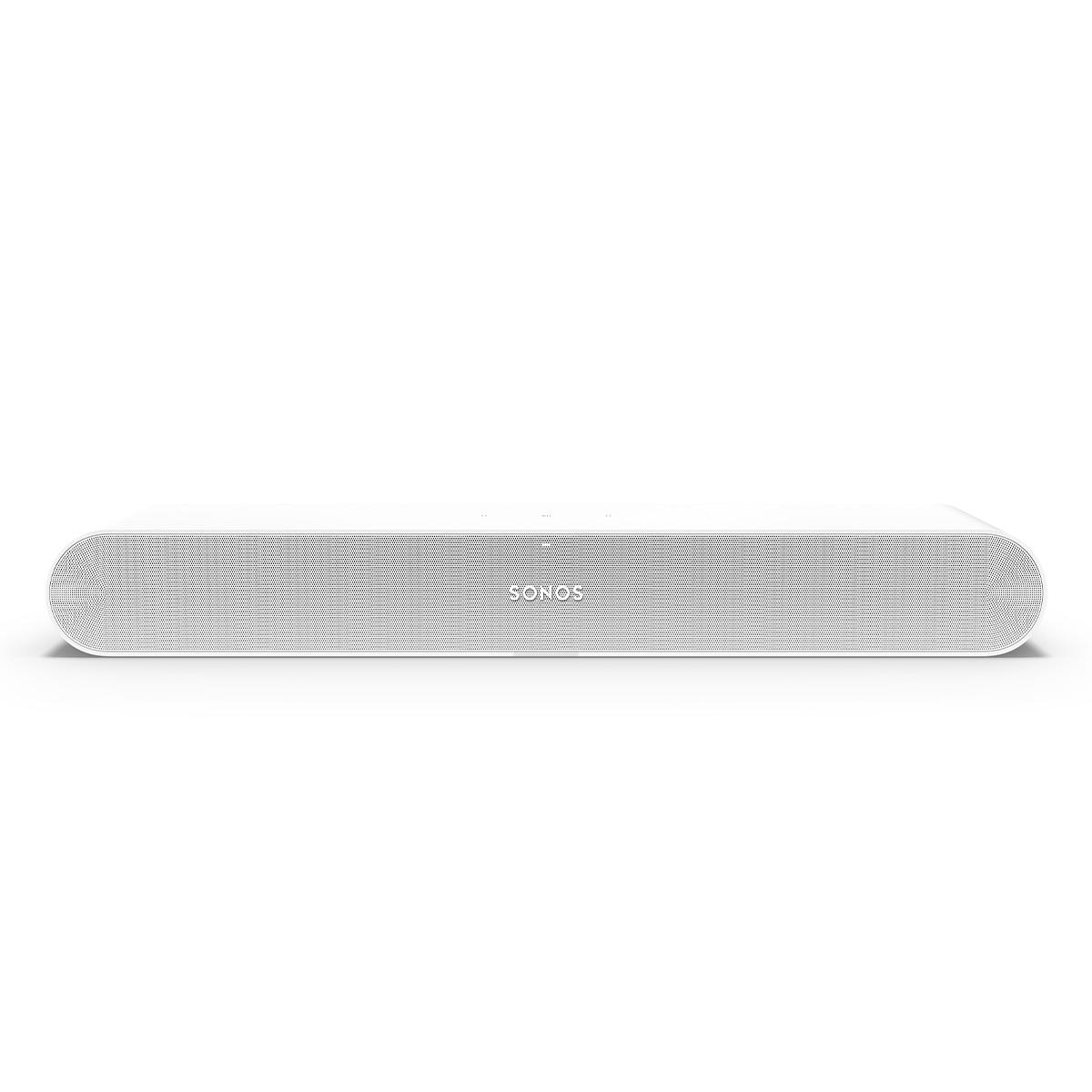
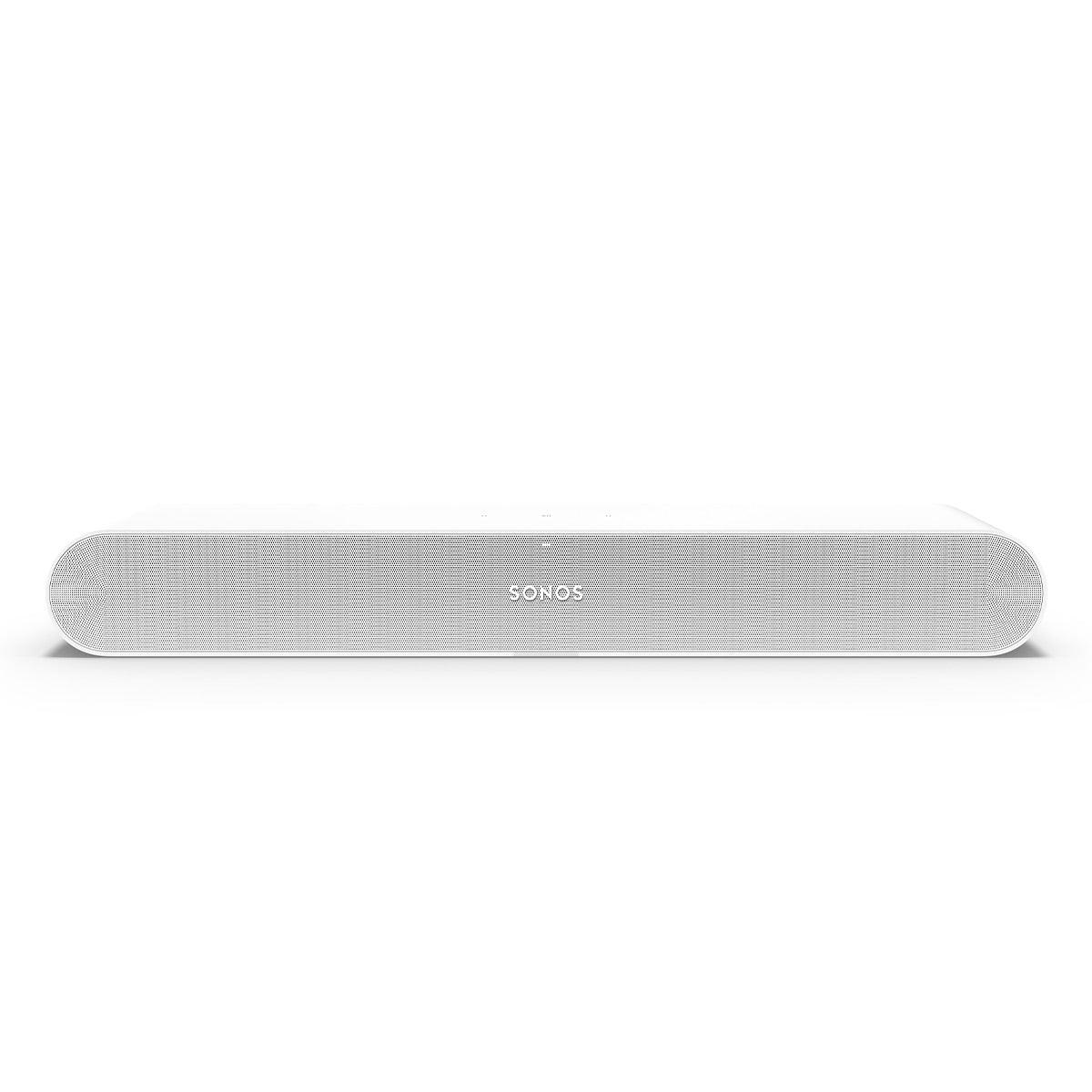
The Sonos Ray, released in 2022, represents Sonos's entry-level soundbar offering. It's positioned as an affordable gateway into the Sonos ecosystem, focusing on the fundamentals: clear dialogue, decent music performance, and simple setup. At the time of writing, it sits at the budget end of the Sonos range while still delivering the build quality and sonic character the brand is known for.
The Sonos Beam Gen 2, launched in 2021, is the company's mid-range compact soundbar. It's packed with premium features including virtual Dolby Atmos support, advanced connectivity, and smart home integration. This represents Sonos's attempt to deliver a truly immersive audio experience in a compact form factor that won't dominate your entertainment center.
Nothing matters more in a TV soundbar than clear dialogue. Muddy or hard-to-understand speech ruins the viewing experience faster than anything else. Both Sonos models excel here, but in different ways.
The Sonos Ray is genuinely impressive for dialogue reproduction. Its four-driver setup includes two centrally positioned mid-woofers specifically optimized for vocal frequencies. The proprietary waveguide technology – essentially shaped acoustic channels that direct sound precisely where it needs to go – ensures voices cut through background music and sound effects. In my experience testing dialogue-heavy content like news programs and dramas, the Ray makes subtitles feel unnecessary most of the time.
The Sonos Beam Gen 2 takes dialogue clarity a step further with its dedicated speech enhancement mode. This feature analyzes incoming audio in real-time and boosts vocal frequencies while reducing competing sounds. The five-driver configuration, including a specialized center tweeter, provides even more precise vocal reproduction. During complex scenes with multiple speakers or heavy background audio, the Beam Gen 2's superior processing power really shows.
Winner: While both perform excellently, the Beam Gen 2's advanced processing gives it a slight edge in challenging audio scenarios.
Soundstage refers to how wide and spacious audio feels – essentially, how well a soundbar can create the illusion that sound is coming from beyond its physical boundaries. This is crucial for making movies feel immersive rather than like audio squeezed through a small box.
The Sonos Ray uses clever acoustic engineering to punch above its weight class. Split waveguides direct high-frequency sounds both forward to your ears and outward to the sides, creating reflections that help establish a sense of space. The stereo separation is solid for such a compact unit, though it can't escape the fundamental limitations of its size and driver count.
The Sonos Beam Gen 2 represents a significant leap forward in soundstage performance. Its five front-facing drivers are arranged in specific arrays designed to create virtual surround effects. The advanced digital signal processing (DSP) – essentially computer algorithms that manipulate audio signals – can create convincing impressions of sounds coming from beside and even above your listening position. While it can't match the precision of actual surround speakers, the spatial effects are genuinely impressive for a single-cabinet solution.
Winner: The Beam Gen 2 delivers a noticeably wider and more immersive soundstage experience.
Bass response in compact soundbars is always a compromise. There's only so much low-frequency energy you can generate from small drivers in a confined space. Both models handle this challenge differently.
The Sonos Ray uses proprietary low-velocity bass reflex ports – openings designed to let air move in and out of the cabinet to enhance bass response without creating unwanted noise. The result is adequate bass for most content, with enough weight to make explosions feel impactful and music sound full. However, it can struggle with the deepest frequencies in action movies, sometimes sounding strained during particularly intense sequences.
The Sonos Beam Gen 2 benefits from both larger internal volume and more sophisticated processing. Its bass response extends deeper and maintains better control at higher volumes. The four active mid-woofers work together more effectively than the Ray's two-driver setup, creating more impactful low-end without the same tendency toward distortion. Action movies feel more convincing, and bass-heavy music genres like hip-hop and electronic maintain better definition.
Winner: The Beam Gen 2 provides notably superior bass performance and overall dynamic range.
Modern home theater setups increasingly rely on high-bandwidth digital connections to handle advanced audio formats. This is where the two models diverge most dramatically.
The Sonos Ray takes a deliberately simple approach with only optical digital input. This connection method handles standard Dolby Digital and DTS audio found on most streaming content and broadcasts. However, it can't carry the high-resolution audio formats found on 4K Blu-rays or advanced streaming services. When the Ray receives 5.1 surround sound, it must downmix everything to stereo – essentially combining all the channels into two-channel output.
The Sonos Beam Gen 2 includes HDMI eARC (Enhanced Audio Return Channel) connectivity, which opens up a world of advanced audio formats. eARC can handle high-resolution Dolby TrueHD and DTS-HD Master Audio, plus it supports the bandwidth needed for Dolby Atmos metadata. This means your TV can send the Beam Gen 2 much more detailed audio information, resulting in better sound quality and support for immersive audio formats.
Winner: The Beam Gen 2's eARC connectivity provides significant future-proofing advantages.
Smart features can transform a soundbar from a simple audio device into a central hub for your entertainment system.
The Sonos Ray covers the basics well. It connects to your Wi-Fi network for streaming music services directly, supports Apple AirPlay 2 for easy iPhone and iPad streaming, and includes Trueplay room correction when used with iOS devices. Trueplay uses your phone's microphone to measure your room's acoustics and automatically adjusts the soundbar's output for optimal performance. However, there's no built-in voice control or smart home integration.
The Sonos Beam Gen 2 elevates smart functionality significantly. Built-in Amazon Alexa and Google Assistant support means you can control both your audio and smart home devices with voice commands. The enhanced processing power enables more sophisticated room correction and audio optimization. You can ask it to play specific songs, control smart lights, check the weather, or adjust volume without reaching for a remote.
Winner: The Beam Gen 2 offers comprehensive smart home integration that the Ray simply cannot match.
Dolby Atmos represents one of the most significant advances in home audio technology in recent years. Traditional surround sound places audio in a horizontal plane around you – left, right, front, and back. Atmos adds height information, creating a true three-dimensional soundscape where helicopters can fly overhead and rain can fall from above.
The Sonos Ray doesn't support Dolby Atmos at all. While it can play Atmos content, it strips out all the height information and presents everything in stereo. This isn't necessarily a dealbreaker since plenty of content still uses traditional audio formats, but it does limit future compatibility.
The Sonos Beam Gen 2 implements virtual Dolby Atmos through sophisticated psychoacoustic processing. Since it lacks upward-firing drivers that bounce sound off your ceiling, it uses HRTF (Head-Related Transfer Function) technology – essentially audio tricks that fool your brain into perceiving height effects. While not as convincing as soundbars with actual height speakers, the virtual Atmos effect is surprisingly effective, especially in smaller rooms.
Winner: The Beam Gen 2's virtual Atmos support provides a significantly more immersive experience for compatible content.
The Sonos Ray shines brightest in secondary applications. Bedrooms, home offices, kitchens, and guest rooms all benefit tremendously from its compact size and dialogue-focused tuning. The understated design fits well in tighter spaces, and the forward-facing acoustics work well even when placed in enclosed TV stands. For these applications, the Ray's feature limitations become less important while its strengths – clear speech and solid music performance – take center stage.
The Sonos Beam Gen 2 makes more sense as your main entertainment room soundbar. The virtual Atmos effects work best in smaller to medium-sized rooms where you're sitting relatively close to the soundbar. The wider soundstage and better bass response create a more engaging movie-watching experience, while the smart features integrate seamlessly with modern streaming habits.
Both soundbars serve double duty as music speakers when the TV is off, but with different strengths. The Sonos Ray offers surprising musicality for its price point, with balanced midrange reproduction that makes vocals and most instruments sound natural and engaging. However, its limited dynamic range becomes more apparent with complex musical arrangements.
The Sonos Beam Gen 2 provides more sophisticated stereo imaging and better handling of dynamic music content. The wider soundstage makes stereo recordings feel more spacious, while the extended bass response gives electronic and hip-hop music more impact. Classical and jazz recordings benefit from the superior dynamic range and detail resolution.
Since the Sonos Beam Gen 2 launched in 2021, it represented Sonos's first compact soundbar with Dolby Atmos support, setting a new standard for immersive audio in small packages. The processing improvements over the original Beam were substantial, enabling the virtual height effects that make Atmos content compelling even without upward-firing drivers.
The Sonos Ray, arriving in 2022, filled a different market gap. Rather than adding more features, Sonos focused on delivering their core audio competencies at a more accessible price point. The acoustic engineering is sophisticated despite the feature limitations, using many of the same design principles as their premium products but optimized for different priorities.
Both products benefit from regular software updates that have improved performance and added features since launch. The Sonos ecosystem's strength lies partly in this ongoing development, meaning your soundbar continues improving over time.
At the time of writing, these soundbars occupy distinctly different value propositions. The Sonos Ray represents exceptional value for users primarily interested in better TV audio and basic music streaming. Its performance-per-dollar ratio is outstanding for dialogue clarity and general audio improvement over TV speakers.
The Sonos Beam Gen 2 commands a premium price but justifies it with significantly advanced features and performance. The virtual Atmos support, eARC connectivity, and smart home integration create a more comprehensive entertainment experience that's particularly valuable for home theater enthusiasts.
The price difference – typically around $200 at retail – represents a substantial jump that reflects genuine performance and feature improvements rather than just marketing positioning. Whether that difference is worthwhile depends entirely on your specific needs and expectations.
Choose the Sonos Ray if:
Choose the Sonos Beam Gen 2 if:
Both the Sonos Ray and Sonos Beam Gen 2 succeed brilliantly at their intended purposes. The Ray proves that excellent audio doesn't require premium pricing, delivering dialogue clarity and general performance improvements that make any TV sound dramatically better. The Beam Gen 2 demonstrates how much immersive audio technology can be packed into a compact form factor without compromising on build quality or ease of use.
The choice ultimately comes down to matching the product to your specific situation. If you need better TV audio in a secondary room or you're budget-conscious but still want Sonos quality, the Ray is hard to beat. If you're serious about home theater performance and want features that will remain relevant for years to come, the Beam Gen 2's premium positioning is well-justified.
Either way, you'll end up with a soundbar that makes your current TV speakers seem like a distant, unpleasant memory – and that's exactly what both products are designed to achieve.
| Sonos Ray | Sonos Beam Gen 2 |
|---|---|
| Driver Configuration - More drivers generally mean better sound separation and dynamics | |
| 4 drivers (2 mid-woofers, 2 tweeters) | 5 drivers (1 tweeter, 4 mid-woofers) |
| Dolby Atmos Support - Essential for immersive movie experiences with height effects | |
| No Atmos support (stereo only) | Virtual Dolby Atmos with psychoacoustic processing |
| HDMI Connectivity - Future-proofs your setup for high-quality audio formats | |
| Optical input only (basic digital audio) | HDMI eARC (supports advanced audio formats) |
| Voice Assistant Integration - Convenient for smart home control and hands-free operation | |
| No built-in voice assistants | Amazon Alexa and Google Assistant built-in |
| Soundstage Width - How spacious and immersive the audio feels | |
| Limited stereo imaging due to compact design | Wide, immersive soundstage with virtual surround effects |
| Bass Response - Important for action movies and music with low frequencies | |
| Adequate bass with some strain at high volumes | Extended, controlled bass response with better dynamics |
| Room Correction Technology - Optimizes sound for your specific space | |
| Trueplay tuning (requires iOS device) | Enhanced Trueplay with more sophisticated processing |
| Best Use Case - Where each soundbar shines brightest | |
| Secondary rooms, dialogue-focused content, budget setups | Primary home theater, movie enthusiasts, smart home integration |
| Expandability - Ability to add more speakers later | |
| Basic Sonos multiroom integration | Full compatibility with Sonos Sub and surround speakers |
| Release Year - Indicates how current the technology is | |
| 2022 (newer, but more basic feature set) | 2021 (slightly older but more advanced features) |
The biggest difference is that the Sonos Beam Gen 2 supports virtual Dolby Atmos for immersive 3D audio, while the Sonos Ray is a stereo-only soundbar focused on dialogue clarity. The Beam Gen 2 also has HDMI eARC connectivity and built-in voice assistants, making it a more premium option.
The Sonos Beam Gen 2 is significantly better for movies thanks to its virtual Dolby Atmos support, wider soundstage, and better bass response. It creates a more immersive home theater experience, while the Sonos Ray is better suited for TV shows and dialogue-heavy content.
Only the Sonos Beam Gen 2 has built-in Amazon Alexa and Google Assistant support for voice control. The Sonos Ray doesn't include voice assistants, though you can still control it through the Sonos app and compatible smart home devices.
The Sonos Ray offers exceptional value for basic soundbar needs, delivering excellent dialogue clarity at a lower price point. The Sonos Beam Gen 2 provides better overall value for home theater enthusiasts who want premium features like Dolby Atmos and advanced connectivity.
The Sonos Ray connects via optical cable only, which works with most TVs but limits audio format support. The Sonos Beam Gen 2 uses HDMI eARC for the best connection quality and supports advanced audio formats from 4K streaming and Blu-ray players.
The Sonos Beam Gen 2 has noticeably better bass response with more controlled low-end and better dynamics. The Sonos Ray provides adequate bass for most content but can sound strained during intense action sequences or bass-heavy music.
Both soundbars work well for music, but the Sonos Beam Gen 2 offers superior stereo imaging and dynamic range for complex musical content. The Sonos Ray provides surprisingly good musicality for its price, especially for vocal-focused genres and simpler arrangements.
Both work well in smaller spaces, but the Sonos Ray is more compact and budget-friendly for secondary rooms like bedrooms or offices. The Sonos Beam Gen 2 is ideal for small primary viewing areas where you want the best possible audio experience.
Yes, both the Sonos Ray and Sonos Beam Gen 2 support Wi-Fi streaming, Apple AirPlay 2, and integration with the Sonos multiroom system. They can stream music directly from services like Spotify and work with the Sonos app for control.
The Sonos Ray has a simpler setup with just an optical cable connection and basic configuration through the Sonos app. The Sonos Beam Gen 2 setup is slightly more complex due to HDMI eARC connection and additional smart features, but both are generally user-friendly.
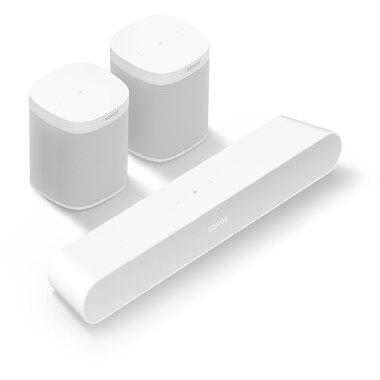
Both soundbars can be part of a larger Sonos multiroom system, but the Sonos Beam Gen 2 offers better expandability options. It can be paired with a Sonos Sub and rear surround speakers for a full 5.1 system, while the Sonos Ray has more limited expansion capabilities.
Choose the Sonos Beam Gen 2 for your main home theater if you want immersive Dolby Atmos audio, advanced connectivity, and smart features. Pick the Sonos Ray for secondary rooms, budget-conscious setups, or if you primarily watch dialogue-heavy content and don't need premium features.
We've done our best to create useful and informative comparisons to help you decide what product to buy. Our research uses advanced automated methods to create this comparison and perfection is not possible - please contact us for corrections or questions. These are the sites we've researched in the creation of this article: tomsguide.com - soundandvision.com - youtube.com - techradar.com - en.community.sonos.com - rtings.com - howtogeek.com - youtube.com - cnet.com - sonos.com - videoandaudiocenter.com - whathifi.com - en.community.sonos.com - techradar.com - youtube.com - consumerreports.org - bestbuy.com - youtube.com - sonos.com - wave-electronics.com - en.community.sonos.com - epicsystems.tech - tomsguide.com - bestbuy.com

Privacy Policy
Terms and Conditions - Affiliate Policy
Home Security
© Copyright 2008-2026.
11816 Inwood Rd #1211, Dallas, TX 75244