





If you've been living with your TV's built-in speakers, you already know they're pretty terrible. Those tiny drivers crammed into impossibly thin displays just can't deliver the kind of audio experience that matches today's stunning visuals. That's where soundbars come in – they're the most popular solution for upgrading your TV audio without turning your living room into a speaker warehouse.
But here's where things get interesting: not all soundbars take the same approach to better sound. Some focus on doing stereo audio exceptionally well, while others try to create virtual surround sound effects. Today, we're diving deep into two soundbars that represent these different philosophies – the Sonos Ray and the Denon Home Sound Bar 550.
Before we jump into comparing these specific models, let's talk about what you should actually care about when shopping for a soundbar. The category has exploded over the past decade, with options ranging from basic stereo units to complex systems that can expand into full surround sound setups.
The most fundamental decision you'll face is between stereo-focused soundbars and those with virtual surround processing. Stereo soundbars use two channels (left and right) to create a wide, detailed soundstage that excels at dialogue clarity and music reproduction. Virtual surround soundbars use digital signal processing (DSP) – essentially computer algorithms that manipulate the audio – to create the illusion of sound coming from multiple directions using just a few drivers.
At the time of writing, you'll find soundbars spanning from budget-friendly options under $200 to premium models exceeding $1,000. The key is understanding what features and capabilities actually matter for your specific setup and viewing habits.
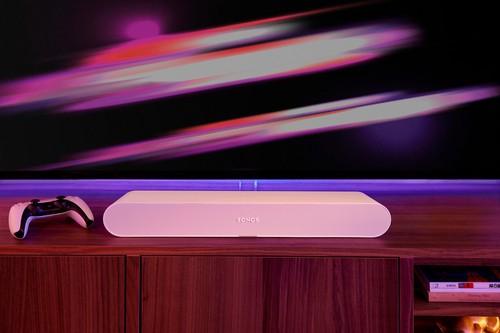
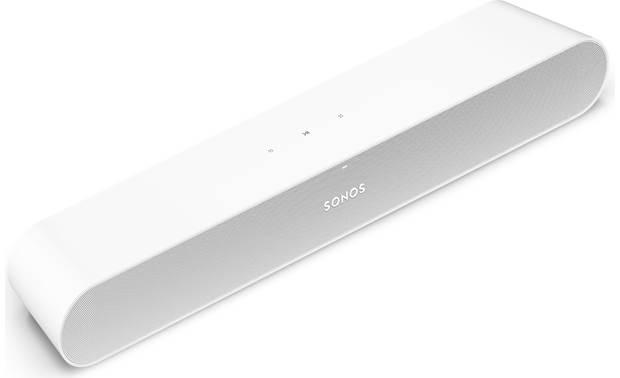
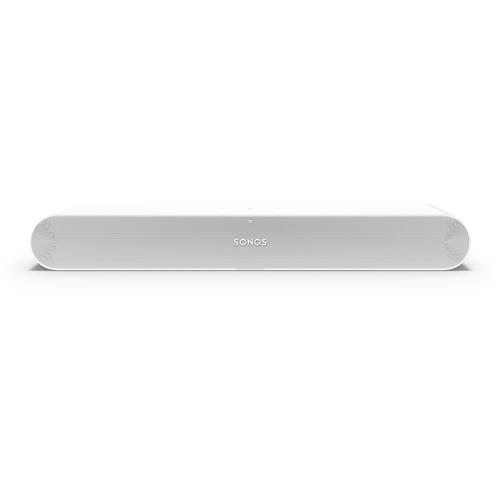
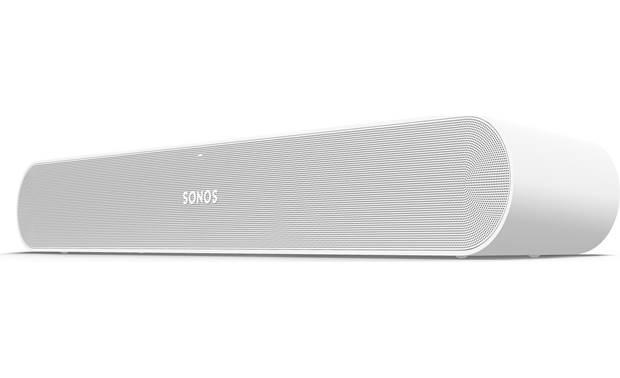
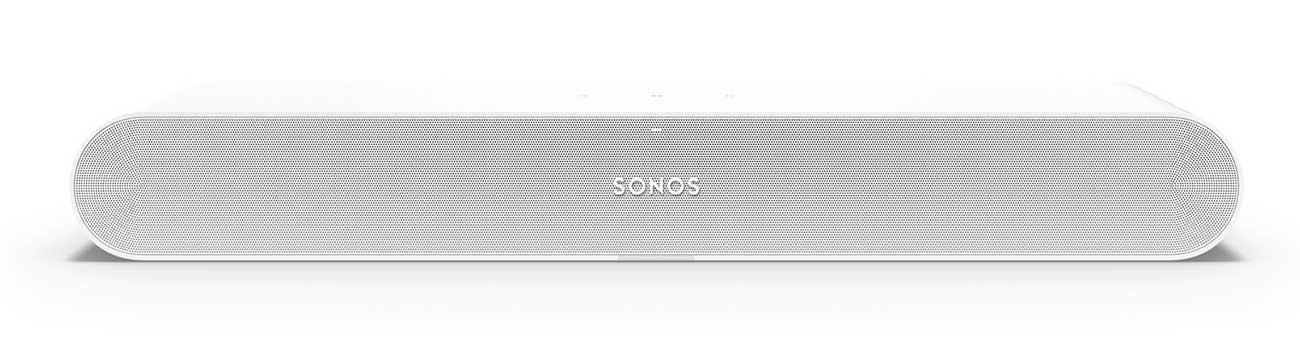
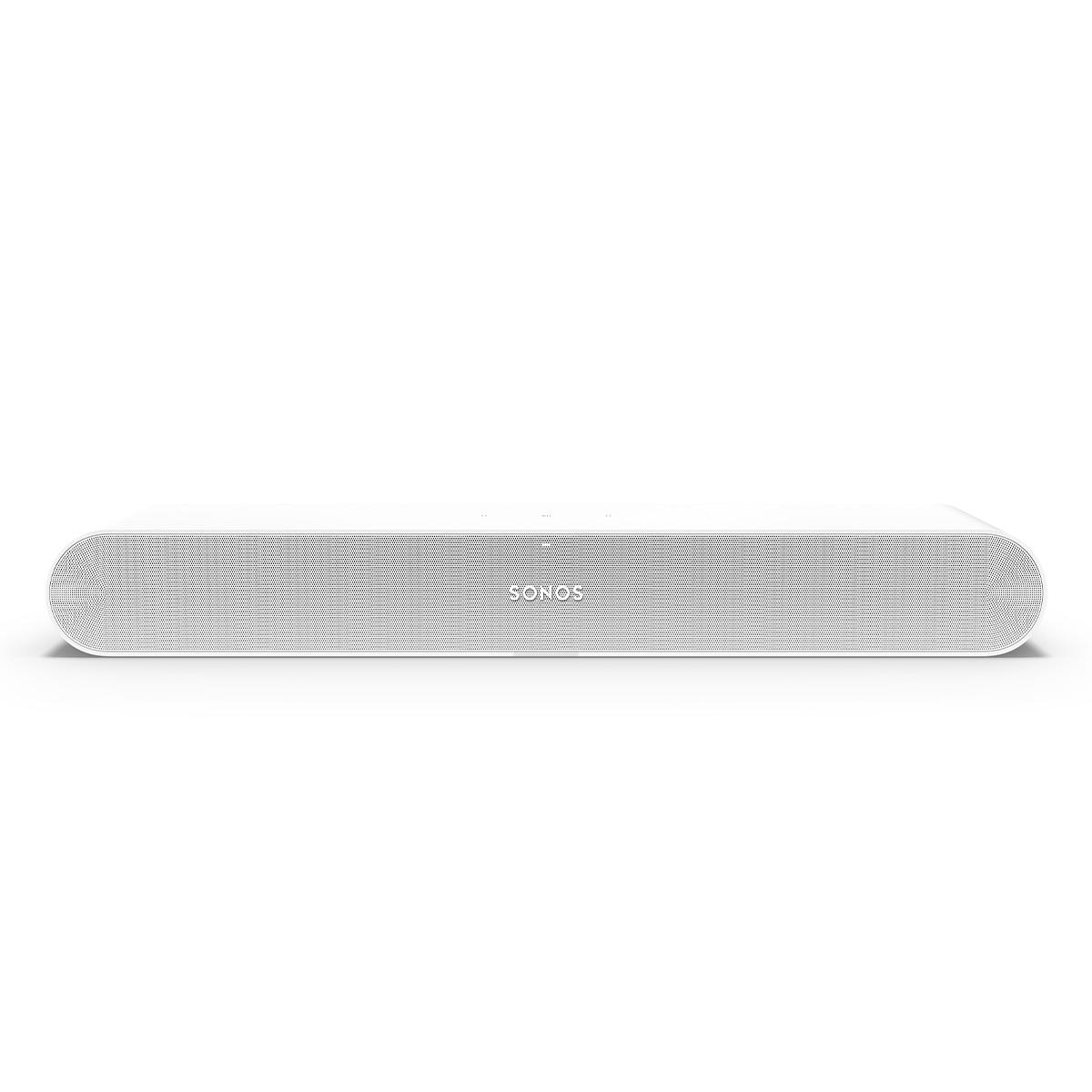
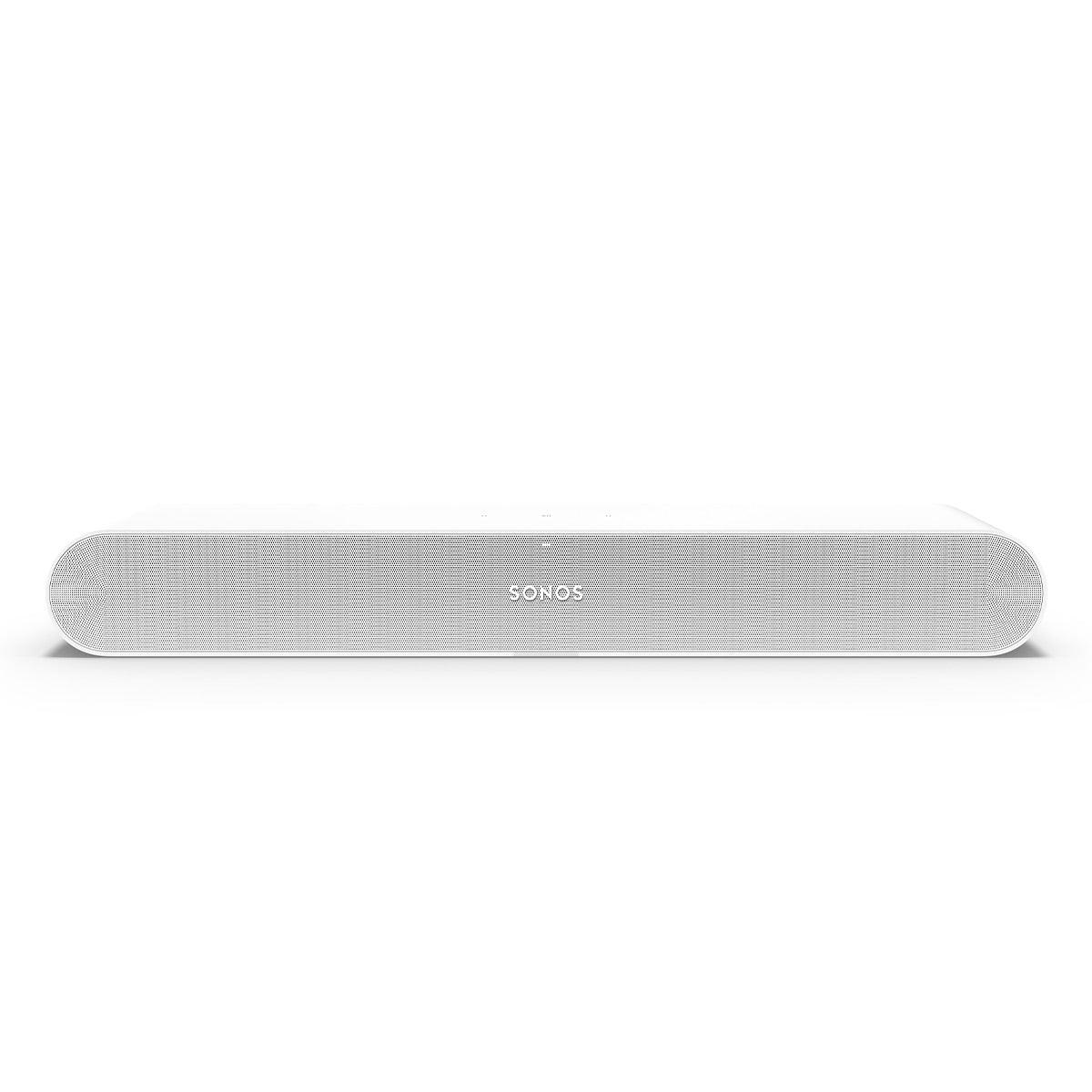
The Sonos Ray, released in 2022, represents Sonos's entry-level soundbar offering. It's built around the company's philosophy that excellent stereo sound often beats mediocre surround sound. Currently positioned as a budget-friendly option, it strips away complex features to focus on what Sonos does best – clear, balanced audio reproduction.
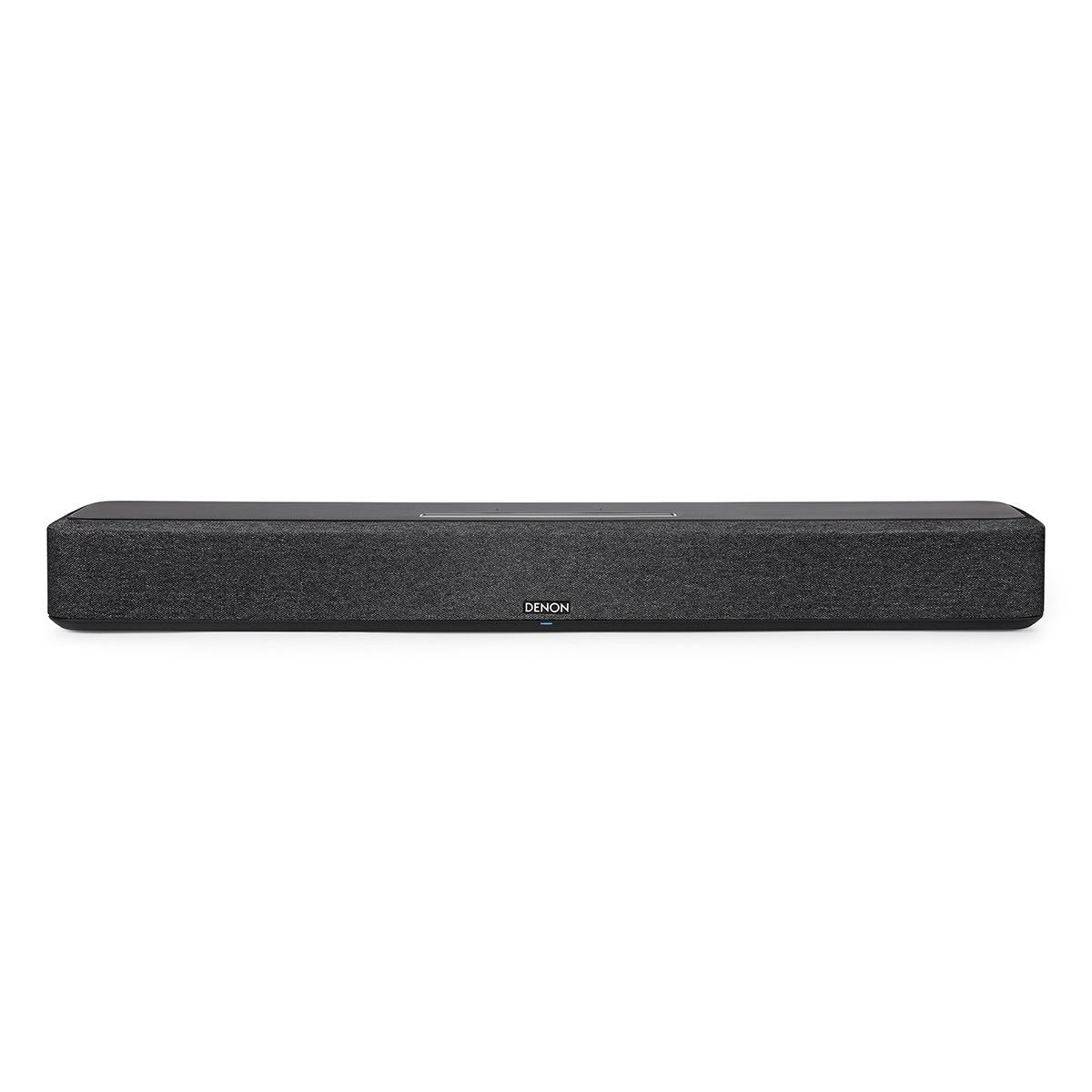
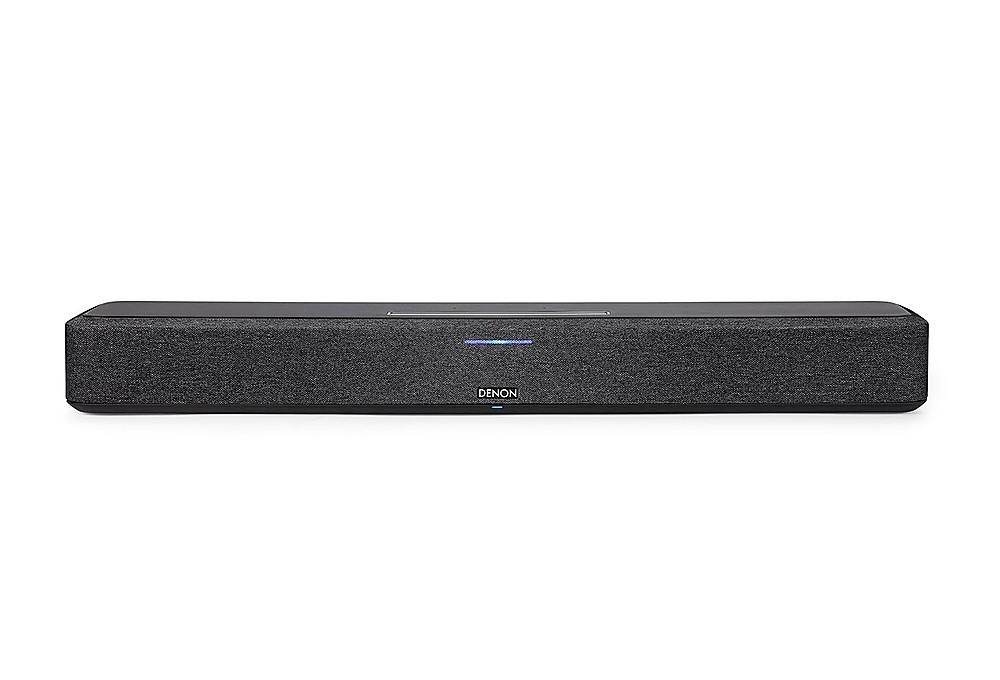
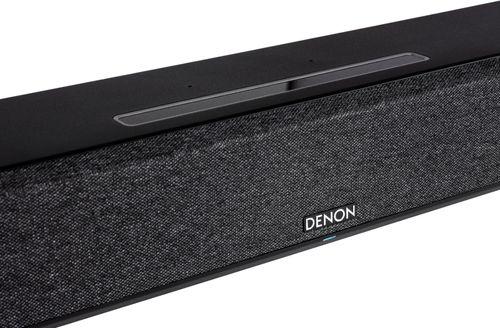
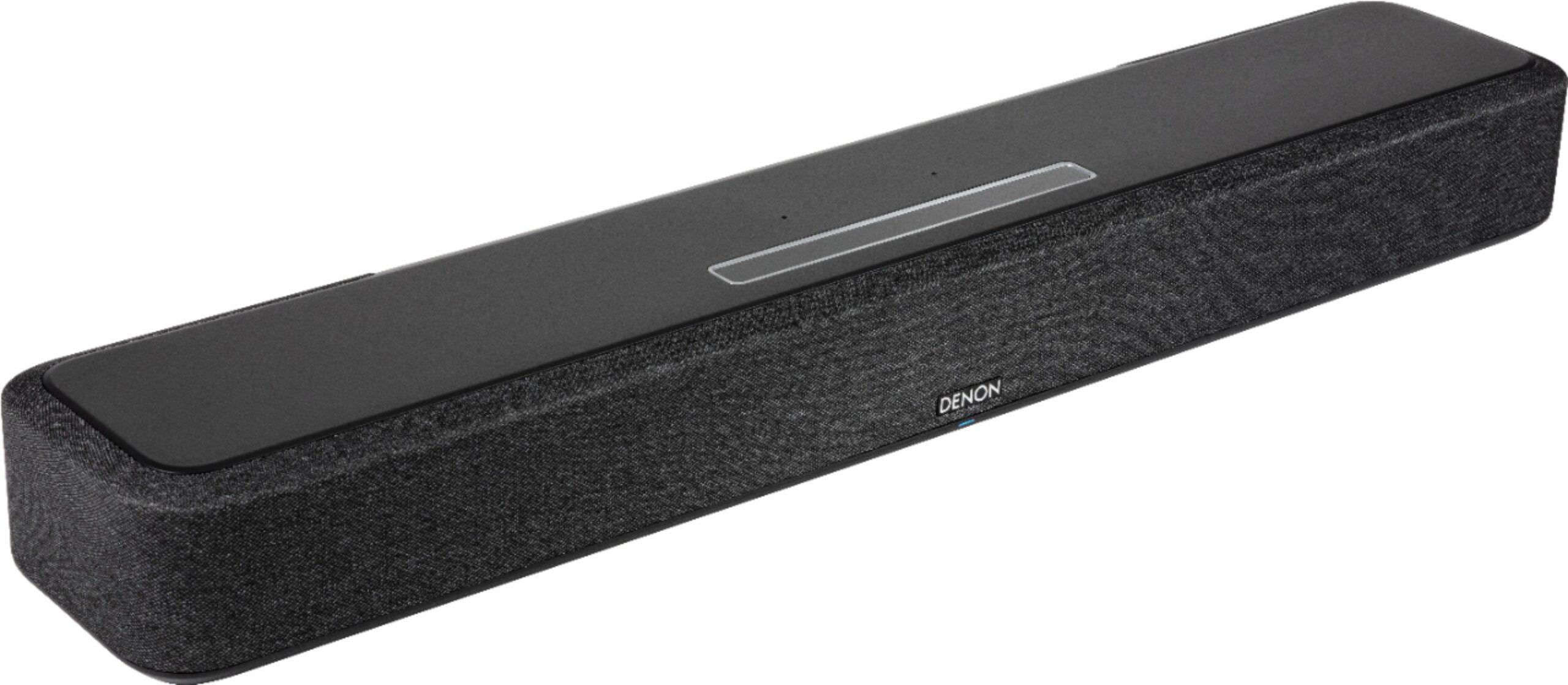
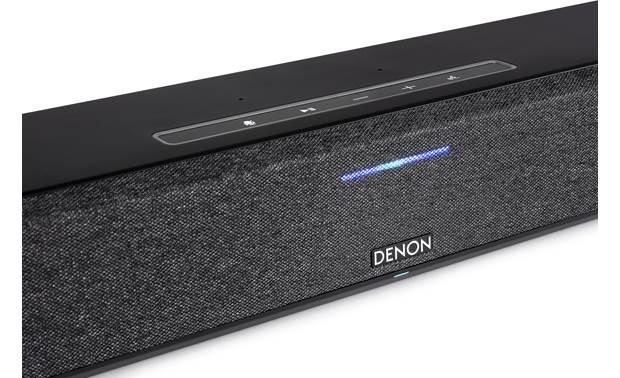
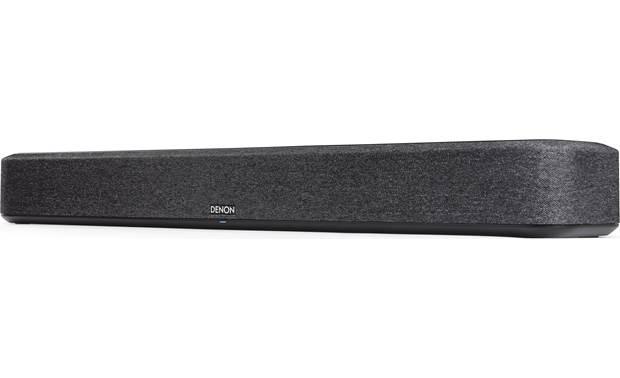
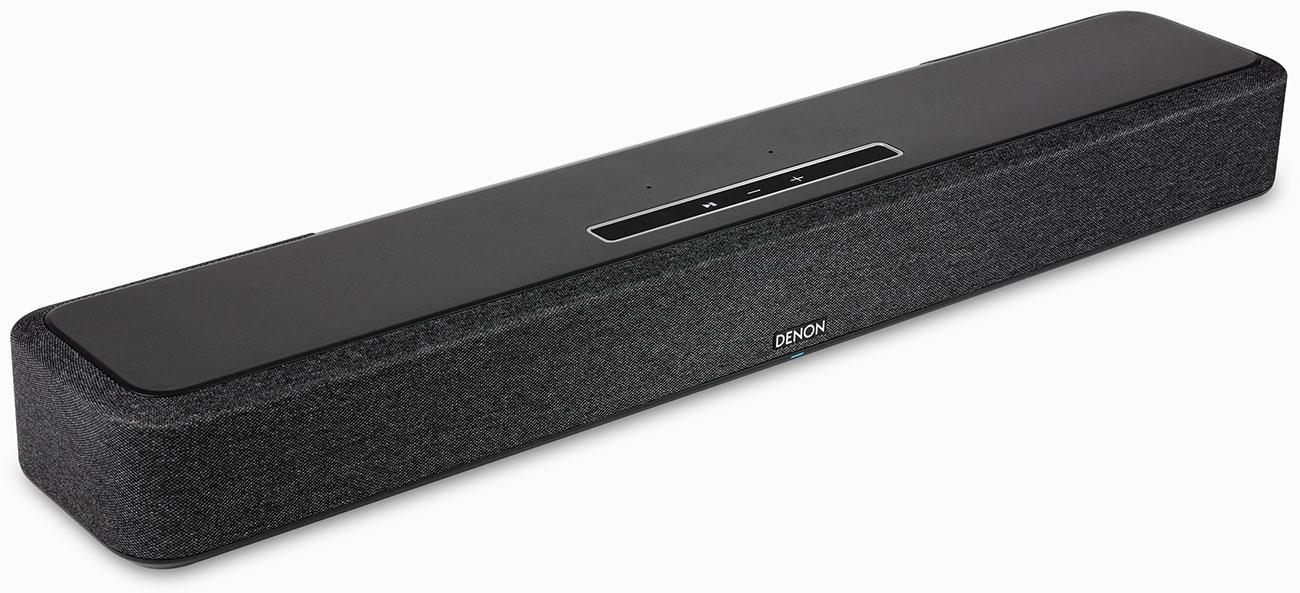
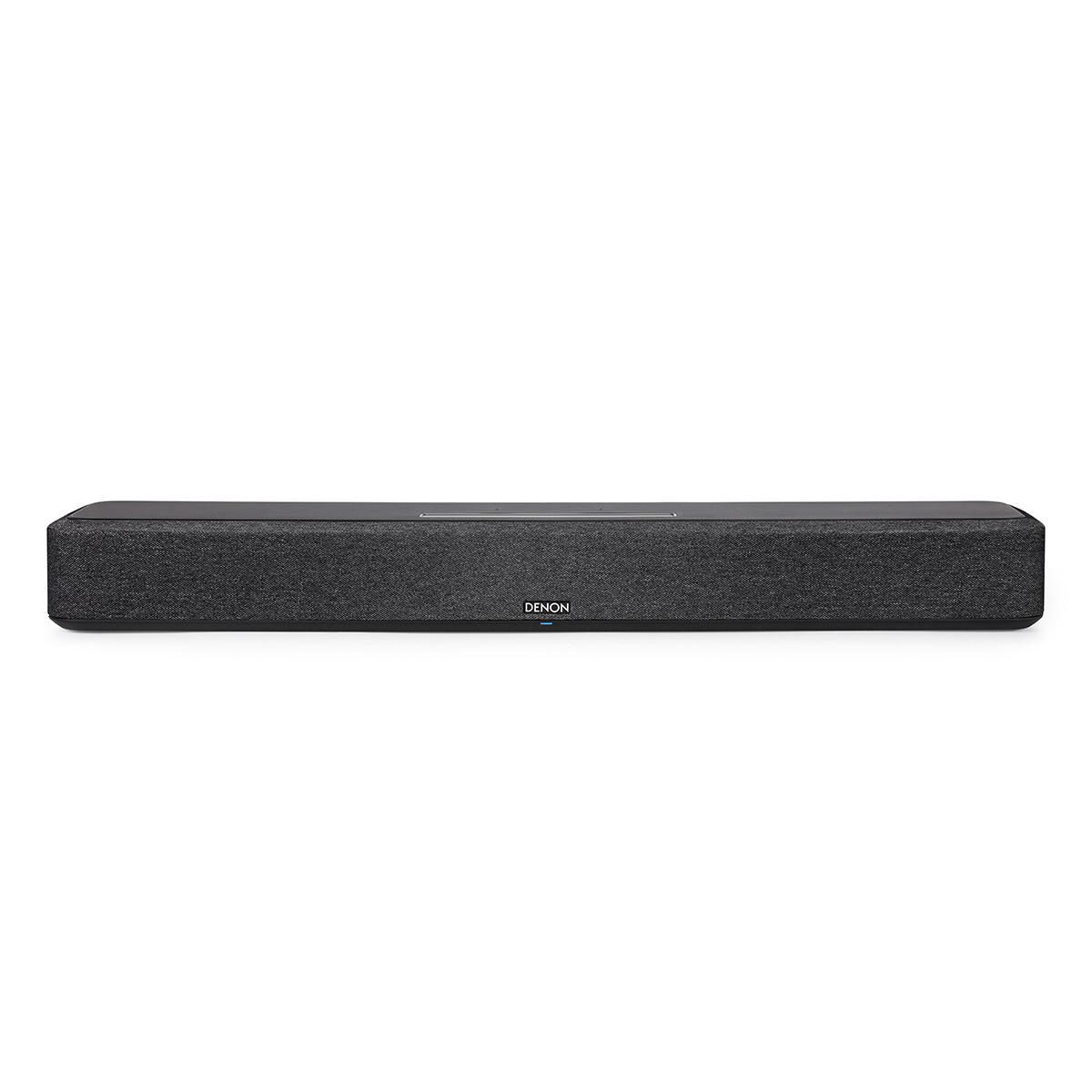
The Denon Home Sound Bar 550, launched in 2021, takes the opposite approach. As a mid-range offering, it packs virtual surround processing, comprehensive connectivity, and expandability options. It's designed to be the foundation of a complete home theater system that can grow with your needs.
These soundbars represent a fascinating study in audio philosophy. The Sonos Ray asks: "What if we just make stereo sound really, really good?" Meanwhile, the Denon 550 poses the question: "How can we create an immersive experience that can evolve into something more?"
The Sonos Ray uses four custom full-range drivers in a configuration that prioritizes dialogue clarity above all else. When I say "full-range," I mean drivers designed to handle everything from bass to treble, rather than specialized woofers and tweeters. This approach allows Sonos to optimize each driver for its specific role in the stereo field.
What makes the Ray special is its Speech Enhancement feature, which specifically boosts the frequency ranges where human voices live. If you've ever struggled to hear dialogue over background music or sound effects, this feature is a game-changer. It's not just about making voices louder – it's about making them clearer and more present in the mix.
The Ray also includes Trueplay room correction, though it only works with iOS devices. This technology uses your phone's microphone to measure how sound bounces around your room, then adjusts the soundbar's output to compensate. Think of it like acoustic glasses for your soundbar – it helps the audio "see" your room more clearly.
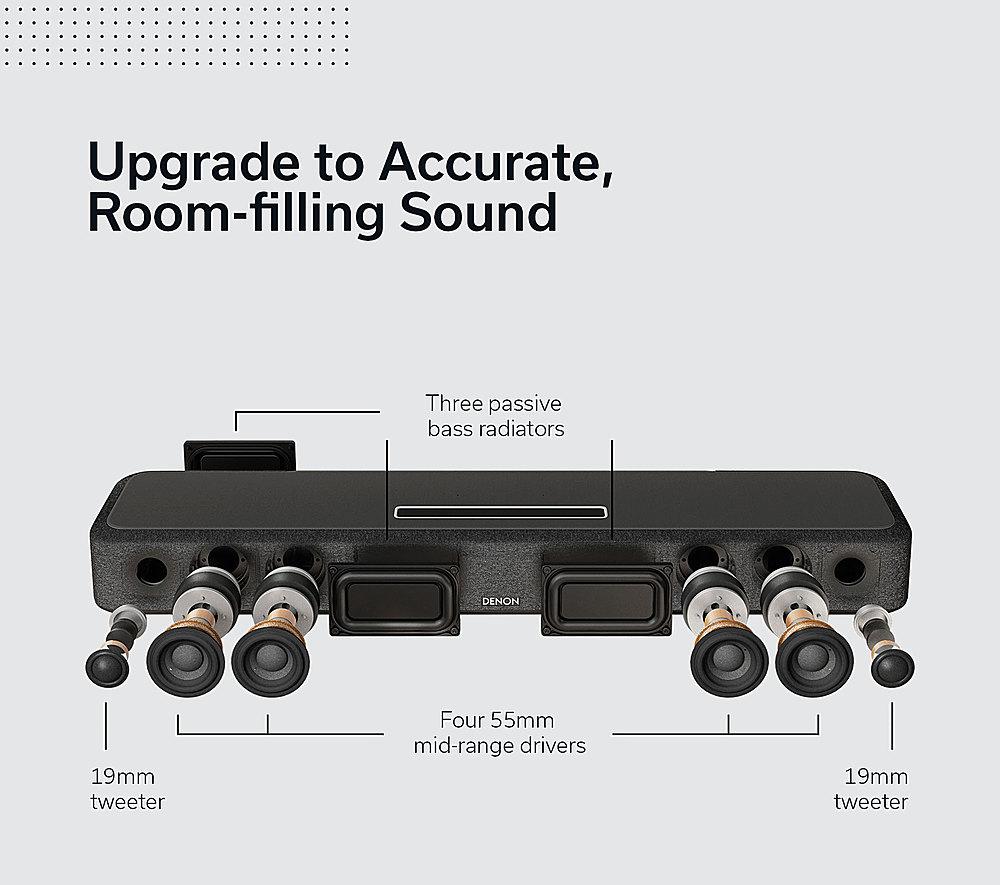
The Denon Home Sound Bar 550 takes a completely different approach with its six-driver array plus two passive radiators. Those passive radiators are essentially speakers without magnets – they're moved by air pressure from the active drivers to enhance bass response without requiring additional amplification.
Where the Denon really flexes its muscles is in virtual surround processing. It supports both Dolby Atmos and DTS:X, which are object-based audio formats. Instead of traditional channel-based surround sound (like 5.1), these formats treat individual sounds as objects that can be placed anywhere in three-dimensional space. The soundbar uses psychoacoustic processing – exploiting how our brains interpret sound – to create the illusion that audio is coming from above and around you.
This virtual height processing is particularly impressive with properly mastered content. When you're watching a movie with helicopters flying overhead, the Denon can actually make you feel like those rotors are spinning above your head, even though all the drivers are in front of you.
In practice, both soundbars deliver significant improvements over TV speakers, but they excel in different areas. The Sonos Ray produces incredibly clean, focused stereo sound that makes dialogue crystal clear. Every word feels properly weighted and positioned, which is crucial for binge-watching sessions or news consumption.
The Denon 550 creates a wider, more enveloping soundscape that's particularly effective with action movies and games. However, this comes with trade-offs – some users report that the bass can occasionally feel disconnected from the rest of the audio, and the virtual surround effects work better in some rooms than others.
For music listening, the Ray generally provides more accurate reproduction, especially for acoustic content and vocals. The Denon can make music sound more exciting and spacious, but purists might prefer the Ray's more neutral presentation.
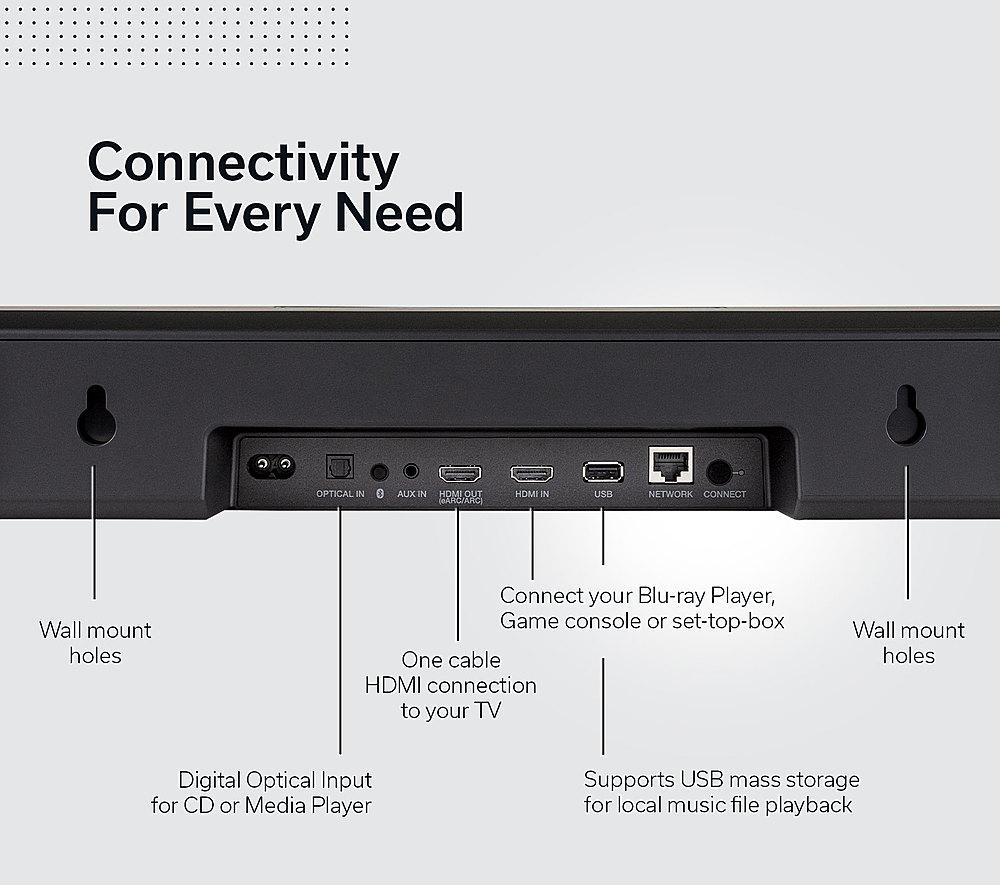
This is where these soundbars diverge dramatically. The Sonos Ray includes only an optical digital audio input – that's the small square port that carries compressed digital audio from your TV. While this keeps setup simple, it also means you're limited to basic audio formats like Dolby Digital and DTS.
The optical-only approach reflects Sonos's minimalist philosophy, but it can be frustrating for users with modern TVs and streaming devices. You can't take advantage of higher-quality audio formats, and you'll need to rely on your TV's audio processing, which isn't always optimal.
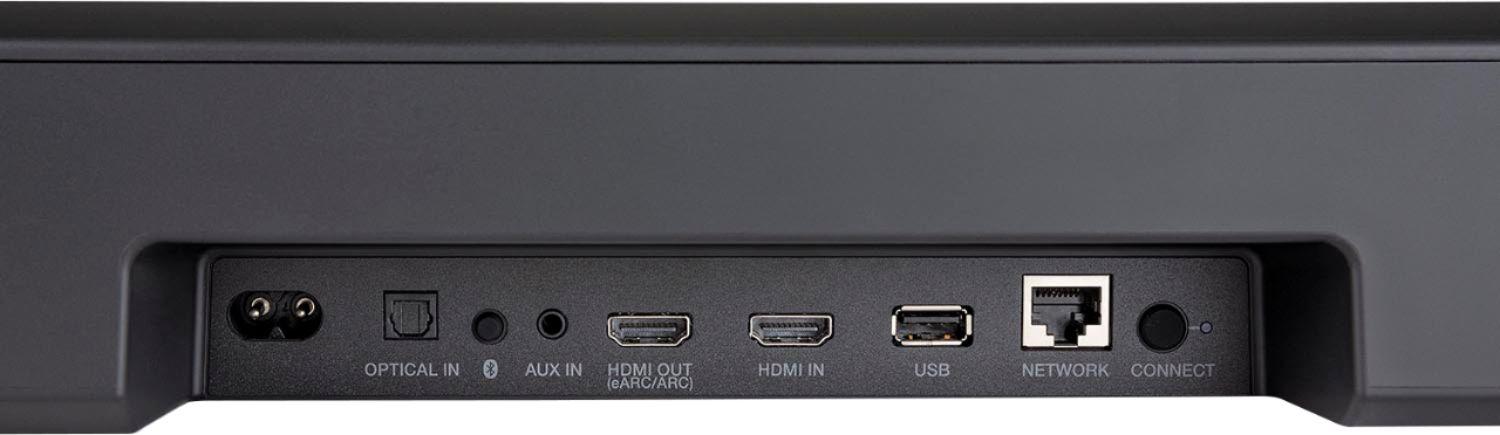
The Denon Home Sound Bar 550 offers comprehensive connectivity including HDMI eARC (enhanced Audio Return Channel). This connection type allows the soundbar to receive high-quality, uncompressed audio directly from your TV and can even control basic functions like volume and power. The Denon also includes 4K HDR passthrough, meaning you can connect devices directly to the soundbar and it will pass the video signal to your TV without degradation.
However, there's a catch – the Denon only supports 8-bit 4K passthrough, not the 10-bit signals that some gaming consoles and streaming devices use for the highest quality visuals. This limitation might matter if you're a serious gamer or videophile, though most casual users won't notice the difference.
Both soundbars face the fundamental challenge of producing satisfying bass from relatively small enclosures. Physics is unforgiving here – deep bass requires moving lots of air, which typically means large drivers or cabinets.
The Sonos Ray provides adequate bass for dialogue and casual music listening, but it won't shake your couch during action scenes. The bass it does produce is tight and controlled, complementing rather than overwhelming the midrange frequencies where voices live.
The Denon 550 delivers noticeably more bass impact thanks to its passive radiators, which effectively increase the soundbar's acoustic volume without making it physically larger. You'll feel more of the explosion effects and musical low end, though some users report that the bass can occasionally feel boomy or disconnected from the rest of the frequency spectrum.
Here's where expandability becomes crucial – the Denon can add a wireless subwoofer to handle deep bass duties, while the Ray is locked into its current configuration. If satisfying bass response is important to you, this expandability could be a deciding factor.
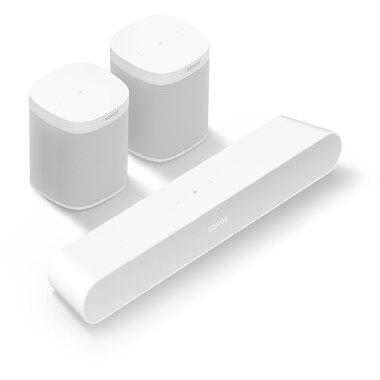
The smart features story highlights another philosophical difference between these brands. The Sonos Ray lacks built-in voice assistants but integrates seamlessly with the broader Sonos ecosystem. If you already own other Sonos speakers, the Ray becomes part of a unified multiroom system that you can control through the excellent Sonos app.
The Sonos approach to smart features is ecosystem-dependent. While the Ray itself doesn't include Alexa or Google Assistant, it can be controlled through other Sonos speakers that do have these features. This creates a more integrated smart home experience if you're willing to invest in multiple Sonos products.
The Denon Home Sound Bar 550 takes a more immediate approach with built-in Amazon Alexa. You can control volume, switch inputs, and even ask about the weather without reaching for a remote. It also operates within the HEOS platform, Denon's answer to Sonos's multiroom system, allowing connection with other compatible speakers throughout your home.
Both soundbars support Apple AirPlay 2 for wireless music streaming from iOS devices, and both offer Wi-Fi connectivity for accessing streaming services directly. The Denon adds Bluetooth connectivity, which can be handy for quick connections from phones and tablets, though Wi-Fi generally provides better audio quality.
At the time of writing, these soundbars occupy different value segments, with the Sonos Ray positioned as a budget-friendly option and the Denon 550 commanding a significant premium as a mid-range model.
The Ray's value proposition is straightforward – it delivers genuinely excellent stereo sound at an accessible price point. For users primarily watching TV shows, news, and streaming content, it provides everything you need and nothing you don't. The limitation is that what you see is what you get – there's no room for growth or expansion.
The Denon 550 asks you to pay more upfront but provides a foundation that can evolve. The virtual surround processing, comprehensive connectivity, and expandability options mean this soundbar can adapt to changing needs and room configurations. You're not just buying a soundbar – you're buying the potential for a complete home theater system.
For dedicated home theater use, these soundbars serve different roles. The Sonos Ray excels in smaller spaces or secondary rooms where dialogue clarity is paramount. It's perfect for bedrooms, kitchens, or office spaces where you want significantly better audio than TV speakers without the complexity of surround sound.
The Denon Home Sound Bar 550 is better suited for primary entertainment spaces where you watch movies, play games, and want that immersive experience. The virtual surround processing really shines with action movies, making explosions feel more impactful and ambient sounds more enveloping.
If you're planning to build out a full surround system eventually, the Denon provides a clear upgrade path. You can start with just the soundbar and later add wireless rear speakers and a subwoofer to create a true 5.1 setup. The Ray will always be exactly what it is today – excellent stereo sound in a compact package.
Choose the Sonos Ray if you want exceptional dialogue clarity at a reasonable price point. It's ideal for users who primarily watch TV shows and streaming content, especially in smaller rooms or secondary spaces. The Ray is also perfect if you value simplicity – just plug it in via optical cable and enjoy immediately better sound.
The Denon Home Sound Bar 550 makes sense if you want virtual surround effects and the flexibility to expand your system later. It's the better choice for movie enthusiasts, gamers who need HDMI connectivity, and anyone planning to eventually add a subwoofer or surround speakers. The built-in voice control and comprehensive connectivity also appeal to users who want their soundbar to integrate seamlessly with modern smart home setups.
Both soundbars represent honest approaches to solving the "terrible TV audio" problem. The Ray proves that focused execution often beats feature bloat, while the Denon 550 demonstrates how thoughtful engineering can create compelling virtual surround effects in a single enclosure.
Your choice ultimately comes down to understanding your priorities – do you want excellent stereo sound now, or are you building toward a more immersive audio experience? Both paths lead to significantly better TV audio than what you're probably living with today, and that's really the most important upgrade of all.
| Sonos Ray Soundbar | Denon Home Sound Bar 550 Soundbar |
|---|---|
| Audio Configuration - Determines sound staging and immersion capabilities | |
| Stereo-only (2.0) with 4 full-range drivers optimized for dialogue clarity | 4.0 channel with 6 active drivers + 2 passive radiators for virtual surround |
| Surround Sound Processing - Critical for movie and gaming immersion | |
| No surround processing, stereo downmix only | Dolby Atmos and DTS:X virtual processing with height effects |
| Connectivity Options - Affects compatibility with modern TVs and devices | |
| Optical audio input only (limits audio format support) | HDMI eARC, optical, analog inputs with 4K HDR passthrough |
| Expandability - Important for future system growth | |
| Cannot add subwoofer or surround speakers | Compatible with wireless subwoofer and rear speakers for 5.1 setup |
| Voice Control - Convenience for daily use | |
| No built-in assistant (requires other Sonos speakers for voice control) | Built-in Amazon Alexa with direct voice commands |
| Room Correction - Optimizes sound for your specific space | |
| Trueplay tuning (iOS devices only) | No automatic room correction |
| Dialogue Enhancement - Essential for TV viewing clarity | |
| Dedicated Speech Enhancement mode with frequency optimization | Dialog Enhancement feature with vocal boost |
| Wireless Streaming - Affects music playback flexibility | |
| Wi-Fi, Apple AirPlay 2, Sonos multiroom ecosystem | Wi-Fi, Bluetooth 4.1, Apple AirPlay 2, HEOS multiroom platform |
| Physical Design - Important for TV stand placement | |
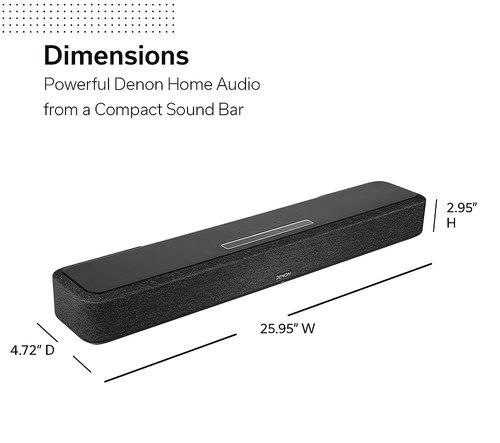
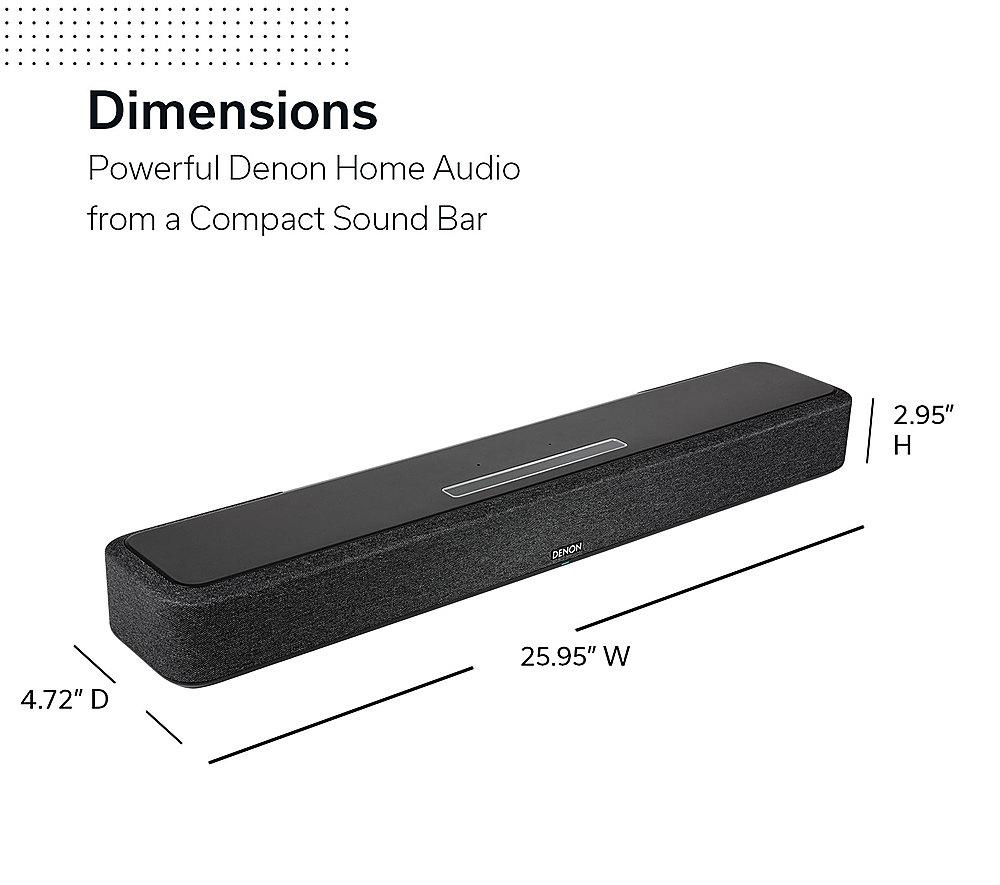
| Ultra-compact profile designed for tight spaces | Larger 26" width with more substantial presence |
| Audio Format Support - Determines quality ceiling | |
| Basic formats via optical (Dolby Digital, DTS) | High-resolution audio up to 192kHz/24-bit, full format compatibility |
| Setup Complexity - Affects user experience | |
| Plug-and-play simplicity with optical cable only | Multiple connection options require more configuration decisions |
| Best Use Case - Who should choose each model | |
| Small to medium rooms, dialogue-heavy content, simple setup needs | Primary entertainment spaces, movie watching, expandable home theater plans |
The Sonos Ray Soundbar excels at dialogue clarity with its dedicated Speech Enhancement feature that specifically boosts voice frequencies. Its stereo-focused design prioritizes clear vocal reproduction, making it ideal for TV shows and news. While the Denon Home Sound Bar 550 also includes dialogue enhancement, the Sonos Ray is specifically engineered for speech clarity as its primary strength.
The fundamental difference is their audio approach: the Sonos Ray delivers optimized stereo sound with exceptional dialogue clarity, while the Denon Home Sound Bar 550 offers virtual surround sound processing with Dolby Atmos and DTS:X support. The Sonos Ray focuses on doing stereo perfectly, whereas the Denon creates immersive surround effects from a single bar.
The Denon Home Sound Bar 550 offers superior connectivity with HDMI eARC, optical input, and 4K HDR passthrough capabilities. In contrast, the Sonos Ray only includes optical audio input, which limits its compatibility with modern devices and audio formats. For comprehensive connectivity, the Denon is clearly the winner.
Only the Denon Home Sound Bar 550 can be expanded with wireless subwoofers and rear speakers to create a full 5.1 surround system. The Sonos Ray cannot add additional speakers and remains a stereo-only solution. If you want room to grow your audio system, the Denon provides that flexibility.
The Sonos Ray Soundbar is better suited for small rooms due to its compact design and stereo optimization that works well in tight spaces. Its forward-facing acoustics minimize interference from nearby surfaces. The Denon Home Sound Bar 550 is designed for larger spaces up to 150 square feet where its virtual surround processing can be more effective.
The Denon Home Sound Bar 550 includes built-in Amazon Alexa for direct voice control of volume, inputs, and other functions. The Sonos Ray doesn't have built-in voice assistants but can work with Alexa or Google Assistant through other Sonos speakers in a multiroom setup.
The Denon Home Sound Bar 550 delivers stronger bass through its dual passive radiators and can be enhanced further with an optional wireless subwoofer. The Sonos Ray provides adequate bass for dialogue and casual listening but cannot be expanded for deeper low-frequency performance.
Both excel at music but in different ways. The Sonos Ray offers more accurate stereo reproduction that's ideal for acoustic music and vocals, making it excellent for pure music listening. The Denon Home Sound Bar 550 creates a wider, more spacious sound that can make music more exciting but may be less neutral for critical listening.
The Sonos Ray Soundbar is significantly easier to set up, requiring only a single optical cable connection and minimal configuration through the Sonos app. The Denon Home Sound Bar 550 offers more setup options but requires more decisions about connections, input selection, and audio processing modes.
The Denon Home Sound Bar 550 is better for gaming with its HDMI connectivity and 4K passthrough, though it's limited to 8-bit signals. The Sonos Ray can work with gaming through optical connection but may introduce slight audio delays and doesn't support advanced gaming audio formats.
Value depends on your needs: the Sonos Ray offers exceptional stereo performance at a lower price point, making it excellent value for dialogue-focused viewing. The Denon Home Sound Bar 550 costs more but provides virtual surround processing, comprehensive connectivity, and expandability that justify the premium for users wanting a complete home theater foundation.
For dedicated home theater use, choose the Denon Home Sound Bar 550 if you want immersive surround effects, plan to expand with additional speakers, and need HDMI connectivity. Select the Sonos Ray for smaller theater spaces where dialogue clarity is most important, or as an excellent upgrade for secondary viewing areas like bedrooms or offices.
We've done our best to create useful and informative comparisons to help you decide what product to buy. Our research uses advanced automated methods to create this comparison and perfection is not possible - please contact us for corrections or questions. These are the sites we've researched in the creation of this article: tomsguide.com - soundandvision.com - youtube.com - techradar.com - en.community.sonos.com - rtings.com - howtogeek.com - youtube.com - cnet.com - sonos.com - videoandaudiocenter.com - consumerreports.org - soundandvision.com - crutchfield.com - rtings.com - crutchfield.com - gzhls.at - denon.com - walmart.com - youtube.com - whathifi.com - bestbuy.com

Privacy Policy
Terms and Conditions - Affiliate Policy
Home Security
© Copyright 2008-2026.
11816 Inwood Rd #1211, Dallas, TX 75244