










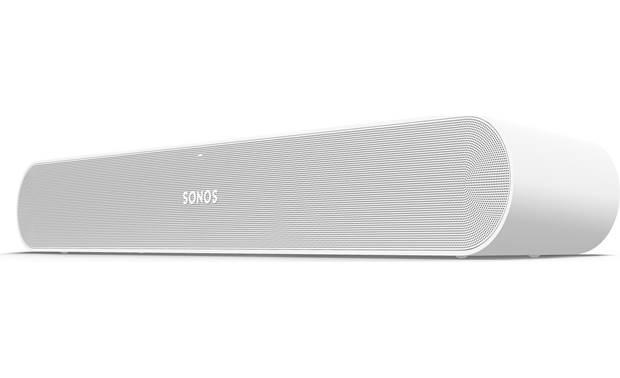
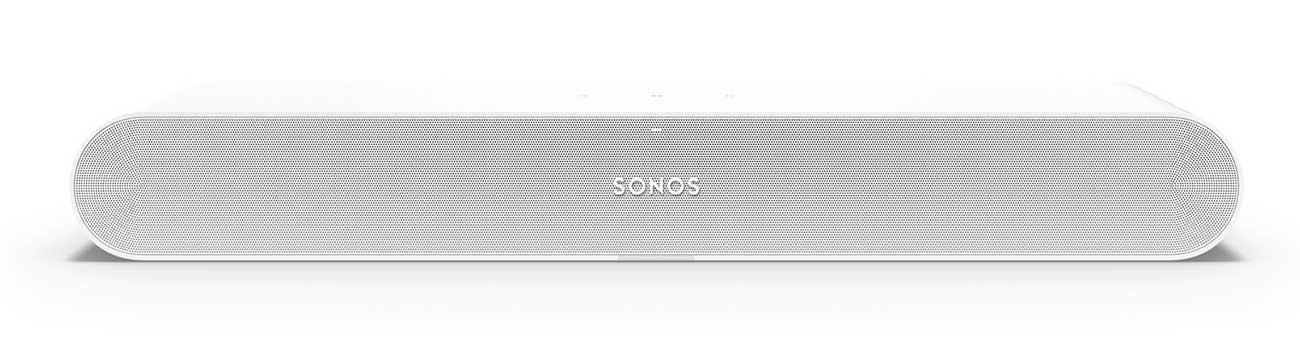
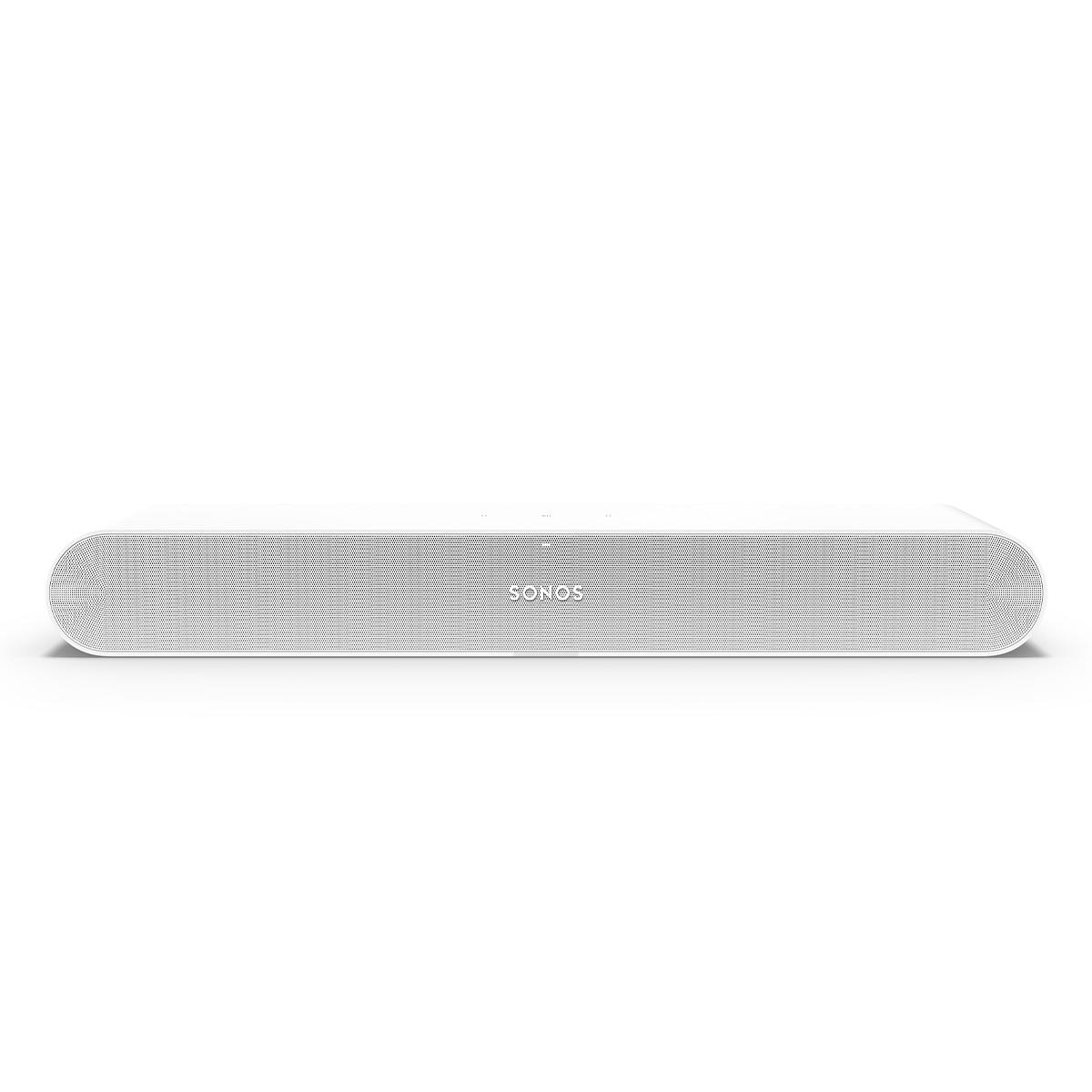
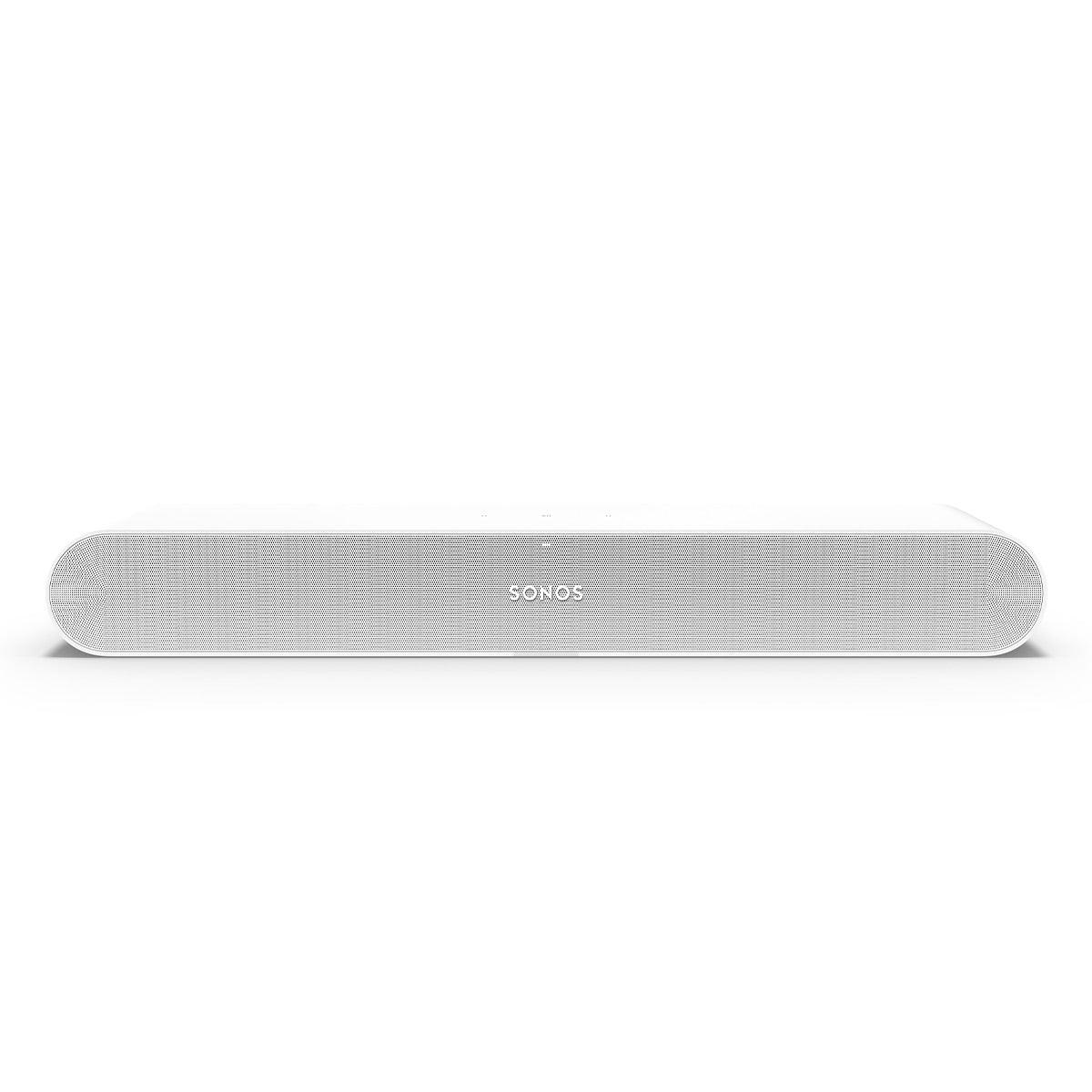
If you've been watching TV with those tiny built-in speakers, you're missing out on a lot. The difference between TV speakers and even a basic soundbar is honestly night and day. But here's where it gets tricky: do you go with something simple like the Sonos Ray, or jump straight into a full surround system like the JBL Bar 700? I've spent time with both, and the answer really depends on what you're trying to achieve.
Before we dive into these specific models, let's talk about what you're actually buying. Soundbars solve the fundamental problem that modern TVs are too thin to house decent speakers. They're basically long, horizontal speakers that sit below your TV, but the similarities end there.
The most basic soundbars are "2.0" systems – that means two channels (left and right) with no subwoofer. Then you have "2.1" systems that add a subwoofer for bass. The JBL Bar 700 is a "5.1" system, which means five main channels (left, right, center, and two surround channels) plus a subwoofer. The more channels you have, the more precisely you can place sounds in your room.
Dolby Atmos is another term you'll hear a lot. Traditional surround sound moves audio around you horizontally, but Atmos adds height effects – sounds that seem to come from above. It's like the difference between watching a movie on a flat screen versus IMAX. Not every soundbar can do this, and the Sonos Ray is one that can't.
The connectivity matters too. HDMI eARC (enhanced Audio Return Channel) is the gold standard – it carries the best quality audio from your TV to your soundbar and lets you control everything with one remote. Optical connections work with any TV but don't carry as much audio information.
Released in 2022, the Sonos Ray was Sonos's answer to people saying their products were too expensive. At launch, it cost significantly less than other Sonos soundbars, making it an entry point into their ecosystem. But don't mistake "entry-level" for "cheap" – this is still very much a Sonos product.
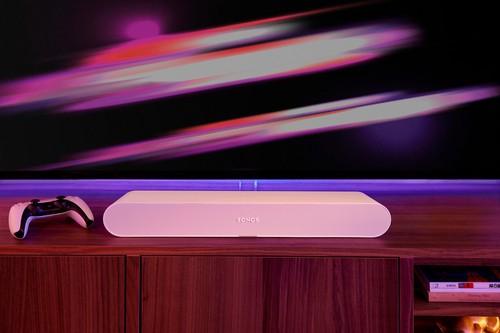
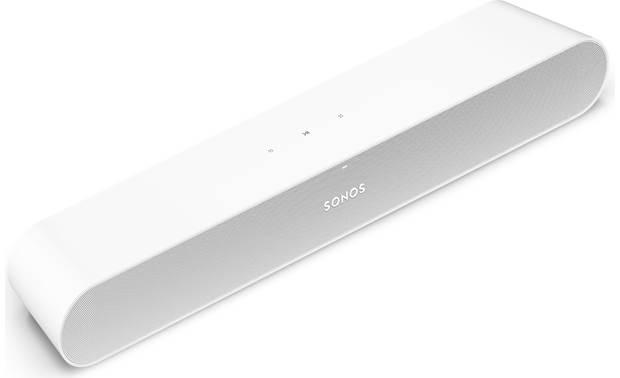
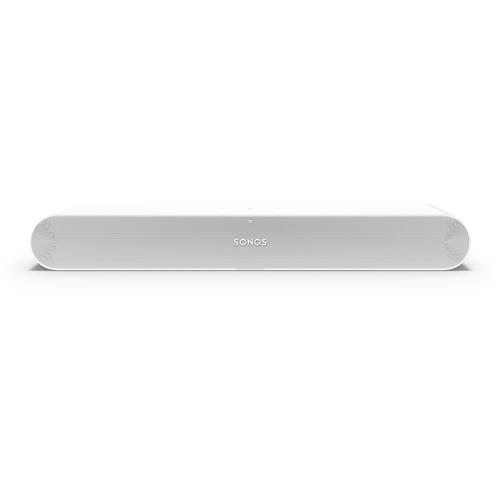
The Ray is what I'd call aggressively simple. It's a stereo soundbar with no subwoofer, no surround speakers, and no HDMI connection. Just optical audio in, power, and that's it. Yet somehow, Sonos has made this simplicity work brilliantly for specific situations.
The first thing you notice about the Sonos Ray is how clear voices sound. Sonos uses custom waveguides – these are specially shaped acoustic chambers that direct sound precisely where it needs to go. Think of them like focused flashlight beams for audio. Combined with digital processing that emphasizes vocal frequencies, dialogue cuts through even when other sounds are playing.
I've tested this with everything from mumbling British crime dramas to explosive Marvel movies, and the Ray consistently makes voices more intelligible than TV speakers. It's not magic – it's just really good engineering focused on solving the most common complaint about TV audio.
The Ray also does something clever with stereo imaging. Psychoacoustic processing uses timing and volume differences between the left and right channels to make sounds appear to come from beyond the physical boundaries of the soundbar. When you're listening to music, instruments seem to spread across a much wider space than the 22-inch soundbar should be able to create.
Trueplay tuning is another Sonos specialty. Using your iPhone's microphone, the system measures how sound bounces around your room and adjusts its output accordingly. Every room sounds different because of furniture, carpet, wall materials, and size. Trueplay adapts the Ray to work optimally in your specific space.
But here's where the Sonos Ray hits its limits. It's a 2.0 stereo system trying to handle content mixed for 5.1 or 7.1 surround sound. When you're watching a movie with helicopters flying overhead or explosions happening behind the characters, the Ray has to squeeze all that spatial information into just left and right channels. It works okay for simple content, but complex movie soundtracks expose the limitations quickly.
Bass is the other challenge. Without a dedicated subwoofer, the Ray relies on two small midwoofers and a bass reflex port (a carefully designed opening that reinforces low frequencies). This setup minimizes distortion but can't reproduce the deep bass that makes action scenes feel impactful. Push it too hard with bass-heavy content, and the Ray starts to sound strained.
The lack of HDMI eARC is also limiting in 2024. Most new TVs and streaming devices send their best audio over HDMI, not optical. You'll still get good sound, but you might miss out on the highest quality audio formats.
The JBL Bar 700 takes a completely different philosophy. Instead of elegant simplicity, it gives you everything you need for a complete surround sound experience right in the box. Released as part of JBL's push into premium home audio, it represents what happens when a company known for powerful speakers decides to tackle home theater.
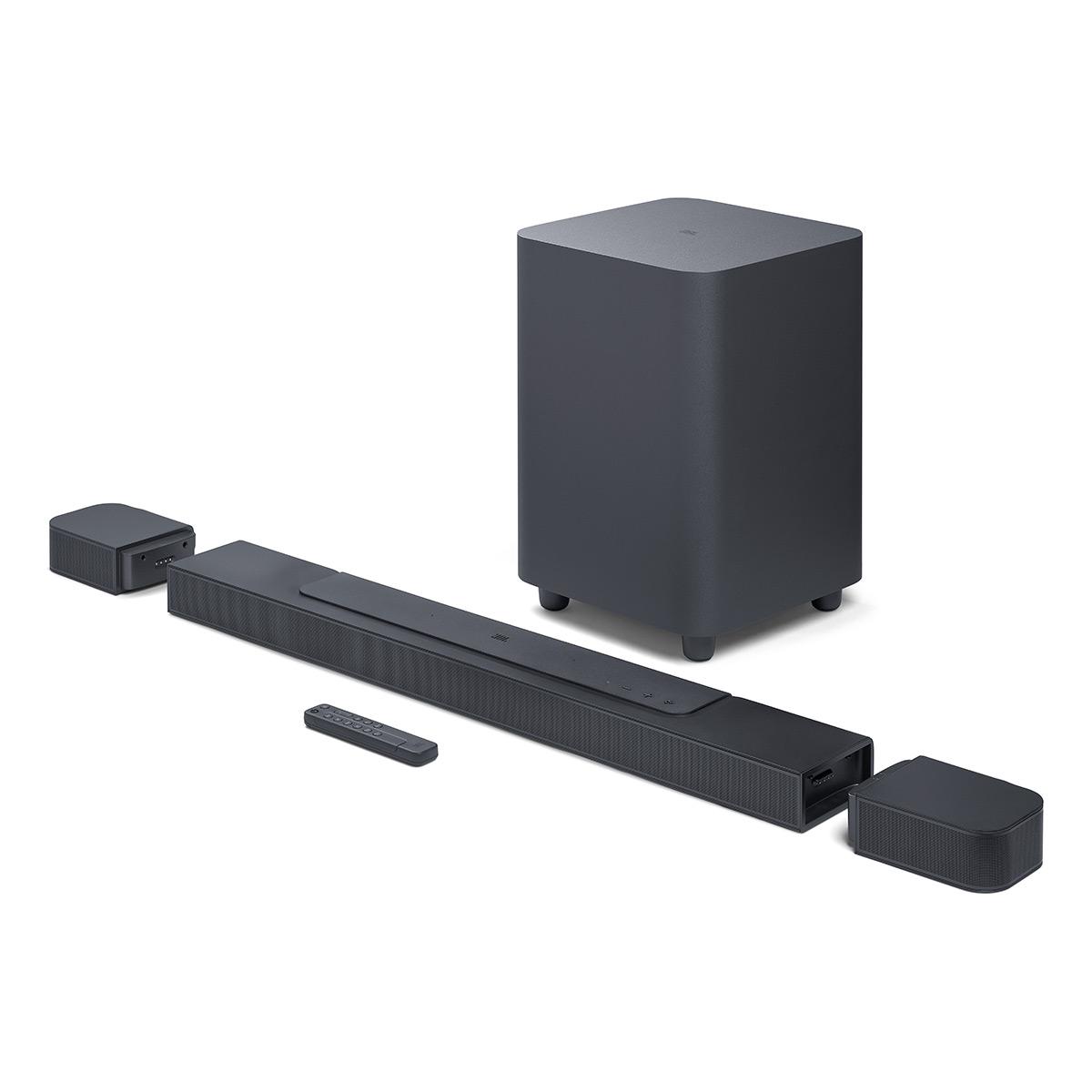
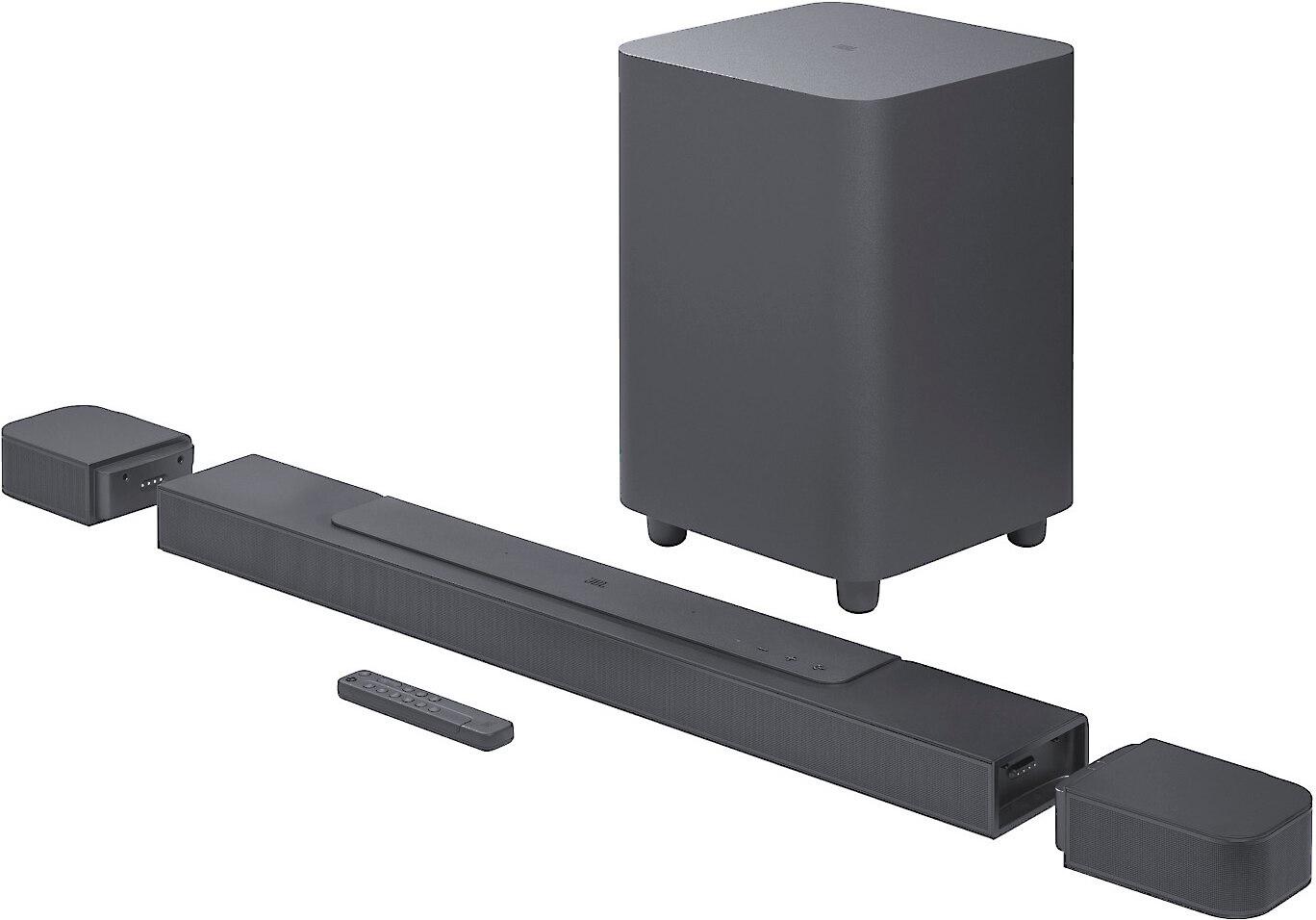
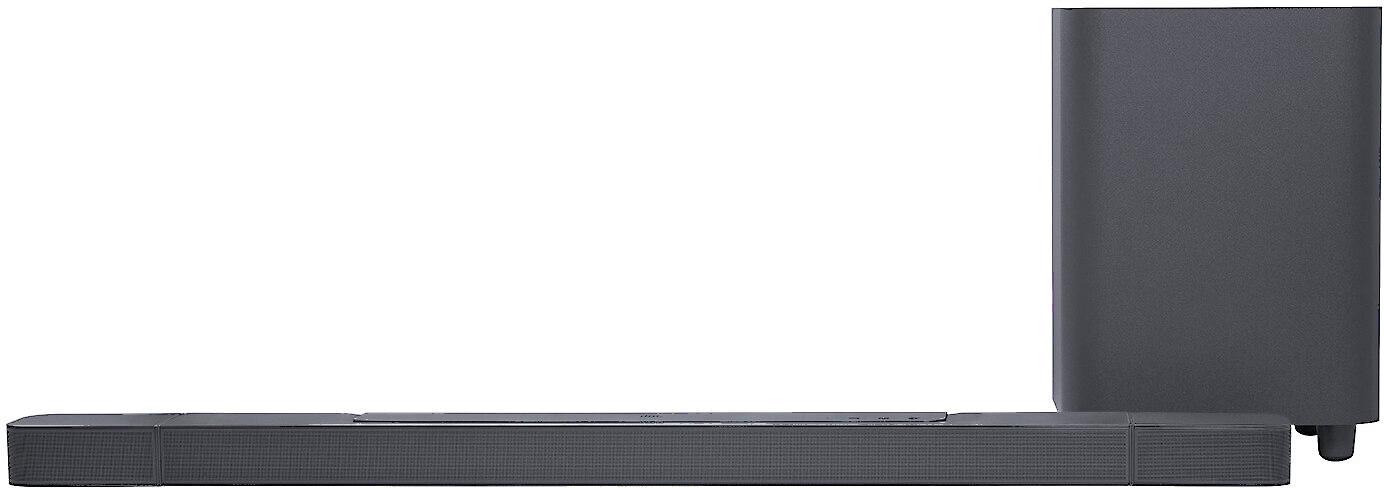
This is a true 5.1 system with 620 watts of total power. The main soundbar houses left, center, and right channels, while two detachable speakers provide genuine surround sound. A 10-inch wireless subwoofer handles the deep bass that makes action movies feel visceral.
The Bar 700 supports Dolby Atmos, which creates the illusion of height effects even without ceiling speakers. When a helicopter flies overhead in a movie, the processing makes it sound like it's actually passing above you. It's not as convincing as dedicated height speakers, but it's far more immersive than standard surround sound.
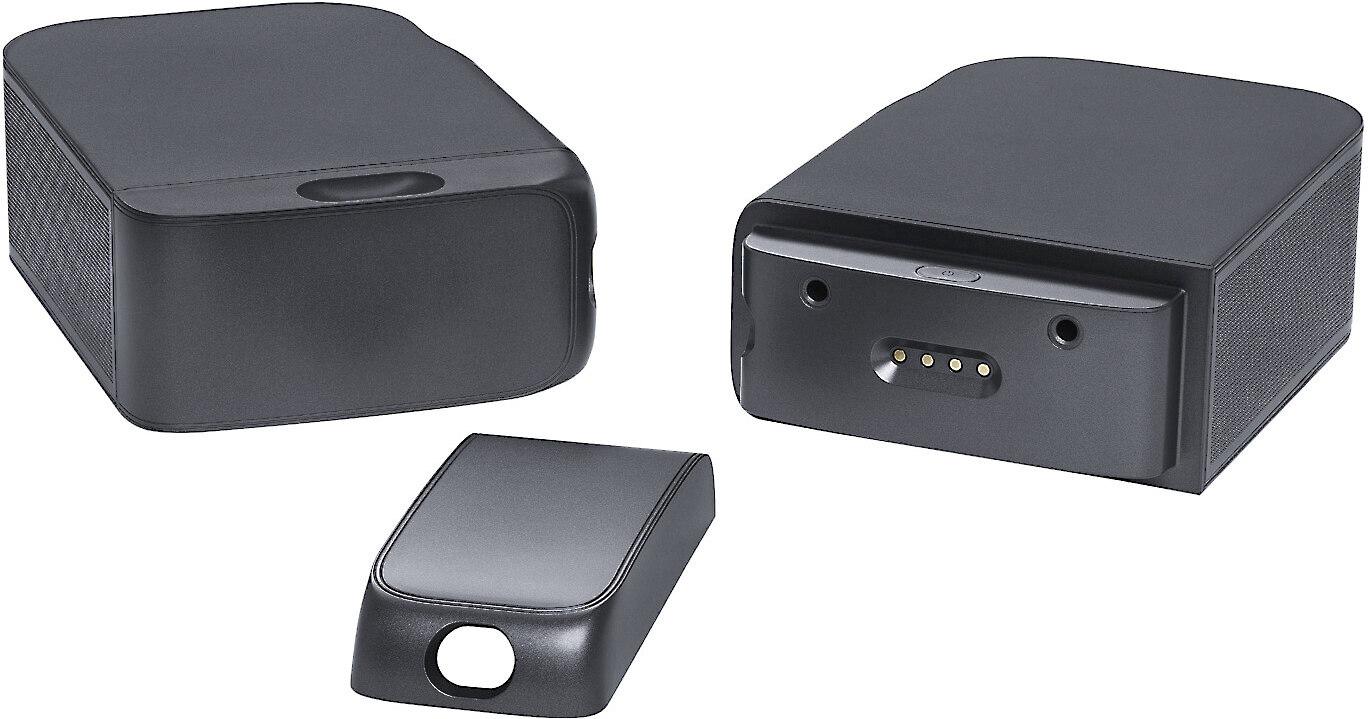
Those detachable surround speakers are genuinely clever. They charge when connected to the main bar, but you can detach them and place them behind your seating area. Built-in batteries provide up to 10 hours of wireless operation, so you get real surround sound without running speaker wire across your room. When you're done watching, they snap back onto the soundbar magnetically.
The 10-inch subwoofer produces bass down to 35Hz – that's deep enough to feel the rumble of explosions and the thump of music. At 300 watts, it has enough power to pressurize even large rooms. The wireless connection means you can place it wherever it sounds best, not just where cables can reach.
PureVoice dialogue enhancement uses algorithms to boost voice frequencies during complex scenes. Unlike basic tone controls, this technology specifically targets the frequency range where human speech lives, making dialogue clear even when explosions and music are happening simultaneously.
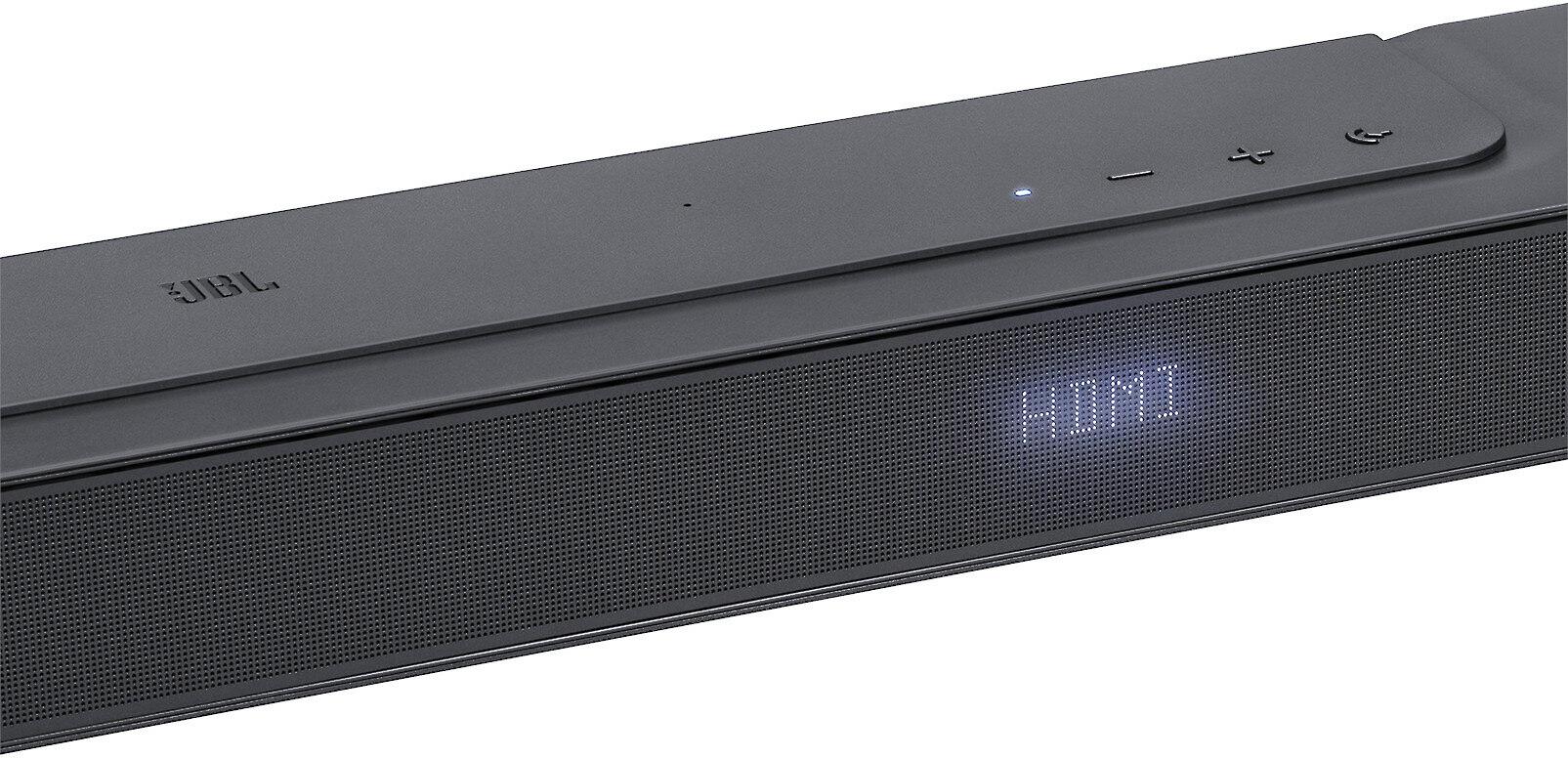
HDMI eARC connectivity means the Bar 700 gets the full audio signal from your TV, including advanced formats like Dolby TrueHD and DTS-HD Master Audio that you find on 4K Blu-rays. It also enables HDMI CEC, which lets you control the soundbar with your TV remote instead of juggling multiple remotes.
The system includes automatic sound calibration using built-in microphones. Like Sonos's Trueplay, this measures your room's acoustics and adjusts the sound accordingly. But because the Bar 700 has more speakers and processing power, it can make more sophisticated adjustments.
Streaming capabilities include AirPlay 2, Chromecast built-in, and Alexa Multi-Room Music. This means you can stream music from your phone, tablet, or voice assistant just like a dedicated smart speaker.
With all these features comes complexity. The Bar 700 requires more setup time and has more components to manage. The surround speakers need regular charging, and the calibration process requires following on-screen prompts.
The design is also more imposing. While the Sonos Ray disappears visually below most TVs, the Bar 700 makes its presence known. The detachable surrounds add 11.4 inches to the total length when attached, which might not fit in smaller TV stands.
Both soundbars excel at dialogue, but in different ways. The Sonos Ray achieves clarity through precise frequency tuning and excellent midrange reproduction. Voices sound natural and well-positioned in the center of the soundstage.
The Bar 700 uses its dedicated center channel plus PureVoice processing. Having a separate center speaker is acoustically superior because dialogue doesn't have to compete with left and right channel information. During action scenes with lots of effects, the Bar 700 keeps voices more intelligible.
Winner: JBL Bar 700 for complex content, Sonos Ray for overall naturalness
This isn't even close. The Sonos Ray produces respectable bass for its size, but it can't compete with a dedicated 10-inch subwoofer. The Bar 700 delivers the kind of deep, powerful bass that makes you feel explosions in your chest and gives music real weight and impact.
If you mostly watch dialogue-heavy content like news or sitcoms, the Ray's bass might be sufficient. But for movies, music, or gaming, the Bar 700's subwoofer transforms the experience.
Winner: JBL Bar 700 by a wide margin
The Sonos Ray uses psychoacoustic tricks to create a wider soundstage, and it works well with music and simple stereo content. But it can't create genuine surround effects because it only has two channels.
The Bar 700 provides real spatial audio with discrete surround channels. Sounds can actually move around the room, coming from behind you or to the sides. The Dolby Atmos processing adds convincing height effects that make movie soundtracks more immersive.
Winner: JBL Bar 700 – no contest for surround content
This is where the Sonos Ray shows its strengths. Despite being a soundbar, it delivers genuinely good stereo imaging with clear separation between instruments. The balanced frequency response makes most music sound natural and engaging.
The Bar 700 can play music loudly and with impressive bass, but it's optimized for movie content. The surround processing sometimes makes music sound artificial, though you can adjust settings to minimize this.
Winner: Sonos Ray for critical listening, Bar 700 for parties
At the time of writing, both products occupy different price tiers, and that positioning makes sense given their capabilities. The Sonos Ray costs significantly less but offers fewer features. However, Sonos products typically hold their value well and receive software updates for years.
The Bar 700 costs more initially but gives you a complete surround system. You won't need to buy additional components to get the full experience, which could make it more economical long-term.
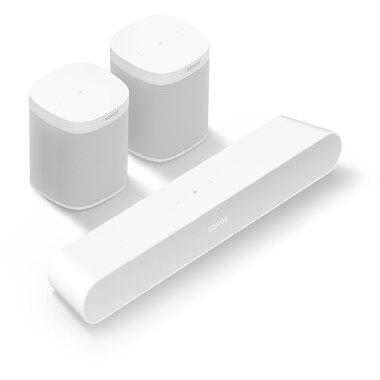
Consider the expansion path too. The Sonos Ray can eventually be upgraded with a Sonos Sub and surround speakers, but those additions cost significantly more than the original soundbar. The Bar 700 gives you everything immediately but offers less room for future expansion.
Your room size should heavily influence this decision. In smaller spaces (bedrooms, apartments, rooms under 200 square feet), the Sonos Ray often sounds better balanced. Large rooms can overwhelm its modest output, making voices sound thin and bass nearly inaudible.
The Bar 700 needs space to work properly. The subwoofer requires room to breathe, and the surround speakers need proper positioning behind your seating area. In cramped spaces, you might not be able to take advantage of its capabilities.
Apartment living adds another consideration. The Ray's moderate bass output won't disturb neighbors, while the Bar 700's subwoofer definitely can. Most subwoofers include volume controls, but physics limits how quietly you can play deep bass.
You live in a smaller space where simplicity matters more than surround sound. The Ray excels in bedrooms, offices, or apartments where a full surround system would be overkill. It's also ideal if you listen to more music than movies, as its stereo imaging rivals dedicated music speakers.
The Ray makes sense if you value build quality and plan to expand your system gradually. Starting with the soundbar and adding a Sub later gives you flexibility to spread the cost over time.
You want the complete home theater experience without buying separate components. The Bar 700 handles everything from quiet dialogue to explosive action scenes with authority. It's perfect for larger rooms where you can properly position all the speakers.
If you watch a lot of movies or play games with sophisticated soundtracks, the Bar 700's surround capabilities and Dolby Atmos support make a real difference in immersion.
Both soundbars solve the "bad TV audio" problem, but they do it in fundamentally different ways. The Sonos Ray proves that excellent engineering can make a simple stereo soundbar perform far above its specifications. It's refined, focused, and perfect for specific situations.
The JBL Bar 700 takes the "give them everything" approach and succeeds. It's the soundbar equivalent of a Swiss Army knife – maybe not the absolute best at any single task, but very good at everything you might need.
Your choice comes down to matching the product to your situation. Small room, music focus, gradual expansion plans? The Ray makes sense. Larger space, movie enthusiasm, want-it-all-now approach? The Bar 700 delivers.
Either choice will dramatically improve your TV audio experience. The difference is whether you want elegant simplicity or comprehensive capability.
| Sonos Ray | JBL Bar 700 |
|---|---|
| Audio Configuration - Determines surround sound capability | |
| 2.0 stereo (no dedicated subwoofer or surround channels) | 5.1 system with wireless subwoofer and detachable surround speakers |
| Total Power Output - Affects volume and dynamic range | |
| Not specified (estimated ~120W based on driver size) | 620W total system power (240W soundbar, 300W subwoofer, 80W surrounds) |
| Dolby Atmos Support - Creates overhead sound effects | |
| No (downmixes Atmos content to stereo) | Yes (virtual height effects without ceiling speakers) |
| HDMI eARC Connectivity - Best audio quality and TV integration | |
| No (optical audio only) | Yes (with 4K Dolby Vision pass-through) |
| Subwoofer Included - Essential for deep bass and movie impact | |
| No dedicated subwoofer (relies on small internal drivers) | 10-inch wireless subwoofer (35Hz-20kHz frequency response) |
| Room Correction Technology - Optimizes sound for your space | |
| Trueplay tuning (requires iOS device) | Automatic sound calibration with built-in microphones |
| Surround Speakers - Provides true wraparound sound | |
| None (uses psychoacoustic processing for wider stereo image) | Battery-powered detachable speakers (10-hour wireless operation) |
| Streaming Capabilities - Wireless music playback options | |
| Wi-Fi, AirPlay 2, Spotify Connect, Tidal Connect | Wi-Fi, AirPlay 2, Chromecast built-in, Alexa Multi-Room Music |
| Ideal Room Size - Where each performs best | |
| Small to medium rooms (under 200 sq ft) | Medium to large rooms (200+ sq ft with space for subwoofer) |
| Primary Strength - What each does exceptionally well | |
| Dialogue clarity and stereo music reproduction | Complete surround sound experience with deep bass |
| Best Use Cases - Who should choose each product | |
| Bedrooms, offices, apartments, music-focused listening | Home theaters, movie enthusiasts, gaming setups |
The Sonos Ray is better suited for small rooms and apartments. Its compact design and balanced sound output won't overwhelm smaller spaces, while the JBL Bar 700 with its large subwoofer may be too powerful and bass-heavy for confined areas.
No, the Sonos Ray does not include a subwoofer. It's a 2.0 stereo soundbar that relies on internal drivers for bass. In contrast, the JBL Bar 700 comes with a dedicated 10-inch wireless subwoofer for deep bass response.
Only the JBL Bar 700 supports Dolby Atmos for immersive overhead sound effects. The Sonos Ray does not support Dolby Atmos and will downmix Atmos content to stereo sound.
The JBL Bar 700 includes detachable battery-powered surround speakers right in the box. The Sonos Ray can be expanded with separate Sonos surround speakers, but they must be purchased separately at additional cost.
Both excel at dialogue, but in different ways. The Sonos Ray offers exceptional voice clarity through precise frequency tuning, while the JBL Bar 700 uses a dedicated center channel and PureVoice technology to maintain clear dialogue even during complex action scenes.
The JBL Bar 700 features HDMI eARC connectivity with 4K pass-through for the best audio quality and TV integration. The Sonos Ray only connects via optical audio, which limits some advanced audio format support.
The Sonos Ray excels at music playback with superior stereo imaging and natural sound reproduction. While the JBL Bar 700 can play music loudly with impressive bass, it's primarily optimized for movie content rather than critical music listening.
The JBL Bar 700 delivers 620 watts of total system power across all speakers and subwoofer. The Sonos Ray doesn't specify exact wattage but has significantly less power due to its compact stereo design without a subwoofer.
For dedicated home theater use, the JBL Bar 700 is the clear winner with its 5.1 surround sound, Dolby Atmos support, and powerful subwoofer. The Sonos Ray is better suited for casual TV watching rather than immersive movie experiences.
Yes, both support wireless music streaming. The Sonos Ray works with AirPlay 2, Spotify Connect, and Tidal Connect. The JBL Bar 700 supports AirPlay 2, Chromecast built-in, and Alexa Multi-Room Music for versatile streaming options.
Value depends on your needs. The Sonos Ray offers excellent build quality and performance for smaller spaces at a lower price point. The JBL Bar 700 provides better overall value if you want a complete surround sound system, as you get everything needed in one purchase.
Both offer room optimization but use different methods. The Sonos Ray features Trueplay tuning that requires an iOS device to calibrate sound for your room. The JBL Bar 700 includes automatic sound calibration using built-in microphones for easier setup.
We've done our best to create useful and informative comparisons to help you decide what product to buy. Our research uses advanced automated methods to create this comparison and perfection is not possible - please contact us for corrections or questions. These are the sites we've researched in the creation of this article: tomsguide.com - soundandvision.com - youtube.com - techradar.com - en.community.sonos.com - rtings.com - howtogeek.com - youtube.com - cnet.com - sonos.com - videoandaudiocenter.com - crutchfield.com - harmanaudio.com - target.com - jbl.com - walmart.com - dell.com - jbl.com

Privacy Policy
Terms and Conditions - Affiliate Policy
Home Security
© Copyright 2008-2026.
11816 Inwood Rd #1211, Dallas, TX 75244