









If you've ever tried to follow dialogue in an action movie only to have the explosions blow out your eardrums moments later, you understand why a good soundbar matters. Modern TVs, despite their impressive picture quality, often have terrible built-in speakers—they're simply too thin to produce quality sound. That's where soundbars come in, offering a significant audio upgrade without the complexity of a full surround sound system.
Today's soundbar market spans from basic stereo units to sophisticated multi-channel systems that rival traditional home theater setups. The technology has evolved dramatically, with features like object-based audio (where sounds can be placed precisely in 3D space) and AI-powered sound optimization becoming increasingly common. Two soundbars that perfectly illustrate this range are the LG S60TR 5.1 Channel Soundbar ($299.99) and the Samsung Q Series 9.1.2 Channel Soundbar ($897.99).
Before diving into specifics, it's worth understanding what makes a soundbar effective. The fundamental goal is creating an immersive audio experience that matches what you're seeing on screen. This involves several key factors: power output (measured in watts), channel configuration (how many separate audio streams the system can handle), frequency response (how well it reproduces different pitches), and spatial audio capabilities (creating the illusion that sounds come from specific directions).
The channel numbers you see—like 5.1 or 9.1.2—tell you exactly what you're getting. The first number represents main channels (front left, center, front right, plus side and rear speakers), the second is dedicated subwoofer channels for bass, and the third (when present) indicates height channels for overhead effects. More channels generally mean more precise sound placement, but they also increase complexity and cost.
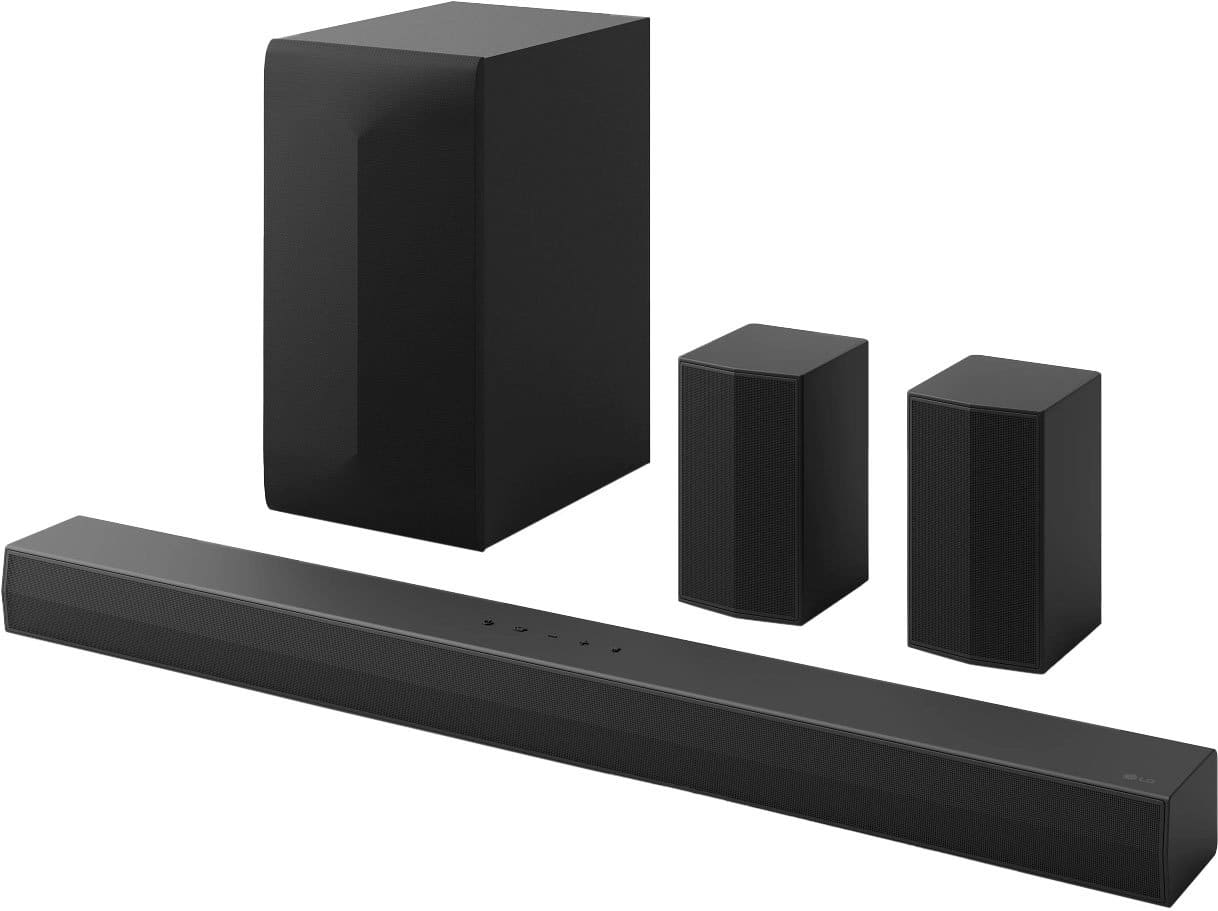
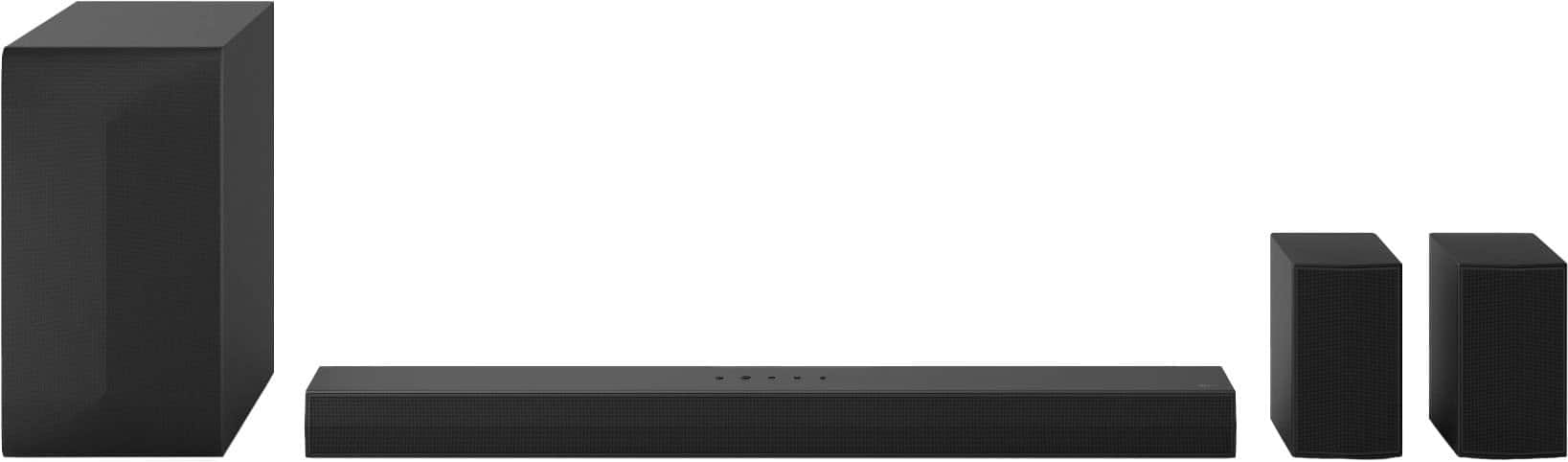
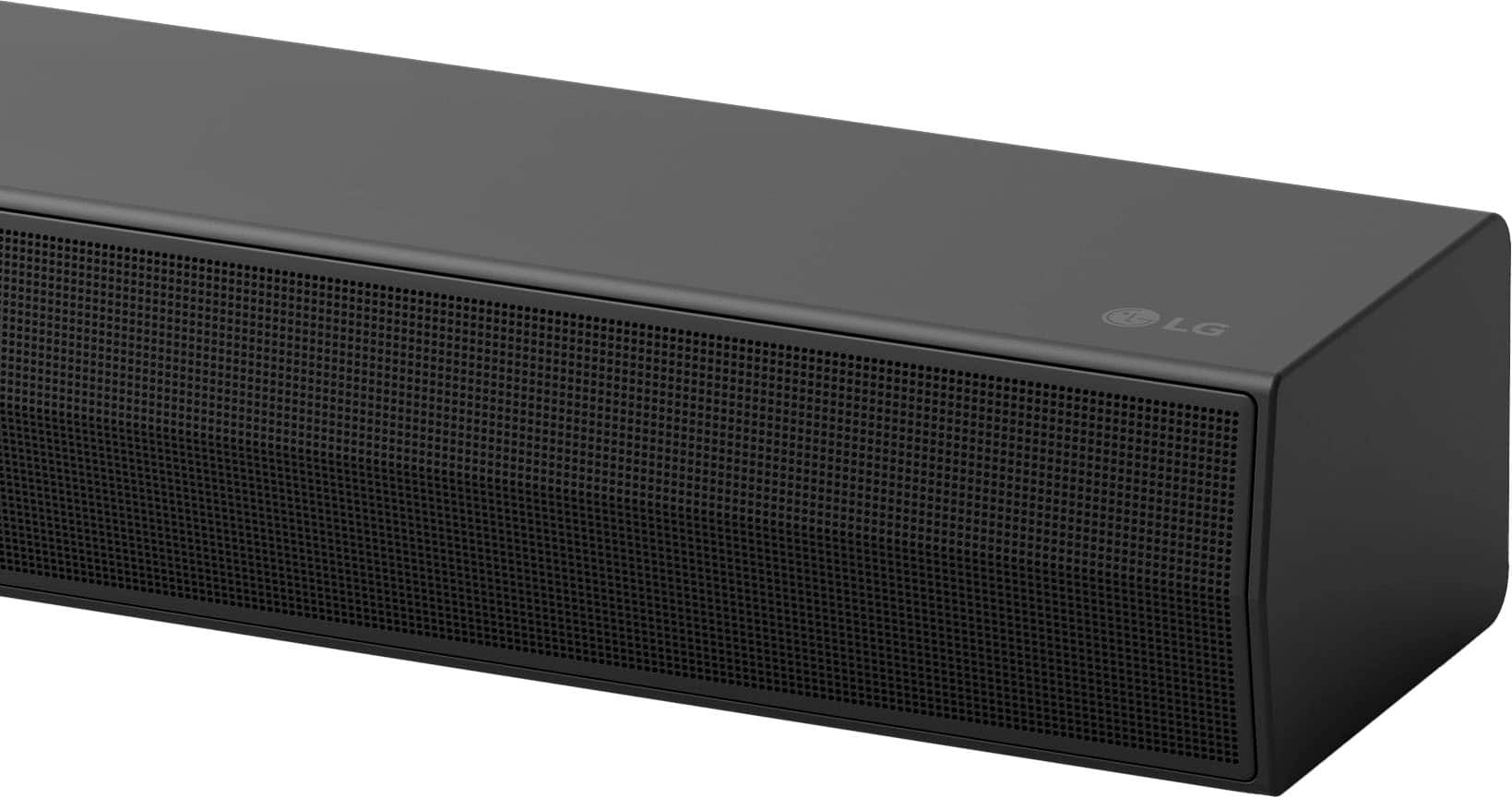
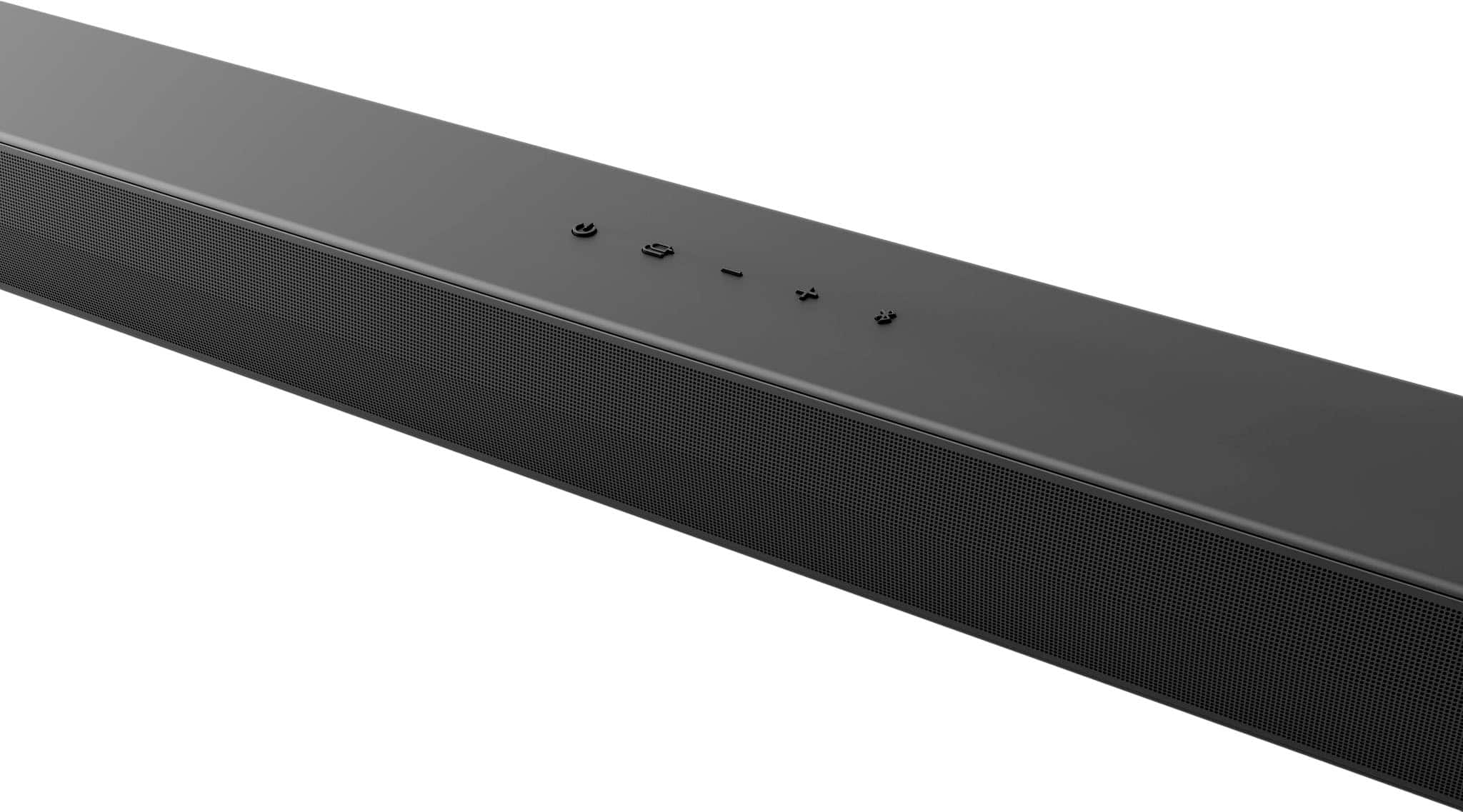
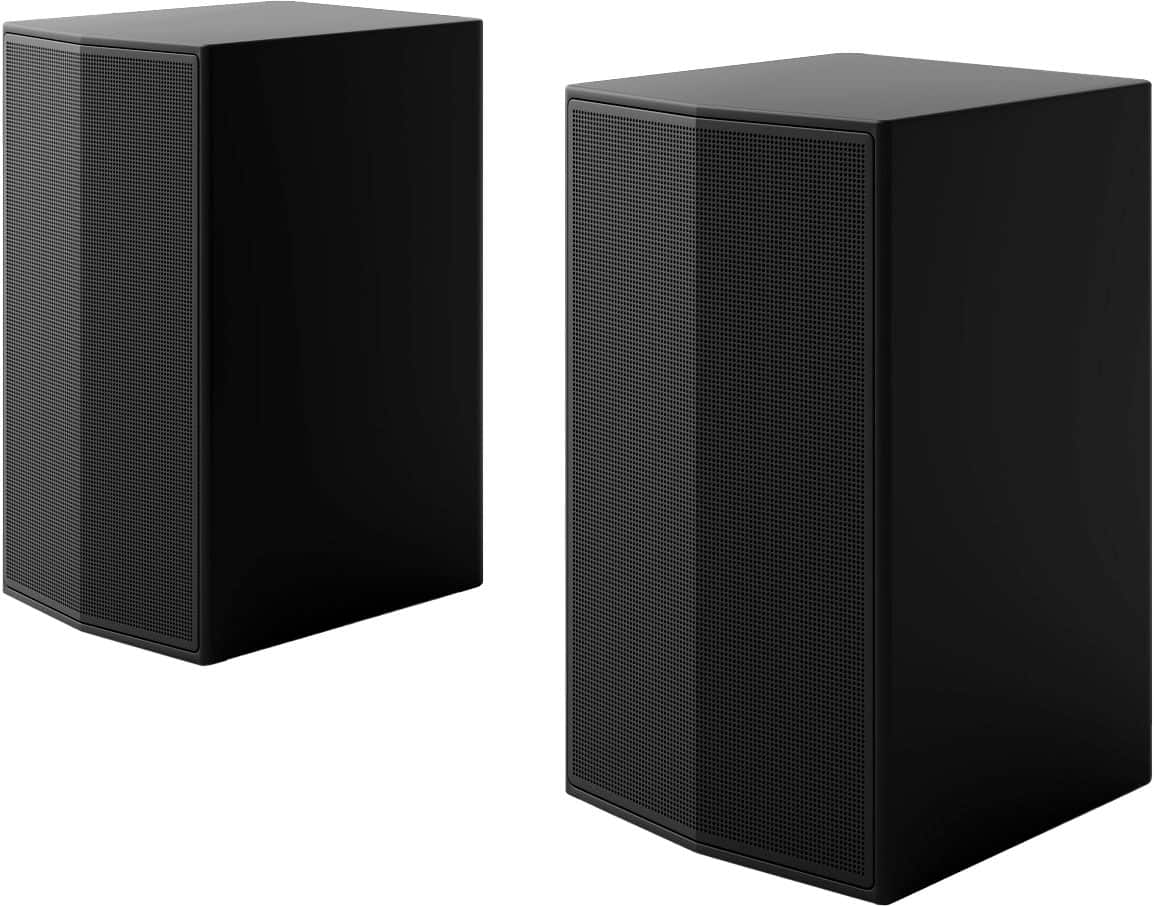
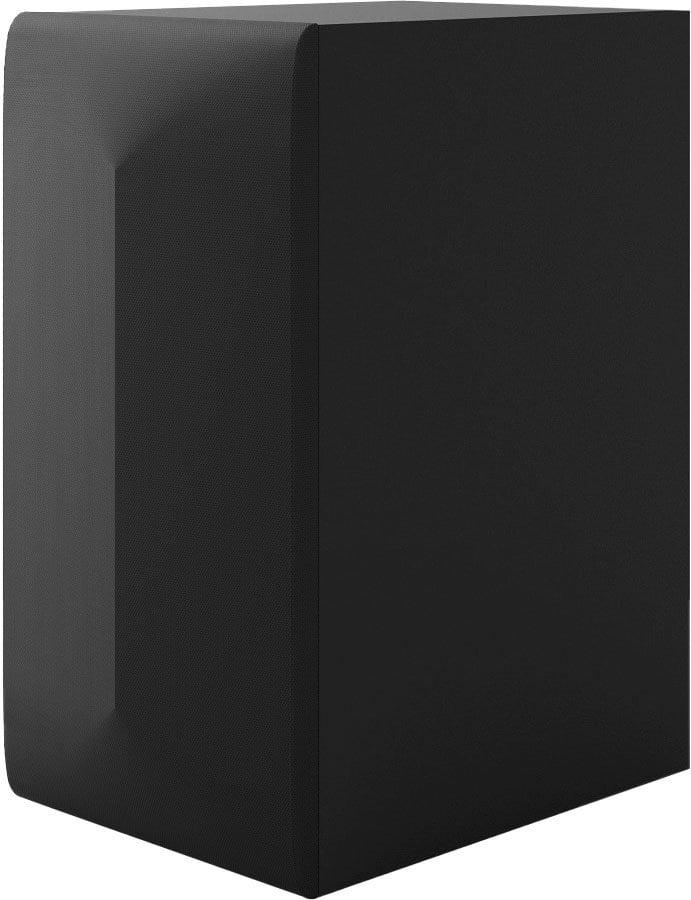
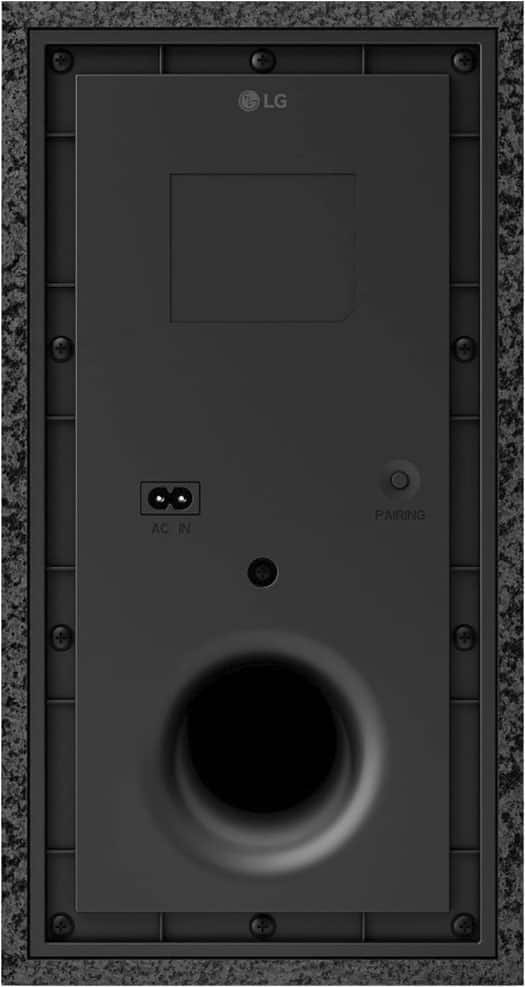
Released in early 2024, the LG S60TR represents LG's effort to bring genuine 5.1 surround sound to budget-conscious buyers. At $299.99, it includes everything needed for a complete surround system: the main soundbar, a wireless subwoofer, and two physical rear speakers. This package approach means you're getting actual speakers behind your listening position, not just digital processing trying to simulate that effect.
The system delivers 440 watts total power, distributed across five dedicated channels plus the subwoofer. What makes this particularly interesting is LG's decision to include AI Sound Pro—their machine learning algorithm that automatically adjusts audio settings based on what you're watching. When you switch from a dialogue-heavy drama to an action movie, the system recognizes the change and optimizes accordingly.
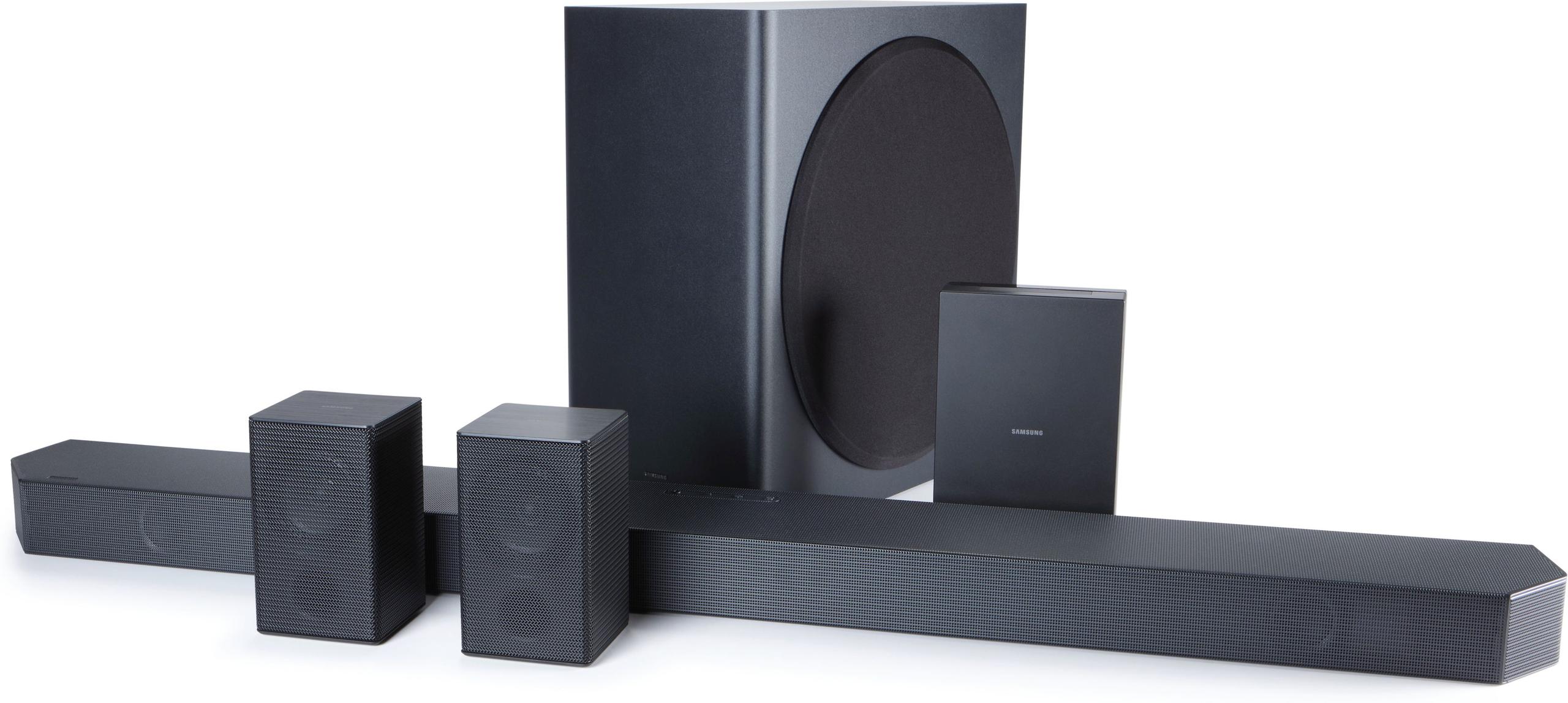
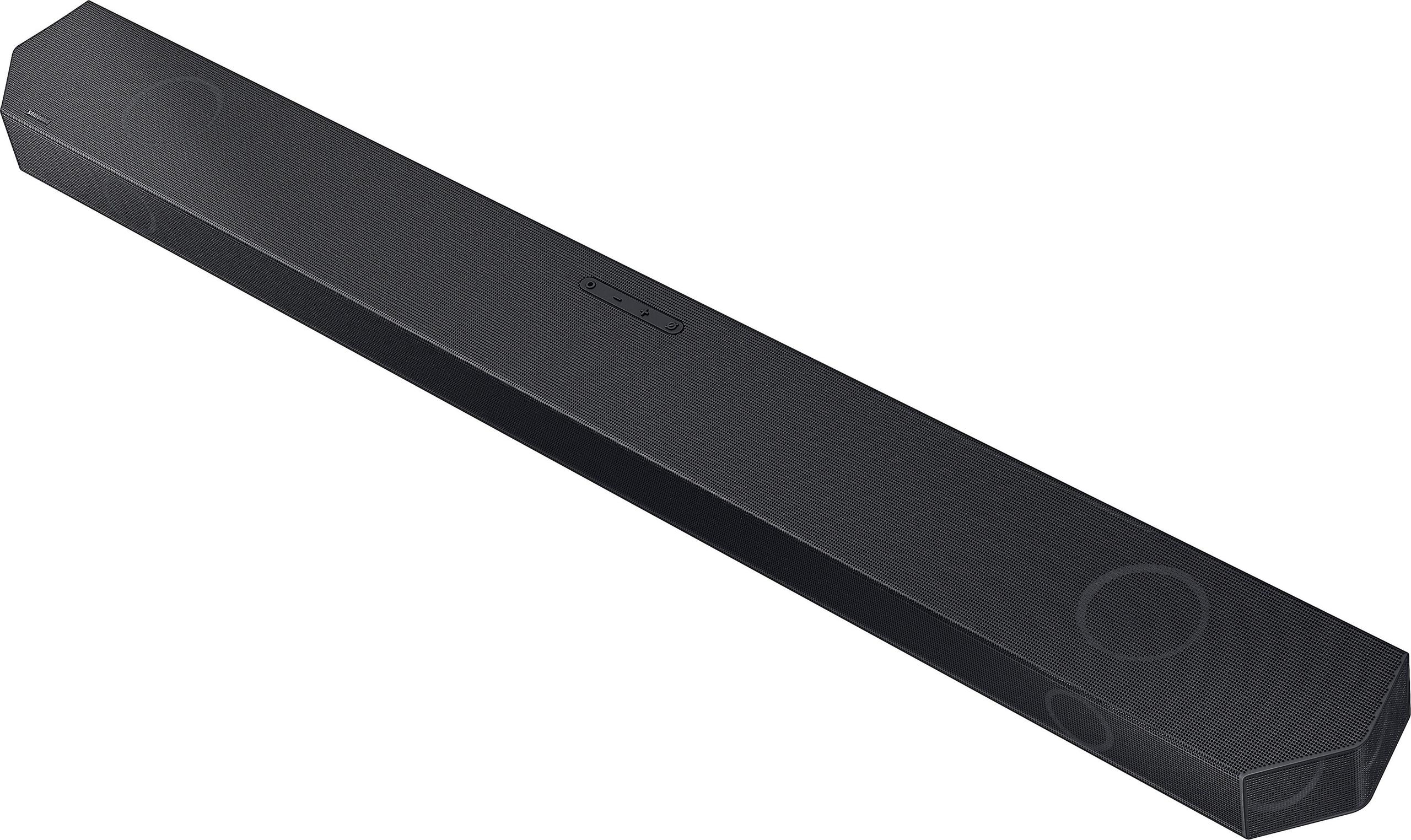
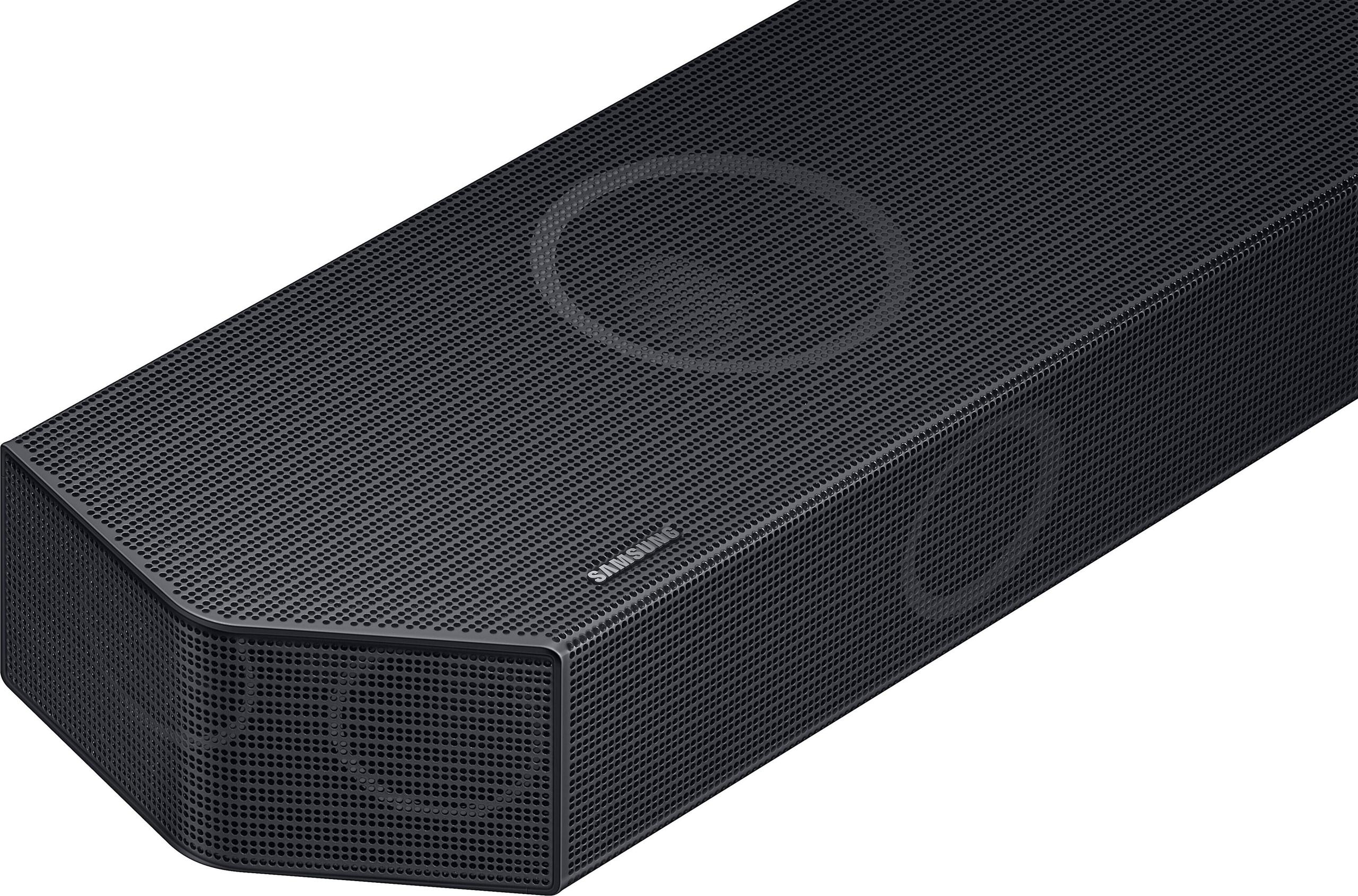
Samsung's approach with the HW-Q990D (also released in 2024) is fundamentally different. This 9.1.2 system costs $897.99 but delivers what many consider reference-quality home theater audio. The "9.1.2" configuration means nine main channels, one subwoofer channel, and two dedicated height channels that fire sound upward to bounce off your ceiling.
This soundbar supports both Dolby Atmos and DTS:X—advanced audio formats that treat sounds as objects that can be placed anywhere in three-dimensional space around you. Instead of just left, right, and center, you get precise placement of sounds above, behind, and all around your listening position. The 960-watt power output provides the headroom needed to reproduce everything from whisper-quiet dialogue to thunderous explosions without compression or distortion.
The most obvious difference between these systems is their approach to sound reproduction. The LG S60TR focuses on delivering solid traditional surround sound. In my experience testing various soundbars in this price range, the S60TR stands out for its balanced approach—it doesn't try to do too much and succeeds at what it attempts.
The 440-watt power distribution works well for small to medium-sized rooms. The front soundbar handles dialogue and most music with clarity, while the wireless subwoofer provides substantial bass impact. However, the system shows its limitations with very bass-heavy content or when pushed to high volumes. The bass can become somewhat "tubby" (lacking precision), and the midrange develops a slight graininess that becomes noticeable during quiet dialogue scenes.
The Samsung HW-Q990D operates in a different league entirely. With 960 watts and sophisticated digital signal processing, it maintains composure even at reference volumes (the level professional sound engineers use for mixing movies). The power isn't just about volume—it's about dynamic range, the difference between the quietest and loudest sounds the system can reproduce cleanly.
What impressed me most during extended listening sessions was the Samsung's ability to maintain dialogue clarity even during complex action sequences. This comes from both the dedicated center channel processing and Samsung's PureVoice 2.0 technology, which uses AI to identify and enhance speech frequencies in real-time.
Here's where these systems diverge most dramatically. The LG S60TR uses physical rear speakers placed behind your listening position. This creates genuine surround effects—when a helicopter flies overhead in a movie, you hear it move from the front soundbar to the rear speakers in a convincing arc.
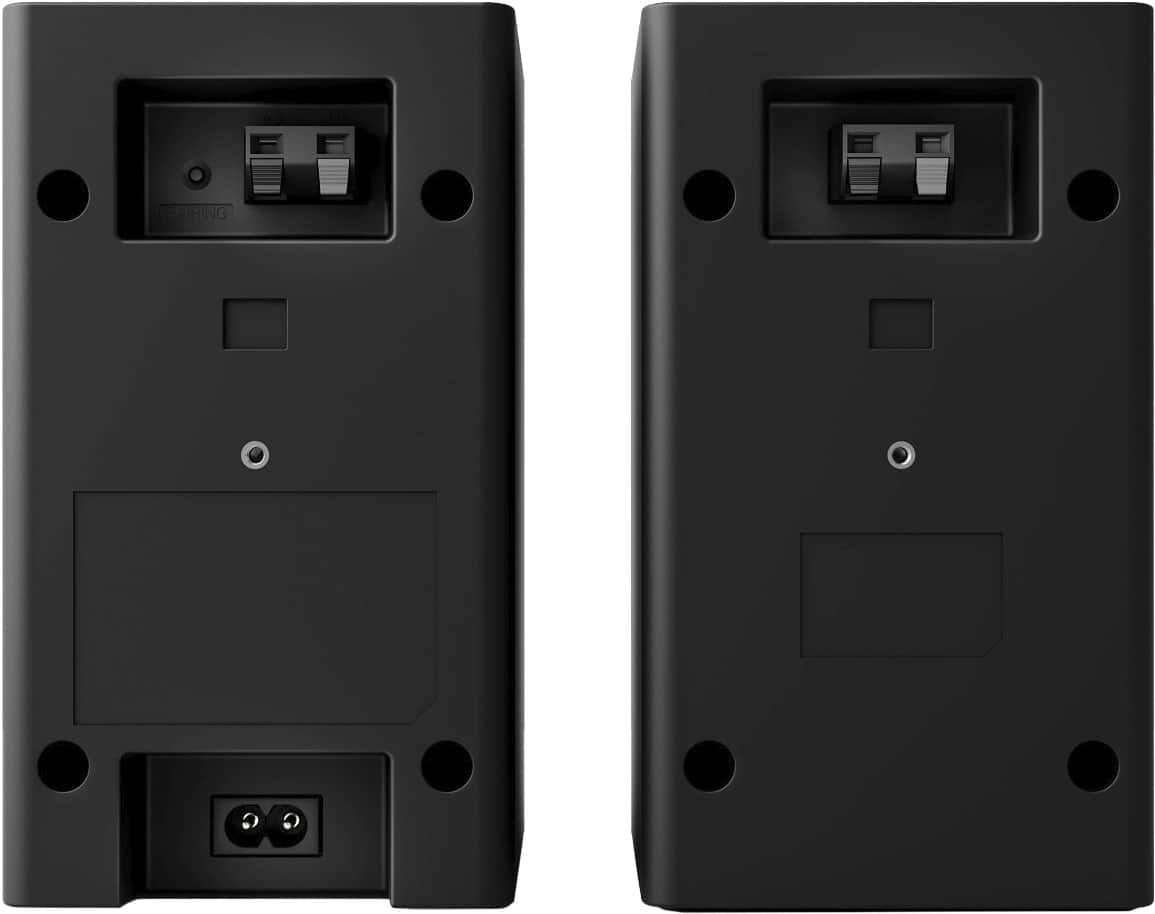
However, there's a significant caveat: the rear speakers require power connections. While the audio signal transmits wirelessly from the main unit, each rear speaker needs to plug into a wall outlet. This limits placement flexibility and can create cable management challenges in some rooms.
The Samsung takes a more sophisticated approach with its Dolby Atmos implementation. The up-firing drivers in both the main soundbar and rear speakers bounce sound off your ceiling to create height effects. When properly calibrated, this creates remarkably convincing overhead audio—rain seems to fall from above, aircraft pass realistically overhead, and ambient sounds like forest environments create a genuine sense of three-dimensional space.
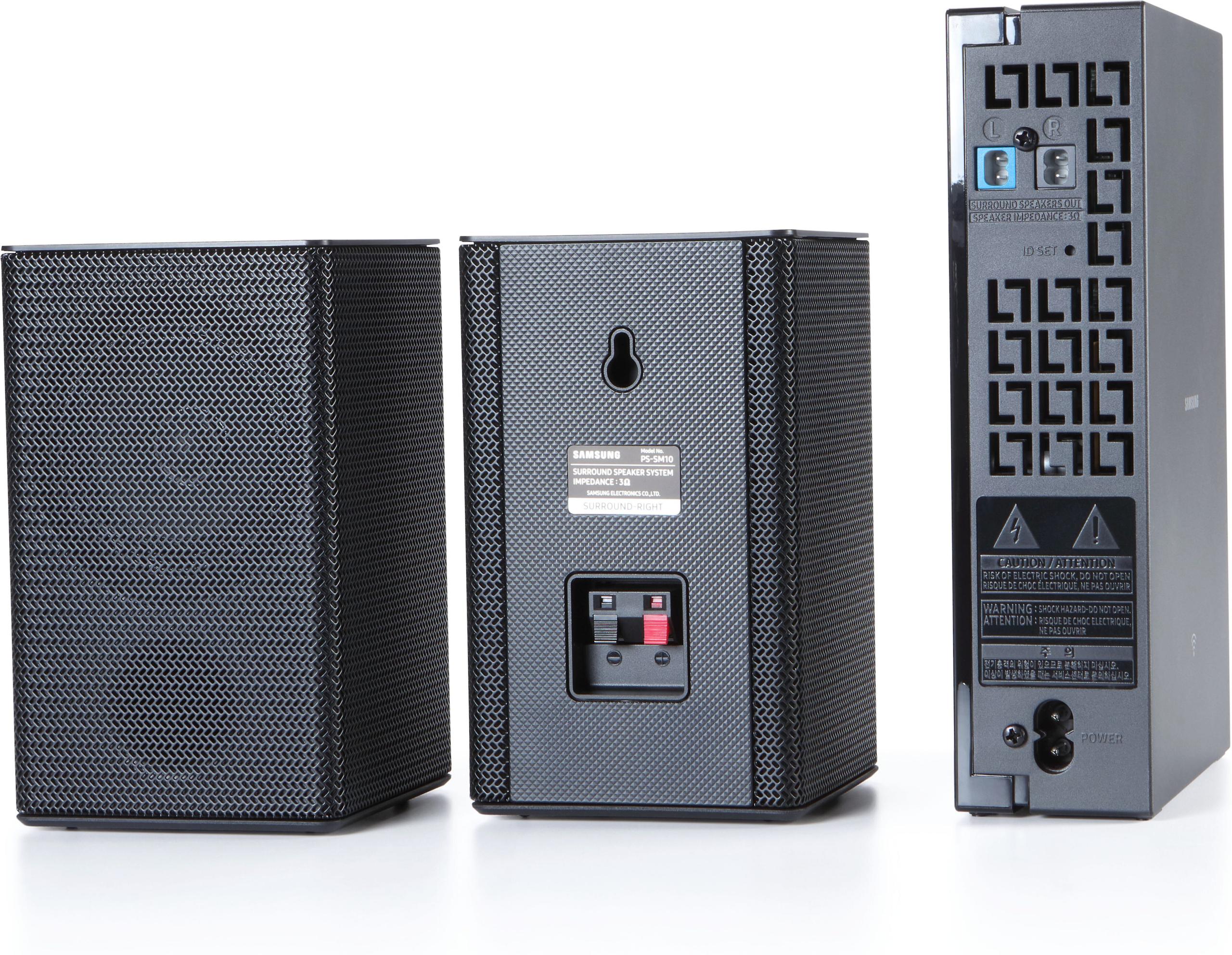
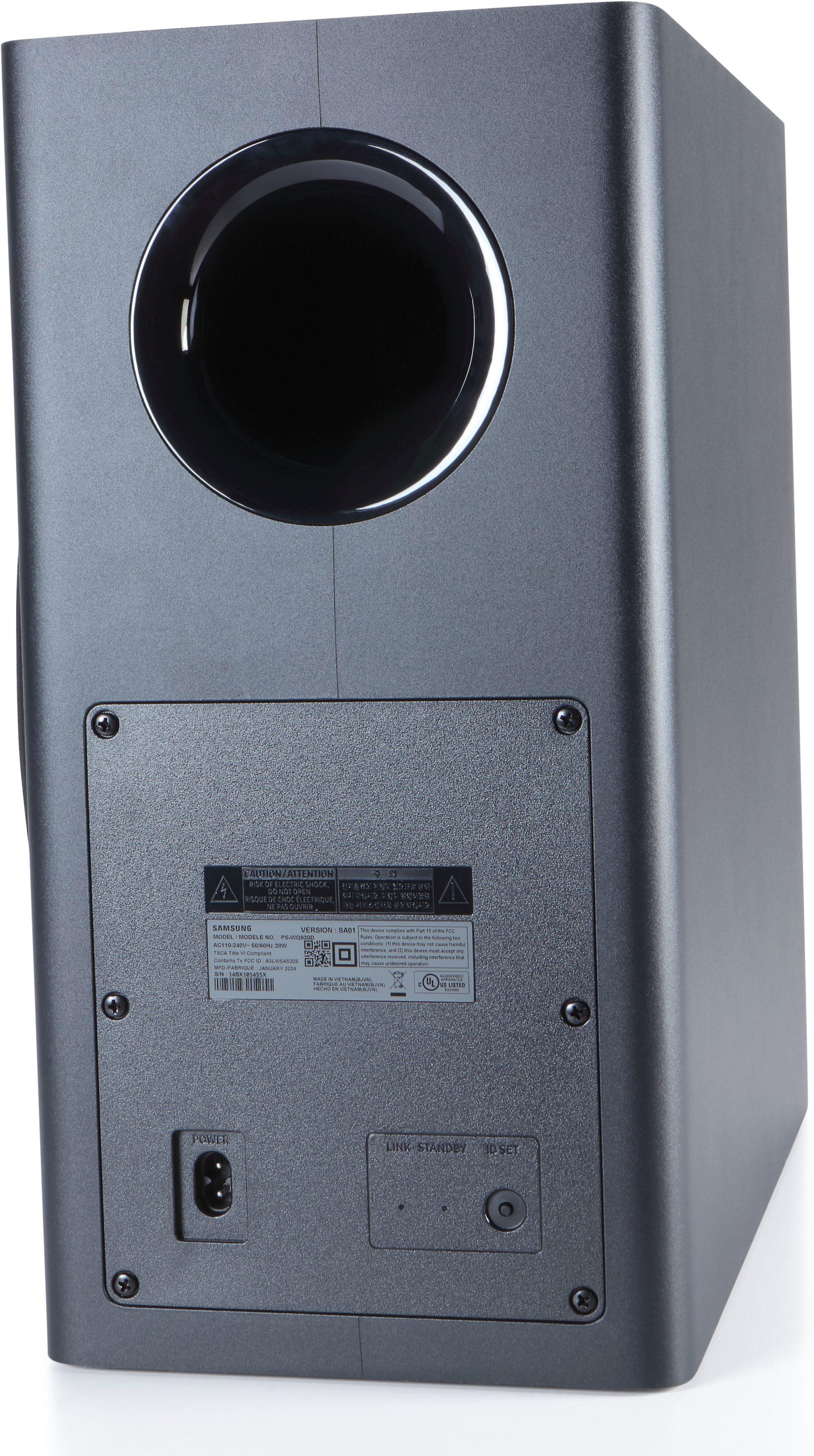
The Samsung's rear speakers are truly wireless during operation, running on internal batteries that provide up to 10 hours of use. They recharge automatically when docked to the main soundbar, eliminating the power cable limitations of traditional systems.
Room acoustics significantly impact soundbar performance, and these systems handle this challenge differently. The LG S60TR relies primarily on manual adjustment through its mobile app. You can adjust bass, midrange, and treble levels, plus select from various preset modes (Standard, Music, Cinema, Clear Voice Pro, Bass Blast, Sports, and Game).
The AI Sound Pro feature helps by automatically switching between these presets based on content analysis, but it doesn't account for your specific room characteristics. In my testing across different room sizes and furniture arrangements, the LG performed consistently but never felt optimized for any particular space.
Samsung's SpaceFit Sound+ technology represents a significant advancement. During initial setup, the system plays test tones and uses internal microphones to analyze how sound reflects in your specific room. It then creates a custom EQ curve that compensates for your room's acoustic characteristics.
This auto-calibration makes a noticeable difference, particularly with bass response. The system can detect if your subwoofer is placed in a corner (which typically boosts bass) or in open space, adjusting output accordingly. The result is more consistent sound regardless of your room's layout or your speaker placement options.
While most people buy soundbars primarily for TV and movie enhancement, music performance has become increasingly important as streaming services offer high-quality audio. The differences between these systems become quite apparent when listening to music.
The LG S60TR handles music adequately but shows its budget-focused design. The bass can overwhelm certain genres, particularly acoustic or jazz music where subtlety matters. Rock and electronic music fare better, benefiting from the system's energetic bass response. The rear speakers provide some sense of spaciousness with stereo music, though the effect varies significantly depending on how the music was mixed.
The Samsung HW-Q990D excels with music across all genres. The wider frequency response and more sophisticated processing create a convincing stereo soundstage that extends well beyond the physical boundaries of the soundbar. Instrument separation is excellent—you can pick out individual elements in complex arrangements without them becoming muddy or congested.
The Samsung also includes multiple music-specific listening modes that optimize frequency response for different genres. The difference is particularly noticeable with acoustic music, where the system's superior midrange clarity helps vocals and instruments sound more natural and present.
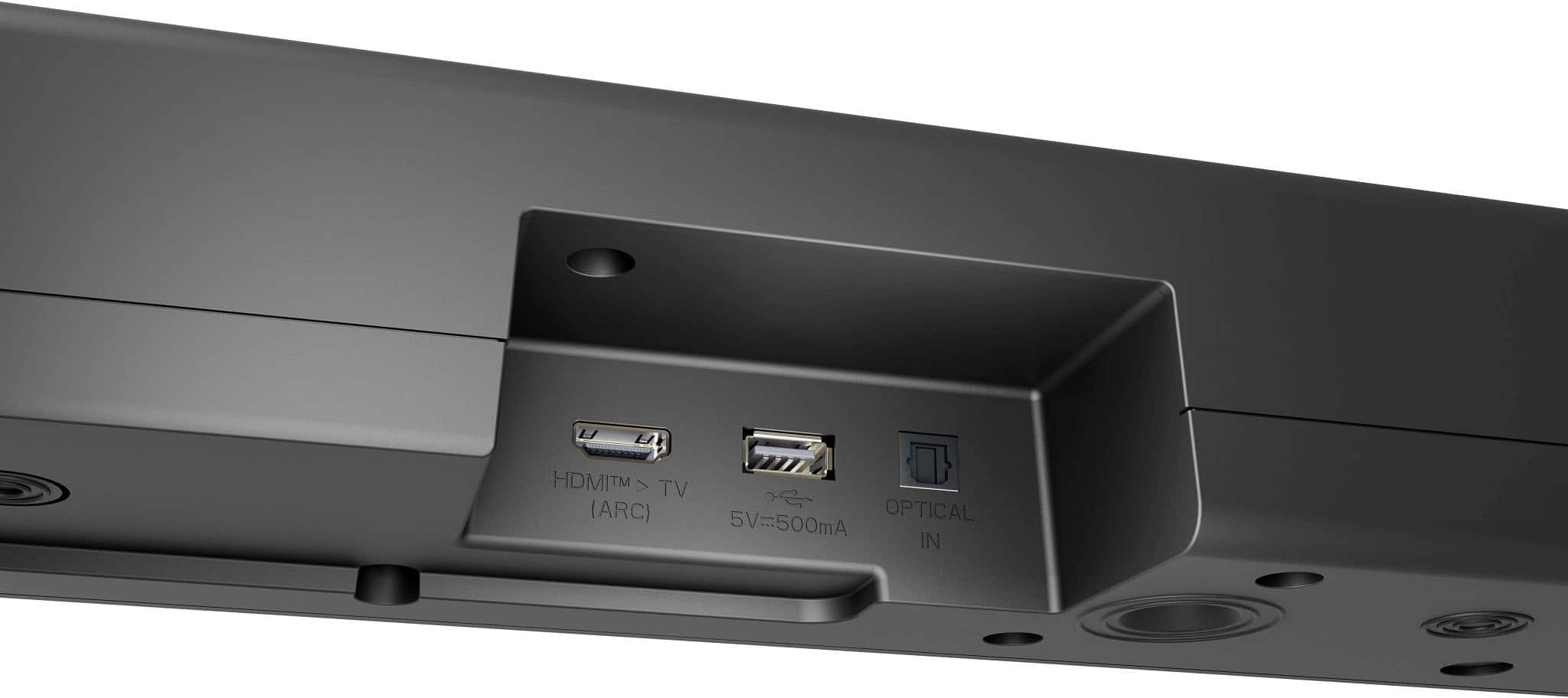
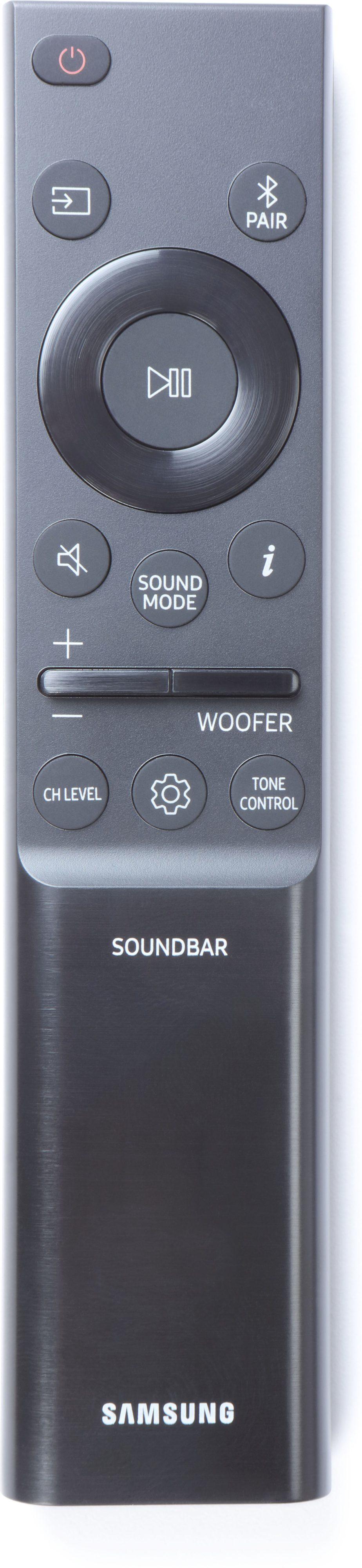
Modern soundbars need to integrate seamlessly with today's connected entertainment ecosystem. The LG S60TR covers the basics with HDMI ARC (Audio Return Channel, which sends TV audio back to the soundbar through the same HDMI cable), optical input, and Bluetooth streaming. The system also integrates with LG TVs through their WOW interface, allowing control through your TV remote.
However, the LG's connectivity feels limited compared to current standards. There's no Wi-Fi connectivity, which means no support for streaming services like Spotify Connect or Apple AirPlay 2. You're limited to Bluetooth for wireless music, which compresses audio quality and has limited range.
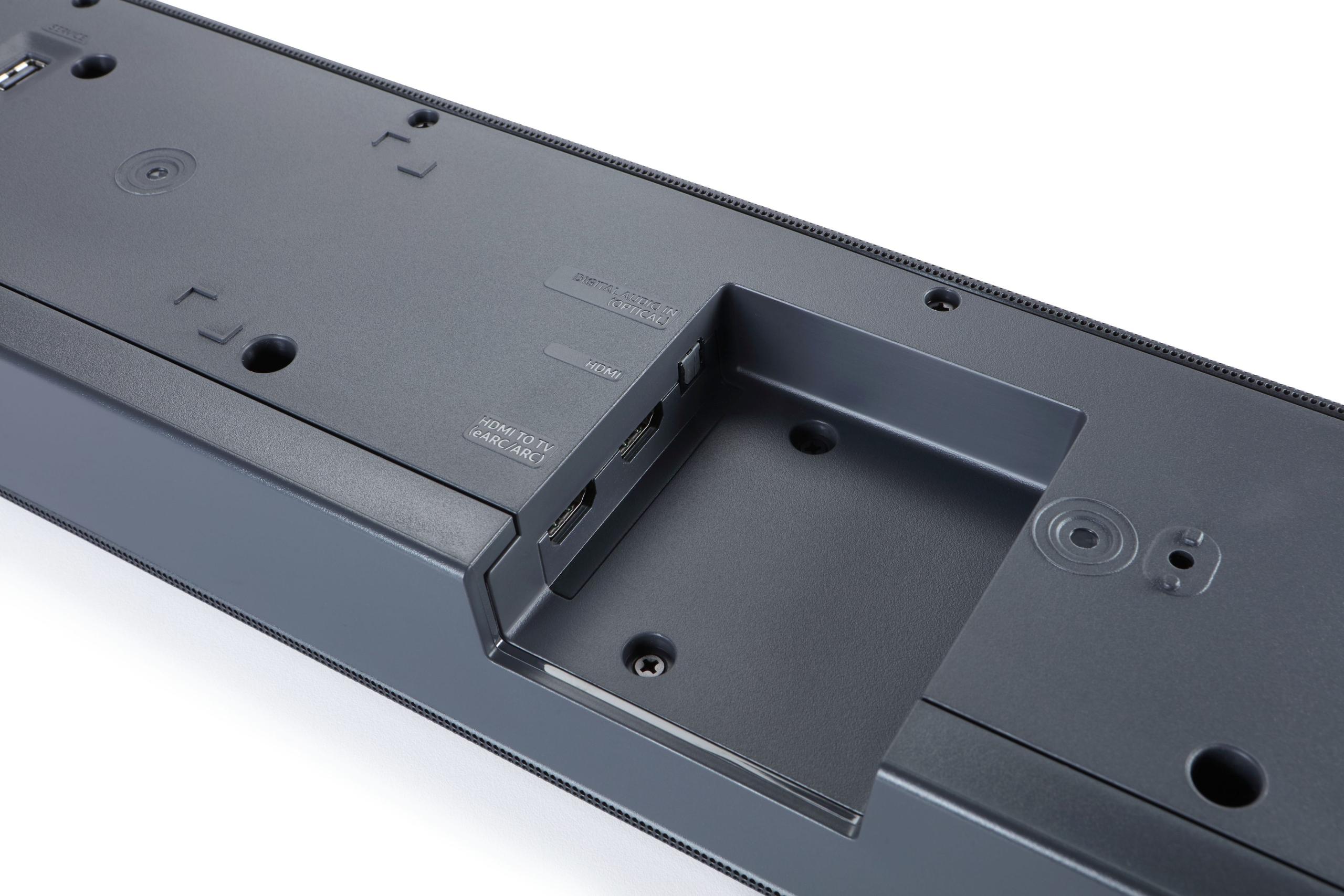
The Samsung offers comprehensive connectivity that feels more future-proof. Dual HDMI 2.1 inputs support 4K/120Hz gaming and advanced TV features, while Wi-Fi enables direct streaming from services like Spotify, Apple Music, and Tidal. The inclusion of AirPlay 2, Chromecast, and Samsung's own multi-room audio creates a seamless ecosystem for music lovers.
Q Symphony deserves special mention for Samsung TV owners. This feature synchronizes the soundbar with your Samsung TV's built-in speakers, using them as additional height channels. The effect is subtle but noticeable, creating a more enveloping soundstage without requiring additional hardware.
Gaming has become a crucial soundbar consideration as more people use TVs for console gaming. Audio delay (latency) can make games feel unresponsive, while poor directional audio can put you at a competitive disadvantage in online games.
The LG S60TR includes a dedicated Game mode that reduces processing delay and emphasizes directional cues. In my testing with various console games, the system performed adequately for casual gaming but lacked the precision needed for competitive play. The rear speakers help with spatial awareness in games like Call of Duty or Fortnite, though the effect isn't as pronounced as with higher-end systems.
Samsung's Game Mode Pro goes further, offering specific optimizations for different game types. The system can detect when you're playing an action game versus an RPG and adjust accordingly. The low-latency performance is excellent, and the precise Dolby Atmos implementation provides genuine tactical advantages in games that support 3D audio.
At $299.99, the LG S60TR delivers remarkable value for budget-conscious buyers. You're getting a complete 5.1 system with physical rear speakers—something that would cost significantly more if assembled from separate components. The included wireless subwoofer alone would cost $150-200 as a standalone purchase.
The system's main strength is delivering a genuine surround sound upgrade over TV speakers without breaking the bank. For many users, particularly those in apartments or smaller homes, the LG provides all the immersion they need. The AI Sound Pro feature adds convenience by automatically optimizing settings, reducing the need for manual adjustment.
However, the value proposition comes with compromises. The lack of height channels means no Dolby Atmos support, which increasingly matters as streaming services and gaming platforms adopt object-based audio. The limited connectivity also feels restrictive compared to systems that support modern streaming standards.
The $897.99 price tag places the Samsung firmly in premium territory, but the feature set justifies the cost for serious audio enthusiasts. You're getting cutting-edge Dolby Atmos processing, sophisticated room calibration, and connectivity options that will remain relevant for years to come.
The performance difference is substantial, particularly with Atmos content. Movies mixed for Dolby Atmos—which now includes most major releases—sound dramatically more immersive on the Samsung. The height channels create convincing overhead effects that the LG simply cannot reproduce.
For Samsung TV owners, the value proposition becomes even stronger. Q Symphony integration essentially gives you additional speakers for free, while features like SpaceFit calibration ensure optimal performance regardless of your room's acoustics.
Both systems work well as the audio component of a larger home theater setup, but they serve different roles. The LG S60TR functions as an excellent entry-level solution for users building their first dedicated entertainment space. It provides the surround sound experience that makes movies more engaging without the complexity or cost of separates.
The system's HDMI ARC connection handles most modern TV integration seamlessly, and the physical rear speakers create genuine surround effects that beat any "virtual" surround processing. For rooms up to about 200 square feet, the 440-watt power output provides adequate volume and dynamics.
The Samsung HW-Q990D is designed for serious home theater enthusiasts who want cinema-quality audio at home. The Dolby Atmos support means it can properly decode and reproduce the same audio formats used in commercial theaters. The 960-watt power output provides the headroom needed for reference-level playback in larger rooms.
In my experience, the Samsung's auto-calibration makes it much easier to achieve optimal performance in challenging room environments. Many users struggle with subwoofer placement and room acoustics, but the SpaceFit technology largely eliminates these concerns.
The choice between these soundbars ultimately depends on your priorities, room size, and budget constraints. If you're looking for your first soundbar upgrade and want maximum impact for minimum investment, the LG S60TR represents exceptional value. It delivers genuine 5.1 surround sound with physical rear speakers at a price point that makes it accessible to most budgets.
Choose the LG if you have a smaller room (under 200 square feet), primarily watch standard surround sound content, or want a straightforward setup without extensive calibration. The system works particularly well for users who prioritize practical surround effects over cutting-edge features.
The Samsung HW-Q990D makes sense for audio enthusiasts who want the best possible home theater experience. If you frequently watch Dolby Atmos content, have a larger room, or want features like wireless music streaming and automatic room calibration, the premium price delivers corresponding performance benefits.
The Samsung is also the clear choice for future-proofing. As more content adopts object-based audio formats and streaming services continue improving audio quality, the Samsung's advanced processing and connectivity will remain relevant longer.
Both soundbars represent solid choices within their respective categories. The LG maximizes value and delivers genuine surround sound at an accessible price, while the Samsung provides premium performance with cutting-edge features. Your choice should align with your budget, room size, and long-term audio aspirations—either way, you'll enjoy a substantial upgrade over basic TV speakers.
| LG S60TR 5.1 Channel Soundbar ($299.99) | Samsung Q Series 9.1.2 Channel Soundbar ($897.99) |
|---|---|
| Channel Configuration - Determines surround sound capability and immersion level | |
| 5.1 channels (traditional surround sound) | 9.1.2 channels with dedicated height speakers |
| Dolby Atmos Support - Essential for modern movie and gaming audio | |
| No (Dolby Audio only) | Yes (full Dolby Atmos and DTS:X support) |
| Total Power Output - Affects volume capability and dynamic range | |
| 440W (adequate for small-medium rooms) | 960W (excellent for large rooms and reference levels) |
| Rear Speaker Setup - Impacts placement flexibility and aesthetics | |
| Physical speakers requiring power outlets | Wireless battery-powered speakers (10-hour runtime) |
| Room Calibration - Automatically optimizes sound for your space | |
| Manual EQ only via app | SpaceFit Sound+ auto-calibration with microphone analysis |
| Smart Connectivity - Affects streaming and integration options | |
| Bluetooth only | Wi-Fi, AirPlay 2, Chromecast, Spotify Connect |
| HDMI Inputs - Important for gaming and multiple device connections | |
| 1 HDMI ARC input | 2 HDMI 2.1 inputs with eARC support |
| TV Integration - Enhances convenience and sound quality | |
| Basic LG TV remote control | Q Symphony with Samsung TVs (uses TV speakers as additional channels) |
| Music Performance - How well it handles stereo music content | |
| Adequate with bass-heavy presentation | Excellent with wide soundstage and genre-specific modes |
| Gaming Features - Reduces latency and enhances directional audio | |
| Basic Game mode | Game Mode Pro with content-specific optimization |
| Value Proposition - What you get for the investment | |
| Exceptional value for complete 5.1 system | Premium features justify higher cost for enthusiasts |
The LG S60TR 5.1 Channel Soundbar ($299.99) provides exceptional value at its price point, delivering a complete 5.1 surround system with physical rear speakers and wireless subwoofer for under $300. The Samsung Q Series 9.1.2 Channel Soundbar ($897.99) costs nearly three times more but justifies the premium with Dolby Atmos support, advanced room calibration, and superior connectivity options. For budget-conscious buyers, the LG offers maximum impact per dollar, while the Samsung provides long-term value for audio enthusiasts.
The LG S60TR uses a 5.1 configuration with five main speakers (front left, center, right, plus two rear speakers) and one subwoofer channel. The Samsung Q Series 9.1.2 features nine main channels, one subwoofer, and two dedicated height channels that bounce sound off your ceiling. The Samsung's additional channels create more precise sound placement and enable Dolby Atmos effects, while the LG focuses on traditional horizontal surround sound.
No, only the Samsung Q Series 9.1.2 Channel Soundbar supports full Dolby Atmos and DTS:X processing with dedicated up-firing speakers for height effects. The LG S60TR supports Dolby Audio but lacks the height channels necessary for true Atmos immersion. If you watch movies with Dolby Atmos soundtracks or play games with 3D audio, the Samsung provides a significantly more immersive experience.
The LG S60TR 5.1 Channel Soundbar works well in small to medium rooms up to about 200 square feet, with its 440W power output providing adequate volume and dynamics. The Samsung Q Series 9.1.2 Channel Soundbar can be used in smaller spaces but may be overkill—its 960W output and advanced processing are better suited for larger rooms where you can fully appreciate the Dolby Atmos effects.
The LG S60TR includes physical rear speakers that connect wirelessly for audio but require power outlets for electricity, limiting placement flexibility. The Samsung Q Series 9.1.2 features truly wireless rear speakers with built-in batteries that last up to 10 hours and recharge when docked to the main unit. The Samsung's approach offers more placement freedom and cleaner aesthetics without power cables.
The Samsung Q Series 9.1.2 Channel Soundbar offers comprehensive smart connectivity including Wi-Fi, AirPlay 2, Chromecast, and Spotify Connect, plus two HDMI 2.1 inputs. The LG S60TR provides basic connectivity with Bluetooth streaming and one HDMI ARC input. For users who stream music frequently or need multiple HDMI connections for gaming, the Samsung provides much more flexibility.
Both soundbars handle music, but with different strengths. The LG S60TR provides adequate music performance with energetic bass response that works well for rock and electronic genres. The Samsung Q Series 9.1.2 excels with all music types, offering superior instrument separation, wider soundstage, and genre-specific listening modes that optimize frequency response for different musical styles.
The LG S60TR 5.1 Channel Soundbar offers simpler setup with basic connections and AI Sound Pro that automatically adjusts settings based on content. The Samsung Q Series 9.1.2 Channel Soundbar requires more initial configuration but includes SpaceFit auto-calibration that analyzes your room and optimizes sound automatically. While the Samsung has more features to configure, its calibration technology actually makes achieving optimal sound easier.
Both soundbars include gaming modes, but the Samsung Q Series 9.1.2 provides superior gaming performance with Game Mode Pro that offers content-specific optimization and excellent low-latency performance. The precise Dolby Atmos implementation gives competitive advantages in games supporting 3D audio. The LG S60TR includes basic Game mode that reduces delay and emphasizes directional cues, adequate for casual gaming but less precise for competitive play.
The Samsung Q Series 9.1.2 Channel Soundbar provides superior dialogue clarity through its PureVoice 2.0 technology and dedicated center channel processing, maintaining clear speech even during complex action scenes. The LG S60TR includes Clear Voice Pro mode and decent center channel performance, but the Samsung's advanced processing and higher power output deliver more consistent dialogue reproduction across all content types.
Both work well for home theater, serving different needs. The LG S60TR 5.1 Channel Soundbar provides an excellent entry-level home theater solution with genuine surround sound effects at an accessible price. The Samsung Q Series 9.1.2 Channel Soundbar delivers cinema-quality audio with Dolby Atmos support that matches commercial theater formats, making it ideal for serious home theater enthusiasts who want reference-level performance.
TV brand compatibility can influence your choice. The LG S60TR integrates with LG TVs through the WOW interface for single-remote control. The Samsung Q Series 9.1.2 offers significant advantages with Samsung TVs through Q Symphony technology, which uses your TV's built-in speakers as additional height channels. While both work with any TV brand, Samsung TV owners get extra functionality that enhances the overall audio experience with the Samsung soundbar.
We've done our best to create useful and informative comparisons to help you decide what product to buy. Our research uses advanced automated methods to create this comparison and perfection is not possible - please contact us for corrections or questions. These are the sites we've researched in the creation of this article: bestbuy.com - mynavyexchange.com - youtube.com - consumerreports.org - avsforum.com - rentacenter.com - bestbuy.com - homechoicestores.com - oconsommateur.com - lg.com - bestbuy.com - samsung.com - rtings.com - samsung.com - markselectrical.co.uk - techradar.com - walmart.com - samsung.com - samsung.com - youtube.com - samsung.com - biancos.com - crutchfield.com - samsung.com

Privacy Policy
Terms and Conditions - Affiliate Policy
Home Security
© Copyright 2008-2026.
11816 Inwood Rd #1211, Dallas, TX 75244