




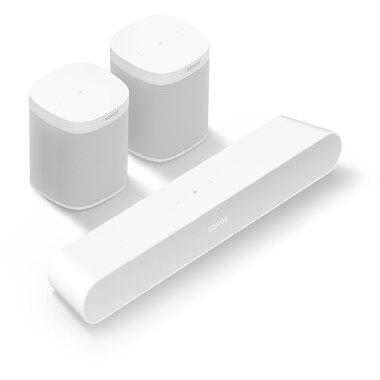
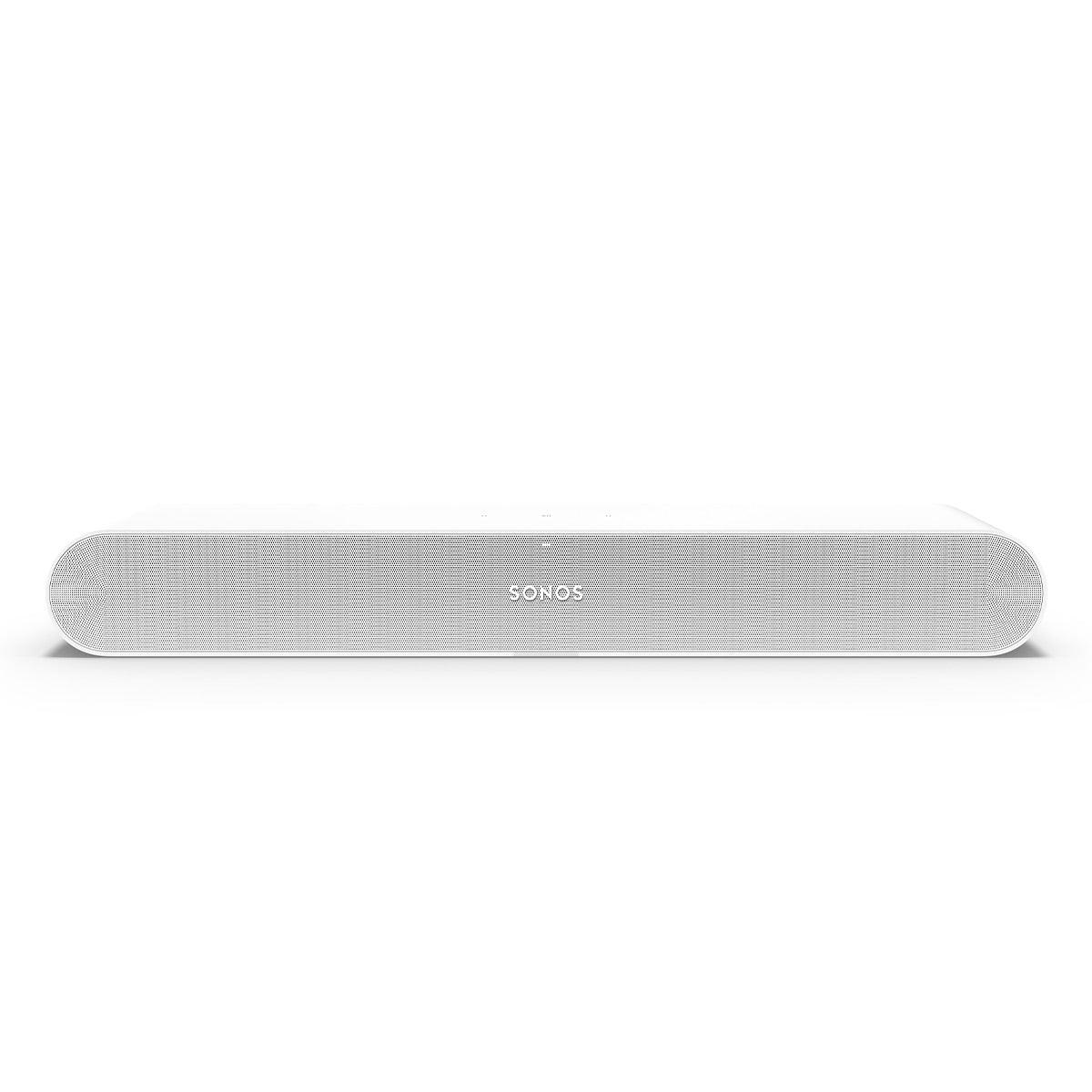
When your TV's built-in speakers just aren't cutting it anymore, you're faced with an interesting decision in the soundbar world. The Sonos Ray and TCL Q85H represent two completely different philosophies for upgrading your audio experience. One focuses on refined simplicity, while the other delivers a full-blown home theater experience. Let me walk you through everything you need to know to make the right choice for your setup.
The soundbar category has exploded over the past few years, but not all soundbars are created equal. At its core, a soundbar is meant to replace your TV's terrible speakers with something that actually does justice to your content. However, the category now spans from simple stereo upgrades to complex multi-speaker systems that rival traditional home theaters.
The key considerations boil down to a few critical areas: audio quality and clarity (especially for dialogue), spatial audio capabilities (whether you get true surround sound), room size compatibility, setup complexity, and long-term value. The Sonos Ray and TCL Q85H couldn't be more different in how they approach these challenges.
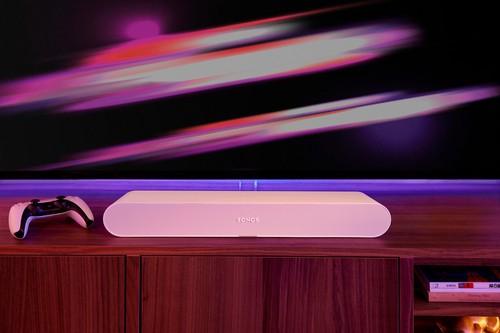
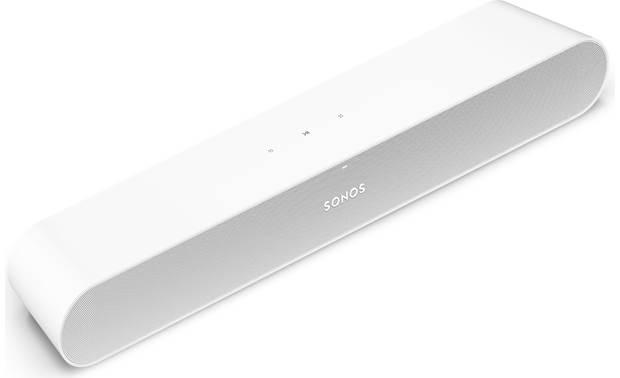
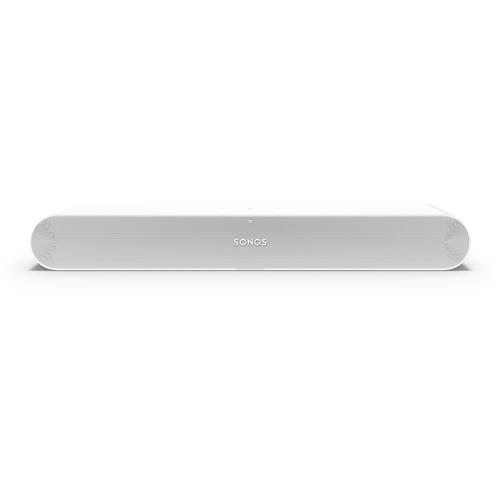
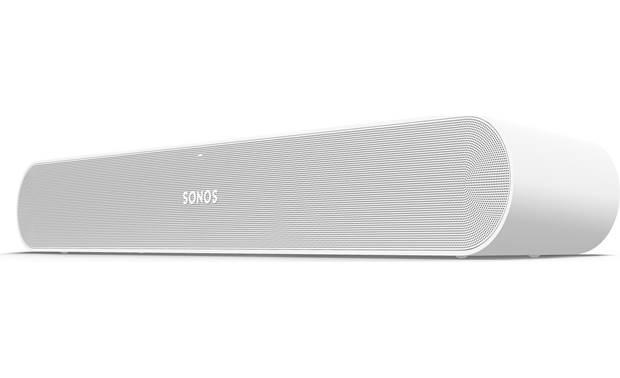
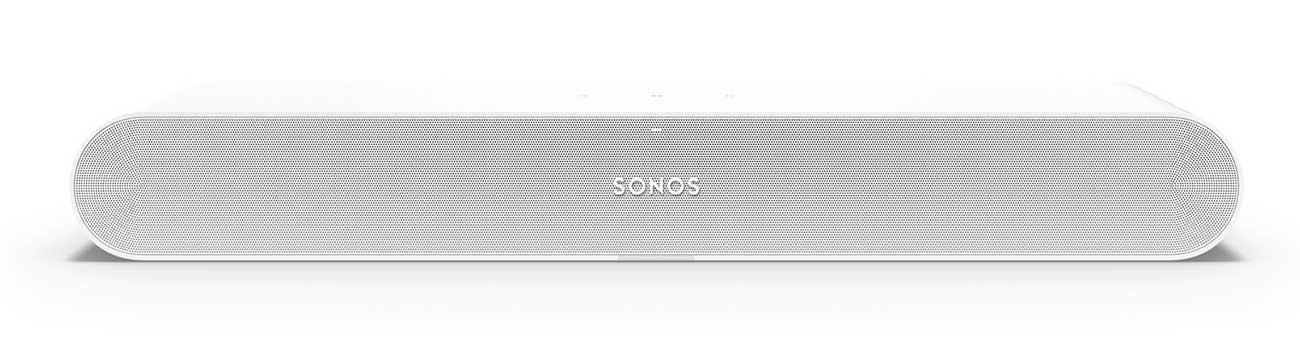
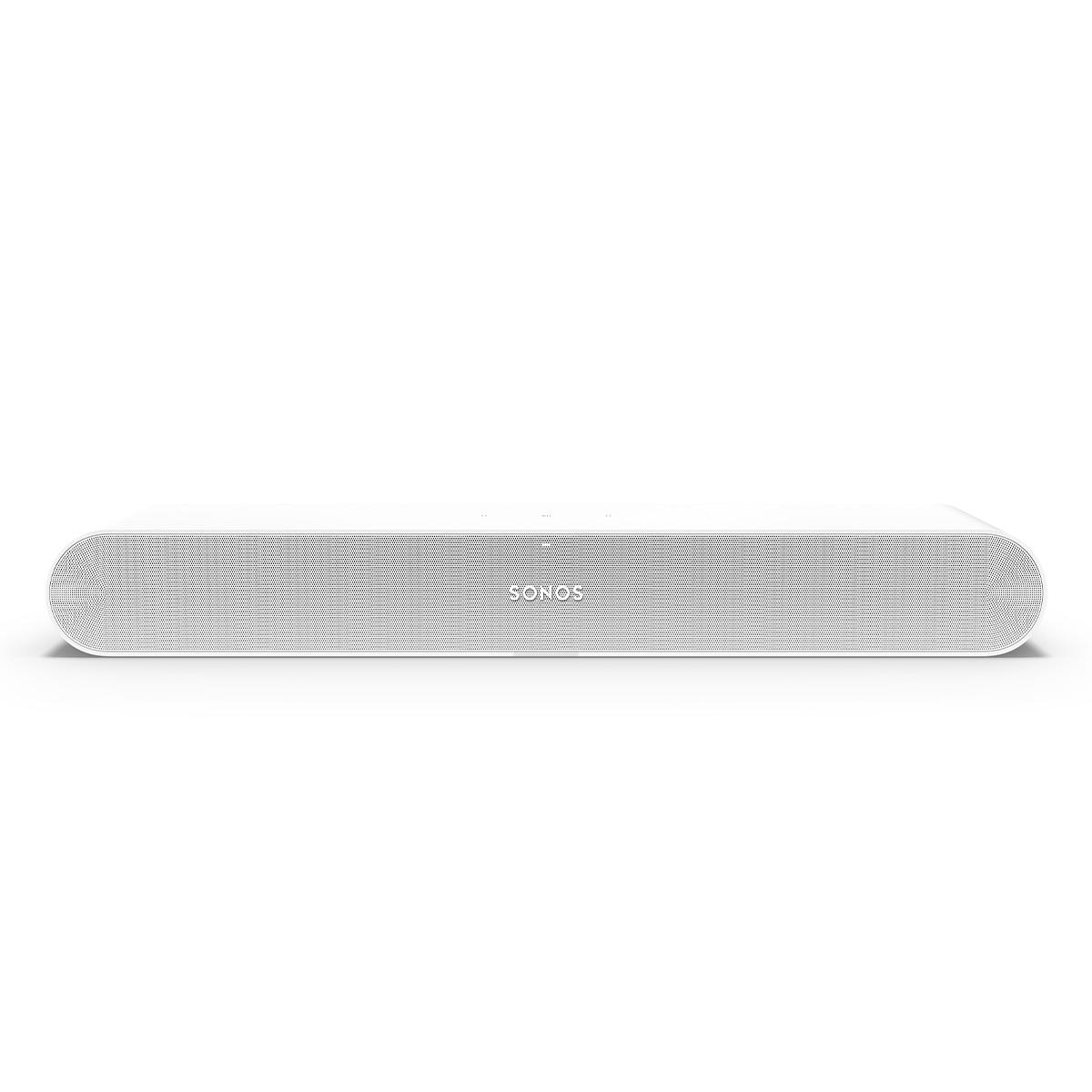
The Sonos Ray, released in 2022, represents Sonos's entry-level approach to soundbars. It's a compact, single-bar solution that prioritizes doing the basics exceptionally well. Think of it as the audio equivalent of a well-engineered compact car – it may not have all the bells and whistles, but what it does, it does beautifully.
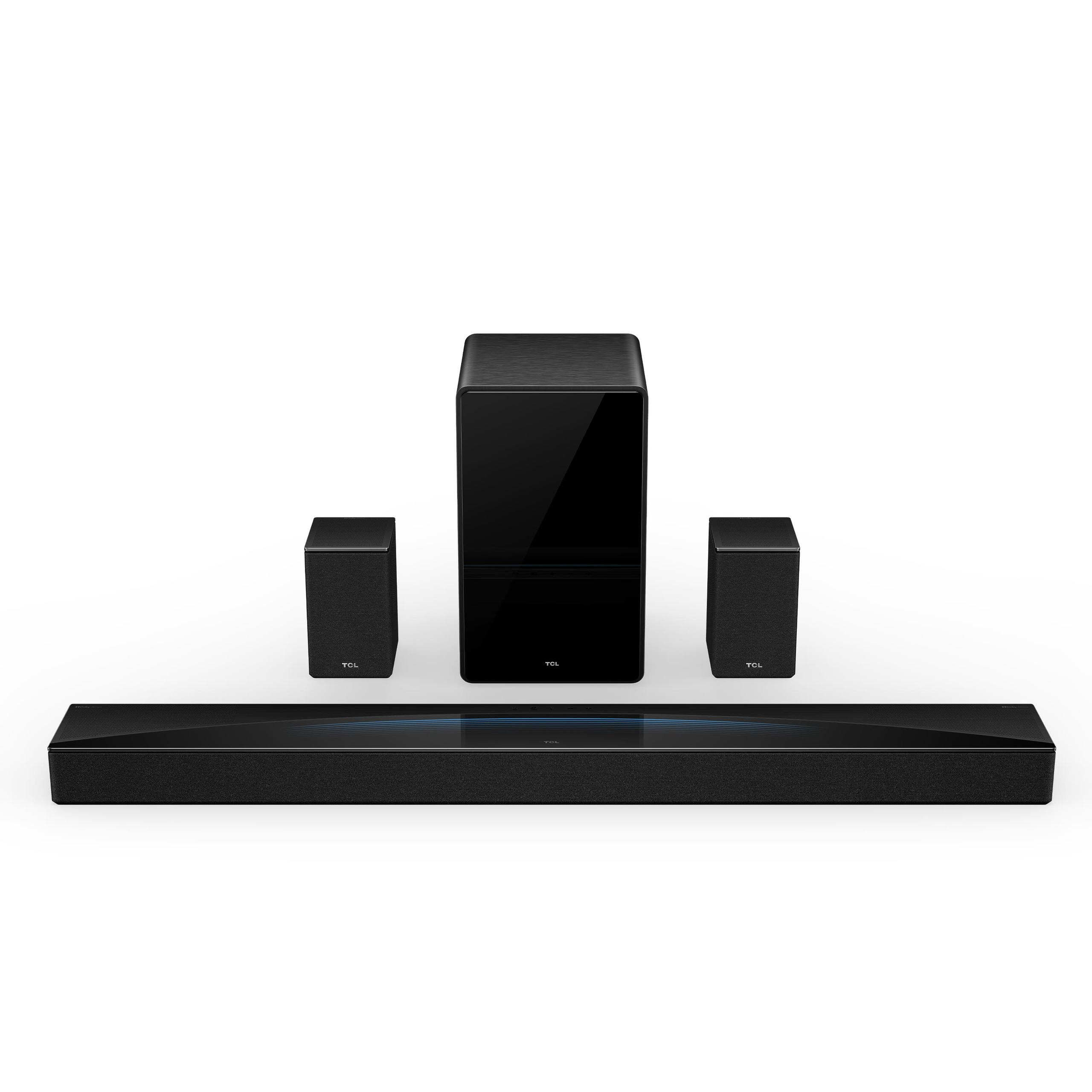
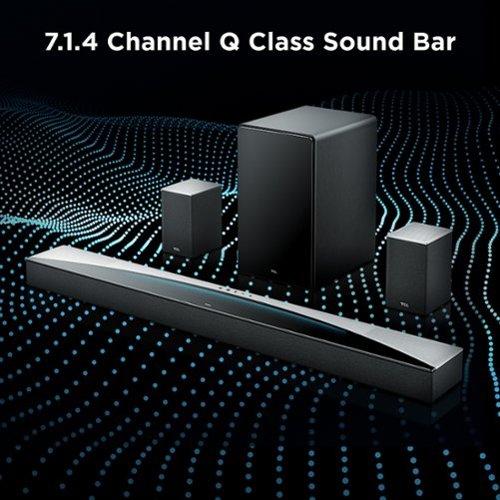
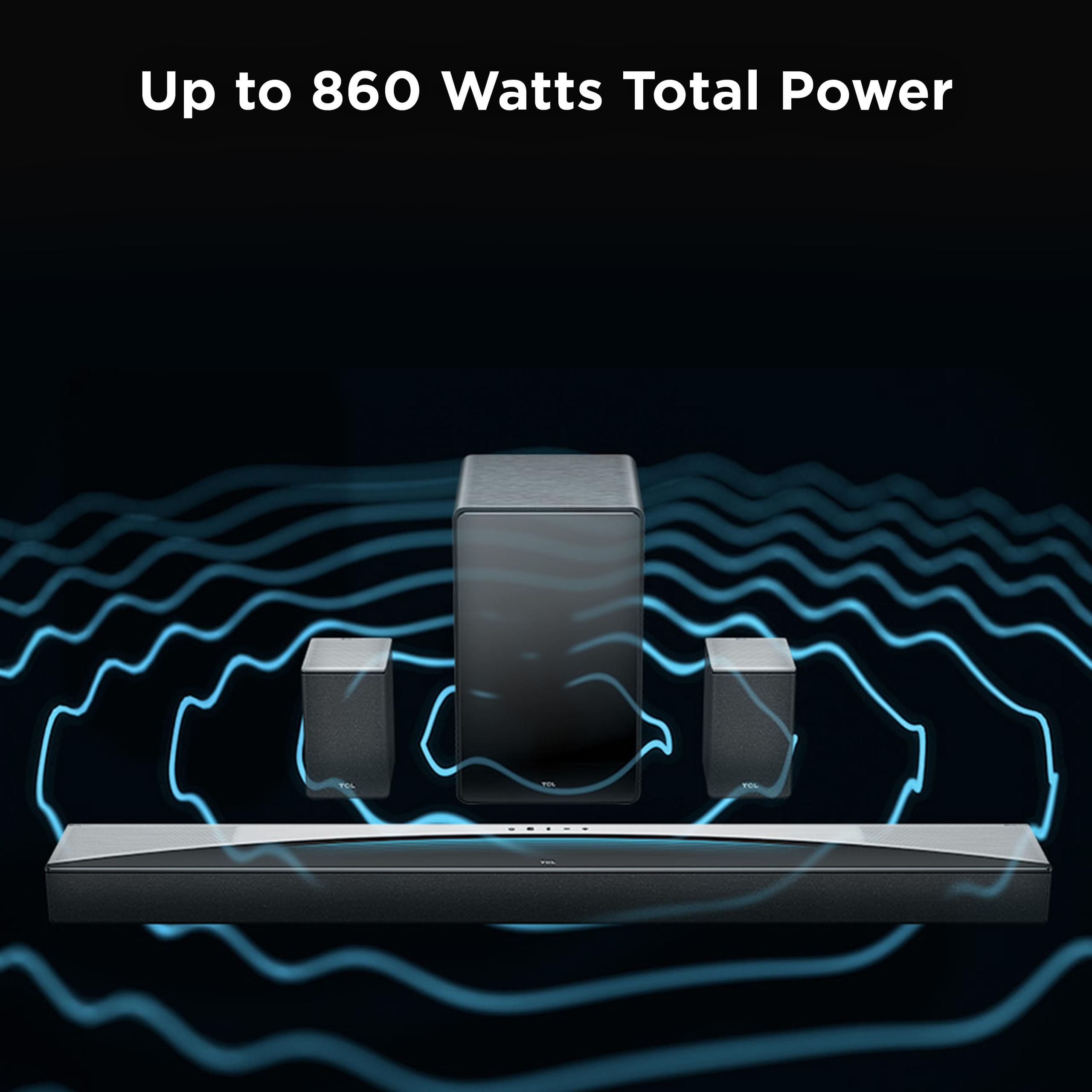
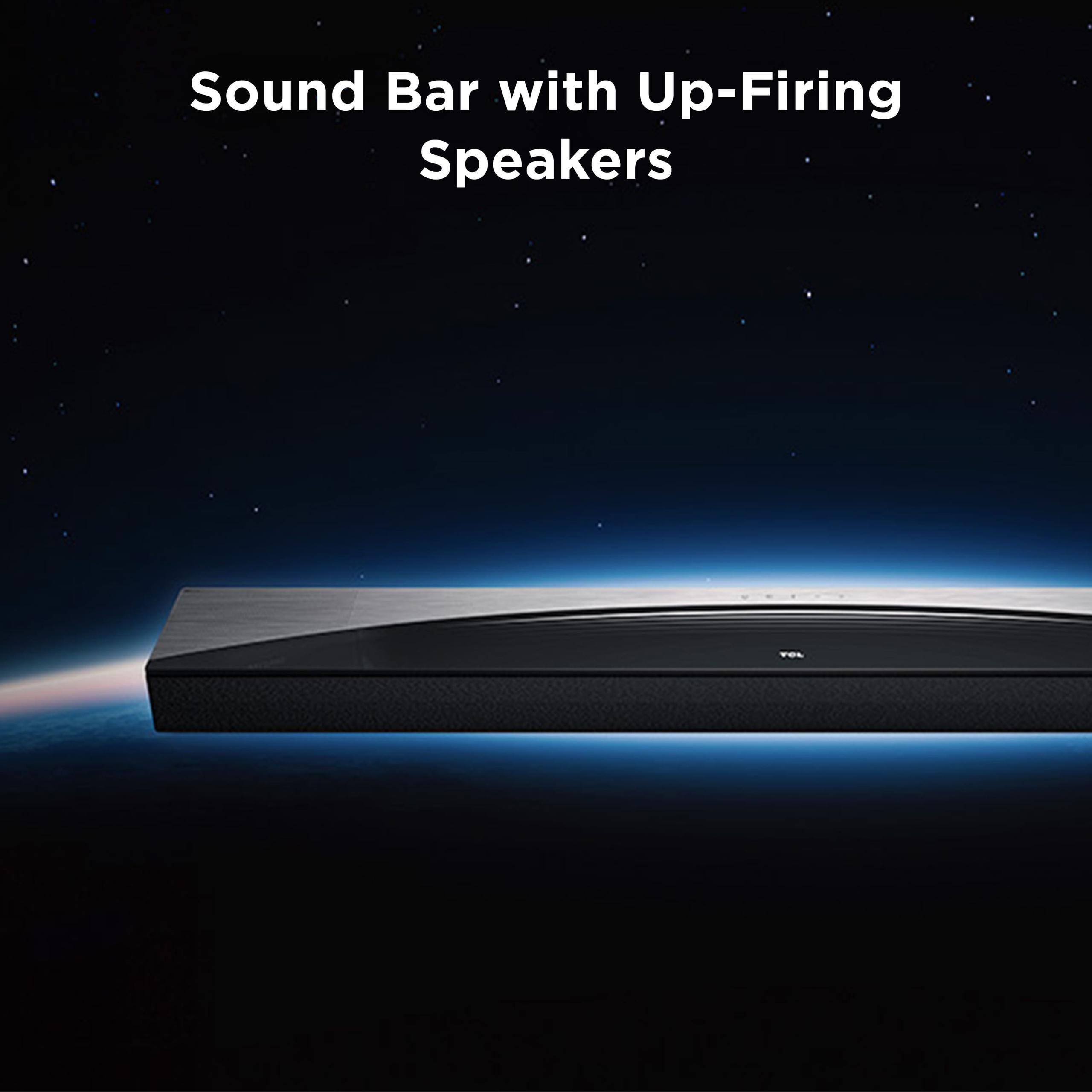
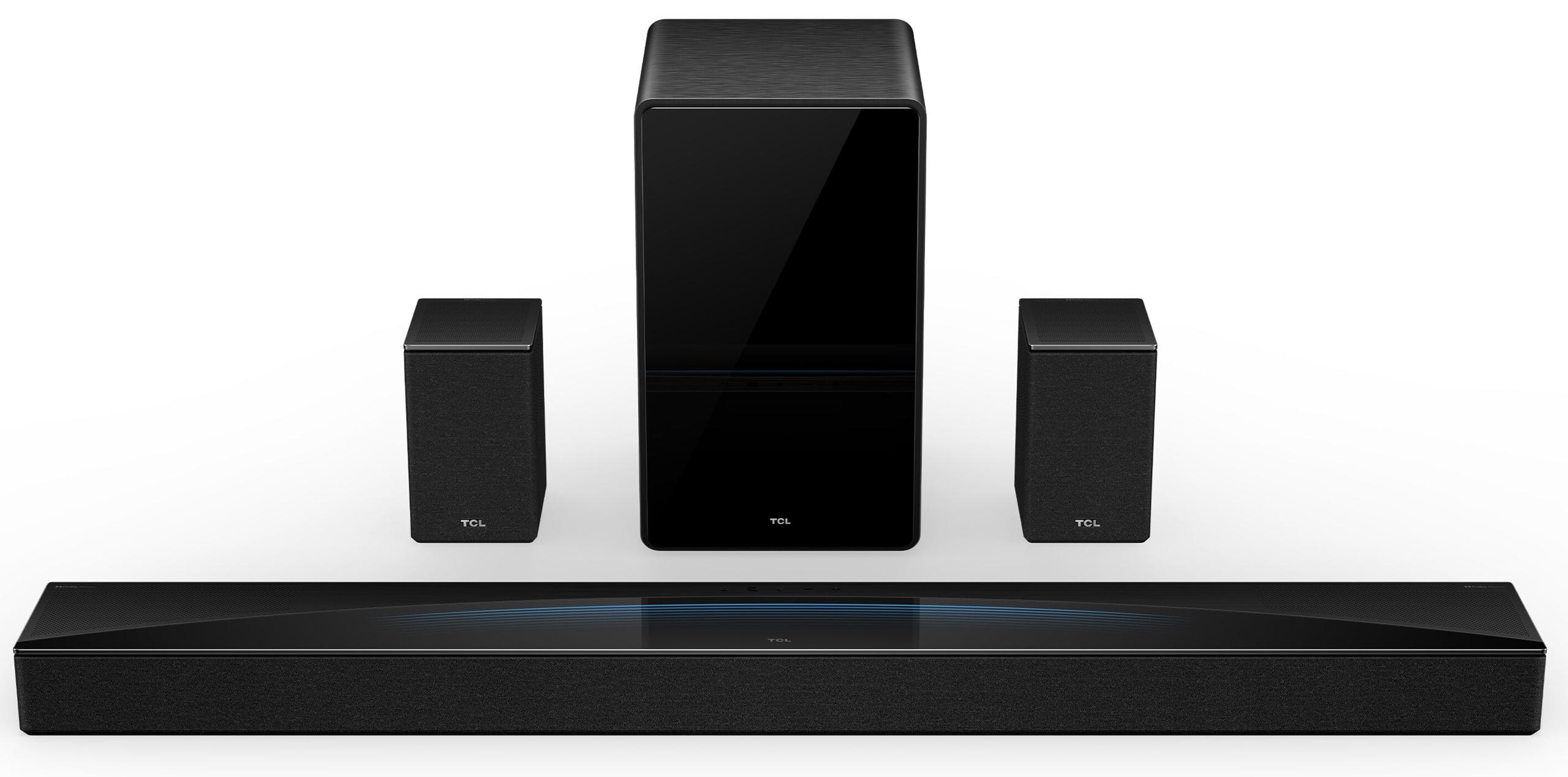
The TCL Q85H, launched in 2024, takes the opposite approach. This is a complete 7.1.4 channel surround sound system that includes a main soundbar, wireless subwoofer, and two wireless rear speakers. The "7.1.4" designation means seven main channels, one subwoofer channel, and four height channels that bounce sound off your ceiling. It's like comparing that compact car to a fully-loaded SUV with all-wheel drive.
Let's start with the most important aspect of any soundbar: making dialogue crystal clear. This is where both systems shine, but in different ways. The Sonos Ray includes a dedicated dialogue enhancement mode that specifically boosts voice frequencies. In my experience with similar Sonos products, this feature is remarkably effective – it's like having someone adjust the EQ specifically for human speech.
The TCL Q85H takes a different approach with its built-in center channel speaker. In surround sound systems, the center channel is dedicated entirely to dialogue and vocals. This means voices get their own dedicated drivers and amplification, which can provide even clearer dialogue than enhancement modes. However, the effectiveness depends heavily on proper setup and room acoustics.
For dialogue clarity alone, both systems will dramatically outperform your TV speakers. The Sonos Ray might have a slight edge in smaller rooms due to its focused design, while the TCL Q85H could win in larger spaces where its dedicated center channel and higher power output become more important.
This is where the fundamental difference between these systems becomes crystal clear. The Sonos Ray is strictly a stereo soundbar – it has two channels (left and right) and that's it. When you feed it 5.1 surround sound content (like most Netflix shows and Blu-rays), it has to "downmix" that content into stereo. This means you lose the discrete surround effects and spatial information that makes explosions feel like they're happening behind you.
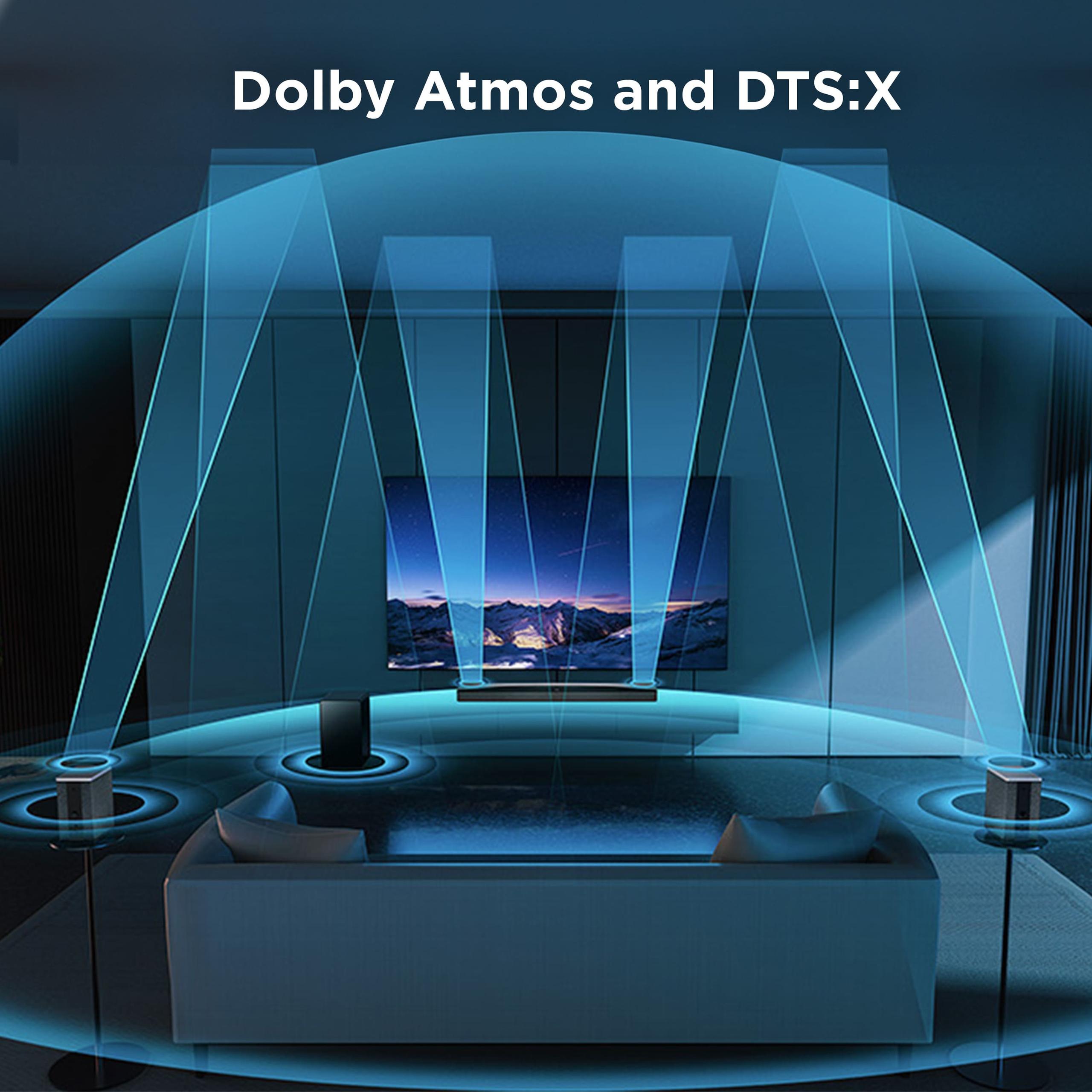
The TCL Q85H, on the other hand, is built specifically for spatial audio. It supports both Dolby Atmos and DTS:X, which are advanced audio formats that place sounds in three-dimensional space around you. The system uses up-firing drivers (speakers that point toward the ceiling) to bounce sound off your ceiling, creating the illusion that helicopters are flying overhead or rain is falling from above.
Here's where it gets technical: Dolby Atmos treats sound as objects in space rather than channels. Instead of just having "left rear" and "right rear" speakers, Atmos can place a specific sound – like a car door slamming – at a precise point in 3D space around you. The TCL Q85H has the hardware to properly decode and reproduce these object-based audio formats.
Both systems handle music well, but they're optimized for different listening preferences. The Sonos Ray benefits from Sonos's extensive experience in music-focused speakers. It includes Trueplay room correction, which uses your iPhone's microphone to measure your room's acoustics and adjust the sound accordingly. This technology, refined over years of Sonos products, results in remarkably balanced music playback.
The Sonos Ray also integrates seamlessly with music streaming services through Wi-Fi, AirPlay 2, Spotify Connect, and Tidal Connect. This isn't just about convenience – Wi-Fi streaming typically delivers better audio quality than Bluetooth because it's not compressed as heavily.
The TCL Q85H brings a different energy to music. With 860 watts of total power and that wireless subwoofer, it can deliver the kind of dynamic range that makes electronic music, hip-hop, and rock feel visceral. However, this power can sometimes overwhelm more delicate acoustic music or vocal-focused content. It's better suited for genres that benefit from strong bass response and wide soundstaging.
If you're a gamer, the differences become even more pronounced. The TCL Q85H provides genuine positional audio that can give you a competitive advantage in games. When an enemy is sneaking up behind you in Call of Duty or Apex Legends, you'll hear their footsteps coming from the actual direction they're approaching from. This isn't just immersive – it's functionally useful.
The system's low-latency HDMI connection ensures that audio stays perfectly synced with video, which is crucial for competitive gaming where every millisecond matters. The Sonos Ray, while it will make your games sound better than TV speakers, can't provide these directional audio cues because it's limited to stereo output.
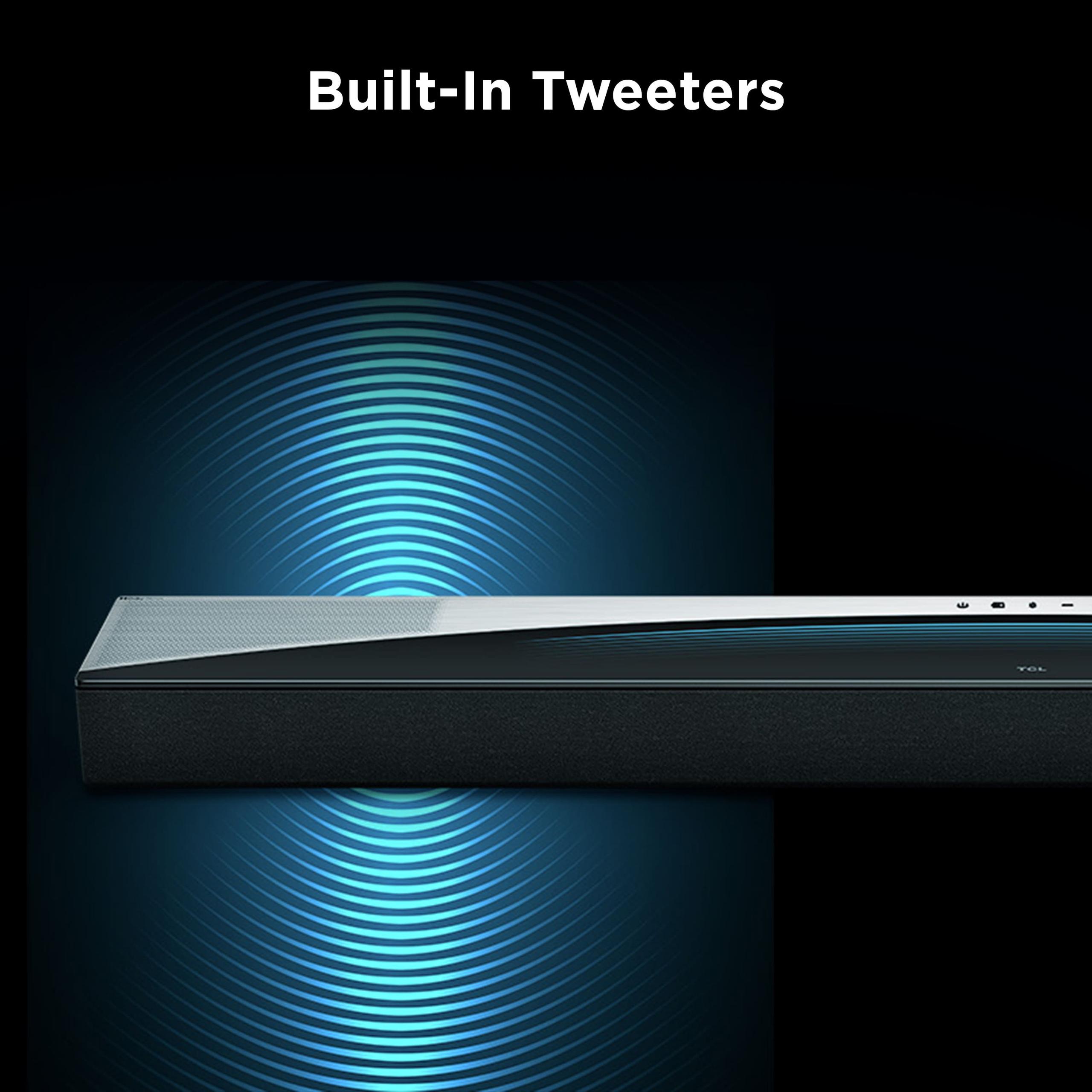
Understanding what's under the hood helps explain why these systems sound so different. The Sonos Ray uses a surprisingly sophisticated approach for its compact size. It includes four Class-D digital amplifiers, two tweeters for high frequencies, and two midwoofers for the mid-range. The bass comes from a proprietary port design that maximizes low-end response without distortion, even in tight spaces.
What's impressive about the Sonos Ray is its acoustic architecture. The speakers use a waveguide design that focuses high-frequency sound directly toward the listener, while the midwoofers handle the bulk of the musical content. This explains why dialogue clarity is so good – human voices primarily exist in the midrange frequencies where this soundbar excels.
The TCL Q85H is essentially five separate audio products working together. The main soundbar contains left, right, and center channels, plus up-firing Atmos speakers. The wireless subwoofer handles everything below about 100Hz (the deep bass that you feel as much as hear). The two rear speakers each contain both traditional forward-firing drivers and their own up-firing Atmos speakers.
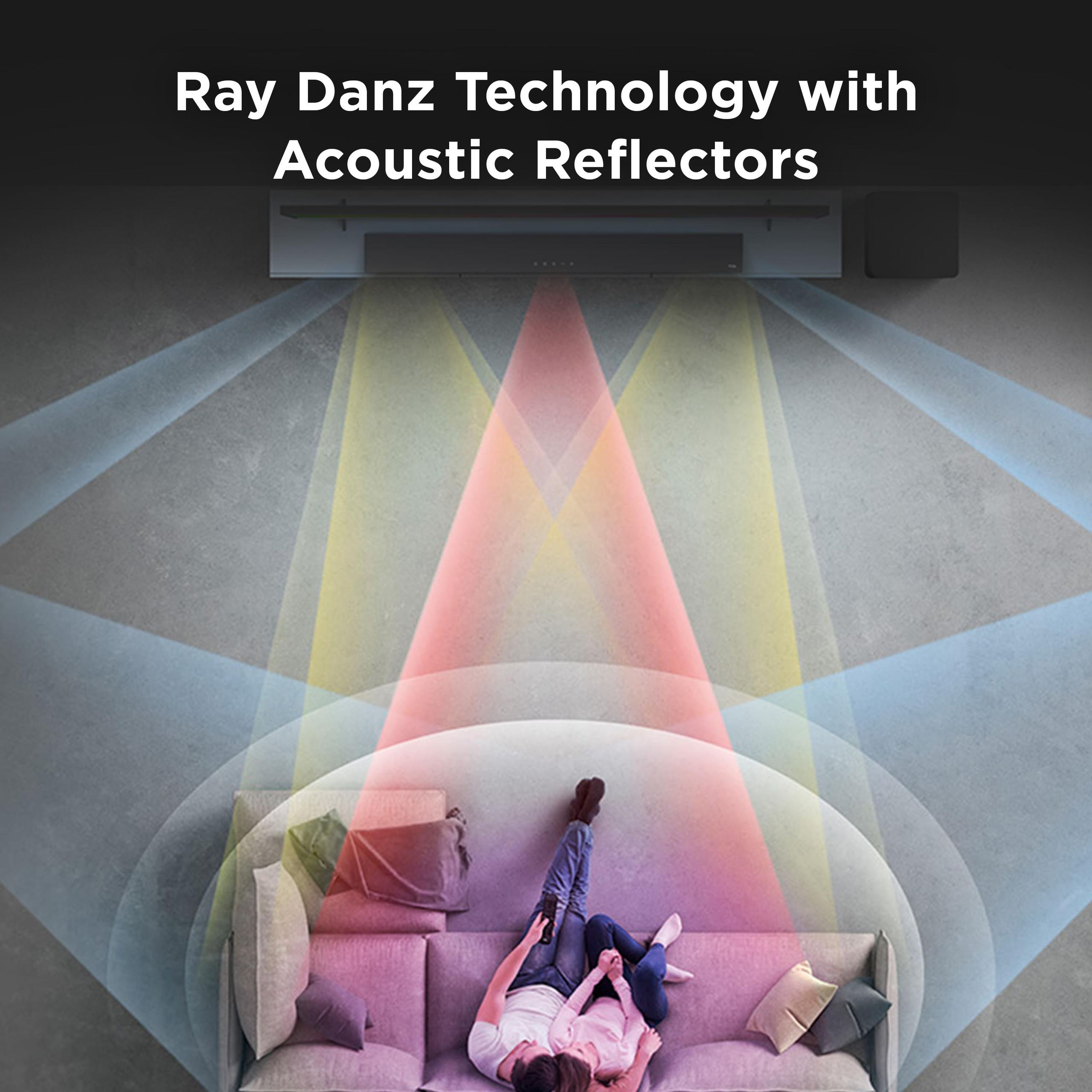
This system's RayDanz technology is particularly interesting. It uses acoustic reflectors to widen the soundstage beyond what the physical speaker placement would normally allow. Think of it like acoustic mirrors that bounce sound around your room to create a wider stereo image.
Your room size will heavily influence which system makes sense. The Sonos Ray works brilliantly in small to medium-sized rooms (up to about 15x15 feet). Its forward-firing design means it's less sensitive to placement – you can tuck it into a TV stand or mount it on the wall without worrying too much about acoustic reflections from nearby surfaces.
The TCL Q85H really needs space to breathe. In rooms smaller than about 15x20 feet, you might not be able to properly position the rear speakers, and the overall system might simply overpower the space. However, in larger rooms, this system can fill the space with sound in a way that the Sonos Ray simply can't match.
Placement of the TCL Q85H is more critical. The rear speakers need to be positioned at ear level and at least a few feet behind your listening position. The subwoofer can go anywhere, but corners or along walls typically provide the strongest bass response. The up-firing speakers need a flat ceiling at least 8 feet high to work properly.
The Sonos Ray wins the simplicity contest hands-down. Setup involves plugging in two cables (power and optical audio) and running through the Sonos app setup process, which typically takes less than 10 minutes. The app is intuitive and provides access to advanced features like EQ adjustments and the night mode that reduces loud sounds for late-night viewing.
The TCL Q85H requires more patience. You'll need to position four separate components, run power to each location (though the connections between components are wireless), and spend time optimizing speaker placement. The included remote provides access to various sound modes – Movie, Music, Voice, Game, and Sports – each optimized for different content types.
Both systems include room correction technology, but they work differently. The Sonos Ray's Trueplay uses your iPhone to analyze room acoustics and adjust the sound accordingly. The TCL Q85H's AI Sonic system automatically calibrates the audio, though it's less sophisticated than Trueplay.
At the time of writing, the Sonos Ray typically retails for significantly less than the TCL Q85H, but pricing in this category fluctuates frequently. The value equation depends on what you're trying to achieve.
The Sonos Ray represents a premium approach to stereo sound. You're paying for Sonos's audio engineering expertise, build quality, and ecosystem integration. If you're primarily interested in clearer dialogue and better music playback, and you might want to expand into multi-room audio later, the price premium makes sense.
The TCL Q85H offers exceptional value for a complete surround sound system. When you consider that you're getting a soundbar, subwoofer, and two surround speakers with Dolby Atmos support, the price becomes very competitive with much more expensive systems from premium brands. However, this value only makes sense if you actually need and will use the surround sound capabilities.
One often-overlooked consideration is ecosystem integration. The Sonos Ray is your entry point into the Sonos multiroom ecosystem. You can add Sonos speakers to other rooms and control them all through one app, creating a whole-home audio system. You can also add a Sonos Sub or rear speakers later to create a surround sound setup.
The TCL Q85H is more of a standalone solution. While it integrates well with TCL and Roku TVs, it doesn't offer the same expandability options. What you buy is what you get, which isn't necessarily a bad thing if you're looking for a complete solution right now.
Choose the Sonos Ray if you live in a smaller space, prioritize dialogue clarity and music quality, want simple setup and operation, or plan to eventually expand into a multi-room audio system. It's also the better choice if you frequently watch dialogue-heavy content like dramas, documentaries, or news programs.
The TCL Q85H makes more sense if you have a larger room, love action movies and immersive gaming, want the full surround sound experience right out of the box, and don't mind a more complex setup. It's particularly compelling if you consume a lot of Dolby Atmos content through streaming services or 4K Blu-rays.
For home theater applications specifically, the TCL Q85H is the clear winner. The spatial audio capabilities transform how you experience movies, making you feel like you're in the theater rather than watching from the outside. However, if your "home theater" is really just better TV watching in a living room, the Sonos Ray might be the more practical choice.
Both the Sonos Ray and TCL Q85H will dramatically improve your audio experience over TV speakers, but they're solving different problems. The Sonos Ray perfects the fundamentals – dialogue, music, and overall balance – in a package that works anywhere. The TCL Q85H delivers a true surround sound experience that transforms how you consume entertainment.
Your decision should ultimately come down to your space, your content preferences, and your long-term audio plans. If you're unsure, start by honestly assessing how much surround sound content you actually watch and whether your room can accommodate a full surround system. The answer to those questions will likely point you in the right direction.
| Sonos Ray Soundbar | TCL Q85H Q Class 7.1.4 Channel Sound Bar System |
|---|---|
| Audio Channels - Determines surround sound capability | |
| Stereo only (2.0) - downmixes surround content | True 7.1.4 with discrete surround and height channels |
| Total Power Output - Affects volume and room-filling capability | |
| Not specified (estimated ~100W) - sufficient for small-medium rooms | 860 watts - fills large rooms with authority |
| Dolby Atmos Support - Creates immersive overhead sound effects | |
| No Atmos support - stereo playback only | Full Dolby Atmos and DTS:X with up-firing speakers |
| Subwoofer Included - Essential for deep bass in movies | |
| No subwoofer - relies on internal drivers for bass | Wireless 6.5" subwoofer included in system |
| Surround Speakers - Required for true surround sound experience | |
| None included - single soundbar only | Wireless rear speakers with up-firing drivers |
| Room Correction Technology - Optimizes sound for your specific space | |
| Trueplay tuning using iPhone microphone | AI Sonic automatic room calibration |
| Connectivity Options - How you connect to TV and stream music | |
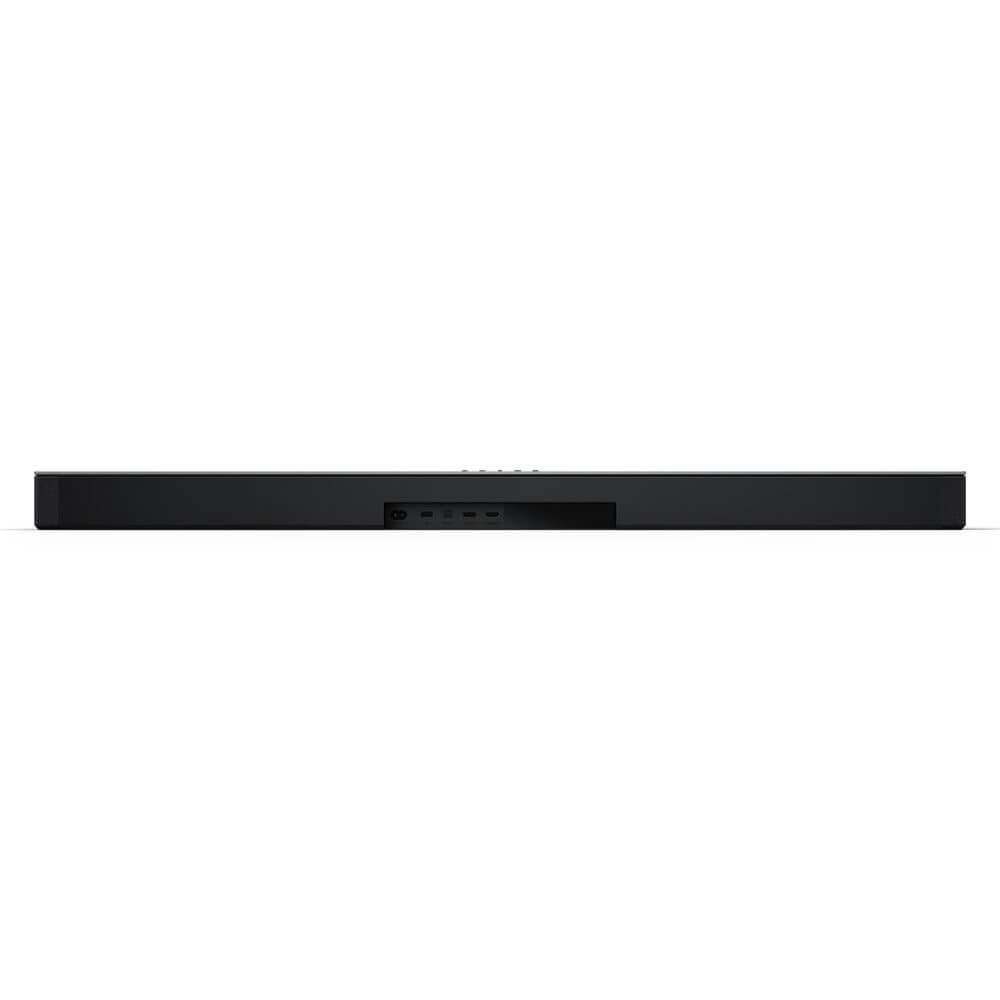
| Optical only, Wi-Fi, AirPlay 2, Spotify Connect | HDMI eARC, optical, Bluetooth 5.1, AirPlay 2 |
| Smart Features - App control and voice integration | |
| Full Sonos app ecosystem with multiroom expansion | Basic app control, TCL/Roku TV integration |
| Setup Complexity - Time and effort required for installation | |
| Plug-and-play with 2 cables | Multi-component system requiring strategic placement |
| Ideal Room Size - Where each system performs best | |
| Small to medium rooms (up to 15x15 feet) | Large rooms (15x20+ feet) for optimal surround effect |
| Music Streaming Quality - Important for daily listening beyond TV | |
| Excellent with Wi-Fi streaming and Sonos ecosystem | Good but primarily optimized for movie content |
| Gaming Audio Advantage - Positional audio for competitive gaming | |
| Limited to stereo enhancement | Full positional audio with directional sound cues |
| Expandability - Future upgrade options | |
| Can add Sonos Sub and rears, multiroom speakers | Complete system as-is, limited expansion options |
| Release Year - Technology generation and feature currency | |
| 2022 - Mature Sonos platform with proven reliability | 2024 - Latest TCL technology with current features |
We've done our best to create useful and informative comparisons to help you decide what product to buy. Our research uses advanced automated methods to create this comparison and perfection is not possible - please contact us for corrections or questions. These are the sites we've researched in the creation of this article: tomsguide.com - soundandvision.com - youtube.com - techradar.com - en.community.sonos.com - rtings.com - howtogeek.com - youtube.com - cnet.com - sonos.com - videoandaudiocenter.com - gamerant.com - bestbuy.com - tcl.com - bestbuy.com - tcl.com - tcl.com - nfm.com - tcl.com - electronicexpress.com - tcl.com - tcl.com - digitaltrends.com

Privacy Policy
Terms and Conditions - Affiliate Policy
Home Security
© Copyright 2008-2026.
11816 Inwood Rd #1211, Dallas, TX 75244