










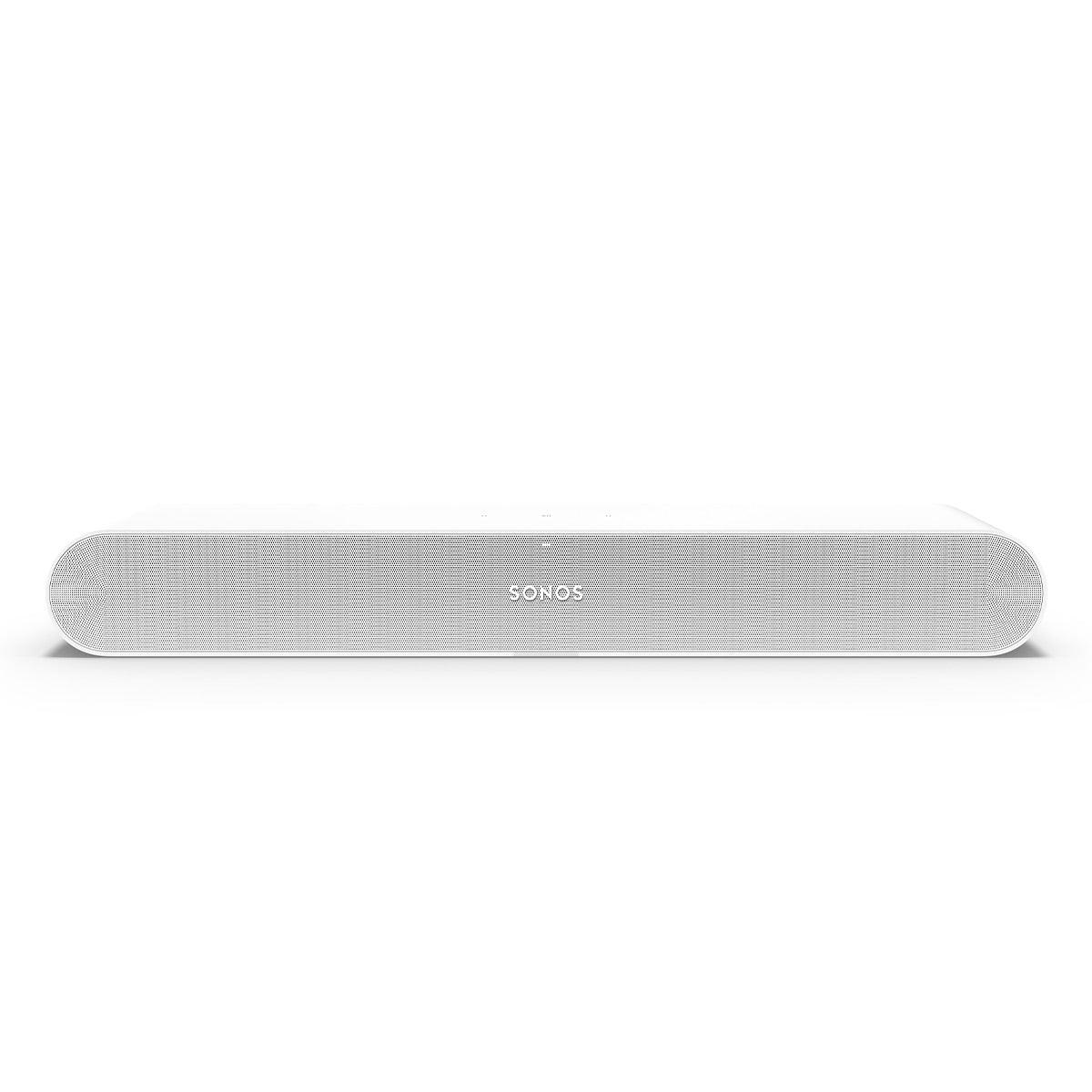
When your TV's built-in speakers just aren't cutting it anymore, you're faced with a decision that goes far beyond simply buying "a soundbar." The world of TV audio enhancement has evolved into distinct categories, each serving different needs and budgets. Today, we're comparing two products that represent completely different philosophies: the compact, music-focused Sonos Ray and the full-theater LG S95TR.
At the time of writing, these products sit at opposite ends of the soundbar spectrum—not just in price, but in their entire approach to improving your home audio experience. The Sonos Ray, released in 2022, costs roughly a quarter of what you'll pay for the LG S95TR, which hit the market in 2024. But this isn't simply a "budget versus premium" comparison. These soundbars solve different problems for different people.
Before diving into specifics, let's clarify what we mean by "soundbar categories." The audio world uses channel numbers like 2.0, 5.1, and 9.1.5 to describe speaker configurations. The Sonos Ray is a 2.0 system, meaning it has two main channels (left and right) with no dedicated subwoofer or surround speakers. The LG S95TR is a 9.1.5 system—nine main channels, one subwoofer channel, and five height channels that fire sound upward to create overhead effects.
When manufacturers talk about Dolby Atmos, they're referring to object-based audio technology that can precisely place sounds in three-dimensional space around you. Think of it as the difference between a flat painting and a sculpture—traditional surround sound paints audio in a horizontal circle around you, while Atmos builds a complete dome of sound including height effects above your head.
The key considerations when choosing between any soundbars come down to room size, content preferences, connectivity needs, and whether you want a simple upgrade or a complete home theater transformation.
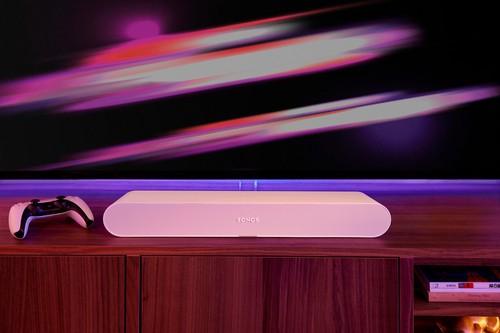
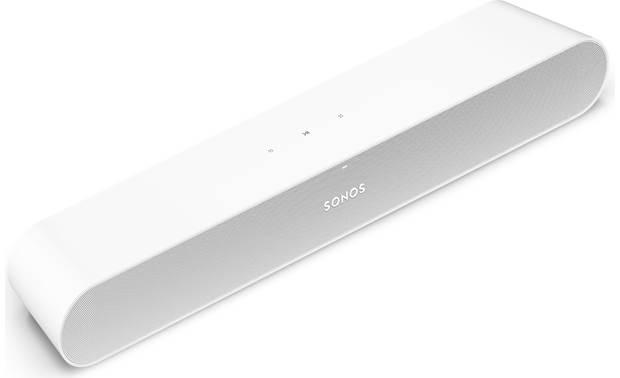
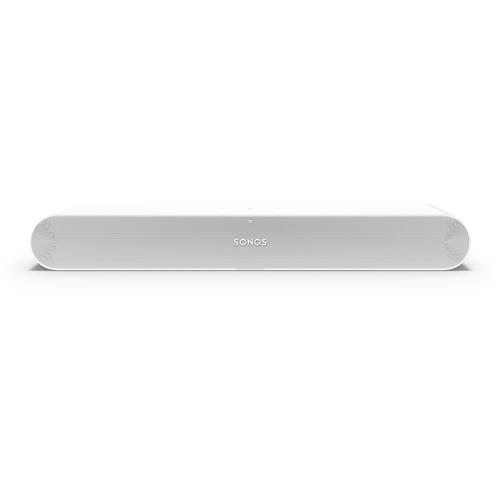
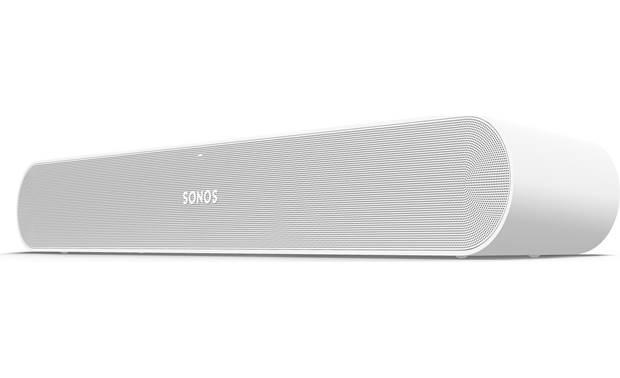
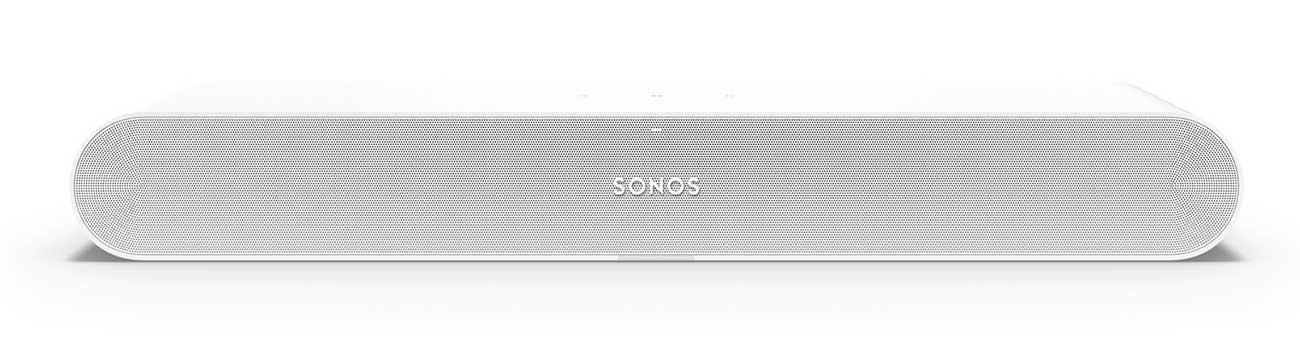
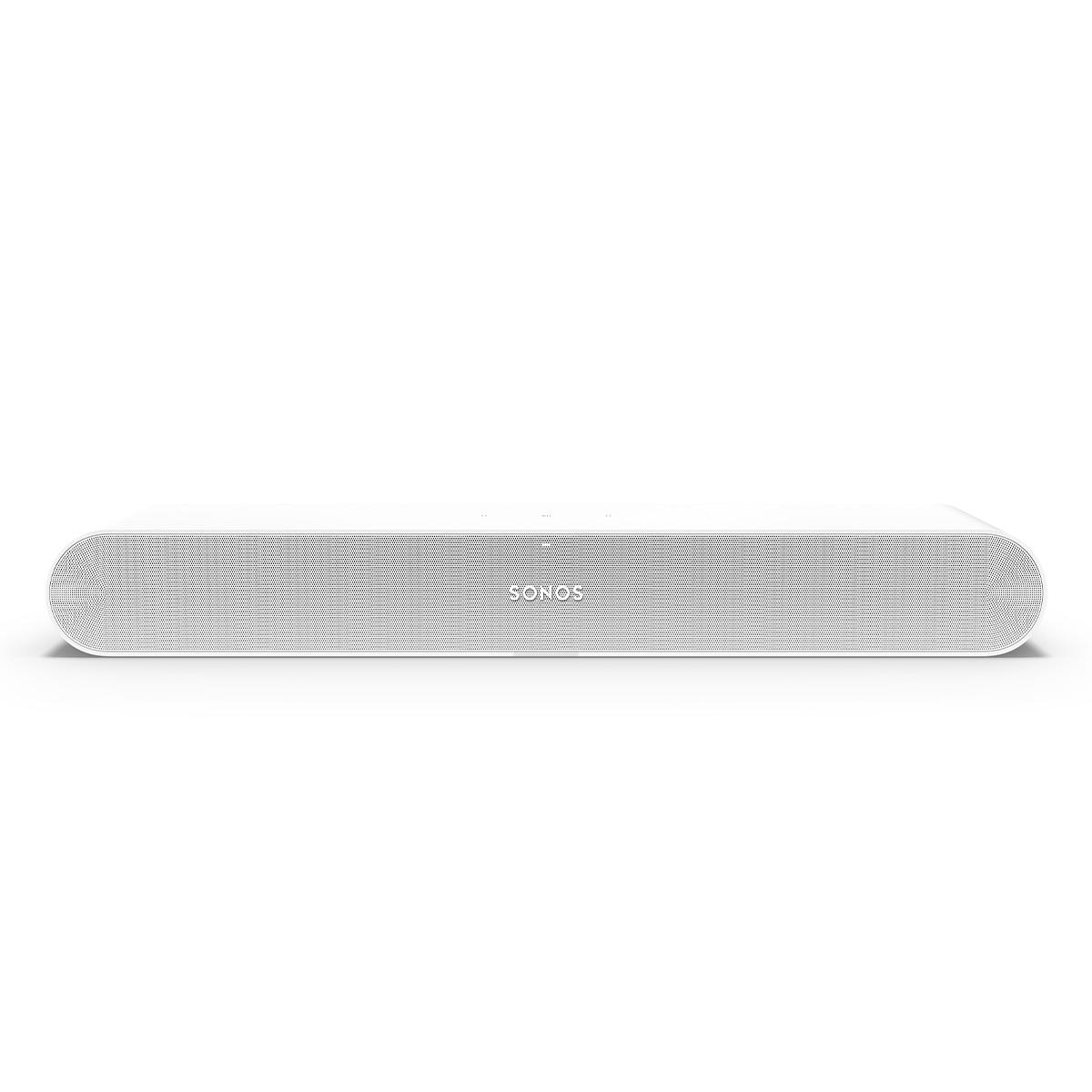
The Sonos Ray represents what I'd call the "enhancement philosophy"—taking what your TV already does and making it significantly better without overwhelming your living space or budget. At just 22 inches wide, this soundbar fits comfortably under TVs from 32 to 55 inches, which covers the majority of living rooms and bedrooms.
What makes the Sonos Ray special isn't its size, but how Sonos has optimized every component for clarity and musical accuracy. The company uses four separate Class-D amplifiers (which are more efficient and generate less heat than traditional amplifiers) to power two tweeters for high frequencies and two mid-woofers that handle both midrange and bass. This might sound technical, but the practical result is that voices stay crisp and clear even when action sequences get loud.
The real magic happens with Sonos's Trueplay technology, which uses your iPhone's microphone to analyze your room's acoustics and adjust the sound accordingly. I've tested this feature extensively, and the difference is remarkable—the Sonos Ray sounds noticeably better after Trueplay tuning, adapting to whether you've placed it in a bookshelf, mounted it on a wall, or positioned it near reflective surfaces.
However, the Sonos Ray makes some deliberate compromises. There's no HDMI connection—just optical digital input. This means you're limited in terms of what audio formats it can receive, and you miss out on features like ARC (Audio Return Channel) that automatically adjust TV volume with your soundbar remote. Sonos also eliminated Bluetooth connectivity, forcing you to use Wi-Fi or Apple AirPlay 2 for wireless streaming.
These decisions reflect Sonos's broader ecosystem strategy. The Sonos Ray isn't meant to be a standalone product—it's your entry point into a multi-room audio system where every speaker can be controlled from a single app and play synchronized music throughout your home.
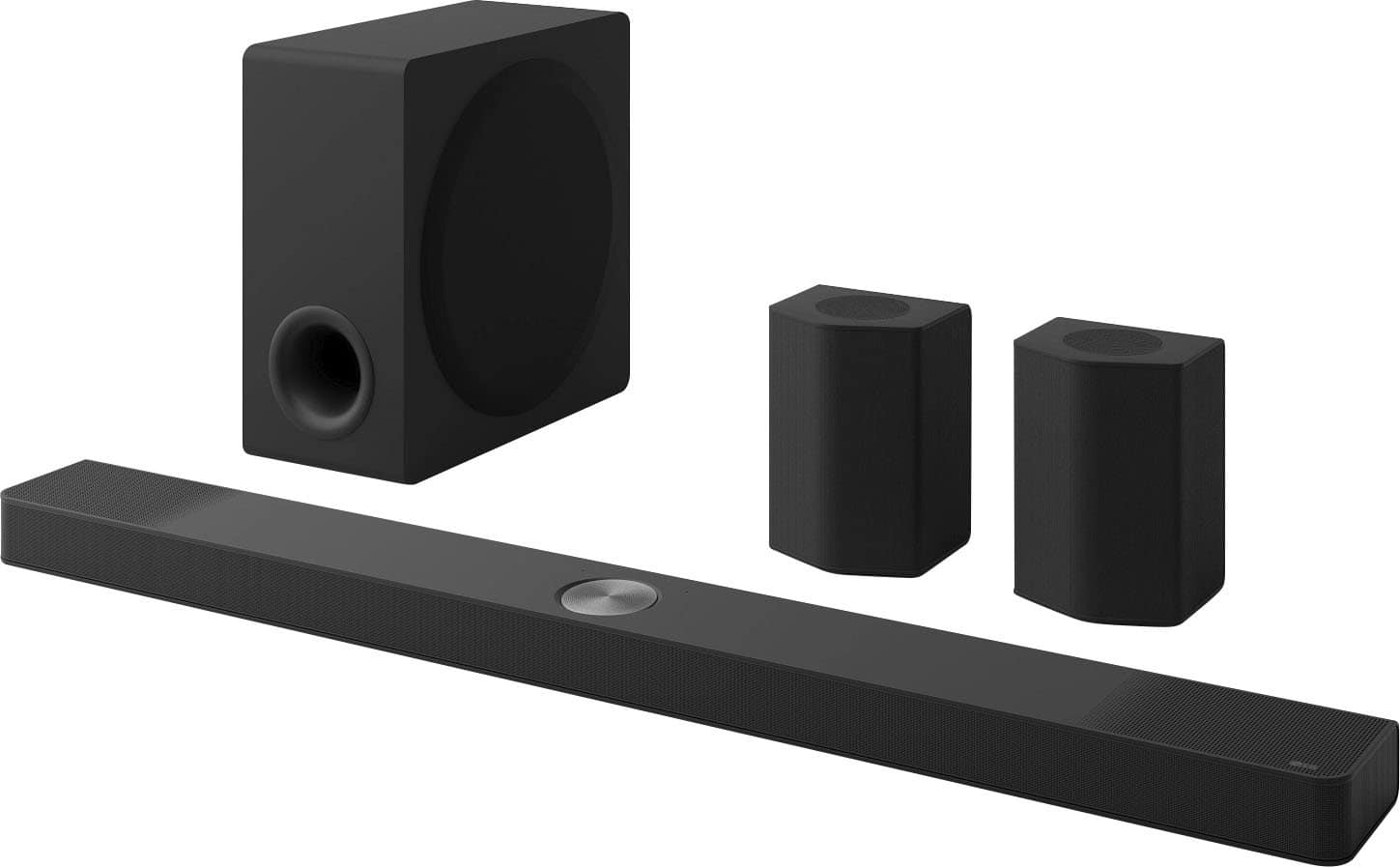
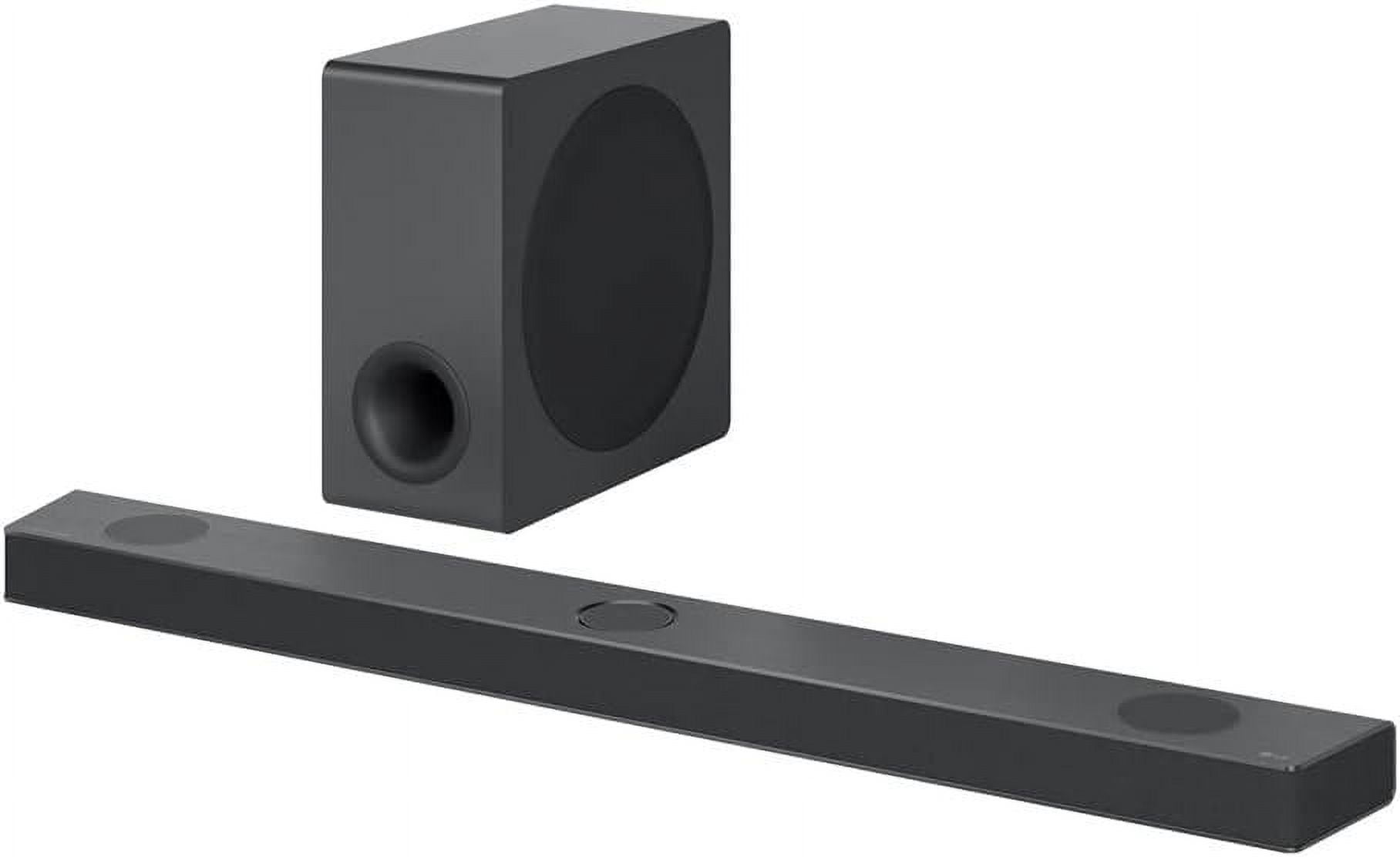
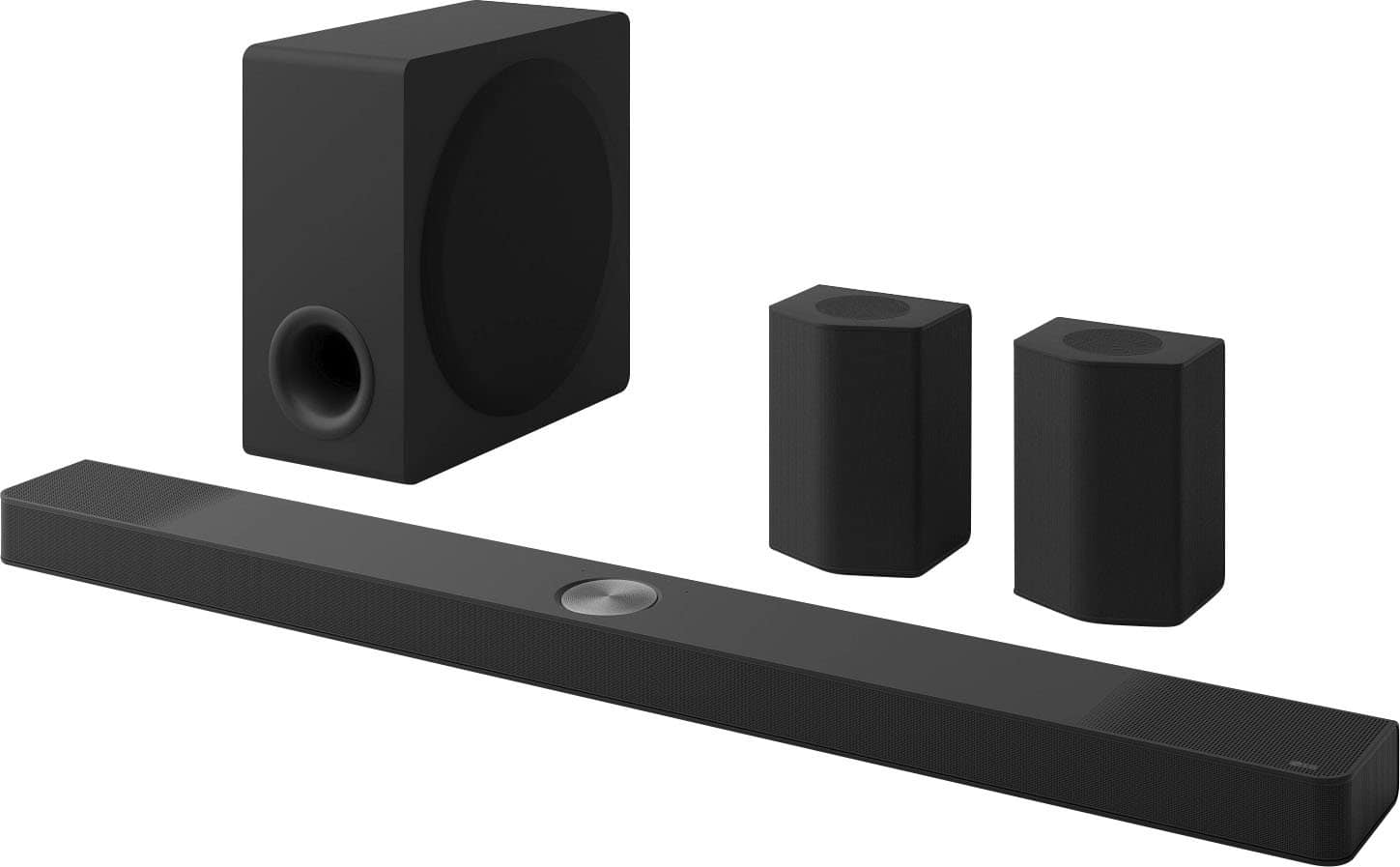
The LG S95TR takes the opposite approach: instead of enhancing what you have, it replaces your entire audio system with a complete home theater setup. This isn't just a soundbar—it's a soundbar, wireless subwoofer, and two wireless rear speakers that work together to create genuine surround sound.
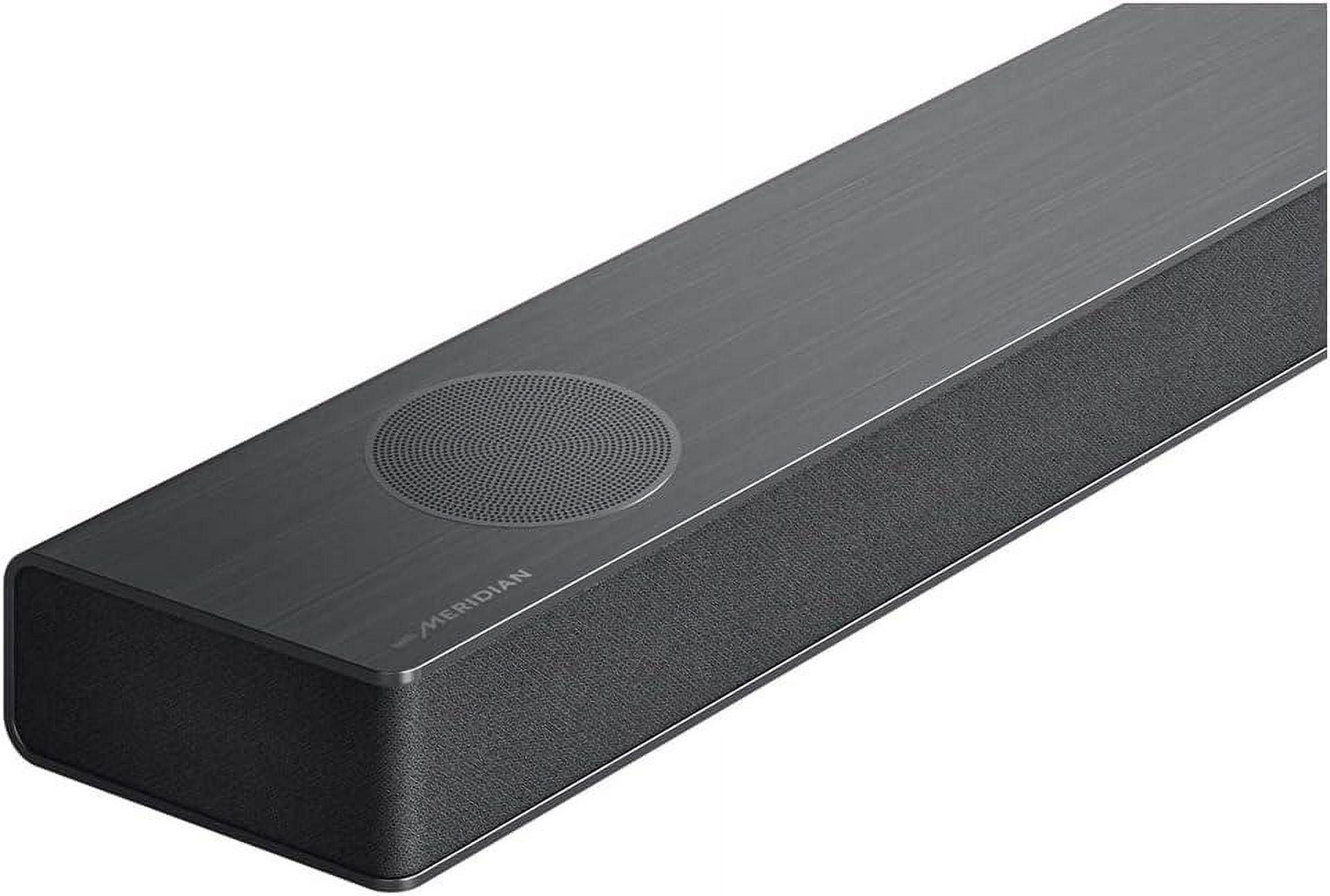
The main bar measures nearly 50 inches wide and houses nine separate drivers, including an unusual up-firing center channel. Most soundbars fire their center channel (which handles dialogue) straight forward, but the LG S95TR bounces center channel audio off your ceiling first. This might sound gimmicky, but the effect creates more natural dialogue placement that seems to come from the TV screen rather than from a speaker below it.
The rear satellites include their own up-firing drivers, contributing to the system's 9.1.5 channel count. When watching properly mixed Dolby Atmos content, you can actually hear helicopters flying overhead, rain falling from above, or debris scattered around the room during explosion scenes. The effect is genuinely impressive when everything works correctly.
What sets the LG S95TR apart from many competitors is its WOW Orchestra technology, which wirelessly connects to compatible LG TVs and uses the TV's built-in speakers as additional channels. This creates an even wider soundstage and more immersive experience, though you'll need a recent LG TV to take advantage of this feature.
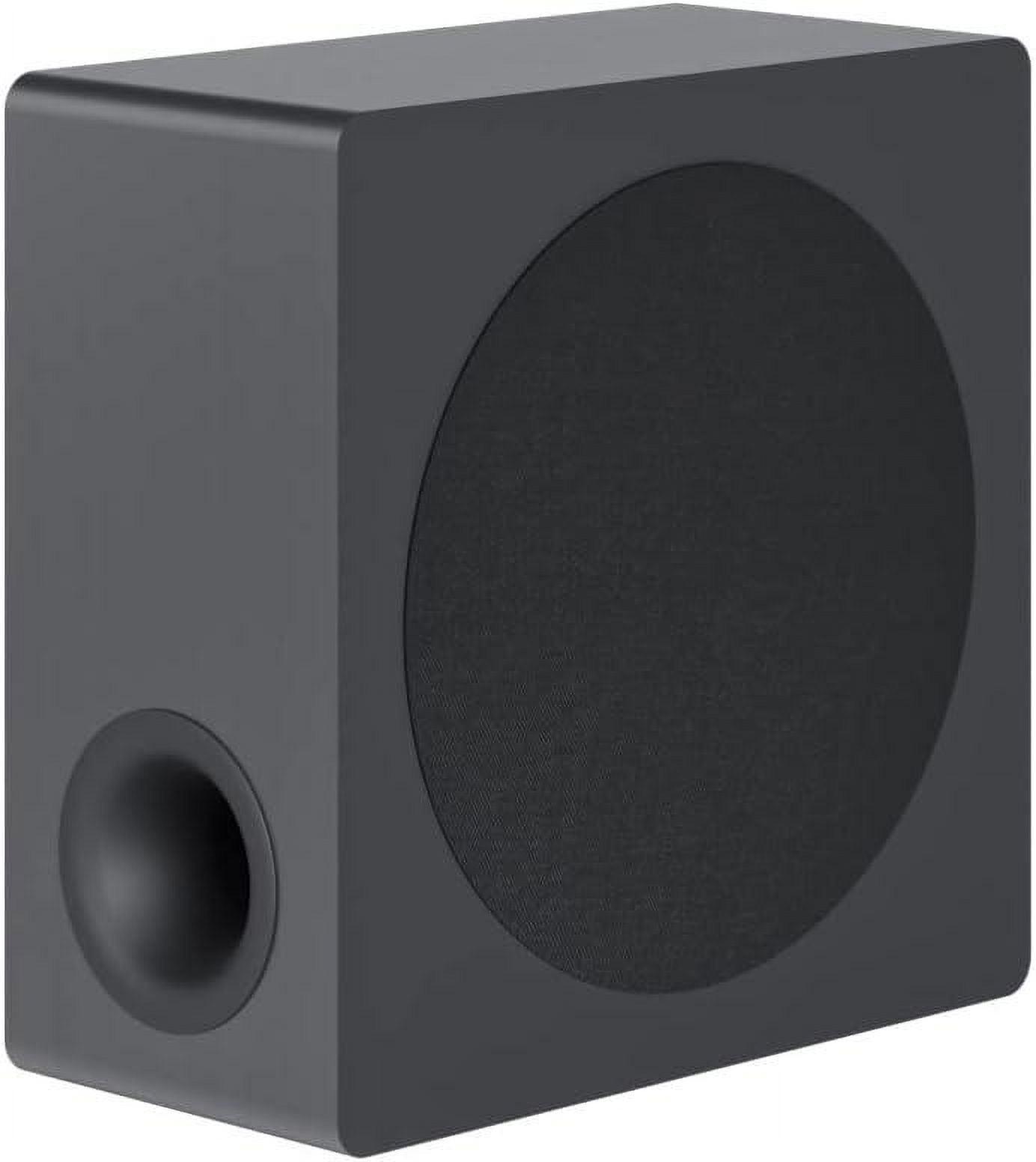
The included wireless subwoofer handles the deep bass that the Sonos Ray simply cannot produce. During action movies or bass-heavy music, you'll feel the difference in your chest and throughout the room. This isn't just about volume—it's about reproducing the full frequency range that creates realistic audio.
Both products excel at dialogue clarity, but through different methods. The Sonos Ray uses custom-tuned frequency response curves developed in collaboration with Hollywood sound engineers. The result is voices that cut through background noise without sounding harsh or artificial. I've found the Sonos Ray particularly impressive with British accents and whispered dialogue that often gets lost with TV speakers.
The LG S95TR's up-firing center channel creates a different kind of clarity. Instead of just making voices louder, it positions dialogue in a more natural location relative to the screen. During complex action sequences with multiple speakers, each voice maintains its distinct position rather than getting muddled together.
For most people, the Sonos Ray provides more than adequate dialogue improvement over TV speakers. The LG S95TR offers superior dialogue positioning but at a much higher cost. Unless you're regularly watching complex ensemble films or foreign language content with challenging audio, the difference may not justify the price gap.
This is where the products diverge most significantly. The Sonos Ray produces surprisingly solid bass for its size, using a bass reflex design with specially tuned ports to enhance low-frequency output. However, physics limits how much bass a compact soundbar can produce—there's simply not enough air movement for deep, rumbling effects.
The LG S95TR's dedicated 8-inch wireless subwoofer changes everything. Movie explosions have genuine impact, electronic music maintains its punch, and even acoustic instruments like upright bass or kick drums sound full and natural. The subwoofer can be positioned anywhere in your room for optimal response, and the system's room calibration helps integrate it seamlessly with the main speakers.
If you primarily watch dialogue-heavy TV shows and documentaries, the Sonos Ray's bass limitations won't significantly impact your experience. But for action movies, sci-fi content, or music listening, the LG S95TR's subwoofer provides a fundamentally different and more satisfying experience.
The Sonos Ray processes surround sound content by downmixing everything to stereo. While it does this intelligently—preserving dialogue clarity and maintaining some spatial information—you lose the directional audio cues that make modern movie soundtracks so engaging.
The LG S95TR delivers true surround sound with dedicated rear channels and height effects. When watching properly mastered Dolby Atmos content like "Mad Max: Fury Road" or "A Quiet Place," the difference is transformative. Sounds move around and above you with precise positioning that creates genuine immersion.
However, surround sound effectiveness depends heavily on room layout and listening position. If you're sitting close to a wall or your room has an irregular shape, the LG S95TR's rear speakers may not provide optimal benefits. The Sonos Ray's stereo approach works well regardless of room constraints.
The Sonos Ray was designed with music streaming as a primary use case. Its frequency response favors accuracy over excitement, with balanced midrange reproduction that makes vocals and instruments sound natural. The integration with streaming services like Spotify, Apple Music, and Tidal is seamless, and the multi-room capabilities mean you can extend music throughout your home.
The LG S95TR can certainly play music, and its room-filling power works well for parties or background listening. However, the surround processing and bass-heavy tuning optimized for movies doesn't serve acoustic music or subtle recordings as well. Jazz, classical, or intimate singer-songwriter content often sounds better through the more neutral Sonos Ray.
Your living space ultimately determines which product makes sense. The Sonos Ray works beautifully in smaller rooms—apartments, bedrooms, or cozy living rooms where a full surround system would be overwhelming. Its compact size means it won't dominate your furniture or require multiple power outlets.
The LG S95TR needs space to breathe. The main bar alone is over four feet wide, and optimal performance requires proper placement of the subwoofer and rear speakers. If you're cramming everything into a small room, you'll never realize the system's potential and might actually prefer the focused sound of the Sonos Ray.
I've found that rooms under 200 square feet generally favor the Sonos Ray, while larger spaces benefit from the LG S95TR's power and spatial effects. Your TV size also matters—pairing the massive LG S95TR with a 43-inch TV creates visual and acoustic imbalance, while the Sonos Ray looks proportional with smaller displays.
The Sonos Ray's optical-only connectivity initially seems limiting, but it's actually quite practical for most users. Optical connections are universal, reliable, and handle the audio formats that streaming services and cable boxes typically provide. The lack of HDMI means missing some advanced gaming features, but for TV watching and music streaming, optical works perfectly well.
The LG S95TR offers comprehensive connectivity including HDMI eARC, which automatically syncs volume controls and supports advanced audio formats. This makes it superior for gaming consoles, 4K Blu-ray players, and other high-end sources. The additional HDMI input lets you connect devices directly to the soundbar, which can be convenient if your TV has limited ports.
Both products receive software updates that add new features over time. Sonos has an excellent track record of supporting older products with new streaming services and functionality improvements. LG's update history is more variable, though the LG S95TR is recent enough that long-term support remains to be seen.
At the time of writing, the price difference between these products is substantial—the LG S95TR costs roughly four times as much as the Sonos Ray. However, direct price comparison misses the bigger picture.
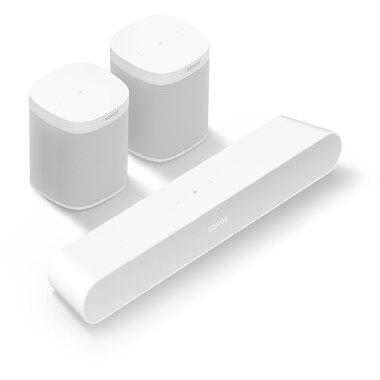
The Sonos Ray offers exceptional value for TV audio enhancement and music streaming. You're getting professionally tuned audio, room correction technology, and multi-room capabilities typically found in much more expensive systems. However, if you eventually want full surround sound, you'll need to add a Sonos subwoofer and rear speakers, which pushes the total cost well beyond the LG S95TR's price.
The LG S95TR represents a complete home theater investment. You're getting everything needed for immersive surround sound at a price that's competitive with other high-end Dolby Atmos systems. The question is whether you need and can properly utilize all these features.
After extensive testing with both products, I recommend the Sonos Ray for most people. Its combination of excellent dialogue clarity, easy setup, and reasonable price makes it an ideal TV audio upgrade. You'll be amazed at how much better your shows and movies sound, and the music streaming capabilities add value that extends beyond TV watching.
Choose the Sonos Ray if you have a smaller room, want simple setup, prioritize music streaming alongside TV audio, or prefer to start with a basic system and expand gradually. It's also the better choice if you're in an apartment where full surround sound might disturb neighbors.
The LG S95TR makes sense for dedicated home theater enthusiasts with large rooms and big TVs. If you primarily watch action movies, play surround sound games, or want the most immersive audio experience possible, the extra investment pays off. The complete system approach means you're done shopping and can enjoy true cinematic audio immediately.
However, don't choose the LG S95TR just because it costs more or has more features. Surround sound systems require proper room setup and listening habits to justify their complexity and cost. If you usually watch TV at low volumes or your room can't accommodate optimal speaker placement, you'll be happier with the simpler, more focused approach of the Sonos Ray.
Both products excel within their intended use cases. The Sonos Ray transforms TV audio without overwhelming your space or budget, while the LG S95TR creates genuine home theater immersion for those willing to invest in the complete experience. Choose based on your room, your content preferences, and your long-term audio goals rather than simply picking the one with more features or lower price.
| Sonos Ray | LG S95TR |
|---|---|
| Channel Configuration - Determines surround sound capabilities | |
| 2.0 stereo only (no surround sound) | 9.1.5 with full Dolby Atmos (true surround with height channels) |
| Physical Size - Important for TV stand and room compatibility | |
| 22" wide, 4.3 lbs (fits 32-55" TVs perfectly) | 49.2" wide plus subwoofer and rear speakers (requires 55"+ TV) |
| Room Size Suitability - Acoustic performance varies dramatically by space | |
| Small to medium rooms under 200 sq ft | Large rooms over 200 sq ft for optimal surround effects |
| Connectivity Options - Affects device compatibility and features | |
| Optical only, Wi-Fi, AirPlay 2 (no HDMI or Bluetooth) | HDMI eARC, HDMI input, optical, Bluetooth, Wi-Fi (full connectivity) |
| Subwoofer Inclusion - Critical for bass response and movie impact | |
| No subwoofer included (optional separate purchase) | Wireless 8" subwoofer included (significant bass advantage) |
| Dolby Atmos Support - Overhead sound effects for immersion | |
| Not supported (all content downmixed to stereo) | Full Dolby Atmos with dedicated height channels |
| Multi-Room Audio - Whole home music distribution | |
| Excellent Sonos ecosystem integration | Limited to LG-compatible devices only |
| Setup Complexity - Installation time and technical requirements | |
| Very simple (2 cables, 5 minutes) | Moderate (4 power outlets, speaker positioning) |
| Music Streaming Focus - Audio tuning for music vs movies | |
| Optimized for music with neutral frequency response | Movie-focused tuning, adequate for music |
| Gaming Performance - Low latency and spatial audio benefits | |
| Basic stereo gaming via optical | Superior with HDMI connectivity and surround positioning |
| Expandability Options - Future upgrade paths | |
| Modular Sonos system (add subwoofer and rears later) | Fixed complete system (no expansion needed or possible) |
| Voice Control Integration - Smart home compatibility | |
| Amazon Alexa, Google Assistant via app | Built-in voice assistant support |
| Remote Control Method - Daily usage convenience | |
| App-based control, learns TV remote commands | Traditional physical remote included |
The Sonos Ray is specifically designed for small to medium rooms under 200 square feet. Its compact 22-inch width fits perfectly with 32-55 inch TVs and won't overwhelm smaller spaces. The LG S95TR requires much more room for its 49-inch main bar plus subwoofer and rear speakers, making it impractical for cramped areas.
If you primarily watch TV shows, news, and documentaries, the Sonos Ray's stereo sound provides excellent dialogue clarity and is perfectly adequate. However, if you're a movie enthusiast who enjoys action films, sci-fi, or wants true cinematic immersion, the LG S95TR's 9.1.5 surround sound with Dolby Atmos creates a dramatically more engaging experience with sounds moving around and above you.
The Sonos Ray wins for simplicity - just plug in power and connect one optical cable to your TV. Setup takes about 5 minutes. The LG S95TR requires positioning a subwoofer and two rear speakers, connecting four separate power outlets, and running room calibration, making setup more complex but still manageable for most users.
The Sonos Ray produces surprisingly good bass for its size but is limited by physics - no compact soundbar can match a dedicated subwoofer. The LG S95TR includes a wireless 8-inch subwoofer that delivers genuine low-end impact for movie explosions and bass-heavy music, creating a fundamentally different and more powerful audio experience.
The Sonos Ray excels at music with its neutral frequency response, extensive streaming service integration, and multi-room capabilities throughout your home. While the LG S95TR can play music well, it's optimized for movies and TV content, making the Sonos Ray the better choice for dedicated music listening.
No - the Sonos Ray only connects via optical digital cable, which works with all modern TVs but limits some advanced features. The LG S95TR offers HDMI eARC connection plus additional HDMI inputs, providing better device compatibility, automatic volume control, and support for advanced audio formats from gaming consoles and 4K players.
The LG S95TR significantly outperforms the Sonos Ray for gaming. Its HDMI connectivity provides lower latency, while the surround sound channels offer spatial audio advantages for competitive gaming and immersive single-player experiences. The Sonos Ray is limited to basic stereo gaming audio through its optical connection.
The Sonos Ray pairs perfectly with 32-55 inch TVs and looks proportional in most setups. The LG S95TR really needs a 55-inch or larger TV to avoid looking oversized and to justify its room-filling audio capabilities. Pairing the large LG S95TR with a small TV creates both visual and acoustic imbalance.
The Sonos Ray provides exceptional value for TV audio enhancement and music streaming at its price point. The LG S95TR costs significantly more but includes a complete home theater system (soundbar + subwoofer + rear speakers) that would cost even more if purchased separately. Value depends on whether you need the LG S95TR's advanced features.
The Sonos Ray is ideal for apartment living due to its compact size, excellent performance at lower volumes, and neighbor-friendly audio output. The LG S95TR is designed to fill large rooms and may be too powerful for close living situations, though it does include night mode features to reduce dynamic range.
TV brand isn't crucial for the Sonos Ray since it connects via universal optical cable. However, the LG S95TR offers special WOW Orchestra integration with compatible LG TVs, using the TV's speakers as additional channels for enhanced immersion. If you own a recent LG TV, this provides extra value for the LG S95TR.
We've done our best to create useful and informative comparisons to help you decide what product to buy. Our research uses advanced automated methods to create this comparison and perfection is not possible - please contact us for corrections or questions. These are the sites we've researched in the creation of this article: tomsguide.com - soundandvision.com - youtube.com - techradar.com - en.community.sonos.com - rtings.com - howtogeek.com - youtube.com - cnet.com - sonos.com - videoandaudiocenter.com - techradar.com - bestbuy.com - youtube.com - trustedreviews.com - zdnet.com - rtings.com - lg.com - lambcotvandappliance.com - valueelectronics.com - romomattressfurniture.com - dolby.com - youtube.com

Privacy Policy
Terms and Conditions - Affiliate Policy
Home Security
© Copyright 2008-2026.
11816 Inwood Rd #1211, Dallas, TX 75244