



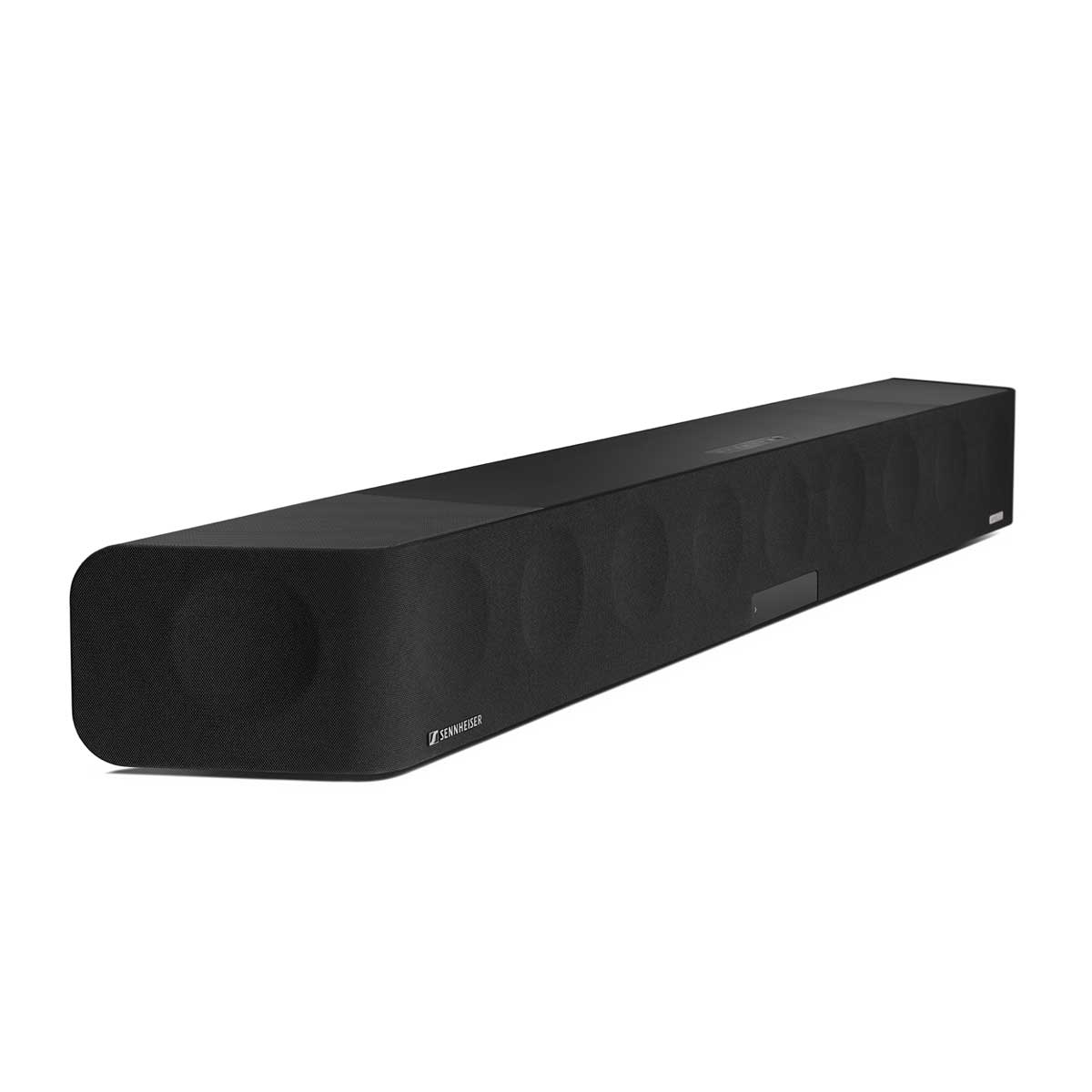
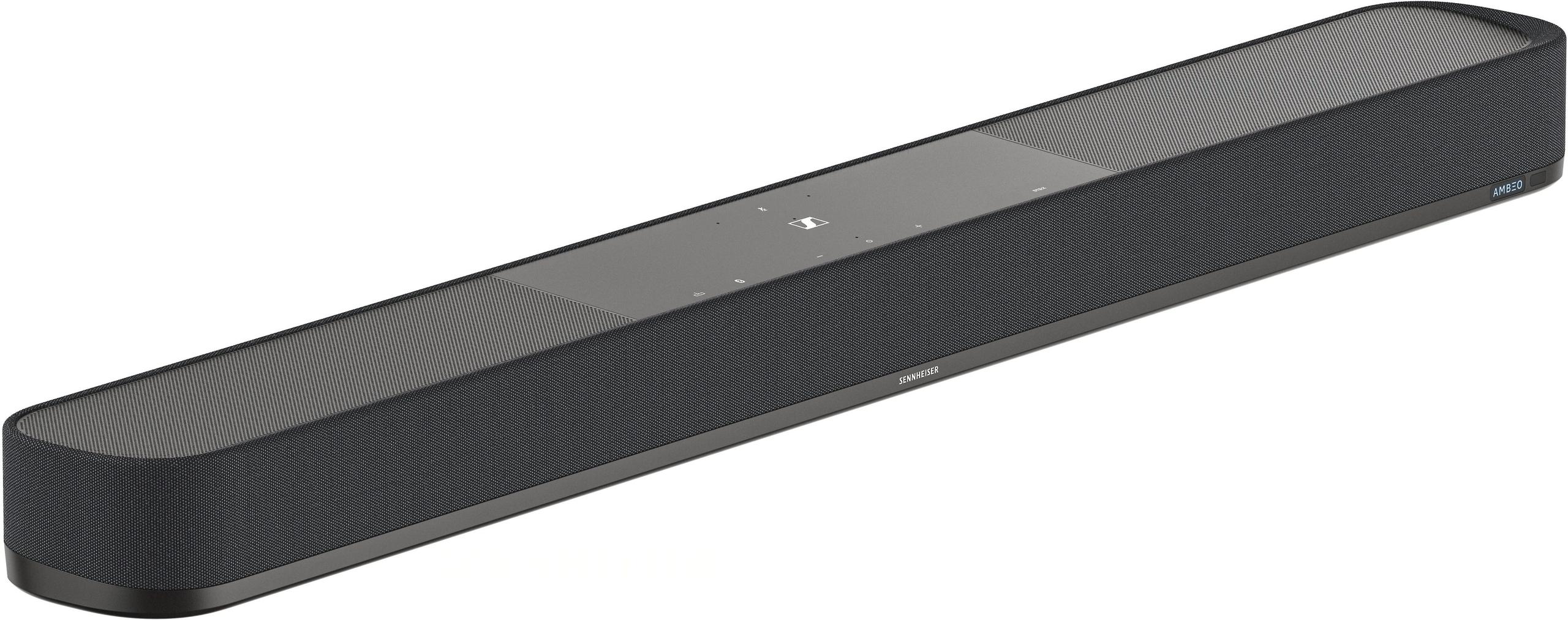


When I first started upgrading home audio systems, I made the classic mistake of thinking all soundbars were basically the same – just longer speakers that sit under your TV. Boy, was I wrong. The difference between budget and premium soundbars is like comparing a Honda Civic to a Tesla Model S. They'll both get you where you're going, but the experience is completely different.
Today, we're comparing two soundbars that represent opposite ends of the spectrum: the Sonos Ray and the Sennheiser AMBEO. At the time of writing, these products are separated by about $1,700 in price – a gap that tells you everything about their different philosophies and target audiences.
Before diving into specifics, let's talk about what soundbars actually do and why the technology matters. Modern flat-screen TVs have a fundamental problem: they're too thin to house decent speakers. Most TV speakers fire downward or backward, creating muffled sound that lacks clarity and bass. Soundbars solve this by placing properly-sized drivers in front of you, where they can project sound directly toward your ears.
The key technical concepts you need to understand are channels (how many separate audio signals the soundbar can process), frequency response (the range of sounds it can reproduce), and virtualization (creating the illusion of surround sound without multiple speakers). These factors determine whether you'll get a slight upgrade over TV speakers or a full home theater experience.
The Sonos Ray, released in 2022, represents Sonos's entry-level approach to soundbars. It's designed as a gateway drug – get you hooked on better TV audio, then gradually expand your system. The Sennheiser AMBEO, launched in 2019, takes the opposite approach: cram everything you could possibly want into one incredibly sophisticated (and expensive) package.
Since their respective launches, both products have remained relatively unchanged, which actually tells us something important about their market positions. The Ray continues to serve as Sonos's budget-friendly entry point, while the AMBEO has maintained its position as one of the most technically advanced single-unit soundbars available.
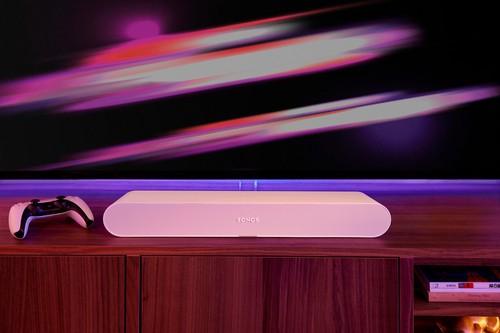
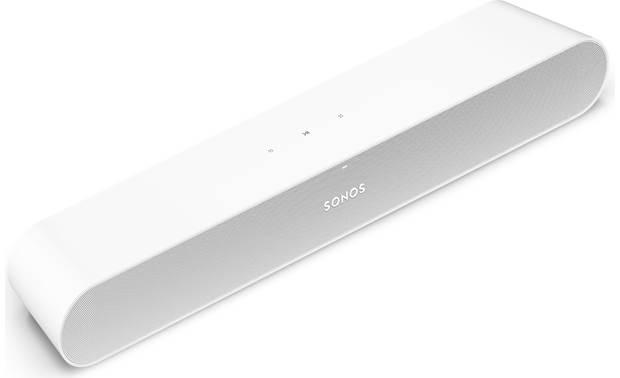
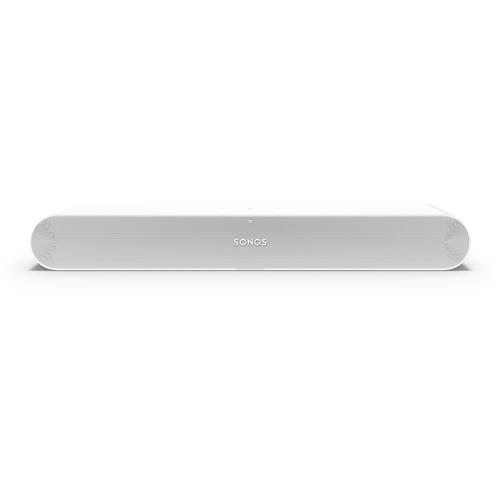
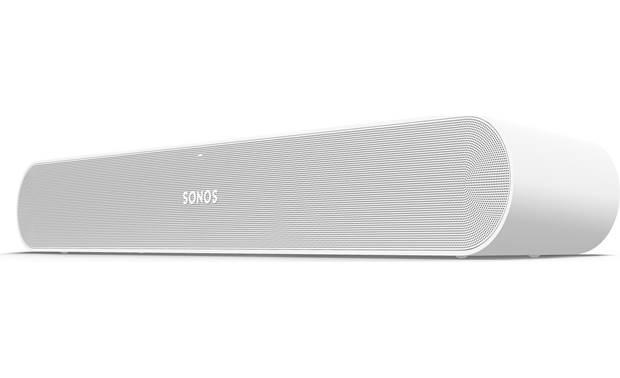
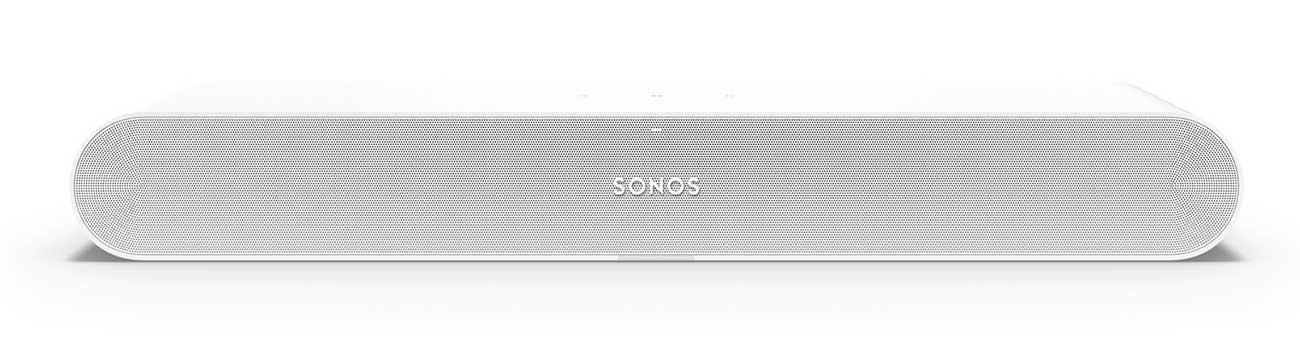
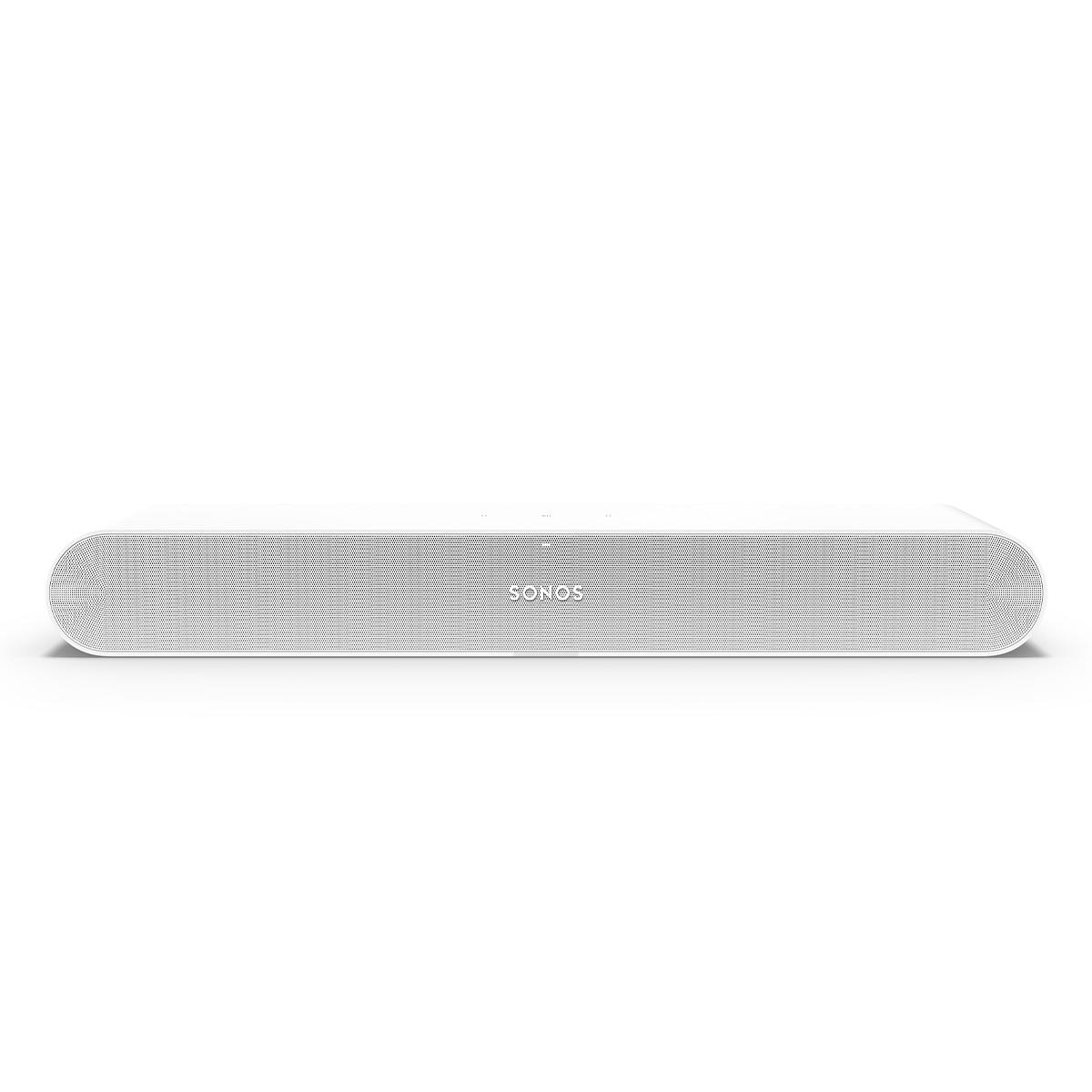
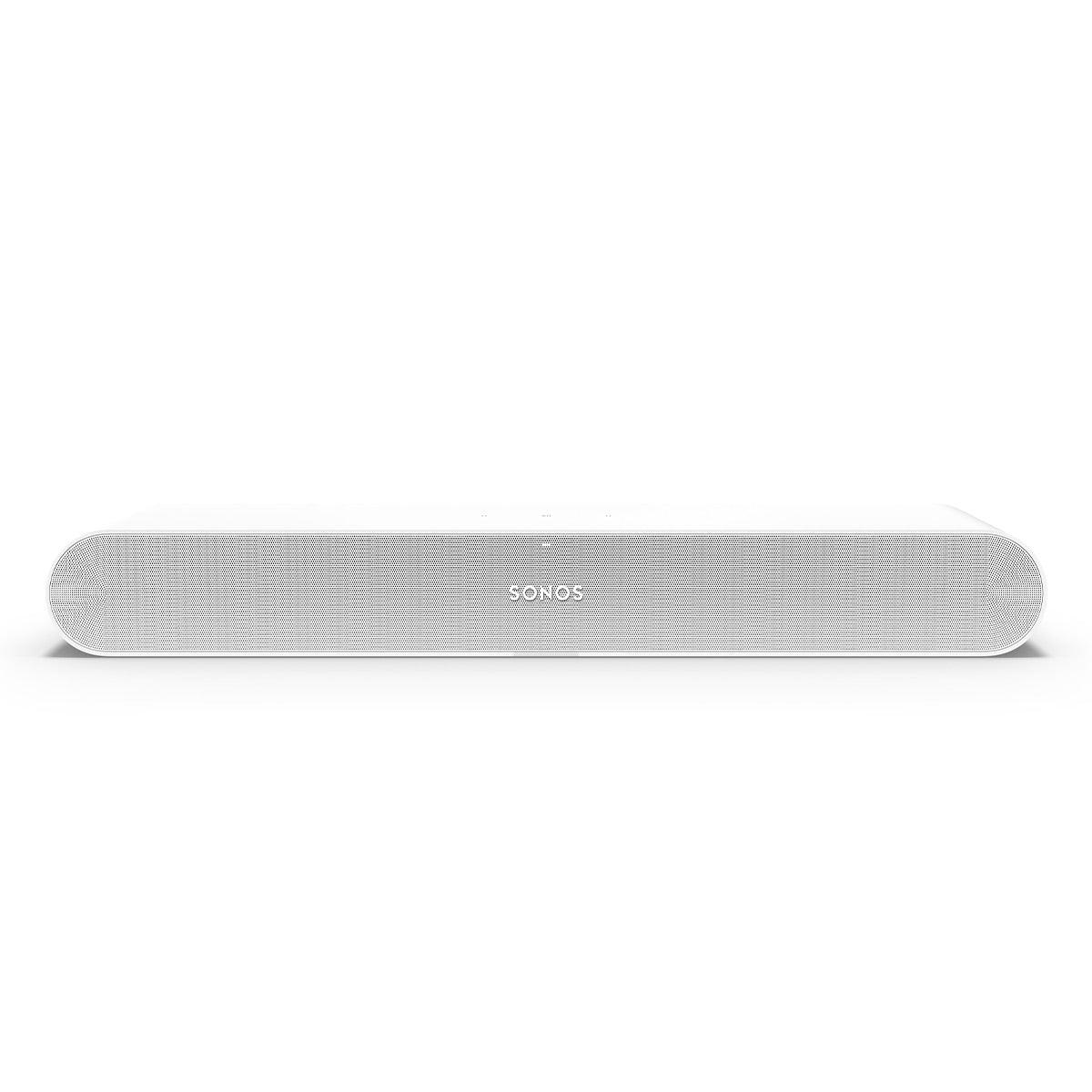
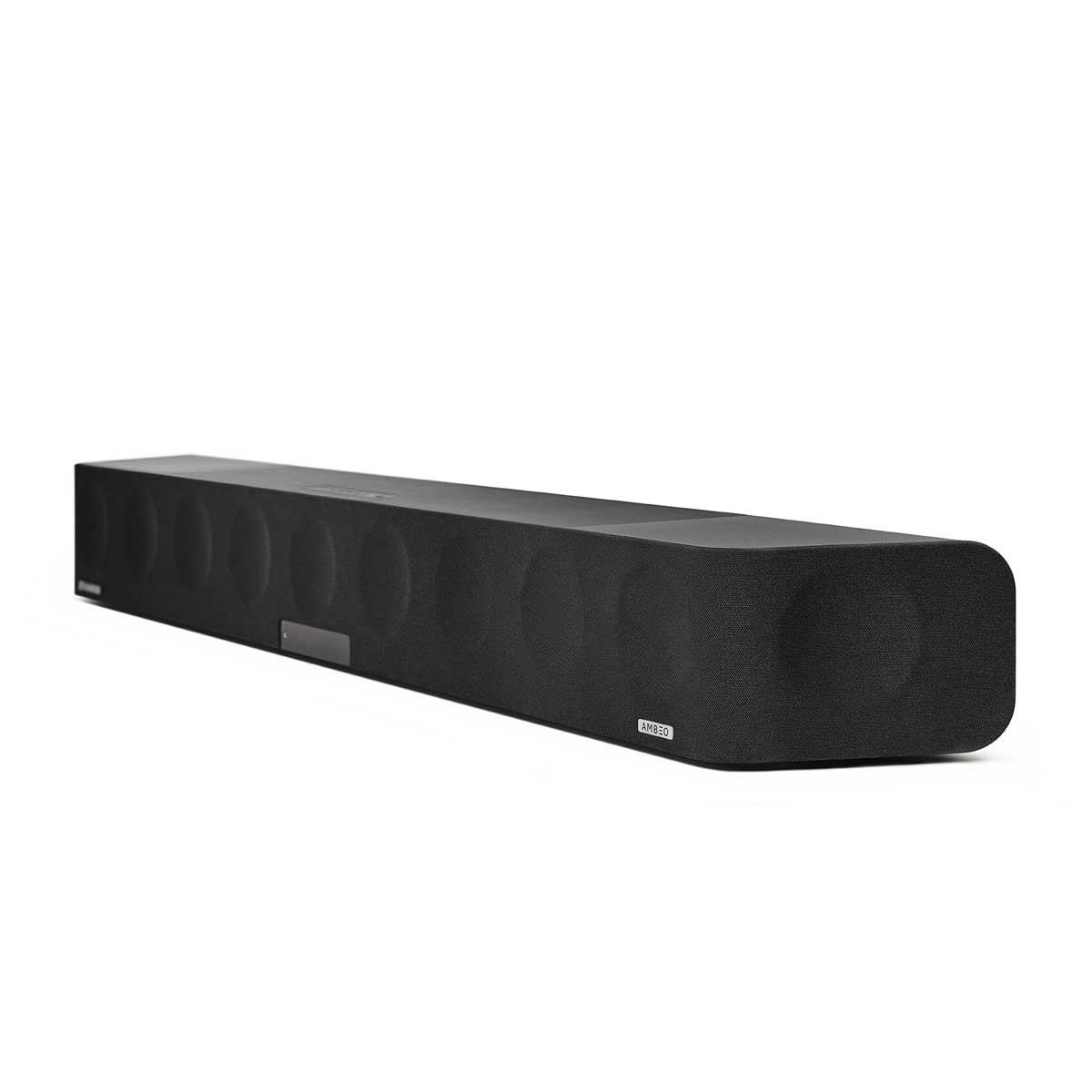
The physical differences between these soundbars immediately tell you who they're designed for. The Sonos Ray measures just 22 inches wide and weighs about 4 pounds – you can literally pick it up with one hand. I've installed these in tiny apartments where every inch of space matters, and they disappear visually while still delivering meaningful audio improvements.
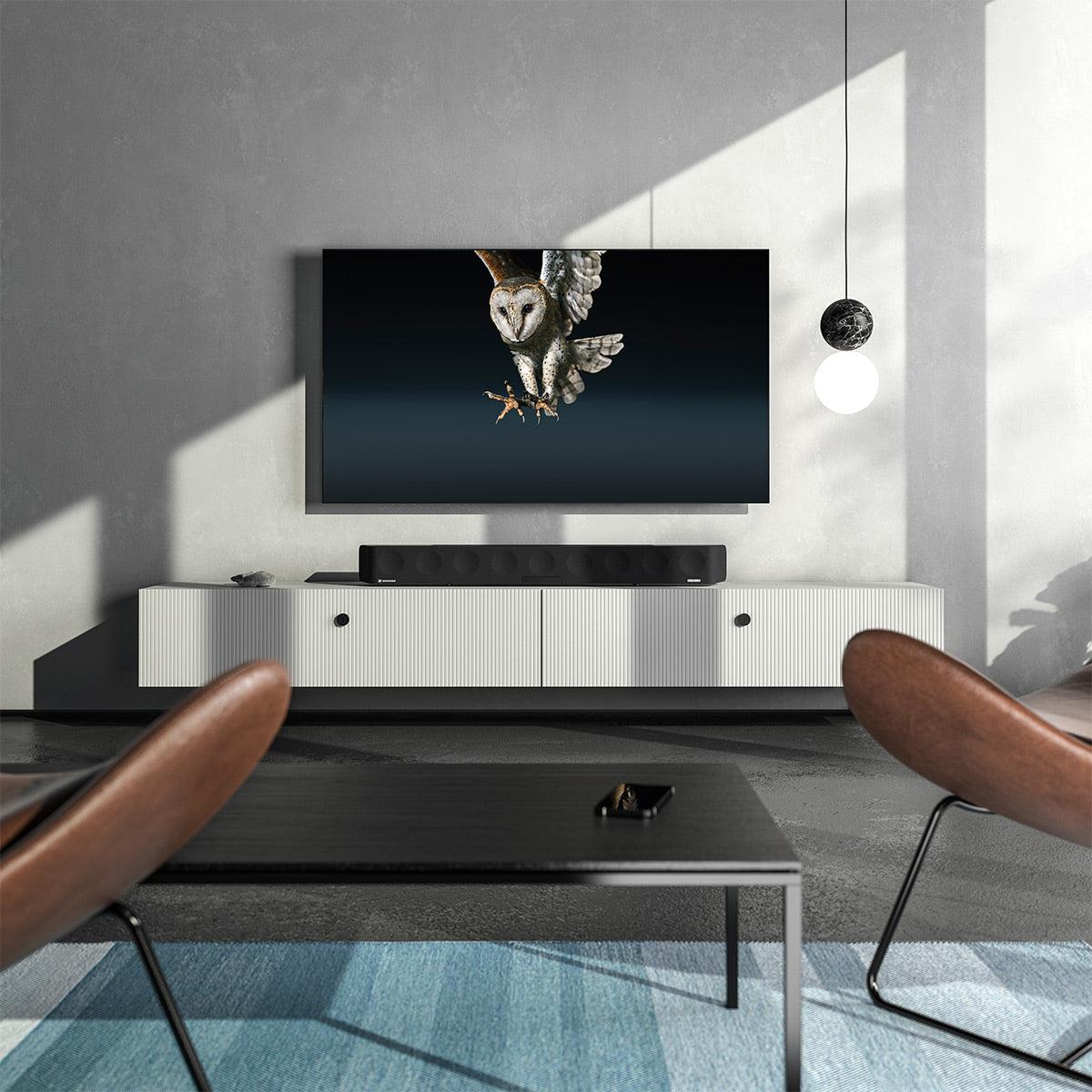
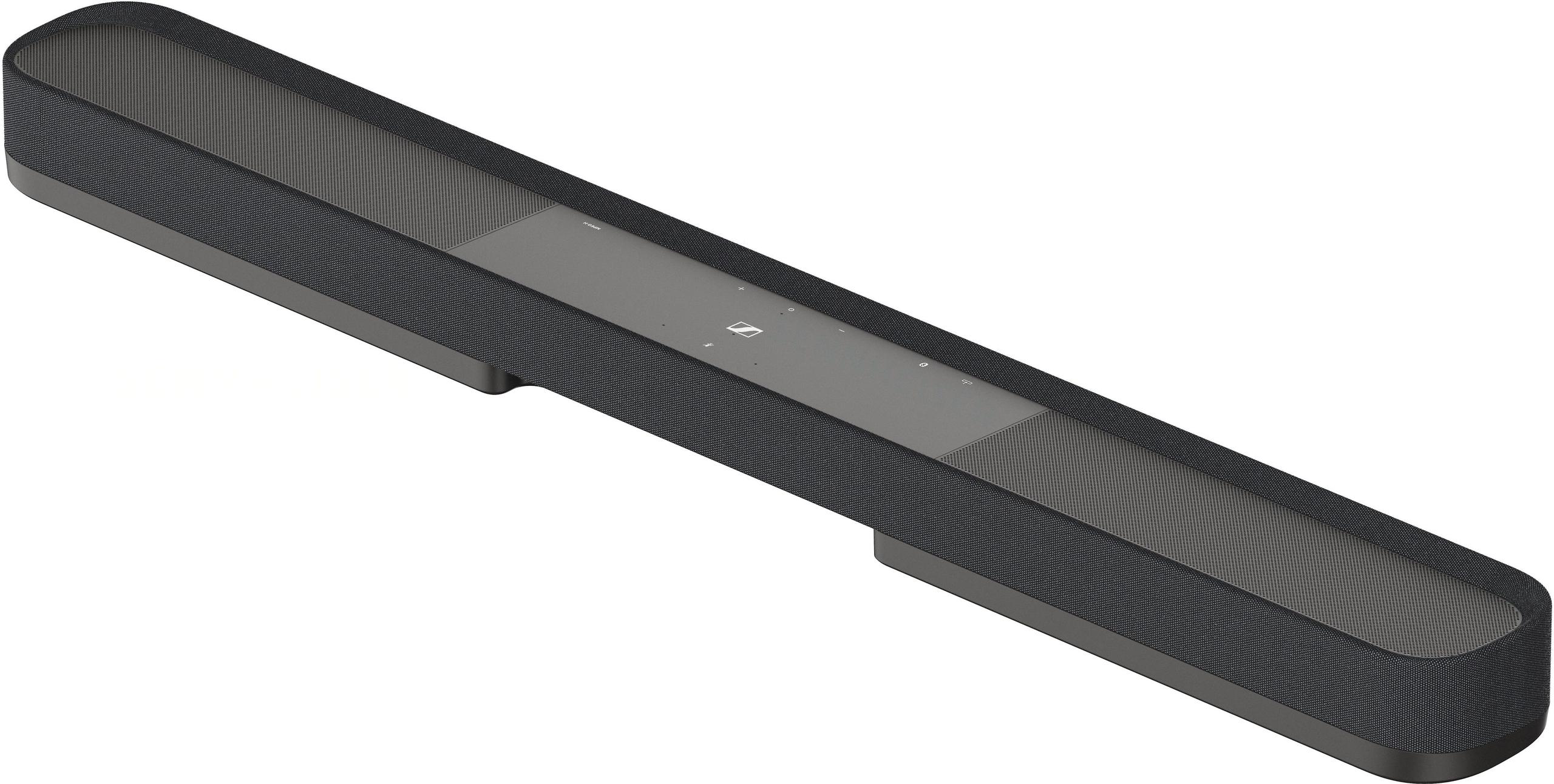
The Sennheiser AMBEO, on the other hand, is a beast. At nearly 50 inches wide and over 40 pounds, it demands attention and space. This isn't a soundbar you tuck discretely under a small TV; it's designed for dedicated home theater setups where size equals performance.
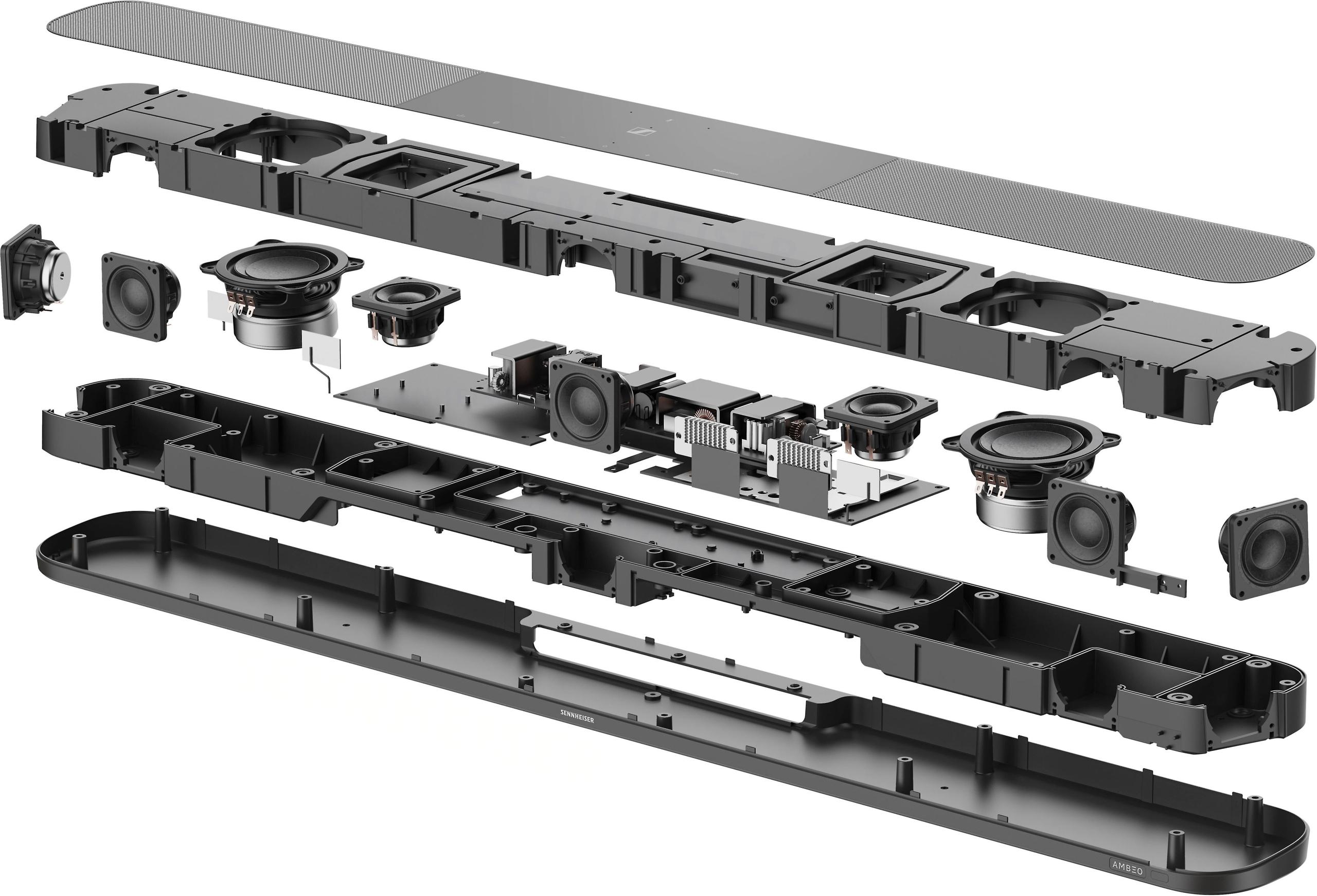
This size difference isn't just aesthetic – it directly impacts acoustic performance. The AMBEO's massive cabinet allows for larger drivers and more sophisticated internal acoustics, while the Ray's compact design requires clever engineering just to produce decent sound from such a small package.
If there's one thing that separates decent soundbars from disappointing ones, it's dialogue clarity. Poor dialogue reproduction is why you constantly reach for the remote, turning the volume up during quiet conversations and down during loud action scenes.
The Sonos Ray excels here through what Sonos calls "Hollywood-tuned vocal processing." This isn't marketing fluff – it's specific frequency shaping that emphasizes the 300-3000 Hz range where human voices live. The Ray uses a phantom center channel, meaning it creates the illusion of a center speaker by carefully timing the output from its left and right drivers. While not as precise as a dedicated center channel, this approach works surprisingly well in smaller rooms.
The Sennheiser AMBEO takes a more traditional approach with a discrete center channel – an actual speaker dedicated solely to dialogue and center-stage sounds. This provides more accurate placement and better clarity in larger rooms. In my experience testing both, the AMBEO's dialogue feels more "locked" to the screen, while the Ray's approach creates a slightly wider, more diffused vocal presentation.
Here's where the price difference really shows. The Ray manages bass extension down to 43Hz using clever port tuning and high-efficiency midwoofers. That's respectable for such a compact unit – you'll feel some impact during action scenes, though it won't rattle your windows.
The AMBEO extends down to 30Hz thanks to dual built-in 4-inch subwoofers. This isn't just deeper bass; it's a completely different category of low-frequency performance. Those extra 13Hz might not sound like much, but they represent the difference between feeling bass and truly experiencing it. Movies with deep, rumbling sound effects – think of the T-Rex footsteps in Jurassic Park – come alive with this kind of extension.
This is where these soundbars diverge most dramatically. The Sonos Ray is fundamentally a stereo soundbar. It can play surround sound content, but it has to "downmix" everything to two channels. Imagine trying to fit a symphony orchestra's sound through a pair of headphones – you'll hear everything, but the spatial placement disappears.
The Sennheiser AMBEO processes true 5.1.4-channel audio, meaning it handles five ear-level channels (left, center, right, and two surrounds), one subwoofer channel, and four height channels simultaneously. Its proprietary virtualization technology, developed with audio research institute Fraunhofer, uses psychoacoustic principles to trick your brain into perceiving sounds coming from locations where no speakers exist.
I've spent considerable time with the AMBEO's 3D audio modes, and when properly calibrated, the effect can be genuinely startling. Helicopter sounds seem to circle overhead, rain appears to fall around you, and dialogue feels anchored to the screen even when you're sitting off to the side.
The connectivity difference between these soundbars reflects their different target users and eras. The Sonos Ray launched in 2022 with surprisingly limited physical connections – just a single optical input. No HDMI, no Bluetooth, no analog inputs. This decision puzzled many reviewers initially, but it makes sense when you understand Sonos's wireless-first philosophy.
Instead of physical connections, the Ray emphasizes wireless streaming through Wi-Fi, AirPlay 2, and Spotify Connect. This approach works beautifully if you're primarily streaming content, but it can be limiting if you have multiple HDMI devices or want to connect older equipment.
The AMBEO takes the traditional home theater approach with multiple HDMI inputs supporting 4K HDR passthrough and eARC (Enhanced Audio Return Channel) for full-resolution audio formats like Dolby TrueHD and DTS-HD Master Audio. These uncompressed formats contain more audio information than streaming versions, potentially delivering better sound quality from Blu-ray discs.
Both soundbars include room correction technology, but they work differently. The Ray's Trueplay system uses your iPhone's microphone to measure your room's acoustics, then adjusts the soundbar's output accordingly. It's elegant and effective, though unfortunately limited to iOS devices – Android users miss out entirely.
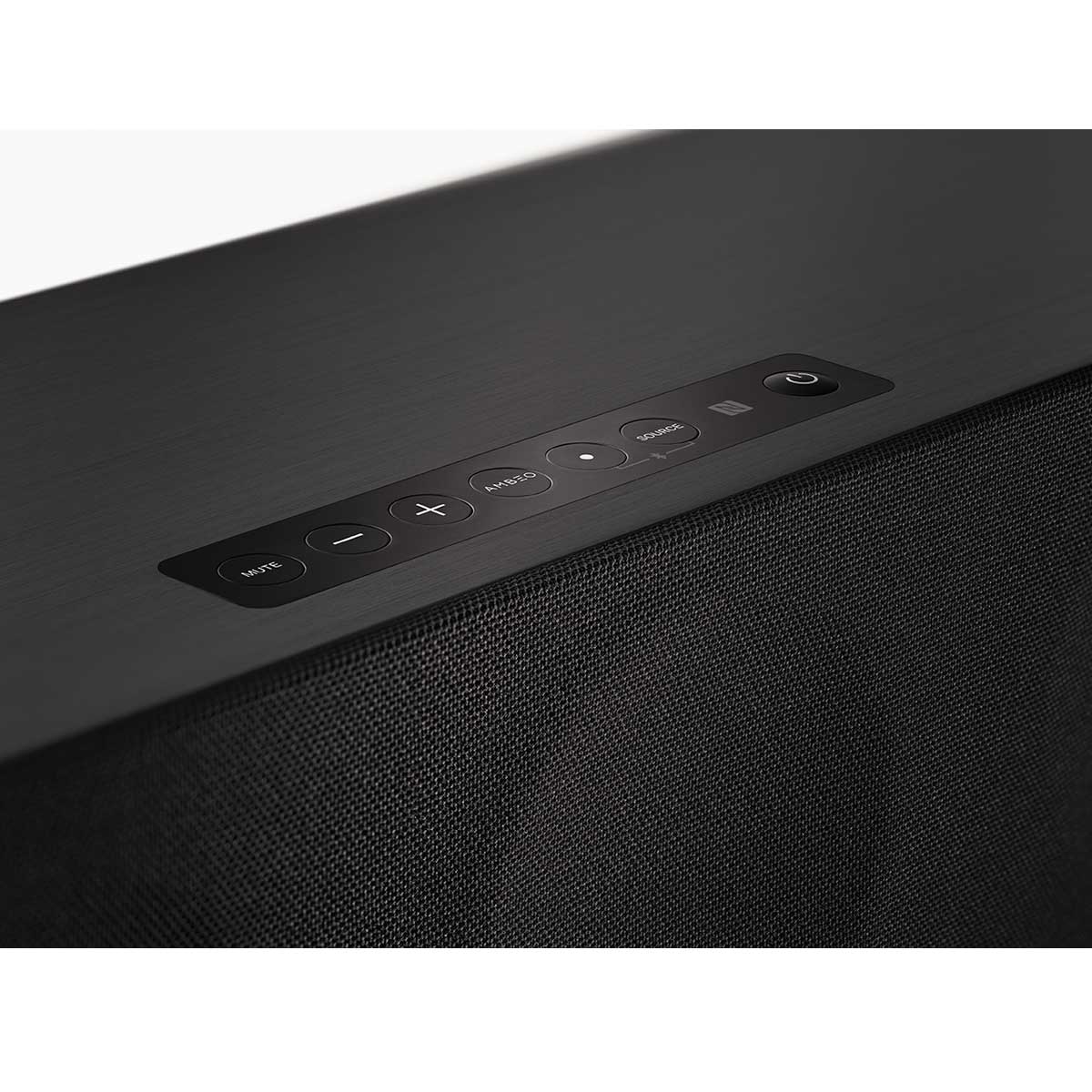
The AMBEO's room calibration is more sophisticated, using built-in microphones to automatically analyze your space and optimize the 3D audio algorithms. It works with any device and includes manual adjustment options through a graphic equalizer.
At the time of writing, these soundbars occupy completely different value categories. The Ray represents excellent value for users wanting their first significant TV audio upgrade. It delivers meaningful improvements in dialogue clarity and overall sound quality at a price point that won't break the bank.
The AMBEO sits in premium territory where value becomes more subjective. You're paying for cutting-edge audio processing, premium drivers, and the convenience of getting high-end surround sound without installing multiple speakers. Whether that's "worth it" depends entirely on your priorities and budget.
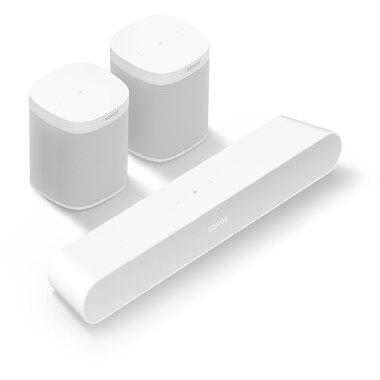
Consider the total system cost too. If you start with a Ray and eventually add Sonos's Sub Mini and rear speakers, you'll approach the AMBEO's price while gaining true wireless surround sound and multi-room capabilities. The AMBEO gives you everything upfront but locks you into a single-room solution.
The Sonos Ray shines in compact living situations. I've recommended it countless times for studio apartments, bedrooms, and small living rooms where space is at a premium. Its compact size means it won't overwhelm your setup visually, while still delivering that crucial dialogue clarity improvement that makes TV watching more enjoyable.
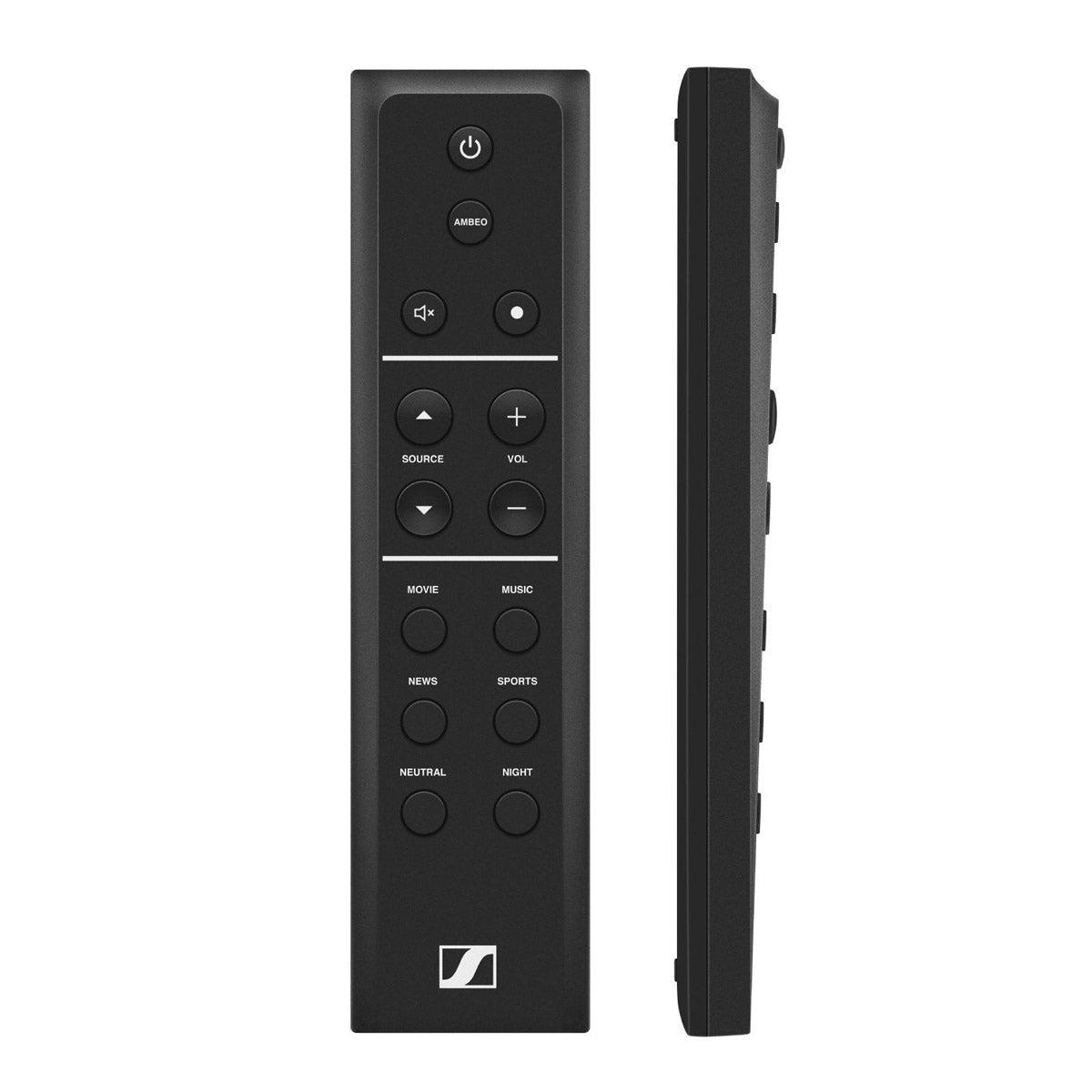
The night mode feature is particularly valuable in apartments – it reduces the dynamic range between quiet dialogue and loud sound effects, so you can watch action movies without disturbing neighbors.
For dedicated home theater spaces, the AMBEO makes more sense. Its size becomes an asset rather than a limitation, and you can take full advantage of its 3D audio capabilities. The room calibration works best in acoustically treated spaces where reflections can be controlled.
I've heard the AMBEO in properly set up home theaters, and the virtualization can be genuinely impressive. Sounds seem to move around the room in ways that single-soundbar solutions shouldn't be able to achieve.
Here's where long-term thinking becomes important. The Ray is designed as part of a larger ecosystem. You can start simple and add components over time – a subwoofer for deeper bass, rear speakers for true surround sound, or additional Sonos speakers for whole-home audio.
The AMBEO is a complete solution that doesn't expand in the traditional sense. You get everything upfront, which is both a strength (no future purchases required) and a limitation (no upgrade path).
The Ray's acoustic design centers around custom waveguides – precisely shaped chambers that control how sound disperses from the tweeters. This technology, borrowed from professional studio monitors, helps create a wide soundstage from a compact enclosure. The bass reflex system uses what Sonos calls "low-velocity port tuning" to minimize the whistling sounds that can plague small ported speakers.
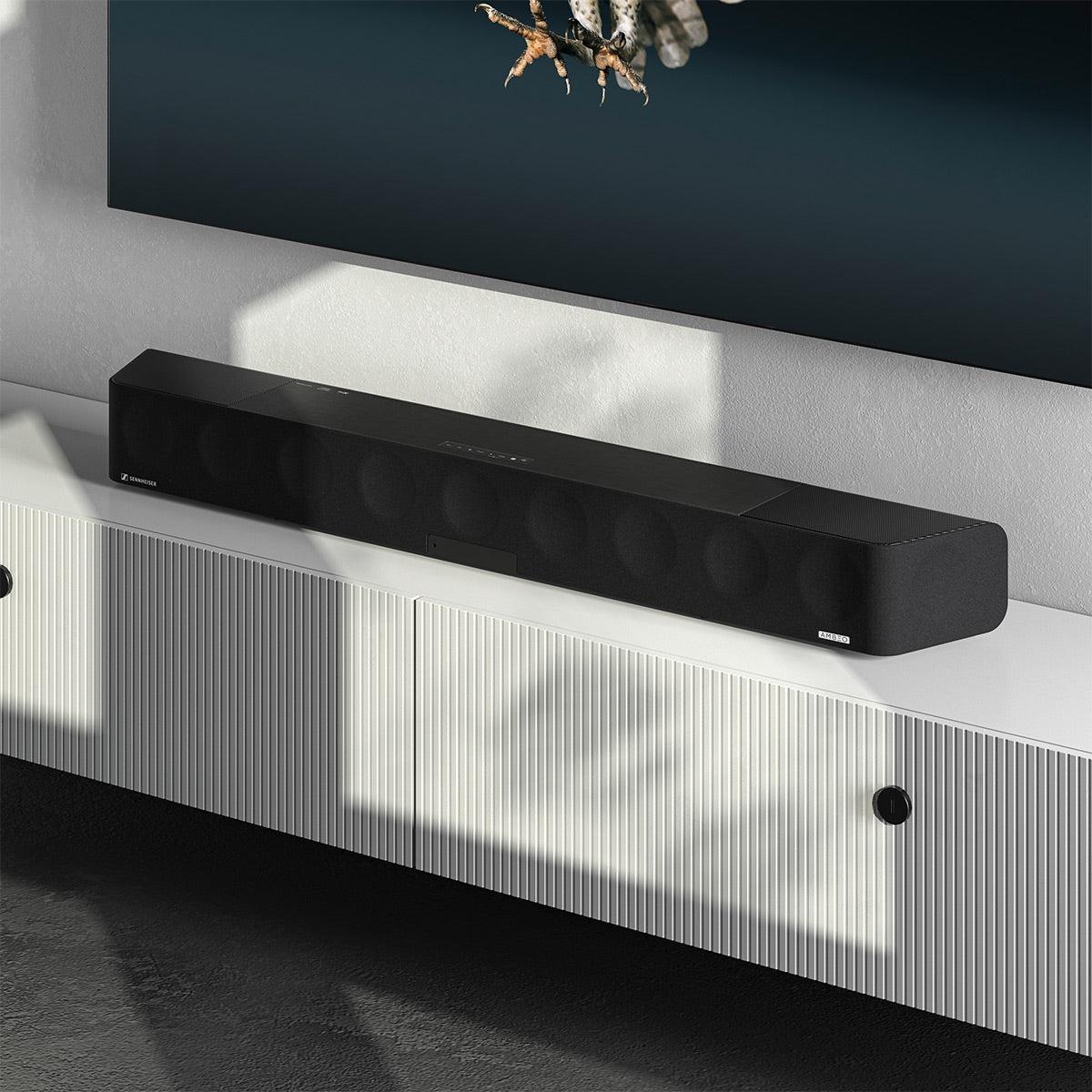
The AMBEO's complexity is staggering. Its 13 drivers include five aluminum dome tweeters, six long-throw woofers, and two full-range drivers positioned on top for height effects. The internal amplification provides dedicated power to each driver, allowing for precise control over the frequency response and dynamics.
Choose the Sonos Ray if you want meaningful TV audio improvement without complexity or massive expense. It's perfect for smaller rooms, apartment living, or as the foundation for a gradually built Sonos system. The dialogue clarity alone makes it worthwhile for most users, and the wireless streaming capabilities future-proof your investment.
Go with the Sennheiser AMBEO if you're serious about home theater performance and have the space and budget to support it. This is for users who want the best possible single-unit surround sound experience and don't mind paying premium prices for premium technology.
The $1,700+ price difference isn't just about features – it represents two completely different approaches to solving the "bad TV audio" problem. The Ray offers an elegant, expandable solution for everyday users, while the AMBEO provides uncompromising performance for audio enthusiasts.
Both soundbars excel in their intended roles, making this less about which is "better" and more about which philosophy matches your needs, space, and budget. In my experience, most users will be thrilled with the Ray's performance improvements, while the AMBEO serves the smaller audience seeking reference-level home theater audio in a single, sophisticated package.
| Sonos Ray Soundbar | Sennheiser AMBEO Soundbar |
|---|---|
| Audio Channels - Determines surround sound capability | |
| 2.0 stereo (downmixes surround content) | 5.1.4 discrete channels (true surround processing) |
| Bass Extension - How deep the low-end frequencies reach | |
| 43Hz (good for dialogue, limited movie impact) | 30Hz (full cinematic bass without external subwoofer) |
| Physical Size - Room compatibility and visual impact | |
| 22" × 3.75" × 2.8", 4.3 lbs (compact, apartment-friendly) | 49.6" × 6.7" × 5.3", 40.8 lbs (requires dedicated space) |
| Connectivity Options - How you'll connect your devices | |
| Optical input only (limited but wireless-focused) | Multiple HDMI with 4K passthrough (full home theater hub) |
| Room Correction - Optimizes sound for your specific space | |
| Trueplay (iOS devices only, simple setup) | Advanced auto-calibration (works with any device) |
| Dolby Atmos Support - 3D overhead sound effects | |
| Not supported (stereo only) | Full Dolby Atmos and DTS:X virtualization |
| Expandability - Future upgrade options | |
| Designed for Sonos ecosystem expansion | Complete standalone solution (no expansion path) |
| Wireless Streaming - Music and audio casting | |
| AirPlay 2, Spotify Connect, Wi-Fi (excellent integration) | Chromecast built-in, Bluetooth (basic streaming) |
| Power Output - Volume and dynamic range capability | |
| Moderate (suitable for small-medium rooms) | 500W total (fills large rooms with authority) |
| Setup Complexity - Getting optimal performance | |
| Simple plug-and-play (minimal adjustment needed) | Requires positioning optimization and calibration |
The Sonos Ray is specifically designed for smaller spaces with its compact 22-inch width and efficient acoustic design. Its smaller drivers and waveguide technology work well in apartments and bedrooms where space is limited. The Sennheiser AMBEO requires much more room to breathe at nearly 50 inches wide and performs best in larger dedicated spaces.
The Sonos Ray will benefit from adding Sonos's Sub Mini for deeper bass, as its compact size limits low-frequency output. The Sennheiser AMBEO includes dual built-in 4-inch subwoofers that extend down to 30Hz, eliminating the need for an external subwoofer in most home theater setups.
Both excel at dialogue clarity but use different approaches. The Sonos Ray uses Hollywood-tuned vocal processing and phantom center channel technology that works well for casual viewing. The AMBEO features a discrete center channel that provides more precise dialogue placement, especially beneficial for serious home theater use.
The Sonos Ray cannot process Dolby Atmos and will downmix surround content to stereo. The Sennheiser AMBEO fully supports Dolby Atmos and DTS:X with advanced virtualization technology that creates convincing 3D audio effects without requiring ceiling speakers.
The Sonos Ray offers only optical input but excels at wireless streaming with AirPlay 2 and Spotify Connect. The Sennheiser AMBEO provides multiple HDMI inputs with 4K passthrough, making it suitable as a central hub for connecting multiple devices like game consoles and Blu-ray players.
The Sonos Ray provides excellent value for users wanting their first significant TV audio upgrade without breaking the budget. The AMBEO offers premium performance and features at a much higher price point, making it worthwhile for serious home theater enthusiasts who want the best single-unit surround sound experience.
The Sonos Ray is designed for expansion within the Sonos ecosystem - you can add rear speakers and subwoofers over time. The Sennheiser AMBEO is a complete standalone solution that doesn't expand with additional speakers but includes everything needed for surround sound in one unit.
The Sennheiser AMBEO significantly outperforms the Ray in bass extension and impact, reaching down to 30Hz compared to the Ray's 43Hz limit. For movie watching where deep bass effects matter, the AMBEO provides a much more immersive experience without requiring additional subwoofers.
For serious home theater applications, the Sennheiser AMBEO is the clear winner with true surround sound processing, Dolby Atmos support, and cinema-quality bass response. The Sonos Ray works well for casual TV watching and can be expanded into a full surround system over time, but starts as a stereo-only solution.
We've done our best to create useful and informative comparisons to help you decide what product to buy. Our research uses advanced automated methods to create this comparison and perfection is not possible - please contact us for corrections or questions. These are the sites we've researched in the creation of this article: tomsguide.com - soundandvision.com - youtube.com - techradar.com - en.community.sonos.com - rtings.com - howtogeek.com - youtube.com - cnet.com - sonos.com - videoandaudiocenter.com - bestbuy.com - rtings.com - techradar.com - audioxpress.com - whathifi.com - upscaleaudio.com - soundstagesimplifi.com - global.sennheiser-hearing.com - sennheiser-hearing.com - audioadvice.com - abt.com - moon-audio.com

Privacy Policy
Terms and Conditions - Affiliate Policy
Home Security
© Copyright 2008-2026.
11816 Inwood Rd #1211, Dallas, TX 75244