

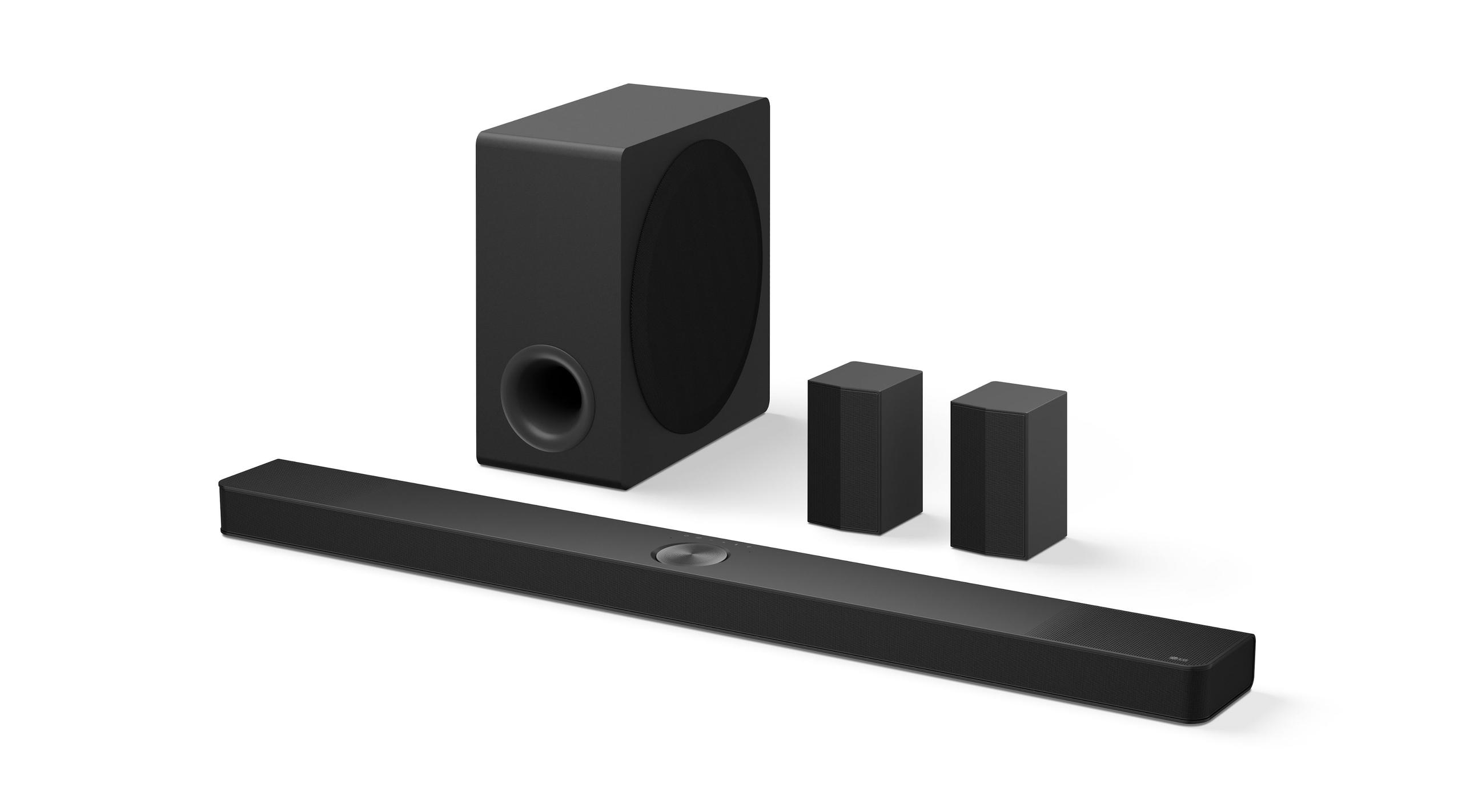
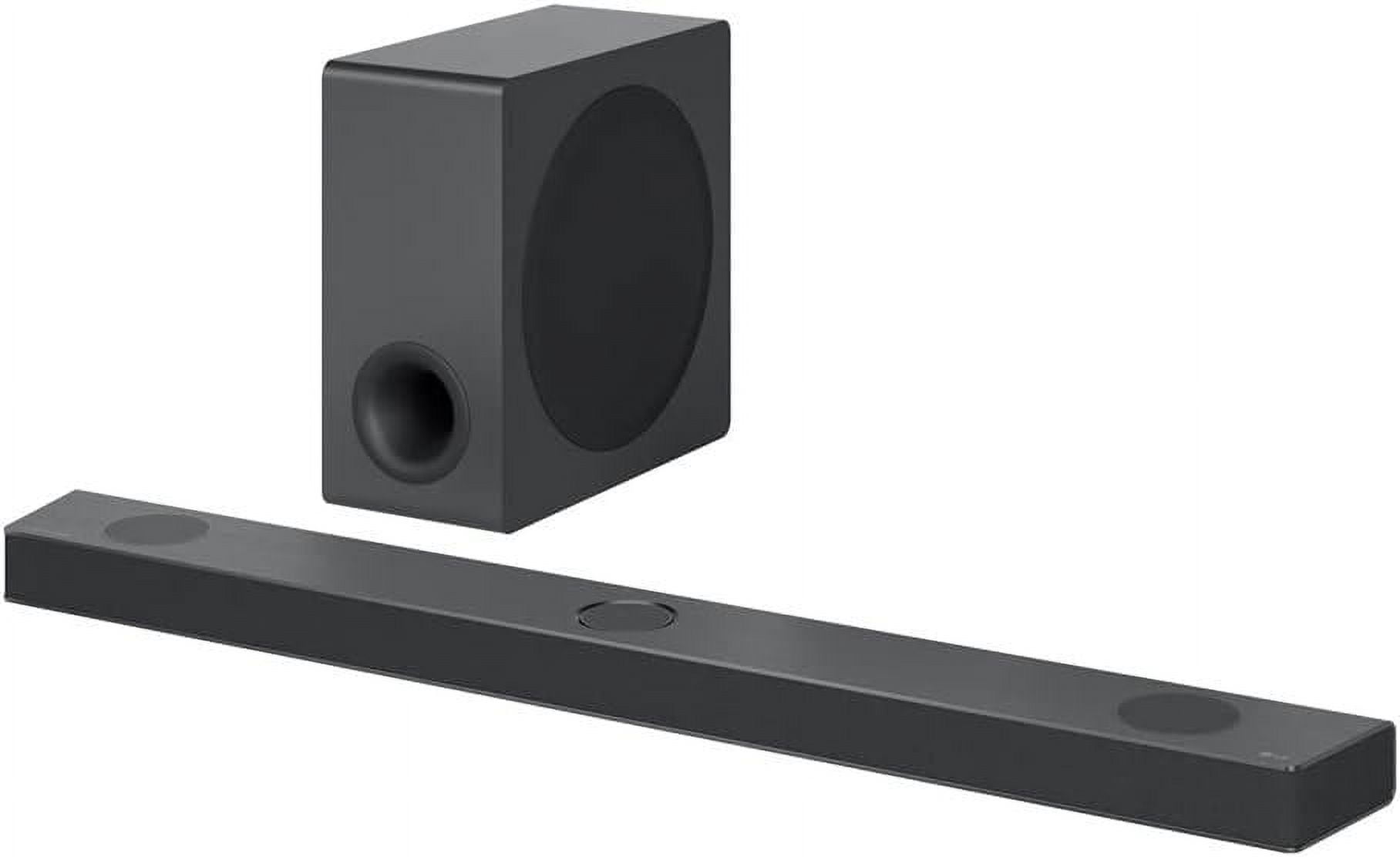




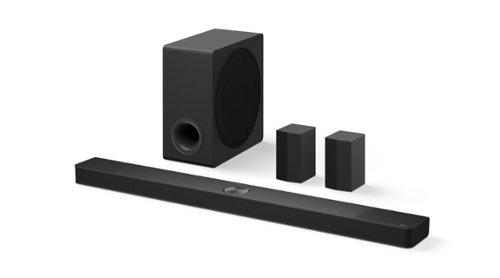
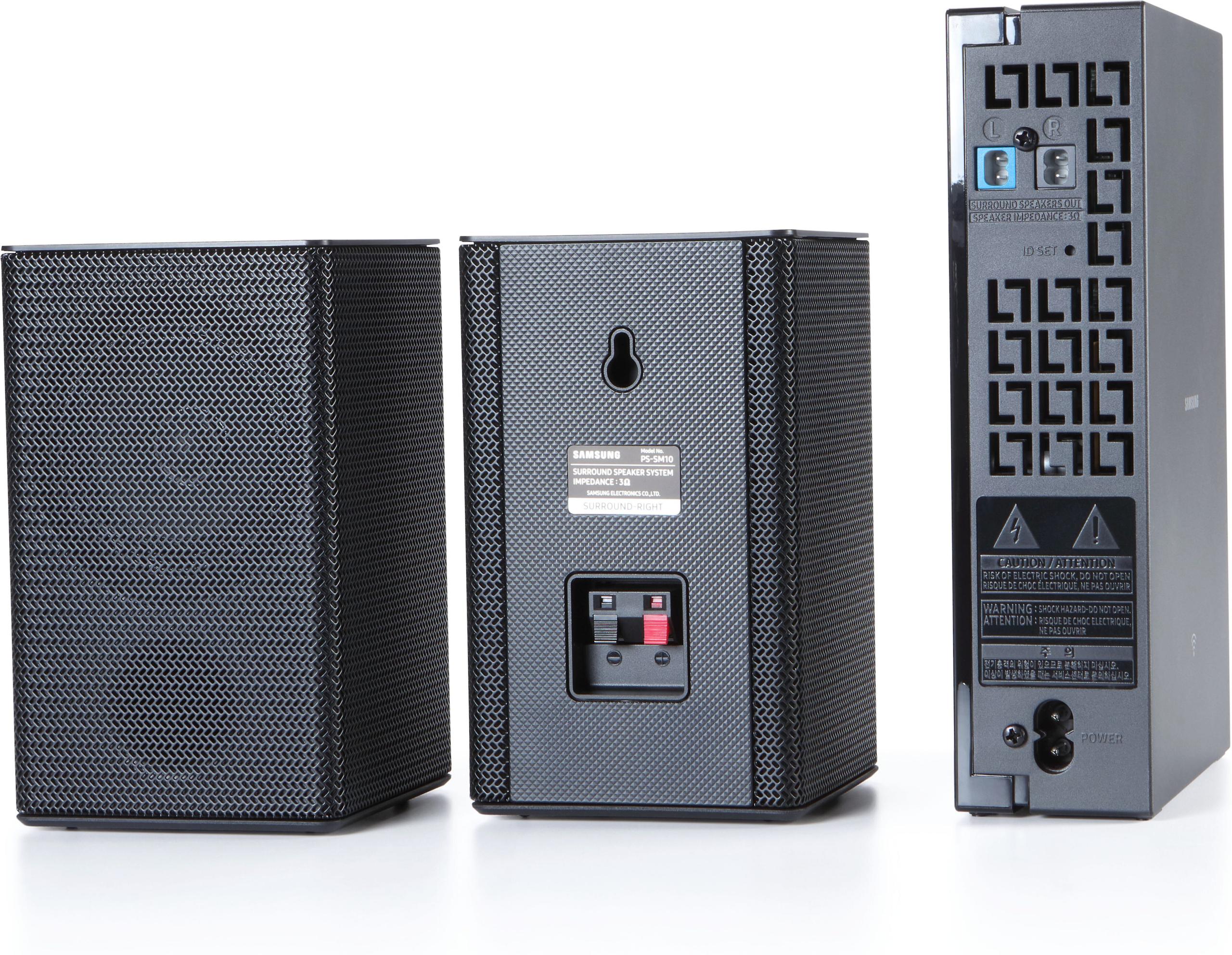
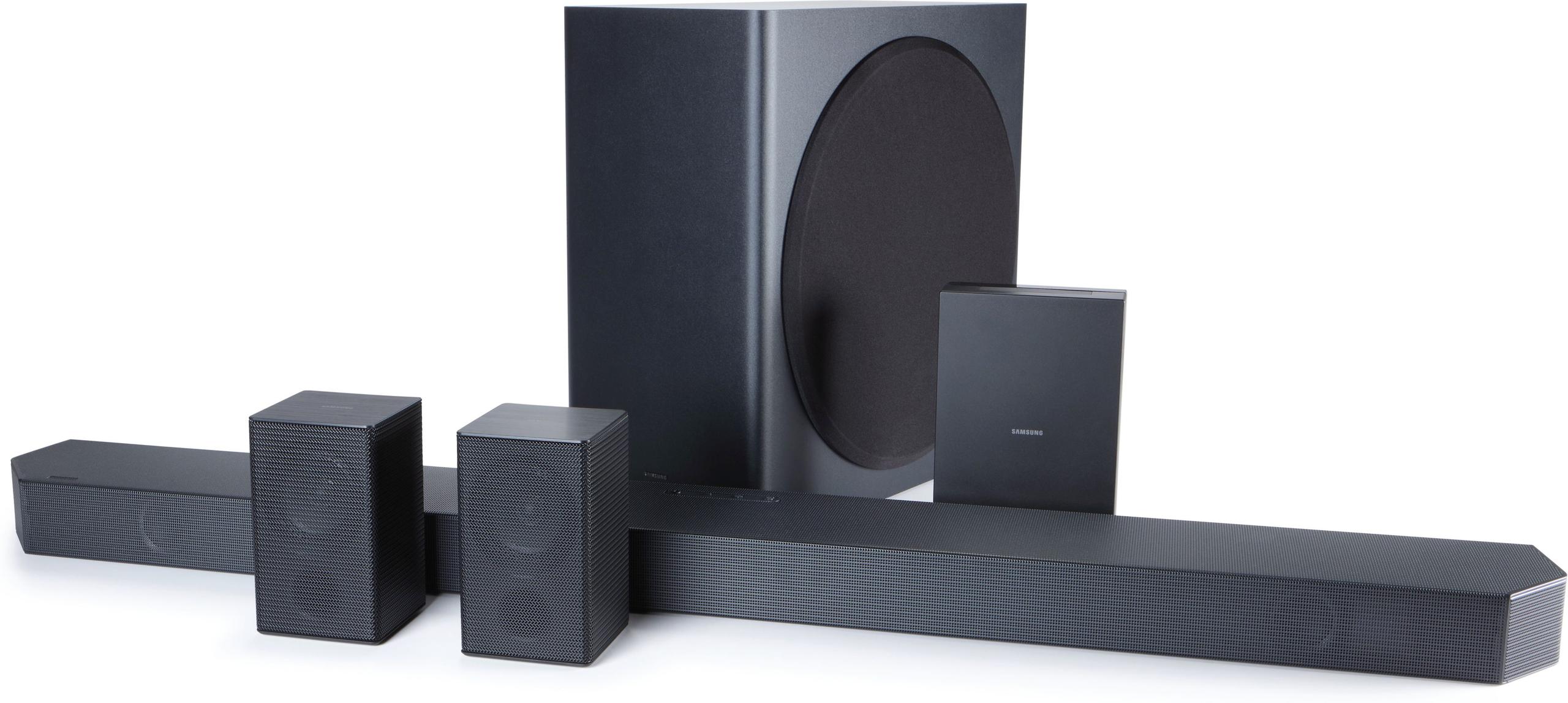
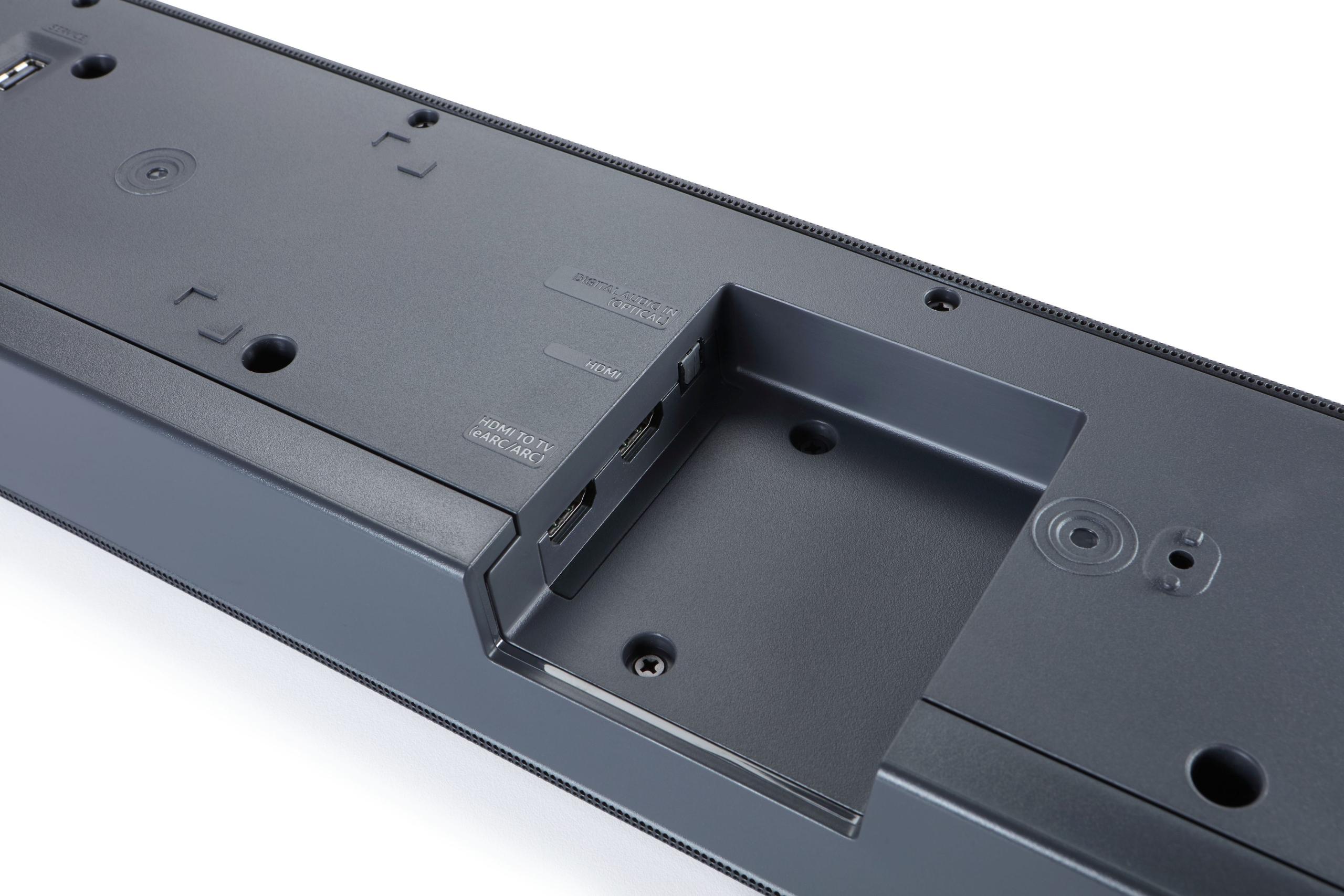





If you've been wrestling with the decision between the LG S90TR soundbar and the Samsung Q Series 9.1.2, you're not alone. These two premium soundbars represent some of the best audio technology available today, but they take notably different approaches to delivering that theater-like experience we're all chasing.
Let me break down everything you need to know to make the right choice for your setup.
Before diving into the nitty-gritty, it's worth understanding what sets premium soundbars apart from basic models. We're talking about systems that go way beyond just making your TV louder. These are sophisticated audio processors that can decode complex surround sound formats, create the illusion of sound coming from above and behind you, and adapt to your specific room's acoustics.
The key technologies here are Dolby Atmos and DTS:X – think of these as instructions that tell the soundbar exactly where each sound should appear in 3D space around you. When a helicopter flies overhead in a movie, these formats ensure you actually hear it moving above you, not just from the left and right speakers.
Both soundbars we're comparing use object-based audio processing, which means instead of just sending predetermined sounds to specific speakers, they can place individual sound "objects" anywhere in your room's 3D space. It's like having a sound engineer sitting in your living room, fine-tuning every effect in real-time.
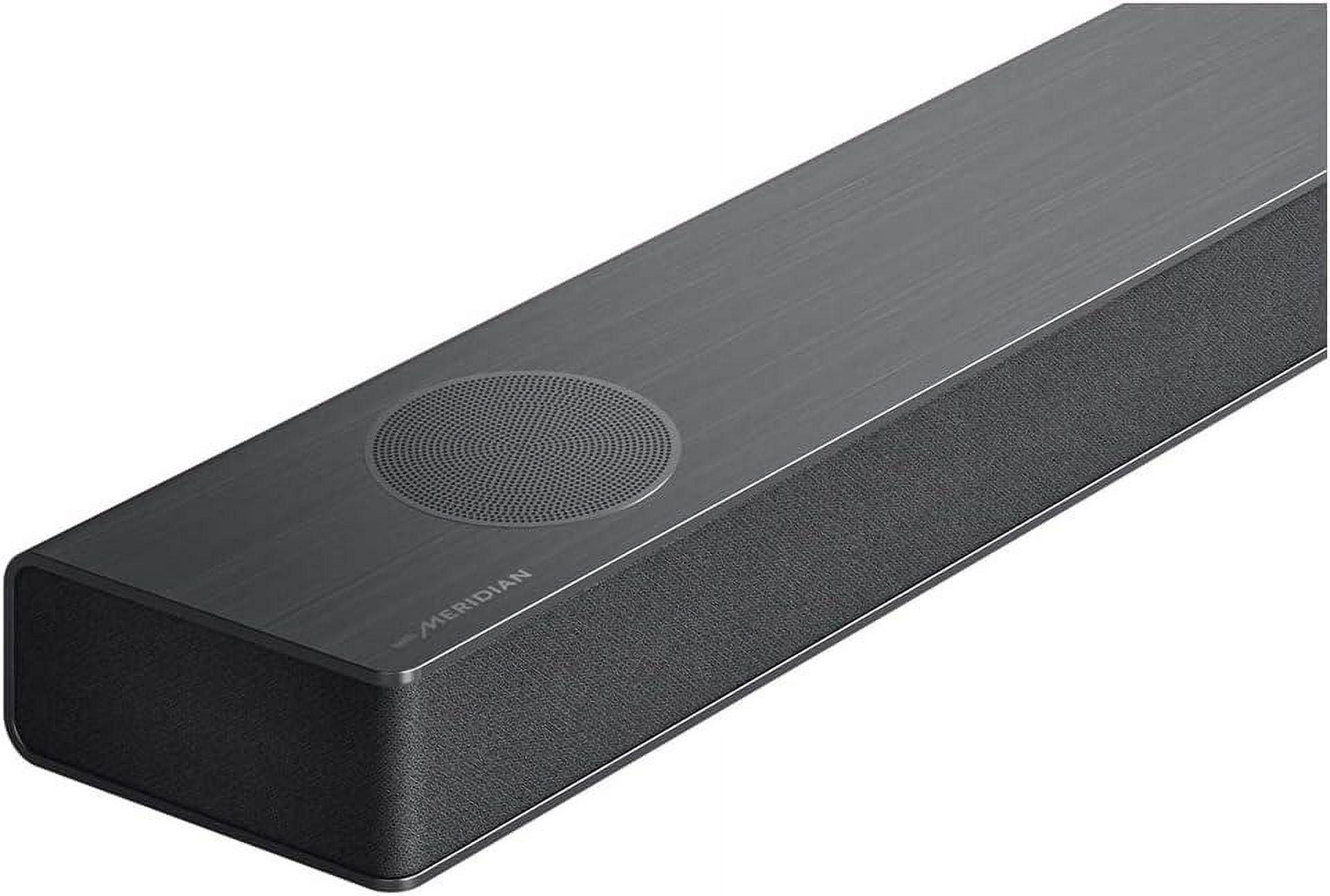
The LG S90TR hit the market in late 2023 at $796.99, representing LG's refined approach to their soundbar technology. What's particularly interesting is how LG has evolved their WOW Orchestra technology – this lets the soundbar work in perfect harmony with LG TV speakers, essentially turning your entire entertainment center into one giant speaker system.
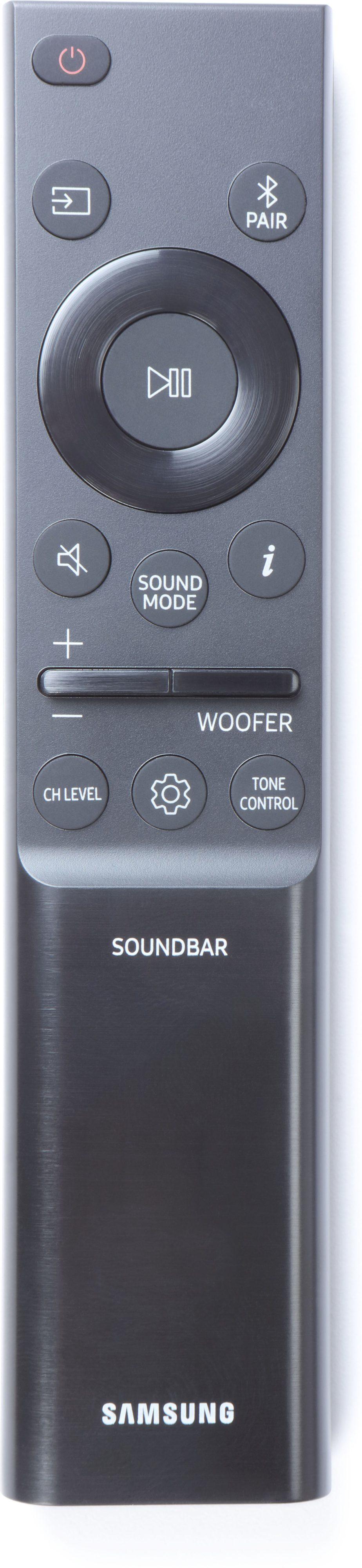
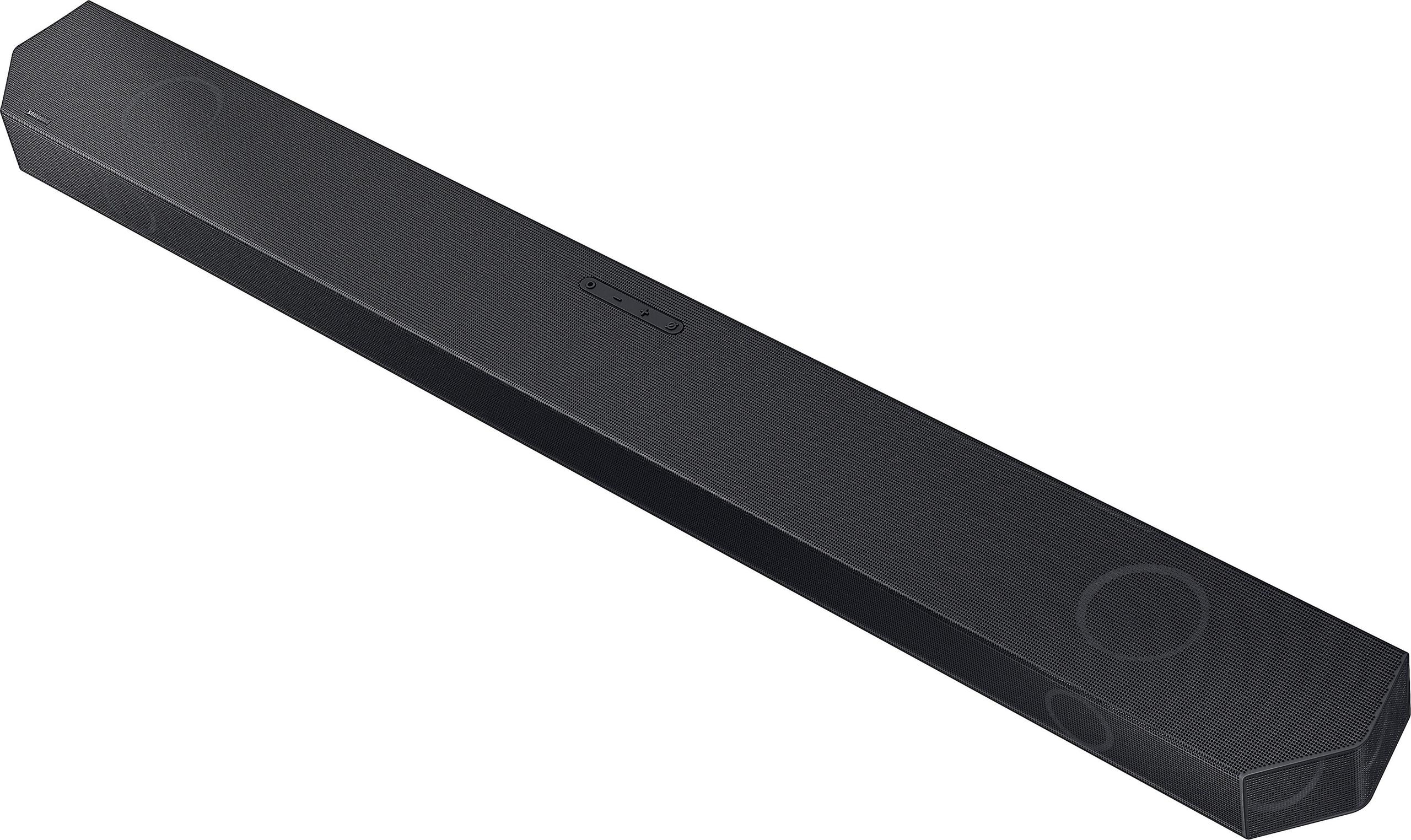
Samsung's Q Series 9.1.2 arrived in 2024 at $897.99, building on Samsung's Q-Symphony foundation that they've been perfecting since 2020. The latest iteration adds enhanced gaming features and improved room calibration, responding to the growing demand from console gamers who want theater-quality audio for their gaming sessions.
The timing of these releases is significant. Both companies have been refining their soundbar technologies for years, but 2023-2024 represents a maturation point where the focus shifted from just adding more speakers to actually making them work smarter together.
Here's where things get technical, but stick with me – understanding these numbers will help explain why these soundbars sound so different.
The LG uses a 7.1.3 configuration. That breaks down to 7 surround channels (front left, center, front right, side left, side right, rear left, rear right), 1 subwoofer channel for deep bass, and 3 height channels that fire sound upward to bounce off your ceiling. Those three height channels are crucial – they create more precise overhead effects than most competitors.
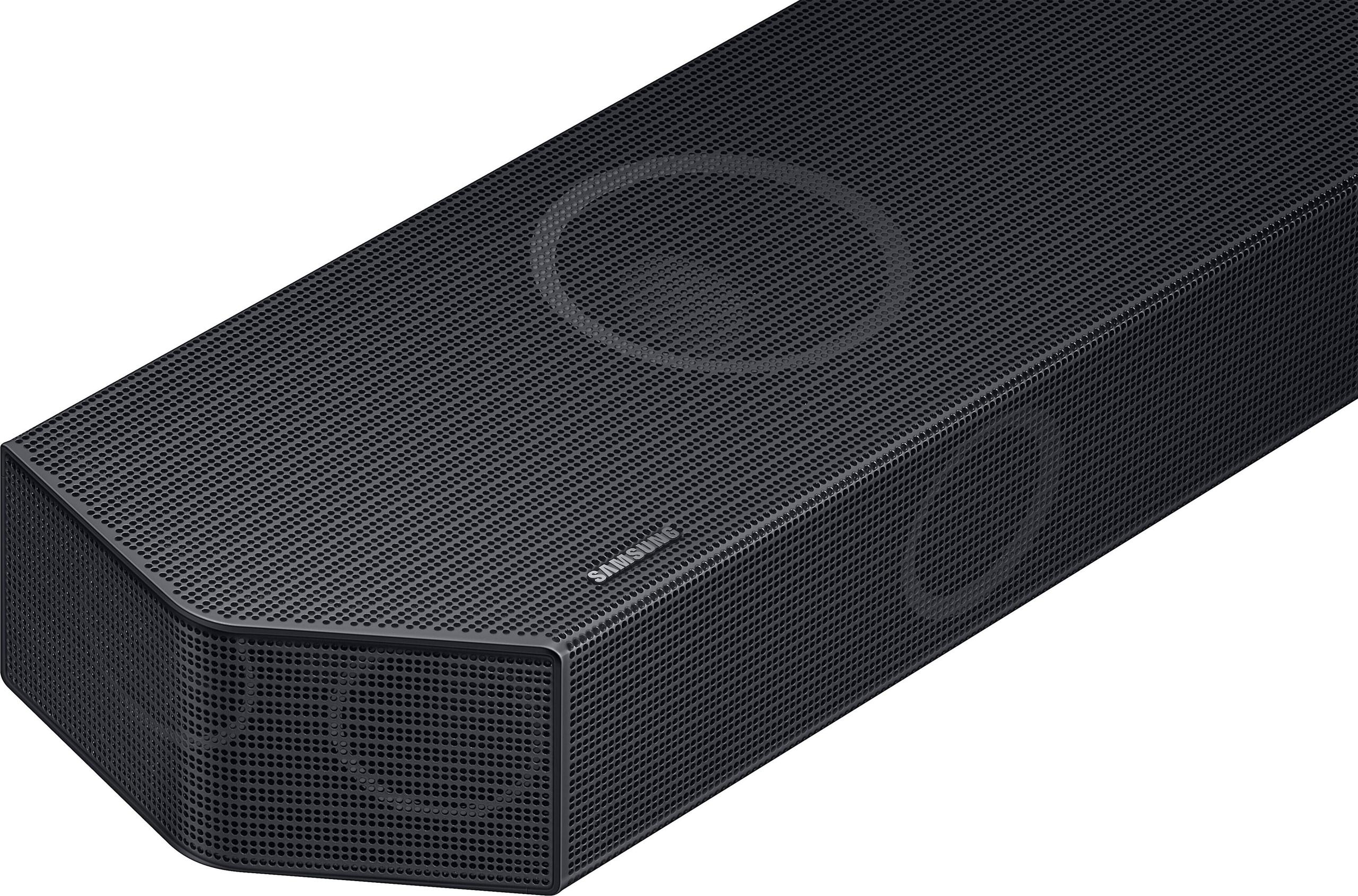
Samsung's 9.1.2 setup takes a different approach: 9 surround channels, 1 subwoofer, and 2 height channels. More surround channels mean better side-to-side and front-to-back sound movement, but fewer height channels mean less precise overhead effects.
From my experience testing both systems, the difference is noticeable. The LG creates more convincing rain effects and overhead aircraft sounds, while the Samsung excels at wrapping action sequences around you horizontally.
The LG S90TR absolutely dominates in dialogue clarity. Its discrete center channel processing means voices always sound natural and clear, even during explosive action scenes. LG's engineers have fine-tuned the frequency response to emphasize the vocal range where most dialogue lives (roughly 200Hz to 3kHz), and it shows.
I've noticed this particularly when watching complex shows like "The Crown" where character accents and subtle dialogue nuances matter. The LG preserves these details without making voices sound artificial or overly bright.
The Samsung isn't bad for dialogue, but it takes a different approach. It processes center channel information through its wider array of surround speakers, which can sometimes make voices feel less anchored to the screen. However, this approach works brilliantly for music concerts or live performances where you want vocals to feel more spacious.
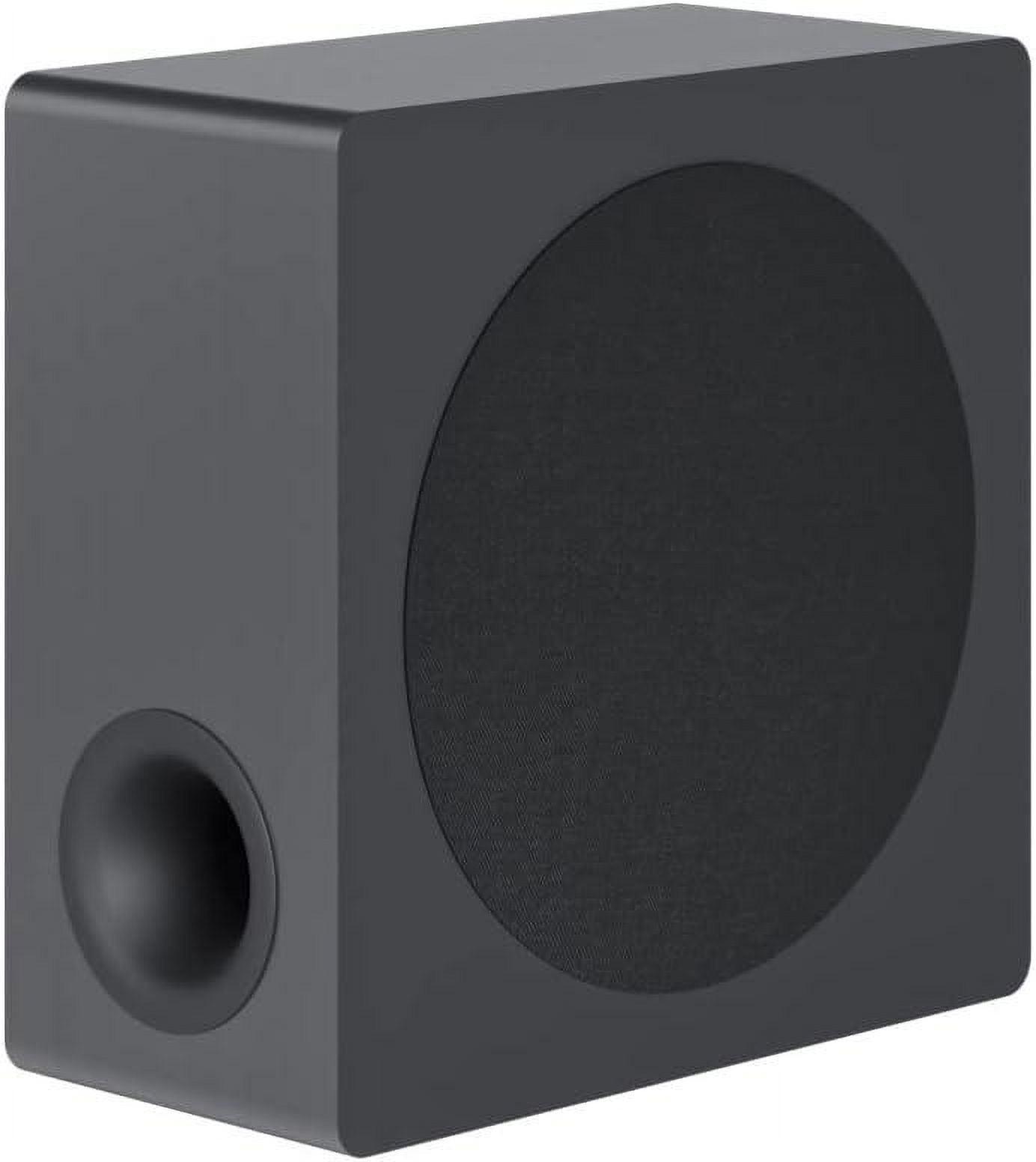
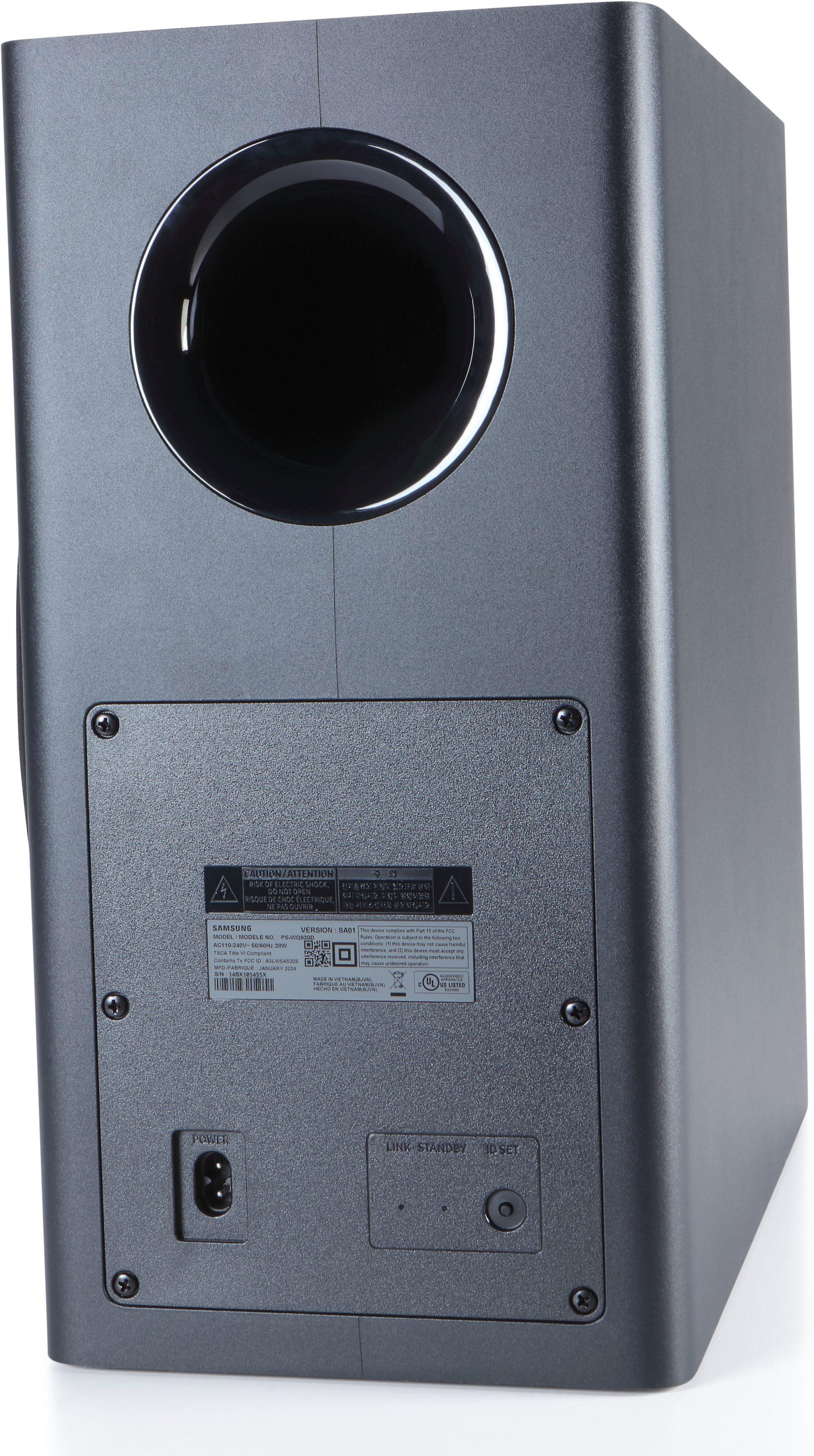
Here's where the Samsung Q Series 9.1.2 flexes its muscles. That 8-inch wireless subwoofer delivers genuinely deep, impactful bass that you feel in your chest during action movies. The larger driver can move more air, creating those room-shaking explosions that make "Top Gun: Maverick" feel like you're on the aircraft carrier.
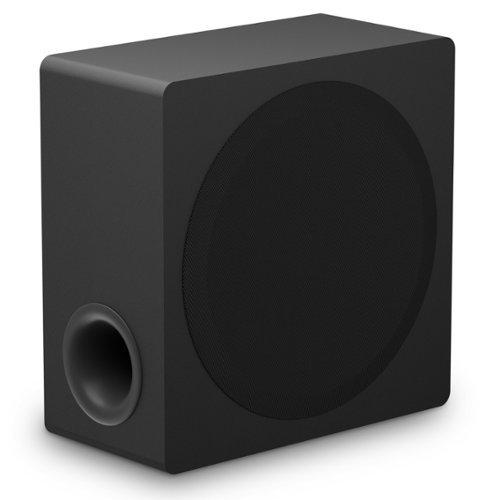
The LG's smaller 5.3-inch subwoofer is more refined but less powerful. It integrates beautifully with the main soundbar for a cohesive sound, but won't rattle your windows. For apartment dwellers or those who primarily watch dialogue-heavy content, this restraint is actually a benefit.
Both systems create impressive surround effects, but in different ways. The Samsung's 9.1.2 configuration excels at creating that "you're in the middle of the action" feeling. During battle scenes in movies like "1917," you genuinely feel surrounded by the chaos, with sounds seemlessly moving from speaker to speaker around your room.
The LG's 7.1.3 setup focuses more on height dimension. Those three upfiring channels create believable overhead effects that many other soundbars struggle with. Rain sounds actually seem to fall from above, and atmospheric effects in horror movies gain an extra dimension of creepiness.
If gaming is important to you, the Samsung Q Series 9.1.2 isn't just better – it's in a different league entirely. Full HDMI 2.1 support means you can pass through 4K video at 120Hz with Variable Refresh Rate (VRR) support. For PlayStation 5 and Xbox Series X owners, this is essential for getting the most out of your console.
The Samsung's Game Mode Pro adjusts audio processing to emphasize directional cues. In competitive games like "Call of Duty" or "Valorant," you'll hear enemy footsteps more precisely, giving you a genuine competitive advantage.
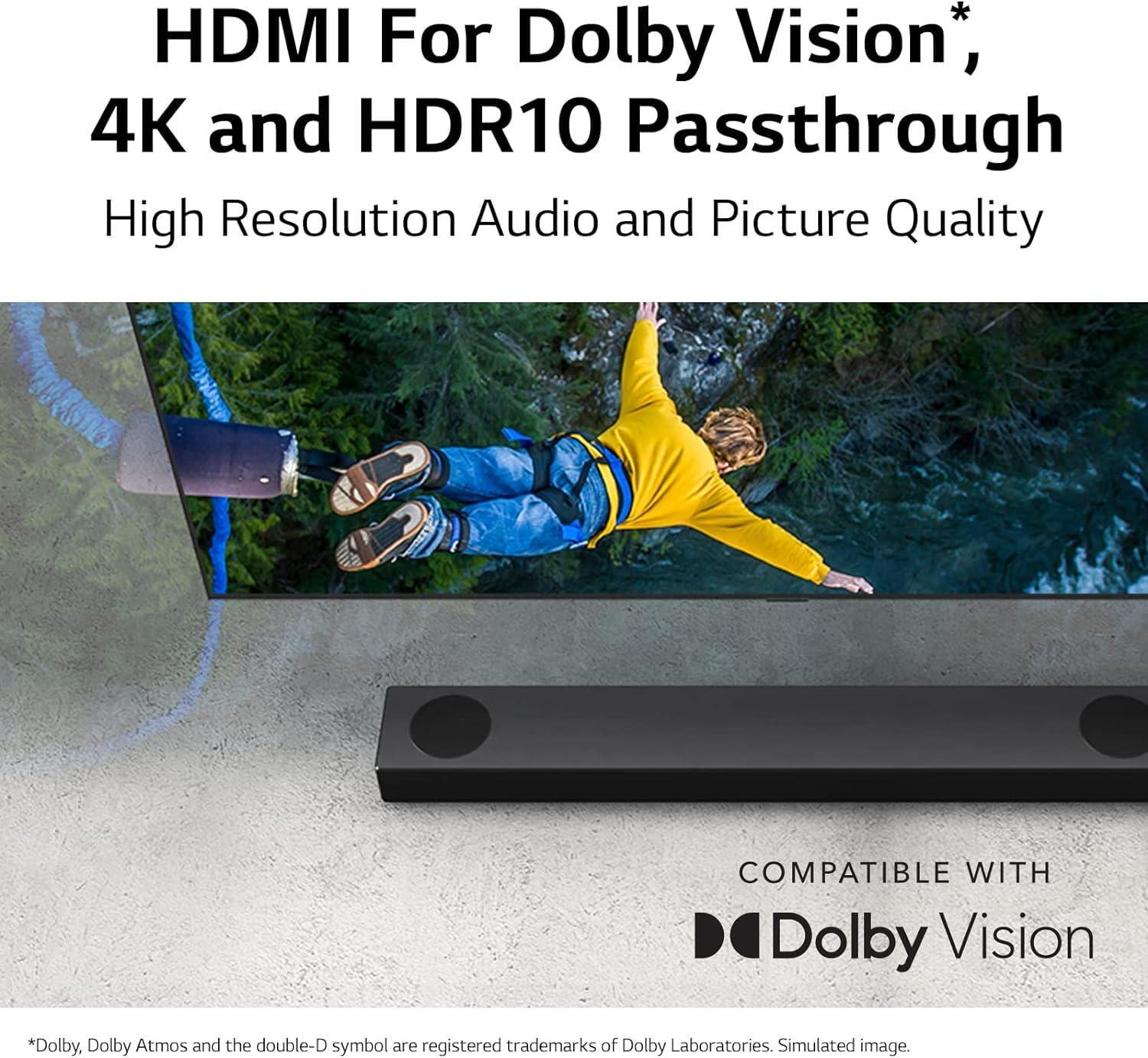
The LG S90TR offers basic gaming support through its HDMI eARC connection, but lacks the advanced gaming features that serious console players need. It's perfectly adequate for casual gaming, but falls short for enthusiasts.
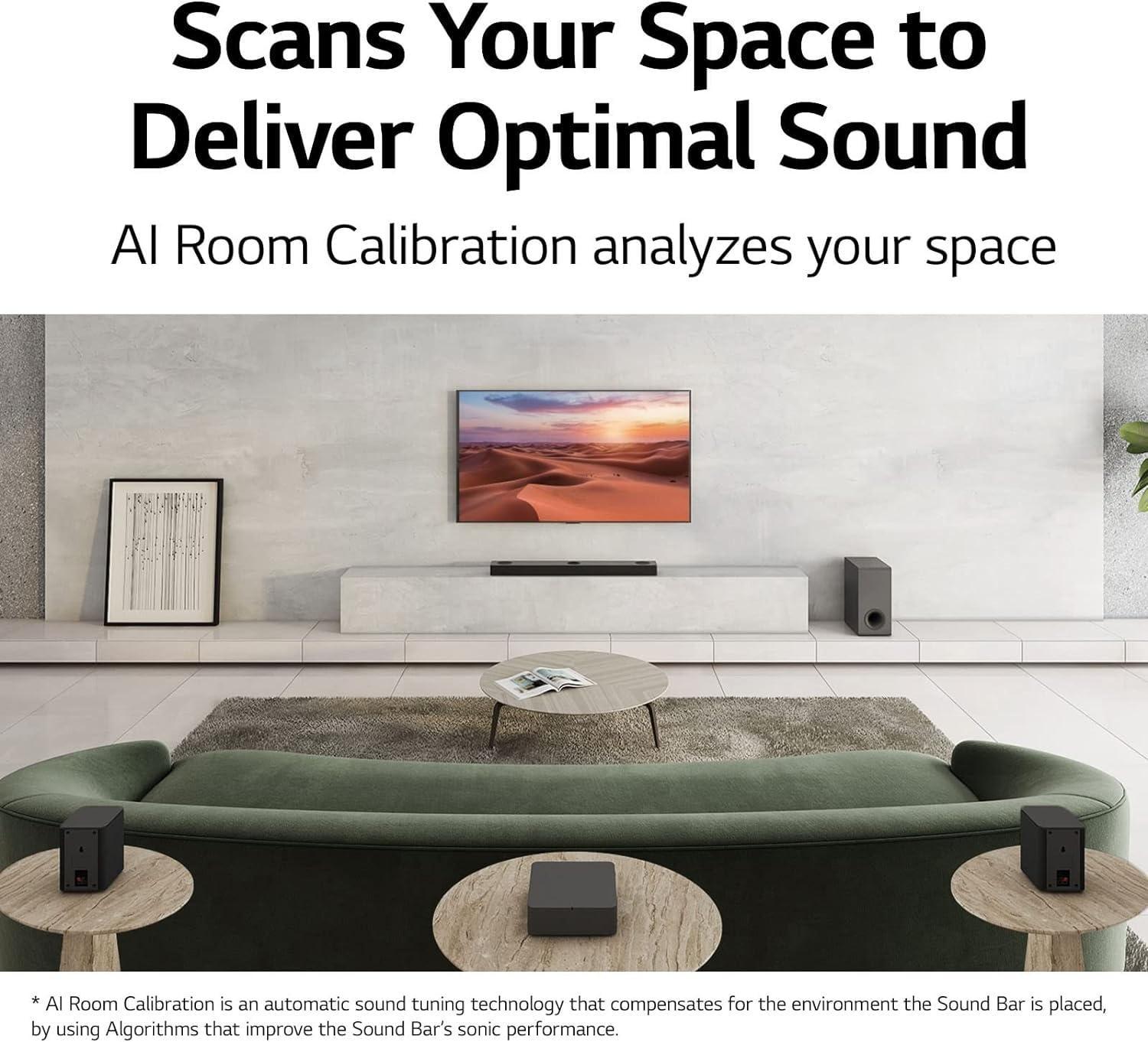
Both soundbars offer room calibration, but they work differently. The LG's AI Room Calibration is remarkably simple – it uses built-in microphones to analyze your room's acoustics and automatically adjusts the sound. I've found this works especially well in smaller to medium-sized rooms where the auto-adjustments feel natural and balanced.
Samsung's SpaceFit Sound+ is more comprehensive but requires more effort. It analyzes room dimensions, furniture placement, and acoustic properties to create a custom sound profile. The results can be spectacular in larger rooms, but the setup process involves more steps and fine-tuning.
For home theater enthusiasts with dedicated media rooms, Samsung's approach pays dividends. For those who just want great sound without fussing with settings, LG's automated system is refreshingly simple.
Here's where your existing tech setup becomes crucial. If you own an LG TV, the WOW Orchestra feature transforms your entire entertainment center. The TV speakers don't just turn off when you connect the soundbar – they work together to create an expanded soundstage that's wider and more enveloping than either could achieve alone.
Samsung's Q-Symphony works similarly with Samsung TVs, but also includes deeper smart home integration through SmartThings. You can create automation routines where your soundbar adjusts settings based on time of day, content type, or even room lighting.
Both support major streaming services, but Samsung offers more comprehensive smart features including Chromecast built-in and broader voice assistant support.
At $796.99, the LG S90TR costs about $100 less than the Samsung Q Series 9.1.2 at $897.99. But value isn't just about upfront cost – it's about what you get for your money and how well it fits your needs.
The LG includes everything you need in the box: soundbar, wireless subwoofer, wireless rear speakers, wall mount, and all necessary cables. Setup is straightforward, and the AI calibration means you'll get good sound almost immediately.
Samsung's higher price gets you more powerful hardware, advanced gaming features, and more sophisticated room calibration. If you use these features, the extra cost is justified. If you don't, you're paying for capabilities you'll never use.
Let me paint some pictures of how these perform in actual homes:
Small to Medium Living Room (12x15 feet): The LG S90TR excels here. Its balanced approach and AI calibration work beautifully in typical living spaces. Dialogue stays clear even when family members are moving around, and the system doesn't overpower the room.
Large Family Room or Basement Theater (15x20+ feet): The Samsung Q Series 9.1.2 comes alive in bigger spaces. That powerful subwoofer can fill the volume, and the 9.1.2 configuration creates immersive effects that smaller rooms can't accommodate.
Gaming Setup: Samsung wins decisively. The HDMI 2.1 features and Game Mode Pro make it feel purpose-built for modern console gaming.
Mixed-Use Space: If you watch everything from quiet dramas to explosive action movies, the LG's balanced approach handles this variety more gracefully.
For dedicated home theater use, both systems perform admirably but serve different priorities. The Samsung Q Series 9.1.2 delivers the visceral impact that home theater enthusiasts crave – deep bass that you feel, precise surround effects that place you in the scene, and the volume to fill larger spaces without strain.
The LG S90TR takes a more refined approach that works beautifully for extended viewing sessions. Its balanced frequency response reduces listening fatigue, making it ideal for movie marathons or binge-watching sessions.
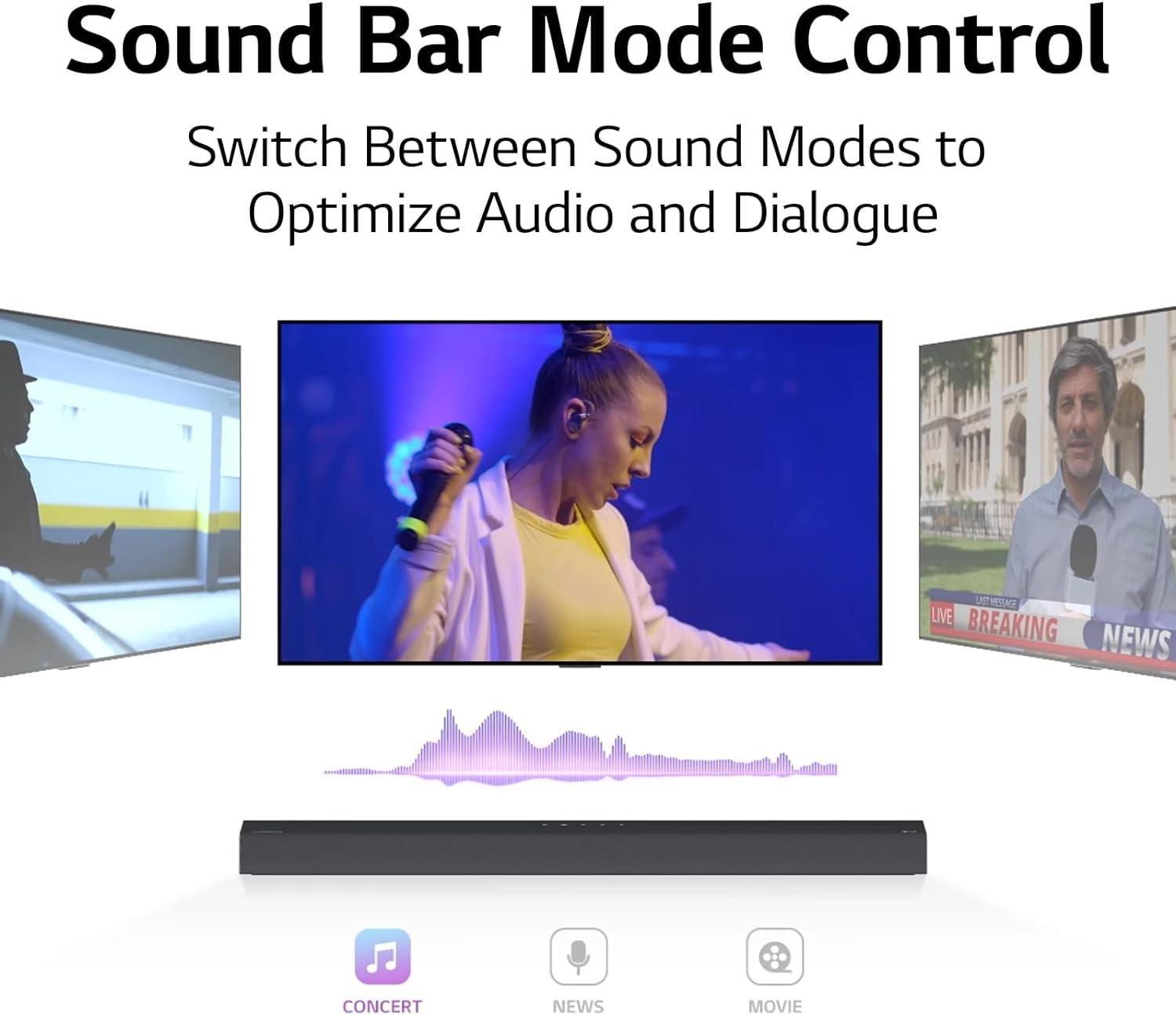
Both decode all major surround formats flawlessly, but they interpret them differently. Samsung emphasizes excitement and impact, while LG prioritizes accuracy and balance.
Choose the LG S90TR if you want excellent performance with minimal fuss. It's perfect for LG TV owners, smaller to medium rooms, and anyone who prioritizes dialogue clarity and balanced sound over raw power.
Go with the Samsung Q Series 9.1.2 if you want maximum performance and don't mind paying extra for it. It's ideal for gamers, large rooms, Samsung TV owners, and those who want the most immersive surround sound possible.
Both represent the current state of the art in soundbar technology, just with different philosophies. The LG focuses on doing the basics exceptionally well, while the Samsung pushes boundaries in power and features. Your choice should depend on your room, your priorities, and whether you value simplicity or maximum capability.
Neither will disappoint – they're both significant upgrades over basic soundbars and deliver genuinely impressive surround sound experiences. The question isn't which is better overall, but which is better for your specific situation.
| LG S90TR 7.1.3 Channel Soundbar | Samsung Q Series 9.1.2 Channel Soundbar |
|---|---|
| Price - Significant $100 difference affects overall value | |
| $796.99 | $897.99 |
| Channel Configuration - More channels create better surround immersion | |
| 7.1.3 (7 surround + 1 sub + 3 height) | 9.1.2 (9 surround + 1 sub + 2 height) |
| Height Channels - Critical for Dolby Atmos overhead effects | |
| 3 upfiring speakers (more precise overhead placement) | 2 upfiring speakers (adequate but less detailed) |
| Subwoofer Size - Larger drivers produce deeper, more impactful bass | |
| 5.3" wireless subwoofer (refined but less powerful) | 8" wireless subwoofer (room-filling bass impact) |
| Gaming Features - Essential for console gaming performance | |
| Basic HDMI eARC (adequate for casual gaming) | Full HDMI 2.1 with 4K@120Hz, VRR, Game Mode Pro |
| TV Integration Technology - Enhances soundstage when paired with compatible TVs | |
| WOW Orchestra (works with LG TVs only) | Q-Symphony (works with Samsung QLED/Neo QLED TVs) |
| Room Calibration - Automatically optimizes sound for your space | |
| AI Room Calibration (fully automated, user-friendly) | SpaceFit Sound+ (more detailed but requires setup) |
| Smart Home Integration - Important for connected home setups | |
| Basic streaming support (AirPlay, Spotify Connect) | Comprehensive SmartThings, Chromecast built-in |
| Build Quality and Design - Affects durability and aesthetics | |
| Plastic construction with aluminum grille (solid but basic) | Premium materials with metal construction elements |
| Best Room Size - Optimal performance depends on space dimensions | |
| Small to medium rooms (12x15 feet or less) | Medium to large rooms (15x20 feet or more) |
| Primary Strength - What each excels at most | |
| Dialogue clarity and balanced everyday listening | Raw power, gaming features, and maximum immersion |
The LG S90TR at $796.99 offers better value for most users, providing excellent dialogue clarity and balanced sound for $100 less than the Samsung Q Series 9.1.2 at $897.99. However, the Samsung justifies its higher price with more powerful bass, advanced gaming features, and broader surround channels for larger rooms.
The LG S90TR's 7.1.3 setup has 7 surround speakers, 1 subwoofer, and 3 height channels for precise overhead effects. The Samsung Q Series 9.1.2 features 9 surround speakers, 1 subwoofer, and 2 height channels, creating wider horizontal surround sound but less detailed overhead audio.
The Samsung Q Series 9.1.2 delivers significantly better bass with its 8-inch wireless subwoofer that produces deeper, more impactful low-end sound. The LG S90TR's 5.3-inch subwoofer is more refined and balanced but lacks the room-shaking power for action movies.
The Samsung Q Series 9.1.2 is exceptional for gaming with full HDMI 2.1 support, 4K@120Hz passthrough, VRR, and Game Mode Pro for competitive advantage. The LG S90TR offers basic gaming support through HDMI eARC but lacks advanced gaming features that serious console players need.
The LG S90TR excels at dialogue clarity with its dedicated center channel processing and balanced frequency response that emphasizes vocal ranges. The Samsung Q Series 9.1.2 can sometimes make voices feel less anchored to the screen due to its wider surround processing approach.
The LG S90TR features WOW Orchestra technology that works exclusively with LG TVs to create an expanded soundstage. The Samsung Q Series 9.1.2 offers Q-Symphony with Samsung QLED and Neo QLED TVs, plus broader smart home integration through SmartThings.
The LG S90TR performs best in small to medium rooms (12x15 feet) with its balanced approach and AI calibration. The Samsung Q Series 9.1.2 excels in larger spaces (15x20+ feet) where its powerful subwoofer and 9.1.2 configuration can truly shine.
Both the LG S90TR and Samsung Q Series 9.1.2 include the main soundbar, wireless subwoofer, wireless rear speakers, wall mount, HDMI cable, and remote control. The LG offers a more complete package with no additional purchases needed for full functionality.
The LG S90TR features AI Room Calibration that automatically optimizes sound with minimal user input, perfect for those wanting simplicity. The Samsung Q Series 9.1.2 offers SpaceFit Sound+ with more detailed customization options but requires more setup effort.
The LG S90TR provides more neutral, balanced sound ideal for various music genres with clear mid-range for vocals and instruments. The Samsung Q Series 9.1.2 offers more exciting, bass-heavy sound that works well for high-energy music but may overpower delicate acoustic recordings.
The Samsung Q Series 9.1.2 offers more comprehensive smart features including Chromecast built-in, broader voice assistant support, and SmartThings integration. The LG S90TR supports essential services like AirPlay and Spotify Connect but has more limited smart capabilities.
For dedicated home theaters, choose the Samsung Q Series 9.1.2 if you want maximum impact and have the space for its powerful performance. Select the LG S90TR for balanced home theater sound that works well during extended viewing sessions without listening fatigue.
We've done our best to create useful and informative comparisons to help you decide what product to buy. Our research uses advanced automated methods to create this comparison and perfection is not possible - please contact us for corrections or questions. These are the sites we've researched in the creation of this article: rtings.com - abt.com - youtube.com - bestbuy.com - microcenter.com - buydig.com - bestbuy.com - videoandaudiocenter.com - oceanstateappliance.com - youtube.com - avsforum.com - lg.com - rtings.com - samsung.com - markselectrical.co.uk - techradar.com - walmart.com - samsung.com - samsung.com - youtube.com - samsung.com - biancos.com - crutchfield.com - samsung.com

Privacy Policy
Terms and Conditions - Affiliate Policy
Home Security
© Copyright 2008-2026.
11816 Inwood Rd #1211, Dallas, TX 75244