




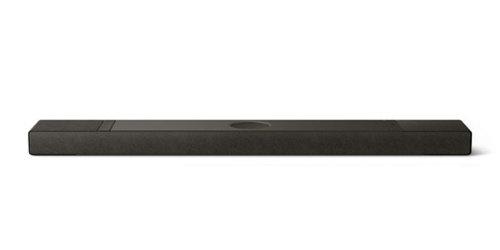
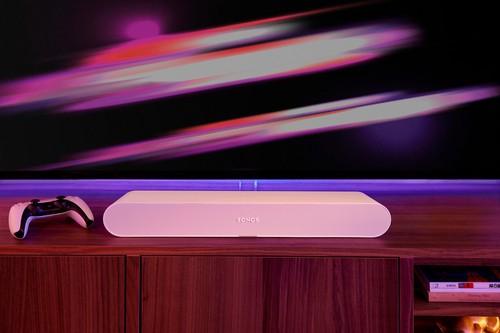
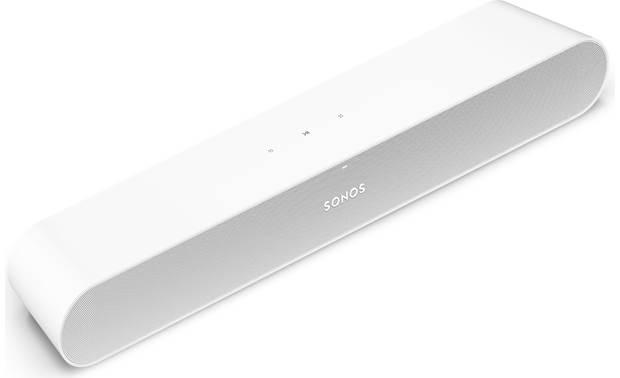

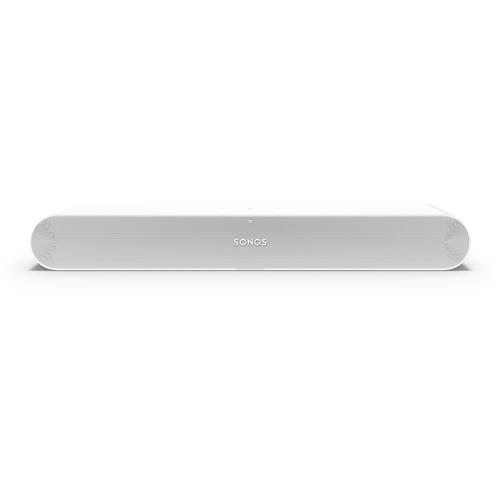

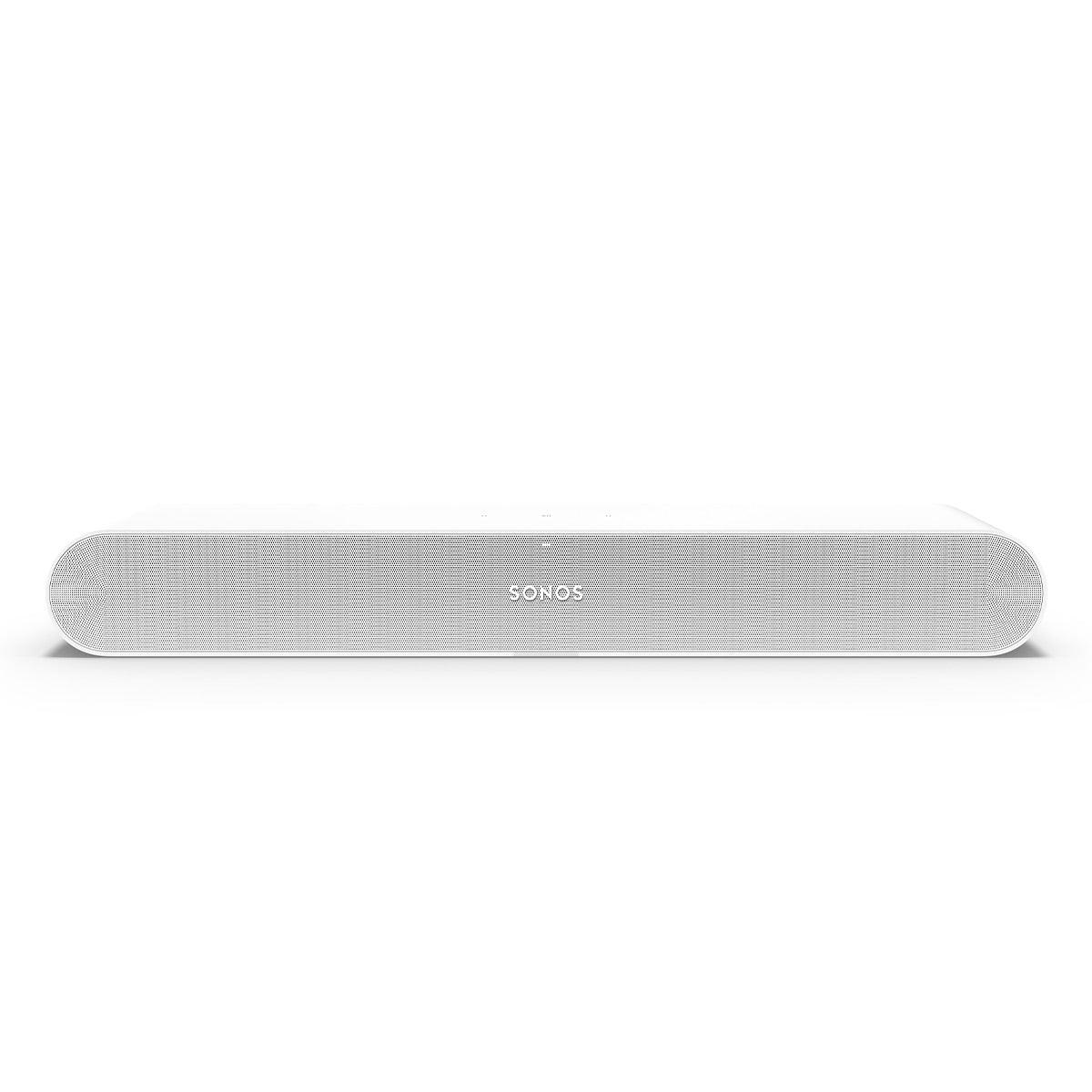
When I first started exploring soundbars several years ago, the category felt overwhelming. Today, it's even more complex, with options ranging from basic TV audio upgrades to sophisticated home theater replacements. Two products that perfectly illustrate this spectrum are the Sonos Ray and the KEF XIO – soundbars that couldn't be more different in their approach, yet both excel in their respective categories.
Before diving into specifics, let's talk about what actually matters when choosing a soundbar. At its core, a soundbar should dramatically improve your TV's audio – most built-in TV speakers are frankly terrible due to space constraints and cost-cutting. But beyond that basic requirement, soundbars serve different purposes for different people.
The most important performance metrics I consider are dialogue clarity (can you understand what actors are saying?), bass response (does it have enough low-end punch for movies?), soundstage width (does the audio feel bigger than the bar itself?), and maximum volume without distortion. Then there are practical considerations: connectivity options, room size compatibility, and whether it fits your existing setup.
At the time of writing, soundbars range from under $300 for basic models to over $2,000 for premium options. The Sonos Ray sits at the budget-friendly end, while the KEF XIO commands premium pricing that reflects its audiophile engineering.
The Sonos Ray, released in 2022, arrived as Sonos's answer to the entry-level soundbar market. This was significant because Sonos had previously focused on more expensive options. The Ray represented their recognition that many people simply wanted better TV audio without the complexity or cost of their higher-end models.
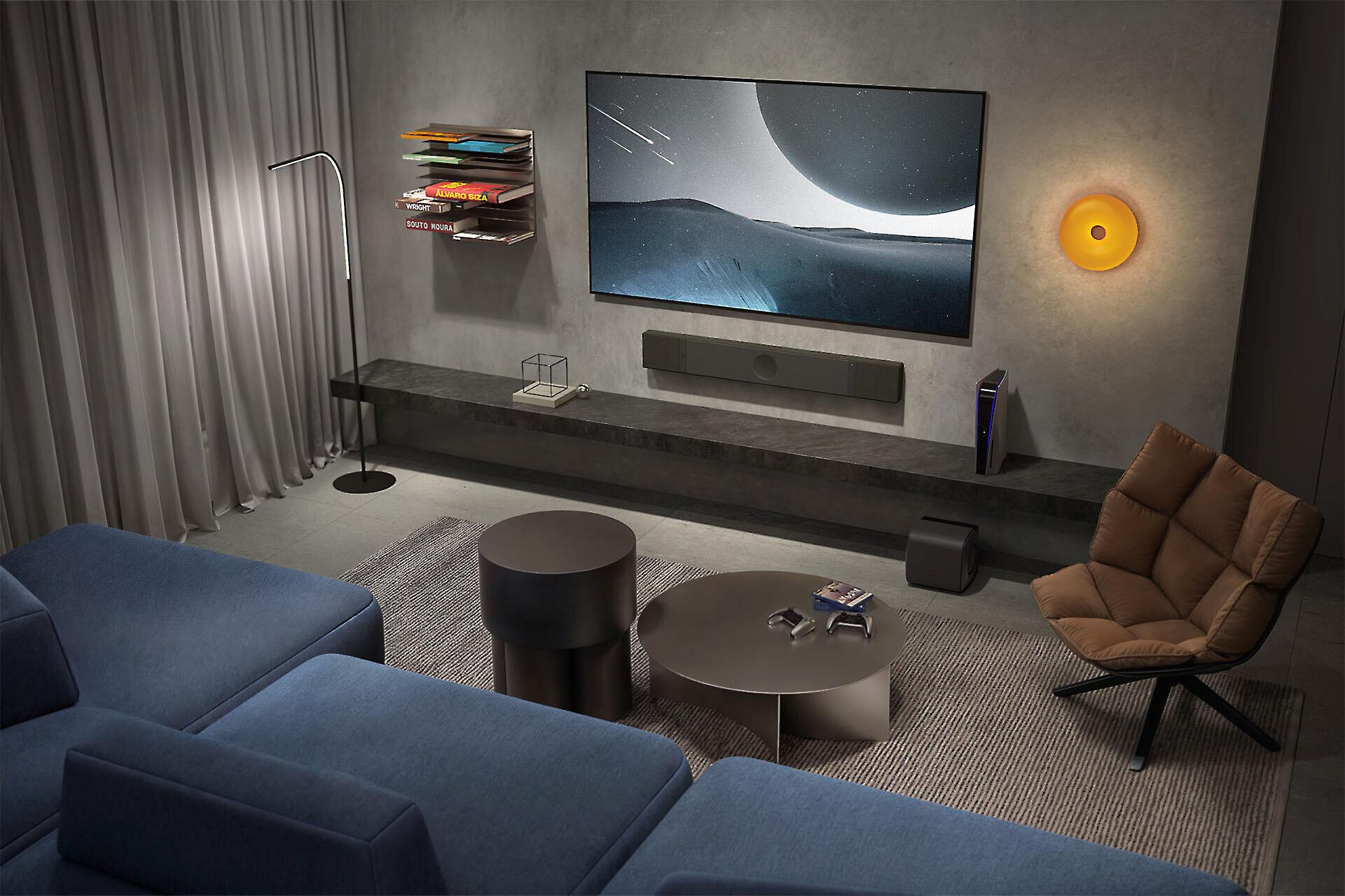
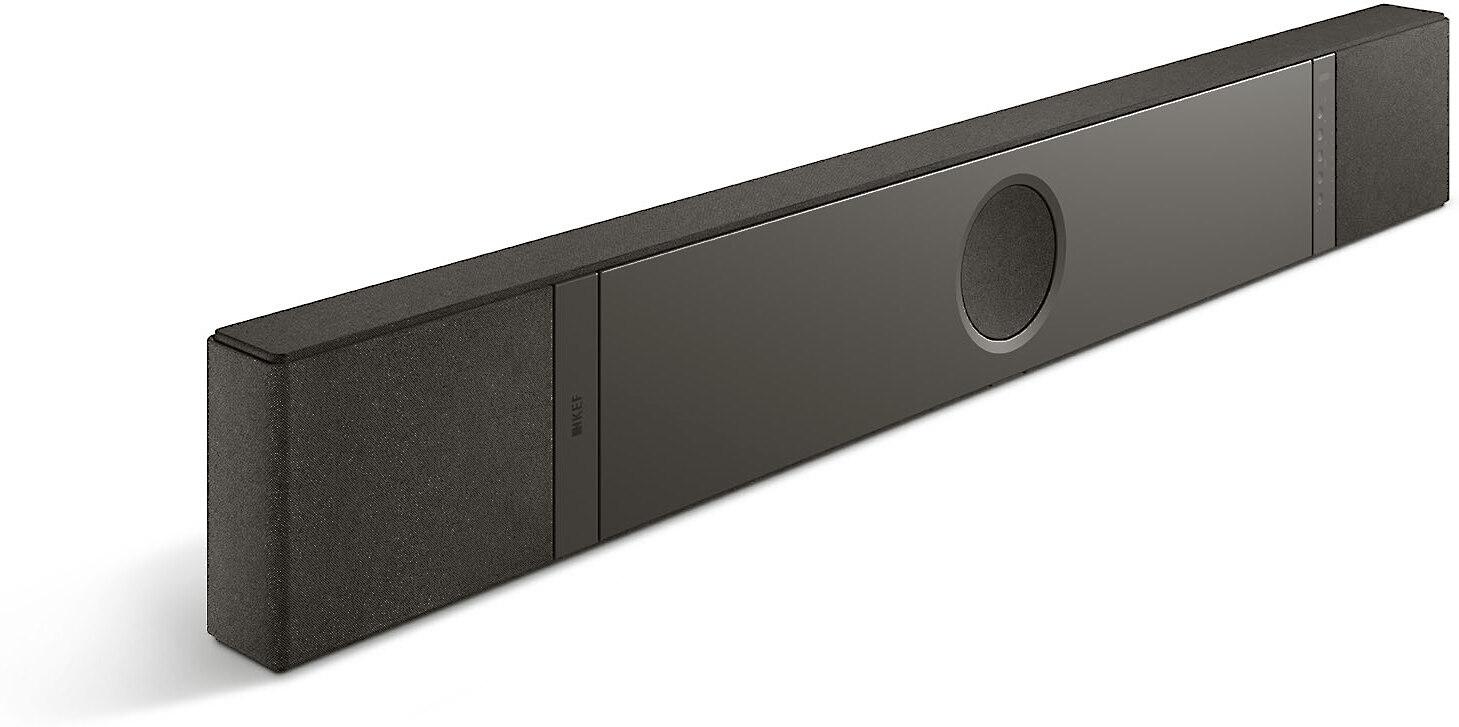
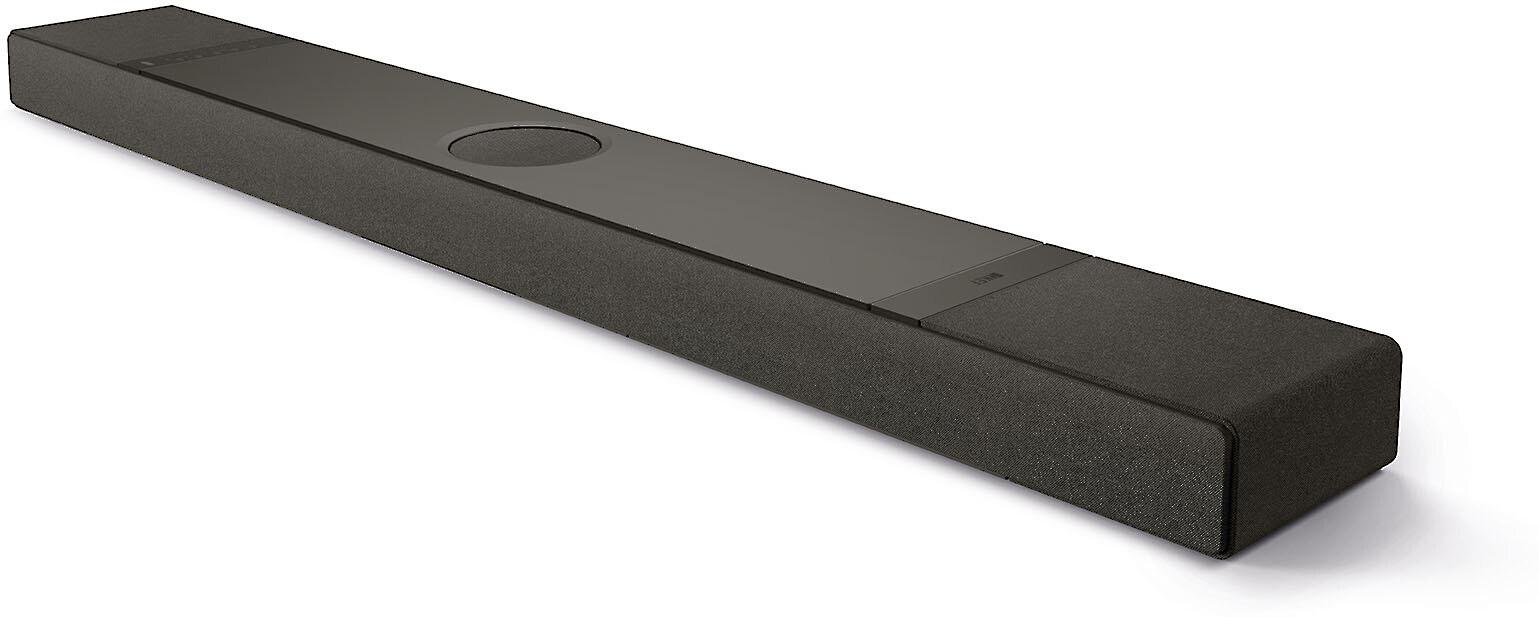
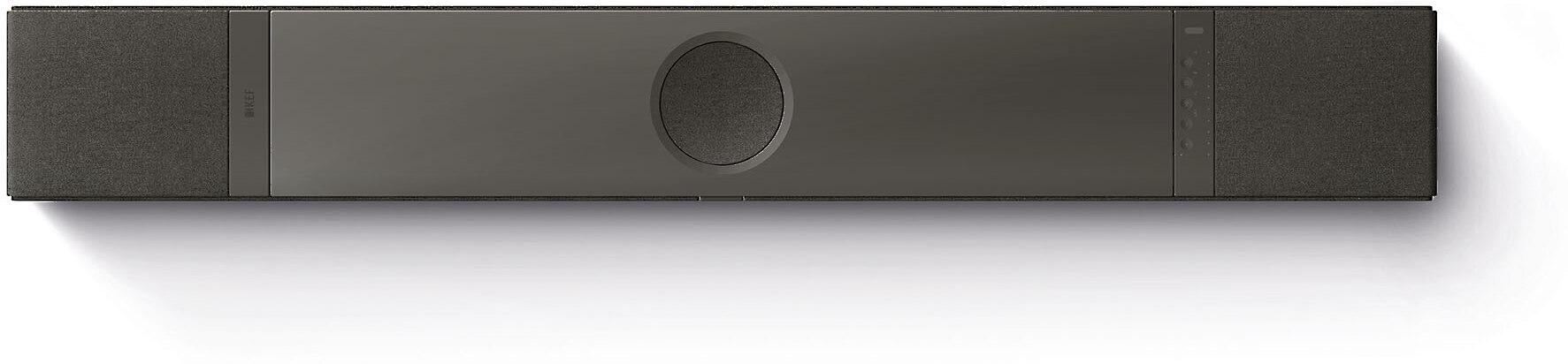
KEF took a completely different approach with the XIO, launched in 2025. As KEF's first-ever soundbar, it marked the British hi-fi company's entry into a category they'd long avoided. Their reasoning was clear: most soundbars prioritized convenience over audio quality, leaving audiophiles without options. The XIO was their attempt to bring reference-level sound to the soundbar format.
Since these releases, the soundbar market has continued evolving rapidly. HDMI 2.1 has become more important for gaming, spatial audio formats like Dolby Atmos have become standard expectations rather than premium features, and wireless streaming quality has improved significantly.
The difference in audio quality between these two soundbars is honestly dramatic. The Sonos Ray delivers clean, balanced stereo sound that's particularly strong with dialogue – something Sonos achieved by working directly with Hollywood sound engineers. When watching TV shows or news, voices come through clearly and naturally positioned in the center of the soundstage.
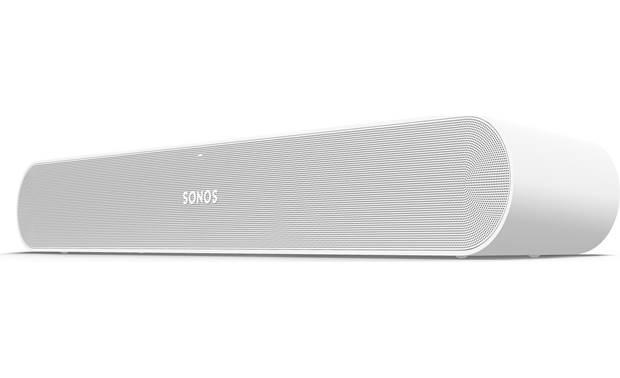
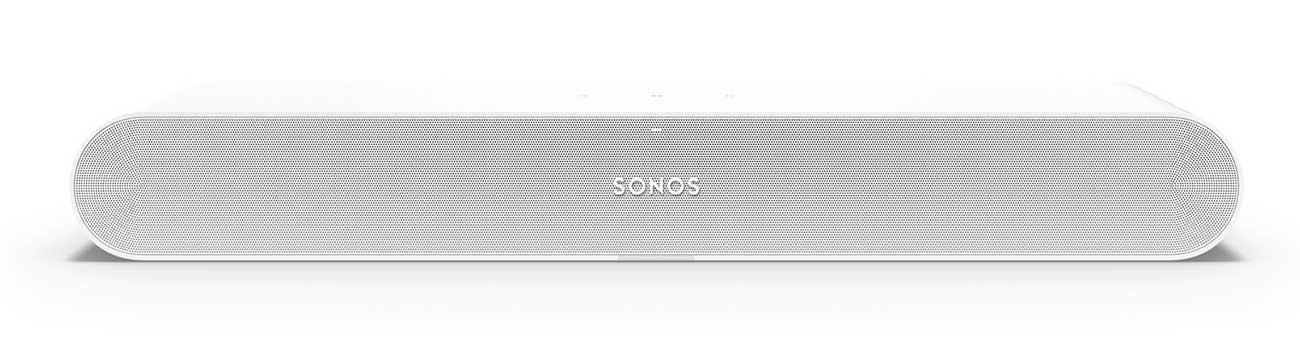
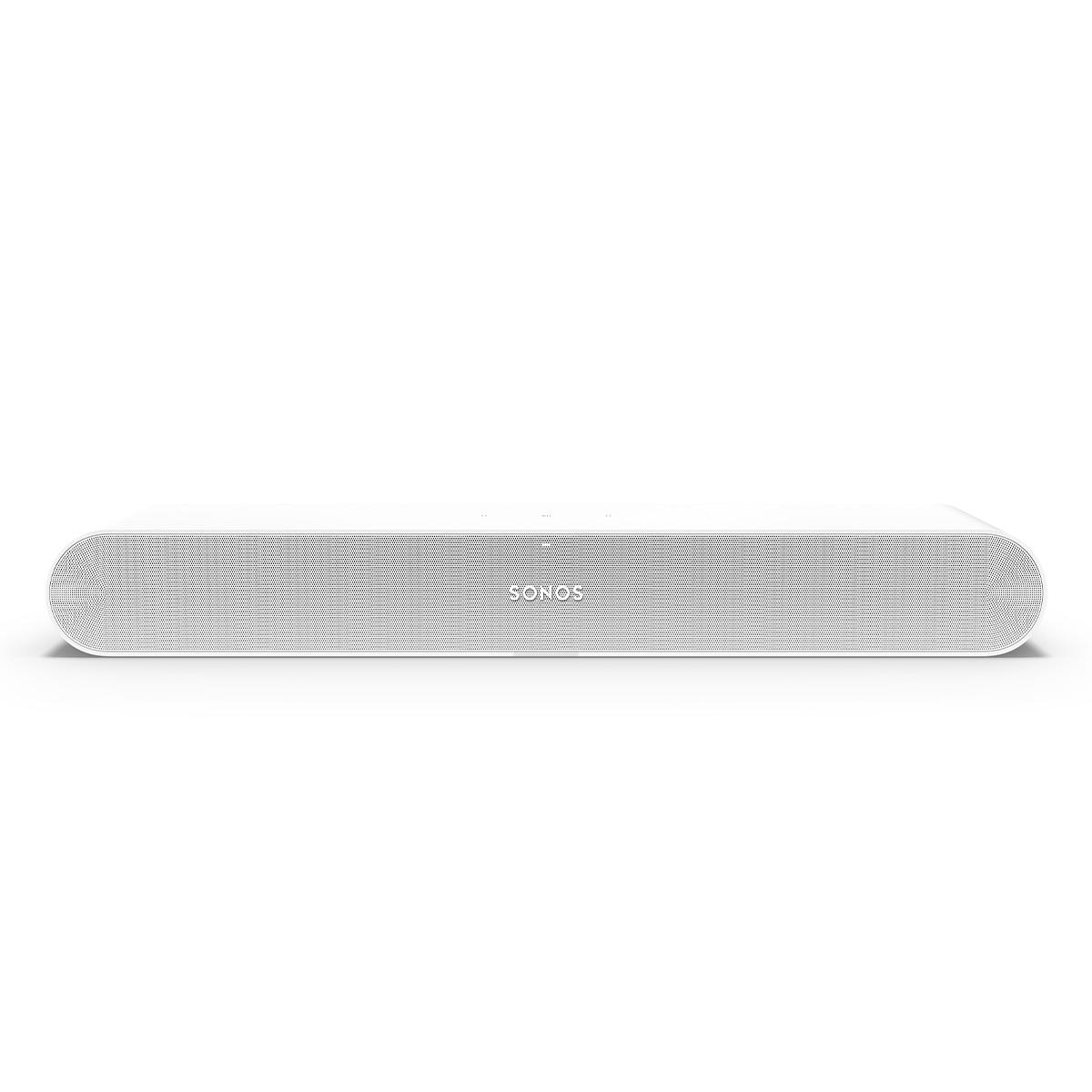
However, the Ray's compact design (it's only about 22 inches wide) means compromises. The two tweeters and two midwoofers can only do so much. Music sounds pleasant but lacks the dynamic range and detail that audiophiles expect. I've found it works well for casual listening, but it won't make you rediscover your favorite albums.
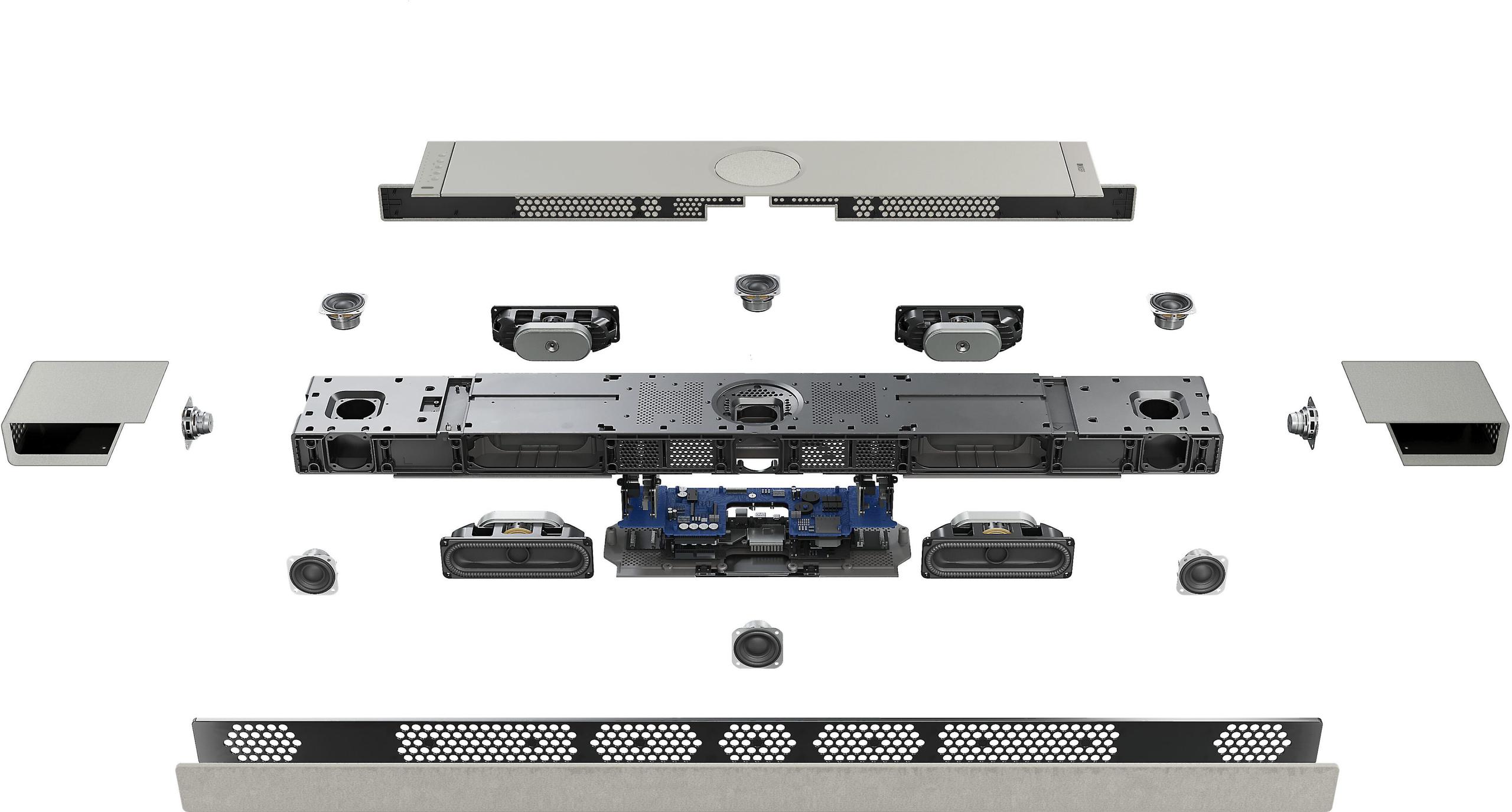
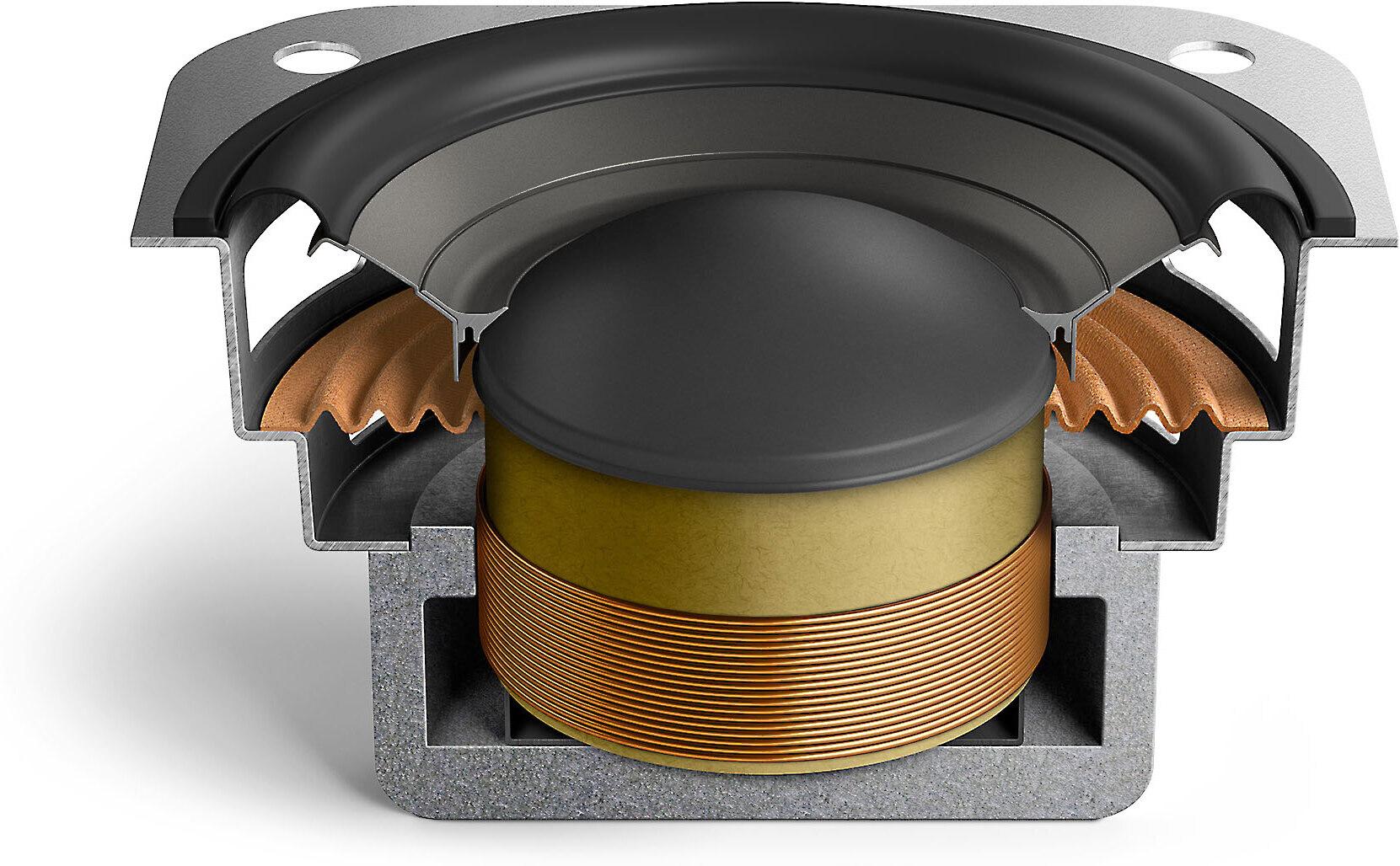
The KEF XIO operates in an entirely different league. KEF's signature Uni-Q drivers – where the tweeter sits concentrically within the midrange driver – create remarkably precise imaging. This means sounds appear to come from specific locations rather than just "somewhere from the soundbar." The effect is genuinely startling when you first experience it.
What really impressed me about the XIO was how it handles complex movie soundtracks. During action scenes with multiple sound elements – dialogue, explosions, background music – everything remains distinct and properly positioned. It's the difference between listening to a recording of an orchestra versus being in the concert hall.
This is where the technical differences become most apparent. The Sonos Ray uses conventional small drivers that simply can't move enough air to produce meaningful bass. In practical terms, this means movie explosions lack impact and music feels thin. Sonos designed the Ray expecting most users would eventually add their separate subwoofer, which significantly increases the total system cost.
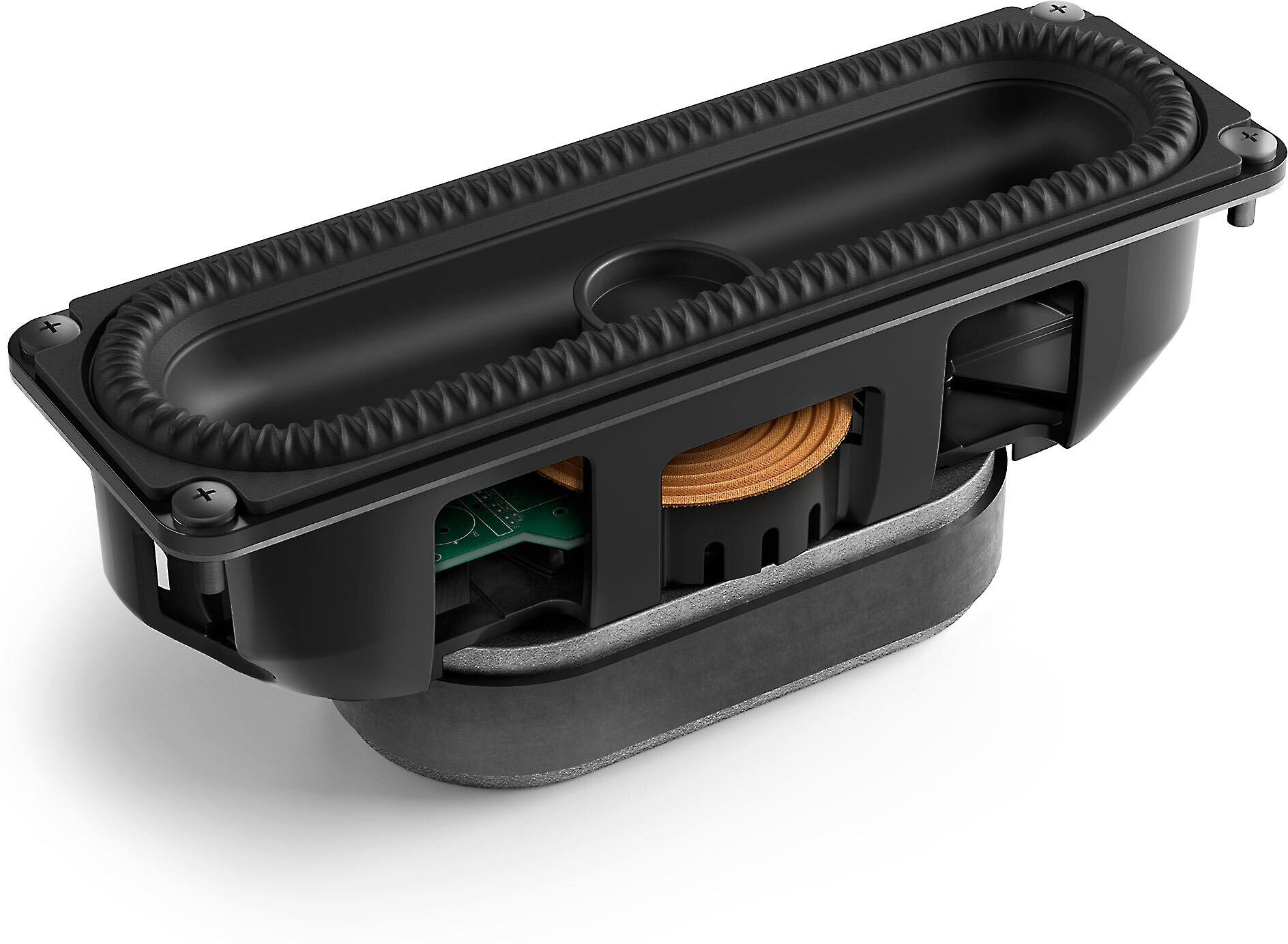
The KEF XIO takes a radically different approach with four P185 racetrack woofers. These aren't your typical round drivers – they're oval-shaped, which allows for greater surface area in the same height. More importantly, they use P-Flex technology, borrowed from KEF's high-end subwoofers. This involves a special surround (the flexible ring around the driver) that resists internal cabinet pressure, allowing the cone to move more linearly.
Even more impressive is the force-canceling configuration. The woofers are arranged so their movements cancel out unwanted vibrations that would otherwise shake the cabinet and create distortion. The result is bass that remains clean and controlled even at high volumes – something I rarely experience with soundbars.
KEF also implemented VECO (Velocity Control Technology), which uses real-time motion sensing to monitor and correct driver movement. This reduces distortion by up to 28dB, which is substantial. In practical terms, it means bass notes sound cleaner and more defined, rather than the muddy boom you get from most soundbars.
Here's where the products diverge completely. The Sonos Ray is strictly a stereo soundbar – it has no surround sound processing whatsoever. When you feed it 5.1 content from Netflix or a Blu-ray, it simply downmixes everything to stereo. There are no height effects, no surround virtualization, and no Dolby Atmos support.
The KEF XIO delivers true 5.1.2 processing, meaning it has dedicated channels for left, center, right, surround left, surround right, subwoofer, and two height channels. The twelve discrete drivers work together to create a three-dimensional soundstage that extends well beyond the physical soundbar.
The up-firing drivers for Dolby Atmos deserve special mention. Rather than being an afterthought, they're properly integrated with KEF's Music Integrity Engine (MIE) – their proprietary processing system that handles timing, phase alignment, and crossover management across all drivers. When watching Atmos content, you can genuinely perceive sounds coming from above, whether it's rain, helicopters, or spatial music effects.
The connectivity story tells us a lot about each product's target audience. The Sonos Ray has only an optical digital input – no HDMI at all. This was a deliberate cost-saving decision, but it creates limitations. Optical connections can't carry the highest quality audio formats, and you're dependent on your TV's processing for streaming apps.
However, the Ray excels at wireless connectivity. It supports the full Sonos ecosystem, meaning you can group it with other Sonos speakers throughout your home. The S2 app is mature and reliable, supporting dozens of streaming services. AirPlay 2 integration is seamless if you're in the Apple ecosystem.
The KEF XIO takes the opposite approach with HDMI 2.1 eARC (enhanced Audio Return Channel). This connection can handle the highest-quality audio formats and supports advanced features like Variable Refresh Rate for gaming. The single HDMI input might seem limiting, but eARC means the TV becomes your switching hub – a cleaner setup for most users.
The XIO also supports high-resolution streaming up to 24-bit/384kHz, which is substantially higher quality than typical streaming. Services like Tidal Connect and Qobuz become genuinely worthwhile when you have a system capable of revealing the differences.
Both soundbars attempt to optimize their sound for your specific room, but through different methods. The Sonos Ray uses Trueplay, which requires an iOS device to measure your room's acoustics and adjust the sound accordingly. It's effective but limited to Apple users and requires manual recalibration if you move the soundbar.
The KEF XIO employs Intelligent Placement Technology, which uses built-in sensors to detect whether it's wall-mounted or on furniture, plus nearby objects that might affect sound. This happens automatically and continuously adjusts as needed. It's more sophisticated and works regardless of your smartphone choice.
At the time of writing, these products occupy completely different value categories. The Sonos Ray represents excellent value for basic TV audio improvement, especially if you're already in the Sonos ecosystem or planning to build one gradually.
However, it's important to consider total system cost. Most Ray owners eventually add Sonos's subwoofer, which significantly increases the investment. Even then, you're still limited to stereo processing and basic connectivity.
The KEF XIO commands premium pricing that initially seems steep, but includes capabilities that would typically require separate components: powerful amplification, room correction, surround processing, and serious bass extension. When you consider what it would cost to build a comparable system with separate components, the value proposition becomes clearer.
For serious home theater use, the differences become even more pronounced. The Sonos Ray works well for casual TV watching, especially in smaller rooms. Its dialogue clarity makes it excellent for sitcoms, news, and drama series. The Night Sound feature, which compresses dynamic range, is genuinely helpful for apartment living.
But for movie nights or immersive gaming, the KEF XIO operates in a different class entirely. The 820 watts across twelve amplifiers provides serious headroom for dynamic movie soundtracks. When TIE fighters scream across the soundstage in Star Wars, or when the T-Rex footsteps rumble through Jurassic Park, you feel the impact rather than just hearing compressed sound effects.
The XIO's force-canceling design means you can push it to high volumes without the cabinet vibrating or the sound becoming harsh – crucial for action movies or gaming sessions.
The Sonos Ray makes perfect sense for several specific scenarios. If you're in a smaller room, already use Sonos products, or primarily watch dialogue-heavy content, it delivers exactly what you need without overcomplicating things. Students in dorm rooms, apartment dwellers with noise concerns, or anyone setting up a secondary viewing area will find it ideal.
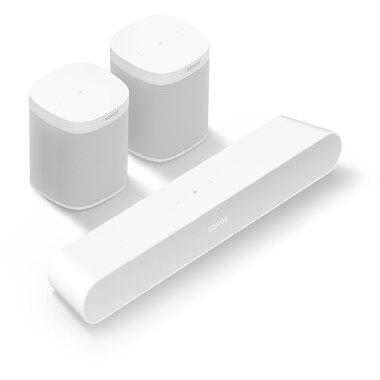
The Ray also works well as an entry point if you're planning to build a larger Sonos system over time. You can start with basic TV audio improvement and gradually add a subwoofer, rear speakers, or additional rooms.
The KEF XIO targets a completely different user. If audio quality is your priority, you have a larger room, or you want genuine surround sound without multiple speakers scattered around, it's worth the investment. Home theater enthusiasts, music lovers, and anyone who's been disappointed by typical soundbar performance will appreciate what KEF has achieved.
The XIO also makes sense if you want a single, elegant solution rather than multiple components. Its premium build quality and sophisticated engineering justify the cost for users who value those attributes.
After extensive experience with both products, my recommendation comes down to honest assessment of your priorities and space. The Sonos Ray excels at its intended purpose – dramatically improving TV audio in smaller spaces while integrating seamlessly with the Sonos ecosystem. It's not trying to be something it's not.
The KEF XIO succeeds at something much more ambitious – bringing reference-quality audio to the soundbar format without compromise. If you have the room and budget for it, the performance difference is genuinely substantial.
Consider your room size, listening habits, and long-term plans. If you primarily watch TV casually and want simple improvement, the Ray delivers excellent value. If you're serious about audio quality and want a soundbar that can serve as the foundation of a premium home theater, the XIO justifies its premium positioning.
The technology gap between these products reflects the current state of the soundbar market – there's room for both approaches, serving different needs and budgets. Choose based on your actual requirements rather than aspirations, and either product will serve you well in its intended role.
| Sonos Ray Soundbar | KEF XIO Soundbar |
|---|---|
| Channel Configuration - Determines surround sound capabilities | |
| 2.0 stereo (no surround sound processing) | 5.1.2 with dedicated height channels for Dolby Atmos |
| Audio Processing - What formats you can actually experience | |
| Stereo only, downmixes 5.1 content | Dolby Atmos, DTS:X, Sony 360 Reality Audio |
| Driver Technology - Core component affecting sound quality | |
| 2 tweeters + 2 midwoofers (conventional design) | 6x Uni-Q MX concentric drivers + 4x P185 racetrack woofers |
| Bass Extension - How deep the low-end goes without subwoofer | |
| Limited bass, subwoofer recommended for full sound | 34Hz extension with force-canceling woofer design |
| Total Power Output - Determines maximum volume and headroom | |
| Not specified (modest for compact size) | 820 watts across 12 discrete Class D amplifiers |
| HDMI Connectivity - Access to highest quality audio formats | |
| None (optical input only) | HDMI 2.1 eARC plus optical backup |
| Room Correction - Automatic sound optimization | |
| Trueplay (requires iOS device) | Intelligent Placement Technology (works with any device) |
| Wireless Streaming - Music service integration | |
| Full Sonos ecosystem, AirPlay 2 | Spotify/Tidal Connect, AirPlay 2, Chromecast, Bluetooth 5.3 |
| Physical Size - Space requirements and room compatibility | |
| Compact 22" width (ideal for smaller TVs/rooms) | 47.6" width (designed for larger setups) |
| Ecosystem Integration - Multi-room and expansion options | |
| Full Sonos multiroom system compatibility | Standalone focus, optional wireless subwoofer pairing |
| Target Room Size - Optimal performance environment | |
| Small to medium rooms, apartments | All room sizes, excels in larger spaces |
| Primary Strength - What each does best | |
| Dialogue clarity and ecosystem integration | Audiophile sound quality and genuine surround effects |
The Sonos Ray is specifically designed for smaller spaces with its compact 22-inch width and moderate power output. Its Night Sound feature also makes it ideal for apartments where you need to control volume levels. The KEF XIO, while excellent, is nearly 48 inches wide and designed for larger rooms where its full potential can be realized.
The Sonos Ray has limited bass extension and most users will want to add Sonos's separate subwoofer for fuller sound, especially for movies. The KEF XIO includes four advanced racetrack woofers that extend down to 34Hz, providing substantial bass without requiring an additional subwoofer for most users.
The Sonos Ray only offers optical digital input with no HDMI connections, limiting it to basic audio formats. The KEF XIO features HDMI 2.1 eARC for the highest quality audio formats, plus optical input as backup. This makes the KEF XIO better suited for modern gaming consoles and streaming devices.
The Sonos Ray offers excellent value for basic TV audio improvement and ecosystem integration, though adding a subwoofer increases total cost. The KEF XIO commands premium pricing but includes features typically requiring separate components: surround processing, powerful amplification, and substantial bass extension.
We've done our best to create useful and informative comparisons to help you decide what product to buy. Our research uses advanced automated methods to create this comparison and perfection is not possible - please contact us for corrections or questions. These are the sites we've researched in the creation of this article: tomsguide.com - soundandvision.com - youtube.com - techradar.com - en.community.sonos.com - rtings.com - howtogeek.com - youtube.com - cnet.com - sonos.com - videoandaudiocenter.com - blog.son-video.com - residentialsystems.com - whathifi.com - audioadvice.com - crutchfield.com - homecrux.com - techradar.com - youtube.com - us.kef.com - gramophone.com - cepro.com - audioxpress.com - musicdirect.com - gramophone.com - us.kef.com - crutchfield.com - hifipig.com - bestbuy.com - listenup.com - bestbuy.com - bestbuy.com - listenup.com

Privacy Policy
Terms and Conditions - Affiliate Policy
Home Security
© Copyright 2008-2026.
11816 Inwood Rd #1211, Dallas, TX 75244