



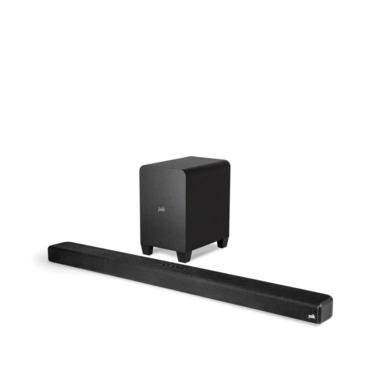
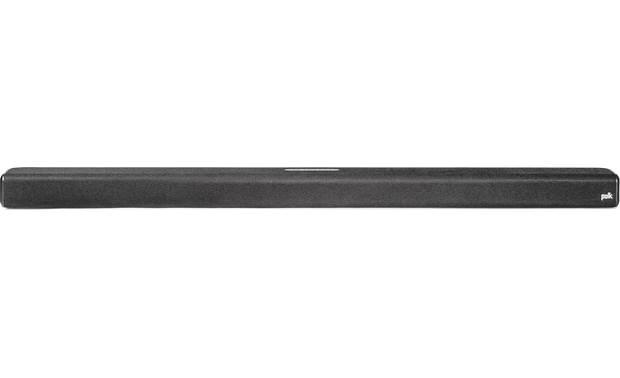
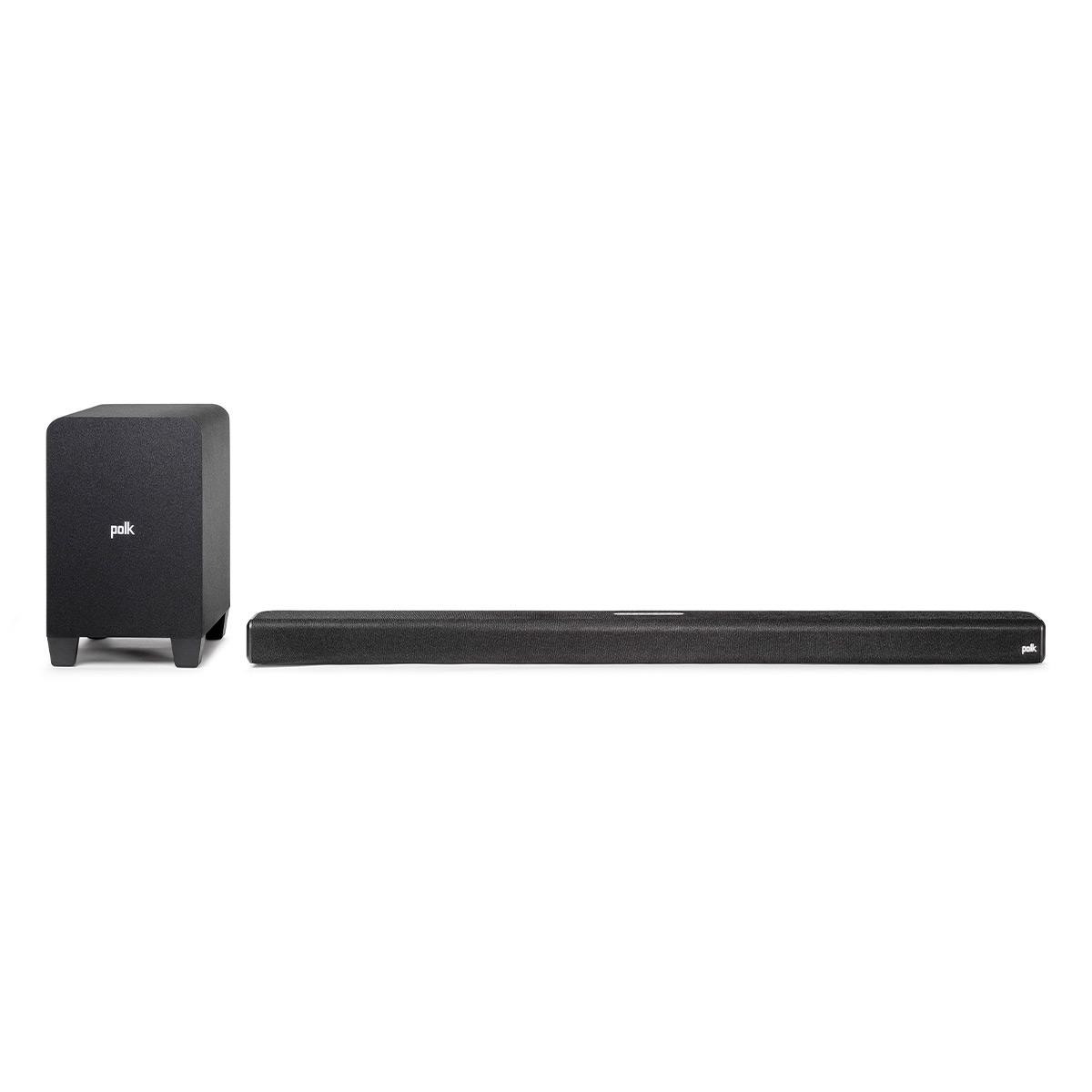
When your TV's built-in speakers just aren't cutting it anymore, the world of soundbars offers an appealing solution. But with so many options available, picking the right one can feel overwhelming. Today, I'm diving deep into two popular budget soundbars that take completely different approaches to improving your audio experience: the compact Sonos Ray and the feature-packed Polk Audio Signa S4.
Both soundbars launched in the early 2020s, representing the latest thinking in affordable audio enhancement. The Sonos Ray arrived in 2022 as Sonos's most affordable entry point into their ecosystem, while the Polk Audio Signa S4 debuted in 2021 as one of the first budget soundbars to offer true Dolby Atmos processing. Since their releases, both have established strong reputations, though they serve very different types of users.
Before we get into the specifics, it's worth understanding what separates a good budget soundbar from the pack. At this price point – both models typically retail for under $350 at the time of writing – you're looking for products that deliver the biggest improvement over TV speakers while keeping complexity minimal.
The most important factors include dialogue clarity (can you understand what actors are saying?), overall sound balance (does it sound natural, not tinny or boomy?), ease of setup, and connectivity options that work with your existing equipment. Some bonus features like wireless streaming capabilities or the ability to expand the system later can add significant value.
What's particularly interesting about comparing the Sonos Ray and Polk Audio Signa S4 is how differently they approach these priorities. It's like comparing a precision tool with a Swiss Army knife – both are excellent at what they do, but they're designed for different jobs.
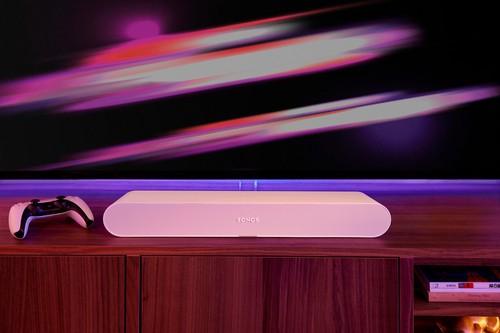
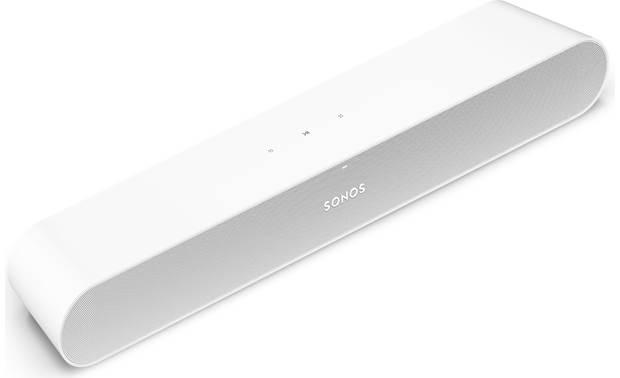
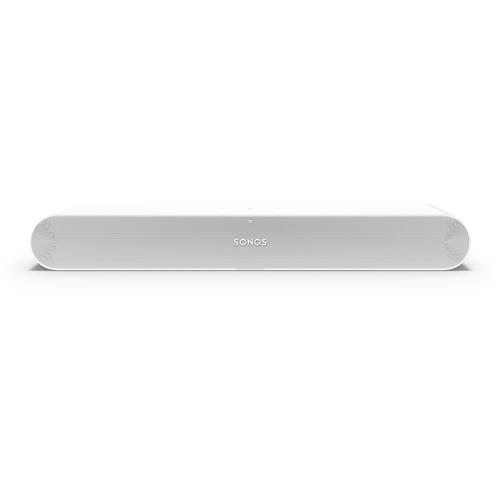
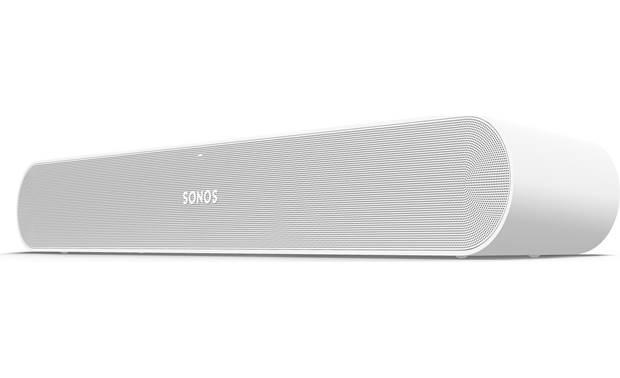
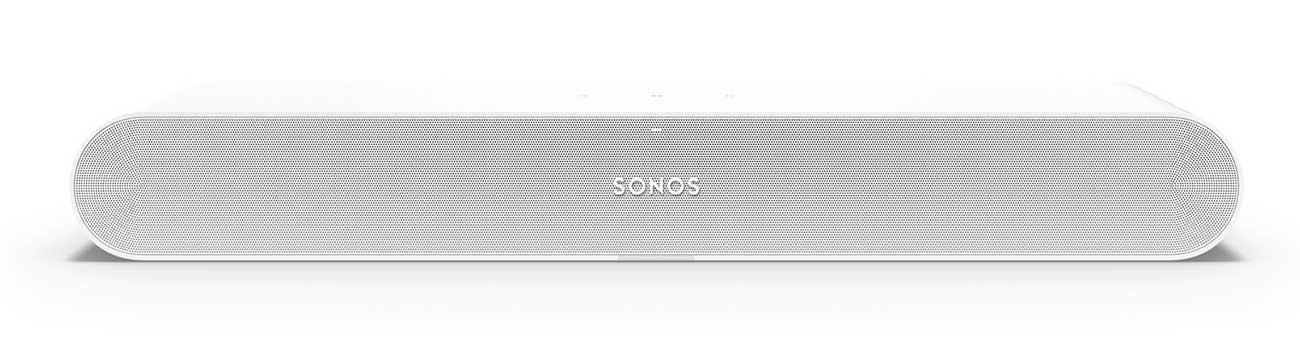
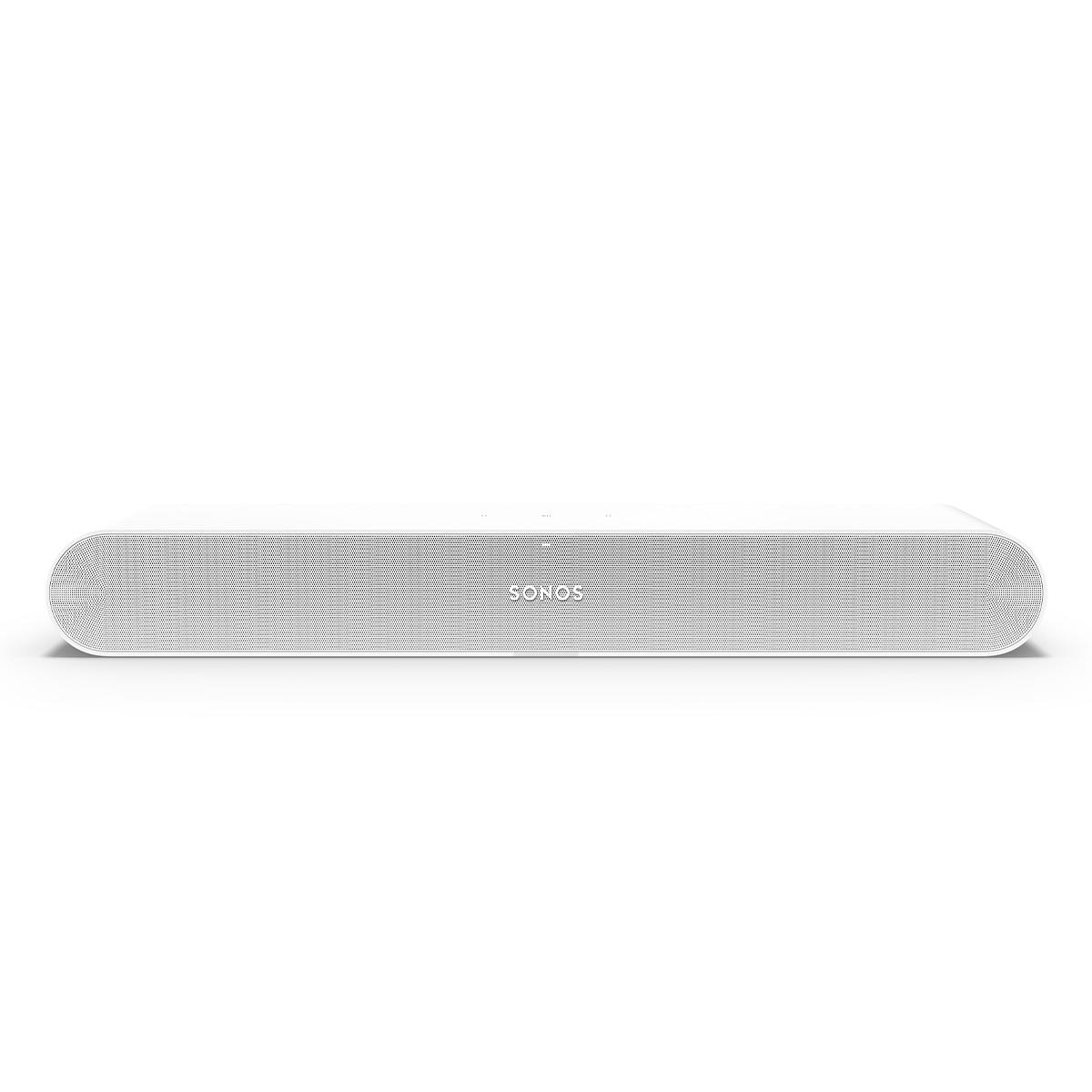
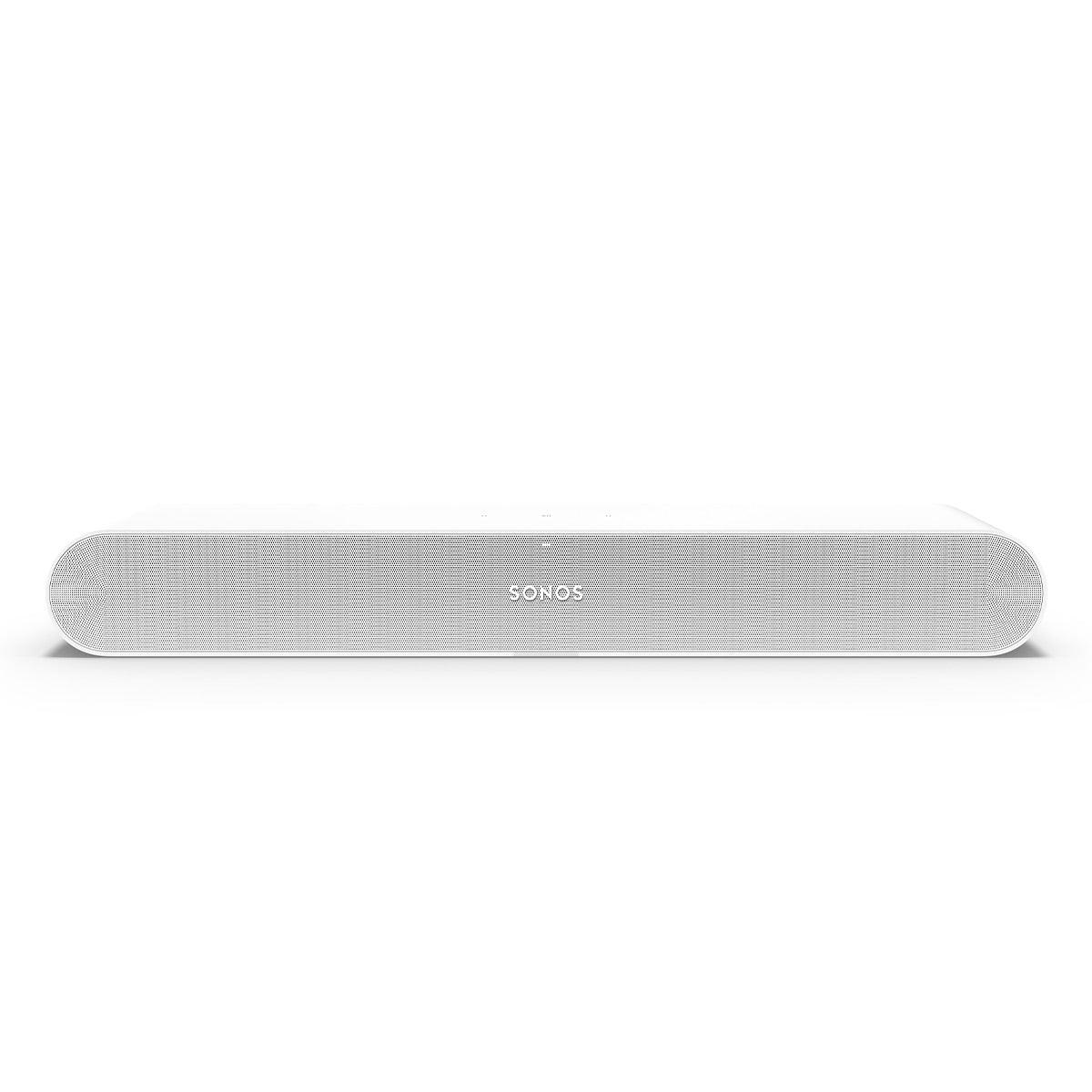
The moment you unbox these soundbars, their different approaches become immediately apparent. The Sonos Ray measures just 22 inches wide, making it one of the most compact soundbars on the market. Its minimalist design focuses on doing a few things exceptionally well rather than trying to be everything to everyone. The matte finish and clean lines make it virtually disappear under most TVs.
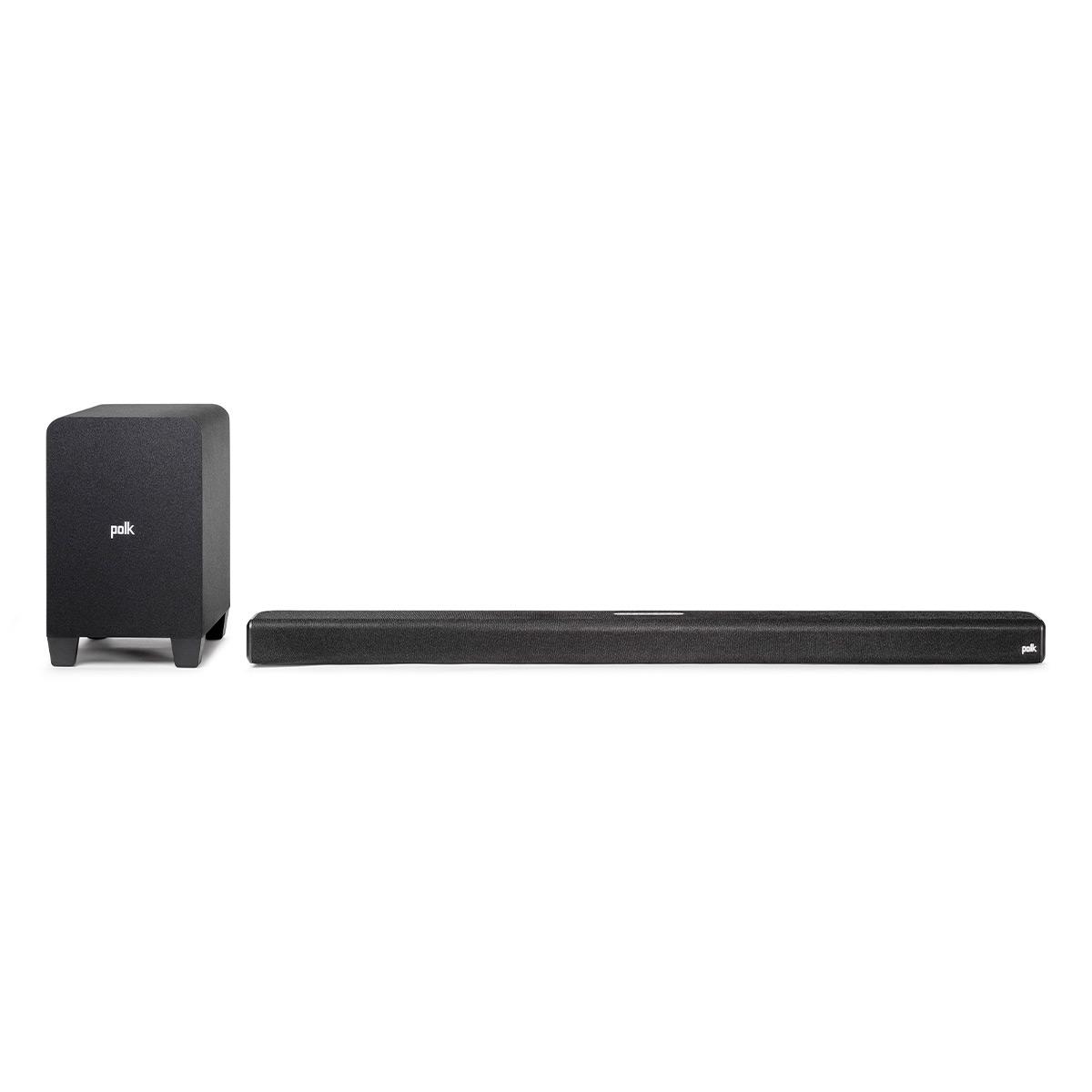
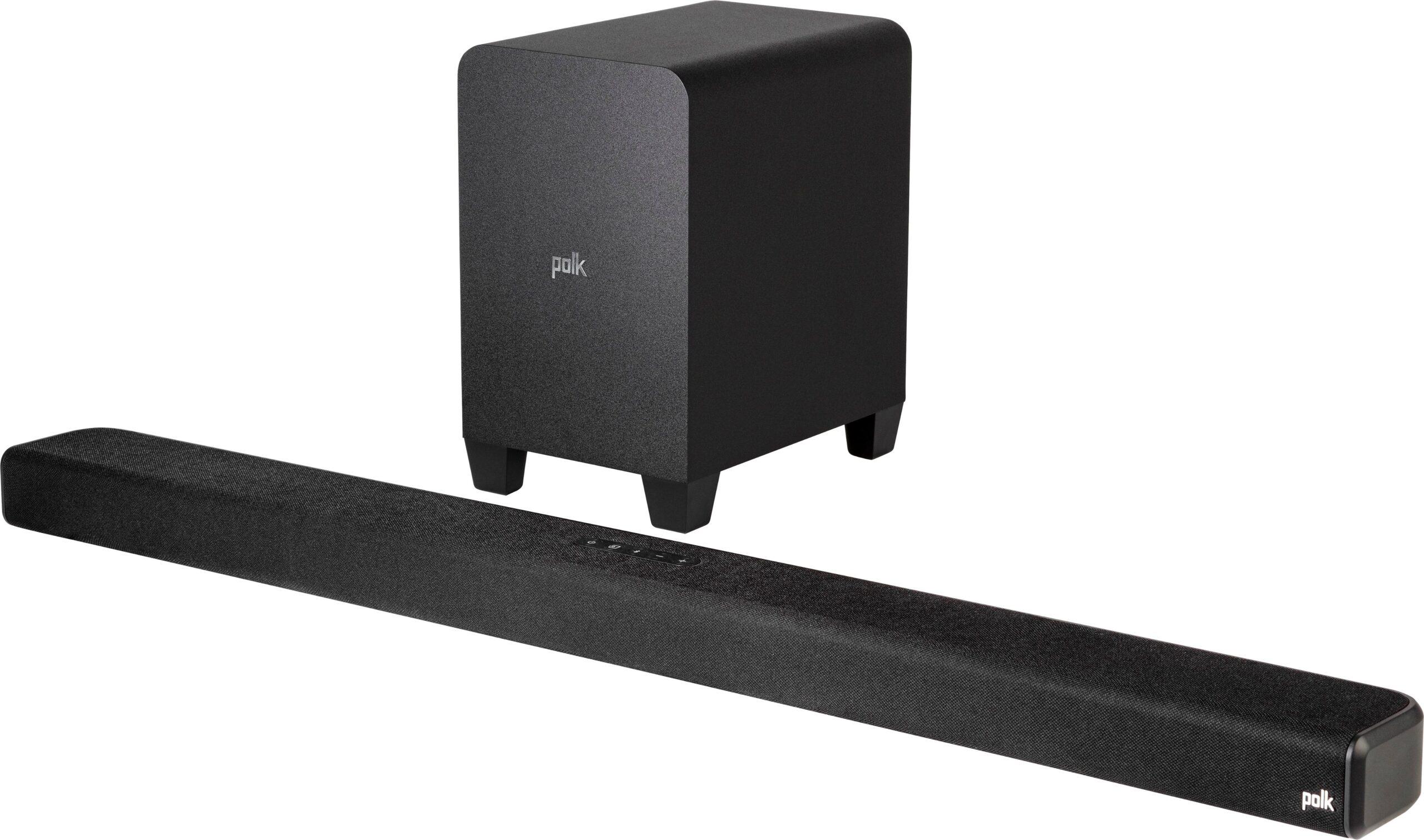
The Polk Audio Signa S4, on the other hand, stretches over 41 inches and comes with a substantial wireless subwoofer. This isn't trying to hide – it's making a statement. The larger size isn't just for show; it houses a complex array of seven individual drivers (the individual speakers inside the soundbar) designed to create a genuine surround sound experience.
This size difference matters more than you might think. If you have a smaller TV (under 50 inches) or limited entertainment center space, the Sonos Ray becomes almost mandatory. I've seen too many setups where a large soundbar overwhelms a modest TV, looking awkward and unbalanced. Conversely, pairing the compact Sonos Ray with a massive 75-inch TV can look equally mismatched.
Here's where things get technically interesting, and these differences really start to impact your listening experience.
The Sonos Ray uses what's called a forward-firing design with sophisticated digital processing. It houses two tweeters (speakers that handle high frequencies like dialogue and cymbals) and two midwoofers (which handle the middle frequencies where most music and voices live). What makes it special is the proprietary waveguide technology – think of this as acoustic lens that focuses and directs the sound more precisely than typical budget soundbars.
Because it's a stereo-only system, the Sonos Ray doesn't create true surround sound. Instead, it relies on psychoacoustic processing (basically, audio tricks that make your brain think sounds are coming from places they're not) to create a wider soundstage. This approach works surprisingly well for music and dialogue-heavy content, but don't expect to feel bullets whizzing past your head.
The Polk Audio Signa S4 takes a completely different approach with its 3.1.2 configuration. Let me break down what those numbers mean: the "3" represents left, center, and right channels; the "1" is the subwoofer; and the "2" refers to upward-firing height channels that bounce sound off your ceiling to create Dolby Atmos effects.
Dolby Atmos is essentially 3D audio – instead of sound just coming from left and right, it can also come from above and around you. The Polk Signa S4 achieves this through two upward-firing drivers that reflect sound off your ceiling, creating the illusion of helicopters flying overhead or rain falling around you. It's genuinely impressive when it works well, though your ceiling height and materials affect the results.
For movie watching, these soundbars deliver distinctly different experiences. The Polk Audio Signa S4 excels here, and it's not particularly close. The dedicated center channel makes an enormous difference for dialogue clarity – this is a separate speaker specifically tuned for human voices. During complex action scenes where explosions and music might otherwise drown out dialogue, that center channel keeps voices front and center.
I've tested both soundbars with challenging content like the opening battle scene from "Saving Private Ryan," and the difference is stark. The Signa S4 maintains clear dialogue even during the most chaotic moments, while the Sonos Ray, despite its excellent processing, occasionally struggles when things get too busy.
The Dolby Atmos effects on the Polk Signa S4 genuinely add immersion when watching properly mixed content. Netflix, Disney+, and most Blu-rays now include Atmos tracks, and effects like thunderstorms or aircraft flyovers feel convincingly three-dimensional. The wireless subwoofer provides the low-end punch that makes explosions feel impactful rather than just loud.
The Sonos Ray takes a different approach, focusing on tonal accuracy and clarity over impact. Dialogue comes through with exceptional clarity thanks to its dialogue enhancement mode, which specifically boosts voice frequencies without affecting the rest of the soundtrack. For dialogue-heavy content like dramas or comedies, it's actually quite impressive. But action movies reveal its limitations – without a subwoofer, explosions lack weight, and without surround processing, the experience remains decidedly two-dimensional.
Here's where the tables turn significantly. The Sonos Ray reveals its true strengths when playing music, delivering a listening experience that punches well above its price class. Its stereo imaging – the ability to create a convincing left-to-right soundstage – is genuinely impressive for a budget soundbar.
The secret sauce is Sonos's Trueplay technology, available for iOS users. This feature uses your phone's microphone to measure your room's acoustics and automatically adjusts the soundbar's output to compensate for your specific space. If your TV sits in a corner or you have lots of hard surfaces, Trueplay helps minimize those acoustic problems. It's like having a professional audio engineer tune your system.
The streaming capabilities also set the Sonos Ray apart. With native Wi-Fi connectivity, it can stream directly from virtually every music service without going through your phone. This means better audio quality than Bluetooth and the ability to control music from anywhere in your house. The integration with streaming services is seamless – you can start playing music from Spotify on your phone and hand off control to the soundbar without interruption.
The Polk Audio Signa S4 handles music adequately, and the wireless subwoofer does add enjoyable bass response to genres like hip-hop or electronic music. However, it's clearly optimized for movie content. The processing emphasizes impact over nuance, which works great for film soundtracks but can make music feel overly processed or unnatural.
In larger rooms, the Polk Signa S4 has a clear advantage. The combination of its wider driver array and wireless subwoofer can fill bigger spaces more effectively. The subwoofer's ability to be positioned anywhere in the room means you can optimize bass response regardless of where your TV sits.
The Sonos Ray works best in smaller to medium rooms. Its compact size and forward-firing design mean it doesn't have the raw output to fill large spaces, but it excels at creating an intimate, focused listening experience in appropriately sized rooms.
This is where these soundbars reveal perhaps their most fundamental difference in philosophy.
The Sonos Ray connects to your TV via optical cable only – no HDMI input. This might seem limiting, but it's actually quite clever. Optical connections carry all the audio your TV receives, whether from built-in apps, cable boxes, or game consoles. By relying on optical, Sonos keeps the design simple while ensuring compatibility with virtually any TV made in the last decade.
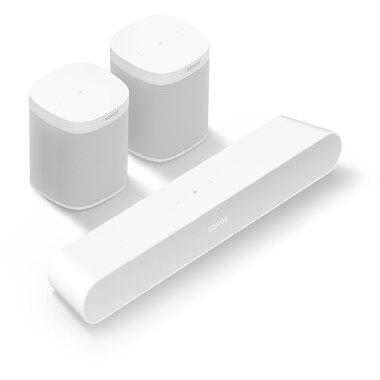
Where the Sonos Ray truly shines is its Wi-Fi-based streaming ecosystem. Once connected to your network, it becomes part of the Sonos multiroom system. You can group it with other Sonos speakers throughout your house, control everything from a single app, and enjoy features like stereo pairing (using two Rays together) or adding a Sonos Sub later for deeper bass.
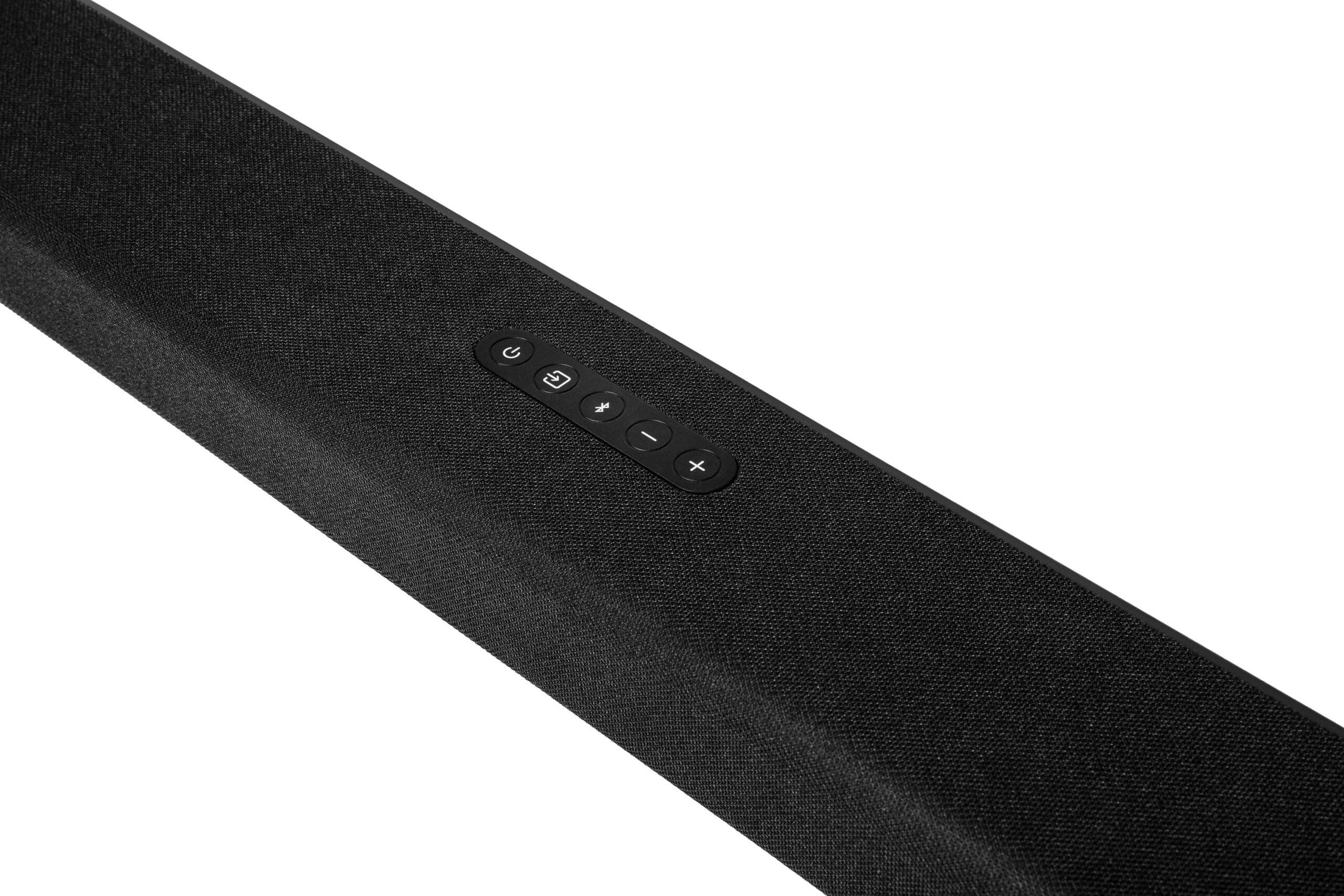
The Polk Audio Signa S4 takes a more traditional approach with HDMI eARC (enhanced Audio Return Channel) as its primary connection. This allows it to receive higher-quality audio signals, including uncompressed Dolby Atmos, directly from compatible TVs. The setup is typically plug-and-play – connect the HDMI cable, and your TV remote automatically controls the soundbar's volume.
For streaming music, the Signa S4 relies solely on Bluetooth. This works fine for casual listening, but Bluetooth compresses audio quality and requires your phone to stay connected. It can pair with up to eight devices but only play from one at a time.
At the time of writing, both soundbars typically retail within $50 of each other, but they deliver value in completely different ways.
The Polk Audio Signa S4 gives you a complete surround sound system out of the box. For roughly $300, you get genuine Dolby Atmos processing, a wireless subwoofer, and enough acoustic firepower to dramatically improve any TV's audio. If you want immediate gratification and cinematic impact, it's hard to beat this value proposition.
The Sonos Ray, at a similar price point, represents an investment in a different kind of experience. You're paying for superior build quality, sophisticated streaming capabilities, and entry into an expandable ecosystem. The long-term value becomes apparent if you plan to add more speakers or prioritize music listening alongside TV audio.
Consider the upgrade paths: expanding the Polk Signa S4 requires replacing the entire system. The Sonos Ray can grow incrementally – add a Sonos Sub for deeper bass, pair it with rear speakers for true surround sound, or integrate it with speakers in other rooms.
Let me paint some specific scenarios where each soundbar excels:
Choose the Sonos Ray if: Your TV sits in a smaller room (bedroom, kitchen, or compact living room), you listen to a lot of music through streaming services, you value clean aesthetics, or you're interested in eventually building a whole-home audio system. It's also ideal if you prioritize dialogue clarity over cinematic bombast – think prestige dramas, documentaries, or news programming.
Choose the Polk Audio Signa S4 if: You have a larger TV in a spacious room, you watch lots of action movies or gaming content, you want immediate bass impact without additional purchases, or you prefer simple, traditional remote control operation. It's perfect for family movie nights where everyone wants to feel immersed in the action.
I've personally spent time with both systems, and the choice often comes down to your primary use case. In my bedroom with a 43-inch TV, the Sonos Ray provides exactly the right amount of improvement without overwhelming the space. But in a dedicated home theater setup with a 65-inch TV, the Polk Signa S4 delivers the kind of immersive experience that makes movie nights genuinely special.
Both soundbars include useful features that enhance daily usability. The Sonos Ray offers Night Sound mode, which compresses the dynamic range to keep loud effects from being too jarring while maintaining dialogue clarity – perfect for late-night viewing. The Polk Signa S4 includes similar functionality with its Night Mode, plus VoiceAdjust technology that specifically enhances dialogue without affecting other audio elements.
Setup complexity differs significantly. The Sonos Ray requires the Sonos app and a few minutes of configuration, including connecting to your Wi-Fi network. The reward is sophisticated room correction and extensive customization options. The Polk Signa S4 typically works within minutes of unboxing – plug in the power cables, connect the HDMI, and the wireless subwoofer pairs automatically.
Ultimately, both the Sonos Ray and Polk Audio Signa S4 represent excellent values in the budget soundbar category, but they're designed for different priorities and room configurations.
If you're building a sophisticated, expandable audio system and prioritize music streaming alongside TV improvement, the Sonos Ray offers a compelling entry point into a premium ecosystem. Its compact size, exceptional dialogue clarity, and streaming capabilities make it ideal for smaller spaces and music-focused users.
If you want immediate cinematic impact with genuine surround sound effects and room-filling bass, the Polk Audio Signa S4 delivers a complete theater experience at an attractive price point. Its larger size and traditional connectivity make it perfect for dedicated movie watching in larger rooms.
Both represent significant upgrades over TV speakers, but choosing between them depends on understanding what kind of audio experience you value most. Consider your room size, primary content types, expansion plans, and whether you prioritize music or movies. Either way, you'll be getting substantially better audio than what your TV provides – it's just a matter of which approach better matches your needs and space.
| Sonos Ray Soundbar | Polk Audio Signa S4 Dolby Atmos Soundbar with Wireless Subwoofer |
|---|---|
| Physical Size - Critical for TV matching and space constraints | |
| 22" wide, ultra-compact design for smaller TVs and tight spaces | 41.2" wide, requires larger TV stand or wall mount space |
| Audio Configuration - Determines surround sound capability | |
| 2.0 stereo system with advanced processing | 3.1.2 system with dedicated center channel, height channels, and wireless subwoofer |
| Dolby Atmos Support - Essential for immersive movie experiences | |
| No Dolby Atmos (stereo only) | Full Dolby Atmos with overhead effects via upfiring speakers |
| Subwoofer Inclusion - Major factor in bass response and overall impact | |
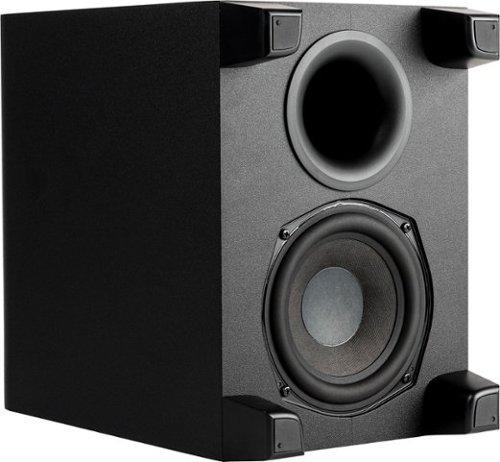
| No subwoofer included (can add Sonos Sub separately) | 5.94" wireless subwoofer included for immediate bass impact |
| TV Connectivity - Affects compatibility and audio quality | |
| Optical digital input only | HDMI eARC primary connection plus optical backup |
| Music Streaming - Important for daily music listening | |
| Wi-Fi streaming with native app support for all major services | Bluetooth only (no Wi-Fi streaming) |
| Expandability - Matters for future system growth | |
| Full Sonos ecosystem integration, can add rear speakers and subwoofer | Fixed system, no expansion options |
| Room Correction - Helps optimize sound for your specific space | |
| Trueplay automatic room tuning (iOS devices only) | Manual bass and treble adjustments only |
| Ideal Room Size - Determines which performs better in your space | |
| Small to medium rooms, TVs under 50" | Medium to large rooms, TVs 50" and larger |
| Primary Strength - What each does exceptionally well | |
| Music streaming, dialogue clarity, compact elegance | Movie surround sound, bass impact, plug-and-play simplicity |
The Polk Audio Signa S4 is significantly better for movies due to its dedicated center channel for dialogue clarity, Dolby Atmos processing for overhead effects, and included wireless subwoofer for bass impact. The Sonos Ray lacks surround sound capabilities and doesn't include a subwoofer, making it less immersive for cinematic content.
The main difference is audio configuration: the Sonos Ray is a compact stereo soundbar focused on music streaming and dialogue clarity, while the Polk Audio Signa S4 is a full 3.1.2 Dolby Atmos system with wireless subwoofer designed for immersive movie experiences.
The Sonos Ray excels for music with Wi-Fi streaming capabilities, native app support for all major services, and Trueplay room correction technology. The Polk Audio Signa S4 only offers Bluetooth streaming and is optimized more for movie content than music reproduction.
The Sonos Ray at 22 inches wide works perfectly with smaller TVs and compact spaces, while the Polk Audio Signa S4 at 41.2 inches wide is better matched with larger TVs (50+ inches) and requires more entertainment center space.
The Polk Audio Signa S4 includes a wireless subwoofer out of the box, providing immediate bass impact. The Sonos Ray has limited bass response and requires purchasing a separate Sonos Sub for deep low-end extension.
The Sonos Ray integrates into the full Sonos ecosystem, allowing you to add rear speakers, subwoofers, and create multi-room audio setups. The Polk Audio Signa S4 is a fixed system with no expansion options beyond the included components.
The Polk Audio Signa S4 offers plug-and-play simplicity with HDMI eARC connection and automatic subwoofer pairing. The Sonos Ray requires app-based setup and Wi-Fi configuration, though it offers more customization options including room correction.
The Sonos Ray connects via optical cable only but supports Wi-Fi streaming for music. The Polk Audio Signa S4 features HDMI eARC as primary connection plus optical backup, but only supports Bluetooth for wireless streaming.
The Sonos Ray is specifically designed for smaller spaces with its compact 22-inch design and forward-firing speakers that minimize room interaction issues. The larger Polk Audio Signa S4 can overwhelm smaller rooms and works better in medium to large spaces.
Only the Polk Audio Signa S4 supports Dolby Atmos with dedicated upfiring speakers that create overhead sound effects. The Sonos Ray is stereo-only and doesn't process Dolby Atmos content, though it can play the audio in stereo format.
Both excel at dialogue but in different ways: the Polk Audio Signa S4 uses a dedicated center channel and VoiceAdjust technology for clear speech during complex scenes, while the Sonos Ray offers excellent dialogue enhancement through advanced processing and focused stereo imaging.
The Polk Audio Signa S4 is better for gaming due to its HDMI eARC connection, surround sound processing, and subwoofer for impactful effects. The Sonos Ray works for gaming but lacks the immersive surround effects and bass response that enhance the gaming experience.
We've done our best to create useful and informative comparisons to help you decide what product to buy. Our research uses advanced automated methods to create this comparison and perfection is not possible - please contact us for corrections or questions. These are the sites we've researched in the creation of this article: tomsguide.com - soundandvision.com - youtube.com - techradar.com - en.community.sonos.com - rtings.com - howtogeek.com - youtube.com - cnet.com - sonos.com - videoandaudiocenter.com - soundandvision.com - audioholics.com - crutchfield.com - cnet.com - richersounds.com - crutchfield.com - rtings.com - polkaudio.com - walmart.com - polkaudio.com - crutchfield.com - youtube.com - profx.com

Privacy Policy
Terms and Conditions - Affiliate Policy
Home Security
© Copyright 2008-2026.
11816 Inwood Rd #1211, Dallas, TX 75244