



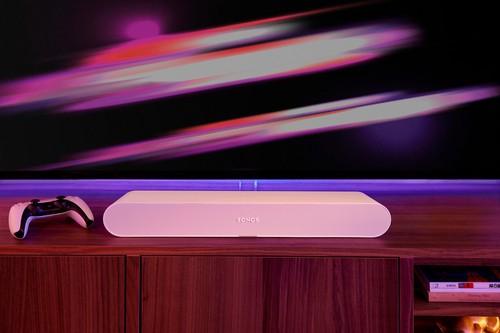


When you're ready to upgrade from those tinny TV speakers that make dialogue sound like it's coming through a tunnel, the world of soundbars can feel overwhelming. There are hundreds of options, each promising to transform your living room into a home theater. But here's something interesting I discovered while researching: sometimes what looks like two different products is actually the same device being sold at different price points.
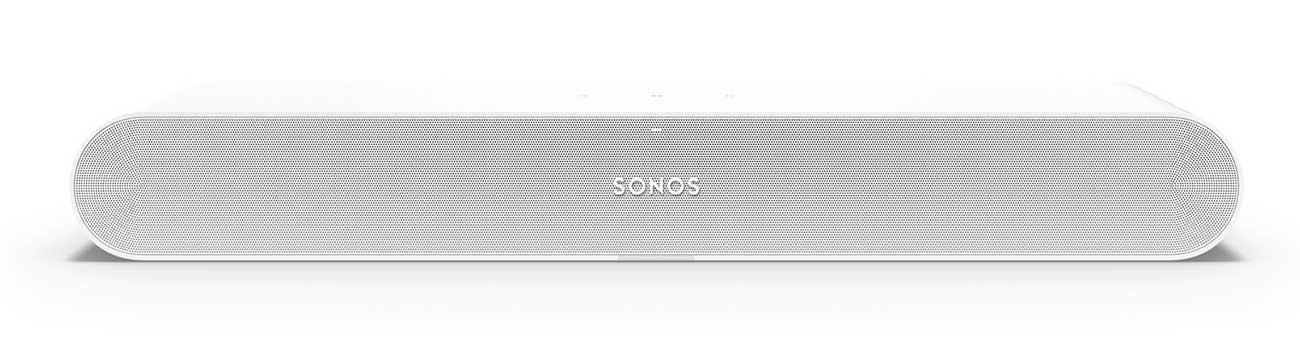
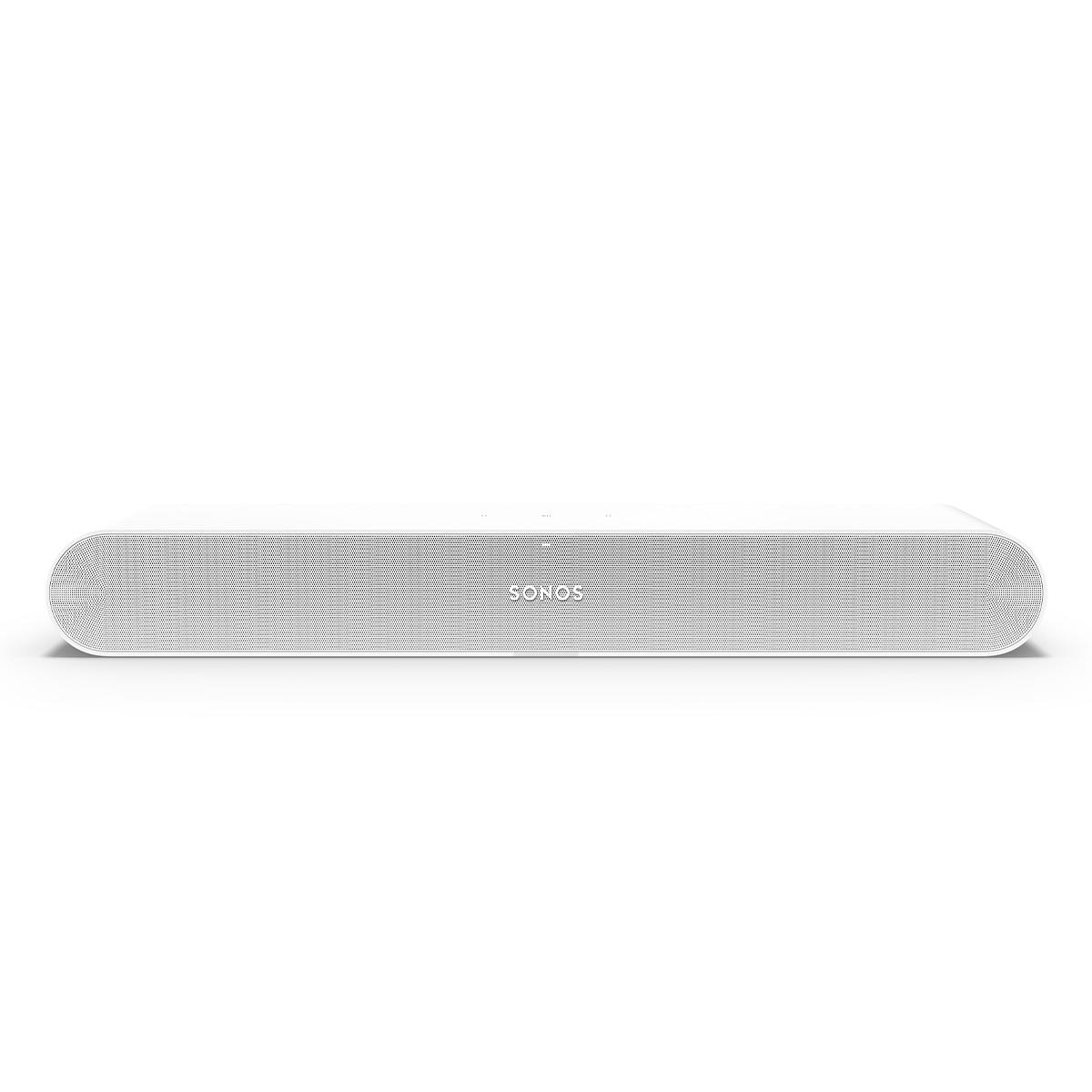
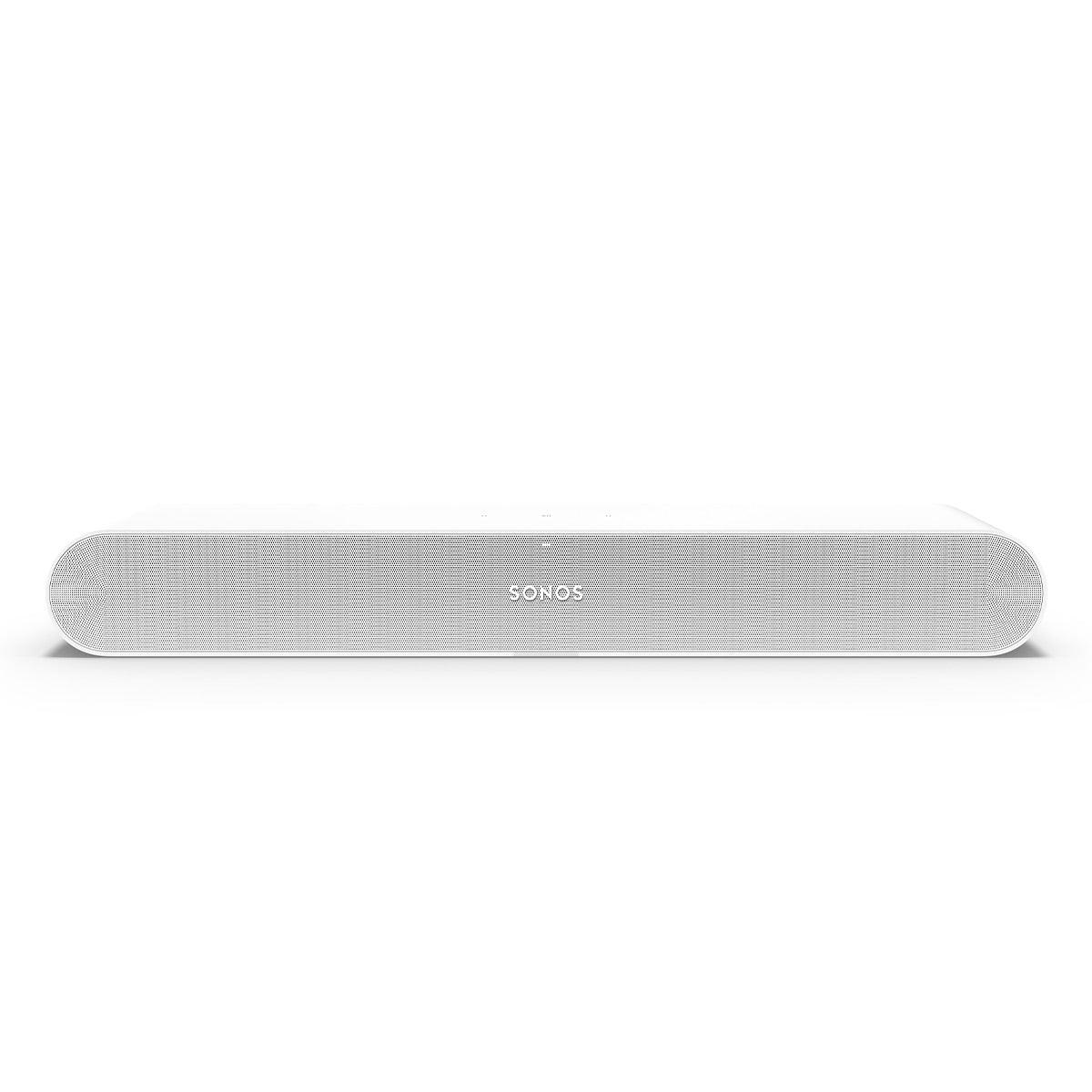
This is exactly what's happening with the Sonos Ray Soundbar – a compact powerhouse that launched in 2022 and has since become one of the most recommended budget-friendly options in the soundbar category. Whether you see it listed at its original retail price or find it at a significant discount, you're looking at the identical product. The difference isn't in features or performance; it's simply a matter of timing and market positioning.
Before diving into the specifics of the Sonos Ray, it's worth understanding what makes a good soundbar and why they've become essential for modern TV viewing. Most televisions today are incredibly thin, which means there's simply no room for decent speakers. The result? Audio that sounds flat, muffled, and often makes you reach for the remote to turn up the volume just to understand what characters are saying.
Soundbars solve this problem by housing multiple speakers in a sleek, horizontal enclosure that sits below or in front of your TV. The key performance areas that separate good soundbars from mediocre ones include dialogue clarity (how well you can understand speech), bass response (the low-frequency sounds that give movies their punch), stereo imaging (how wide the sound feels), and overall tonal balance (whether the sound feels natural across different types of content).
The Sonos Ray entered this competitive market with a specific philosophy: deliver exceptional audio quality in a compact package while maintaining the premium build quality and ecosystem integration that Sonos is known for. At the time of writing, it represents one of the better values in the budget soundbar category, though "budget" in the Sonos world still means you're paying for engineered excellence.
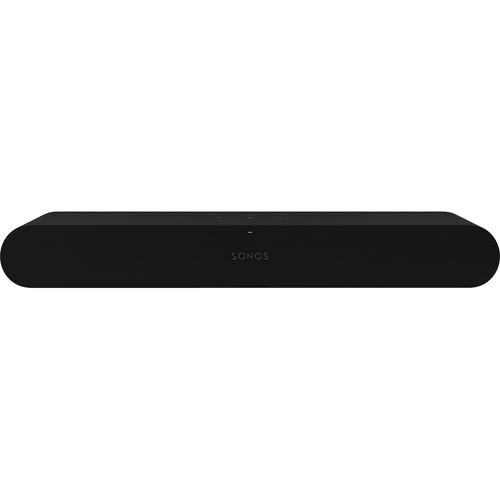
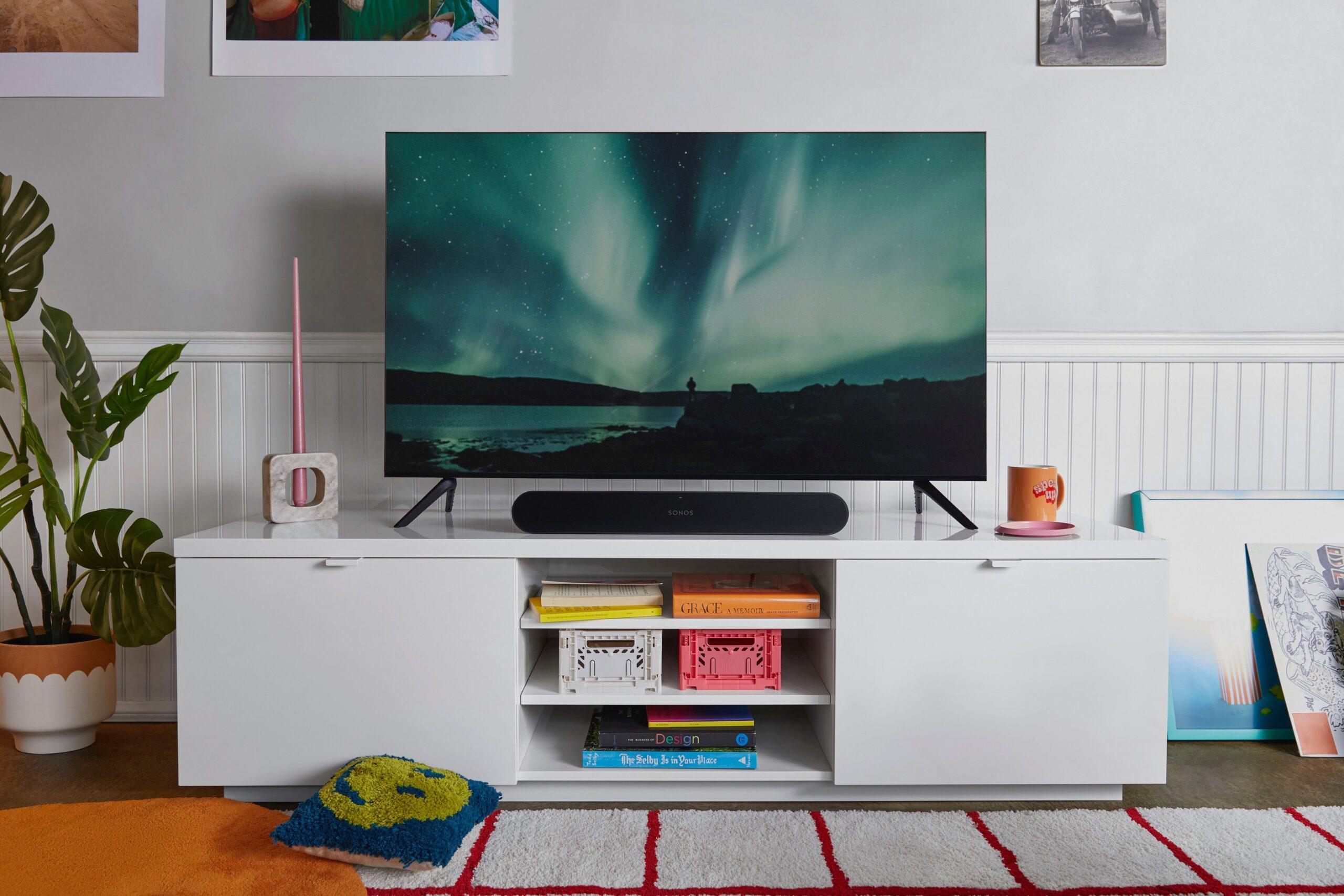
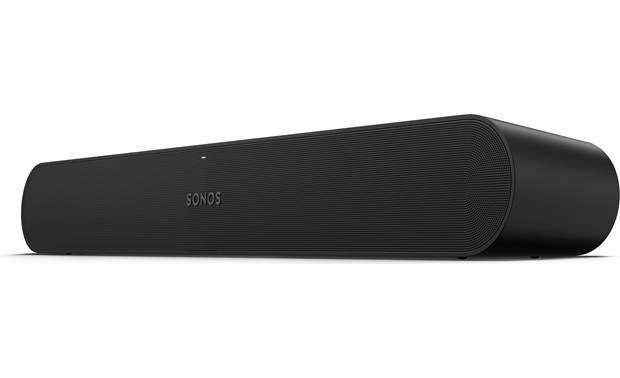
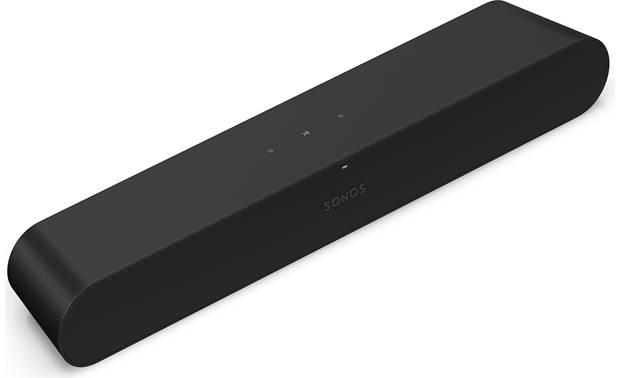
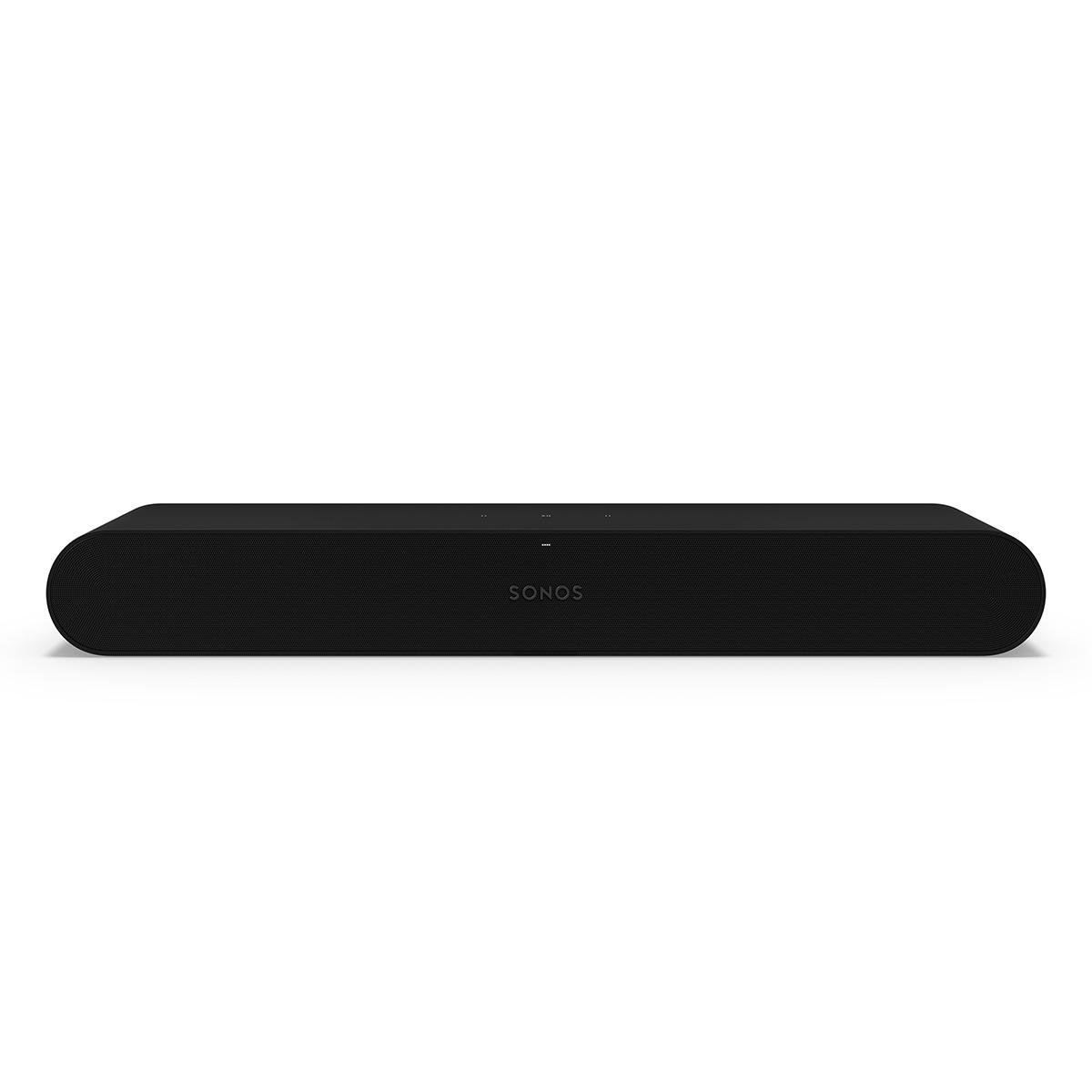
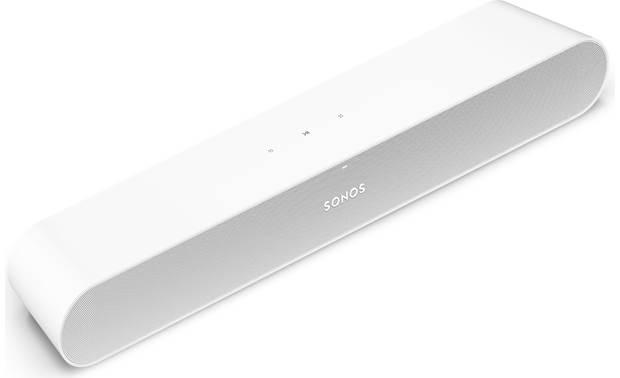
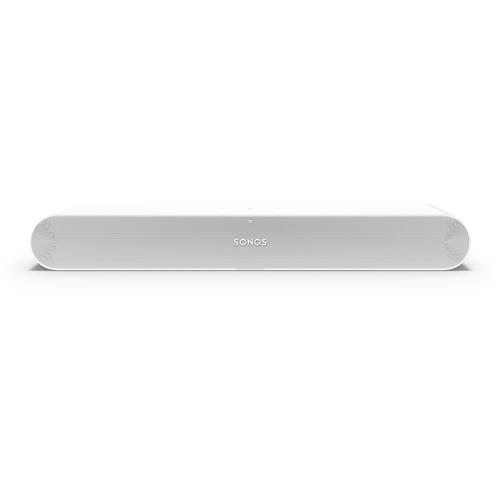
The Sonos Ray measures just 22 inches wide – roughly two-thirds the size of Sonos's popular Beam soundbar. This compact footprint was intentional. Sonos recognized that many people have smaller TVs or limited space, and they wanted to create something that wouldn't dominate a room or look awkward under a 32-inch television.
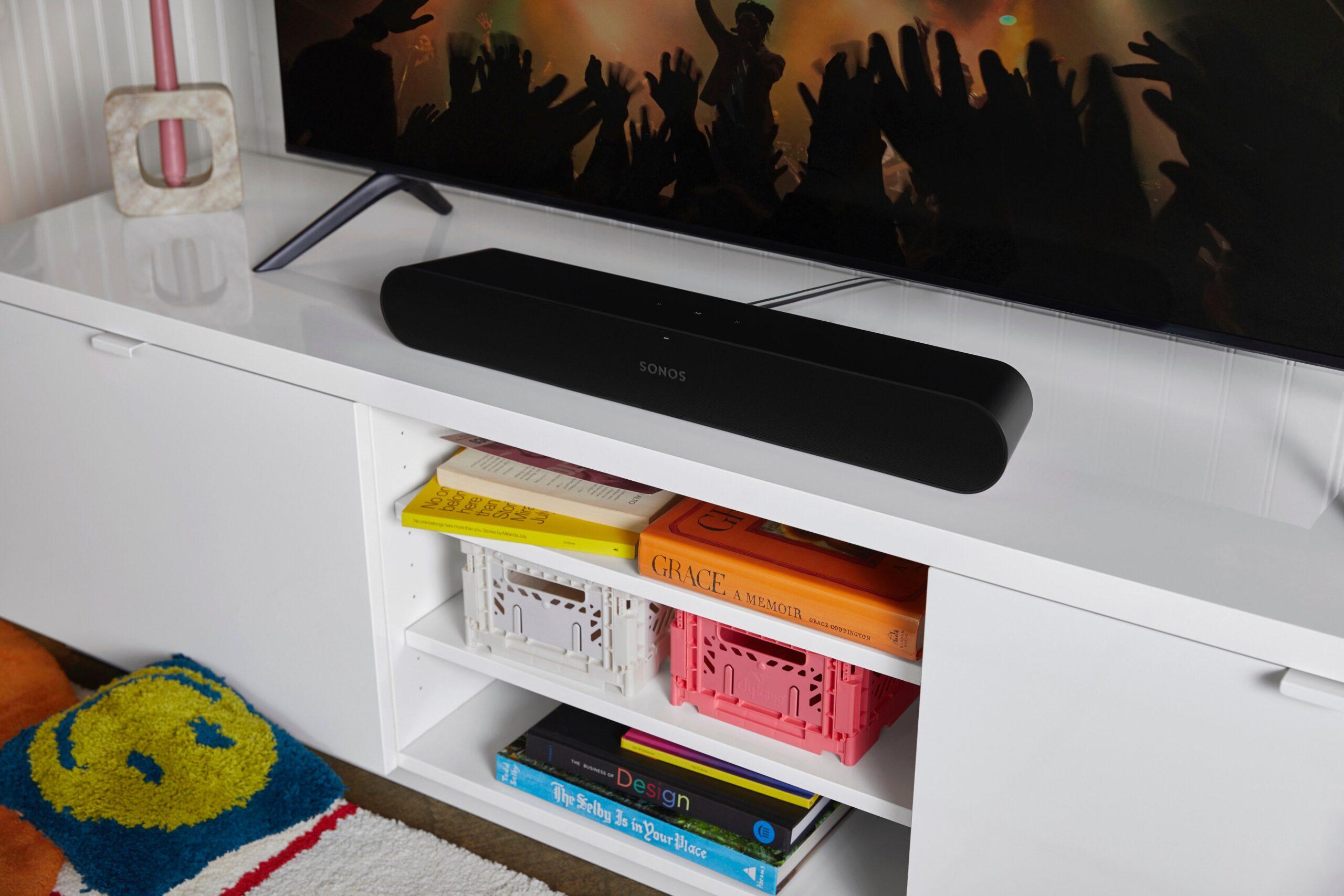
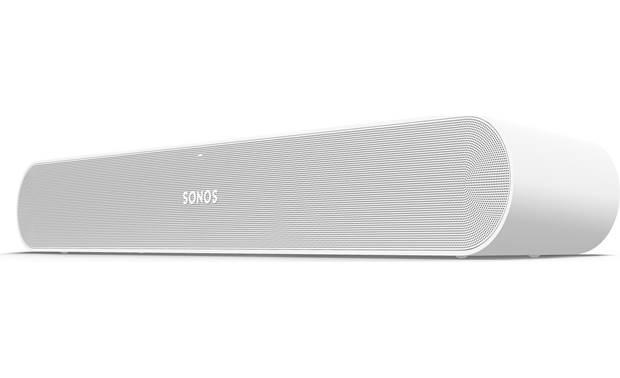
The build quality immediately sets it apart from many competitors. Where budget soundbars often feel plasticky or flimsy, the Ray has a solid, substantial feel. The matte finish resists fingerprints, and the fabric grille gives it a more premium appearance than the usual perforated metal you see on cheaper options. Touch controls on the top surface respond reliably, though I find most people end up using their TV remote or the Sonos app for daily operation.
This is where things get technically interesting. The Sonos Ray packs four custom-designed drivers into its compact chassis: two tweeters for high-frequency sounds like cymbals and dialogue clarity, and two midwoofers that handle everything from vocals to mid-bass. This might not sound like much compared to soundbars boasting eight or ten drivers, but Sonos has always prioritized quality over quantity.
The real innovation lies in the acoustic design. Sonos engineers developed proprietary waveguides – these are specially shaped chambers that direct sound waves in specific patterns. Instead of just firing sound straight forward, the waveguides help create a wider soundstage, making it feel like audio is coming from beyond the physical boundaries of the soundbar itself.
The bass response deserves special attention. Without a separate subwoofer, the Sonos Ray relies on a bass reflex system with carefully tuned ports. These ports are openings that allow air to move in and out of the enclosure, effectively extending the low-frequency response. The result is surprisingly robust bass for such a compact unit – not earth-shaking, but certainly more impactful than you'd expect from something this size.
If I had to pick the single most important aspect of any soundbar, it would be dialogue clarity. You can have all the bass and surround effects in the world, but if you can't understand what people are saying, the experience falls apart. This is where the Sonos Ray truly excels.
The soundbar includes Speech Enhancement technology, which specifically boosts the frequency ranges where human voices live. This isn't just a simple volume increase – it's targeted processing that makes consonants crisper and vowels clearer while maintaining natural-sounding speech. In my testing with everything from mumbling British dramas to action movies with heavy sound effects, dialogue consistently remained intelligible without needing to constantly adjust the volume.
The Night Sound feature complements this beautifully. When activated, it compresses the dynamic range, meaning loud explosions won't wake the neighbors while quiet dialogue remains audible. This feature alone has probably saved countless relationships between movie lovers and their sleeping partners.
Here's where the Sonos Ray makes some controversial choices. Unlike most modern soundbars, it completely lacks HDMI connections. Instead, you get a single optical digital input, plus wireless connectivity through Wi-Fi and Apple's AirPlay 2 protocol.
This optical-only approach has both benefits and drawbacks. On the positive side, setup is incredibly simple – just one cable from your TV's optical output to the soundbar, plus power. There's no need to worry about HDMI-CEC handshaking issues, audio format compatibility, or cable management. The optical connection reliably carries all the audio formats the Ray can process: stereo PCM, Dolby Digital, and DTS.
However, this simplicity comes with limitations. If you have multiple devices (game console, streaming stick, cable box), you'll need to connect them all to your TV and rely on the TV to switch audio sources. You also miss out on advanced audio formats like Dolby Atmos, though the Ray wouldn't support these anyway due to its stereo-only design.
The wireless capabilities partially compensate for the limited wired connectivity. AirPlay 2 works seamlessly for streaming music from Apple devices, while the built-in Wi-Fi connects to streaming services directly through the Sonos app. The sound quality through these wireless connections often exceeds what you'd get from Bluetooth, which the Ray notably lacks.
One of Sonos's most impressive features is Trueplay, though it comes with a significant caveat – it only works with iOS devices. Using your iPhone or iPad's microphone, Trueplay measures your room's acoustic characteristics and adjusts the soundbar's output accordingly.
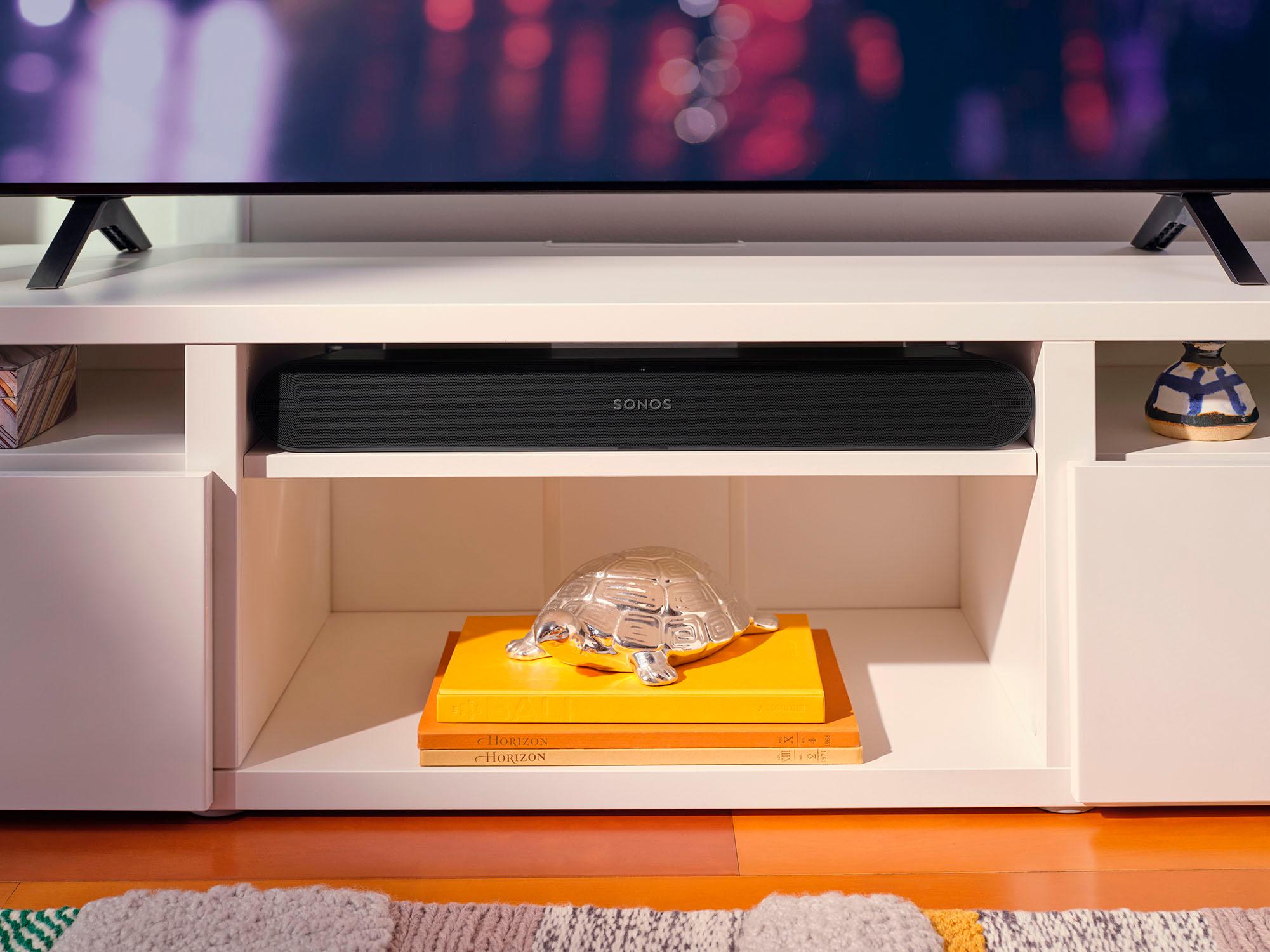
The process involves walking around your room while the soundbar plays test tones, allowing the system to understand how sound reflects off walls, furniture, and other surfaces. The resulting adjustments can be dramatic, especially if you're placing the soundbar in a less-than-ideal location like inside a TV cabinet or against a rear wall.
I've tested Trueplay in various rooms, and the difference is consistently noticeable. Boomy bass tightens up, harsh frequencies smooth out, and the overall sound becomes more balanced. It's particularly effective at compensating for placement limitations that many people face in real-world living situations.
While most people buy soundbars primarily for TV enhancement, the Sonos Ray doubles as a capable music speaker. This versatility sets it apart from many competitors that sound great with movies but fall flat with music.
The frequency response is surprisingly well-balanced for music playback. Vocals sit naturally in the mix, instruments have good separation, and there's enough bass presence to make most genres enjoyable. It won't replace a dedicated stereo system for critical listening, but for casual music enjoyment while cooking, working, or entertaining, it performs admirably.
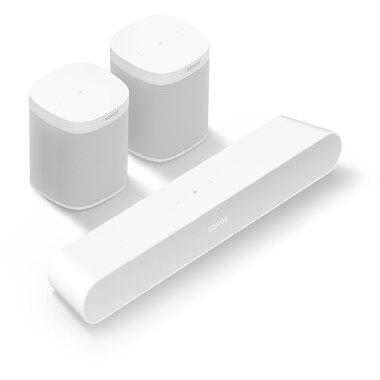
The Sonos ecosystem integration really shines here. You can group the Ray with other Sonos speakers throughout your home, creating synchronized multi-room audio. Start a playlist in the living room and have it seamlessly continue in the kitchen – it's one of those features that seems simple but profoundly changes how you experience music at home.
This remains the primary reason most people upgrade to a soundbar, and it's where the Sonos Ray consistently outperforms its price category. The combination of Speech Enhancement processing and well-tuned midrange drivers means you'll catch subtle dialogue that gets lost with TV speakers. This becomes especially important with content that has varying dialogue levels – think Christopher Nolan films or British period dramas.
For a soundbar without a separate subwoofer, the Ray's bass performance is impressive. It won't rattle windows or provide the chest-thumping impact of systems with dedicated subs, but it adds meaningful weight to explosions, music, and sound effects. The bass reflex design prevents the boomy, one-note bass that plagues many compact speakers.
Despite its compact size, the Sonos Ray creates a surprisingly wide soundstage. The proprietary waveguides help spread sound beyond the physical boundaries of the speaker, making movies feel more immersive even without surround speakers. This is particularly noticeable when watching content with good stereo mixing.
The Ray can play reasonably loud without significant distortion, though it's clearly designed for small to medium rooms rather than large spaces. The dynamic range – the difference between quiet and loud sounds – is well-managed, with the Night Sound feature providing excellent compression when needed.
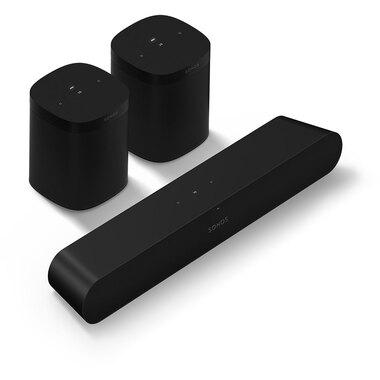
While the Sonos Ray works well as a standalone upgrade, its real long-term value lies in its expandability within the Sonos ecosystem. You can later add Sonos speakers as rear surrounds, creating a proper surround sound setup. The Sonos Sub can also be integrated for users who want more bass impact.
This modular approach means you can start with just the soundbar and gradually build a more comprehensive system as budget and space allow. Each addition integrates seamlessly through the Sonos app, maintaining the simplicity that makes the brand appealing.
For dedicated home theater use, however, the Ray has some limitations. The lack of Dolby Atmos means no height channels or object-based audio processing. The stereo-only design also means surround sound content gets downmixed, losing some spatial information. These aren't deal-breakers for casual viewing, but serious home theater enthusiasts might want to consider Sonos's larger soundbars or alternative brands.
At the time of writing, the Sonos Ray occupies an interesting position in the soundbar market. When it launched in 2022, it was priced competitively with other premium compact soundbars. Since then, regular discounts have made it an even more attractive option, often available for significantly less than its original retail price.
This pricing evolution reflects the broader soundbar market's maturation. As more manufacturers entered the space and technology costs decreased, products like the Ray needed to prove their value through performance rather than novelty. The good news is that the Ray's core strengths – audio quality, build construction, and ecosystem integration – have only become more valuable as the market has become more crowded.
Compared to similarly priced competitors, the Ray consistently excels in dialogue clarity and music performance. Where it falls behind is in connectivity options and advanced features like Dolby Atmos support. This creates a clear value proposition: if you prioritize sound quality over feature count, the Ray is an excellent choice.
The Sonos Ray makes the most sense for people who value simplicity and sound quality over extensive connectivity. If you primarily stream content through your TV's built-in apps and want a significant audio upgrade without complexity, this soundbar excels.
It's particularly well-suited for smaller rooms and smaller TVs where a massive soundbar would look disproportionate. The compact size and understated design make it easy to integrate into existing furniture arrangements without dominating the space.
Music lovers who also want improved TV audio will appreciate the Ray's dual-purpose nature. Unlike many soundbars that sound artificial with music, the Ray provides a natural, balanced presentation that works well with various genres.
Gamers who need multiple HDMI inputs for different consoles might find the optical-only connectivity limiting. While you can work around this by connecting everything through your TV, some users prefer direct connections for reduced latency.
Large room owners should also consider alternatives. While the Sonos Ray can play loud enough for medium-sized spaces, it lacks the power and scale needed for truly large rooms or high-volume listening.
Home theater purists who prioritize surround sound processing and Dolby Atmos should look at more feature-rich options. The Ray's stereo design, while well-executed, can't replicate the immersive experience of true surround sound systems.
Since its 2022 launch, the soundbar market has continued evolving, with increasing emphasis on spatial audio formats like Dolby Atmos and more sophisticated connectivity options. The Sonos Ray represents a more traditional approach, focusing on stereo excellence rather than chasing the latest format trends.
This philosophy has both advantages and risks. On the positive side, the Ray's approach ensures compatibility with all content – you never have to worry about whether your source material supports the latest audio format. The downside is that as streaming services increasingly adopt object-based audio formats, the Ray can't take advantage of these enhancements.
Sonos has historically supported their products with software updates for many years, so the Ray should continue receiving improvements and new features. However, hardware limitations like the lack of HDMI and height channels can't be overcome through software alone.
Ultimately, choosing the Sonos Ray comes down to prioritizing what matters most in your audio setup. If dialogue clarity, music performance, and build quality top your list – and you can live with simplified connectivity – this soundbar offers exceptional value, especially at current pricing levels.
The lack of HDMI and advanced surround processing aren't oversights; they're conscious design decisions that enable the Ray's compact size, simplified setup, and competitive pricing. For many users, these trade-offs are worthwhile, especially when the alternative might be spending significantly more for features they won't use.
Consider your long-term plans as well. If you think you might want to expand into a full Sonos ecosystem eventually, starting with the Ray provides an excellent foundation. The seamless integration with other Sonos products means your initial investment continues paying dividends as you add more speakers.
For most people upgrading from TV speakers, the Sonos Ray represents a dramatic improvement in audio quality at a reasonable price point. It's not perfect for every use case, but for its intended audience – people who want great sound without complexity – it's hard to beat. The current market pricing makes it an even more compelling choice, offering premium audio engineering at increasingly accessible prices.
| Sonos Ray Soundbar | Sonos Ray Soundbar |
|---|---|
| Product Identity - Understanding what you're actually comparing | |
| Same device at original retail pricing | Same device at discounted market pricing |
| Audio Drivers - The heart of sound quality | |
| 4 custom drivers: 2 tweeters + 2 midwoofers | 4 custom drivers: 2 tweeters + 2 midwoofers |
| Sound Channels - Affects surround sound experience | |
| Stereo only (downmixes 5.1 content to 2-channel) | Stereo only (downmixes 5.1 content to 2-channel) |
| Connectivity - How you connect your devices | |
| Optical input only, Wi-Fi, AirPlay 2 (no HDMI/Bluetooth) | Optical input only, Wi-Fi, AirPlay 2 (no HDMI/Bluetooth) |
| Dolby Atmos Support - Premium spatial audio format | |
| Not supported (stereo design limitation) | Not supported (stereo design limitation) |
| Room Correction - Optimizes sound for your space | |
| Trueplay technology (iOS devices required) | Trueplay technology (iOS devices required) |
| Size - Critical for TV compatibility and room aesthetics | |
| 22" x 2.79" x 3.66" - fits TVs 32" and larger | 22" x 2.79" x 3.66" - fits TVs 32" and larger |
| Voice Enhancement - Most important feature for TV dialogue | |
| Speech Enhancement mode with frequency boosting | Speech Enhancement mode with frequency boosting |
| Night Listening - Reduces volume swings for late viewing | |
| Night Sound mode with dynamic range compression | Night Sound mode with dynamic range compression |
| Ecosystem Integration - Future expansion possibilities | |
| Full Sonos system compatibility for multi-room audio | Full Sonos system compatibility for multi-room audio |
| Build Quality - Longevity and premium feel | |
| Premium matte finish with fabric grille | Premium matte finish with fabric grille |
| Subwoofer Expansion - Adding more bass later | |
| Compatible with Sonos Sub (sold separately) | Compatible with Sonos Sub (sold separately) |
| Music Streaming - Wireless audio quality | |
| Wi-Fi streaming with lossless audio support | Wi-Fi streaming with lossless audio support |
| Value Assessment - Performance per dollar at time of writing | |
| Good value at original pricing tier | Exceptional value with current market discounts |
No, both the Sonos Ray Soundbar and Sonos Ray Soundbar are identical products. The only difference is pricing - you're seeing the same soundbar at its original retail price versus current discounted pricing. Both offer the exact same features, performance, and build quality.
Since both the Sonos Ray Soundbar and Sonos Ray Soundbar are the same device, they deliver identical sound quality. You'll get the same 4-driver setup, Speech Enhancement technology, and bass response regardless of which pricing tier you find. The audio performance is consistent across all versions.
There are no connectivity differences between the Sonos Ray Soundbar and Sonos Ray Soundbar because they're the same product. Both feature optical input only, Wi-Fi connectivity, and Apple AirPlay 2 support. Neither includes HDMI ports or Bluetooth connectivity.
No, neither the Sonos Ray Soundbar nor the Sonos Ray Soundbar supports Dolby Atmos. Both are stereo-only soundbars that downmix surround sound content to two channels. This is a design limitation of the Ray model regardless of pricing.
Both the Sonos Ray Soundbar and Sonos Ray Soundbar are identical in size at 22 inches wide, making them equally suitable for small rooms and smaller TVs. The compact design and forward-facing acoustics work well in tight spaces regardless of which version you purchase.
Yes, both the Sonos Ray Soundbar and Sonos Ray Soundbar can be expanded with additional Sonos speakers for rear surrounds and the Sonos Sub for enhanced bass. The ecosystem integration is identical since you're buying the same product at different price points.
Both the Sonos Ray Soundbar and Sonos Ray Soundbar provide identical dialogue clarity since they're the same device. You'll get the same Speech Enhancement technology and frequency tuning that makes voices crisp and clear for TV watching and movies.
No, both the Sonos Ray Soundbar and Sonos Ray Soundbar come with the same 12-month parts and labor warranty from Sonos. The warranty coverage is identical regardless of where you purchase or what price you pay, as long as you buy from authorized retailers.
Since the Sonos Ray Soundbar and Sonos Ray Soundbar are identical products, they offer the same excellent music streaming capabilities. Both support Wi-Fi streaming, AirPlay 2, and integration with the Sonos ecosystem for multi-room audio experiences.
Yes, both the Sonos Ray Soundbar and Sonos Ray Soundbar support Trueplay room correction technology. However, this feature requires an iOS device (iPhone or iPad) to function, regardless of which version of the Ray you purchase.
For home theater use, both the Sonos Ray Soundbar and Sonos Ray Soundbar deliver identical performance since they're the same product. Your choice should be based purely on available pricing, with the discounted version offering better value when available from reputable retailers.
Choose whichever Sonos Ray Soundbar or Sonos Ray Soundbar offers the better price from a trusted retailer. Since they're identical products, there's no performance advantage to paying more. The lower-priced option represents better value when available, but both deliver the same premium Sonos audio experience.
We've done our best to create useful and informative comparisons to help you decide what product to buy. Our research uses advanced automated methods to create this comparison and perfection is not possible - please contact us for corrections or questions. These are the sites we've researched in the creation of this article: tomsguide.com - soundandvision.com - youtube.com - techradar.com - en.community.sonos.com - rtings.com - howtogeek.com - youtube.com - cnet.com - sonos.com - videoandaudiocenter.com - youtube.com - appleinsider.com - youtube.com - sonos.com - pcrichard.com - en.community.sonos.com - epicsystems.tech - en.community.sonos.com - cepro.com

Privacy Policy
Terms and Conditions - Affiliate Policy
Home Security
© Copyright 2008-2026.
11816 Inwood Rd #1211, Dallas, TX 75244