



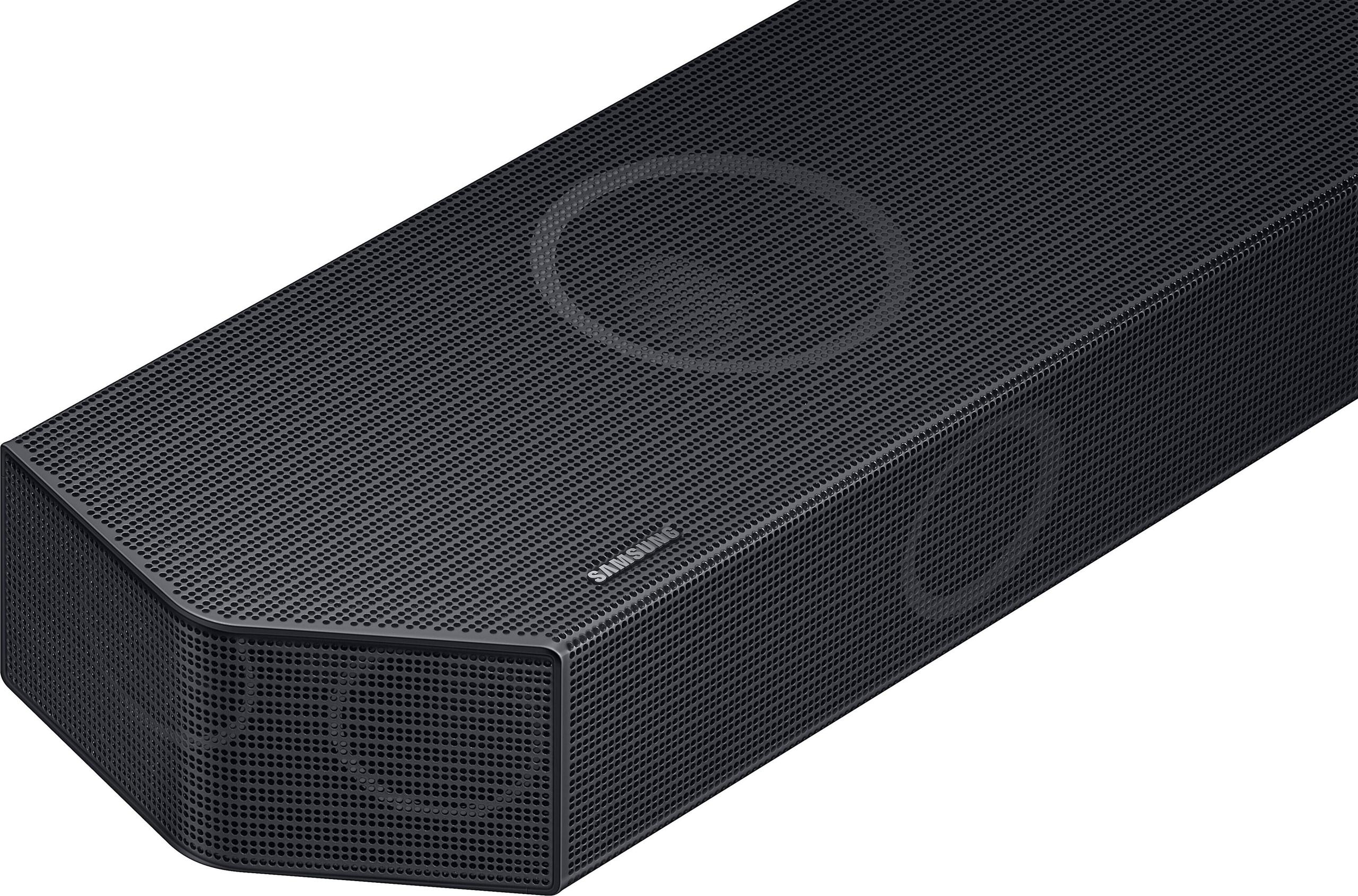




If you've been putting up with your TV's tinny built-in speakers, you're not alone. Most televisions, even expensive ones, have audio that sounds like it's coming from inside a shoebox. That's where soundbars come in – they're the easiest way to dramatically upgrade your TV's audio without turning your living room into a maze of wires and speakers.
Today, I'm comparing two very different approaches to better TV sound: the Sony BRAVIA Theater Bar 6 and the Samsung Q Series 9.1.2. These aren't just different brands – they represent fundamentally different philosophies about how to deliver great home theater audio.
Before diving into the comparison, let's talk about what really matters when choosing a soundbar. The most important factor is channel configuration – those numbers you see like "3.1.2" or "9.1.2." The first number represents main speakers (left, center, right), the second is subwoofers, and the third indicates height channels for overhead effects. More channels generally mean more immersive sound, but they also require more space and cost more money.
Power output, measured in watts, tells you how loud and dynamic your soundbar can get. But raw power isn't everything – speaker quality, room acoustics, and digital processing matter just as much. A well-designed 200W system often sounds better than a poorly engineered 400W one.
Content format support determines what types of audio your soundbar can decode. Dolby Atmos and DTS:X are object-based audio formats that place sounds in 3D space around you, making explosions feel like they're happening overhead or rain sound like it's falling from above. Traditional surround formats like 5.1 place audio in fixed channels, while these newer formats can position sounds anywhere in a three-dimensional space.
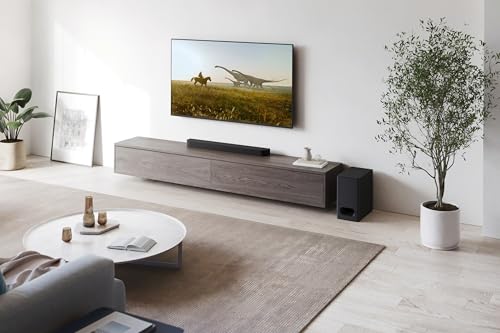
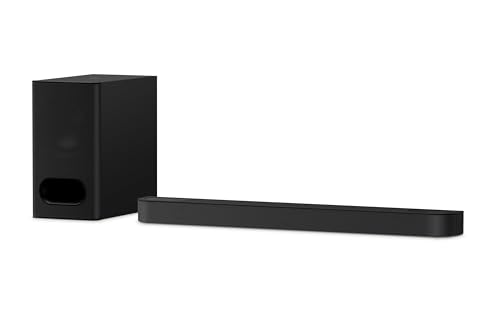
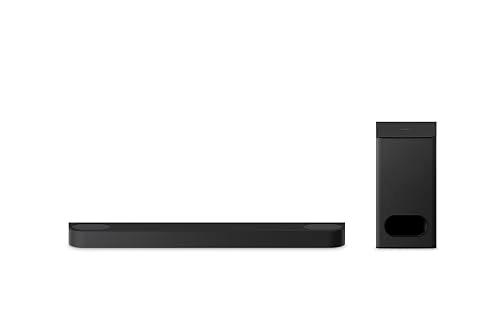
The Sony BRAVIA Theater Bar 6, released in 2024, represents the "smart simplicity" approach. It's a 3.1.2 system that focuses on doing the essentials extremely well without overwhelming your space or your wallet. At the time of writing, it sits in the mid-range price category, offering premium features at an accessible price point.
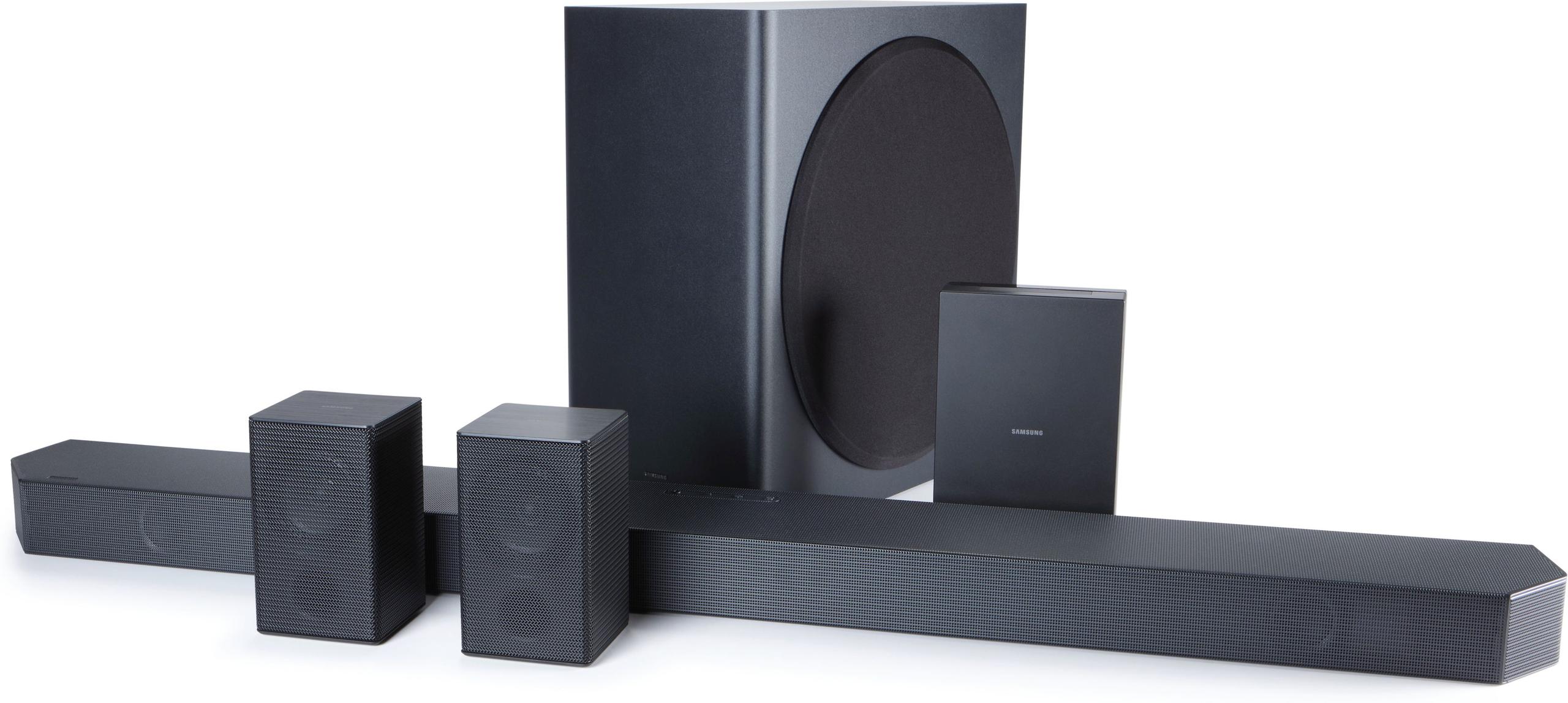
The Samsung Q Series 9.1.2, part of Samsung's premium lineup, takes the "full surround experience" approach. This is a true 9.1.2 system with dedicated rear speakers, targeting users who want the complete home theater experience. Pricing-wise, it commands a significant premium over the Sony, reflecting its more comprehensive speaker array and advanced features.
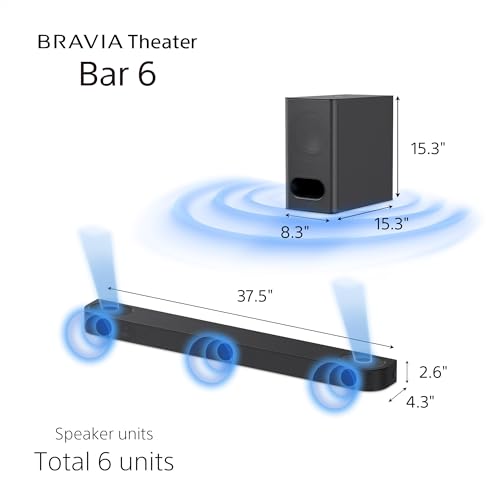
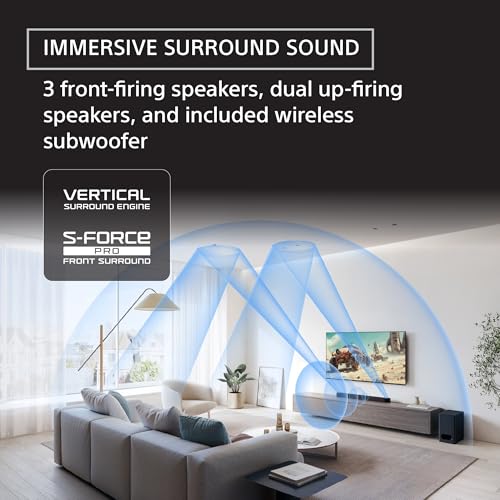
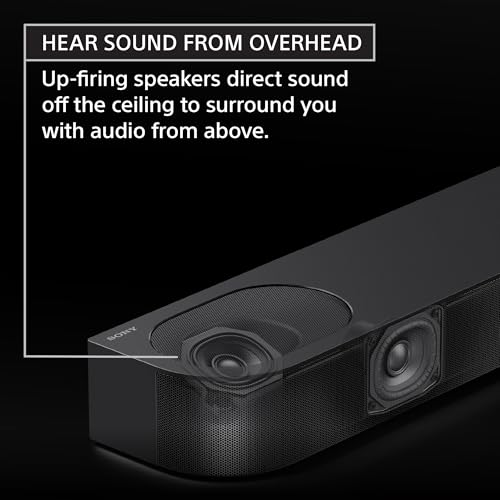
The fundamental difference between these systems becomes clear when you understand their speaker layouts. The Sony BRAVIA Theater Bar 6 uses three forward-facing speakers, one dedicated center channel, and two up-firing speakers, plus a wireless subwoofer. This 3.1.2 configuration relies heavily on psychoacoustic processing – essentially tricking your brain into hearing sounds that aren't physically there.
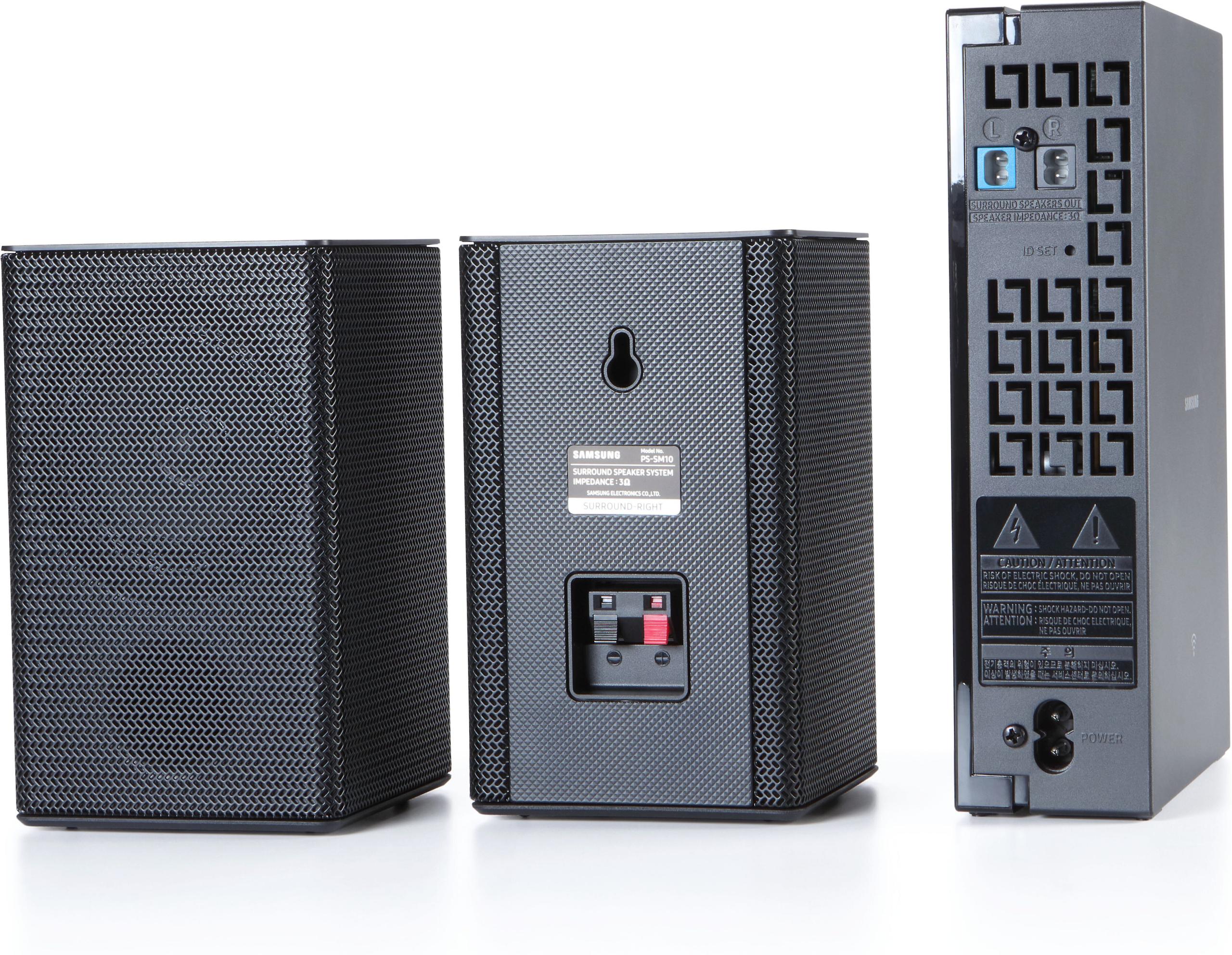
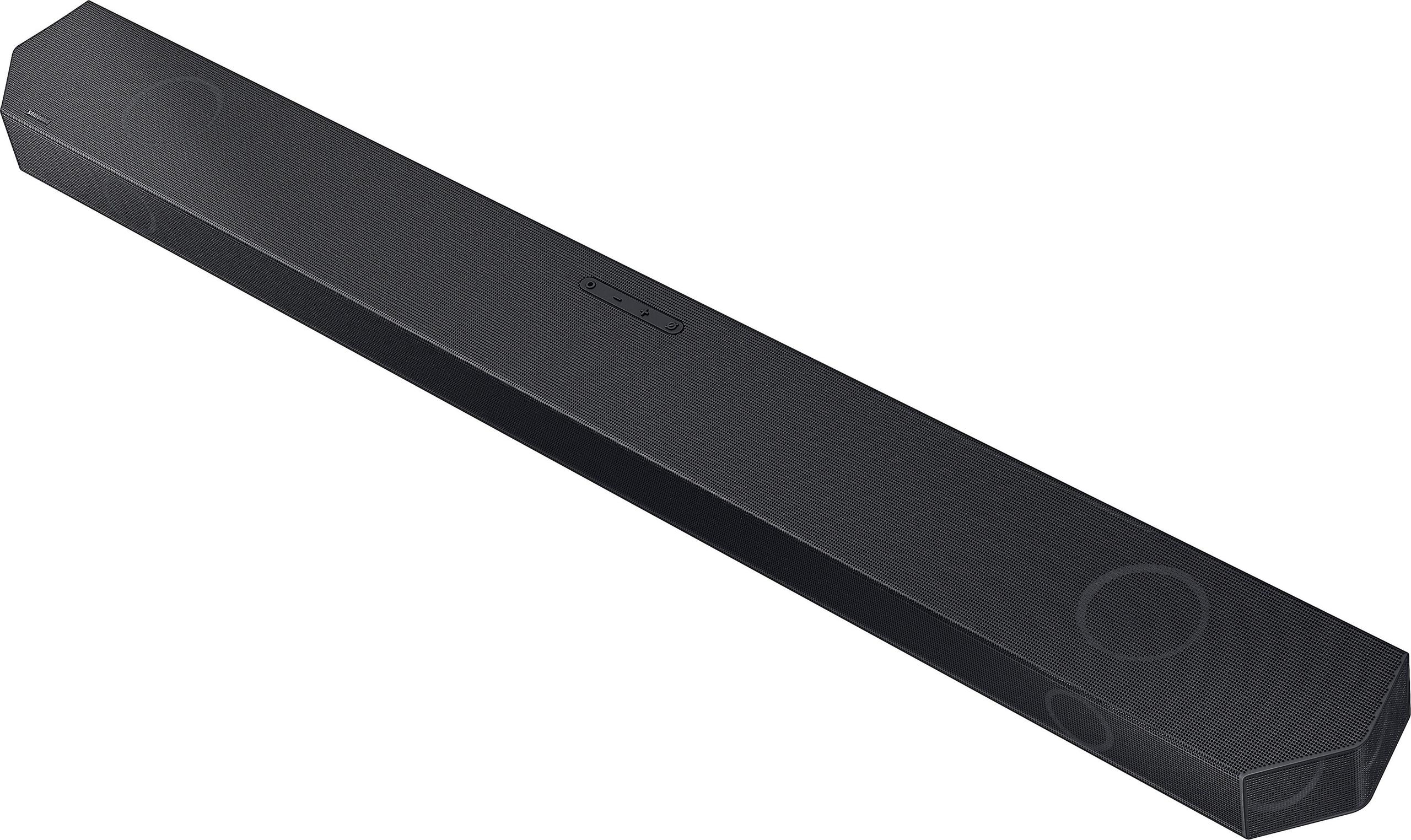
The Samsung Q Series 9.1.2 takes a more direct approach with nine main channels, including dedicated rear surround speakers. When you hear a helicopter flying overhead in a movie, the Samsung system can actually move that sound from the front speakers to the rear speakers and up to the height channels. The Sony has to create that same effect using sound reflections and digital processing.
In my experience, both approaches work, but they excel in different scenarios. The Samsung's discrete surround speakers create a more convincing "bubble" of sound around you, especially in larger rooms. You'll notice this most during action sequences – explosions feel more encompassing, and directional effects like cars driving past are more convincing.
However, the Sony BRAVIA Theater Bar 6 surprises with how much immersion it creates from just the front array. Sony's S-Force PRO Front Surround technology does an impressive job of creating width and depth, though it can't match the authenticity of actual rear speakers.
Let's be honest – if you can't understand what characters are saying, even the most impressive explosions become meaningless. This is where both systems shine, but in different ways.
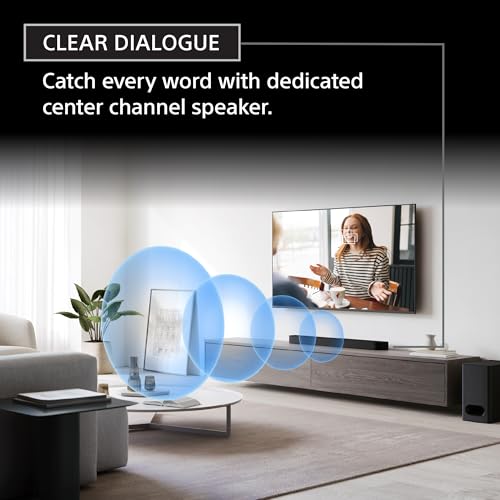
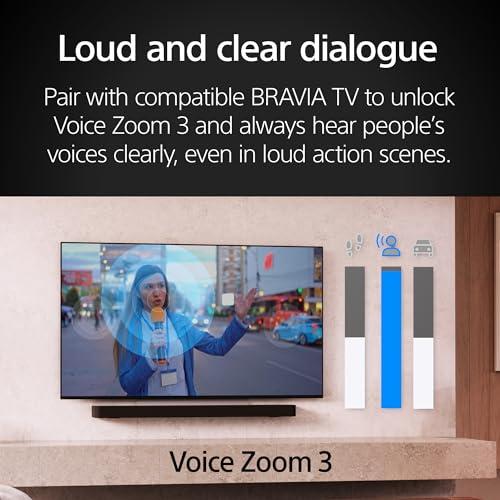
The Sony BRAVIA Theater Bar 6 includes a dedicated center channel speaker specifically for dialogue reproduction. Sony's Clear Voice algorithms and Voice Mode work together to lift dialogue above background music and effects. When paired with compatible Sony BRAVIA TVs, Voice Zoom 3.0 technology actually uses the TV's built-in speakers alongside the soundbar to create an even clearer vocal experience.
I've found this particularly useful when watching shows with heavy accents or complex dialogue. The voice enhancement doesn't sound artificial – it simply makes speech clearer without making it feel disconnected from the scene.
The Samsung Q Series 9.1.2 counters with Active Voice Amplifier (AVA) technology, which analyzes audio in real-time and boosts dialogue when it detects background noise or music might be masking speech. The larger system also provides more headroom, meaning voices remain clear even during the loudest action sequences.
Both systems excel here, but I give a slight edge to the Sony for pure dialogue clarity in smaller rooms, while the Samsung wins for maintaining vocal clarity during complex, multi-layered audio scenes.
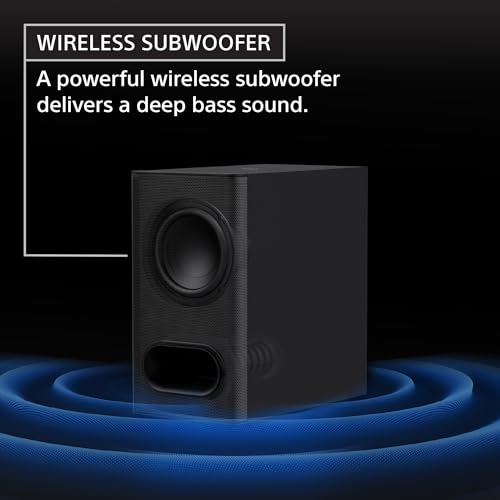
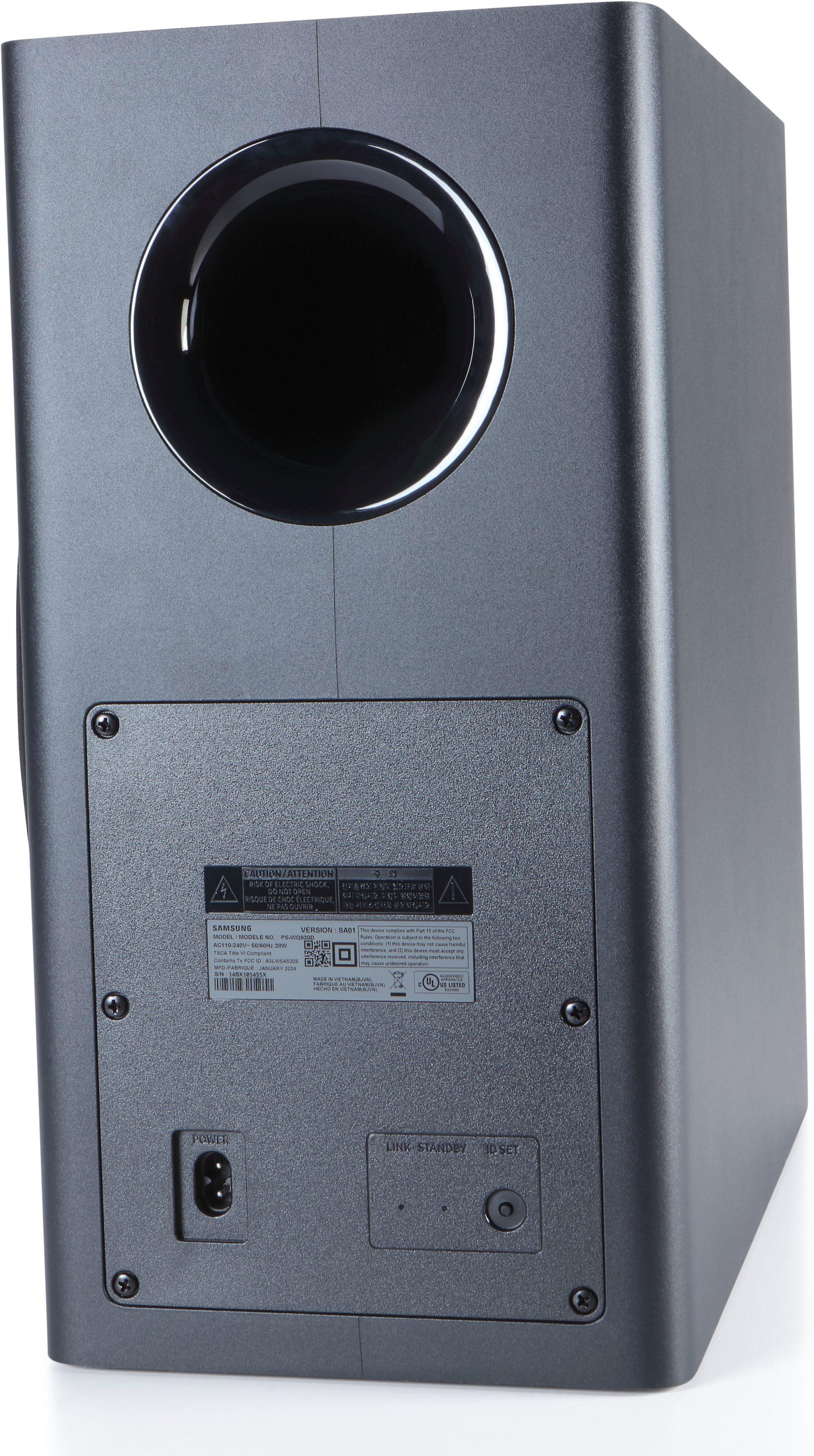
Bass is where these systems show their different personalities most clearly. The Sony BRAVIA Theater Bar 6 includes a wireless subwoofer with a 6-inch driver that can reach frequencies as low as 20Hz – that's the range where you feel bass as much as hear it.
However, Sony's aggressive bass tuning means the subwoofer often overpowers the rest of the frequency range out of the box. Most users need to dial back the bass settings to achieve a balanced sound. Once properly adjusted, the bass is punchy and impactful, though it can struggle with speed during rapid, complex passages like orchestral crescendos or fast-paced electronic music.
The Samsung Q Series 9.1.2 approaches bass more intelligently with Auto Sub EQ technology. This system uses a microphone in the subwoofer to analyze your room's acoustics and automatically adjusts bass levels to compensate for room modes (standing waves that can create boomy or thin bass depending on where you sit).
Combined with SpaceFit Sound+, which calibrates audio based on your room's dimensions and furniture placement, the Samsung provides more consistent bass performance across different listening positions. The larger driver and more sophisticated processing also handle complex bass passages with greater agility.
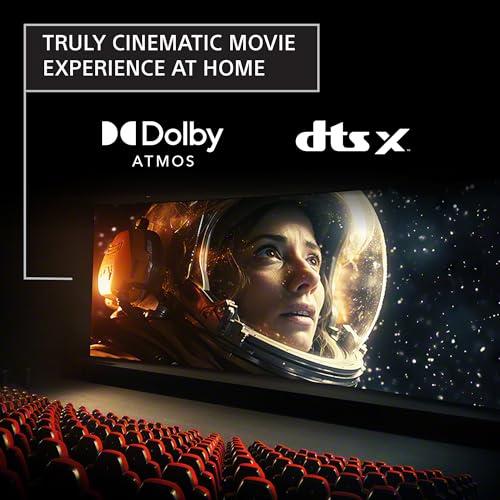
Both systems support Dolby Atmos, but their implementation differs significantly. The Sony BRAVIA Theater Bar 6 uses two up-firing speakers that bounce sound off your ceiling to create the illusion of overhead effects. This works well in rooms with flat, reflective ceilings at the right height (8-10 feet typically works best).
The Vertical Surround Engine processing helps create height effects even in less-than-ideal rooms, though the effect is entirely dependent on virtual processing rather than discrete height speakers. Rain effects, overhead aircraft, and ceiling-mounted sounds are reasonably convincing, especially given the system's compact footprint.
The Samsung Q Series 9.1.2 delivers more authentic height effects through its true 9.1.2 configuration. With dedicated speakers handling height channels and surround duties, overhead effects feel more natural and precisely positioned. The system supports both Dolby Atmos and DTS:X, giving you broader compatibility with different content sources.
For home theater enthusiasts who prioritize that immersive "being inside the movie" feeling, the Samsung's approach delivers more convincing results, particularly in properly set up rooms with adequate space for all speakers.
Both manufacturers have invested heavily in making their soundbars work seamlessly with their TVs, but they take different approaches.
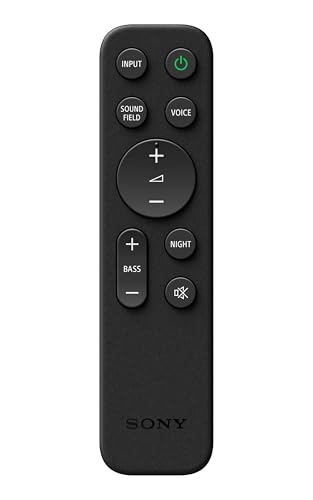
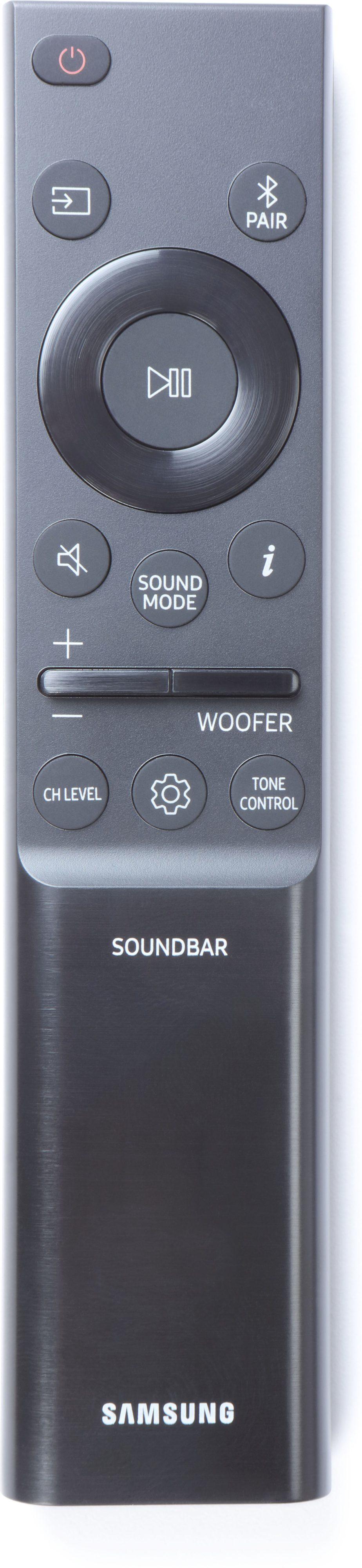
The Sony BRAVIA Theater Bar 6 integrates beautifully with Sony BRAVIA TVs through BRAVIA SYNC. This allows single-remote control of both devices and enables features like Acoustic Center Sync, where the TV's speakers work alongside the soundbar for enhanced center channel performance. The BRAVIA Connect app provides a unified interface for adjusting both TV and soundbar settings.
Samsung's approach with the Samsung Q Series 9.1.2 centers on Q-Symphony technology. When paired with compatible Samsung QLED or Neo QLED TVs, the TV speakers don't shut off when the soundbar is active – instead, they work together to create an even larger soundstage. The TV's speakers handle some mid-range duties while the soundbar focuses on bass, surround, and height effects.
Both systems work fine with any TV brand, but the enhanced features only activate with their respective manufacturer's televisions.
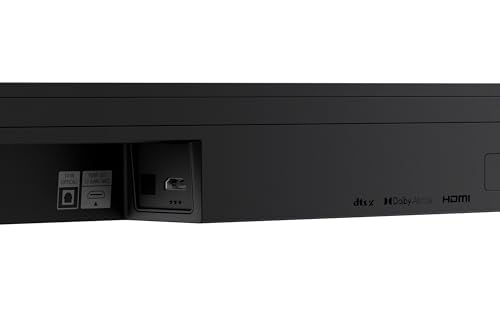
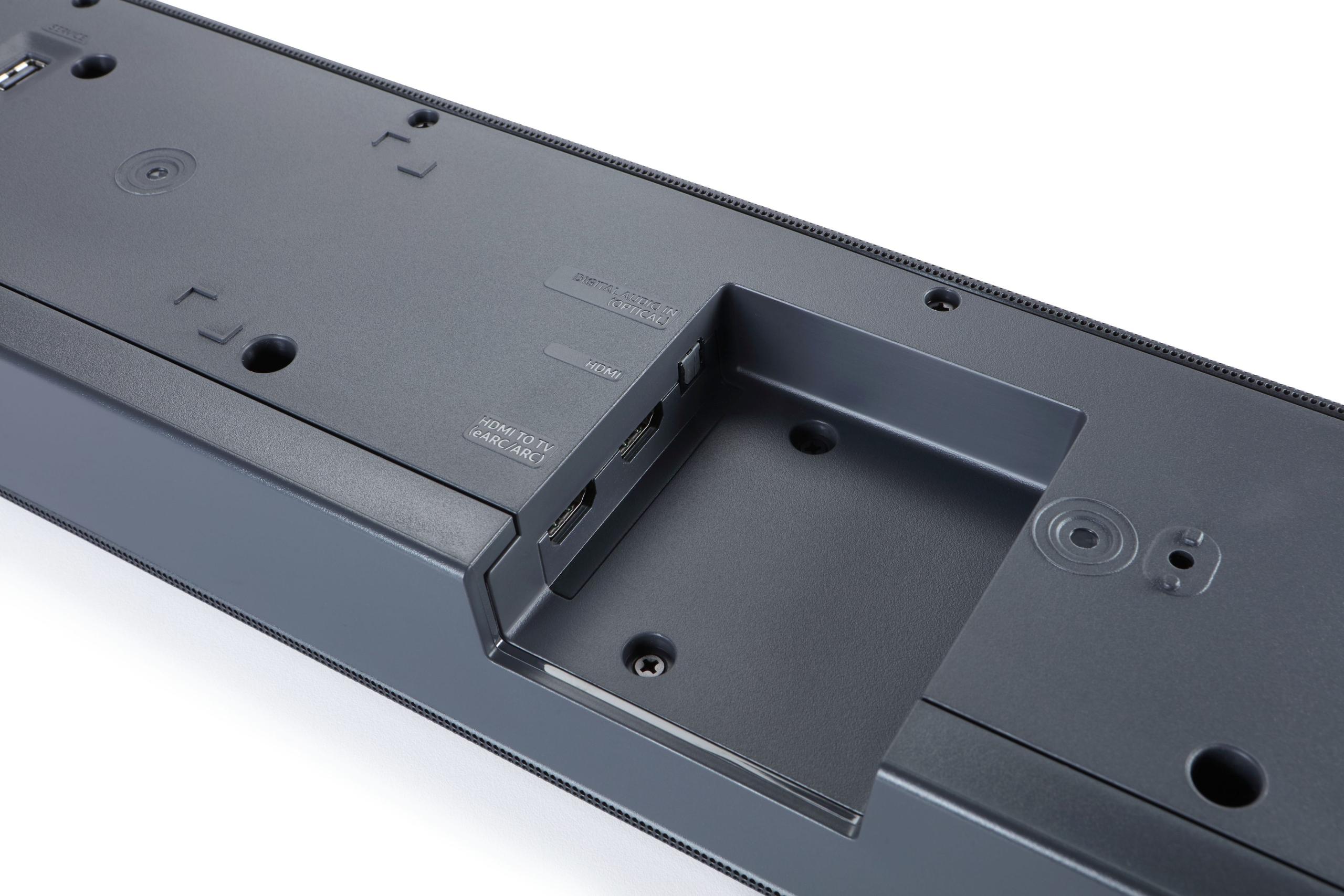
Here's where the systems diverge significantly. The Sony BRAVIA Theater Bar 6 focuses on essential connections: HDMI eARC for high-quality audio return from your TV, optical input for older devices, and Bluetooth for wireless music streaming. The approach is minimalist but covers most users' needs.
The Samsung Q Series 9.1.2 offers comprehensive connectivity including Wi-Fi for network streaming, Apple AirPlay 2, Spotify Connect, TIDAL Connect, and Chromecast built-in. This makes it essentially a wireless speaker system in addition to a home theater soundbar. You can stream music directly without turning on your TV or use voice assistants for hands-free control.
For users who frequently stream music or want smart home integration, Samsung's broader connectivity wins easily. But if you primarily use the soundbar for TV audio with occasional Bluetooth music, Sony's simpler approach reduces complexity without sacrificing functionality.
In spaces under 200 square feet, the Sony BRAVIA Theater Bar 6 often provides the better experience. Its compact footprint doesn't overwhelm smaller rooms, and the processing algorithms work well when you're sitting relatively close to the main bar. The bass, once properly adjusted, provides adequate low-end without overpowering neighbors in adjoining units.
The virtual surround processing actually works quite well in smaller spaces where sound reflections are more controlled. I've found that apartment dwellers particularly appreciate the voice enhancement features, as they can keep overall volume lower while maintaining dialogue clarity during late-night viewing.
Rooms over 300 square feet reveal the Samsung Q Series 9.1.2's advantages. The discrete surround speakers create proper envelopment that virtual processing simply can't match at larger distances. The additional power headroom means the system can fill larger spaces without strain or compression.
The automatic room calibration features become more valuable in larger, more complex rooms where manual adjustment would be time-consuming. SpaceFit Sound+ can compensate for challenging acoustics like high ceilings, open floor plans, or irregular room shapes.
Both systems handle gaming well, but differently. The Sony BRAVIA Theater Bar 6 provides clear directional audio cues helpful for competitive gaming, and the voice enhancement helps with in-game dialogue and voice chat clarity.
The Samsung Q Series 9.1.2 includes Game Mode Pro, which optimizes audio processing for gaming scenarios. The rear speakers provide better positional accuracy for games with advanced audio engines, helping you locate enemies or environmental cues more precisely.
For serious gamers, especially those playing competitive multiplayer games or immersive single-player experiences, the Samsung's more comprehensive spatial audio provides tangible advantages.
Choose the Sony BRAVIA Theater Bar 6 if:
You're working with a smaller space where rear speakers would be impractical or intrusive. The system excels in apartments, bedrooms, or living rooms where you prioritize dialogue clarity and don't want to dominate the room with audio equipment. At the time of writing, it offers exceptional value, delivering many premium features at a mid-range price point.
The Sony is also ideal if you own a Sony BRAVIA TV and want seamless integration, or if you prefer straightforward setup without multiple speakers to position and calibrate. It's perfect for users who primarily watch TV shows, news, and dialogue-heavy content, with occasional movies.
Choose the Samsung Q Series 9.1.2 if:
You have a larger room that can accommodate rear speakers and you're willing to invest in the complete surround sound experience. This system justifies its premium pricing with authentic spatial audio that creates a true bubble of sound around your listening position.
The Samsung makes sense for dedicated home theater setups, frequent movie watchers, and users who want their soundbar to double as a high-quality music streaming system. If you own a Samsung TV, the Q-Symphony integration adds significant value by expanding the effective soundstage even further.
Both soundbars represent excellent engineering, but they solve different problems. The Sony BRAVIA Theater Bar 6 delivers remarkable performance in a compact, user-friendly package that works well in most real-world living situations. It's proof that you don't need massive speaker arrays to significantly improve your TV audio experience.
The Samsung Q Series 9.1.2 provides the authentic surround sound experience that audio enthusiasts crave, with sophisticated room correction and comprehensive smart features that justify its premium positioning.
Your choice ultimately depends on your room size, budget, and priorities. If dialogue clarity and space efficiency matter most, Sony delivers exceptional value. If you want the most immersive possible experience and have the room and budget for it, Samsung's comprehensive approach pays dividends every time you watch a movie or play a game.
Either way, you'll be getting dramatically better audio than your TV's built-in speakers – and honestly, that's the most important upgrade you can make to your home entertainment experience.
| Sony BRAVIA Theater Bar 6 | Samsung Q Series 9.1.2 |
|---|---|
| Channel Configuration - Determines how immersive the surround sound experience feels | |
| 3.1.2 (relies on virtualization for surround effects) | 9.1.2 (includes dedicated rear speakers for true surround) |
| Total Speaker Count - More speakers generally mean better spatial audio | |
| 5 speakers + subwoofer | 11 speakers + subwoofer |
| Power Output - Affects maximum volume and dynamic range | |
| 350W total system power | Higher output (exact specs vary by model) |
| Subwoofer Design - Critical for movie bass and music enjoyment | |
| 6-inch wireless subwoofer, requires manual bass adjustment | Larger wireless subwoofer with Auto Sub EQ room correction |
| Dolby Atmos Implementation - How overhead effects are created | |
| 2 up-firing speakers bounce sound off ceiling | Dedicated height channels with discrete speaker placement |
| Room Size Suitability - Matching the system to your space | |
| Best for small to medium rooms (under 200 sq ft) | Optimized for larger rooms (300+ sq ft) with rear speaker placement |
| TV Integration Features - Enhanced performance with matching TV brands | |
| BRAVIA SYNC, Voice Zoom 3.0, Acoustic Center Sync with Sony TVs | Q-Symphony technology with Samsung QLED/Neo QLED TVs |
| Voice/Dialogue Enhancement - Critical for clear speech in movies and shows | |
| Dedicated center channel with Clear Voice algorithms | Active Voice Amplifier (AVA) with real-time dialogue boosting |
| Wireless Connectivity - Streaming music without turning on TV | |
| Bluetooth 5.3 only | Wi-Fi, Bluetooth 5.2, AirPlay 2, Spotify Connect, Chromecast |
| Setup Complexity - Time and effort required for optimal performance | |
| Simple setup, manual room calibration via app | More complex with rear speaker placement, automatic room calibration |
| Smart Features - Additional functionality beyond basic TV audio | |
| BRAVIA Connect app, basic sound customization | SmartThings integration, Game Mode Pro, comprehensive streaming |
| Physical Footprint - Space requirements in your room | |
| Compact main bar, single wireless subwoofer | Main bar plus separate rear speakers and subwoofer |
The Sony BRAVIA Theater Bar 6 is better suited for small rooms under 200 square feet. Its compact 3.1.2 design doesn't overwhelm smaller spaces, and the virtual surround processing works well when you're sitting closer to the main bar. The Samsung Q Series 9.1.2 requires more space for its rear speakers to be effective.
It depends on your room and preferences. The Samsung Q Series 9.1.2 includes dedicated rear speakers for authentic surround sound that creates a true bubble of audio around you. The Sony BRAVIA Theater Bar 6 uses advanced processing to simulate surround effects from the front bar, which works well but isn't as immersive as discrete rear speakers.
Both excel at dialogue, but differently. The Sony BRAVIA Theater Bar 6 features a dedicated center channel with Clear Voice algorithms and Voice Mode for exceptional speech clarity. The Samsung Q Series 9.1.2 uses Active Voice Amplifier technology that automatically boosts dialogue when background noise might mask speech.
The Sony BRAVIA Theater Bar 6 has 3.1.2 channels (3 front speakers, 1 subwoofer, 2 height speakers) totaling 5 speakers plus a subwoofer. The Samsung Q Series 9.1.2 has 9.1.2 channels with 11 total speakers plus subwoofer, including dedicated rear and side speakers for more comprehensive surround sound.
The Sony BRAVIA Theater Bar 6 is significantly easier to set up with just the main bar and wireless subwoofer to position. The Samsung Q Series 9.1.2 requires placing rear speakers and running power to them, making setup more complex but offering automatic room calibration once positioned.
Yes, both the Sony BRAVIA Theater Bar 6 and Samsung Q Series 9.1.2 work with any TV through HDMI or optical connections. However, you get enhanced features when pairing Sony's soundbar with BRAVIA TVs or Samsung's soundbar with QLED TVs.
For dedicated home theater setups, the Samsung Q Series 9.1.2 provides superior immersion with its discrete surround speakers and more powerful processing. The Sony BRAVIA Theater Bar 6 still delivers excellent movie audio but works better for casual viewing rather than dedicated home theater rooms.
The Sony BRAVIA Theater Bar 6 supports Bluetooth streaming for basic music playback. The Samsung Q Series 9.1.2 offers more comprehensive wireless options including Wi-Fi, AirPlay 2, Spotify Connect, and Chromecast built-in for higher-quality streaming and smart home integration.
The Samsung Q Series 9.1.2 generally provides superior bass with its larger subwoofer and Auto Sub EQ room correction technology. The Sony BRAVIA Theater Bar 6 delivers punchy bass but often requires manual adjustment from its overly aggressive default settings.
Both support Dolby Atmos but differently. The Sony BRAVIA Theater Bar 6 uses up-firing speakers that bounce sound off your ceiling to create height effects. The Samsung Q Series 9.1.2 provides more authentic Atmos with dedicated height channels and better speaker separation.
The Sony BRAVIA Theater Bar 6 typically offers better value for most users, providing premium features like Dolby Atmos and excellent dialogue clarity at a mid-range price point. The Samsung Q Series 9.1.2 costs significantly more but justifies the premium with true surround sound and advanced features.
Choose the Sony BRAVIA Theater Bar 6 if you want excellent audio quality in a compact, affordable package that's easy to set up. Choose the Samsung Q Series 9.1.2 if you have a larger room, want the most immersive surround sound experience possible, and don't mind the higher cost and more complex setup.
We've done our best to create useful and informative comparisons to help you decide what product to buy. Our research uses advanced automated methods to create this comparison and perfection is not possible - please contact us for corrections or questions. These are the sites we've researched in the creation of this article: rtings.com - bestbuy.com - whathifi.com - youtube.com - youtube.com - sony.com - galaxus.at - helpguide.sony.net - audioadvice.com - electronics.sony.com - youtube.com - youtube.com - electronics.sony.com - helpguide.sony.net - whatgear.net - consumerreports.org - rtings.com - samsung.com - markselectrical.co.uk - techradar.com - walmart.com - samsung.com - samsung.com - youtube.com - samsung.com - biancos.com - crutchfield.com - samsung.com

Privacy Policy
Terms and Conditions - Affiliate Policy
Home Security
© Copyright 2008-2026.
11816 Inwood Rd #1211, Dallas, TX 75244