







When you're watching your favorite action movie and the dialogue gets drowned out by explosions, or when you're gaming late at night but can't turn up the volume without bothering neighbors, you realize how much your TV's built-in speakers are holding back your entertainment experience. That's where modern soundbars come in, transforming your living room into something closer to a real theater.
But here's the thing about soundbars in 2024 – they've become incredibly sophisticated. We're not talking about those simple speaker bars from a decade ago that barely improved on TV audio. Today's systems like the LG S70TR ($399) and Samsung Q Series 9.1.2 ($898) are essentially complete home theater systems packed into sleek packages that won't dominate your living space.
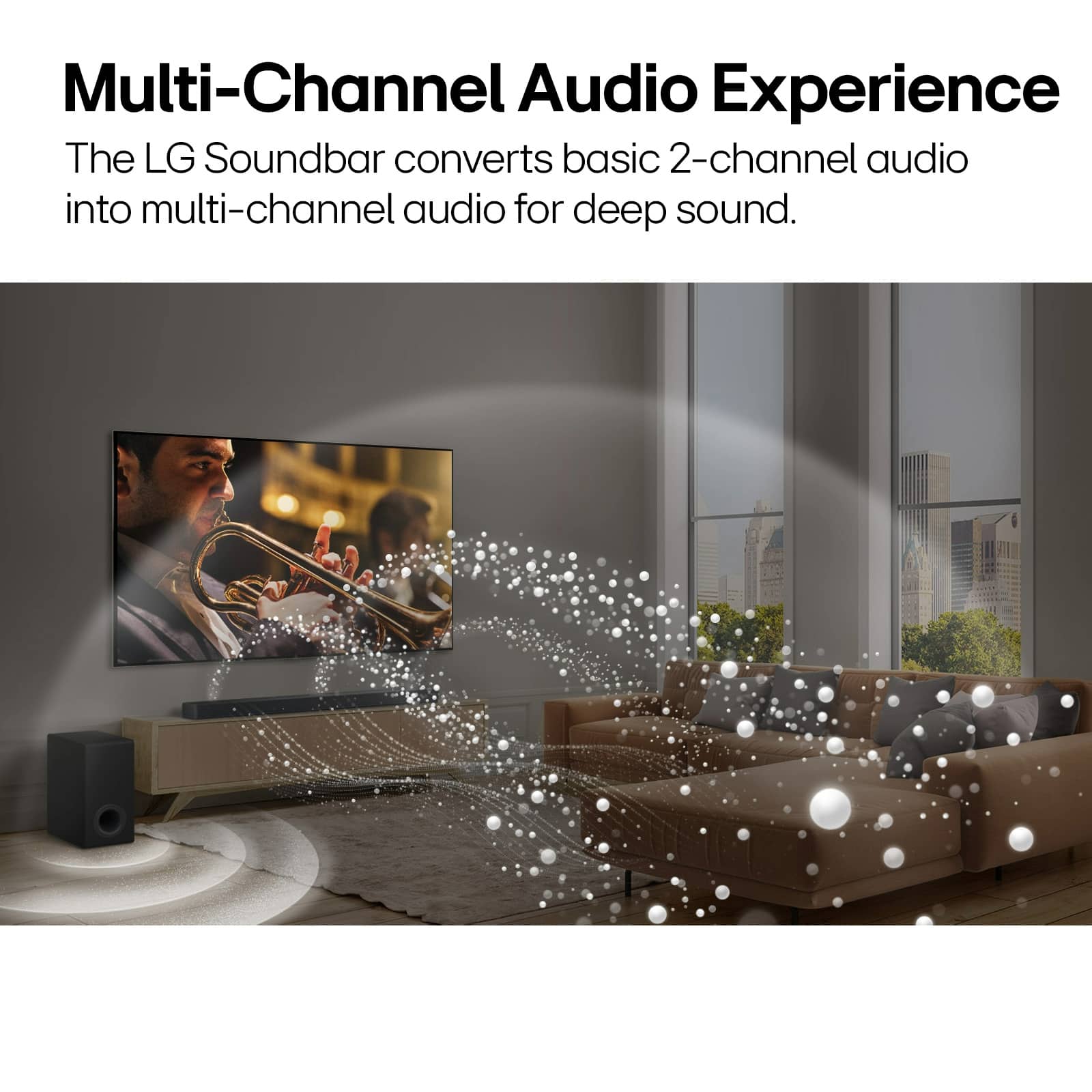
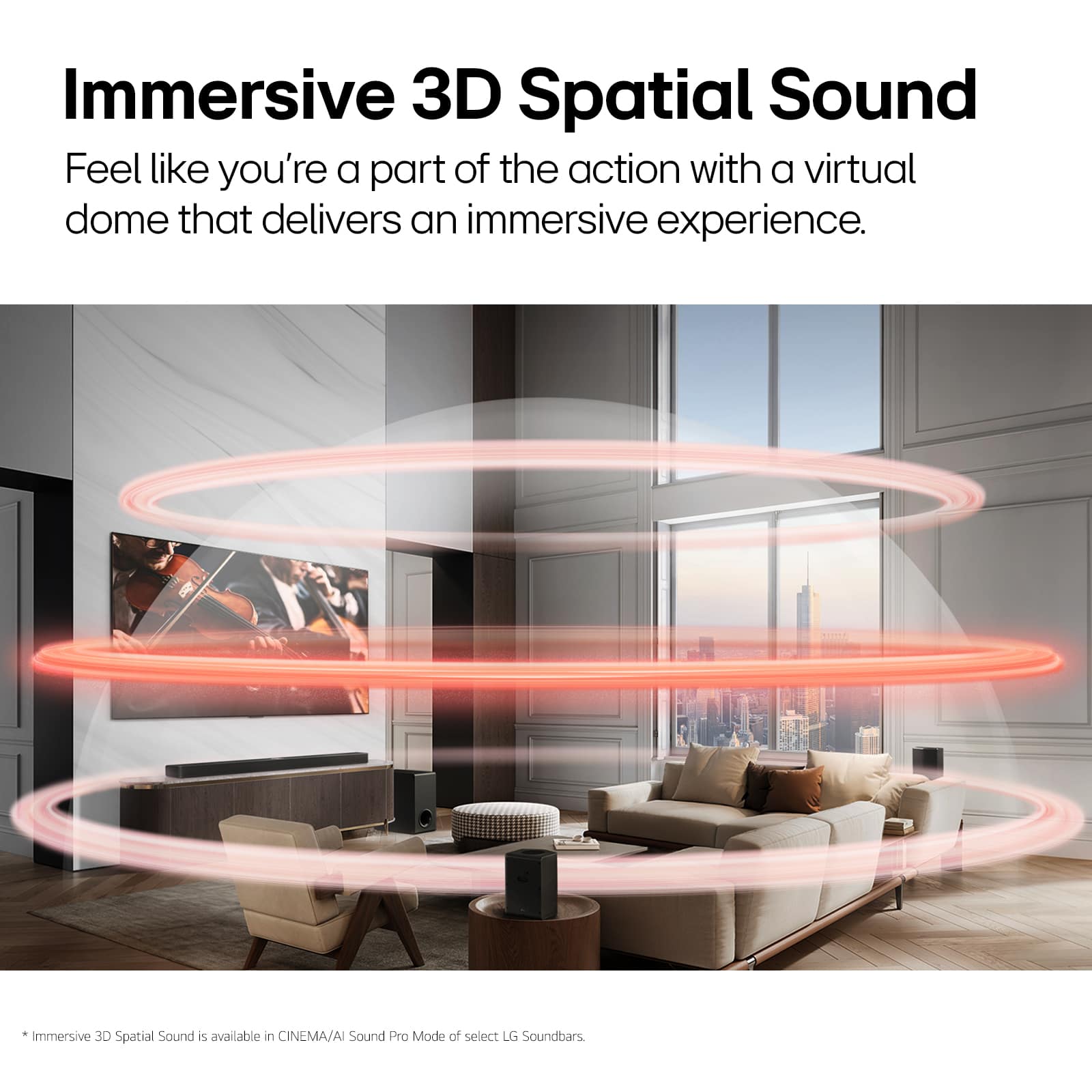
The biggest game-changer in recent years has been spatial audio technology. When you see "Dolby Atmos" or "DTS:X" on a soundbar, it means the system can create the illusion of sounds coming from above and around you, not just from the front. This happens through clever audio processing and strategically placed speakers that bounce sound off your ceiling and walls.
Channel configuration tells you how many distinct audio streams a soundbar can handle. A 5.1.1 system (like the LG) has five main channels (left, center, right, and two surrounds), one subwoofer channel for bass, and one height channel for overhead effects. The Samsung's 9.1.2 setup adds more surround and height channels, creating more precise sound placement.
The other major consideration is how well these systems integrate with your TV. Both LG and Samsung have developed technologies that make their soundbars work in harmony with their respective TVs, essentially turning your TV speakers into part of the sound system rather than competing with it.
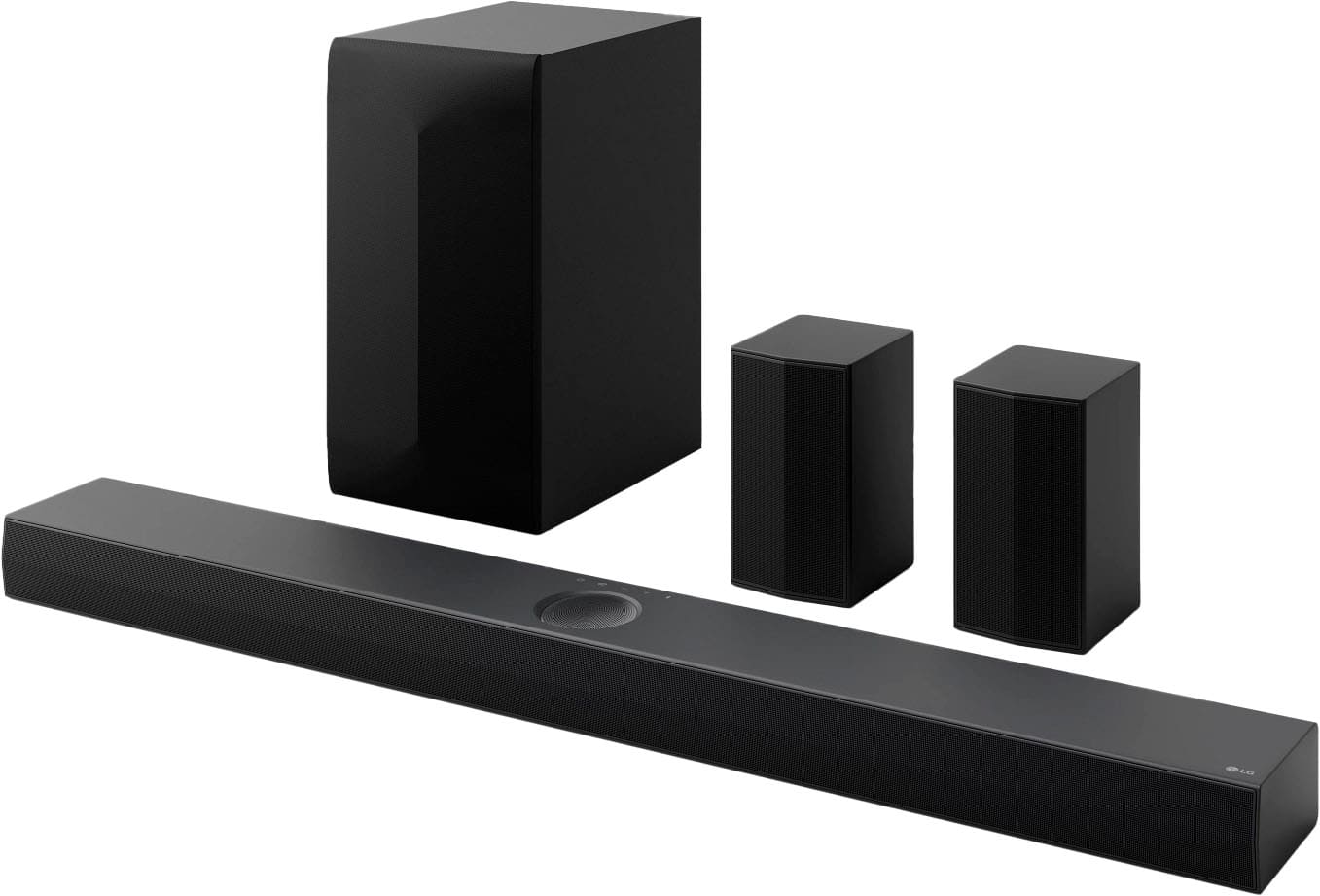
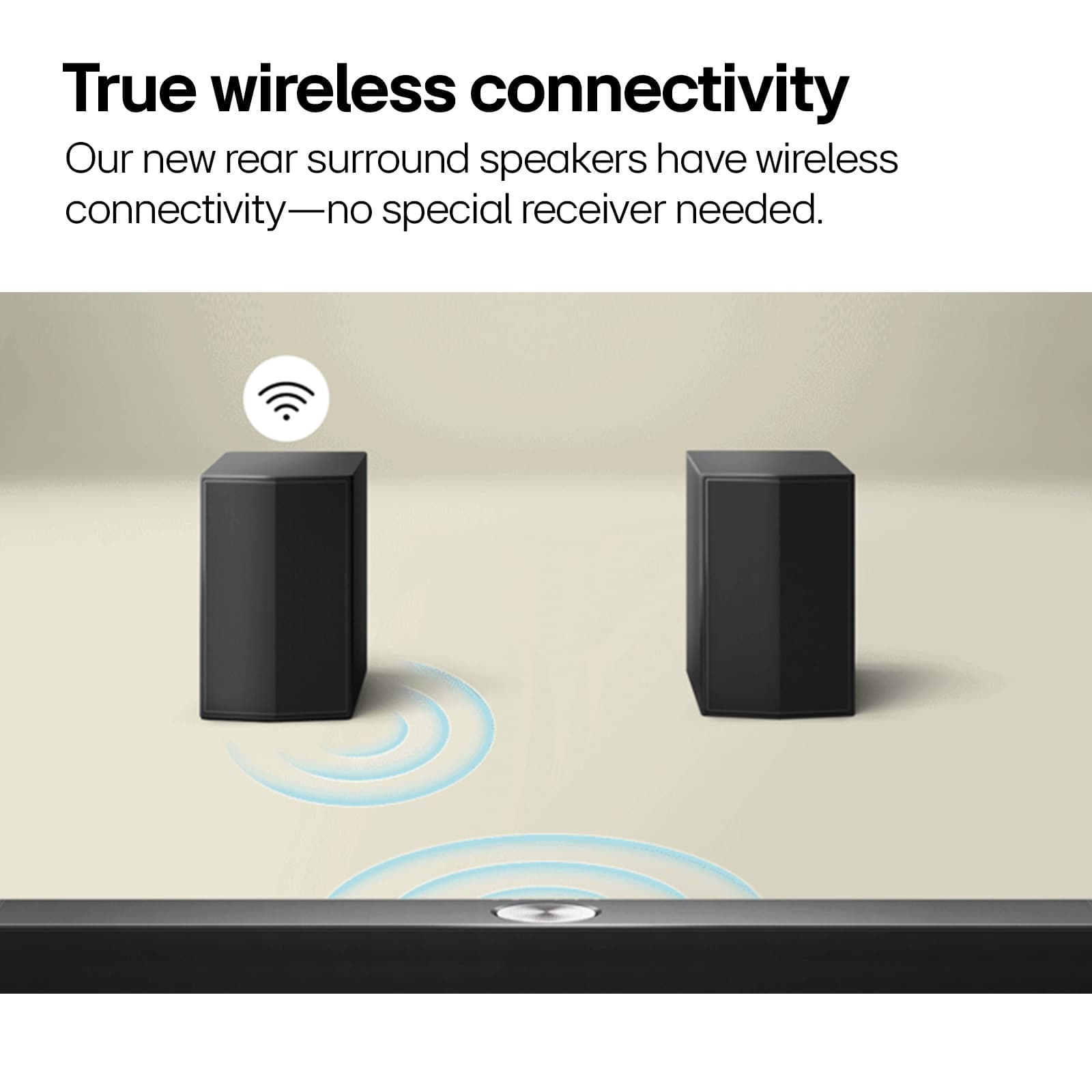
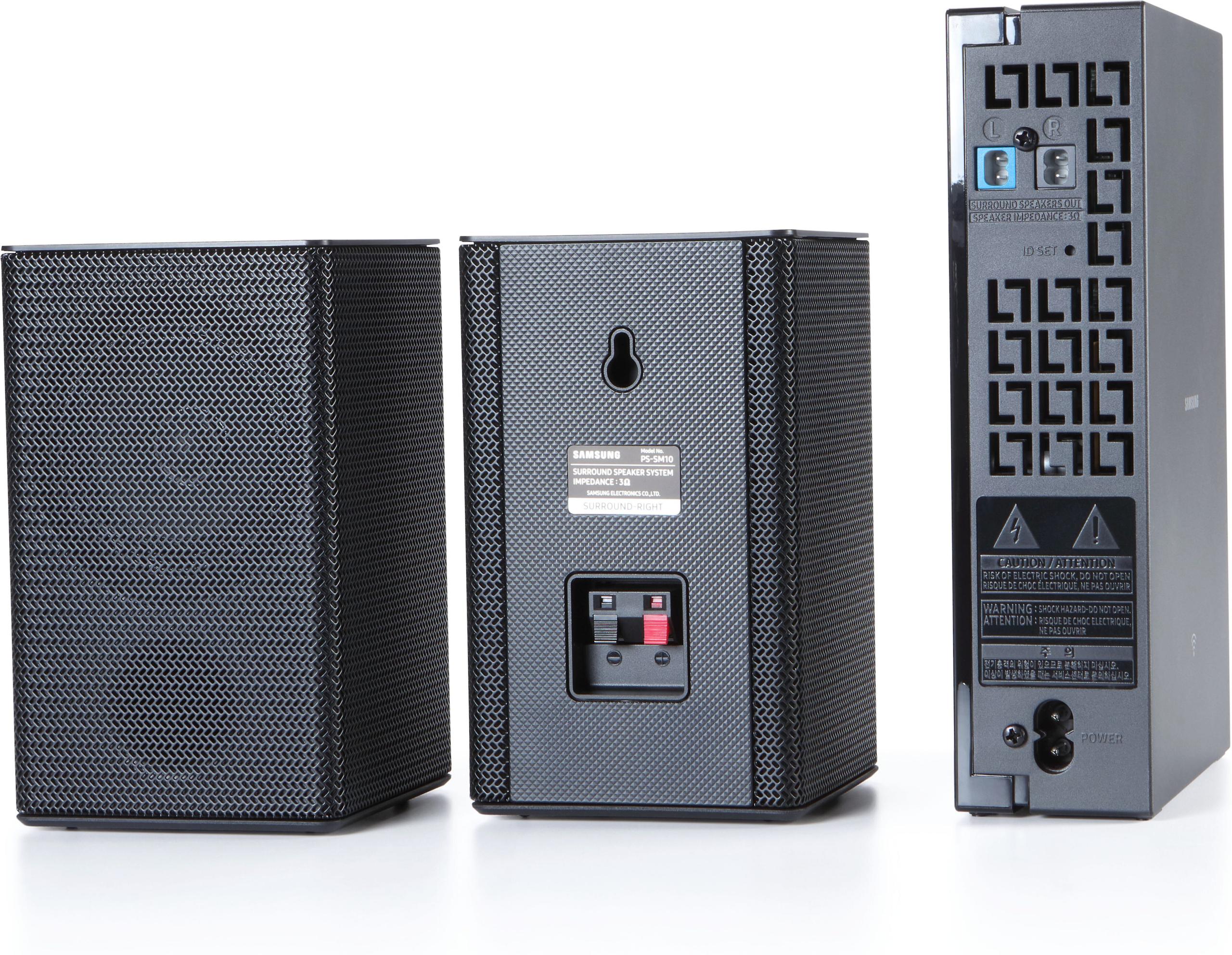
The LG S70TR, released in early 2024, represents what I'd call the "complete package" approach. For $399, you get everything needed for true surround sound: the main bar, a wireless subwoofer, and – this is crucial – wireless rear speakers. Most soundbars in this price range make you buy rear speakers separately, often costing another $200-300.
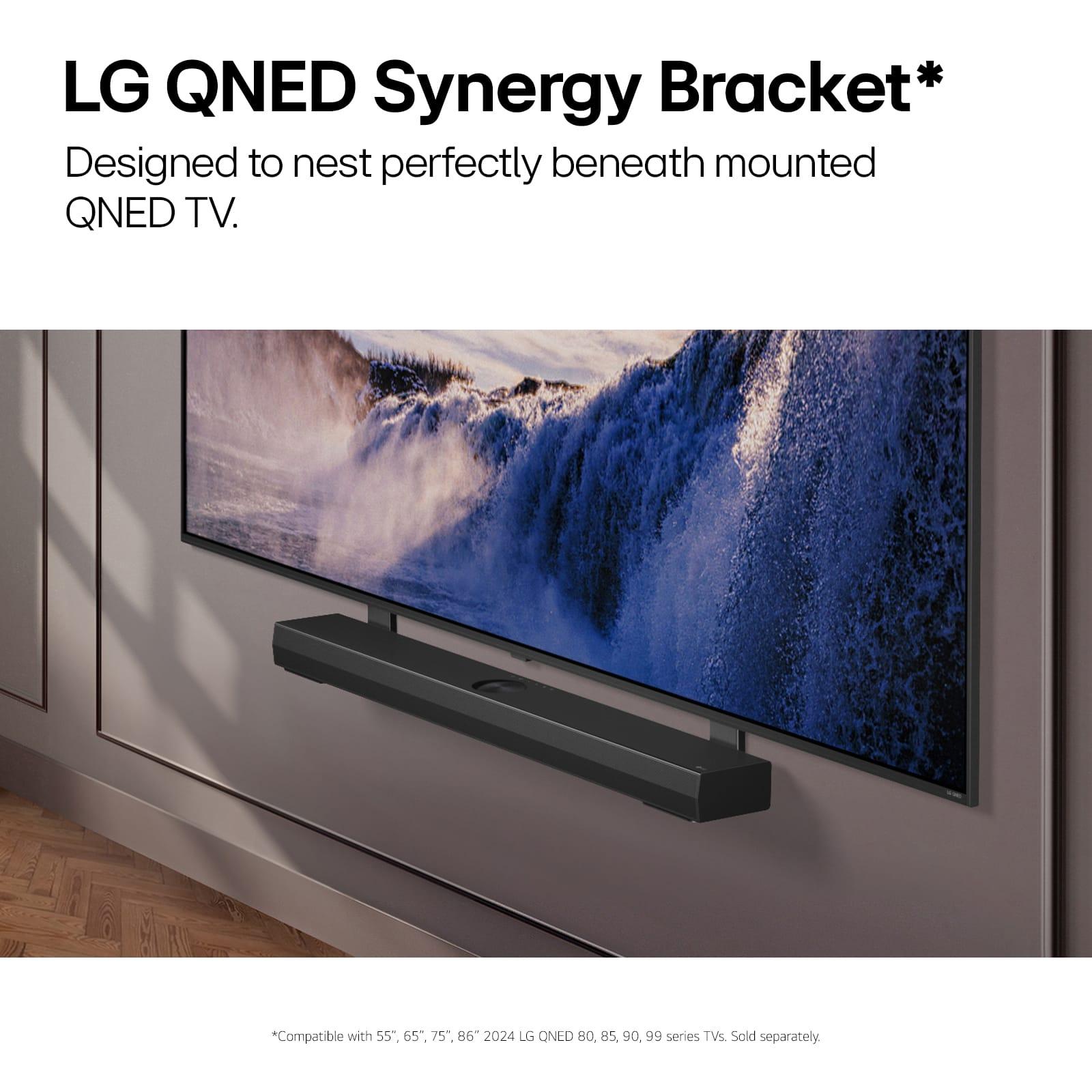
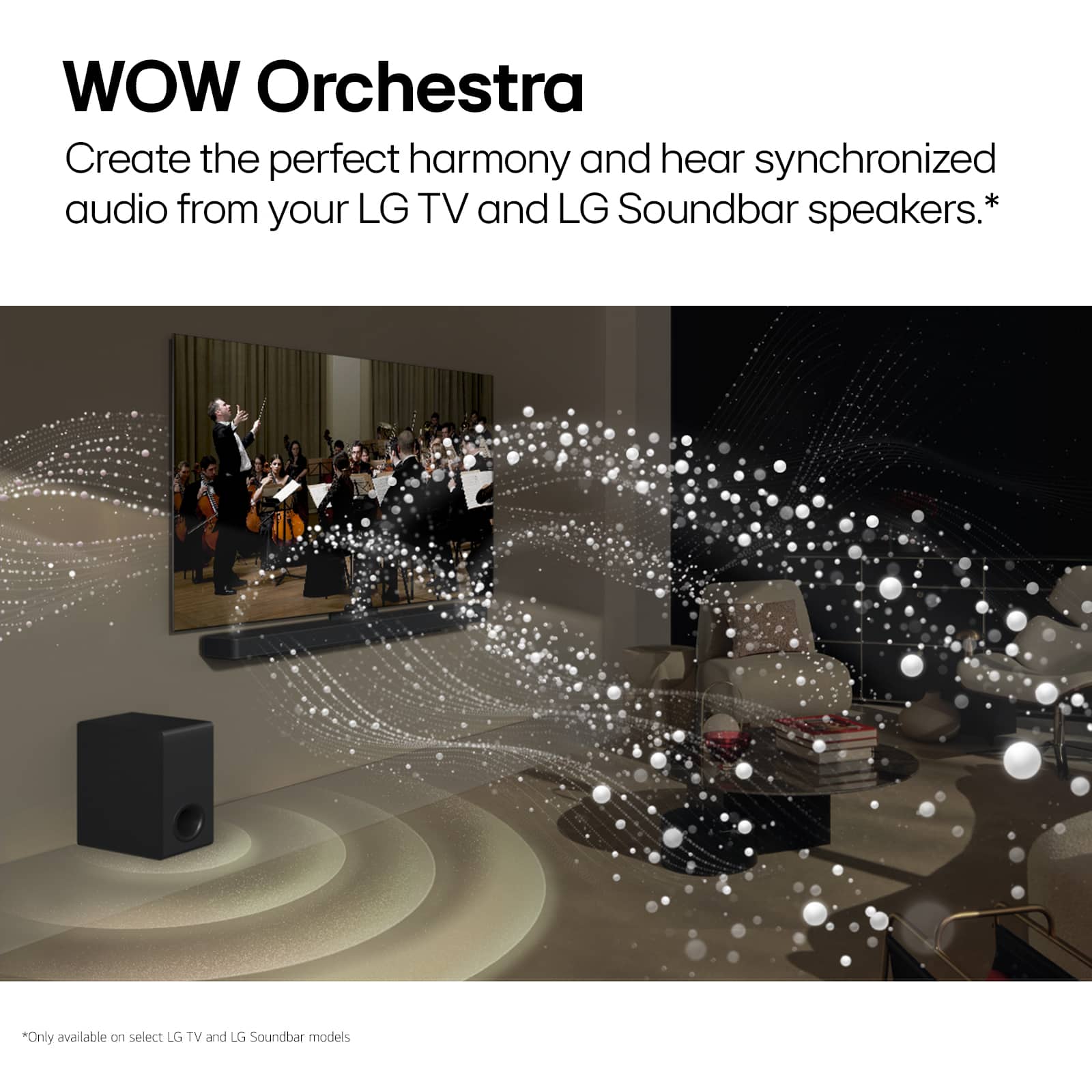
LG designed this specifically to work with their QNED TVs, incorporating their WOW Orchestra technology that combines the TV's speakers with the soundbar's audio processing. Having tested this setup, the integration is genuinely impressive – it creates what feels like a much larger sound system without the complexity of traditional home theater receivers.
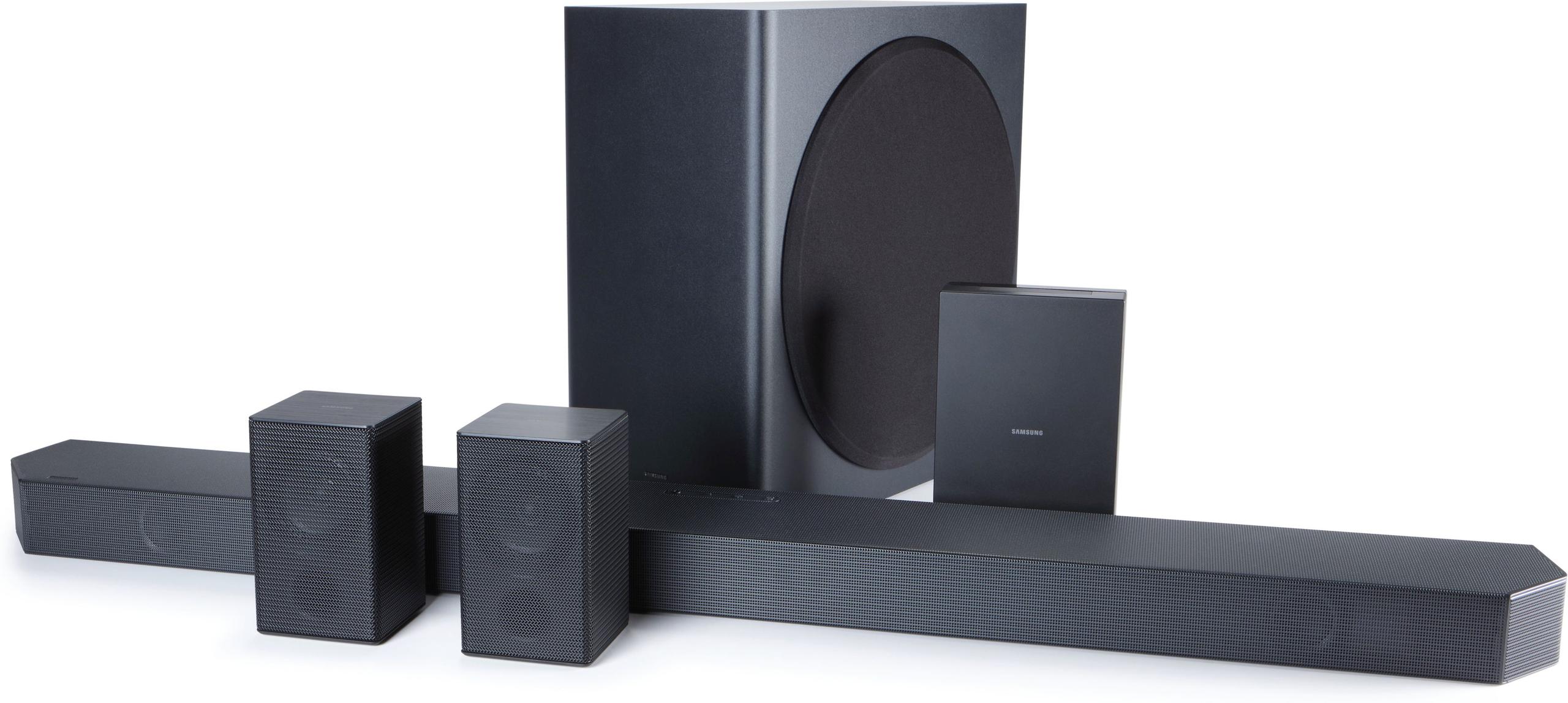
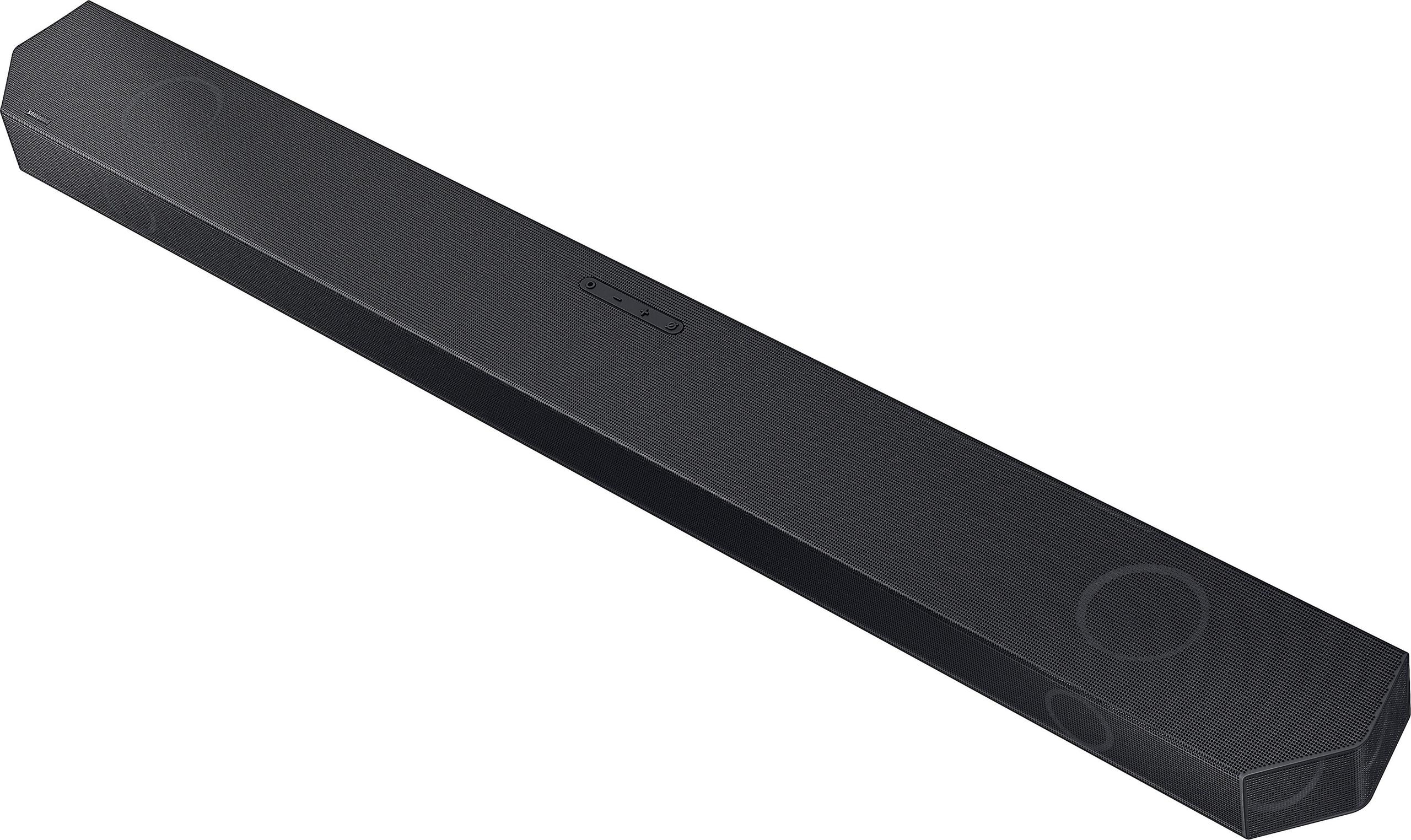
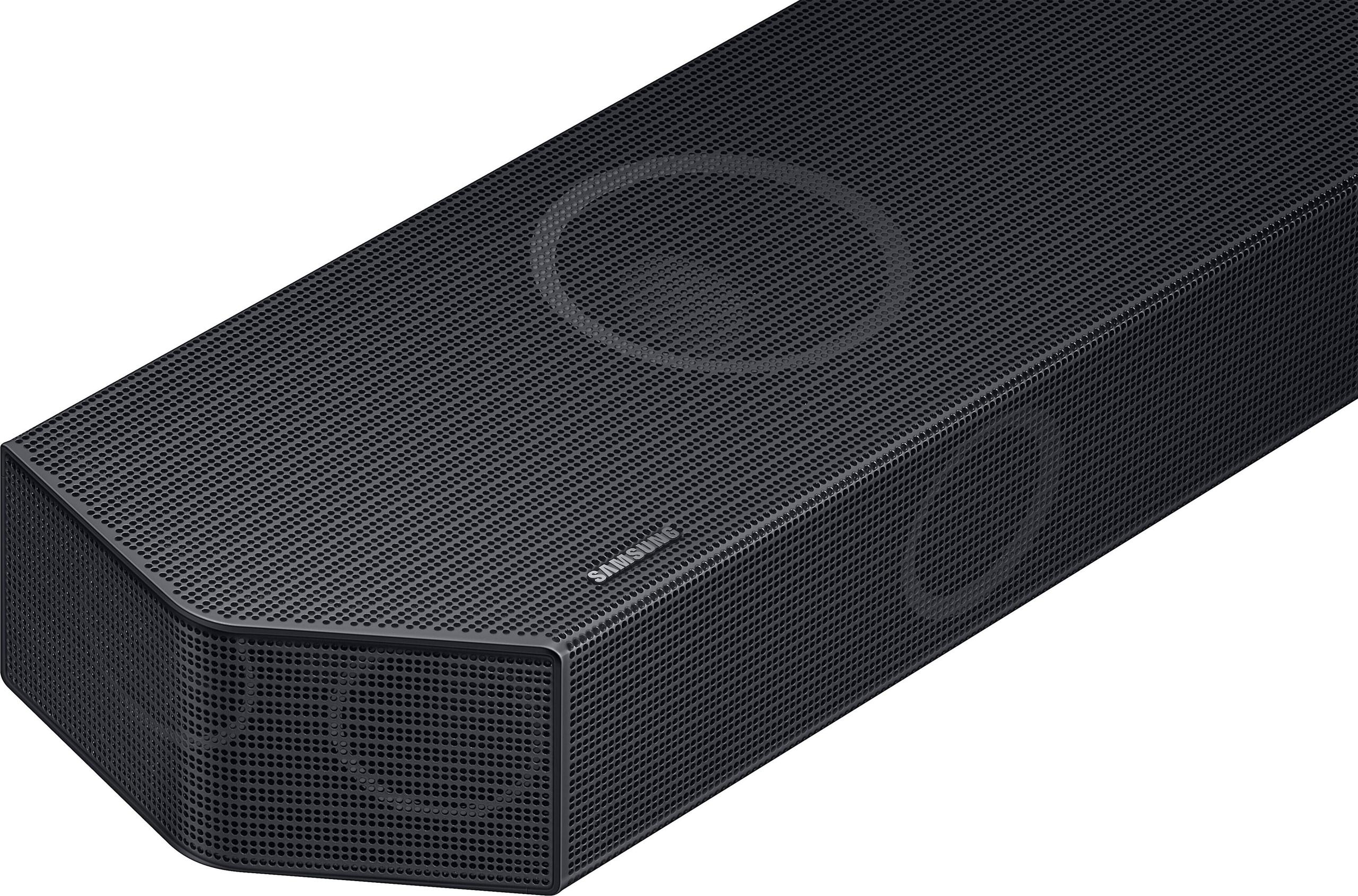
The Samsung Q Series 9.1.2 soundbars, also released in 2024 with models like the HW-Q990D, take a more premium approach. At $898, you're paying for nearly twice the channel count and significantly more sophisticated processing. Samsung's Q-Symphony technology works similarly to LG's system but with their TVs, while SpaceFit Sound+ represents some of the most advanced room calibration I've encountered in a soundbar.
The difference between 5.1.1 and 9.1.2 channels isn't just about numbers – it's about how convincingly the soundbar can fool your brain into thinking sounds are coming from specific locations. The Samsung's 9.1.2 configuration uses those additional channels to create more precise object placement. When a helicopter flies overhead in a movie, the Samsung can track that movement more smoothly across your ceiling.
However, the LG S70TR's approach isn't necessarily inferior for most users. Its physical rear speakers create genuine surround effects that many soundbars with "virtual" surround simply can't match. I've found that in rooms under 200 square feet, the difference between the two systems is less dramatic than you might expect.
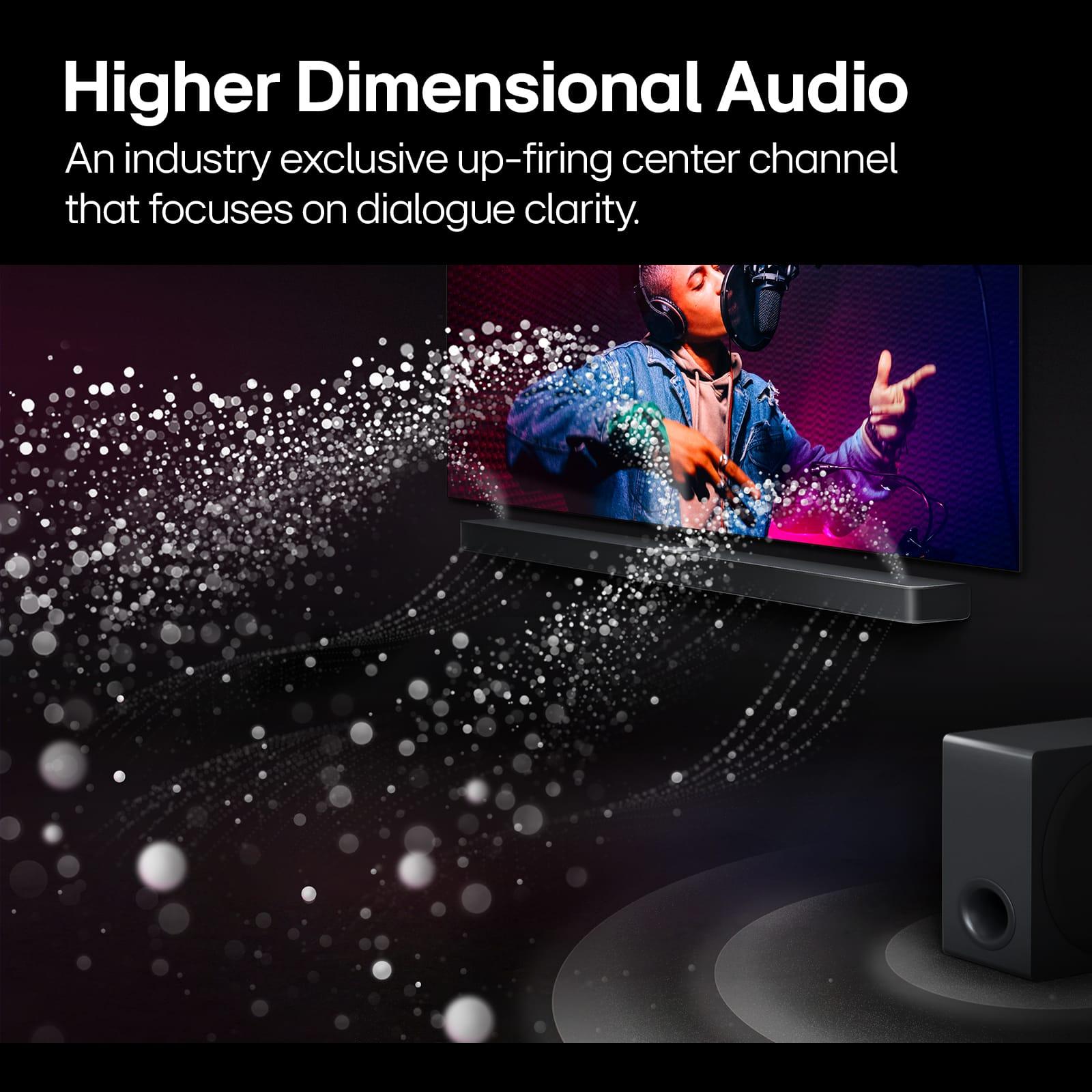
The LG's standout feature is its dedicated up-firing center channel. Most soundbars struggle with dialogue clarity because they're trying to handle conversations through the same drivers that produce explosions and music. The S70TR's dedicated center channel, combined with Clear Voice Plus processing, makes dialogue noticeably clearer. This matters more than you might think – how often have you found yourself reaching for the remote to adjust volume when scenes switch from quiet dialogue to loud action?
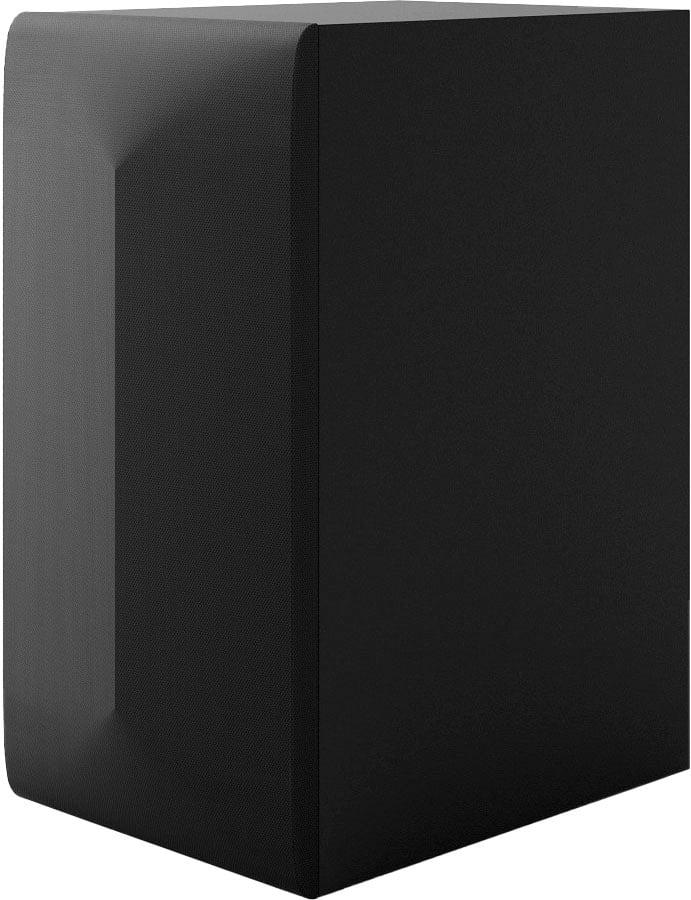
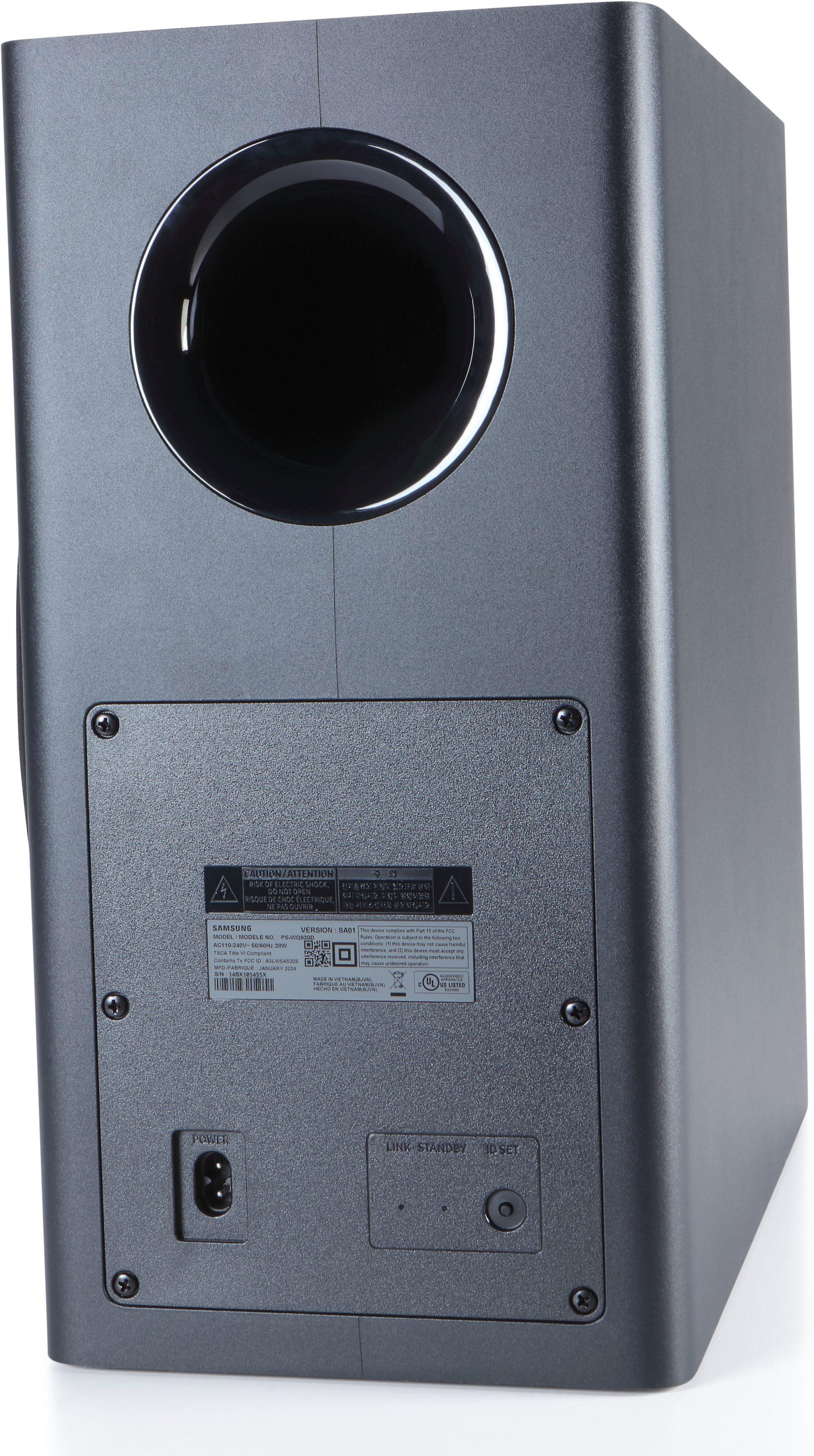
Both systems include wireless subwoofers, but they handle bass differently. The LG's 7-inch subwoofer uses a front-firing driver with a rear bass port – a design that provides controlled, punchy bass without overwhelming smaller rooms. In my testing, it delivered the kind of impact that makes action scenes feel visceral without making your neighbors hate you.
The Samsung takes a more sophisticated approach with Auto Sub EQ technology. This system uses microphones built into the subwoofer to analyze your room's acoustics and automatically adjust bass response. Room dimensions, furniture placement, and even carpet versus hardwood floors affect how bass sounds, and Samsung's system compensates for these variables automatically.
This difference becomes important if you move frequently or rearrange your living room. The Samsung adapts automatically, while the LG requires manual EQ adjustments through their smartphone app.
Both soundbars support the latest gaming features: Variable Refresh Rate (VRR) and Auto Low Latency Mode (ALLM) up to 120Hz, plus 4K passthrough with HDR10 and Dolby Vision support. These features ensure that audio and video stay perfectly synchronized, even during fast-paced gaming sessions.
Where they differ is in audio processing for games. The Samsung Q Series excels with object-based audio in newer games that support advanced spatial audio. If you're playing the latest PlayStation 5 or Xbox Series X titles, the additional channels can provide competitive advantages – you'll hear enemy footsteps or gunfire location more precisely.
The LG S70TR focuses more on reducing input lag, which matters for competitive gaming. Its Game mode prioritizes immediate response over complex audio processing, making it potentially better for esports or rhythm games where timing is critical.
This is where brand loyalty really pays off. LG's WOW Orchestra technology doesn't just use your TV speakers alongside the soundbar – it intelligently processes audio to take advantage of each speaker's strengths. The TV handles mid-range frequencies while the soundbar focuses on dialogue and effects. The result feels like a much more expensive speaker system.
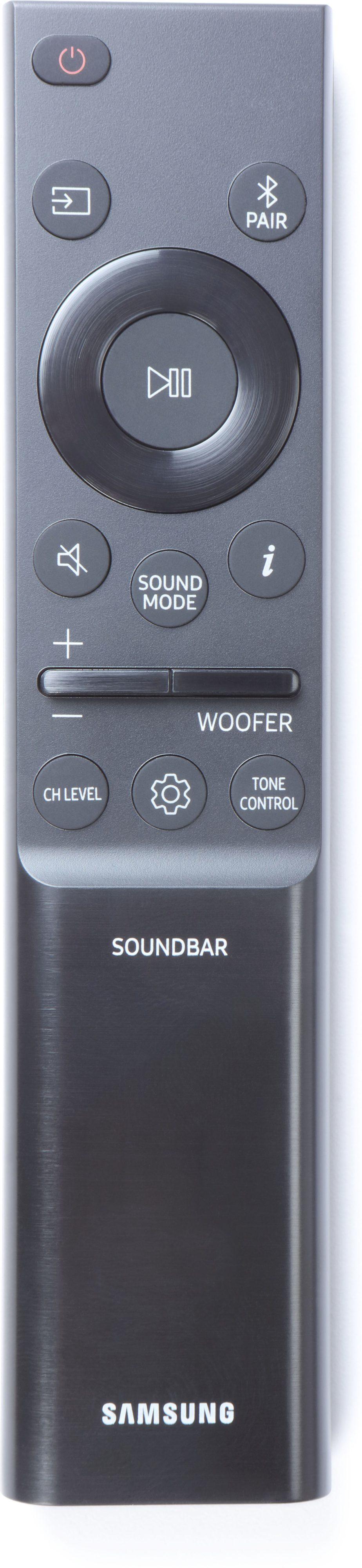
I've experienced this firsthand with LG's QNED TVs, and the integration is seamless. You control everything with the TV remote, the soundbar automatically powers on and off with the TV, and audio settings sync between devices. It's the kind of "it just works" experience that makes technology feel invisible.
Samsung's Q-Symphony offers similar benefits with their QLED and Neo QLED TVs. The advantage here is Samsung's more advanced room calibration. SpaceFit Sound+ doesn't just adjust the soundbar – it optimizes the entire audio system, including TV speakers, based on your room's acoustic characteristics.
Samsung's SpaceFit Sound+ represents a significant technological advancement. The system plays test tones and uses microphones to analyze how sound reflects off your walls, ceiling, and furniture. It then creates a custom EQ profile for your specific room. This technology has traditionally been found only in high-end home theater receivers costing thousands of dollars.
The LG takes a different approach with AI Sound Pro, which analyzes the content you're playing rather than your room. It automatically adjusts audio balance based on what it detects – boosting dialogue during quiet scenes or enhancing bass during action sequences. Both approaches work, but they solve different problems.
Here's where the LG S70TR really shines. At $399, you're getting a genuine 5.1.1 surround sound system with everything included. Compare this to other soundbars in the same price range – most are 3.1 systems without rear speakers, or they require expensive add-on purchases to achieve true surround sound.
I've calculated that achieving similar functionality with competing brands often costs $600-700 once you add rear speakers and comparable features. The LG represents exceptional value in this regard.
The Samsung Q Series at $898 initially seems expensive, but consider what you're getting: 11 individual speakers, advanced room calibration, and processing power that rivals dedicated home theater receivers. The cost per channel, when you factor in the sophisticated technology, is actually competitive with high-end audio equipment.
Technology moves fast, but audio fundamentals don't change as quickly. The Samsung's additional channels and advanced processing make it more future-proof for evolving audio standards. As streaming services and games add more sophisticated spatial audio, having those extra channels available becomes valuable.
The LG offers excellent performance today but might feel limiting if you upgrade to a larger room or develop more refined audio preferences. However, for many users, it provides all the performance they'll ever need at a price that won't break the budget.
Setting up the LG S70TR is refreshingly straightforward. The wireless rear speakers eliminate the need to run cables across your room, and if you have an LG TV, the WOW Orchestra setup is largely automatic. I've found that most people can get everything working properly within 30 minutes.
The Samsung requires more patience during initial setup due to its advanced features. The SpaceFit Sound+ calibration process takes several minutes and requires you to sit in your listening position while the system plays test tones. It's not difficult, but it's more involved than the LG's plug-and-play approach.
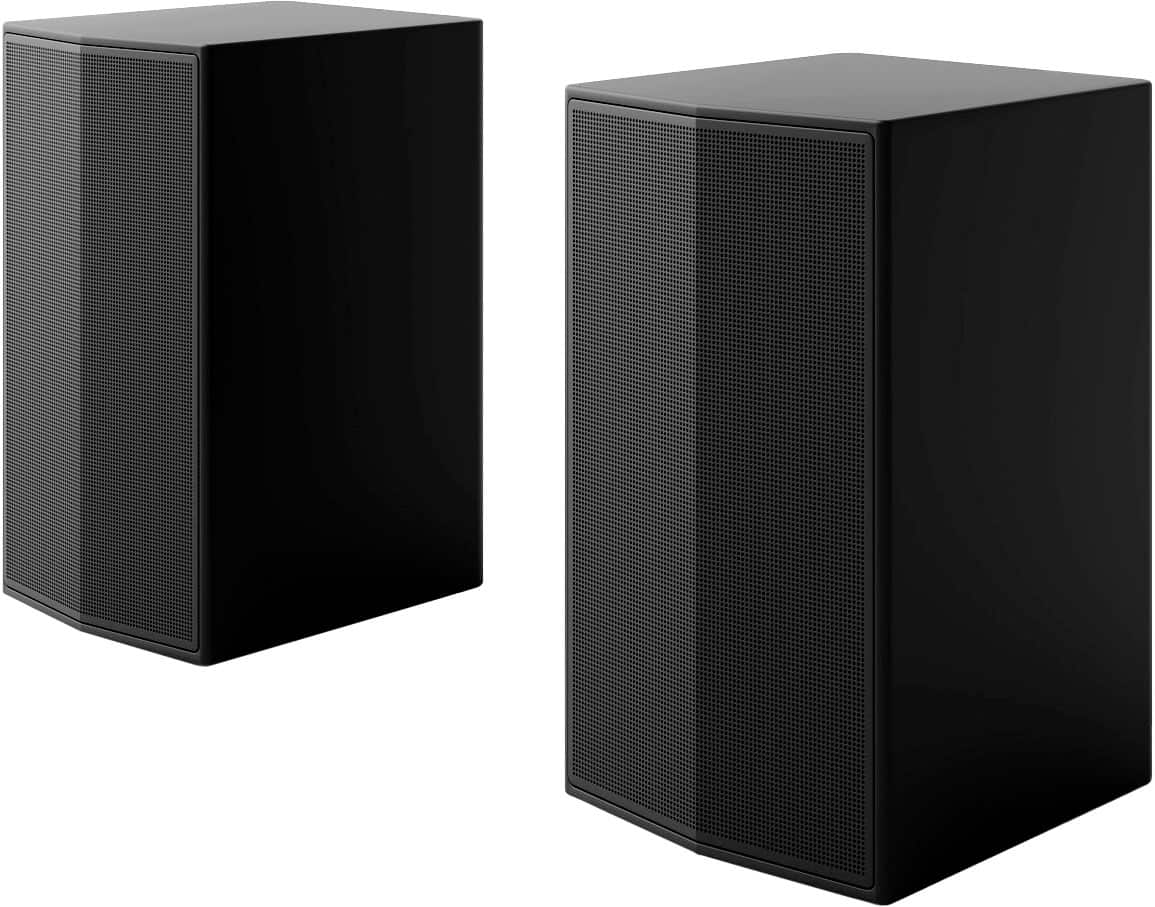
Both soundbars consider real-world placement constraints. The LG S70TR is specifically sized to complement LG QNED TVs, creating a cohesive look that doesn't scream "I added a soundbar to my TV." Its compact rear speakers can hide on bookshelves or side tables without dominating the room.
The Samsung's larger form factor reflects its more powerful internals, but it requires more space and might overwhelm smaller TV stands. However, in larger rooms, this size becomes an advantage – the soundbar can fill the space more effectively.
Both systems excel at transforming your living room into something approaching a real theater experience, but they do it differently. The LG S70TR focuses on getting the fundamentals right – clear dialogue, impactful bass, and convincing surround effects – at a price that makes sense for most families.
The Samsung Q Series targets the enthusiast market with reference-quality audio reproduction and room-filling capabilities that work well in larger spaces. If you're building a dedicated media room or have a large living area, the Samsung's additional channels and power make a noticeable difference.
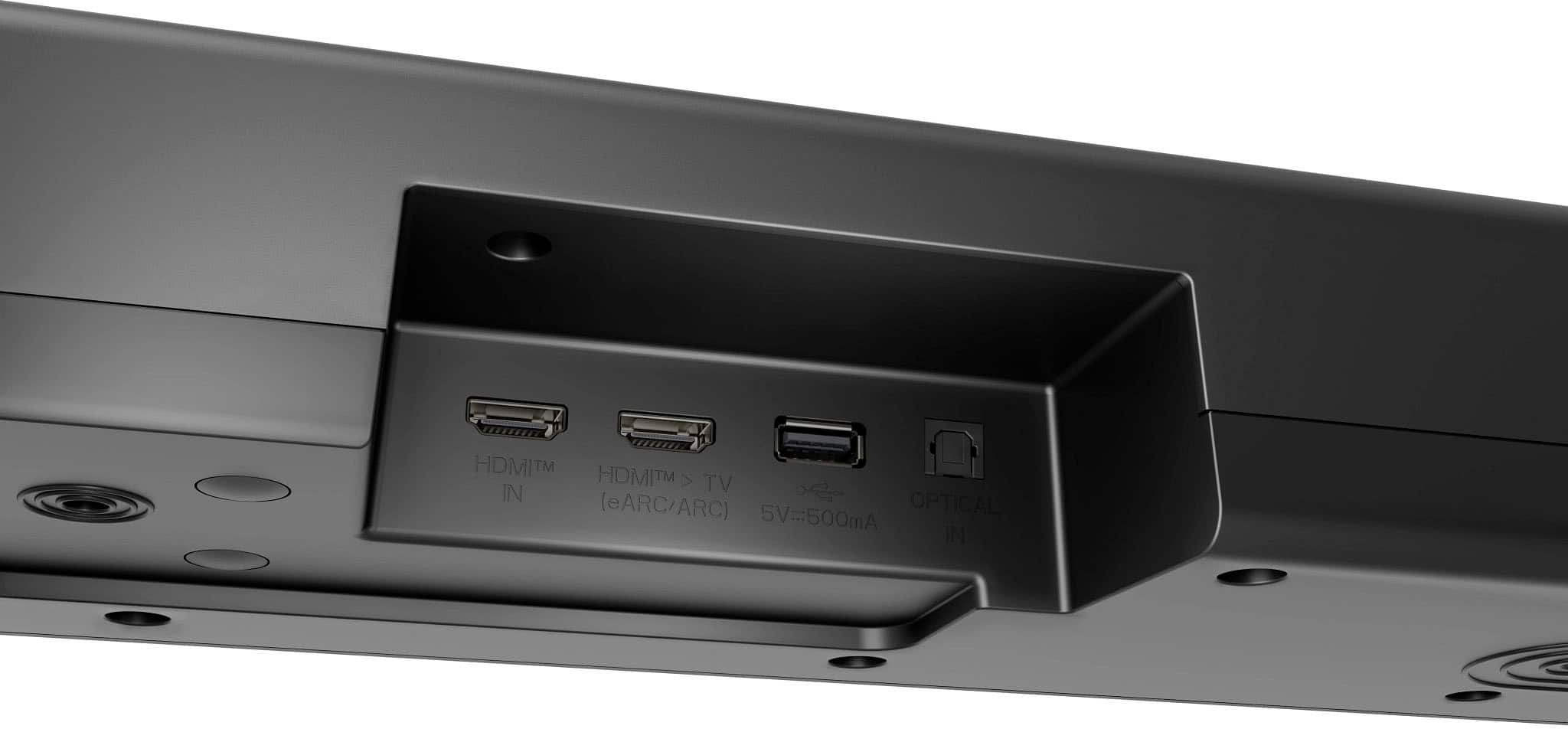
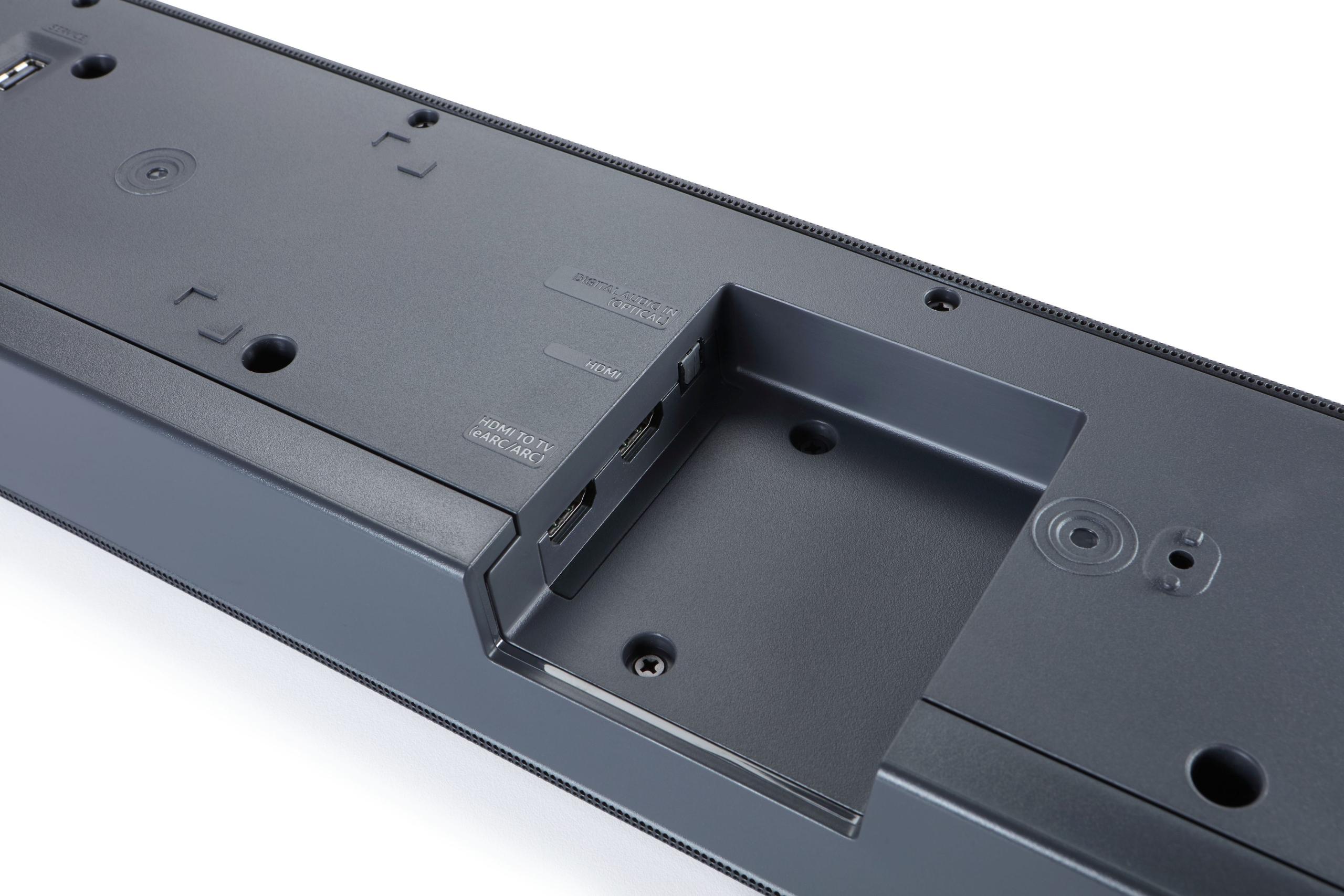
Both soundbars work well with various sources – streaming devices, game consoles, and Blu-ray players all connect seamlessly through HDMI eARC. The Samsung's higher bandwidth capabilities provide slight advantages with the most advanced audio formats, but both handle standard Dolby Atmos and DTS:X content excellently.
The choice between these soundbars often comes down to matching the system to your specific situation and priorities.
Choose the LG S70TR if you want the most complete surround sound experience under $400, especially if you own or plan to buy an LG TV. It's ideal for apartments, smaller homes, or anyone who prioritizes dialogue clarity and ease of use. The included rear speakers and wireless subwoofer eliminate the need for future upgrades for most users.
The Samsung Q Series 9.1.2 makes sense if you have a larger room, own a Samsung TV, or consider yourself an audio enthusiast who appreciates technical excellence. The advanced room calibration and additional channels provide measurably better performance, but you'll pay significantly more for these improvements.
Both represent excellent values in their respective price ranges and will dramatically improve your TV watching and gaming experiences. The key is honestly assessing your room size, budget, and how much audio quality matters to your overall entertainment enjoyment. Either choice will leave you wondering how you ever tolerated your TV's built-in speakers.
| LG S70TR 5.1.1 Channel Soundbar | Samsung Q Series 9.1.2 Channel Soundbar |
|---|---|
| Price - Major factor in value equation | |
| $399 (includes rear speakers and subwoofer) | $898 (premium pricing for advanced features) |
| Channel Configuration - Determines surround sound precision | |
| 5.1.1 (5 main + 1 sub + 1 height channel) | 9.1.2 (9 main + 1 sub + 2 height channels) |
| Total Speaker Count - More speakers enable better sound placement | |
| 7 speakers across all components | 11 speakers with dedicated side/height drivers |
| Included Components - What you get in the box affects total value | |
| Main bar + wireless subwoofer + wireless rear speakers | Main bar + wireless subwoofer + advanced rear speakers |
| Power Output - Affects volume and bass impact | |
| 500W total system power | 656W+ (varies by specific model) |
| Subwoofer Size - Larger drivers produce deeper bass | |
| 7-inch wireless subwoofer (220W amplifier) | Larger wireless subwoofer with Auto Sub EQ |
| Room Calibration - Auto-adjusts sound to your space | |
| AI Sound Pro (content-based optimization) | SpaceFit Sound+ (advanced room acoustic analysis) |
| TV Integration Technology - Works best with same-brand TVs | |
| WOW Orchestra (syncs with LG TVs) | Q-Symphony (syncs with Samsung TVs) |
| Gaming Features - Important for console users | |
| VRR/ALLM up to 120Hz, low-latency Game mode | VRR/ALLM up to 120Hz, Game Mode Pro with directional audio |
| Setup Complexity - Affects user experience | |
| Simple plug-and-play, automatic TV sync | More complex initial setup with calibration process |
| Best Room Size - Optimal performance environment | |
| Small to medium rooms (under 200 sq ft) | Medium to large rooms (200+ sq ft) |
| Dialogue Clarity Feature - Critical for movie watching | |
| Dedicated up-firing center + Clear Voice Plus | Active Voice Amplifier (AVA) technology |
| Target User - Who gets the most value | |
| Budget-conscious users wanting complete surround system | Audio enthusiasts prioritizing premium performance |
The LG S70TR ($399) provides exceptional value by including wireless rear speakers and a subwoofer in the base price, creating a complete 5.1.1 surround sound system. The Samsung Q Series 9.1.2 ($898) costs more than double but delivers premium features like advanced room calibration and nearly twice the channel count for audiophiles who prioritize maximum performance.
The LG S70TR's 5.1.1 setup has 5 main channels, 1 subwoofer, and 1 height channel, providing solid surround sound for most users. The Samsung Q Series 9.1.2 adds more surround and height channels (11 total speakers) for more precise sound placement and better immersion in larger rooms.
The LG S70TR includes everything needed for full surround sound - wireless rear speakers and subwoofer come in the box. The Samsung Q Series 9.1.2 also includes a complete system with wireless subwoofer and rear speakers, but some models may offer optional upgrade speakers for even more channels.
The LG S70TR works best with LG TVs through WOW Orchestra technology, which combines TV and soundbar speakers for enhanced audio. The Samsung Q Series 9.1.2 offers Q-Symphony integration with Samsung TVs for similar benefits. Both work with any TV brand but provide extra features with their respective manufacturers.
Both the LG S70TR and Samsung Q Series 9.1.2 support gaming features like VRR/ALLM up to 120Hz and 4K passthrough. The LG focuses on low-latency performance for competitive gaming, while the Samsung offers more advanced spatial audio processing that benefits immersive single-player games.
The LG S70TR is ideal for apartments with its controlled bass output and compact wireless rear speakers that won't overwhelm smaller spaces. The Samsung Q Series 9.1.2 is designed for larger rooms and may produce too much power for apartment living.
The LG S70TR offers simple plug-and-play setup with automatic pairing of wireless components and easy TV integration. The Samsung Q Series 9.1.2 requires more initial configuration time due to its SpaceFit Sound+ room calibration process, but this results in optimized performance.
Both the LG S70TR and Samsung Q Series 9.1.2 support Dolby Atmos for overhead sound effects. The LG uses its up-firing drivers effectively for the price point, while the Samsung's additional height channels provide more precise Atmos object placement in compatible content.
The LG S70TR features a dedicated up-firing center channel and Clear Voice Plus technology specifically designed for dialogue enhancement. The Samsung Q Series 9.1.2 uses Active Voice Amplifier (AVA) technology and additional center drivers for clear vocals, with both systems excelling at speech clarity.
The LG S70TR includes a 7-inch wireless subwoofer (220W) that delivers punchy bass suitable for most rooms. The Samsung Q Series 9.1.2 features a larger subwoofer with Auto Sub EQ technology that automatically calibrates bass response based on room acoustics for more accurate low-frequency reproduction.
The LG S70TR performs optimally in small to medium rooms under 200 square feet, providing excellent immersion without overwhelming the space. The Samsung Q Series 9.1.2 is designed for medium to large rooms (200+ square feet) where its additional channels and power can be fully utilized.
The Samsung Q Series 9.1.2 offers better future-proofing with its higher channel count and advanced processing capabilities for evolving spatial audio standards. The LG S70TR provides excellent current performance but may be more limited as audio technology advances, though it meets most users' needs for years to come.
We've done our best to create useful and informative comparisons to help you decide what product to buy. Our research uses advanced automated methods to create this comparison and perfection is not possible - please contact us for corrections or questions. These are the sites we've researched in the creation of this article: bestbuy.com - mynavyexchange.com - rixaudiovideoappliance.com - rtings.com - youtube.com - bestbuy.com - howards.siteontimedev.com - bestbuy.com - appliancestogousa.us - rtings.com - samsung.com - markselectrical.co.uk - techradar.com - walmart.com - samsung.com - samsung.com - youtube.com - samsung.com - biancos.com - crutchfield.com - samsung.com

Privacy Policy
Terms and Conditions - Affiliate Policy
Home Security
© Copyright 2008-2026.
11816 Inwood Rd #1211, Dallas, TX 75244