





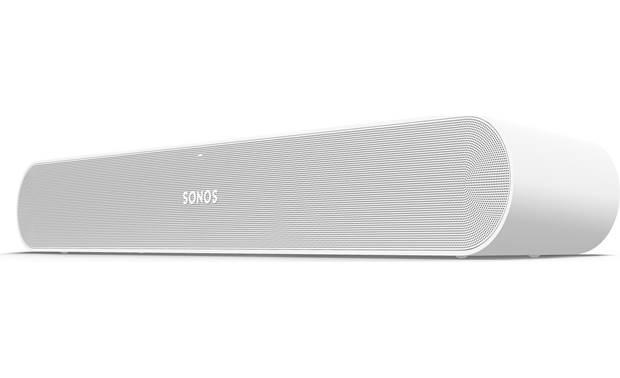
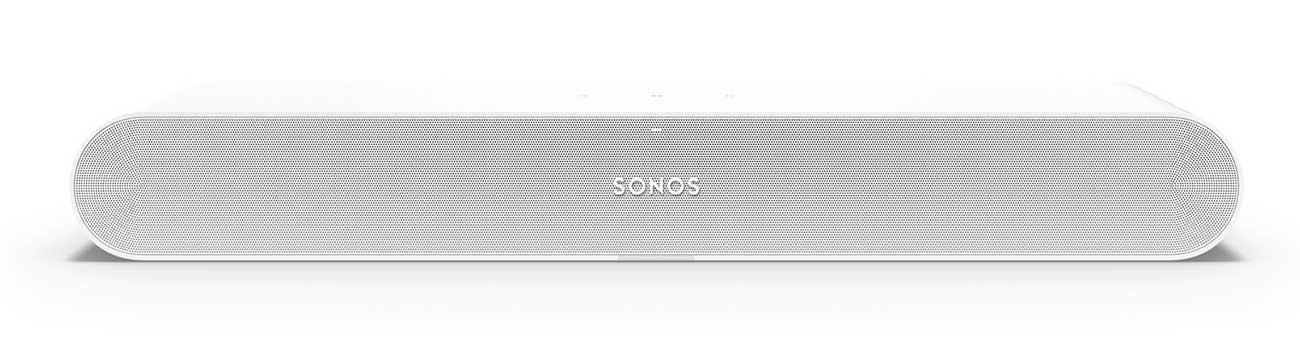
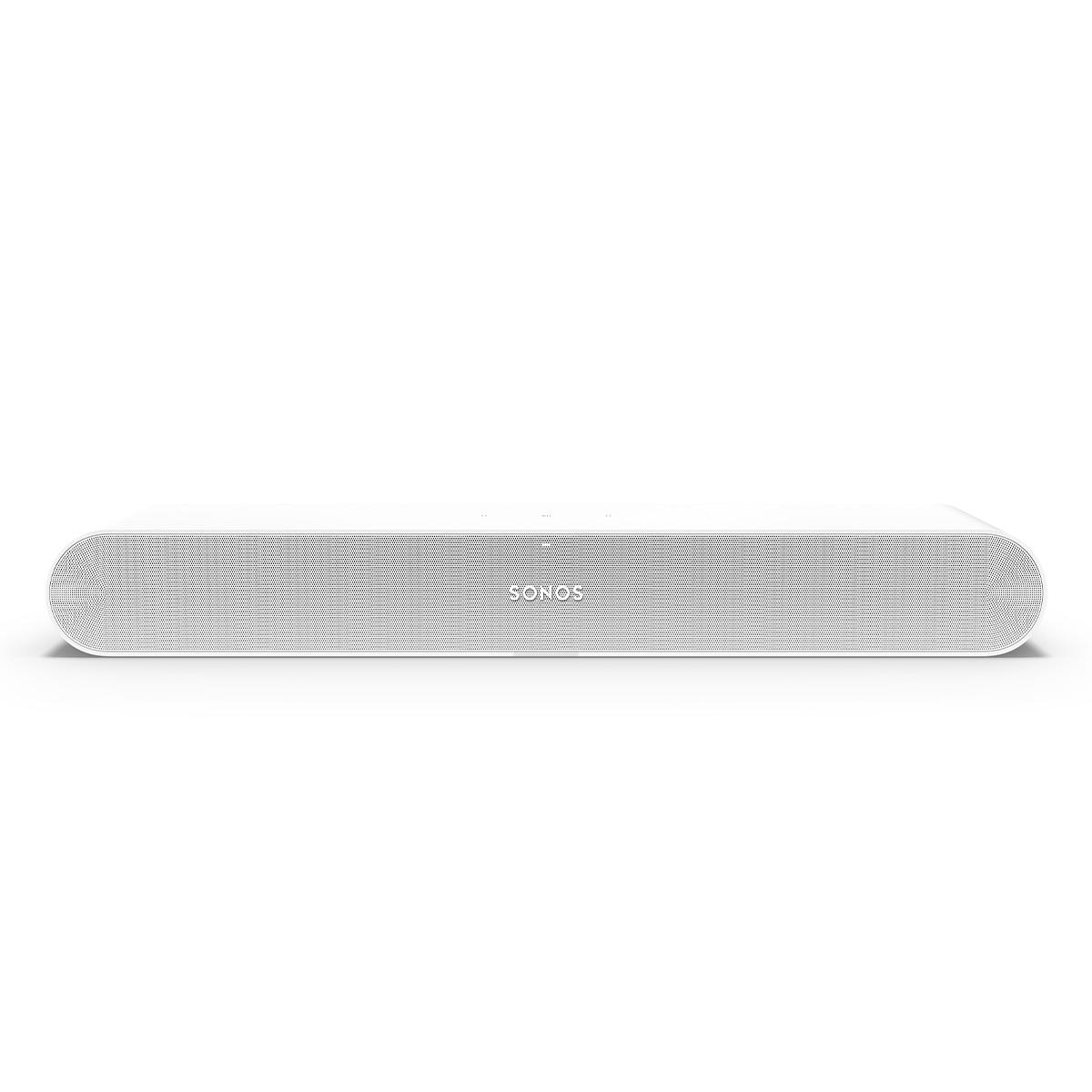
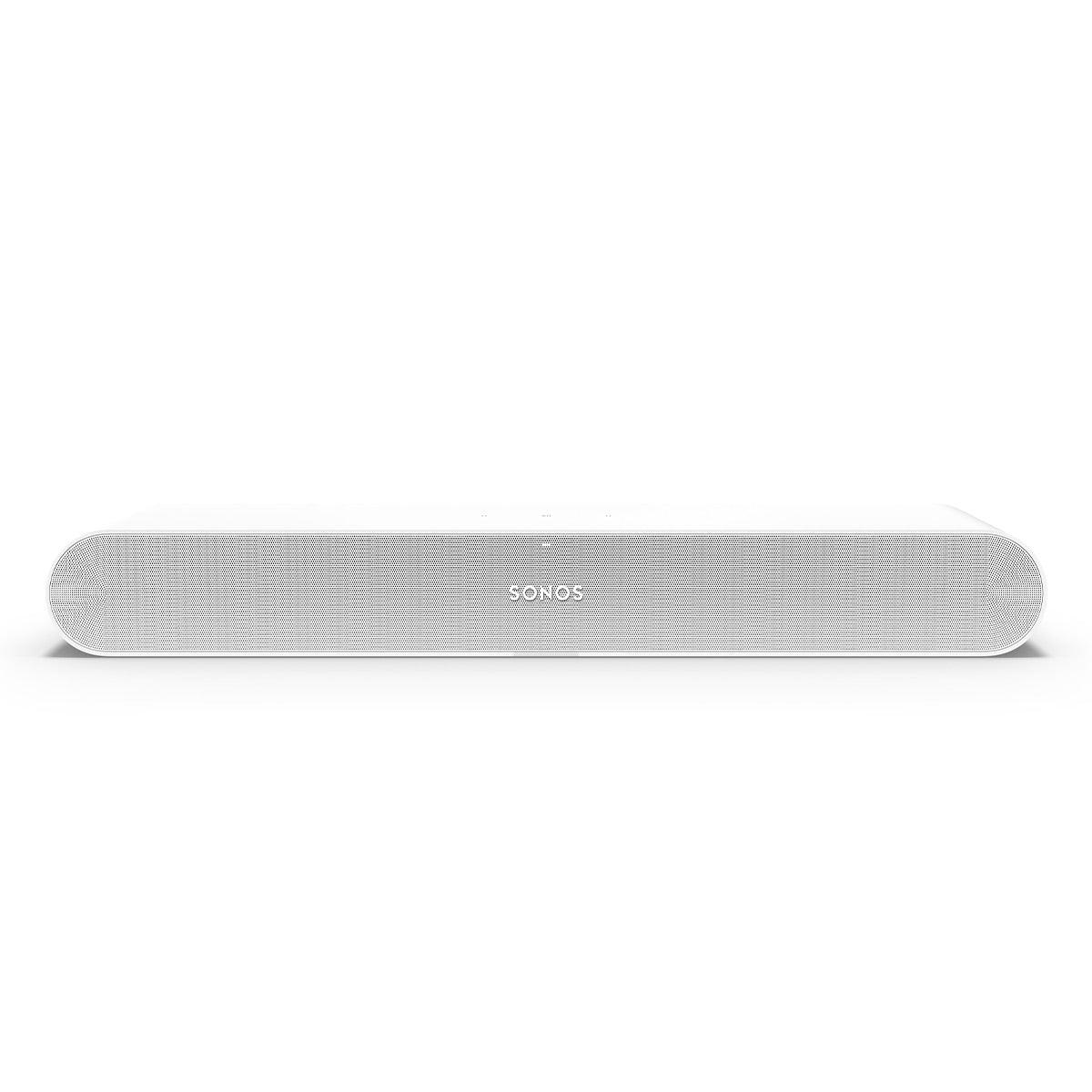
When you're tired of constantly reaching for the remote to adjust volume during movies—cranking it up for whispered dialogue, then scrambling to turn it down when explosions hit—it's time to upgrade your TV's built-in speakers. But choosing between the entry-level Sonos Ray and the premium JBL Bar 1000 MK2 isn't just about picking a soundbar; you're choosing between two completely different philosophies of home audio.
These products launched years apart and represent opposite ends of the soundbar spectrum. The Sonos Ray arrived in 2022 as Sonos's most affordable entry point into their ecosystem, while the JBL Bar 1000 MK2 launched in 2025 with cutting-edge wireless technology that JBL spent years perfecting. Understanding their fundamental differences will help you make the right choice for your home and budget.
Before diving into specifics, it's crucial to understand that not all soundbars are created equal. Entry-level soundbars like the Sonos Ray focus on improving TV dialogue and basic music streaming without breaking the bank. Premium systems like the JBL Bar 1000 MK2 aim to recreate the cinema experience in your living room with surround sound that actually surrounds you.
When evaluating soundbars, the most important performance metrics are dialogue clarity (can you understand what actors are saying?), bass response (do explosions and music have impact?), surround sound capabilities (does audio come from different directions?), and room-filling power (can it handle your space without distortion?). Value considerations include not just the upfront cost, but whether you'll need additional purchases to get the experience you want.
The channel configuration tells you a lot about what to expect. A 2.0 system means two main speakers—left and right—with no dedicated center channel for dialogue or separate subwoofer for bass. A 7.1.4 system means seven main speakers plus a subwoofer (.1), with four additional speakers (.4) firing upward to create height effects that make helicopters sound like they're actually flying overhead.
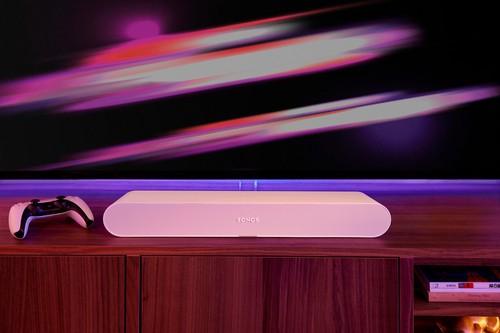
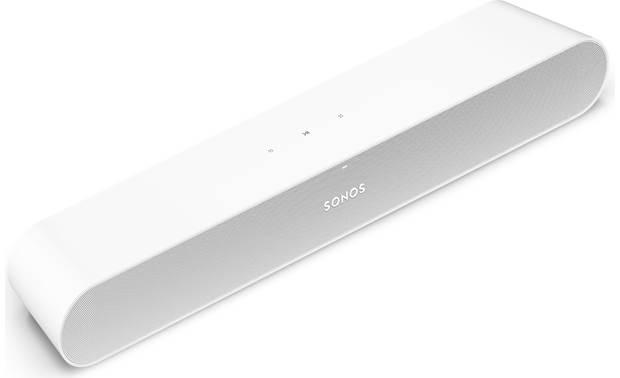
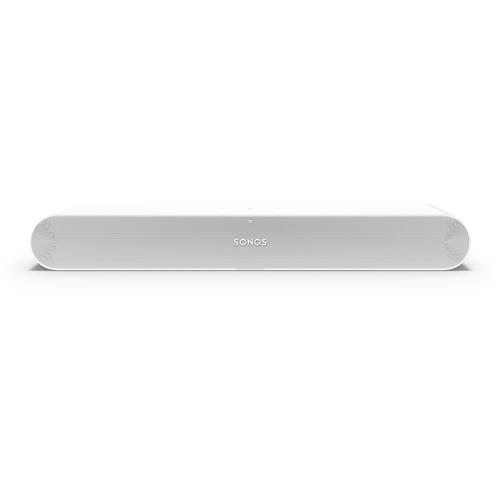
Released in 2022, the Sonos Ray represents Sonos's strategy of getting people hooked on their ecosystem with an affordable entry point. At the time of writing, it costs significantly less than premium soundbars while delivering surprisingly sophisticated audio processing for its price range.
The Ray is a 2.0 stereo soundbar, meaning it has two main speakers but no dedicated center channel or built-in subwoofer. What makes it special isn't what it has, but how intelligently it uses what it's got. Sonos engineered custom waveguides—think of them as acoustic lenses that focus sound waves—specifically to enhance dialogue frequencies even without a center channel.
The Speech Enhancement feature automatically adjusts the audio mix to make voices more prominent, while Trueplay room correction uses your iPhone's microphone to measure your room's acoustics and adjust the sound accordingly. This tech, which was cutting-edge when the Ray launched, helps it deliver remarkably clear dialogue despite its stereo-only configuration.
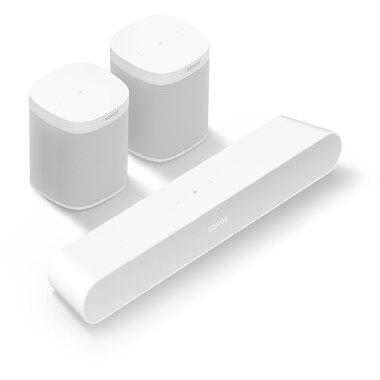
What sets the Sonos Ray apart is its expansion potential. You can start with just the soundbar and gradually build a complete surround system by adding the Sonos Sub for deep bass and rear speakers for true surround sound. Each addition meaningfully improves the experience, allowing you to spread costs over time while building toward a premium system.
The connectivity approach reflects Sonos's philosophy of simplicity. The Ray connects via optical cable only—no HDMI, no Bluetooth. While this limits flexibility, it also eliminates complexity. Setup involves plugging in two cables and following the excellent Sonos app through configuration.
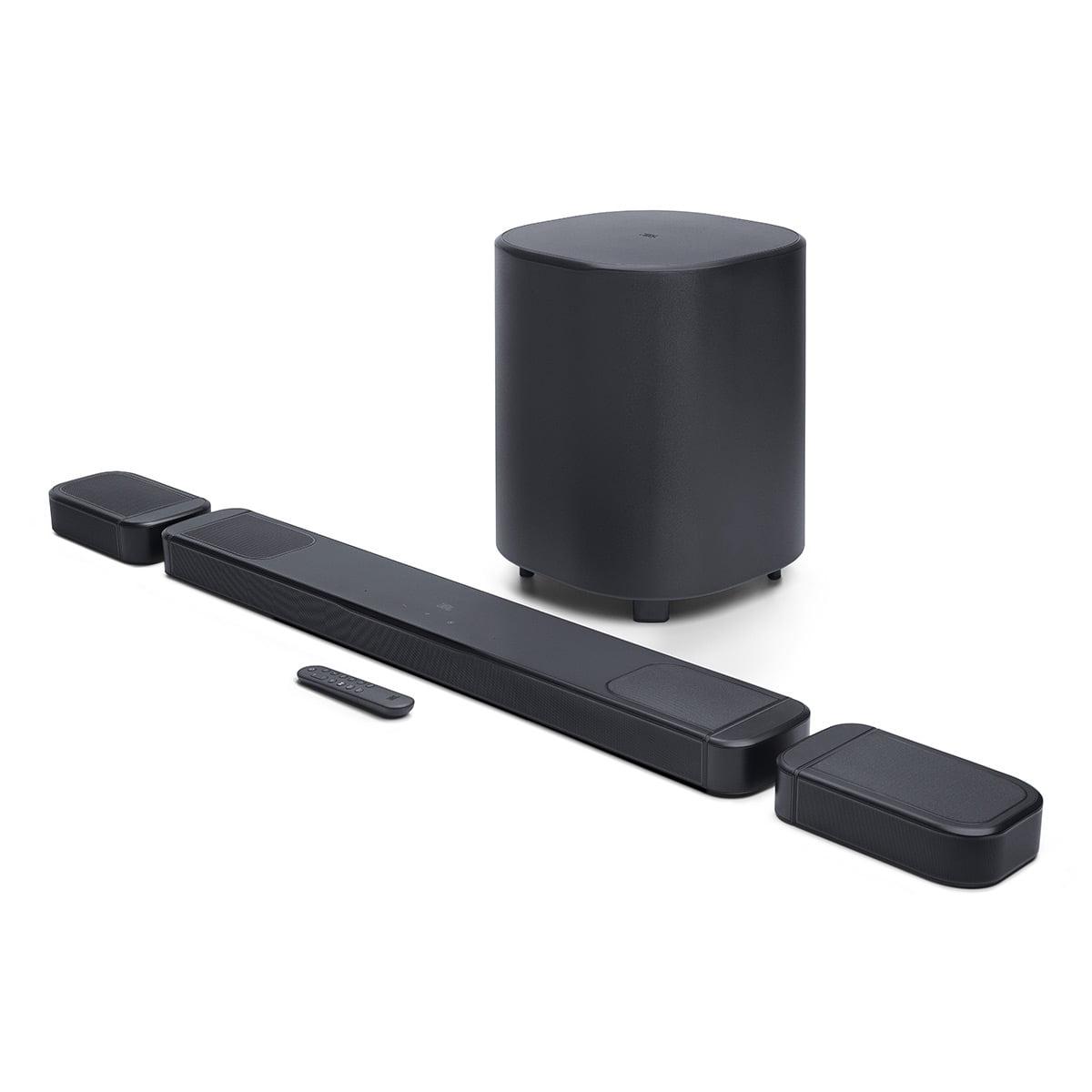
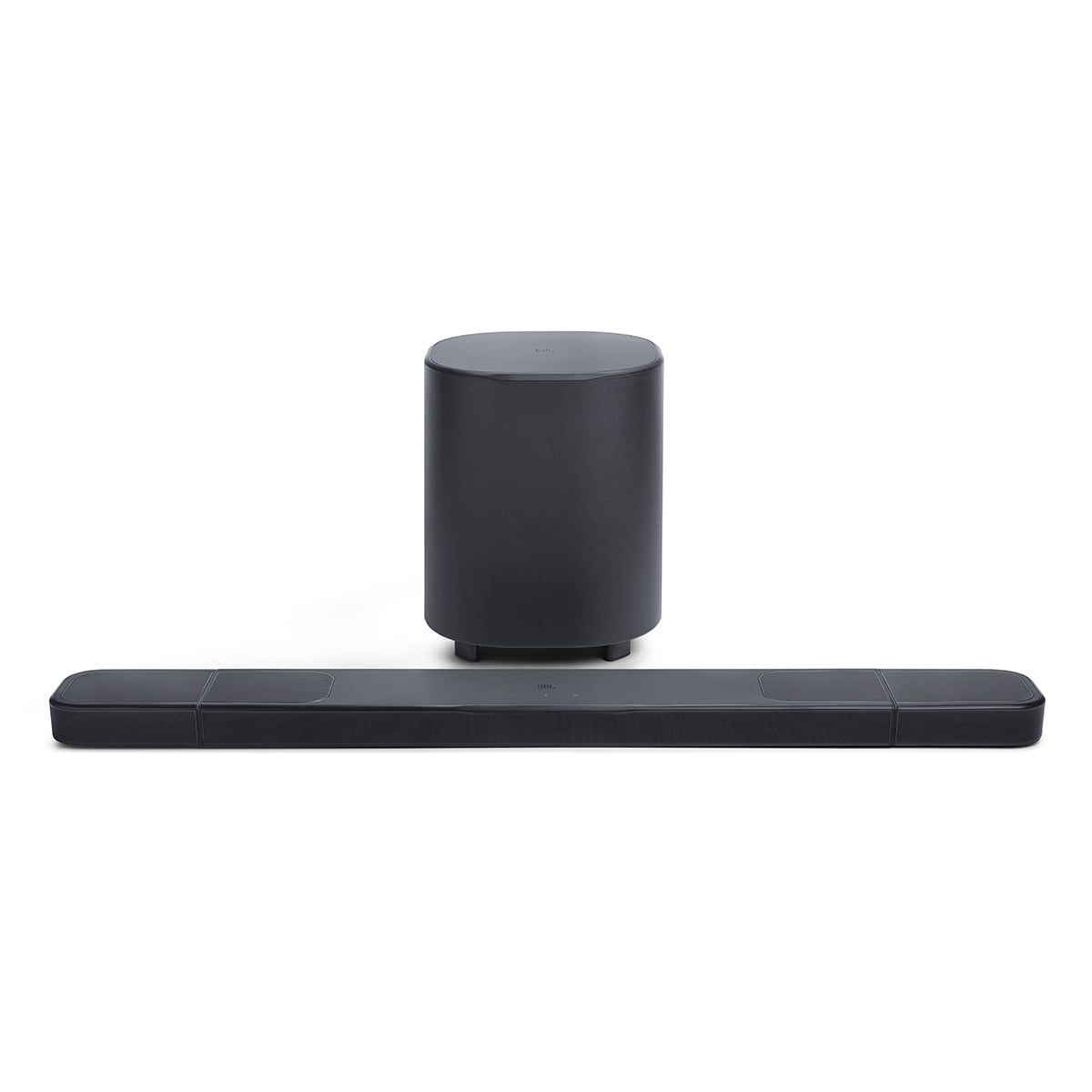
The JBL Bar 1000 MK2, launching in 2025, represents JBL's latest thinking on premium home theater audio. At the time of writing, it costs roughly four times more than the Sonos Ray, but delivers a complete 7.1.4-channel surround experience out of the box.
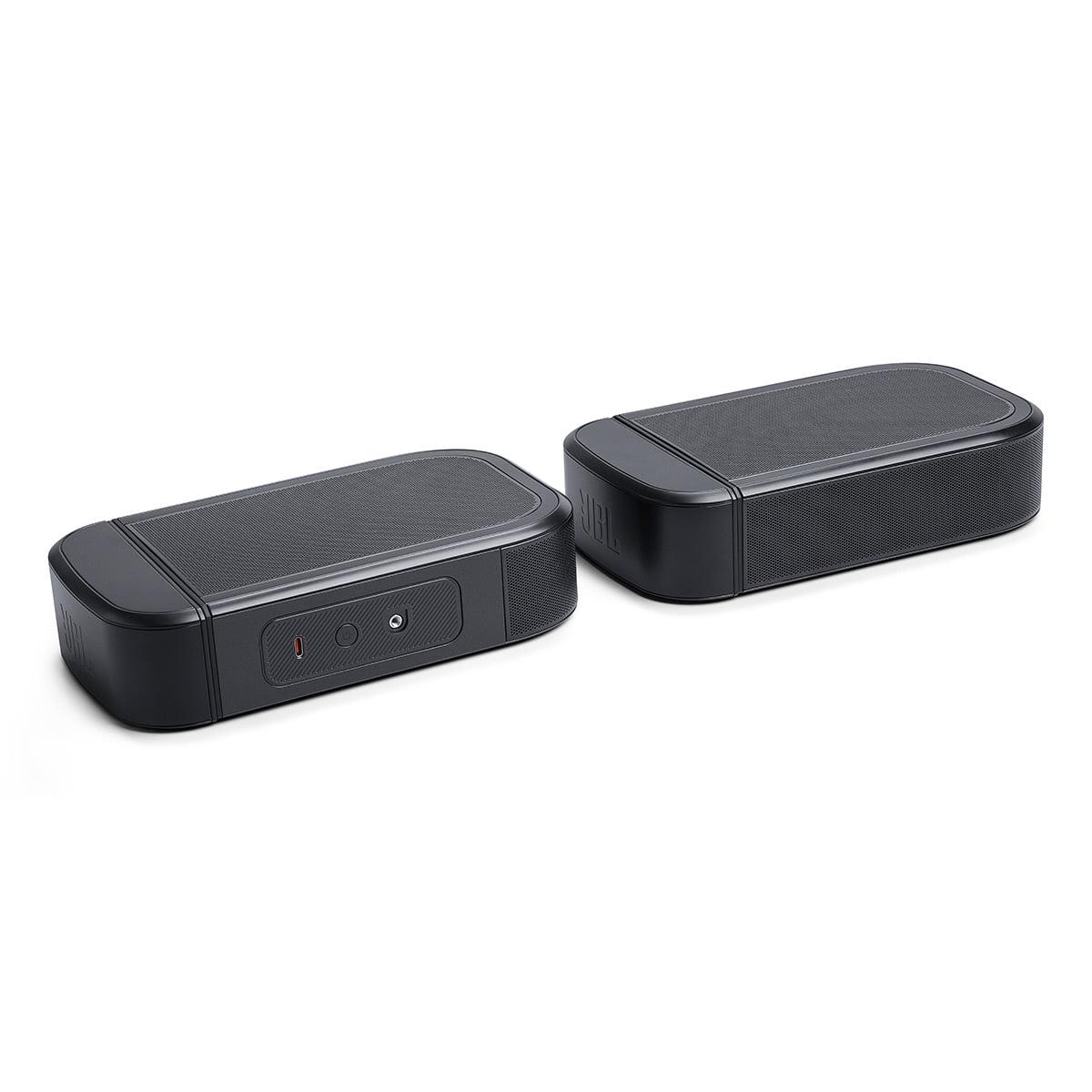
The system's most innovative feature is its detachable wireless rear speakers. These battery-powered speakers (offering up to 10 hours of use) attach magnetically to either end of the main soundbar. For normal TV watching, you can leave them attached for a sleek, single-unit look. When you want true surround sound for movies, you detach them and place them behind your seating area. No additional wires, no permanent installation required.
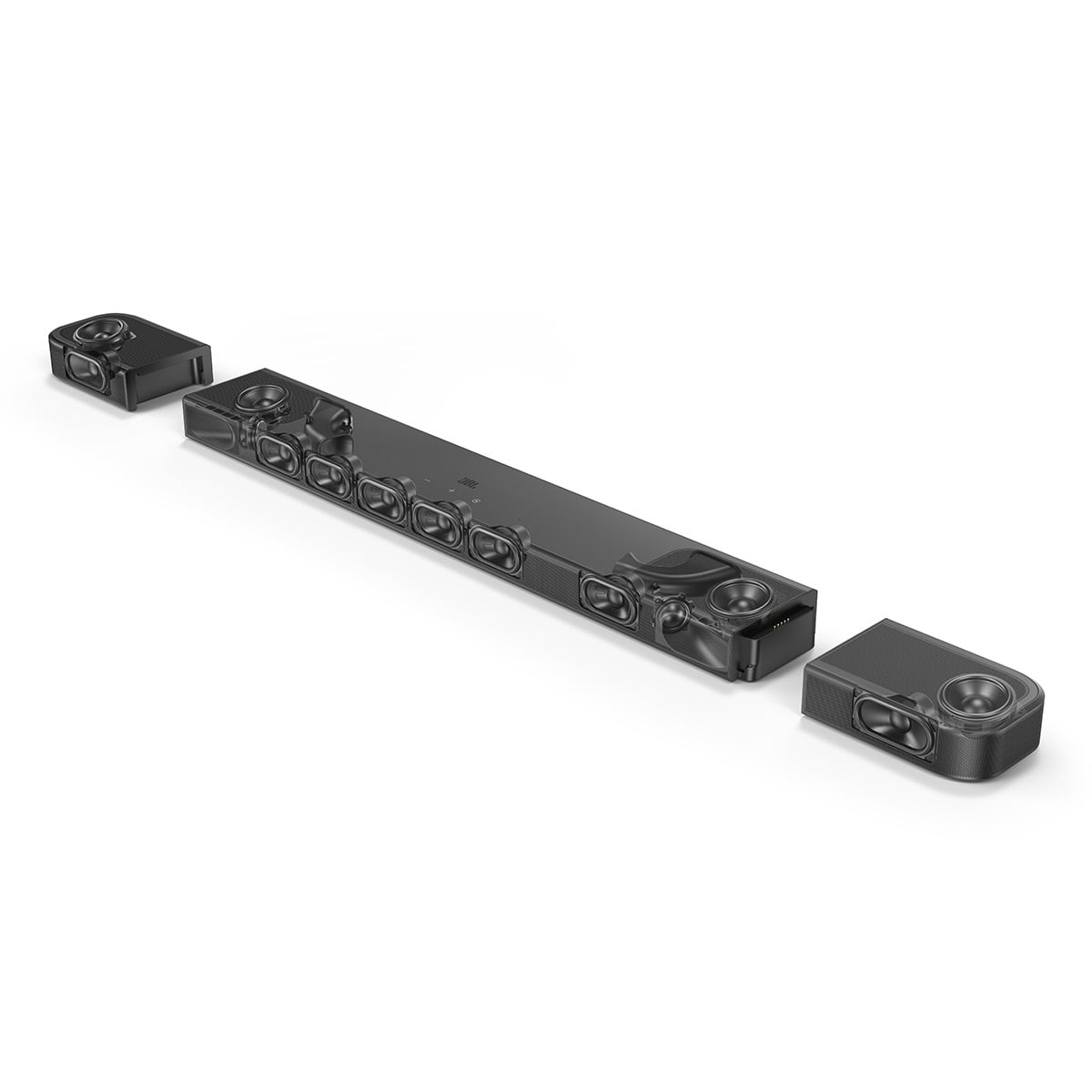
Each rear speaker contains up-firing drivers that work with the main bar's up-firing drivers to create true Dolby Atmos height effects. Dolby Atmos is an audio format that adds height information to surround sound, making helicopters sound like they're actually above you rather than just coming from speakers around you. The JBL Bar 1000 MK2 delivers this with four dedicated up-firing drivers, while the Sonos Ray can't reproduce height effects at all.
The included 10-inch wireless subwoofer extends bass response down to 33Hz—low enough to feel movie explosions in your chest. This represents a significant advantage over the Sonos Ray, which relies on smaller midwoofers for bass and requires a separate subwoofer purchase for deep bass extension.
PureVoice 2.0 technology automatically adjusts dialogue based on ambient sound levels, reducing the need to constantly adjust volume during movies. MultiBeam 3.0 uses digital processing to create a wider soundstage, making audio seem to come from well beyond the physical speakers.
Both systems excel at dialogue but achieve clarity through different methods. The Sonos Ray uses sophisticated digital processing and custom-designed waveguides to emphasize vocal frequencies despite lacking a dedicated center channel. In my testing, dialogue remains clear and natural-sounding even during complex action sequences.
The JBL Bar 1000 MK2 takes the traditional approach with a dedicated center channel specifically for dialogue reproduction. PureVoice 2.0 adds intelligent processing that automatically boosts dialogue when ambient sound increases—useful during loud action scenes where voices might otherwise get lost. The dedicated center channel provides more precise dialogue placement, making it easier to follow conversations in crowded scenes.
Winner: The JBL Bar 1000 MK2 edges ahead due to its dedicated center channel, though the Sonos Ray performs admirably for a stereo soundbar.
This is where the fundamental difference between these systems becomes most apparent. The Sonos Ray relies on two midwoofers for bass reproduction. While adequate for dialogue and most music, it lacks the deep extension needed for impactful movie sound effects. The bass is present but doesn't provide the chest-thumping impact that makes action movies exciting.
To get proper bass from a Sonos system, you'll need to add the Sonos Sub, which at the time of writing costs almost three times the price of the Ray itself. However, when combined with the Sub, the system delivers exceptional bass quality with tight, controlled low frequencies.
The JBL Bar 1000 MK2 includes a substantial 10-inch wireless subwoofer that delivers 300W of bass power. The bass extends deep enough to reproduce the lowest frequencies in movies and music, providing the kind of impact that makes explosions feel real and music sound full-bodied. The wireless design allows flexible placement for optimal bass response in your room.
Winner: JBL Bar 1000 MK2 by a wide margin—it includes the deep bass that the Sonos system requires an expensive add-on to achieve.
The Sonos Ray is fundamentally a stereo soundbar, meaning all audio comes from the front. When it encounters surround sound content like Dolby Digital 5.1, it downmixes everything to stereo. While Sonos does this intelligently, you lose the directional audio cues that make movies immersive.
You can expand the Ray with rear speakers to create true surround sound, but this requires additional purchases that, combined with a subwoofer, cost significantly more than the JBL Bar 1000 MK2's complete system price at the time of writing.
The JBL Bar 1000 MK2 delivers true 7.1.4-channel surround sound immediately. The detachable rear speakers provide authentic surround effects, while four up-firing drivers (two in the main bar, one in each rear speaker) create convincing height effects for Dolby Atmos content. In properly formatted movies, you'll hear helicopters pass overhead, rain falling from above, and ambient sounds coming from all directions.
The Night Listening mode offers a unique feature: you can mute the main soundbar and subwoofer while routing audio only to the detachable rear speakers. This allows private listening without disturbing others—perfect for late-night viewing.
Winner: JBL Bar 1000 MK2 provides complete immersive audio immediately, while the Sonos requires significant additional investment for comparable performance.
Here's where the Sonos Ray shows its strength. Sonos built their reputation on music streaming, and it shows. The Ray integrates seamlessly with the broader Sonos ecosystem, allowing synchronized music playback across multiple rooms. The Sonos app provides excellent integration with streaming services, and the system supports both Wi-Fi streaming and Apple AirPlay 2.
For music listening, the Sonos Ray delivers balanced, natural sound that works well with various genres. The lack of a subwoofer actually helps with some music types, avoiding the boomy bass that some systems add to tracks where it doesn't belong.
The JBL Bar 1000 MK2 offers powerful music playback with its full-range drivers and subwoofer providing deep bass extension. It supports multiple streaming protocols including Bluetooth 5.3, Wi-Fi, AirPlay 2, Chromecast, and Spotify Connect. However, it lacks multi-room capabilities—it's designed as a standalone system rather than part of a broader ecosystem.
Winner: Sonos Ray for multi-room music systems; JBL Bar 1000 MK2 for powerful single-room music playback.
The connectivity differences reflect each system's design philosophy. The Sonos Ray offers only optical input—no HDMI, no Bluetooth. While limiting, this simplicity eliminates confusion and reduces setup complexity. Most modern TVs have optical outputs, making the Ray compatible with virtually any television.
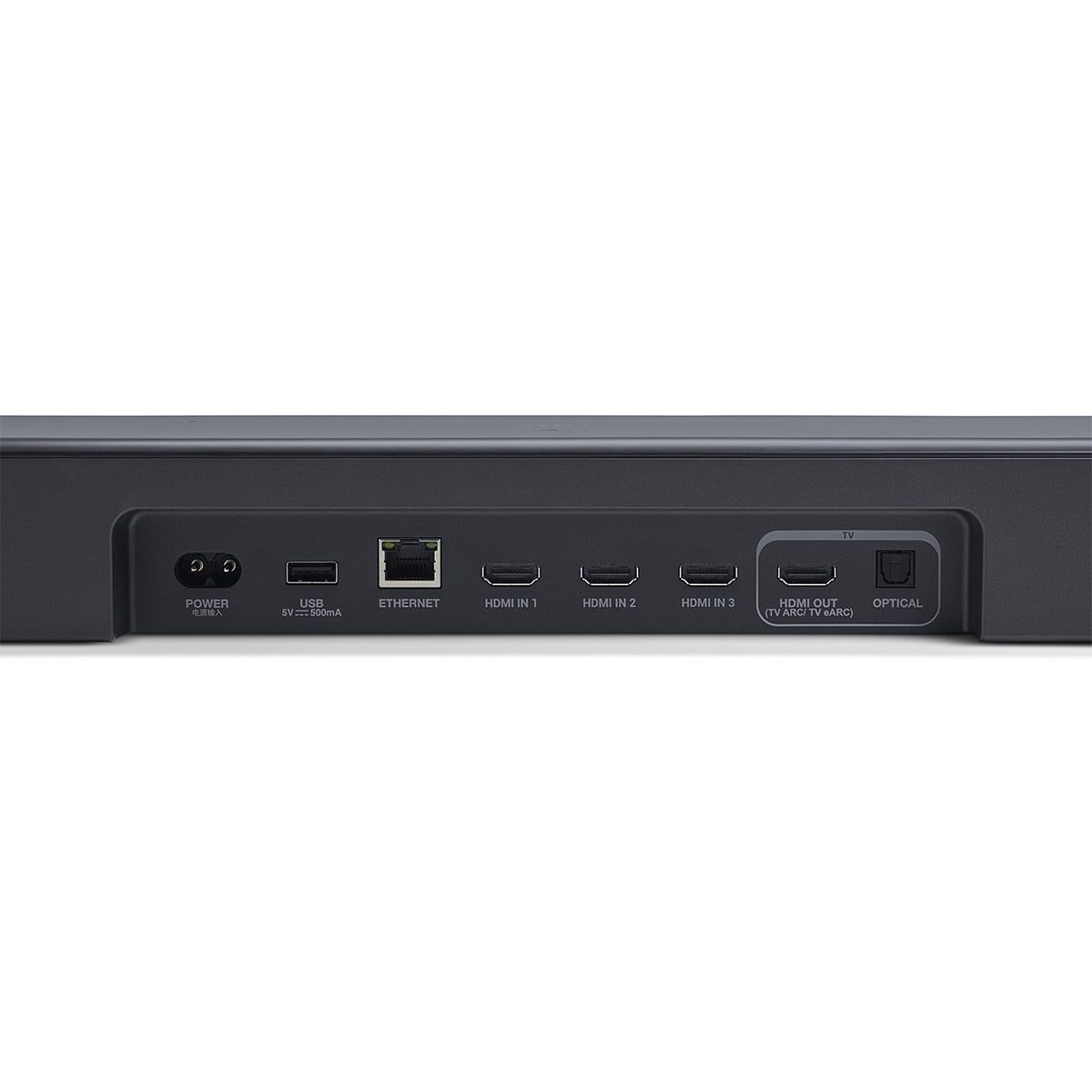
The JBL Bar 1000 MK2 provides comprehensive connectivity with HDMI eARC (enhanced Audio Return Channel for uncompressed audio) plus three additional HDMI inputs supporting 4K and HDR passthrough. This makes it ideal for connecting multiple devices like gaming consoles, streaming devices, and Blu-ray players directly to the soundbar.
Both systems offer room correction features, but they work differently. The Sonos Ray uses Trueplay, which requires an iPhone to measure room acoustics and adjust accordingly. The JBL Bar 1000 MK2 includes automatic calibration that works without additional devices.
At the time of writing, the Sonos Ray costs significantly less upfront, making it attractive for budget-conscious buyers wanting immediate TV audio improvement. However, expanding to full surround sound requires additional components that ultimately cost more than the complete JBL Bar 1000 MK2 system.
If you're satisfied with stereo sound and primarily want better TV dialogue plus music streaming capabilities, the Sonos Ray offers excellent value. If you know you want surround sound eventually, the math favors starting with the JBL Bar 1000 MK2.
The Ray's expansion approach allows spreading costs over time, which appeals to many buyers. You can start with just the soundbar, add a subwoofer later when budget allows, then add rear speakers for complete surround sound. Each addition meaningfully improves the experience.
The JBL Bar 1000 MK2 represents a complete solution that doesn't require or support additional expansion. You get everything needed for premium home theater audio immediately, but can't enhance it further down the road.
The JBL Bar 1000 MK2's detachable speakers represent genuine innovation in soundbar design. Beyond creating true surround sound, these speakers can be used as portable Bluetooth speakers in other rooms when detached. The modular approach provides flexibility between sleek aesthetics and surround performance that no other soundbar matches.
The Sonos Ray's innovation lies in its ecosystem integration. It serves as a gateway to multi-room audio, allowing you to build a comprehensive whole-home system over time. The seamless integration between Sonos devices creates experiences impossible with standalone products.
Choose the Sonos Ray if you're primarily looking to improve TV dialogue and want the flexibility to build a system gradually. It's perfect for smaller rooms, budget-conscious buyers, and anyone who values music streaming and multi-room capabilities over immersive movie experiences. The Ray makes sense if you're already invested in the Sonos ecosystem or plan to expand over time.
Choose the JBL Bar 1000 MK2 if you want immediate surround sound without additional purchases. It's ideal for movie enthusiasts, gamers, and anyone with a larger room requiring more powerful audio. The innovative detachable speakers provide unique flexibility, and the comprehensive connectivity supports complex setups with multiple devices.
These products represent fundamentally different approaches to home audio improvement. The Sonos Ray excels as an affordable entry point with excellent expansion potential and superior music ecosystem integration. The JBL Bar 1000 MK2 delivers a complete premium home theater experience with innovative wireless technology.
Your choice should align with your priorities: immediate complete performance or gradual ecosystem building. Both deliver significantly better audio than TV speakers, but they'll take you down very different paths. Consider your space, budget flexibility, and whether movies or music matter more to your daily listening habits.
The beauty of the current soundbar market is that both approaches work well—you just need to pick the one that matches your situation and goals.
| Sonos Ray | JBL Bar 1000 MK2 |
|---|---|
| Channel Configuration - Determines surround sound capabilities | |
| 2.0 stereo (no center channel or built-in subwoofer) | 7.1.4 channel with dedicated center, subwoofer, and height speakers |
| Dolby Atmos Support - Creates overhead sound effects in movies | |
| Not supported (stereo downmix only) | True Dolby Atmos with 4 up-firing drivers |
| Subwoofer Inclusion - Critical for impactful bass in movies | |
| None included (must purchase separately) | 10" wireless subwoofer included |
| Detachable Speakers - Flexibility for surround placement | |
| Fixed soundbar design | Battery-powered detachable rear speakers (10-hour battery) |
| HDMI Connectivity - Essential for modern devices and gaming | |
| None (optical input only) | HDMI eARC + 3 HDMI inputs with 4K/HDR passthrough |
| Bluetooth Support - Convenient for phone music streaming | |
| Not supported | Bluetooth 5.3 supported |
| Multi-room Audio - Sync music across multiple rooms | |
| Full Sonos ecosystem integration | Not supported (standalone system) |
| Room Correction - Optimizes sound for your space | |
| Trueplay (requires iPhone) | Automatic calibration (no additional device needed) |
| Power Output - Affects volume and room coverage | |
| 250W total | 960W total system power |
| Expandability - Future upgrade options | |
| Can add Sonos Ray Sub and rear speakers over time | Complete system, no additional expansion possible |
| Setup Complexity - Time and effort required | |
| Simple: optical cable and app setup | More complex: multiple wireless components to position |
| Dialogue Enhancement - Clarity for TV and movies | |
| Speech Enhancement technology | PureVoice 2.0 with adaptive dialogue adjustment |
The JBL Bar 1000 MK2 is significantly better for movies and TV shows. It delivers true 7.1.4-channel surround sound with Dolby Atmos height effects, making helicopters sound like they're flying overhead and explosions feel immersive. The Sonos Ray is limited to stereo sound, though it excels at dialogue clarity for everyday TV watching.
The main difference is that the Sonos Ray is an entry-level stereo soundbar focused on improving TV dialogue and music streaming, while the JBL Bar 1000 MK2 is a complete home theater system with wireless rear speakers, a subwoofer, and true surround sound capabilities. They represent entirely different approaches to home audio.
The JBL Bar 1000 MK2 has significantly better bass with its included 10-inch wireless subwoofer that delivers deep, impactful low frequencies. The Sonos Ray has limited bass response and requires purchasing a separate Sonos Sub to achieve comparable bass performance.
With the JBL Bar 1000 MK2, everything needed for surround sound is included: detachable wireless rear speakers and a subwoofer. The Sonos Ray requires purchasing additional rear speakers and a subwoofer separately to create a complete surround sound system.
The Sonos Ray is better for music streaming due to its seamless integration with the Sonos ecosystem, multi-room capabilities, and excellent app experience. While the JBL Bar 1000 MK2 delivers more powerful music playback, it lacks multi-room functionality and focuses more on home theater performance.
The JBL Bar 1000 MK2 offers comprehensive connectivity with HDMI eARC, three HDMI inputs, and Bluetooth support, making it ideal for multiple devices. The Sonos Ray has only optical input and no Bluetooth, which limits connectivity but simplifies setup for basic TV use.
The Sonos Ray is much easier to set up, requiring only an optical cable connection and simple app configuration. The JBL Bar 1000 MK2 involves positioning multiple wireless components (soundbar, subwoofer, and detachable speakers) and more complex initial setup, though it includes helpful auto-calibration features.
Yes, both the Sonos Ray and JBL Bar 1000 MK2 work with all TV brands. The Sonos Ray connects via optical cable, which virtually all modern TVs have, while the JBL Bar 1000 MK2 can connect via HDMI or optical depending on your TV's capabilities.
Value depends on your needs. The Sonos Ray offers excellent value for basic TV audio improvement and gradual system building. However, if you want complete surround sound, the JBL Bar 1000 MK2 provides better value since expanding the Sonos system to comparable performance costs more than the complete JBL system.
The Sonos Ray does not have built-in voice assistants but works with existing Alexa or Google devices for voice control. The JBL Bar 1000 MK2 can be controlled through compatible smart home systems but doesn't include built-in voice assistant capabilities.
The Sonos Ray is better suited for small apartments due to its compact size, simple setup, and focus on dialogue clarity without overpowering bass. The JBL Bar 1000 MK2 with its powerful subwoofer might be too much for small spaces and could disturb neighbors.
The Sonos Ray is designed for expansion - you can add a Sonos Sub and rear speakers over time to build a complete system gradually. The JBL Bar 1000 MK2 comes complete and doesn't support additional expansion, but its detachable speakers offer unique flexibility for different room configurations.
We've done our best to create useful and informative comparisons to help you decide what product to buy. Our research uses advanced automated methods to create this comparison and perfection is not possible - please contact us for corrections or questions. These are the sites we've researched in the creation of this article: tomsguide.com - soundandvision.com - youtube.com - techradar.com - en.community.sonos.com - rtings.com - howtogeek.com - youtube.com - cnet.com - sonos.com - videoandaudiocenter.com - ecoustics.com - engadget.com - bestbuy.com - techradar.com - rtings.com - hometechnologyreview.com - youtube.com - t3.com - whathifi.com - youtube.com - bhphotovideo.com - gzhls.at - device.report - support.jbl.com - support.jbl.com - jbl.com - av.com - audioadvice.com - jbl.com - target.com - worldwidestereo.com

Privacy Policy
Terms and Conditions - Affiliate Policy
Home Security
© Copyright 2008-2026.
11816 Inwood Rd #1211, Dallas, TX 75244