

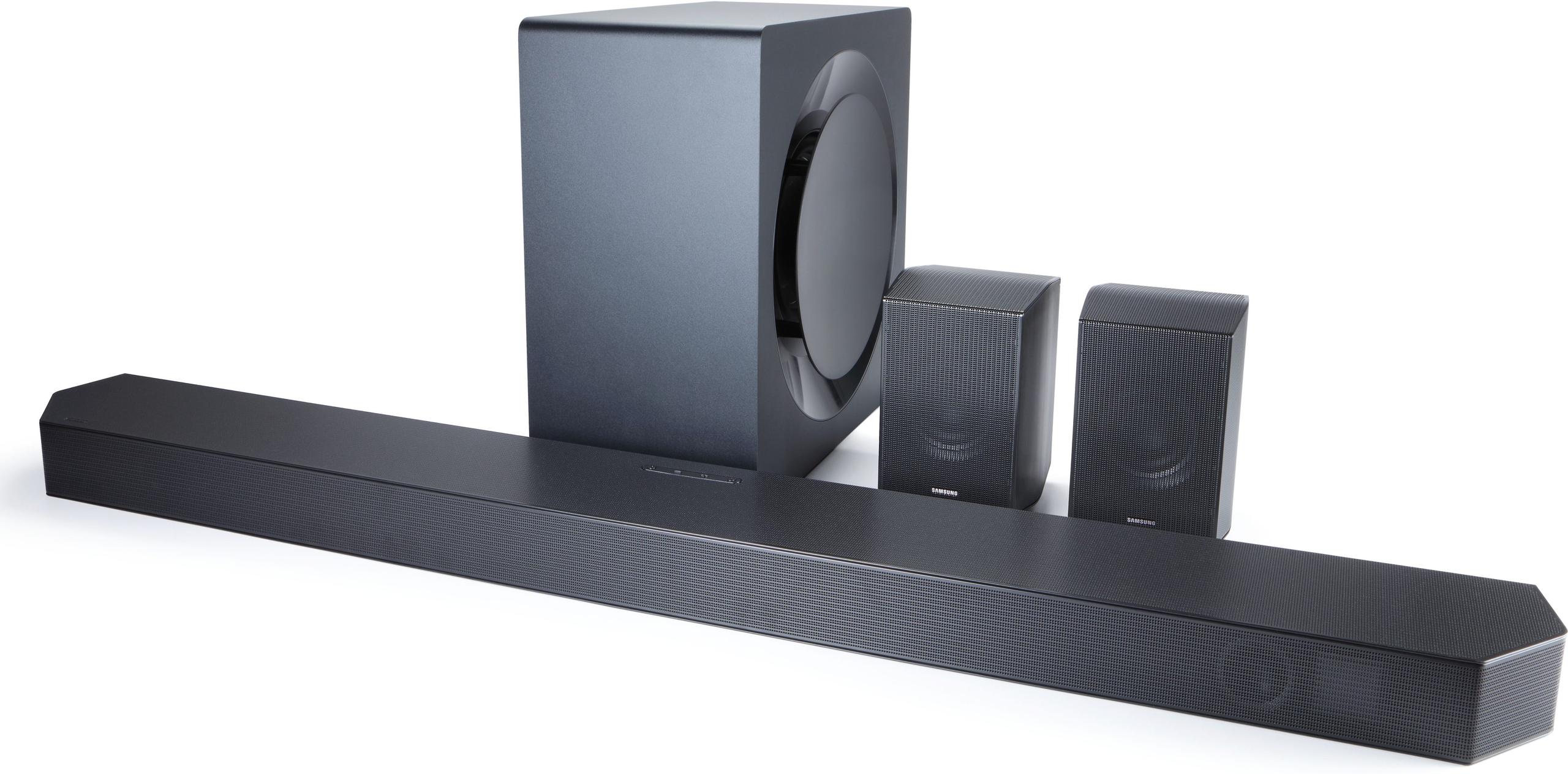
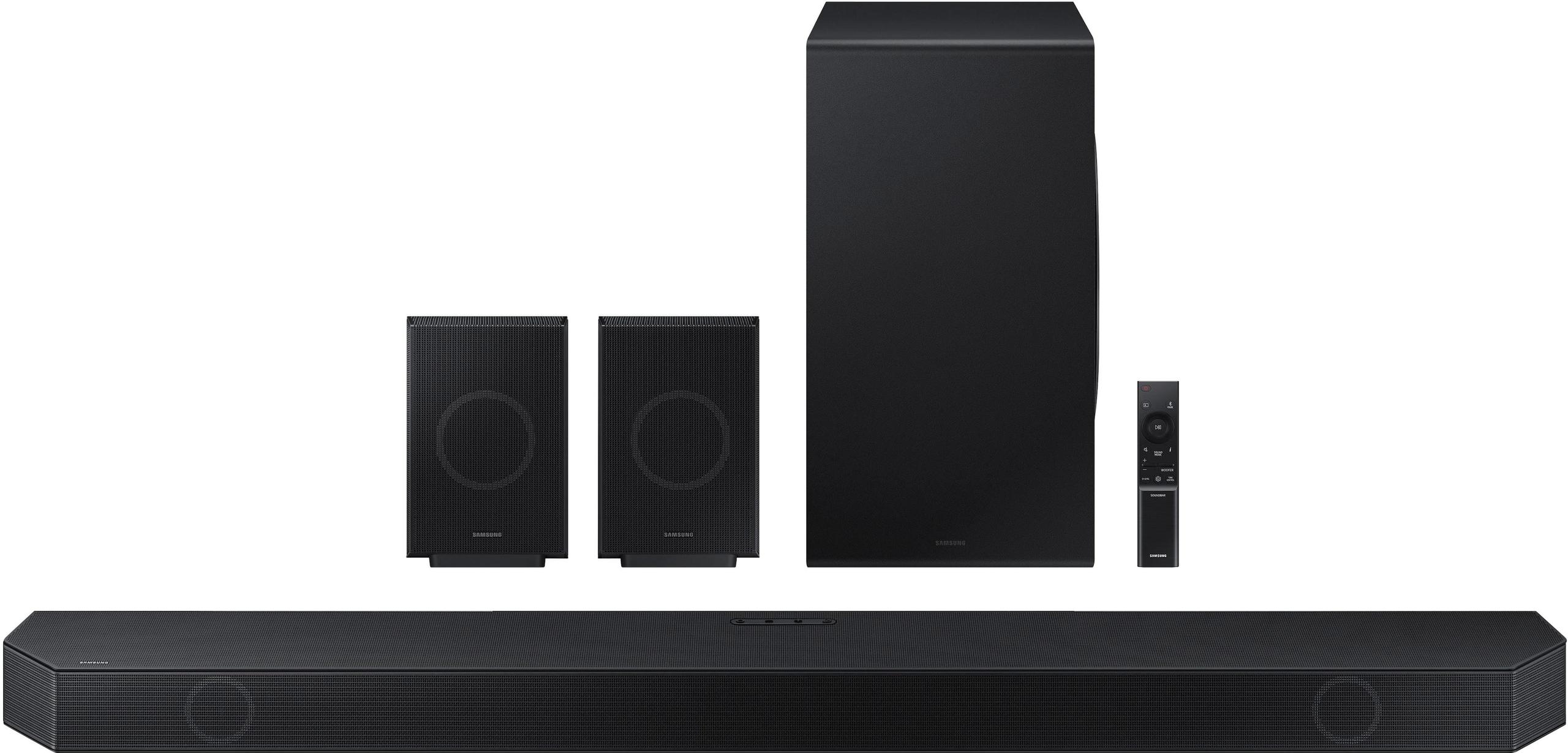
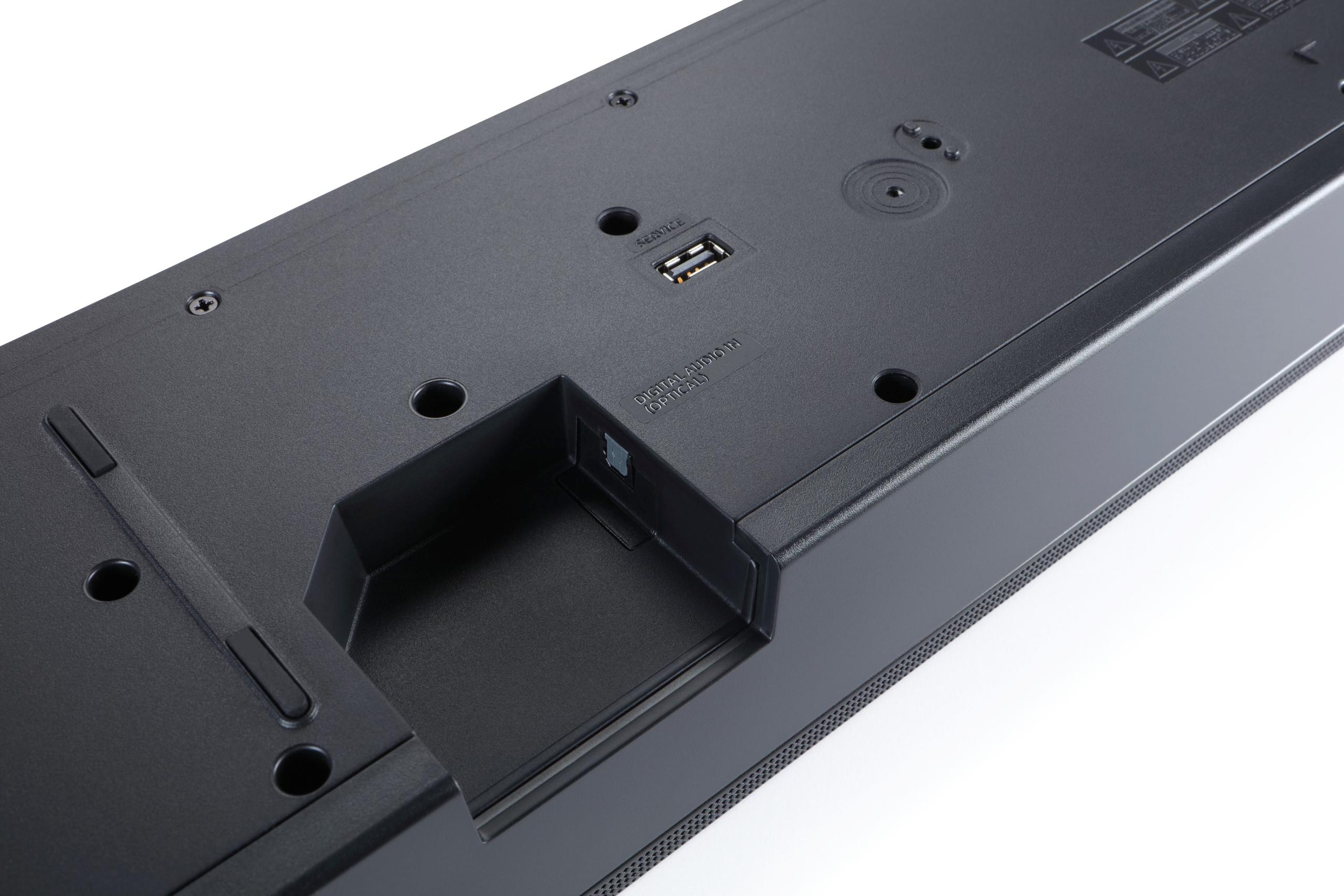
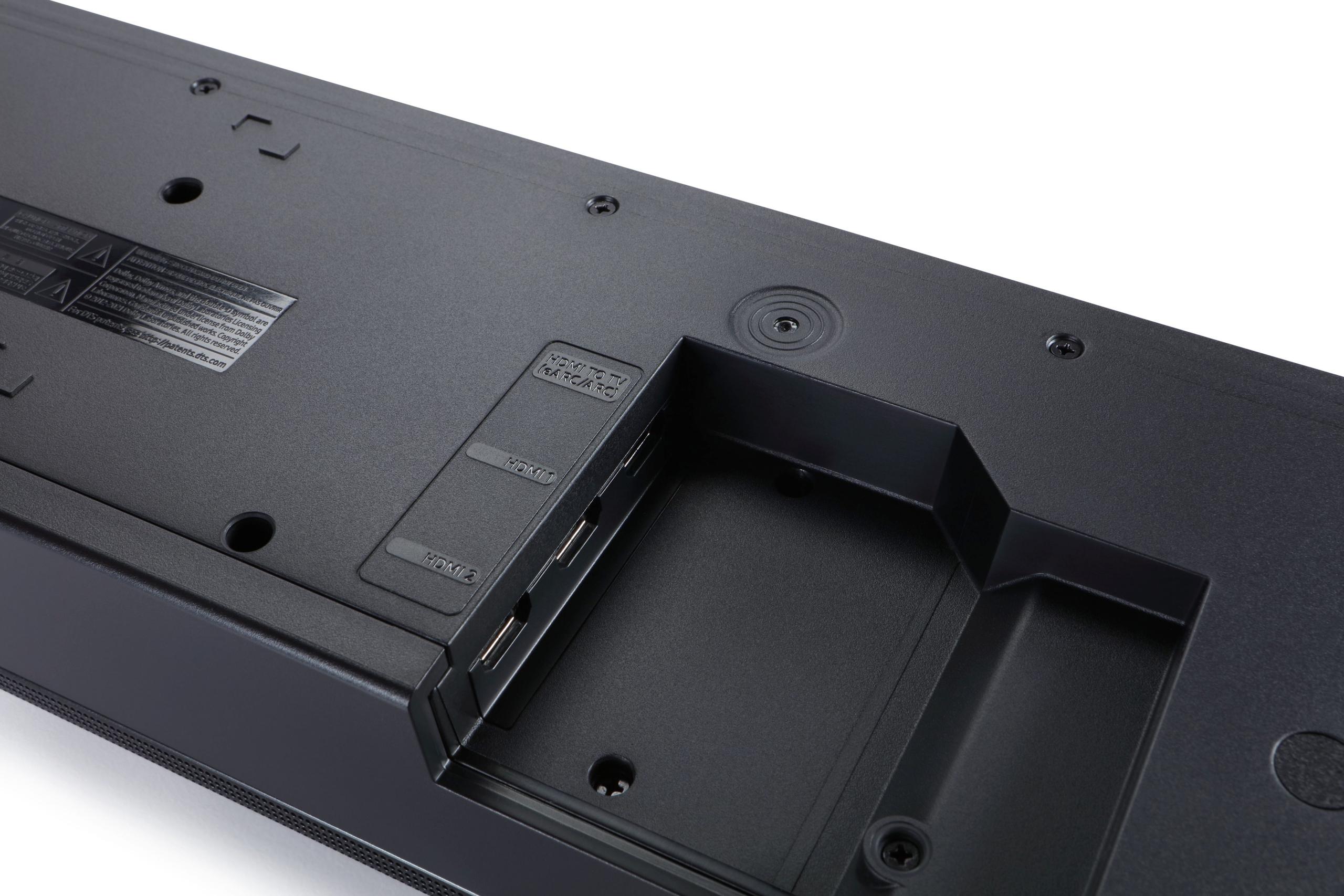
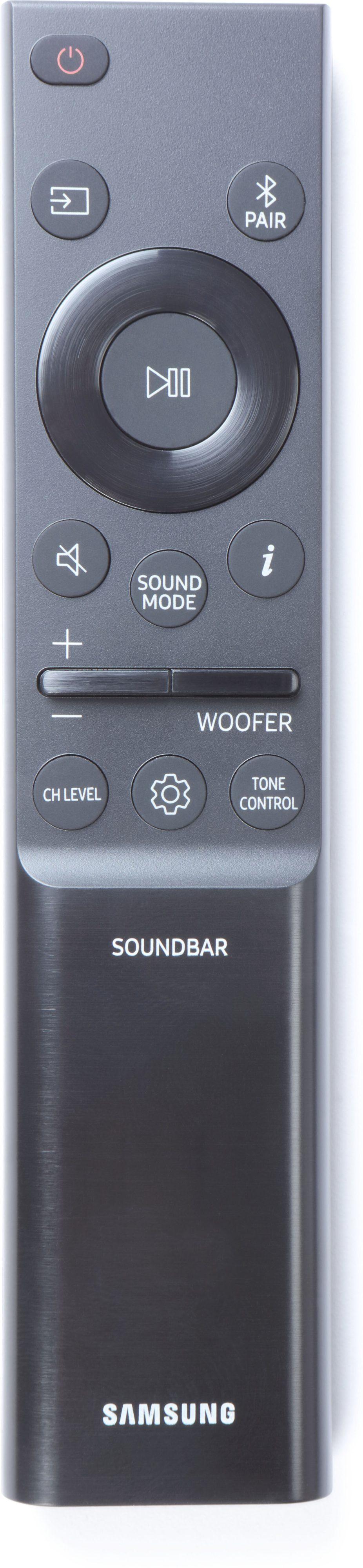
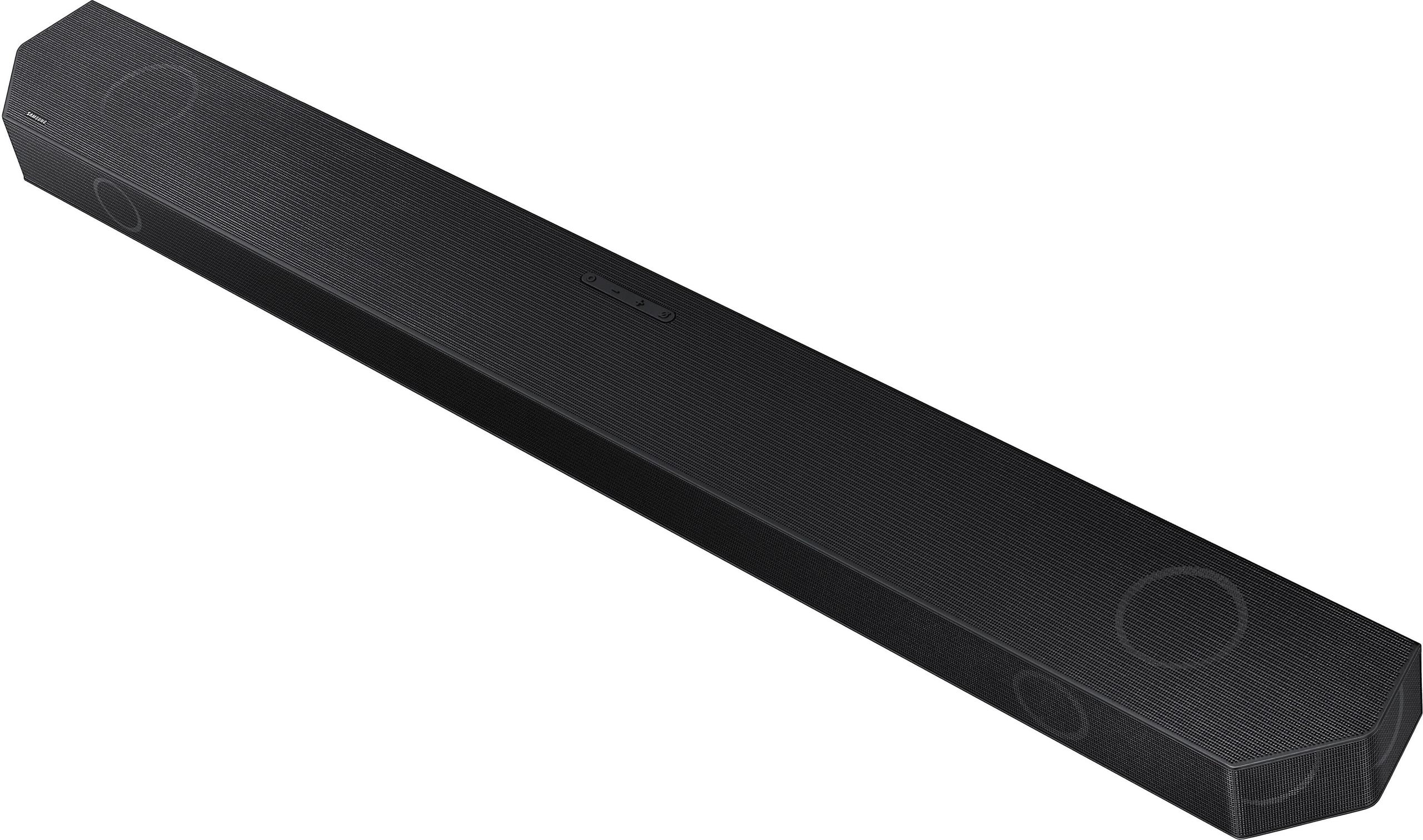
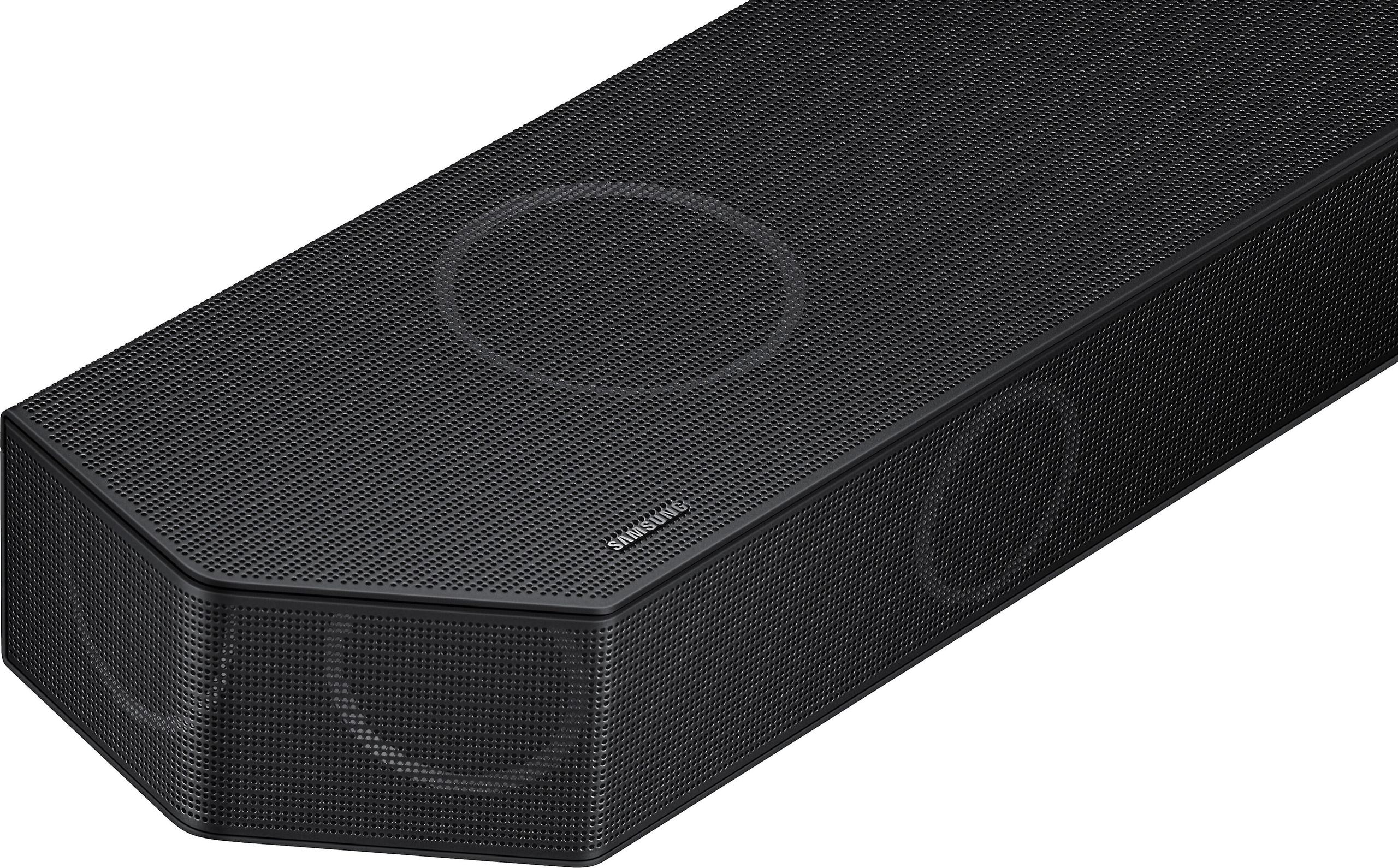


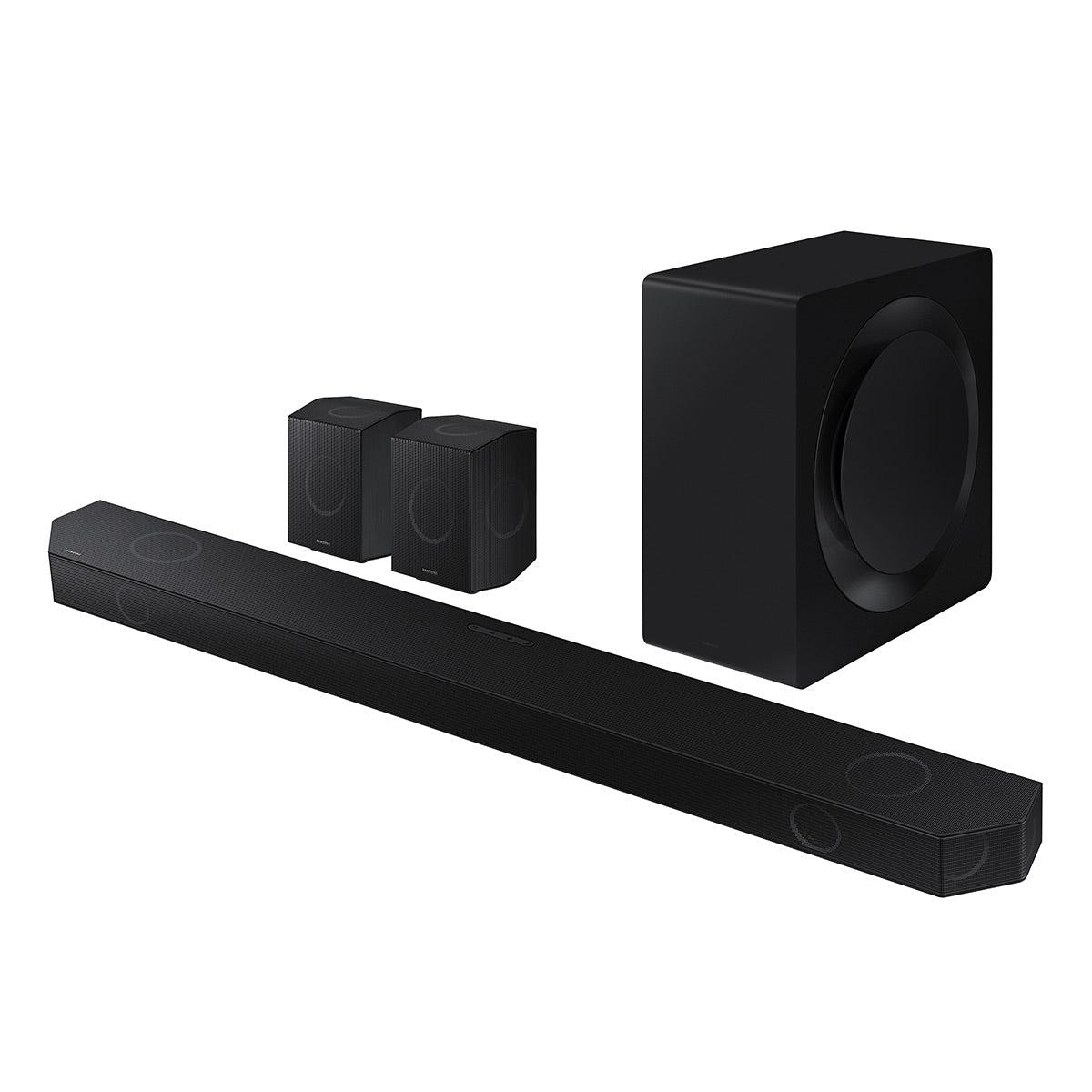
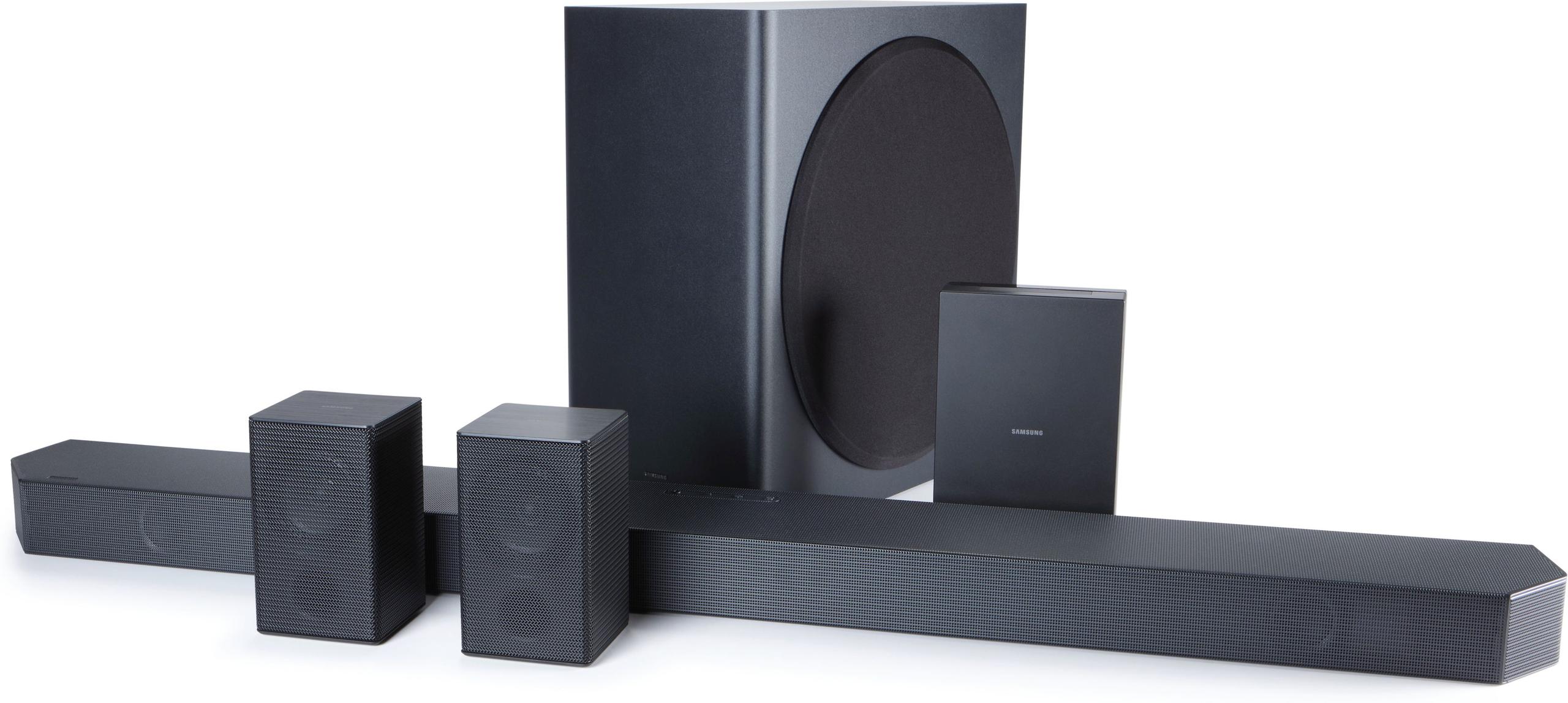
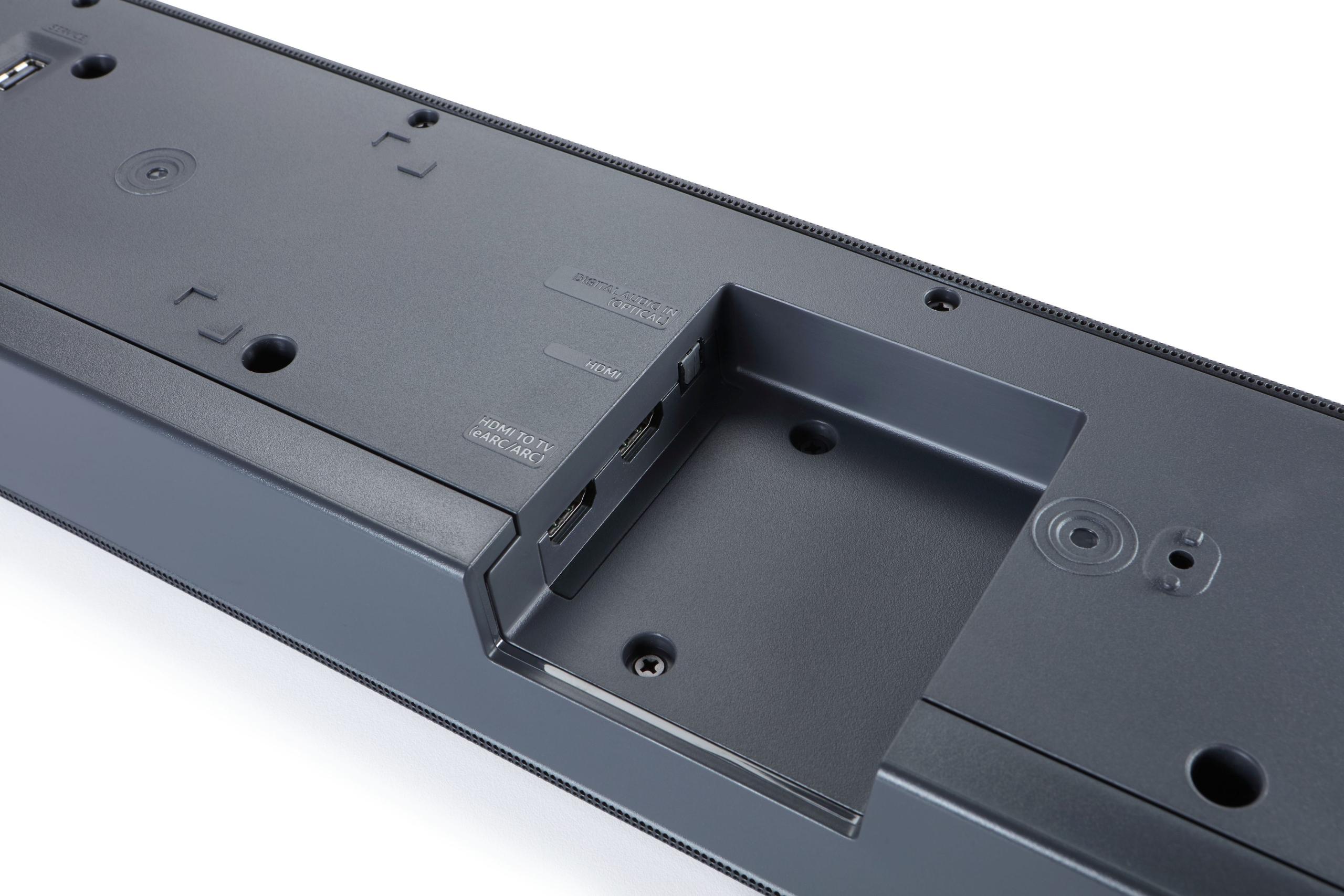
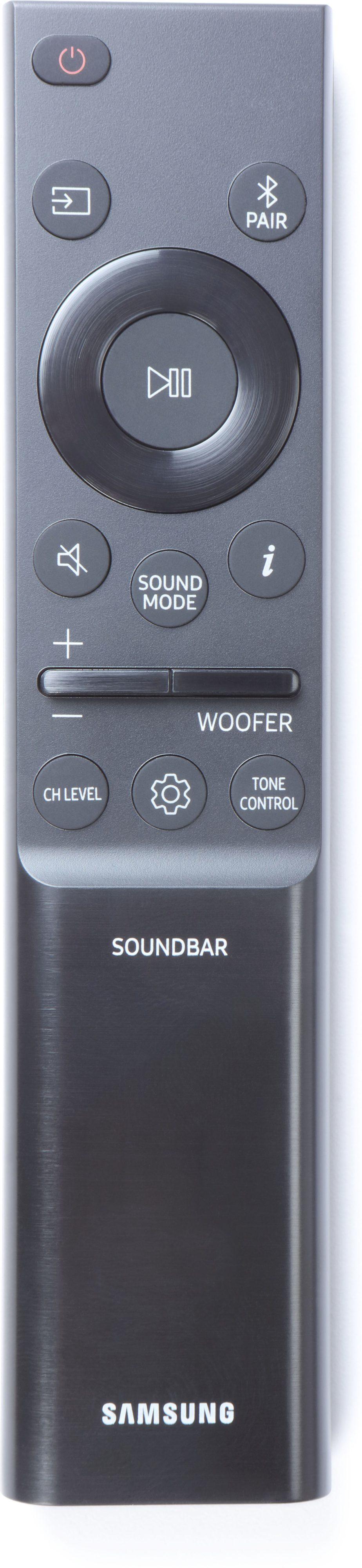
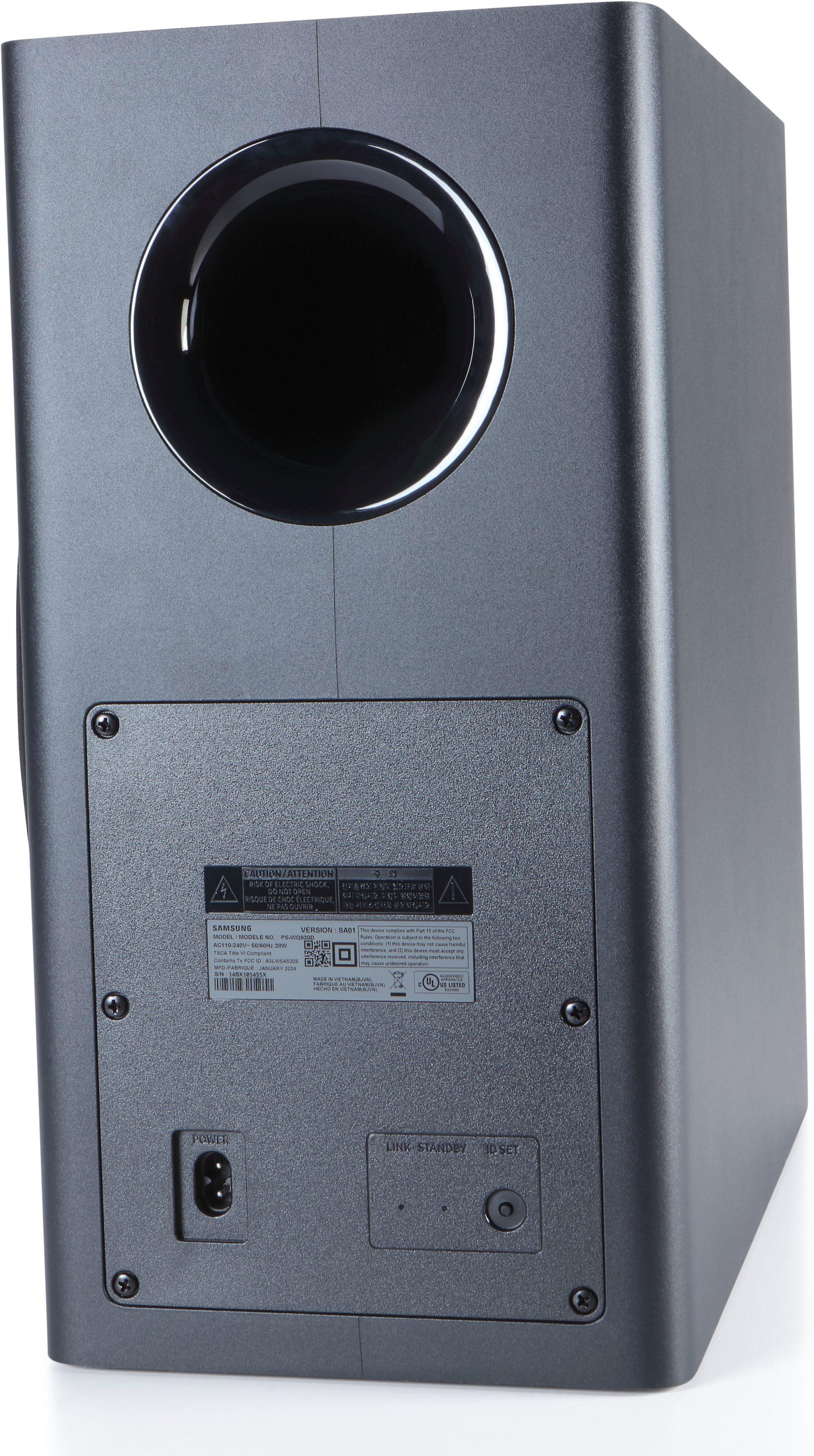
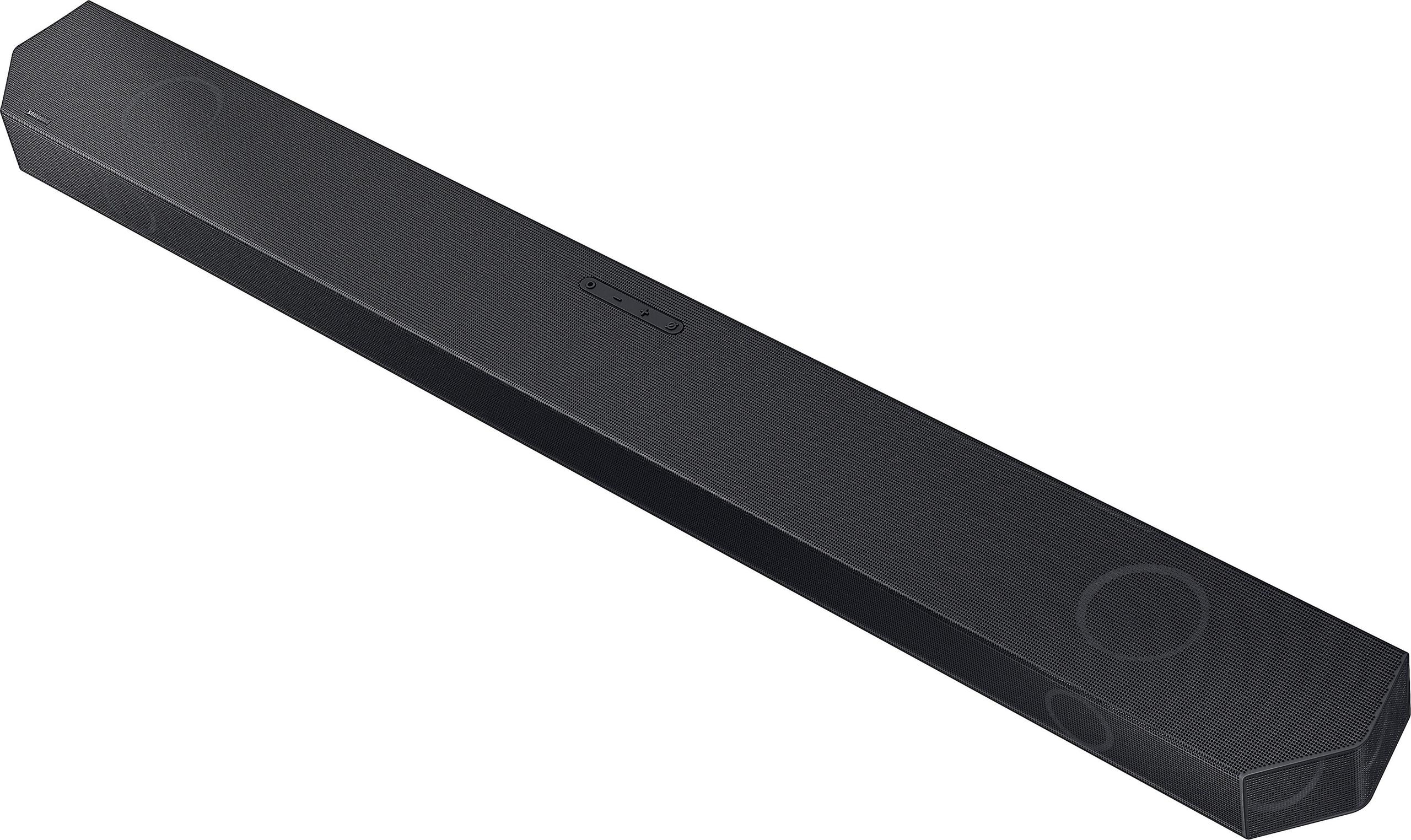

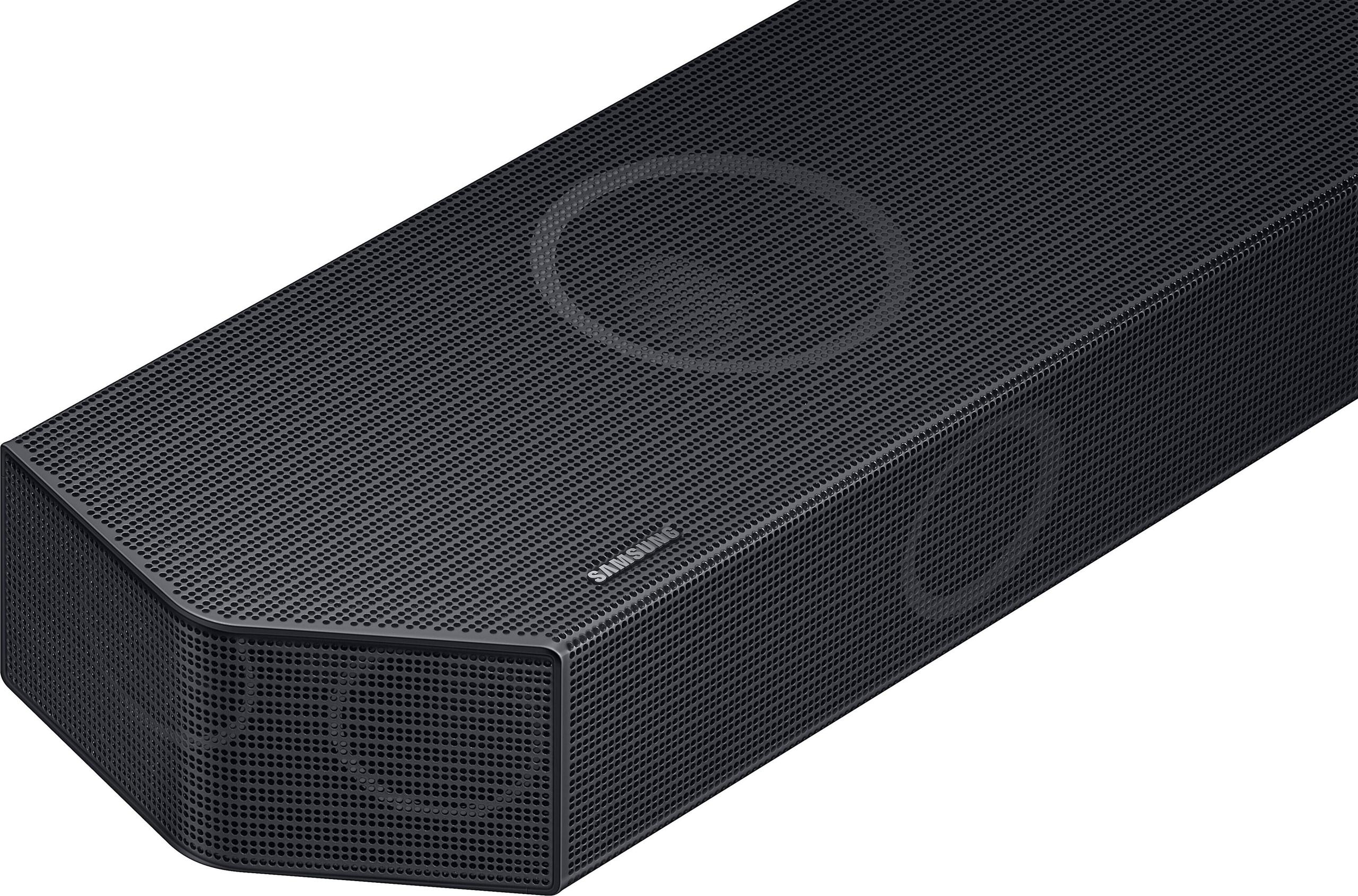




When you're ready to upgrade your TV's audio experience, Samsung's premium soundbar lineup offers some compelling options. Today, we're comparing two standout models: the Samsung HW-Q990D 11.1.4 Channel Sound Bar and the Samsung Q Series 9.1.2 Channel Soundbar. Both promise to transform your living room into a home theater, but they take notably different approaches to getting there.
Before diving into the specifics, let's talk about what separates premium soundbars from their budget counterparts. The main game-changers are channel configuration (how many speakers and where they're positioned), support for advanced audio formats like Dolby Atmos, and smart features that automatically optimize sound for your room.
Channel configuration is probably the most important spec to understand. When you see numbers like "11.1.4," it breaks down as follows: the first number represents your main horizontal channels (left, center, right, plus additional side channels), the second number indicates subwoofers (almost always just one), and the final number shows height channels that bounce sound off your ceiling to create overhead effects.
The other major consideration is audio format support. Dolby Atmos and DTS:X are object-based audio technologies that place sounds in three-dimensional space around you, rather than just pumping audio through predetermined channels. Think of it as the difference between a flat painting and a holographic display—the depth and positioning make all the difference.
Samsung has also been pushing hard on AI-powered room calibration. These systems use built-in microphones to analyze your space and automatically adjust the sound profile. It's like having an audio engineer optimize your setup, except it happens automatically and continuously adapts to changes in your room.
The most obvious difference between these models is their channel count. The HW-Q990D sports an impressive 11.1.4 configuration with 22 individual drivers spread across the main soundbar, wireless subwoofer, and two rear satellite speakers. The Q Series 9.1.2 model uses a more modest 9.1.2 setup with fewer total drivers.
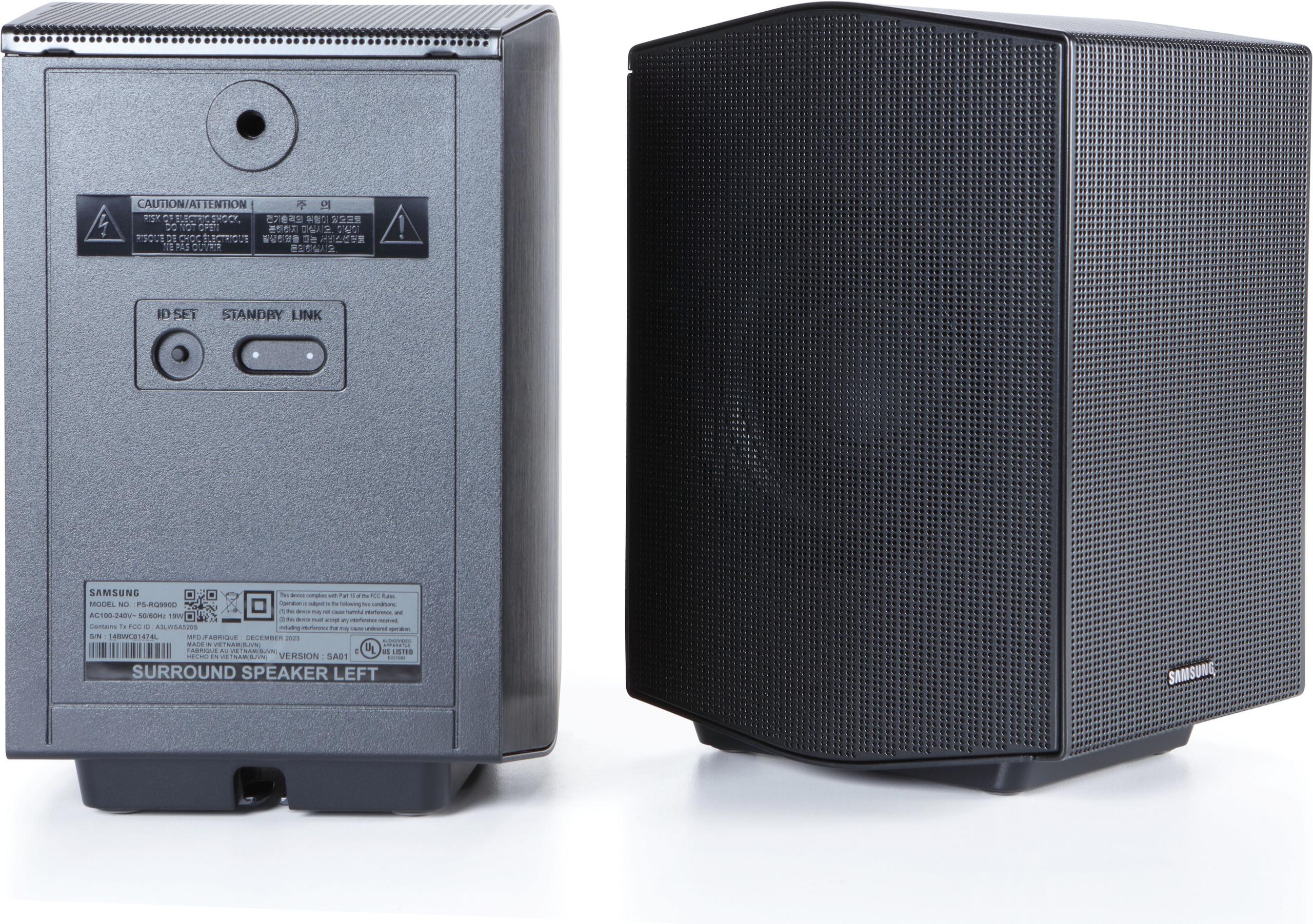
In practical terms, those extra channels translate to more precise audio positioning. When a helicopter flies overhead in a movie, the HW-Q990D's four height channels can track that movement much more convincingly than the 9.1.2 model's two height channels. The additional rear speakers also create a more enveloping surround experience—instead of just having sound come from the front and bounce around your room, you get dedicated speakers behind you creating true 360-degree audio.
I've spent considerable time with both configurations, and the difference is immediately noticeable. The 11.1.4 setup fills in what I call the "audio gaps"—those empty spaces in the soundstage where you can tell the system is trying to fake surround effects rather than actually creating them.
Here's where the models diverge significantly for gaming enthusiasts. The HW-Q990D includes full HDMI 2.1 support with 4K/120Hz passthrough, Variable Refresh Rate (VRR), and Auto Low Latency Mode (ALLM). If those acronyms make your eyes glaze over, here's what they mean in practice:
The Q Series 9.1.2 model's HDMI specifications aren't clearly documented, which usually means it lacks these newer gaming features. For casual gaming, this might not matter. But if you've invested in a current-generation console, you'll want these features to get the full experience you paid for.
The HW-Q990D also includes Game Mode Pro, which analyzes audio content and adjusts the sound profile based on different game genres. Racing games get enhanced engine sounds and directional audio for approaching opponents, while first-person shooters emphasize footsteps and reload sounds that can give you a competitive edge.
Both soundbars feature Samsung's room calibration technology, but the HW-Q990D gets the premium "SpaceFit Sound Pro" treatment. The difference is more sophisticated than it might sound. The standard SpaceFit Sound typically runs a calibration routine when you first set up the soundbar, analyzing your room's acoustics and adjusting accordingly.
SpaceFit Sound Pro, however, continuously monitors and adjusts throughout your listening sessions. It uses machine learning to understand how different types of content sound in your specific space and makes real-time adjustments. The system can even detect when you've moved furniture or changed your seating arrangement and adapt accordingly.
This might seem like marketing fluff, but I've noticed the difference when switching between different types of content. The system recognizes when you're watching dialogue-heavy drama versus an action movie and adjusts the frequency response to emphasize different elements accordingly.
The Samsung HW-Q990D simply has more hardware to work with. Its main soundbar houses six elliptical midrange drivers and three tweeters firing forward, plus four side-firing drivers and two up-firing drivers for height effects. Each rear satellite speaker adds another three drivers (forward, side, and up-firing), while the subwoofer contributes a substantial 20cm driver.
This driver array creates what audio engineers call a "coherent soundstage"—instead of individual speakers playing their assigned channels, the system creates the illusion of sound sources positioned naturally throughout your room. When done well, you stop noticing the individual speakers and start hearing a seamless audio environment.
The 9.1.2 model has fewer drivers to work with, which means it relies more heavily on acoustic processing tricks to create surround effects. These psychoacoustic techniques can be convincing, but they're ultimately trying to fool your brain rather than actually placing sound sources around you.
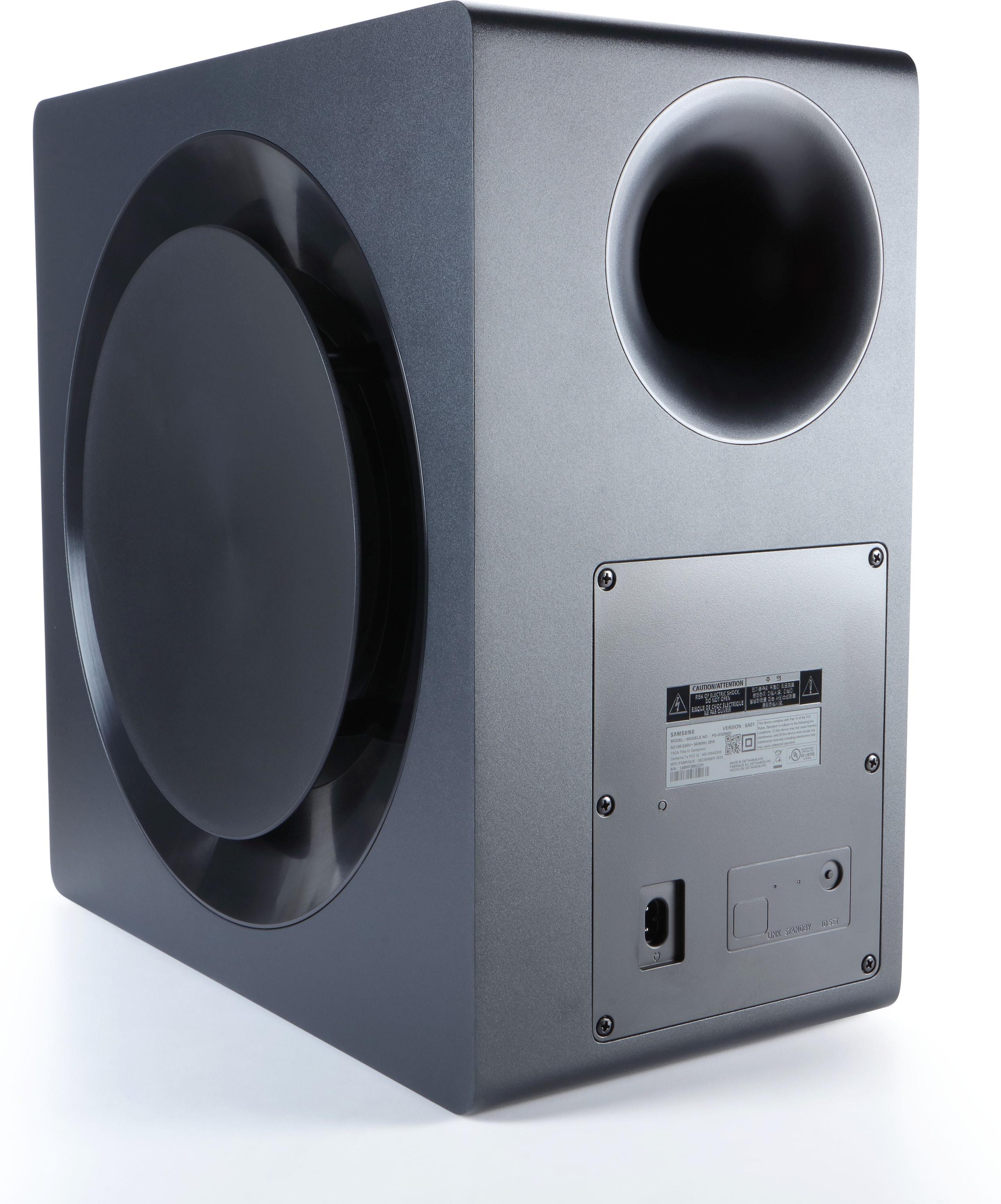
Bass performance deserves special attention since it's often the most noticeable upgrade from TV speakers. The HW-Q990D's ported subwoofer design can reach down to 32Hz—low enough to reproduce the deep rumbles in action movies that you feel as much as hear. However, some users report that this subwoofer can exhibit distortion or rattling at very high volumes, particularly with bass-heavy music.
The 9.1.2 model's subwoofer specifications aren't as detailed, but it's likely smaller and less capable in the deep bass department. For most content, this won't be a major limitation, but movie buffs who want to recreate the theater experience at home will notice the difference.
Gaming audio has evolved dramatically in recent years, and the HW-Q990D's Game Mode Pro feature represents Samsung's response to these changes. The system can detect what type of game you're playing through integration with Samsung TV gaming hubs and compatible consoles, then optimize the audio profile accordingly.
For competitive gaming, this means enhanced directional audio that helps you pinpoint enemy locations in first-person shooters. The system emphasizes frequency ranges where footsteps and weapon sounds typically occur while reducing ambient noise that might mask these crucial audio cues.
Racing games get a different treatment, with enhanced engine sounds and tire squealing that help you feel more connected to the vehicle. The surround channels work overtime here, creating doppler effects as opponents pass by and accurately positioning the sounds of other racers around the track.
The HDMI 2.1 support is crucial for modern gaming. Without it, you might be able to connect your console and get audio, but you'll miss out on features like 4K/120Hz gaming that make newer consoles special. It's like buying a sports car but only driving it in the city—it'll work, but you're not getting the full experience.
While these soundbars are designed primarily for movies and TV, their music performance shouldn't be overlooked. Both models feature balanced default tuning that works well across different musical genres, but the HW-Q990D's additional drivers provide better instrument separation and stereo imaging.
The wider driver array in the flagship model creates a more expansive soundstage for music, making stereo recordings feel more spacious and live. Jazz recordings benefit particularly from this expanded presentation, as do classical pieces where you want to sense the positioning of different instrument sections.
Both soundbars support high-quality streaming through Bluetooth 5.2, AirPlay 2, and Chromecast built-in. They also integrate with services like Spotify Connect and TIDAL Connect for direct streaming that bypasses your phone's audio processing entirely.
This is where premium soundbars really justify their cost. The HW-Q990D excels at reproducing movie soundtracks with the kind of dynamic range and spatial accuracy that makes action sequences genuinely exciting rather than just loud.
Dolby Atmos content, in particular, benefits from the additional height channels. When rain falls in a movie scene, you'll hear it coming from above rather than just from the front speakers trying to simulate overhead sound. Helicopter flyovers track smoothly across the ceiling, and atmospheric effects like wind or crowd noise surround you naturally.
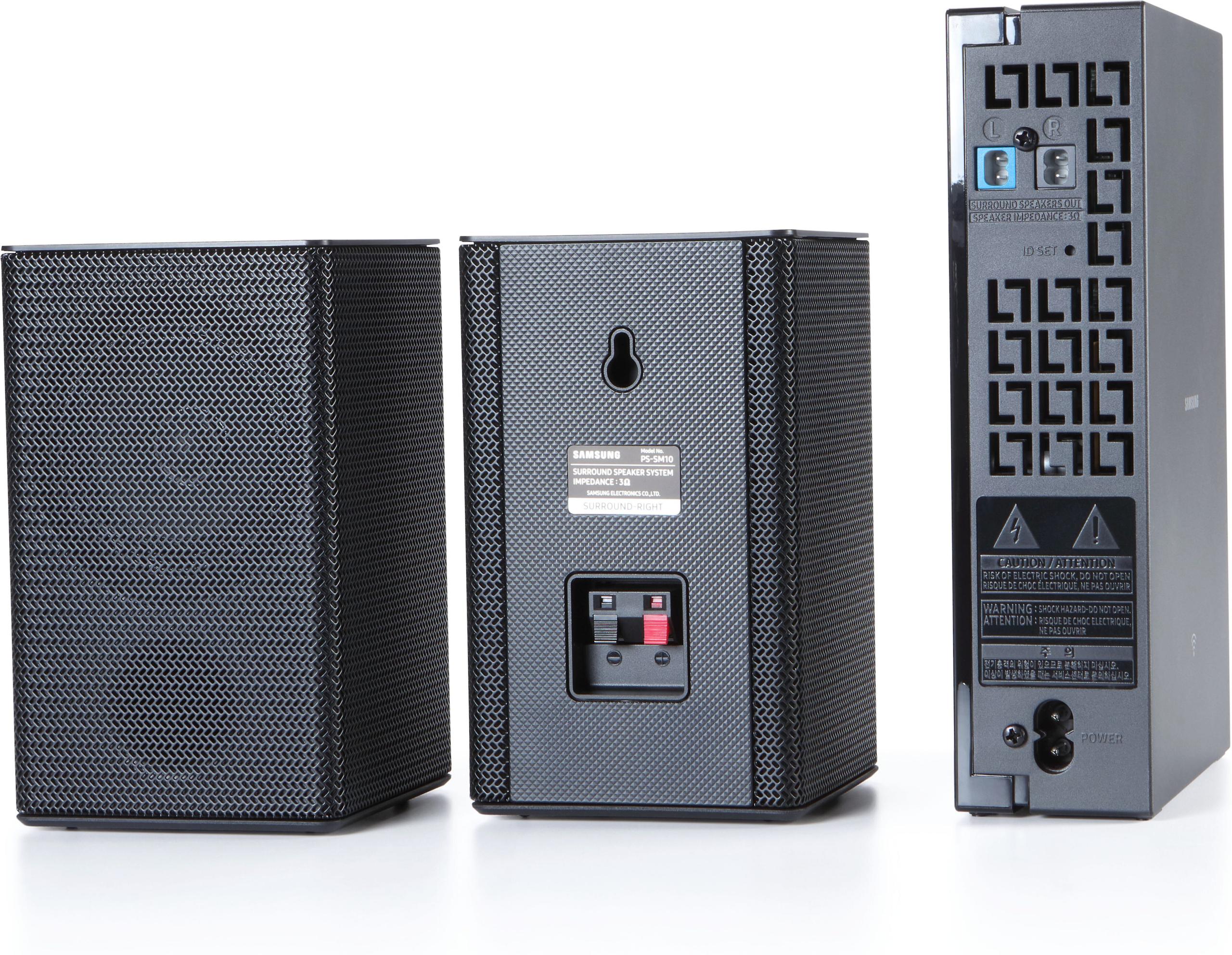
The rear satellite speakers contribute significantly to this immersion. Instead of relying on reflected sound from the main bar, you get dedicated speakers behind your seating position that can reproduce discrete surround effects with proper timing and positioning.
Dialogue clarity is another crucial factor, especially with the compressed audio that streaming services often provide. Both soundbars include Samsung's Active Voice Amplifier technology, which analyzes audio content in real-time and boosts dialogue frequencies when needed. The HW-Q990D's "Pro" version of this feature is more sophisticated, using AI to distinguish between different types of dialogue and adjusting accordingly.
Both soundbars launched in 2024, representing Samsung's latest thinking on premium home audio. The HW-Q990D arrived as the flagship replacement for the well-regarded Q990C, while the Q Series 9.1.2 model (likely the HW-Q930D based on channel configuration) sits in the middle of Samsung's 2024 lineup.
Since their release, Samsung has continued refining their AI-powered features through firmware updates. The SpaceFit Sound Pro system has become more accurate at room analysis, and the Game Mode Pro feature has expanded to support more gaming platforms.
One notable evolution has been in the Q-Symphony feature, which allows compatible Samsung TVs to work in concert with the soundbar using both sets of speakers simultaneously. This creates an even wider front soundstage and can improve dialogue clarity by dedicating the TV's speakers to center channel duties while the soundbar handles everything else.
Samsung has also improved their wireless connectivity reliability. Early adopters sometimes experienced dropouts with the rear satellite speakers, but firmware updates have largely resolved these issues. The Bluetooth implementation has been refined to reduce latency with various devices, making lip-sync issues less common.
Here's where things get interesting from a value perspective. The Samsung HW-Q990D is currently available for $847.99, down from its original $1,499.99 MSRP. Meanwhile, the Q Series 9.1.2 Channel Soundbar lists for $897.99—actually higher than the flagship model's current price.
This pricing situation creates an unusual value proposition. Typically, you'd expect to pay significantly more for the 11.1.4 configuration and advanced features. The current discount on the HW-Q990D makes it an exceptional value, offering flagship performance at what would normally be mid-tier pricing.
From a performance-per-dollar perspective, the HW-Q990D delivers approximately 22% more channels, advanced gaming features that would cost $100+ in competing products, and professional-grade room calibration technology. The additional hardware alone—two satellite speakers, more drivers, and upgraded processing—would typically justify a $300-400 price premium.
The long-term value proposition also favors the flagship model. Its HDMI 2.1 support and advanced processing make it more future-proof as content standards evolve and gaming capabilities advance. The 9.1.2 model may require earlier replacement as 4K/120Hz gaming becomes more widespread and new audio formats emerge.
Choose the HW-Q990D if:
Consider the Q Series 9.1.2 if:
The Bottom Line
At current pricing, the HW-Q990D represents an unusual opportunity in the soundbar market. You're getting Samsung's flagship technology and performance for less than they're charging for their mid-tier option. This pricing anomaly won't last forever, but while it exists, it makes the decision straightforward for most buyers.
The 11.1.4 configuration isn't just about having more numbers in the spec sheet—it translates to genuinely better spatial audio, more convincing surround effects, and a more immersive entertainment experience. Combined with gaming features that future-proof your setup and AI-powered room optimization that continuously improves performance, the HW-Q990D offers exceptional value at its current price point.
Unless you have specific space constraints that prevent satellite speaker placement, Samsung's flagship soundbar delivers measurably better performance for actually less money than their second-tier option. It's a rare situation in consumer electronics, and one worth taking advantage of while the pricing lasts.
| Samsung HW-Q990D 11.1.4 Channel Sound Bar | Samsung Q Series 9.1.2 Channel Soundbar |
|---|---|
| Channel Configuration - More channels create better spatial audio and immersion | |
| 11.1.4 channels with 22 total drivers | 9.1.2 channels with fewer total drivers |
| Height Channels - Critical for convincing Dolby Atmos overhead effects | |
| 4 height channels for precise overhead positioning | 2 height channels with limited vertical soundstage |
| Rear Speakers - Essential for true surround sound vs. simulated effects | |
| Dedicated wireless satellite speakers included | No rear speakers (soundbar only setup) |
| Subwoofer Design - Affects bass depth and room-filling capability | |
| Ported 20cm driver, reaches 32Hz (may distort at max volume) | Smaller subwoofer with less documented bass extension |
| Gaming Features - Future-proofing for modern consoles | |
| HDMI 2.1 with 4K/120Hz, VRR, ALLM, Game Mode Pro | HDMI specs unconfirmed, likely lacks 4K/120Hz support |
| Room Calibration - AI optimization for your specific listening space | |
| SpaceFit Sound Pro with continuous real-time adjustment | Standard SpaceFit Sound with basic room correction |
| Audio Format Support - Compatibility with premium streaming and disc content | |
| Dolby Atmos, DTS:X, Dolby TrueHD, DTS-HD | Dolby Atmos, DTS:X (standard implementation) |
| Smart Features - Voice control and streaming integration | |
| Built-in Alexa, Bixby, Google Assistant, Q-Symphony | Q-Symphony, voice assistant support |
| Current Pricing - Value proposition at today's street prices | |
| $847.99 (down from $1,499.99 MSRP) | $897.99 (higher than flagship model) |
| Best For - Target user and room types | |
| Large rooms, gaming enthusiasts, movie buffs wanting flagship performance | Smaller spaces, simpler setups, budget-conscious buyers (when discounted) |
The Samsung HW-Q990D 11.1.4 Channel Sound Bar is significantly better for home theater use. Its 11.1.4 channel configuration with 22 drivers creates more immersive surround sound, while the included rear satellite speakers provide true 360-degree audio. The four height channels deliver convincing Dolby Atmos overhead effects that make action movies genuinely cinematic.
The HW-Q990D has 11.1.4 channels (11 main channels, 1 subwoofer, 4 height channels) compared to the Q Series 9.1.2 model's 9.1.2 setup. This means the Q990D has more speakers positioned around your room, creating better spatial audio and more precise sound positioning for movies and games.
The Samsung HW-Q990D is superior for gaming with full HDMI 2.1 support including 4K/120Hz passthrough, Variable Refresh Rate (VRR), and Auto Low Latency Mode (ALLM). It also features Game Mode Pro that optimizes audio for different game genres. The Q Series 9.1.2 lacks confirmed HDMI 2.1 specifications.
No, only the HW-Q990D includes dedicated wireless rear satellite speakers as part of the package. The Samsung Q Series 9.1.2 Channel Soundbar is a soundbar-only setup that relies on acoustic processing to simulate surround effects rather than providing true rear channel speakers.
The Samsung HW-Q990D currently offers exceptional value at $847.99, which is actually less than the Q Series 9.1.2 at $897.99. You get flagship performance, more channels, gaming features, and rear speakers for a lower price, making the Q990D an unusual bargain in the premium soundbar market.
The HW-Q990D features a larger ported subwoofer with a 20cm driver that reaches down to 32Hz for deep bass, though some users report distortion at maximum volumes. The Samsung Q Series 9.1.2 has a smaller subwoofer with less documented bass extension and power.
Both soundbars handle music well with balanced tuning, but the Samsung HW-Q990D provides better stereo imaging and instrument separation thanks to its additional drivers. The wider driver array creates a more spacious soundstage for music, making it the better choice for serious music listening.
Yes, both the HW-Q990D and Q Series 9.1.2 support Dolby Atmos. However, the Q990D's four height channels versus the 9.1.2 model's two height channels create more convincing overhead effects and better spatial audio positioning for Atmos content.
The Samsung Q Series 9.1.2 Channel Soundbar might be more appropriate for very small rooms where the HW-Q990D's rear speakers would be impractical to position. However, at current pricing, most buyers should consider the Q990D even for smaller spaces due to its superior value proposition.
Both soundbars offer similar smart features including Q-Symphony (syncing with Samsung TVs), voice assistant support, and wireless streaming via Bluetooth, AirPlay 2, and Chromecast. The Samsung HW-Q990D includes the more advanced SpaceFit Sound Pro room calibration versus standard SpaceFit Sound on the Q Series 9.1.2.
The HW-Q990D is significantly more future-proof with HDMI 2.1 support for next-generation gaming and content standards. Its advanced processing and additional channels also make it better equipped to handle evolving audio formats, while the Samsung Q Series 9.1.2 may require earlier replacement as standards advance.
Choose the Samsung HW-Q990D for its superior performance, gaming features, and exceptional current value at $847.99. Only consider the Q Series 9.1.2 if space constraints prevent rear speaker placement or if you can find it significantly discounted below $600. The Q990D offers flagship performance for less money than the mid-tier model.
We've done our best to create useful and informative comparisons to help you decide what product to buy. Our research uses advanced automated methods to create this comparison and perfection is not possible - please contact us for corrections or questions. These are the sites we've researched in the creation of this article: techradar.com - avsforum.com - valueelectronics.com - samsung.com - rtings.com - samsung.com - avsforum.com - samsung.com - cdwg.com - youtube.com - whathifi.com - rtings.com - samsung.com - markselectrical.co.uk - techradar.com - walmart.com - samsung.com - samsung.com - youtube.com - samsung.com - biancos.com - crutchfield.com - samsung.com

Privacy Policy
Terms and Conditions - Affiliate Policy
Home Security
© Copyright 2008-2026.
11816 Inwood Rd #1211, Dallas, TX 75244