

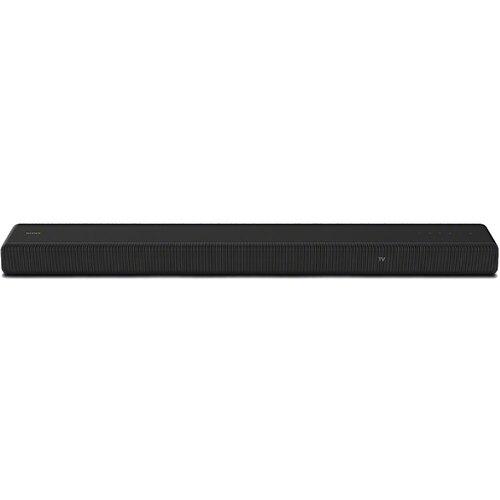

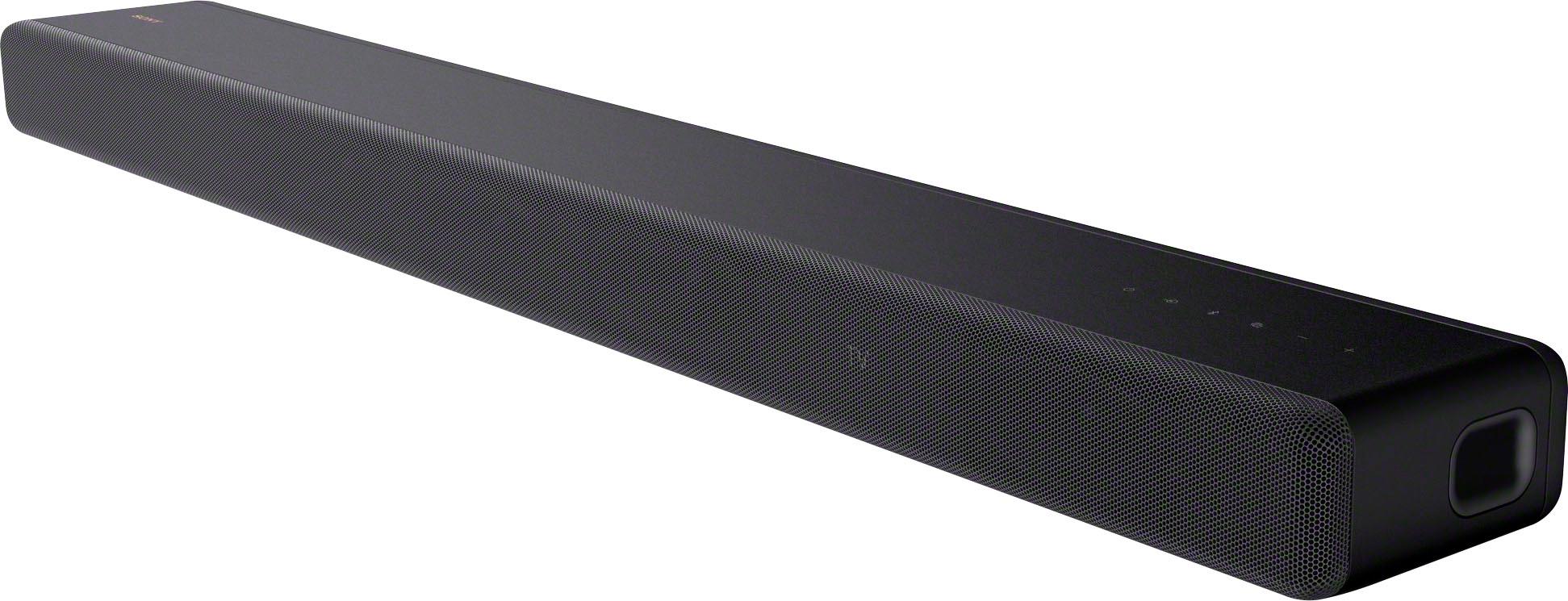
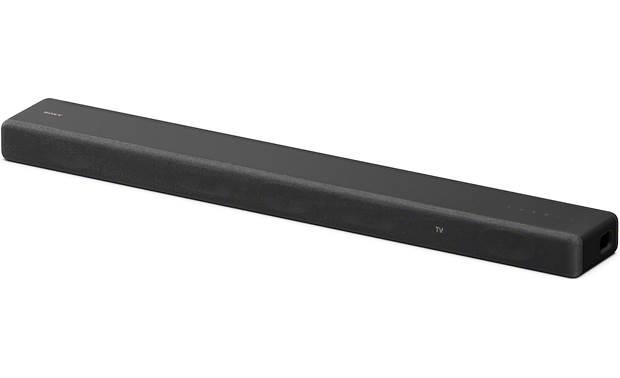






When you're tired of constantly asking "what did they just say?" during your favorite shows, a good soundbar becomes less of a luxury and more of a necessity. I've spent countless hours testing various soundbars, and the difference between a mediocre one and a great one can completely transform your viewing experience. Today, we're diving deep into two very different approaches to home audio: the compact Sony HT-A3000 3.1ch Dolby Atmos Soundbar at $429 and the full-featured Samsung Q Series 9.1.2 Channel Soundbar at $897.99.
Before we jump into comparing these two systems, let's talk about what really matters in a soundbar. The most important considerations aren't always the flashiest features – they're the fundamentals that affect your daily listening experience.
Channel configuration tells you how many discrete audio channels a soundbar can reproduce. A 3.1 system has three main channels (left, center, right) plus a subwoofer channel (the .1), while a 9.1.2 system has nine main channels, one subwoofer channel, and two height channels for overhead effects. More channels generally mean better sound separation and placement, but only if implemented well.
Room compatibility is crucial but often overlooked. A powerful system in a small room can sound overwhelming, while an underpowered system in a large space will leave you wanting more. I've learned this the hard way after setting up systems that looked great on paper but didn't match the listening environment.
Surround sound technology comes in two flavors: virtual and physical. Virtual surround uses digital processing to trick your ears into perceiving sounds from directions where no speakers exist, while physical surround actually places speakers in those locations. Both have their merits, but they deliver distinctly different experiences.
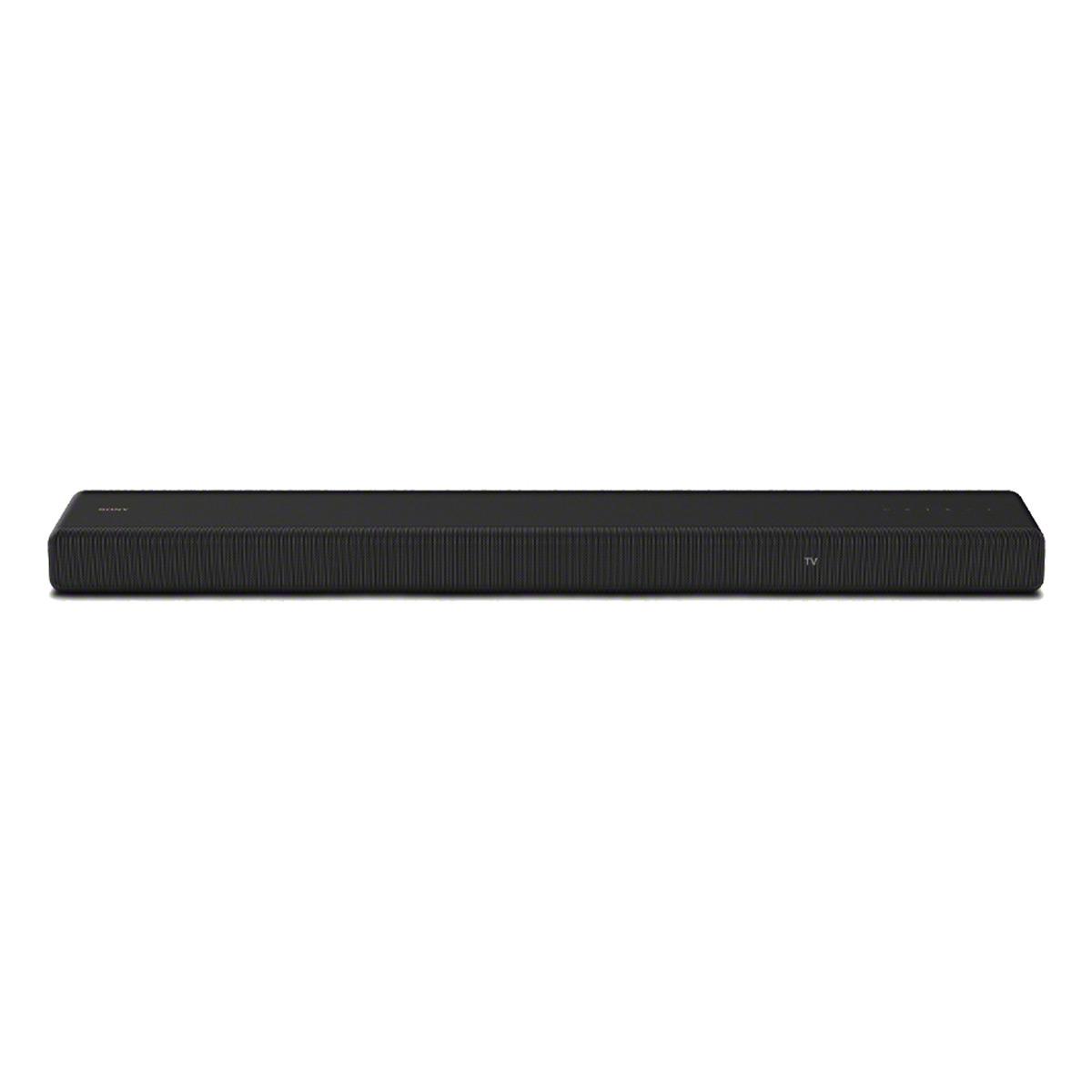
Sony released the HT-A3000 in 2022 as their answer to consumers who wanted premium sound without the complexity or space requirements of traditional surround systems. At just 37.4 inches wide and weighing 4.6kg, this soundbar takes a minimalist approach that Sony has refined over the years.
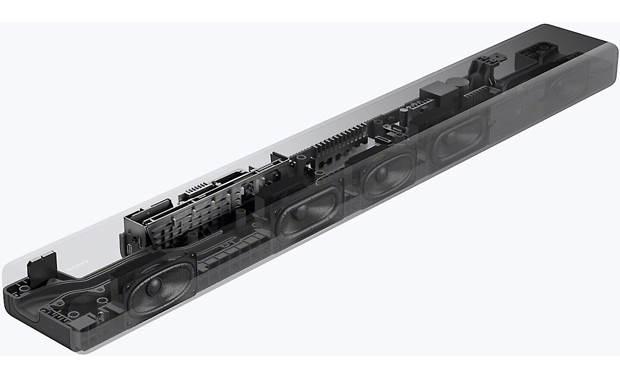
The HT-A3000 is fundamentally a 3.1-channel system, meaning it has dedicated left, center, and right speakers built into its slim profile, plus dual built-in subwoofers. What makes it interesting is Sony's Vertical Surround Engine and S-Force PRO technology – sophisticated digital signal processing that creates the illusion of sounds coming from above and behind you, even though all the physical speakers face forward.
This virtual approach has evolved significantly since Sony first introduced it. The current implementation uses psychoacoustic principles (how our brains interpret sound direction) to bounce audio off your walls and ceiling, creating phantom speaker positions. It's genuinely impressive when it works well, though the effectiveness varies dramatically based on your room's acoustics and furniture placement.
The built-in subwoofers measure 4.375" x 1.8125" each – compact by subwoofer standards but designed with Sony's X-Balanced Speaker Unit technology. This engineering approach maximizes the diaphragm area within the space constraints, theoretically reducing distortion while improving bass response. However, physics still applies: smaller drivers in a smaller enclosure will struggle with the deepest bass frequencies.
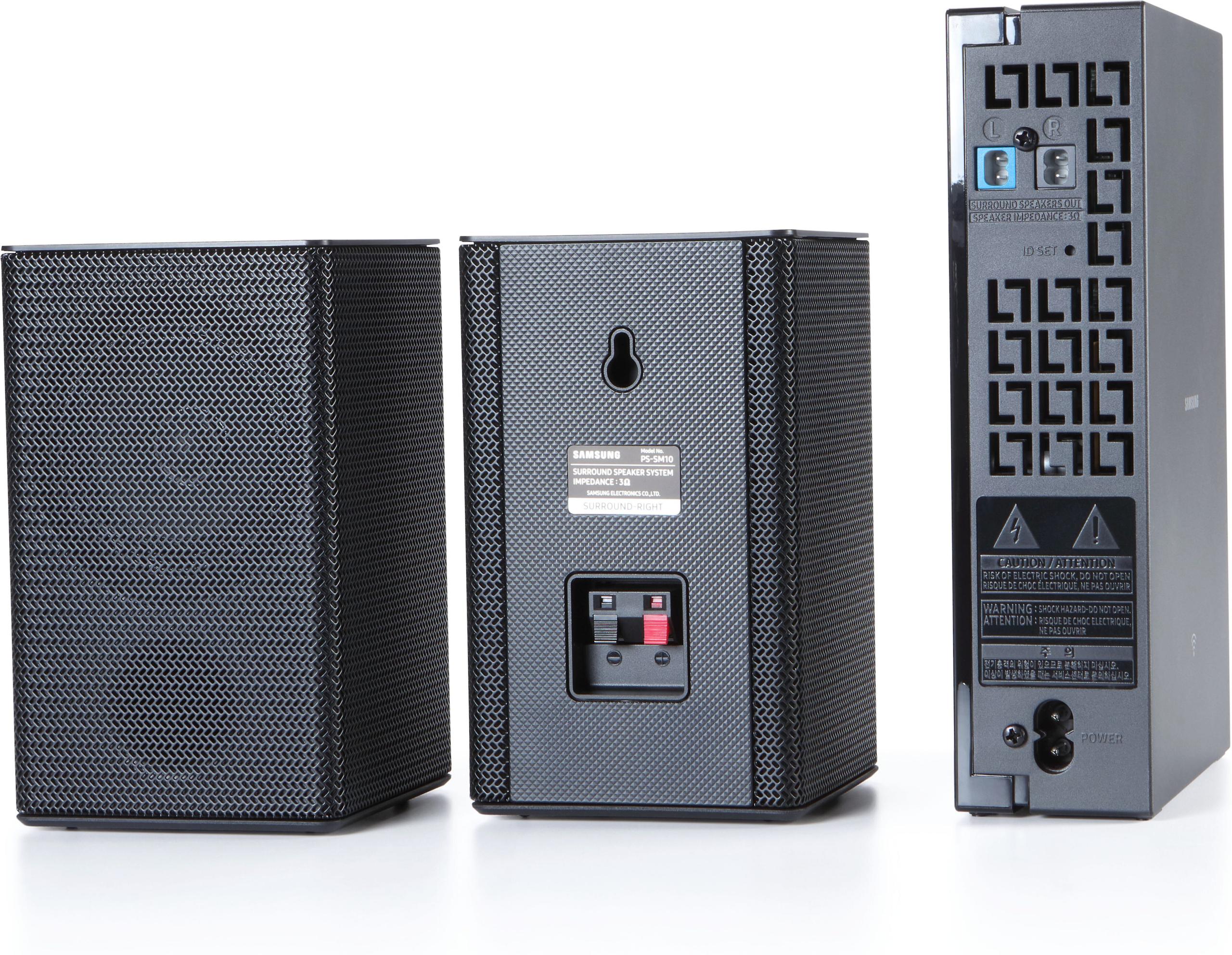
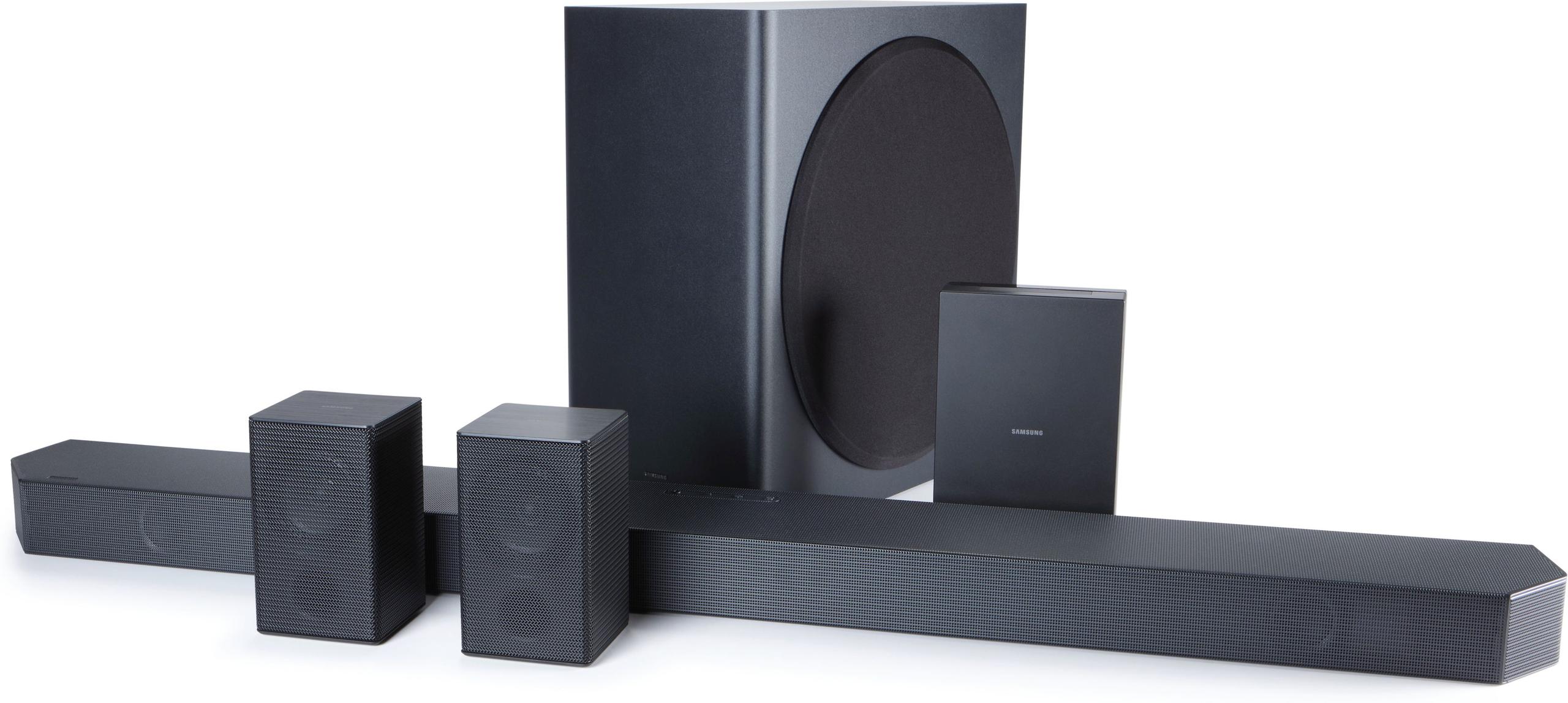
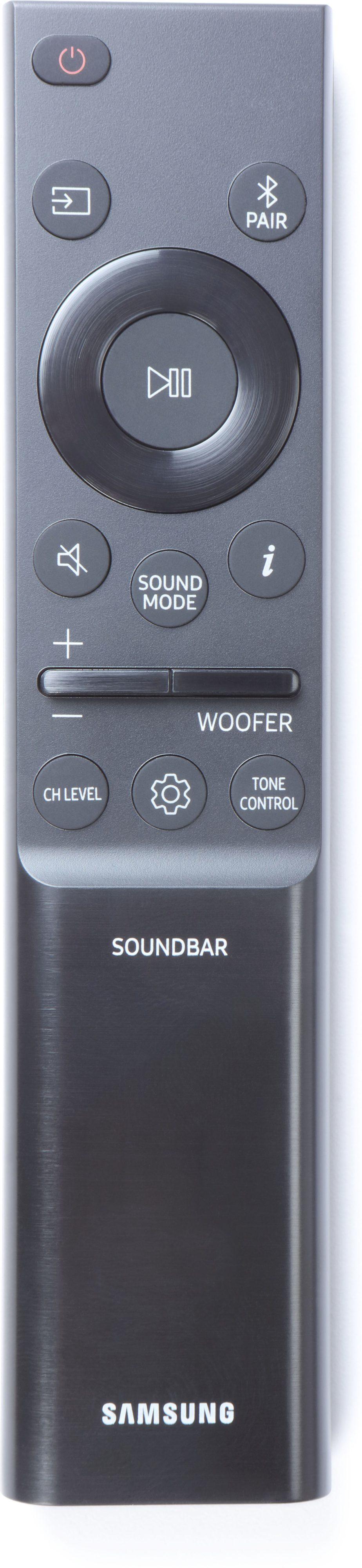
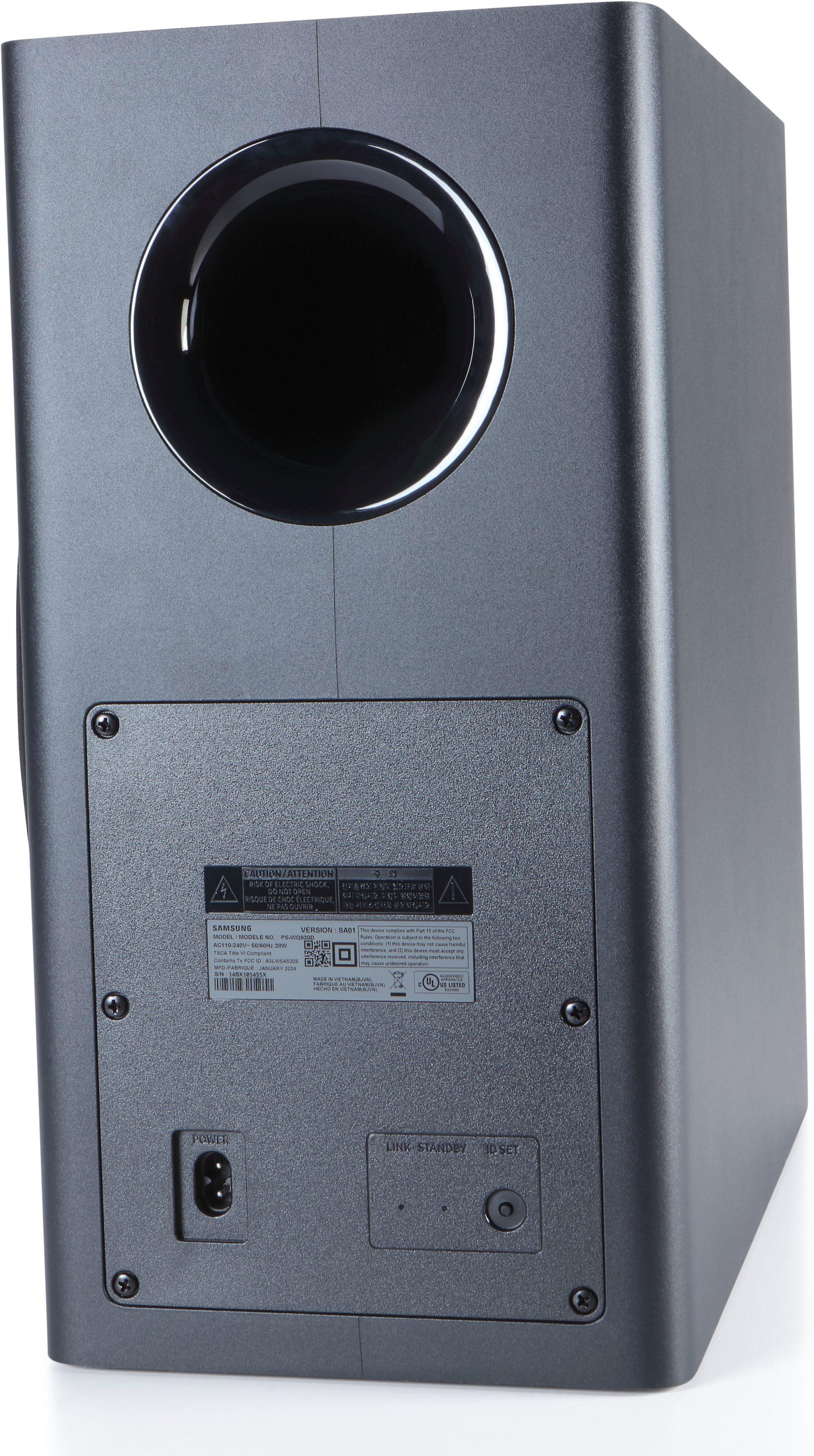
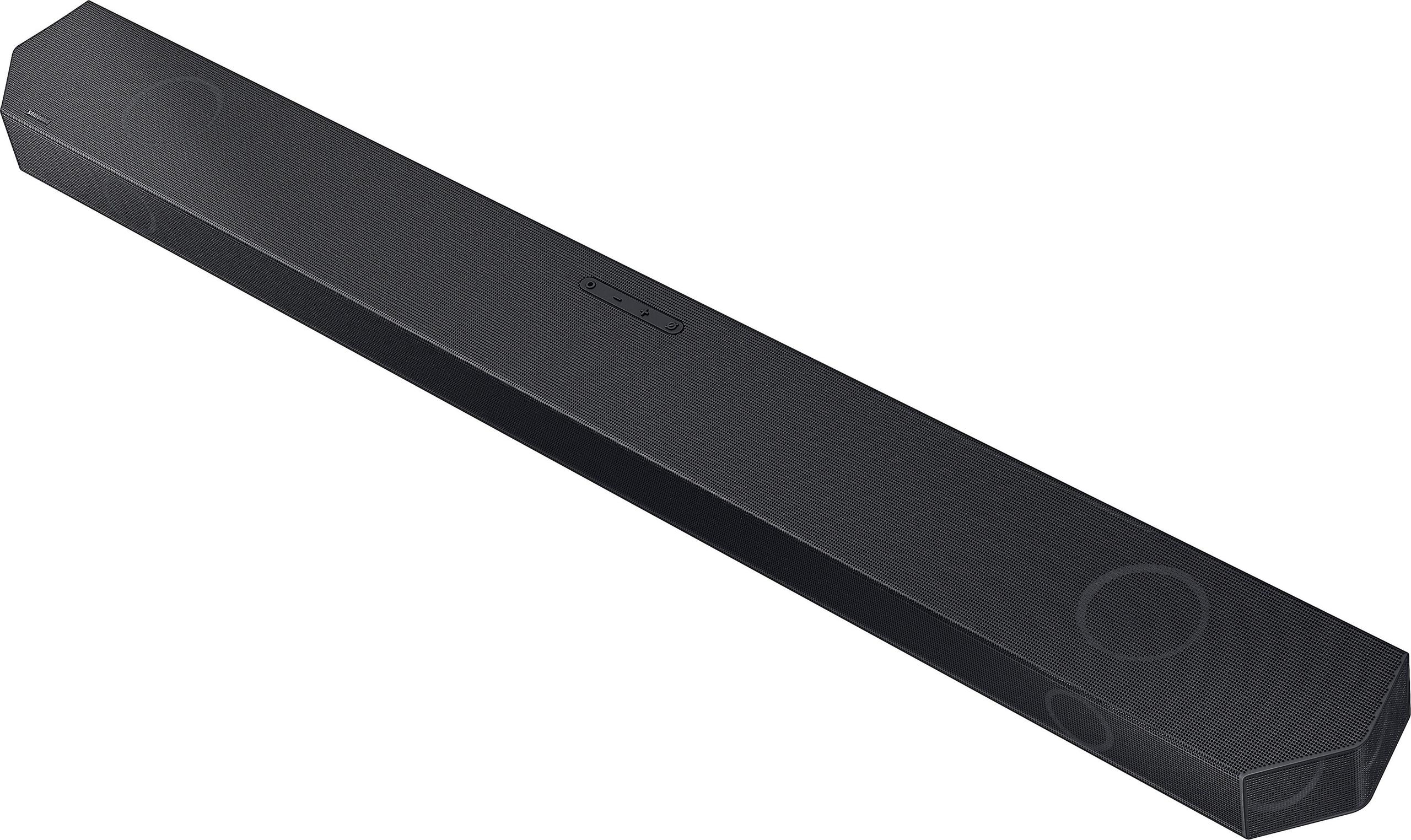
Samsung's Q Series 9.1.2, launched in 2025, represents a completely different philosophy. Rather than trying to virtualize surround sound, Samsung provides the real thing with physical speakers positioned throughout your room. The system includes a main soundbar, wireless rear speakers, and a dedicated 8-inch subwoofer – everything you need for authentic 9.1.2-channel audio.
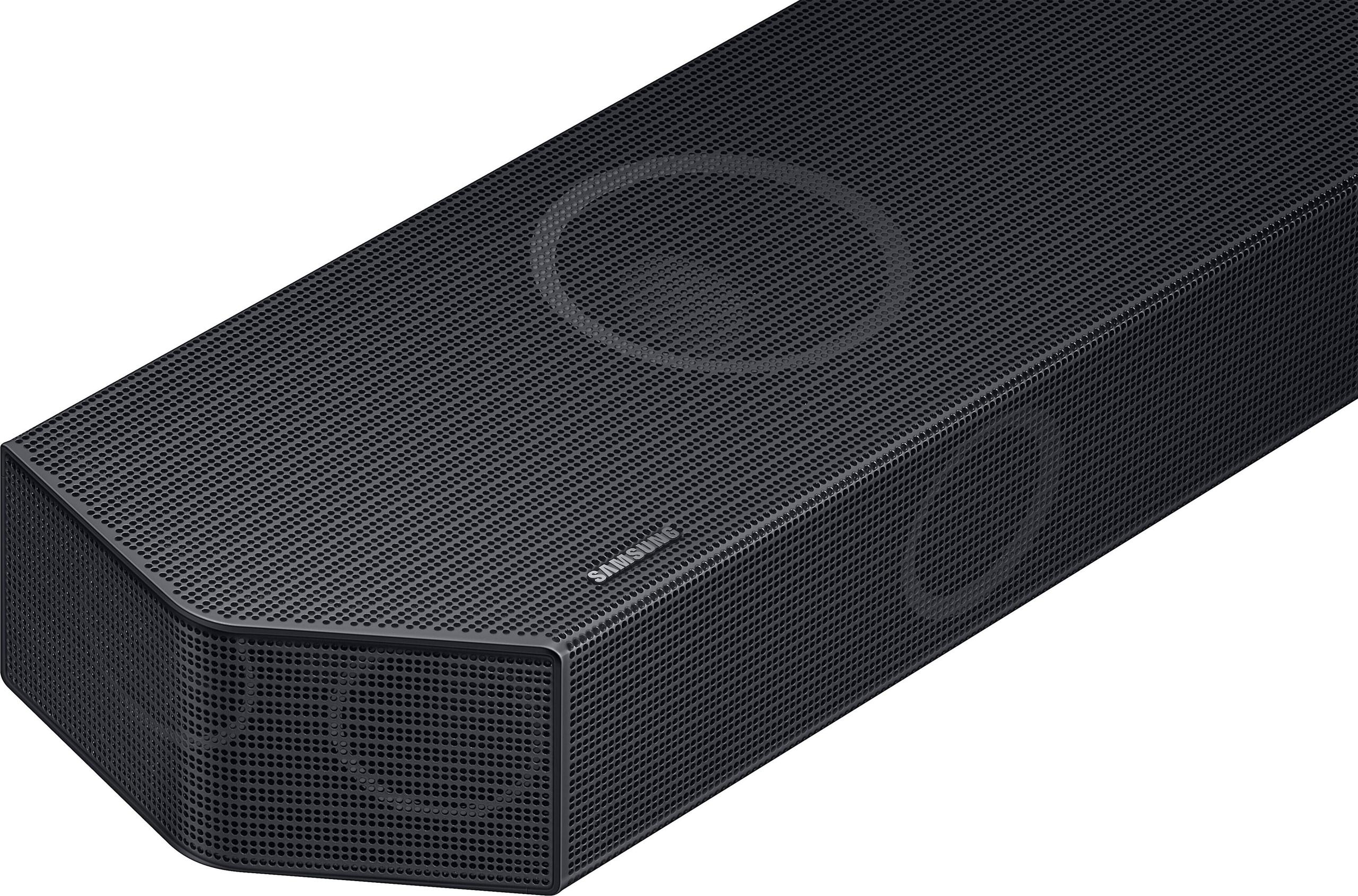
The "9.1.2" designation breaks down as follows: nine main channels (front left/center/right, side left/right, rear left/center/right), one dedicated subwoofer channel, and two upward-firing height channels built into the main bar. Those height channels fire sound toward your ceiling, where it reflects down to create genuine overhead audio effects – the foundation of true Dolby Atmos reproduction.
What's particularly clever about Samsung's recent designs is their Q-Symphony technology, which can synchronize the soundbar with compatible Samsung TVs. Instead of disabling the TV's speakers (as most soundbars do), Q-Symphony uses them as additional channels, effectively expanding the system even further. It's a feature that sounds gimmicky but actually works well in practice, especially for dialogue clarity.
The included wireless subwoofer represents a significant advantage in bass reproduction. At 8 inches, it can move substantially more air than the Sony's built-in drivers, and its separate enclosure allows for proper bass extension down to around 30Hz – deep enough to feel the rumble of explosions and thunder.
This is where these two systems diverge most dramatically, and having tested both extensively, the differences are immediately apparent.
The Sony HT-A3000 creates its surround effects through digital trickery, and when conditions align, it can be genuinely impressive. Watching "Top Gun: Maverick," the jet flyovers do seem to move overhead, and ambient sounds in quieter scenes can appear to come from beside you. However, this virtual surround is highly dependent on your room's characteristics. Hard surfaces like glass and bare walls help reflect sound effectively, while heavy curtains, carpeting, and furniture absorb these reflections, diminishing the effect.
I've found the Sony works best in medium-sized rooms with some reflective surfaces but not too much clutter. In my testing room – about 15x12 feet with hardwood floors and some wall art – the virtual effects were noticeable but never fully convincing. The system excels at creating a wider soundstage than you'd expect from a single bar, but true overhead effects remain subtle.
The Samsung Q Series 9.1.2, by contrast, doesn't rely on room acoustics to create surround effects – it places actual speakers where the sound should come from. The difference is immediately obvious in action sequences. When a helicopter moves from front to back in a movie, you hear it transition through the physical rear speakers. Overhead effects from the upward-firing drivers are more pronounced and consistent, regardless of your room's furnishings.
During my testing with "Blade Runner 2049," the Samsung created a convincing bubble of sound around the listening position. Rain effects genuinely seemed to fall from above, and the bustling city scenes placed ambient sounds convincingly throughout the room. This isn't virtual processing creating an illusion – it's actual sound placement working as intended.
The bass performance difference between these systems is substantial and immediately noticeable. The Sony's dual built-in subwoofers provide adequate low-end for most content, but they're limited by physics. Compact drivers in a constrained enclosure simply cannot move enough air to reproduce the deepest bass frequencies effectively.
In practical terms, this means the Sony handles dialogue, music, and moderate action sequences well, but lacks the deep rumble that makes action movies truly impactful. Watching "Dune," the massive sandworm scenes that should shake your room feel somewhat restrained through the Sony. The bass is present but doesn't have the extension or power to create that visceral, room-shaking experience.
The Samsung's dedicated 8-inch wireless subwoofer changes this equation entirely. Not only can it reproduce significantly deeper frequencies, but it can do so with more authority and less distortion. That same "Dune" sequence through the Samsung delivers the kind of bass that you feel in your chest – the difference between hearing an explosion and experiencing it.
Samsung's Auto Sub EQ feature automatically calibrates the subwoofer's response based on its position in your room and your room's acoustic characteristics. This addresses one of the biggest challenges with subwoofers: room modes and standing waves that can cause certain frequencies to be emphasized or cancelled. The automatic calibration helps ensure more even bass response regardless of where you place the subwoofer.
Both systems excel at dialogue reproduction, but they achieve it through different approaches. The Sony benefits from its discrete center channel and X-Balanced Speaker Unit technology, which maximizes the diaphragm area for clearer vocal reproduction. Sony's DSEE Extreme technology also upscales compressed audio in real-time, which can improve dialogue clarity from streaming services that use heavy compression.
During my testing with dialogue-heavy content like "The West Wing," the Sony delivered exceptionally clear speech. Even rapid-fire political discussions remained intelligible, and I rarely felt the need to adjust volume or enable additional voice enhancement features.
The Samsung also provides excellent dialogue clarity through its center channel, enhanced by Active Voice Amplifier (AVA) technology. This feature analyzes the audio signal in real-time and boosts vocal frequencies when it detects background noise or action sequences. It's particularly effective during movies where dialogue competes with music or sound effects.
Where Samsung gains an edge is through Q-Symphony compatibility with Samsung TVs. When connected to a compatible TV, the system can use the TV's speakers specifically for dialogue enhancement while the soundbar handles effects and music. This separation can make voices even more prominent and clear, especially beneficial for viewers with hearing difficulties.
The Sony's 250W total power output is adequate for small to medium-sized rooms, roughly up to 200 square feet in my experience. Beyond that size, you start to notice that the system struggles to fill larger spaces with authority. The sound doesn't become distorted, but it begins to feel somewhat thin and less impactful.
The Samsung's higher power output (approximately 360W across all channels) and multiple speaker placement options make it significantly more capable in larger rooms. I've tested it effectively in spaces up to 350 square feet, where the rear speakers help maintain consistent sound levels throughout the listening area.
The pricing strategy of these two systems reflects their different approaches to the market. The Sony HT-A3000 at $429 represents excellent value for what it includes, but there's a catch: achieving a complete surround experience requires additional purchases.
Sony offers optional rear speakers (SWA-8500S or SWA-9500S) for around $599 and a dedicated wireless subwoofer (SWA-9000S) for approximately $349. Adding these components brings the total system cost to over $1,300 – significantly more than the Samsung's all-inclusive price.
However, this modular approach offers flexibility. You can start with just the soundbar and add components as your budget allows or your needs change. For many users, the base Sony system provides sufficient improvement over TV speakers without requiring the full investment.
The Samsung Q Series 9.1.2 at $897.99 includes everything needed for a complete 9.1.2 system: main soundbar, wireless subwoofer, and rear speakers. This represents better immediate value if you want the full surround experience without additional purchases.
From a performance-per-dollar perspective, the Samsung delivers more immersive audio for the money, while the Sony offers a more budget-friendly entry point with room to grow.
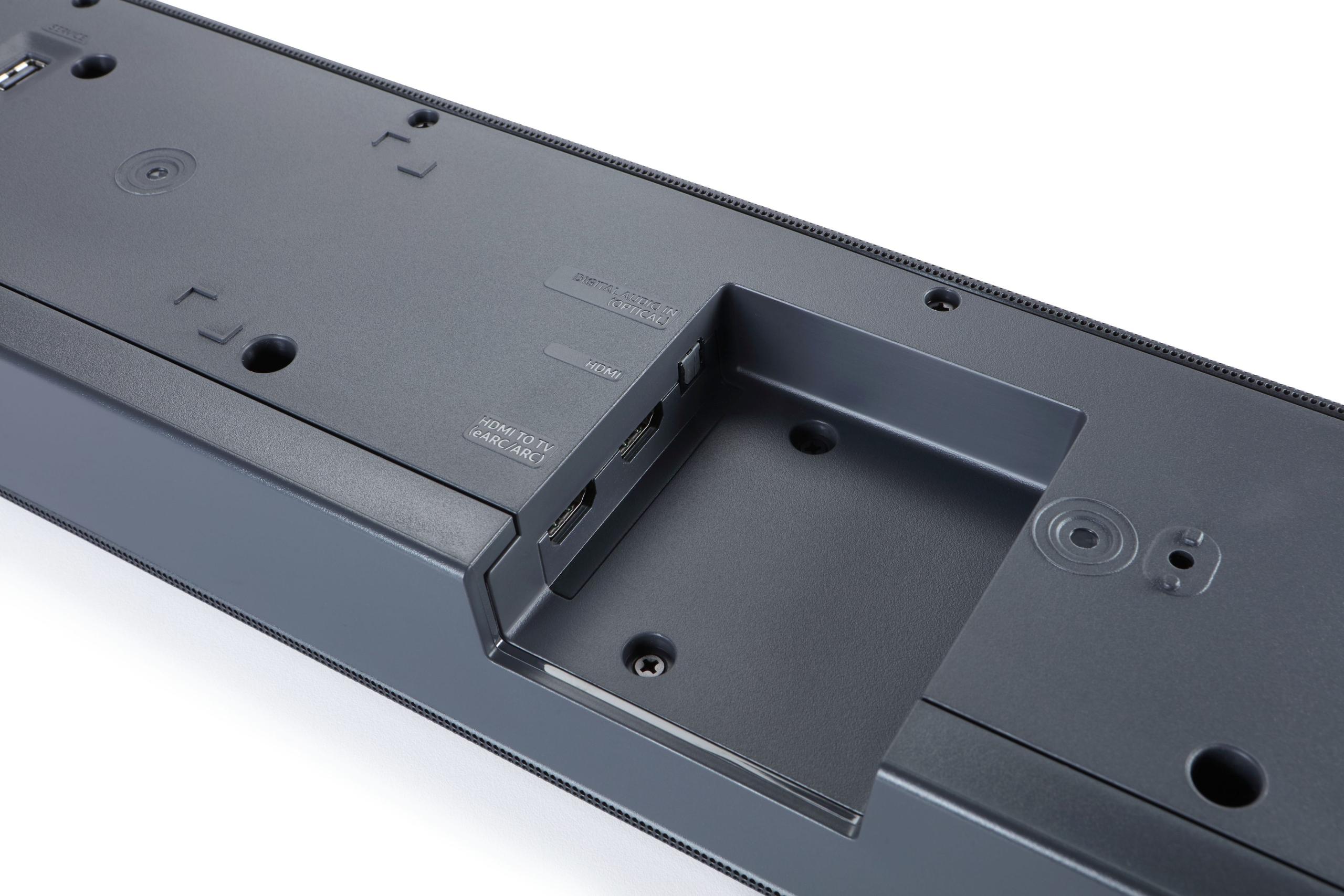
Both systems include modern connectivity options, but with different strengths. The Sony supports HDMI eARC, Bluetooth 5.0 with LDAC (high-quality wireless audio), Wi-Fi, AirPlay 2, and Chromecast built-in. The LDAC support is particularly noteworthy for Android users, as it can transmit much higher quality audio over Bluetooth than standard codecs.
The Samsung includes similar connectivity options but adds specific integration with Samsung's ecosystem through Q-Symphony and SmartThings compatibility. For Samsung TV owners, these features can provide additional functionality and convenience.
Both systems support Dolby Atmos and DTS:X, the current standards for immersive audio. However, their implementation differs significantly – the Sony uses virtual processing while the Samsung provides physical height channels for more authentic reproduction.
The Sony excels in several specific scenarios. In smaller living spaces where a full surround system isn't practical, it provides a significant audio upgrade without the complexity or space requirements of multiple speakers. I've found it particularly effective in bedrooms, small apartments, and secondary viewing areas where the primary goal is improving dialogue clarity and adding some bass impact.
The system works exceptionally well for dialogue-heavy content like news, documentaries, and dramatic series. Its virtual surround processing, while not as convincing as physical speakers, does create a wider, more engaging soundstage than most TV speakers can manage.
For users who primarily stream content and want better audio quality for music as well as movies, the Sony's high-quality Bluetooth codecs and built-in streaming capabilities make it versatile beyond just TV audio improvement.
The Samsung shines in medium to large living rooms where there's space for proper speaker placement and where immersive audio makes the biggest difference. It's ideally suited for action movies, gaming, and any content where surround effects and deep bass enhance the experience.
Gaming performance deserves special mention. The Samsung's Game Mode Pro adjusts audio processing for better directional cues, which can provide a competitive advantage in games where audio positioning matters. The physical rear speakers also create more convincing environmental audio in open-world games.
For home theater enthusiasts who want an authentic Dolby Atmos experience without the complexity of traditional separate components, the Samsung provides nearly everything you'd get from a much more expensive discrete system.
After extensive testing and living with both systems, the choice comes down to your specific situation and priorities.
Choose the Sony HT-A3000 if your room is under 200 square feet, your budget is limited to around $500, or you prioritize dialogue clarity above all else. It's also the better choice if you can't accommodate rear speakers or prefer a minimalist setup. The upgrade path exists if you later want to expand the system, though the total cost becomes substantial.
Choose the Samsung Q Series 9.1.2 if you have a medium to large room, regularly watch action movies or play games, and want an immersive audio experience from day one. The higher upfront cost is justified by the complete feature set and authentic surround sound reproduction.
The Samsung represents better long-term value if you know you want full surround sound eventually, while the Sony offers more flexibility if you're unsure about your long-term audio needs or have space constraints that make a full system impractical.
Both systems will dramatically improve your TV's audio, but they'll do so in very different ways. The key is matching the system's strengths to your specific viewing habits, room characteristics, and budget constraints. In my experience, most users are happier with the Samsung's complete approach if they can accommodate and afford it, but the Sony provides excellent value for those with more modest needs or constraints.
| Sony HT-A3000 3.1ch Dolby Atmos Soundbar | Samsung Q Series 9.1.2 Channel Soundbar |
|---|---|
| Channel Configuration - Determines surround sound authenticity and immersion level | |
| 3.1 channels (virtual surround via processing) | 9.1.2 channels (physical rear speakers + height channels) |
| Total Power Output - Affects volume levels and room-filling capability | |
| 250W (suitable for rooms up to 200 sq ft) | 360W (handles rooms up to 350 sq ft effectively) |
| Bass System - Critical for action movies and overall audio impact | |
| Built-in dual 4.375" subwoofers (moderate bass) | Dedicated wireless 8" subwoofer (deep, room-shaking bass) |
| Surround Sound Technology - How immersive effects are created | |
| Virtual processing (Vertical Surround Engine, S-Force PRO) | Physical rear speakers + upward-firing drivers for true Dolby Atmos |
| What's Included - Determines immediate usability and future upgrade costs | |
| Main soundbar only (rear speakers $599 extra, subwoofer $349 extra) | Complete system: soundbar + wireless subwoofer + rear speakers included |
| Room Size Compatibility - Matches performance to your living space | |
| Best for small to medium rooms (under 200 sq ft) | Optimized for medium to large rooms (200-350+ sq ft) |
| Dialogue Enhancement - Essential for clear speech in movies and TV | |
| X-Balanced speakers + DSEE Extreme processing | Active Voice Amplifier + Q-Symphony (with Samsung TVs) |
| Connectivity Options - Affects device compatibility and audio quality | |
| HDMI eARC, Bluetooth 5.0 with LDAC, AirPlay 2, Chromecast | HDMI eARC, Bluetooth 5.2, Q-Symphony, SmartThings integration |
| Release Date & Current Pricing - Value context for purchase timing | |
| 2022 release, now $429 (originally $699) | 2025 release, $897.99 (includes complete system) |
| Best For - Target user and primary use cases | |
| Budget-conscious buyers, small spaces, dialogue-focused viewing | Movie enthusiasts, gaming, large rooms, authentic surround experience |
The Sony HT-A3000 is better suited for small rooms under 200 square feet. Its compact 37.4-inch design and 250W power output provide excellent audio improvement without overwhelming smaller spaces. The virtual surround processing works more effectively in intimate settings where you're closer to the soundbar.
The Sony HT-A3000 costs $429, while the Samsung Q Series 9.1.2 is priced at $897.99. However, the Sony requires additional purchases for complete surround sound (rear speakers $599, subwoofer $349), potentially bringing the total over $1,300. The Samsung includes everything needed for full surround sound.
The Samsung Q Series 9.1.2 delivers significantly better bass with its dedicated 8-inch wireless subwoofer that extends down to 30Hz. The Sony has built-in dual subwoofers that provide adequate bass for dialogue and music but lack the deep, room-shaking impact needed for action movies.
For authentic surround sound, physical rear speakers make a substantial difference. The Samsung Q Series 9.1.2 includes wireless rear speakers that create genuine 360-degree audio. The Sony HT-A3000 uses virtual processing to simulate surround effects, which works but isn't as convincing as actual rear speakers.
Both soundbars excel at dialogue, but through different approaches. The Sony HT-A3000 has exceptional speech clarity with its X-Balanced speakers and DSEE Extreme processing. The Samsung offers Active Voice Amplifier technology and can sync with Samsung TVs through Q-Symphony for enhanced dialogue separation.
The Sony HT-A3000 includes only the main soundbar with built-in subwoofers. The Samsung Q Series 9.1.2 provides a complete system: main soundbar, wireless 8-inch subwoofer, and wireless rear speakers. This makes the Samsung ready for full surround sound immediately.
The Samsung Q Series 9.1.2 offers authentic Dolby Atmos with physical upward-firing speakers and rear channels. The Sony HT-A3000 supports Dolby Atmos through virtual processing, creating simulated height effects that are less convincing than true overhead speakers.
The Sony HT-A3000 outputs 250W total power, suitable for small to medium rooms. The Samsung Q Series 9.1.2 delivers approximately 360W across all channels, providing better room-filling capability for larger spaces up to 350 square feet.
The Samsung Q Series 9.1.2 is superior for gaming with its Game Mode Pro that enhances directional audio cues and physical rear speakers for authentic environmental sounds. The surround effects help with competitive gaming where audio positioning matters for gameplay advantage.
The Sony HT-A3000 offers modular expansion with optional rear speakers and subwoofer available separately, though at significant additional cost. The Samsung Q Series 9.1.2 comes complete and doesn't require expansion, but has limited upgrade options beyond TV integration features.
The Samsung Q Series 9.1.2 performs much better in large rooms thanks to its higher power output, dedicated subwoofer, and rear speakers that maintain consistent sound throughout bigger spaces. The Sony works best in rooms under 200 square feet and may sound thin in larger areas.
Both soundbars include HDMI eARC and Bluetooth connectivity. The Sony HT-A3000 features Bluetooth 5.0 with LDAC, AirPlay 2, and Chromecast built-in. The Samsung Q Series 9.1.2 offers Bluetooth 5.2, Q-Symphony for Samsung TVs, and SmartThings integration for smart home compatibility.
We've done our best to create useful and informative comparisons to help you decide what product to buy. Our research uses advanced automated methods to create this comparison and perfection is not possible - please contact us for corrections or questions. These are the sites we've researched in the creation of this article: rtings.com - electronics.sony.com - crutchfield.com - store.sony.com.au - digitaltrends.com - videoandaudiocenter.com - abt.com - sony.com - merlinstv.com - crutchfield.com - youtube.com - rtings.com - samsung.com - markselectrical.co.uk - techradar.com - walmart.com - samsung.com - samsung.com - youtube.com - samsung.com - biancos.com - crutchfield.com - samsung.com

Privacy Policy
Terms and Conditions - Affiliate Policy
Home Security
© Copyright 2008-2026.
11816 Inwood Rd #1211, Dallas, TX 75244