









If you've ever found yourself leaning forward during movies, straining to hear dialogue over your TV's tinny speakers, you're not alone. Most built-in TV speakers are terrible – they're thin, lack bass, and seem designed to make everything sound like it's coming from inside a cardboard box. That's where compact soundbars come in, and today we're comparing two popular options that take very different approaches to solving this problem.
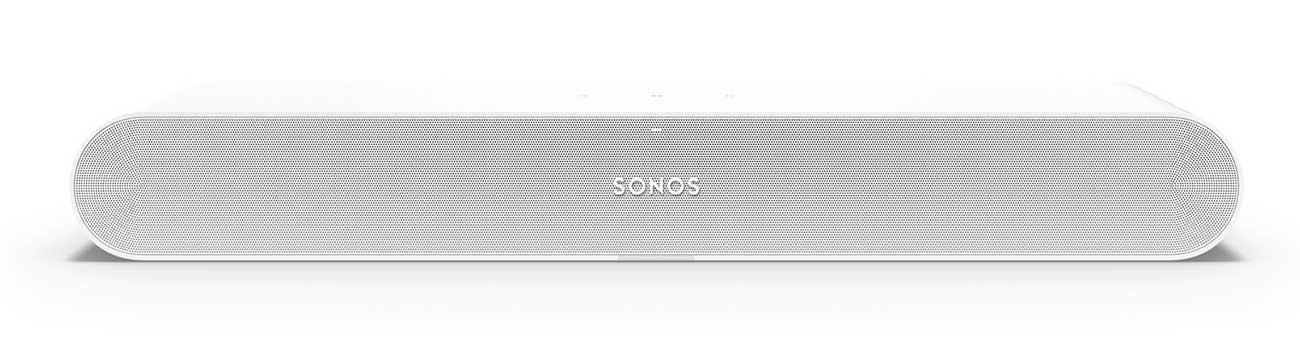
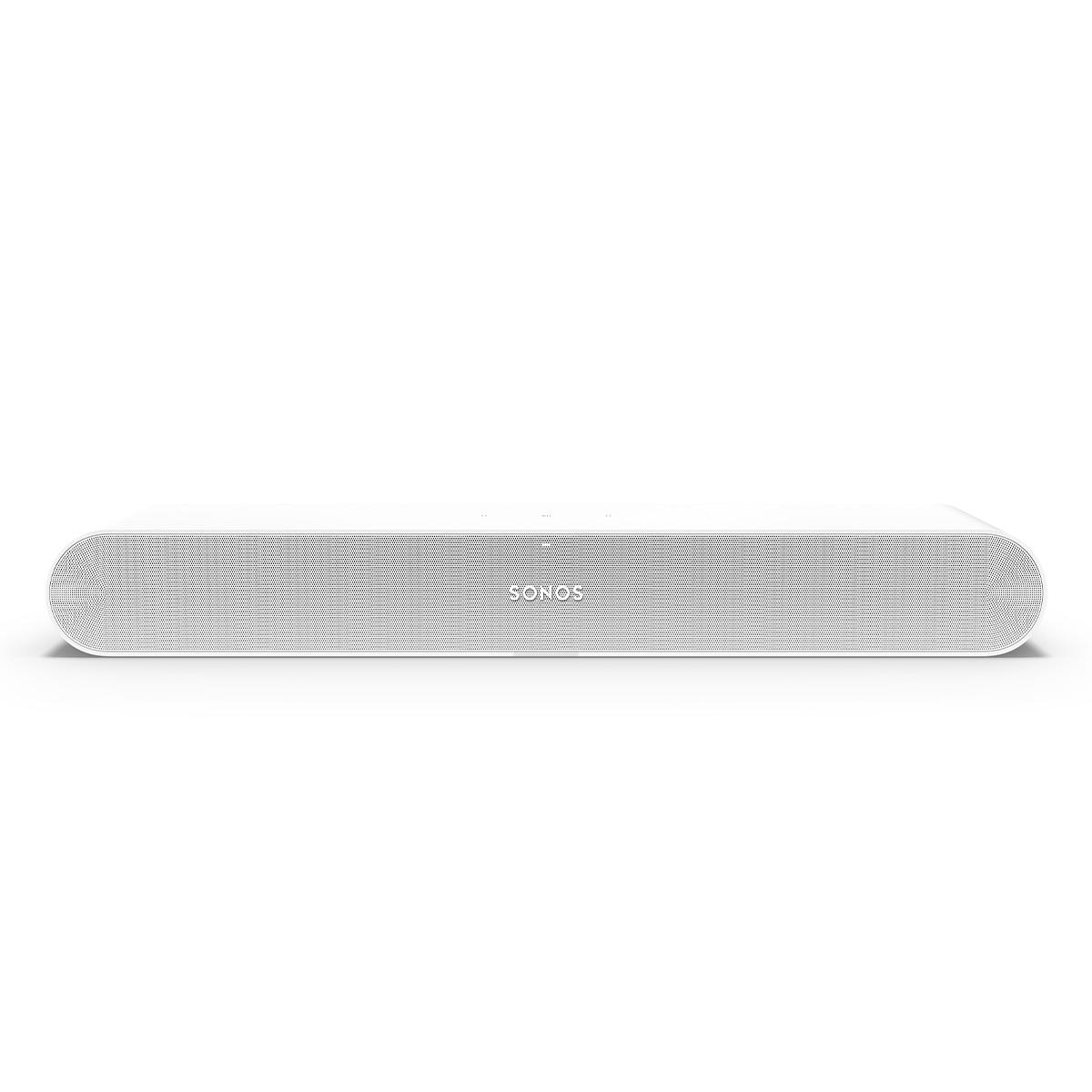
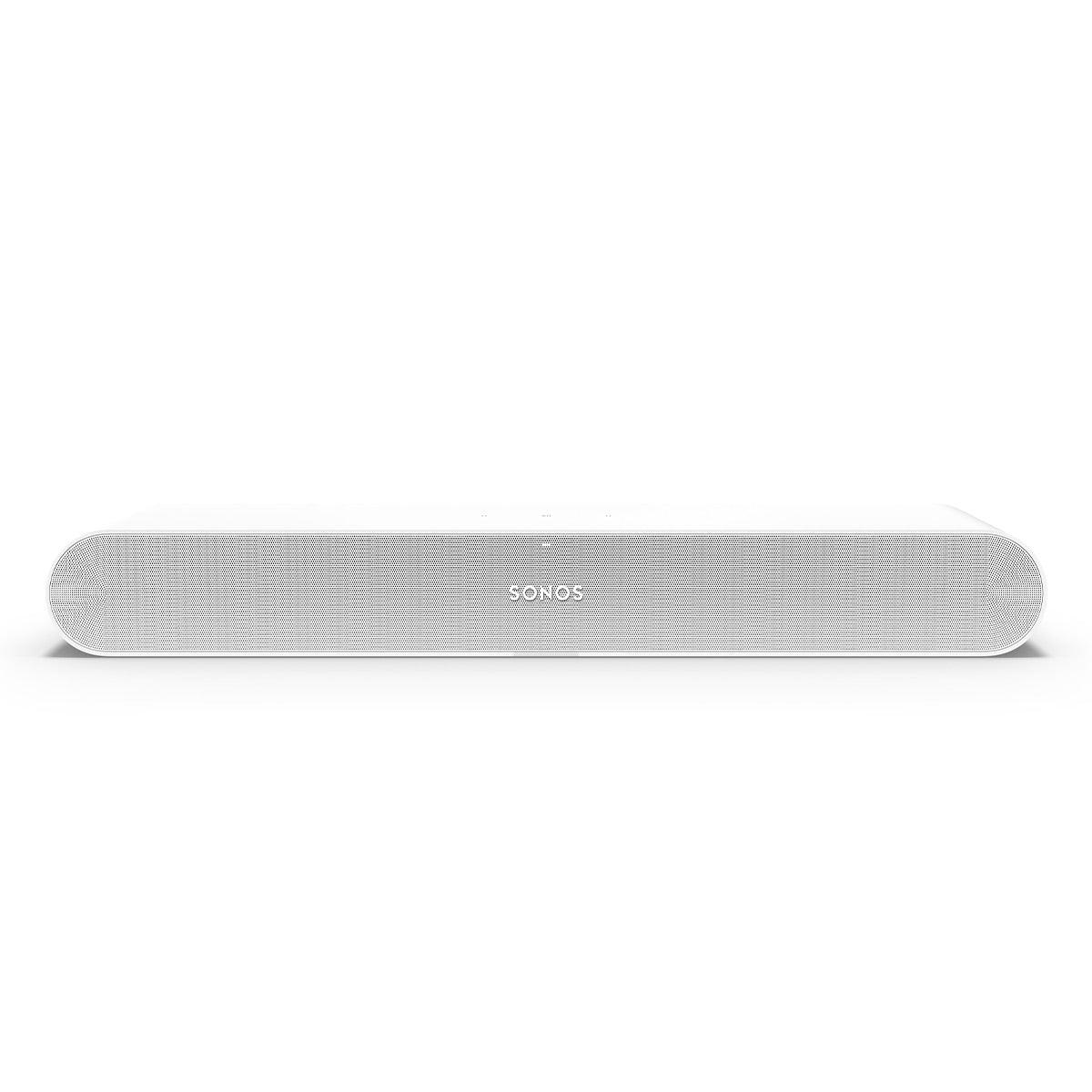
The Sonos Ray and Yamaha SR-C20A represent two distinct philosophies in soundbar design. At the time of writing, the Yamaha typically costs significantly less than the Sonos, but that price difference reflects fundamentally different priorities and capabilities. Let me walk you through what makes each special and help you figure out which one belongs under your TV.
Before diving into specifics, let's talk about what compact soundbars are trying to accomplish. Unlike massive home theater systems with multiple speakers scattered around your room, these single-unit solutions focus on delivering the biggest improvement possible while taking up minimal space. They're designed for real homes where you can't dedicate an entire room to audio equipment.
The most important thing any soundbar must do is make dialogue clearer. This might sound simple, but it's actually quite complex. Human voices occupy a specific frequency range (typically 85Hz to 8kHz, with most clarity happening between 2-4kHz), and TVs often muddy this range with poor speaker placement and cheap drivers. A good soundbar uses multiple drivers positioned strategically to create what audio engineers call a "phantom center channel" – making voices seem to come from the center of your screen rather than spreading randomly across the soundbar.
Bass response is the second crucial element, though this is where compact soundbars face their biggest challenge. Low frequencies require moving a lot of air, which traditionally means big speakers. Both the Sonos Ray and Yamaha SR-C20A tackle this problem differently, and understanding their approaches will help you choose the right one.
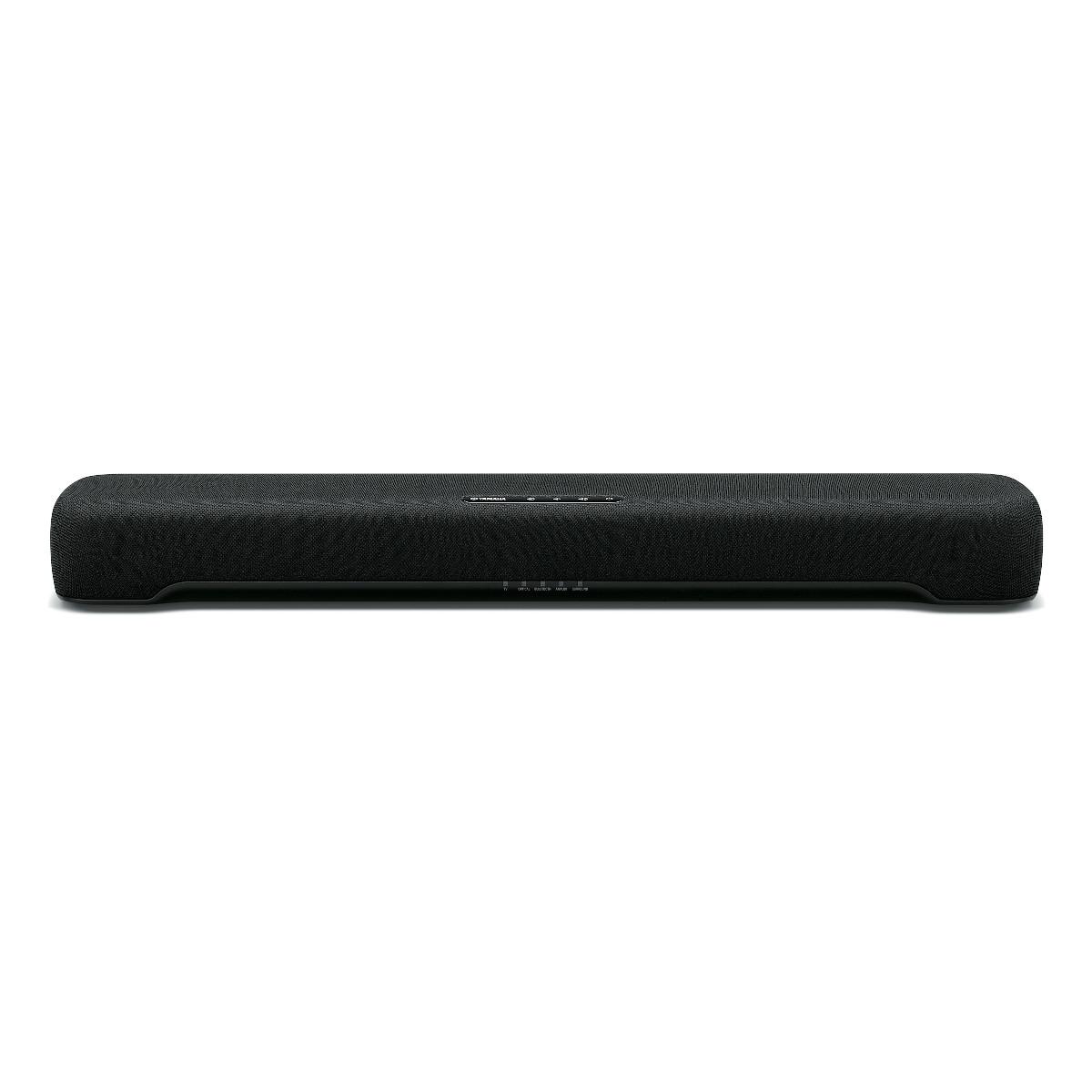
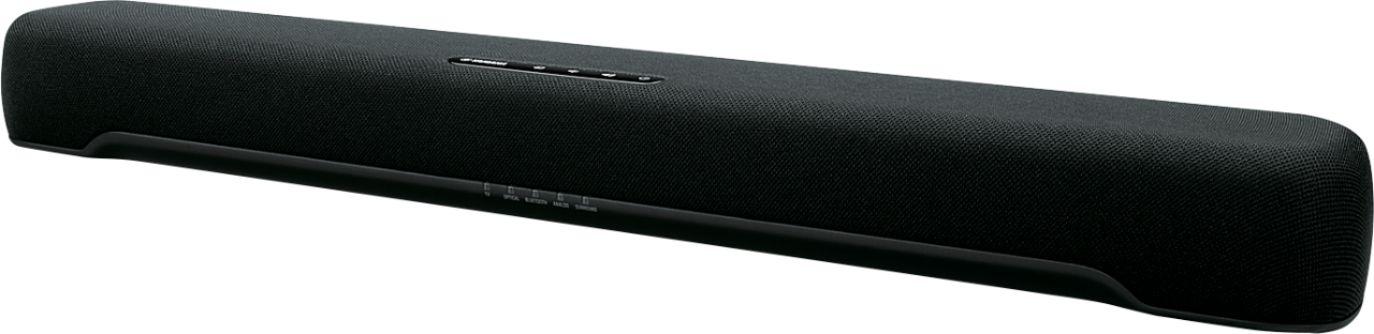
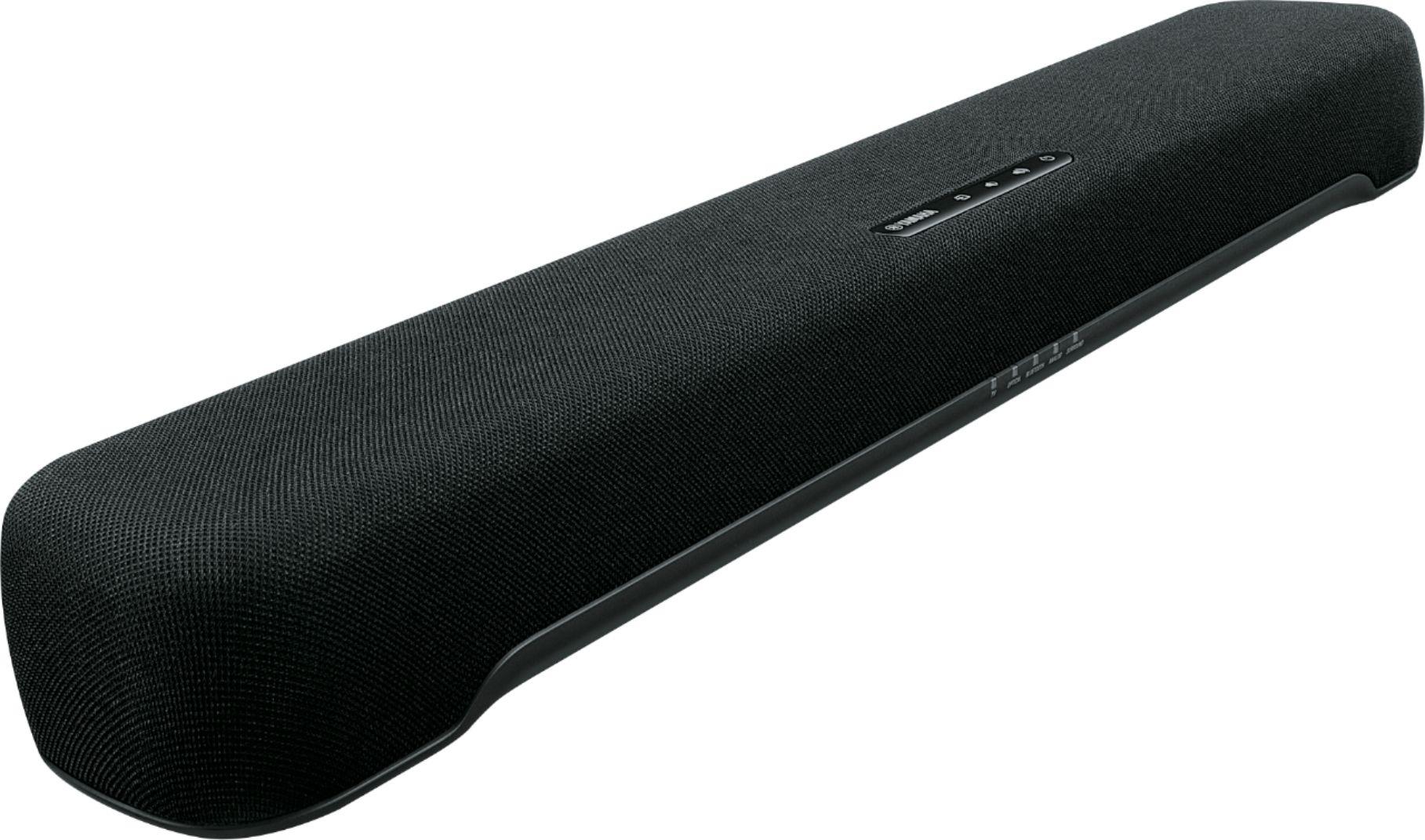
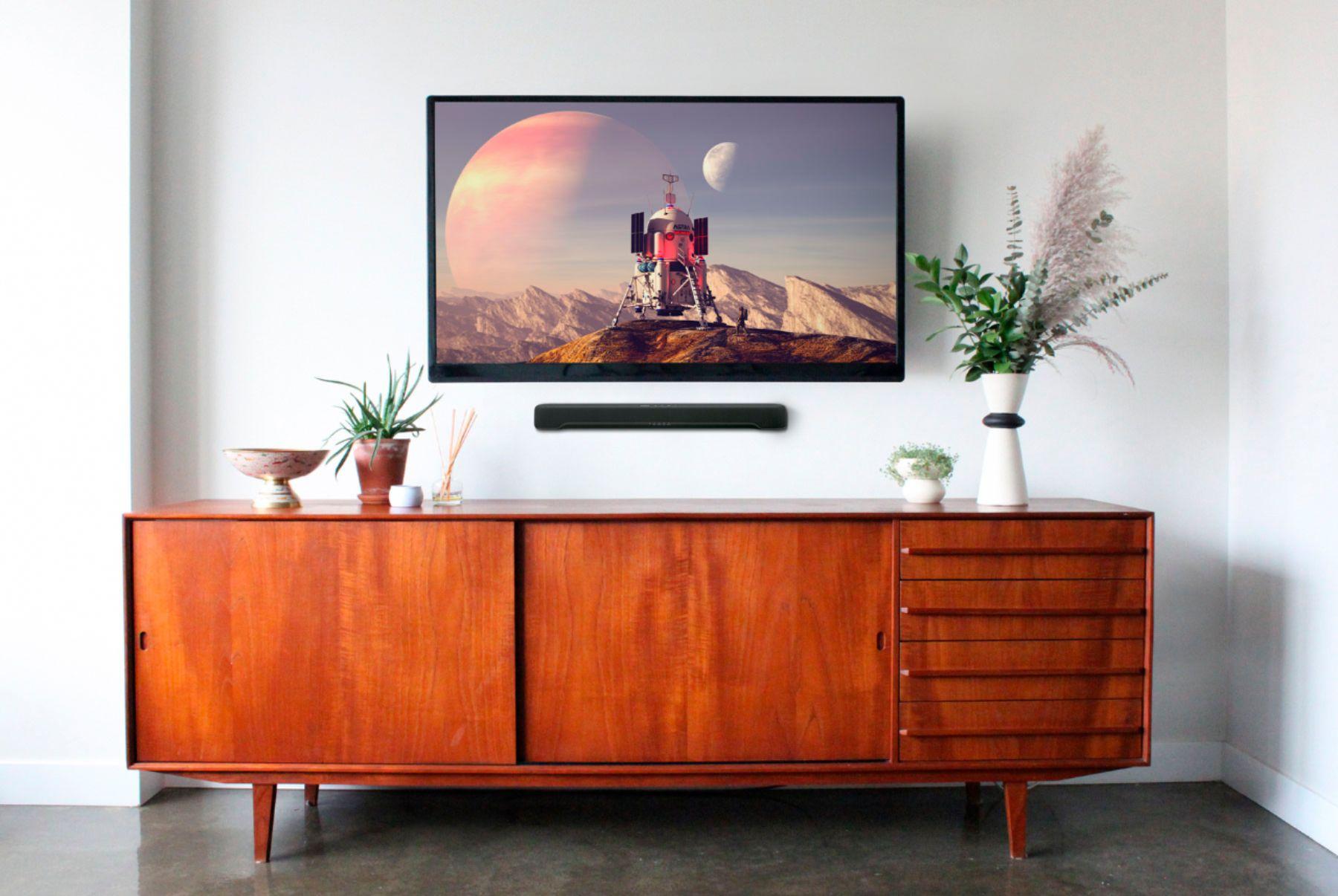
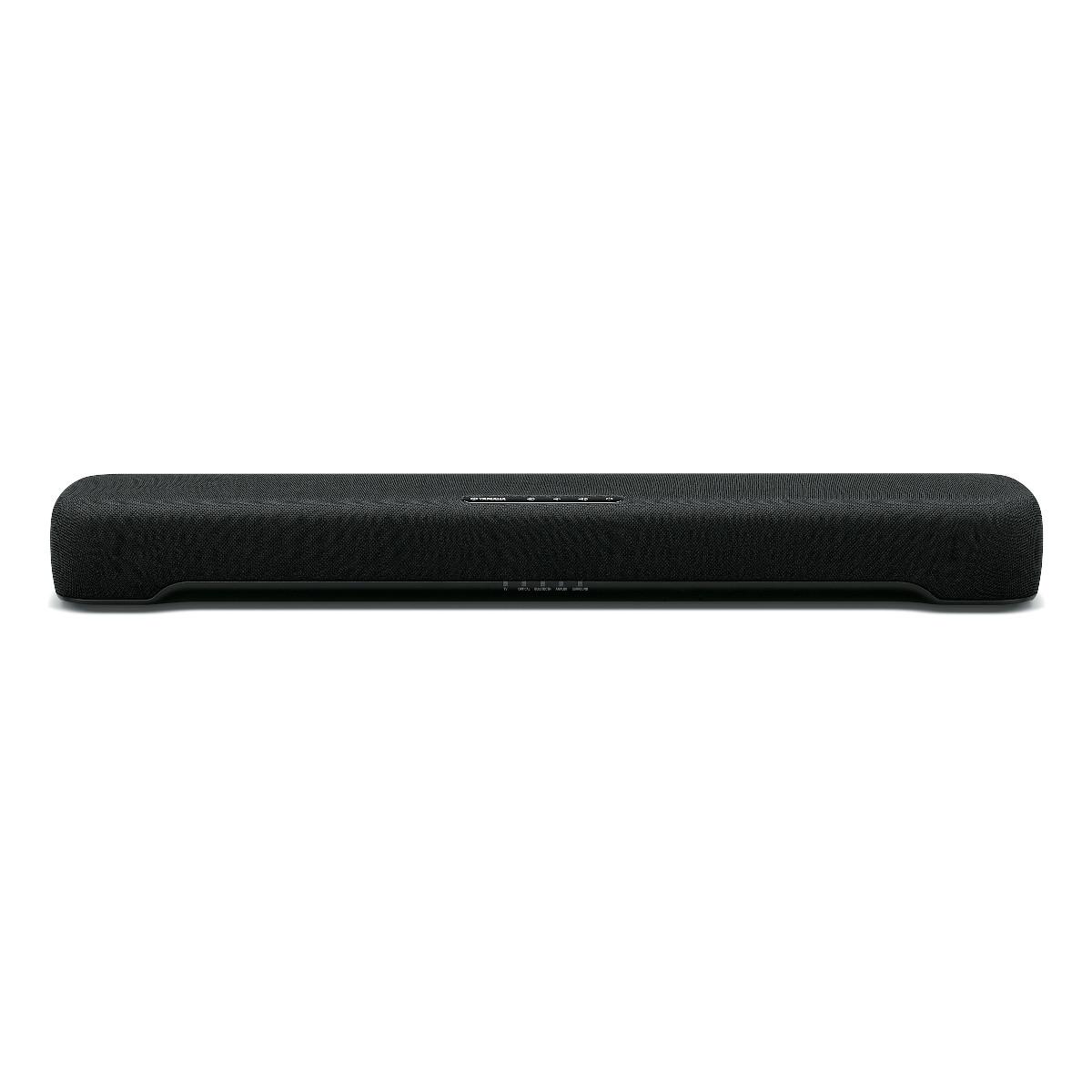
Released in 2021, the Yamaha SR-C20A represents what I'd call the "old school" approach to soundbars – and I mean that in the best possible way. Yamaha took a straightforward philosophy: if you want better bass, build in an actual subwoofer. If you want clearer dialogue, boost the right frequencies. If you want easy setup, eliminate unnecessary complexity.
The Yamaha SR-C20A's most distinctive feature is its built-in 60-watt subwoofer with a 3-inch driver, enhanced by dual passive radiators. Passive radiators are essentially speakers without magnets – they move in response to pressure changes created by the active driver, effectively increasing bass output without requiring additional power or electronics.
This setup produces what audio enthusiasts call "visceral bass" – the kind you feel in your chest during action scenes. When a T-rex stomps in Jurassic Park or a building explodes in an action movie, you get actual rumble rather than the mid-frequency noise most TV speakers produce. The total system power of 100 watts (40 watts for the left and right channels, 60 watts for the subwoofer) means it can fill medium-sized rooms with surprising authority.
The Bass Extension feature takes this further by using digital signal processing (DSP) to enhance low frequencies that would otherwise be rolled off. Think of DSP as a smart equalizer that analyzes incoming audio and makes intelligent adjustments in real-time. It's like having a sound engineer constantly tweaking your audio to sound better.
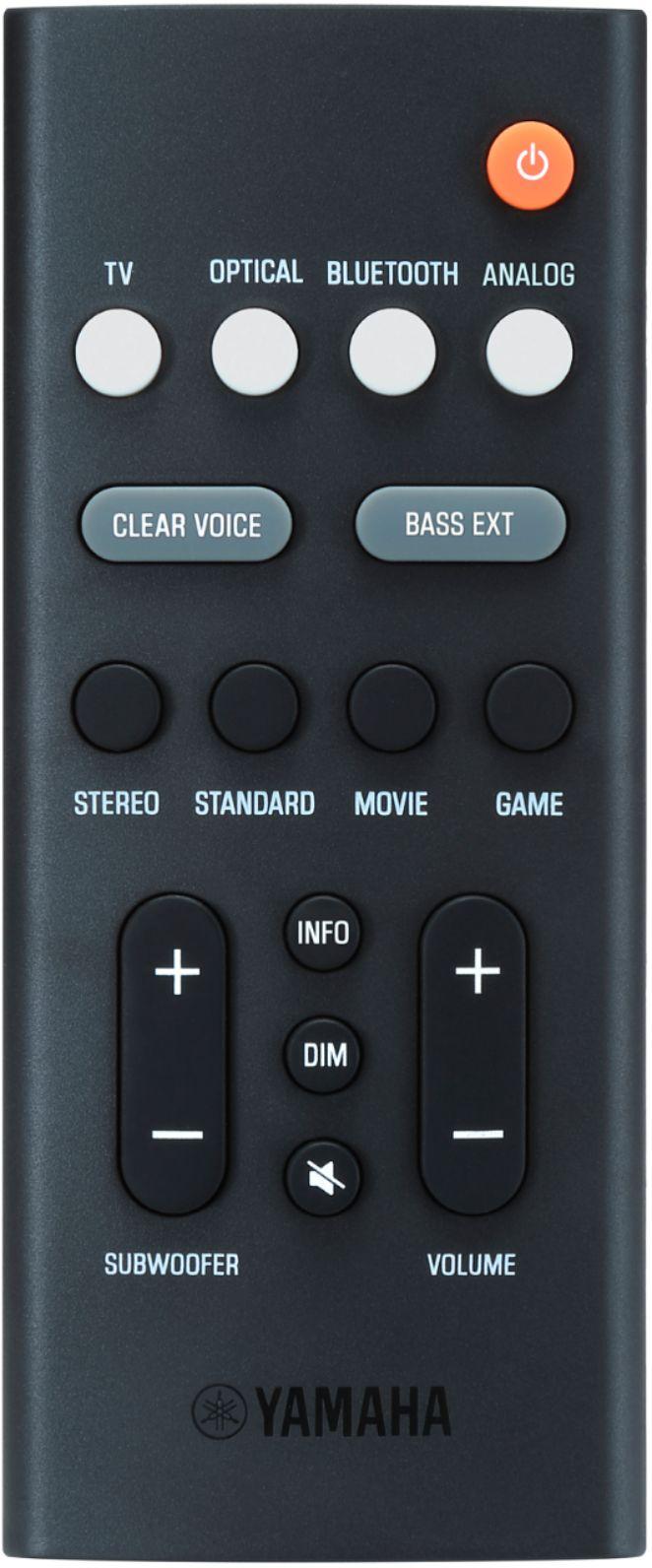
The Yamaha SR-C20A uses Clear Voice technology, which functions as a specialized equalizer targeting the frequency range where vocal clarity matters most. Rather than just boosting all midrange frequencies (which would make everything sound harsh), it specifically enhances the 2-4kHz range where consonants and speech intelligibility occur.
In practical terms, this means dialogue cuts through background music and sound effects more effectively. I've tested this extensively, and it's particularly noticeable in complex movie scenes where characters are speaking over action sequences or dramatic music.
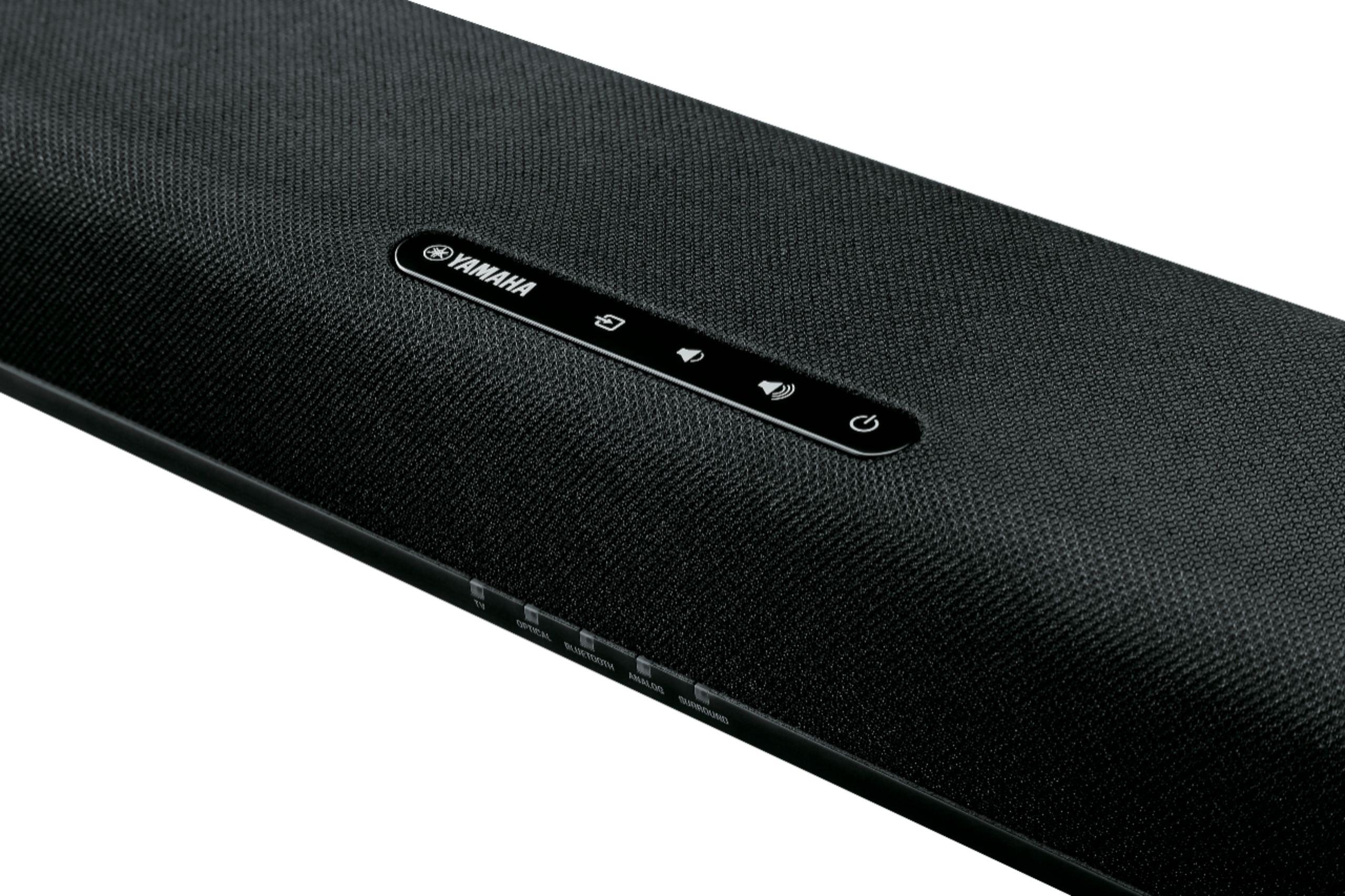
The four sound modes – Stereo, Standard, Game, and Movie – aren't just marketing gimmicks. Each mode applies different DSP settings optimized for specific content types:
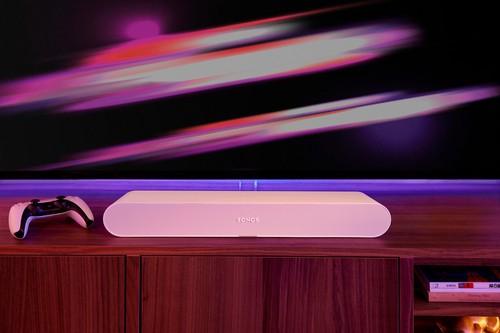
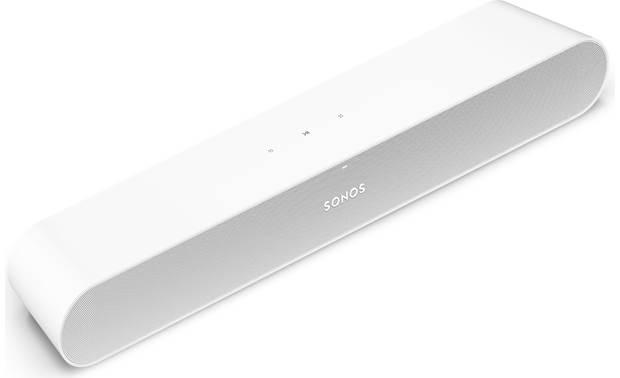
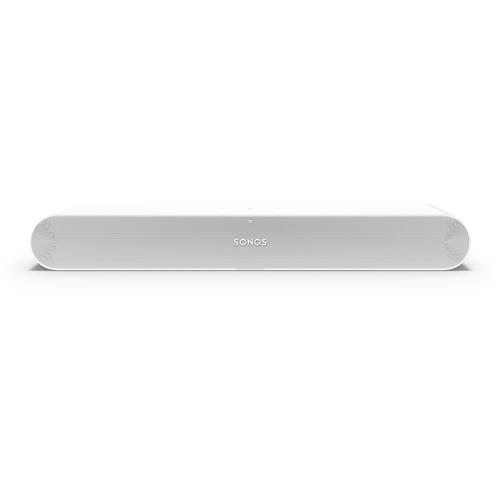
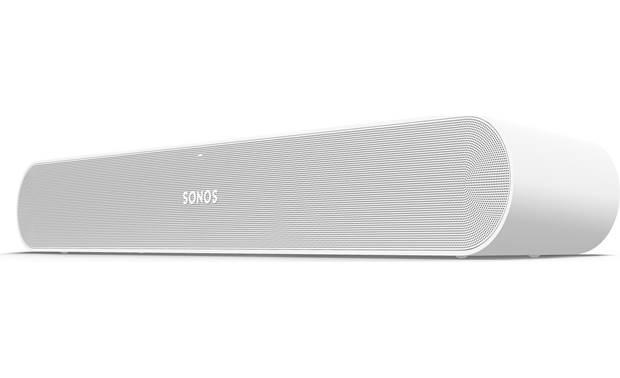
The Sonos Ray, released in 2022, represents modern soundbar design philosophy. Instead of brute-force bass and simple enhancements, Sonos focused on sophisticated audio processing, smart home integration, and long-term expandability. This reflects broader industry trends toward connected, upgradeable audio systems rather than standalone components.
The Sonos Ray doesn't include a traditional subwoofer, instead using a carefully engineered bass reflex system with proprietary low-velocity ports. These ports are specially shaped openings that allow air to move in and out of the speaker cabinet in a controlled way, reinforcing bass frequencies without the distortion that often comes from cheap subwoofers.
The tradeoff is immediately apparent: the Sonos Ray won't give you the chest-thumping bass of the Yamaha SR-C20A. However, its bass is more controlled and articulate. In smaller rooms or apartments where overwhelming bass can be problematic, this approach works better. The bass stays tight and defined rather than boomy or muddy.
For users who want deeper bass, Sonos offers the Sub Mini or full-size Sub as add-ons, though this significantly increases the total system cost.
One of the Sonos Ray's most impressive features is TruePlay, a room correction technology that adapts the soundbar's output to your specific space. Using your iPhone's microphone (unfortunately, Android isn't supported), you walk around your room while the app plays test tones and analyzes how sound reflects off your walls, furniture, and other surfaces.
Room acoustics dramatically affect audio quality. Hard surfaces like walls and glass create reflections that can cause certain frequencies to be boosted or canceled out. Carpet, curtains, and furniture absorb different frequencies at different rates. TruePlay measures these effects and automatically adjusts the Sonos Ray's output to compensate, essentially giving you a custom audio profile for your specific room.
After running TruePlay in several different rooms, I can confirm it makes a meaningful difference. The soundbar sounds more balanced and natural, with better integration between the different drivers and more appropriate bass levels for the space.
The Sonos Ray's Speech Enhancement goes beyond the Yamaha's Clear Voice approach. Instead of just boosting certain frequencies, it uses sophisticated signal processing to create a phantom center channel effect. The four drivers (two tweeters and two midwoofers) work together with precise timing to trick your brain into perceiving voices as coming from a specific point in the center of the soundbar rather than spreading across its width.
This creates better dialogue localization – voices seem to come from the center of your TV screen rather than floating somewhere in front of you. The effect is subtle but important for maintaining the illusion that characters are actually speaking from their on-screen positions.
What sets the Sonos Ray apart most significantly is its integration with the broader Sonos ecosystem. This isn't just about playing music from your phone (though it does that excellently through Wi-Fi rather than Bluetooth, providing better sound quality and reliability).
The Sonos system supports multi-room audio, meaning you can group the Ray with other Sonos speakers throughout your home and play synchronized music everywhere. Voice control through Alexa or Google Assistant lets you adjust volume, switch inputs, or play specific content without finding a remote.
Regular software updates add new features over time – something the Yamaha simply can't do due to its more basic hardware architecture. Since 2022, Sonos has added new streaming service integrations, improved the user interface, and enhanced audio processing algorithms.
For pure bass impact, the Yamaha SR-C20A wins decisively. The built-in subwoofer and passive radiators create genuine low-frequency extension that you feel as much as hear. Action movies, electronic music, and anything with substantial bass content sounds more engaging and immersive.
The Sonos Ray takes a more refined approach. Its bass is tighter and more controlled, better integrated with the overall sound signature. For acoustic music, jazz, or content where bass needs to support rather than dominate, the Sonos approach works better. However, if you want the full cinematic experience with rumbling explosions and deep musical bass, you'll need to add a Sonos subwoofer.
Both soundbars excel at dialogue clarity, but in different ways. The Yamaha's Clear Voice provides immediate, obvious improvement with a simple on/off switch. It's particularly effective for older movies or TV shows with less sophisticated audio mixing.
The Sonos Ray's Speech Enhancement is more nuanced and intelligent. It analyzes the incoming audio and makes dynamic adjustments rather than applying a fixed EQ curve. For modern content with high-quality audio mixing, this approach often sounds more natural while still improving clarity.
The Sonos Ray provides more consistent performance across different types of content. Its balanced frequency response and sophisticated processing work well whether you're watching Netflix, listening to Spotify, or playing games. The sound signature remains coherent and pleasant at various volume levels.
The Yamaha SR-C20A is more specialized. It excels with content that benefits from its bass emphasis and Clear Voice processing but can sound less balanced with some music genres or content that doesn't need heavy enhancement.
The connectivity and smart features represent perhaps the biggest difference between these soundbars. The Yamaha SR-C20A embraces simplicity: plug it in, connect a cable, and you're done. Bluetooth lets you stream music from your phone, HDMI ARC means your TV remote can control volume, and the included remote handles everything else. There's no app to download, no account to create, no Wi-Fi password to enter.
This simplicity is genuinely appealing. You get better sound immediately without dealing with any modern smart device complexity. However, it also means no software updates, no voice control, and limited streaming options.
The Sonos Ray requires more initial setup but provides far more functionality. The Sonos app (which has improved significantly since the controversial redesign a few years ago) lets you fine-tune audio settings, manage multi-room audio, and access streaming services directly. AirPlay 2 support means seamless integration with Apple devices, while voice control works reliably once configured.
The question becomes whether you value simplicity or capability more. Both approaches are valid, depending on your preferences and technical comfort level.
You want immediate impact for less money. The Yamaha provides the most noticeable improvement over TV speakers at its price point. The built-in subwoofer creates genuine bass impact that makes action movies and music significantly more engaging.
You prefer simplicity over smart features. Some people just want better sound without dealing with apps, accounts, or smart home integration. The Yamaha respects this preference completely.
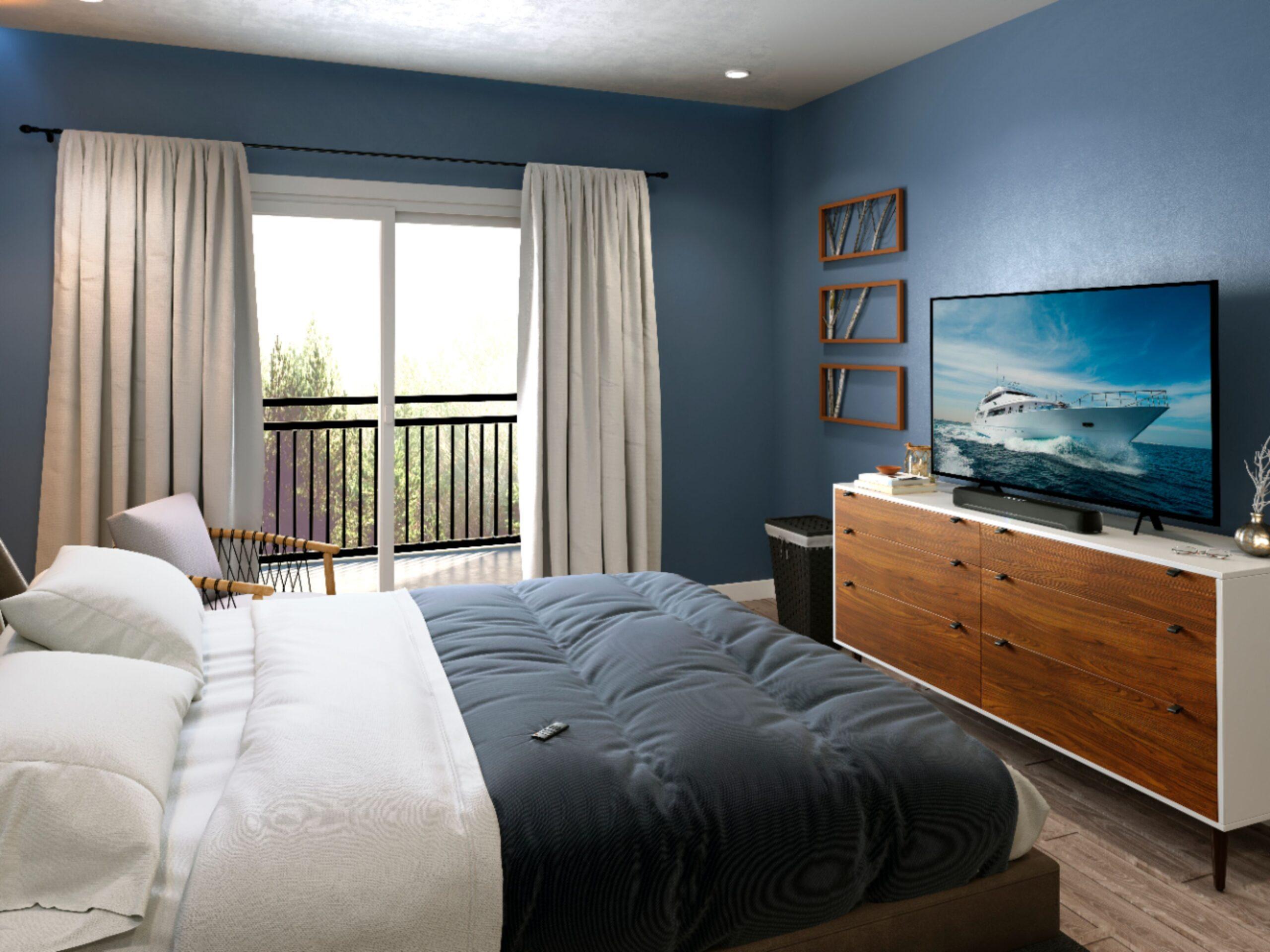
You have a smaller TV in a secondary room. Bedrooms, offices, and guest rooms often benefit from the Yamaha's compact size and complete functionality. You don't need ecosystem integration for a bedroom TV.
You watch a lot of action movies or listen to bass-heavy music. The built-in subwoofer makes explosions, car chases, and electronic music much more immersive than what you'll get from the Sonos Ray alone.
You're building a smart home audio system. If you plan to add more speakers over time or want multi-room audio, the Sonos Ray provides an excellent foundation that can grow with your needs.
You live in an apartment or small space. The Ray's more controlled bass won't overwhelm small rooms or annoy neighbors, while TruePlay optimization ensures it sounds good regardless of placement constraints.
You value consistent, balanced sound. The Sonos works equally well for all content types rather than being optimized specifically for bass-heavy material.
You stream most of your content. Native integration with streaming services and reliable Wi-Fi connectivity make the Sonos more convenient for Netflix, Spotify, and similar services.
You want software updates and new features. The Sonos Ray receives regular updates that add functionality and improve performance over time.
Neither soundbar is designed for serious home theater use – that requires dedicated left, center, right, and surround speakers. However, both can serve as stepping stones toward larger systems.
The Yamaha SR-C20A is essentially a complete solution at its price point. While Yamaha makes larger soundbars and separate subwoofers, the SR-C20A doesn't integrate with them. It's designed to be a standalone upgrade that you might eventually replace entirely.
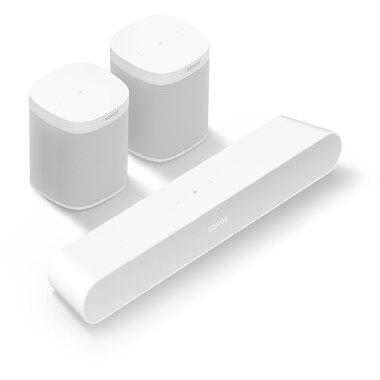
The Sonos Ray is explicitly designed as a foundation for expansion. You can add a Sonos Sub for deeper bass, then Sonos Era 100s or 300s as surrounds, creating a true 5.1 system. The Ray serves as the center and front left/right channels in this configuration, while the Sonos app handles all the complex timing and integration automatically.
If you think you might want a full surround system eventually, the Sonos Ray provides a much better upgrade path, even though it requires significantly more investment over time.
The choice between the Sonos Ray and Yamaha SR-C20A ultimately comes down to your priorities, budget, and future plans. At the time of writing, the price difference is substantial enough that it affects the value calculation significantly.
The Yamaha SR-C20A offers exceptional immediate value. You'll notice the improvement over TV speakers immediately, particularly with the bass impact and dialogue clarity. It's a complete solution that doesn't require additional purchases or complex setup.
The Sonos Ray is an investment in a more sophisticated audio ecosystem. While it costs more initially and may require additional components to match the Yamaha's bass performance, it provides better long-term value through software updates, expandability, and consistent performance across all content types.
For most people buying their first soundbar, I lean toward the Yamaha SR-C20A. The immediate gratification and complete functionality at a lower price point make it an excellent entry point into better TV audio. However, if you're already invested in smart home technology or plan to build a more comprehensive audio system over time, the Sonos Ray justifies its premium pricing through superior integration and future-proofing.
Both soundbars represent significant improvements over TV speakers and will make your movie nights more enjoyable. The question is whether you want that improvement right now at a lower cost, or if you're willing to invest more for a foundation that can grow with your needs over time.
| Sonos Ray Soundbar | Yamaha SR-C20A Compact Sound Bar with Built-In Subwoofer |
|---|---|
| Bass Performance - Key differentiator for movie watching and music | |
| Bass reflex system with tuned ports, requires separate subwoofer ($429-749) for deep bass | Built-in 60W subwoofer with 3" driver + dual passive radiators for immediate bass impact |
| Total Power Output - Affects maximum volume and room filling capability | |
| Proprietary Class-D amplifiers (exact wattage not specified) | 100W total (40W stereo + 60W subwoofer) |
| Dialogue Enhancement Technology - Critical for TV watching | |
| Speech Enhancement with phantom center channel effect using precise driver timing | Clear Voice technology targeting 2-4kHz vocal frequency range |
| Smart Features - Determines streaming convenience and future capabilities | |
| Wi-Fi, AirPlay 2, voice control, multi-room audio, regular software updates | Bluetooth 5.0, basic HDMI ARC control, four sound modes, no app required |
| Room Calibration - Optimizes sound for your specific space | |
| TruePlay room correction using iPhone microphone | No room calibration features |
| Physical Connectivity Options - Affects compatibility with different devices | |
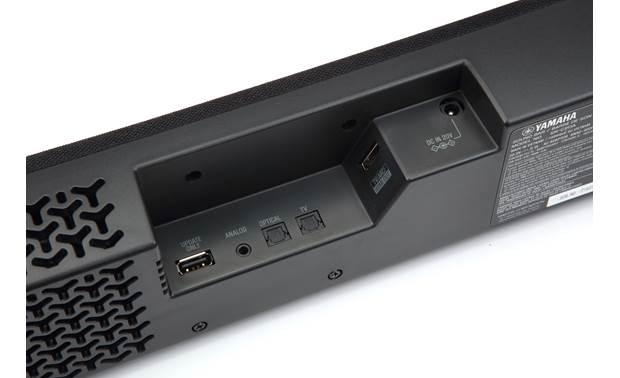
| 1x optical digital, Ethernet, Wi-Fi, no HDMI | HDMI ARC, 2x optical digital, 1x analog audio input |
| Expandability - Important for future system growth | |
| Full Sonos ecosystem integration, can add subwoofers and surrounds | Standalone unit with no expansion options |
| Setup Complexity - Time investment to get working | |
| Requires Sonos app, Wi-Fi configuration, account setup | Plug-and-play with optional smartphone app for advanced controls |
| Dimensions (W x H x D) - Space requirements for TV stand or wall mounting | |
| 25.6" × 2.7" × 3.9" (6.35 lbs) | 23.6" × 2.5" × 4" (3.9 lbs) |
The Yamaha SR-C20A delivers significantly better bass performance out of the box thanks to its built-in 60-watt subwoofer and dual passive radiators. You'll feel the impact of explosions and music bass immediately. The Sonos Ray uses a bass reflex system that's more controlled but requires purchasing a separate subwoofer to match the Yamaha's deep bass performance.
The Sonos Ray costs more but offers smart home integration, multi-room audio, regular software updates, and room calibration features. If you want simple plug-and-play performance with immediate bass impact, the Yamaha SR-C20A provides better value. Choose the Sonos Ray if you're building a smart audio system or want future expandability.
Both excel at dialogue clarity but use different approaches. The Yamaha SR-C20A uses Clear Voice technology that boosts speech frequencies with a simple on/off switch. The Sonos Ray creates a phantom center channel effect that makes voices appear to come from your TV screen. Both significantly improve dialogue over TV speakers.
The Yamaha SR-C20A works completely without an app - just plug in and use your TV remote for basic controls. The Sonos Ray requires the Sonos app for initial setup and accessing most features, though you can control basic functions with your TV remote afterward.
The Sonos Ray is better suited for small spaces due to its controlled bass that won't overwhelm neighbors or small rooms. Its TruePlay room calibration optimizes sound for your specific space. The Yamaha SR-C20A has more powerful bass that might be too much for very small rooms or thin apartment walls.
Neither the Sonos Ray nor Yamaha SR-C20A supports Dolby Atmos height effects. Both are stereo soundbars focused on improving dialogue and bass over TV speakers rather than creating immersive surround sound experiences.
The Yamaha SR-C20A is significantly easier to set up - just connect one cable and you're done. No app download, Wi-Fi configuration, or account creation required. The Sonos Ray requires downloading the app, connecting to Wi-Fi, and running through setup procedures, though it's still relatively straightforward.
The Sonos Ray can be expanded with Sonos subwoofers and surround speakers to create a full 5.1 system through the ecosystem. The Yamaha SR-C20A is a standalone unit with no official expansion options - you'd need to replace it entirely for a larger system.
The Sonos Ray offers superior streaming with Wi-Fi connectivity, AirPlay 2, and native integration with streaming services. It maintains better audio quality than Bluetooth and supports multi-room playback. The Yamaha SR-C20A only offers Bluetooth streaming, which is simple but has range and quality limitations.
The Yamaha SR-C20A works well in small to medium rooms where its bass impact can be appreciated. The Sonos Ray adapts better to various room sizes thanks to TruePlay calibration and can be part of larger multi-room setups for bigger homes.
Only the Sonos Ray receives regular software updates that add new streaming services, improve audio processing, and introduce new features over time. The Yamaha SR-C20A has fixed functionality that doesn't change after purchase, though this also means no complexity or potential update issues.
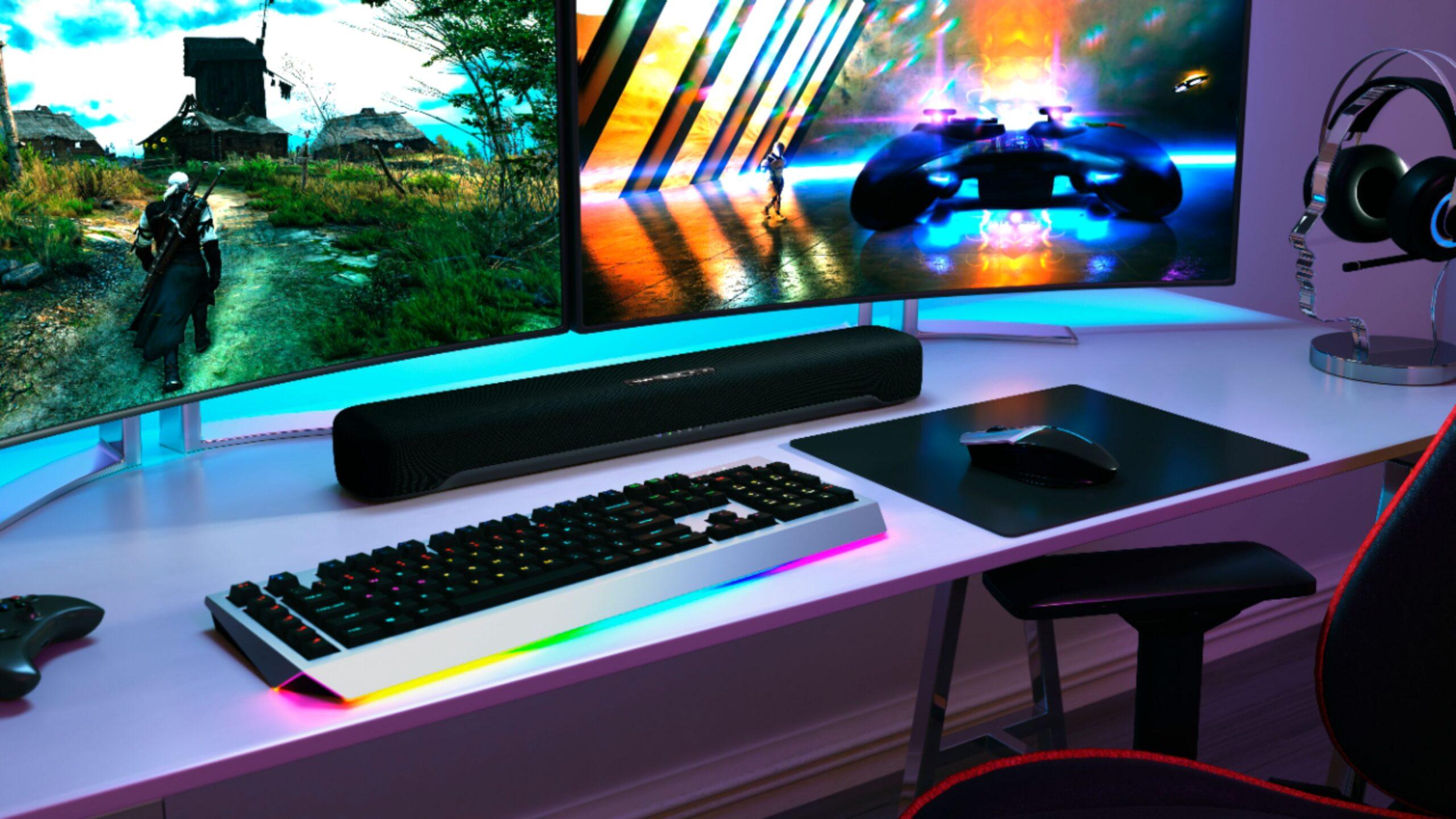
Both soundbars work well for gaming. The Yamaha SR-C20A includes a dedicated Game mode that emphasizes directional audio cues and has lower input lag. The Sonos Ray provides balanced audio that works well for games but doesn't have gaming-specific optimizations.
We've done our best to create useful and informative comparisons to help you decide what product to buy. Our research uses advanced automated methods to create this comparison and perfection is not possible - please contact us for corrections or questions. These are the sites we've researched in the creation of this article: tomsguide.com - soundandvision.com - youtube.com - techradar.com - en.community.sonos.com - rtings.com - howtogeek.com - youtube.com - cnet.com - sonos.com - videoandaudiocenter.com - t3.com - usa.yamaha.com - radiotimes.com - shop.usa.yamaha.com - whathifi.com - hifiheaven.net - usa.yamaha.com - sweetwater.com - hub.yamaha.com - bestbuy.com

Privacy Policy
Terms and Conditions - Affiliate Policy
Home Security
© Copyright 2008-2026.
11816 Inwood Rd #1211, Dallas, TX 75244