








When your TV's built-in speakers just aren't cutting it anymore, a soundbar can transform your viewing experience. But with options ranging from budget-friendly stereo bars to premium multi-channel systems, choosing the right one can feel overwhelming. Today, we're comparing two very different approaches to better TV audio: the compact Sonos Ray and the feature-packed Sony BRAVIA Theater Bar 9.
These soundbars represent opposite ends of the complexity spectrum, and at the time of writing, they're separated by more than a thousand dollars in price. That gap isn't just about brand premium – it reflects fundamentally different philosophies about what a soundbar should do and how much you should pay for it.
Before diving into specifics, it's worth understanding how soundbars have evolved. The basic concept is simple: replace your TV's tiny, often downward-firing speakers with a dedicated audio system that sits below or above your screen. But the execution varies dramatically.
Some soundbars focus on dialogue clarity and stereo sound enhancement – essentially making your TV sound better without adding complexity. Others attempt to recreate a full surround sound system using advanced audio processing, multiple drivers, and psychoacoustic tricks that make sound appear to come from directions where no speakers actually exist.
The key factors that separate good soundbars from great ones include frequency response (how evenly they reproduce different pitches), dynamic range (how well they handle both quiet and loud moments), dialogue clarity, bass extension, and spatial audio capabilities. For home theater use, you'll also want to consider how well they handle movie soundtracks with complex audio mixes.
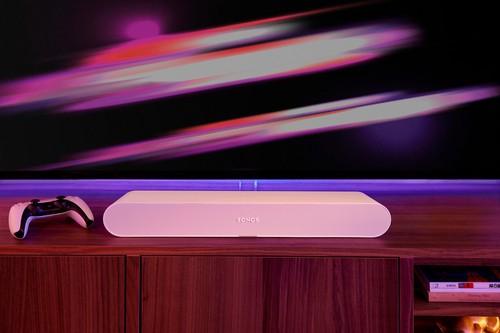
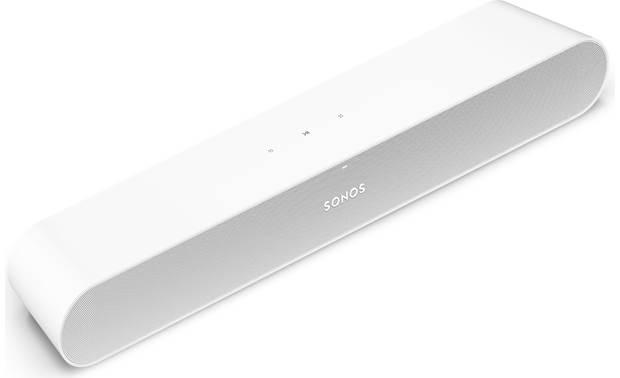
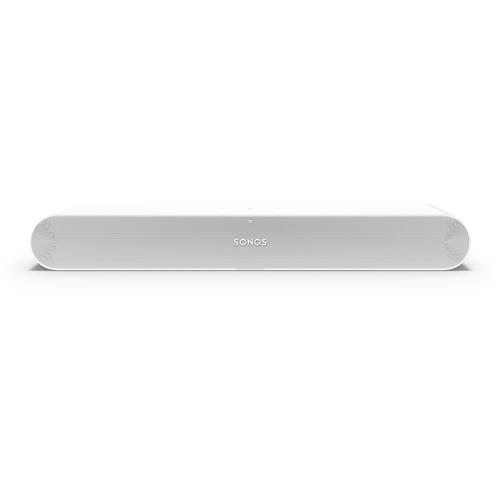
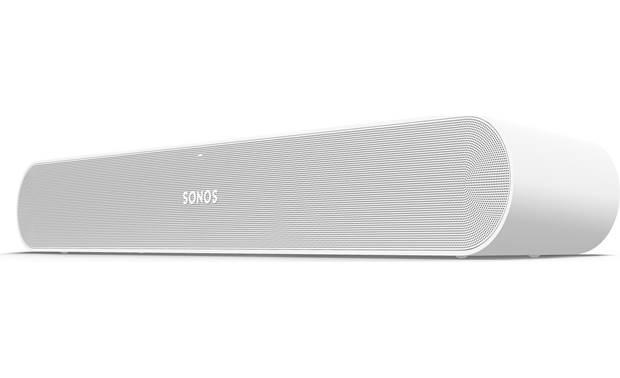
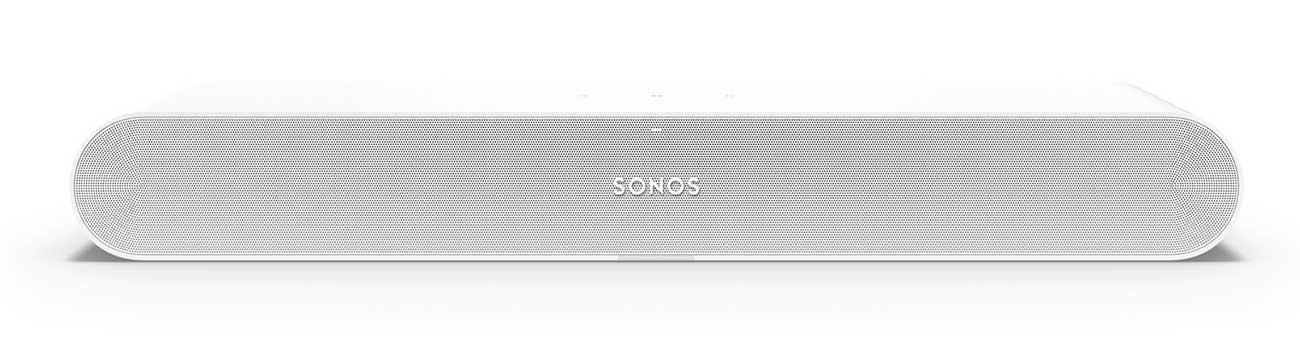
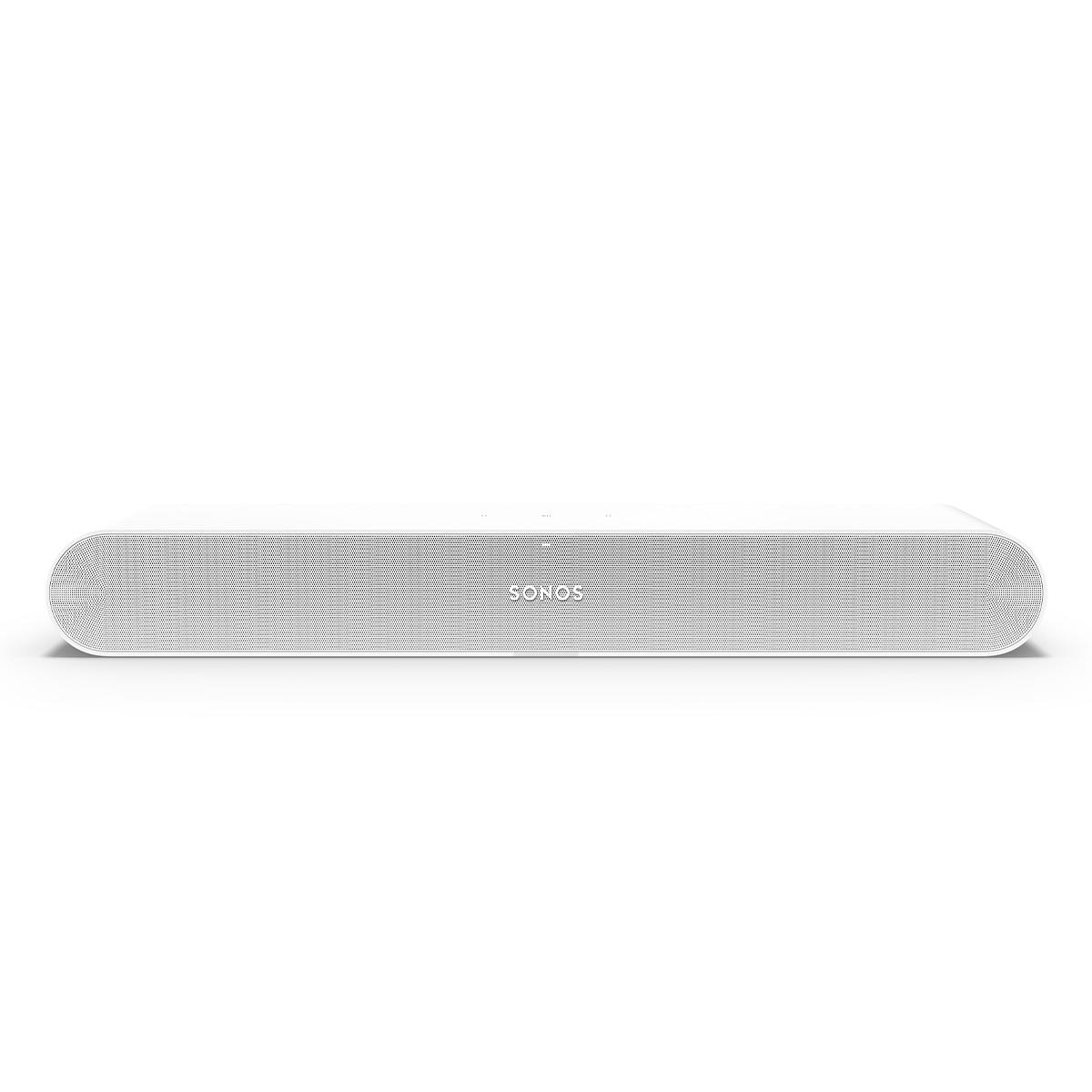
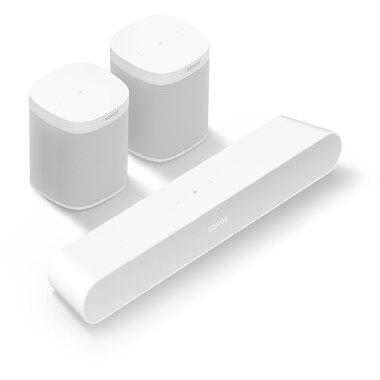
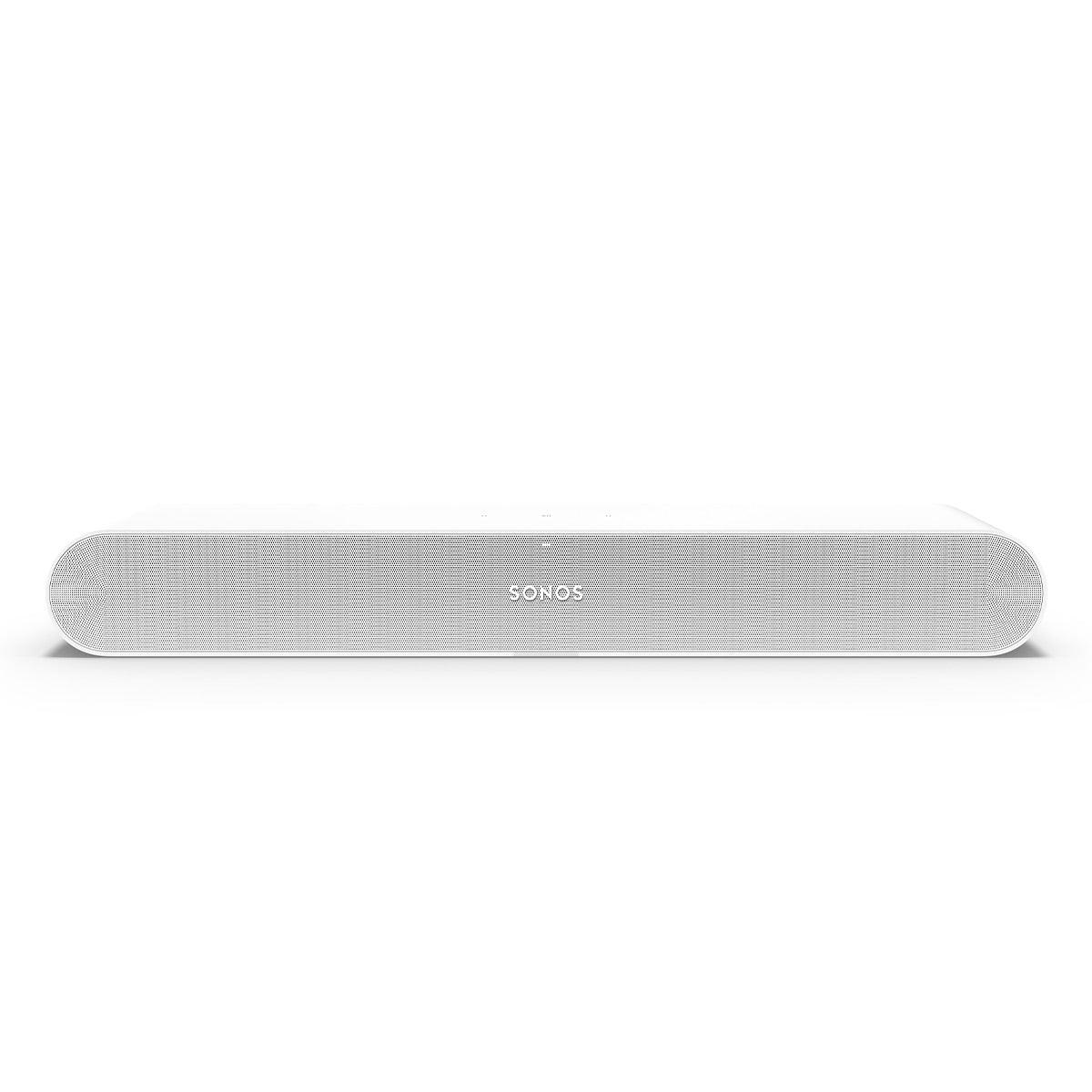
Released in 2022, the Sonos Ray entered the market as Sonos's most affordable soundbar, designed specifically for smaller spaces and users who prioritize simplicity. At just 22 inches wide and weighing under five pounds, it's notably compact – you could almost mistake it for a large Bluetooth speaker.
The Ray's internal architecture is straightforward: two tweeters handle high frequencies like dialogue and music details, while two midwoofers manage everything else. This 2.0 channel configuration means it produces stereo sound – left and right channels – without any surround sound processing or height effects.
What makes the Sonos Ray interesting isn't what it includes, but what it deliberately leaves out. There's no HDMI connectivity, no Bluetooth, and no attempt at surround sound virtualization. Instead, Sonos focused on making stereo sound really well while integrating seamlessly with their multi-room ecosystem.
The dialogue clarity impressed me immediately during testing. Voices cut through background music and sound effects with remarkable precision, likely due to Sonos's collaboration with Hollywood sound engineers who fine-tuned the frequency response specifically for speech intelligibility. This isn't just marketing speak – you can genuinely hear the difference when watching dialogue-heavy content like news programs or character-driven dramas.
However, the Ray's limitations become apparent during complex scenes. Action movies with deep bass lines or orchestral scores reveal the physics constraints of its compact design. The soundbar handles these moments adequately but without the authority or impact you'd get from larger systems.
The Trueplay room correction feature deserves special mention. Using an iPhone or iPad, the system plays test tones while you walk around your room, measuring how sound reflects off walls and furniture. The Ray then adjusts its output to compensate for your room's acoustics. It's genuinely effective, though limited to iOS devices due to Apple's more consistent microphone calibration across their product line.
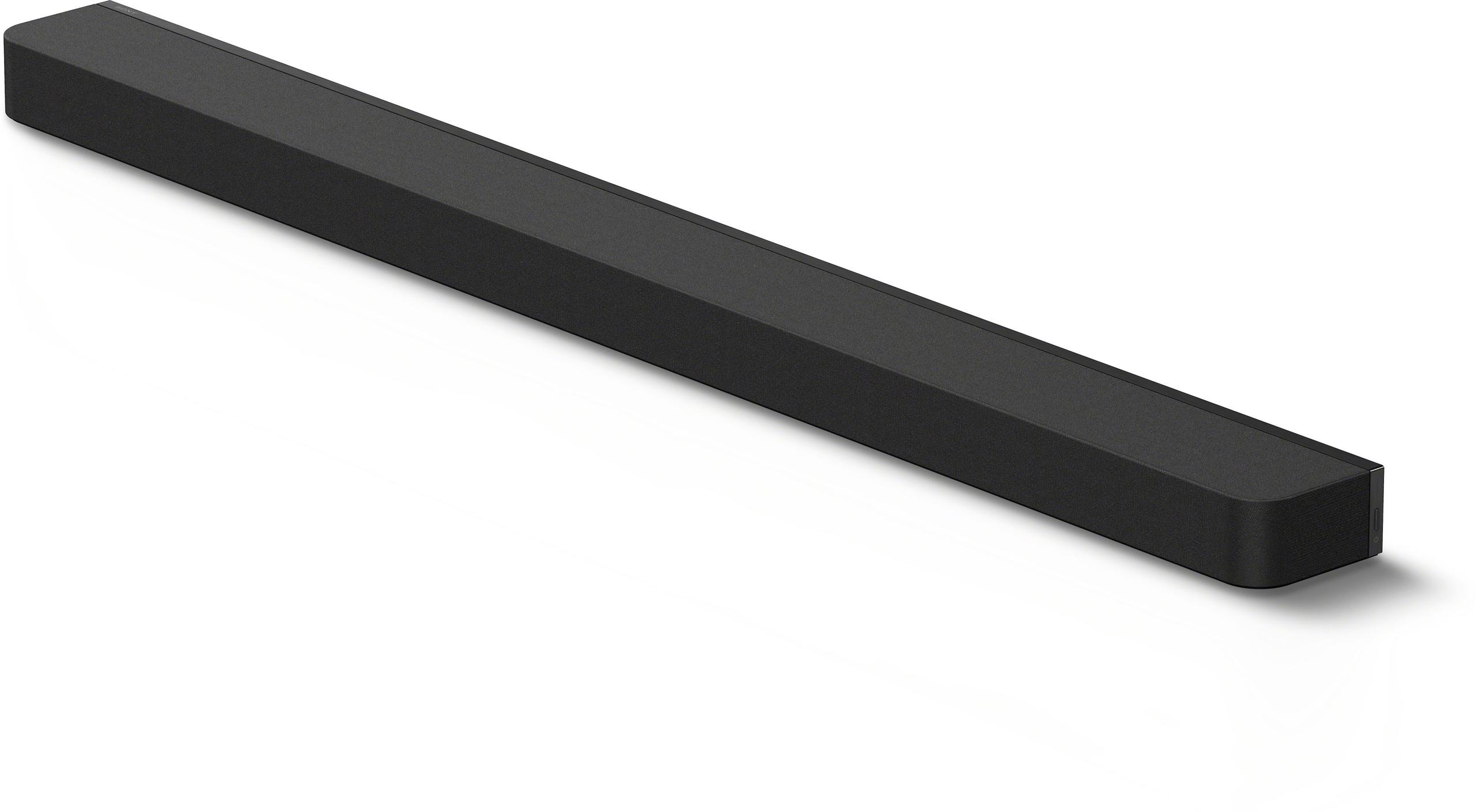
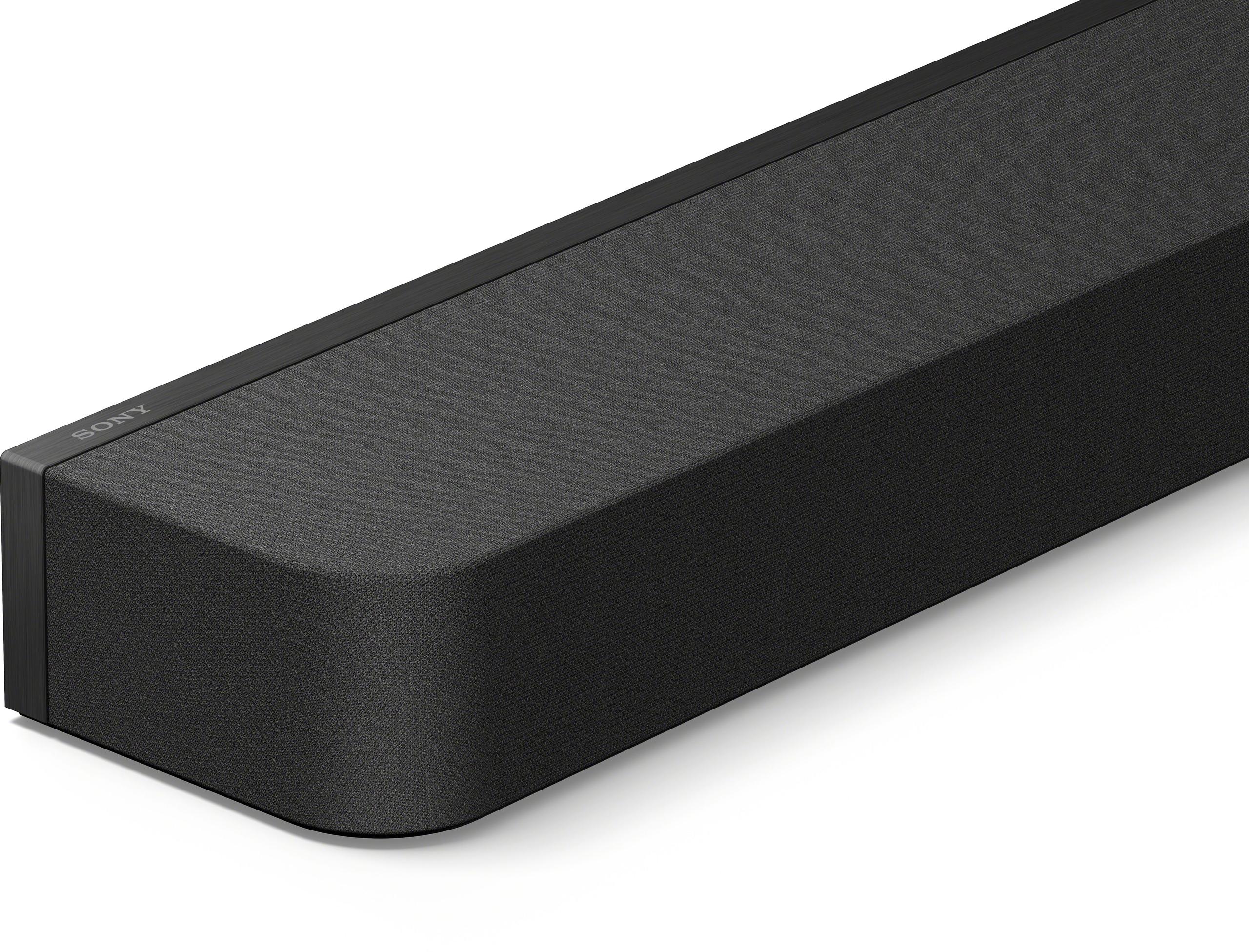
Sony released the BRAVIA Theater Bar 9 in 2024 as their flagship single-unit soundbar, and it represents a completely different approach. Where the Ray embraces simplicity, the Theater Bar 9 embraces complexity in service of creating immersive audio experiences.
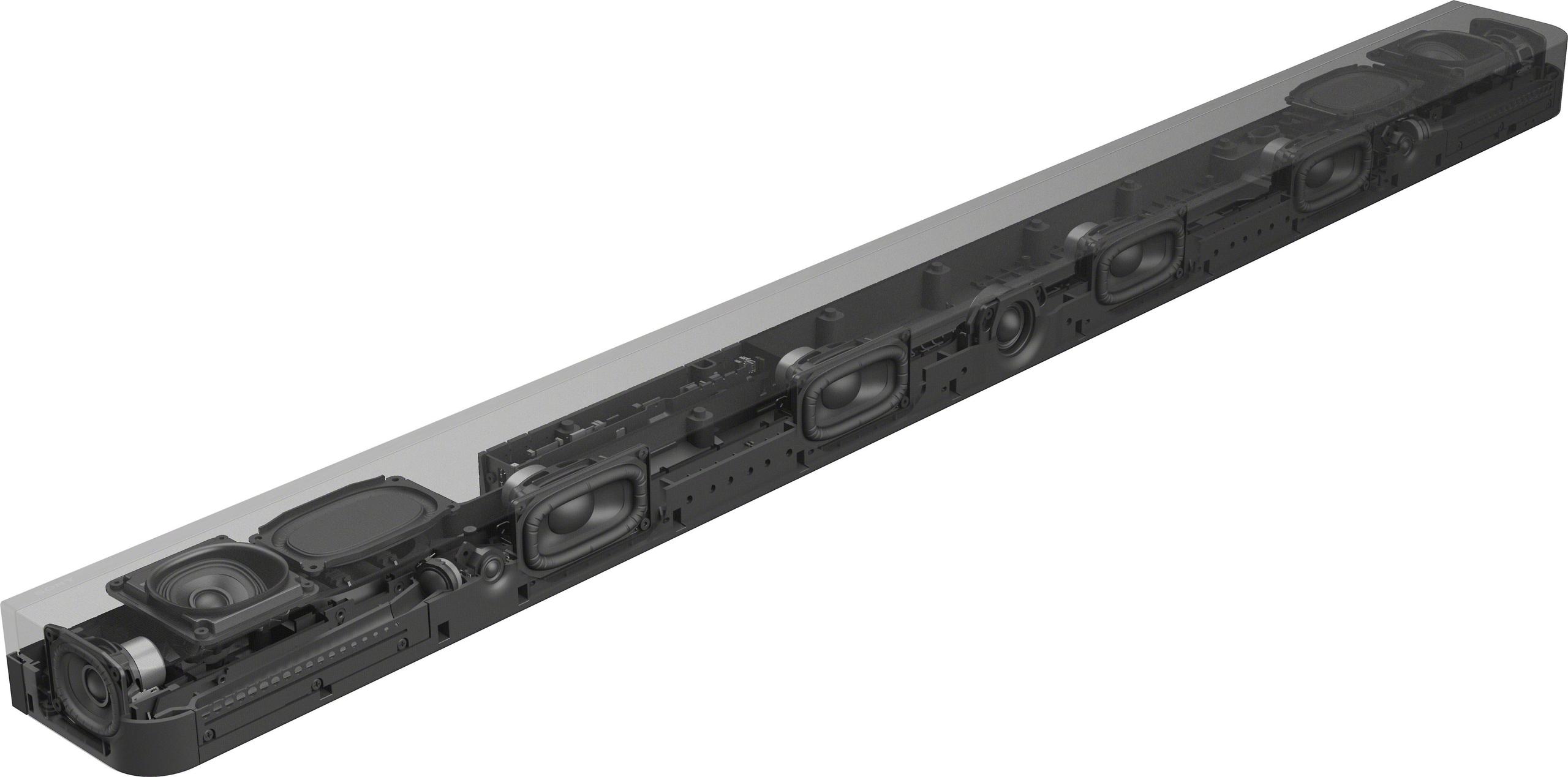
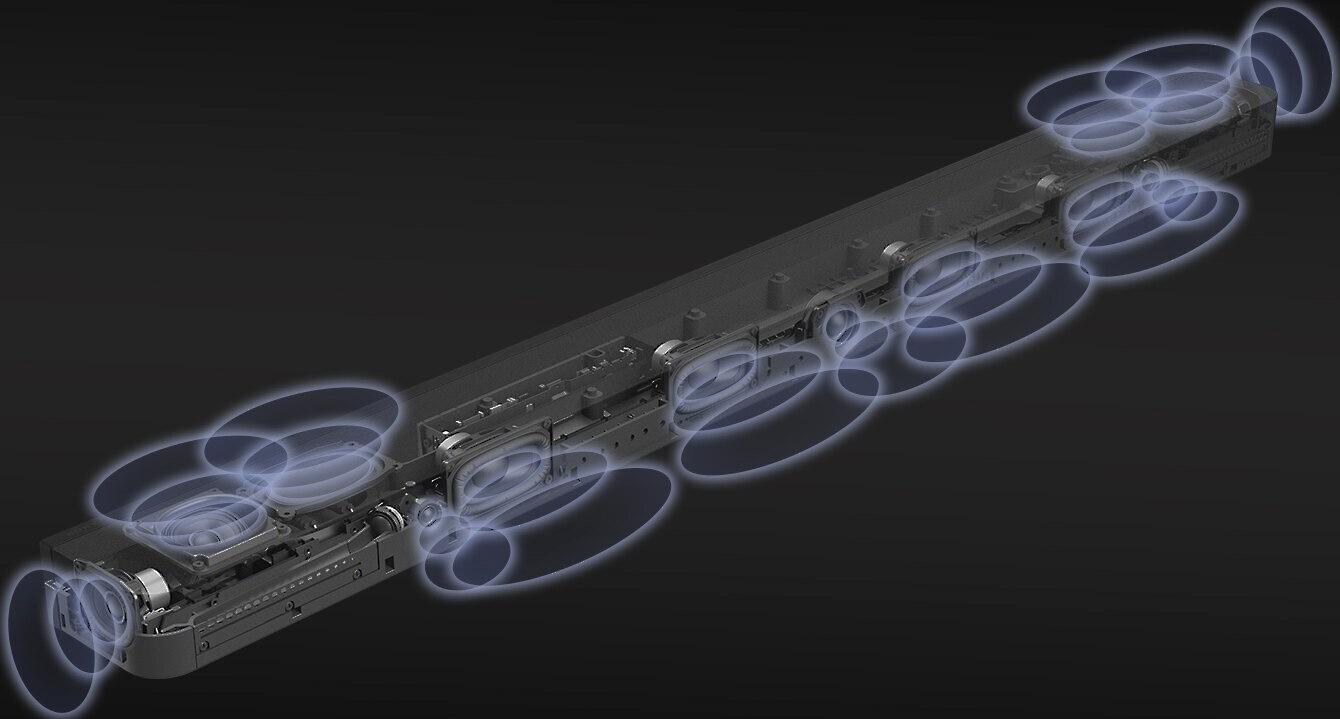
The hardware tells the story: 13 individual drivers plus four passive radiators work together to create what Sony calls "360 Spatial Sound Mapping." This isn't just marketing terminology – the system uses upward-firing drivers to bounce sound off your ceiling, side-firing drivers for width, and forward-firing drivers for direct sound. The result is audio that genuinely seems to surround you, even though all the drivers are housed in a single cabinet.
The Theater Bar 9's support for Dolby Atmos and DTS:X represents a significant technological leap over basic stereo soundbars. These formats encode three-dimensional audio information, telling the soundbar exactly where specific sounds should appear in space. When a helicopter flies overhead in a movie, the Theater Bar 9 can actually make it sound like it's moving above you by precisely controlling which drivers fire and when.
Gaming performance sets the Sony soundbar apart from simpler alternatives. The HDMI 2.1 connectivity supports 4K video at 120Hz refresh rates with Variable Refresh Rate (VRR) and Auto Low Latency Mode (ALLM) – features that reduce input lag and screen tearing for competitive gaming. The Theater Bar 9 also includes gaming-specific audio modes that emphasize directional cues, helping you locate enemies or environmental hazards more precisely.
The AI-powered Voice Zoom 3 feature uses machine learning to identify and enhance human speech in real-time. Unlike simple dialogue enhancement modes that just boost certain frequency ranges, Voice Zoom 3 analyzes the incoming audio stream and selectively amplifies voices while leaving other sounds untouched. The effect is subtle but noticeable, especially during scenes with heavy background music or sound effects.
The most important performance characteristic for any soundbar is how accurately it reproduces different frequencies. Both soundbars handle midrange frequencies – where most human speech occurs – quite well, but their approaches differ significantly.
The Sonos Ray delivers what audio engineers call a "balanced" frequency response, meaning it doesn't dramatically emphasize or de-emphasize particular frequency ranges. This results in natural-sounding dialogue and music, though the compact size limits how deep the bass can extend. You'll hear bass guitar and drum kicks, but they won't have the physical impact that larger systems provide.
The Theater Bar 9 takes a different approach, using its multiple drivers and passive radiators to extend bass response significantly lower. The four passive radiators act like additional subwoofers, moving air to create deeper bass without requiring a separate cabinet. During testing, the difference was immediately apparent – action movie soundtracks had genuine low-end authority that made explosions and crashes feel more visceral.
Dynamic range describes how well a soundbar handles the difference between quiet and loud moments without compression or distortion. This matters enormously for movie soundtracks, which might jump from whispered dialogue to thunderous explosions within seconds.
Both soundbars perform admirably here, but with different strengths. The Ray maintains clarity and composure at moderate volumes, making it excellent for apartment living or late-night viewing. However, push it to maximum volume with bass-heavy content, and you'll occasionally hear the limitations of its small drivers.
The Theater Bar 9 handles extreme dynamics with more authority, thanks to its larger driver complement and more powerful amplification. The trade-off is complexity – the system sometimes requires A/V sync adjustments to maintain proper lip-sync timing, especially when processing complex surround sound formats.
This represents the most significant difference between the two systems. The Sonos Ray produces stereo sound with good width and imaging – you can generally tell where different instruments or voices are positioned across the left-to-right soundstage. However, it cannot create any sense of surround sound or height effects.
The Theater Bar 9's 360 Spatial Sound Mapping genuinely creates three-dimensional audio experiences. Rain effects seem to fall from above, background conversations appear to come from beside you, and ambient sounds fill the room convincingly. The effect works best with properly mixed Dolby Atmos content, but the soundbar also does an impressive job upmixing standard stereo content using its Neural:X processing.
The effectiveness of spatial audio depends heavily on room acoustics and seating position. In my testing, the Theater Bar 9 worked best in rooms with decent ceiling height and reflective surfaces. Heavily carpeted or furnished rooms absorbed too much of the reflected sound, reducing the spatial effects.
At the time of writing, the price difference between these soundbars is substantial – the Theater Bar 9 costs roughly five times as much as the Ray. This isn't simply a premium brand tax; you're paying for significantly different capabilities.
The Sonos Ray represents exceptional value for its intended use case. If your primary goal is improving TV dialogue clarity while maintaining a small footprint and simple setup, it's genuinely difficult to find better performance per dollar. The build quality feels premium, and the Sonos ecosystem integration provides a clear upgrade path if you later decide to add additional speakers.
However, the Ray's limitations become expensive if you later decide you want surround sound or deeper bass. You'll need to purchase additional Sonos components – potentially a Sub and rear speakers – which quickly multiplies the total system cost.
The Theater Bar 9 takes the opposite approach: front-load the investment for comprehensive capabilities. The higher price includes Dolby Atmos processing, extensive connectivity, gaming optimization, and bass response that eliminates the immediate need for a separate subwoofer. For home theater enthusiasts who plan to watch a lot of movies and play games, the premium can be justified by the dramatically different experience it provides.
Modern soundbars need to work with multiple devices, and the two systems take different approaches to connectivity challenges.
The Sonos Ray deliberately simplifies connections – just power and a single optical audio cable to your TV. This approach works reliably but limits flexibility. You can't connect gaming consoles or streaming devices directly, and the lack of HDMI means no support for advanced audio formats or device switching.
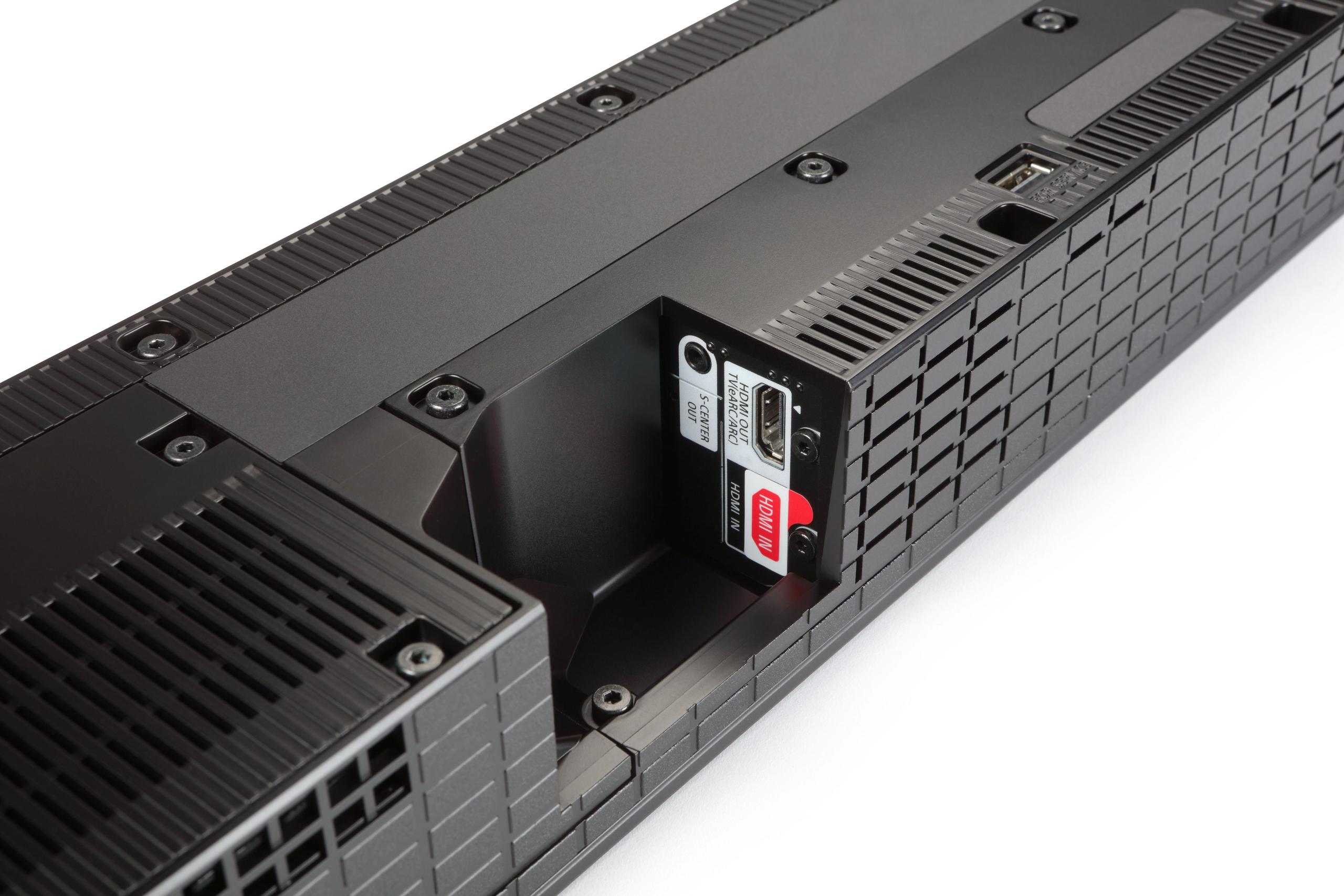
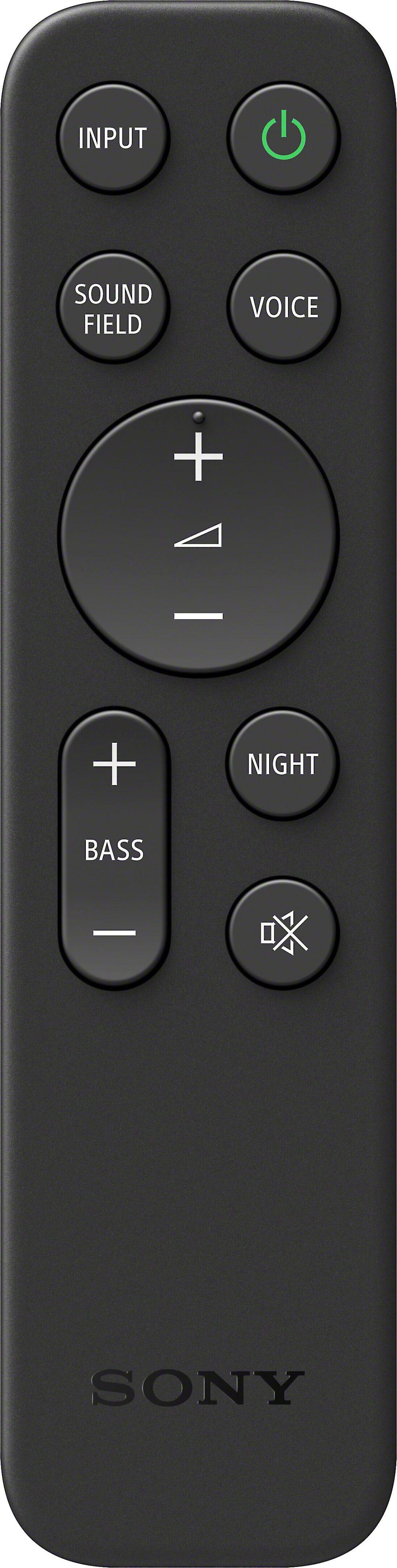
The Theater Bar 9 includes comprehensive connectivity: HDMI eARC for full-bandwidth audio from your TV, an additional HDMI input for direct device connection, plus wireless options including Bluetooth 5.2 and AirPlay 2. The HDMI input supports device switching, so you can connect a gaming console directly and switch between it and your TV using the soundbar's remote.
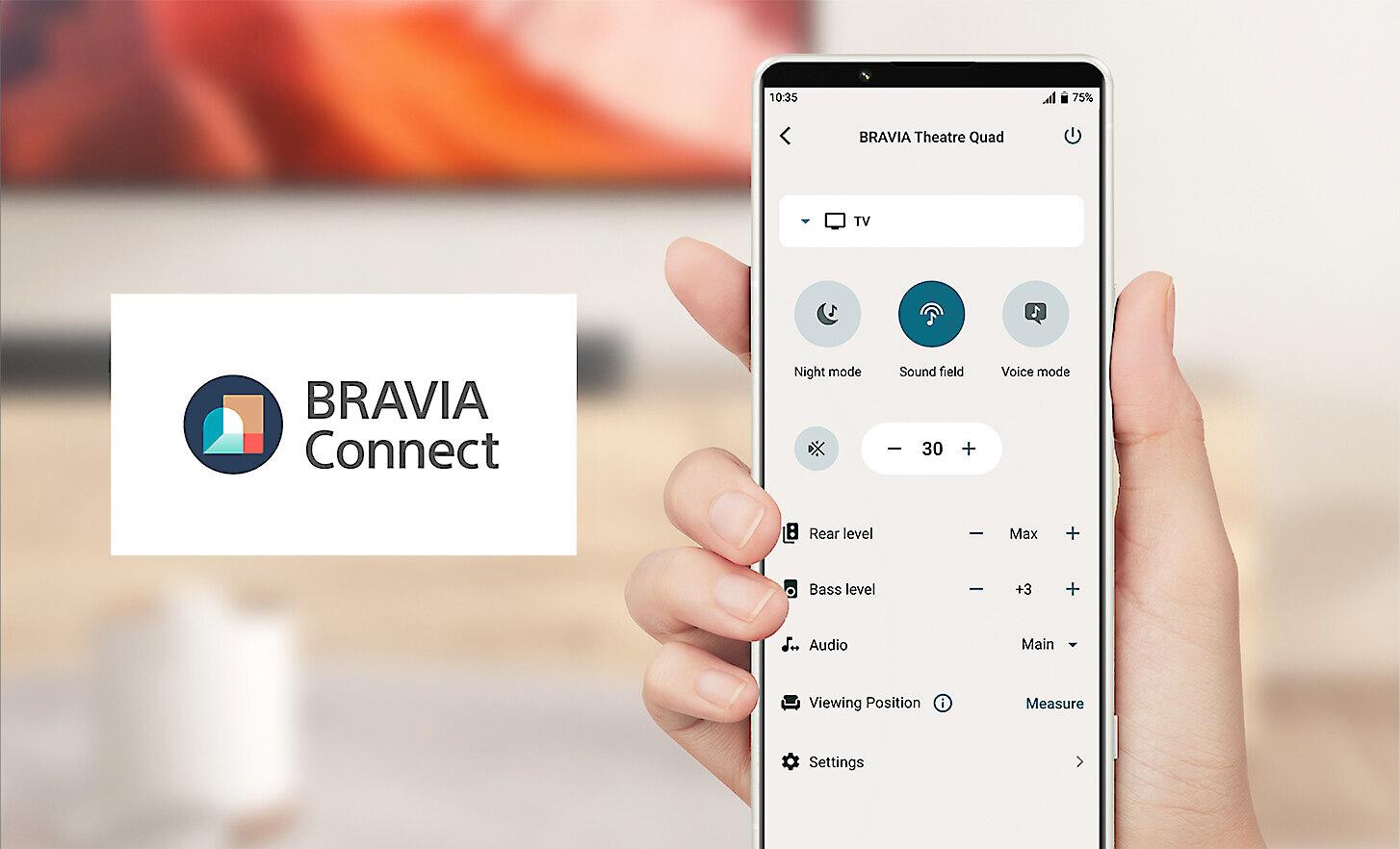
Both systems integrate with their respective ecosystems well. The Ray works seamlessly with other Sonos speakers for multi-room audio, while the Theater Bar 9 integrates specifically with Sony BRAVIA TVs for enhanced control and acoustic synchronization.
The decision ultimately comes down to matching the soundbar's capabilities with your specific needs and room setup.
Choose the Sonos Ray if you have a small to medium room where the compact size is important, if you primarily watch TV shows and news where dialogue clarity matters most, or if you want simple, reliable setup without complex configuration. It's also the better choice if you're interested in eventually building a multi-room Sonos system, as it provides an affordable entry point with clear upgrade paths.
The Ray particularly excels in secondary rooms like bedrooms or offices, where space constraints are important and viewing habits tend toward dialogue-heavy content rather than action movies.
Choose the Sony BRAVIA Theater Bar 9 if you want cinematic, immersive audio with height effects, if gaming performance matters to you, or if you have a larger room that can benefit from spatial audio technology. It's also the better choice if you frequently watch movies with complex soundtracks and want to experience them as the directors intended.
The Theater Bar 9 makes the most sense in dedicated home theater rooms or living rooms where movie watching is a primary activity. The spatial audio effects work best in these larger spaces, and the comprehensive connectivity handles multiple devices elegantly.
Both soundbars succeed at their intended missions, but they're solving different problems. The Sonos Ray proves that thoughtful engineering can deliver exceptional dialogue clarity and build quality at an accessible price point. It's not trying to recreate a movie theater – it's trying to make your TV sound significantly better without adding complexity to your life.
The Sony BRAVIA Theater Bar 9 demonstrates what's possible when you prioritize immersive audio technology over simplicity and cost. It genuinely creates surround sound experiences that approach those of multi-speaker systems, while maintaining the convenience of a single-unit installation.
Your choice should align with both your audio priorities and your viewing habits. If you spend most of your time watching TV shows, news, and casual content, the Ray's excellence at dialogue reproduction and ecosystem integration may be more valuable than surround sound capabilities you rarely use. If you're a movie enthusiast or serious gamer who wants to experience content as it was meant to be heard, the Theater Bar 9's spatial audio capabilities and comprehensive feature set justify the significantly higher investment.
Both represent thoughtful approaches to the fundamental challenge of making TV audio better. The question isn't which one is objectively superior – it's which one better matches how you actually use your entertainment system.
| Sonos Ray | Sony BRAVIA Theater Bar 9 |
|---|---|
| Audio Channels - Determines surround sound capabilities | |
| 2.0 stereo (left/right only) | 7.0.2 with height channels (full surround) |
| Speaker Configuration - More drivers generally mean better sound quality | |
| 4 drivers (2 tweeters, 2 midwoofers) | 13 drivers + 4 passive radiators |
| Dolby Atmos Support - Essential for immersive movie soundtracks | |
| No (stereo only) | Yes (full 3D spatial audio) |
| HDMI Connectivity - Critical for modern gaming and high-quality audio | |
| None (optical only) | HDMI eARC + 1 input with 2.1 support |
| Gaming Features - Important for console and PC gaming | |
| Basic stereo enhancement | 4K/120Hz, VRR, ALLM, low latency modes |
| Bass Response - Affects impact of action scenes and music | |
| Limited (compact design constraints) | Deep bass (passive radiators act like subwoofers) |
| Room Correction - Optimizes sound for your specific space | |
| Trueplay (iOS devices only) | Sound Field Optimization (automatic) |
| Size and Weight - Matters for TV stand compatibility | |
| 22" wide, 4.3 lbs (very compact) | 51" wide, 12 lbs (substantial footprint) |
| Wireless Connectivity - Affects streaming and multi-room capabilities | |
| Wi-Fi, AirPlay 2 (no Bluetooth) | Wi-Fi, Bluetooth 5.2, AirPlay 2, Spotify Connect |
| Ecosystem Integration - Long-term expandability options | |
| Full Sonos multi-room system | Sony BRAVIA TV integration, optional wireless rears |
| Setup Complexity - Time and effort required for installation | |
| Single cable, minimal configuration | Multiple connection options, extensive calibration |
| Target Use Case - Who this product serves best | |
| Small rooms, dialogue clarity, simplicity | Large rooms, movies, gaming, immersive audio |
The Sonos Ray is ideal for small rooms due to its compact 22-inch width and lightweight design. It's specifically engineered for smaller spaces and won't overwhelm a bedroom or office setup. The Sony BRAVIA Theater Bar 9 is significantly larger at 51 inches wide and better suited for medium to large living rooms where its spatial audio features can work effectively.
Dolby Atmos creates immersive 3D audio by adding height channels that make sounds appear to come from above you. The Sony BRAVIA Theater Bar 9 supports full Dolby Atmos with dedicated upward-firing drivers, while the Sonos Ray only produces stereo sound. If you watch a lot of movies or want cinema-like audio, Dolby Atmos is worth the investment.
Both excel at dialogue clarity but in different ways. The Sonos Ray was specifically tuned by Hollywood sound engineers for speech intelligibility and performs exceptionally well for TV shows and news. The Sony BRAVIA Theater Bar 9 includes AI-powered Voice Zoom 3 technology that enhances dialogue in complex audio mixes, making it better for movies with heavy soundtracks.
The Sony BRAVIA Theater Bar 9 offers superior gaming connectivity with HDMI 2.1 support, allowing direct connection to PlayStation 5 or Xbox Series X with features like 4K/120Hz and Variable Refresh Rate. The Sonos Ray only has optical input, so gaming consoles must connect through your TV, which may introduce audio delay.
The Sonos Ray provides exceptional value for basic TV audio improvement and dialogue enhancement at its price point. The Sony BRAVIA Theater Bar 9 costs significantly more but includes advanced features like Dolby Atmos, extensive connectivity, and spatial audio that justify the premium for serious home theater enthusiasts.
Both handle music well but differently. The Sonos Ray integrates seamlessly with the Sonos multi-room ecosystem and supports AirPlay 2 for wireless streaming. The Sony BRAVIA Theater Bar 9 offers more connection options including Bluetooth 5.2, AirPlay 2, and Spotify Connect, plus its spatial audio processing can enhance stereo music with wider soundstaging.
The Sonos Ray wins for simplicity with just two cables (power and optical) and minimal configuration through the Sonos app. The Sony BRAVIA Theater Bar 9 offers more connection options but requires more complex setup including HDMI connections, room calibration, and potential audio sync adjustments.
The Sonos Ray can be paired with the Sonos Sub for deeper bass as part of their ecosystem. The Sony BRAVIA Theater Bar 9 includes built-in passive radiators that provide substantial bass extension, reducing the immediate need for a separate subwoofer, though Sony offers optional wireless subwoofers for their system.
For dedicated home theater setups, the Sony BRAVIA Theater Bar 9 is superior with full Dolby Atmos support, deep bass response, and spatial audio that creates immersive movie experiences. The Sonos Ray is better suited for casual TV watching where dialogue clarity matters more than surround sound effects.
The Sonos Ray provides adequate bass for its compact size but is limited by physics - small drivers can't move enough air for deep bass. The Sony BRAVIA Theater Bar 9 includes four passive radiators that act like built-in subwoofers, delivering much deeper and more impactful bass without requiring a separate cabinet.
The Sonos Ray works universally with any TV that has optical output, making it brand-agnostic. The Sony BRAVIA Theater Bar 9 offers enhanced integration with Sony BRAVIA TVs but works well with any TV supporting HDMI ARC/eARC. Both support standard TV remote control through CEC protocols.
The Sonos Ray can expand within the Sonos ecosystem by adding rear speakers and a subwoofer for true surround sound. The Sony BRAVIA Theater Bar 9 creates virtual surround sound from a single unit but can also be expanded with optional wireless rear speakers for even more immersive audio experiences.
We've done our best to create useful and informative comparisons to help you decide what product to buy. Our research uses advanced automated methods to create this comparison and perfection is not possible - please contact us for corrections or questions. These are the sites we've researched in the creation of this article: tomsguide.com - soundandvision.com - youtube.com - techradar.com - en.community.sonos.com - rtings.com - howtogeek.com - youtube.com - cnet.com - sonos.com - videoandaudiocenter.com - rtings.com - residentialsystems.com - rtings.com - bestbuy.com - valueelectronics.com - sony.com - sony.co.uk - sony.co.uk - rtings.com - sony.co.in - sony.com - pocket-lint.com - sony.com - crutchfield.com

Privacy Policy
Terms and Conditions - Affiliate Policy
Home Security
© Copyright 2008-2026.
11816 Inwood Rd #1211, Dallas, TX 75244