





When your TV's built-in speakers sound like they're buried in a shoebox, it's time to consider a soundbar upgrade. But here's where things get interesting – not all soundbars are created equal, and the choices can feel overwhelming. Today, we're diving deep into two completely different approaches to better TV audio: the Sonos Ray and the Samsung HW-Q990D.
These aren't just different models competing head-to-head. They represent entirely different philosophies about what home audio should be. Think of it like comparing a precision Swiss watch to a high-tech smartwatch – both tell time beautifully, but they're designed for completely different people and situations.
Before we dive into our comparison, let's talk about what you're actually buying when you get a soundbar. At its core, a soundbar is a collection of speakers arranged in a single housing, designed to sit near your TV and dramatically improve audio quality. But that's where the similarities end.
The most important thing to understand is channel configuration – those numbers you see like "2.0" or "11.1.4." The first number tells you how many main speakers handle left, right, center, and surround duties. The second number indicates whether there's a dedicated subwoofer (the ".1" part that handles deep bass). The third number, when present, shows how many speakers fire upward to create overhead sound effects.
Frequency response is another crucial concept. This measures how well a speaker reproduces different pitches, from the deepest bass notes to the highest treble. Human hearing typically ranges from 20Hz to 20,000Hz, and how evenly a speaker covers this range affects how natural everything sounds.
Then there's room acoustics – arguably the most overlooked factor in home audio. Your room's size, shape, and furnishings dramatically affect how sound behaves. Hard surfaces create reflections, while soft furnishings absorb sound. The best soundbars include features to adapt to these unique acoustic fingerprints.
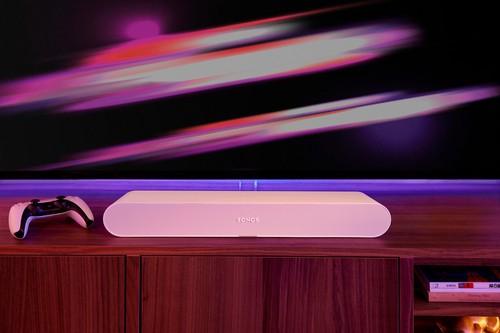
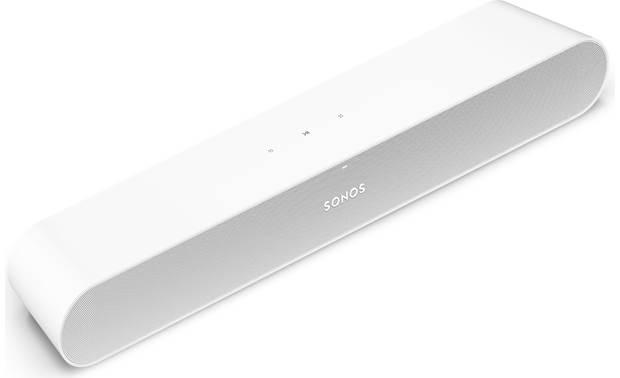
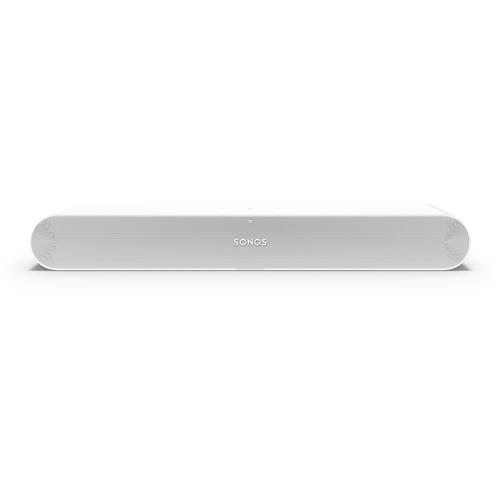
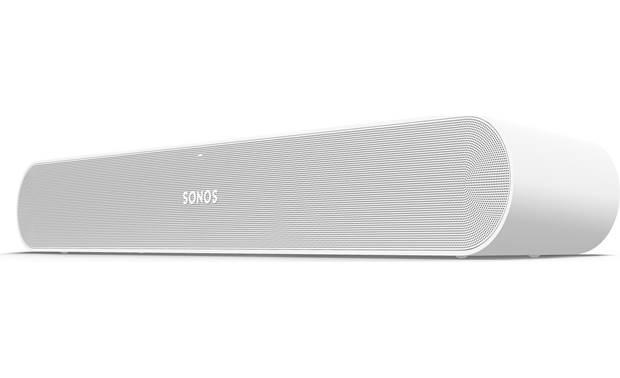
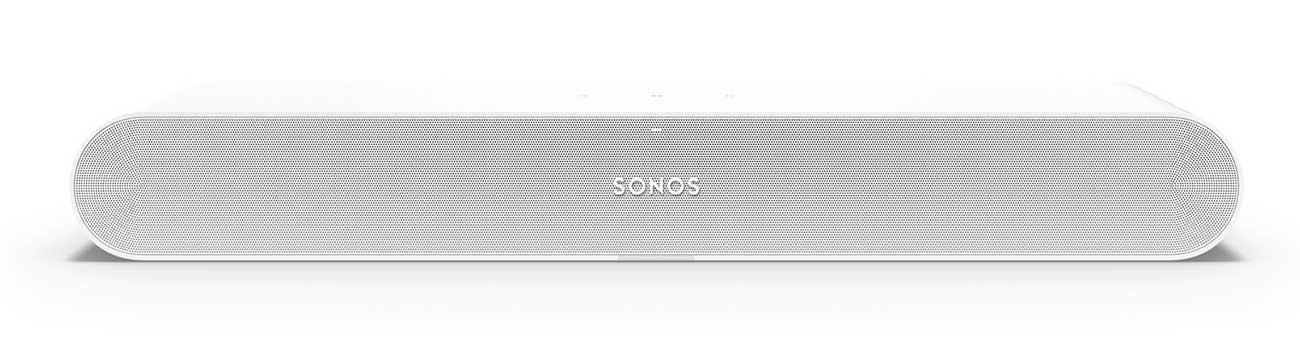
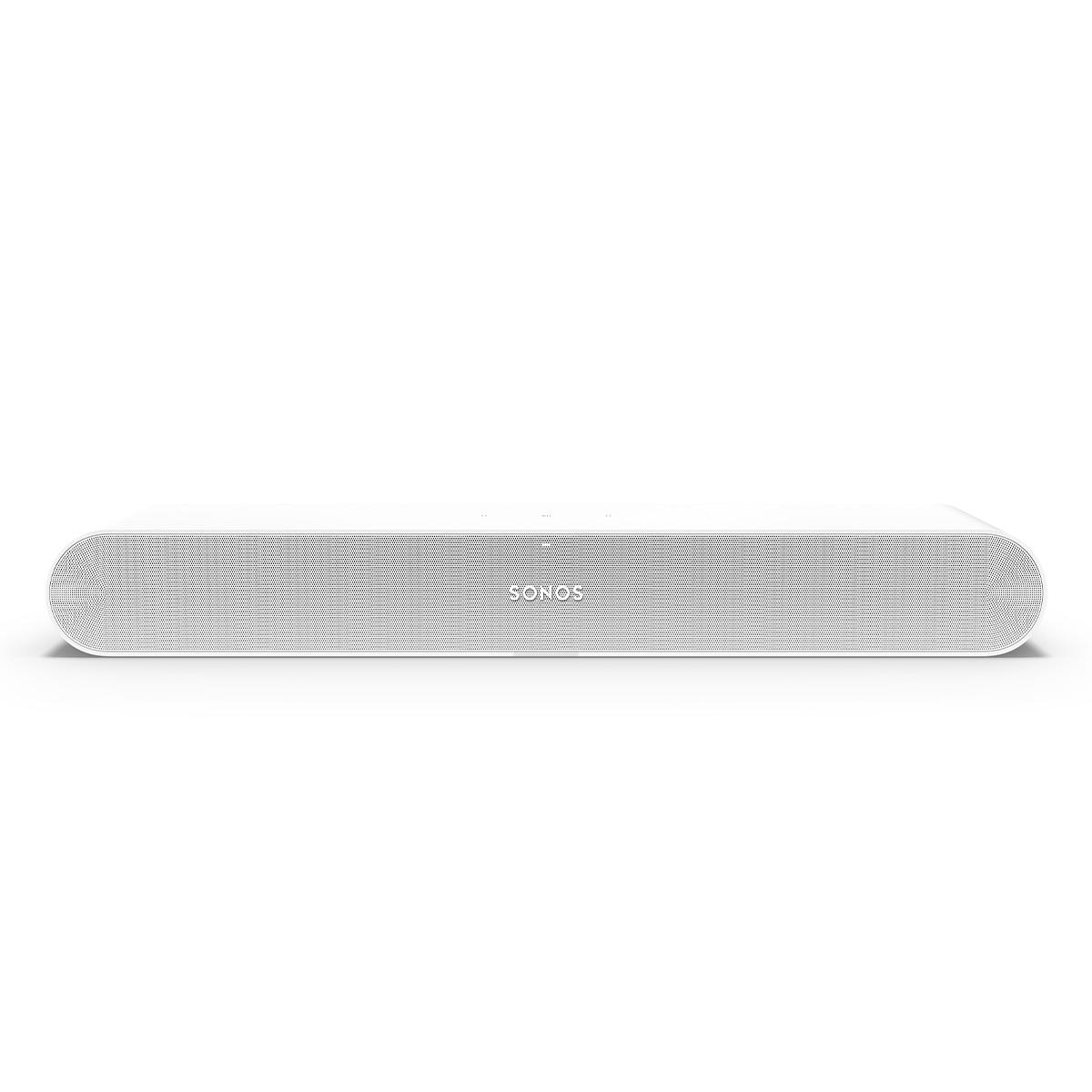
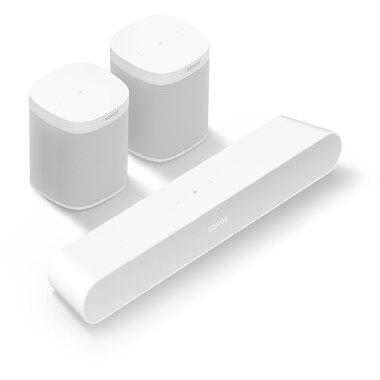
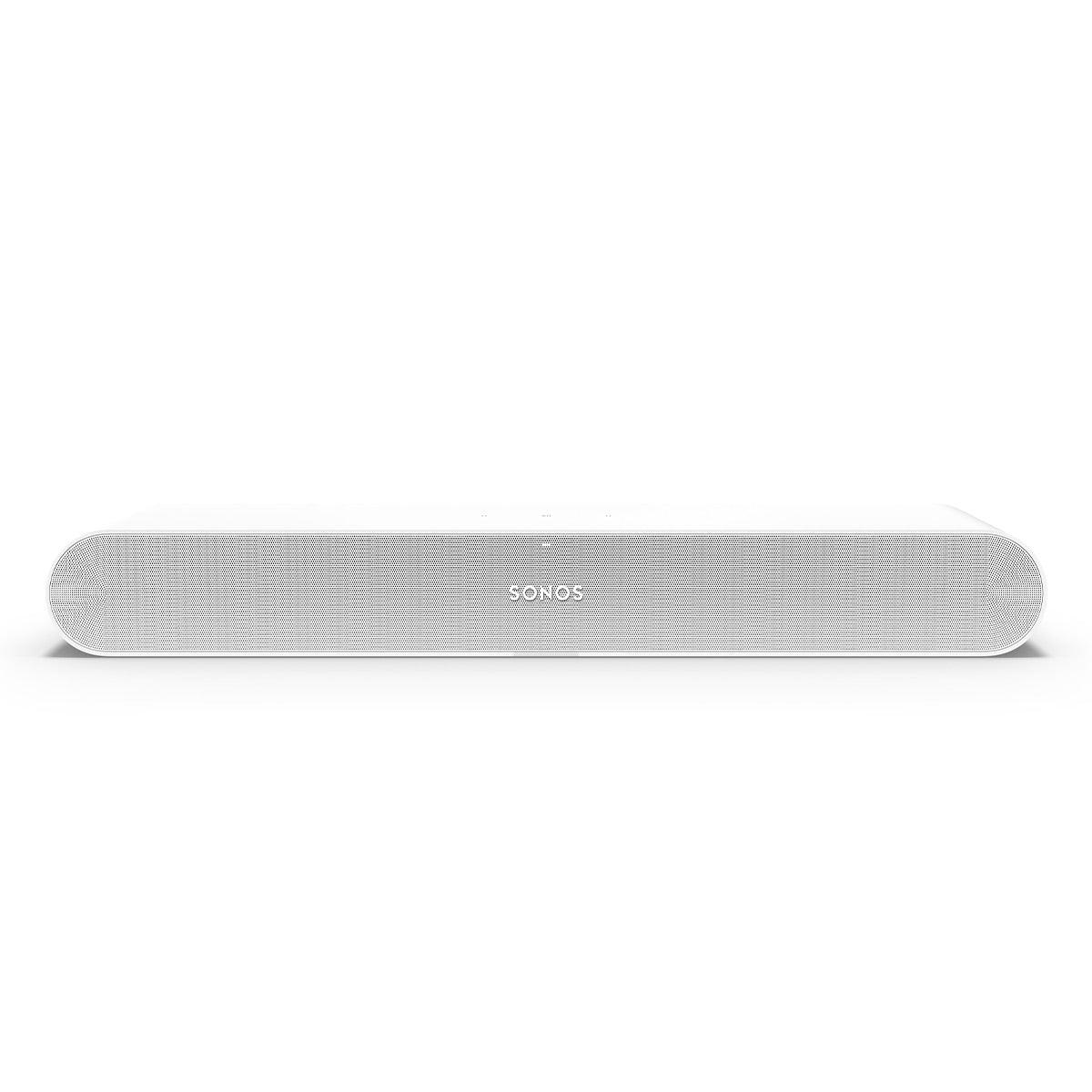
Released in 2022, the Sonos Ray represented Sonos's answer to a simple question: "What's the smallest, most affordable soundbar we can make that still sounds unmistakably like Sonos?" At just 22 inches wide, this compact bar packs four carefully tuned drivers – two tweeters for high frequencies and two midwoofers for everything else – into a sleek, understated package.
What makes the Ray special isn't what it includes, but what it deliberately leaves out. There's no HDMI connection, no Bluetooth, and no built-in voice assistant. Sonos stripped away features that many competitors consider essential, focusing entirely on what they do best: making music and dialogue sound natural and engaging.
The Ray's 2.0 stereo configuration means it creates sound using just two channels – left and right. This might seem limiting in our surround-sound world, but there's elegant simplicity here. Instead of trying to fake surround effects with digital processing tricks, the Ray focuses on creating a wide, cohesive soundstage directly in front of you.
Trueplay tuning sets the Ray apart from budget competitors. Using your iPhone's microphone, this technology measures how sound bounces around your specific room and adjusts the soundbar's output accordingly. It's like having a professional audio engineer tune your system, except it happens automatically through the Sonos app.
The Ray's connectivity story is intentionally simple: one optical digital input connects to your TV, while Wi-Fi handles streaming duties. This optical connection (technically called SPDIF) carries digital audio signals as pulses of light through a fiber optic cable. It's reliable and delivers clean sound, though it can't handle the most advanced audio formats.
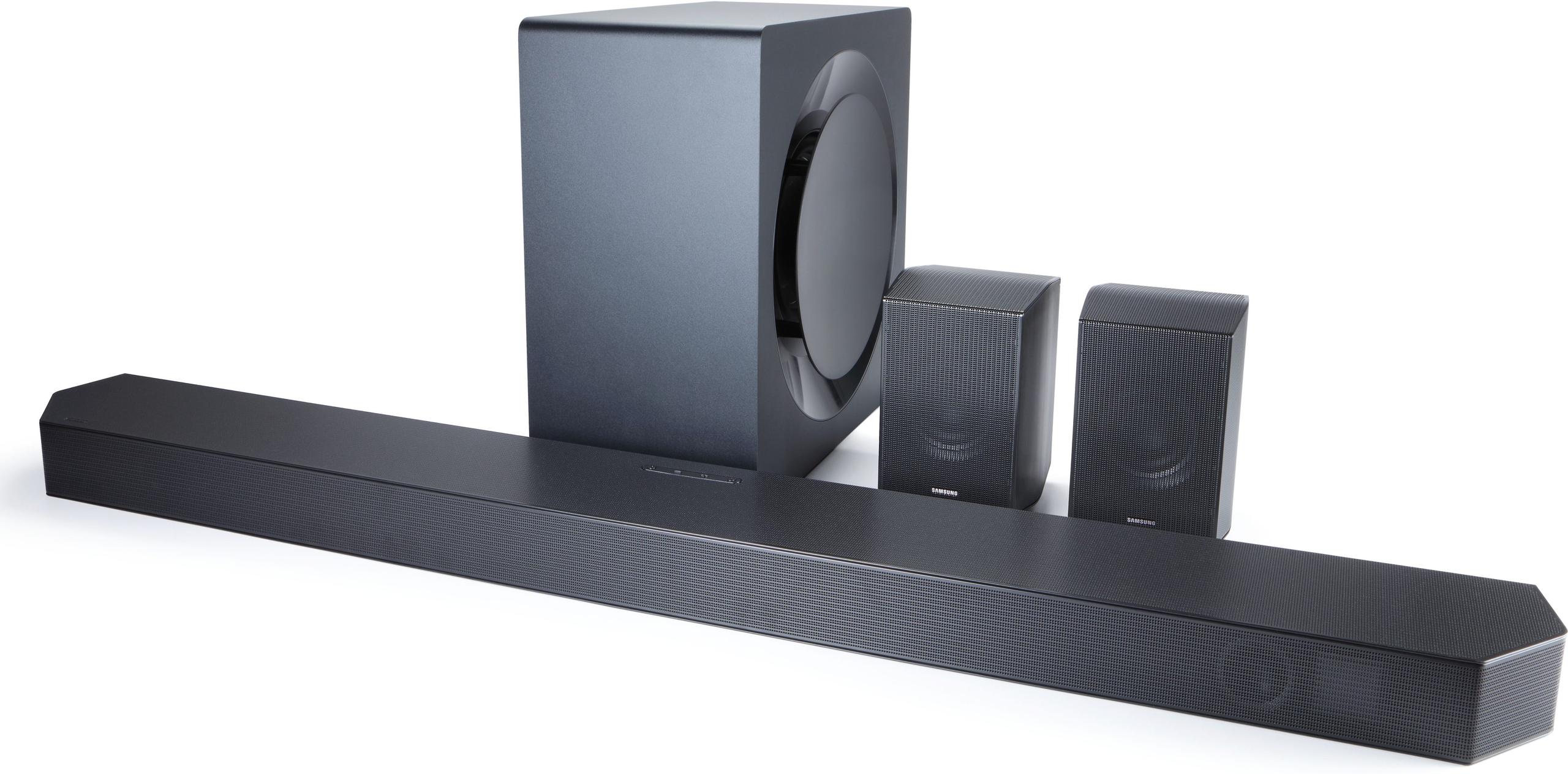
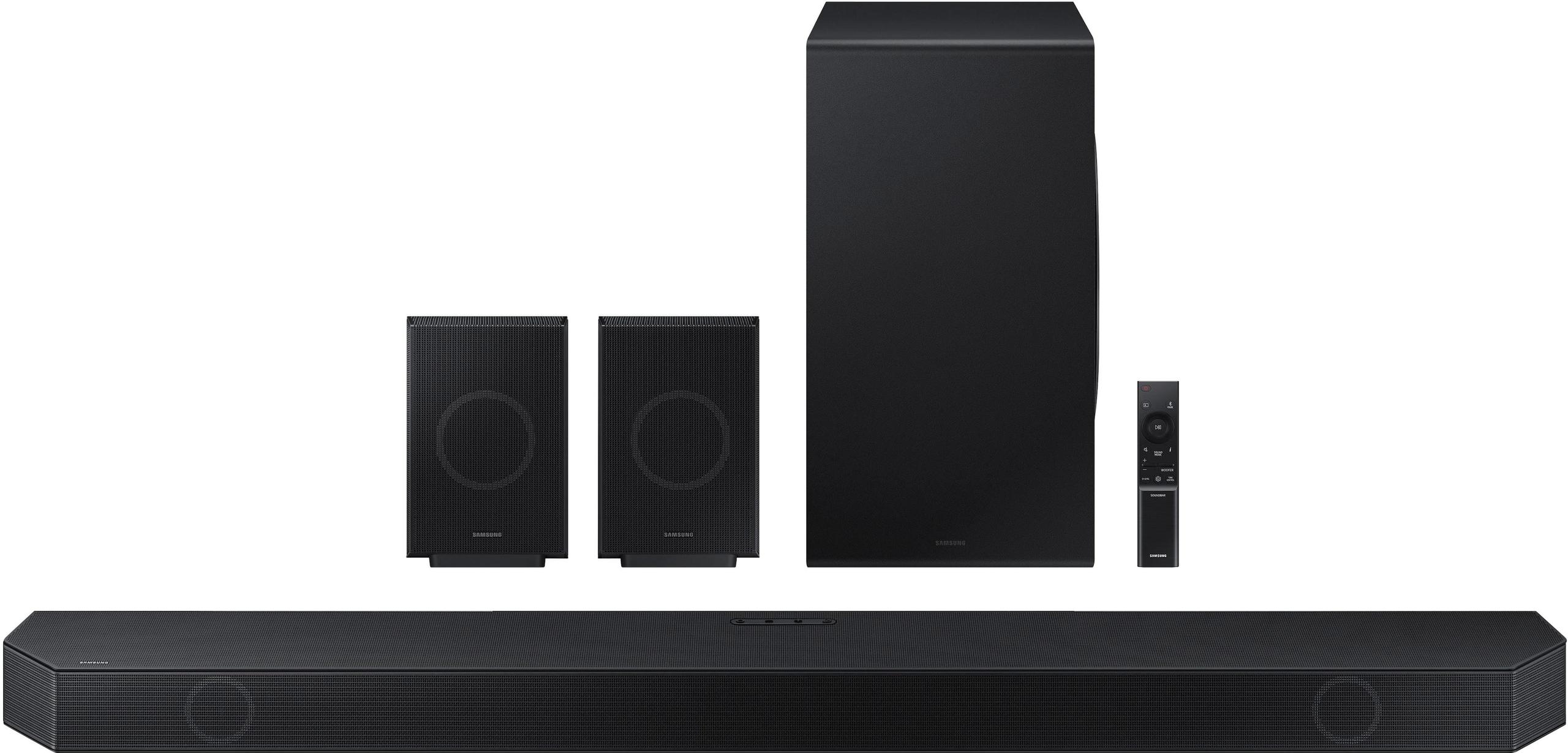
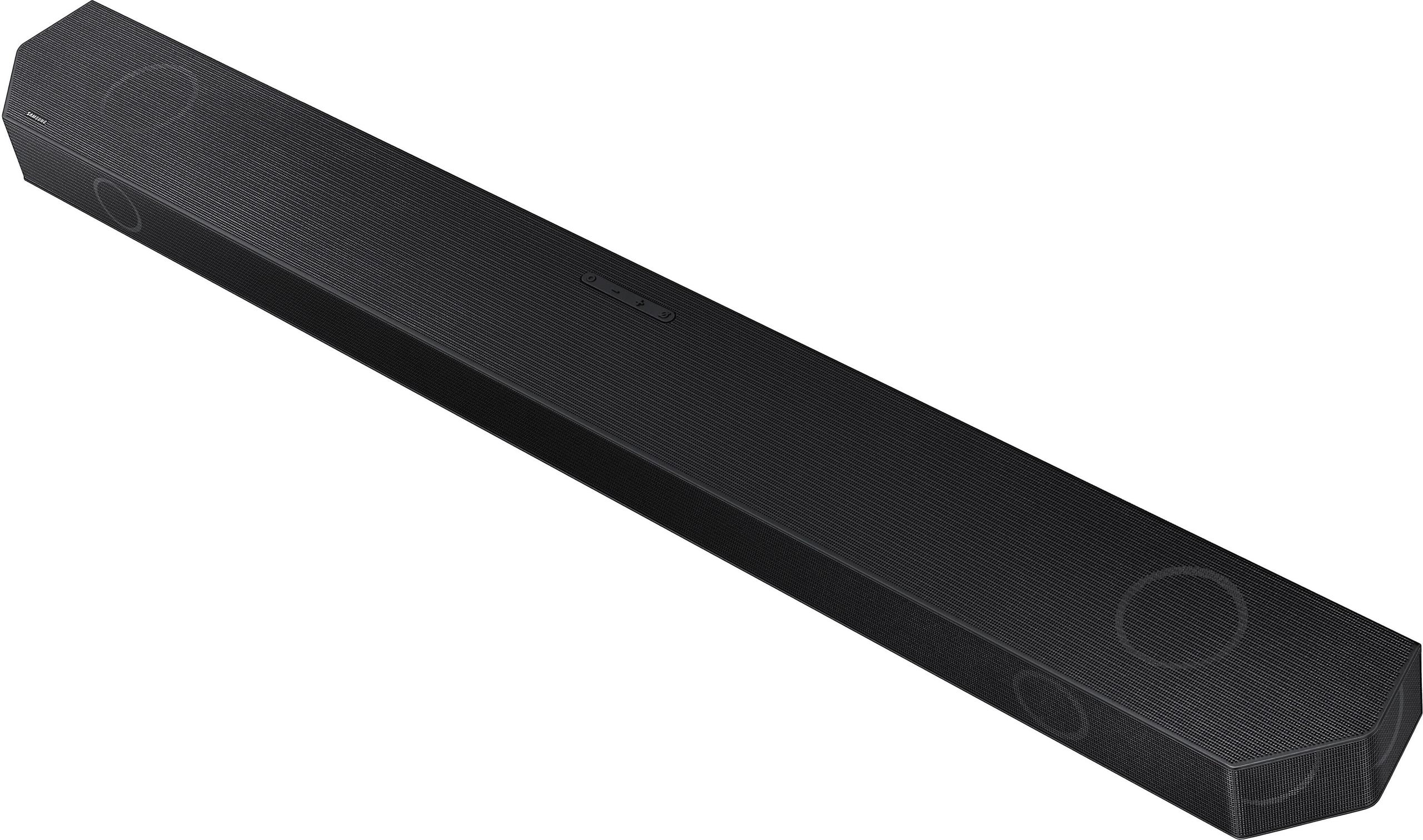
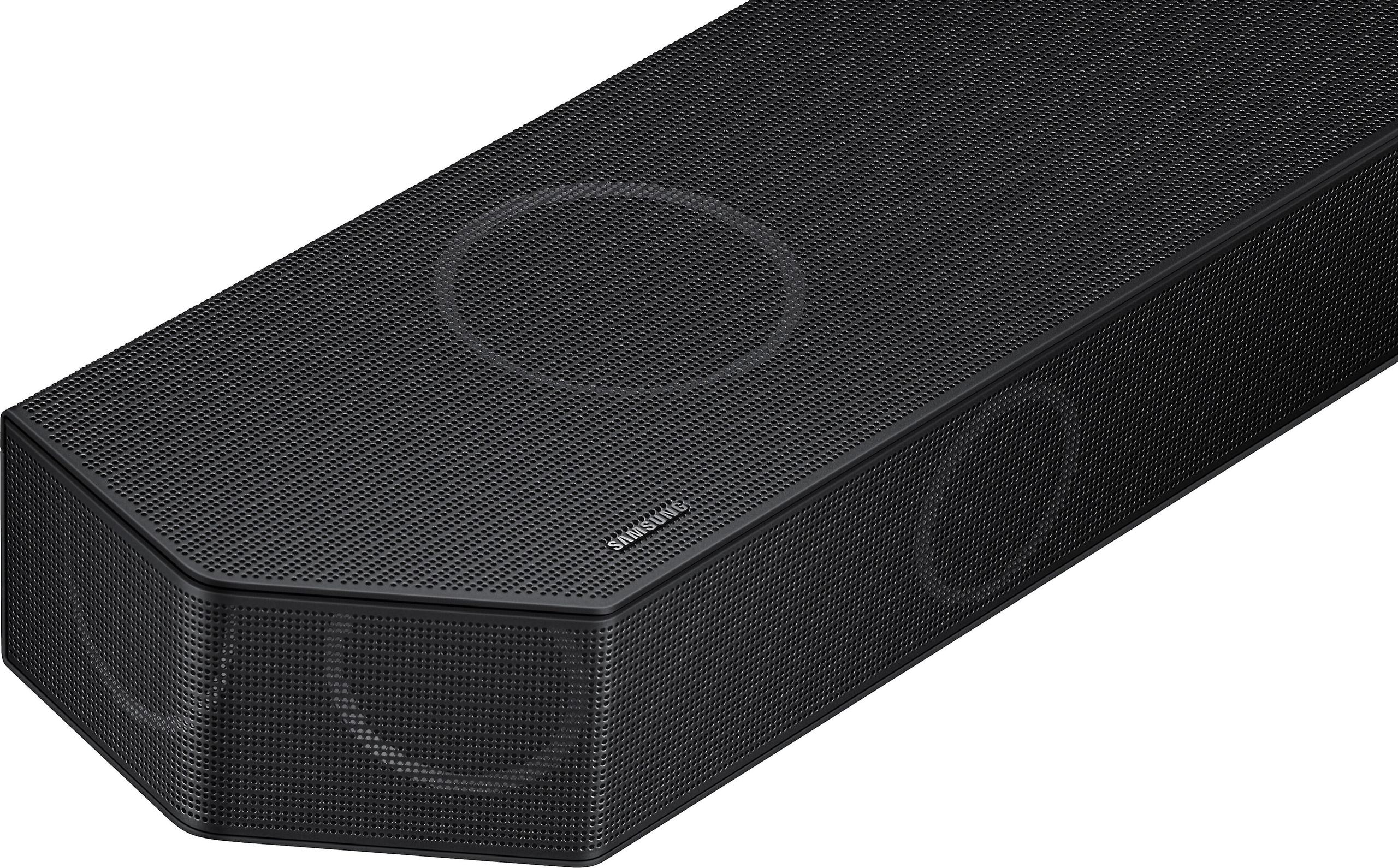
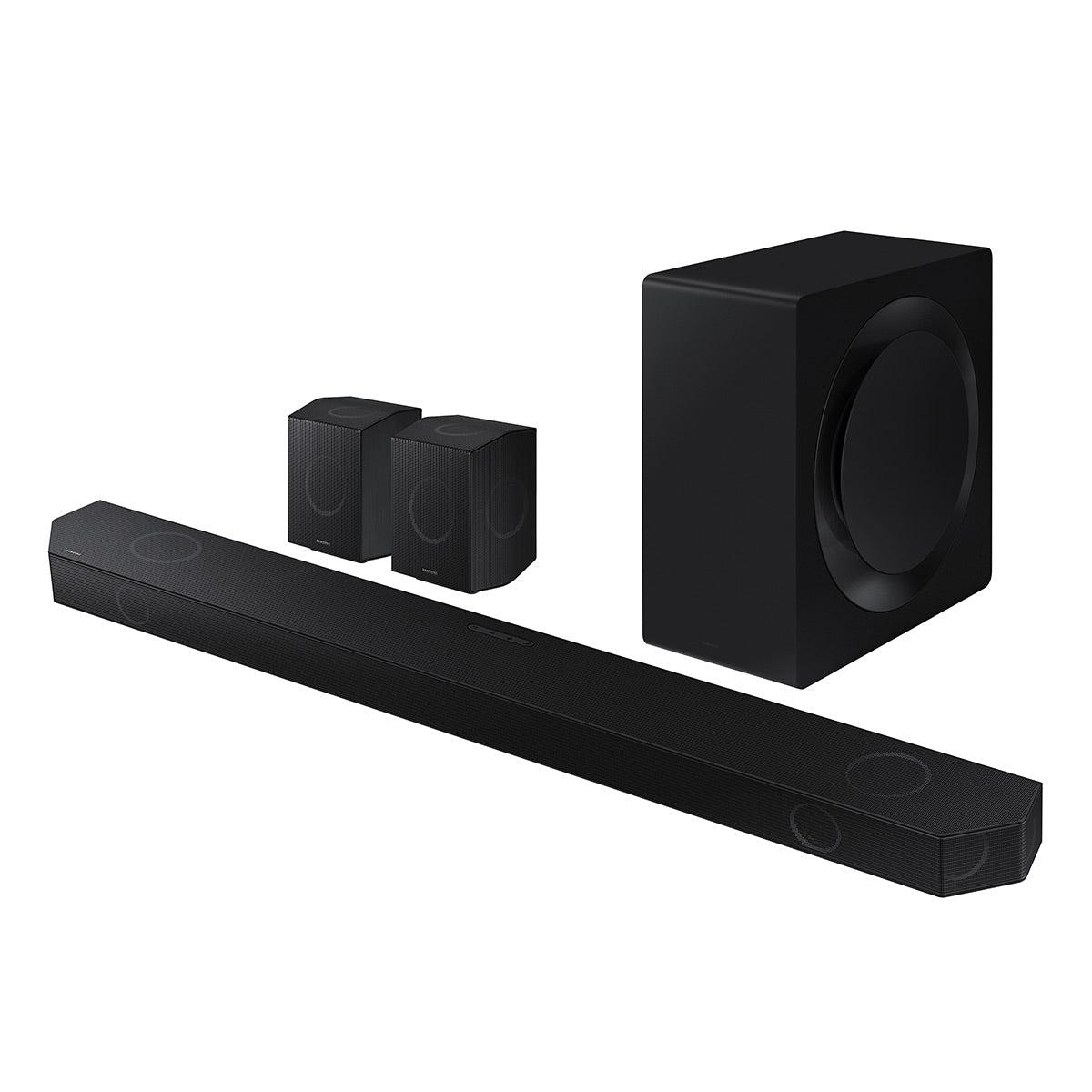
The Samsung HW-Q990D, launched in 2024, takes the opposite approach. This isn't just a soundbar – it's a complete home theater system disguised as one. With its 11.1.4 channel configuration, Samsung has created something that would make professional cinema installers jealous.
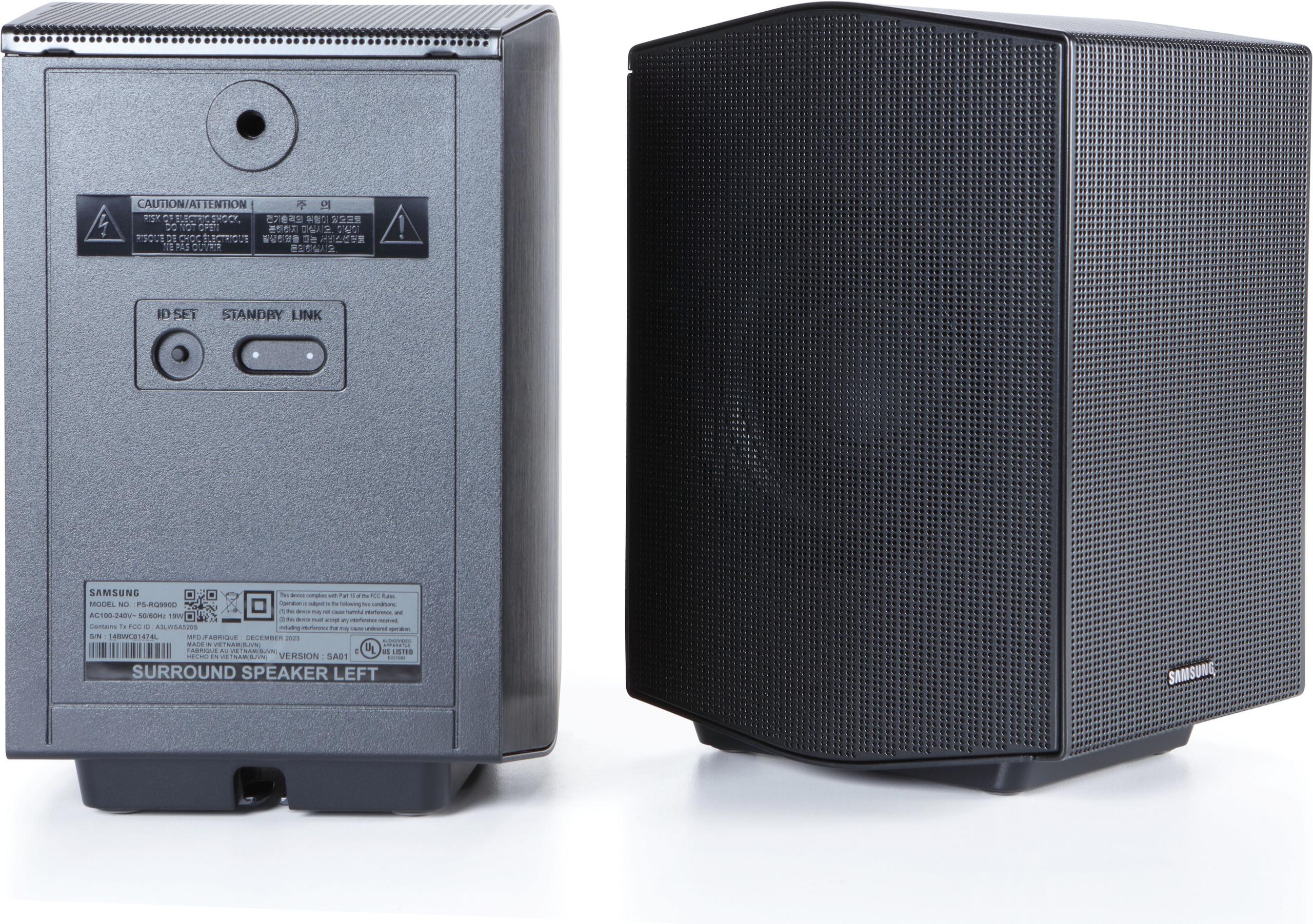
Let's break down those impressive numbers. The system includes 22 individual drivers spread across four separate components: the main soundbar, two wireless rear speakers, and a dedicated subwoofer. The main bar alone houses six midrange drivers, three tweeters facing forward, plus side-firing and upward-firing speakers to create immersive sound effects.
Those upward-firing drivers deserve special attention. They bounce sound off your ceiling to create the illusion of overhead effects – helicopters flying above, rain falling from the sky, or explosions happening all around you. This is how Dolby Atmos works, and when it's done well (as Samsung does here), the effect can be genuinely startling.
The Q990D's SpaceFit Sound Pro represents Samsung's approach to room tuning. Unlike systems that require you to walk around waving your phone, this technology uses built-in microphones to continuously analyze your room and adjust sound accordingly. It's constantly learning and adapting, which means the system actually gets better over time as it understands your space.
Gaming enthusiasts will appreciate the Game Mode Pro feature, which optimizes audio based on what type of game you're playing. Racing games get enhanced engine sounds and spatial positioning, while RPGs focus on dialogue clarity and ambient atmosphere. The HDMI 2.1 connections support 120Hz refresh rates and Variable Refresh Rate (VRR) – technical features that ensure your gaming console can deliver the smoothest possible experience.
Both systems excel at making dialogue clear and natural, but they achieve this in different ways. The Sonos Ray uses its balanced frequency response and dedicated Speech Enhancement mode to ensure voices cut through background noise. During my testing with everything from BBC nature documentaries to Marvel blockbusters, dialogue remained consistently intelligible without sounding artificial or processed.
The Samsung Q990D takes a more aggressive approach with its Active Voice Amplifier Pro technology. This AI-driven feature analyzes audio in real-time and boosts dialogue frequencies when it detects competing sounds. It's incredibly effective during complex action sequences, though I occasionally noticed a subtle processed quality during quieter dialogue scenes.
For most content, both systems deliver dialogue that's leagues ahead of any TV's built-in speakers. The Ray's approach feels more natural and consistent, while the Q990D provides more adaptability for challenging content.
Here's where these systems fundamentally diverge. The Ray, being a stereo system, must downmix all surround sound content into its two channels. When you're watching a movie mixed in 5.1 surround sound (left, right, center, left surround, right surround, plus subwoofer), the Ray takes all that information and squeezes it into left and right channels.
This isn't necessarily bad – the Ray does it elegantly, maintaining spatial cues and creating a surprisingly wide soundstage. But effects that should come from behind you will always seem to originate from the front. During action scenes in films like "Top Gun: Maverick," you'll hear jets flying overhead, but they won't truly feel like they're moving through three-dimensional space around you.
The Q990D, with its true surround capabilities, creates genuinely immersive experiences. Those rear speakers place effects precisely where filmmakers intended them, while the height channels add vertical dimension that can be breathtaking with well-mixed Dolby Atmos content. Netflix's "Stranger Things" and Disney+ content showcase this beautifully – the Upside Down feels genuinely unsettling when sounds seem to come from impossible directions.
However, this complexity comes with tradeoffs. During extremely busy audio passages – think final battle scenes in superhero movies – the Q990D can sometimes feel overwhelmed, with individual effects getting lost in the mix. The Ray's simpler approach means every sound has a clear place in the stereo field.
Both systems handle music well, but again with different strengths. The Ray shines with acoustic music, jazz, and vocals. Its balanced frequency response means instruments sound natural and realistic. The bass reflex port (a carefully tuned opening that enhances low frequencies) provides surprising depth for such a compact system, though you won't feel floor-shaking impact.
The Q990D brings concert-hall scale to music listening. That dedicated subwoofer delivers bass you feel in your chest, while the multiple drivers create an expansive soundstage that can fill large rooms effortlessly. Electronic music, hip-hop, and orchestral pieces benefit enormously from this scale and power.
For critical music listening, audiophiles might prefer the Ray's more focused, accurate presentation. For parties or background music throughout your home, the Q990D's power and presence win easily.
The Ray's bass performance represents impressive engineering in a compact package, but physics ultimately wins. Those small drivers and limited internal volume can only move so much air. You'll get adequate low-end for dialogue and most music, but action movies with deep bass effects will leave you wanting more.
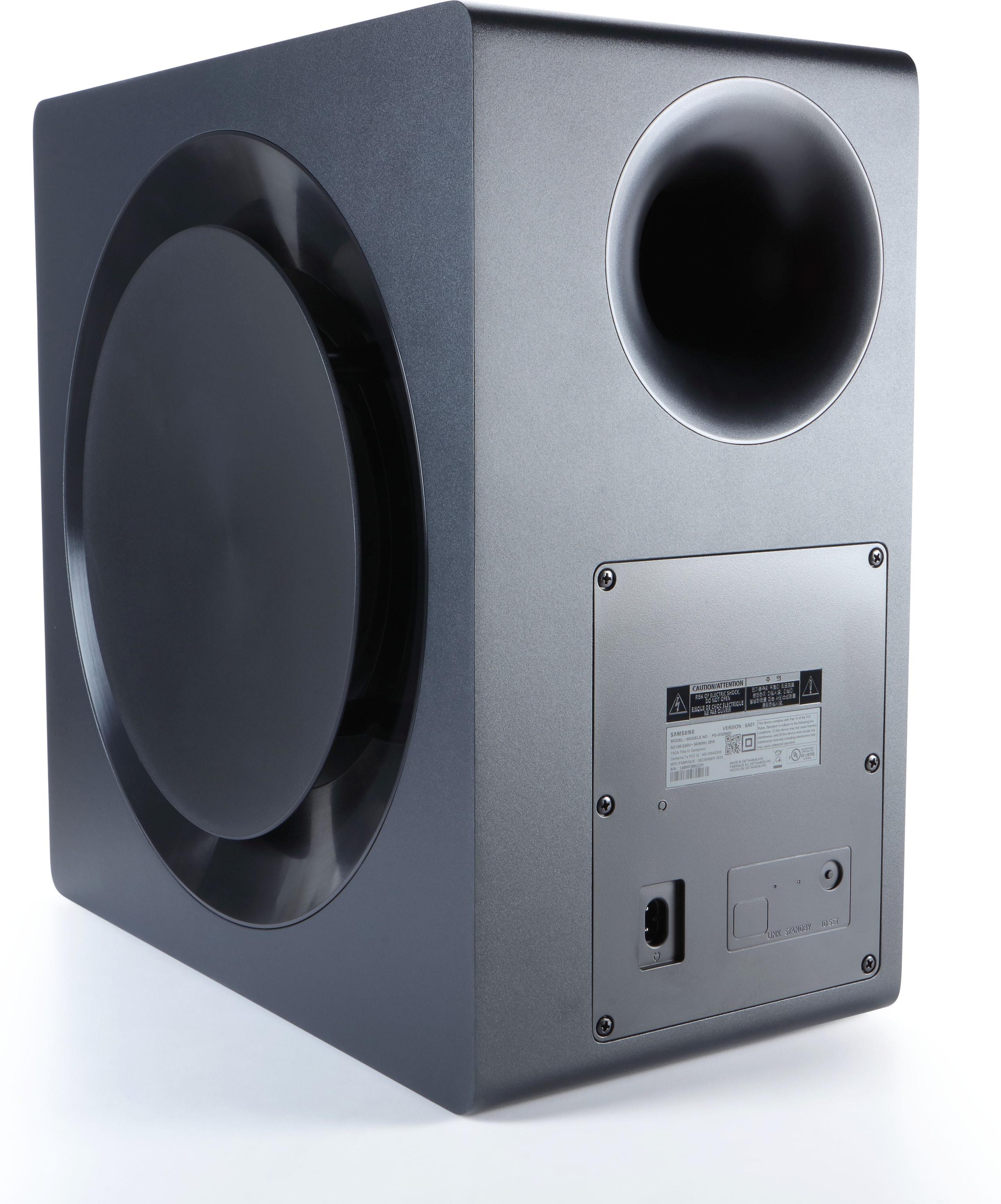
The Q990D's dedicated subwoofer changes everything. This 8-inch driver in a properly tuned enclosure can reproduce frequencies down to around 27Hz – low enough to rattle windows and annoy neighbors. During movie night, you'll feel explosions and rumbling thunder in ways that genuinely enhance the experience.
The Ray's optical-only connectivity might seem limiting, but it's actually liberating in its simplicity. One cable connects to your TV, and you're done. The system supports standard audio formats like Dolby Digital and DTS, which covers virtually everything you'll encounter on streaming services and broadcast TV.
However, this simplicity comes with limitations. You can't use your TV remote to control volume (a surprisingly big daily annoyance), and you miss out on advanced audio formats. The optical connection also can't carry Dolby Atmos signals, limiting you to stereo presentation of even the most advanced movie soundtracks.
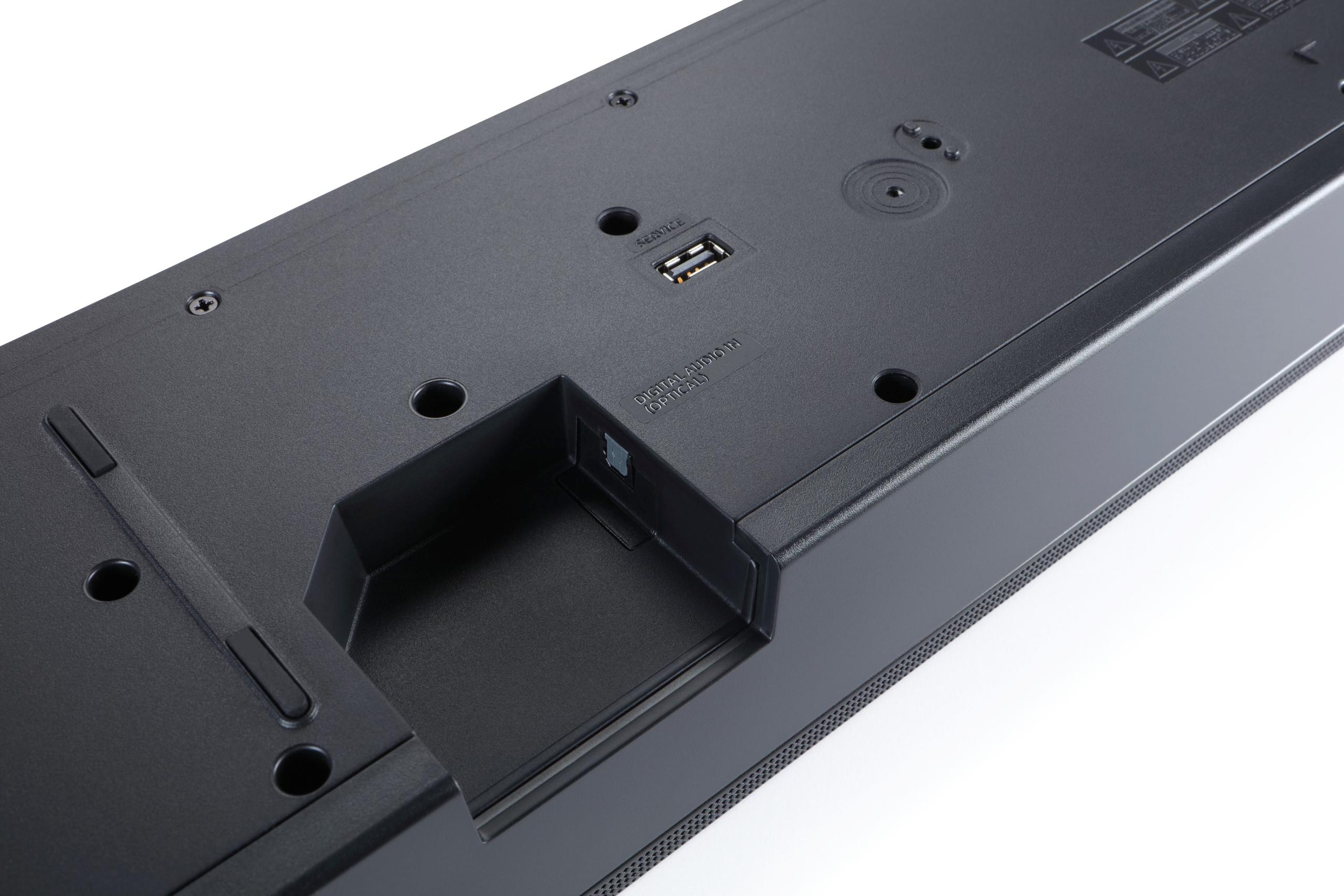
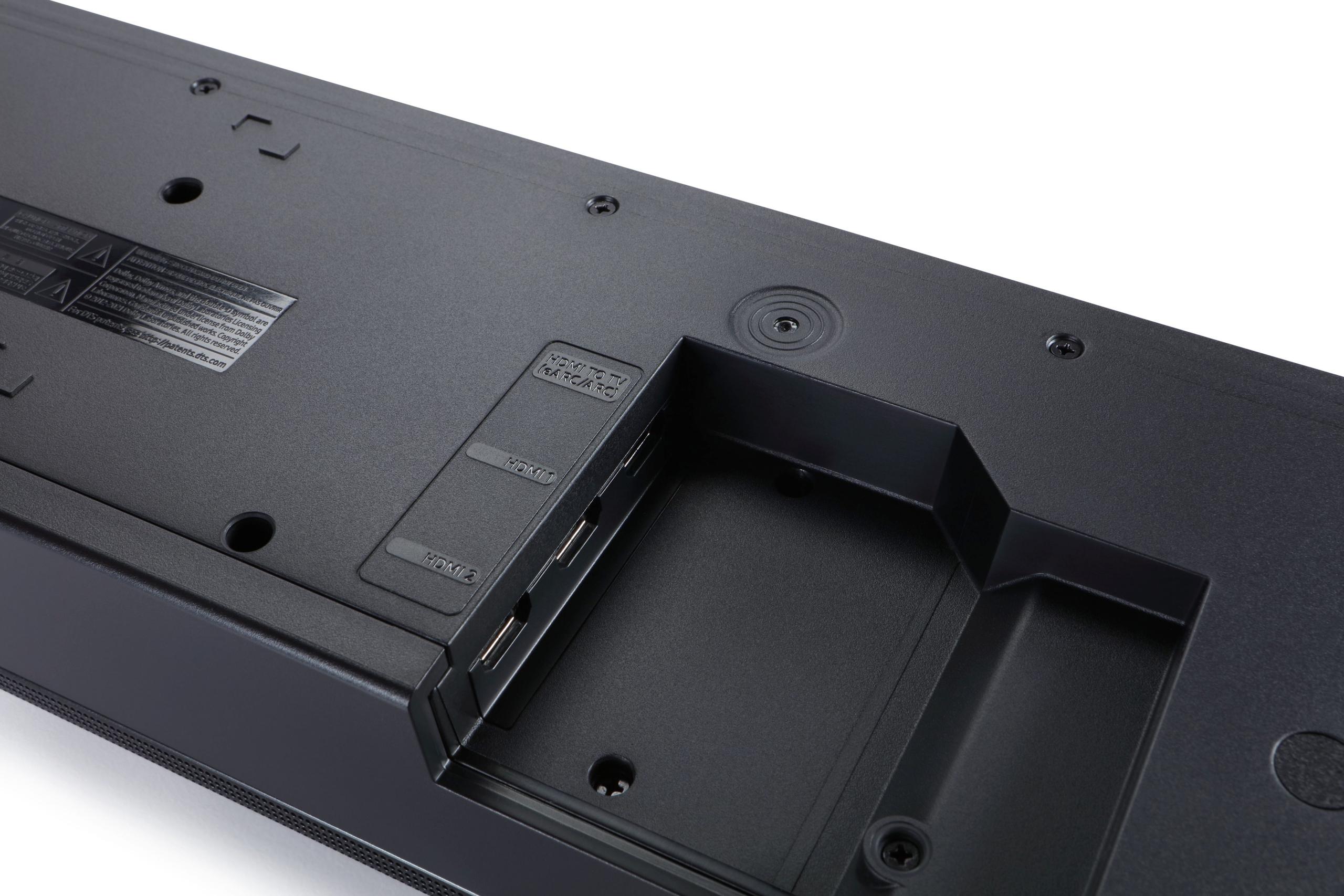
The Q990D offers comprehensive connectivity that supports every modern audio format. The HDMI eARC (enhanced Audio Return Channel) connection allows full integration with your TV's smart features, including volume control through your TV remote. The system can handle Dolby TrueHD, DTS-HD Master Audio, and full Dolby Atmos streams without compromise.
Those HDMI 2.1 inputs also matter for gaming. They support 4K resolution at 120Hz, Auto Low Latency Mode (ALLM), and Variable Refresh Rate (VRR) – features that ensure your PlayStation 5 or Xbox Series X can deliver their best performance while still routing audio through the soundbar.
Both systems include room tuning technology, but with different philosophies. The Ray's Trueplay requires manual setup using an iOS device. You walk around your room while the app plays test tones and measures reflections. It's a one-time process that works well, but you need to remember to re-run it if you rearrange furniture or change rooms.
The Q990D's SpaceFit Sound Pro runs automatically and continuously. Built-in microphones constantly analyze your room's acoustic signature and adjust processing accordingly. This means the system adapts to different content, volume levels, and even changes in your room layout. It's more sophisticated but also more complex, with processing algorithms that some listeners find intrusive.
The Ray integrates seamlessly into Sonos's multi-room ecosystem. You can group it with other Sonos speakers for whole-home audio, control everything through the excellent Sonos app, and access virtually every streaming service directly. The system supports Apple AirPlay 2, allowing easy streaming from iOS devices.
What the Ray lacks in smart features, it makes up for in reliability and simplicity. There's no voice assistant to accidentally trigger, no complex menus to navigate, and no processing modes to confuse. It just works, consistently and elegantly.
The Q990D offers comprehensive smart home integration with Alexa, Google Assistant, and Samsung's Bixby. The system can control smart home devices, answer questions, and integrate with Samsung's broader ecosystem. Q-Symphony technology allows the soundbar to work alongside Samsung TV speakers, using both systems together for expanded soundstage width.
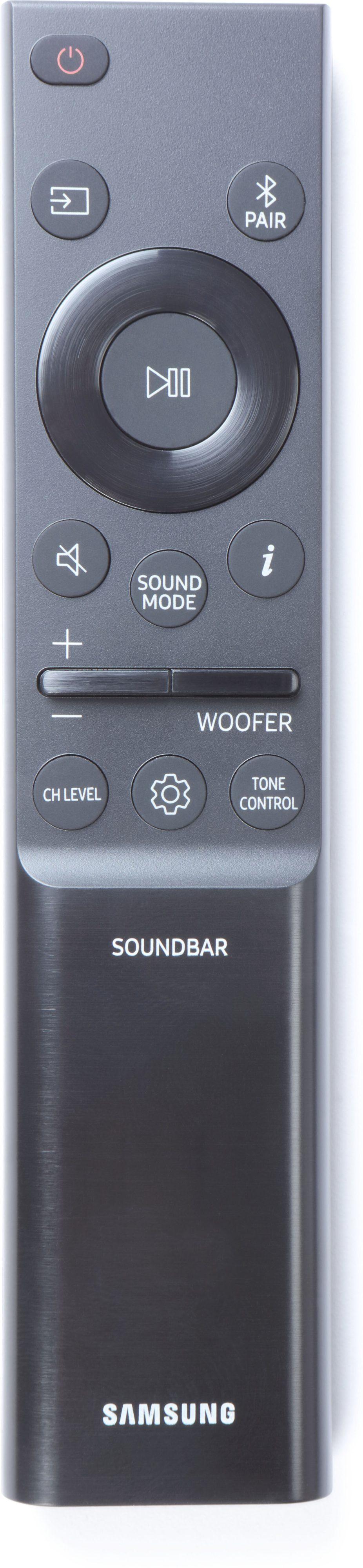
However, this complexity can be overwhelming. The system offers multiple sound modes (Standard, Surround, Game Pro, Adaptive Sound), extensive EQ options, and numerous processing features. Power users will appreciate the flexibility, but casual users might find it intimidating.
Setting up the Ray takes about five minutes: connect the optical cable, plug in power, and complete Wi-Fi setup through the app. Its compact 22-inch width fits comfortably under most TVs without overwhelming smaller entertainment centers. The forward-firing design means it works well even in enclosed TV stands.
The Q990D requires significantly more planning and effort. You'll need to position the wireless rear speakers for optimal surround effects, find a suitable location for the subwoofer (which requires a power outlet), and run the room calibration process. The main bar's 48-inch width demands substantial TV stand space, and the overall system footprint can dominate smaller rooms.
Living with the Ray means embracing simplicity. There's no subwoofer to position, no rear speakers to power, and no complex setup menus to navigate. When you want to adjust settings, the Sonos app provides clear, intuitive controls. The system's Night Sound feature reduces dynamic range for late-night viewing, while Speech Enhancement boosts dialogue clarity.
The Q990D rewards patience and proper setup with incredible performance, but it demands more attention. You'll want to experiment with different sound modes for various content types, adjust subwoofer levels based on your room and neighbors, and potentially fine-tune rear speaker positions for optimal surround effects.
At the time of writing, these systems occupy completely different price tiers, with the Q990D costing roughly five times more than the Ray. This isn't simply about features or build quality – you're buying fundamentally different experiences.
The Ray represents exceptional value for users who want significantly better TV audio without complexity or compromise. It's perfect for apartments, bedrooms, or secondary viewing areas where full home theater systems would be overkill. The integration with Sonos's multi-room ecosystem adds value if you're already invested in that platform or planning to expand.
The Q990D justifies its premium pricing through sheer capability and performance. You're getting professional-level home theater sound with features that rival dedicated audio separates costing much more. For serious movie enthusiasts or gamers who want the full cinematic experience, the price difference becomes more reasonable when considered per-performance-dollar.
Choose the Sonos Ray if you're living in an apartment or smaller space where a full surround system would overwhelm the room. It's ideal for users who prioritize dialogue clarity and music quality over explosive action sequences. The Ray makes perfect sense for bedrooms, home offices, or secondary viewing areas where you want great sound without complexity.
The Ray also suits users who value simplicity and reliability over features. If you want to set up your soundbar once and forget about it, while still getting excellent performance, this is your answer. Its integration with the Sonos ecosystem makes it particularly attractive if you're planning a multi-room audio setup.
Choose the Samsung Q990D if you have a dedicated home theater space or large living room where you can properly position all components. This system rewards users who love action movies, play video games regularly, or frequently host movie nights where the full cinematic experience matters.
The Q990D also makes sense for tech enthusiasts who enjoy tweaking settings and exploring different sound modes. If you want the latest audio technologies, comprehensive connectivity, and room-shaking performance, the price premium delivers genuine value.
The decision ultimately comes down to your space, priorities, and how you actually use your entertainment system. Both represent excellent choices within their intended contexts – the Ray for focused, high-quality stereo performance, and the Q990D for complete home theater immersion. Neither will disappoint when properly matched to the right user and environment.
Consider starting with the Ray if you're unsure about your needs. You can always upgrade later, and the experience will teach you exactly what you value most in home audio. But if you know you want the full theater experience and have the space to support it, the Q990D delivers performance that will satisfy for years to come.
| Sonos Ray Soundbar | Samsung HW-Q990D 11.1.4 Channel Sound Bar |
|---|---|
| Channel Configuration - Determines surround sound capability and immersion level | |
| 2.0 stereo (downmixes all surround content) | 11.1.4 true surround with overhead effects |
| Physical Components - Affects setup complexity and space requirements | |
| Single compact soundbar (22" wide) | 4-piece system: main bar, subwoofer, 2 rear speakers |
| Audio Format Support - Critical for modern streaming and gaming content | |
| Stereo PCM, Dolby Digital, DTS (no Atmos) | Dolby Atmos, DTS:X, Dolby TrueHD, DTS-HD |
| Connectivity Options - Determines compatibility with modern TVs and devices | |
| Optical digital input only | 2x HDMI 2.1, HDMI eARC, optical backup |
| Room Size Suitability - Matching system scale to your space | |
| Small to medium rooms (under 200 sq ft) | Large rooms with space for component placement |
| Bass Performance - Impact on action movies and music | |
| Built-in drivers with bass reflex port (modest) | Dedicated 8" subwoofer (room-shaking impact) |
| Gaming Features - Important for console users | |
| Basic stereo audio, no gaming modes | Game Mode Pro, 4K/120Hz, VRR, ALLM support |
| Voice Control Integration - Smart home compatibility | |
| None built-in (works with other Sonos devices) | Alexa, Google Assistant, Bixby built-in |
| Room Tuning Technology - Optimizes sound for your specific space | |
| Trueplay (requires iOS device, manual setup) | SpaceFit Sound Pro (automatic, continuous) |
| Multi-Room Audio - Expanding beyond single room | |
| Full Sonos ecosystem integration | Samsung Q-Symphony with compatible TVs only |
| Installation Complexity - Time and effort required | |
| 5-minute setup: optical cable + Wi-Fi | Complex: position 4 components, run calibration |
| Primary Strength - What each does exceptionally well | |
| Dialogue clarity and compact simplicity | Immersive surround sound and gaming features |
| Ideal Use Case - Perfect scenarios for each system | |
| Apartments, bedrooms, dialogue-focused viewing | Home theaters, gaming setups, action movie enthusiasts |
The Sonos Ray is ideal for small rooms due to its compact 22-inch design that fits easily under most TVs without overwhelming the space. Its forward-firing speakers work well even in enclosed TV stands, while the Samsung HW-Q990D requires significant space for its main bar, subwoofer, and rear speakers, making it better suited for larger rooms.
No, only the Samsung HW-Q990D supports Dolby Atmos and DTS:X with its 11.1.4 channel configuration and upward-firing speakers. The Sonos Ray is limited to stereo formats and must downmix all surround sound content, including Dolby Atmos, into two channels.
The Sonos Ray offers much simpler setup with just one optical cable connection and Wi-Fi configuration through the app. The Samsung HW-Q990D requires positioning four separate components (main bar, subwoofer, and two rear speakers) plus running room calibration, making setup significantly more complex.
Both excel at dialogue clarity, but in different ways. The Sonos Ray delivers natural, balanced dialogue reproduction with its Speech Enhancement mode, while the Samsung HW-Q990D uses AI-powered Active Voice Amplifier Pro to boost dialogue during complex scenes. Both are major improvements over TV speakers.
The Samsung HW-Q990D is superior for gaming with its Game Mode Pro feature, HDMI 2.1 support for 4K/120Hz gaming, and immersive surround effects that enhance spatial awareness. The Sonos Ray provides basic stereo gaming audio without specialized gaming features or low-latency modes.
Yes, but with different capabilities. The Sonos Ray connects via optical cable to any TV with that port, though you'll miss advanced features like TV remote volume control. The Samsung HW-Q990D works best with HDMI eARC TVs for full functionality but includes optical backup for older TVs.
The Samsung HW-Q990D delivers significantly better bass with its dedicated 8-inch subwoofer that provides room-shaking impact for action movies and music. The Sonos Ray has modest bass from built-in drivers and a bass reflex port, adequate for dialogue and casual listening but lacking deep impact.
The Samsung HW-Q990D has built-in Alexa, Google Assistant, and Bixby support for direct voice control. The Sonos Ray doesn't have built-in voice assistants but can be controlled through other Sonos devices with voice capabilities in your home.
For dedicated home theater setups, the Samsung HW-Q990D is the clear winner with true 11.1.4 surround sound, Dolby Atmos support, and room-filling scale that creates cinematic immersion. The Sonos Ray focuses on stereo performance and is better suited for casual TV watching than serious home theater use.
The Samsung HW-Q990D offers comprehensive connectivity with two HDMI 2.1 inputs, HDMI eARC output, and optical backup, supporting all modern devices and formats. The Sonos Ray uses only optical digital input, which limits advanced features but ensures simple, reliable connection to any TV.
Value depends on your needs and space. The Sonos Ray provides excellent value for users wanting significant audio improvement in a simple, compact package. The Samsung HW-Q990D justifies its higher price with complete home theater capabilities, making it better value for serious movie and gaming enthusiasts with appropriate room space.
The Sonos Ray integrates into the broader Sonos ecosystem, allowing expansion with additional Sonos speakers for multi-room audio throughout your home. The Samsung HW-Q990D is a complete system that doesn't expand further, though it offers Q-Symphony integration with compatible Samsung TVs to use TV speakers alongside the soundbar.
We've done our best to create useful and informative comparisons to help you decide what product to buy. Our research uses advanced automated methods to create this comparison and perfection is not possible - please contact us for corrections or questions. These are the sites we've researched in the creation of this article: tomsguide.com - soundandvision.com - youtube.com - techradar.com - en.community.sonos.com - rtings.com - howtogeek.com - youtube.com - cnet.com - sonos.com - videoandaudiocenter.com - techradar.com - avsforum.com - valueelectronics.com - samsung.com - rtings.com - samsung.com - avsforum.com - samsung.com - cdwg.com - youtube.com - whathifi.com

Privacy Policy
Terms and Conditions - Affiliate Policy
Home Security
© Copyright 2008-2026.
11816 Inwood Rd #1211, Dallas, TX 75244