

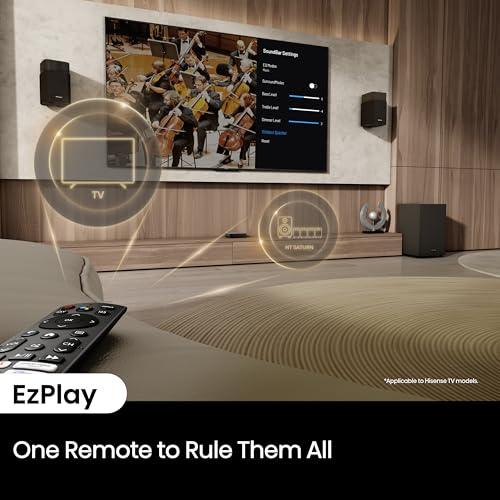
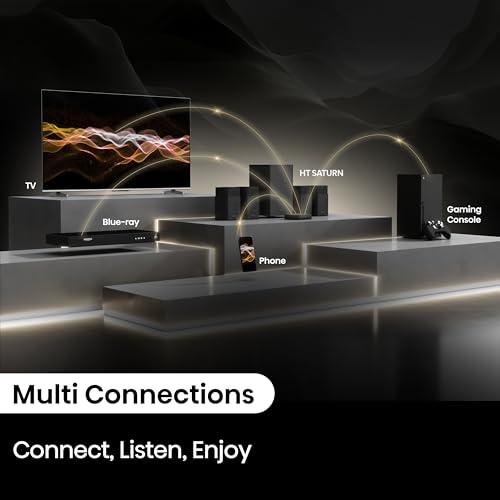


If you've been enduring the tinny, unclear sound that comes from most TV speakers, you've probably started looking at audio upgrades. But here's where things get interesting: not all audio improvements follow the same playbook. The Hisense HT Saturn and Sonos Ray represent two completely different philosophies for solving the same problem – terrible TV sound.
Released in 2025, the HT Saturn arrived as Hisense's answer to the "soundbar killer" question that's been brewing in home theater circles. Meanwhile, the Sonos Ray launched back in 2022 as the company's most affordable entry into their ecosystem. At the time of writing, these products sit in vastly different price tiers – the Sonos Ray costs roughly what you'd spend on a nice dinner for two, while the HT Saturn demands the kind of investment you'd make in a major appliance.
Before diving into the technical weeds, it's crucial to understand that these aren't really competing products – they're solving different problems with different approaches.
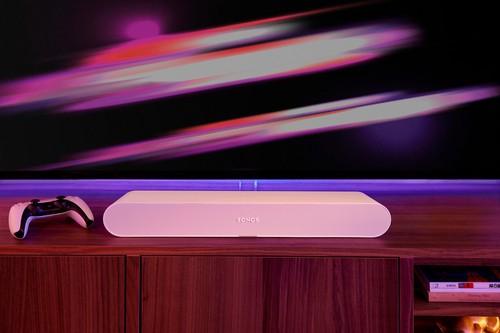
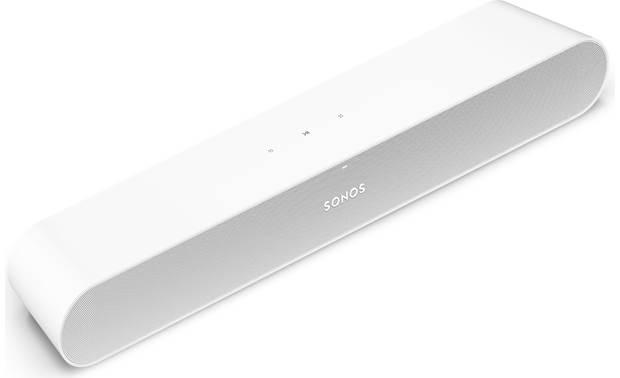
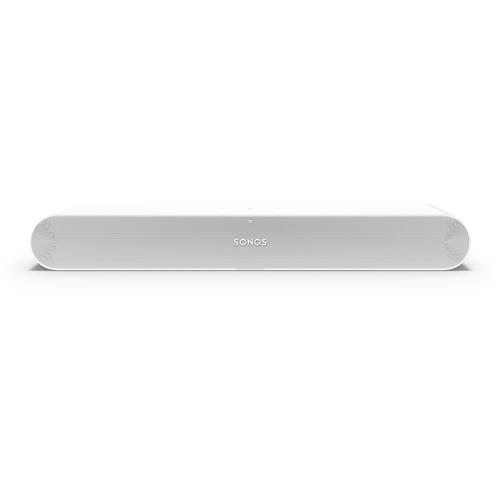
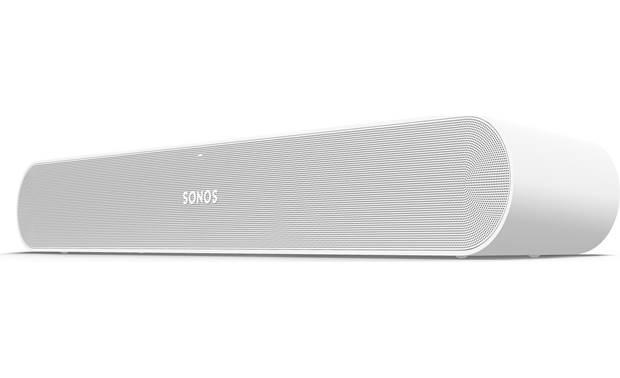
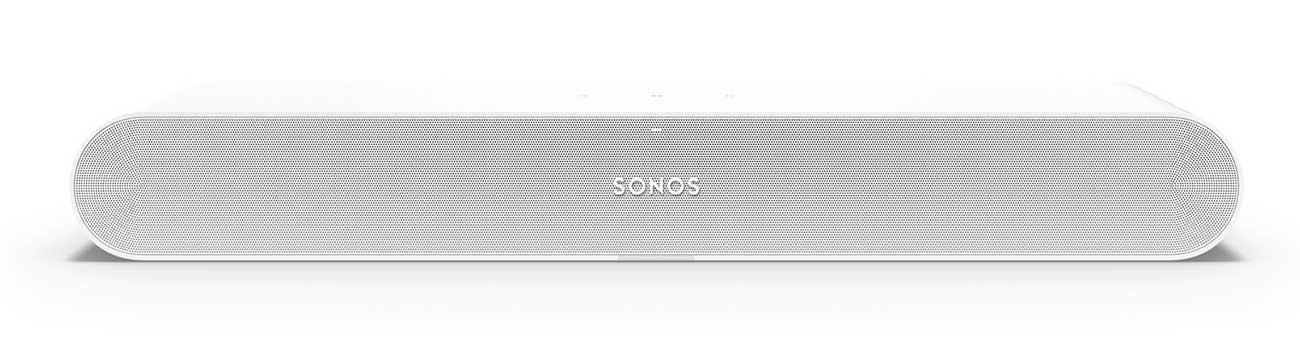
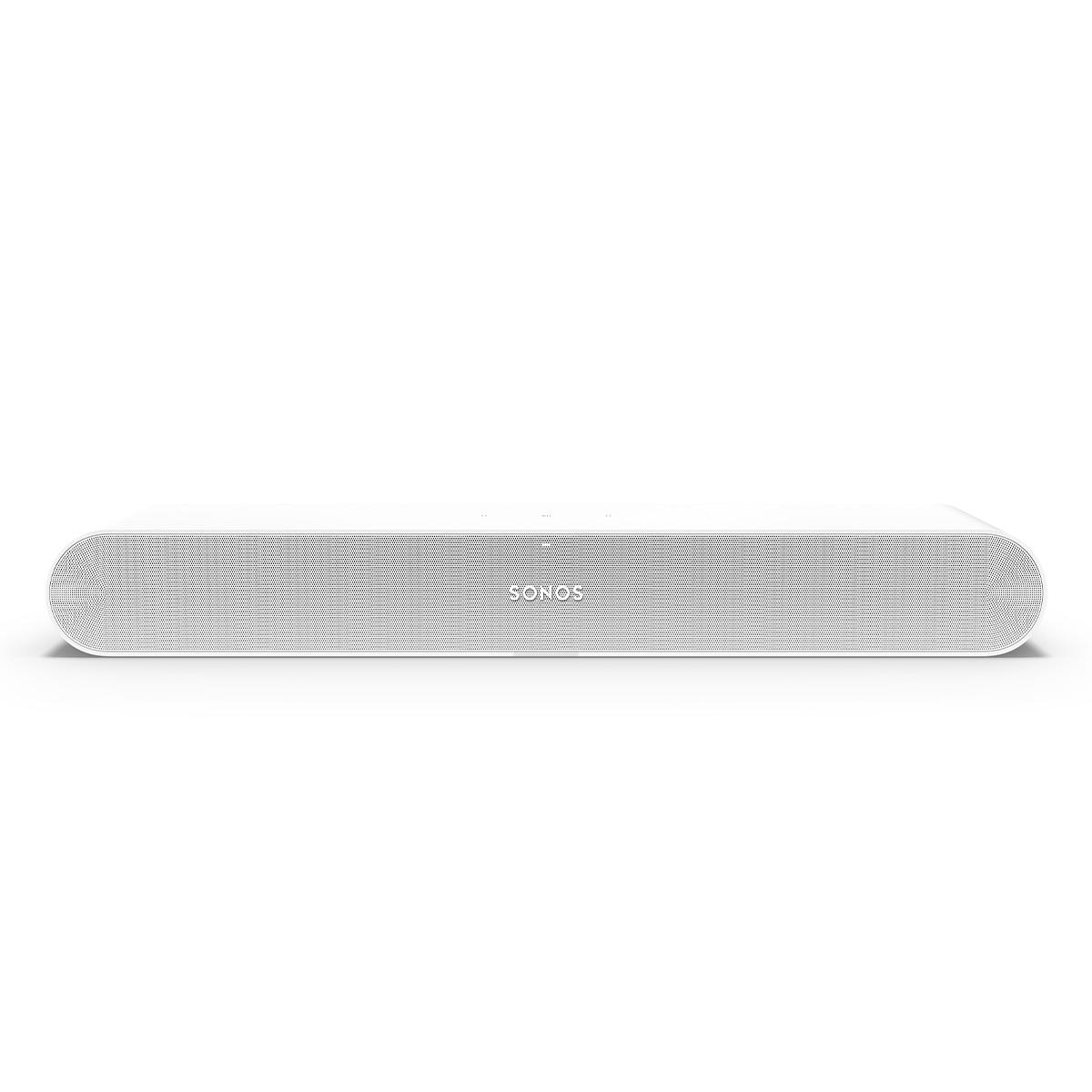
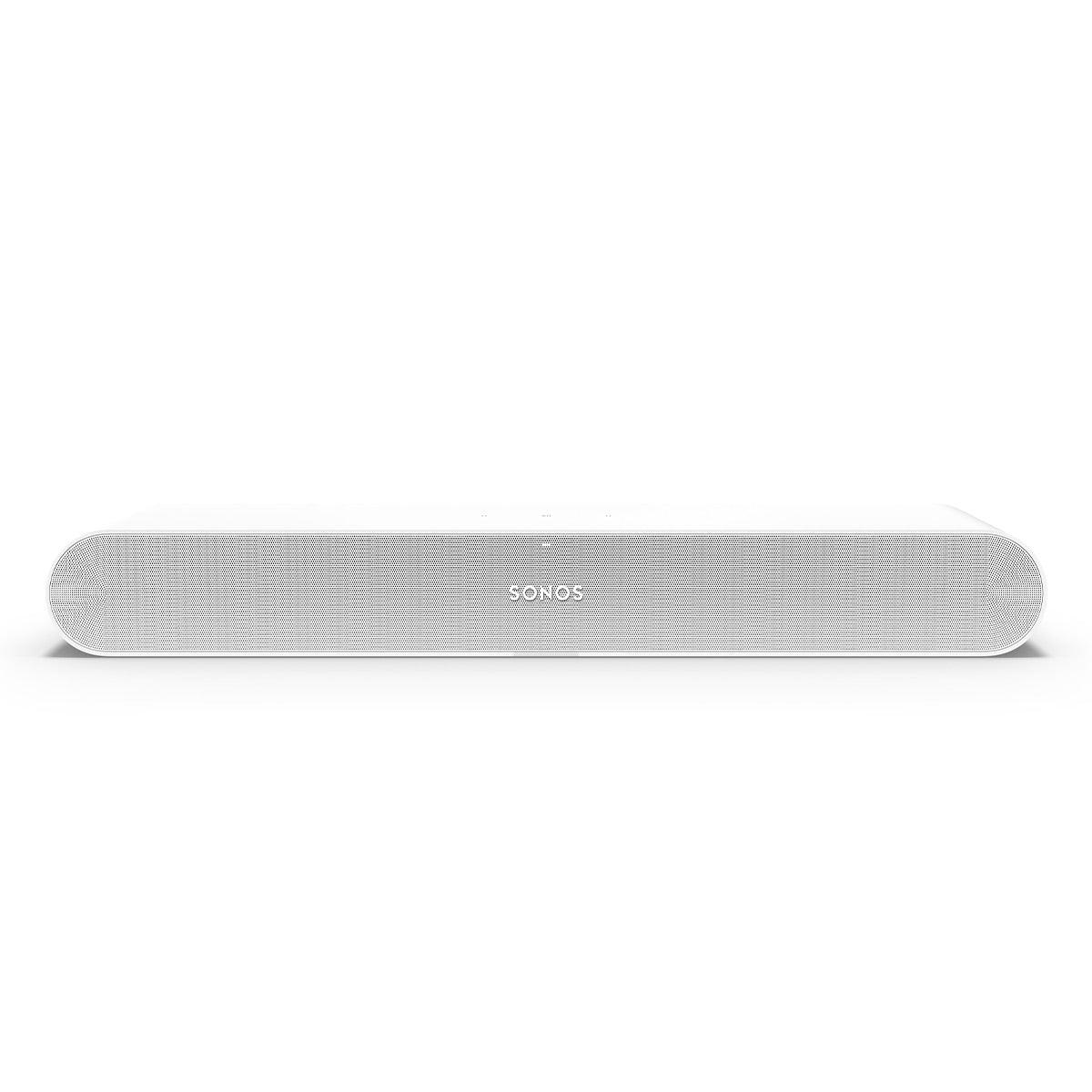
The Sonos Ray is what we'd call a traditional soundbar: a single horizontal speaker that sits below your TV and tries to create better sound than your TV's built-in speakers. It uses a 2.0 channel configuration, which means it has separate left and right audio channels but no dedicated center channel for dialogue or subwoofer for bass. Think of it as a really good stereo system compressed into a compact bar shape.
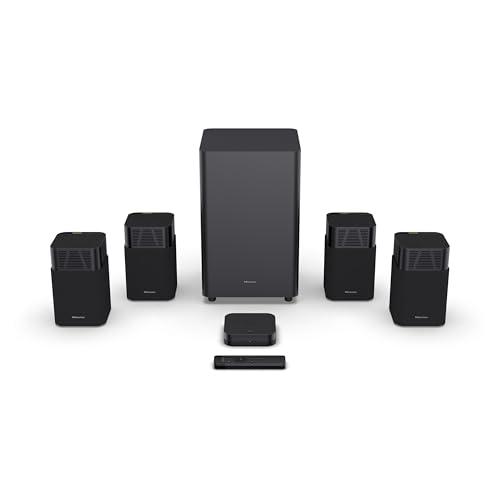
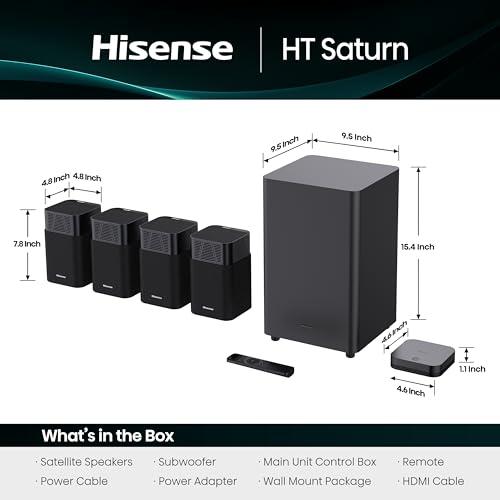
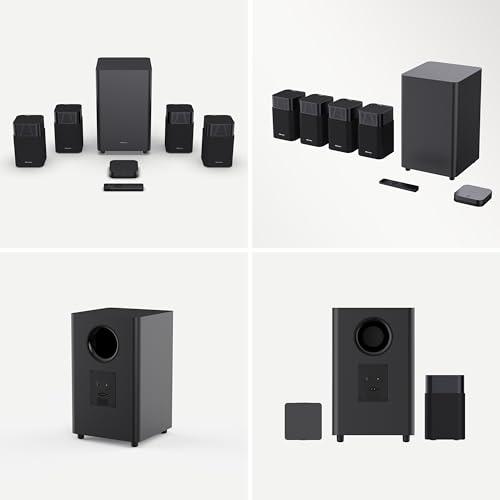
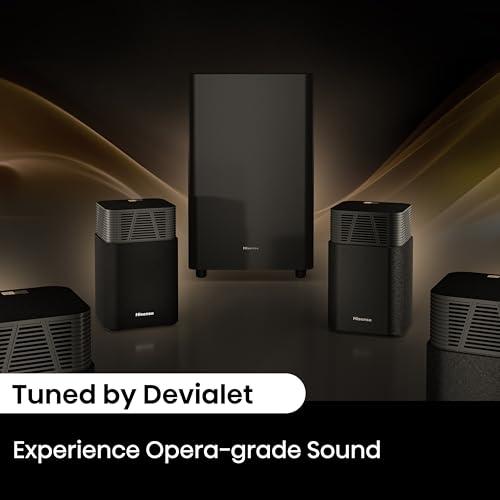
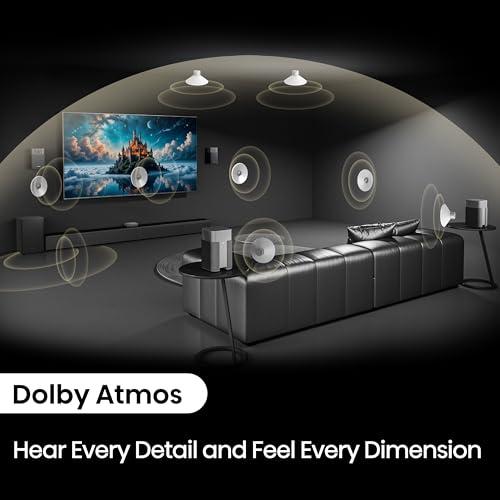
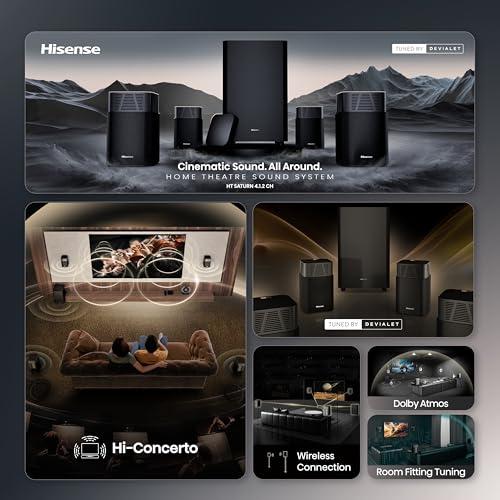
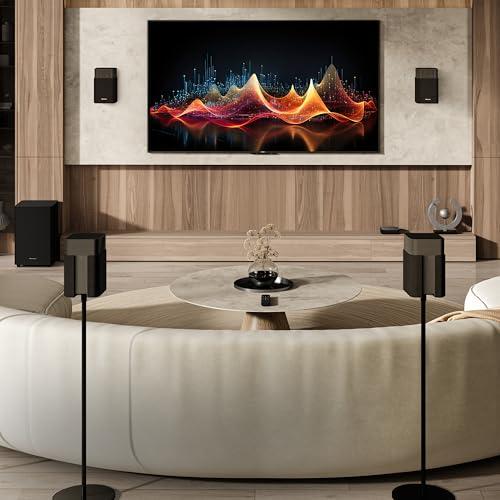
The HT Saturn, on the other hand, is what manufacturers are calling a "wireless home theater system." Instead of one bar trying to do everything, it breaks apart into multiple components: a central control unit, four separate satellite speakers that you place around your room, and a dedicated subwoofer for bass. This creates what's called a 4.1.2 channel system – four main speakers, one subwoofer, and two height channels that bounce sound off your ceiling to create overhead effects.
The "height channels" part is particularly important because it enables something called Dolby Atmos, which adds a vertical dimension to sound. Instead of just hearing things move left to right across your screen, you can hear helicopters flying overhead or rain falling from above. The Sonos Ray can't do this at all, while it's a core feature of the HT Saturn.
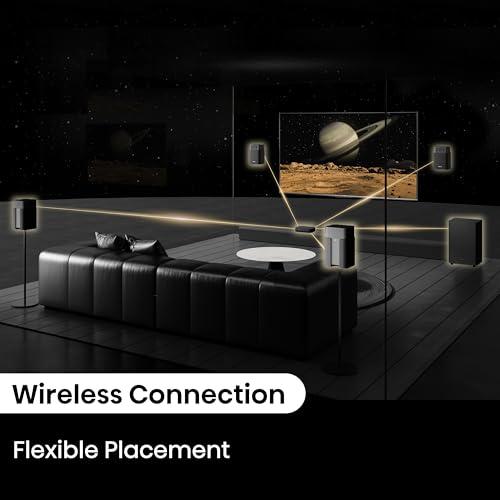
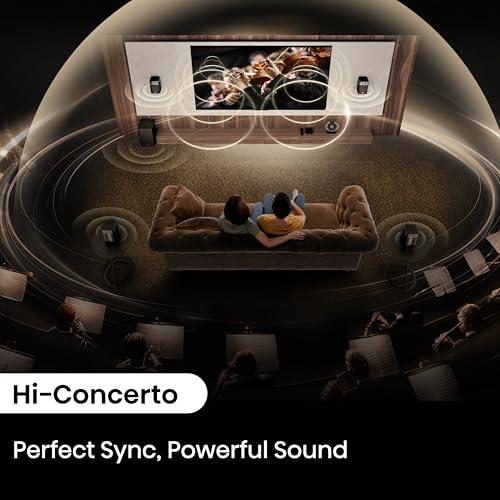
This is where the fundamental difference becomes crystal clear. The HT Saturn delivers what audio enthusiasts call "true surround sound." Those four satellite speakers physically position around your seating area, creating discrete audio zones. When a car drives across the screen, you hear it move from your front-left speaker, past your seating position, to your rear-left speaker. It's genuine spatial audio that matches what you see on screen.
The Sonos Ray attempts something called "virtual surround," but here's the reality: it's mostly marketing speak. Virtual surround uses digital signal processing to try fooling your brain into thinking sounds are coming from different directions, but since all the sound actually comes from one location in front of you, the effect is limited. Our research into user feedback consistently shows that while the Ray does create a wider soundstage than TV speakers, it can't replicate the immersive bubble that discrete surround speakers create.
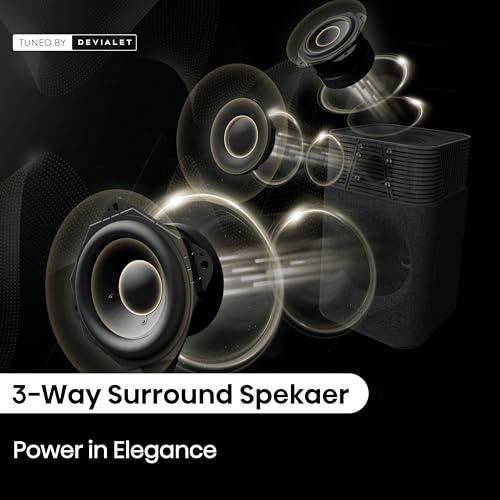
The HT Saturn uses 13 individual speaker drivers across its system – eight full-range drivers that handle most frequencies, four tweeters for crisp high frequencies, and a dedicated 6.5-inch subwoofer driver for bass. Each satellite speaker is what's called a "3-way design," meaning it has separate drivers optimized for different frequency ranges, much like high-end bookshelf speakers.
Bass performance reveals another significant gap between these approaches. The Sonos Ray relies on two small midwoofer drivers built into its compact chassis. While these can produce some bass, physics limits what small drivers in a small enclosure can accomplish. User reviews consistently mention that the Ray "lacks low-bass" and struggles with the rumbling, impactful sounds that make action movies and music feel dynamic.
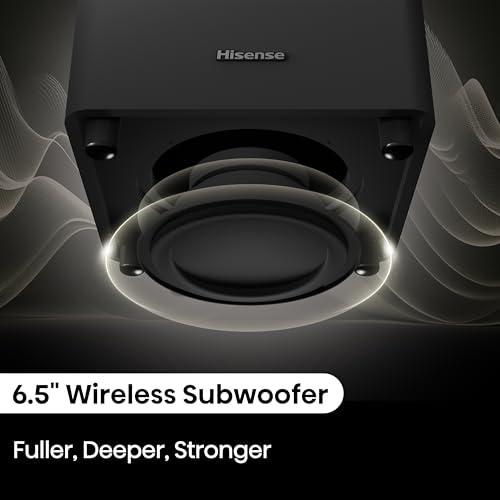
The HT Saturn sidesteps this limitation entirely with its wireless 6.5-inch subwoofer. Subwoofers are specialized speakers designed specifically for low frequencies, and the larger driver size allows them to move more air and create the physical impact you feel during explosions or the deep foundation that makes music sound full and rich. The frequency response extends down to 40Hz, which covers most of the bass content in movies and music.
Here's a practical example: when watching a movie like Dune, the Ray will clearly reproduce the dialogue and most sound effects, but those massive, rumbling soundscapes that create tension and atmosphere will be significantly diminished. The HT Saturn, with its dedicated subwoofer, can reproduce those low-frequency elements that make you feel like you're in the scene.
Both systems excel at dialogue clarity, but they achieve it through different methods. The Sonos Ray uses a dedicated "dialogue enhancement mode" that boosts the frequency ranges where human voices live, making speech cut through background noise and music. This is particularly effective for TV shows and movies where clear dialogue is paramount.
The HT Saturn takes a more sophisticated approach. Despite not having a physical center channel speaker (which traditionally handles dialogue), it creates what's called a "phantom center channel" between its front satellite speakers. This technique, enhanced by tuning from Devialet (a French audio company known for high-end speakers), creates stable, centered dialogue that reviewers describe as surprisingly precise. The advantage is that voices sound naturally positioned at the screen while maintaining the full surround experience.
This is where the three-year gap between these products' release dates becomes apparent. Audio technology has evolved significantly since 2022, and the differences in format support are substantial.
The Sonos Ray supports older audio formats like Dolby Digital and DTS, which are compressed 5.1 channel formats that have been standard for years. However, it has to "downmix" this surround content into stereo since it only has two channels. It completely lacks support for newer formats like Dolby Atmos and DTS:X, which add that crucial height dimension to audio.
The HT Saturn supports the full range of modern audio formats, including Dolby Atmos, DTS:X, Dolby TrueHD, and DTS-HD Master Audio. These newer formats can contain much higher quality audio data and support the object-based audio that makes height effects possible. When streaming from Netflix, Disney+, or playing 4K Blu-rays, you're getting the full intended audio experience rather than a simplified version.
This matters more than you might think. Streaming services increasingly offer Dolby Atmos content as standard, and if you're investing in better audio, you want it to be compatible with the content you'll be watching for years to come.
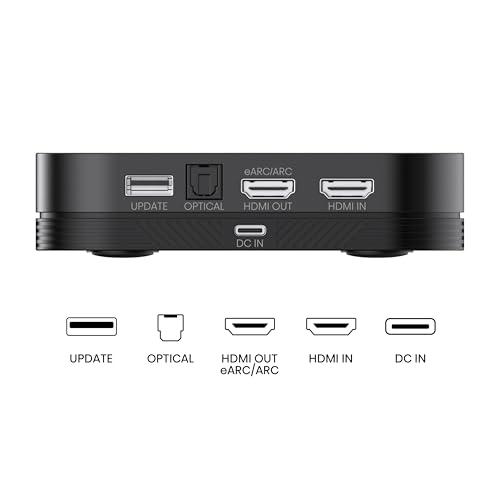
Perhaps the most limiting aspect of the Sonos Ray is its lack of HDMI connectivity. It only offers an optical audio input, which was common on older TVs but is becoming increasingly rare on modern displays. Many new TVs either lack optical outputs entirely or treat them as secondary connections with limited audio format support.
HDMI eARC (enhanced Audio Return Channel), which the HT Saturn supports, has become the standard for high-quality audio transmission between TVs and sound systems. It can carry uncompressed, full-resolution audio signals and allows for two-way communication between devices. This means the HT Saturn can receive lossless Dolby Atmos from your TV while simultaneously passing 4K video from connected sources through to the display.
The practical impact is significant: if you buy a Sonos Ray and later upgrade to a TV that only has HDMI eARC, you might find yourself unable to connect your soundbar without additional adapters or converters.
The Sonos Ray wins decisively on setup simplicity. It's essentially plug-and-play: connect the optical cable to your TV, plug in power, and you're done. The compact form factor means it fits easily under most TVs without blocking IR sensors or looking bulky.
Setting up the HT Saturn requires more planning and effort. You need to position four satellite speakers around your room, each requiring a power outlet. While they connect wirelessly to the main control unit, you still need to consider speaker placement for optimal surround effects. The system includes mounting hardware, but proper installation takes time and thought.
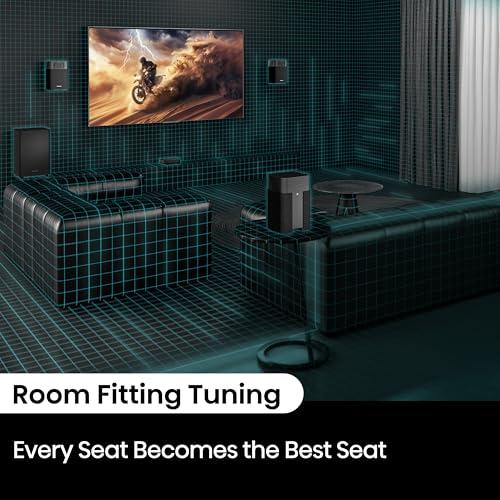
However, the HT Saturn includes automatic room calibration that analyzes your space and adjusts the audio output accordingly. This technology, which requires a compatible Hisense TV, measures how sound reflects off your walls and furniture, then optimizes each speaker's output for your specific room. It's sophisticated technology that helps ensure you get the best possible performance regardless of your room's acoustics.
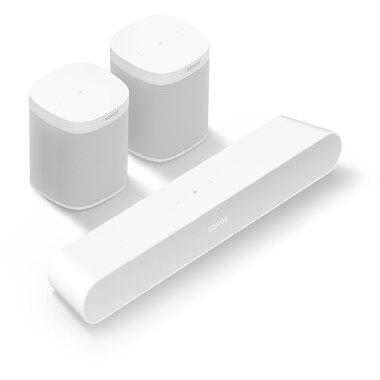
The Sonos Ray is designed as an entry point into the broader Sonos ecosystem. While it's a stereo soundbar initially, you can later add a Sonos Sub (subwoofer) and Sonos rear speakers to create a full surround system. You can also integrate it with other Sonos speakers throughout your home for multi-room audio.
This expandability sounds appealing, but the math tells a different story. Adding a Sonos Sub and rear speakers to match the HT Saturn's surround capabilities would cost significantly more than the HT Saturn itself at the time of writing. You're essentially paying a premium for the privilege of buying the system piece by piece.
The HT Saturn is a complete solution from day one. Every component needed for 4.1.2 surround sound is included, and there's no upgrade path because no upgrades are needed. This approach means you get full performance immediately rather than gradually building toward it.
For music listening, both systems offer distinct advantages. The Sonos Ray integrates beautifully with streaming services through AirPlay 2, Spotify Connect, and Tidal Connect. The Sonos app provides seamless access to most major music services, and the company has spent years optimizing their tuning for music playback.
The HT Saturn approaches music differently. Its distributed speaker array creates a much wider stereo soundstage, with instruments and voices positioned across a broader space rather than coming from a single point. The Devialet tuning brings high-end audio engineering to bear on music reproduction, resulting in what reviewers describe as more dynamic and detailed music playback.
For acoustic music, jazz, or podcasts, the Ray's focused approach works well. For rock, electronic music, or anything that benefits from impact and soundstage width, the HT Saturn delivers a more engaging experience.
The Sonos Ray makes sense for specific scenarios: small apartments where a full surround system would be overkill, secondary TVs in bedrooms or offices, or situations where you're committed to building a Sonos ecosystem over time. It's also the obvious choice if your budget simply can't stretch to accommodate the HT Saturn's higher price point.
However, the HT Saturn delivers dramatically more performance for users who want a true home theater experience. If you have a larger TV (75 inches or bigger), care about modern audio formats, or want genuine surround sound without the complexity of traditional separates, it's the clear choice.
The reality is that most people who buy the Sonos Ray will eventually wish they had more bass, true surround sound, or modern format support. The HT Saturn delivers all of these from day one, making it a better long-term investment for serious home theater use.
At the time of writing, the price difference is substantial but worth considering in context. The HT Saturn provides a complete 4.1.2 system with professional tuning, while the Ray offers basic stereo enhancement. When you factor in the cost of eventually adding a subwoofer and rear speakers to the Sonos system, the HT Saturn actually represents better value for users who want full surround capabilities.
The choice ultimately comes down to your expectations and intended use. If you want the most dramatic improvement over TV speakers with true surround sound and modern audio format support, the HT Saturn justifies its higher price through superior performance. If you need a simple, affordable upgrade that integrates with existing Sonos products, the Ray serves that specific need well.
| Hisense HT Saturn | Sonos Ray |
|---|---|
| Audio Architecture - Determines surround sound capabilities and immersion | |
| True 4.1.2 channel system with 4 wireless satellites + subwoofer (13 total speakers) | 2.0 channel stereo soundbar only (4 drivers in single unit) |
| Modern Audio Format Support - Critical for streaming services and 4K content | |
| Full Dolby Atmos, DTS:X, Dolby TrueHD, DTS-HD Master support | Dolby Digital/DTS only (downmixed to stereo, no Atmos) |
| Bass Performance - Makes or breaks movie and music experience | |
| Dedicated wireless 6.5" subwoofer extending to 40Hz | Small built-in midwoofers with limited bass extension |
| HDMI Connectivity - Essential for modern TV compatibility | |
| HDMI eARC/ARC with 4K 60Hz pass-through + optical input | Optical input only (major limitation with newer TVs) |
| Total Power Output - Indicates maximum volume and dynamic range | |
| 500W across 13-speaker array | Not specified (entry-level power rating) |
| Room Calibration - Optimizes sound for your specific space | |
| Automatic room tuning via compatible Hisense TVs | Trueplay room correction (requires iOS device) |
| Wireless Streaming - Affects music listening convenience | |
| Bluetooth 5.3 with high-quality codecs | WiFi only with AirPlay 2, Spotify/Tidal Connect |
| Physical Setup - Impacts installation complexity and flexibility | |
| 5 separate wireless components requiring power outlets | Single soundbar unit, plug-and-play setup |
| Expandability - Future upgrade options and ecosystem integration | |
| Complete system from day one, no upgrades needed | Can add Sonos Sub and rears (at significant additional cost) |
| Professional Audio Tuning - Affects overall sound quality | |
| Tuned by Devialet for high-end audio performance | Standard Sonos tuning optimized for dialogue clarity |
| Height Channel Support - Enables overhead audio effects | |
| Native upfiring drivers for true Dolby Atmos height effects | No height channels, cannot reproduce overhead audio |
The Hisense HT Saturn is significantly better for home theater use. It provides true 4.1.2 surround sound with four wireless satellite speakers, a dedicated subwoofer, and Dolby Atmos support for overhead effects. The Sonos Ray is only a stereo soundbar that cannot create genuine surround sound or reproduce height effects, making it less suitable for immersive movie watching.
No, the Sonos Ray does not support Dolby Atmos at all. It can only play older formats like Dolby Digital, which it downmixes to stereo. The Hisense HT Saturn fully supports Dolby Atmos, DTS:X, and other modern audio formats with dedicated height channels for true 3D audio.
The Hisense HT Saturn has dramatically better bass performance with its dedicated wireless 6.5-inch subwoofer that extends down to 40Hz. The Sonos Ray relies on small built-in drivers that cannot produce deep, impactful bass. For movies and music that benefit from strong low-end, the HT Saturn is the clear winner.
The Hisense HT Saturn connects via HDMI eARC/ARC, which is standard on modern TVs and supports high-quality audio. The Sonos Ray only has optical input, which many newer TVs are dropping or limiting. This makes the HT Saturn more future-proof for TV connectivity.
The Sonos Ray is much easier to set up since it's a single soundbar requiring only one optical cable connection. The Hisense HT Saturn requires positioning four satellite speakers around your room, each needing power outlets, making setup more complex but delivering superior surround sound performance.
The Hisense HT Saturn is a complete system including four satellites and a subwoofer - no additional purchases needed. The Sonos Ray is just a stereo soundbar, and you'd need to buy a separate Sonos Sub and rear speakers later to approach surround sound capabilities, significantly increasing the total cost.
For music, the Hisense HT Saturn provides wider stereo imaging and deeper bass through its distributed speaker array and dedicated subwoofer. The Sonos Ray offers excellent streaming integration with services like Spotify Connect but has limited bass and soundstage width. The HT Saturn delivers more dynamic music performance overall.
Yes, both can work with different TV brands, but with limitations. The Hisense HT Saturn works best with Hisense TVs for advanced features like room calibration but functions with any TV via HDMI eARC. The Sonos Ray works with any TV that has optical output, though this connection type is becoming less common on newer models.
Both excel at dialogue clarity through different approaches. The Sonos Ray has a dedicated dialogue enhancement mode optimized for speech. The Hisense HT Saturn uses phantom center channel imaging with Devialet tuning for natural voice positioning. Both deliver clear dialogue, though the HT Saturn provides better overall audio experience.
The Hisense HT Saturn uses Bluetooth 5.3 for direct device streaming and tri-band wireless for satellite communication. The Sonos Ray uses WiFi only with AirPlay 2 and streaming service integration but no Bluetooth. The Ray offers better ecosystem integration while the HT Saturn provides more direct connectivity options.
The Hisense HT Saturn offers better value for users wanting true surround sound, as it includes everything needed for 4.1.2 audio in one purchase. The Sonos Ray appears less expensive initially but requires costly additions for surround capabilities. For complete home theater experience, the HT Saturn provides more features per dollar spent.
For large living rooms, the Hisense HT Saturn is the better choice. Its four satellite speakers and powerful subwoofer can fill larger spaces with immersive surround sound. The Sonos Ray is designed for smaller rooms and lacks the power and speaker placement needed to properly serve large spaces with adequate volume and bass impact.
We've done our best to create useful and informative comparisons to help you decide what product to buy. Our research uses advanced automated methods to create this comparison and perfection is not possible - please contact us for corrections or questions. These are the sites we've researched in the creation of this article: bestbuy.com - youtube.com - blog.son-video.com - youtube.com - youtube.com - techradar.com - ecoustics.com - jbhifi.com.au - shop.hisense-usa.com - bhphotovideo.com - bestbuy.com - digitalreviews.net - hisense-usa.com - projectorscreenstore.com - valueelectronics.com - dolby.com - giftpack.ai - tomsguide.com - soundandvision.com - youtube.com - techradar.com - en.community.sonos.com - rtings.com - howtogeek.com - youtube.com - cnet.com - sonos.com - videoandaudiocenter.com

Privacy Policy
Terms and Conditions - Affiliate Policy
Home Security
© Copyright 2008-2026.
11816 Inwood Rd #1211, Dallas, TX 75244