



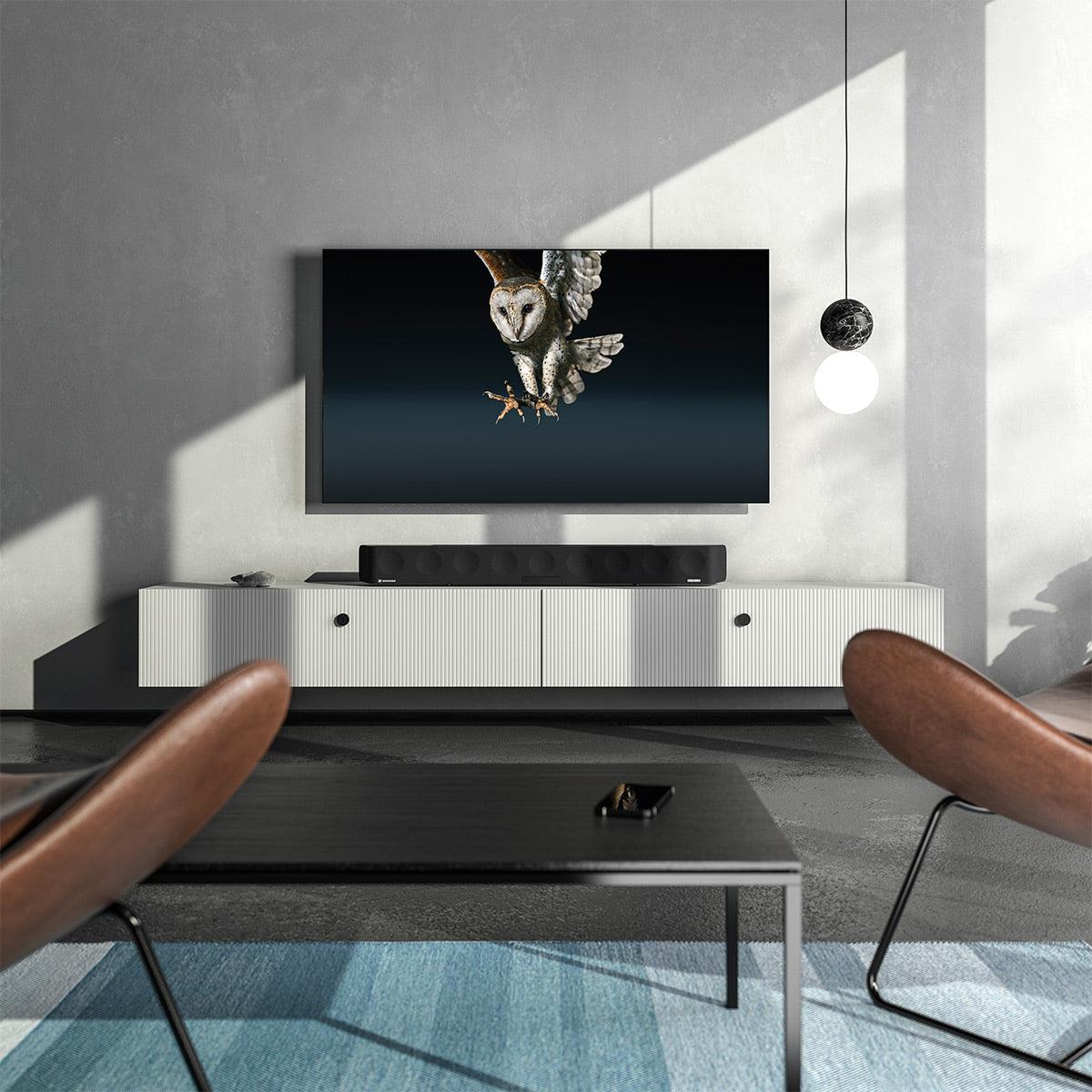


If you've ever watched a movie and had to constantly adjust the volume—turning it up to hear whispered dialogue, then scrambling for the remote when explosions shake the walls—you understand why soundbars have become essential home theater equipment. These sleek audio solutions promise to transform your TV's tinny built-in speakers into something approaching cinema quality, but with dozens of options ranging from $200 to $2,000+, choosing the right one can feel overwhelming.
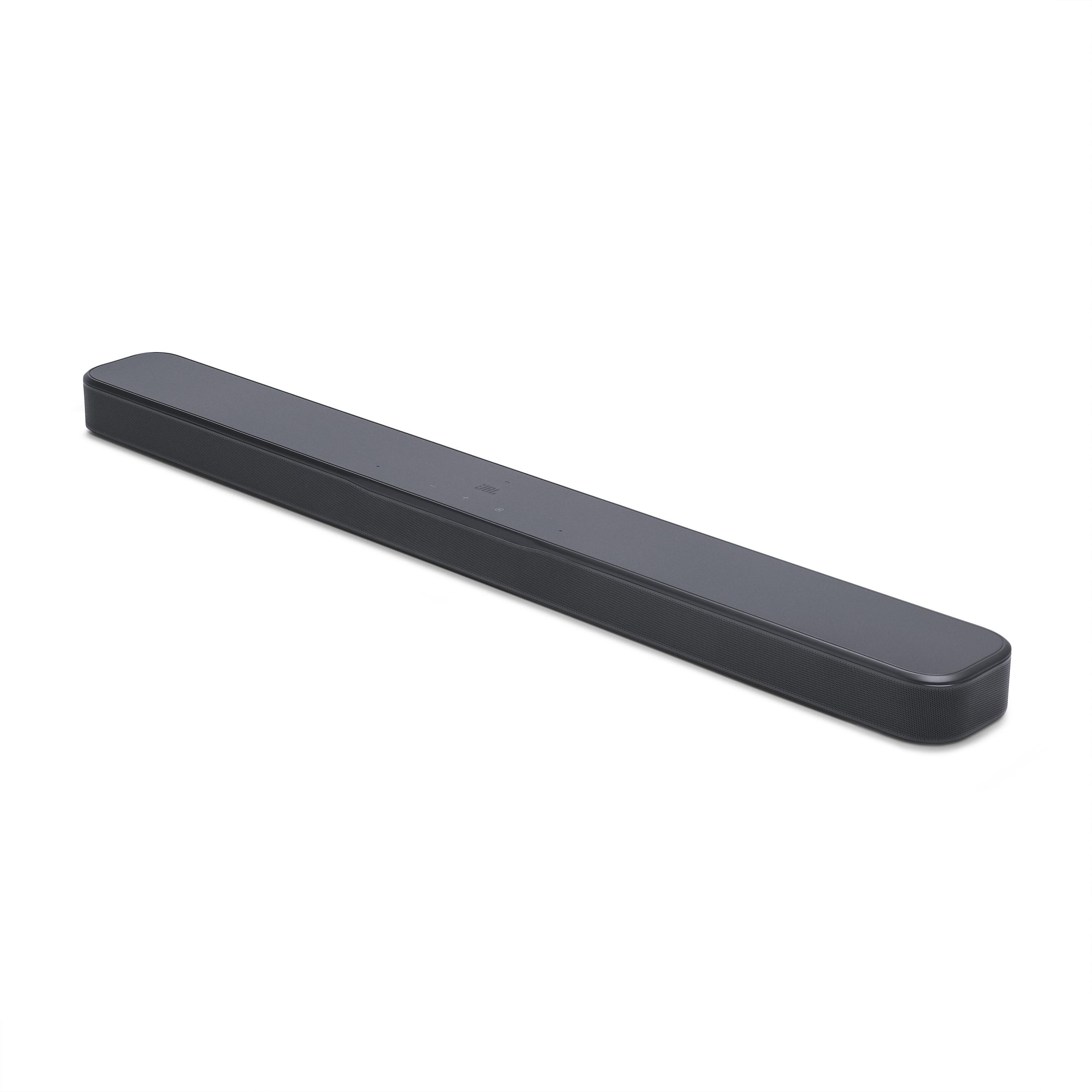
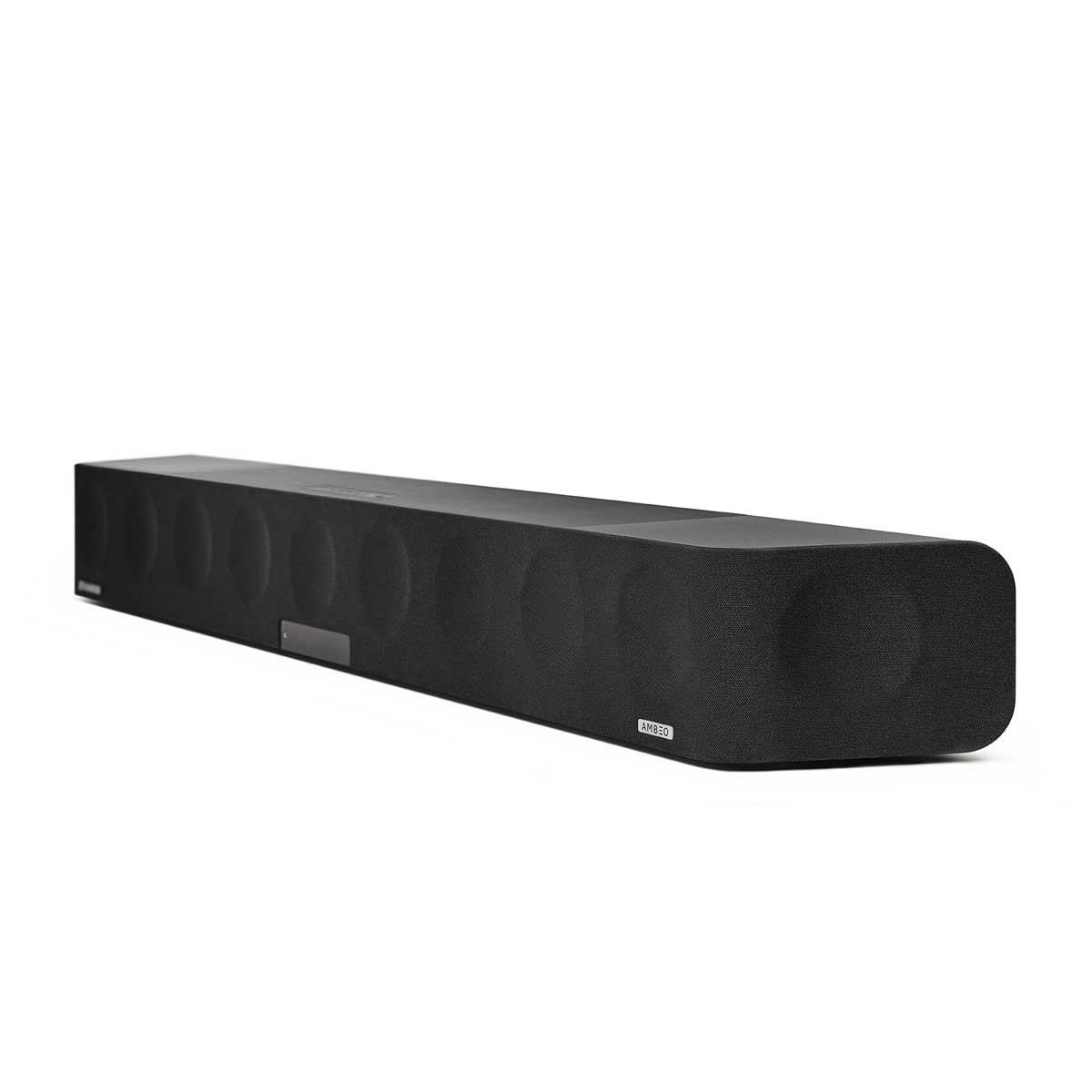
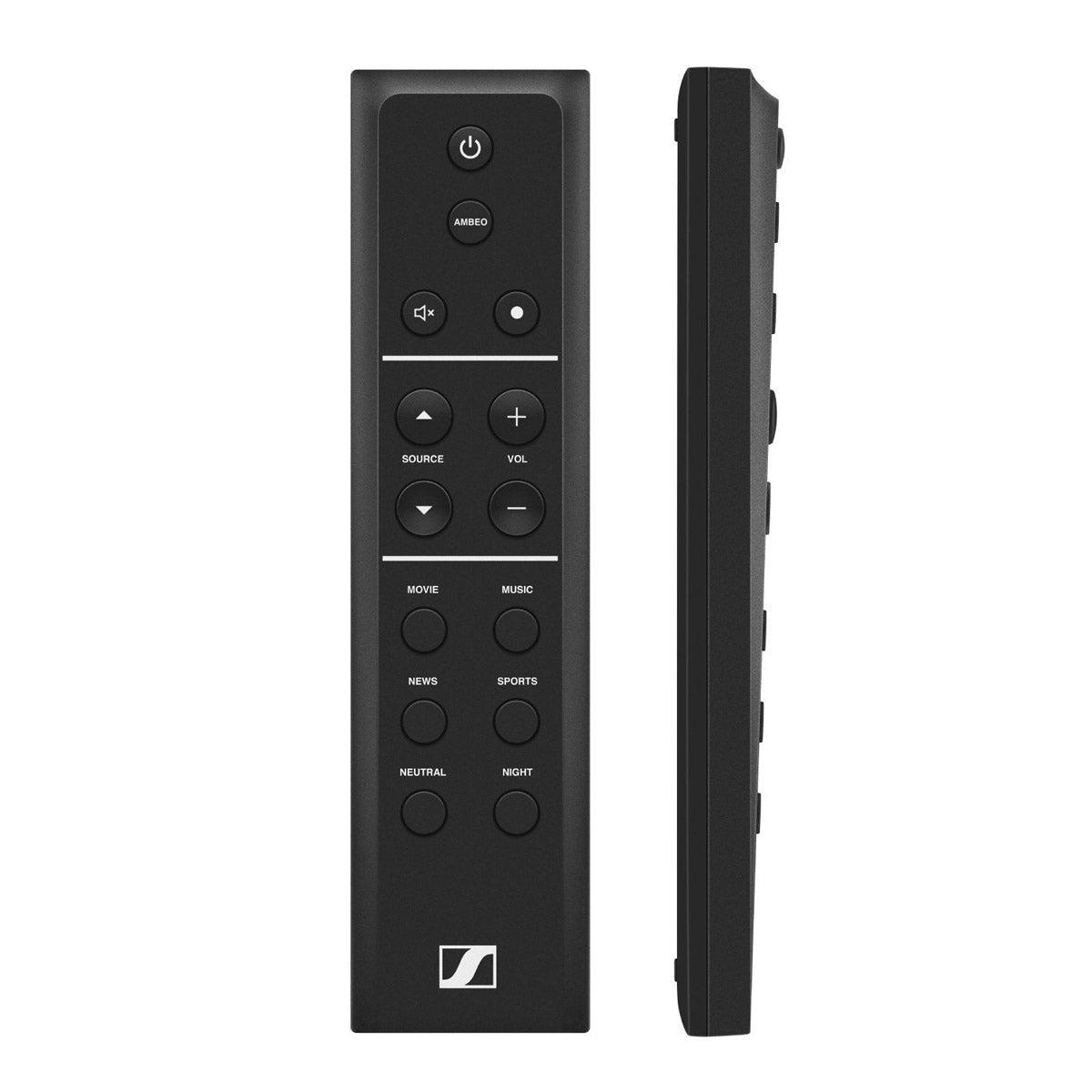
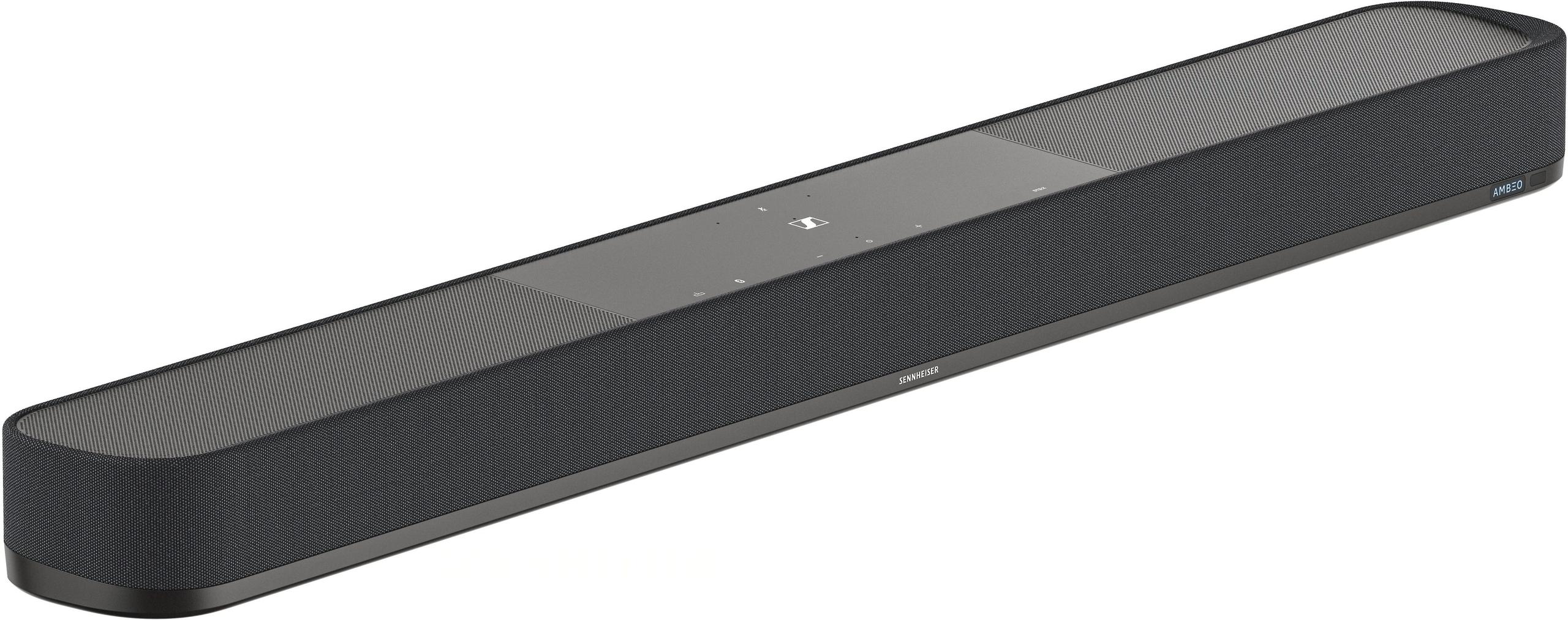
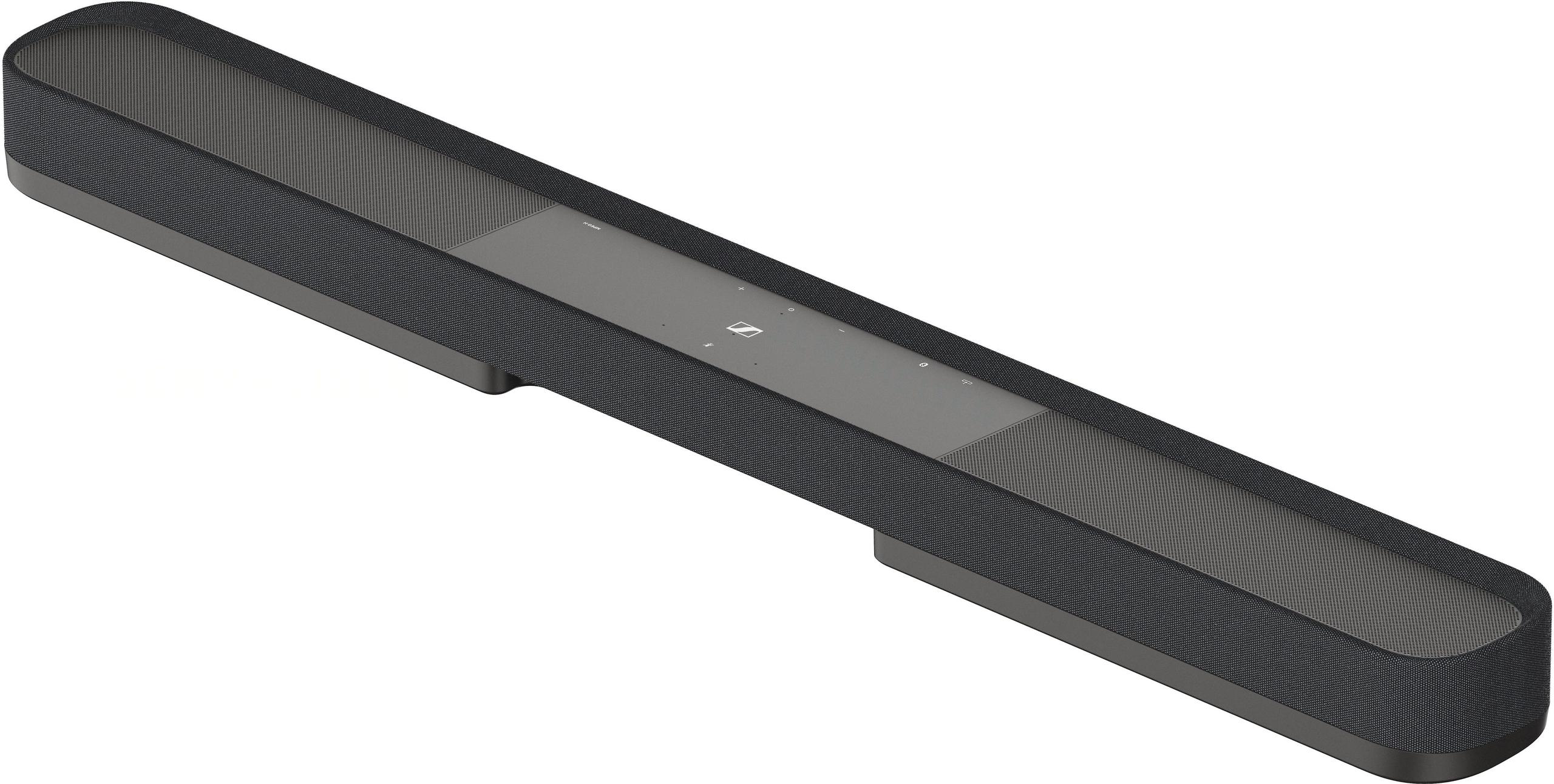
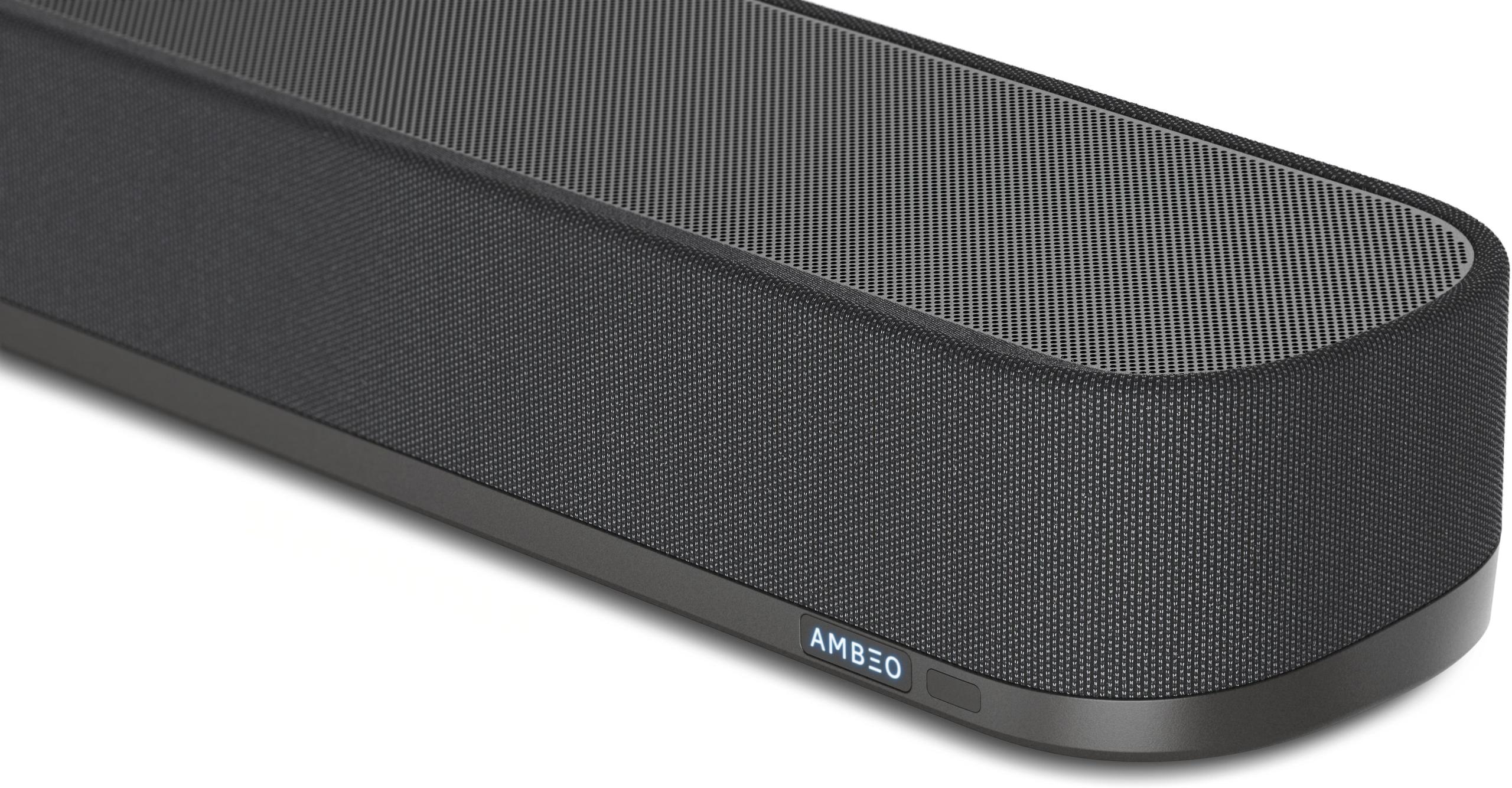
Today we're comparing two soundbars that represent very different philosophies in home audio: the JBL Bar 300 MK2 ($450) and the Sennheiser AMBEO Soundbar ($2,000). One prioritizes incredible value and ease of use, while the other delivers no-compromise audiophile performance. Understanding which approach fits your needs—and budget—will help you make the right choice for your home theater setup.
Before diving into specifics, it's worth understanding what makes today's soundbars so much better than those blocky speakers from a decade ago. Modern soundbars use sophisticated digital signal processing (DSP)—essentially computer algorithms that manipulate sound waves—to create the illusion that audio is coming from all around you, even though the sound originates from a single bar beneath your TV.
The magic happens through a combination of carefully angled drivers (the individual speakers inside the soundbar), precise timing delays, and room acoustics manipulation. When done well, this "virtualization" can make you feel like you're sitting in the middle of a movie scene, with helicopters flying overhead and footsteps creeping up behind you.
The most important consideration when shopping for soundbars is understanding the relationship between performance and value. A $450 soundbar might deliver 80% of a $2,000 model's performance, but that remaining 20% could be crucial depending on your room size, listening habits, and audio standards. The key is identifying where that performance gap matters most to you.
The JBL Bar 300 MK2 launched in 2024 as part of JBL's refreshed MK2 series, incorporating lessons learned from the original Bar 300's reception. JBL focused on refining the user experience while keeping costs reasonable—the MK2 version improved power output from 260W to 450W maximum and enhanced their PureVoice dialogue technology to version 2.0. These aren't revolutionary changes, but they address common user complaints about insufficient volume and unclear speech in busy scenes.
The Sennheiser AMBEO Soundbar, originally released in 2018, represents a different era entirely. Sennheiser designed it as a statement piece—proof that a single soundbar could match the immersion of traditional 5.1 or 7.1 surround systems that require multiple speakers scattered around your room. At nearly six years old, the AMBEO has received consistent firmware updates adding new streaming services and improving its room calibration algorithms, but its core hardware remains unchanged.
This age difference matters more than you might think. The JBL benefits from newer Wi-Fi standards, more efficient amplification, and lessons learned from years of user feedback. The Sennheiser, however, was built with such high-quality components that it remains competitive despite using older wireless standards—a testament to the "build it right the first time" philosophy.
Walking into my living room with the JBL Bar 300 MK2 installed, the first thing you notice is how much more alive everything sounds compared to TV speakers. JBL tuned this soundbar with a deliberate bass emphasis that makes action movies feel impactful and music sound energetic. The company's engineers know most people buying a $450 soundbar want immediate "wow factor"—that moment when you realize how much audio detail your TV was hiding.
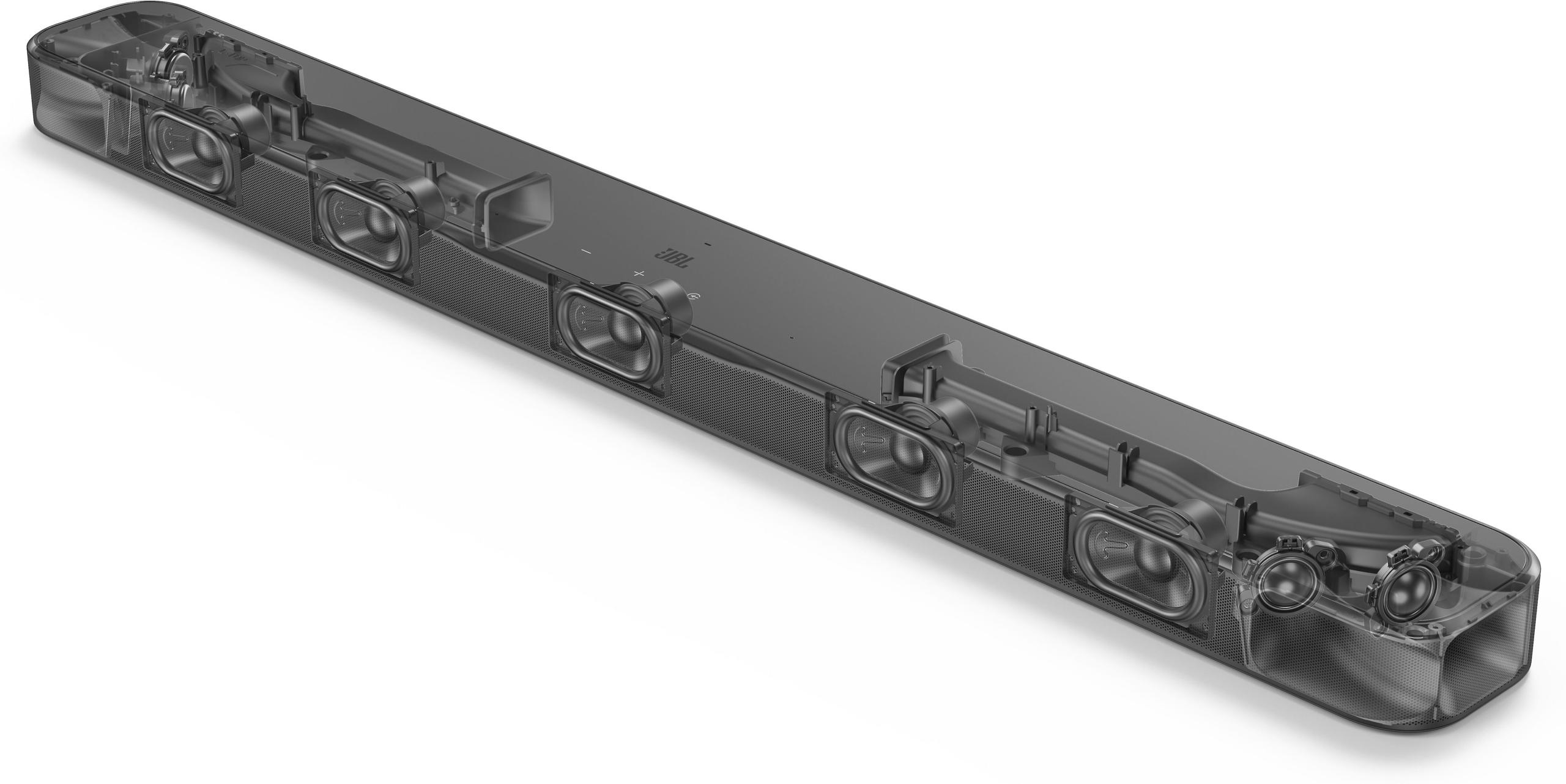
The Bar 300 MK2 achieves this through six racetrack-shaped drivers that can move more air than traditional round speakers, plus two dedicated tweeters for high-frequency detail. This 5.0-channel configuration means you get left, center, right, and two surround channels, all virtualized from the single bar. The "racetrack" design isn't just marketing—these oval drivers can produce deeper bass in a smaller enclosure, which is crucial when you're trying to eliminate a separate subwoofer.
However, JBL's bass-forward tuning comes with trade-offs. During complex movie scenes with multiple sound layers, the emphasized low frequencies can occasionally overwhelm midrange details. Voices remain clear thanks to PureVoice 2.0 technology, but subtle audio cues—like the rustle of leaves or distant footsteps—sometimes get lost in the mix.
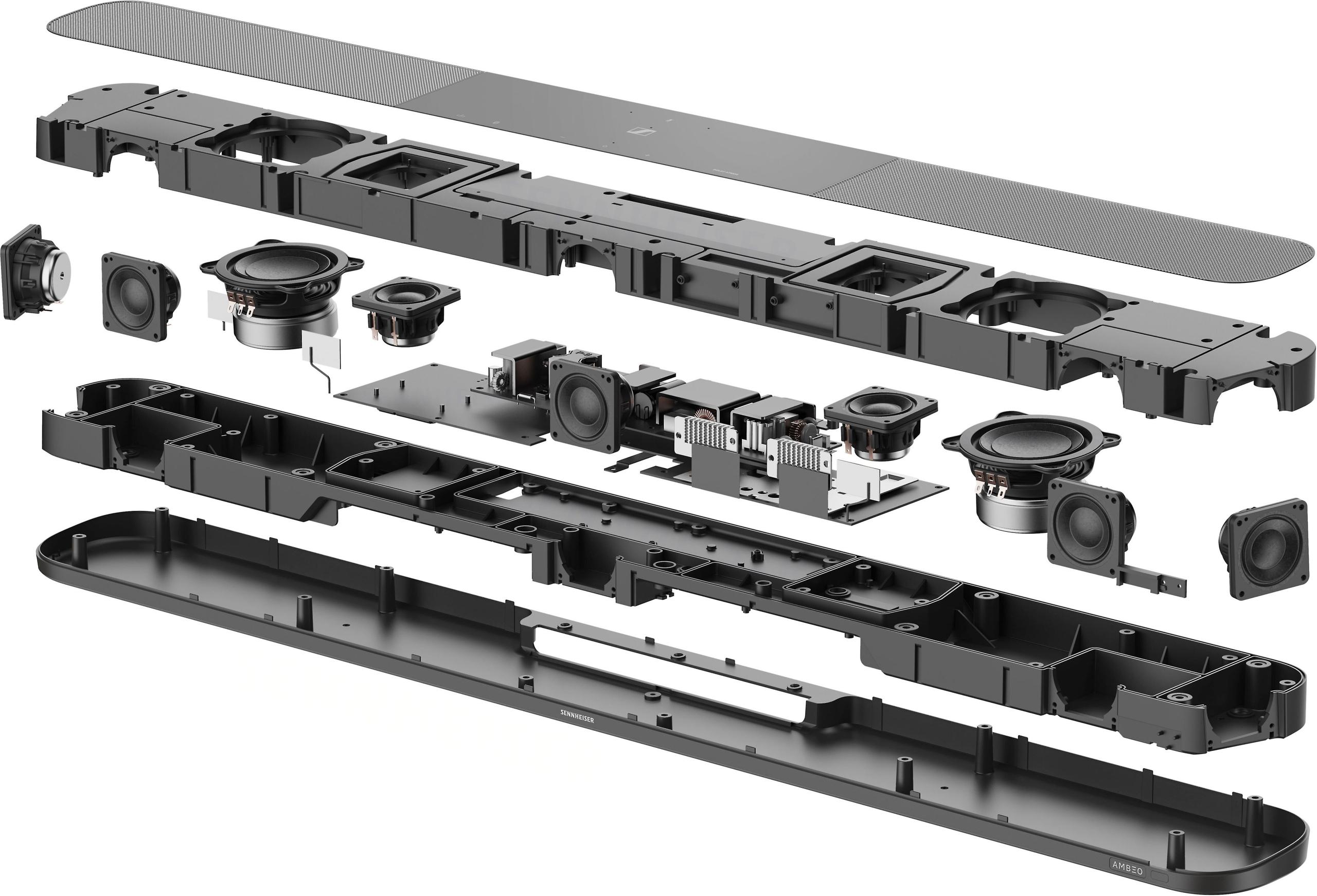
The Sennheiser AMBEO takes an entirely different approach. Instead of tuning for immediate impact, Sennheiser prioritized accuracy—the idea that audio should sound exactly as the mixing engineers intended. This philosophy shows up in every aspect of the design, from the 13 individually amplified drivers to the advanced room calibration system that analyzes your space's acoustic properties.
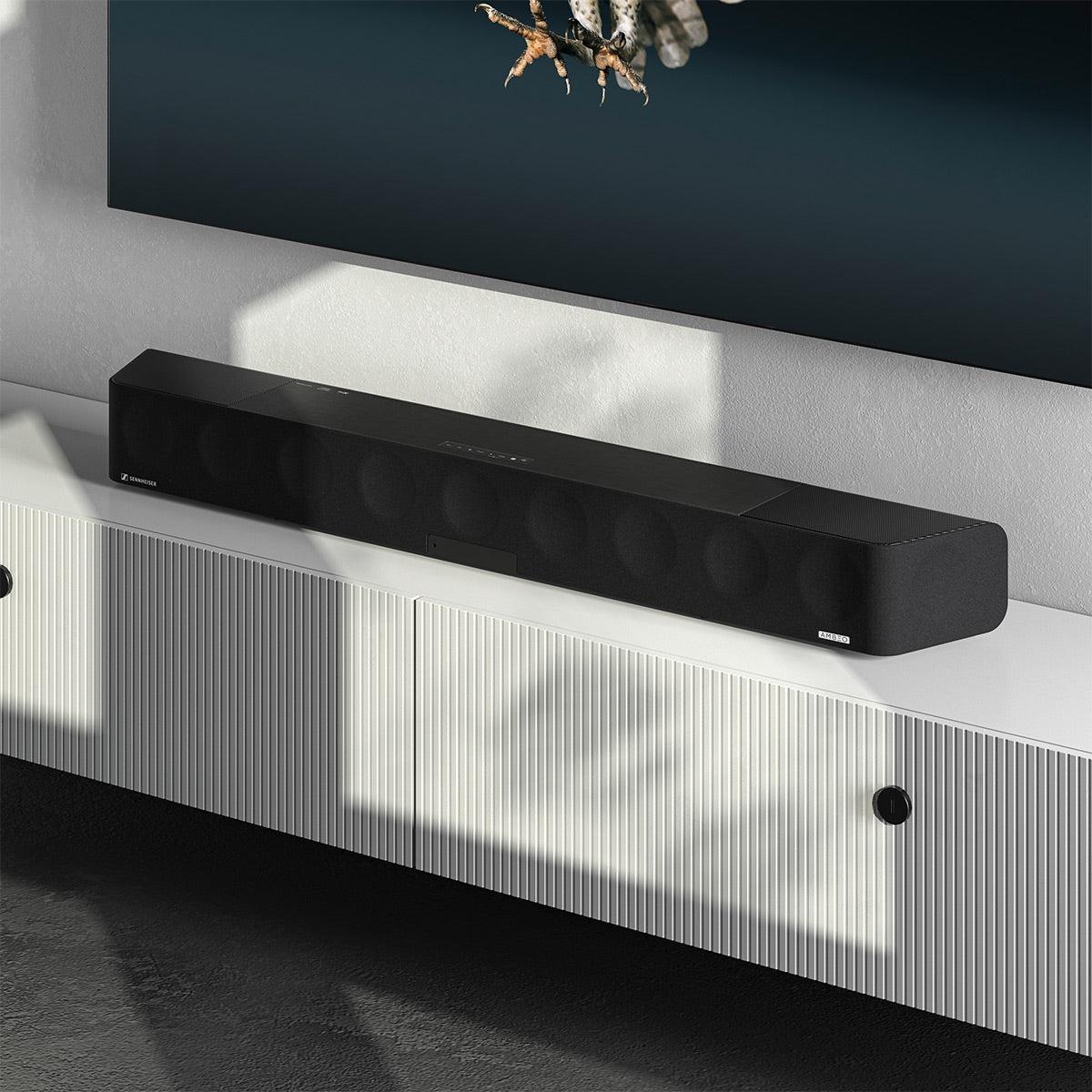
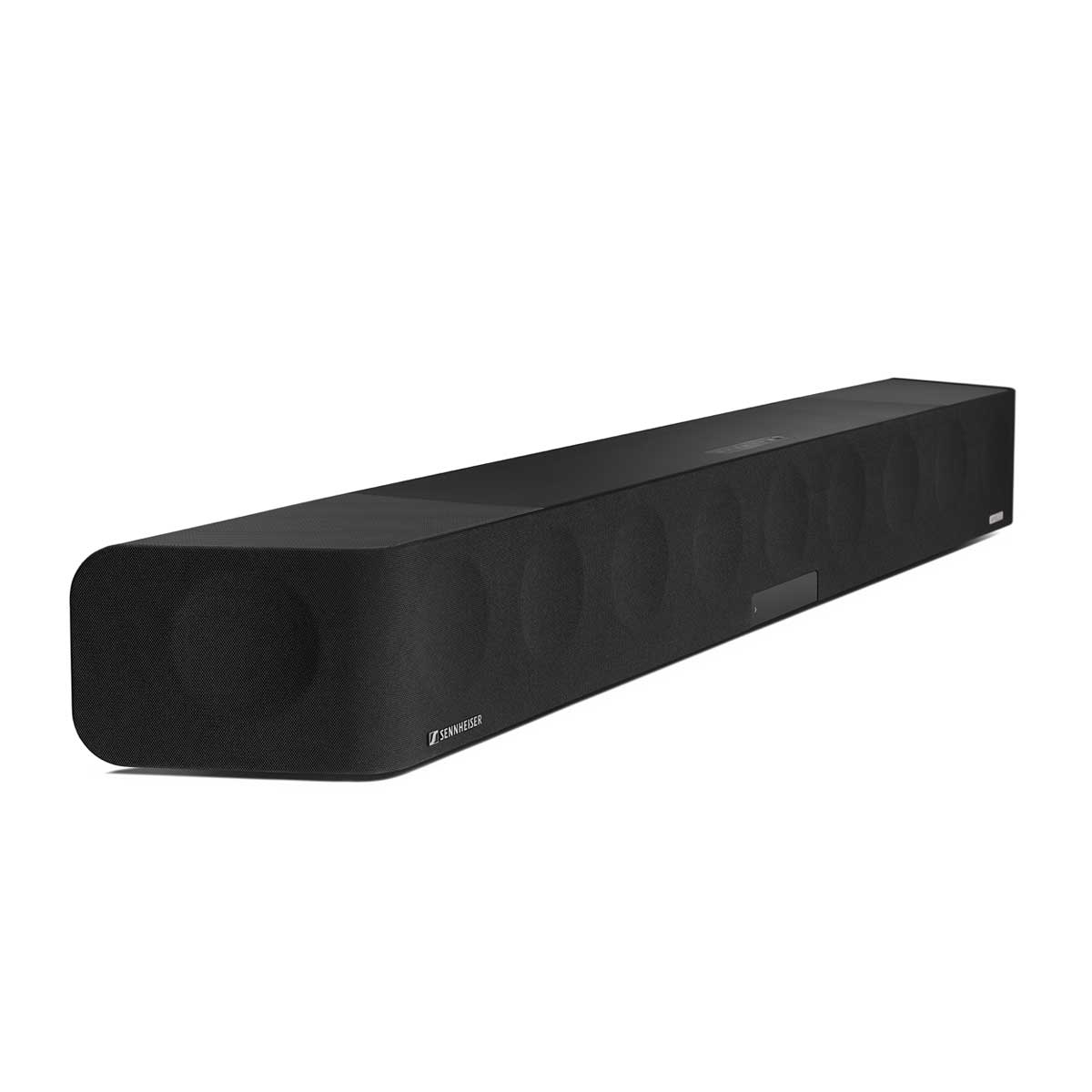
Those 13 drivers aren't just about quantity—each serves a specific purpose. Six 4-inch woofers handle bass duties with remarkable precision, extending down to 30Hz (compared to the JBL's 50Hz limit). Five aluminum tweeters provide crystalline high-frequency detail, while two full-range drivers on top fire sound toward your ceiling to create height effects. This 5.1.4 configuration adds four dedicated height channels, which is why Dolby Atmos content sounds genuinely three-dimensional rather than just "wide."
The difference becomes obvious when listening to complex orchestral pieces or movie soundtracks with subtle spatial cues. Where the JBL might blur individual instrument positions into a general "wall of sound," the AMBEO maintains distinct placement for each element. You can close your eyes and point to where specific sounds are coming from, even though they're all originating from the soundbar.
Understanding how these soundbars create surround effects requires grasping the difference between "virtual" and "true" surround sound. Both use psychoacoustic principles—exploiting how your brain processes audio timing and frequency information—but with very different levels of sophistication.
The JBL Bar 300 MK2's MultiBeam 3.0 technology works by firing sound at precise angles and timing delays to bounce audio off your room's walls. Your brain interprets these reflections as coming from different directions, creating the illusion of surround speakers. It's remarkably effective for the price point, especially in smaller rooms where wall reflections are more predictable.
During action sequences, the effect creates a convincingly wide soundstage. Explosions feel like they're happening across a broad front, and directional effects like passing cars sweep smoothly from left to right. However, the system struggles with rear-channel effects—sounds that should come from behind you often feel like they're just coming from slightly behind the soundbar rather than truly surrounding you.
The virtual Dolby Atmos implementation adds height perception through digital processing rather than dedicated upfiring speakers. While this creates some sense of vertical space, it's more like adding a "tall" mode to your audio rather than genuine overhead effects.
The Sennheiser AMBEO approaches surround sound as an engineering challenge worthy of Sennheiser's decades in professional audio. The system uses advanced algorithms developed with Fraunhofer Institute (the same organization behind MP3 compression) to create what they call "AMBEO 3D" processing.
This isn't just about bouncing sound off walls—the AMBEO analyzes your room's acoustic signature during calibration, then uses that information to precisely control how each of its 13 drivers contributes to the spatial illusion. The upfiring drivers create genuine height effects by reflecting sound off your ceiling at calculated angles, while the front-firing array handles horizontal positioning with surgical precision.
The result is genuinely startling. During helicopter scenes in war movies, you instinctively look up. Raindrops in atmospheric scenes seem to fall around you rather than just in front of you. The AMBEO doesn't just create surround sound—it creates a three-dimensional audio bubble that places you inside the action.
Bass performance often determines whether a soundbar feels like a genuine upgrade or just a slightly louder version of your TV speakers. Both soundbars take different approaches to solving the "subwoofer problem"—how to generate deep, powerful bass without adding a separate box to your living room.
The JBL Bar 300 MK2 uses what JBL calls "integrated bass port design" to squeeze surprising low-end performance from its compact chassis. The racetrack drivers work in conjunction with internal porting—carefully calculated air passages that reinforce bass frequencies while preventing the kind of boominess that plagues cheaper soundbars.
For its size and price, the results are impressive. Movie explosions have genuine impact, and bass-heavy music genres like electronic or hip-hop sound full and engaging. However, physics imposes limits that no amount of clever engineering can overcome. The 50Hz lower limit means the deepest bass frequencies—the kind that make your chest thump during action scenes—simply aren't there.
This limitation becomes most apparent during large-scale action sequences or when playing bass-heavy music at higher volumes. The soundbar remains clean and controlled, but you're aware that something is missing from the bottom end of the frequency spectrum.
The Sennheiser AMBEO's six 4-inch woofers represent a fundamentally different approach. Rather than trying to extract maximum bass from minimal hardware, Sennheiser simply included enough dedicated bass drivers to handle deep frequencies with authority. The 30Hz extension reaches into genuine subwoofer territory, reproducing those chest-thumping frequencies that lesser soundbars miss entirely.
More importantly, the AMBEO's bass remains controlled and precise even at high volumes. Each woofer has its own dedicated amplifier, preventing the distortion that occurs when a single amplifier tries to drive multiple drivers. The result is bass that enhances rather than overwhelms the rest of the frequency spectrum.
During movie nights, this translates to a more complete and satisfying experience. T-Rex footsteps in Jurassic Park don't just sound loud—they sound massive and weighty. Electronic music reveals layers of sub-bass detail that add depth and complexity to familiar tracks.
The JBL Bar 300 MK2 focuses on essential connectivity without overwhelming users with options. Wi-Fi 6 support ensures robust streaming performance, while Bluetooth 5.0 provides reliable wireless connection from phones and tablets. The inclusion of AirPlay 2 and Chromecast built-in covers the major streaming ecosystems, and automatic software updates keep the soundbar current without user intervention.
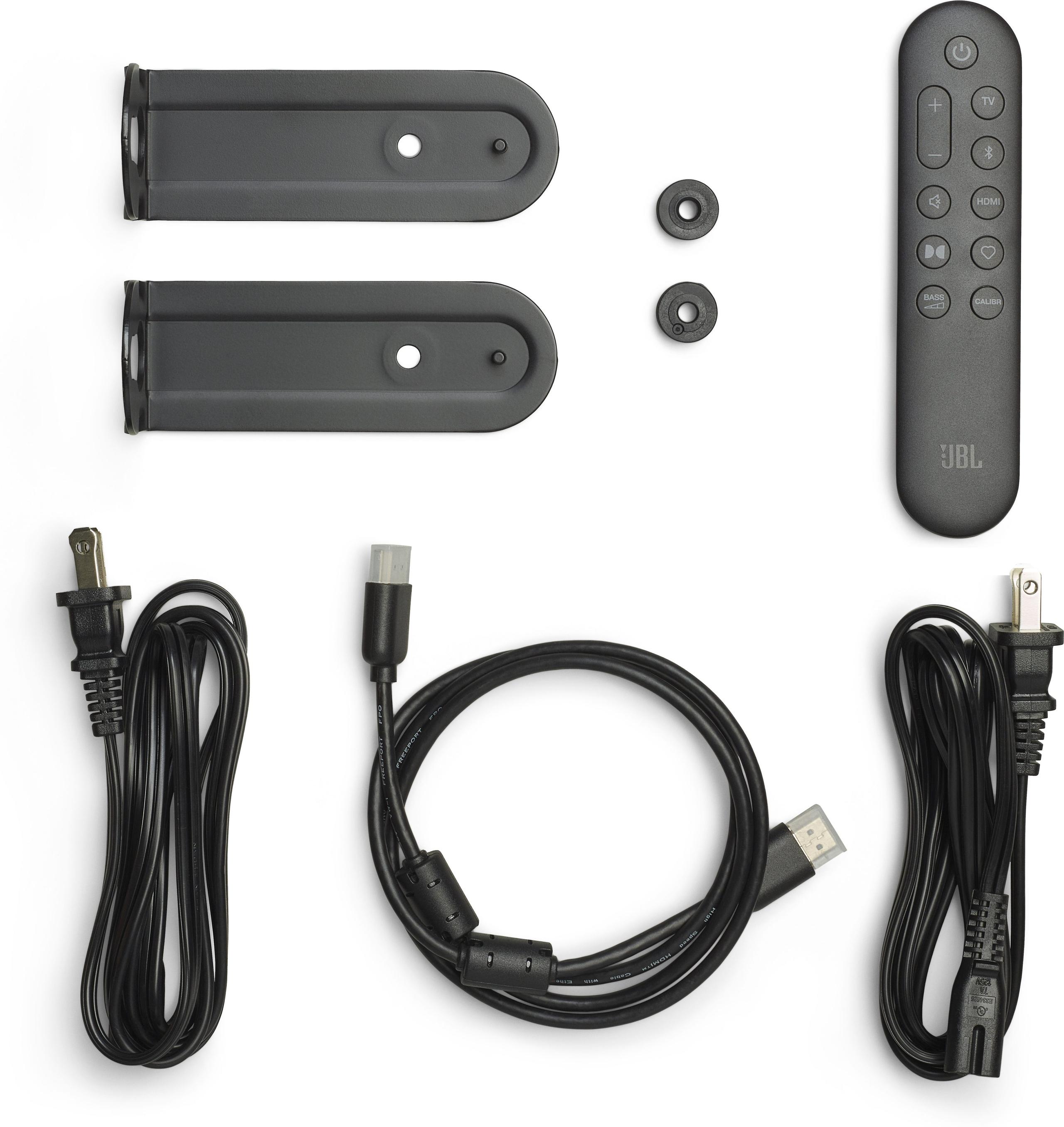
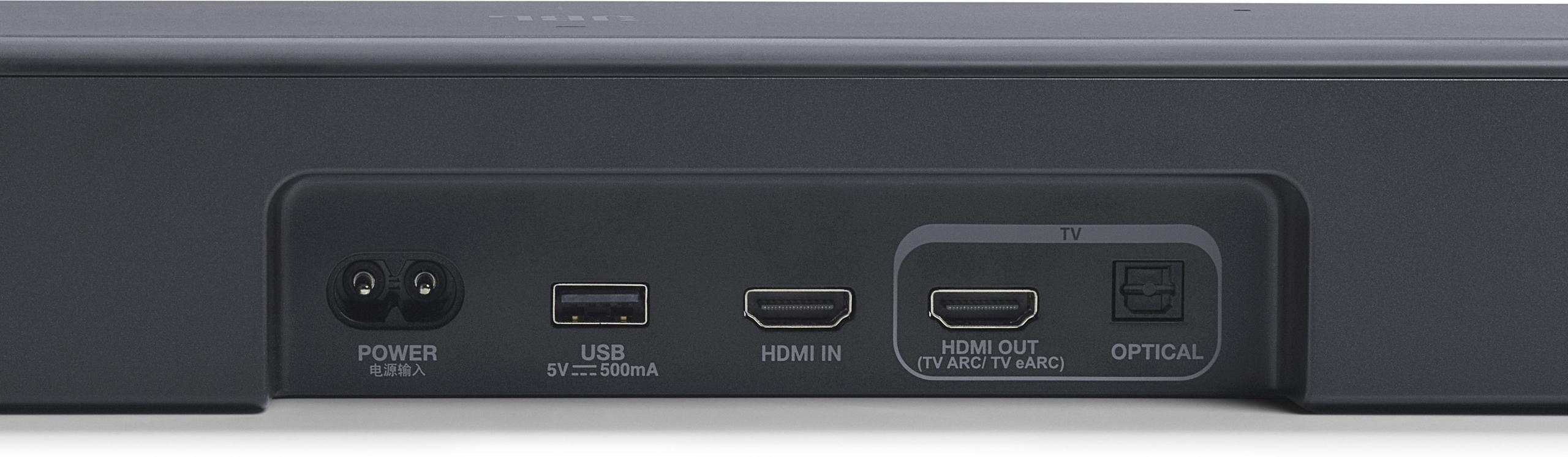
However, JBL made some limiting choices to hit their price target. The single HDMI input means users with multiple devices—gaming console, streaming box, Blu-ray player—need to rely on their TV's switching or invest in a separate HDMI switch. This isn't necessarily a problem for users who route everything through their TV, but it can complicate setups for serious home theater enthusiasts.
The JBL One app provides intuitive control and customization options, including EQ adjustment and the ability to manage multiple JBL speakers throughout your home. It's not as feature-rich as audiophile-focused apps, but it covers the essentials without confusion.
The Sennheiser AMBEO approaches connectivity as comprehensively as it handles audio reproduction. Three HDMI inputs plus eARC output eliminate the need for external switching, while support for both Spotify Connect and TIDAL Connect provides high-quality music streaming without relying on Bluetooth compression.
The inclusion of aptX Bluetooth codec support matters more than many realize. While standard Bluetooth compresses audio significantly, aptX maintains much higher quality, making wireless music streaming genuinely enjoyable rather than just convenient. Combined with support for hi-resolution streaming services, the AMBEO works equally well for critical music listening and movie watching.
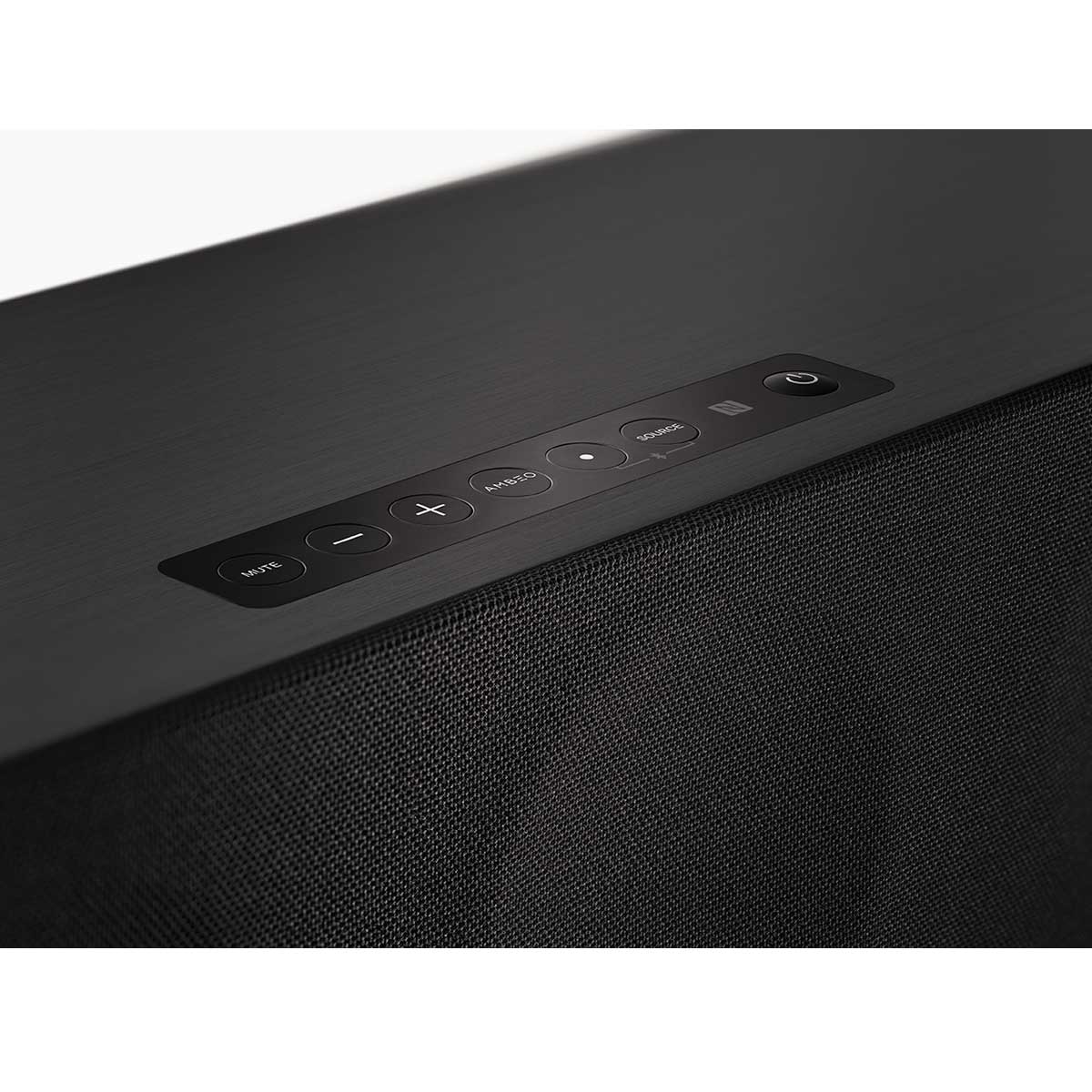
Advanced features like Roon Ready support cater to serious audiophiles who maintain extensive digital music libraries, while voice assistant compatibility provides smart home integration. The Sennheiser Smart Control app offers extensive customization options, including detailed EQ controls and multiple listening modes optimized for different content types.
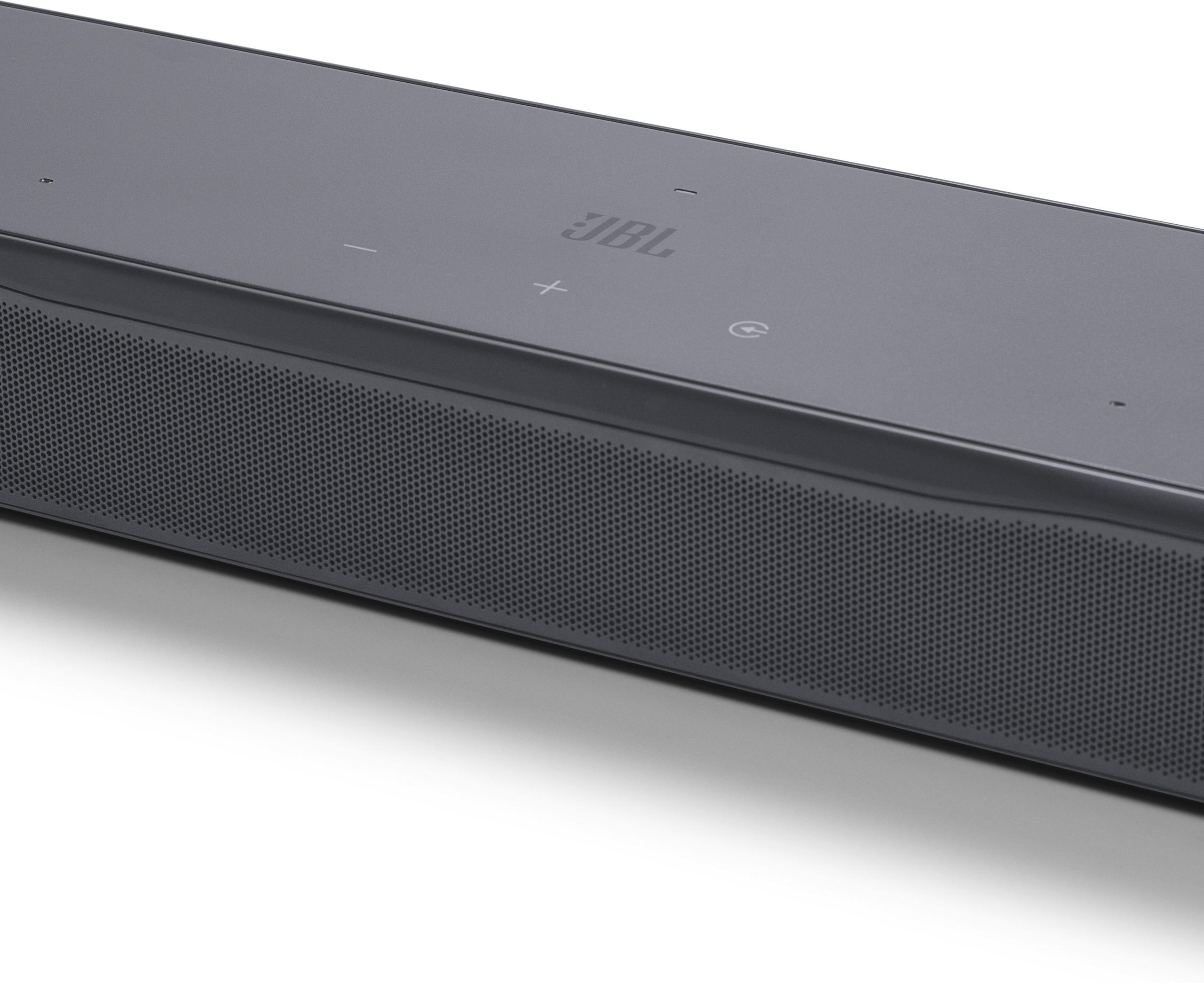
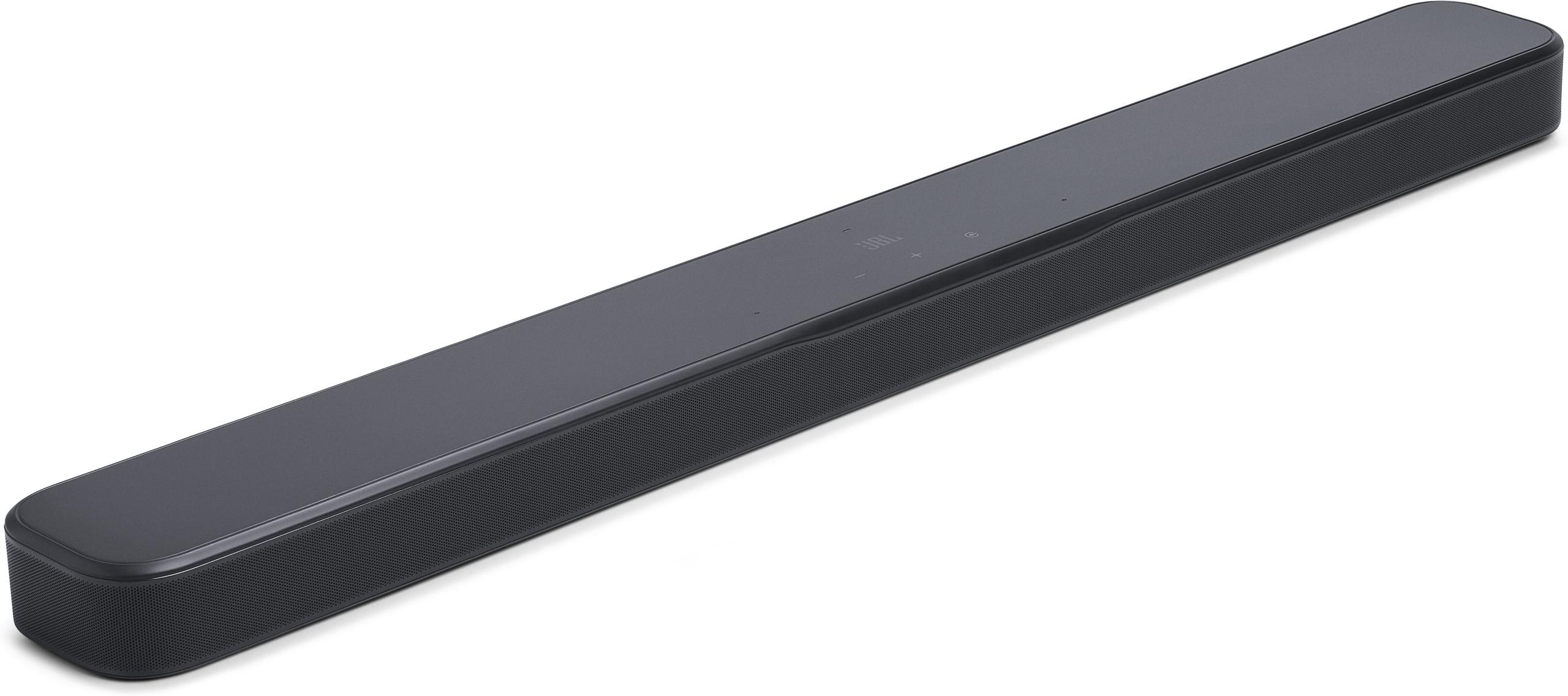
The JBL Bar 300 MK2 feels solid for its price point, with clean lines and quality materials that belie its affordable cost. The fabric grille provides an attractive appearance while protecting the drivers, and the compact dimensions ensure it won't dominate your entertainment center.
However, this is clearly consumer-grade equipment designed for a specific lifecycle. The plastic construction and standard-grade components suggest a 5-7 year lifespan under normal use—perfectly reasonable for the price, but not heirloom quality.
The Sennheiser AMBEO feels more like professional studio equipment than consumer electronics. The substantial weight comes from high-quality driver magnets and robust internal construction, while the metal chassis provides long-term durability. At 40+ pounds, this soundbar conveys serious engineering in a way that lighter alternatives simply cannot.
This construction philosophy extends to component selection. The aluminum tweeters, cellulose sandwich cone woofers, and individual amplifier modules represent the same quality standards Sennheiser applies to their professional monitoring speakers. The result is equipment built to last decades rather than years.
In typical living rooms and bedrooms, the JBL Bar 300 MK2 performs admirably. Its compact size allows flexible placement, while the energetic sound signature fills smaller spaces effectively. The virtual surround effects work well when you're seated relatively close to the soundbar, and the integrated bass provides satisfying impact for most content.
The Sennheiser AMBEO might actually be overkill in very small rooms, where its substantial output can overwhelm the space. However, its superior calibration capabilities allow it to adapt more precisely to challenging acoustics, potentially making it the better choice even in compact environments if budget allows.
This is where the fundamental differences become obvious. The JBL Bar 300 MK2 begins to struggle in larger spaces, where its 260W power output and compact driver array can't generate the room-filling sound needed for immersive experiences. The virtual surround effects also become less convincing as distance from the soundbar increases.
The Sennheiser AMBEO was designed for exactly these scenarios. Its 500W power output and sophisticated driver array can pressurize large rooms effectively, while the advanced virtualization algorithms maintain convincing surround effects even at greater distances. For open-concept homes or dedicated theater rooms, it's simply in a different performance class.
You're looking for a significant upgrade from TV speakers without the premium price tag. The JBL Bar 300 MK2 delivers genuine Dolby Atmos processing, clear dialogue enhancement, and punchy bass that makes movies more engaging and music more enjoyable. It's perfect for small to medium rooms, casual viewing habits, and users who prioritize simplicity and value.
The compact size means it won't dominate your entertainment setup, while the straightforward feature set avoids overwhelming non-technical users. If you're buying your first soundbar or upgrading from a basic model, the performance improvement will be immediately obvious and satisfying.
Audio quality is your primary concern and you have the budget to match. The Sennheiser AMBEO doesn't just improve your TV's audio—it transforms your living room into a genuine home theater capable of competing with traditional multi-speaker surround systems.
This soundbar makes sense for large rooms, serious movie enthusiasts, and users who also care about high-quality music reproduction. The extensive connectivity options support complex AV setups, while the professional-grade construction ensures decades of reliable performance.
The gap between these soundbars isn't just about price—it's about fundamental philosophy. The JBL Bar 300 MK2 represents the democratization of home theater technology, making Dolby Atmos and virtual surround accessible to mainstream budgets. The Sennheiser AMBEO represents the pursuit of reference-quality audio reproduction in a convenient single-box solution.
Neither approach is inherently better—they're designed for different users with different priorities. The JBL succeeds brilliantly at its mission of delivering maximum value and user-friendly operation. The Sennheiser succeeds equally well at providing no-compromise audio performance for users who demand the best.
Your choice should align with your budget, room requirements, and how much you value audio quality in your entertainment experience. Both soundbars will dramatically improve your TV watching experience, but they'll do so in distinctly different ways that reflect their very different design goals.
| JBL Bar 300 MK2 Soundbar | Sennheiser AMBEO Soundbar |
|---|---|
| Price - The most important factor for most buyers | |
| $450 (excellent value for Dolby Atmos) | $2,000 (premium price for audiophile quality) |
| Power Output - Determines maximum volume and room-filling capability | |
| 260W (suitable for small-medium rooms) | 500W (fills large rooms with authority) |
| Driver Configuration - More drivers typically mean better sound separation | |
| 6 drivers in 5.0 channel setup | 13 drivers in 5.1.4 channel setup |
| Bass Extension - Lower numbers mean deeper, more impactful bass | |
| 50Hz (good punch, missing deepest frequencies) | 30Hz (true subwoofer-level bass depth) |
| Dolby Atmos Support - Creates overhead sound effects for immersion | |
| Virtual processing (simulated height effects) | True 5.1.4 with dedicated upfiring drivers |
| DTS:X Support - Alternative surround format used by some Blu-rays | |
| Not supported | Fully supported |
| HDMI Inputs - More inputs reduce need for external switches | |
| 1 input + eARC output | 3 inputs + eARC output |
| Dimensions - Critical for fitting under TV and room aesthetics | |
| 32.3" × 2.2" × 4.1" (compact, unobtrusive) | 49.6" × 5.3" × 6.7" (substantial presence) |
| Weight - Indicates build quality and affects placement options | |
| 5.5 lbs (easy mounting and repositioning) | 40.8 lbs (premium construction, requires sturdy support) |
| Streaming Features - Convenience for music and podcast listening | |
| Wi-Fi, Bluetooth, AirPlay 2, Chromecast | Wi-Fi, Bluetooth with aptX, AirPlay 2, Spotify Connect, TIDAL Connect |
| Room Calibration - Optimizes sound for your specific space | |
| Basic automatic calibration | Advanced room analysis with personalized tuning |
| Target Room Size - Manufacturer's intended use case | |
| Small to medium rooms (under 300 sq ft) | Medium to large rooms (300+ sq ft) |
The primary difference is price and performance level. The JBL Bar 300 MK2 ($450) is a budget-friendly soundbar that delivers solid Dolby Atmos and good bass for most users. The Sennheiser AMBEO ($2,000) is a premium audiophile soundbar with superior audio quality, deeper bass, and more immersive surround sound. The Sennheiser costs about 4x more but offers significantly better performance.
For small rooms under 300 square feet, the JBL Bar 300 MK2 is often the better choice. Its compact size fits easily under most TVs, and its 260W power output is perfectly adequate for smaller spaces. The Sennheiser AMBEO might actually be overkill in very small rooms, though its advanced room calibration can adapt to challenging acoustics if budget isn't a concern.
The Sennheiser AMBEO has significantly deeper bass, extending down to 30Hz compared to the JBL Bar 300 MK2's 50Hz limit. This means the Sennheiser can reproduce those chest-thumping low frequencies you feel during movie explosions, while the JBL delivers good punch but misses the deepest bass notes. For bass-heavy content, the difference is immediately noticeable.
The JBL Bar 300 MK2 is generally easier to set up with its plug-and-play design and streamlined JBL One app. The Sennheiser AMBEO requires more setup time due to its advanced room calibration process and more extensive feature set, but this extra effort results in better optimized sound for your specific room.
Yes, both support Dolby Atmos, but differently. The JBL Bar 300 MK2 uses virtual processing to simulate height effects, while the Sennheiser AMBEO has dedicated upfiring drivers that create true 5.1.4 channel Dolby Atmos with genuine overhead sound placement. The Sennheiser's implementation is more convincing and immersive.
The Sennheiser AMBEO is much better suited for large rooms over 300 square feet. Its 500W power output and 13-driver array can fill big spaces effectively, while the JBL Bar 300 MK2 may struggle to provide adequate volume and surround effects in larger areas. For open-concept homes or dedicated theater rooms, the Sennheiser is the clear winner.
The JBL Bar 300 MK2 has 1 HDMI input plus eARC output, which may require an HDMI switch for multiple devices. The Sennheiser AMBEO offers 3 HDMI inputs plus eARC output, eliminating the need for external switching in most setups. This makes the Sennheiser more convenient for complex home theater configurations.
The JBL Bar 300 MK2 offers exceptional value at $450, delivering about 80% of premium soundbar performance at 25% of the cost. The Sennheiser AMBEO provides better absolute performance but costs $2,000. For most users, the JBL represents better value unless audio quality is the top priority regardless of budget.
Yes, both support wireless music streaming. The JBL Bar 300 MK2 offers Wi-Fi, Bluetooth 5.0, AirPlay 2, and Chromecast built-in. The Sennheiser AMBEO adds high-quality aptX Bluetooth, Spotify Connect, and TIDAL Connect for superior streaming options. The Sennheiser is better for serious music listening due to its neutral tuning and higher-quality codecs.
Both excel at dialogue clarity but with different approaches. The JBL Bar 300 MK2 uses PureVoice 2.0 technology to specifically enhance speech intelligibility. The Sennheiser AMBEO achieves clear dialogue through its neutral tuning and dedicated center channel elements. Both will significantly improve dialogue compared to TV speakers.
The JBL Bar 300 MK2 is built with consumer-grade components designed for 5-7 years of normal use, which is reasonable for its price point. The Sennheiser AMBEO uses professional-grade construction and components designed to last 10+ years, justifying its higher initial investment for users planning long-term ownership.
For your first soundbar upgrade, the JBL Bar 300 MK2 is usually the smarter choice. It provides a dramatic improvement over TV speakers at an affordable price, with simple setup and user-friendly features. The Sennheiser AMBEO is better reserved for users who already know they prioritize audio quality above all else and have the budget to match.
We've done our best to create useful and informative comparisons to help you decide what product to buy. Our research uses advanced automated methods to create this comparison and perfection is not possible - please contact us for corrections or questions. These are the sites we've researched in the creation of this article: homecinemachoice.com - retailspecs.com - hometechnologyreview.com - whathifi.com - news.jbl.com - engadget.com - crutchfield.com - harmanaudio.com - techradar.com - bestbuy.com - jbl.com - sweech.co.ke - jbl.com - jbl.com.sg - mm.jbl.com - abcwarehouse.com - harmanaudio.com - sweetwater.com - ro.harmanaudio.com - dell.com - jbl.co.nz - bestbuy.com - rtings.com - techradar.com - audioxpress.com - whathifi.com - upscaleaudio.com - soundstagesimplifi.com - global.sennheiser-hearing.com - sennheiser-hearing.com - audioadvice.com - abt.com - moon-audio.com

Privacy Policy
Terms and Conditions - Affiliate Policy
Home Security
© Copyright 2008-2026.
11816 Inwood Rd #1211, Dallas, TX 75244