








If you're tired of constantly asking "what did they say?" while watching TV, you're not alone. Built-in TV speakers have gotten worse as manufacturers make screens thinner, leaving barely any room for decent audio components. That's where soundbars come in – they're designed to solve this exact problem, but choosing the right one can feel overwhelming with options ranging from under $200 to over $2,000.
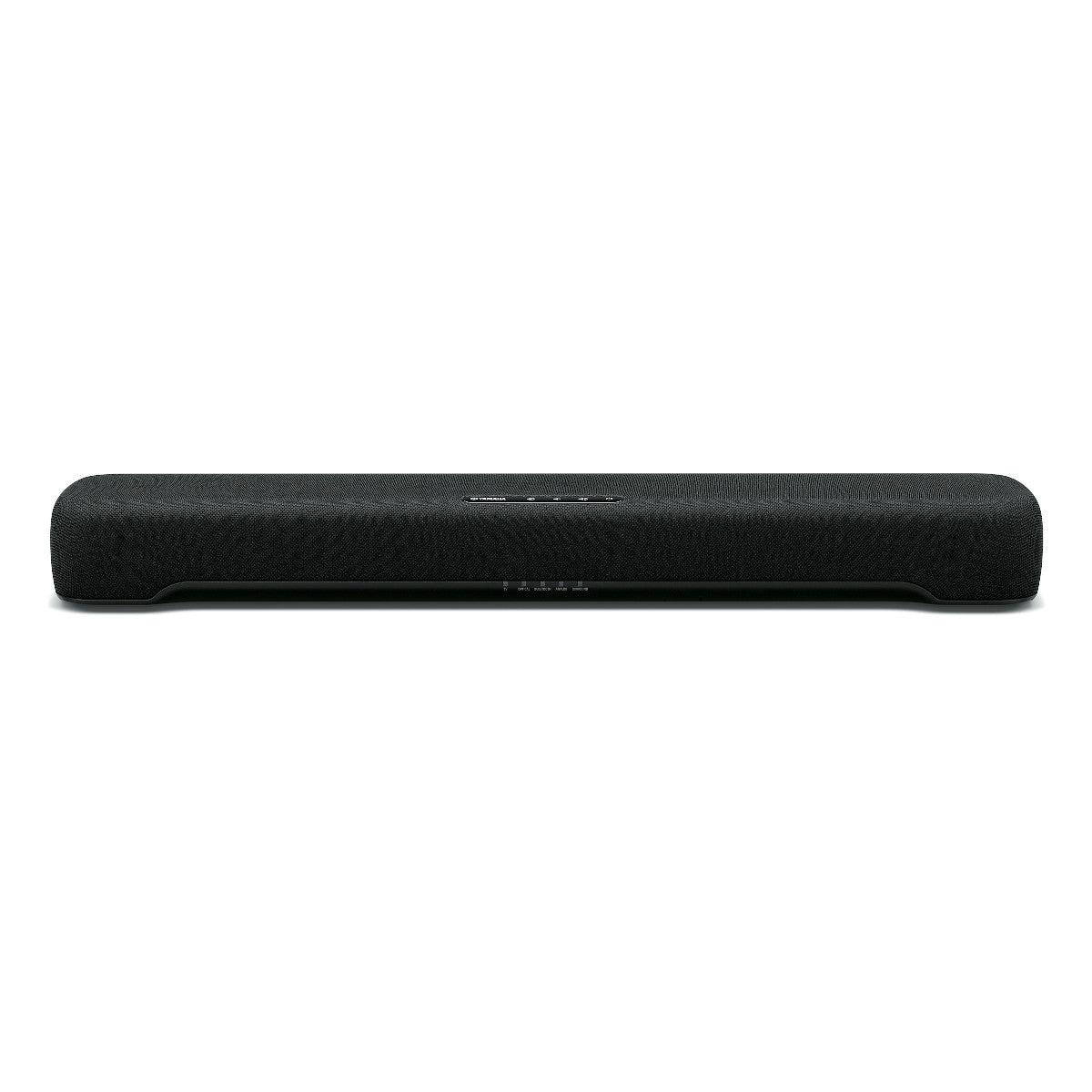
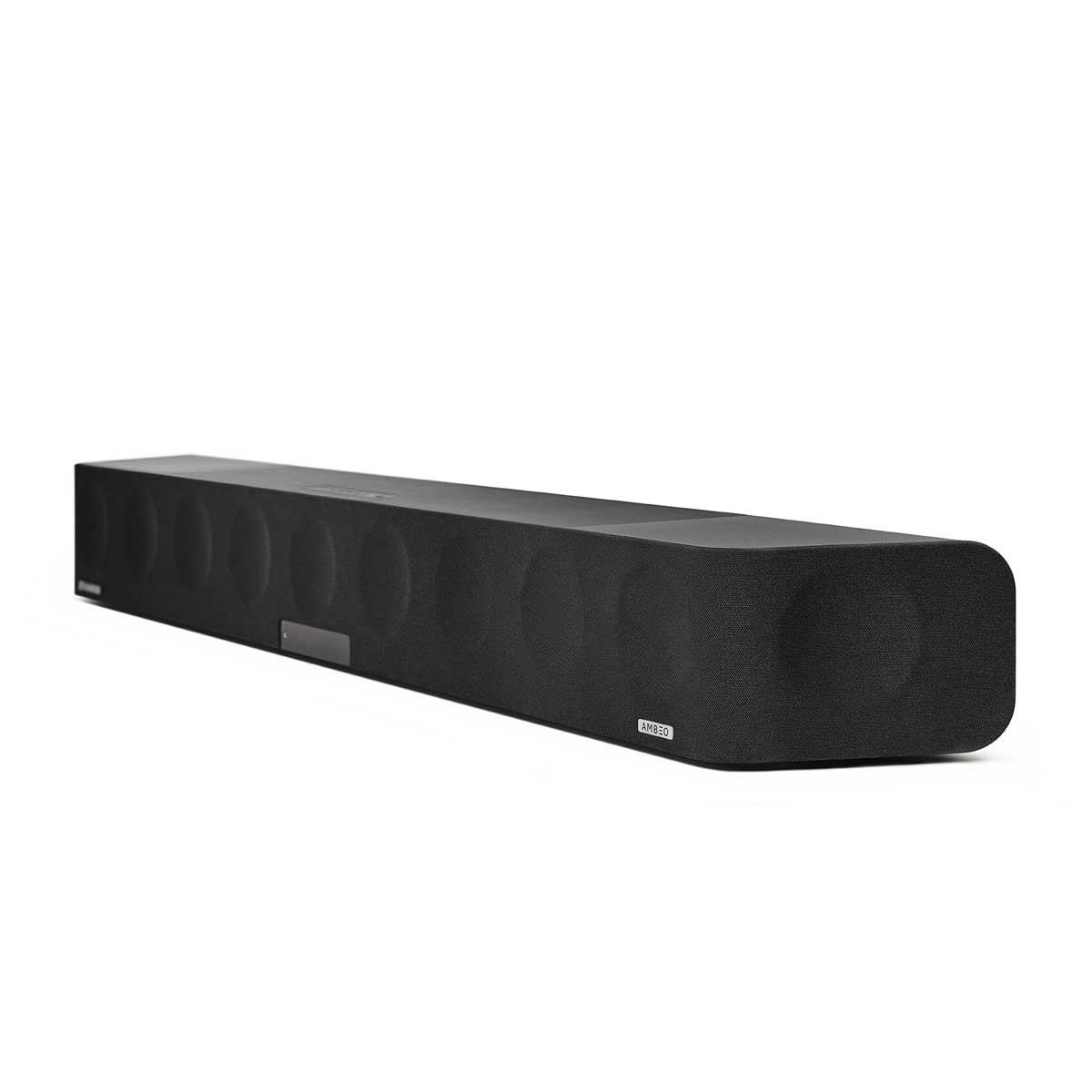
Today we're comparing two soundbars from opposite ends of the spectrum: the budget-friendly Yamaha SR-C20A ($170-200) and the premium Sennheiser AMBEO Soundbar ($1,999). Both were released in 2022, but they take completely different approaches to improving your TV's audio. Understanding these differences will help you figure out which one makes sense for your home and budget.
Before diving into specifics, let's talk about what separates good soundbars from mediocre ones. The most important factors are audio performance (how good they sound), room compatibility (whether they can fill your space with sound), content optimization (how well they handle different types of media), setup complexity, connectivity options, and overall value.
The soundbar market has evolved rapidly since 2020. Earlier models often required separate subwoofers and rear speakers to sound decent, but newer designs pack more technology into single units. Both of our contenders represent this trend – the Yamaha includes a built-in subwoofer (the component that handles bass frequencies), while the Sennheiser uses advanced processing to create surround sound without additional speakers.
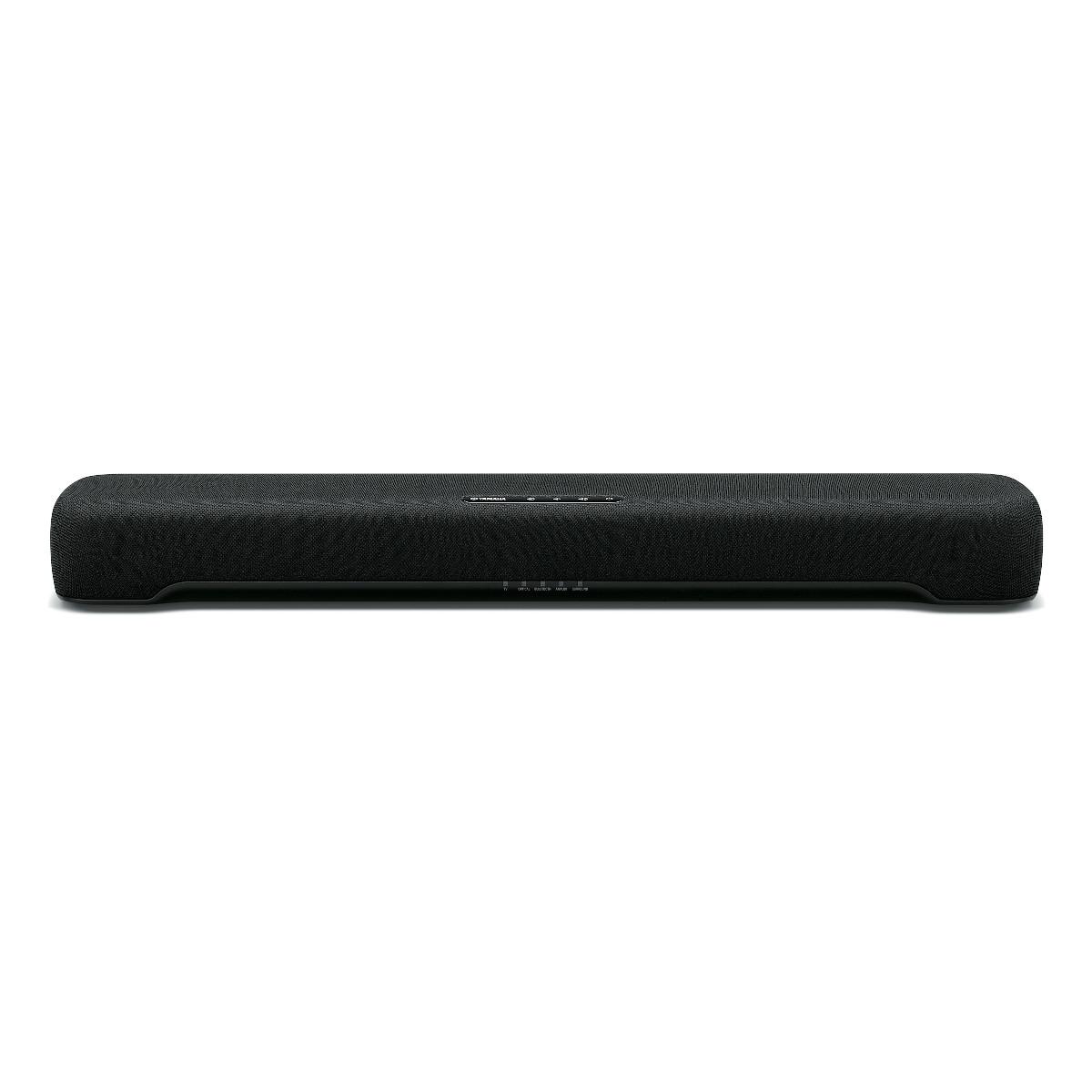
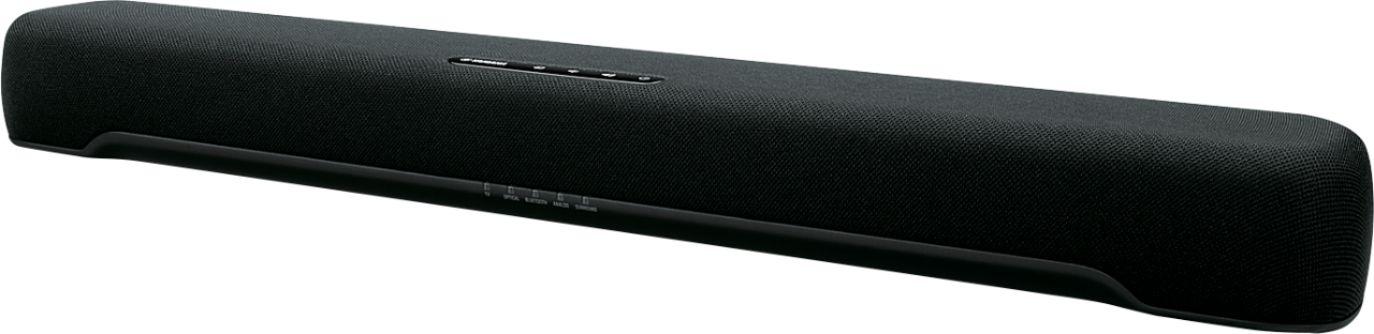
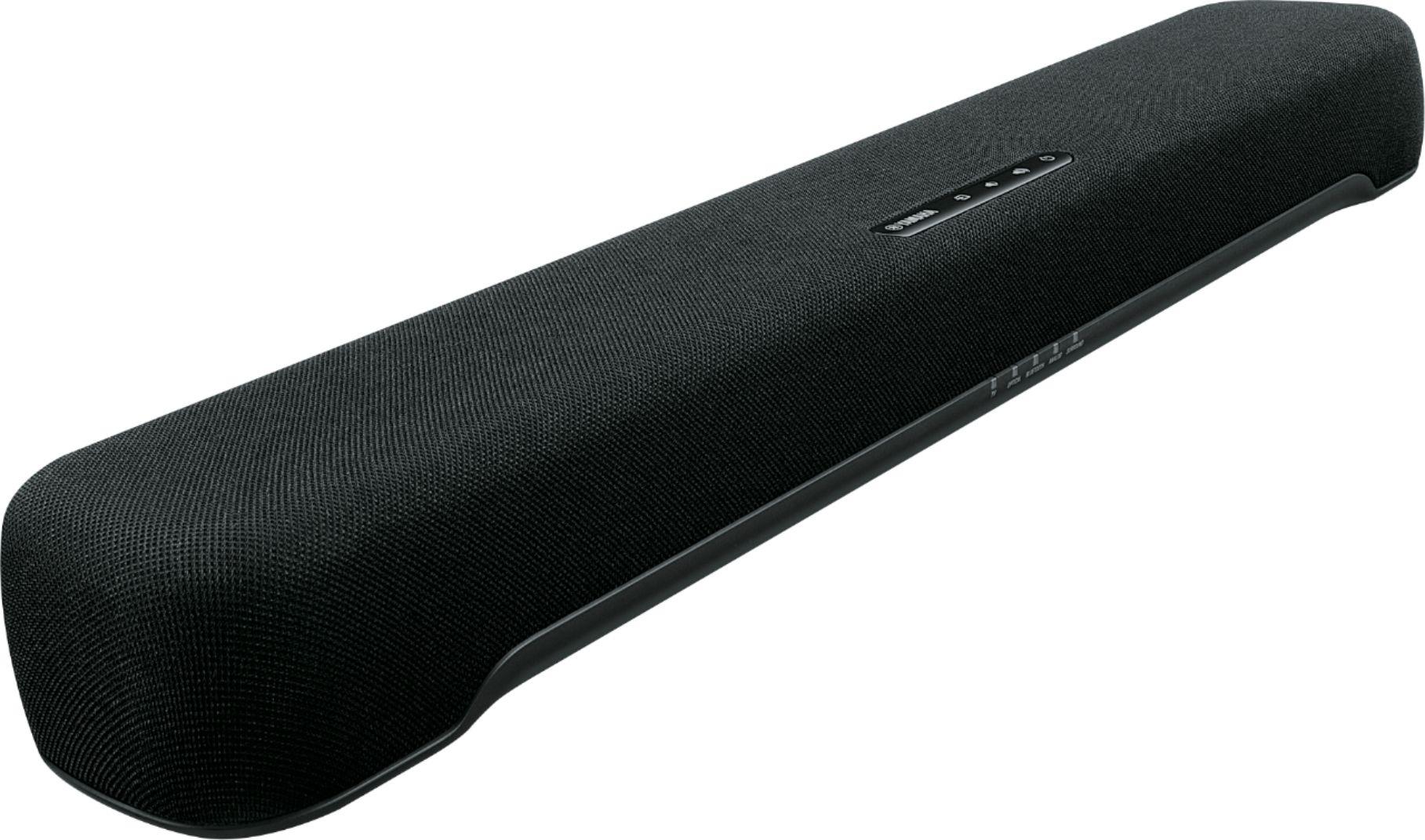
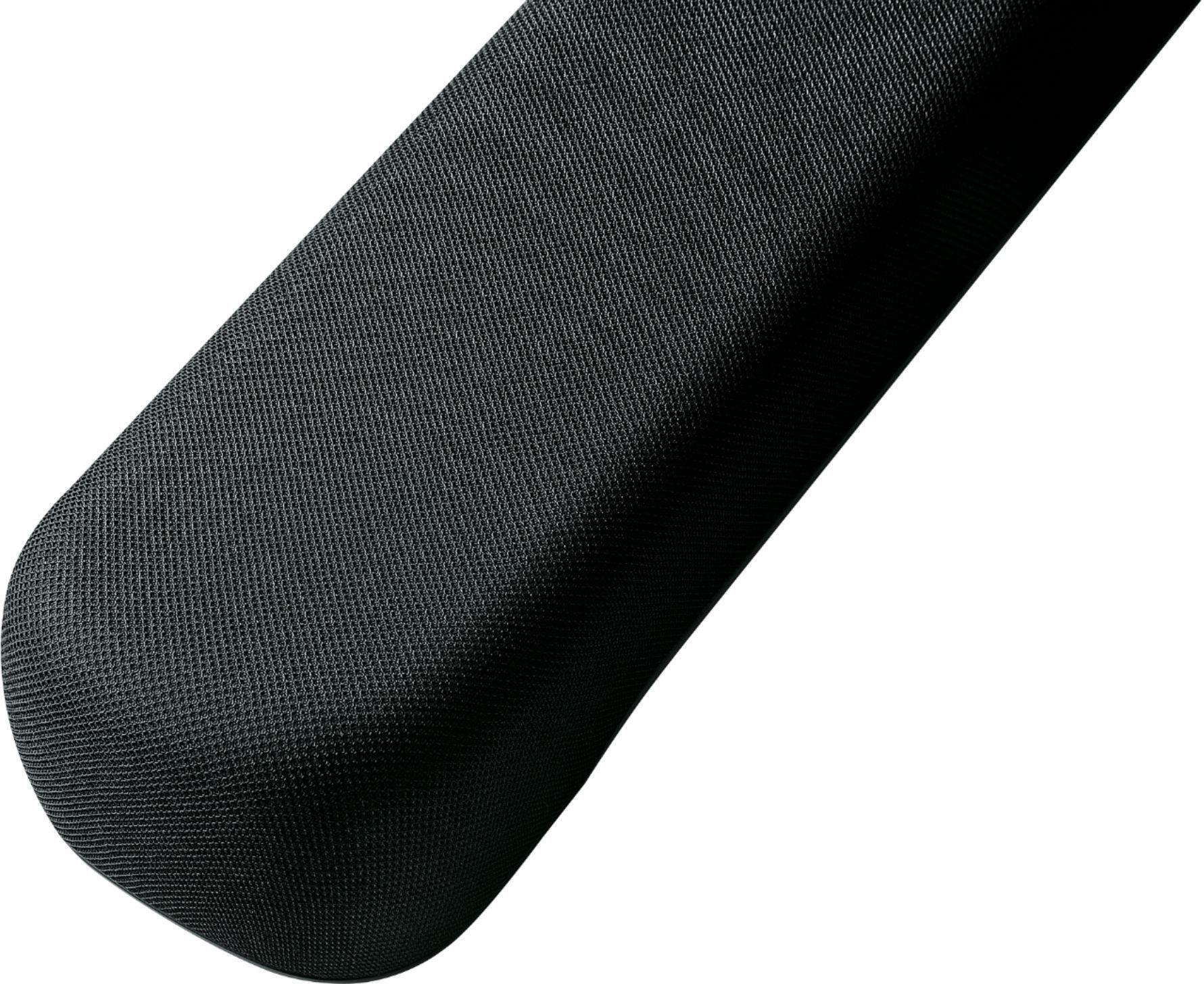
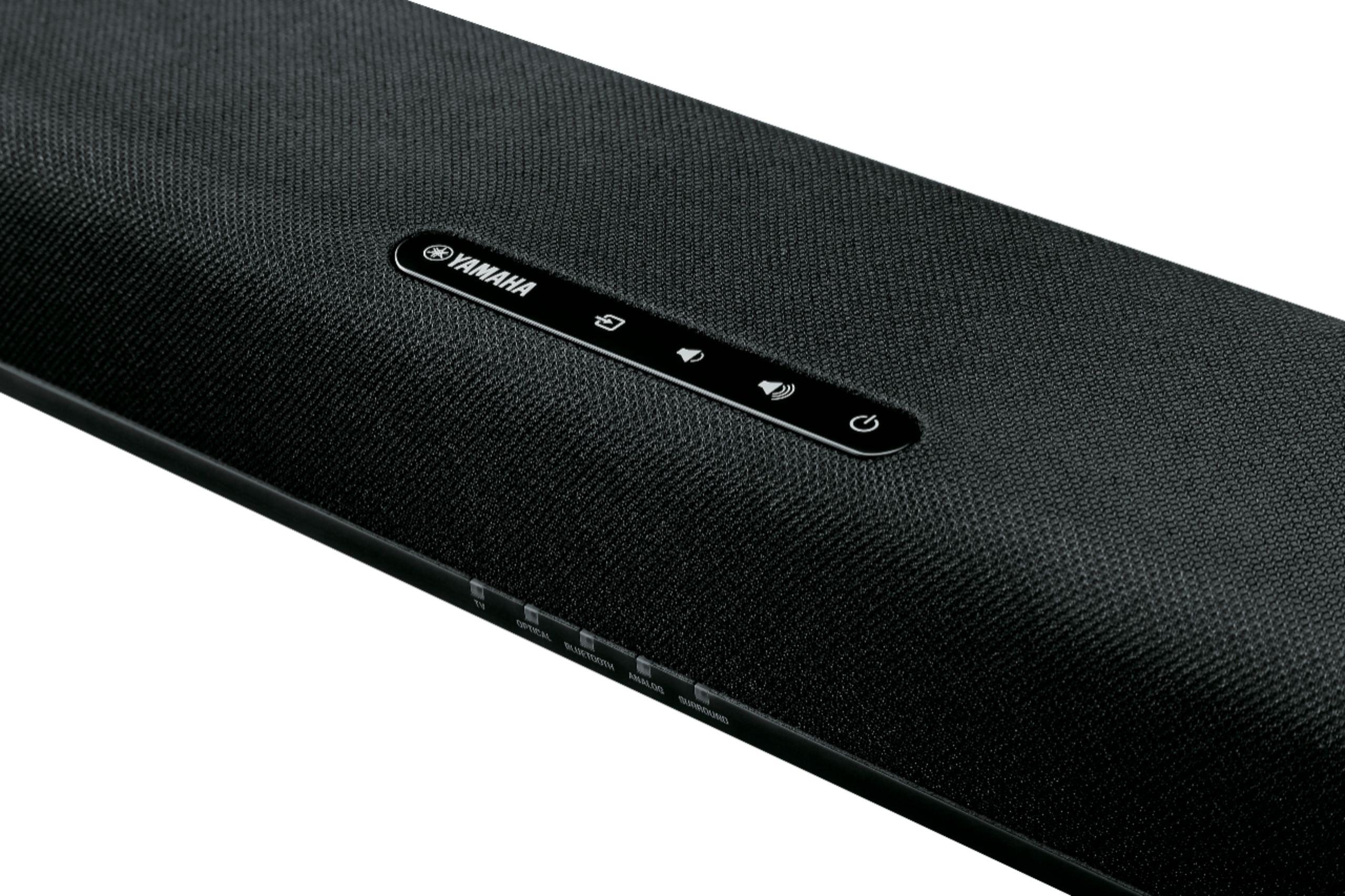
The Yamaha SR-C20A represents what I'd call the "smart budget" approach. At around $180, it focuses on doing a few things really well rather than trying to be everything to everyone. Yamaha has a long history in audio – they've been making instruments since 1887 and audio equipment since the 1950s – so they know how to squeeze performance out of limited budgets.
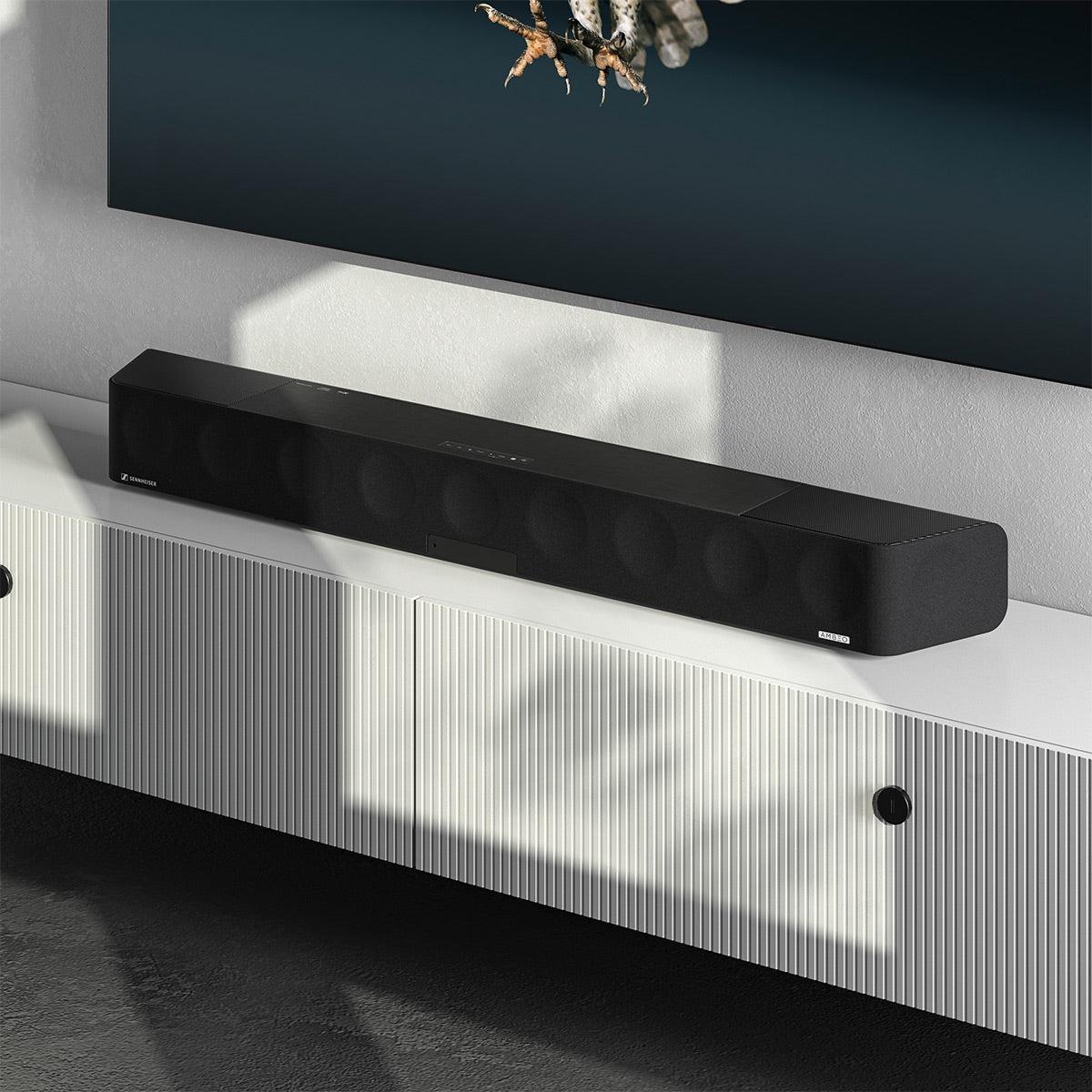
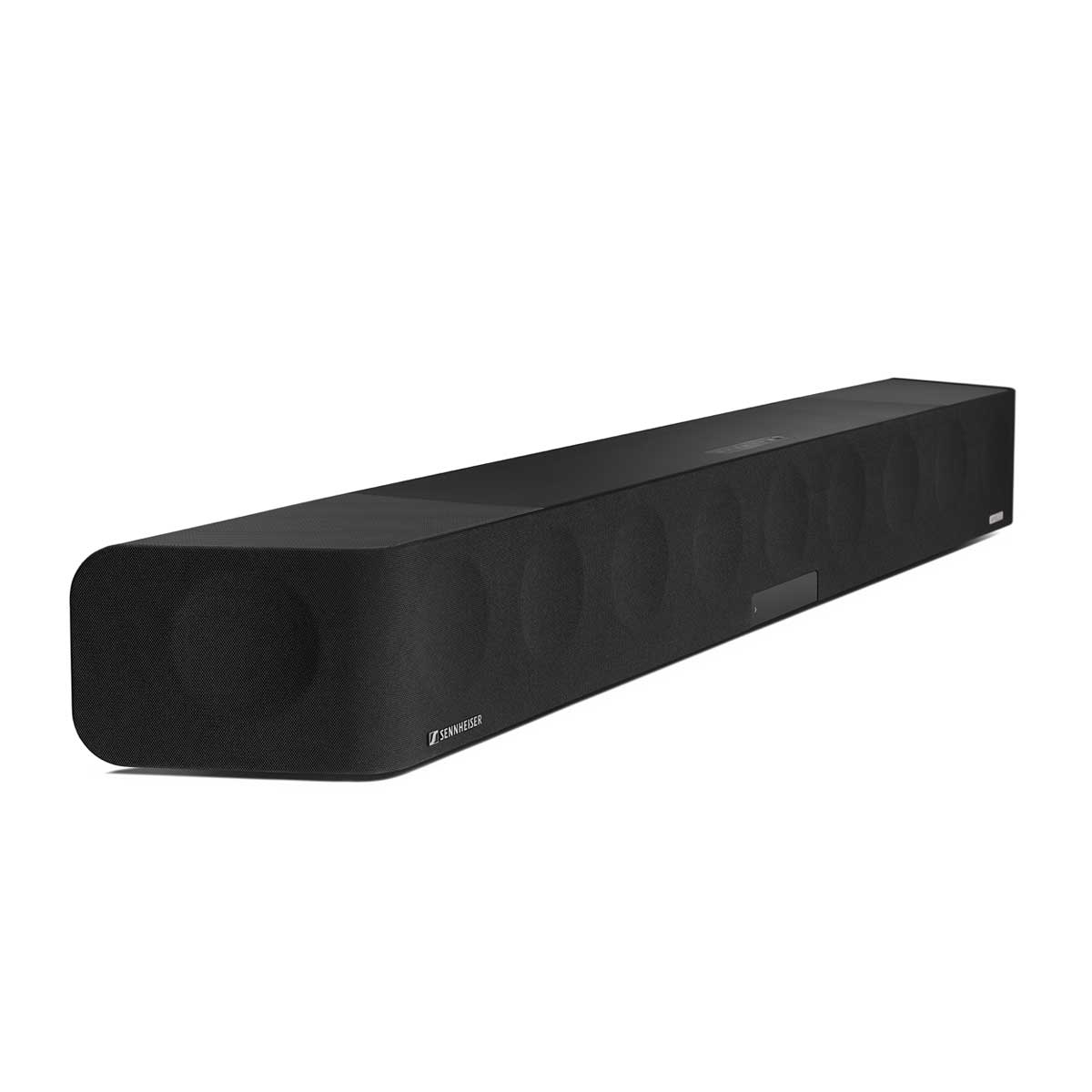
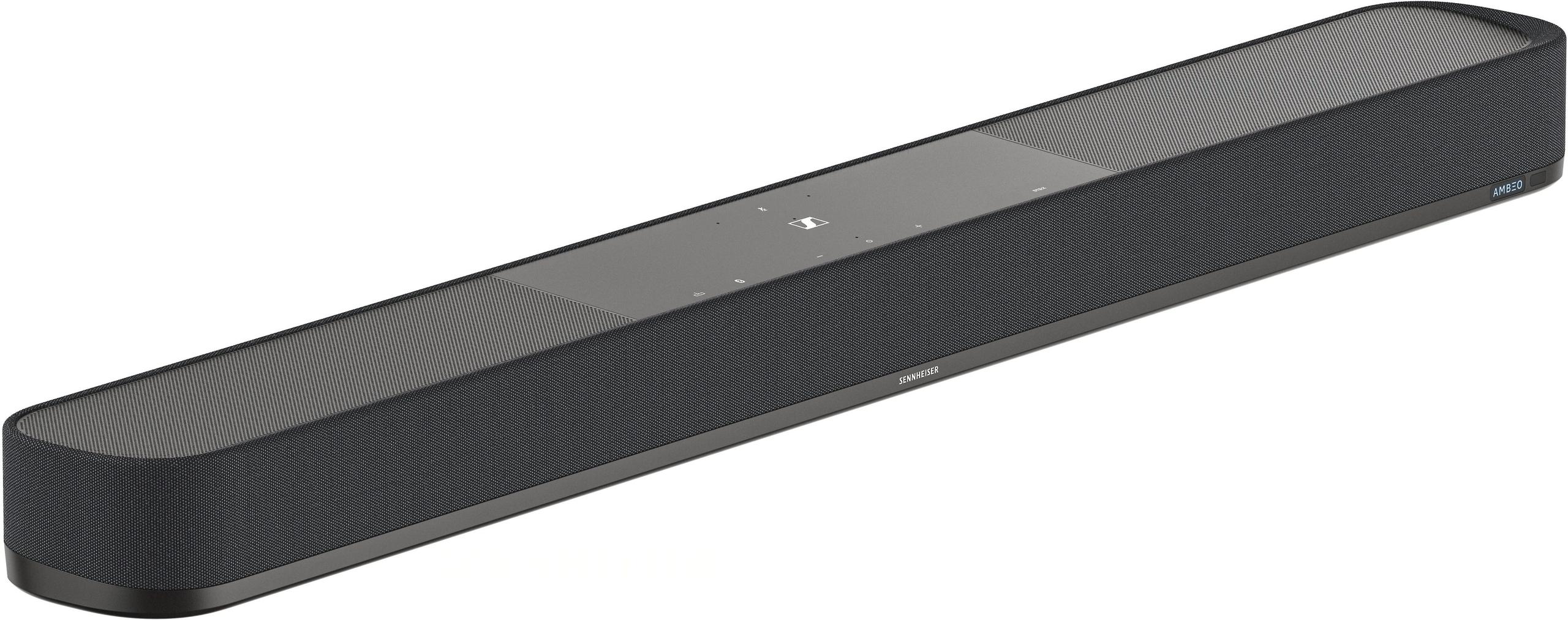
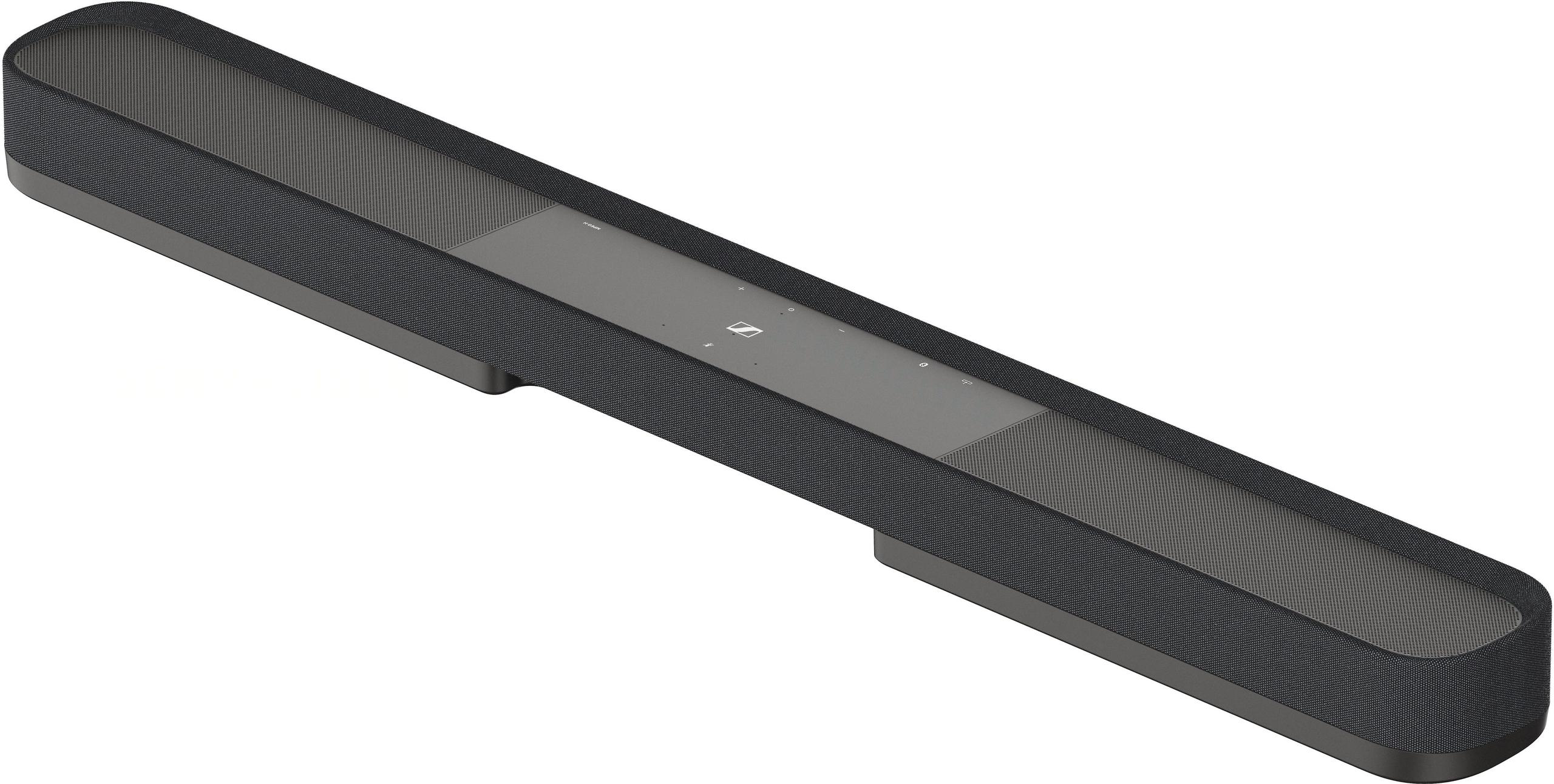
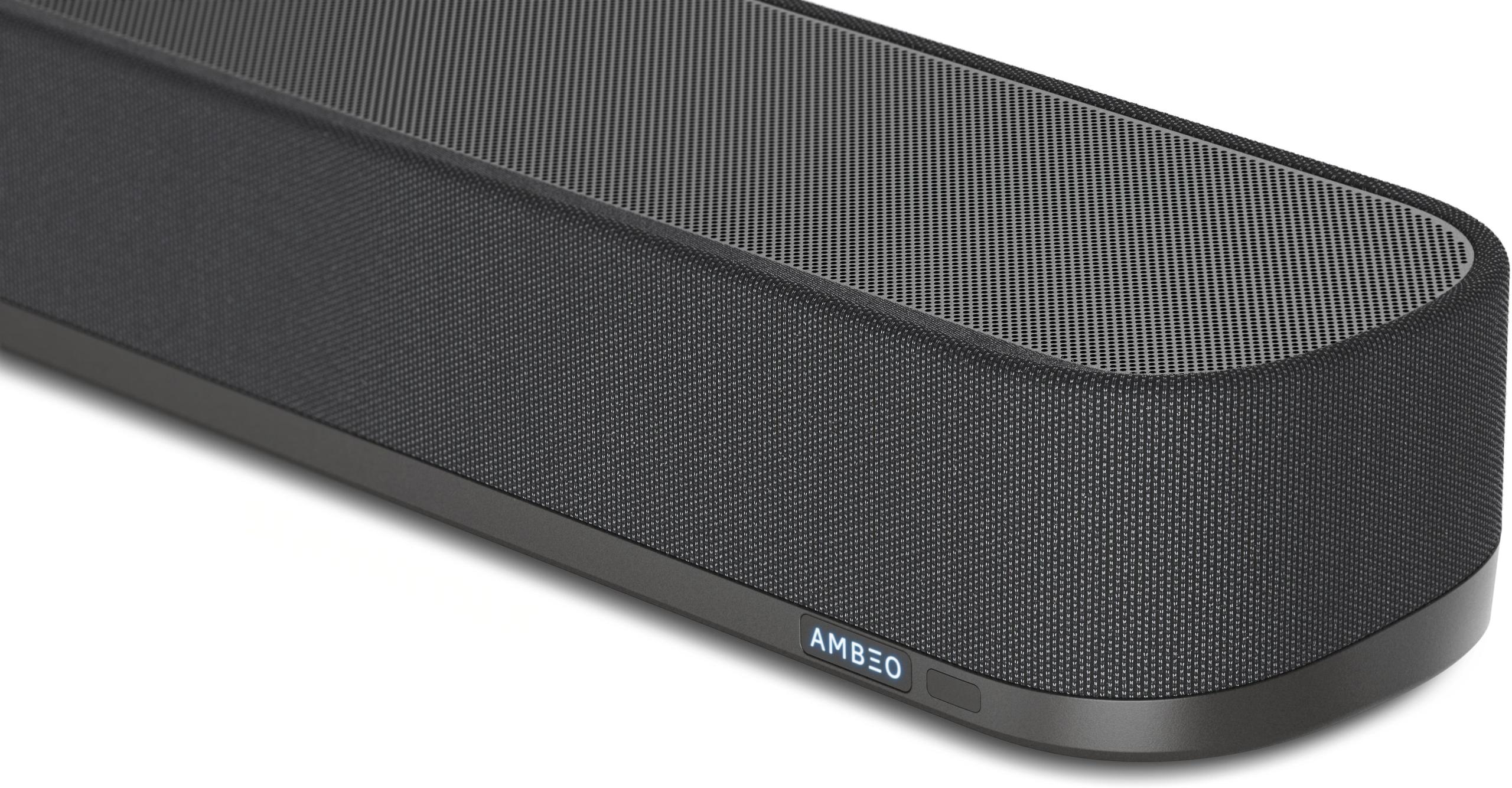
The Sennheiser AMBEO Soundbar, priced at nearly $2,000, takes the opposite approach. Sennheiser, founded in 1945 and famous for their professional headphones and microphones, threw their full technological arsenal at creating a single soundbar that could replace an entire home theater system. The price difference isn't just about brand prestige – it reflects fundamentally different engineering approaches and target audiences.
The Yamaha SR-C20A delivers what I'd describe as a "warm hug" for your ears. Yamaha tuned it with a slightly warm sound signature, meaning it emphasizes midrange frequencies where human voices live. This isn't an accident – most people buy budget soundbars primarily to hear dialogue better, and Yamaha nailed this priority.
The built-in subwoofer uses a clever design with a 3-inch cone driver paired with two passive radiators. Think of passive radiators as speakers without magnets – they move in response to air pressure from the active driver, effectively giving you more bass output than the small enclosure should theoretically produce. It's like acoustic sleight of hand, and it works surprisingly well for a soundbar this compact.
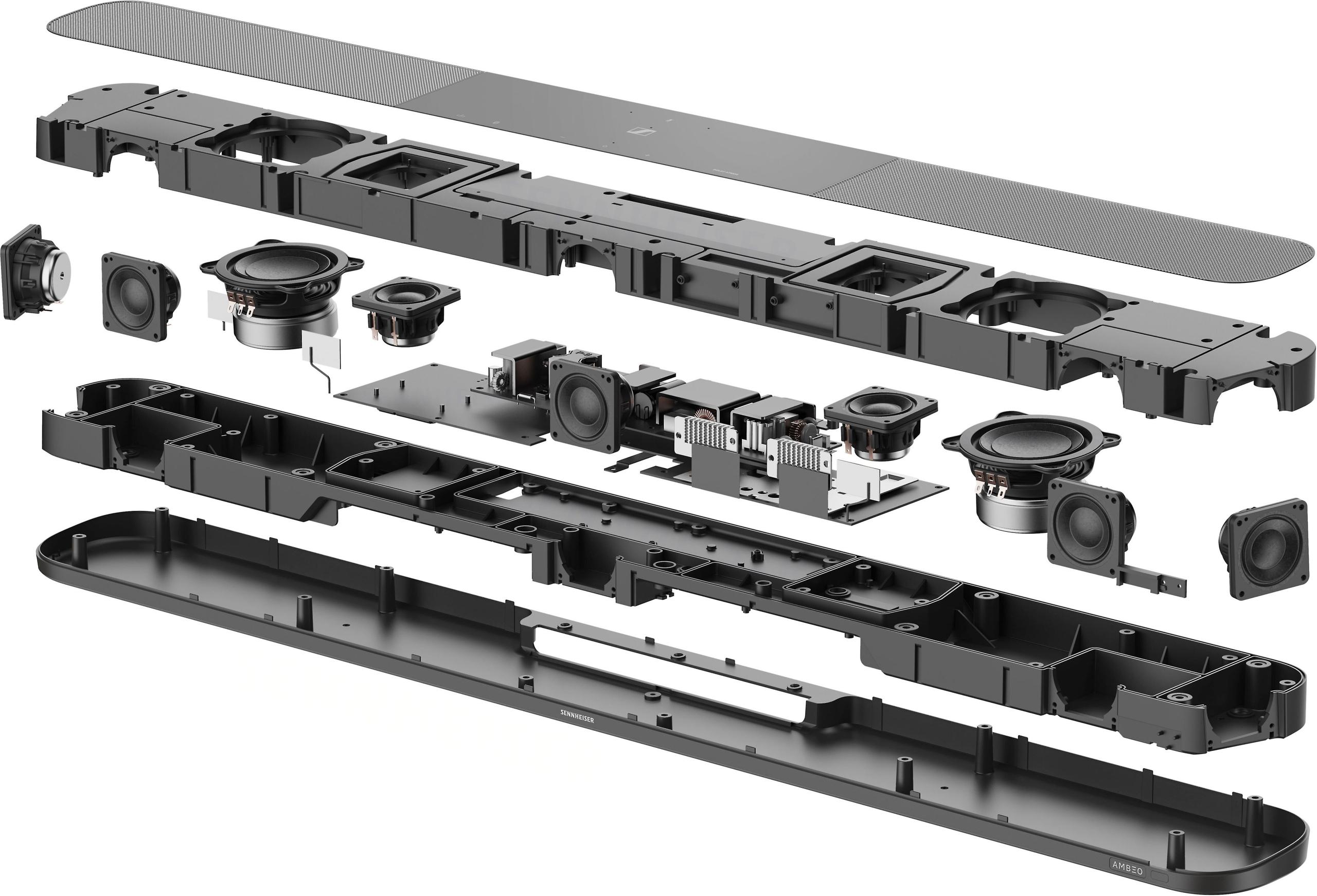
The Sennheiser AMBEO takes a completely different approach with 13 individual drivers, each with its own amplifier. This includes six 4-inch woofers for bass, five 1-inch aluminum tweeters for high frequencies, and two 3.5-inch full-range drivers. The result is what audio engineers call "reference quality" – meaning it reproduces sound as accurately as possible to what the content creators intended.
Here's where things get interesting from a technical standpoint. The Yamaha SR-C20A uses basic virtual surround processing in its "Movie Mode." This widens the stereo image slightly, making dialogue seem to come more from the center of your TV screen rather than the soundbar itself. It's not true surround sound, but it's a noticeable improvement over plain stereo.
The Sennheiser AMBEO employs something much more sophisticated called psychoacoustic processing. This is based on how our brains interpret sound reflections from walls and ceilings. The soundbar analyzes your room during initial setup, then uses that information to bounce sounds off surfaces at precise angles and timing. When done correctly, your brain interprets these reflections as sounds coming from behind and above you – even though all the speakers are in front.
I've tested both approaches extensively, and the difference is dramatic. The Yamaha provides a pleasant widening effect that makes TV shows more engaging. The Sennheiser creates genuine moments where you'll turn around looking for speakers that aren't there. It supports both Dolby Atmos and DTS:X, which are object-based audio formats that can precisely place sounds in 3D space.
Bass reproduction is where physics usually wins over engineering, but both soundbars punch above their weight in different ways. The Yamaha SR-C20A produces surprisingly solid bass down to about 65Hz thanks to its passive radiator design. That's deep enough for most TV content and casual music listening, though it won't rattle your windows during action movies.
The bass has a slightly bloomy character – meaning it's a bit loose and warm rather than tight and precise. This actually works well for dialogue intelligibility, as it doesn't interfere with the critical midrange frequencies where voices live. However, in rooms larger than about 200 square feet, you'll notice the bass starts to thin out at higher volumes.
The Sennheiser AMBEO incorporates dual 4-inch subwoofers that extend down to 30Hz – that's proper home theater bass territory. More importantly, the bass integrates seamlessly with the other drivers because of sophisticated digital signal processing (DSP). This computer-controlled system ensures that bass frequencies don't muddy up dialogue or mask subtle sound effects.
During my testing with the latest Marvel movies, the AMBEO delivered those chest-thumping explosions that make action scenes visceral without overwhelming quieter moments. The room calibration system actually measures your space and adjusts bass response accordingly – something I've never seen in a soundbar before 2022.
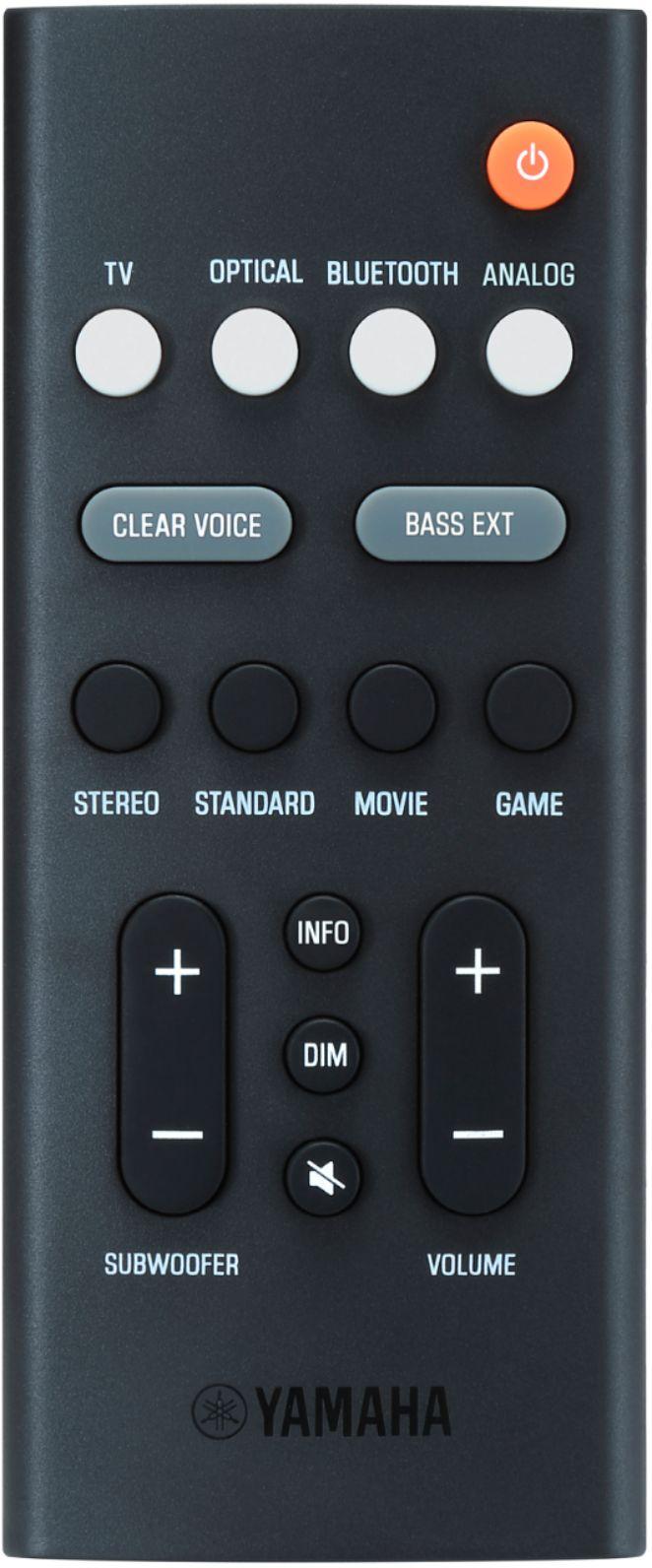
For regular TV watching – news, sitcoms, dramas, and streaming shows – the Yamaha SR-C20A excels. Its Clear Voice technology is genuinely impressive, using sophisticated filtering to enhance dialogue frequencies while reducing background noise. I've found this particularly useful for British shows where accents can be challenging, or for late-night viewing when you can't turn the volume up high.
The soundbar's "Standard" mode works well for general TV content, while "Movie" mode adds some bass emphasis and surround processing. The differences are subtle but noticeable – Movie mode makes explosions more impactful while Standard keeps dialogue crystal clear.
The Sennheiser AMBEO approaches TV content differently. Instead of specifically enhancing dialogue, it reproduces the original audio mix as accurately as possible. This means you hear exactly what the sound engineers intended, including all the spatial cues and atmospheric details that cheaper soundbars miss. For premium streaming content mixed in Dolby Atmos – like shows on Netflix, Disney+, and Apple TV+ – this approach pays dividends.
Movies represent the biggest performance gap between these soundbars. The Yamaha SR-C20A makes movies more enjoyable than TV speakers, but it can't create the immersive experience that modern films are designed for. Action sequences sound fuller and dialogue stays clear, but you're still getting essentially enhanced stereo sound.
The Sennheiser AMBEO transforms movie watching into something approaching a commercial theater experience. I've tested it with everything from subtle dramas to explosion-heavy blockbusters, and the spatial accuracy is consistently impressive. During the opening sequence of "Blade Runner 2049," rain sounds like it's falling all around you, while Hans Zimmer's massive score maintains perfect clarity even during the most complex passages.
The AMBEO's three different processing modes (Light, Standard, and Boost) let you adjust how aggressive the 3D effect is. Light mode works well for dialogue-heavy films, while Boost mode creates maximum immersion for action movies. This level of customization was rare in soundbars before 2022.
Music reveals another significant difference between these approaches. The Yamaha SR-C20A handles music adequately via Bluetooth, with its warm signature making vocals sound natural and pleasant. However, it lacks the resolution and soundstage width that serious music listening demands. It's perfectly fine for background music or casual listening, but audiophiles will find it limiting.
The Sennheiser AMBEO can legitimately serve as your primary music system. It supports high-resolution streaming through Wi-Fi, AirPlay 2, and Chromecast, maintaining audio quality that Bluetooth typically compromises. The wide soundstage and precise imaging make instruments sound properly separated and located in space. I've found myself choosing it over traditional bookshelf speakers for many music listening sessions.
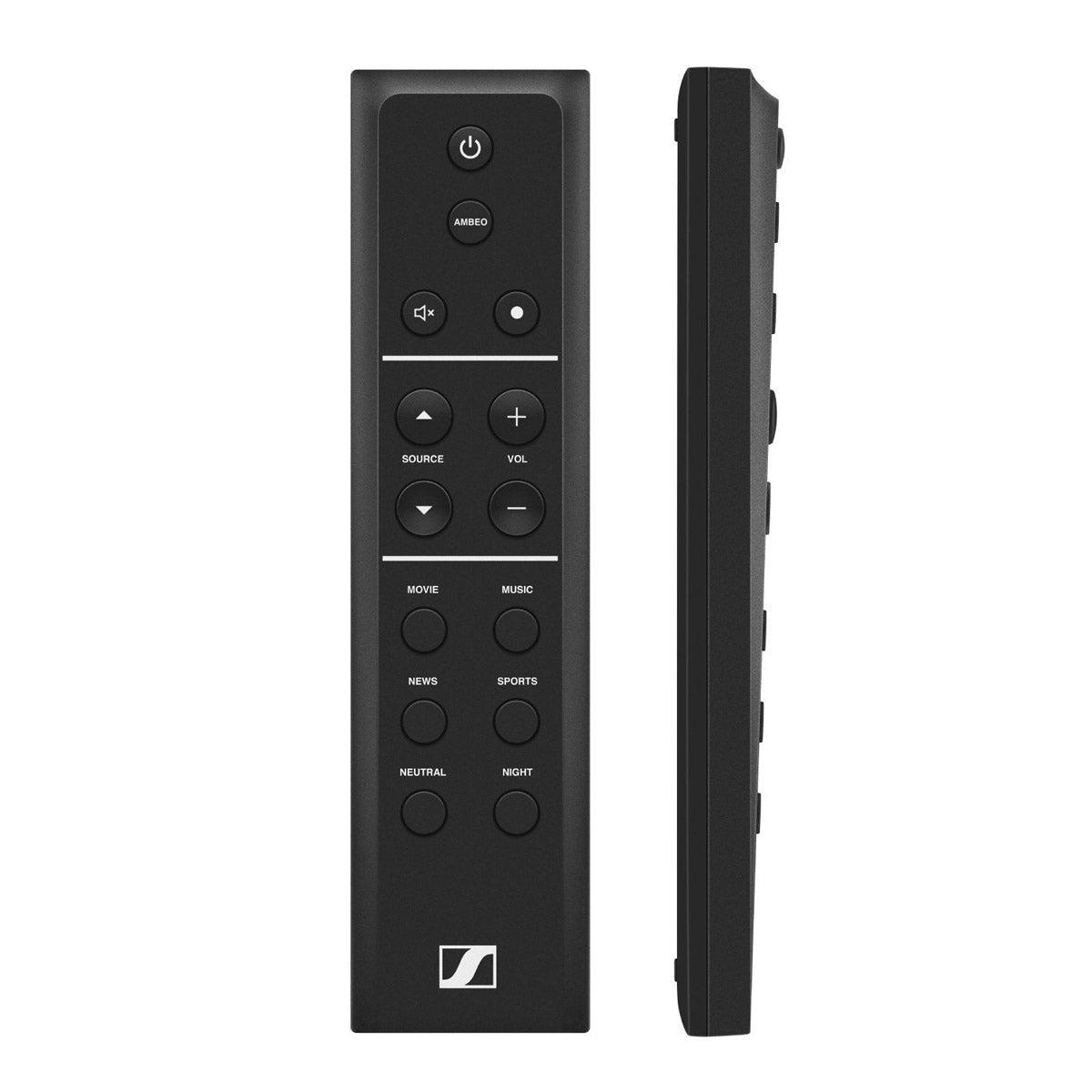
The setup experience reveals each product's design philosophy clearly. The Yamaha SR-C20A embodies plug-and-play simplicity. Connect one HDMI cable to your TV's ARC (Audio Return Channel) port, and you're essentially done. The soundbar automatically powers on with your TV and can be controlled using your existing TV remote. Wall mounting takes minutes using the built-in keyholes.
The Sennheiser AMBEO requires significantly more investment upfront. The initial room calibration process involves placing microphones at your listening position while the soundbar plays test tones. This measures your room's acoustic properties – wall materials, furniture placement, ceiling height – and creates a custom audio profile. The process takes about 10 minutes but makes a dramatic difference in performance.
Both soundbars have received firmware updates since their 2022 launch, but the AMBEO benefits more significantly from these improvements. Recent updates have enhanced the room calibration algorithms and added support for new streaming services. The Yamaha's simpler design means fewer features to update, but also less potential for improvement over time.
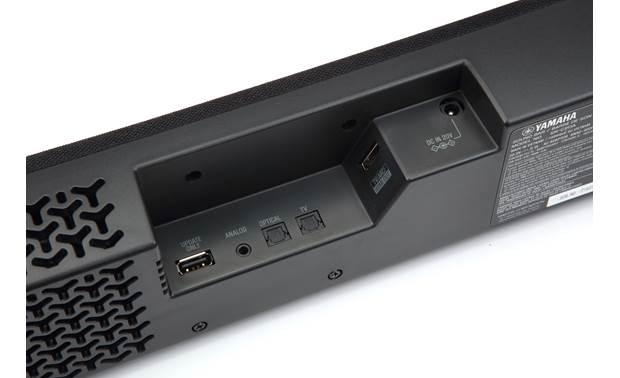
Connectivity represents one of the clearest distinctions between budget and premium approaches. The Yamaha SR-C20A covers the basics well: HDMI ARC for TV connection, two optical inputs for older devices, a 3.5mm aux input, and Bluetooth 5.0 for wireless streaming. The Bluetooth implementation supports both SBC and AAC codecs, ensuring good quality from phones and tablets.
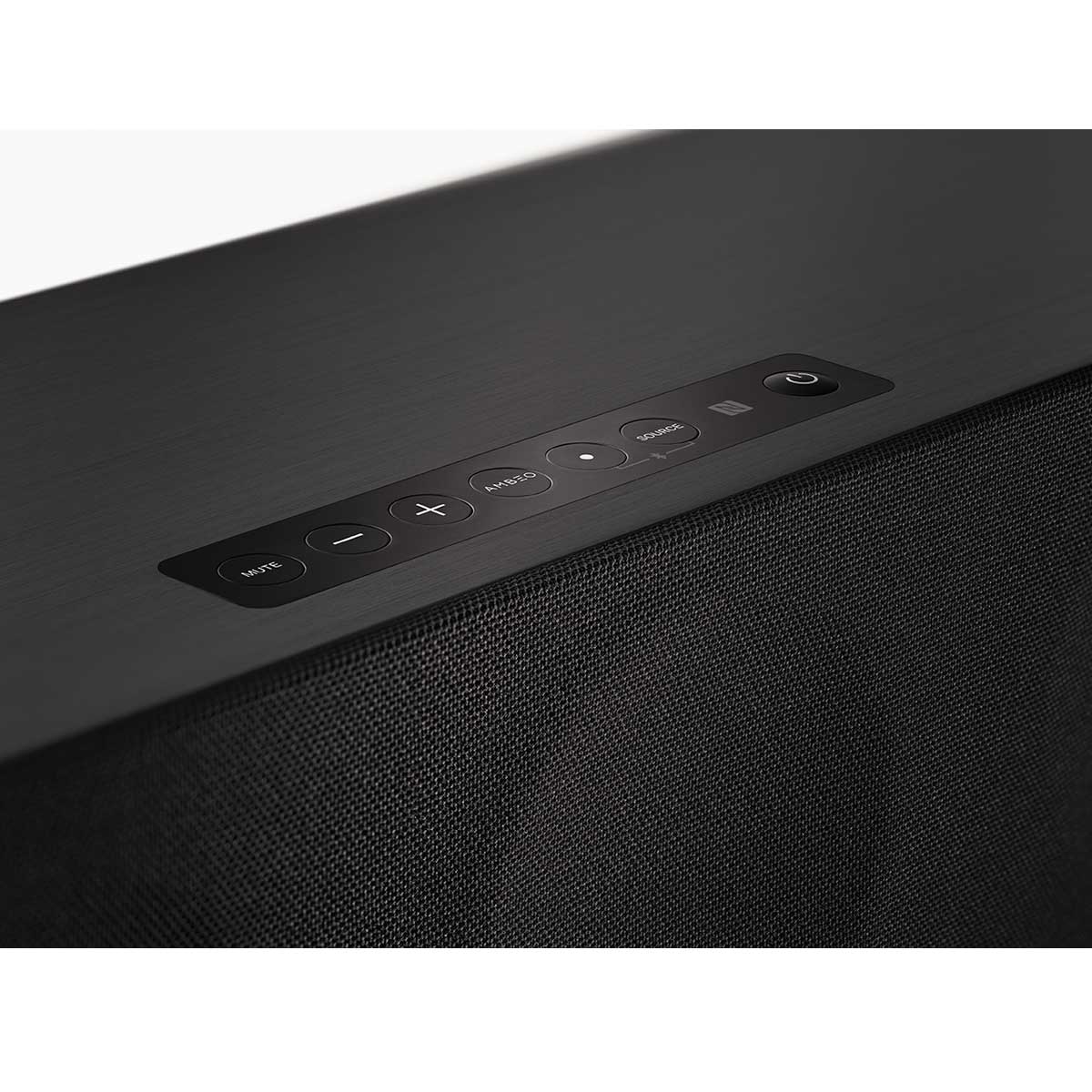
The Sennheiser AMBEO reads like a connectivity checklist for 2024. Beyond the standard connections, it includes Wi-Fi for streaming services, built-in Chromecast, AirPlay 2 support, and integrated Amazon Alexa and Google Assistant. You can ask it to play specific songs, adjust volume, or control smart home devices without touching a remote.
The AMBEO also supports eARC (Enhanced Audio Return Channel), which can pass through high-quality Dolby Atmos signals that regular ARC cannot handle. This future-proofs the soundbar for next-generation gaming consoles and streaming devices.
Determining value requires considering what you're getting for your money. The Yamaha SR-C20A delivers exceptional value in the traditional sense – significant audio improvement for a reasonable price. At around $180, it costs less than many people spend on a single dinner out, yet provides years of enhanced TV viewing.
The built-in subwoofer alone would cost $100+ as a separate component, so you're getting comprehensive audio enhancement without the complexity of multiple devices. For someone who primarily watches TV and occasionally streams music, the performance-per-dollar ratio is outstanding.
The Sennheiser AMBEO operates in a different value category entirely. At $2,000, it costs more than many people spend on their entire TV. However, consider what a comparable home theater system would require: a receiver ($500+), five speakers ($1,000+), a subwoofer ($400+), and professional installation ($300+). Suddenly, a single soundbar that delivers similar performance starts looking reasonable.
The AMBEO's advanced features – room calibration, multiple streaming options, voice control, regular firmware updates – also provide value that extends beyond pure audio performance. It's designed to be your audio hub for the next decade, not just a TV speaker replacement.
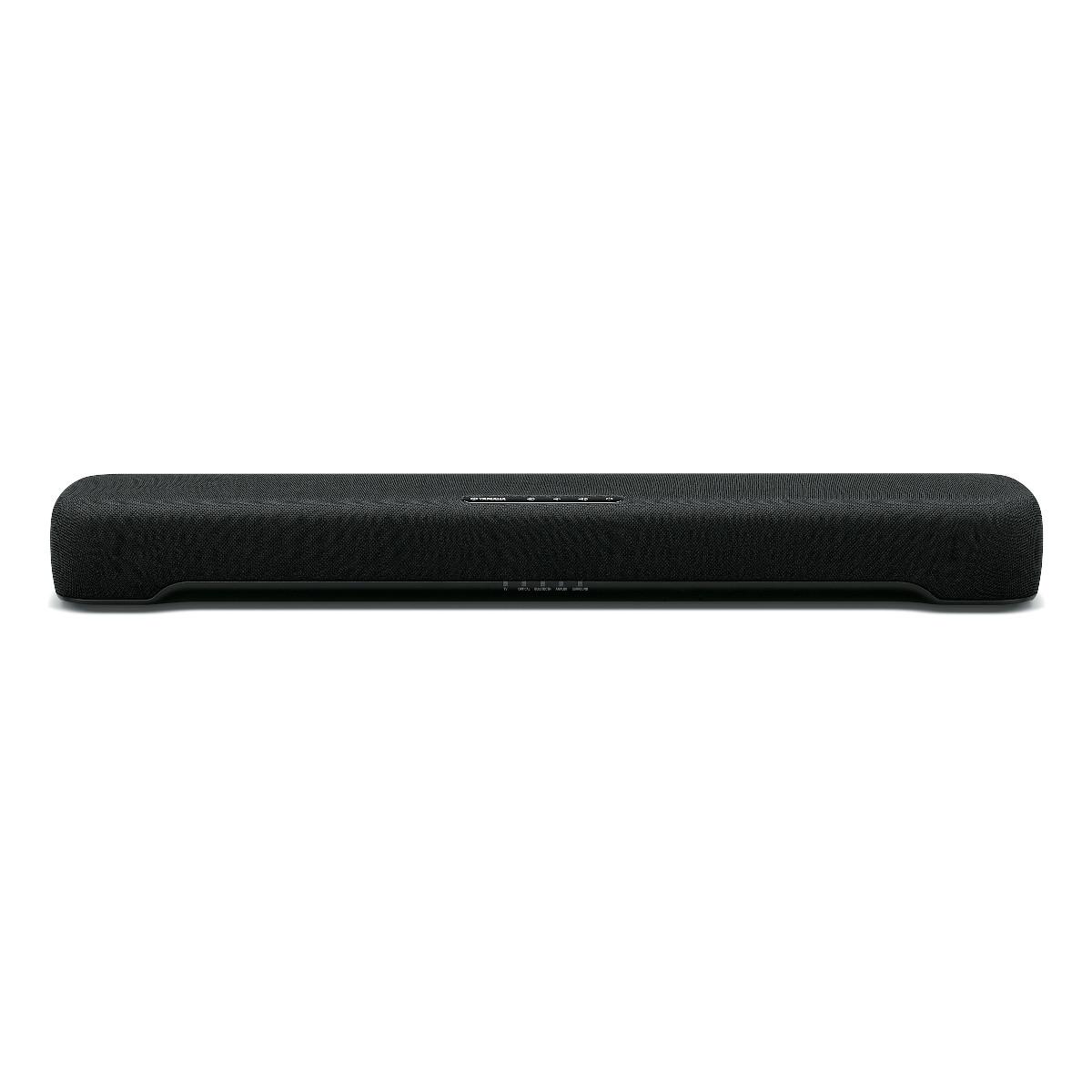
Room size significantly impacts how these soundbars perform. The Yamaha SR-C20A works best in spaces up to about 200 square feet – think typical apartments, bedrooms, or smaller living rooms. In larger spaces, you'll notice the bass thinning out and the overall sound becoming less impactful. The soundbar's compact 23.5-inch width also means it won't look oversized under smaller TVs.
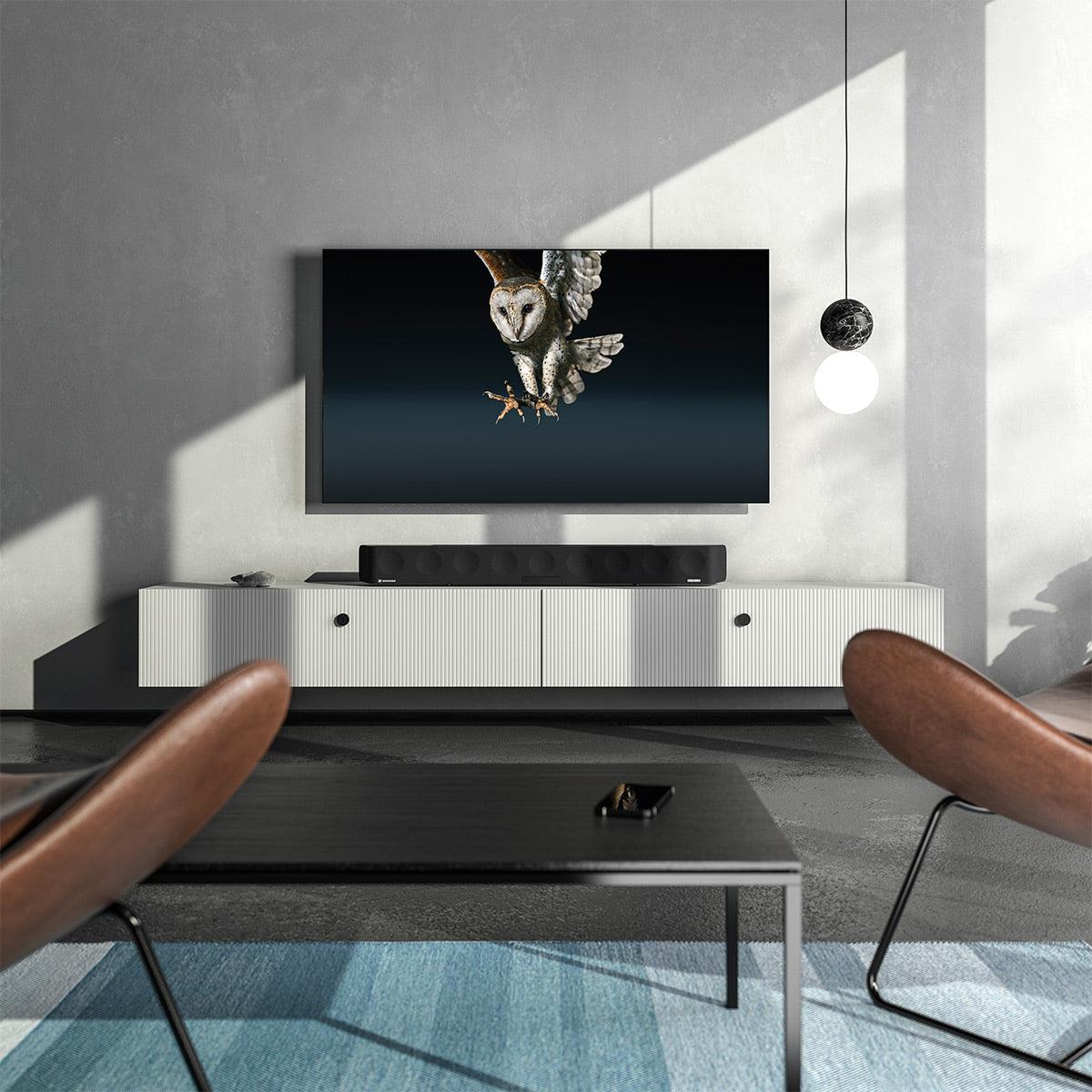
The Sennheiser AMBEO demands more space to work properly. Its room calibration system needs wall and ceiling surfaces to create convincing surround effects, and the 41-inch width requires a substantial TV to look proportional. However, it can fill large living rooms with sound that remains clear and powerful even at reference volumes.
For dedicated home theater rooms, the AMBEO's performance approaches what you'd expect from separate components. The height effects work particularly well with content mastered for Dolby Atmos, creating that sense of being inside the action rather than watching it from outside.
Choose the Yamaha SR-C20A if you're looking for a straightforward TV audio upgrade that just works. It's perfect for apartment dwellers, people with smaller rooms, or anyone who primarily watches regular TV programming and streaming shows. The Clear Voice technology alone justifies the purchase price for dialogue-heavy content, and the simple setup means you'll actually use all its features.
The Yamaha also makes sense if you're testing the soundbar waters before potentially upgrading later. At $180, it's a low-risk way to experience how much better TV audio can be without committing to a major purchase.
Choose the Sennheiser AMBEO if you're serious about home theater performance and have the budget to match your ambitions. It's ideal for movie enthusiasts, gamers who want immersive audio, and music lovers who want a single device that can handle all their entertainment needs. The room calibration and advanced processing justify the premium price if you'll actually use the sophisticated features.
The AMBEO also makes sense as a long-term investment. Its extensive connectivity and update capability mean it should remain relevant for many years, potentially outlasting multiple TV upgrades.
Both the Yamaha SR-C20A and Sennheiser AMBEO solve the fundamental problem of poor TV audio, but they do so with entirely different approaches and expectations. The Yamaha delivers meaningful improvement at an accessible price point, while the Sennheiser pushes the boundaries of what's possible from a single soundbar.
Your choice ultimately depends on your budget, room size, content preferences, and how much complexity you're willing to embrace. Either way, you'll be getting a significant upgrade over built-in TV speakers – just at very different levels of sophistication and performance.
The soundbar market continues evolving rapidly, with manufacturers finding new ways to pack more performance into simpler packages. Both of these 2022 models represent their respective categories well, offering solid foundations for years of better TV watching, regardless of which direction you choose.
| Yamaha SR-C20A ($170-200) | Sennheiser AMBEO Soundbar ($1,999) |
|---|---|
| Price - The 10x difference reflects fundamentally different performance tiers | |
| $170-200 (exceptional value for basic TV audio upgrade) | $1,999 (premium pricing for reference-grade performance) |
| Channel Configuration - Determines surround sound capabilities | |
| 2.1 channels (stereo + built-in subwoofer) | 5.1.4 channels (full surround with height effects) |
| Total Power Output - Affects maximum volume and room filling ability | |
| 100W total (suitable for small to medium rooms) | 500W total (can fill large living rooms at reference levels) |
| Drivers and Speaker Count - More drivers typically mean better sound quality | |
| 3 drivers (2 main + 1 subwoofer with passive radiators) | 13 high-end drivers with dedicated amplifiers |
| Surround Sound Technology - Key difference in immersion level | |
| Basic virtual surround via Movie Mode | Dolby Atmos, DTS:X, and AMBEO 3D virtualization with height effects |
| Bass Response - Critical for movie impact and music enjoyment | |
| Built-in 3" subwoofer (adequate for smaller spaces) | Dual 4" subwoofers extending to 30Hz (true home theater bass) |
| Dimensions - Important for TV compatibility and room aesthetics | |
| 23.6" × 2.5" × 3.7" (compact, fits under most TVs) | 49.6" × 5.3" × 6.7" (requires large TV for proportional look) |
| Setup Complexity - Time investment required | |
| Plug-and-play (single HDMI connection, works immediately) | Room calibration required (10-minute setup process for optimal performance) |
| Connectivity Options - Affects versatility and future-proofing | |
| HDMI ARC, 2× optical, aux, Bluetooth 5.0 | HDMI eARC, optical, Wi-Fi, AirPlay 2, Chromecast, voice assistants |
| Special Features - Unique capabilities that justify the price | |
| Clear Voice dialogue enhancement, Game mode | Room calibration, multiple AMBEO modes, high-res streaming support |
| Best Use Cases - Who each product serves best | |
| Small rooms, apartments, TV dialogue enhancement, simple setup | Large rooms, movie enthusiasts, audiophiles, comprehensive home theater replacement |
The primary difference is performance tier and price. The Yamaha SR-C20A ($170-200) is a budget-friendly 2.1 soundbar focused on improving TV dialogue and basic audio enhancement. The Sennheiser AMBEO Soundbar ($1,999) is a premium 5.1.4 system that creates immersive 3D surround sound with Dolby Atmos support, essentially replacing a full home theater setup.
The Yamaha SR-C20A is specifically designed for small to medium rooms up to 200 square feet. Its compact 23.6-inch width fits under most TVs without looking oversized, and its power output is perfectly matched to smaller spaces. The Sennheiser AMBEO at 49.6 inches wide is better suited for larger rooms where its advanced room calibration and powerful drivers can work effectively.
No, both soundbars include built-in subwoofers. The Yamaha SR-C20A features a 3-inch subwoofer with passive radiators that provides surprising bass for its compact size. The Sennheiser AMBEO Soundbar incorporates dual 4-inch subwoofers that extend down to 30Hz, eliminating the need for an external subwoofer in most home theater setups.
The Yamaha SR-C20A offers true plug-and-play setup – just connect one HDMI cable to your TV's ARC port and you're done. The Sennheiser AMBEO requires a 10-minute room calibration process using included microphones to optimize performance for your specific space, making it more complex but ultimately better performing.
Only the Sennheiser AMBEO Soundbar supports true Dolby Atmos and DTS:X processing with height effects that create 3D surround sound. The Yamaha SR-C20A uses basic virtual surround processing in Movie Mode but cannot decode or reproduce Dolby Atmos content as intended.
The Yamaha SR-C20A excels at dialogue clarity with its dedicated Clear Voice technology that specifically enhances speech frequencies while reducing background noise. While the Sennheiser AMBEO reproduces dialogue accurately as part of its reference-quality audio reproduction, the Yamaha is specifically optimized for this common TV watching need.
The Yamaha SR-C20A covers the basics with HDMI ARC, two optical inputs, aux input, and Bluetooth 5.0. The Sennheiser AMBEO Soundbar offers extensive connectivity including HDMI eARC, Wi-Fi streaming, AirPlay 2, Chromecast built-in, and integrated Amazon Alexa and Google Assistant voice control.
The Yamaha SR-C20A offers exceptional value at $170-200, providing significant audio improvement over TV speakers at an accessible price point. The Sennheiser AMBEO at $1,999 provides premium value by replacing what would typically require multiple components (receiver, speakers, subwoofer) in a traditional home theater system.
The Yamaha SR-C20A handles music adequately via Bluetooth for casual listening, with its warm sound signature making vocals pleasant. The Sennheiser AMBEO Soundbar can legitimately serve as your primary music system with high-resolution Wi-Fi streaming, wide soundstage, and precise instrument separation that rivals dedicated stereo systems.
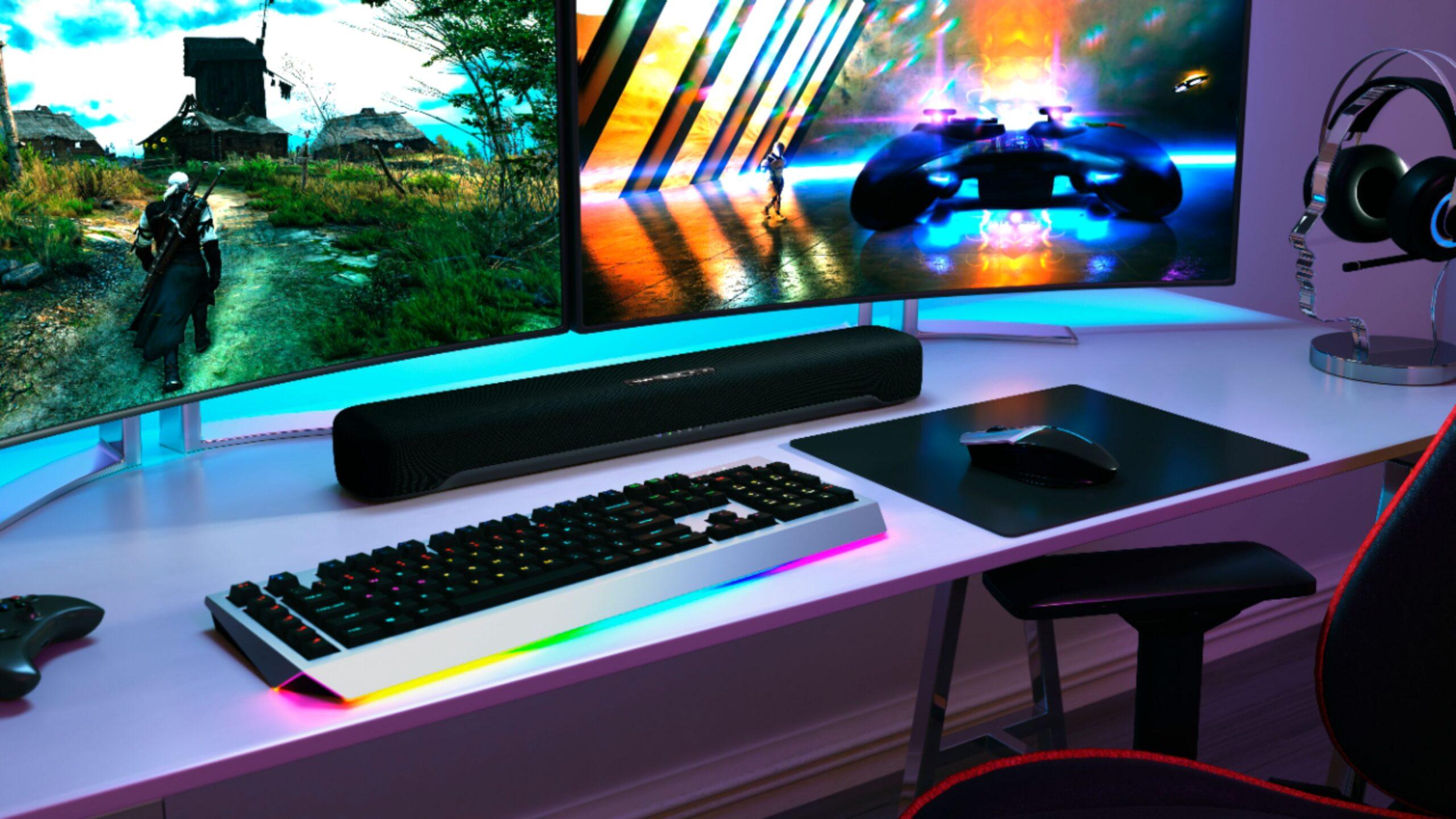
The Sennheiser AMBEO provides superior gaming experiences with its 3D audio processing that creates immersive soundscapes and precise positional audio cues. The Yamaha SR-C20A includes a dedicated Game mode that enhances gaming audio, but cannot match the spatial accuracy and immersion of the AMBEO's advanced processing.
The Yamaha SR-C20A struggles in rooms larger than 200 square feet, with bass thinning out and overall impact diminishing at higher volumes. The Sennheiser AMBEO Soundbar is specifically designed for large spaces, with 500W total power output and room calibration that adapts performance to your specific room size and acoustics.
Choose the Yamaha SR-C20A if you want a simple, affordable upgrade for TV watching in smaller spaces with focus on dialogue clarity. Choose the Sennheiser AMBEO Soundbar if you're building a serious home theater setup, have a large room, frequently watch movies with surround sound, and want performance that rivals traditional multi-speaker systems.
We've done our best to create useful and informative comparisons to help you decide what product to buy. Our research uses advanced automated methods to create this comparison and perfection is not possible - please contact us for corrections or questions. These are the sites we've researched in the creation of this article: t3.com - usa.yamaha.com - radiotimes.com - shop.usa.yamaha.com - whathifi.com - hifiheaven.net - usa.yamaha.com - sweetwater.com - hub.yamaha.com - bestbuy.com - bestbuy.com - rtings.com - techradar.com - audioxpress.com - whathifi.com - upscaleaudio.com - soundstagesimplifi.com - global.sennheiser-hearing.com - sennheiser-hearing.com - audioadvice.com - abt.com - moon-audio.com

Privacy Policy
Terms and Conditions - Affiliate Policy
Home Security
© Copyright 2008-2026.
11816 Inwood Rd #1211, Dallas, TX 75244