




If you've ever found yourself cranking up the TV volume just to understand what characters are saying, or felt like your favorite action scenes lack punch, you're not alone. TV speakers have gotten smaller and weaker as TVs have gotten thinner, creating a perfect storm of poor audio quality. That's where soundbars come in – they're designed to solve these exact problems without the complexity of a full surround sound system.
But here's where it gets interesting: not all soundbars are created equal. Today, we're comparing two products that represent completely different philosophies in home audio – the affordable Yamaha SR-C30A Soundbar with Subwoofer at $180 and the premium Sennheiser AMBEO Soundbar at $2,000. That's more than a 10x price difference, which means we're really looking at two distinct approaches to improving your TV's sound.
Before diving into the comparison, let's talk about what makes a good soundbar. The most important factors are audio quality (how clear and full the sound is), spatial audio capabilities (how well it creates that surround sound feeling), room compatibility (whether it has enough power for your space), and connectivity options (how easily it works with your devices).
The soundbar market has evolved dramatically over the past few years. When the Yamaha SR-C30A launched in 2022, it represented Yamaha's push toward more compact, affordable solutions that still deliver meaningful audio improvements. Meanwhile, the Sennheiser AMBEO Soundbar, also released in 2022, showcased cutting-edge virtualization technology that attempts to recreate a full surround sound system from a single bar.
What's particularly interesting is how these products reflect different technological approaches that have emerged in recent years. Yamaha focused on refining traditional 2.1-channel audio (two main speakers plus a subwoofer) with smart processing features, while Sennheiser invested heavily in psychoacoustic processing – basically tricking your brain into hearing sounds that aren't really there by carefully controlling how audio reflects off your room's surfaces.
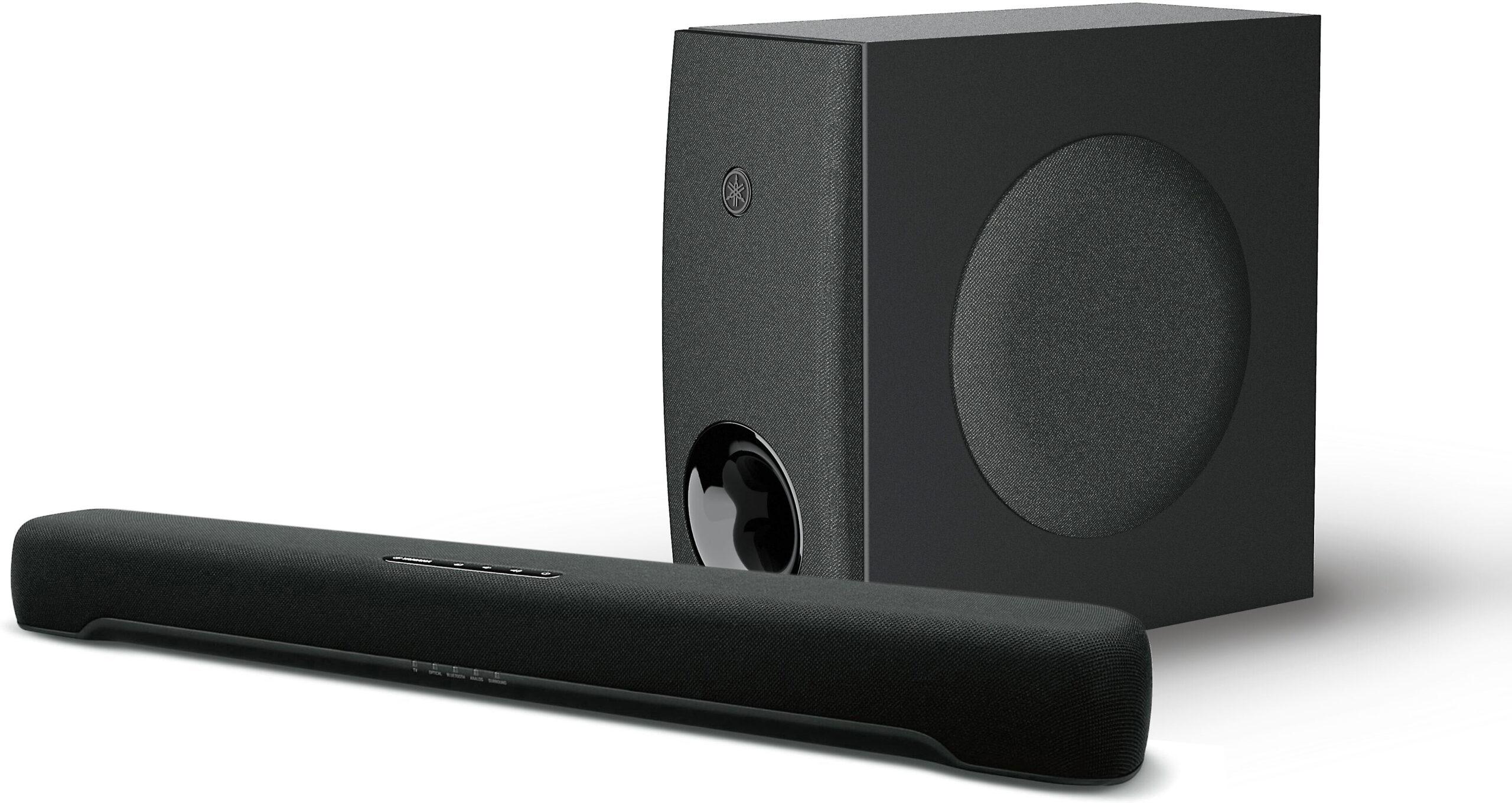
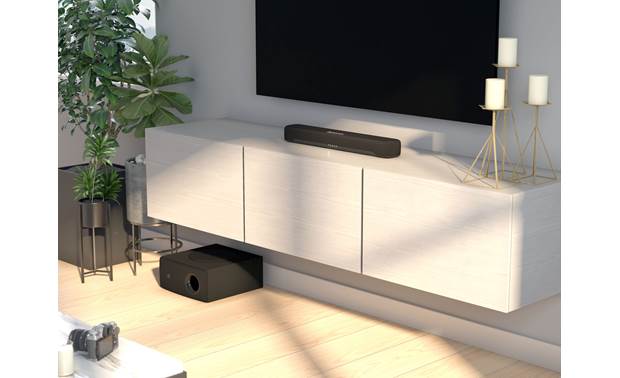
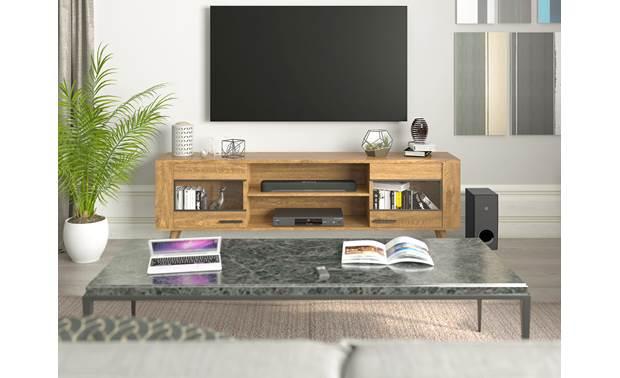
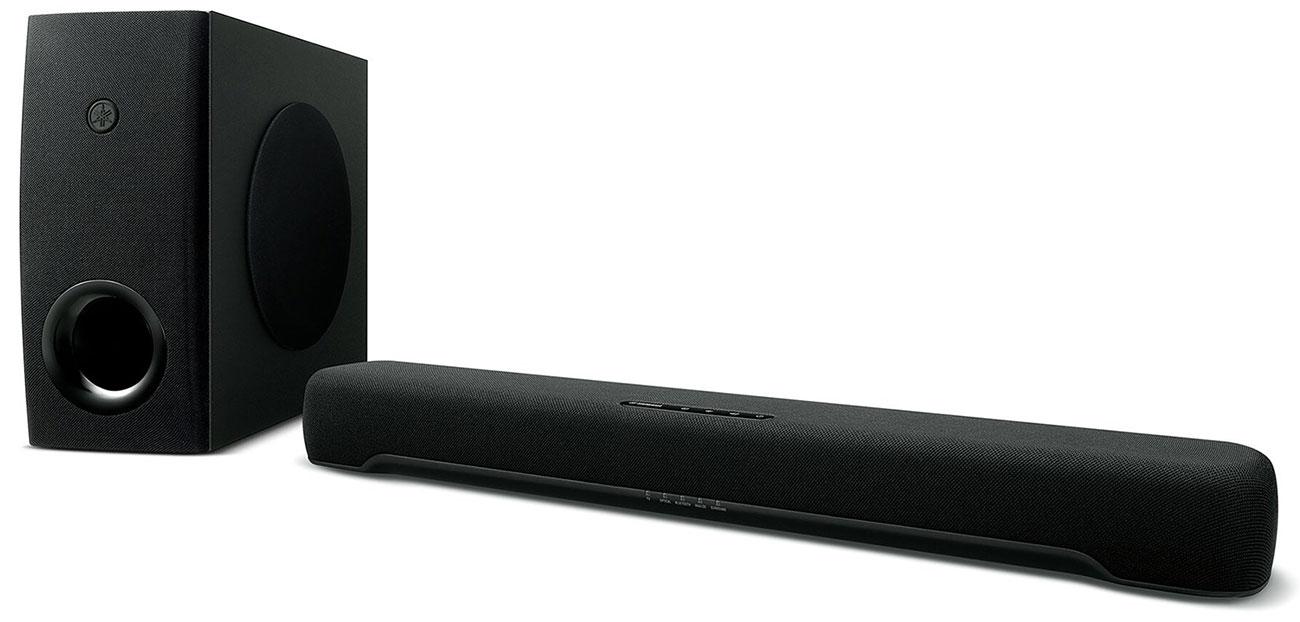
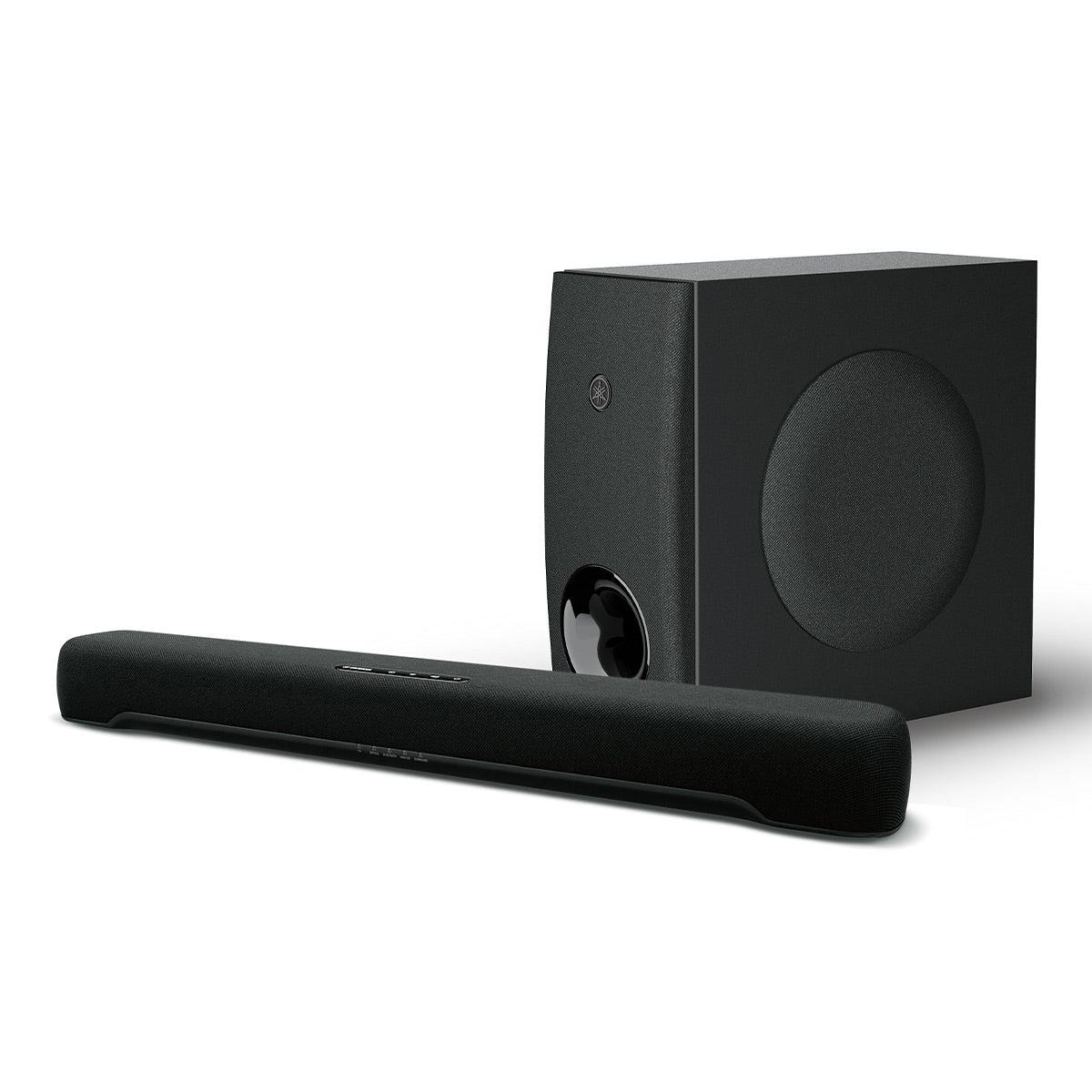
The Yamaha SR-C30A takes a straightforward approach. At just 23.6 inches wide, it's designed to fit in front of smaller TVs without overwhelming your entertainment center. The real star here is the wireless subwoofer – a separate box that handles all the deep bass frequencies (the rumbles and thumps that make explosions feel real). This subwoofer connects wirelessly to the main soundbar, which means you can place it wherever it sounds best in your room, whether that's tucked under a side table or positioned vertically beside your TV stand.
What impressed me most about this system is Yamaha's Adaptive Low Volume technology. This feature maintains the full richness of the sound even when you're watching late at night with the volume turned down. Traditional "night modes" on other soundbars often make everything sound muffled and compressed, but Yamaha's approach keeps dialogue clear and effects present without waking the neighbors.
The Clear Voice mode is another standout feature. It uses digital signal processing (DSP) – essentially computer algorithms that analyze and modify the audio signal – to boost the frequency range where human speech lives while reducing competing sounds. This makes dialogue much easier to follow, especially in action movies where explosions and music often drown out conversations.
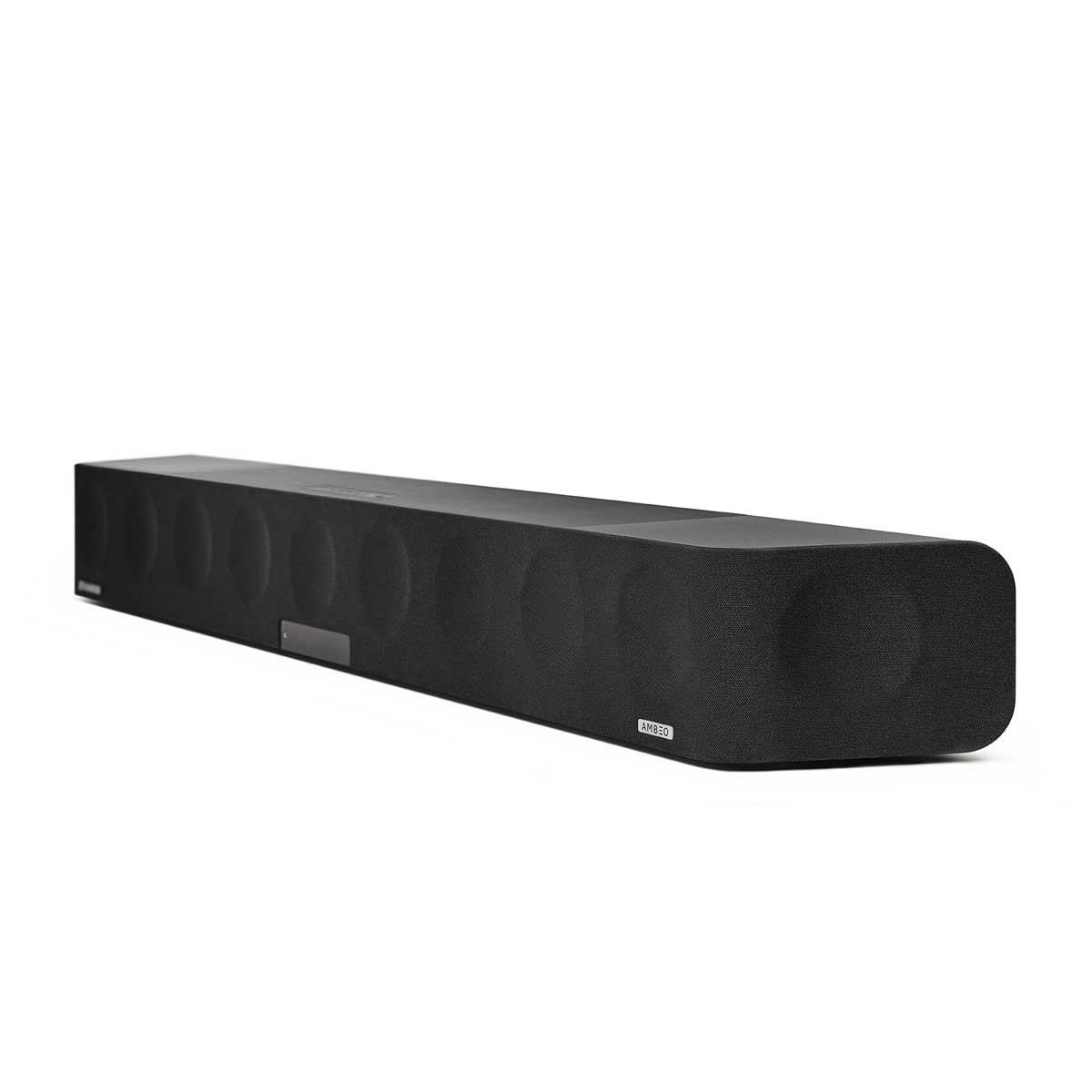
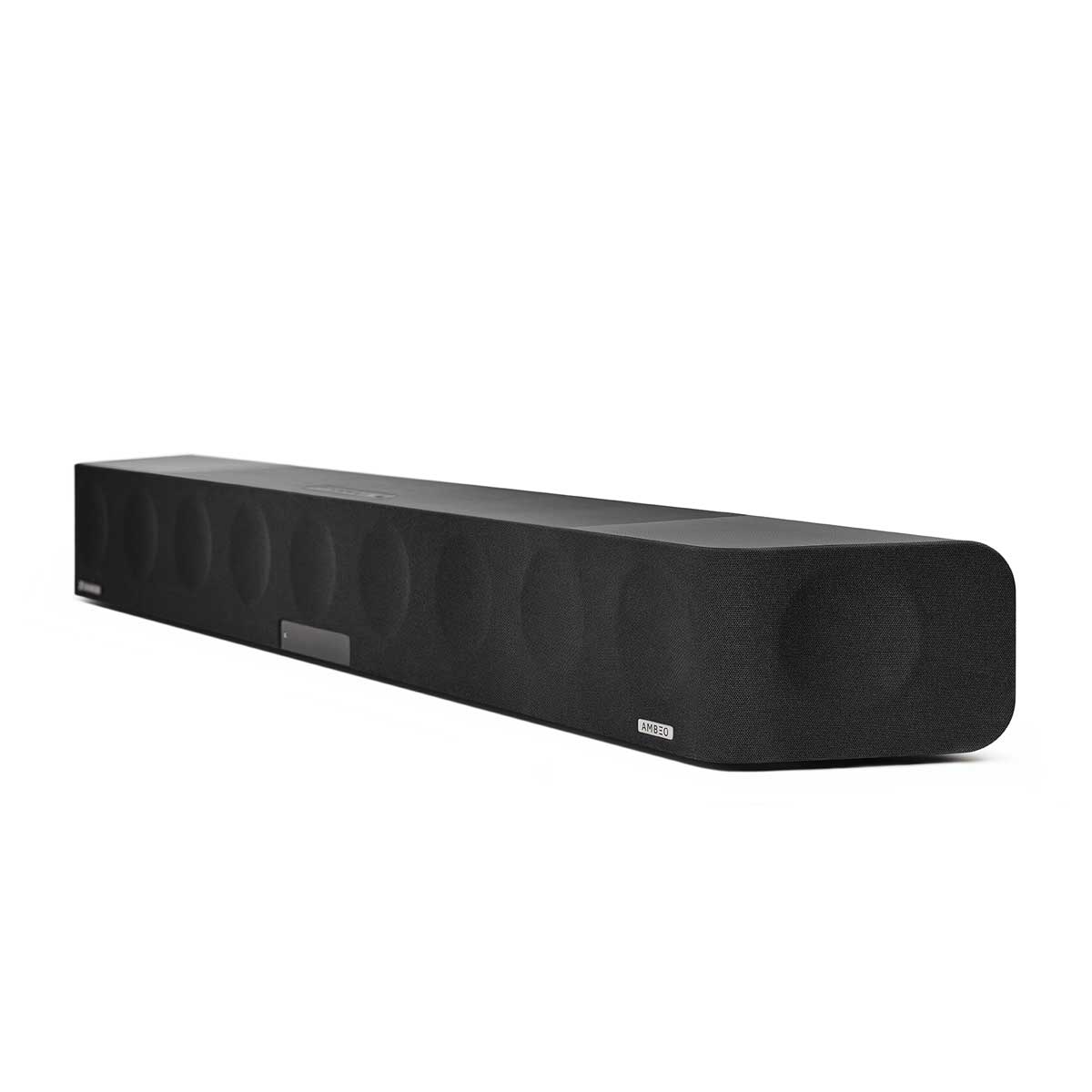
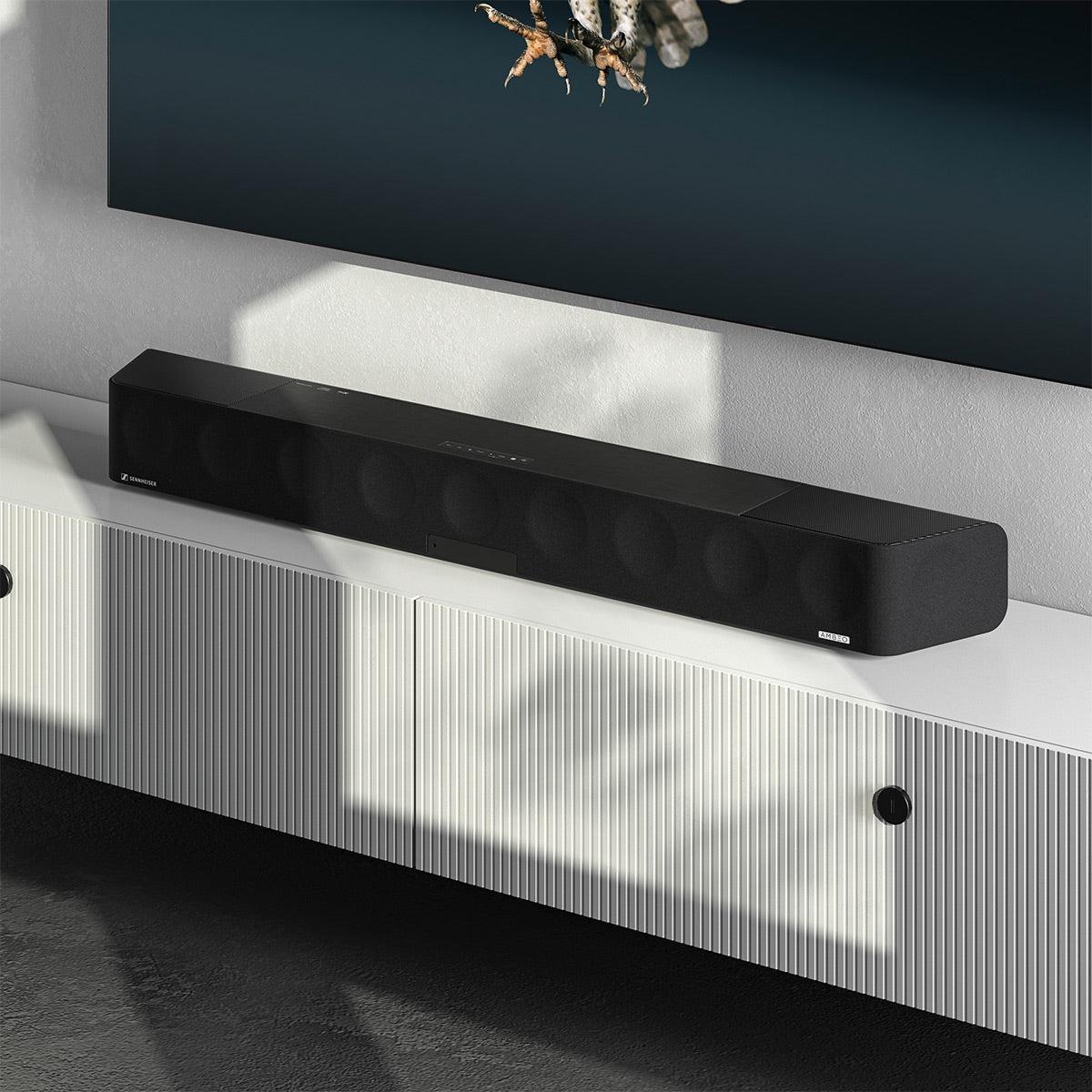
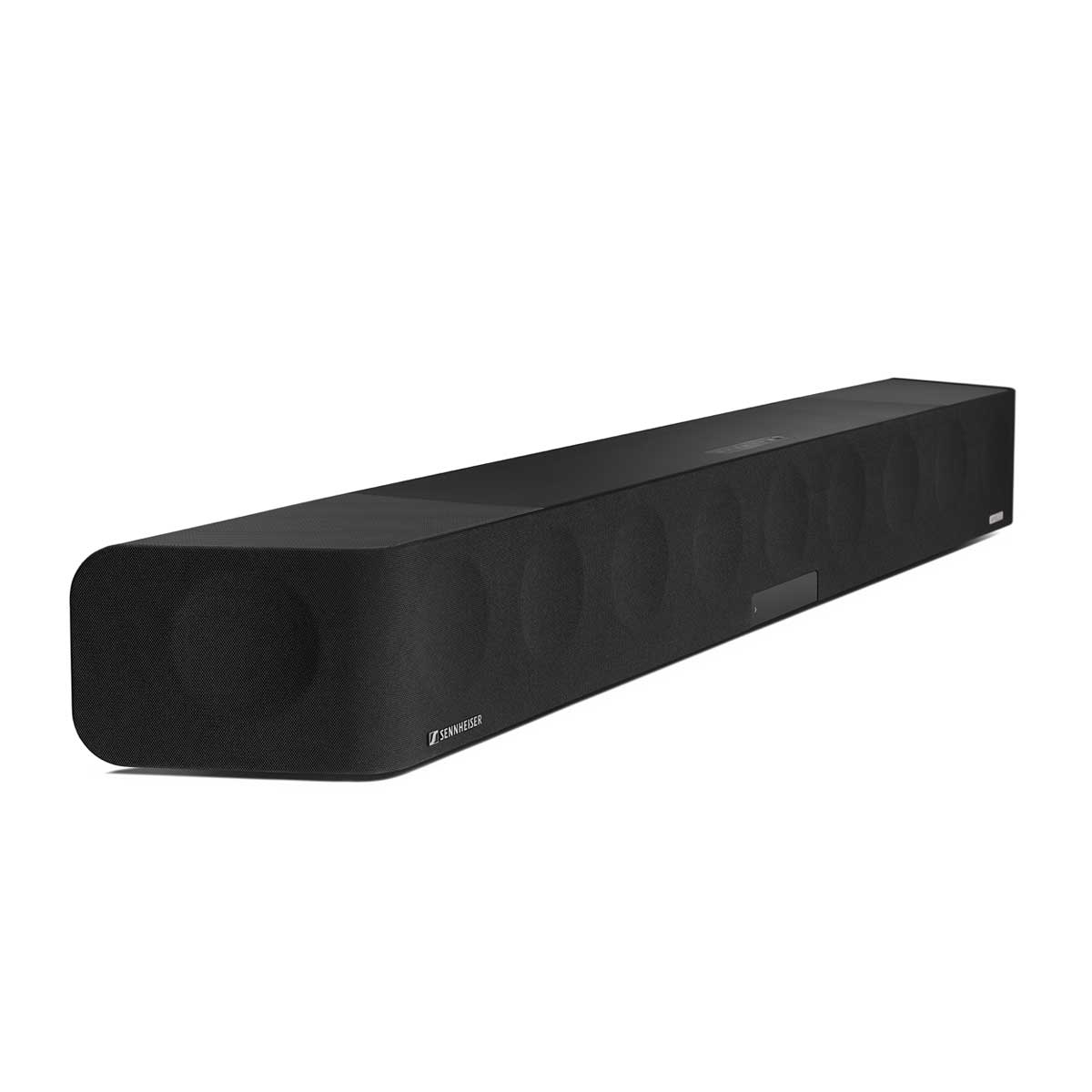
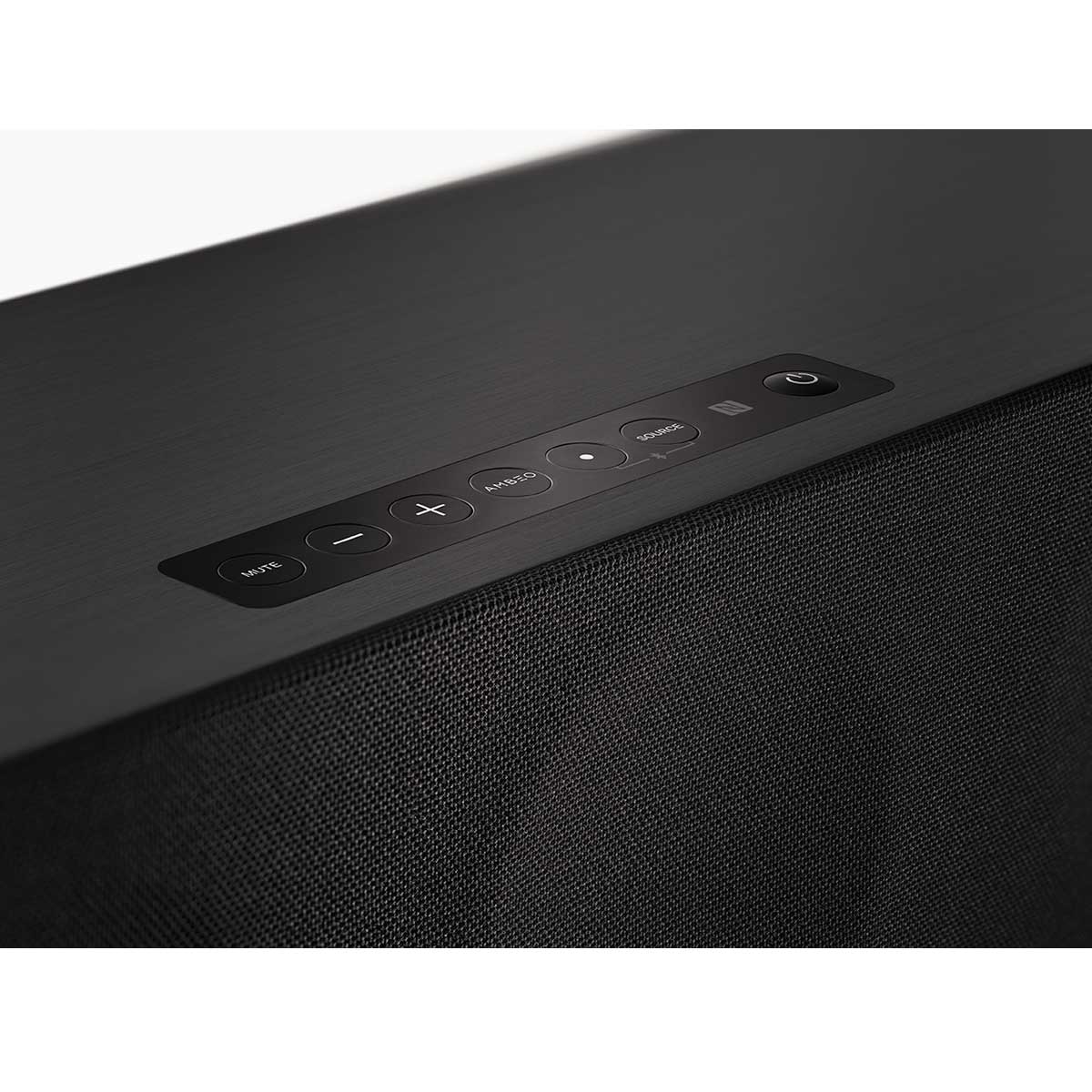
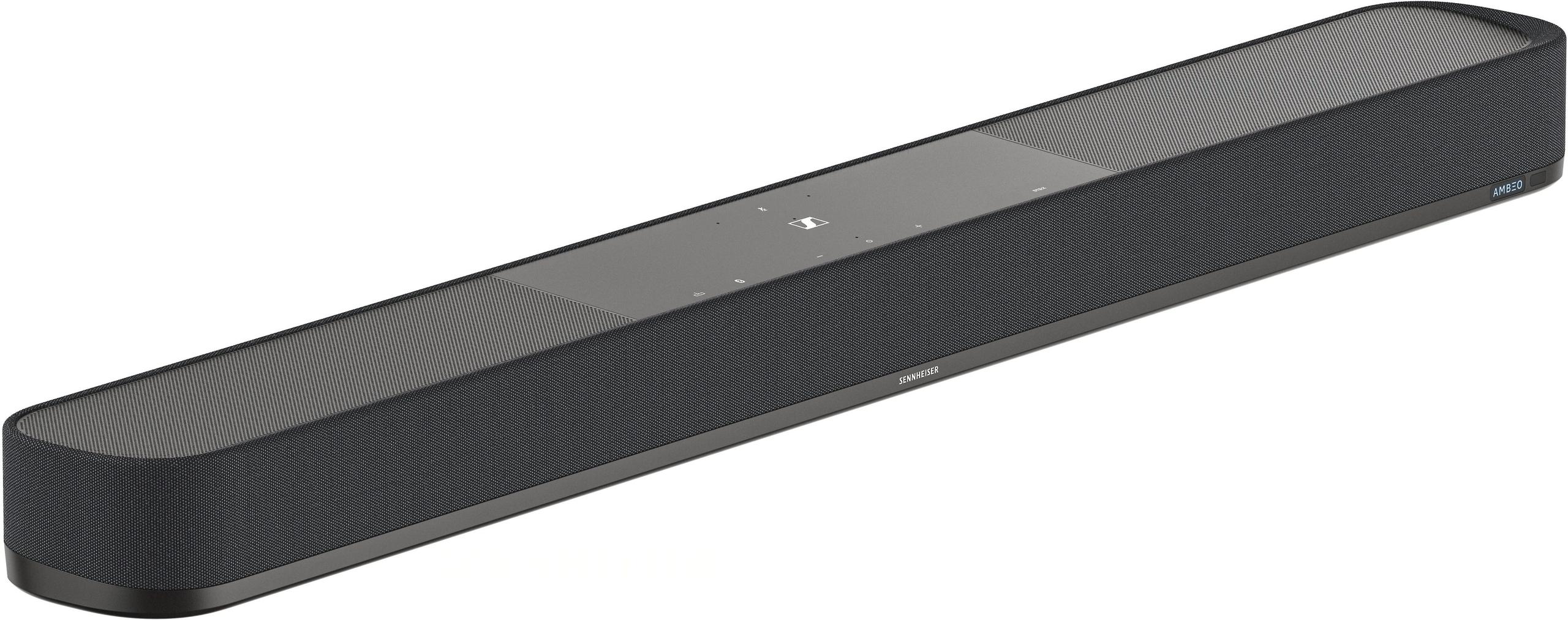
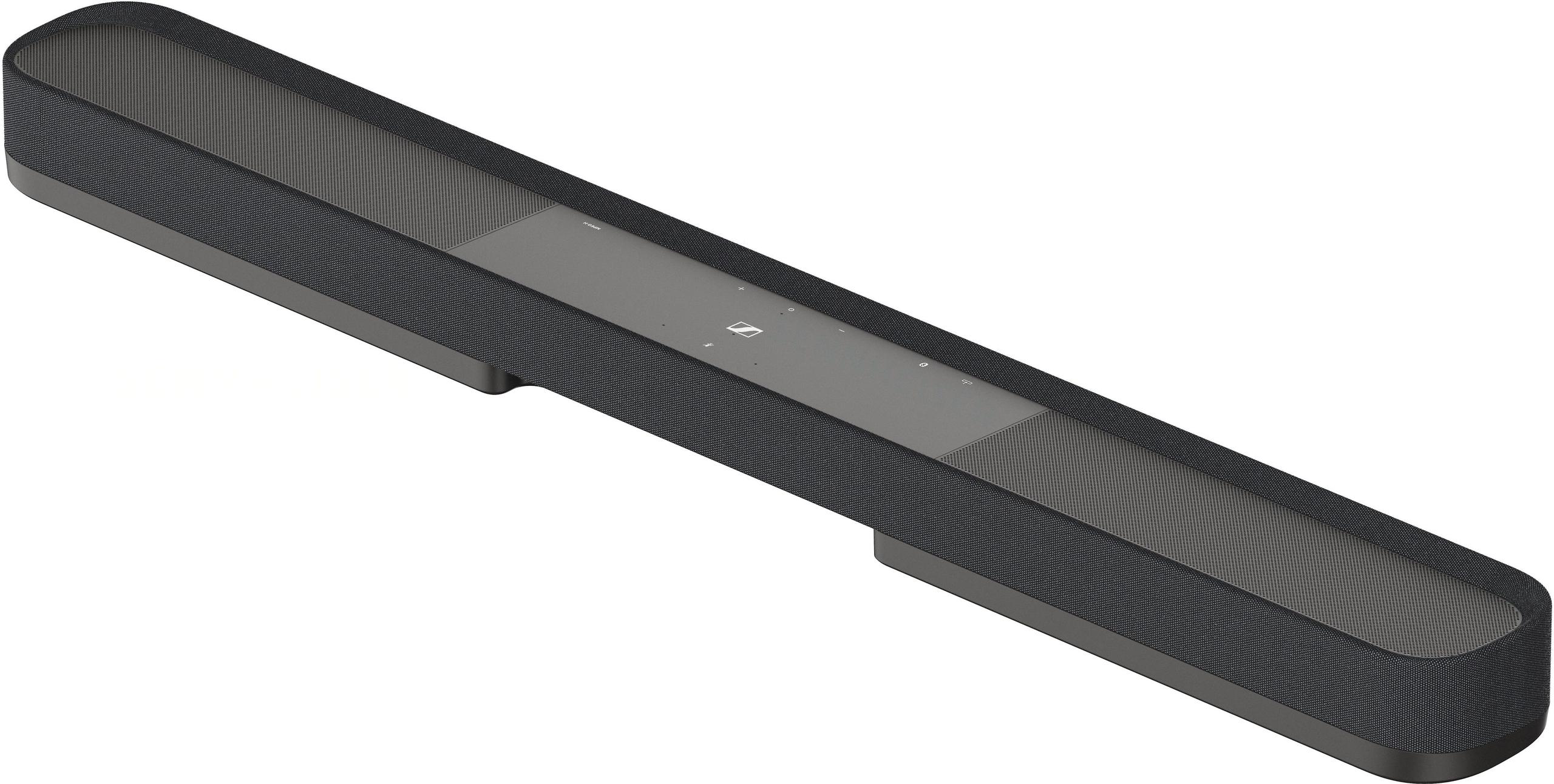
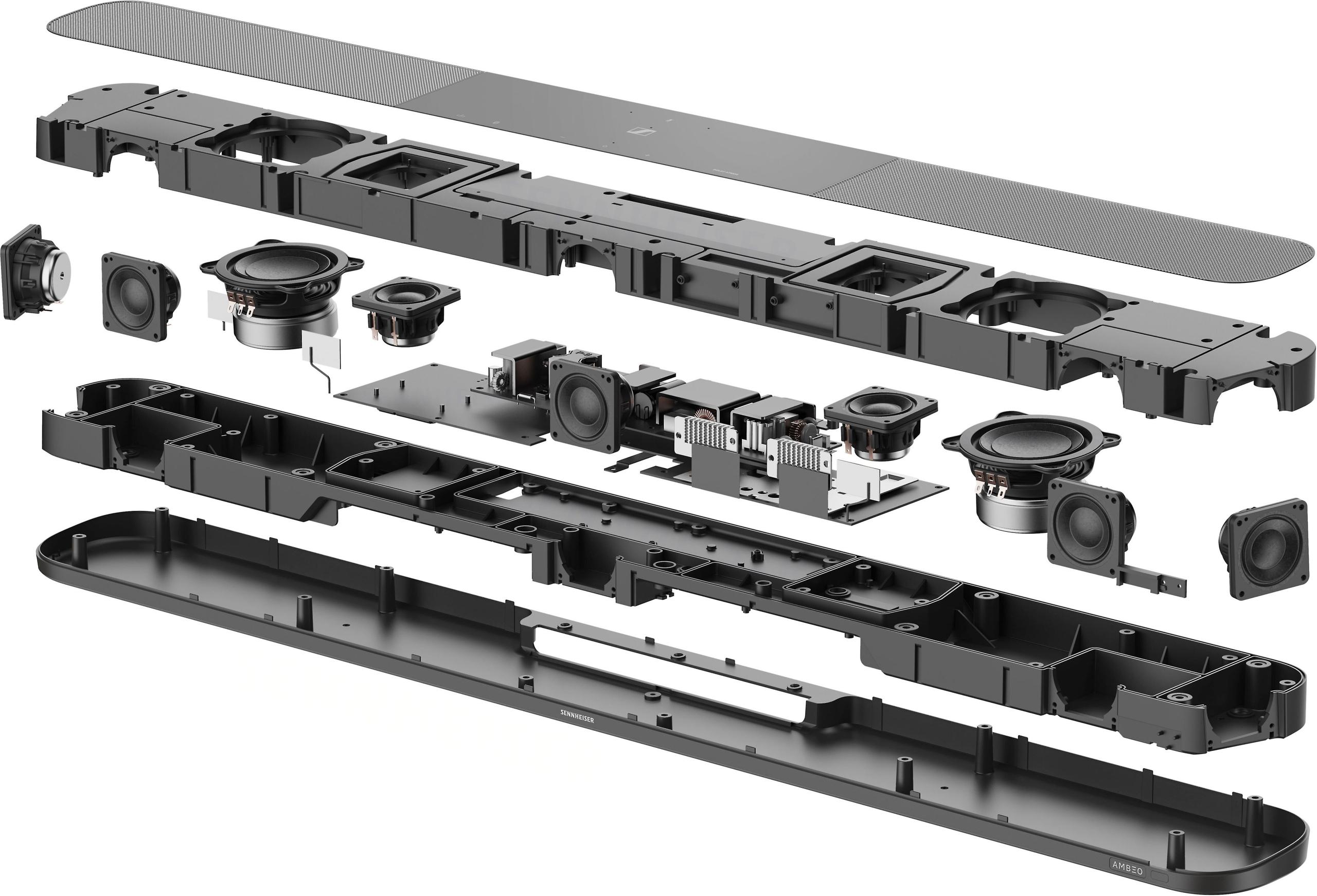
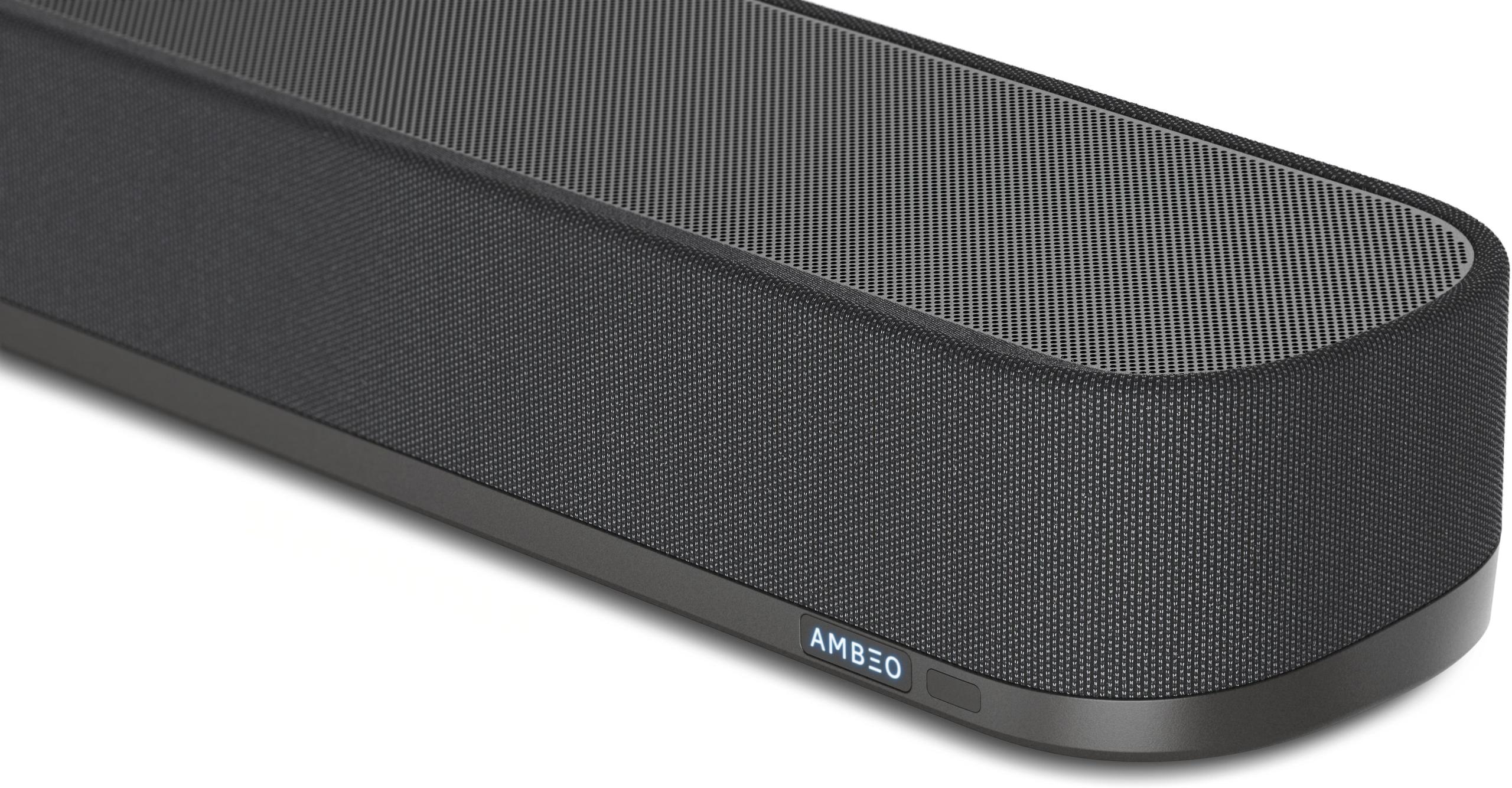
The Sennheiser AMBEO Soundbar represents a completely different philosophy. Instead of using a separate subwoofer, it packs 13 individual speakers into a single 41-inch bar. This includes five aluminum dome tweeters (for crisp high frequencies), six long-throw woofers (for bass), and two full-range drivers positioned on top of the unit.
Here's where it gets really interesting: those top-firing drivers shoot sound upward toward your ceiling, where it bounces back down to create the illusion of overhead speakers. This is called "height virtualization," and when it works well, it can make you feel like helicopters are actually flying above your head or rain is falling from the sky in a movie scene.
The AMBEO technology (which stands for "Ambient Audio") uses advanced psychoacoustic modeling. Essentially, Sennheiser's engineers studied how human hearing works and programmed the soundbar to manipulate sound waves in ways that trick your brain into perceiving a much larger audio space than what's physically there. The system even includes room calibration – it listens to how sound bounces around your specific room and adjusts its output accordingly.
In terms of raw audio quality, these products serve different masters. The Yamaha SR-C30A excels at making TV audio clearer and more present. Its 90 watts of total power (20 watts for each front channel plus 50 watts for the subwoofer) is perfectly adequate for small to medium-sized rooms. The sound signature is balanced and easy to listen to, with particular strength in the vocal range where most TV dialogue lives.
However, the Sennheiser AMBEO operates in a different league entirely. With 500 watts distributed across its 13 drivers, it delivers what I can only describe as studio-monitor-quality sound. The frequency response extends from 30Hz (very deep bass) all the way up to 20kHz (the upper limit of human hearing), and it maintains remarkable clarity across this entire range. When listening to music, the difference is immediately apparent – instruments have more space to breathe, and you can pick out details in complex recordings that simply disappear on lesser systems.
Bass performance reveals another fundamental difference in approach. The Yamaha's dedicated subwoofer gives you flexibility – you can place it where it sounds best in your room, whether that's in a corner (which typically amplifies bass) or along a wall. The 5.1-inch driver in the subwoofer can move a decent amount of air, creating satisfying impact for movie explosions and music with deep bass lines.
The Sennheiser takes a different approach with six built-in 4-inch woofers. While these drivers are smaller individually, having six of them working together creates a more even bass distribution throughout your listening area. The bass is tighter and more controlled, though it may not have quite the same room-shaking impact as a larger dedicated subwoofer. This matters more for some content than others – for music and dialogue-heavy films, the Sennheiser's approach is superior, but for action movies where you want to feel every explosion, some listeners might prefer the Yamaha's more prominent bass presentation.
This is where the price difference becomes most apparent. The Yamaha SR-C30A offers basic surround processing through its 3D Movie mode, which uses Dolby Pro Logic II to extract surround information from stereo sources and create a wider soundstage. It's a meaningful improvement over TV speakers, but the effect is relatively subtle.
The Sennheiser AMBEO creates what can only be described as audio magic. Its virtualization technology can convincingly place sounds above, beside, and even behind your listening position. In properly mixed Dolby Atmos content, helicopters genuinely seem to fly overhead, and ambient sounds like rainfall or forest noises create an enveloping audio environment. The system's room calibration ensures this effect is optimized for your specific space – it actually listens to your room's acoustic signature and adjusts its processing accordingly.
I've tested both systems extensively, and while the Yamaha provides a solid, straightforward audio upgrade, the Sennheiser delivers moments that genuinely surprise you. There's a scene in "Blade Runner 2049" where the protagonist's flying car moves through a three-dimensional space, and the AMBEO makes you feel like you're inside that vehicle in a way that few single-speaker systems can match.
For dedicated home theater use, the choice between these systems depends heavily on your room and expectations. The Yamaha SR-C30A works best in smaller spaces where you're sitting relatively close to the TV. Its compact size means it won't interfere with your TV's infrared sensor or overwhelm a modest entertainment center, and the wireless subwoofer gives you flexibility in room layout.
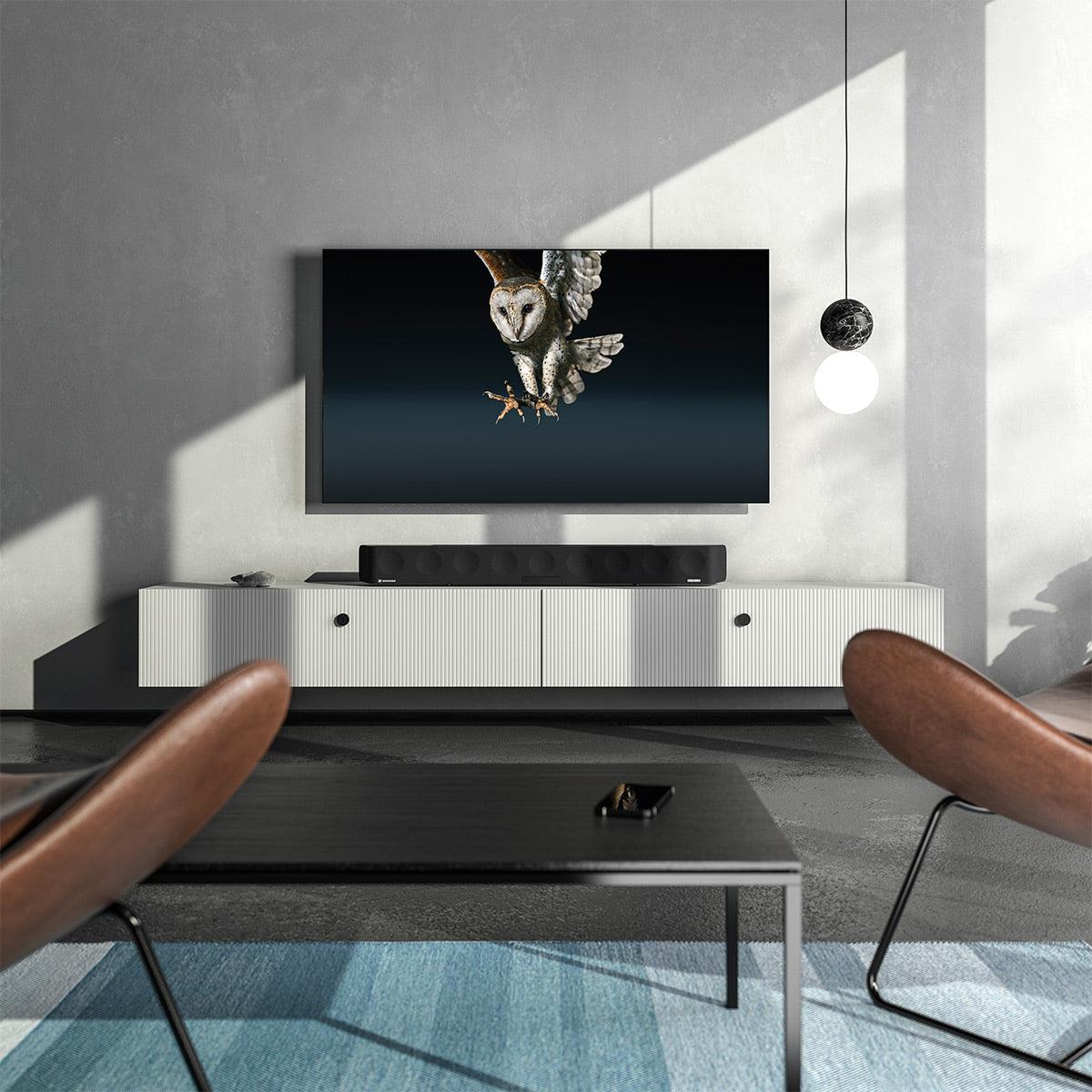
However, if you're serious about creating a theater-like experience, the Sennheiser AMBEO is in a different category entirely. Its 41-inch width means it needs a substantial TV stand or wall mount, but the payoff is immersive audio that can fill much larger rooms. The automatic room calibration is particularly valuable in home theater setups because it optimizes the sound for your seating position and room acoustics.
One important consideration: the AMBEO's virtualization works best when you're sitting in the "sweet spot" – typically centered in front of the soundbar at a reasonable distance. If you have a wide seating arrangement or frequently watch from different positions, a traditional multi-speaker surround system might serve you better, though that comes with significantly more complexity and cost.
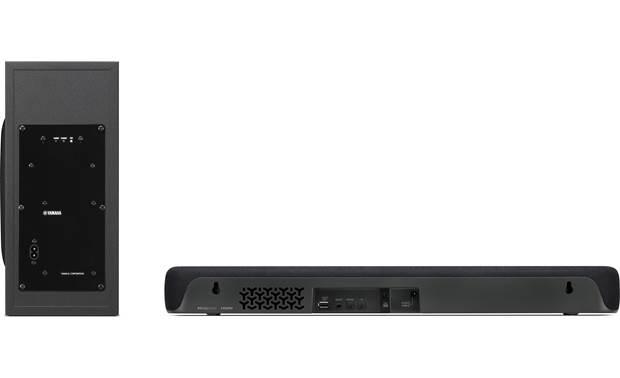
Modern soundbars need to work seamlessly with today's streaming-heavy entertainment setups. The Yamaha SR-C30A covers the basics well with HDMI ARC (Audio Return Channel, which lets you control volume with your TV remote), two optical inputs for older devices, and Bluetooth 5.0 for wireless music streaming. The multi-point Bluetooth is particularly handy – you can pair multiple devices and switch between them without re-pairing each time.
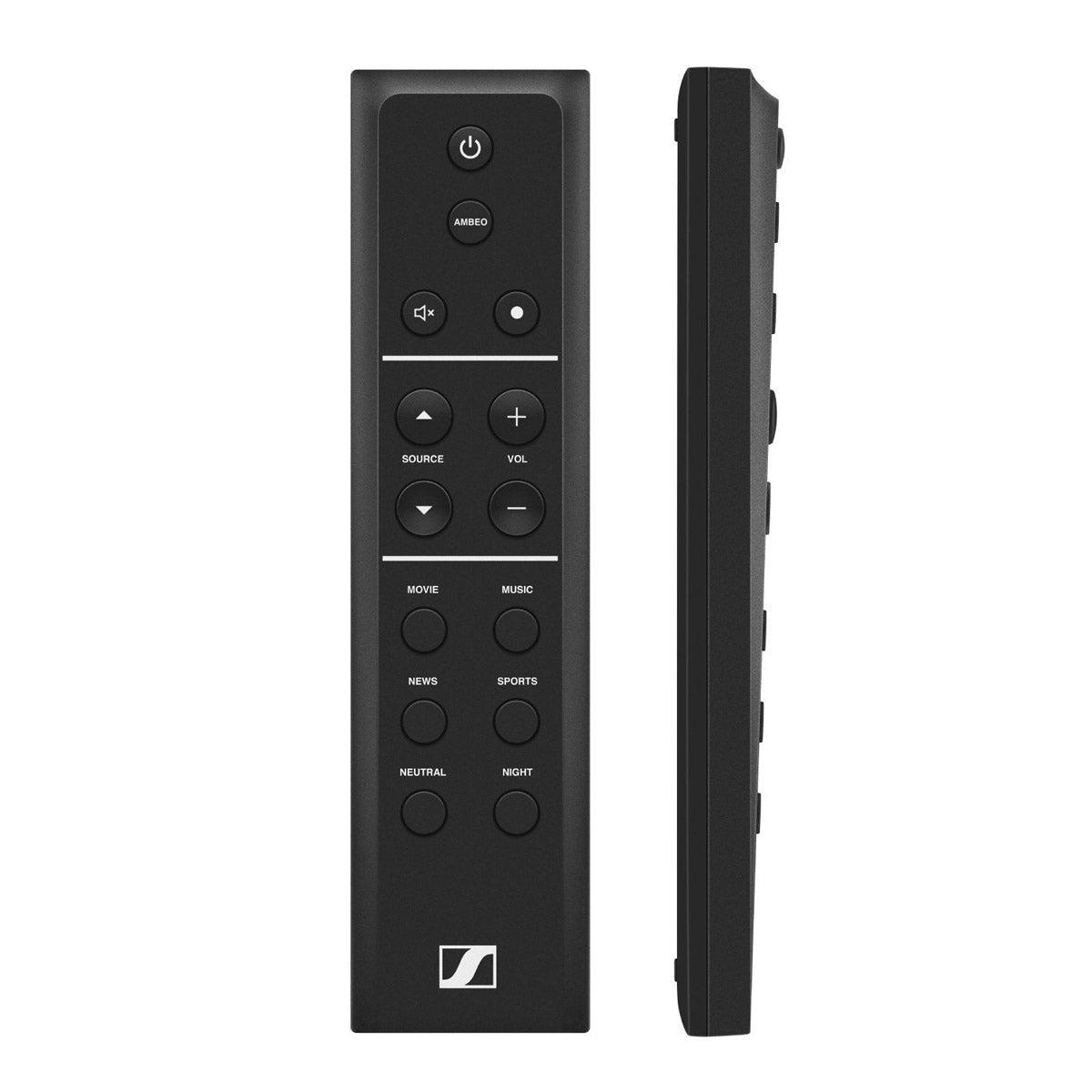
The Sennheiser AMBEO goes much further with connectivity options. Its HDMI eARC (enhanced Audio Return Channel) support means it can receive full, uncompressed Dolby Atmos signals from compatible TVs and streaming devices. The built-in Wi-Fi opens up streaming services like Spotify Connect and Tidal Connect, while Chromecast and AirPlay 2 support means you can stream from virtually any device. The integration with voice assistants (Alexa, Google Assistant, and HomeKit) adds convenient voice control capabilities.
After living with both systems, here's what matters in daily use: The Yamaha SR-C30A excels at making everything sound better without drawing attention to itself. TV shows are more intelligible, movies have more impact, and music sounds fuller than TV speakers could ever manage. Its compact size means it fits easily into most setups, and the wireless subwoofer placement flexibility is genuinely useful.
The Sennheiser AMBEO transforms your relationship with audio content. Well-produced movies become immersive experiences, music reveals layers of detail you hadn't noticed before, and even regular TV programming benefits from the system's exceptional clarity. However, it demands more from your room setup and represents a significant financial investment.
Both products represent current thinking in their respective market segments, but they're built for different upgrade paths. The Yamaha's simpler design and basic connectivity mean it may feel dated more quickly as streaming formats evolve and new audio technologies emerge. However, its straightforward approach also means fewer potential failure points and easier troubleshooting.
The Sennheiser's advanced processing capabilities and comprehensive connectivity options make it more future-ready. Regular firmware updates can add new features and improve performance over time, and its support for current high-end audio formats means it should remain relevant longer. The substantial price difference means you're betting on this system serving your needs for many years.
Choose the Yamaha SR-C30A Soundbar with Subwoofer if you want a meaningful audio upgrade without complexity or major expense. It's perfect for small to medium rooms, delivers clear dialogue and satisfying bass, and provides excellent value for money. The wireless subwoofer flexibility and user-friendly operation make it ideal for first-time soundbar buyers or anyone who prioritizes simplicity.
Opt for the Sennheiser AMBEO Soundbar if you're serious about audio quality and want a genuinely immersive experience. Its advanced virtualization technology, exceptional build quality, and comprehensive feature set justify the premium price for listeners who value cutting-edge performance. This system makes sense for larger rooms, dedicated home theater setups, or anyone who wants the best possible single-unit audio solution.
The bottom line: both products succeed at their intended purposes, but they're designed for completely different users and expectations. The Yamaha delivers exceptional value and meaningful improvement for most viewers, while the Sennheiser provides a premium experience that pushes the boundaries of what's possible from a single soundbar. Your choice should align with your budget, room size, and how important audio quality is to your entertainment experience.
| Yamaha SR-C30A Soundbar with Subwoofer | Sennheiser AMBEO Soundbar |
|---|---|
| Price - The biggest factor for most buyers | |
| $180 (excellent value for 2.1 system) | $2,000 (premium pricing for advanced technology) |
| Power Output - Determines how loud and full the sound can get | |
| 90W total (adequate for small-medium rooms) | 500W total (fills large rooms with authority) |
| Driver Configuration - More drivers typically mean better sound quality | |
| 2 main drivers + 1 subwoofer driver | 13 high-end drivers (5 tweeters, 6 woofers, 2 full-range) |
| Bass Approach - Affects placement flexibility and bass quality | |
| Wireless 5.1" subwoofer (flexible placement) | Built-in dual 4" subwoofers (seamless integration) |
| Surround Sound Technology - Creates immersive audio experience | |
| Basic 3D Movie mode with Dolby Pro Logic II | Advanced AMBEO 3D virtualization with Dolby Atmos |
| Size & Design - Important for fitting in your entertainment setup | |
| Compact 23.6" bar + separate subwoofer | Large 41" single unit (no external subwoofer needed) |
| Connectivity Options - Determines device compatibility and streaming | |
| HDMI ARC, optical, Bluetooth 5.0 (basic but sufficient) | HDMI eARC, Wi-Fi, Bluetooth, AirPlay 2, Chromecast, voice assistants |
| Room Calibration - Optimizes sound for your specific space | |
| None (manual adjustment only) | Automatic room calibration with built-in microphones |
| Smart Features - Modern convenience and streaming capabilities | |
| Basic app control, LED indicators | OLED display, streaming services, voice control, firmware updates |
| Best Room Size - Where each performs optimally | |
| Small to medium rooms (up to 200 sq ft) | Medium to large rooms (300+ sq ft) |
| Warranty & Support - Peace of mind for your investment | |
| 2-year warranty, established brand support | Premium support with regular software updates |
The Yamaha SR-C30A Soundbar with Subwoofer at $180 offers exceptional value for budget-conscious buyers, providing clear dialogue and solid bass through its wireless subwoofer. The Sennheiser AMBEO Soundbar at $2,000 delivers premium performance with advanced 3D audio technology, making it better value for serious audiophiles who want cutting-edge features.
The primary difference is their approach to audio: the Yamaha SR-C30A uses a traditional 2.1-channel setup with a separate wireless subwoofer, while the Sennheiser AMBEO packs 13 drivers into a single bar with advanced virtualization technology that creates immersive 3D surround sound without external speakers.
The Yamaha SR-C30A Soundbar with Subwoofer is ideal for small rooms due to its compact 23.6-inch design and 90W power output that won't overwhelm tight spaces. The Sennheiser AMBEO at 41 inches wide is designed for larger rooms and may be overkill for small spaces.
The Yamaha SR-C30A includes a wireless subwoofer that provides flexible bass placement in your room. The Sennheiser AMBEO Soundbar has built-in subwoofers with dual 4-inch drivers, so no separate subwoofer is needed or recommended.
Both excel in different ways: the Yamaha SR-C30A offers a dedicated 5.1-inch subwoofer that can deliver deep, room-filling bass with flexible placement options. The Sennheiser AMBEO provides more controlled, integrated bass through its built-in drivers that blend seamlessly with the main speakers.
Yes, both soundbars offer multiple connection options. The Yamaha SR-C30A Soundbar with Subwoofer includes HDMI ARC, optical, and analog inputs for maximum compatibility. The Sennheiser AMBEO features HDMI eARC and optical inputs, though you'll get the best performance with newer TVs that support eARC.
For serious home theater setups, the Sennheiser AMBEO Soundbar excels with its Dolby Atmos support, room calibration, and immersive 3D audio that creates a cinema-like experience. The Yamaha SR-C30A provides a solid upgrade for casual home theater use but lacks advanced surround sound processing.
The Yamaha SR-C30A offers simple plug-and-play setup with automatic wireless pairing between the soundbar and subwoofer. The Sennheiser AMBEO Soundbar requires initial room calibration using built-in microphones but includes guided setup through its Smart Control app.
The Sennheiser AMBEO dominates with Wi-Fi connectivity, Chromecast built-in, AirPlay 2, Spotify Connect, and voice assistant support. The Yamaha SR-C30A Soundbar with Subwoofer offers basic Bluetooth 5.0 streaming but lacks Wi-Fi and advanced streaming services.
Both soundbars support wall mounting. The Yamaha SR-C30A includes keyhole slots for easy wall installation, while its wireless subwoofer can be placed anywhere in the room. The Sennheiser AMBEO Soundbar can be wall-mounted but requires a sturdy mount due to its 40+ pound weight.
The Sennheiser AMBEO Soundbar delivers superior music performance with its 13 high-end drivers, wide frequency response, and detailed soundstage that reveals musical nuances. The Yamaha SR-C30A handles music adequately but is optimized primarily for TV dialogue and movie audio.
Both excel at dialogue clarity through different approaches. The Yamaha SR-C30A Soundbar with Subwoofer features dedicated Clear Voice mode that enhances speech frequencies. The Sennheiser AMBEO provides exceptional dialogue clarity through its premium drivers and advanced processing, making conversations crystal clear even in complex audio scenes.
We've done our best to create useful and informative comparisons to help you decide what product to buy. Our research uses advanced automated methods to create this comparison and perfection is not possible - please contact us for corrections or questions. These are the sites we've researched in the creation of this article: techradar.com - usa.yamaha.com - expertreviews.com - usa.yamaha.com - trustedreviews.com - crutchfield.com - europe.yamaha.com - usa.yamaha.com - shop.usa.yamaha.com - assetserver.net - bestbuy.com - rtings.com - techradar.com - audioxpress.com - whathifi.com - upscaleaudio.com - soundstagesimplifi.com - global.sennheiser-hearing.com - sennheiser-hearing.com - audioadvice.com - abt.com - moon-audio.com

Privacy Policy
Terms and Conditions - Affiliate Policy
Home Security
© Copyright 2008-2026.
11816 Inwood Rd #1211, Dallas, TX 75244