








When you're ready to upgrade from your TV's built-in speakers, the premium soundbar market offers two dramatically different approaches to achieving cinematic audio. The JBL Bar 700 ($650) represents the traditional route—a complete 5.1 system with physical surround speakers and a dedicated subwoofer. Meanwhile, the Sennheiser AMBEO ($2,000) takes a cutting-edge approach, cramming advanced virtualization technology into a single, sophisticated unit.
Both arrived on the scene in 2023-2024, but they couldn't be more different in philosophy. Understanding these differences will help you choose the right premium audio solution for your home theater setup.
The premium soundbar category has evolved significantly over the past few years. Where budget soundbars simply try to sound better than TV speakers, premium models aim to replicate—or even surpass—traditional surround sound systems. The key considerations boil down to a few critical areas: how well they create that immersive "you're in the movie" feeling, how much bass impact they deliver, how complex they are to set up, and whether the performance justifies the price.
The challenge for any soundbar is physics. Sound waves naturally spread out and bounce around rooms in complex ways. Traditional surround systems solve this by placing speakers exactly where sound should come from—behind you, beside you, and above you. Soundbars have to get creative, either by adding physical speakers in strategic locations or using psychoacoustic tricks to fool your brain into hearing sounds that aren't really there.
This is where our two contenders diverge completely. JBL stuck with the "real speakers in real places" approach, while Sennheiser bet big on advanced virtualization technology that promises to deliver surround sound from a single bar.
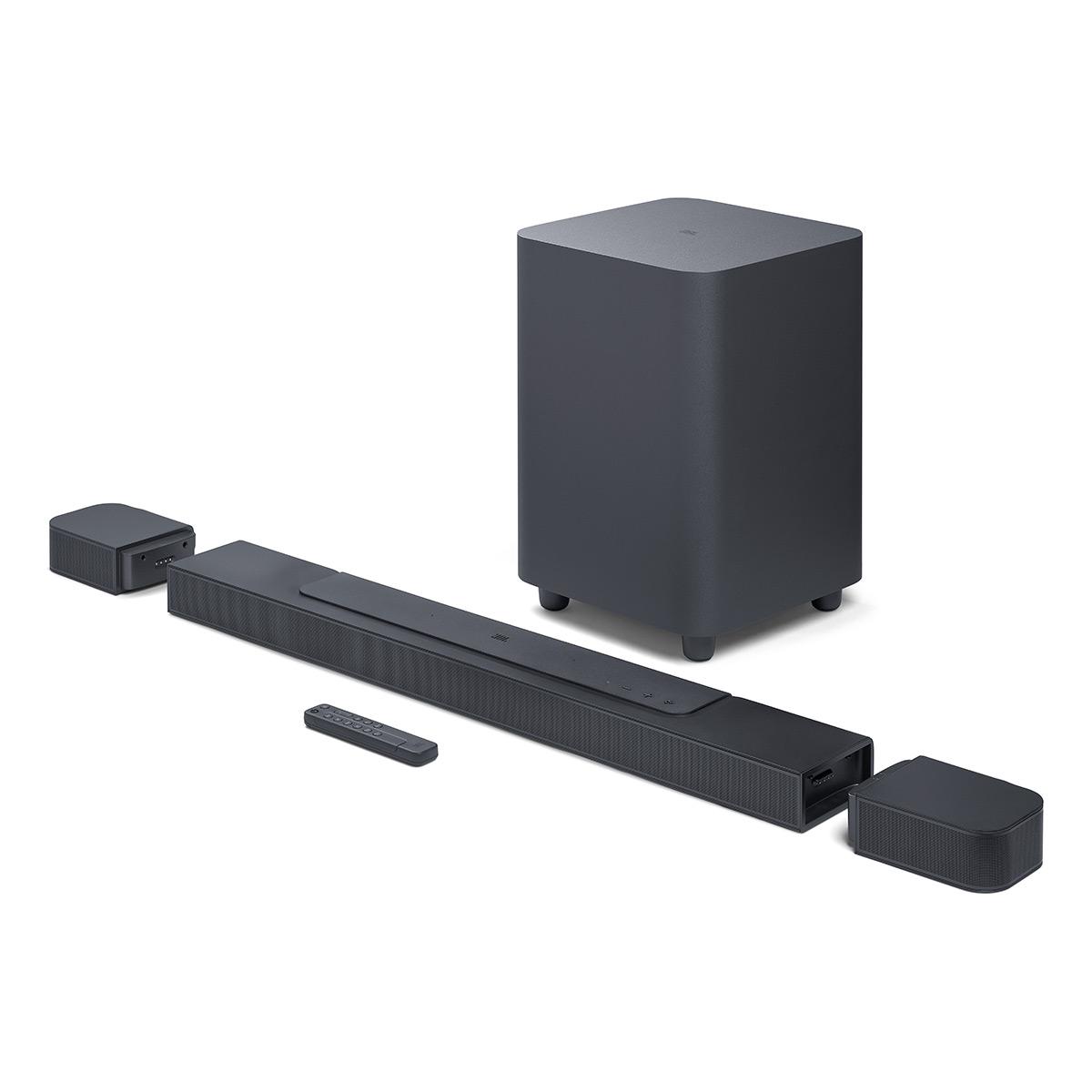
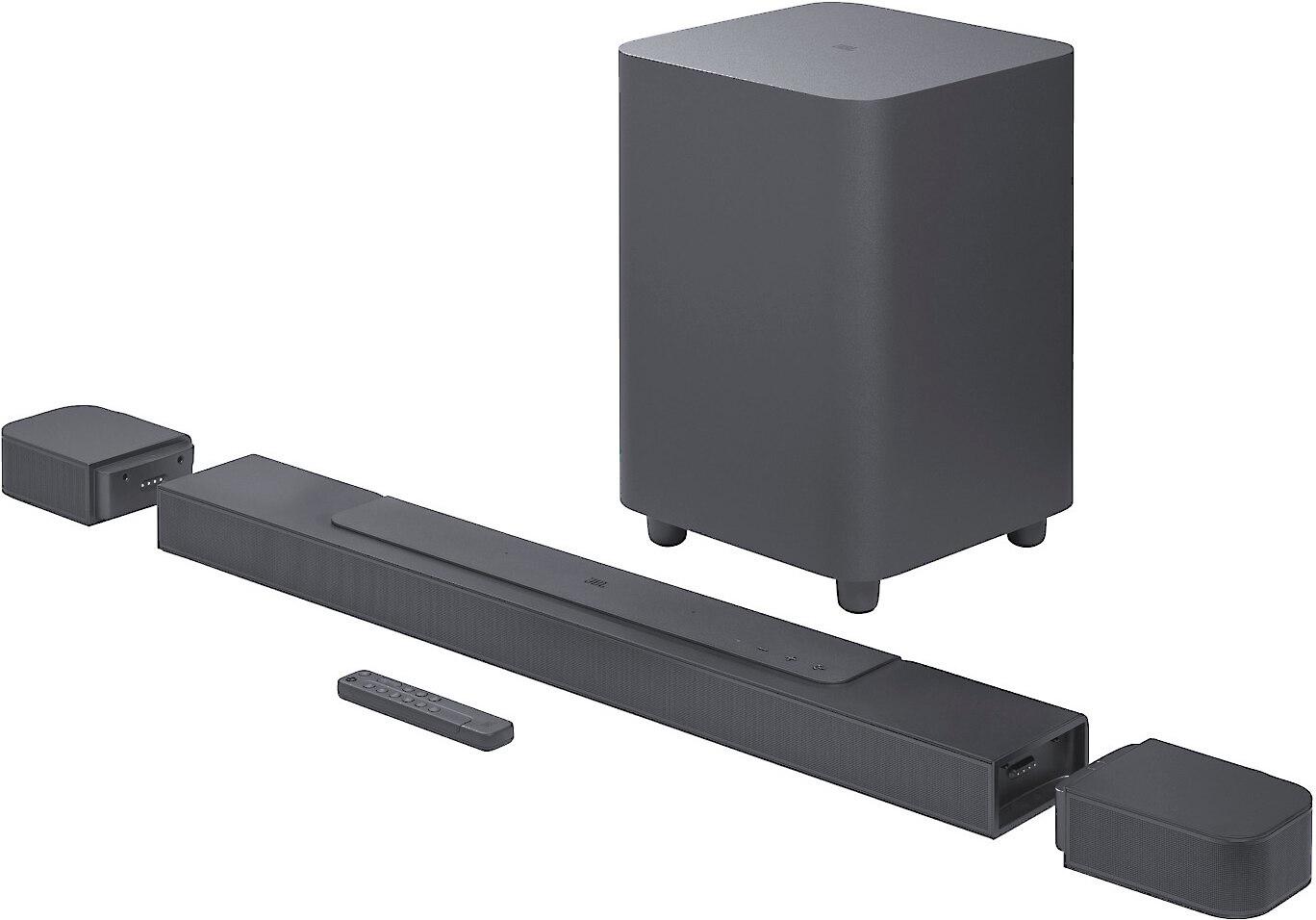
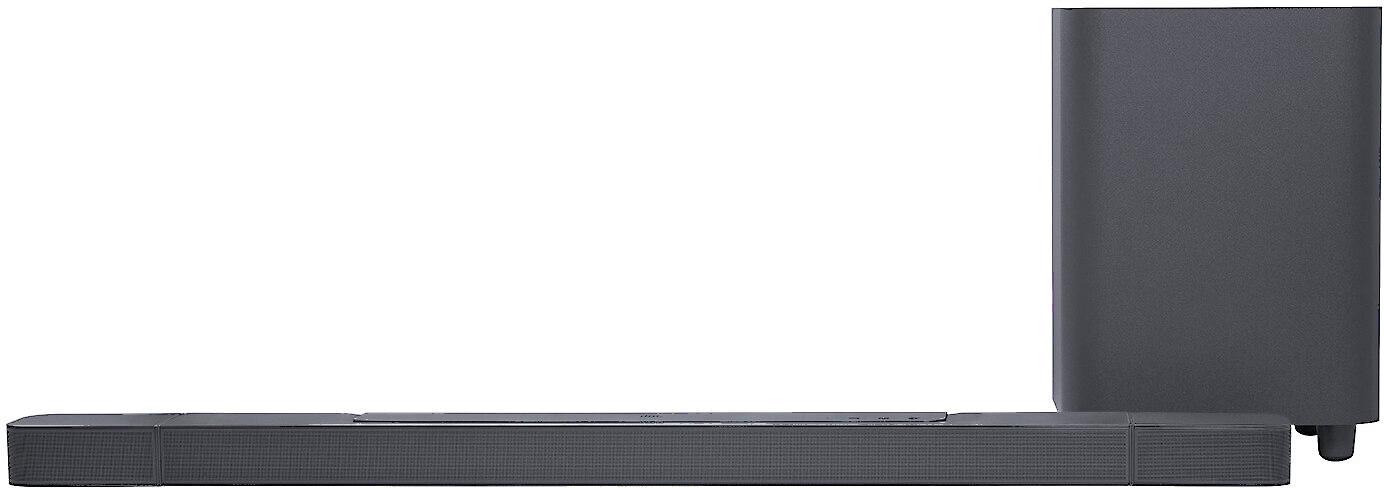
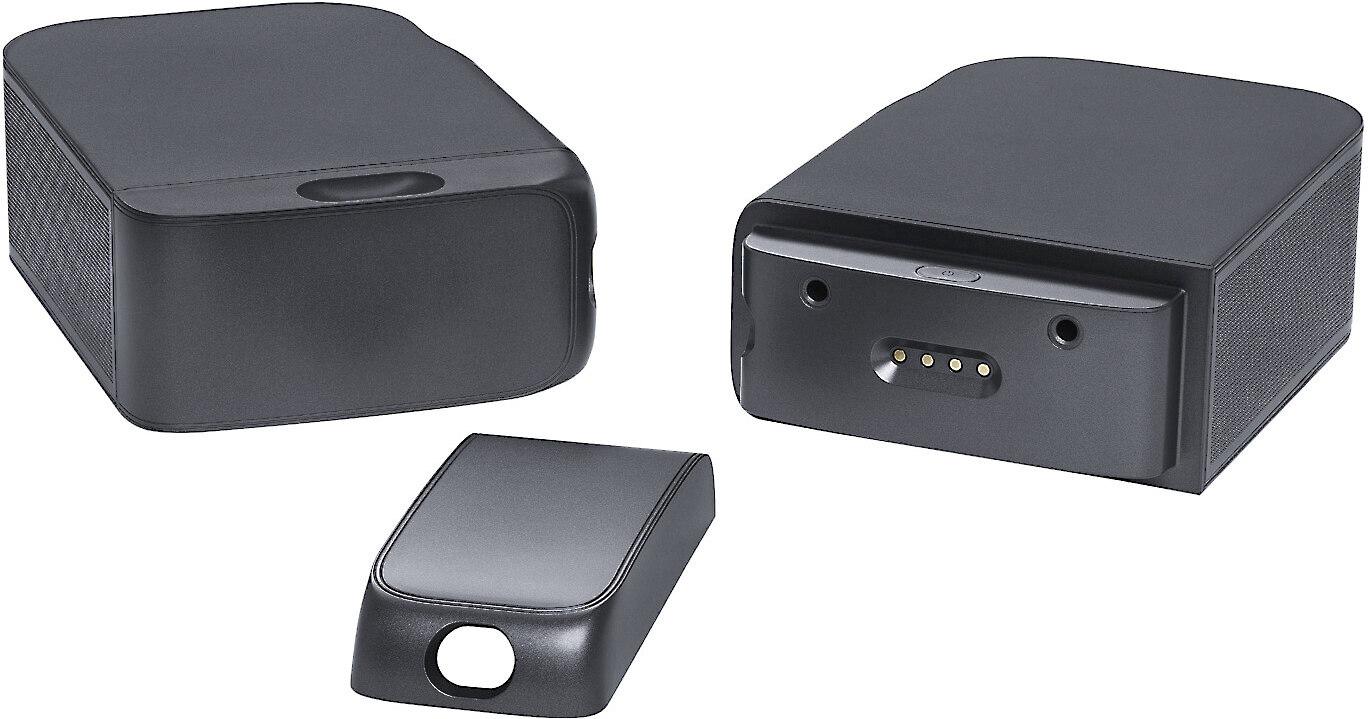
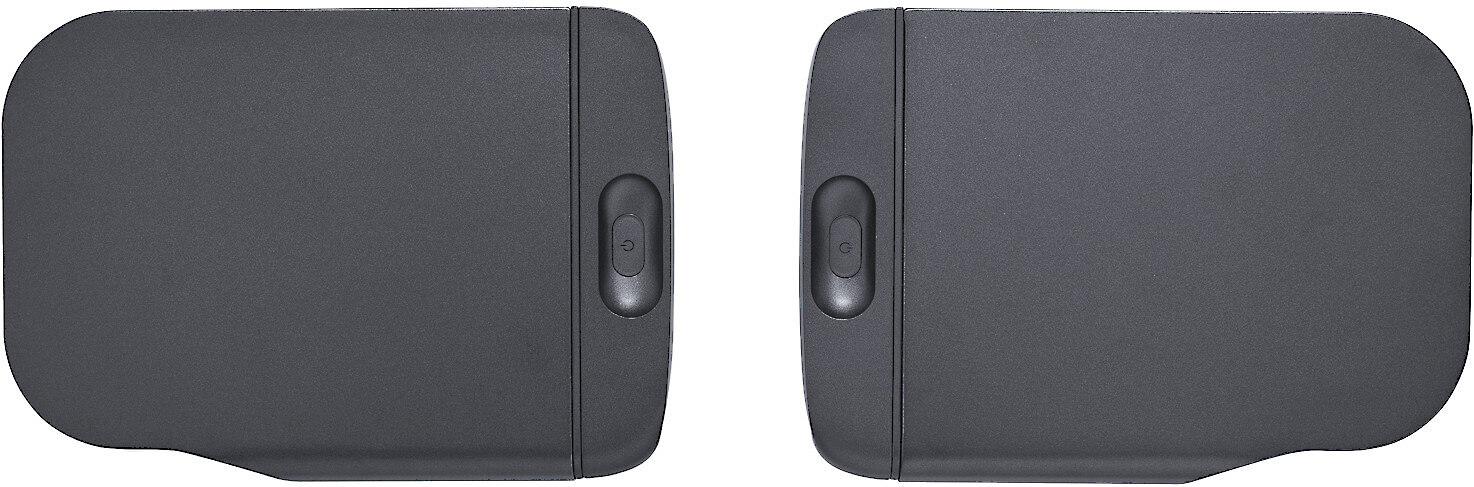
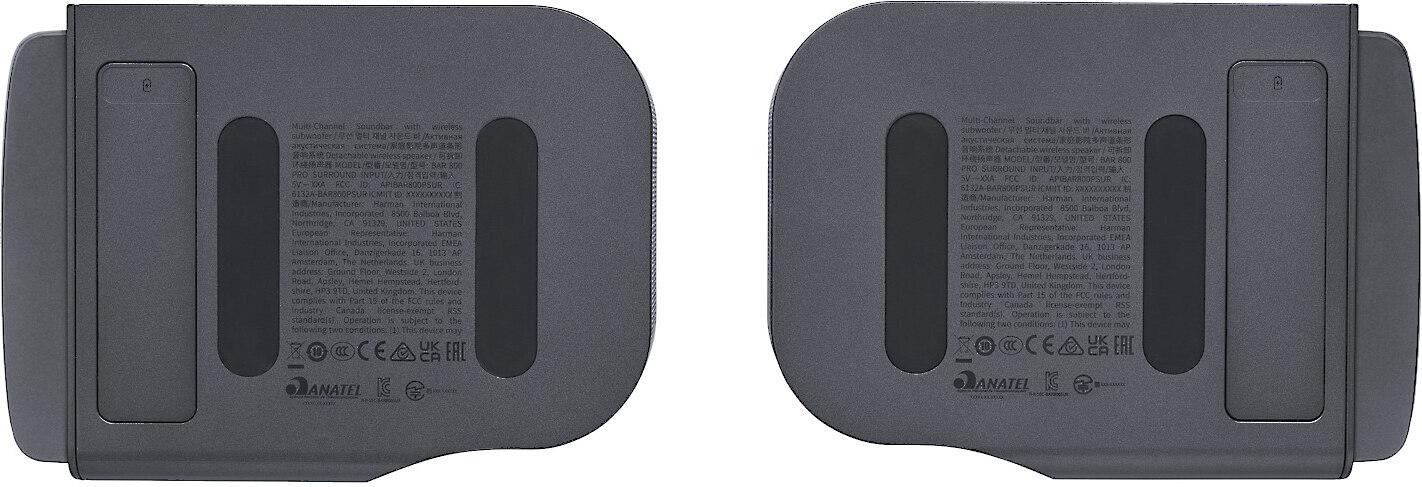
Released in late 2023, the JBL Bar 700 builds on JBL's decades of speaker engineering experience. The system includes three main components: a 46.2-inch soundbar housing the front and center channels, a wireless 10-inch subwoofer for bass duties, and two detachable battery-powered surround speakers that magnetically attach to the main bar when not in use.
What makes this system particularly clever is those detachable surrounds. Each houses a 46x90mm racetrack driver (an oval-shaped speaker that fits more cone area into a compact space) and runs for up to 10 hours on battery power. When you want that true surround experience, you simply detach them from the main bar and place them behind your seating area. No wires, no additional power outlets needed.
The main soundbar packs three racetrack drivers and three 0.75-inch tweeters (small speakers that handle high frequencies), while the subwoofer uses a traditional 10-inch cone driver. Together, they pump out 620 watts of total power—240W from the main bar, 300W from the subwoofer, and 40W from each surround speaker.
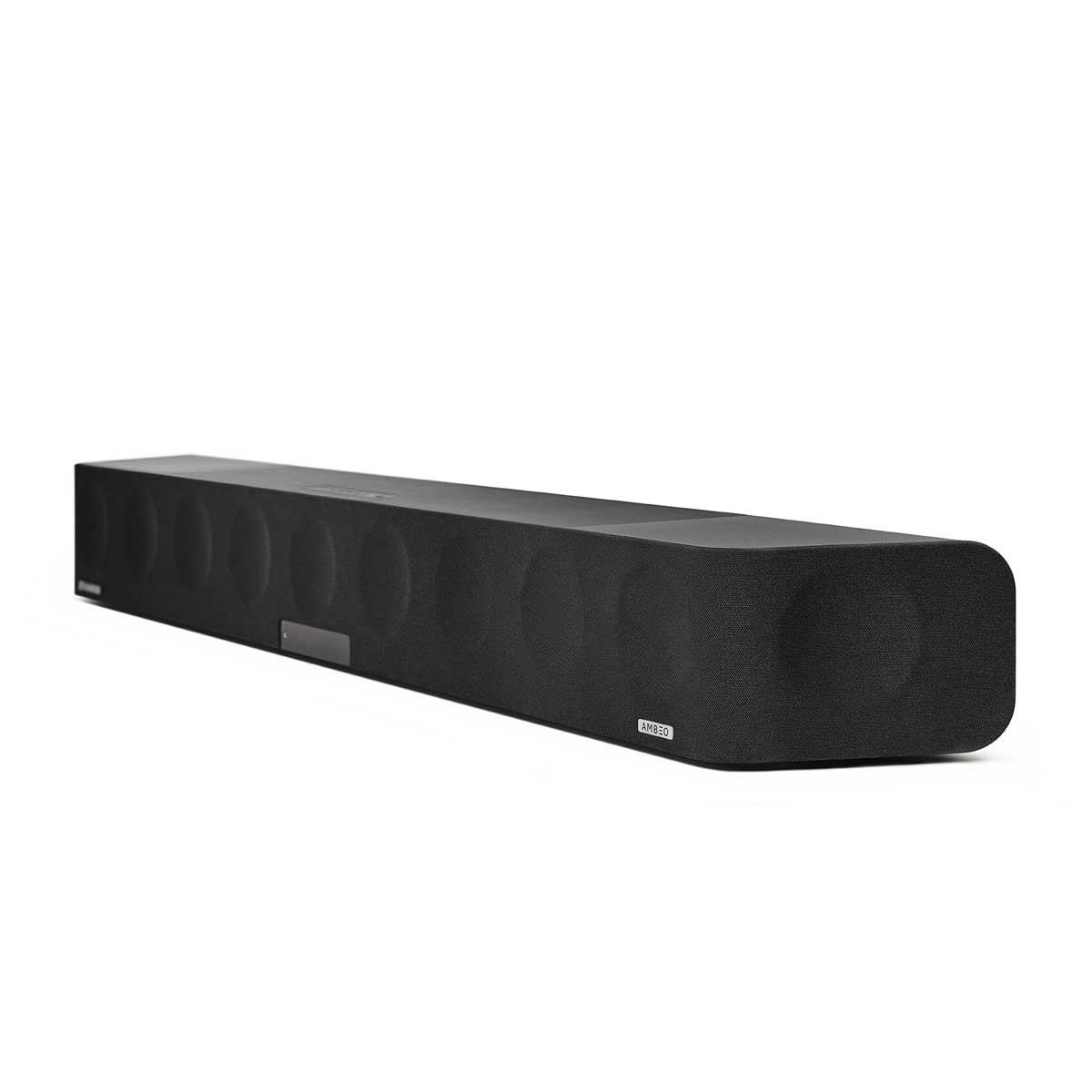
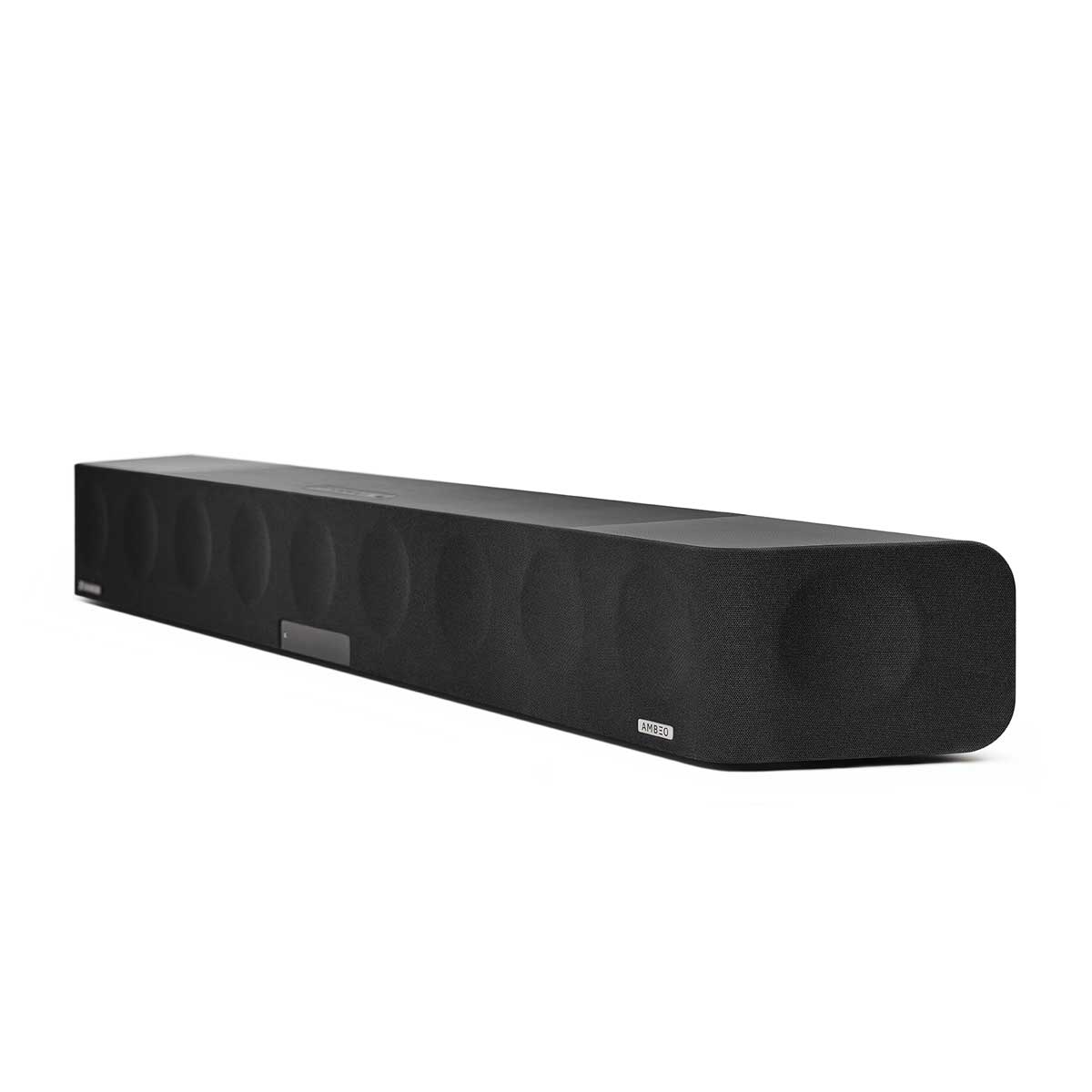
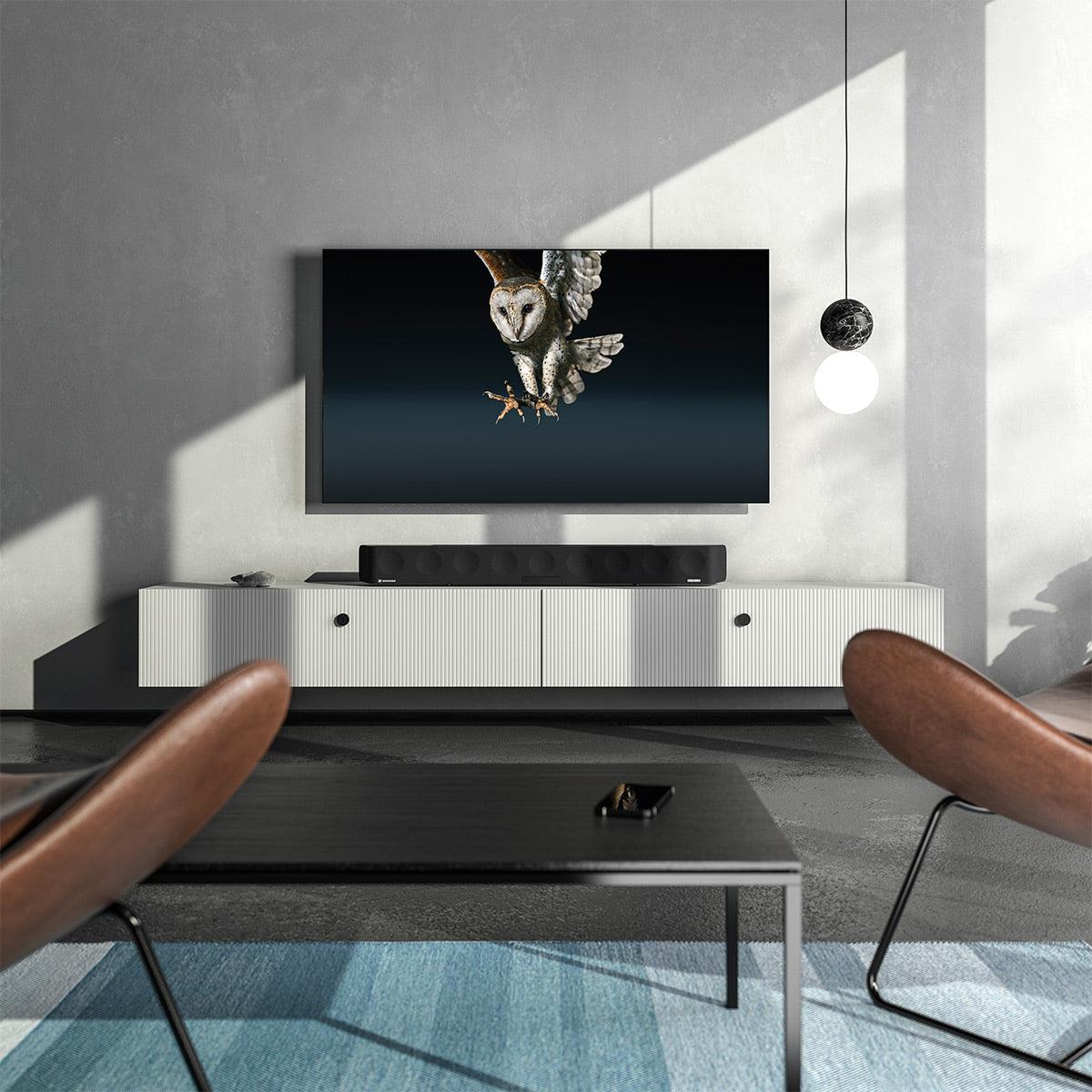
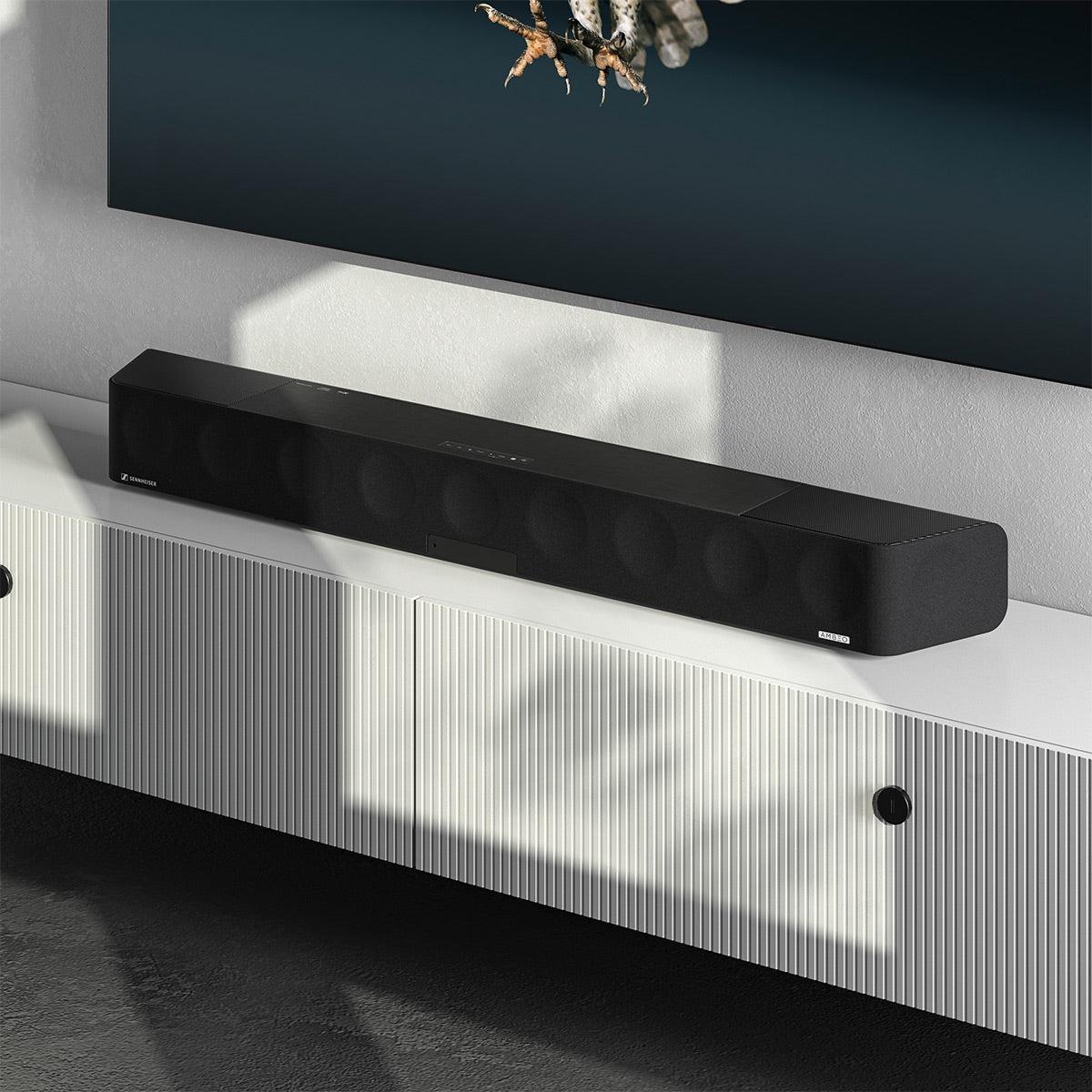
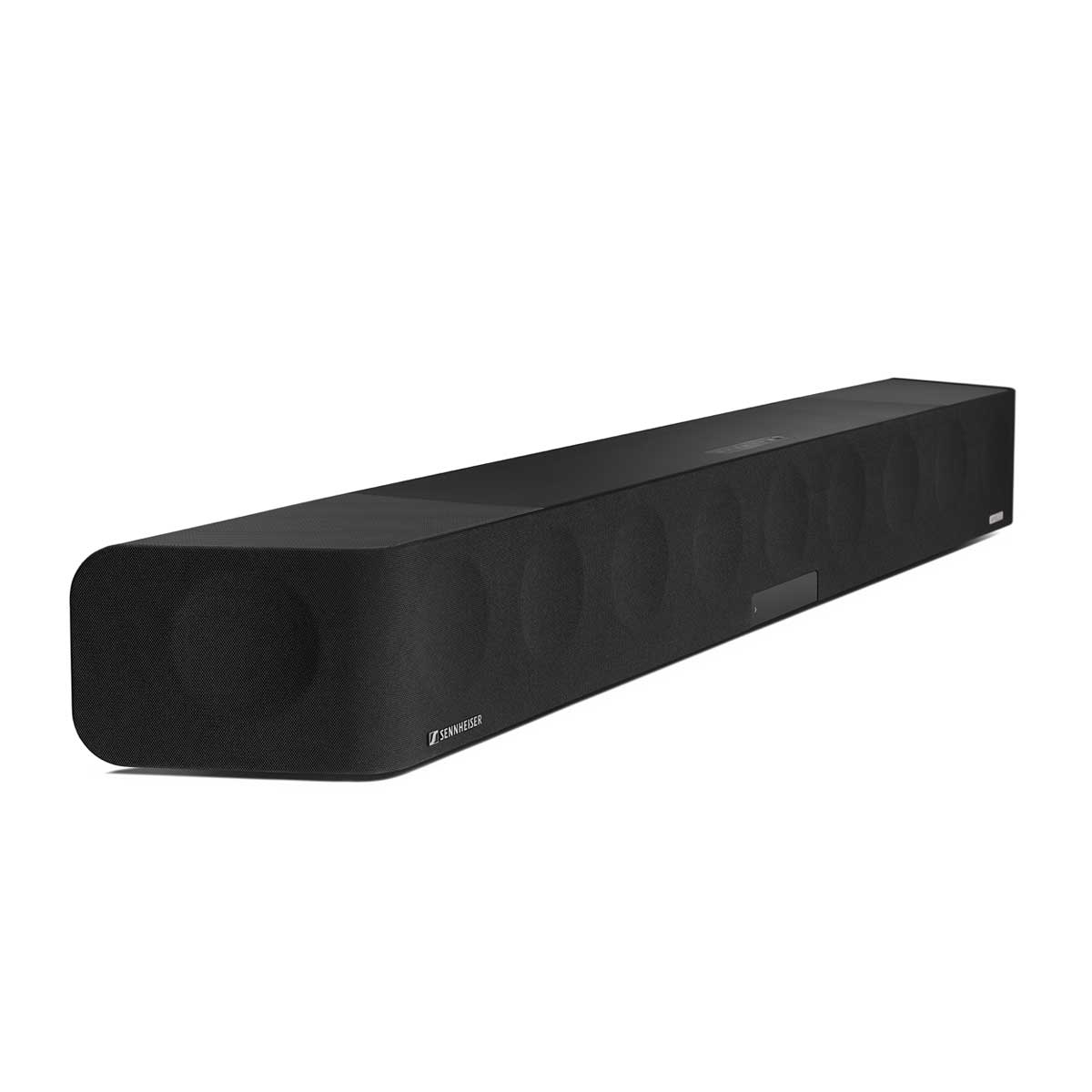
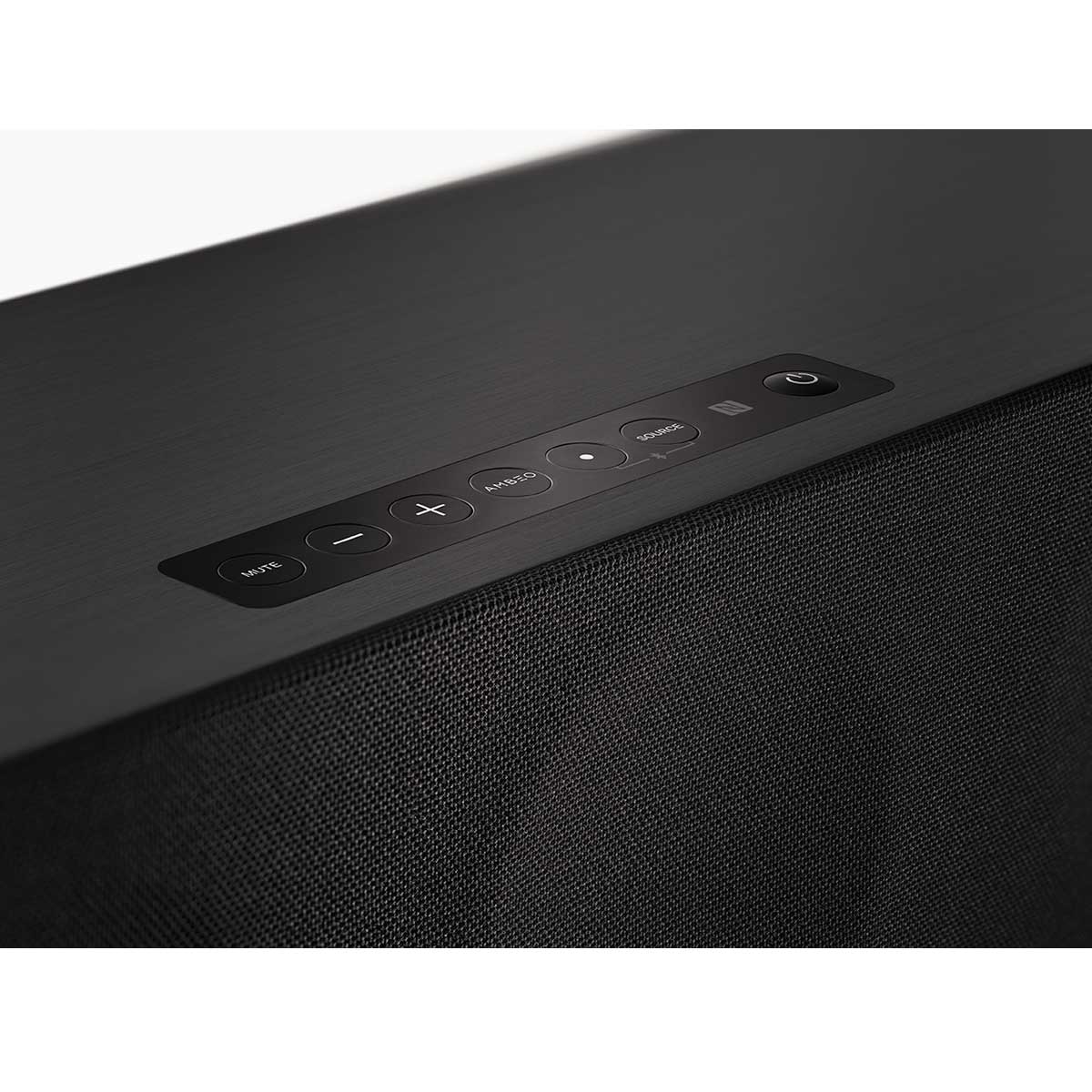
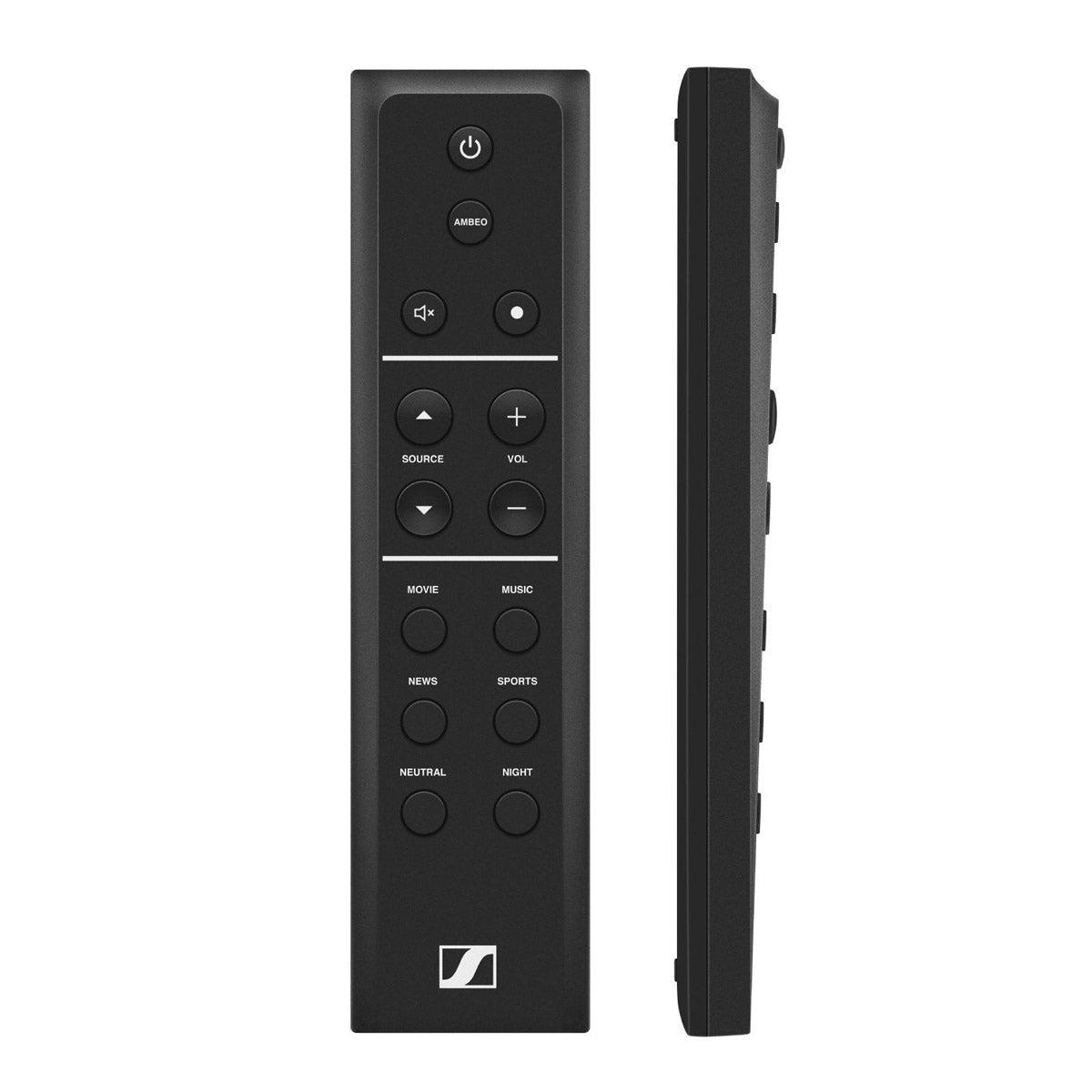
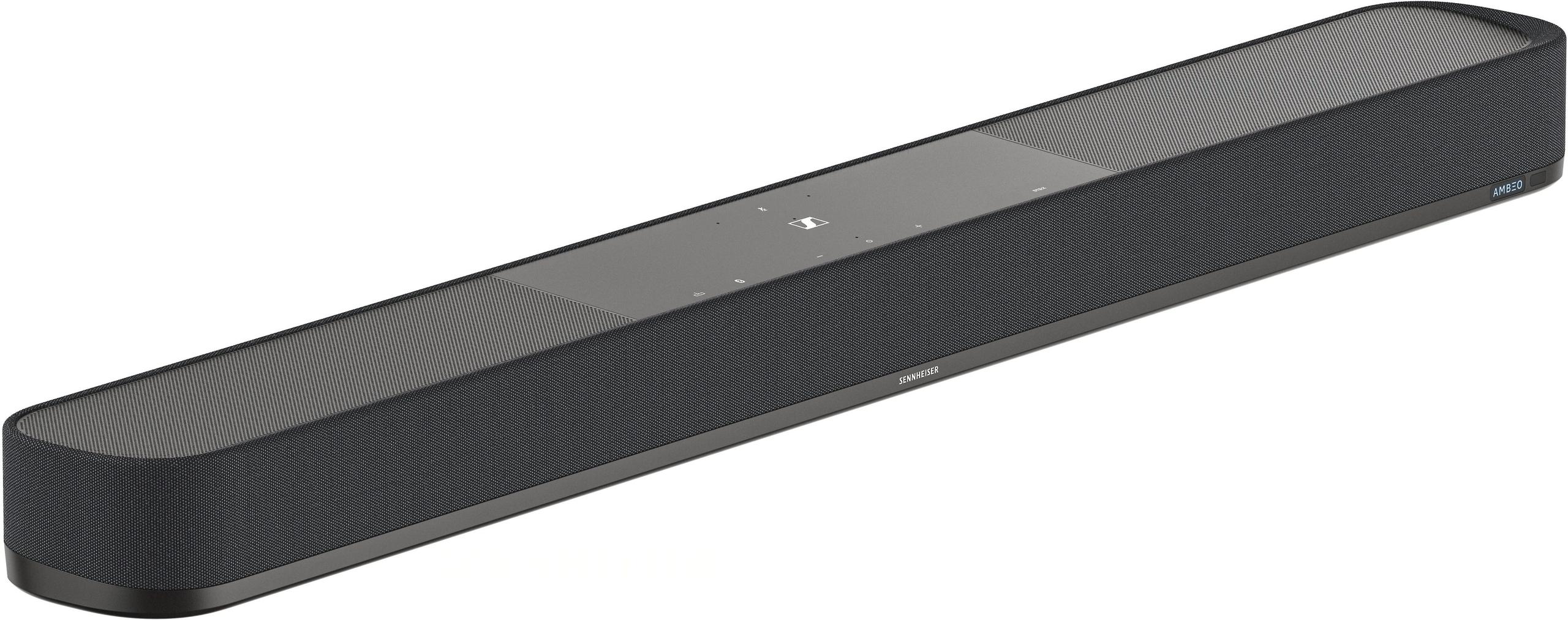
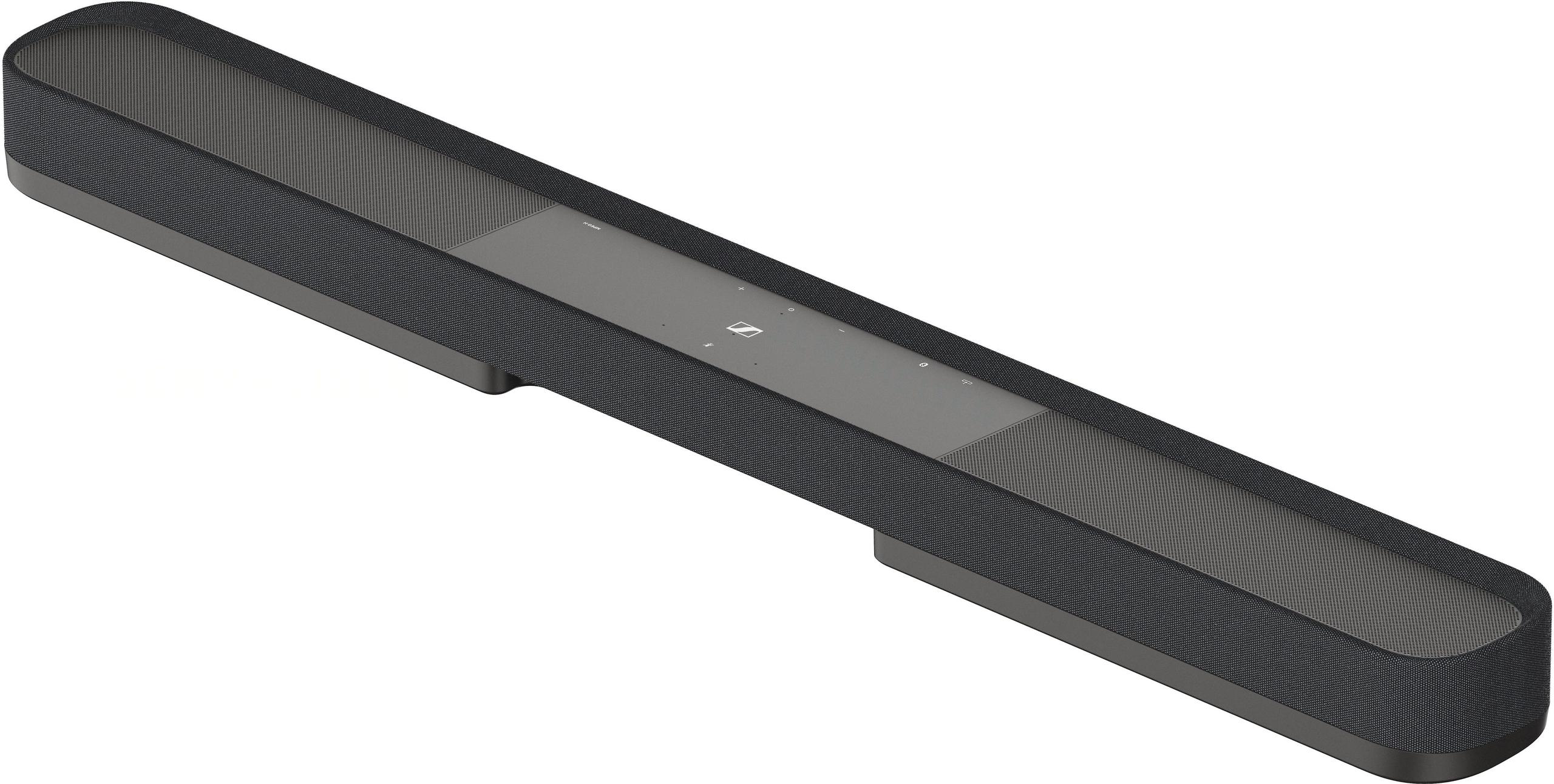
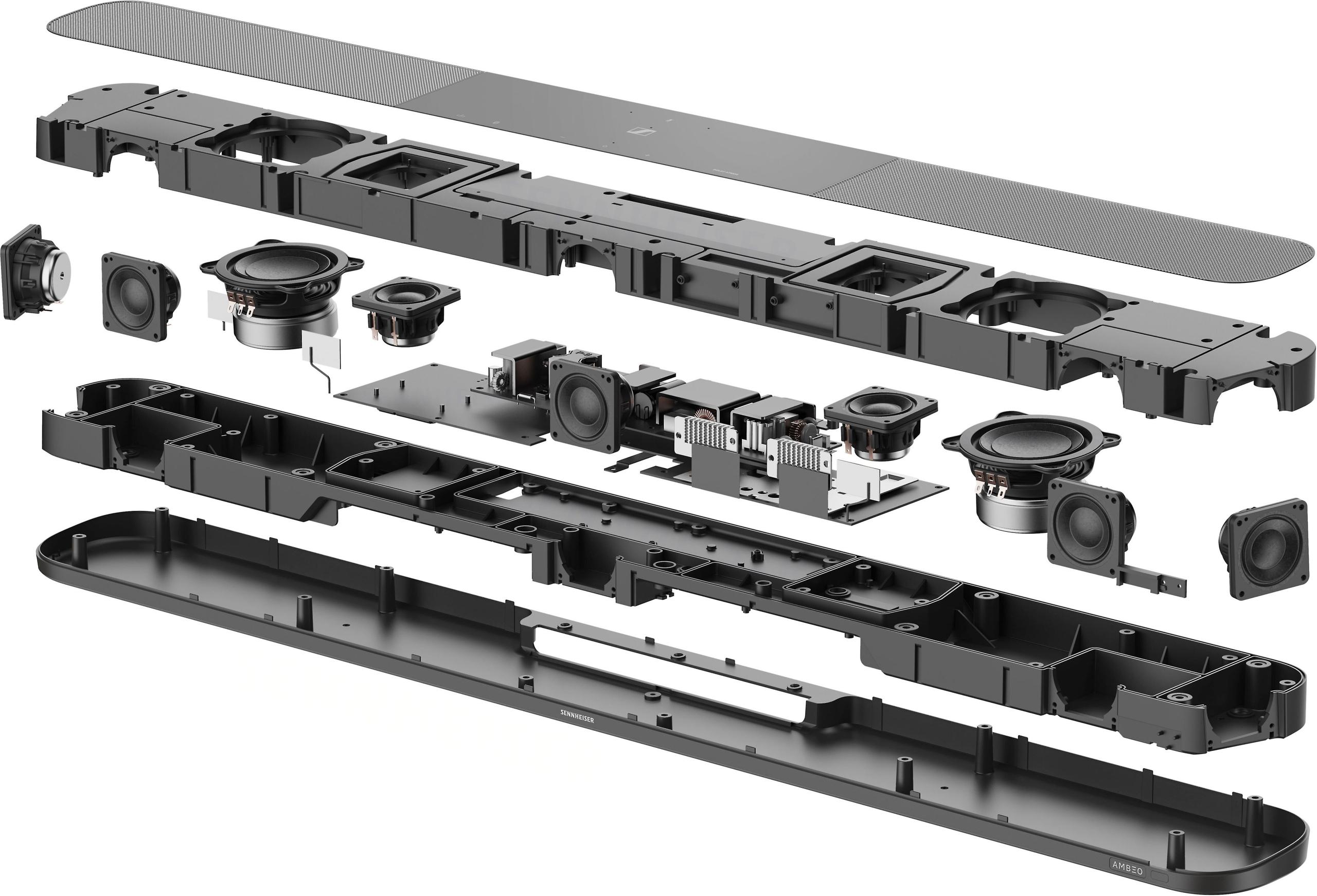
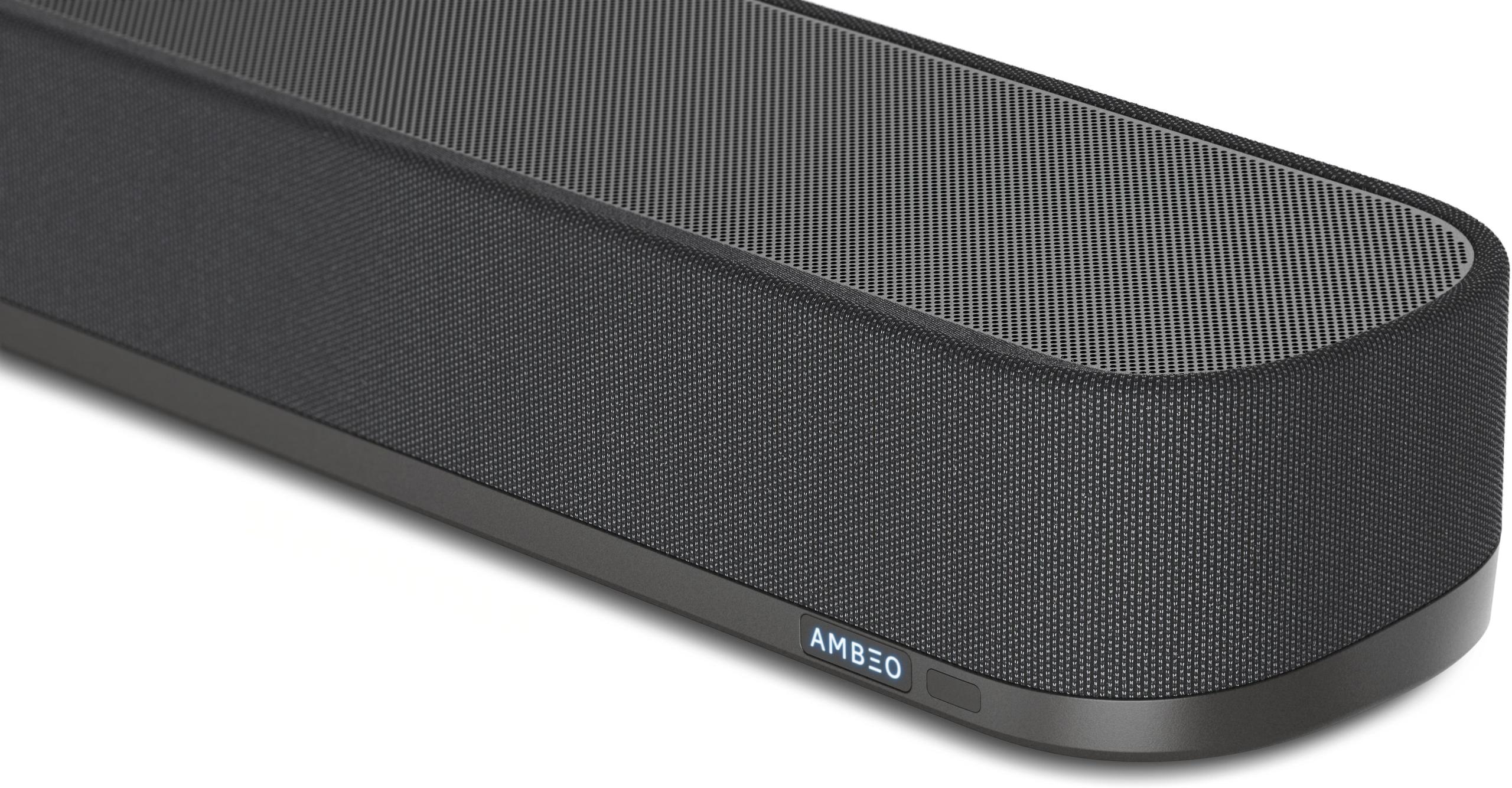
The AMBEO, which debuted in early 2024, represents Sennheiser's attempt to solve the surround sound puzzle through pure engineering wizardry. This single 49.6-inch bar weighs a hefty 40.8 pounds and houses 13 individual drivers: six 4-inch woofers for bass, five 1-inch aluminum tweeters for highs, and two 3.5-inch full-range drivers positioned on top for height effects.
The magic happens through AMBEO 3D technology, developed in partnership with the Fraunhofer Institute (the same organization that helped create the MP3 format). This system uses advanced signal processing to analyze your room's acoustics through built-in microphones, then precisely times and shapes the audio signals to create the illusion of sounds coming from specific locations around you.
The technology relies on something called the "precedence effect"—your brain's tendency to identify the direction of a sound based on which ear hears it first, even if the sound is actually coming from somewhere else. By carefully controlling timing and frequency response, the AMBEO can make you swear there are speakers behind you when there aren't.
This is where the fundamental difference between these systems becomes most apparent. The JBL Bar 700 creates surround sound the traditional way—by actually placing speakers around you. When a helicopter flies overhead in a movie, the sound genuinely moves from the front speakers to the rear ones because, well, there are actual rear speakers.
I've spent considerable time with both systems, and there's something undeniably convincing about the JBL's approach. Those detachable surrounds, despite being relatively small, create genuine directional effects that your brain immediately recognizes as "real." The soundstage (the apparent width and depth of the audio) extends well beyond the physical boundaries of your TV, and sounds seem to move through three-dimensional space in a natural way.
The AMBEO takes a more sophisticated but riskier approach. Its virtualization technology is genuinely impressive—in the right room and seating position, it can create remarkably convincing phantom speakers that seem to exist behind and beside you. The system's room calibration process, which takes several minutes and sounds like R2-D2 having a conversation with itself, maps your room's acoustic characteristics and adjusts the processing accordingly.
However, virtualization has limitations. It works best in smaller to medium-sized rooms with reflective surfaces that help bounce sound around effectively. The sweet spot for optimal surround effects is also more limited—move too far from the central listening position, and the illusion starts to break down. The JBL's physical surrounds, by contrast, work for anyone sitting in the general vicinity of the rear speakers.
Here's where the JBL Bar 700 shows a clear advantage. That 10-inch wireless subwoofer isn't just for show—it delivers genuinely impactful low-frequency performance that you can feel in your chest during action sequences. The subwoofer's frequency response extends down to 35Hz, which covers the fundamental frequencies of most movie sound effects and music.
The AMBEO's approach to bass is more restrained. Its six built-in 4-inch woofers provide tight, controlled low-end that integrates seamlessly with the rest of the frequency range, but they simply can't move the amount of air that a dedicated 10-inch subwoofer can. The system's bass response rolls off around 43Hz, which means some of the deepest movie effects and music fundamentals get truncated.
Sennheiser does offer an optional wireless subwoofer for the AMBEO, but it costs an additional $800+, bringing the total system price to nearly $3,000. Even then, many users report that the integration between the bar and the optional sub isn't as seamless as purpose-built systems like the JBL.
For action movies, the difference is immediately apparent. Explosions, thunder, and deep musical notes have more weight and physical presence through the JBL system. The AMBEO's bass is cleaner and more precise, which audiophiles might prefer for music, but most users will notice and appreciate the JBL's additional impact.
Both systems handle dialogue well, but they take different approaches. The JBL Bar 700 uses PureVoice technology, which is essentially advanced signal processing that monitors the frequency range where human speech occurs (roughly 200Hz to 4kHz) and boosts clarity when other sounds threaten to mask it. This works particularly well during loud action sequences where explosions and music might otherwise drown out important dialogue.
The Sennheiser AMBEO relies more on hardware quality and precise tuning. Those five aluminum dome tweeters provide exceptional detail retrieval across the entire frequency spectrum, and the system's overall tonal balance ensures that dialogue sits naturally in the mix without sounding artificially boosted. The result is more natural-sounding speech, but it might not cut through chaotic soundtracks as aggressively as the JBL's processing.
In practice, both approaches work well, but they suit different preferences. If you frequently struggle to understand dialogue in movies (especially those with dense, loud soundtracks), the JBL's more aggressive processing might serve you better. If you prefer a more natural presentation and don't mind adjusting volume levels occasionally, the AMBEO's refined approach is arguably more sophisticated.
This is where the price difference between these systems becomes most justified. The Sennheiser AMBEO is simply in a different league for music reproduction. Those 13 high-quality drivers, combined with sophisticated crossover design (the electronics that split frequencies between different speakers), create a remarkably coherent and detailed soundstage for stereo music.
The aluminum tweeters provide crisp, extended highs without harshness, while the multiple woofers distribute bass duties to minimize distortion. The result is music that sounds remarkably similar to what you'd get from a high-end stereo system—which makes sense, given Sennheiser's decades of experience in professional audio.
The JBL, while competent for music, clearly prioritizes movie performance. Its sound signature is more V-shaped (boosted bass and treble, slightly recessed midrange), which creates excitement for action movies but can make music sound less natural. The wireless subwoofer, optimized for movie effects, can sometimes overwhelm subtle musical passages.
If you plan to use your soundbar equally for music and movies, the AMBEO's superior musical performance might justify its higher price. But if movies are your primary focus, the JBL's more dramatic presentation actually works in its favor.
The JBL Bar 700 requires more thought during setup, but it's not particularly complex. You'll need to find placement for three separate components: the main bar (which can wall-mount or sit on a TV stand), the subwoofer (which needs to be on the floor but can go almost anywhere in the room), and positioning for the detachable surrounds when you want true surround sound.
The surround speakers are where things get interesting. When attached to the main bar, they charge automatically and add width to the front soundstage. When detached, they become wireless rear speakers with impressive 10-hour battery life. The transition is seamless—detach them, place them behind your seating, and they automatically switch to surround mode.
The AMBEO's setup is simultaneously simpler and more critical. There's only one component to place, but its positioning matters enormously for the virtualization to work properly. The bar needs to be centered with your seating position, and the room calibration process requires several minutes of patience while the system analyzes your space's acoustics.
I've found that the AMBEO's performance varies significantly based on room characteristics. In my rectangular living room with hard floors and some wall art for reflection, the virtualization works remarkably well. In a heavily carpeted room with lots of soft furnishings, the effects are much more subtle.
Battery management is the main ongoing consideration with the JBL system. The detachable surrounds need to return to the main bar periodically for charging, though the 10-hour runtime means this isn't a daily concern for most users. The system is smart enough to automatically power down the surrounds when not in use, extending battery life.
The AMBEO requires no ongoing maintenance beyond the occasional firmware update, but it does consume more power even in standby mode due to its always-listening room calibration features.
Both systems offer comprehensive smartphone apps for control and customization, though the AMBEO's app provides more detailed EQ and processing options for fine-tuning performance.
At $650, the JBL Bar 700 delivers remarkable value. You're getting a complete 5.1 surround system with true wireless rear speakers and a substantial subwoofer for less than the cost of many mid-range soundbars. The performance-per-dollar ratio is exceptional, especially considering that comparable traditional surround systems often cost $1,000+.
The Sennheiser AMBEO at $2,000 operates in premium territory where value calculations become more subjective. The question isn't whether it sounds good—it sounds excellent. The question is whether it sounds three times better than the JBL, and whether the convenience of a single-unit setup justifies the price premium.
For most users, the answer is probably no. The AMBEO's advantages—cleaner aesthetics, superior music performance, and impressive virtualization—are real but incremental. The JBL's advantages—genuine surround placement, superior bass impact, and dramatically lower price—are more immediately apparent.
However, if budget isn't a primary concern and you value the cleanest possible setup with audiophile-grade performance, the AMBEO justifies its price within its target market.
In a dedicated home theater environment, both systems face different challenges. The JBL Bar 700 benefits from larger rooms where its physical surrounds can be placed at optimal distances from seating. The wireless subwoofer can also be positioned for maximum impact without cable management concerns.
The AMBEO's virtualization technology actually works better in more controlled acoustic environments. A rectangular room with moderate reflectivity (not too dead, not too live) allows the processing algorithms to work optimally.
For projection setups, both systems offer HDMI eARC support with 4K HDR pass-through, ensuring compatibility with modern sources and displays. The JBL's wider form factor might better match ultra-wide projection screens, while the AMBEO's more compact design suits smaller theater rooms.
Choose the JBL Bar 700 if you want the most immersive surround experience for the money, don't mind a multi-component setup, and prioritize bass impact for action movies. It's also the clear choice if your budget is under $1,000 or if you have a larger room where physical surround speakers provide better coverage.
Choose the Sennheiser AMBEO if you're willing to pay premium prices for cutting-edge technology, prefer a single-unit solution, and value superior music performance alongside movie watching. It's ideal for smaller to medium rooms where virtualization works best, and for users who prioritize clean aesthetics and minimal setup complexity.
Both represent significant upgrades over basic TV audio, but they serve different priorities and budgets. The JBL delivers traditional surround sound thrills at an accessible price, while the AMBEO pushes the boundaries of what's possible from a single speaker enclosure—at a correspondingly premium price.
| JBL Bar 700 Dolby Atmos 5.1 Soundbar ($650) | Sennheiser AMBEO Soundbar ($2,000) |
|---|---|
| Price - Significant cost difference for premium features | |
| $650 complete system | $2,000 (optional $800+ subwoofer available) |
| System Configuration - Physical vs virtual surround approach | |
| True 5.1 with detachable battery-powered rear speakers + wireless 10" subwoofer | Single-unit virtual 7.1.4 with 13 integrated drivers |
| Total Power Output - Impacts overall volume and dynamics | |
| 620W (240W bar + 300W sub + 80W surrounds) | 500W from integrated amplification |
| Bass Performance - Critical for movie impact and music fullness | |
| Dedicated 10" wireless subwoofer (35Hz extension) | Dual built-in 4" woofers (43Hz extension) |
| Surround Technology - How immersive effects are created | |
| Physical wireless rear speakers with 10-hour battery life | AMBEO 3D virtualization with advanced room calibration |
| Driver Configuration - Affects sound quality and detail | |
| 3 racetrack drivers + 3 tweeters (bar), 1 racetrack each (surrounds) | 6x 4" woofers + 5x 1" aluminum tweeters + 2x 3.5" full-range |
| Setup Complexity - Installation and daily use considerations | |
| 3-component system, battery management for surrounds | Single unit, automatic room calibration via built-in mics |
| Room Size Optimization - Where each performs best | |
| Large rooms benefit from physical surround placement | Small-medium rooms ideal for virtualization effectiveness |
| Music Performance - Important for dual-purpose use | |
| Movie-optimized with adequate music reproduction | Audiophile-grade drivers excel for critical music listening |
| Connectivity Features - Streaming and device compatibility | |
| HDMI eARC, Wi-Fi, Bluetooth, Chromecast, AirPlay, USB playback | HDMI eARC, Wi-Fi, Bluetooth, Chromecast, AirPlay, advanced streaming integration |
The JBL Bar 700 ($650) offers significantly better value with a complete 5.1 system including wireless subwoofer and detachable surround speakers. The Sennheiser AMBEO ($2,000) costs three times more but delivers premium single-unit virtualization technology. For most buyers, the JBL provides better performance per dollar.
The core difference is approach: the JBL Bar 700 uses physical surround speakers that you place behind your seating for true 5.1 sound, while the Sennheiser AMBEO creates virtual surround effects from a single soundbar using advanced AMBEO 3D technology. JBL offers authentic surround placement, while AMBEO provides a cleaner single-unit setup.
The JBL Bar 700 delivers significantly more bass impact with its dedicated 10-inch wireless subwoofer that extends down to 35Hz. The Sennheiser AMBEO uses built-in 4-inch woofers that only reach 43Hz, providing tighter but less impactful bass. For action movies and deep bass, the JBL is the clear winner.
The JBL Bar 700 comes complete with everything needed: main bar, wireless subwoofer, and detachable surround speakers. The Sennheiser AMBEO is a complete single-unit system, though many users add the optional $800+ wireless subwoofer for deeper bass. The JBL provides a more complete out-of-the-box experience.
The Sennheiser AMBEO is simpler to install with just one unit to position, plus automatic room calibration. The JBL Bar 700 requires placing three components (bar, subwoofer, and positioning rear speakers when desired) and managing battery charging for the wireless surrounds. AMBEO wins for installation simplicity.
The JBL Bar 700 performs better in larger spaces because its physical surround speakers can be placed at optimal distances from seating areas. The Sennheiser AMBEO's virtualization technology works best in small to medium rooms where sound reflections can be controlled effectively. For big home theaters, choose the JBL.
Yes, both support Dolby Atmos but differently. The JBL Bar 700 uses up-firing drivers in the main bar plus physical surround speakers for height effects. The Sennheiser AMBEO creates virtual Dolby Atmos through its 13-driver array and advanced processing. Both deliver immersive movie experiences with different approaches.
The Sennheiser AMBEO significantly outperforms the JBL Bar 700 for music with its audiophile-grade drivers, including five aluminum tweeters and superior tonal balance. The JBL is optimized for movies with a more V-shaped sound signature. If music quality is important, the AMBEO justifies its higher price.
Both offer solid wireless connectivity. The JBL Bar 700 includes reliable wireless subwoofer connection and detachable battery-powered surrounds with 10-hour runtime. The Sennheiser AMBEO features comprehensive streaming via Wi-Fi, Bluetooth, AirPlay, and Chromecast. Both systems provide stable wireless performance in typical home environments.
Both excel at dialogue but differently. The JBL Bar 700 uses PureVoice technology to boost speech clarity during loud scenes. The Sennheiser AMBEO relies on premium drivers and precise tuning for natural dialogue reproduction. The JBL might be better for challenging soundtracks, while the AMBEO offers more refined speech quality.
The JBL Bar 700 requires periodic charging of the detachable surround speakers (10-hour battery life) by reattaching them to the main bar. The Sennheiser AMBEO needs no regular maintenance beyond occasional firmware updates. The AMBEO is more maintenance-free, while the JBL requires simple battery management.
Choose the JBL Bar 700 if you want maximum immersion for under $700, have space for multiple components, and prioritize bass impact for action movies. Choose the Sennheiser AMBEO if you prefer a premium single-unit solution, have $2,000+ budget, value superior music performance, and want the cleanest possible setup with cutting-edge virtualization technology.
We've done our best to create useful and informative comparisons to help you decide what product to buy. Our research uses advanced automated methods to create this comparison and perfection is not possible - please contact us for corrections or questions. These are the sites we've researched in the creation of this article: crutchfield.com - harmanaudio.com - target.com - jbl.com - walmart.com - dell.com - jbl.com - bestbuy.com - rtings.com - techradar.com - audioxpress.com - whathifi.com - upscaleaudio.com - soundstagesimplifi.com - global.sennheiser-hearing.com - sennheiser-hearing.com - audioadvice.com - abt.com - moon-audio.com

Privacy Policy
Terms and Conditions - Affiliate Policy
Home Security
© Copyright 2008-2026.
11816 Inwood Rd #1211, Dallas, TX 75244