



When your TV's built-in speakers make movie dialogue sound like it's coming through a tin can, you know it's time for an upgrade. But the soundbar market has become incredibly diverse, with options ranging from budget-friendly systems to premium single-unit solutions that cost more than some people's entire entertainment setup. Today, we're diving deep into two very different approaches to solving your audio woes: the Ultimea Aura A40 and the Sennheiser AMBEO Soundbar.
Before we jump into comparing these specific models, it's worth understanding what makes today's soundbars so much more capable than the basic models from a decade ago. Modern soundbars have evolved into sophisticated audio processors that can create the illusion of surround sound using various techniques - some rely on physical speakers positioned around your room, while others use advanced algorithms and speaker placement to bounce sound off your walls and ceiling.
The key technologies to understand are virtualization (creating surround effects without physical rear speakers), room calibration (automatically adjusting sound based on your space's acoustics), and object-based audio formats like Dolby Atmos that can place sounds in three-dimensional space around you. These improvements have made it possible for a well-designed soundbar to compete with traditional 5.1 or 7.1 surround sound systems that require multiple speakers and a receiver.
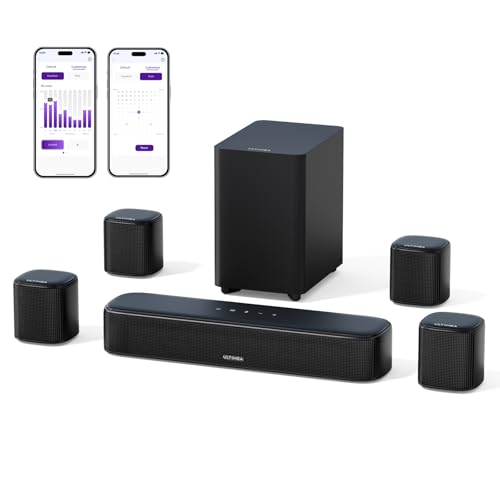
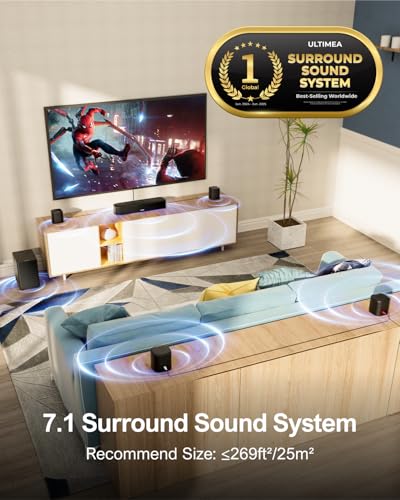
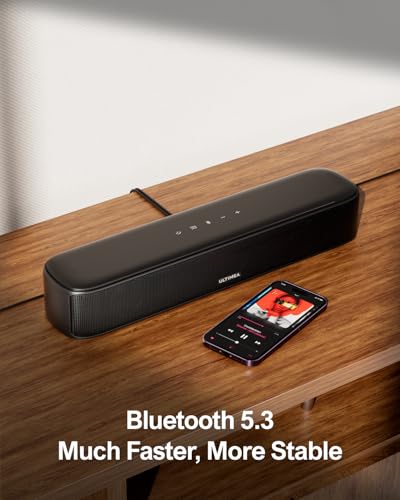
The Ultimea Aura A40, released in 2024, represents what we might call the "honest surround sound" approach. At the time of writing, it sits in the budget-to-mid-range category, offering genuine 7.1 channel audio through a hybrid system that combines a main soundbar with four separate surround speakers and a dedicated subwoofer. This isn't virtualization - it's actual speakers placed around your room creating real surround sound.
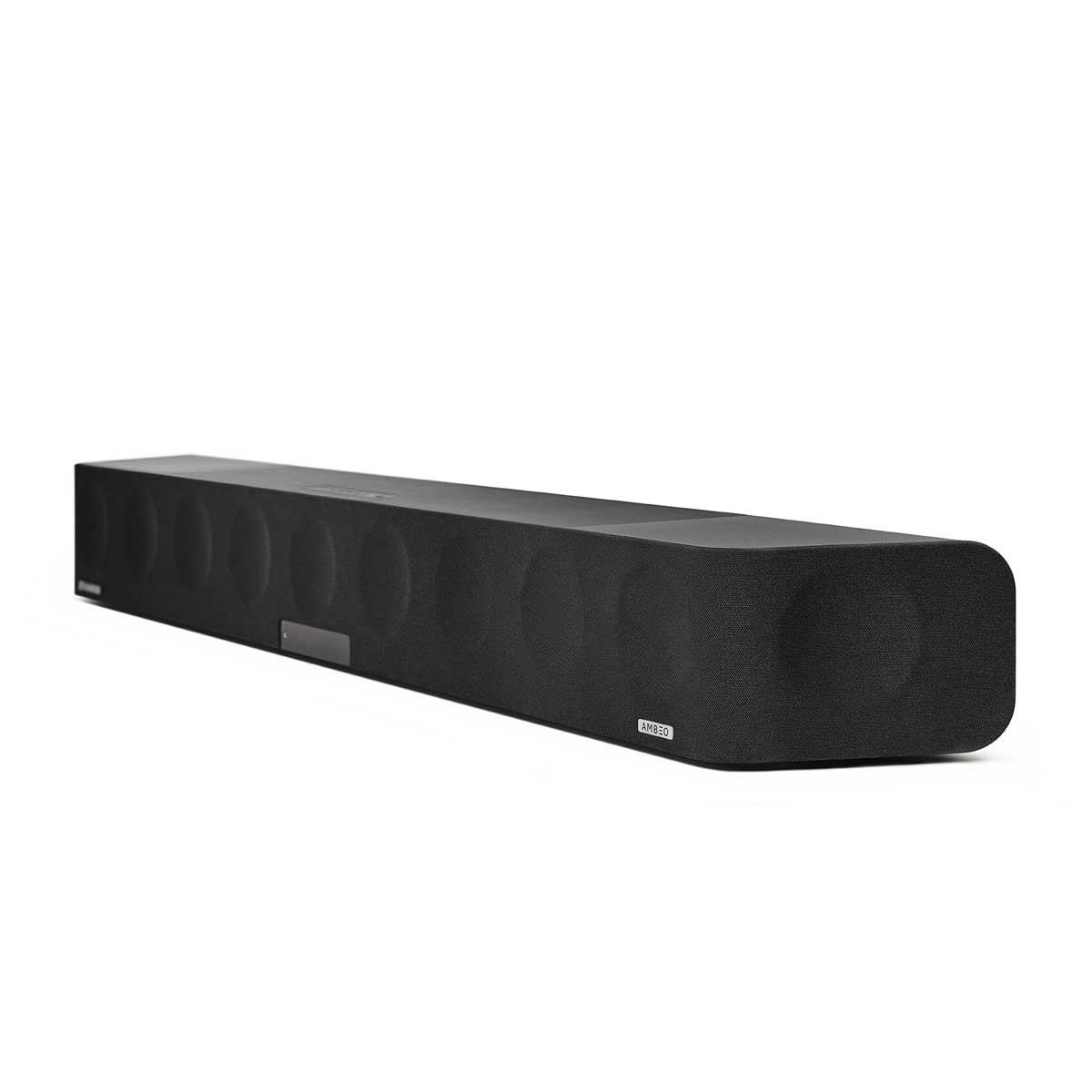
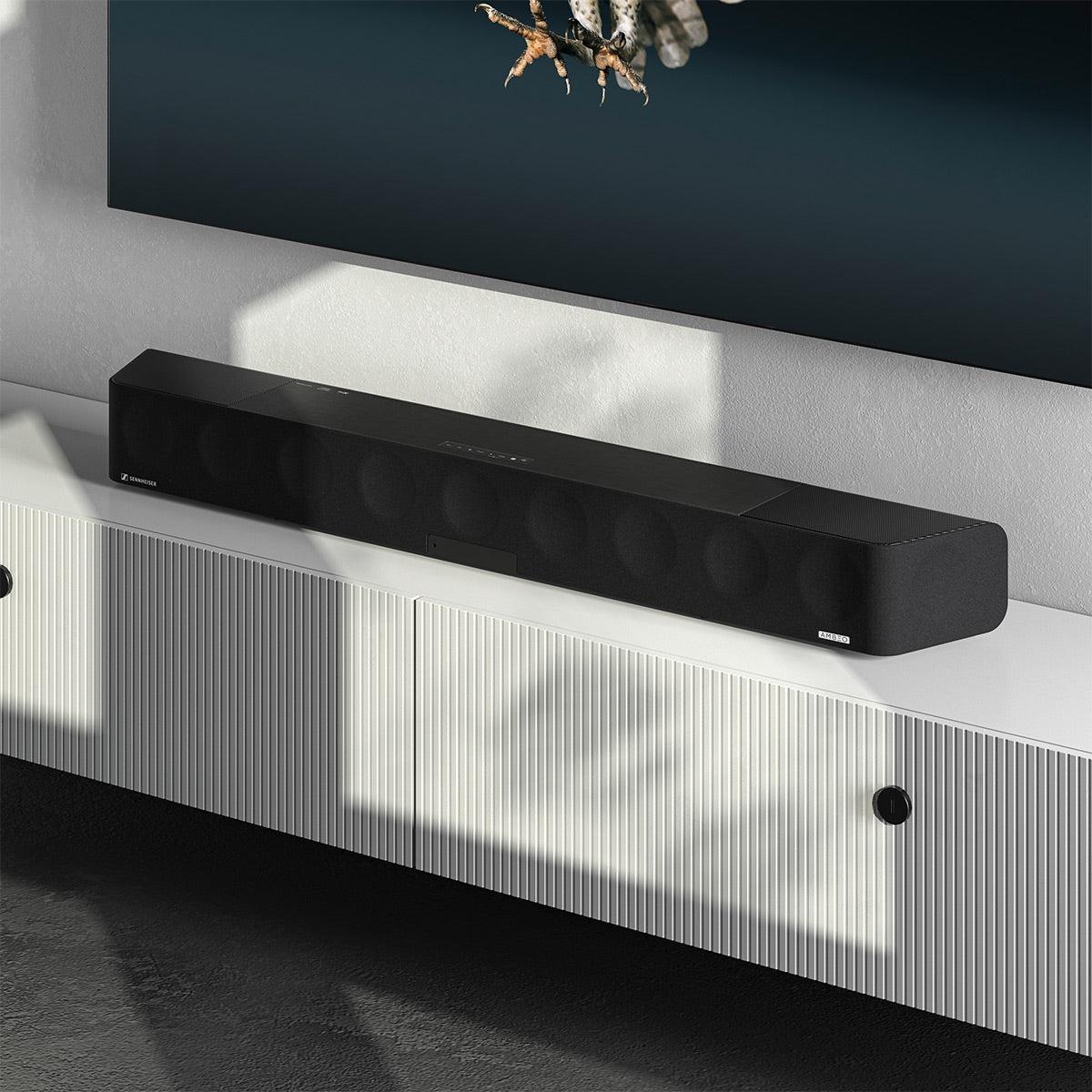
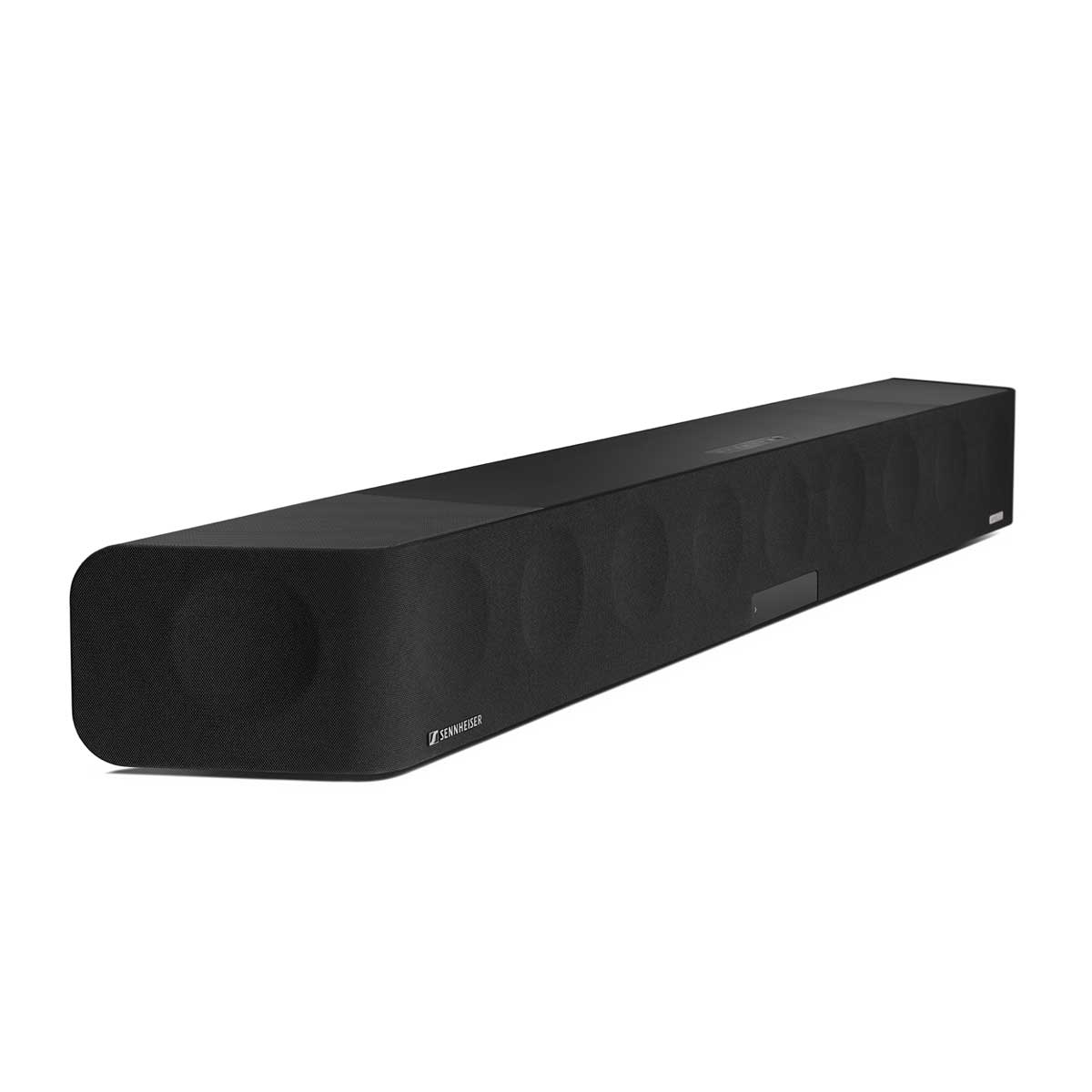
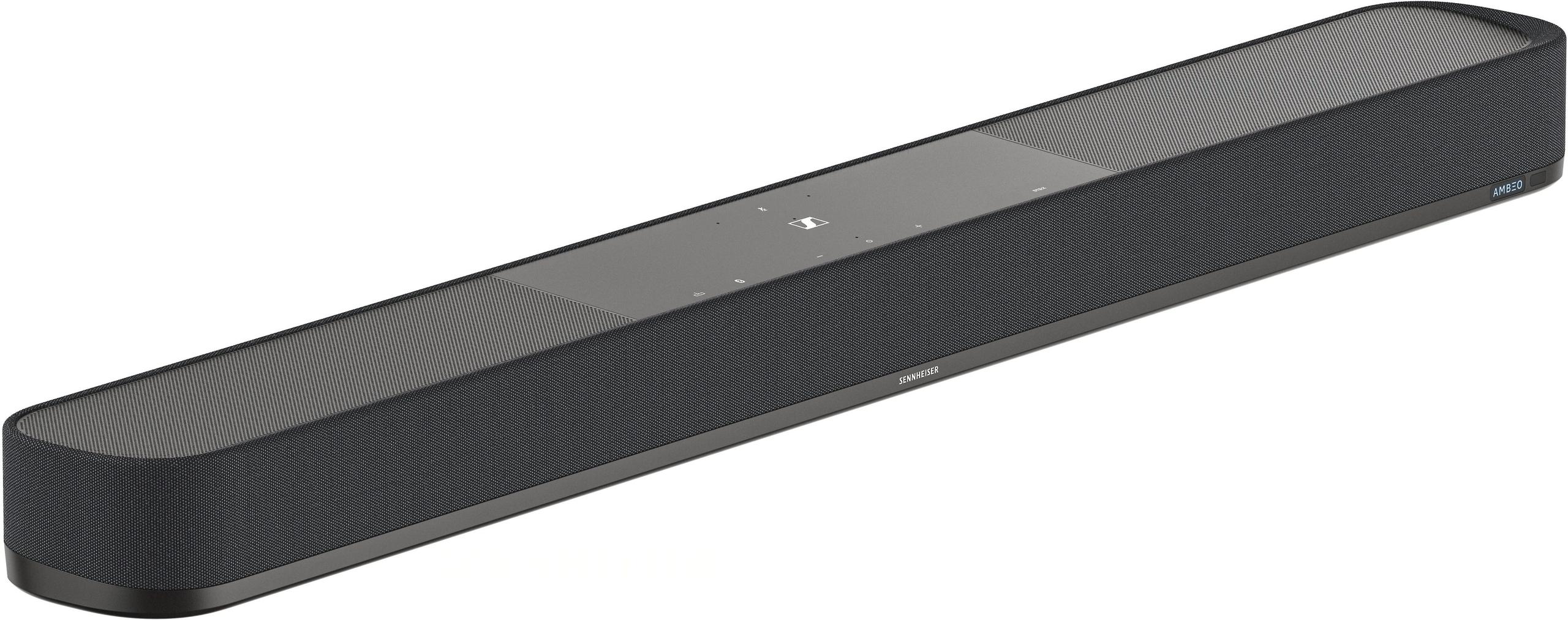
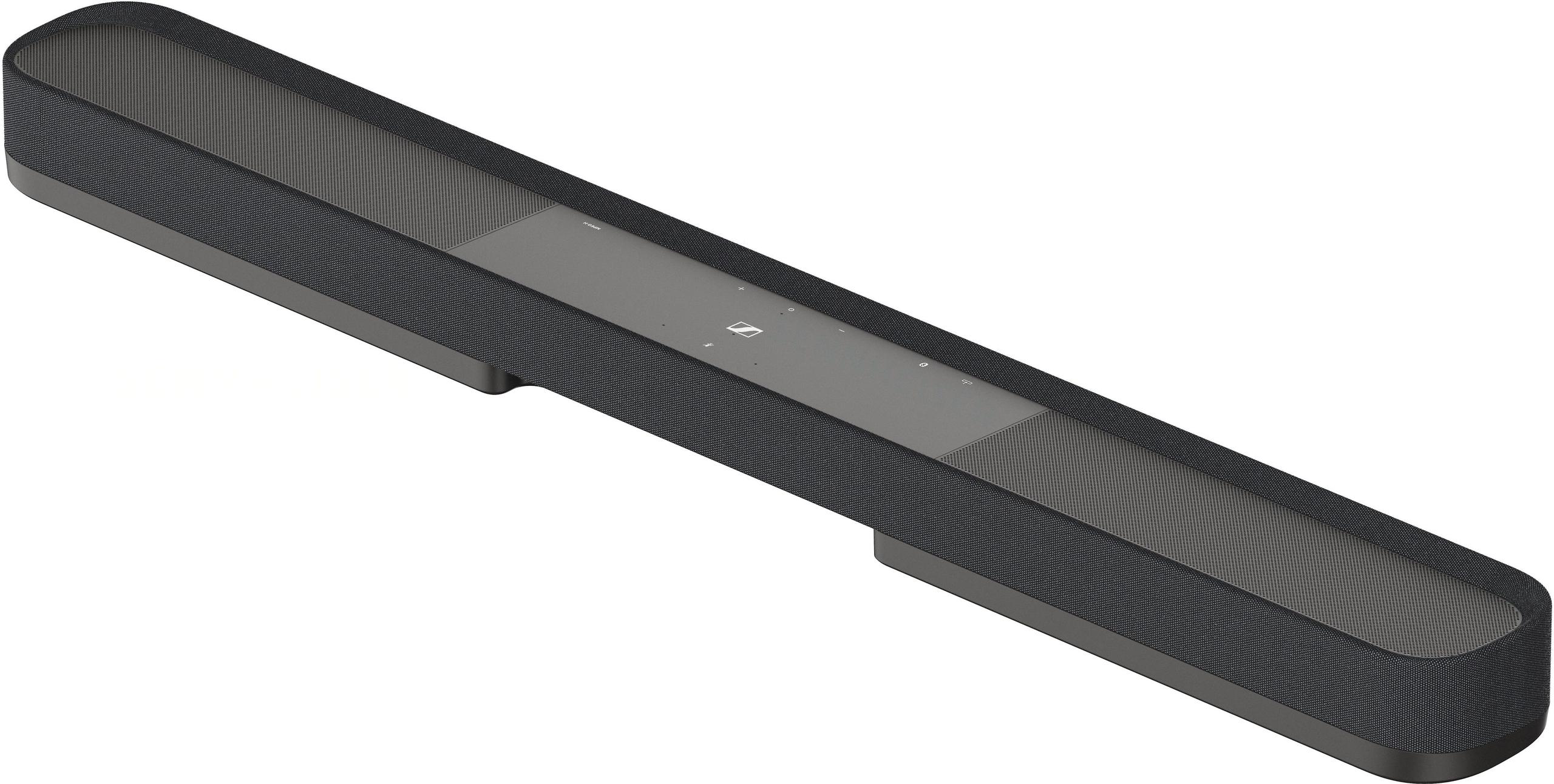
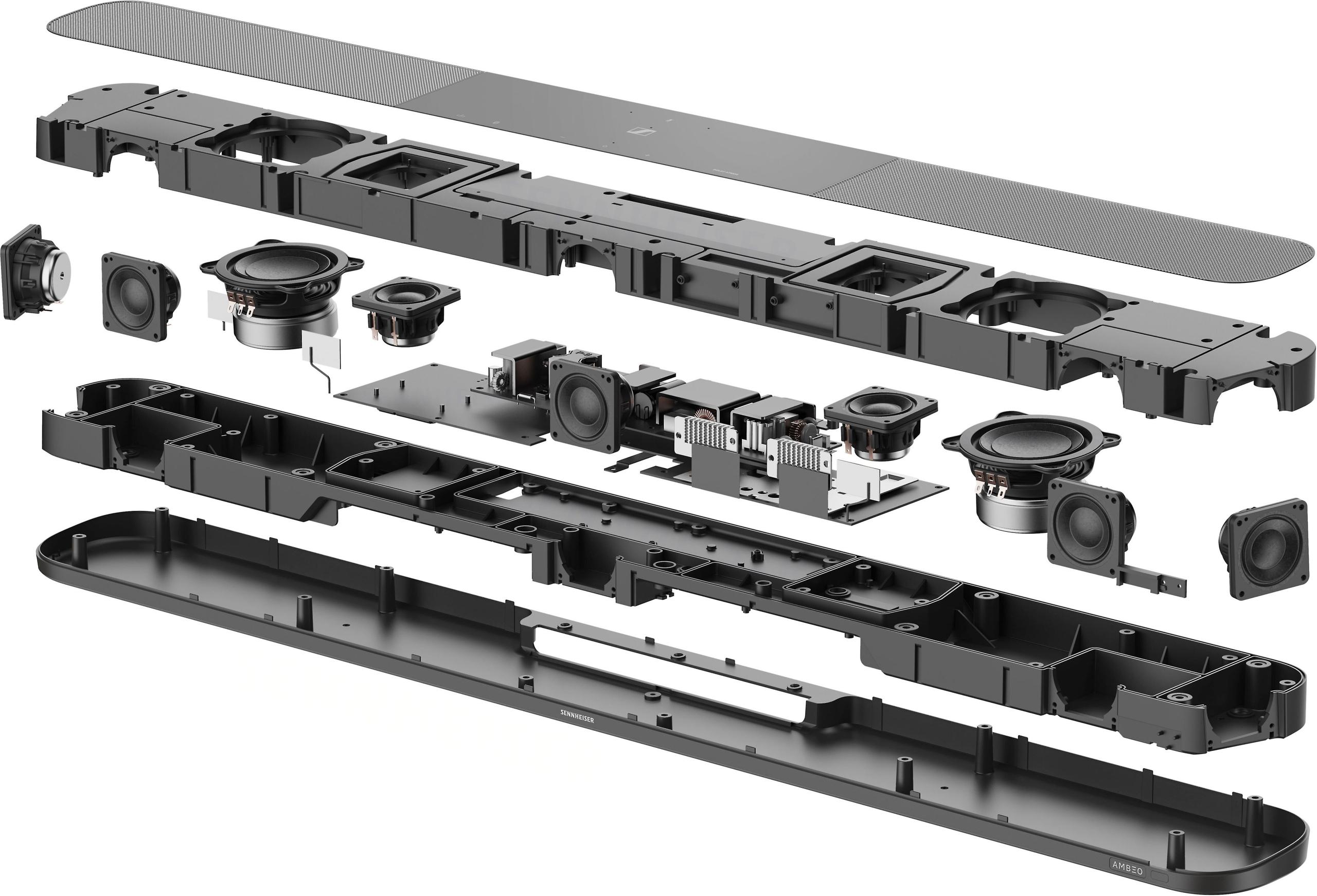
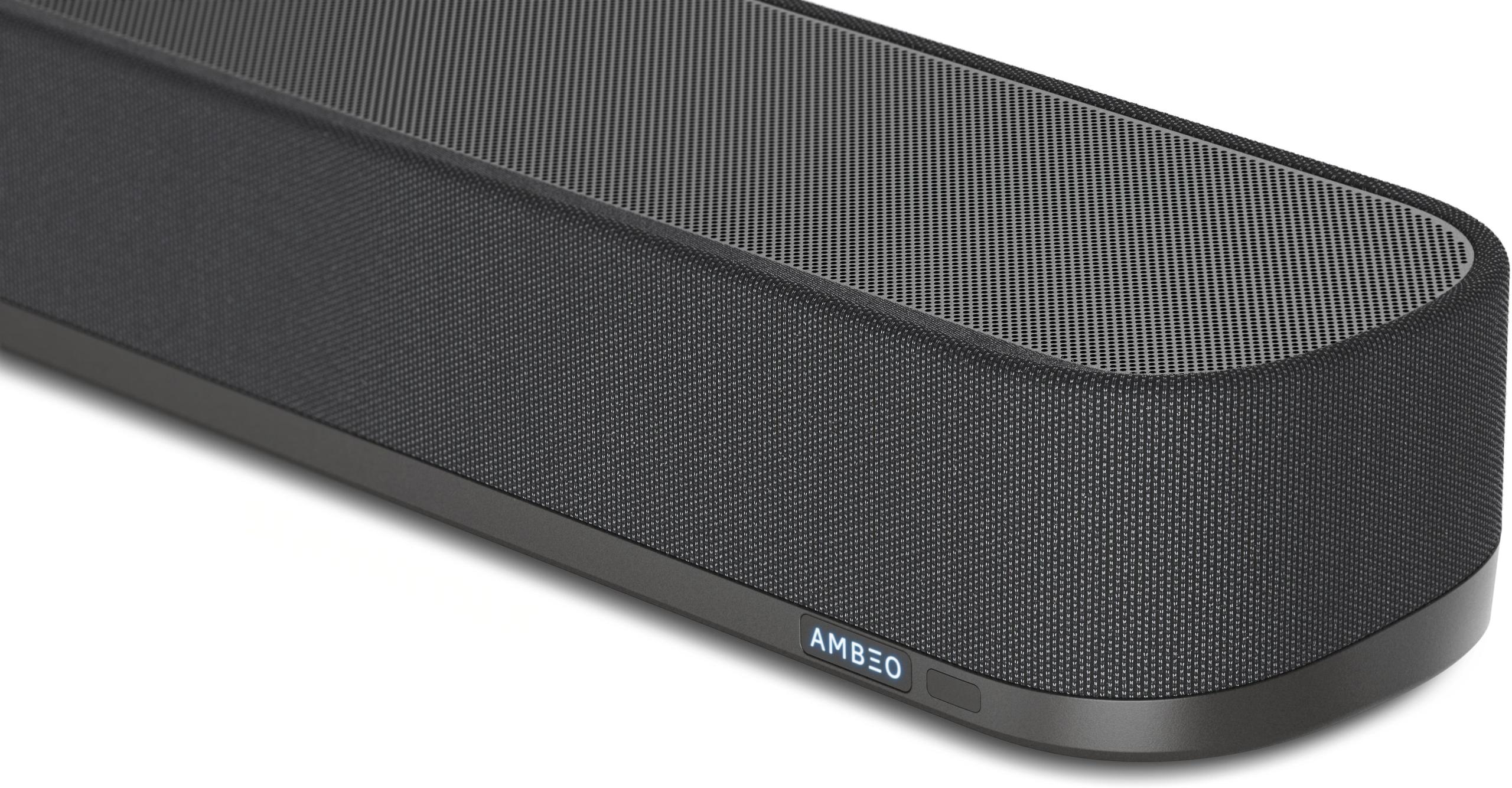
The Sennheiser AMBEO Soundbar, which debuted in 2019 and has seen several updates since, takes the premium single-unit route. This massive 49.6-inch soundbar packs 13 individual drivers and some of the most advanced audio processing available in a consumer product. It's designed to create an immersive 3D audio experience using only reflection and virtualization - no additional speakers required.
These represent fundamentally different philosophies: physical surround placement versus advanced virtualization technology. Both have merit, but they serve different users and use cases.
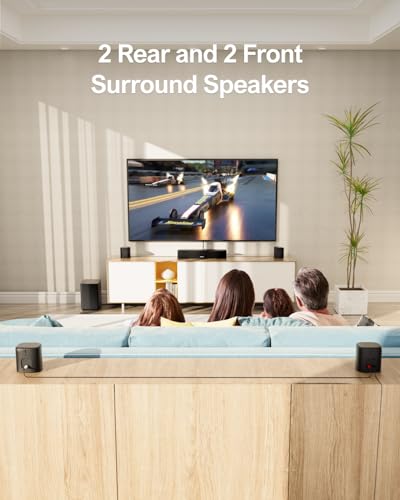
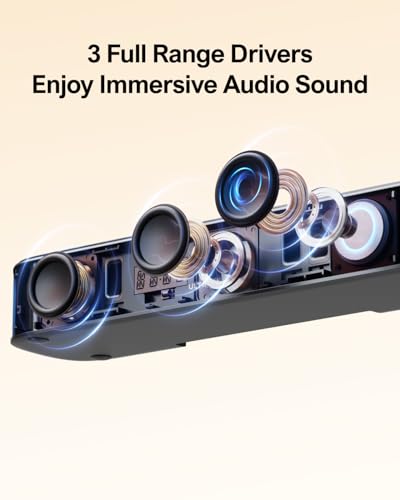
The Ultimea Aura A40's approach is refreshingly straightforward. Its four surround speakers - two positioned at the front corners of your room and two at the rear - create genuine directional audio. When a helicopter flies across the screen, you're hearing it move between actual speakers positioned around you. The system uses SurroundX technology to coordinate all eight speakers (including those in the main bar and subwoofer), but the foundation is real surround placement.
What makes this interesting is the hybrid connectivity approach. The front surround speakers connect via cables, while the rear right speaker can pair wirelessly to reduce cable clutter. This means you get the reliability of wired connections where it matters most (the front soundstage) while maintaining flexibility for rear placement.
The Sennheiser AMBEO, meanwhile, uses what's called psychoacoustic processing - essentially tricking your brain into perceiving sounds that aren't directly there. It employs upward-firing drivers that bounce sound off your ceiling, combined with side-firing speakers and advanced room calibration to map your space's acoustic characteristics. The system, developed in partnership with Fraunhofer (the same research institute behind MP3), analyzes reflective surfaces in your room and uses that information to create virtual speaker positions.
In our research of user experiences and expert reviews, the differences become clear. The Ultimea system excels at creating obvious directional effects - footsteps moving behind you, aircraft panning overhead, or ambient sounds that genuinely feel like they're coming from specific locations. However, users consistently note that while the surround effects are convincing, the overall audio fidelity can sound "tinny" or "metallic," particularly with music.
The AMBEO, conversely, creates what many describe as a more sophisticated and cohesive soundscape. Its virtualization is remarkably effective, especially for overhead effects, though some reviewers note it can struggle with sounds that should come from directly behind the listener. Where it truly shines is overall audio quality - the combination of aluminum dome tweeters and advanced processing delivers what many consider reference-quality sound for both movies and music.
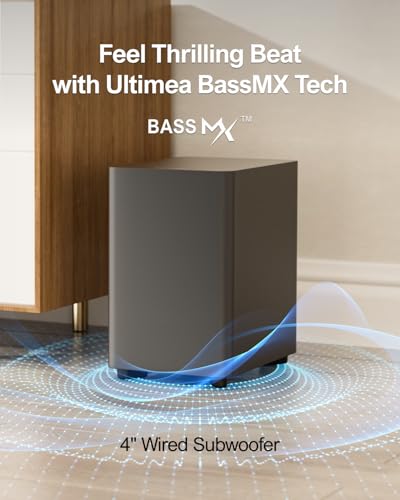
This is where the design philosophies create interesting trade-offs. The Aura A40 includes a separate 4-inch subwoofer using BassMX technology, which extends down to 65Hz. While this doesn't match the lowest frequencies of premium systems, it provides tangible, room-shaking bass that you can feel in your chest during action scenes.
The AMBEO's approach integrates six 4-inch long-throw woofers directly into the soundbar, achieving impressive 30Hz extension without requiring floor space for a separate subwoofer. This creates tighter, more controlled bass that integrates seamlessly with the midrange and treble, but some users miss the physical impact that only a dedicated subwoofer can provide.
For home theater use, both approaches work well, but they feel different. The Ultimea delivers the visceral punch that makes explosions feel explosive, while the AMBEO provides more nuanced low-frequency reproduction that serves both movies and music exceptionally well.
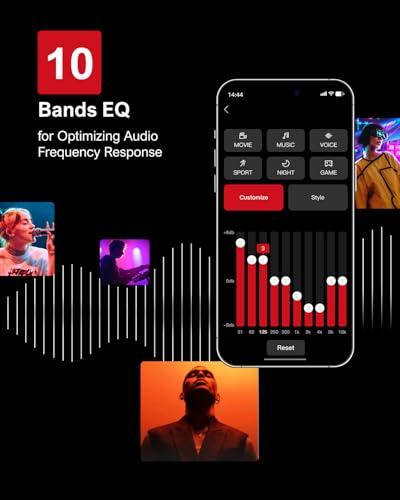
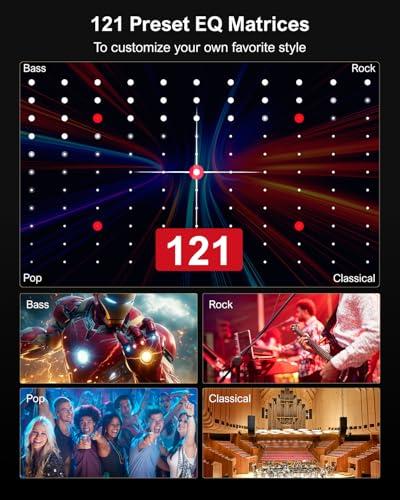
Here's where things get interesting from a technology standpoint. The Aura A40 takes a manual but comprehensive approach to room optimization. Its Smart App provides access to 121 preset EQ matrices tailored for different genres (Bass, Pop, Classical, Rock), plus a 10-band equalizer for detailed frequency adjustment. You can also adjust surround levels across 13 different settings, essentially letting you dial in how aggressive or subtle you want the surround effects to be.
This level of manual control appeals to audio enthusiasts who enjoy fine-tuning their systems. The trade-off is that it requires time and experimentation to get right. The system is recommended for rooms between 10-25 square meters, and our research suggests it performs best when you take time to properly position the surround speakers and adjust the various EQ settings.
The AMBEO automates much of this process through advanced room calibration. It uses built-in microphones to analyze your room's acoustics, measuring how sound reflects off walls, ceiling, and furniture. This data feeds into its processing algorithms to optimize the virtualization for your specific space. The result is more of a "set it and forget it" experience, though the soundbar is quite particular about placement - it needs to be positioned properly relative to your seating position and room dimensions to work at its best.
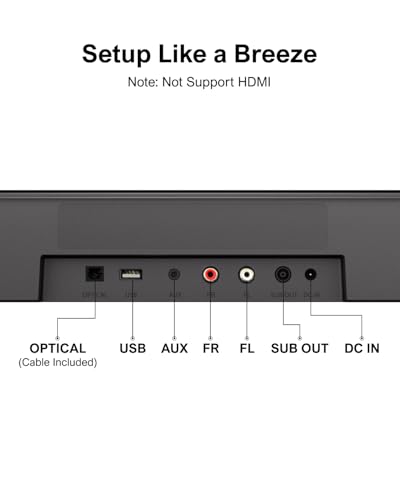
The connectivity story reveals each product's target market clearly. The Ultimea system focuses on essential connections: optical audio, 3.5mm aux, USB for media playback, and Bluetooth 5.3. Notably absent is HDMI, which limits some advanced audio format support but keeps costs down and setup simple.
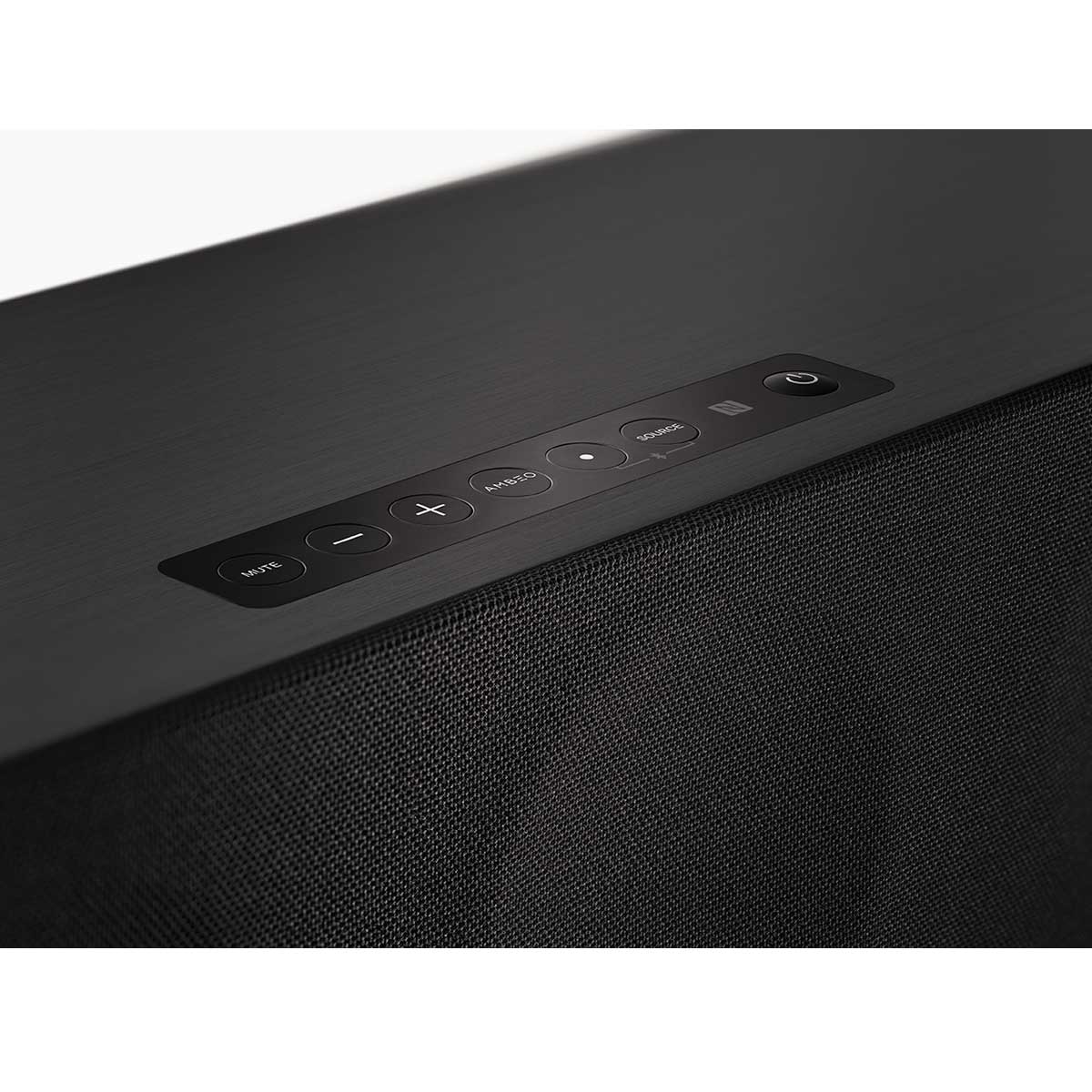
The AMBEO offers comprehensive connectivity including HDMI eARC (which enables full-bandwidth Dolby Atmos and DTS:X), multiple digital inputs, Wi-Fi, Bluetooth, Chromecast built-in, Apple AirPlay 2, and integration with voice assistants. This makes it a proper smart home component that can stream directly from music services and respond to voice commands.
At the time of writing, these products exist in completely different price categories, which makes direct comparison challenging but also illuminating. The Aura A40 sits in the budget-to-moderate price range, making genuine surround sound accessible to users who previously couldn't afford it. The AMBEO commands premium pricing that puts it in competition with dedicated component systems.
The value proposition for each is quite different. The Ultimea delivers authentic surround sound and extensive customization at a price point that makes it accessible to most users wanting to upgrade from basic TV audio. Its weakness is overall audio fidelity - while the surround effects are convincing, the sound quality doesn't match more expensive systems.
The AMBEO justifies its premium pricing through exceptional audio quality, sophisticated processing, and single-unit convenience. It's genuinely impressive what Sennheiser has achieved in a single soundbar, but the price puts it in "enthusiast" territory where buyers have high expectations for performance.
For gaming, the Aura A40 provides clear advantages through its physical surround speakers. Being able to hear footsteps or gunfire from specific locations isn't just immersive - it's tactically useful in competitive gaming. The directional audio helps with situational awareness in ways that virtualized surround, even good virtualization, can't quite match.
For movie watching, both systems excel but in different ways. The Ultimea creates obvious, dramatic surround effects that make action movies feel more exciting. Dialogue clarity is good, though not exceptional, and the dedicated subwoofer adds real impact to sound effects and explosions.
The AMBEO provides a more refined movie experience with superior dialogue clarity, better overall tonal balance, and more sophisticated spatial effects. While the surround effects might be less obvious than physical speakers, the overall audio quality is significantly higher, making for a more premium viewing experience.
For music listening, the difference becomes stark. The Aura A40 is adequate for casual listening but reveals its limitations with complex music or when you want to appreciate audio quality. The AMBEO is genuinely excellent for music, with the kind of clarity, soundstaging, and tonal accuracy that audiophiles appreciate.
The decision between these systems comes down to priorities and budget constraints. Choose the Ultimea Aura A40 if you want authentic surround sound without breaking the bank, don't mind managing multiple components and cables, and primarily use your system for movies and gaming. It's also ideal if you enjoy tweaking audio settings and want maximum control over your sound.
Go with the Sennheiser AMBEO if audio quality is your top priority, you want a premium single-unit solution, music listening is important to you, and you have the budget for a high-end system. It's also the better choice if setup simplicity matters more than absolute authenticity of surround effects.
Both products serve their intended markets well, but they're solving different problems for different users. The Ultimea democratizes surround sound, while the AMBEO pushes the boundaries of what's possible in a single soundbar. Your choice should align with your priorities, space constraints, and budget - but either will be a massive upgrade from basic TV speakers.
| Ultimea Aura A40 7.1 Channel Soundbar System | Sennheiser AMBEO Soundbar |
|---|---|
| System Configuration - Determines setup complexity and surround authenticity | |
| 7.1 channel with 4 physical surround speakers + subwoofer (8 total speakers) | Single soundbar with 13 integrated drivers |
| Total Power Output - Affects maximum volume and dynamic range | |
| 330W peak power across all components | 500W with dedicated amplifiers for each driver |
| Bass Extension - Critical for movie impact and music fullness | |
| 65Hz with dedicated 4-inch wired subwoofer | 30Hz with six integrated 4-inch long-throw woofers |
| Surround Technology - How immersive effects are created | |
| Physical surround speakers + SurroundX virtual processing | Advanced Fraunhofer virtualization with room reflection mapping |
| Audio Quality Focus - What each system prioritizes | |
| Movie/gaming immersion over music fidelity | Audiophile-grade sound quality for all content types |
| Room Calibration - How the system adapts to your space | |
| Manual EQ with 121 presets, 10-band equalizer, 13 surround levels | Automatic room calibration with acoustic mapping |
| Connectivity Options - Determines device compatibility | |
| Optical, AUX, USB, Bluetooth 5.3 (no HDMI) | HDMI eARC, Optical, Wi-Fi, Bluetooth, Chromecast, AirPlay 2 |
| Smart Features - Modern convenience and integration | |
| Ultimea Smart App with extensive EQ control and OTA updates | Voice assistant integration, smart home compatibility, streaming services |
| Setup Complexity - Time and effort required | |
| Multiple speakers require cable management and positioning | Single unit with automatic calibration |
| Dimensions and Weight - Space requirements | |
| Soundbar: 15.7" x 3.5" x 2.8", Total system weight: 12.6 lbs | Single unit: 49.6" x 5.3" x 6.7", 40.8 lbs |
| Best Use Cases - Who each system serves best | |
| Budget-conscious users wanting authentic surround for movies/gaming | Audiophiles and minimalists wanting premium single-unit solution |
| Value Proposition - What you get for your investment | |
| Genuine surround sound at accessible pricing | Premium audio engineering with sophisticated processing |
The Ultimea Aura A40 provides authentic surround sound through four physical surround speakers positioned around your room, creating genuine directional effects. The Sennheiser AMBEO uses advanced virtualization technology to simulate surround sound from a single unit. For true surround placement, the Ultimea wins, but the AMBEO offers more sophisticated audio processing.
The Ultimea Aura A40 requires positioning and connecting four surround speakers plus a subwoofer, involving more cables and setup time. The Sennheiser AMBEO is a single unit that uses automatic room calibration. If you want simple plug-and-play setup, the AMBEO is much easier to install and configure.
The Ultimea Aura A40 includes a dedicated 4-inch subwoofer that provides punchy, room-filling bass down to 65Hz. The Sennheiser AMBEO integrates six woofers within the soundbar, extending down to 30Hz with tighter, more controlled bass. The Ultimea offers more impact, while the AMBEO provides deeper and more accurate bass reproduction.
The Sennheiser AMBEO excels at music with audiophile-grade sound quality, aluminum tweeters, and refined processing. The Ultimea Aura A40 is adequate for casual music listening but can sound "tinny" or "metallic" with complex music. For serious music enjoyment, the AMBEO is significantly superior to the Ultimea.
The Ultimea Aura A40 provides tactical advantages in gaming through its physical surround speakers, helping locate enemies and environmental sounds with pinpoint accuracy. The Sennheiser AMBEO offers excellent audio quality but virtualized surround effects. For competitive gaming where directional audio matters, the Ultimea has clear advantages over the AMBEO.
The Ultimea Aura A40 provides optical, AUX, USB, and Bluetooth connections but lacks HDMI input. The Sennheiser AMBEO offers comprehensive connectivity including HDMI eARC, Wi-Fi, Chromecast, AirPlay 2, and voice assistant integration. The AMBEO provides much more extensive connectivity than the Ultimea.
The Ultimea Aura A40 is designed for rooms 10-25 square meters and requires space for multiple speakers. The Sennheiser AMBEO works well in various room sizes but needs proper placement for optimal virtualization. For very small spaces, the single-unit AMBEO might be more practical than the multi-component Ultimea.
Both excel for home theater but differently. The Ultimea Aura A40 creates dramatic surround effects perfect for action movies with its physical speaker placement. The Sennheiser AMBEO offers superior dialogue clarity and overall audio refinement. Choose the Ultimea for immersive effects or the AMBEO for premium audio quality.
The Ultimea Aura A40 provides extensive manual control with 121 EQ presets, 10-band equalizer, and 13 adjustable surround levels through its Smart App. The Sennheiser AMBEO focuses on automatic optimization with some manual adjustments available. Audio enthusiasts who enjoy tweaking settings will prefer the Ultimea's customization over the AMBEO's automated approach.
The Ultimea Aura A40 system includes a compact 15.7-inch soundbar plus four surround speakers and a subwoofer, requiring multiple placement locations. The Sennheiser AMBEO is a single massive 49.6-inch soundbar weighing over 40 pounds. The Ultimea has a smaller main unit but more components, while the AMBEO requires significant space for one large unit.
The Ultimea Aura A40 offers exceptional value by providing genuine surround sound with extensive customization at a budget-friendly price point. The Sennheiser AMBEO commands premium pricing but delivers audiophile-grade quality and sophisticated engineering. The Ultimea provides better value for budget-conscious buyers, while the AMBEO justifies its cost for audio quality seekers.
Both soundbars can play music independently. The Ultimea Aura A40 supports Bluetooth streaming and USB media playback for standalone music listening. The Sennheiser AMBEO offers extensive streaming capabilities including Wi-Fi, Chromecast, and direct music service access. The AMBEO is much more capable as a standalone music system compared to the Ultimea.
We've done our best to create useful and informative comparisons to help you decide what product to buy. Our research uses advanced automated methods to create this comparison and perfection is not possible - please contact us for corrections or questions. These are the sites we've researched in the creation of this article: youtube.com - walmart.com - youtube.com - ultimea.com - homestudiobasics.com - ultimea.co - youtube.com - eu.ultimea.com - walmart.com - device.report - bestbuy.com - manuals.plus - community.ultimea.com - judge.me - support.ultimea.com - geekmaxi.com - provantage.com - bestbuy.com - youtube.com - uk.whatgeek.com - bestbuy.com - rtings.com - techradar.com - audioxpress.com - whathifi.com - upscaleaudio.com - soundstagesimplifi.com - global.sennheiser-hearing.com - sennheiser-hearing.com - audioadvice.com - abt.com - moon-audio.com

Privacy Policy
Terms and Conditions - Affiliate Policy
Home Security
© Copyright 2008-2026.
11816 Inwood Rd #1211, Dallas, TX 75244