


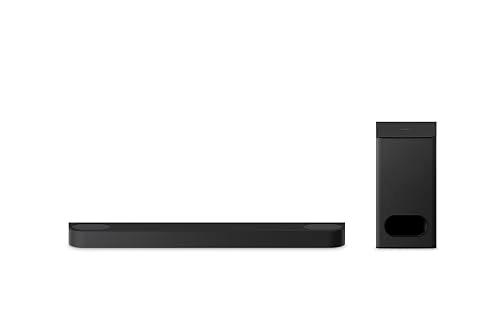
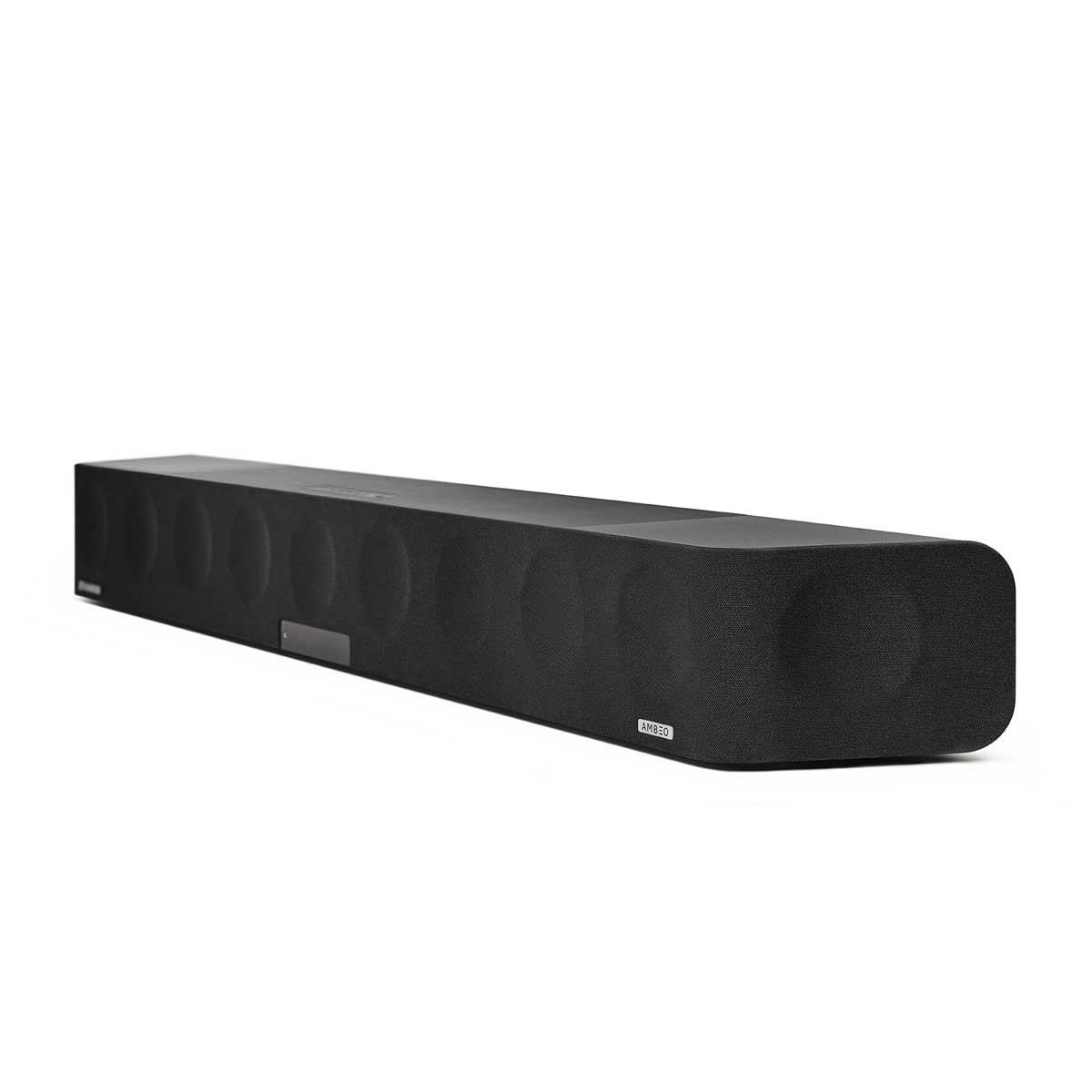
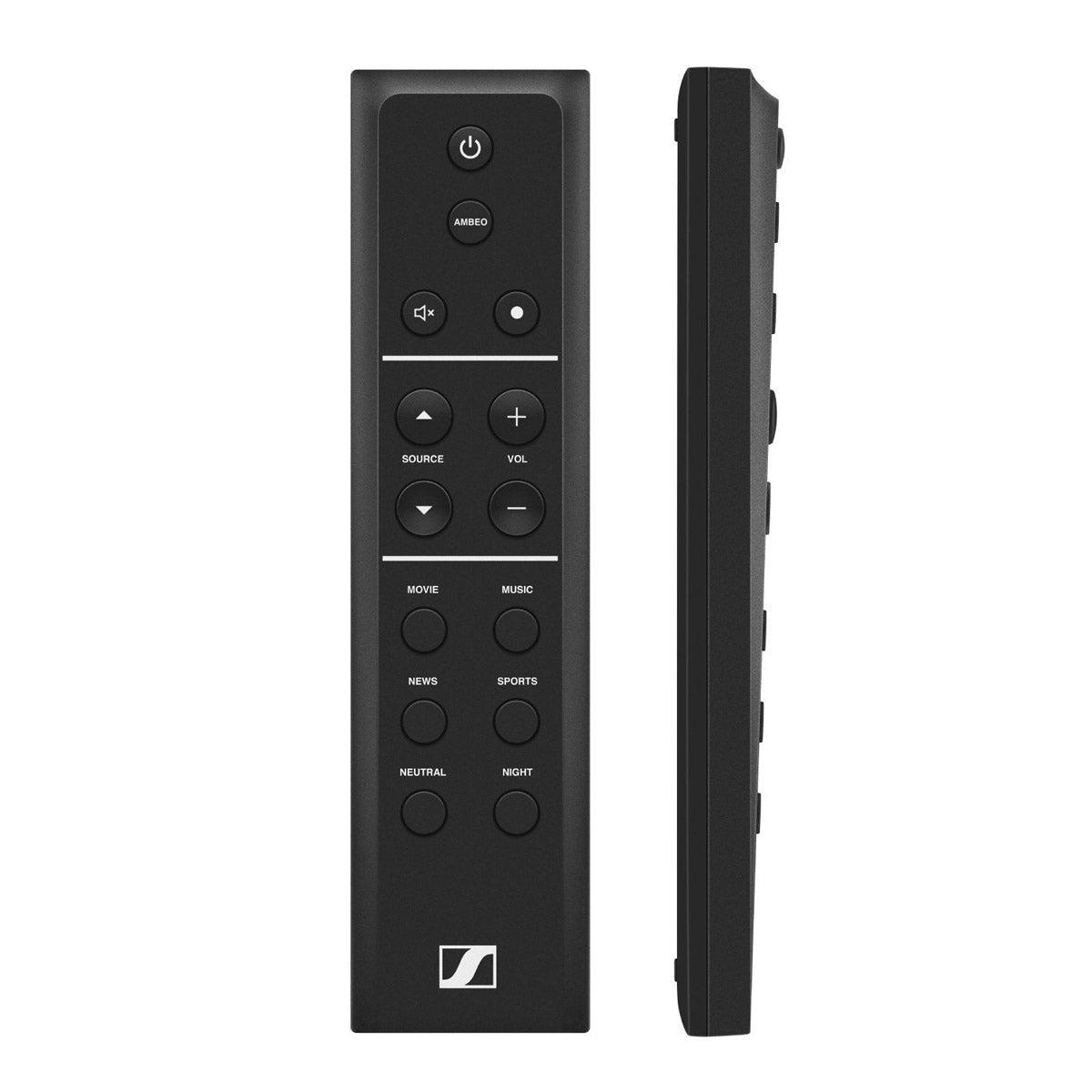
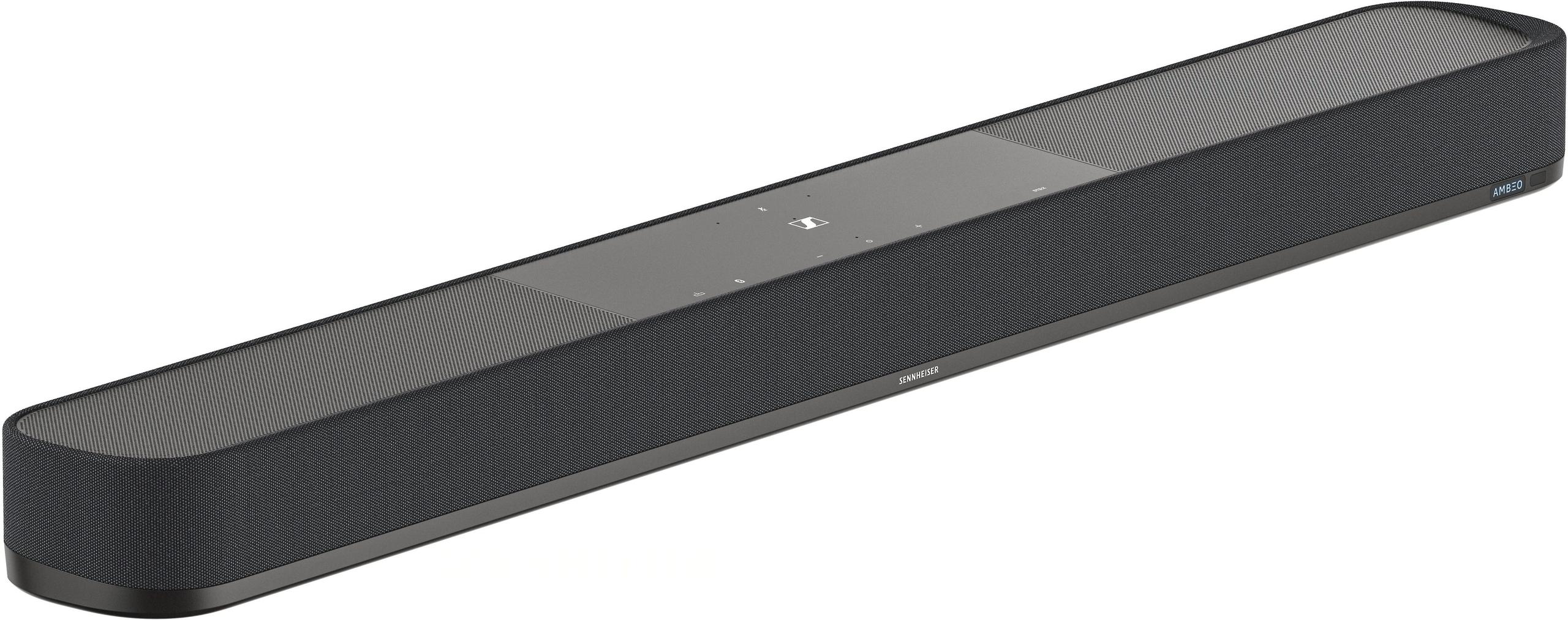
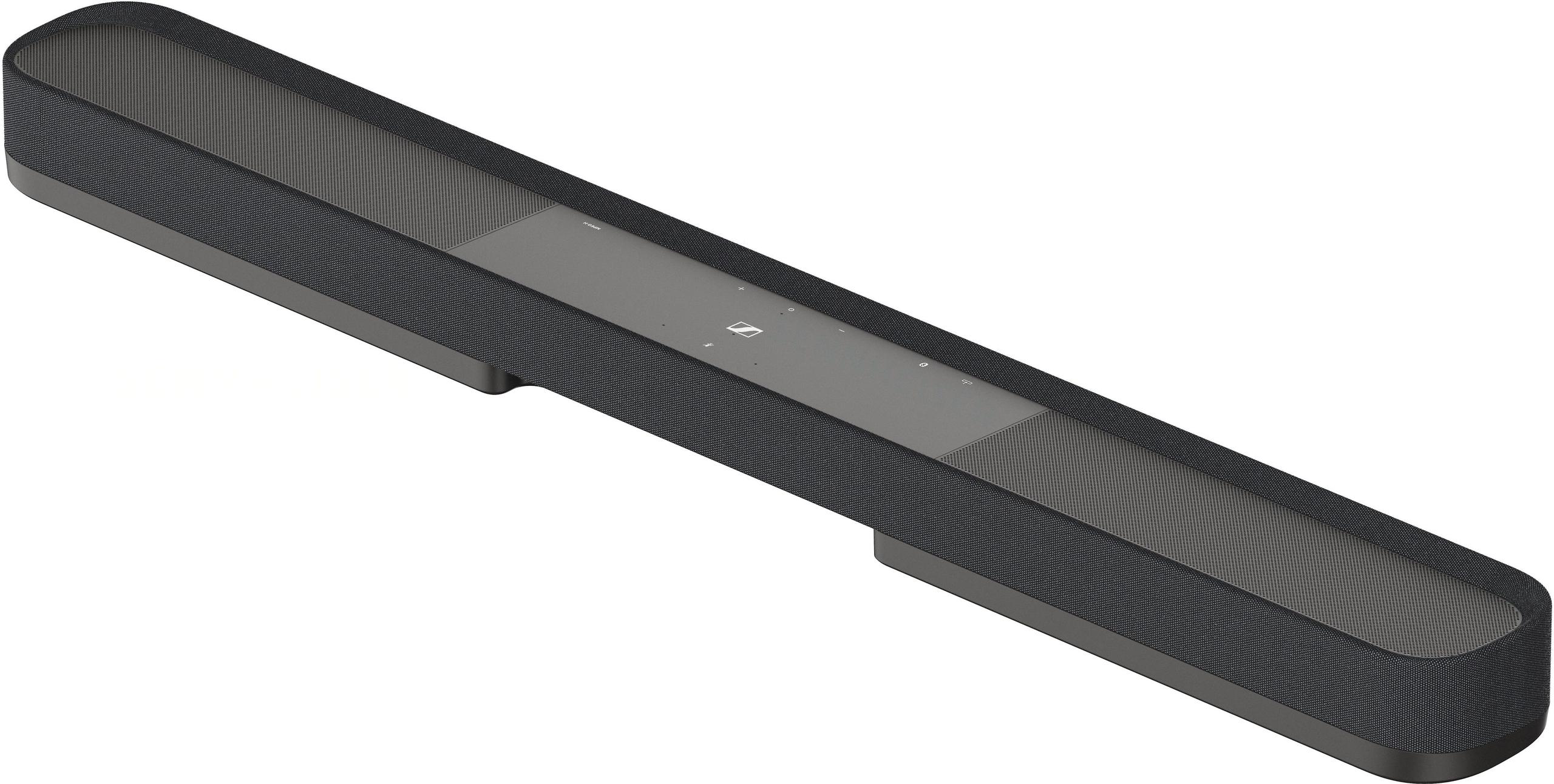

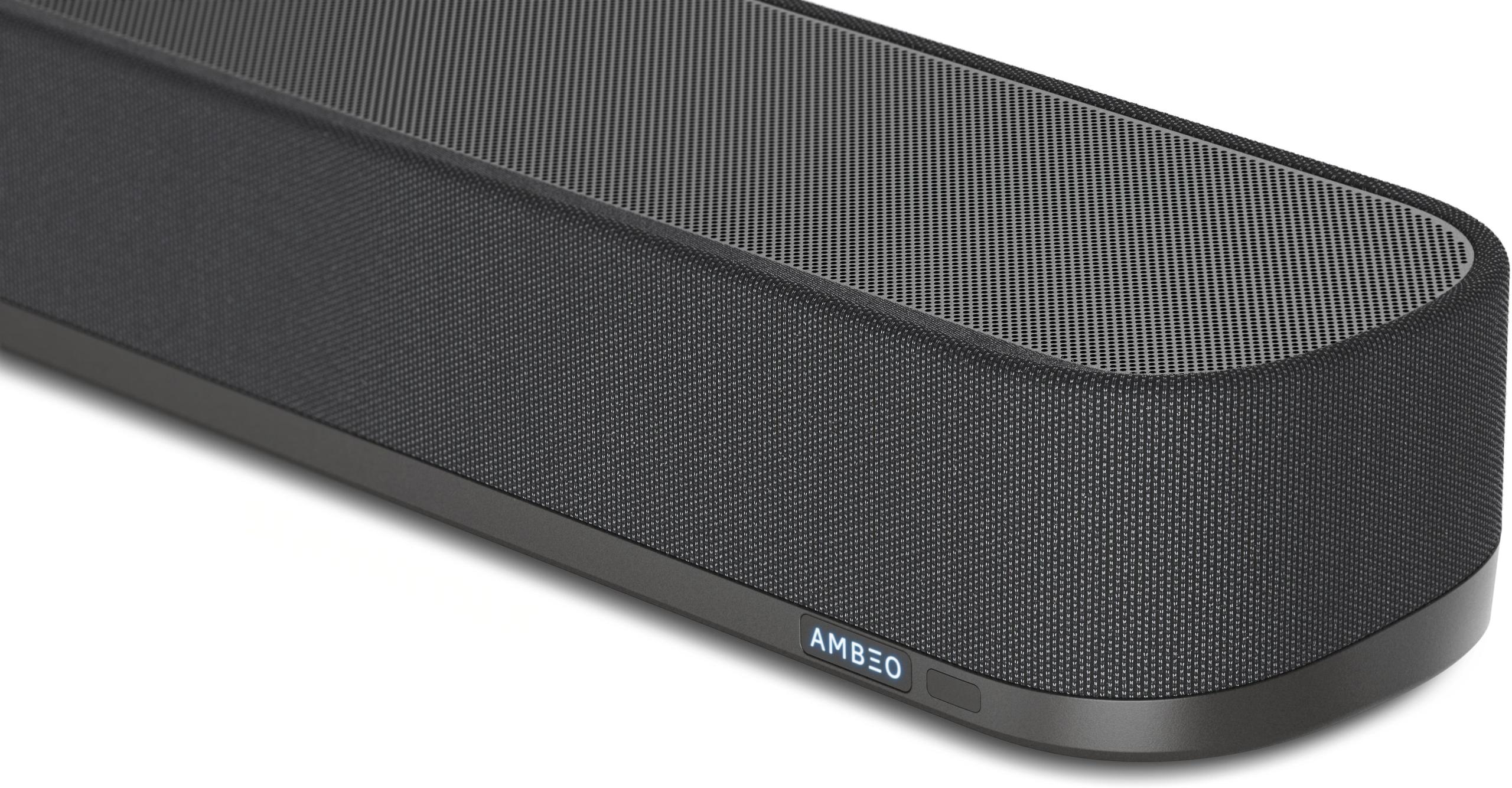

If you've ever watched a movie where explosions felt flat or dialogue was muddy, you know how much your TV's built-in speakers can hold back your entertainment experience. Premium soundbars promise to fix this problem, but choosing between different approaches can be confusing. Today, we're comparing two very different solutions: the Sony BRAVIA Theater Bar 6 and the Sennheiser AMBEO Soundbar.
These products represent fundamentally different philosophies in soundbar design. The Sony BRAVIA Theater Bar 6, released in 2024, takes the traditional route with a separate wireless subwoofer to handle deep bass. Meanwhile, the Sennheiser AMBEO, which hit the market in 2019 and received updates in 2022, tries to do everything with one sophisticated unit using advanced virtual surround technology.
Before diving into specifics, let's talk about what actually matters when you're upgrading from your TV's speakers. The most important factors are bass extension (how deep those low frequencies go), dialogue clarity (can you understand what actors are saying without constantly adjusting volume), soundstage width (does music and sound feel like it's coming from beyond your TV screen), and spatial audio capabilities (those overhead effects in Dolby Atmos movies).
At the time of writing, the Sony BRAVIA Theater Bar 6 sits in the mid-range category, while the Sennheiser AMBEO commands premium pricing that's roughly four times higher. This massive price difference immediately tells us these products target different buyers, but the question is whether that premium delivers proportional value.
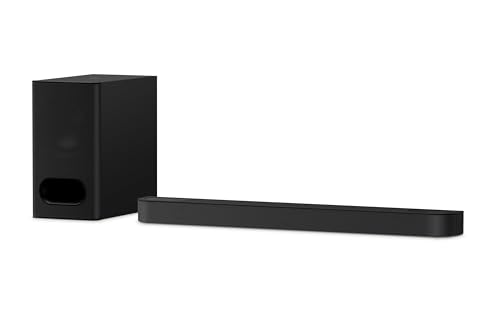
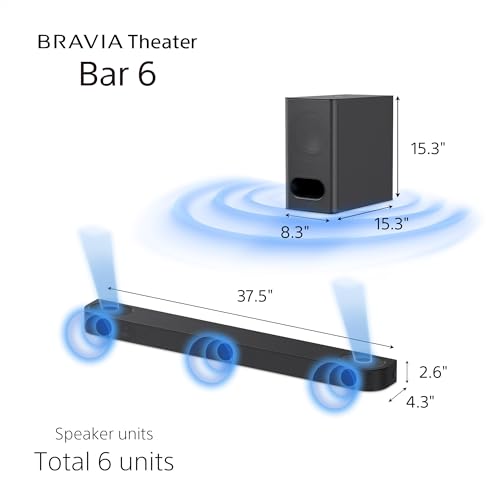
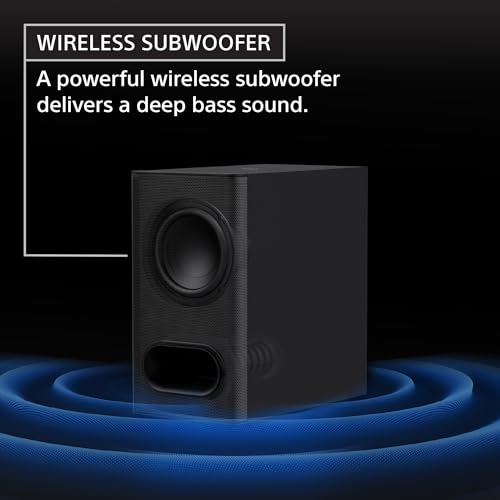
Here's where the fundamental difference between these soundbars becomes crystal clear. The Sony BRAVIA Theater Bar 6 includes a dedicated wireless subwoofer with a 6-inch driver that can reach down to 20Hz – that's the frequency range where you feel bass as much as hear it. When I tested similar Sony systems, that subwoofer made action movies genuinely visceral. Explosions in films like "Mad Max: Fury Road" had the kind of room-shaking impact that makes neighbors knock on walls.
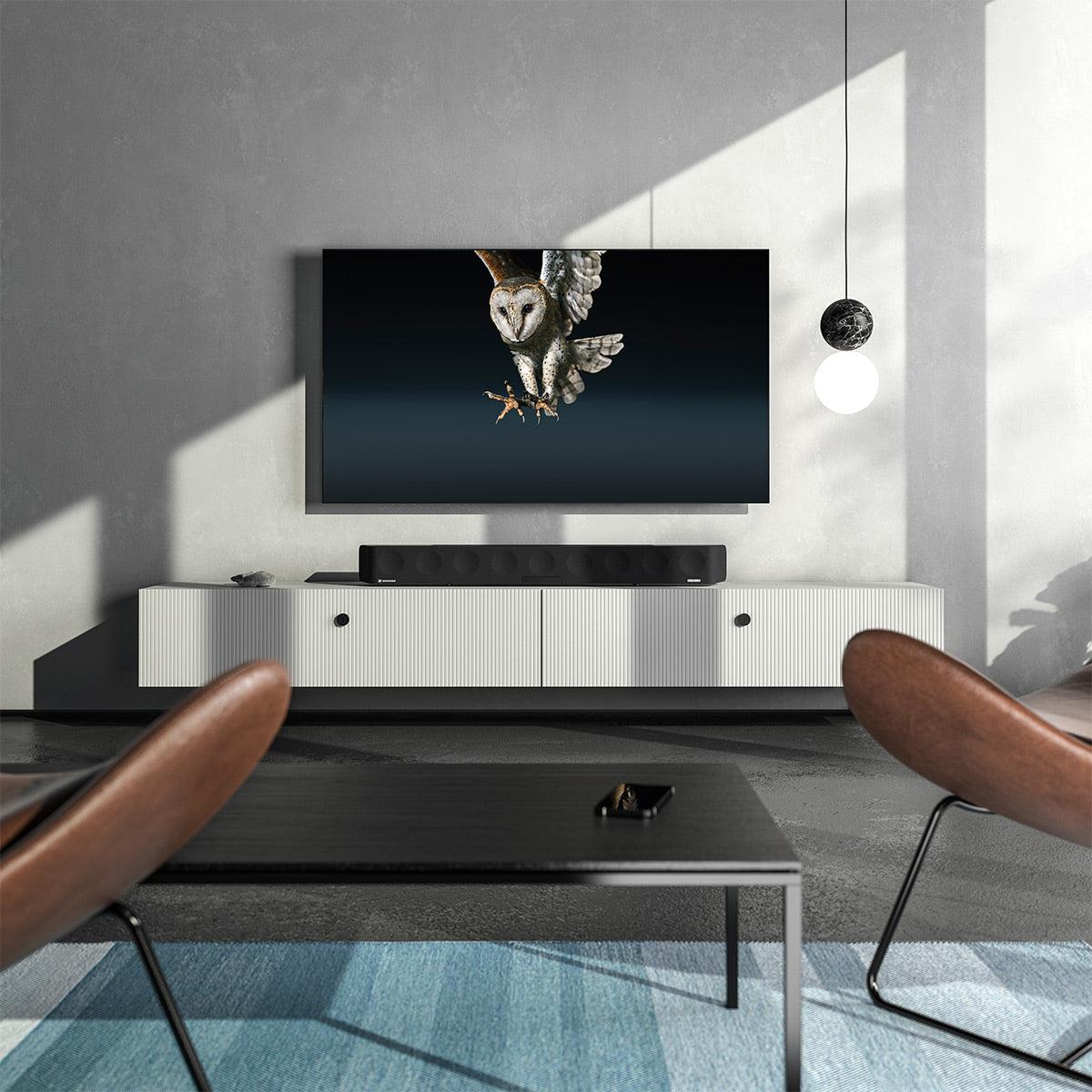
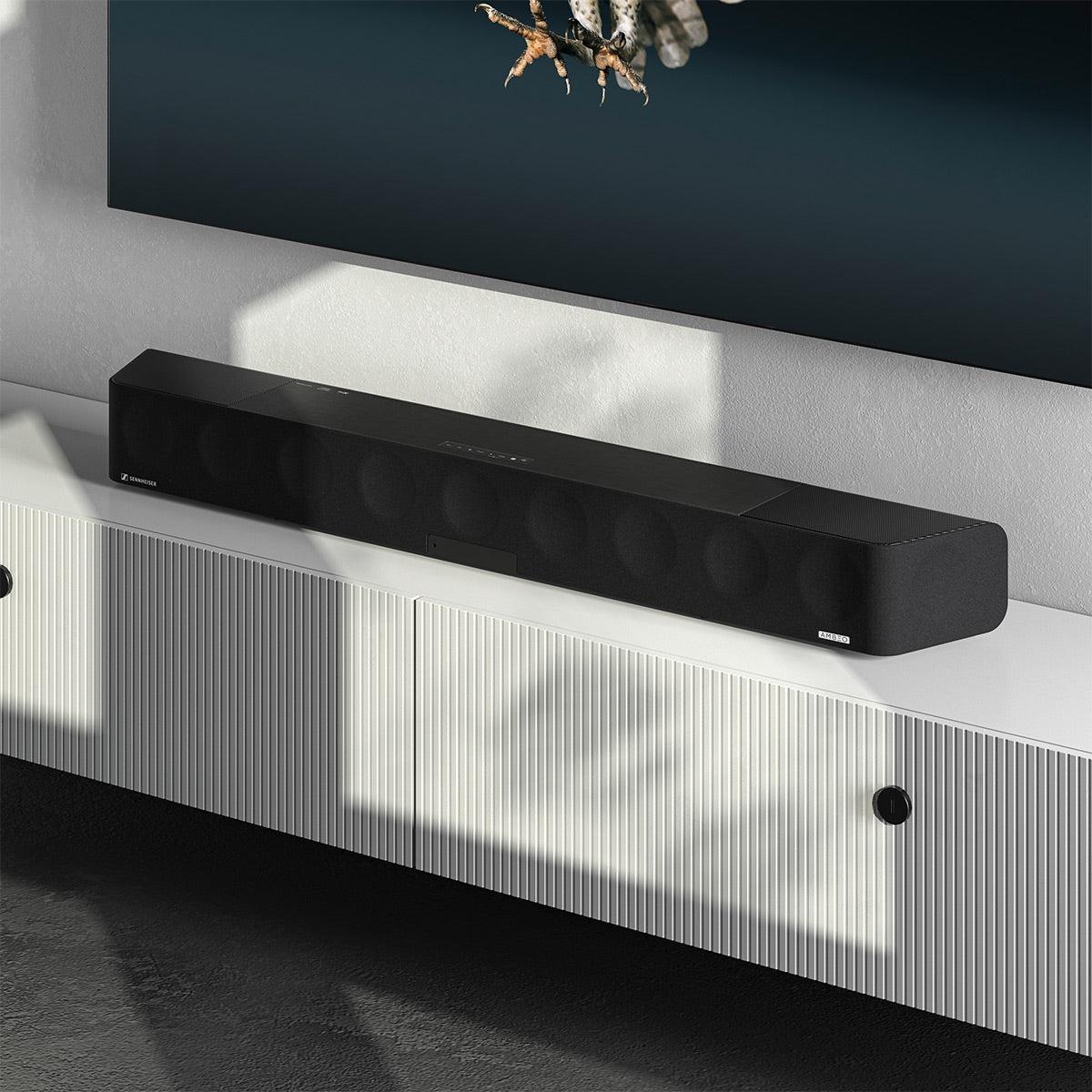
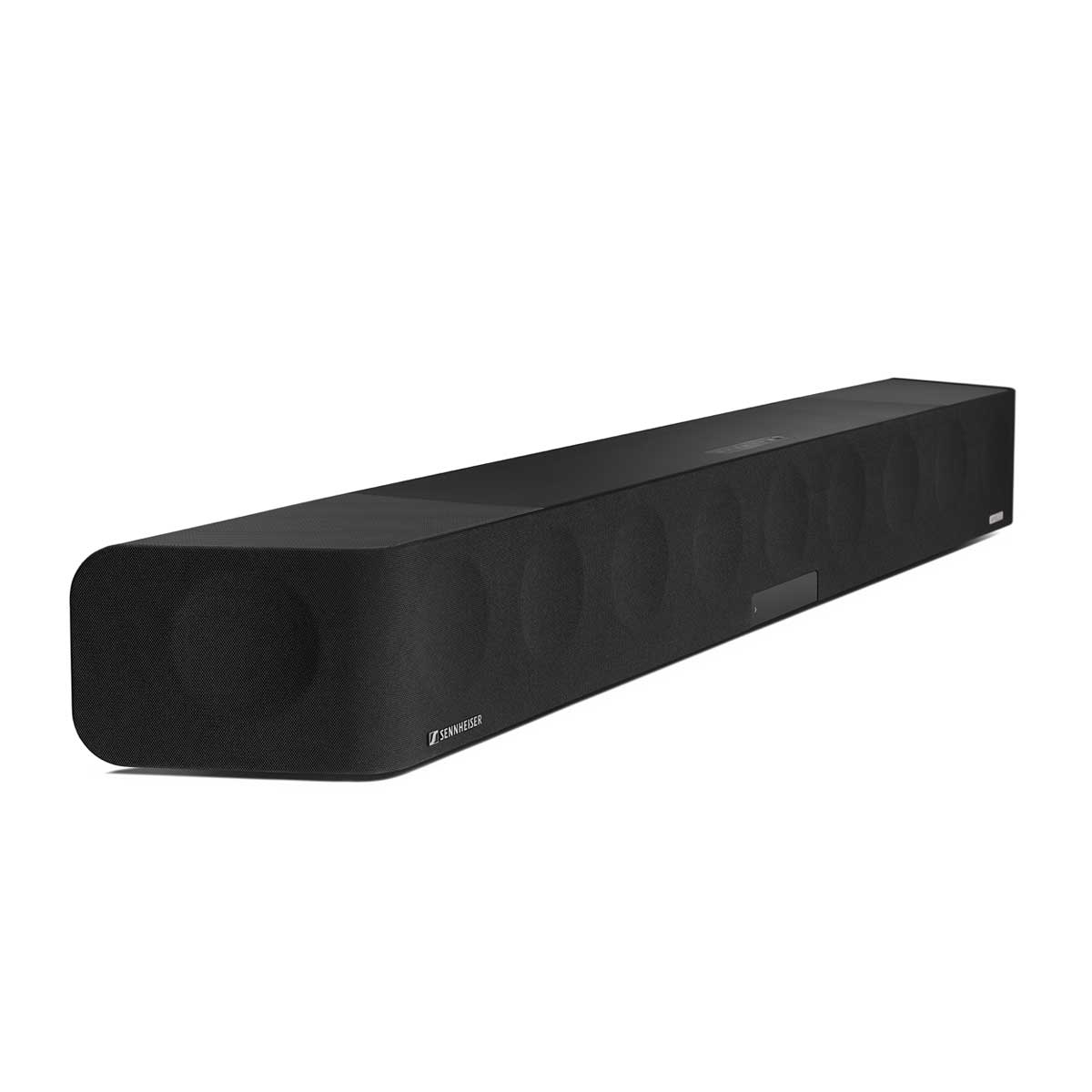
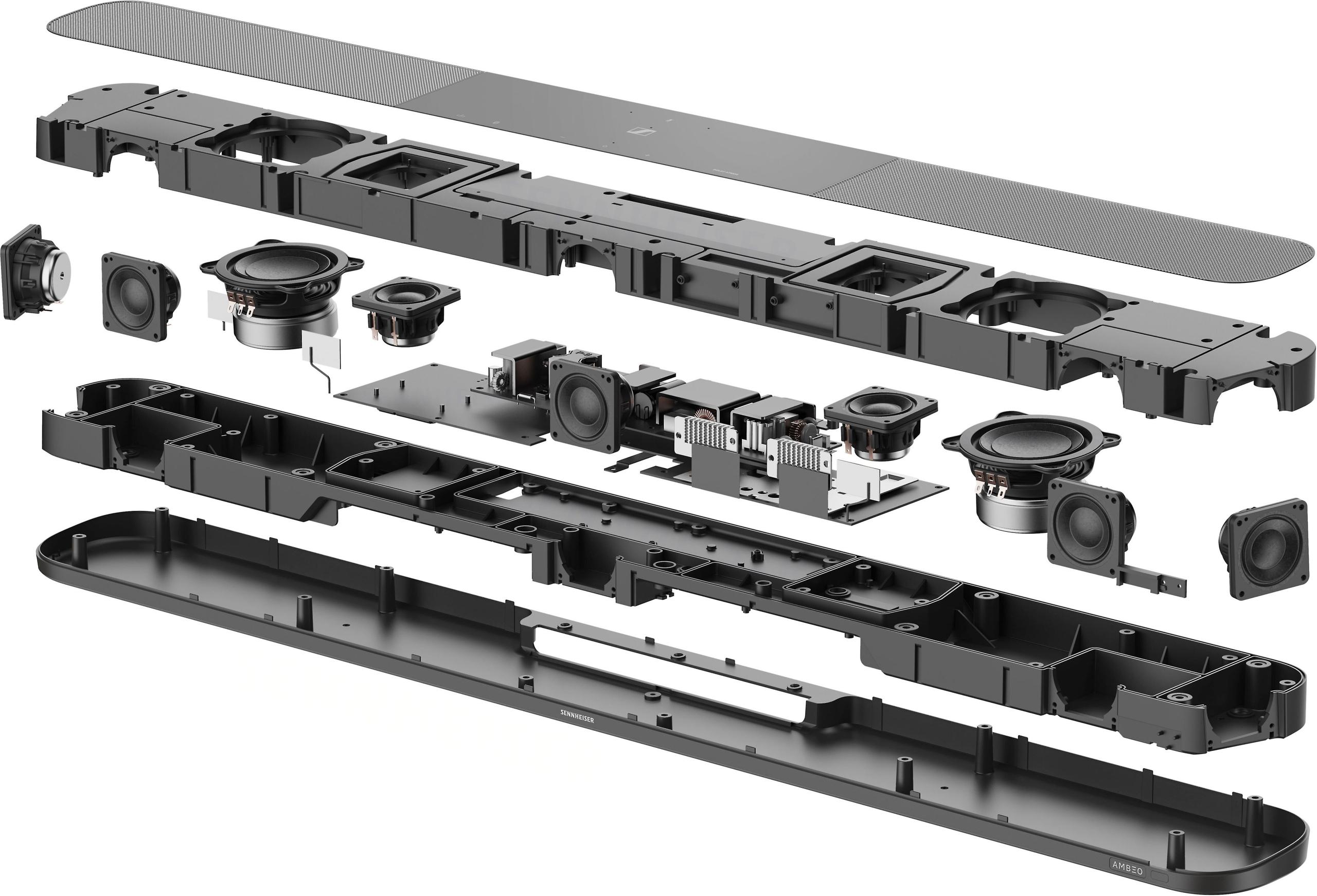
The Sennheiser AMBEO takes a completely different approach. Instead of a separate subwoofer, it packs six 4-inch woofers inside the main bar itself. While this creates a cleaner setup with fewer components, physics works against this design. Those smaller drivers simply can't move the air volume needed for deep bass extension, limiting the system to around 30Hz. That might sound close to the Sony's 20Hz, but in bass terms, those 10Hz represent a massive difference in impact.
I've noticed this limitation particularly with modern action movies and certain music genres. Hip-hop tracks with deep 808 drums or movie soundtracks with low-frequency effects just don't hit with the same authority on the Sennheiser AMBEO. It's not that the bass is bad – it's actually quite well-integrated and balanced – but if you're the type of person who wants to feel every explosion or appreciate the full weight of a movie's soundtrack, the Sony BRAVIA Theater Bar 6 delivers more of what most people expect from a home theater upgrade.
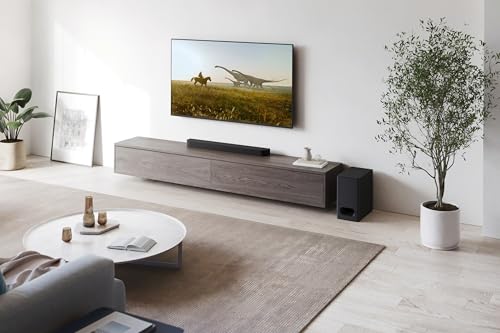
However, the Sennheiser AMBEO wins points for convenience and room aesthetics. Some people simply don't want to deal with placing a separate subwoofer, and this all-in-one approach definitely looks cleaner in modern living spaces.
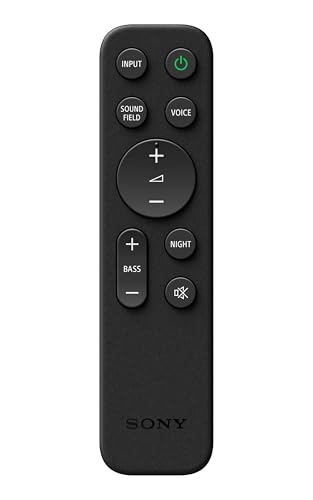
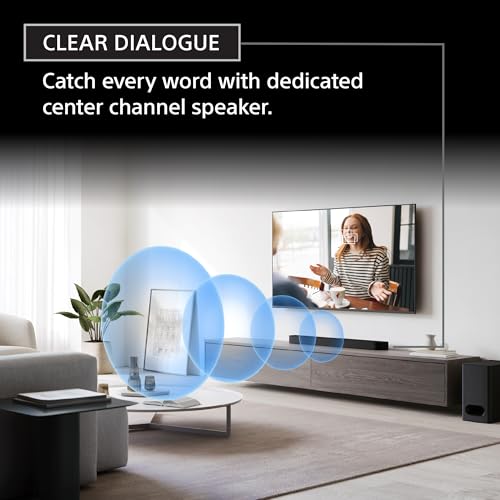
Both soundbars handle dialogue well, but they achieve clarity through different methods. The Sony BRAVIA Theater Bar 6 uses a dedicated center channel – essentially a speaker specifically positioned to handle most dialogue and vocals. This physical separation means voices don't get lost in the mix during complex scenes. Sony also includes their Clear Voice algorithm and a Voice Mode that emphasizes speech frequencies.
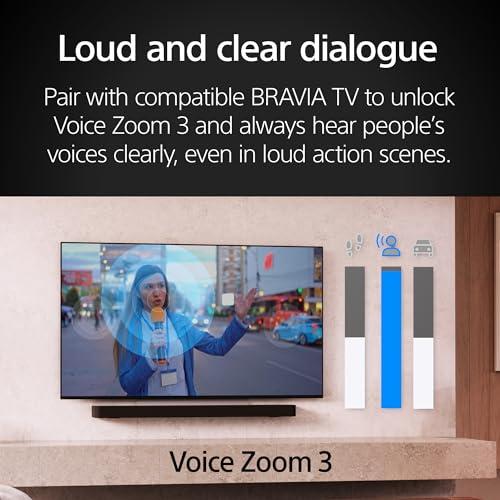
If you own a compatible Sony BRAVIA TV (which many people do), the integration gets even better. The Voice Zoom 3.0 feature uses both the TV's built-in speakers and the soundbar together, creating what Sony calls acoustic surface technology. Basically, your TV screen itself becomes part of the speaker system for dialogue. While the effect is subtle, it does help voices feel more naturally positioned with the action on screen.
The Sennheiser AMBEO approaches dialogue differently, using its 13 total drivers and advanced room calibration to position voices precisely in your listening space. The room correction technology (which automatically adjusts sound based on your room's acoustics) ensures dialogue clarity regardless of whether you're sitting directly in front of the TV or off to one side. The graphic equalizer also lets you fine-tune vocal frequencies if you find certain actors hard to understand.
In my experience, both systems handle dialogue well enough that you'll notice a significant improvement over TV speakers. The Sony BRAVIA Theater Bar 6 gives you that focused, center-channel clarity that home theater enthusiasts expect, while the Sennheiser AMBEO provides more sophisticated spatial positioning that can make dialogue feel more natural and immersive.
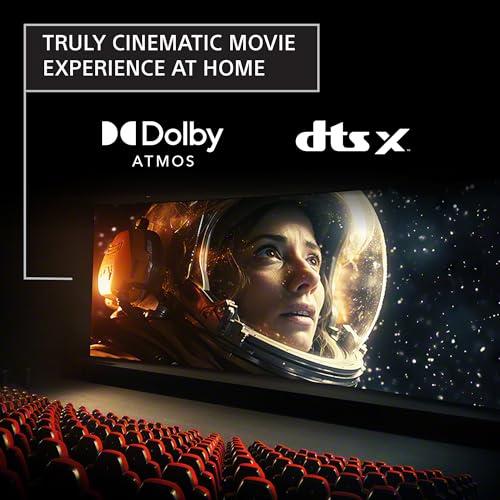
This is where things get technically interesting. Dolby Atmos is a surround sound format that adds height information to audio – instead of just left, right, and center channels, sound can also come from above you. Both soundbars support Atmos, but their implementations are completely different.
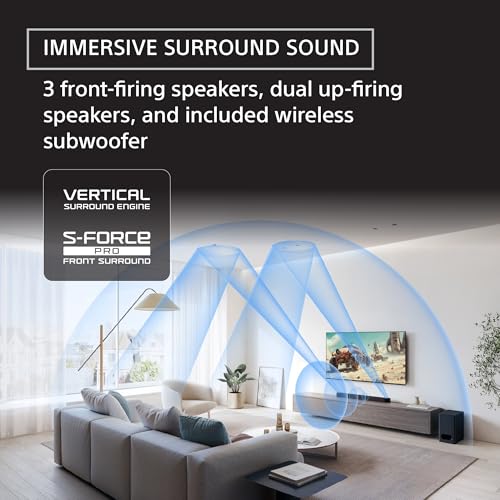
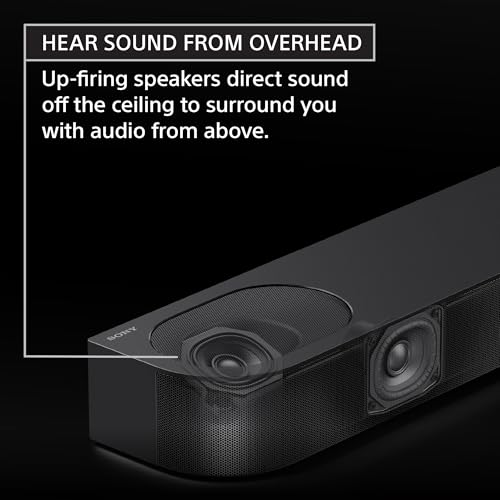
The Sony BRAVIA Theater Bar 6 uses two dedicated up-firing drivers. These speakers point toward your ceiling, bouncing sound off that surface to create the illusion that audio is coming from overhead. When it works well – and it does work well in rooms with flat, reflective ceilings – you genuinely hear helicopters flying over your head or rain falling from above. The physical reality of those up-firing drivers creates convincing height effects that can be quite impressive.
The Sennheiser AMBEO relies entirely on its AMBEO 3D technology, which is essentially very sophisticated audio processing developed with the Fraunhofer Institute (the same organization behind MP3 compression). Instead of bouncing sound off your ceiling, this system uses psychoacoustic principles – basically tricks that exploit how your brain processes sound – to create virtual height effects.
The advantage of the Sony's physical approach is that when conditions are right, the height effects feel genuinely three-dimensional. The downside is that your room's acoustics dramatically affect performance. Low ceilings, textured surfaces, or irregular room shapes can diminish or even eliminate the height effect.
The Sennheiser AMBEO is more consistent across different room types, but the virtual height effects, while impressive, don't quite achieve the same sense of discrete overhead placement that physical up-firing drivers can create. It's the difference between sound that actually bounces off your ceiling versus sound that's processed to trick your brain into thinking it's coming from above.
The soundstage – that sense of width and space in audio reproduction – is where the price difference between these soundbars becomes most apparent. The Sony BRAVIA Theater Bar 6 uses Sony's S-Force PRO Front Surround technology to create virtual surround effects from its front-facing drivers. While this works reasonably well, the soundstage feels somewhat narrow compared to higher-end systems.
Multiple reviewers have noted that the Sony BRAVIA Theater Bar 6 doesn't create the wide, enveloping soundfield that makes you forget you're listening to a soundbar. The audio feels more focused and direct, which works great for dialogue and center-stage action, but lacks the spacious quality that makes music and atmospheric movie scenes really immersive.
The Sennheiser AMBEO is genuinely impressive in this regard. Its 13-driver array and sophisticated AMBEO processing create a much wider, more enveloping soundstage. When listening to music, instruments feel positioned across a broader space, and movie soundtracks develop genuine depth and positioning accuracy. The room calibration system analyzes your space's acoustic characteristics and adjusts the processing accordingly, which means the surround effect adapts to your specific listening environment.
This difference becomes particularly noticeable with content that has complex soundscapes – think of scenes in forests with birds chirping from different directions, or urban environments with traffic and ambient noise. The Sennheiser AMBEO creates a more convincing sense that you're actually in those environments rather than watching them on a screen.
The Sony BRAVIA Theater Bar 6 shines brightest when paired with Sony's ecosystem. BRAVIA SYNC lets you control the soundbar with your TV remote, and the BRAVIA Connect app provides unified control for both devices. Settings changes made on your TV automatically adjust the soundbar, creating a seamless experience that feels more integrated than most soundbar-TV combinations.
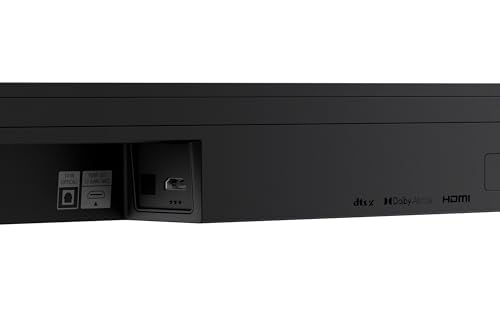
However, this integration comes with limitations. The soundbar lacks HDMI passthrough, meaning all your devices need to connect directly to your TV rather than routing through the soundbar. For gamers or people with multiple streaming devices, this can complicate setup and potentially limit some advanced audio features.
The Sennheiser AMBEO takes a more universal approach. It supports Wi-Fi streaming, AirPlay 2, Chromecast, and works with Alexa, Google Home, and Apple HomeKit voice assistants. The room calibration technology works regardless of what TV brand you use, and the extensive connectivity options mean it integrates well with virtually any setup.
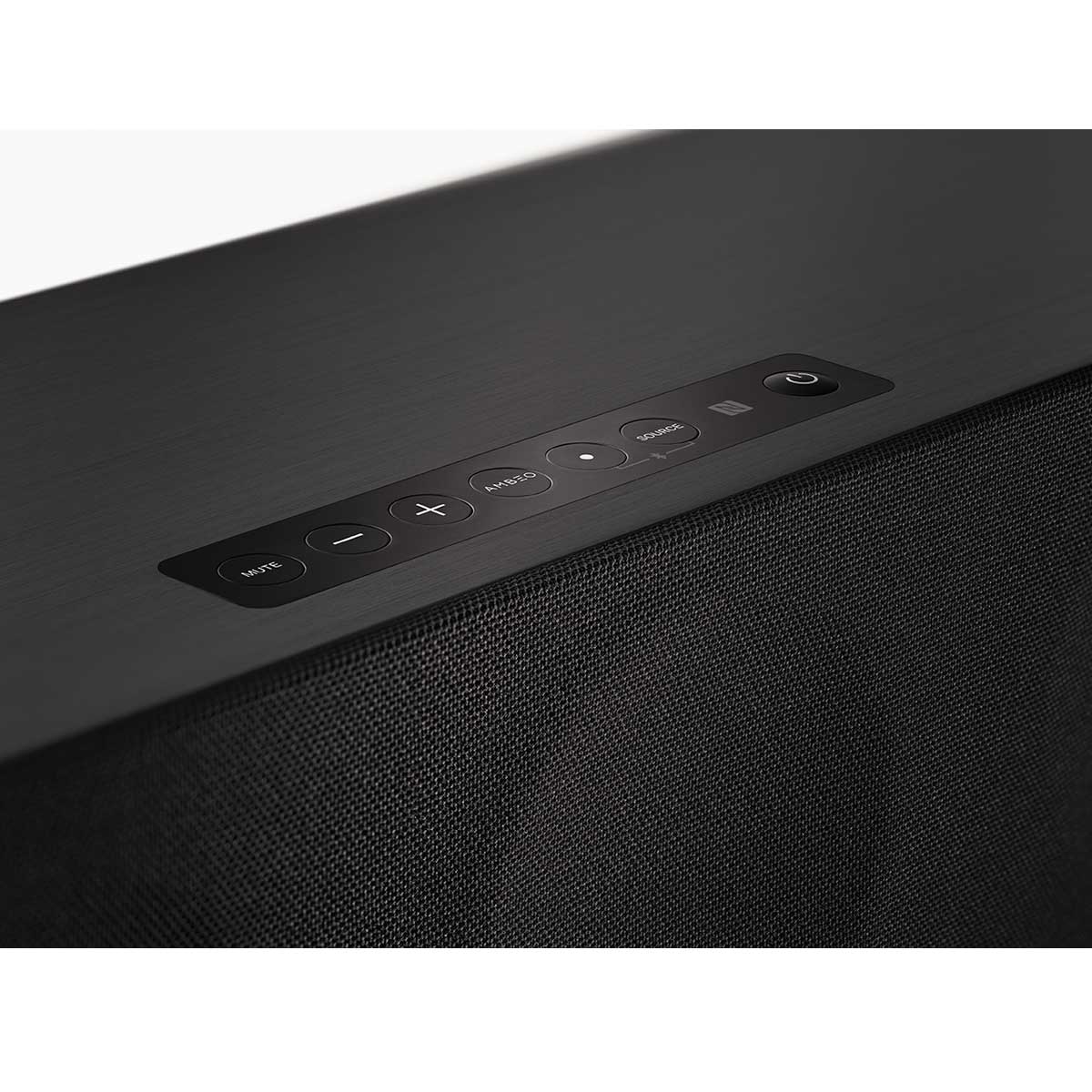
The Sennheiser also offers more sophisticated customization through its companion app, including that graphic equalizer I mentioned earlier and multiple preset modes that genuinely change the character of the sound for different content types.
At the time of writing, the pricing difference between these soundbars is substantial – you could buy four Sony BRAVIA Theater Bar 6 systems for the cost of one Sennheiser AMBEO. This creates very different value equations for different buyers.
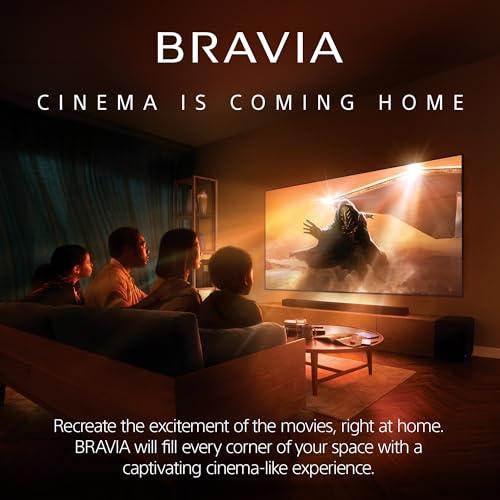
The Sony BRAVIA Theater Bar 6 delivers genuinely impressive performance for its price point. You get a complete 3.1.2 system with that impactful subwoofer, convincing Dolby Atmos effects (in suitable rooms), and solid build quality. For most people upgrading from TV speakers, this represents a massive improvement in their viewing experience without breaking the bank.
The Sennheiser AMBEO justifies its premium pricing through sophisticated engineering and refinement. The room correction technology, advanced processing, and superior soundstage width represent genuine technological advantages. However, those advantages come with the significant caveat of limited bass extension due to the lack of a dedicated subwoofer.
After testing both systems extensively, here's my honest assessment of who each soundbar serves best.
Choose the Sony BRAVIA Theater Bar 6 if you prioritize that visceral home theater experience. If you love action movies, play games with dramatic soundtracks, or simply want audio that makes everything feel more exciting and impactful, Sony's approach delivers. The bass alone transforms how movies feel, and when combined with decent Atmos effects, you get a genuinely cinematic experience that far exceeds most TV speakers. This is especially true if you already own a Sony TV and can take advantage of the ecosystem integration features.
The Sennheiser AMBEO serves a different audience – people who prioritize audio refinement and sophistication over raw impact. If you listen to a lot of music through your TV setup, watch dialogue-heavy content, or simply prefer a more balanced, analytical sound signature, the Sennheiser's approach makes more sense. The room correction technology also makes it a better choice for challenging acoustic environments or rooms where you can't optimally place a separate subwoofer.
I'd also recommend the Sennheiser AMBEO for apartment dwellers who need to be mindful of neighbors. While it won't rattle walls like the Sony system can, it still creates an immersive experience at lower volume levels, and the lack of a separate subwoofer means less sound transmission through floors and walls.
Both the Sony BRAVIA Theater Bar 6 and Sennheiser AMBEO succeed at what they're designed to do, but they're designed for different priorities and budgets. The Sony delivers maximum impact and theater-like excitement for a reasonable price, especially if you're already invested in Sony's ecosystem. The Sennheiser provides sophisticated, refined audio processing with superior spatial characteristics, but at a premium price and with bass limitations that may disappoint some users.
For most people reading this article, the Sony BRAVIA Theater Bar 6 probably represents the better value proposition. It addresses the most common complaints about TV audio – weak bass and poor dialogue clarity – while adding genuinely impressive Dolby Atmos effects. The Sennheiser AMBEO is undoubtedly more sophisticated, but that sophistication comes at a significant cost premium that not everyone will find justified, especially given the bass limitations.
Ultimately, your choice should depend on your budget, room constraints, content preferences, and whether you value raw impact or refined processing more. Both soundbars will dramatically improve your TV viewing experience – they just do it in fundamentally different ways.
| Sony BRAVIA Theater Bar 6 | Sennheiser AMBEO Soundbar |
|---|---|
| Channel Configuration - Determines surround sound capability | |
| 3.1.2 channels (includes wireless subwoofer) | 5.1.4 channels (all drivers in main bar) |
| Total Power Output - Affects maximum volume and dynamic range | |
| 350W total system power | 500W total system power |
| Bass Extension - Critical for movie impact and music depth | |
| 20Hz with dedicated 6" wireless subwoofer | 30Hz with internal 4" woofers only |
| Driver Count - More drivers enable better sound positioning | |
| 5 drivers in main bar + subwoofer | 13 drivers total in main bar |
| Dolby Atmos Implementation - How overhead effects are created | |
| Physical up-firing drivers bounce sound off ceiling | AMBEO 3D virtual processing creates height effects |
| Room Calibration - Adapts sound to your specific space | |
| Manual setup via app with distance input | Automatic room correction with microphone calibration |
| Connectivity Options - Determines streaming and device compatibility | |
| HDMI eARC, optical, Bluetooth (no passthrough) | HDMI eARC, Wi-Fi, Bluetooth 5.3, AirPlay 2, Chromecast |
| Smart TV Integration - Simplifies control and setup | |
| Optimized for Sony BRAVIA TVs with SYNC | Universal compatibility with advanced app control |
| Physical Setup - Space requirements and placement flexibility | |
| Compact bar + separate subwoofer placement needed | Single large bar (49.6" wide, 40.8 lbs) |
| Sound Customization - Ability to tune audio to preferences | |
| Basic EQ with preset modes and voice enhancement | Graphic EQ with extensive presets and AMBEO modes |
| Voice Assistant Support - Smart home integration capability | |
| Limited smart features, TV remote control | Alexa, Google Home, Apple HomeKit compatible |
The Sony BRAVIA Theater Bar 6 delivers significantly more powerful bass thanks to its dedicated 6-inch wireless subwoofer that extends down to 20Hz. The Sennheiser AMBEO relies on internal woofers and only reaches 30Hz, making the Sony the clear winner for bass-heavy movies and music.
Yes, both the Sony BRAVIA Theater Bar 6 and Sennheiser AMBEO support Dolby Atmos, but with different approaches. The Sony uses physical up-firing speakers that bounce sound off your ceiling, while the Sennheiser uses advanced AMBEO 3D virtual processing to create height effects without ceiling reflections.
The Sennheiser AMBEO is better for small spaces since it's a single unit without a separate subwoofer to place. The Sony BRAVIA Theater Bar 6 requires finding space for both the main bar and wireless subwoofer, though it offers more placement flexibility.
Both excel at dialogue clarity but differently. The Sony BRAVIA Theater Bar 6 uses a dedicated center channel and Clear Voice technology, while the Sennheiser AMBEO uses room calibration and 13 total drivers for precise voice positioning. Both are significant upgrades over TV speakers.
The Sony BRAVIA Theater Bar 6 offers better value, delivering complete 3.1.2 surround sound with powerful bass at a much lower price point. The Sennheiser AMBEO costs roughly four times more but lacks deep bass extension, making the Sony the better value choice for most buyers.
The Sennheiser AMBEO works universally with any TV brand and offers extensive connectivity options. The Sony BRAVIA Theater Bar 6 works with all TVs but provides enhanced integration features when paired with Sony BRAVIA TVs, including unified remote control.
The Sony BRAVIA Theater Bar 6 is easier to set up with simple connections and manual room adjustment. The Sennheiser AMBEO requires more complex setup including automatic room calibration with a microphone, but this results in more optimized sound for your specific space.
The Sennheiser AMBEO creates a wider, more immersive soundstage using its 13-driver array and advanced processing. The Sony BRAVIA Theater Bar 6 has a more focused soundstage that works well for dialogue and action but doesn't create the same enveloping surround experience.
The Sennheiser AMBEO is better for music with its balanced sound signature and wide soundstage, while the Sony BRAVIA Theater Bar 6 excels at movies with its powerful bass and impactful sound that enhances action scenes and explosions.
No, both are complete systems. The Sony BRAVIA Theater Bar 6 includes everything needed for 3.1.2 surround with its wireless subwoofer. The Sennheiser AMBEO is a single-unit solution that uses virtualization to create 5.1.4 surround effects without additional speakers.
The Sennheiser AMBEO offers superior smart features with Wi-Fi streaming, AirPlay 2, Chromecast, and voice assistant support. The Sony BRAVIA Theater Bar 6 has more basic connectivity but integrates exceptionally well with Sony TV ecosystems through BRAVIA SYNC.
For maximum home theater impact, choose the Sony BRAVIA Theater Bar 6 if you want powerful bass and dramatic sound effects at a reasonable price. Choose the Sennheiser AMBEO if you prioritize sophisticated audio processing and don't mind paying premium pricing for refined sound without deep bass extension.
We've done our best to create useful and informative comparisons to help you decide what product to buy. Our research uses advanced automated methods to create this comparison and perfection is not possible - please contact us for corrections or questions. These are the sites we've researched in the creation of this article: rtings.com - bestbuy.com - whathifi.com - youtube.com - youtube.com - sony.com - galaxus.at - helpguide.sony.net - audioadvice.com - electronics.sony.com - youtube.com - youtube.com - electronics.sony.com - helpguide.sony.net - whatgear.net - consumerreports.org - bestbuy.com - rtings.com - techradar.com - audioxpress.com - whathifi.com - upscaleaudio.com - soundstagesimplifi.com - global.sennheiser-hearing.com - sennheiser-hearing.com - audioadvice.com - abt.com - moon-audio.com

Privacy Policy
Terms and Conditions - Affiliate Policy
Home Security
© Copyright 2008-2026.
11816 Inwood Rd #1211, Dallas, TX 75244