

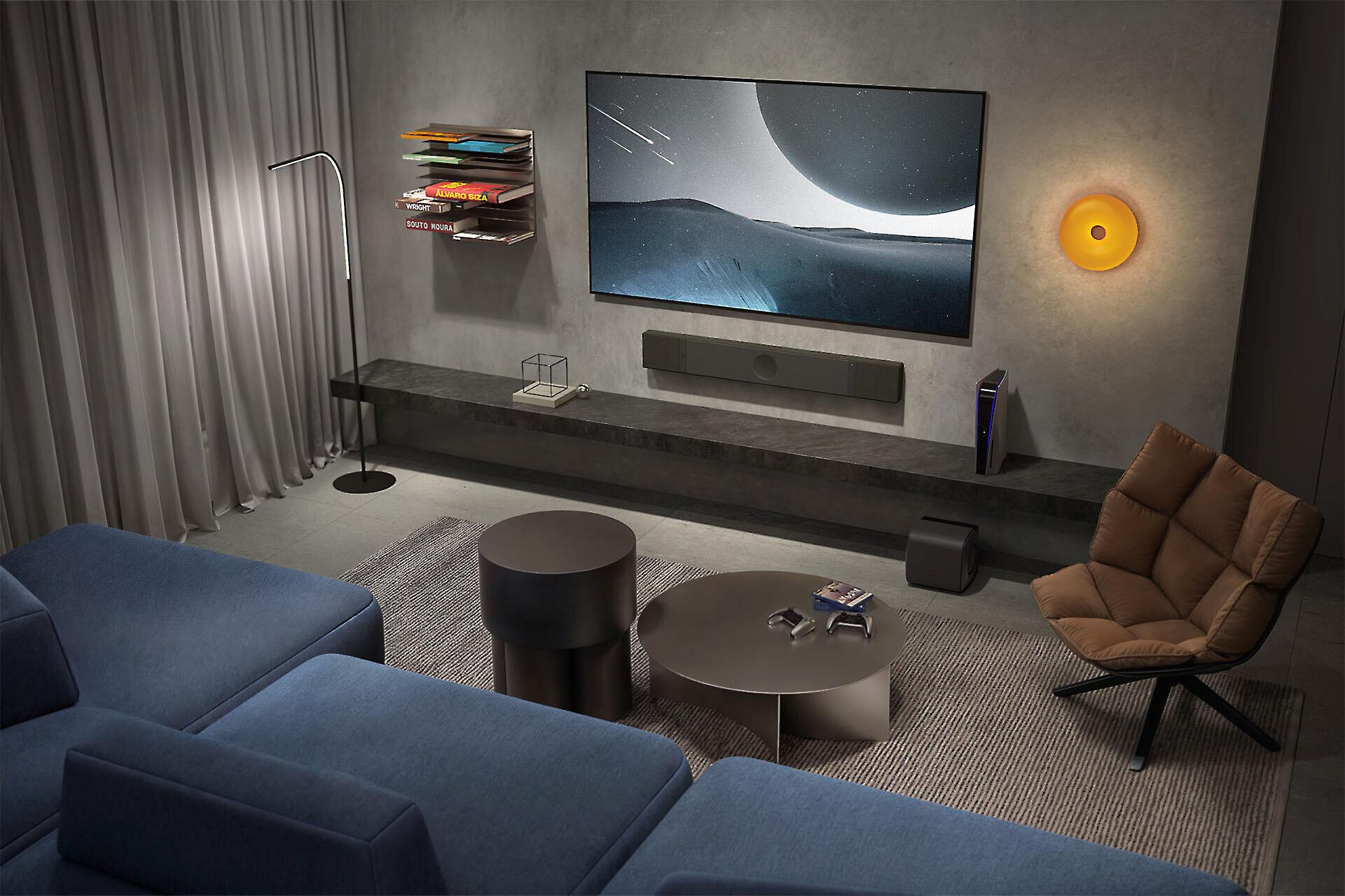
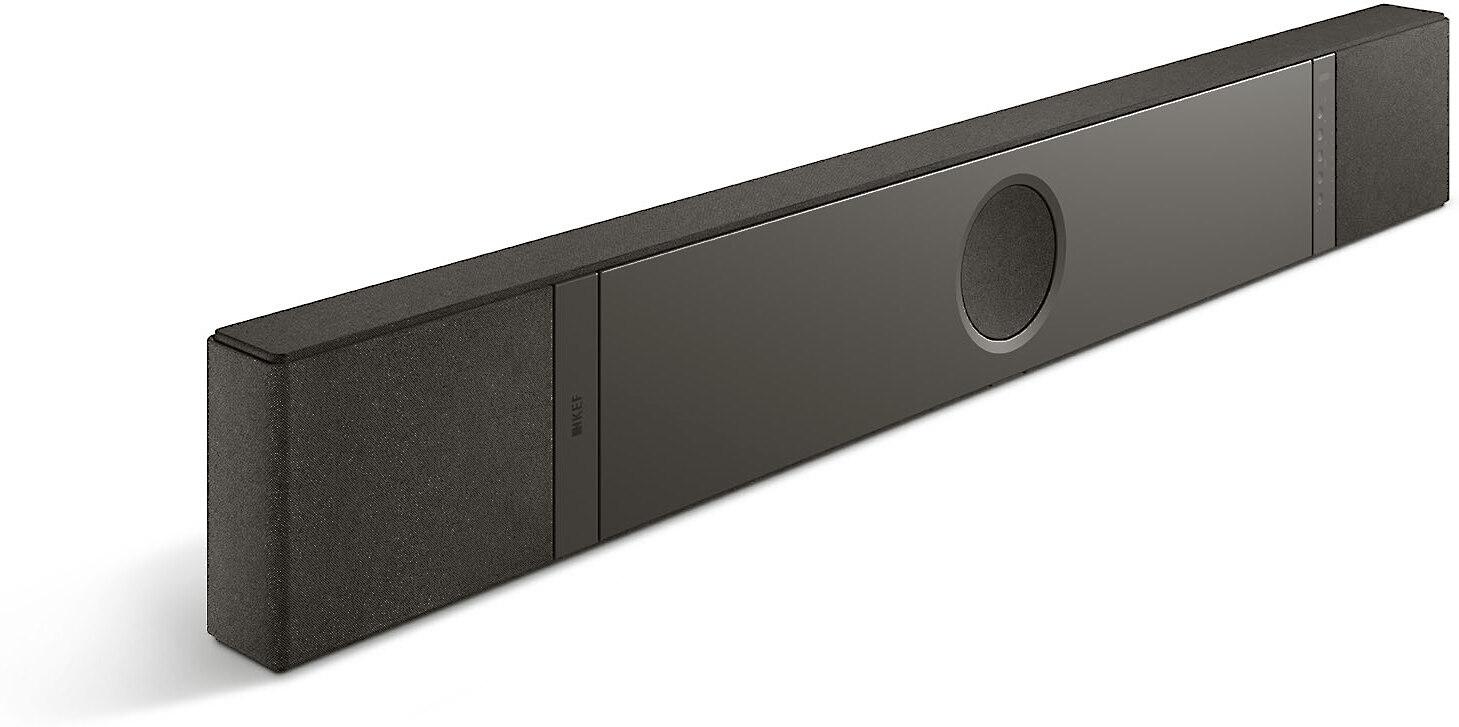
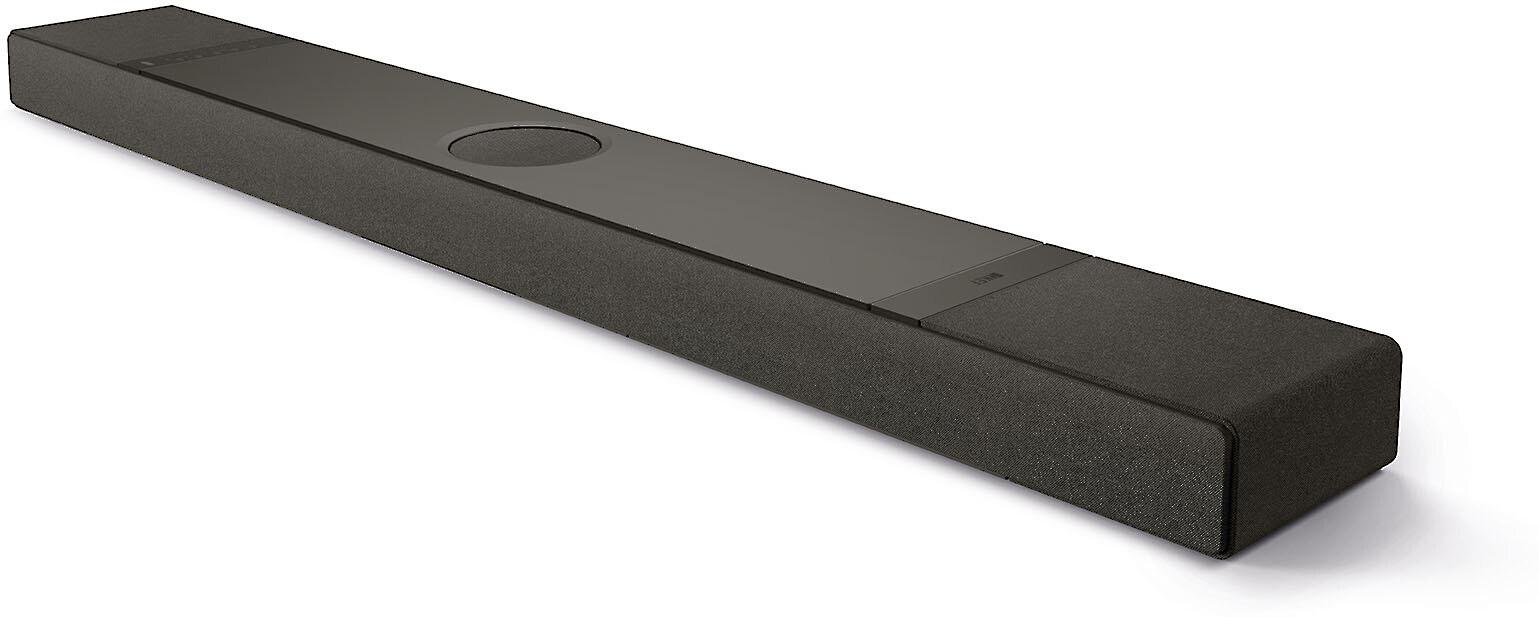
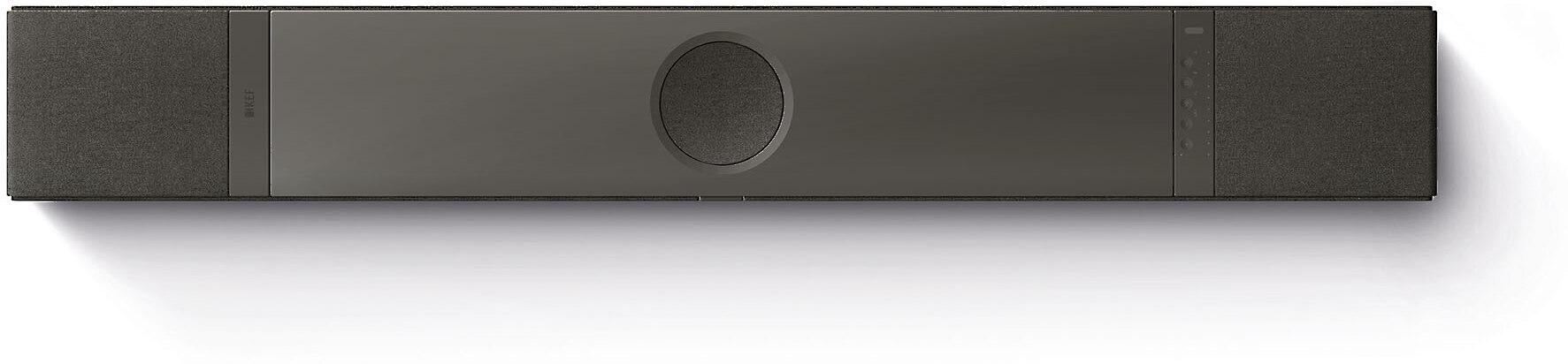
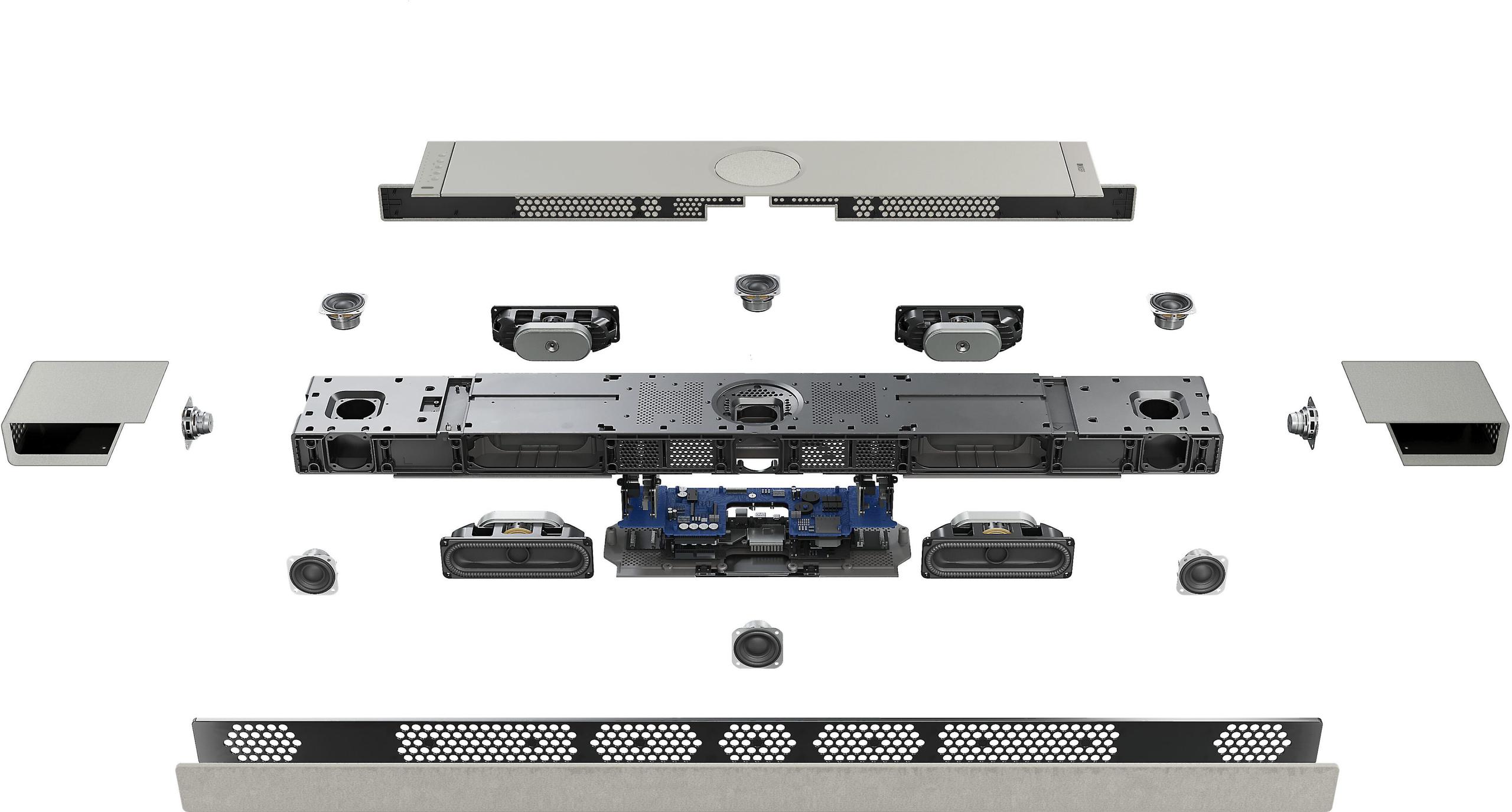



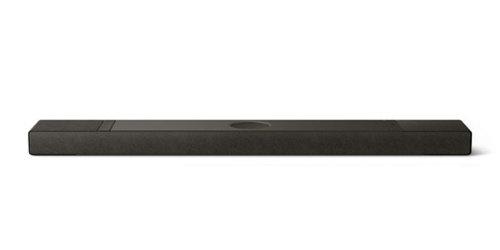
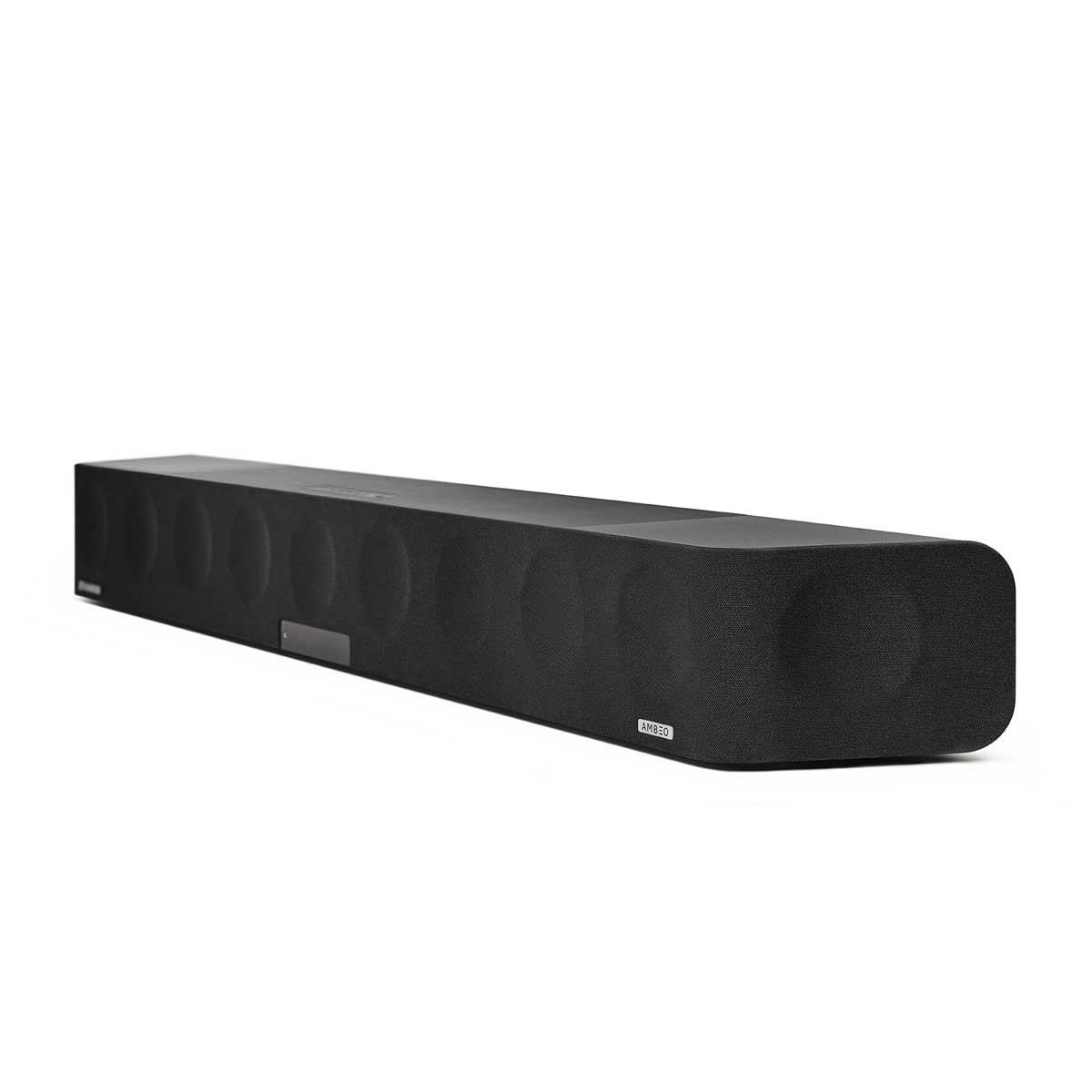
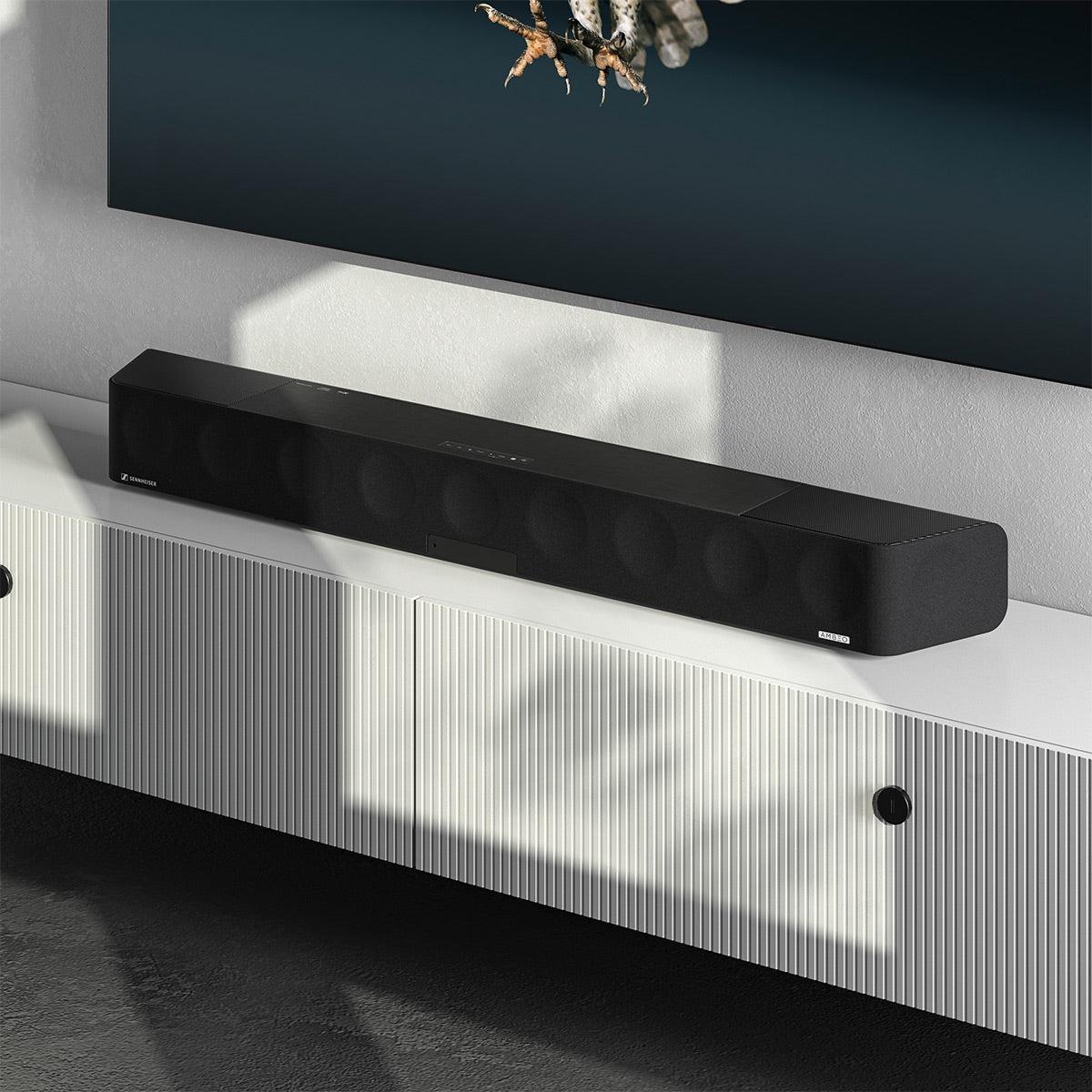
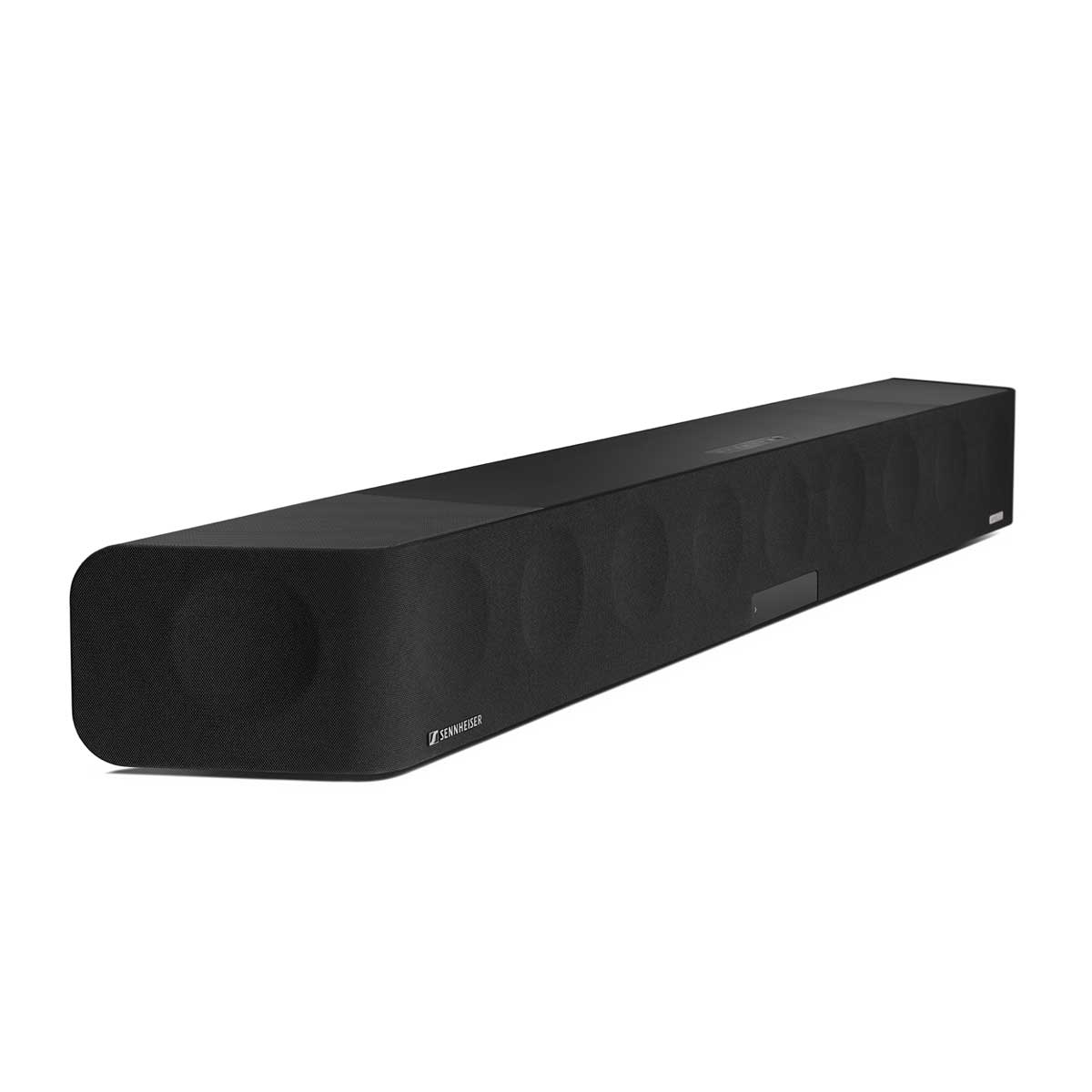
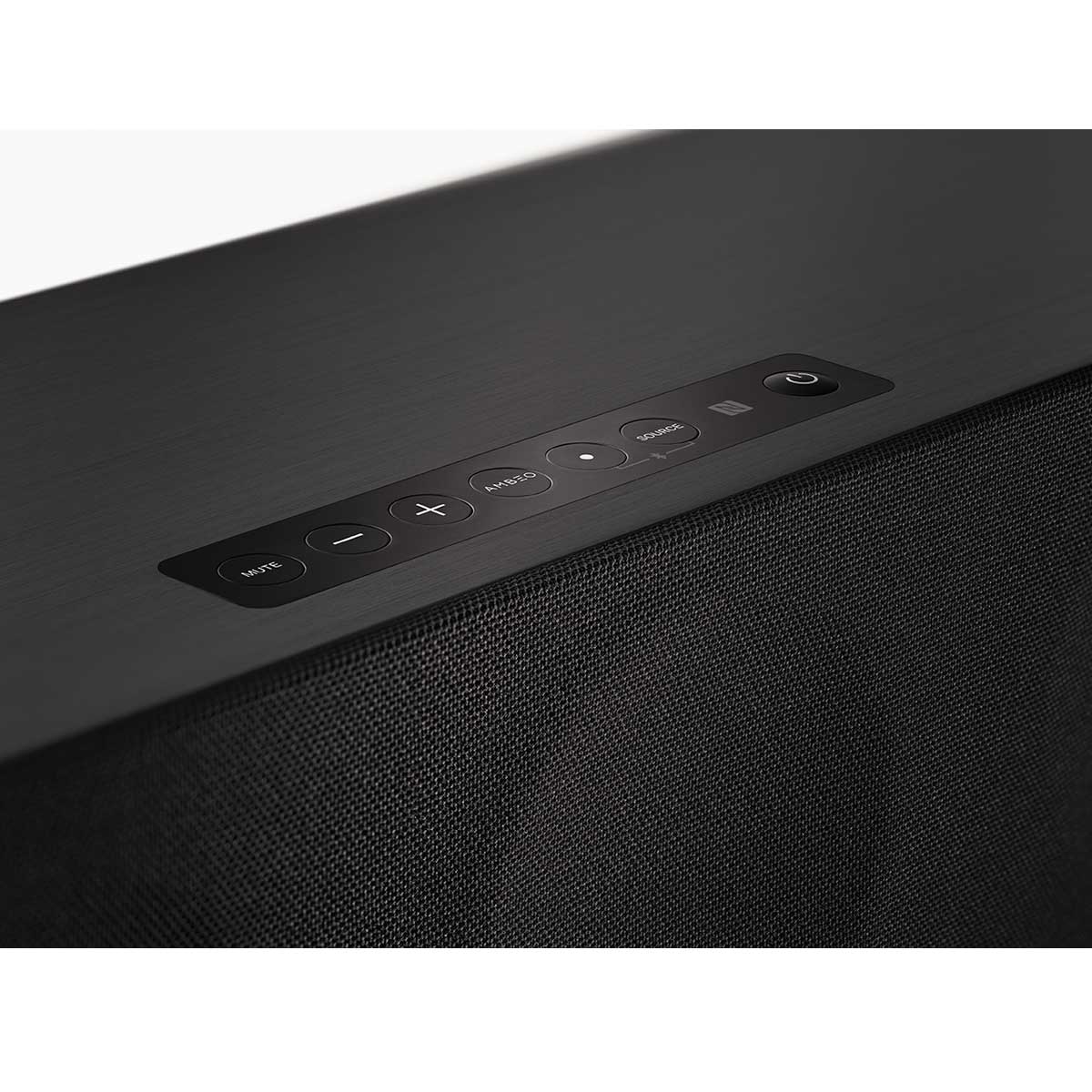
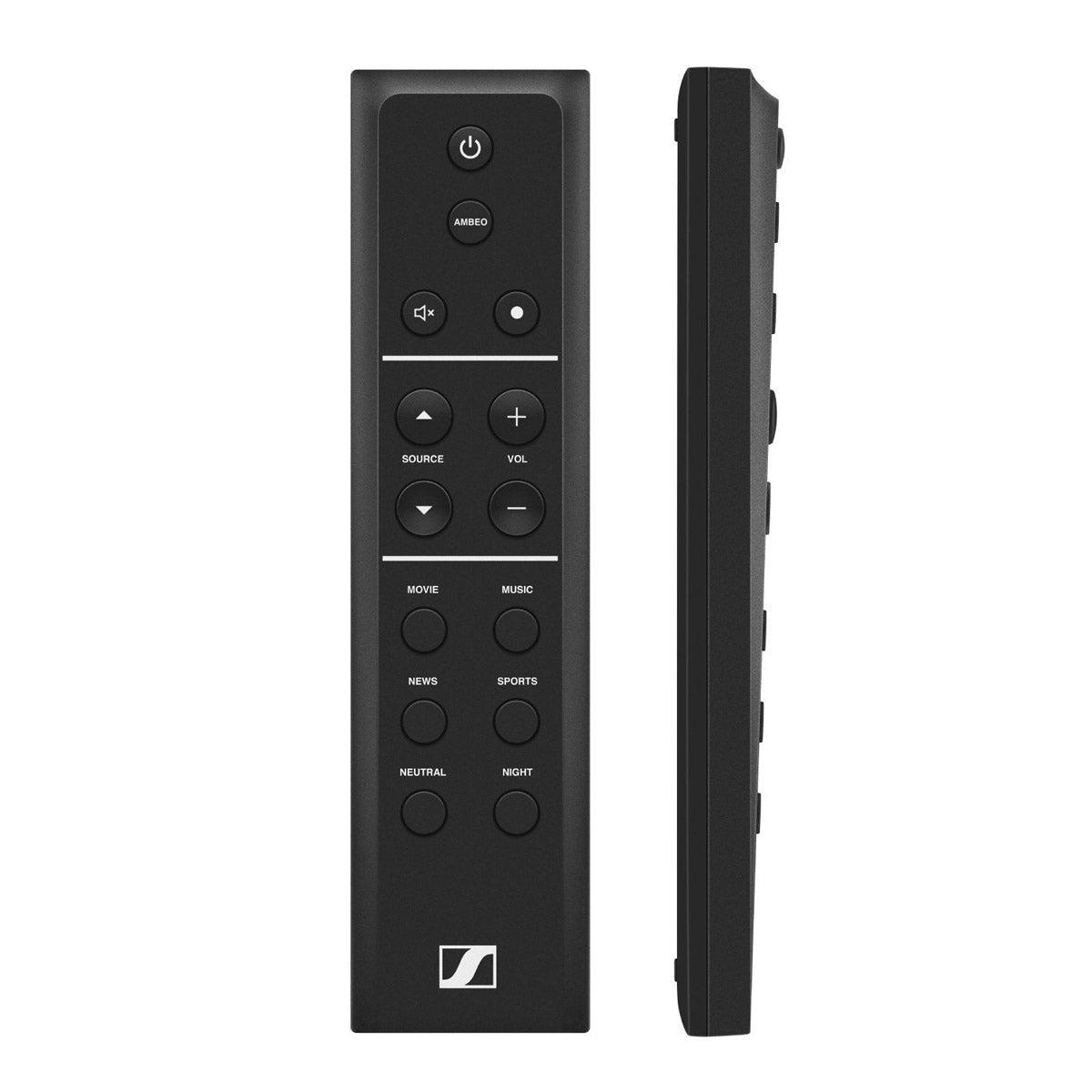
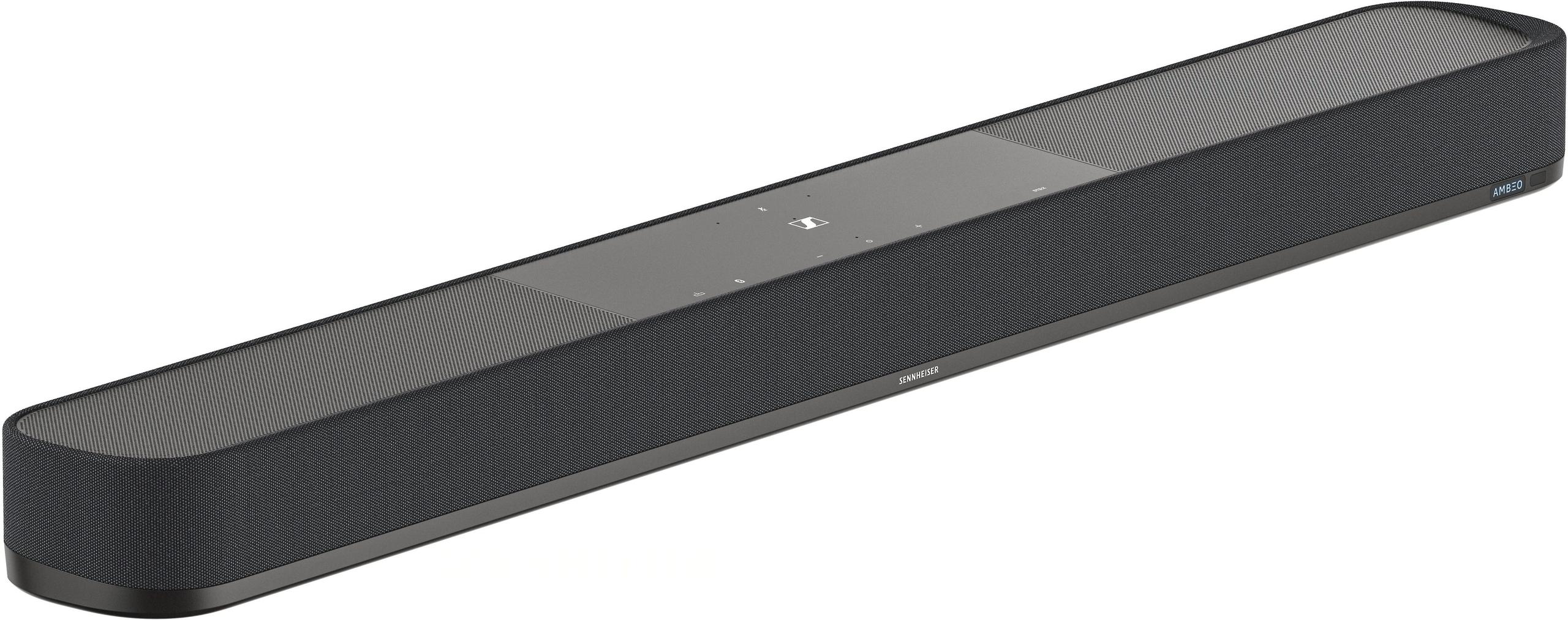
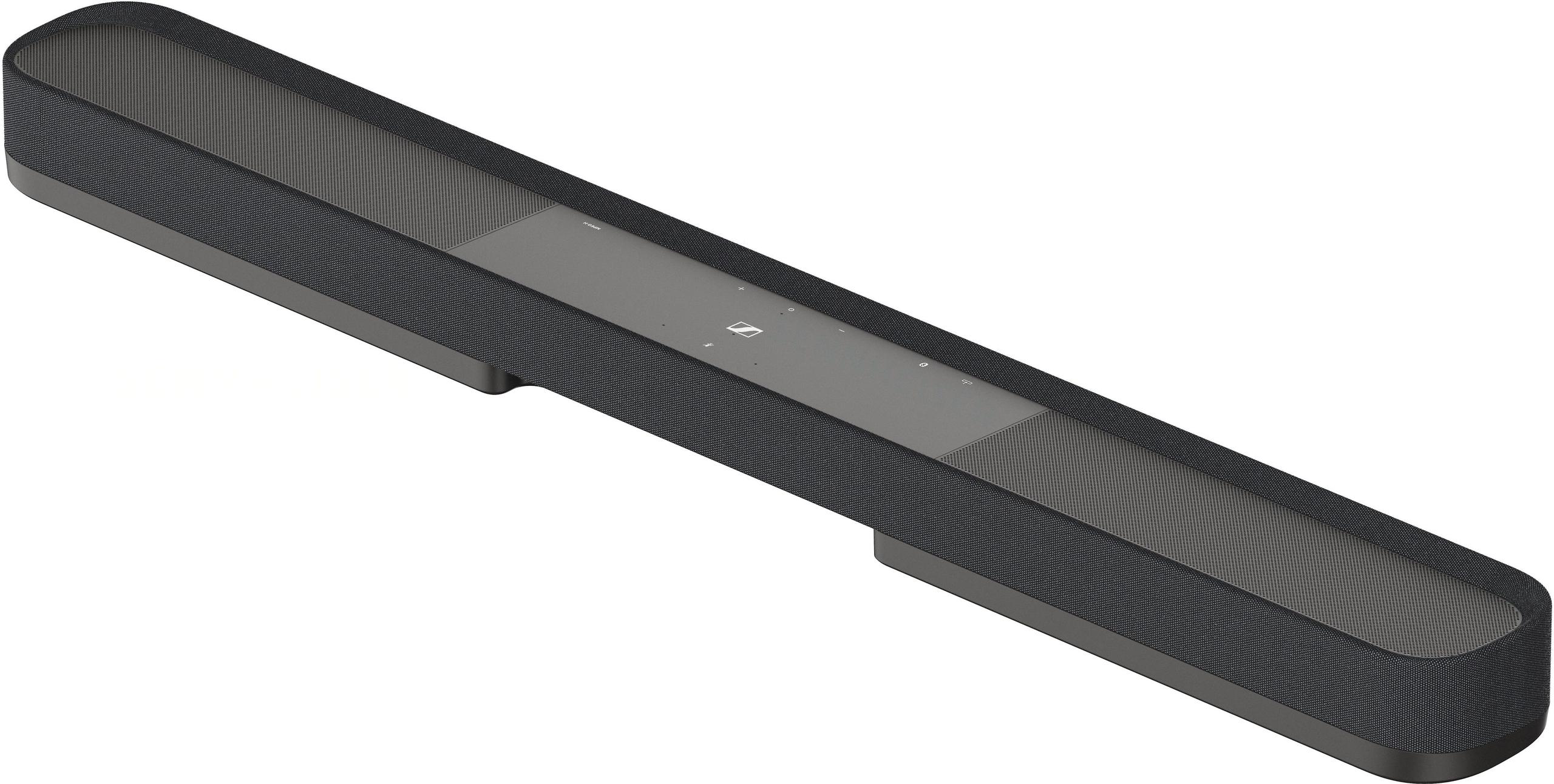

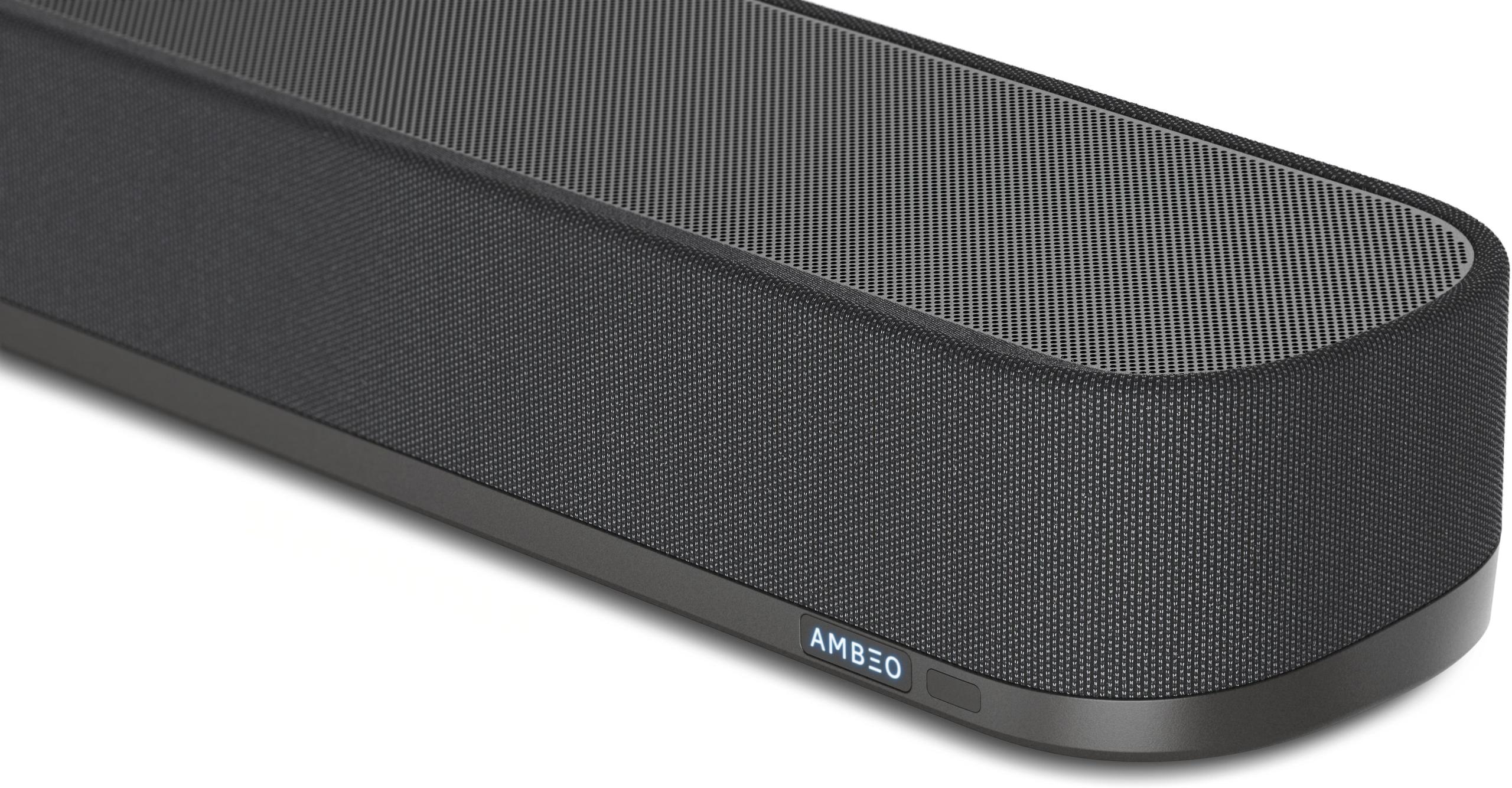

When I first heard about KEF jumping into the soundbar market, I'll admit I was skeptical. Here's a company that's spent decades perfecting high-end speakers, suddenly making a single-bar solution? But after spending time with both the KEF XIO Soundbar ($2,499) and the Sennheiser AMBEO Soundbar ($1,999), it's clear we're witnessing something special in premium home audio.
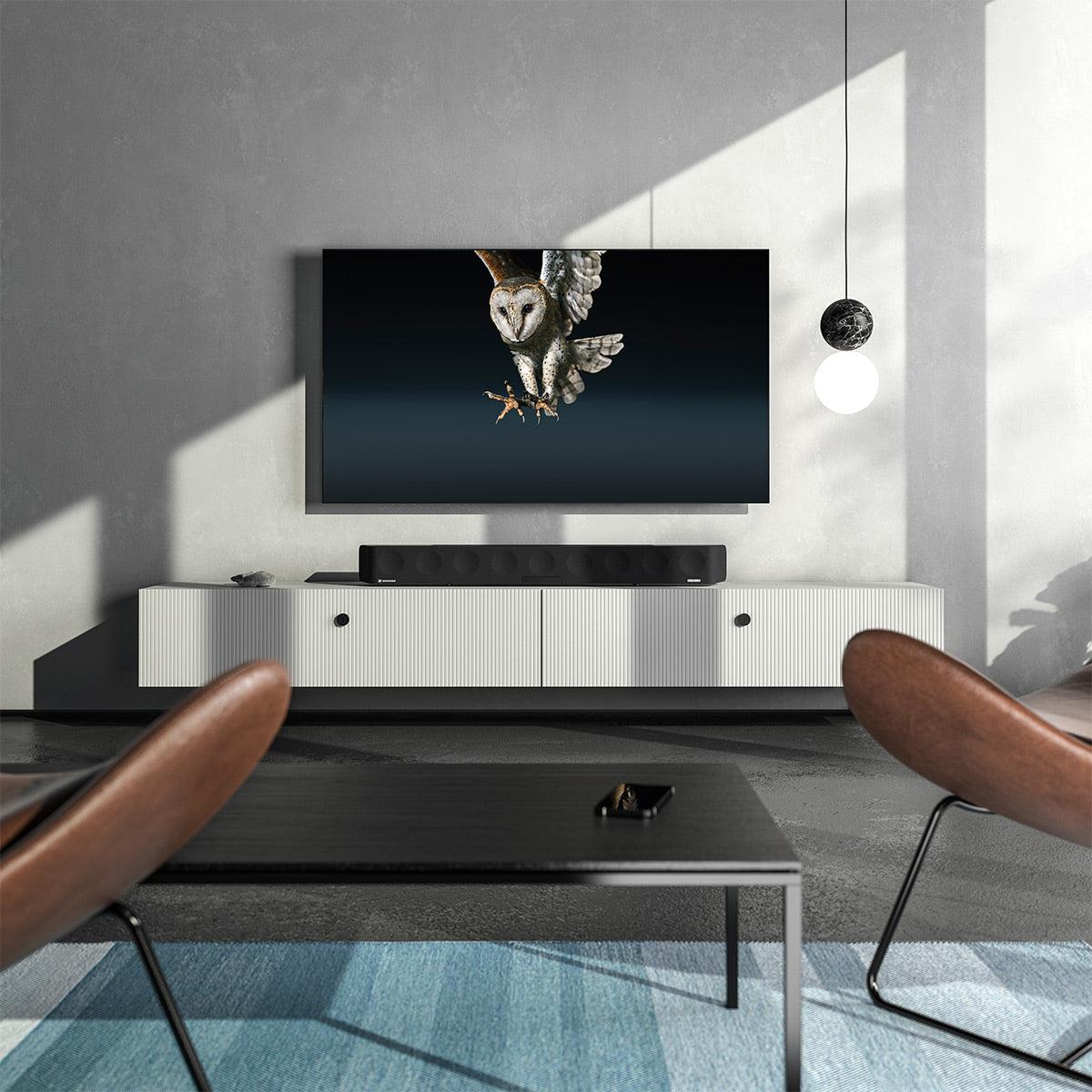
Premium soundbars aren't just bigger, louder versions of budget models – they're fundamentally different beasts. Think of them as complete home theater systems compressed into sleek, room-friendly packages. While a basic soundbar might have three or four drivers pointing forward, these premium units pack 12-13 individual speakers with sophisticated processing that creates the illusion of sound coming from all around you.
The magic happens through something called "virtualization" – essentially, the soundbar bounces audio off your walls and ceiling to trick your brain into thinking there are speakers positioned throughout your room. It's like having a full 5.1 or 7.1 surround system without wires snaking everywhere or speakers cluttering your space.
But here's where it gets interesting: the KEF XIO (released July 2025) and the Sennheiser AMBEO take completely different approaches to this challenge. The XIO represents KEF's first foray into soundbars, bringing decades of audiophile expertise to the single-bar format. Meanwhile, Sennheiser has been refining their AMBEO technology since 2019, with multiple generations of improvements.
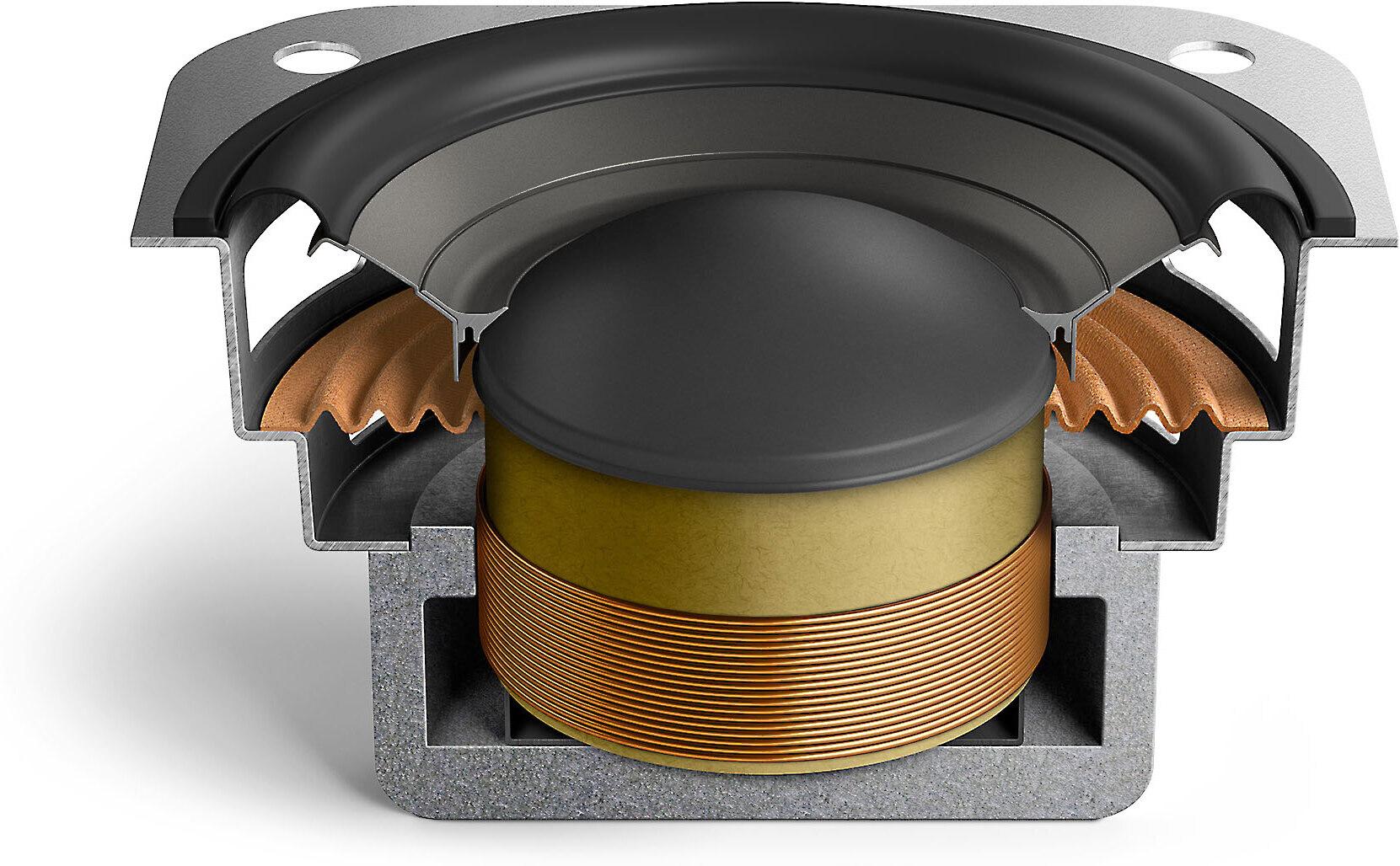
The KEF XIO is essentially a miniature version of KEF's reference speakers squeezed into a soundbar. Its secret weapon? Something called Uni-Q MX drivers – imagine a tweeter (for high frequencies) mounted directly in the center of a midrange driver (for vocals and instruments). This "concentric" design means all frequencies come from the same point in space, creating incredibly precise imaging.
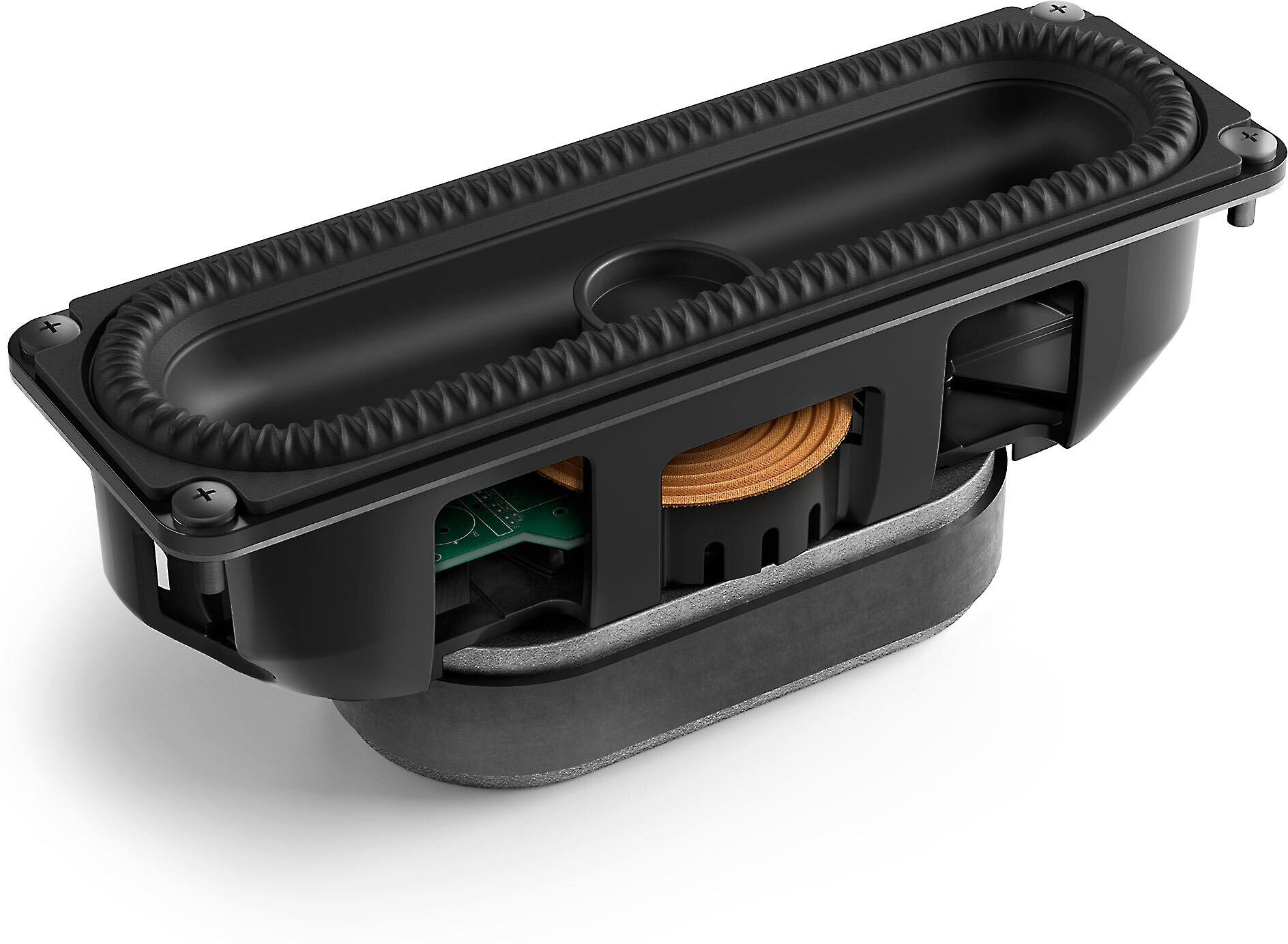
But the real innovation lies in the bass section. KEF borrowed technology from their $1,500 KC62 subwoofer called VECO (Velocity Control). Here's how it works: tiny sensors monitor how the bass drivers move and instantly correct any unwanted motion. The result? A claimed 28dB reduction in distortion – that's like reducing unwanted noise by 99.8%. In practical terms, this means cleaner, tighter bass that doesn't muddy up dialogue or music.
The XIO also uses racetrack-shaped woofers instead of traditional round ones. These P185 drivers are arranged in pairs that push and pull in opposite directions, canceling out vibrations that would normally rattle your TV stand. It's engineering elegance at its finest.
The Sennheiser AMBEO, now in its third generation since the original 2019 launch, takes a different approach. Instead of focusing on individual driver innovation, Sennheiser partnered with Fraunhofer (the institute that invented MP3) to perfect virtualization algorithms. The AMBEO analyzes your room's acoustics and uses advanced beamforming to direct sound waves with surgical precision.
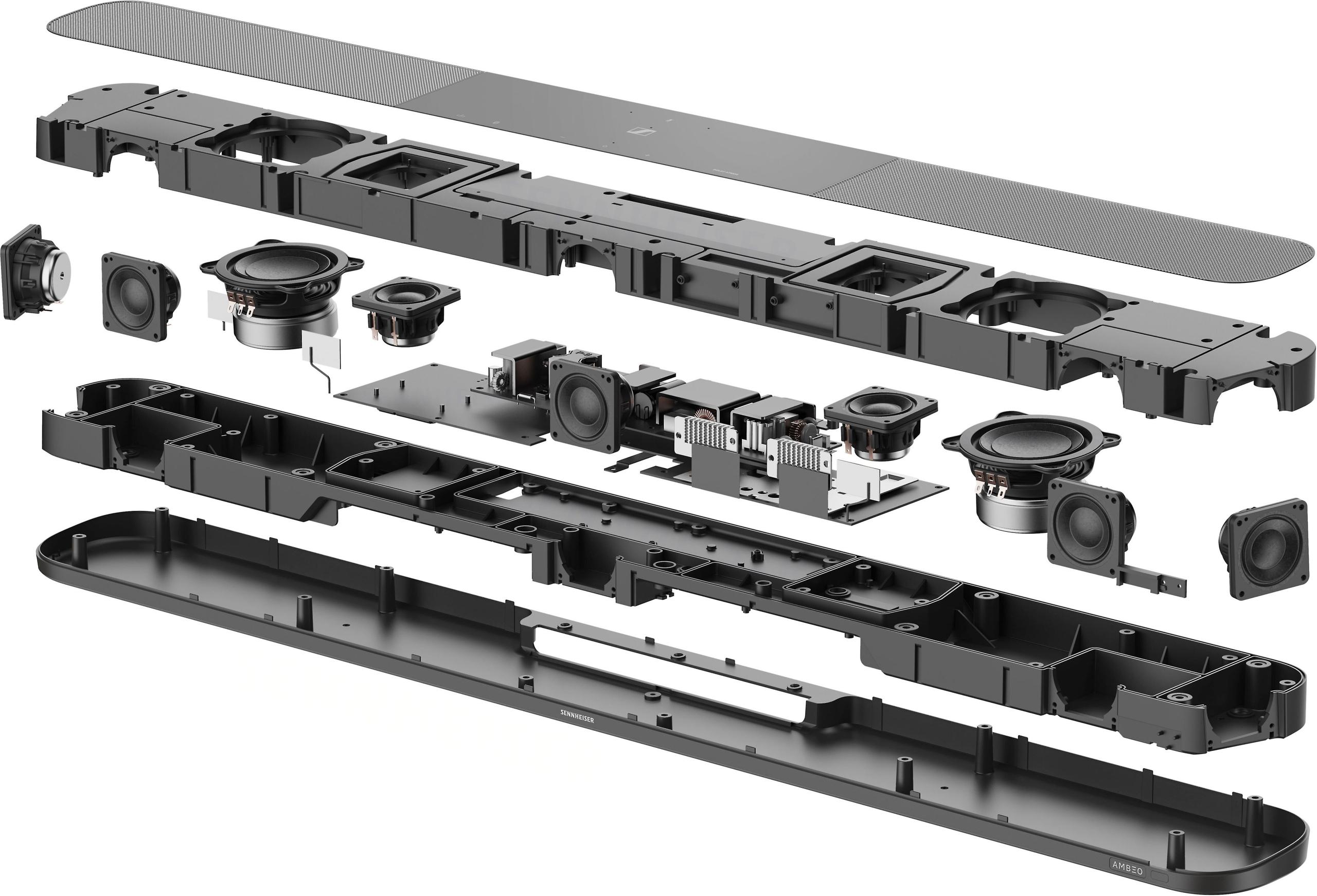
Think of it like this: while the KEF focuses on making each driver perfect, the Sennheiser focuses on making those drivers work together as a synchronized orchestra. The AMBEO's 13 drivers include dedicated upward-firing units that bounce sound off your ceiling, creating convincing height effects for Dolby Atmos movies.
Having tested both extensively, the clarity difference is immediately apparent. The KEF XIO presents music and dialogue with a transparency that's genuinely surprising for a soundbar. When I played Hans Zimmer's "Time" from Inception, I could distinctly hear the subtle string harmonics that usually get lost in lesser systems. The Uni-Q drivers create what engineers call a "point source" – sound appears to come from a single, focused location rather than a long bar.
The Sennheiser AMBEO, while still excellent, has a warmer, more forgiving character. It's the difference between a surgical scalpel and a well-crafted chef's knife – both effective, but for different purposes. The AMBEO smooths over harsh recordings and makes compressed Netflix audio sound better than it has any right to. For casual listening, this is often preferable.
This is where the technical differences become most apparent. The KEF XIO's VECO technology produces bass that sounds more like a quality subwoofer than typical soundbar drivers. When the T-Rex appears in Jurassic Park, you feel the ground-shaking impact without the boomy, one-note quality that plagues many soundbars.
The Sennheiser AMBEO takes a more traditional approach with larger, conventional drivers that move more air. It creates a broader, room-filling bass presence that's immediately impressive. However, in direct comparison, the Sennheiser's bass can sound less controlled, occasionally overwhelming dialogue during complex action scenes.
For most users, both provide adequate bass without a separate subwoofer. But if you're sensitive to bass quality – perhaps you enjoy jazz or classical music where you need to hear individual bass lines clearly – the KEF's precision becomes invaluable.
Both soundbars excel at creating immersive experiences, but through different methods. The Sennheiser AMBEO generates a larger, more enveloping sound bubble. During the helicopter scene in Apocalypse Now, the AMBEO makes you feel genuinely surrounded by the chaos. Its 5.1.4 configuration (five main channels, one subwoofer channel, four height channels) provides more discrete directional channels than the KEF's 5.1.2 setup.
The KEF XIO, however, offers more precise placement of sound objects. In quiet scenes from Blade Runner 2049, raindrops seem to fall from specific points in space rather than a general "above you" area. This precision comes from KEF's Intelligent Placement Technology, which uses built-in microphones to map your room and adjust output accordingly.
Here's where personal preference really matters. The Sennheiser AMBEO includes multiple HDMI inputs, meaning you can connect your PlayStation, Xbox, and Blu-ray player directly to the soundbar. This is incredibly convenient if your TV lacks enough HDMI ports or if you want to bypass your TV's audio processing entirely.
The KEF XIO takes a minimalist approach with only one HDMI 2.1 eARC connection. This means everything goes through your TV first. While this creates a cleaner setup with fewer cables, it requires a TV with eARC support for the best experience. If you have a 2020 or newer mid-to-high-end TV, this probably isn't an issue. But owners of older displays might face limitations.
Both soundbars excel at streaming, but again with different strengths. The KEF XIO supports Wi-Fi 6, the latest wireless standard, which provides rock-solid connections for high-resolution audio streaming. It directly supports Spotify Connect, TIDAL Connect, and other services, meaning you can stream without using your phone as a middleman – your phone just tells the soundbar what to play, then the soundbar handles everything.
The Sennheiser AMBEO offers similar functionality through Chromecast Built-in, though it uses the older Wi-Fi standard. In practice, both work flawlessly for music streaming, but the KEF's newer wireless technology provides a bit more future-proofing.
At first glance, the KEF XIO's $2,499 price seems steep compared to the Sennheiser AMBEO's $1,999. But the value equation isn't straightforward.
Consider this: the KEF's advanced bass technology means most users won't need a separate subwoofer. A quality subwoofer typically costs $400-800, narrowing the real price gap. Additionally, the KEF's superior music reproduction means it can replace both your soundbar and stereo system – something the AMBEO, despite its strengths, can't quite achieve.
However, the Sennheiser provides exceptional value for movie-focused users. Its proven track record, multiple HDMI inputs, and slightly more immersive surround presentation make it a smart choice for traditional home theater setups.
In dedicated home theater use, both soundbars shine, but serve different masters. The Sennheiser AMBEO creates a more immediately impressive "wow factor." Fire up Top Gun: Maverick, and the AMBEO envelops you in jet engine roar and canyon winds. It's spectacular for blockbuster movies where maximum impact trumps subtle detail.
The KEF XIO reveals its strengths in more nuanced content. Dialogue remains crystal clear even during complex action sequences, and subtle sound effects maintain their spatial relationships. During the apartment scene in A Quiet Place, every creaking floorboard has precise placement and natural decay. This precision makes long viewing sessions less fatiguing – an important consideration for serious movie enthusiasts.
Both manufacturers have indicated ongoing software updates, but their approaches differ. KEF's newer platform provides more headroom for future enhancements, particularly in streaming codecs and room correction algorithms. The company's history suggests they'll continue refining the XIO's performance through updates.
Sennheiser's AMBEO platform is more mature, with fewer dramatic changes expected. However, this stability can be an advantage – you're getting a proven, thoroughly debugged experience rather than being an early adopter.
Your listening habits include significant music playback alongside movies. The XIO's ability to excel at both makes it a versatile choice for mixed-use systems. If you live in a smaller space where a separate subwoofer isn't practical, the KEF's integrated bass performance is genuinely impressive. Technology enthusiasts who appreciate innovative engineering will find the VECO bass control and Uni-Q drivers fascinating to experience firsthand.
Movies are your primary focus, and you want maximum immersive impact for action blockbusters. If you need multiple device connections or have an older TV without eARC, the AMBEO's connectivity flexibility is invaluable. Budget-conscious buyers who still want premium performance will appreciate the $500 savings without sacrificing much entertainment value.
Both the KEF XIO Soundbar ($2,499) and Sennheiser AMBEO Soundbar ($1,999) represent the current pinnacle of single-unit home audio. They're not just alternatives to traditional surround systems – they're reimagining what home audio can be in modern living spaces.
The KEF brings audiophile-grade innovation to the soundbar world, proving that single-unit solutions don't have to compromise on sound quality. The Sennheiser demonstrates that proven technology, refined over multiple generations, can deliver consistently excellent results.
Your choice ultimately depends on your priorities: groundbreaking technology and musical accuracy (KEF), or proven cinematic immersion and practical flexibility (Sennheiser). Either way, you're getting a glimpse into the future of home audio – and it sounds pretty amazing.
| KEF XIO Soundbar | Sennheiser AMBEO Soundbar |
|---|---|
| Price - Major difference that affects value proposition | |
| $2,499 (premium positioning with cutting-edge tech) | $1,999 (proven performance at lower cost) |
| Channel Configuration - Determines surround sound capabilities | |
| 5.1.2 (sufficient height effects, focuses on precision) | 5.1.4 (more height channels for maximum immersion) |
| Total Power Output - Affects maximum volume and dynamics | |
| 820W (higher power for cleaner sound at volume) | 500W (adequate for most rooms, proven reliable) |
| Driver Technology - Core difference in sound approach | |
| 12 drivers with Uni-Q MX concentric arrays (audiophile precision) | 13 traditional drivers (room-filling presence) |
| Bass Innovation - Critical for movies and music without subwoofer | |
| VECO technology with P185 racetrack woofers (99.8% distortion reduction) | Conventional circular woofers (more visceral impact) |
| HDMI Connectivity - Affects setup flexibility with multiple devices | |
| Single HDMI 2.1 eARC only (requires modern TV) | Multiple HDMI inputs (works with any TV setup) |
| Wireless Technology - Important for streaming quality and future-proofing | |
| Wi-Fi 6 with comprehensive streaming platform support | Wi-Fi 5 with Chromecast Built-in (mature, stable) |
| Dimensions (H×W×D) - Space requirements and room aesthetics | |
| 2.8" × 47.6" × 6.5" (slimmer profile, less visual impact) | 5.3" × 49.6" × 6.7" (larger but includes more drivers) |
| Room Calibration - Optimizes sound for your specific space | |
| Intelligent Placement Technology with auto-adaptation | Advanced room calibration with manual fine-tuning |
| Music Performance - Important if you listen to stereo content regularly | |
| Exceptional clarity and stereo imaging (audiophile-grade) | Good but warmer, less analytical presentation |
| Best Use Case - Who each product serves best | |
| Music lovers and tech enthusiasts wanting innovation | Movie fans prioritizing maximum cinematic immersion |
The Sennheiser AMBEO Soundbar ($1,999) is generally better for movies due to its 5.1.4 channel configuration and room-filling immersive sound. It creates a larger surround sound bubble that's ideal for action movies and blockbusters. The KEF XIO Soundbar ($2,499) offers more precise sound placement but the AMBEO delivers maximum cinematic impact for home theater use.
The KEF XIO Soundbar costs $2,499 while the Sennheiser AMBEO Soundbar is priced at $1,999 - a $500 difference. However, the KEF's advanced bass technology may eliminate the need for a separate subwoofer (saving $400-800), making the real cost difference smaller than it initially appears.
The KEF XIO Soundbar ($2,499) is significantly better for music listening. Its Uni-Q MX drivers and audiophile-grade engineering deliver exceptional clarity, precise stereo imaging, and transparent sound reproduction. The Sennheiser AMBEO has a warmer, more forgiving sound that's pleasant but less detailed for critical music listening.
Neither the KEF XIO nor the Sennheiser AMBEO requires a separate subwoofer for most rooms. The KEF uses advanced VECO bass technology for exceptionally clean low-frequency reproduction, while the AMBEO provides room-filling bass presence. Both can optionally connect external subwoofers if you want maximum bass impact in very large rooms.
The Sennheiser AMBEO Soundbar ($1,999) offers better connectivity with multiple HDMI inputs, allowing direct connection to gaming consoles and media players. The KEF XIO Soundbar only has one HDMI 2.1 eARC port, requiring all devices to connect through your TV first. This makes the AMBEO more flexible for complex setups.
The KEF XIO uses proprietary Uni-Q concentric drivers and VECO bass control for precision and clarity. The Sennheiser AMBEO employs Fraunhofer virtualization technology and advanced beamforming for room-filling immersion. KEF focuses on audiophile accuracy while Sennheiser prioritizes surround sound expansion and cinematic presence.
The KEF XIO Soundbar ($2,499) is better suited for small rooms due to its slimmer 2.8-inch height profile and superior bass control that won't overpower compact spaces. Its Intelligent Placement Technology also adapts to room constraints. The Sennheiser AMBEO is larger and designed more for filling bigger spaces with sound.
Both soundbars support major streaming services, but the KEF XIO offers Wi-Fi 6, AirPlay 2, Spotify Connect, TIDAL Connect, and comprehensive platform support. The Sennheiser AMBEO features Chromecast Built-in, Bluetooth, and established streaming capabilities. The KEF provides more future-proof wireless technology and broader platform compatibility.
The Sennheiser AMBEO Soundbar ($1,999) offers better immediate value with proven performance at a lower price point. However, the KEF XIO may provide better long-term value for users who prioritize music quality and cutting-edge technology, especially considering it may eliminate subwoofer needs.
Both soundbars work well for gaming, but the Sennheiser AMBEO has an advantage with multiple HDMI inputs for direct console connections and immersive surround effects. The KEF XIO offers superior dialogue clarity and precise sound positioning, which can be beneficial for competitive gaming where audio cues matter.
The Sennheiser AMBEO Soundbar is generally easier to set up due to its multiple HDMI inputs and compatibility with any TV. The KEF XIO Soundbar requires a TV with HDMI eARC support for optimal performance, which may complicate setup with older displays. Both offer app-based control and automatic room calibration.
Choose the KEF XIO Soundbar ($2,499) if you prioritize music listening quality, want cutting-edge bass technology, prefer a slimmer design, or value technical innovation. The Sennheiser AMBEO Soundbar ($1,999) is better if you focus primarily on movies, need multiple device connections, want proven reliability, or prefer to save $500 while still getting excellent performance.
We've done our best to create useful and informative comparisons to help you decide what product to buy. Our research uses advanced automated methods to create this comparison and perfection is not possible - please contact us for corrections or questions. These are the sites we've researched in the creation of this article: blog.son-video.com - residentialsystems.com - whathifi.com - audioadvice.com - crutchfield.com - homecrux.com - techradar.com - youtube.com - us.kef.com - gramophone.com - cepro.com - audioxpress.com - musicdirect.com - gramophone.com - us.kef.com - crutchfield.com - hifipig.com - bestbuy.com - listenup.com - bestbuy.com - bestbuy.com - listenup.com - bestbuy.com - rtings.com - techradar.com - audioxpress.com - whathifi.com - upscaleaudio.com - soundstagesimplifi.com - global.sennheiser-hearing.com - sennheiser-hearing.com - audioadvice.com - abt.com - moon-audio.com

Privacy Policy
Terms and Conditions - Affiliate Policy
Home Security
© Copyright 2008-2026.
11816 Inwood Rd #1211, Dallas, TX 75244