



When you're tired of constantly adjusting your TV volume just to hear dialogue clearly, it's time to consider a soundbar upgrade. But the soundbar world has evolved dramatically in recent years, offering two distinctly different approaches to better audio: traditional multi-speaker systems and high-tech single-unit solutions.
The Amazon Fire TV Soundbar Plus 5.1 Channel System and Sennheiser AMBEO Soundbar represent these competing philosophies perfectly. One delivers true surround sound through multiple physical speakers at a budget-friendly price, while the other uses cutting-edge audio processing to create immersive sound from a single premium unit. Understanding which approach works better for your situation requires diving into how these technologies actually work—and where they succeed or fall short.
Today's soundbar market spans from simple stereo upgrades to sophisticated systems that attempt to replicate full home theater setups. The fundamental challenge remains the same: how do you create convincing surround sound in a typical living room without filling it with speakers?
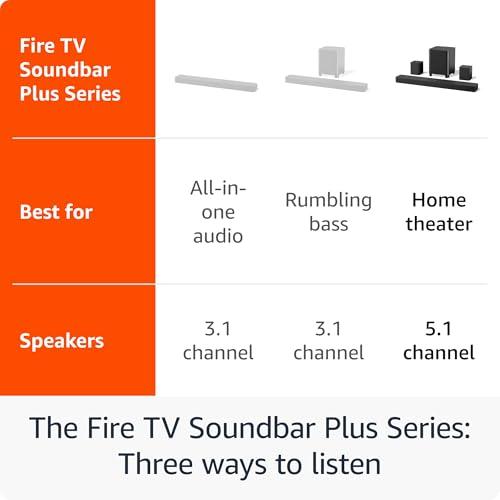
Channel configuration tells you how many discrete audio streams a system can handle. A 5.1 system processes six channels: front left, center, front right, rear left, rear right, and a dedicated low-frequency channel (the ".1" represents the subwoofer). More advanced systems like 5.1.4 add four height channels for Dolby Atmos content, where sounds can move overhead as well as around you.
The critical distinction lies between physical surround (using actual speakers placed around your room) and virtual surround (using audio processing tricks to simulate the effect from fewer speakers). Each approach has genuine advantages, and your room layout, budget, and listening preferences determine which works better.
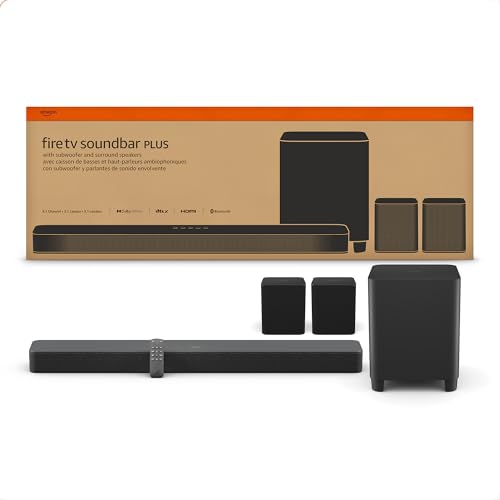
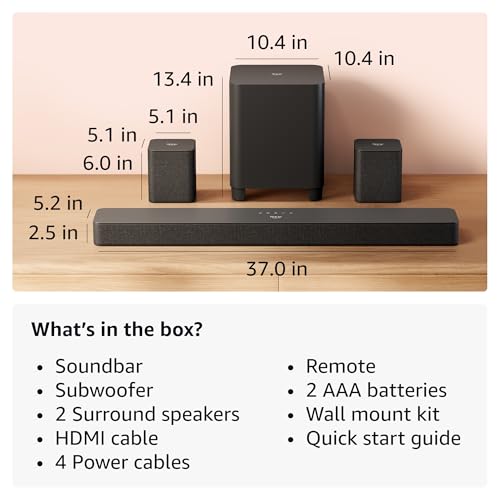
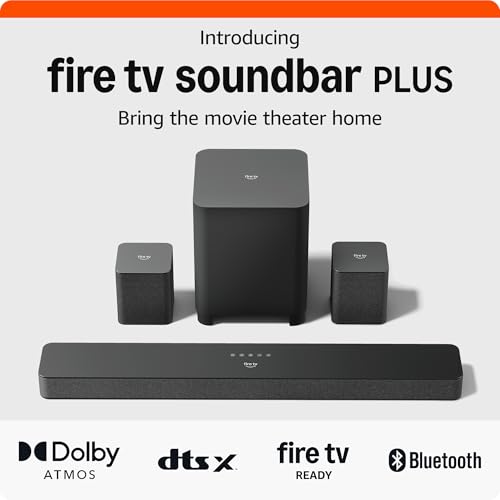
Released in 2023, the Amazon Fire TV Soundbar Plus 5.1 takes the traditional route with a complete speaker package. At roughly one-quarter the cost of premium alternatives, it includes a main soundbar, wireless subwoofer, and two satellite speakers that you place behind your seating area. This system creates genuine 5.1 surround sound by physically positioning speakers where the audio engineer intended.
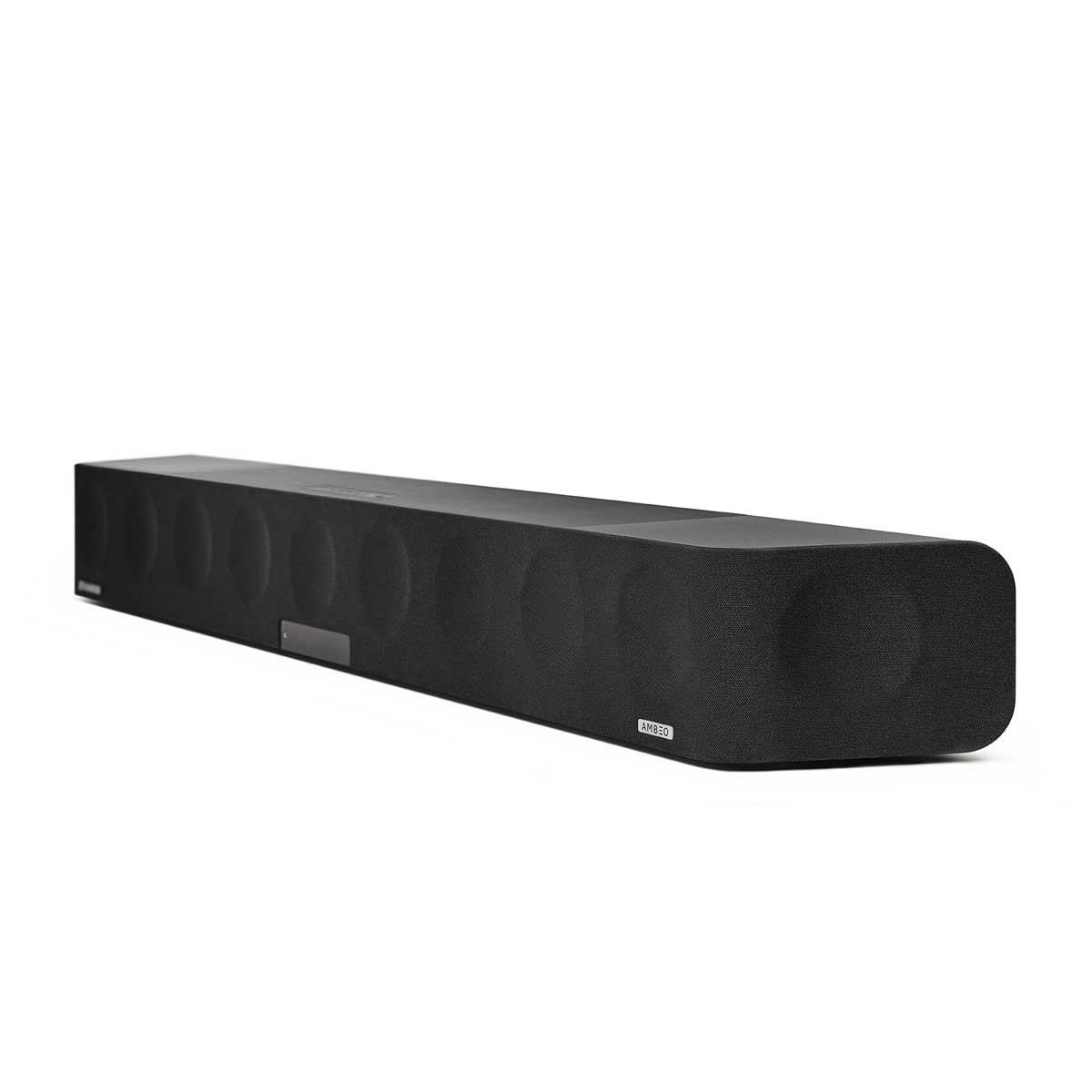
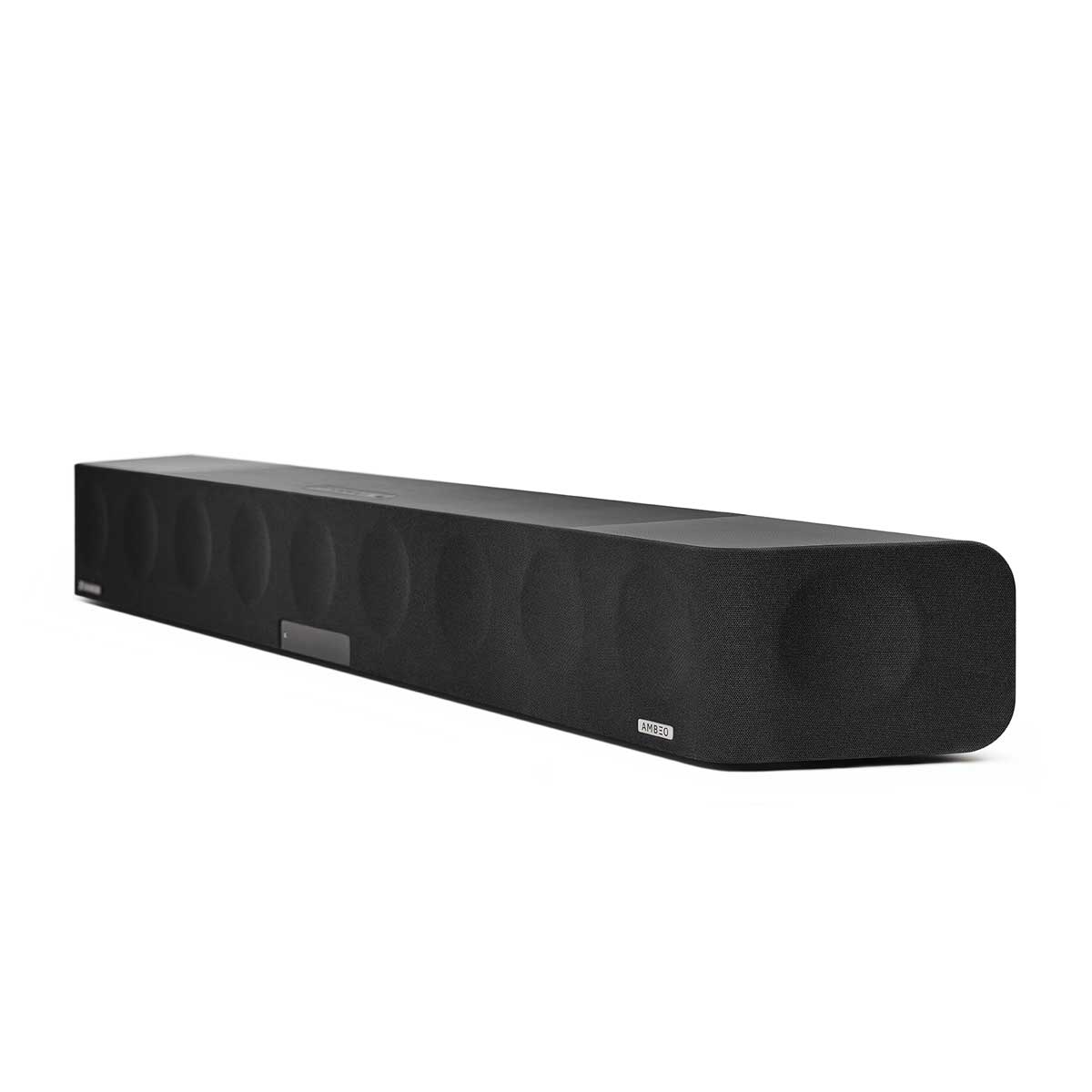
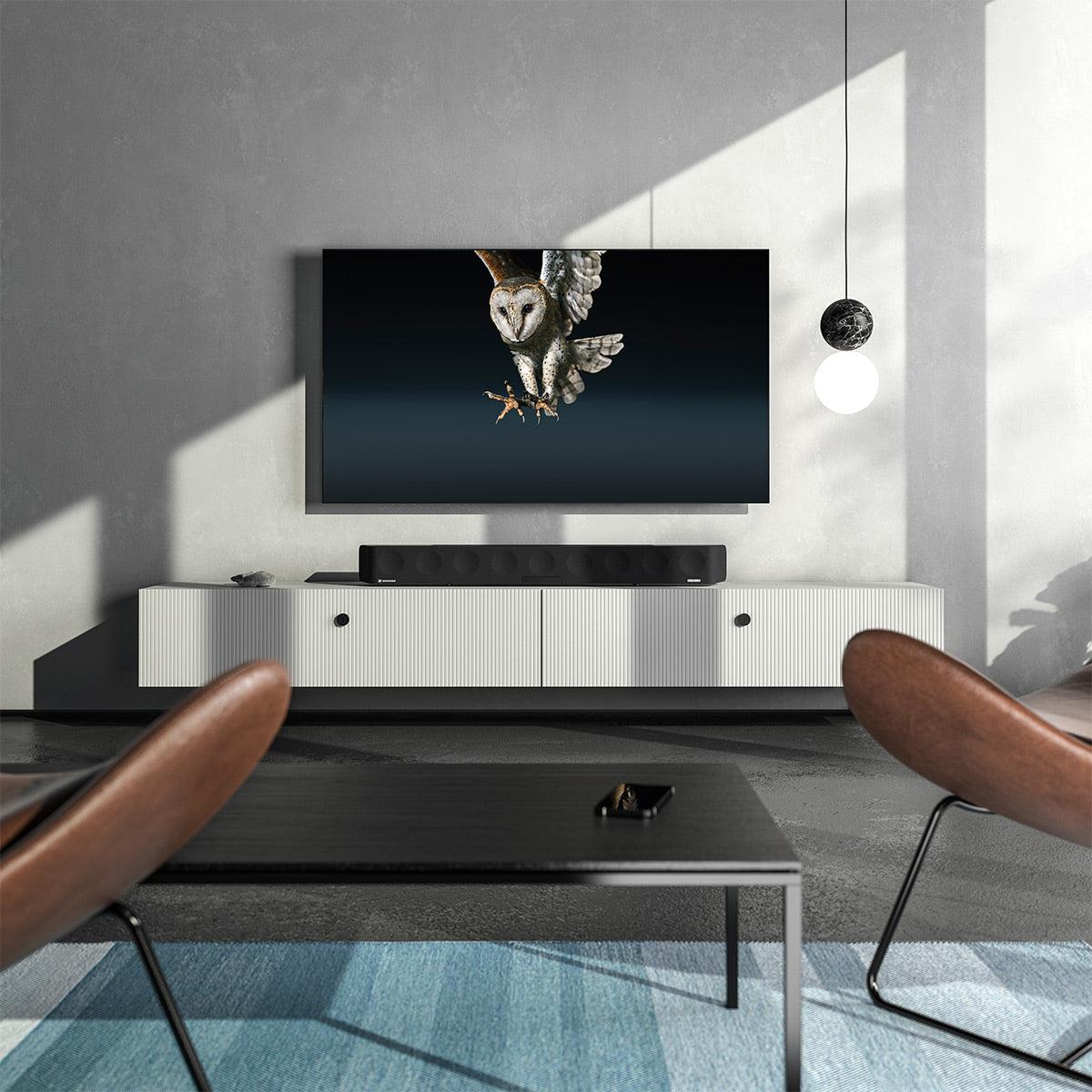
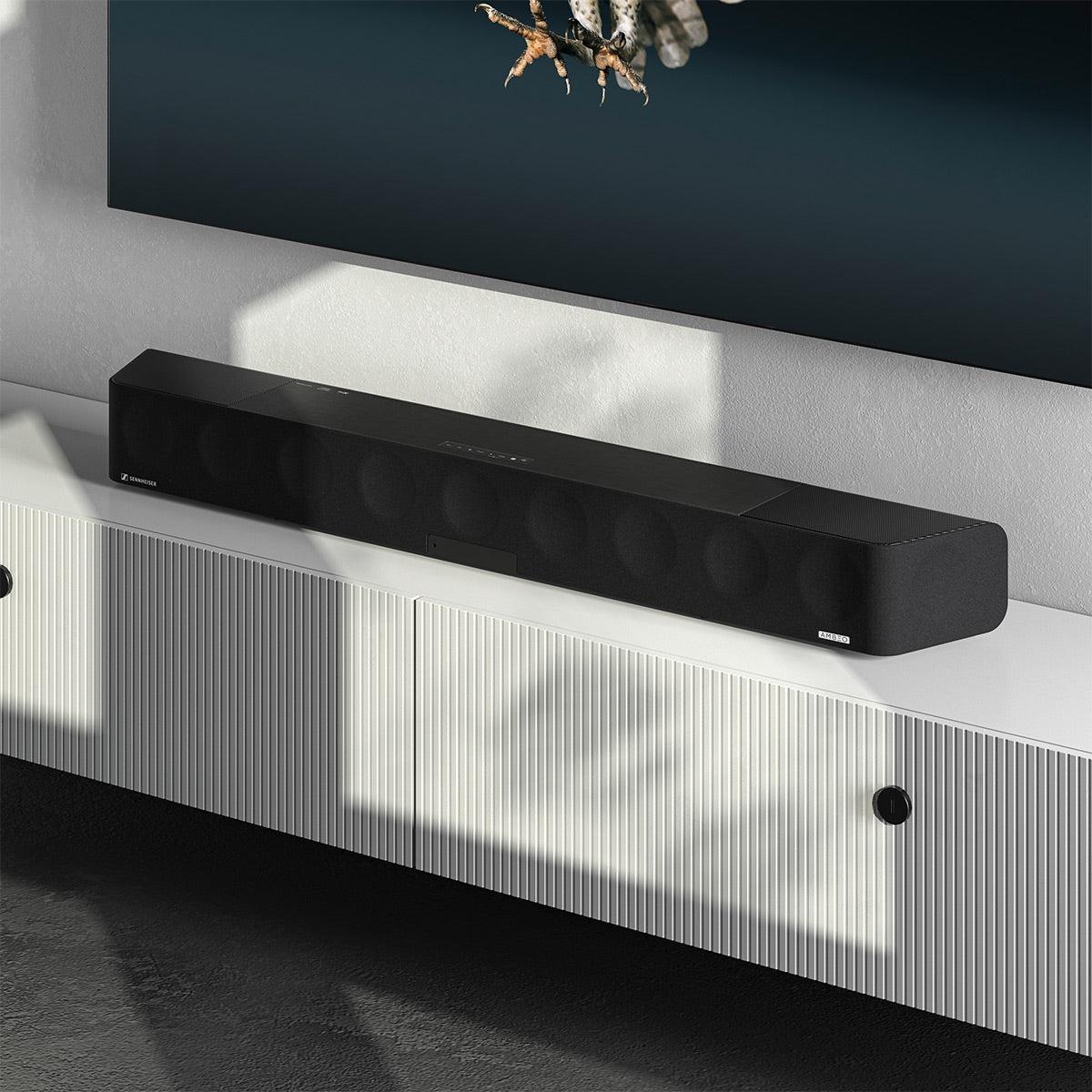
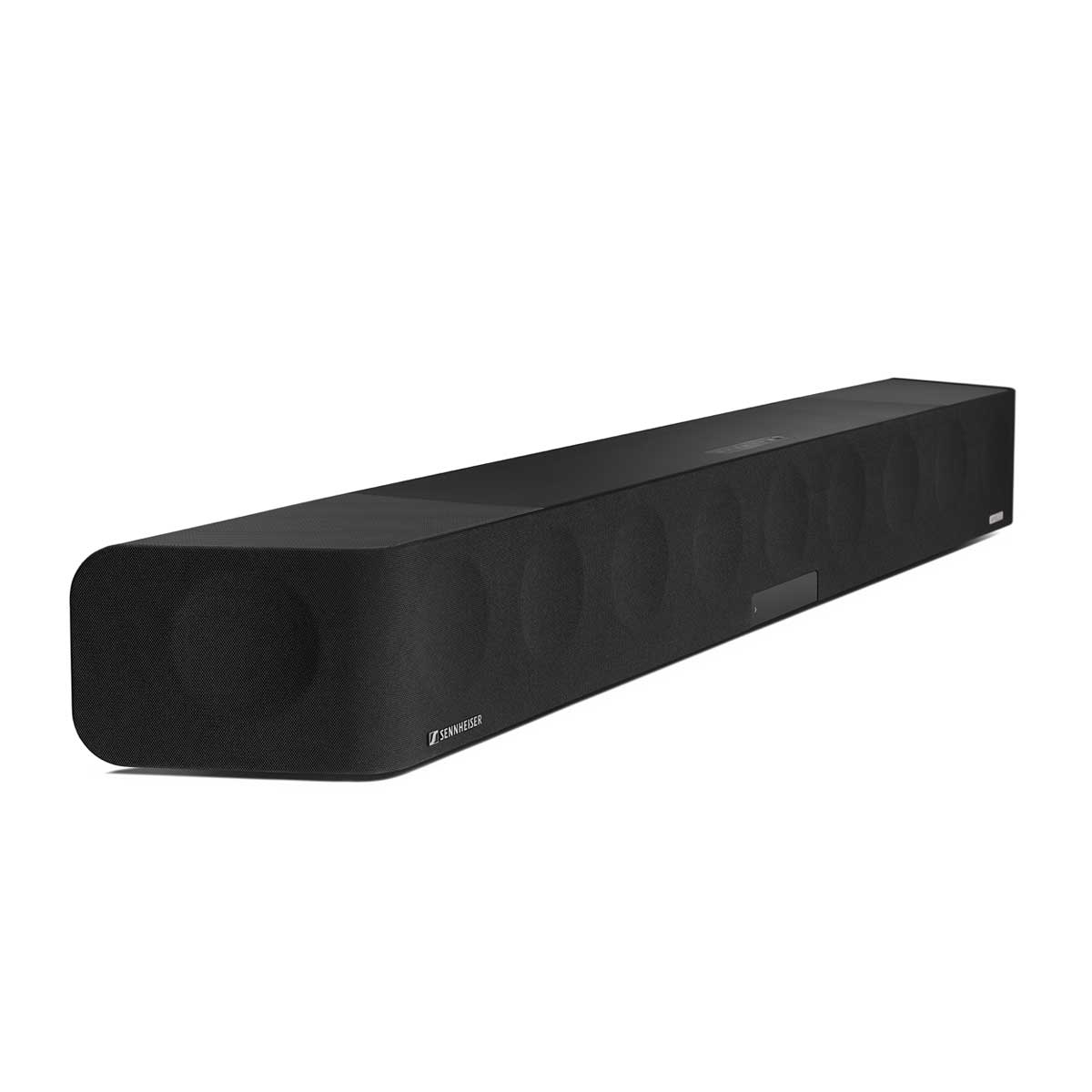
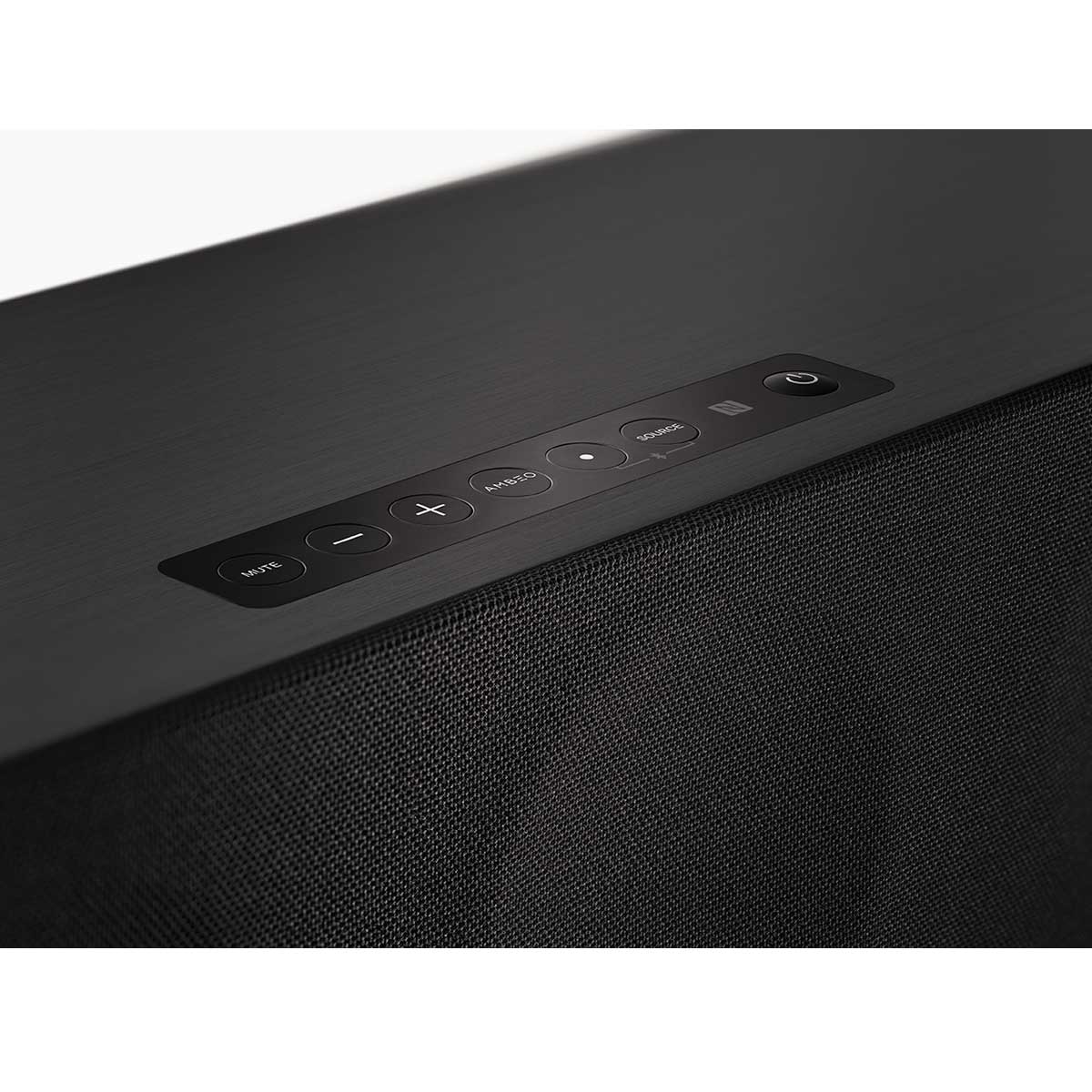
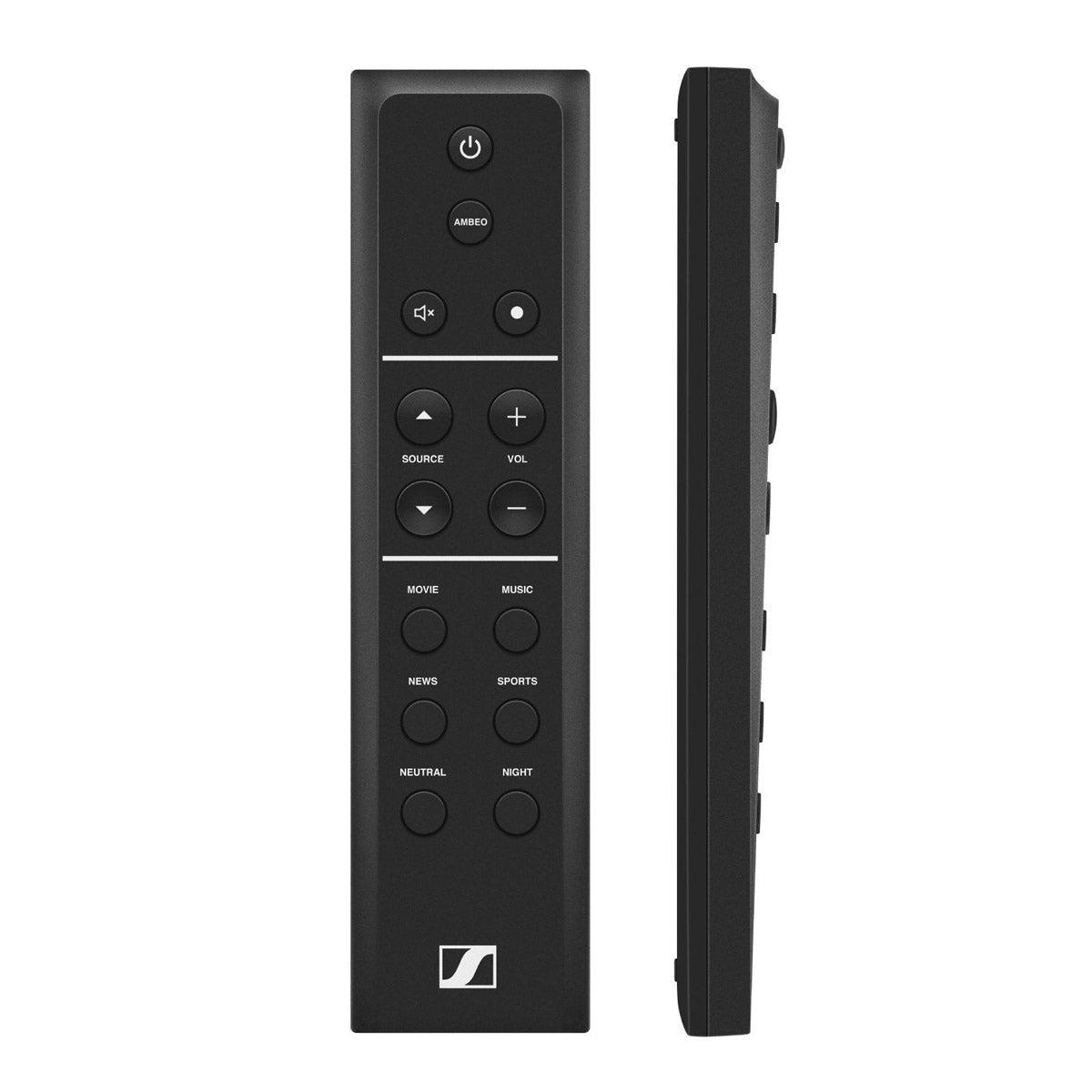
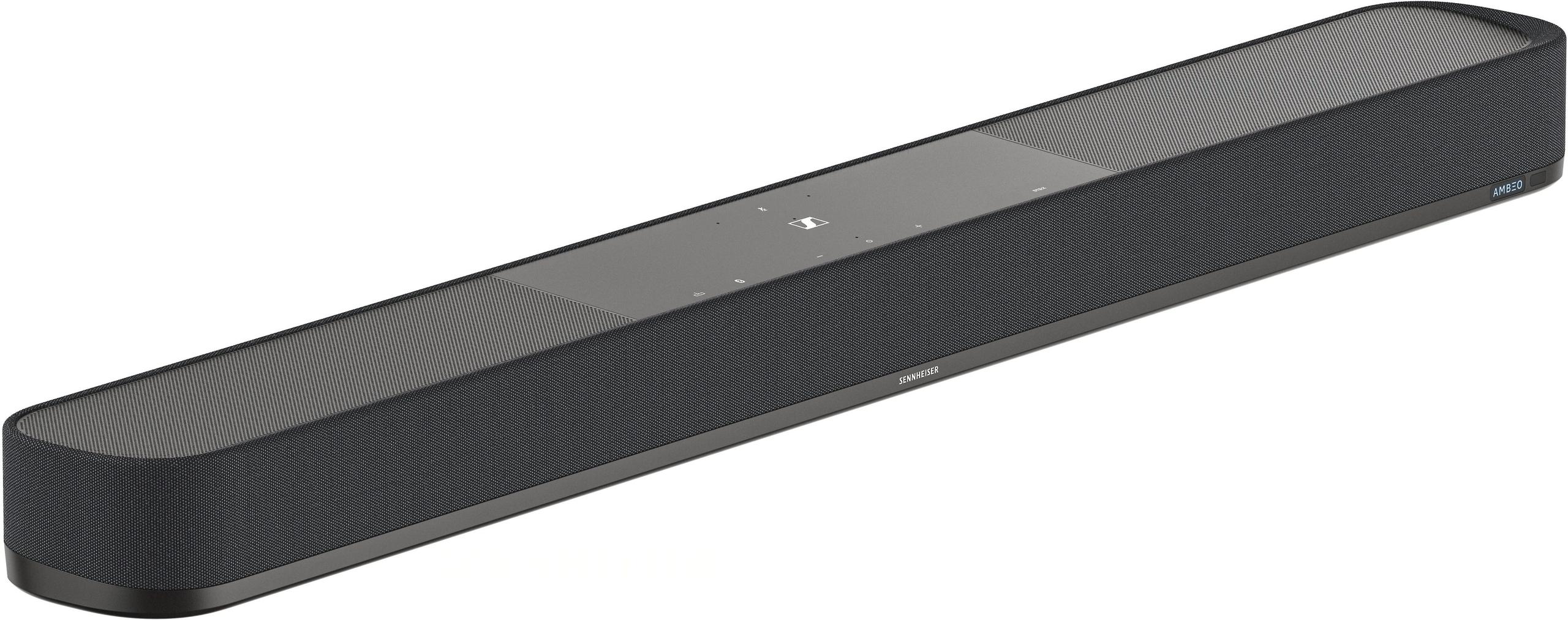
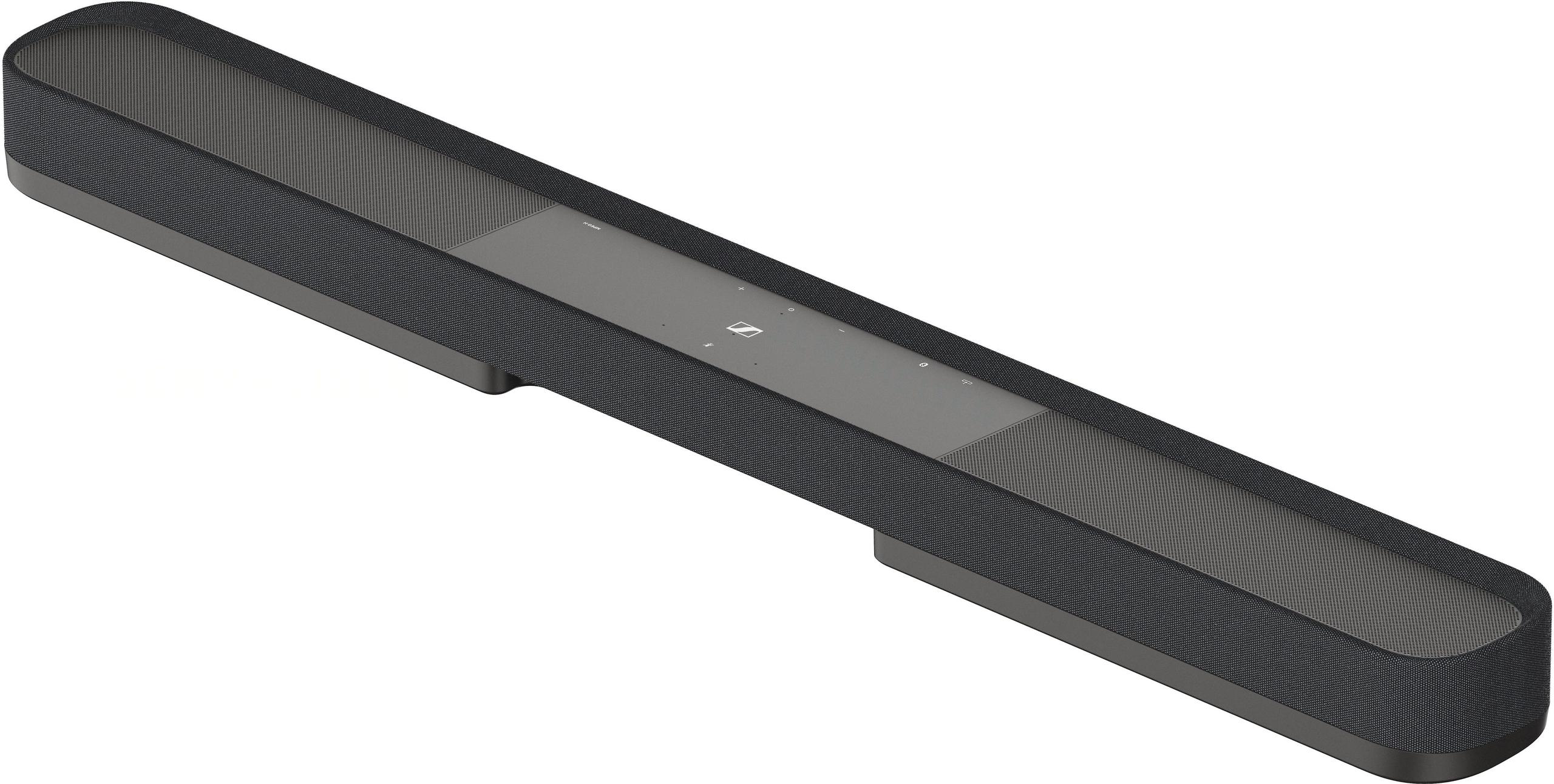
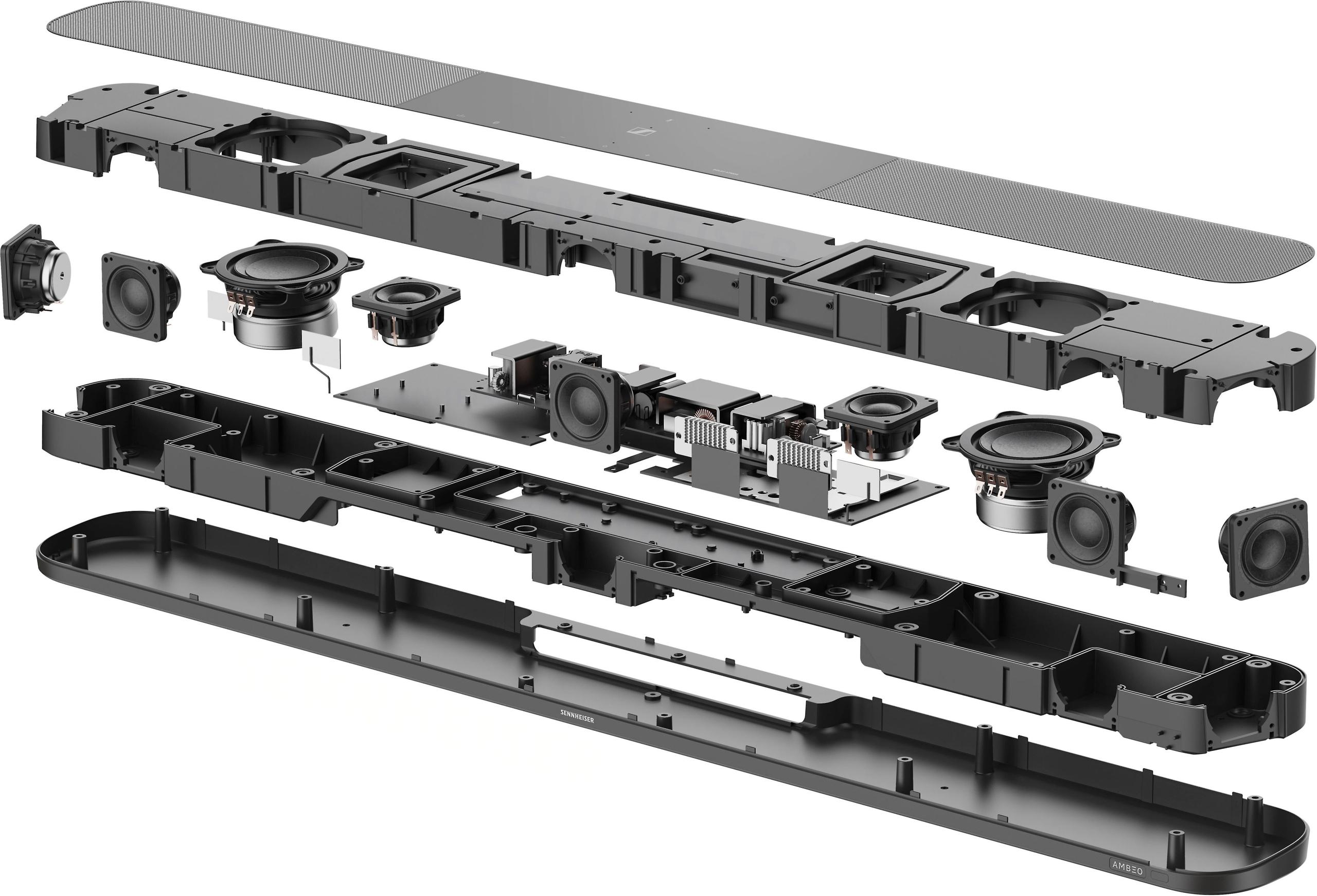
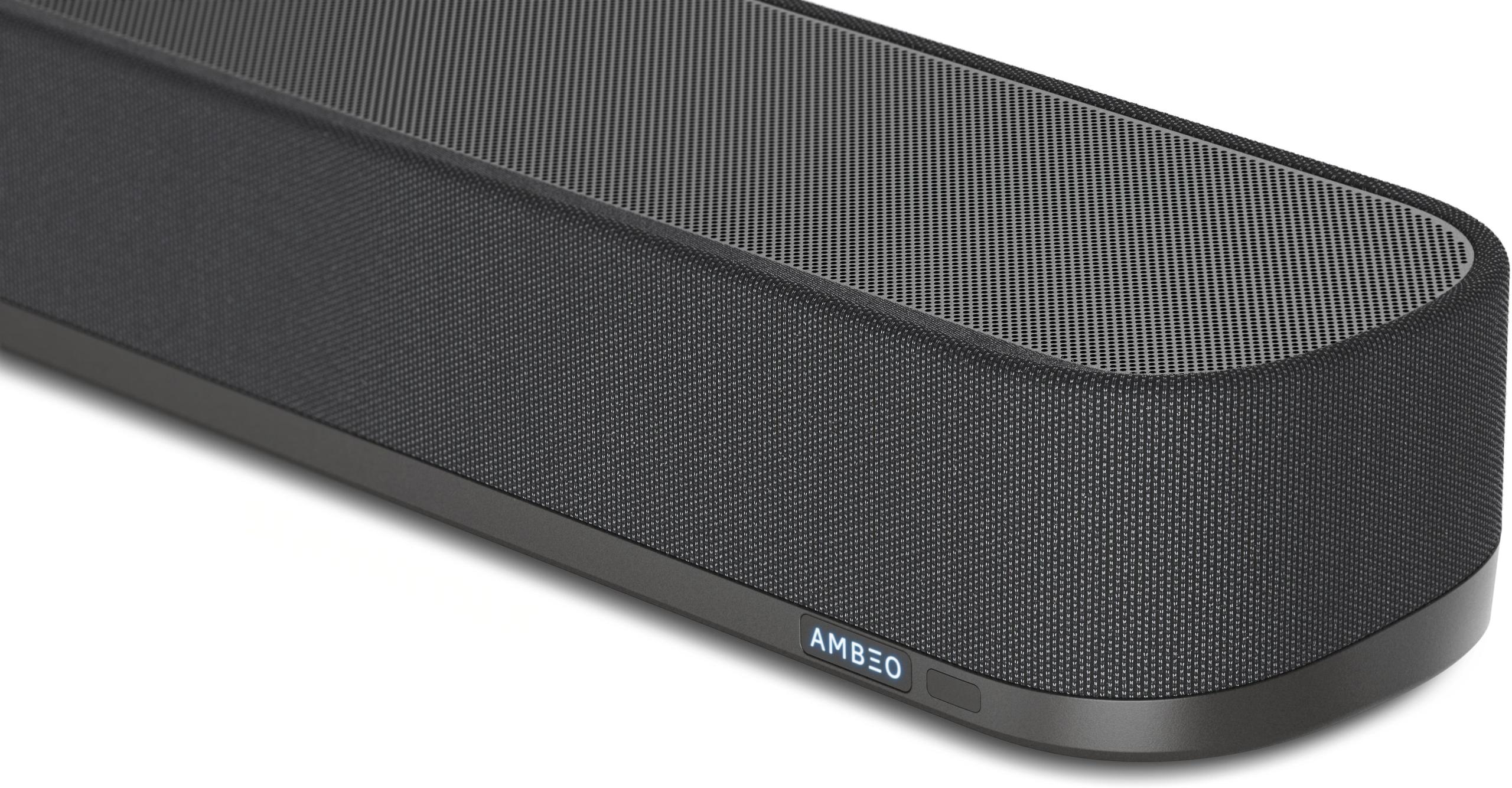
The Sennheiser AMBEO Soundbar, launched around 2021, represents the single-unit premium approach. Weighing 40 pounds and stretching over four feet long, this technological marvel attempts to replace an entire surround system using 13 high-end drivers, sophisticated processing, and room calibration technology. At roughly five times the price of the Amazon system (at the time of writing), it targets users who want premium audio without the complexity of multiple speakers.
Since these products launched, the soundbar market has seen significant improvements in virtual surround processing and wireless connectivity. However, the fundamental trade-offs between these approaches remain largely unchanged.
The most important performance characteristic in any audio system is clarity—can you understand dialogue clearly, hear musical details, and distinguish between different sounds in complex scenes? This is where the engineering differences between our two systems become apparent.
The Amazon Fire TV Plus excels at dialogue reproduction thanks to its dedicated center channel speaker. Most movie soundtracks place dialogue exclusively in the center channel, so having a physical speaker handling this crucial information provides immediate benefits. Our research into user experiences consistently highlights improved speech clarity as the system's primary strength. The dialogue enhancement feature works effectively at moderate settings, though pushing it too high can make voices sound unnatural.
However, the system's tonal balance reveals its budget constraints. Deeper male voices can sound thin due to what appears to be a dip in the lower midrange frequencies. The overall sound signature tends toward brightness, which helps with clarity but can become fatiguing during long listening sessions. The stereo soundstage—how wide the sound appears to spread across your room—shows noticeable gaps during audio panning effects, where sounds moving from left to right don't flow smoothly.
The Sennheiser AMBEO approaches audio quality from a completely different angle. Its 13 drivers include five aluminum dome tweeters and six long-throw woofers, hardware typically found in much more expensive component systems. User reports consistently praise its exceptional detail retrieval and coherent full-range reproduction. The system maintains tonal accuracy across the entire frequency spectrum, making it equally compelling for music and movies.
This quality difference becomes most apparent during complex orchestral pieces or action sequences with multiple sound elements. Where the Amazon system can sound congested or harsh at higher volumes, the AMBEO maintains composure and separation between different audio elements.
Surround sound immersion represents the second critical performance metric, and here the philosophical differences between these systems create dramatically different experiences.
The Amazon Fire TV Plus delivers what audio engineers call "discrete surround sound." When a helicopter flies from front to back in a movie scene, you hear it through actual speakers positioned behind you. This creates convincing lateral surround effects that put you inside the action. The wireless subwoofer adds genuine low-frequency impact that you can feel during explosions or musical bass lines.
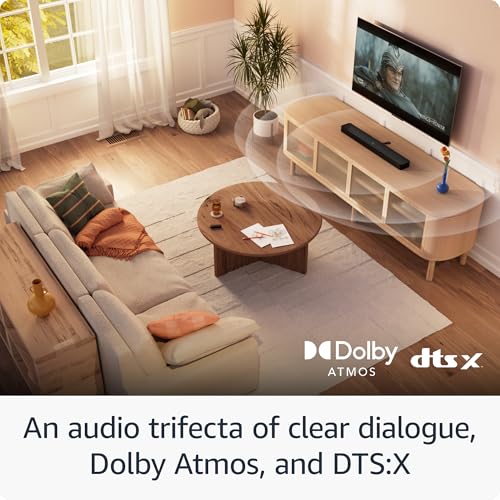
However, the system's Atmos implementation reveals its limitations. Dolby Atmos is an audio format that adds height information to soundtracks, allowing sounds to move overhead as well as around you. Without up-firing speakers (drivers that bounce sound off your ceiling), the Amazon system must virtualize these height effects through processing. The result feels more like traditional surround sound than true three-dimensional audio.
The Sennheiser AMBEO tackles surround sound through sophisticated virtualization technology developed with Fraunhofer Institute. The system analyzes your room's acoustic properties and uses psychoacoustic processing to trick your brain into hearing sounds from directions where no speakers exist. Up-firing drivers on top of the soundbar bounce audio off your ceiling to create height effects.
When this technology works well—and it often does—the experience can be genuinely impressive. Sounds appear to come from well beyond the physical soundbar, creating a surprisingly wide and tall soundstage. The room calibration feature, which uses an included microphone to measure your space, helps optimize these effects for your specific environment.
But virtualization has inherent limitations. Rear surround effects, while present, lack the convincing directionality of actual rear speakers. The system works best when you're positioned in the optimal listening spot; move too far left or right, and the illusion breaks down.
Low-frequency reproduction significantly impacts your overall listening experience, particularly for action movies and music with substantial bass content. This is where the different approaches of these systems create interesting trade-offs.
The Amazon Fire TV Plus includes a dedicated wireless subwoofer that handles frequencies below roughly 80Hz. This separate box can produce the air movement and physical impact that makes explosions feel real and musical bass lines lock into a groove. User reports consistently highlight strong bass impact as a key strength, though some note the subwoofer can be "one-note"—good at producing impact but lacking the nuanced control found in higher-end systems.
The wireless connection occasionally introduces slight timing delays between the subwoofer and main speakers, creating a slightly loose feeling during rapid bass passages. Additionally, the subwoofer can overpower dialogue during action scenes, requiring manual adjustment of the bass level.
The Sennheiser AMBEO achieves impressive bass performance for a single-unit design through six long-throw woofers. The system extends down to 30Hz, covering most of the audible bass spectrum without requiring a separate subwoofer. The bass feels more integrated with the rest of the audio spectrum, creating better overall coherence.
However, physics still applies. A single soundbar, regardless of how well-engineered, cannot move as much air as a dedicated subwoofer cabinet. Many users ultimately add an external subwoofer via the system's RCA output, particularly for large rooms or bass-heavy content. This flexibility represents one of the AMBEO's strengths—it sounds complete on its own but can grow with your needs.
Dynamic range—the difference between the quietest and loudest sounds a system can reproduce—determines how well it handles everything from whispered dialogue to explosive action sequences. Both systems handle typical home theater volumes well, but their approaches to loud passages differ significantly.
The Amazon system provides adequate volume for most rooms without significant compression at normal listening levels. However, pushing the system to its limits reveals some pumping and compression artifacts, particularly in the bass frequencies. The system's 5.1 configuration helps by distributing the workload across multiple speakers.
The AMBEO's 500-watt power output provides substantial headroom for demanding content. The system maintains excellent dynamic range even at high volumes, handling the transition from quiet dialogue to sudden explosions without the compression that plagues many soundbars. This capability makes it particularly compelling for action movies and classical music with wide dynamic swings.
When evaluating audio equipment, value encompasses not just the initial cost but the complete ownership experience. At the time of writing, these systems occupy dramatically different price tiers, making direct comparisons challenging.
The Amazon Fire TV Plus delivers exceptional price-to-performance ratio for users seeking genuine surround sound. For roughly the cost of a mid-range soundbar alone, you get a complete 5.1 system that outperforms most TV speakers dramatically. The easy setup process—all components come pre-paired—means you can have surround sound running within minutes of unboxing.
The system's Fire TV integration adds practical value for users in Amazon's ecosystem. Compatible Fire TV devices can control the soundbar directly through their interface, eliminating remote juggling. This integration works seamlessly but doesn't extend to non-Fire TV devices.
However, the system's limitations become apparent quickly. Build quality reflects the budget constraints, with plastic construction and basic components throughout. The lack of a companion app means all adjustments happen through the included remote, limiting your customization options. Most significantly, there's no upgrade path beyond adding external amplification, which few users will pursue.
The Sennheiser AMBEO justifies its premium pricing through exceptional build quality and advanced features. The 40-pound construction uses high-quality materials throughout, from the aluminum tweeters to the robust cabinet construction. The room calibration system and sophisticated DSP processing represent genuinely advanced technology that adapts the sound to your specific environment.
The system's flexibility extends well beyond basic TV audio. Support for multiple streaming protocols, voice assistant integration, and comprehensive connectivity options make it equally capable as a high-end music system. The ability to add an external subwoofer provides a clear upgrade path for users who want even more performance.
But this flexibility comes with complexity. The system requires careful positioning to achieve optimal performance, and the room calibration process, while effective, takes time and patience. More concerning are reliability reports from users experiencing center channel dropouts, connectivity issues, and calibration system failures. While these problems don't affect all units, they represent a significant concern given the system's price point.
Modern home theater setups involve multiple source devices, gaming consoles, and streaming systems. How well these soundbars integrate into complex entertainment systems affects their long-term usefulness.
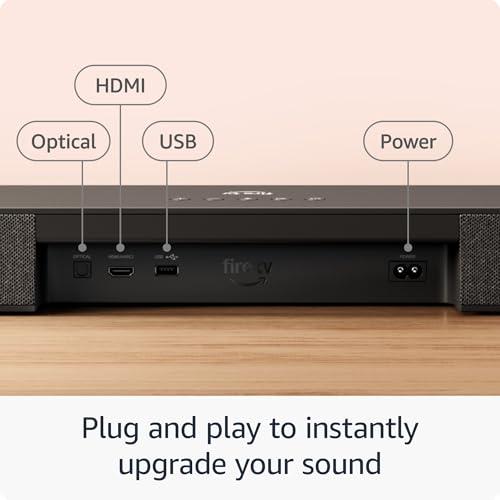
The Amazon Fire TV Plus provides basic but functional connectivity through HDMI eARC and optical inputs. The lack of HDMI pass-through inputs limits source connectivity—you'll need your TV to handle device switching. For most users with smart TVs, this works fine, but it can complicate setups with multiple HDMI sources.
Gaming performance reveals one significant limitation: high audio latency can create lip-sync issues during gameplay. While most TVs can compensate through A/V sync adjustments, competitive gamers may find the delay problematic.
The Sennheiser AMBEO offers comprehensive connectivity options including HDMI eARC, multiple digital inputs, and extensive wireless protocols. The system handles high-bandwidth audio formats like Dolby TrueHD and DTS-HD MA without compression, important for users with 4K Blu-ray players or high-end streaming devices.
The AMBEO's room calibration extends beyond basic frequency response correction. The system analyzes your room's reflective surfaces and adjusts its virtualization algorithms accordingly. This creates more convincing surround effects in difficult acoustic environments, though it requires optimal soundbar placement to work effectively.
The decision between these systems ultimately depends on your priorities, room constraints, and expectations.
Choose the Amazon Fire TV Soundbar Plus 5.1 if you prioritize genuine surround sound over single-unit convenience. This system works best for users who can accommodate satellite speakers and appreciate the authentic multichannel experience they provide. It's ideal for apartment dwellers or budget-conscious buyers who want maximum audio improvement per dollar spent. The system particularly excels in medium-sized rooms where the satellite speakers can be positioned properly.
However, avoid this system if you demand premium build quality, have strict aesthetic requirements, or need advanced features like room correction. The reliability is generally good, but the basic construction and limited upgrade options make it a short-to-medium-term solution rather than a long-term investment.
Choose the Sennheiser AMBEO if audio quality trumps all other considerations and you can accept the premium pricing. This system suits users with space constraints that prevent multiple speakers, audiophiles who want reference-quality sound reproduction, and those who value advanced features like room calibration and comprehensive streaming support.
The AMBEO works best in acoustically favorable rooms with proper ceiling height and reflective surfaces. It's particularly compelling for users who split time between music and movie listening, as it excels at both applications when properly configured.
However, be prepared for potential reliability issues and the complexity that comes with advanced features. The system demands patience during setup and may require professional calibration to achieve optimal performance in challenging rooms.
These soundbars represent fundamentally different approaches to home audio improvement, each with legitimate strengths for different users. The Amazon Fire TV Plus delivers authentic surround sound at an accessible price, making it an excellent choice for users who want genuine multichannel audio without premium pricing. The Sennheiser AMBEO pushes the boundaries of what's possible from a single audio unit, offering near-reference quality sound with advanced features for users willing to invest significantly more.
Rather than declaring one system superior, consider which philosophy aligns better with your needs: proven technology at a great price, or cutting-edge processing in a premium package. Both can dramatically improve your TV watching experience—they just take very different paths to get there.
| Amazon Fire TV Soundbar Plus 5.1 Channel System | Sennheiser AMBEO Soundbar |
|---|---|
| Channel Configuration - Determines surround sound authenticity | |
| True 5.1 with physical rear speakers and subwoofer | 5.1.4 virtualized from single unit with up-firing drivers |
| Audio Quality Approach - Core philosophy difference | |
| Discrete multichannel with dedicated center speaker | Premium single-unit with 13 high-end drivers |
| Bass Solution - Impact on room placement and performance | |
| Wireless subwoofer included (more impactful bass) | Built-in woofers with RCA output for optional sub |
| Room Requirements - Space and positioning constraints | |
| Requires placement of rear speakers and subwoofer | Single large soundbar (49.6" x 5.3" x 6.7") |
| Setup Complexity - Time to optimal performance | |
| Pre-paired components, immediate surround sound | Room calibration required for best virtualization |
| Dolby Atmos Implementation - Height effects quality | |
| Virtualized only (no up-firing drivers) | Physical up-firing drivers with room correction |
| Build Quality - Long-term durability expectations | |
| Budget materials appropriate for price point | Premium 40-pound construction with aluminum drivers |
| Connectivity Options - Source device flexibility | |
| HDMI eARC, optical, Bluetooth, USB-A | HDMI eARC, optical, Wi-Fi, Bluetooth, Chromecast built-in |
| Smart Features - App control and streaming | |
| Fire TV integration only, no dedicated app | Sennheiser Smart Control app with EQ customization |
| Reliability Track Record - Known issues to consider | |
| Generally reliable with basic electronics | Some reports of center channel dropouts and calibration failures |
| Upgrade Path - Future expansion possibilities | |
| Limited options beyond external amplification | RCA subwoofer output and comprehensive streaming ecosystem |
| Best Use Cases - Ideal scenarios for each system | |
| Budget home theater, genuine surround preference | Premium single-unit solution, space-constrained setups |
The Amazon Fire TV Soundbar Plus 5.1 Channel System offers exceptional value by delivering true 5.1 surround sound at a budget-friendly price point. You get physical rear speakers, a wireless subwoofer, and genuine multichannel audio for significantly less than premium alternatives. The Sennheiser AMBEO Soundbar costs substantially more but justifies the premium through superior build quality, advanced room calibration, and reference-grade audio components. For pure value, the Amazon system wins, but the AMBEO delivers proportionally better performance for its higher price.
This depends on your priorities and room layout. The Amazon Fire TV Soundbar Plus 5.1 includes physical rear speakers that create authentic surround sound effects—when a helicopter flies behind you in a movie, you actually hear it from speakers positioned behind your seating area. The Sennheiser AMBEO Soundbar uses advanced virtualization to simulate rear effects from a single unit, which works surprisingly well but can't fully replicate the convincing directionality of actual rear speakers. If you can accommodate rear speakers, the Amazon system provides more authentic surround sound.
Both systems handle bass differently but effectively. The Amazon Fire TV Plus includes a dedicated wireless subwoofer that delivers strong, room-filling bass impact perfect for action movies and music. The Sennheiser AMBEO achieves impressive bass performance from its built-in drivers, extending down to 30Hz without requiring a separate subwoofer. However, many AMBEO users still add an external subwoofer for maximum impact. For immediate bass satisfaction, the Amazon system has the advantage of including a dedicated sub.
The Amazon Fire TV Soundbar Plus 5.1 works for gaming but has higher audio latency that may cause lip-sync issues during gameplay. Most modern TVs can compensate through A/V sync adjustments, making it acceptable for casual gaming but potentially problematic for competitive play. The Sennheiser AMBEO Soundbar generally handles gaming audio better with lower latency and superior dynamic range for explosive game soundtracks. For serious gaming, the AMBEO is the better choice despite its higher cost.
The Amazon Fire TV Soundbar Plus 5.1 Channel System wins for simplicity—all components come pre-paired and you can have surround sound running within minutes. However, you'll need to position the rear speakers and subwoofer appropriately. The Sennheiser AMBEO Soundbar requires more complex setup including room calibration with an included microphone, careful positioning for optimal virtualization, and potentially multiple adjustment sessions. While the AMBEO offers superior performance when properly configured, the Amazon system provides immediate satisfaction with minimal effort.
Both soundbars work with virtually all modern TVs through HDMI eARC or optical connections. The Amazon Fire TV Plus offers special integration features when paired with Fire TV devices but functions normally with any brand TV. The Sennheiser AMBEO Soundbar provides universal compatibility and actually works better with high-end TVs that support advanced audio formats. Both systems include the necessary cables, though the Amazon system notably includes an HDMI cable while many competitors only provide optical cables.
The Sennheiser AMBEO Soundbar excels at music reproduction with its premium drivers, accurate tonal balance, and exceptional detail retrieval. It can serve as a high-quality stereo system when not handling movie duties. The Amazon Fire TV Soundbar Plus 5.1 focuses more on surround sound effects than musical accuracy, with a brighter sound signature that favors dialogue clarity over musical nuance. For serious music listening, the AMBEO is clearly superior, while the Amazon system handles casual music playback adequately.
The Amazon Fire TV Soundbar Plus 5.1 generally offers reliable operation with straightforward electronics and few reported issues. The Sennheiser AMBEO Soundbar delivers exceptional performance but some users report problems including center channel dropouts, Wi-Fi connectivity issues, and calibration system failures. While these issues don't affect all units, the complexity of the AMBEO creates more potential failure points. The Amazon system trades advanced features for proven reliability.
The Sennheiser AMBEO Soundbar requires less overall room space since it's a single 49-inch unit, though it's quite deep and heavy at 40 pounds. The Amazon Fire TV Plus 5.1 needs placement locations for rear speakers and a subwoofer, requiring more distributed space throughout your room. If you have space constraints or rental restrictions, the AMBEO offers better placement flexibility, while the Amazon system works better if you have the room for proper speaker positioning.
The Sennheiser AMBEO Soundbar offers better upgrade potential with RCA subwoofer outputs, comprehensive streaming protocol support, and integration with smart home systems. You can add an external subwoofer when budget allows and take advantage of future streaming updates. The Amazon Fire TV Plus 5.1 has limited upgrade options beyond basic external amplification that most users won't pursue. For long-term flexibility, the AMBEO provides a clearer growth path despite its higher initial investment.
Both systems handle dialogue well but through different approaches. The Amazon Fire TV Soundbar Plus 5.1 uses a dedicated center channel speaker specifically for dialogue, plus an adjustable dialogue enhancement feature. The Sennheiser AMBEO Soundbar achieves excellent dialogue clarity through superior driver quality and processing, though it lacks a discrete physical center channel. Both significantly outperform TV speakers, with the Amazon system having a slight edge for dialogue-focused content like TV shows and news.
Choose the Amazon Fire TV Soundbar Plus 5.1 Channel System if you want authentic surround sound at an accessible price, can accommodate multiple speakers, and prioritize value over premium features. Select the Sennheiser AMBEO Soundbar if audio quality is your primary concern, you have space constraints preventing multiple speakers, or you want advanced features like room calibration and comprehensive streaming support. The Amazon system delivers exceptional performance per dollar, while the AMBEO provides reference-quality audio for discerning listeners willing to invest significantly more.
We've done our best to create useful and informative comparisons to help you decide what product to buy. Our research uses advanced automated methods to create this comparison and perfection is not possible - please contact us for corrections or questions. These are the sites we've researched in the creation of this article: rtings.com - cordbusters.co.uk - techradar.com - developer.amazon.com - t3.com - hometechnologyreview.com - youtube.com - hometechnologyreview.com - whathifi.com - hometechnologyreview.com - hometechnologyreview.com - youm.design - hometechnologyreview.com - dolby.com - bestbuy.com - rtings.com - techradar.com - audioxpress.com - whathifi.com - upscaleaudio.com - soundstagesimplifi.com - global.sennheiser-hearing.com - sennheiser-hearing.com - audioadvice.com - abt.com - moon-audio.com

Privacy Policy
Terms and Conditions - Affiliate Policy
Home Security
© Copyright 2008-2026.
11816 Inwood Rd #1211, Dallas, TX 75244