



If you've ever sat through a movie where you had to constantly adjust the volume—cranking it up for whispered dialogue, then frantically turning it down when explosions shake your walls—you know how frustrating built-in TV speakers can be. The good news? Soundbars have evolved dramatically over the past few years, offering everything from budget-friendly upgrades to premium audio experiences that rival full surround sound systems.
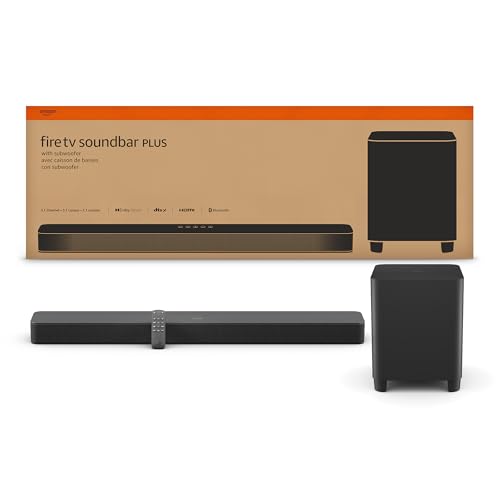
Today we're comparing two very different approaches to solving your TV audio problems: the Amazon Fire TV Soundbar Plus with Subwoofer and the Sennheiser AMBEO Soundbar. These products couldn't be more different in their philosophies, pricing, and target audiences, but both promise to transform your living room into a more immersive entertainment space.
Before diving into our comparison, it's worth understanding what makes modern soundbars so appealing. Unlike the basic stereo bars of a decade ago, today's soundbars use sophisticated digital signal processing (DSP)—essentially computer algorithms that manipulate audio signals—to create virtual surround sound. This means they can simulate the experience of having speakers positioned all around your room, even though the sound is coming from a single bar beneath your TV.
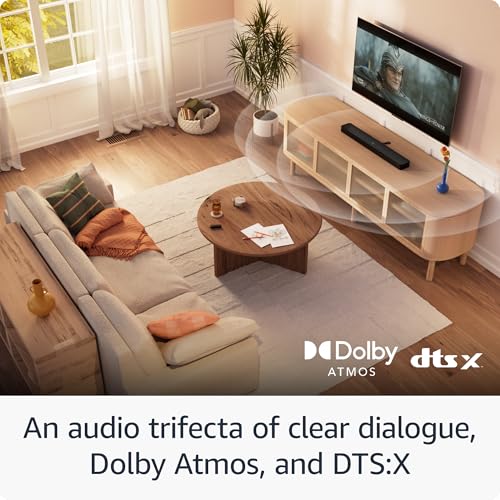
The technology behind this "audio magic" has improved significantly. Virtual Dolby Atmos, for instance, uses psychoacoustic principles (how our brains interpret sound) to create the illusion of height and dimensional audio. Some soundbars achieve this through up-firing drivers that bounce sound off your ceiling, while others rely purely on digital processing to trick your ears into perceiving sounds from different directions.
At the time of writing, soundbars range from basic stereo units under $100 to premium systems approaching $2,000. The sweet spot for most consumers sits between $300-600, where you can find systems that dramatically improve dialogue clarity and add convincing bass without breaking the bank.
Amazon released the Fire TV Soundbar Plus in 2023 as an evolution of their original Fire TV Soundbar, addressing user complaints about bass response by including a dedicated wireless subwoofer. This move reflected Amazon's understanding that even budget-conscious consumers expect deep, room-filling bass from their home theater setups.
The system represents Amazon's "ecosystem approach"—it's designed primarily for users already invested in Fire TV devices, offering seamless integration and control through your existing Fire TV remote. At the time of writing, the complete system with subwoofer costs roughly what you'd pay for a mid-range soundbar alone, making it an attractive entry point for surround sound.
The Sennheiser AMBEO line represents the German audio giant's flagship home theater technology, building on decades of professional audio expertise. While the original AMBEO Soundbar launched earlier, the current generation incorporates years of refinement in both hardware and software, with regular firmware updates that continue improving performance.
Sennheiser's approach is fundamentally different from Amazon's. Where the Fire TV system focuses on value and simplicity, the AMBEO Soundbar targets audio enthusiasts who want the absolute best single-bar experience money can buy. At the time of writing, it costs roughly four to five times more than Amazon's complete system—a premium that demands justification through superior performance.
When evaluating soundbars, audio quality encompasses several key factors: frequency response (how well it reproduces different pitches), dynamic range (the difference between quiet and loud sounds), and spatial imaging (how convincingly it creates a surround sound experience).
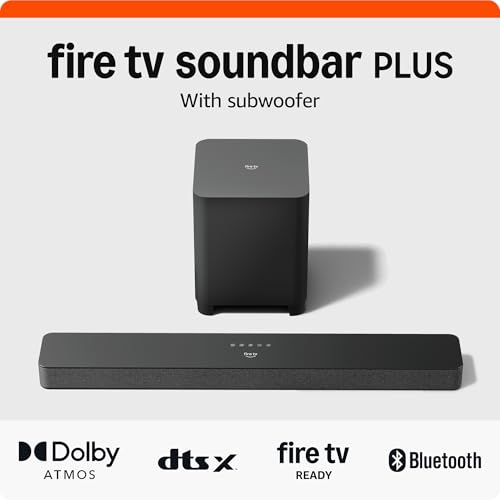
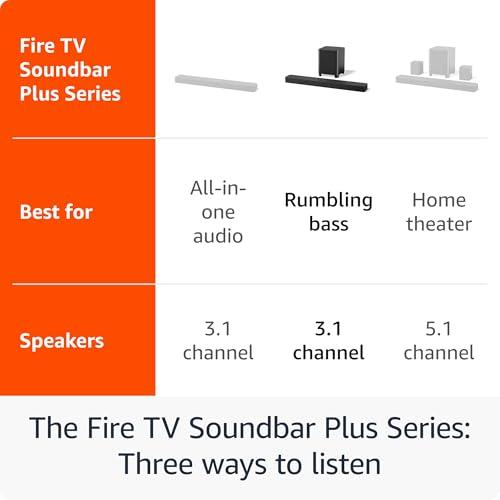
The Amazon Fire TV Soundbar Plus employs a 3.1 channel configuration, meaning it has dedicated left, center, and right channels plus a separate subwoofer channel. The included wireless subwoofer handles bass frequencies, while the main bar focuses on mid-range and high frequencies. This division of labor typically results in clearer dialogue and more impactful low-end than all-in-one designs.
However, our research into user and expert reviews reveals some limitations in the Amazon system's approach. The subwoofer, while adequate, is described as somewhat "one-note"—meaning it emphasizes certain bass frequencies while lacking the full, rich low-end response you'd get from higher-end systems. The main soundbar's drivers, while capable, use more budget-oriented components that can sound thin or harsh at higher volumes.
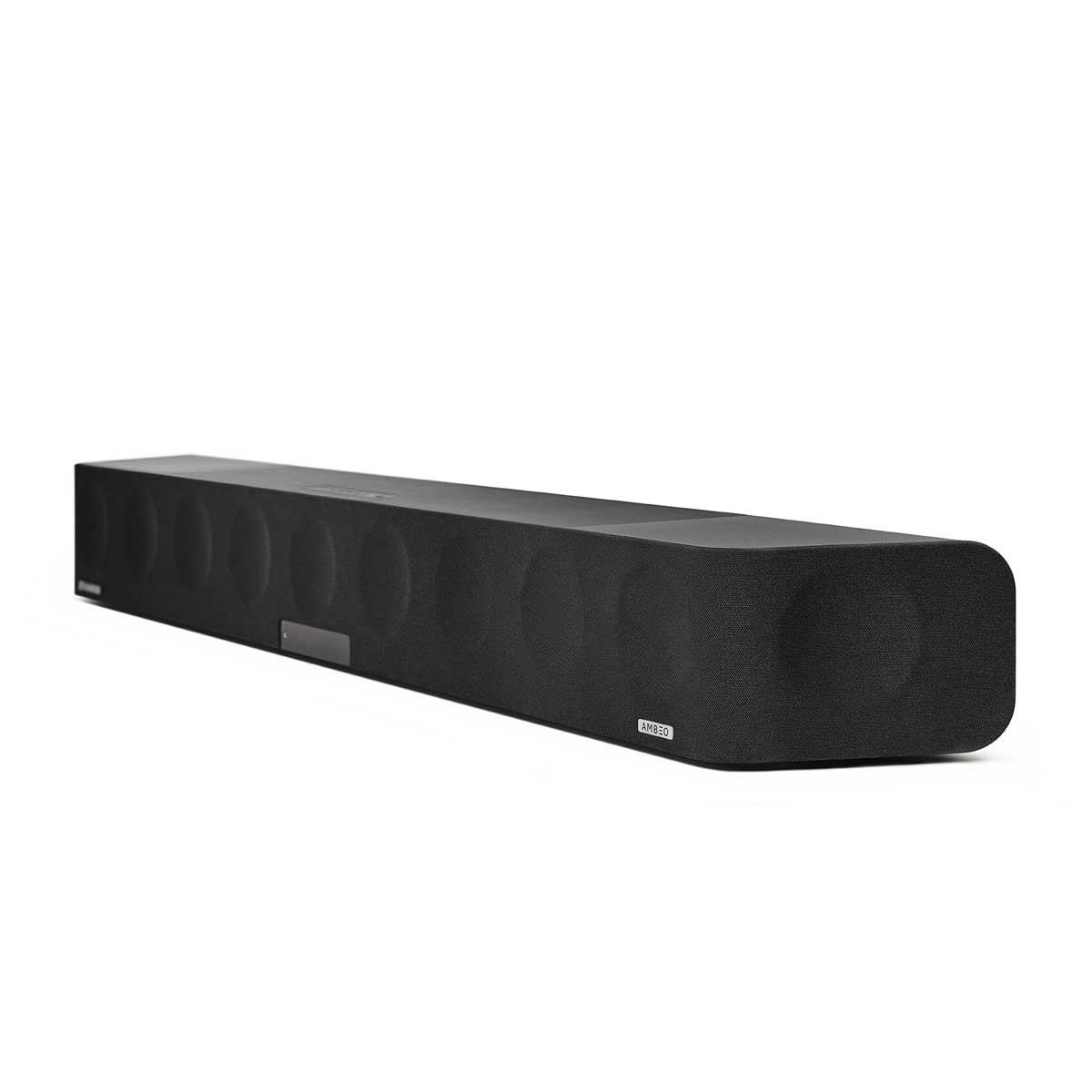
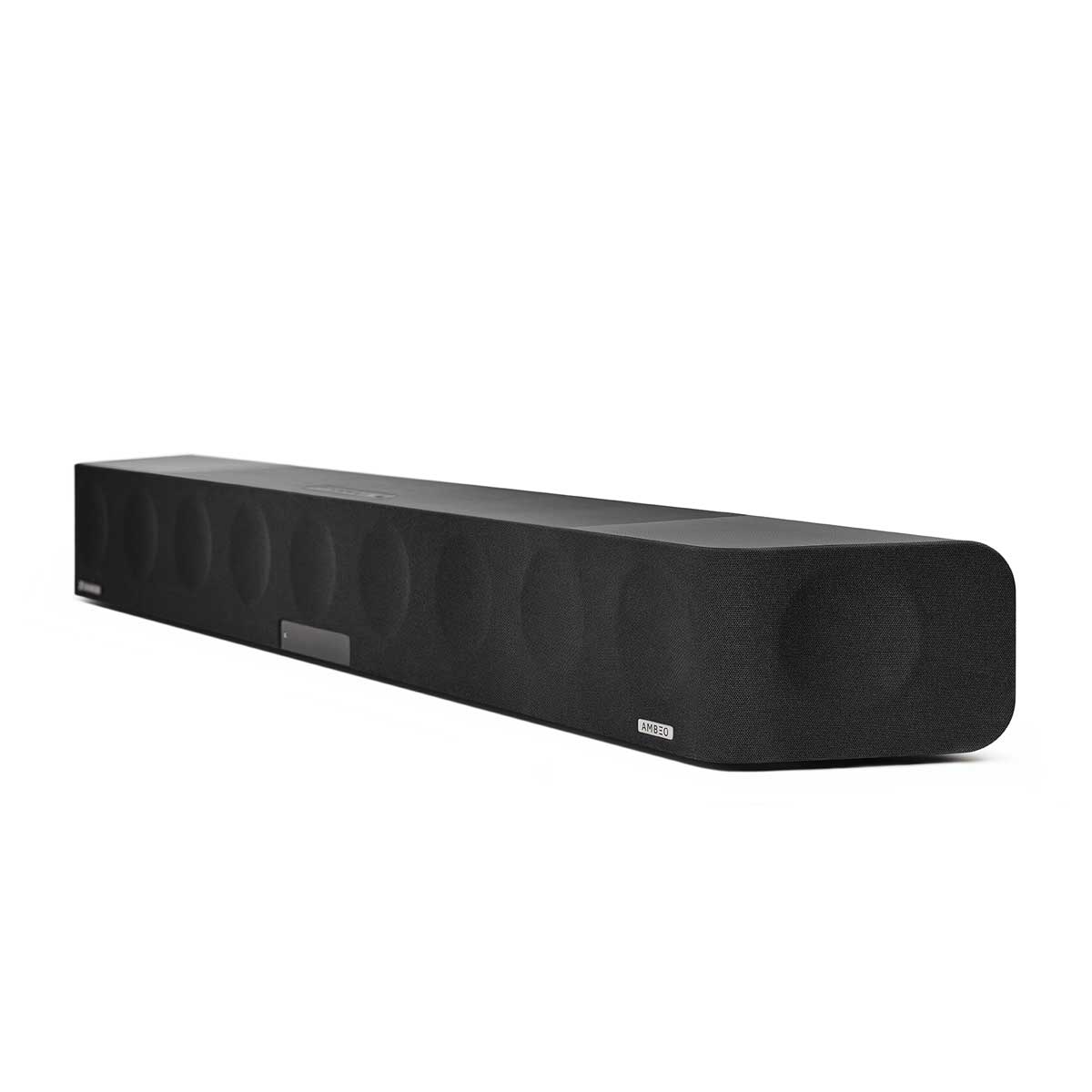
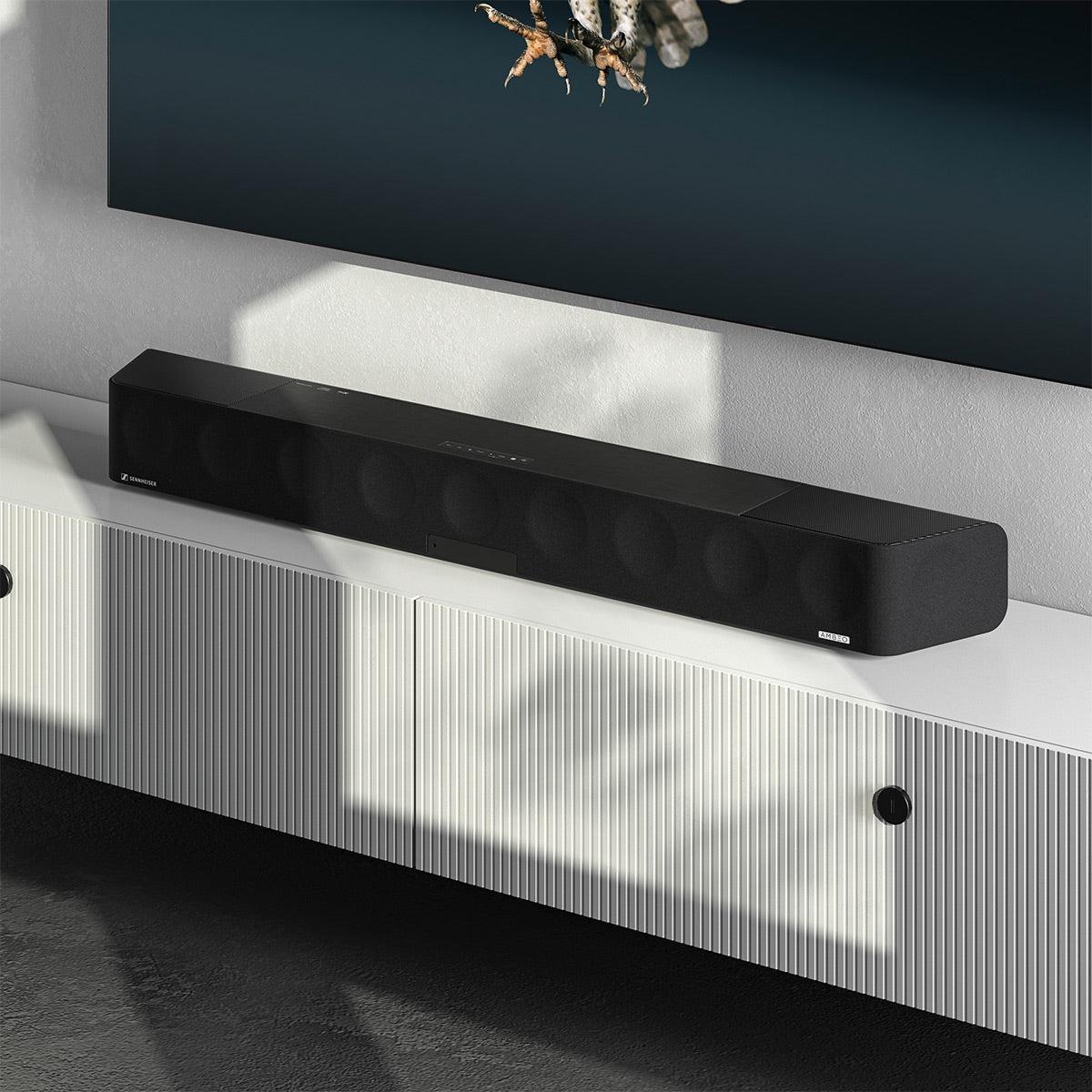
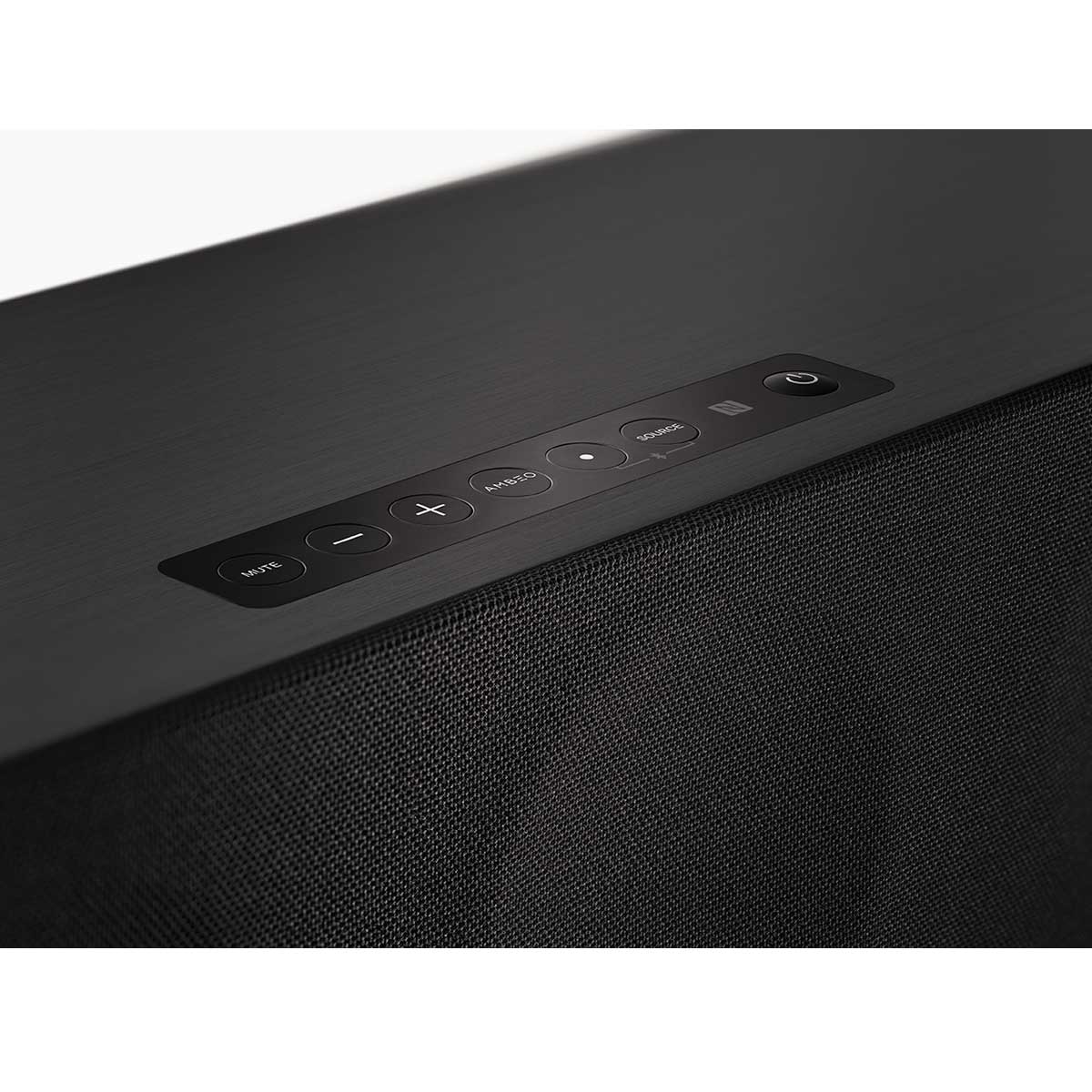
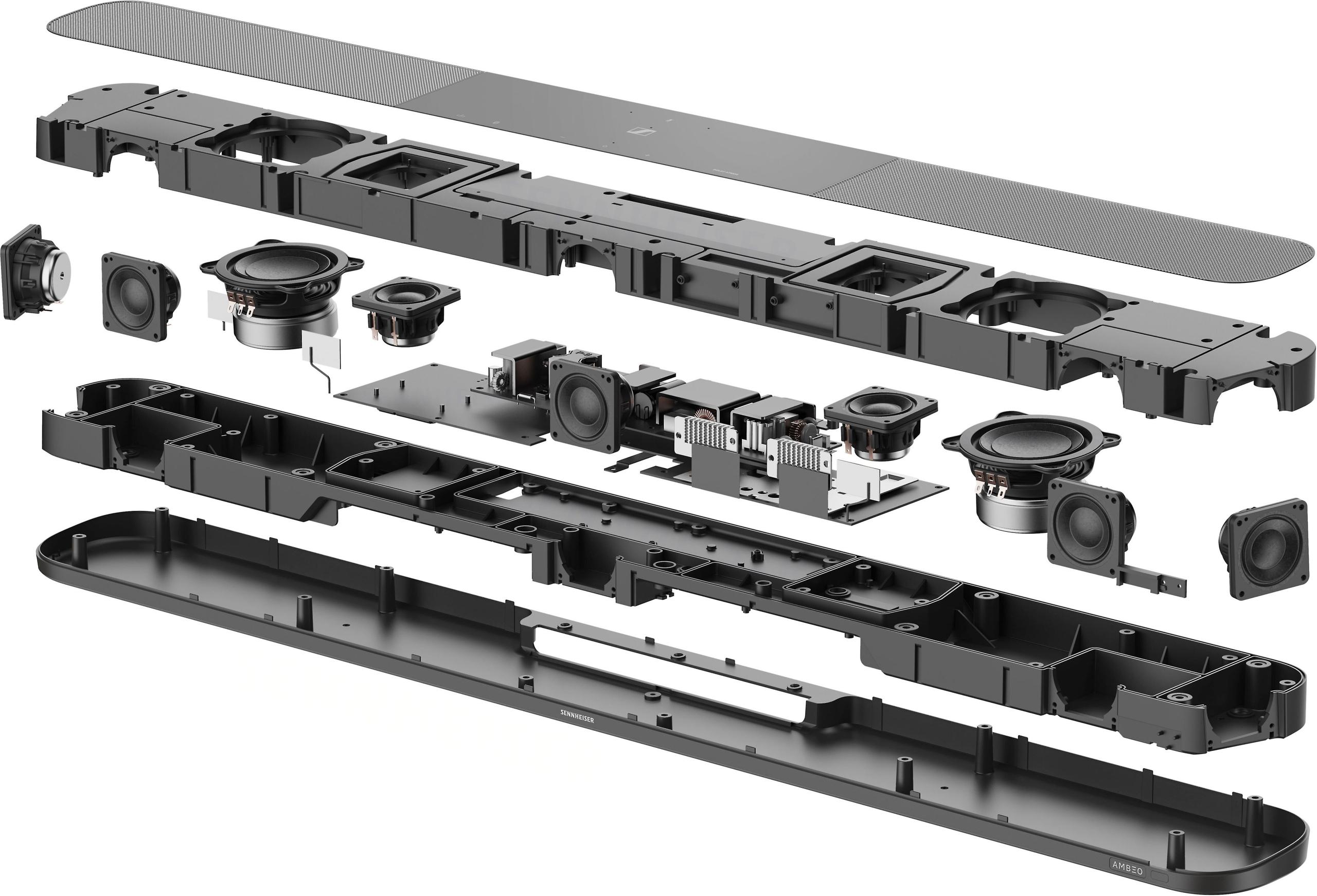
The Sennheiser AMBEO takes a completely different approach with its 13-driver array. This includes six long-throw woofers that can reproduce bass down to 30Hz (for context, the lowest note on a standard piano is about 27Hz), five precision aluminum tweeters for crisp highs, and strategically positioned full-range drivers. This driver count isn't just marketing—each speaker serves a specific purpose in creating the AMBEO's signature immersive soundstage.
What makes the Sennheiser particularly impressive is its AMBEO 3D technology, developed in partnership with Fraunhofer (the same research institute behind MP3 compression). This system analyzes your room's acoustic properties and uses that information to optimize the virtual surround effect. The result, according to professional reviews, is a level of immersion that approaches discrete speaker systems costing significantly more.
This is where the two systems diverge most dramatically. The Amazon Fire TV Soundbar Plus offers basic manual adjustments—you can tweak bass and treble levels on a scale of 1-9 and choose between preset modes like Movie, Music, and Sports. While these options provide some customization, they're essentially applying generic EQ curves that may or may not suit your particular room.
The Sennheiser AMBEO, by contrast, features one of the most sophisticated room calibration systems available in a consumer soundbar. Using four built-in precision microphones, it analyzes your room's dimensions, wall materials, furniture placement, and acoustic characteristics. This isn't just measuring simple room dimensions—the system evaluates how sound reflects, absorbs, and travels through your specific space.
The practical impact of this difference is substantial. In a typical living room with a mix of hard and soft surfaces, the AMBEO can adapt its output to compensate for acoustic challenges. If you have a large, open-plan space, it might boost certain frequencies to maintain dialogue clarity. In a smaller, more reflective room, it might dial back the aggressive processing to prevent the sound from becoming muddy or overwhelming.
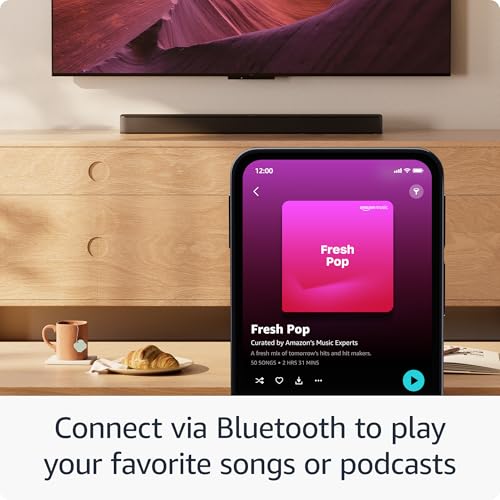
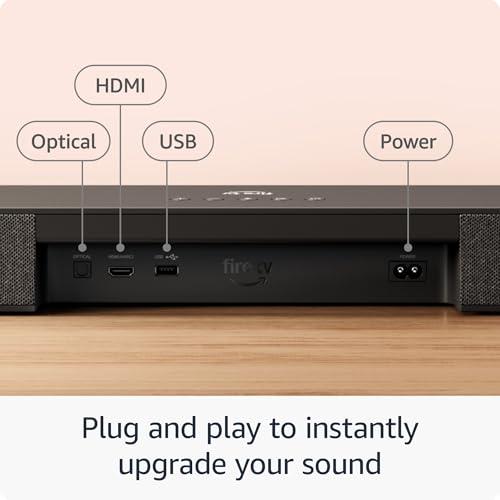
Modern soundbars need to work with a variety of sources, from streaming devices to game consoles to vinyl record players. The Amazon Fire TV Soundbar Plus covers the basics well, with HDMI eARC (enhanced Audio Return Channel) for high-bandwidth audio from your TV, optical digital input for older devices, and Bluetooth for wireless music streaming.
The Fire TV integration is genuinely useful if you're in Amazon's ecosystem. Your Fire TV remote controls the soundbar's volume and basic functions, and compatible Fire TV devices can access additional audio tuning options through their settings menus. However, the system lacks built-in Wi-Fi streaming or voice assistant capabilities, despite carrying the "Fire TV" branding.
The Sennheiser AMBEO approaches connectivity like a premium AV receiver. Beyond the standard HDMI and optical inputs, it offers multiple HDMI inputs, analog RCA inputs, and comprehensive wireless capabilities including Wi-Fi, Bluetooth, Apple AirPlay 2, Spotify Connect, and Google Chromecast built-in. This means you can stream directly from virtually any source without needing additional devices.
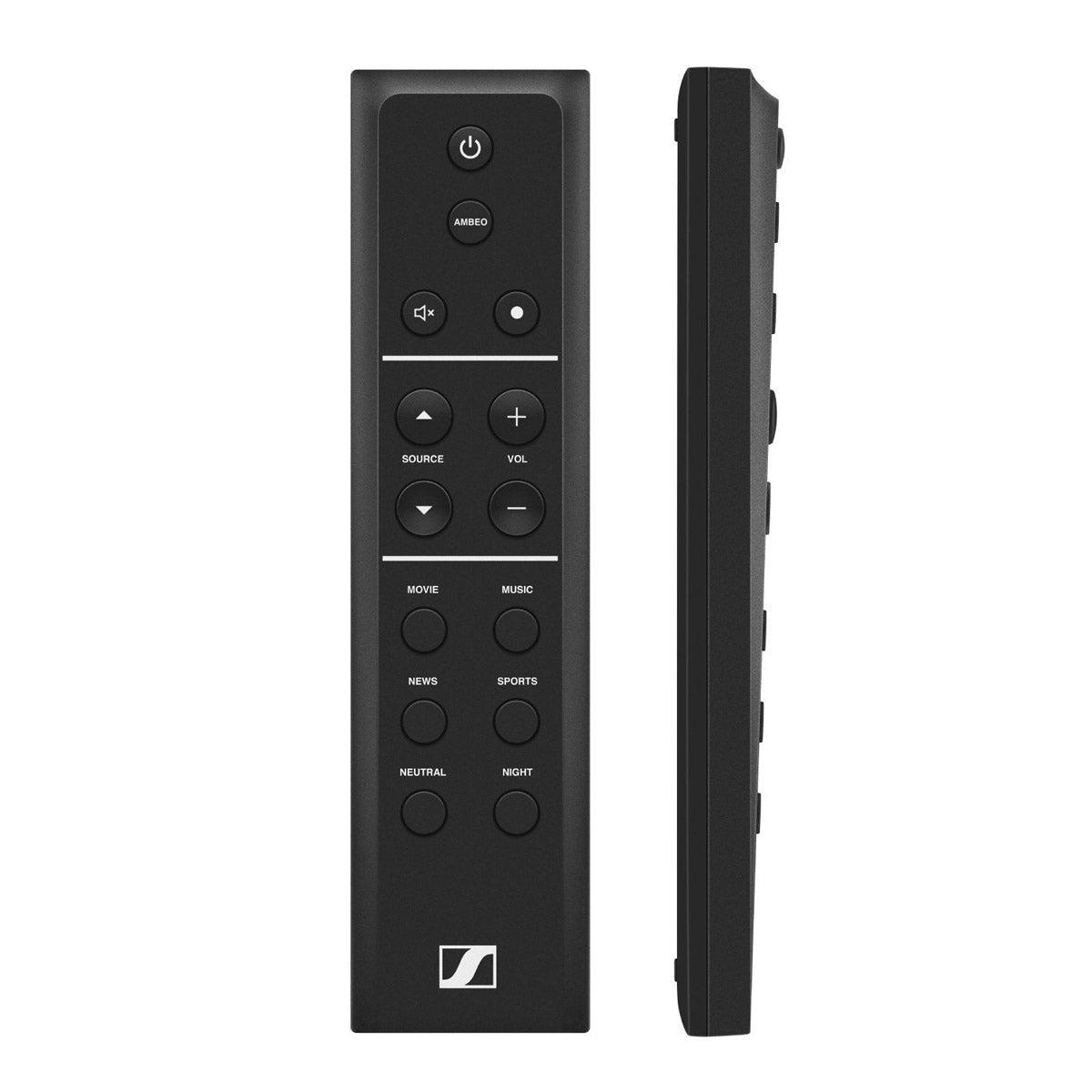
The AMBEO's smart features extend to voice assistant compatibility with Alexa, Google Assistant, and Apple HomeKit. The dedicated Smart Control app provides detailed customization options that would typically require professional calibration equipment. Regular firmware updates continue adding features and improving performance—something the Amazon system doesn't offer.
When comparing products with such different price points, value becomes more nuanced than simple cost-per-feature calculations. The Amazon Fire TV Soundbar Plus delivers exceptional value for its target market—users who want a significant upgrade from TV speakers without investing in premium audio equipment.
Based on our research into user experiences, the Amazon system typically provides about 70-80% of the audio improvement you'd get from much more expensive options, at roughly 20-25% of the cost. For many users, especially those in apartments or smaller homes, this represents outstanding value. The included subwoofer addresses the most common complaint about budget soundbars—weak bass response—while the expandable design allows adding rear speakers later if desired.
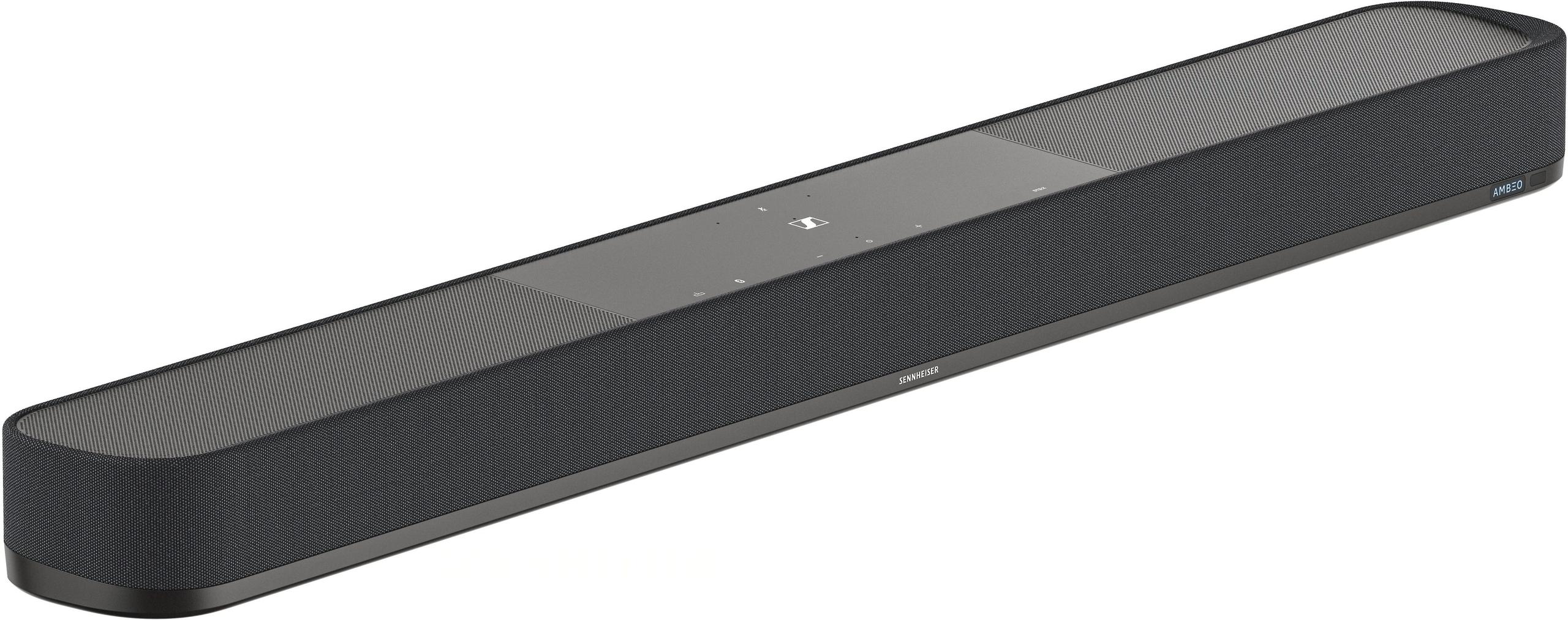
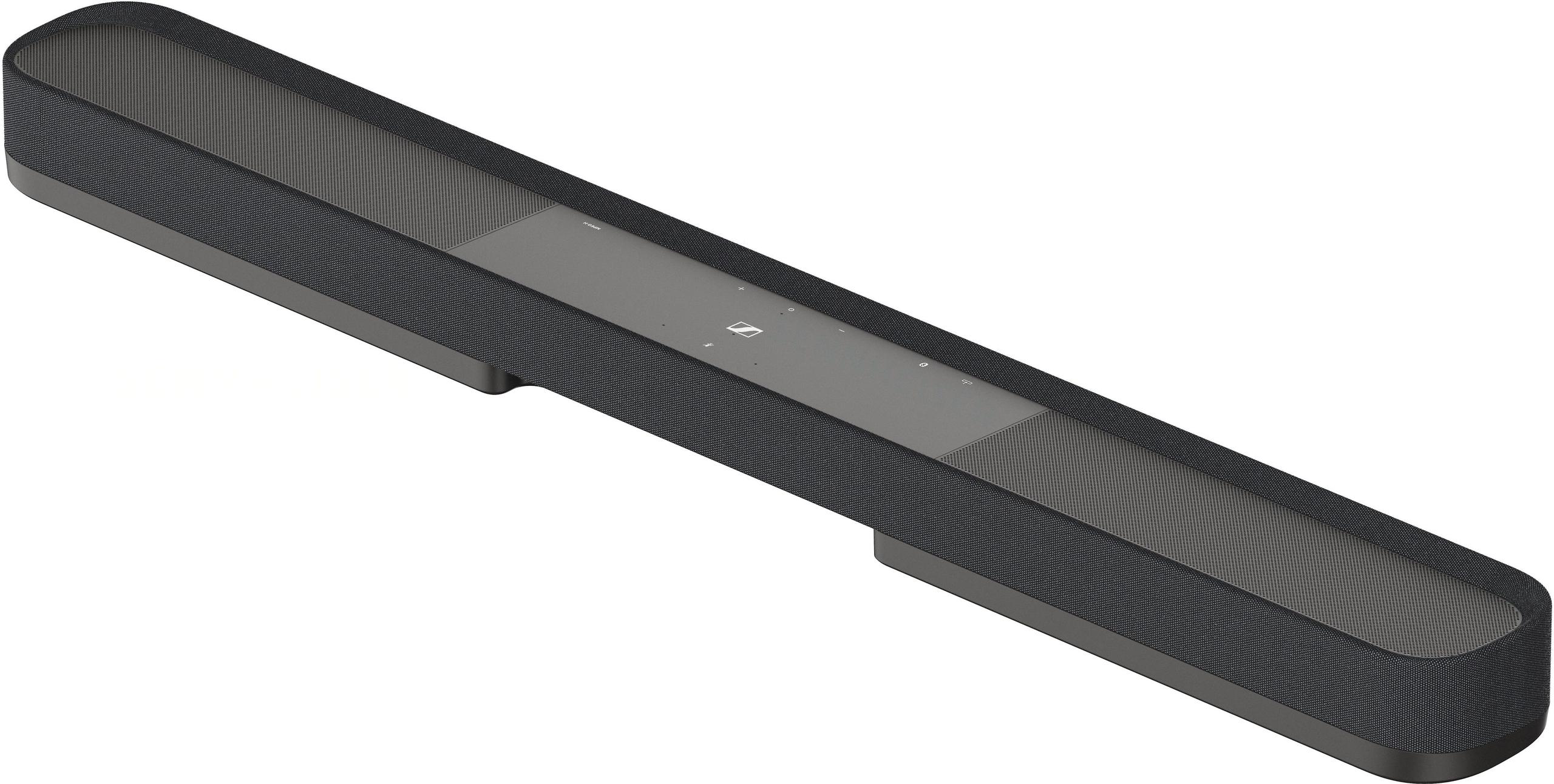
The Sennheiser AMBEO justifies its premium pricing through genuinely superior performance and features. Professional reviews consistently praise its ability to create convincing surround sound effects that rival discrete speaker systems. The build quality reflects its premium positioning, with brushed aluminum construction and components designed for long-term reliability.
However, value isn't just about absolute performance—it's about performance relative to your needs and expectations. If you're primarily watching news, sitcoms, and casual streaming content, the AMBEO's sophisticated capabilities might be overkill. But if you're a serious movie enthusiast or music lover who appreciates audio nuances, the premium investment makes more sense.
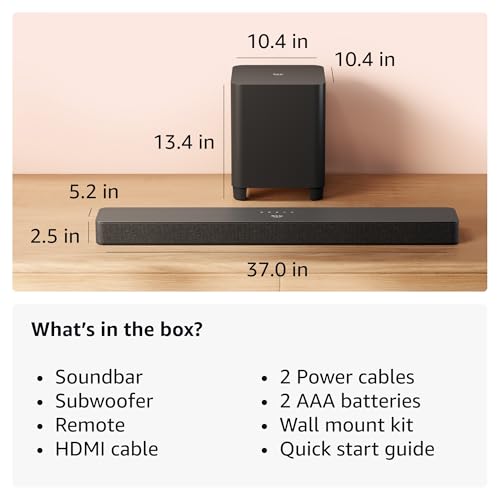
For dedicated home theater use, several factors become particularly important. Room size plays a crucial role in soundbar selection. The Amazon Fire TV system works well in small to medium-sized rooms where you're sitting relatively close to the TV. Its 37-inch length makes it suitable for TVs in the 50-65 inch range, and the wireless subwoofer can be positioned for optimal bass response.
The system's dialogue enhancement feature proves particularly valuable for movie watching. Action sequences often bury dialogue under sound effects and music, forcing you to either miss important conversations or disturb others with high volume levels. The Amazon system's dedicated dialogue processor helps keep voices front and center, even during busy audio mixes.
The Sennheiser AMBEO excels in larger spaces where its sophisticated processing and higher power output can really shine. Its room calibration system becomes more valuable in challenging acoustic environments—rooms with vaulted ceilings, open floor plans, or unusual layouts that typically cause audio problems.
For movie enthusiasts, the AMBEO's superior dynamic range and frequency response reveal details in soundtracks that lesser systems simply can't reproduce. The difference becomes particularly apparent with well-mastered Dolby Atmos content, where the AMBEO's processing creates genuinely convincing overhead effects and precise sound placement.
After extensive research into both products, clear usage patterns emerge for each system. The Amazon Fire TV Soundbar Plus makes sense for several specific scenarios:
Choose Amazon if you're primarily a Fire TV user who wants seamless integration with your existing setup. The value proposition is compelling if you're upgrading from TV speakers and want dramatic improvement without premium pricing. It's also ideal for apartment dwellers who need good dialogue clarity and moderate bass without disturbing neighbors. The expandable design means you can start with the basic system and add rear speakers later if your needs evolve.
The system also suits families who prioritize simplicity over advanced features. Everything comes pre-paired and ready to use—no complex setup procedures or smartphone apps required. If you want to set it up once and forget about it, the Amazon system delivers.
The Sennheiser AMBEO targets a different user entirely. Choose Sennheiser if you're an audio enthusiast who appreciates the difference that premium components and sophisticated processing can make. It's ideal for users with challenging room acoustics where the advanced calibration system provides real benefits.
The AMBEO also makes sense if you use multiple streaming services and audio sources. Its comprehensive connectivity and smart features eliminate the need for additional devices, potentially offsetting some of the higher initial cost. If you regularly listen to music through your TV setup, the AMBEO's superior fidelity becomes more valuable.
No product is perfect, and both systems have limitations worth understanding. The Amazon Fire TV system's biggest constraint is its processing power and driver quality. While it creates a convincing surround sound effect, the virtualization isn't as sophisticated as premium alternatives. The lack of true up-firing drivers means height effects are simulated rather than physically reproduced.
Build quality reflects the budget positioning—plastic construction and basic internal components keep costs down but may affect long-term durability. The system also lacks app support or significant customization options beyond basic EQ adjustments.
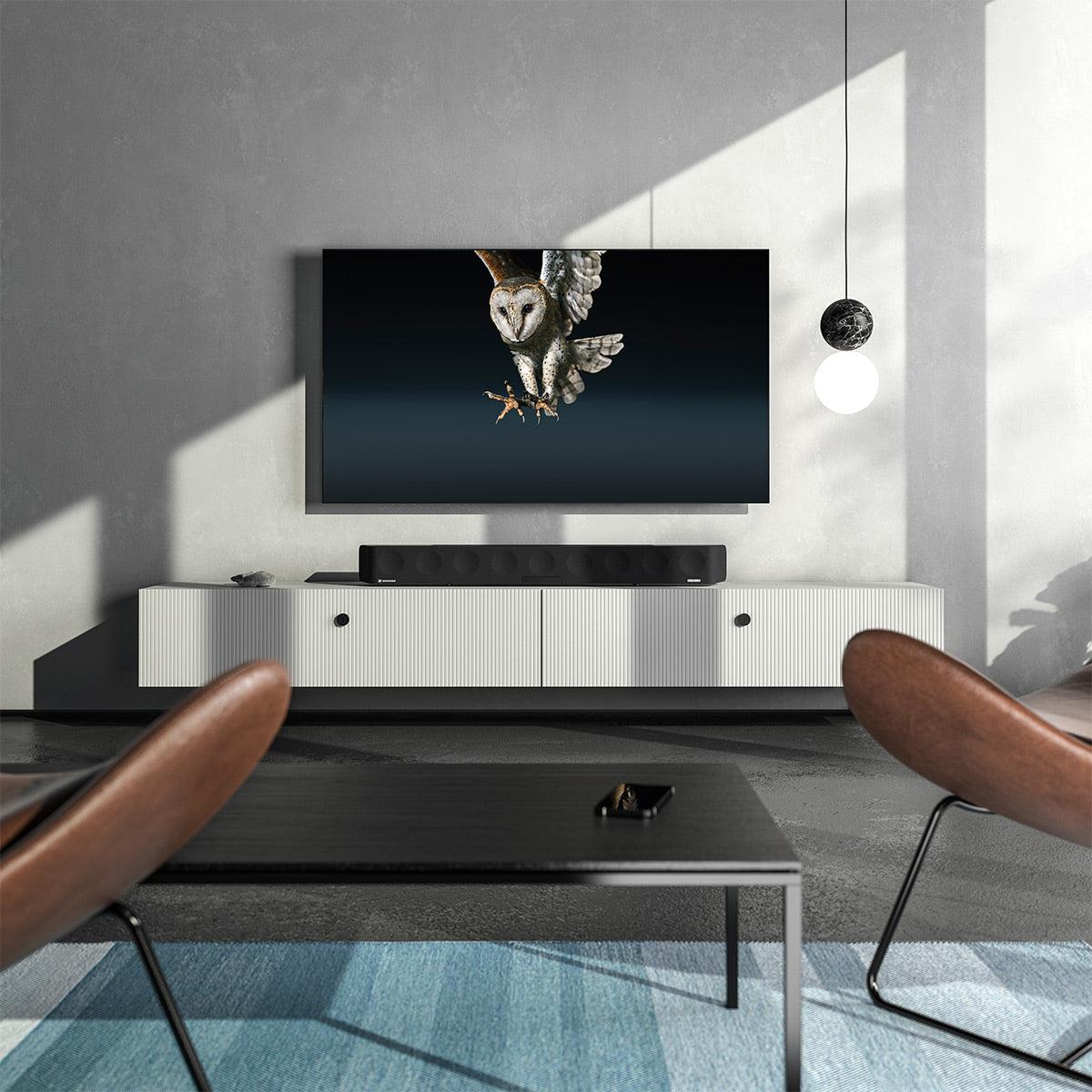
The Sennheiser AMBEO faces different challenges, primarily related to its size and complexity. At over 40 inches long and weighing more than 40 pounds, it requires substantial TV stand space and careful positioning. The sophisticated room calibration, while generally beneficial, can be finicky about placement and may require experimentation to achieve optimal results.
The premium pricing also means you're investing in capabilities you might not fully utilize unless you're a serious audio enthusiast with high-quality source content and a properly configured viewing environment.
After researching both products extensively, the choice between the Amazon Fire TV Soundbar Plus and Sennheiser AMBEO comes down to your priorities, budget, and usage patterns. These products serve fundamentally different markets and excel in their respective niches.
The Amazon system delivers remarkable value for users seeking a significant audio upgrade without premium pricing. It transforms TV audio from disappointing to genuinely enjoyable, with particular strengths in dialogue clarity and bass response. The Fire TV integration and expandable design add practical value for the target audience.
The Sennheiser AMBEO justifies its premium positioning through superior audio quality, sophisticated room calibration, and comprehensive smart features. It approaches the performance of discrete speaker systems while maintaining the simplicity and aesthetic appeal of a single soundbar.
Neither product is inherently better—they're designed for different users with different expectations and budgets. The key is honestly assessing your needs, room characteristics, and how much you're willing to invest in audio quality. Both systems will dramatically improve your TV viewing experience, but in very different ways that reflect their distinct design philosophies and target markets.
| Amazon Fire TV Soundbar Plus with Subwoofer | Sennheiser AMBEO Soundbar |
|---|---|
| Channel Configuration - Determines surround sound capability and bass depth | |
| 3.1 channels with separate wireless subwoofer | 7.1.4 virtualized channels with dual built-in subwoofers |
| Total Drivers - More drivers typically mean better sound separation and clarity | |
| Not specified (basic driver array) | 13 high-end drivers including 6 woofers and 5 aluminum tweeters |
| Power Output - Higher wattage delivers louder, cleaner sound at peak volumes | |
| Not specified (entry-level amplification) | 500W total system power with dedicated amplifiers |
| Frequency Response - Shows how deep the bass goes and how crisp the highs are | |
| Not specified (typical budget range ~50Hz-18kHz) | 30Hz - 20kHz (-3dB) - extends to piano's lowest notes |
| Room Calibration - Critical for optimizing sound in your specific space | |
| Manual bass/treble adjustment only | Advanced automated calibration with 4 precision microphones |
| Dolby Atmos Implementation - Affects how convincing the surround sound feels | |
| Virtual processing only (no up-firing drivers) | True virtualized 7.1.4 with physical up-firing drivers |
| Connectivity Options - Determines compatibility with your devices | |
| HDMI eARC, optical, USB, Bluetooth 5.0 | HDMI eARC, 2x HDMI inputs, optical, RCA, Wi-Fi, multiple streaming protocols |
| Smart Features - Adds convenience and future-proofing | |
| Fire TV integration only (no built-in streaming) | AirPlay 2, Spotify Connect, Chromecast, voice assistant support |
| Build Quality and Design - Affects durability and room aesthetics | |
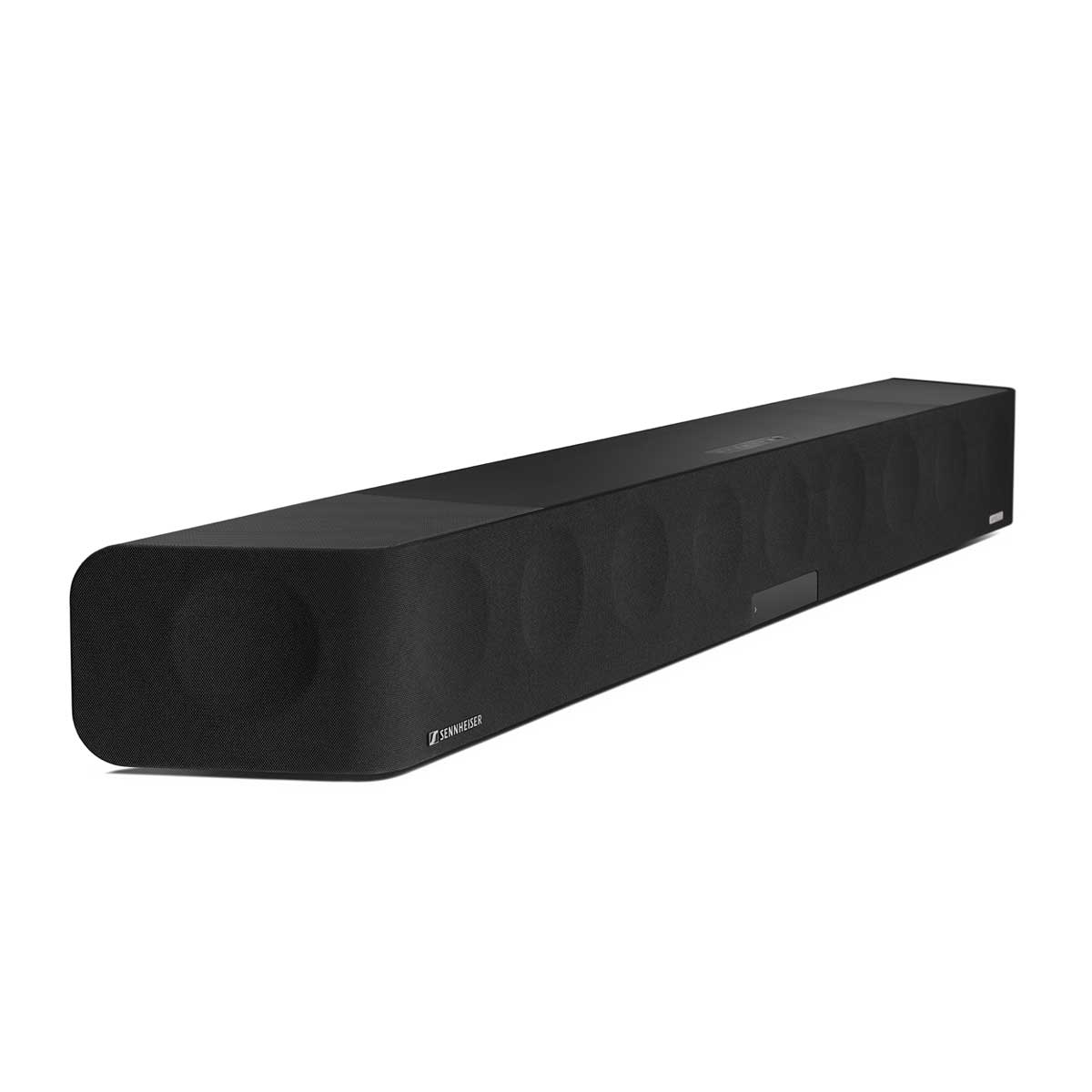
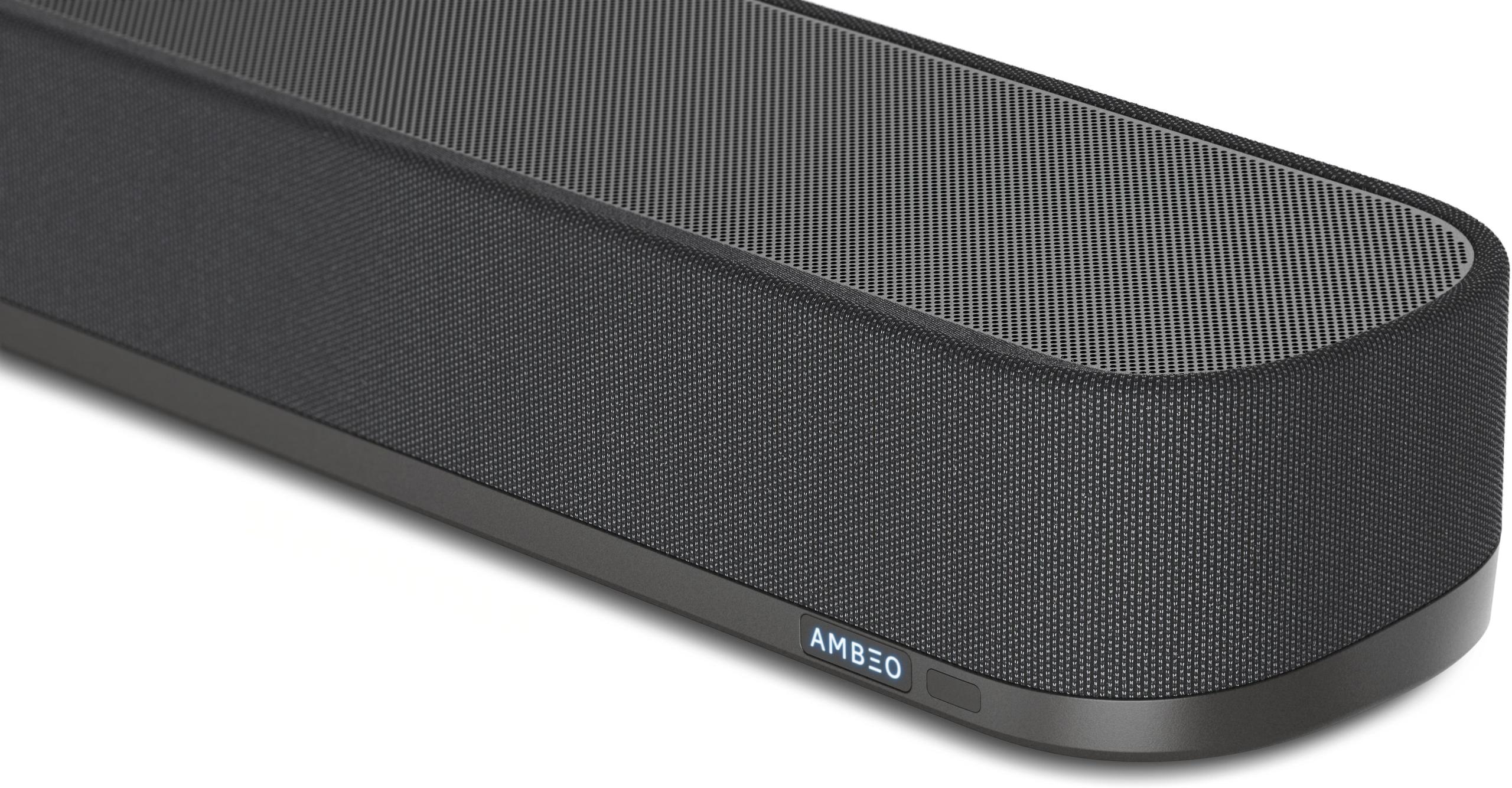
| Plastic construction, fabric grille, 37" length | Premium brushed aluminum, 41.3" length, professional build quality |
| Expandability - Option to grow your system over time | |
| Can add rear speakers for 5.1 system | Self-contained premium solution (no expansion needed) |
| App Support - Enables advanced customization and updates | |
| No dedicated app (basic remote control only) | Comprehensive Smart Control app with ongoing firmware updates |
| Best Use Cases - Who should consider each option | |
| Fire TV users wanting dramatic upgrade from TV speakers on a budget | Audio enthusiasts seeking reference-quality single-bar performance |
The Amazon Fire TV Soundbar Plus with Subwoofer offers exceptional value for budget-conscious users, delivering dramatic improvement over TV speakers at an accessible price point. The Sennheiser AMBEO Soundbar provides premium value for audio enthusiasts willing to invest significantly more for reference-quality performance, advanced room calibration, and comprehensive smart features.
The primary difference lies in their target markets and performance levels. The Amazon Fire TV Soundbar Plus is an entry-level 3.1 system focused on simplicity and Fire TV integration, while the Sennheiser AMBEO Soundbar is a premium single-bar solution with 13 drivers, advanced AMBEO virtualization technology, and sophisticated room calibration.
The Amazon Fire TV Soundbar Plus with Subwoofer is ideal for small apartments due to its compact size, moderate volume capabilities, and excellent dialogue enhancement that won't disturb neighbors. The wireless subwoofer can be positioned for optimal bass without overwhelming smaller spaces.
Yes, but with different implementations. The Amazon Fire TV Soundbar Plus offers virtual Dolby Atmos processing without physical up-firing drivers, while the Sennheiser AMBEO Soundbar provides true virtualized 7.1.4 Dolby Atmos with sophisticated processing and physical up-firing drivers for more convincing height effects.
For dedicated home theater use, the Sennheiser AMBEO Soundbar excels with its superior dynamic range, room calibration system, and ability to handle complex movie soundtracks with precision. However, the Amazon Fire TV system works well for casual home theater use, especially when expanded with rear speakers.
Room calibration is crucial for optimal performance. The Sennheiser AMBEO Soundbar features advanced automated calibration using four precision microphones to adapt to your space, while the Amazon Fire TV Soundbar Plus only offers basic manual adjustments, which may not suit all room acoustics.
The Sennheiser AMBEO Soundbar offers comprehensive connectivity including Wi-Fi, multiple HDMI inputs, AirPlay 2, Spotify Connect, and Chromecast built-in. The Amazon Fire TV Soundbar Plus provides basic but adequate connectivity with HDMI eARC, optical, and Bluetooth, plus excellent Fire TV integration.
The Amazon Fire TV Soundbar Plus can be expanded to a full 5.1 system by adding rear satellite speakers. The Sennheiser AMBEO Soundbar is designed as a premium self-contained solution that doesn't require additional speakers to deliver immersive surround sound.
The Amazon Fire TV Soundbar Plus with Subwoofer wins for simplicity, with pre-paired components and straightforward setup. The Sennheiser AMBEO Soundbar requires more initial configuration for room calibration and offers extensive customization options through its dedicated app.
The Amazon Fire TV system includes a dedicated wireless subwoofer for strong bass impact, though it's described as somewhat "one-note." The Sennheiser AMBEO Soundbar features dual built-in 4-inch subwoofers with superior frequency response extending down to 30Hz for deeper, more refined bass.
The Sennheiser AMBEO Soundbar excels for music with its high-end drivers, superior frequency response, and multiple streaming options. The Amazon Fire TV Soundbar Plus handles music adequately but is optimized more for dialogue and movie audio than critical music listening.
Yes, device compatibility matters. Choose the Amazon Fire TV Soundbar Plus if you're heavily invested in the Fire TV ecosystem and want seamless integration. The Sennheiser AMBEO Soundbar works better if you use multiple streaming services, Apple devices, or want comprehensive smart home integration beyond Amazon's ecosystem.
We've done our best to create useful and informative comparisons to help you decide what product to buy. Our research uses advanced automated methods to create this comparison and perfection is not possible - please contact us for corrections or questions. These are the sites we've researched in the creation of this article: rtings.com - cordbusters.co.uk - techradar.com - youtube.com - t3.com - hometechnologyreview.com - youtube.com - hometechnologyreview.com - whathifi.com - developer.amazon.com - manuals.plus - dolby.com - bestbuy.com - rtings.com - techradar.com - audioxpress.com - whathifi.com - upscaleaudio.com - soundstagesimplifi.com - global.sennheiser-hearing.com - sennheiser-hearing.com - audioadvice.com - abt.com - moon-audio.com

Privacy Policy
Terms and Conditions - Affiliate Policy
Home Security
© Copyright 2008-2026.
11816 Inwood Rd #1211, Dallas, TX 75244