

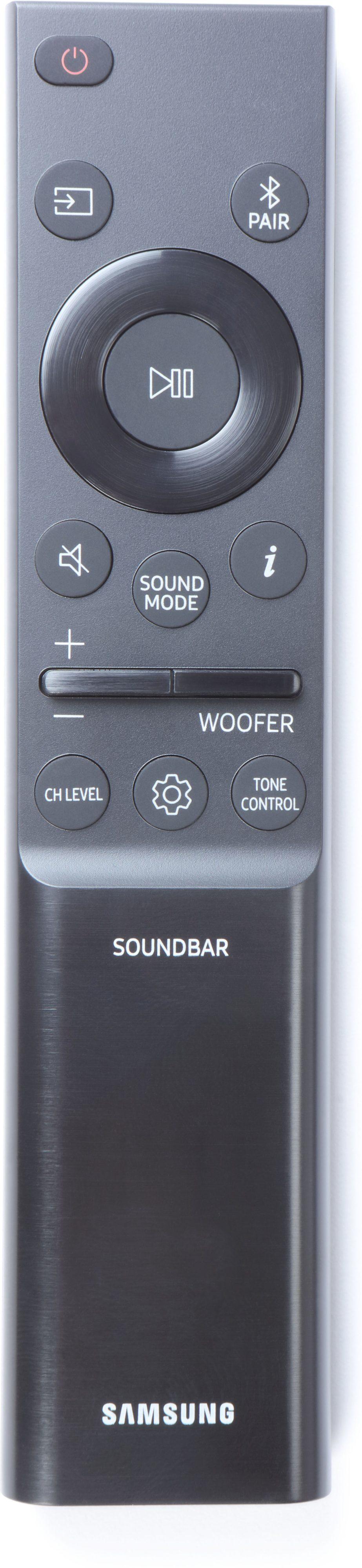
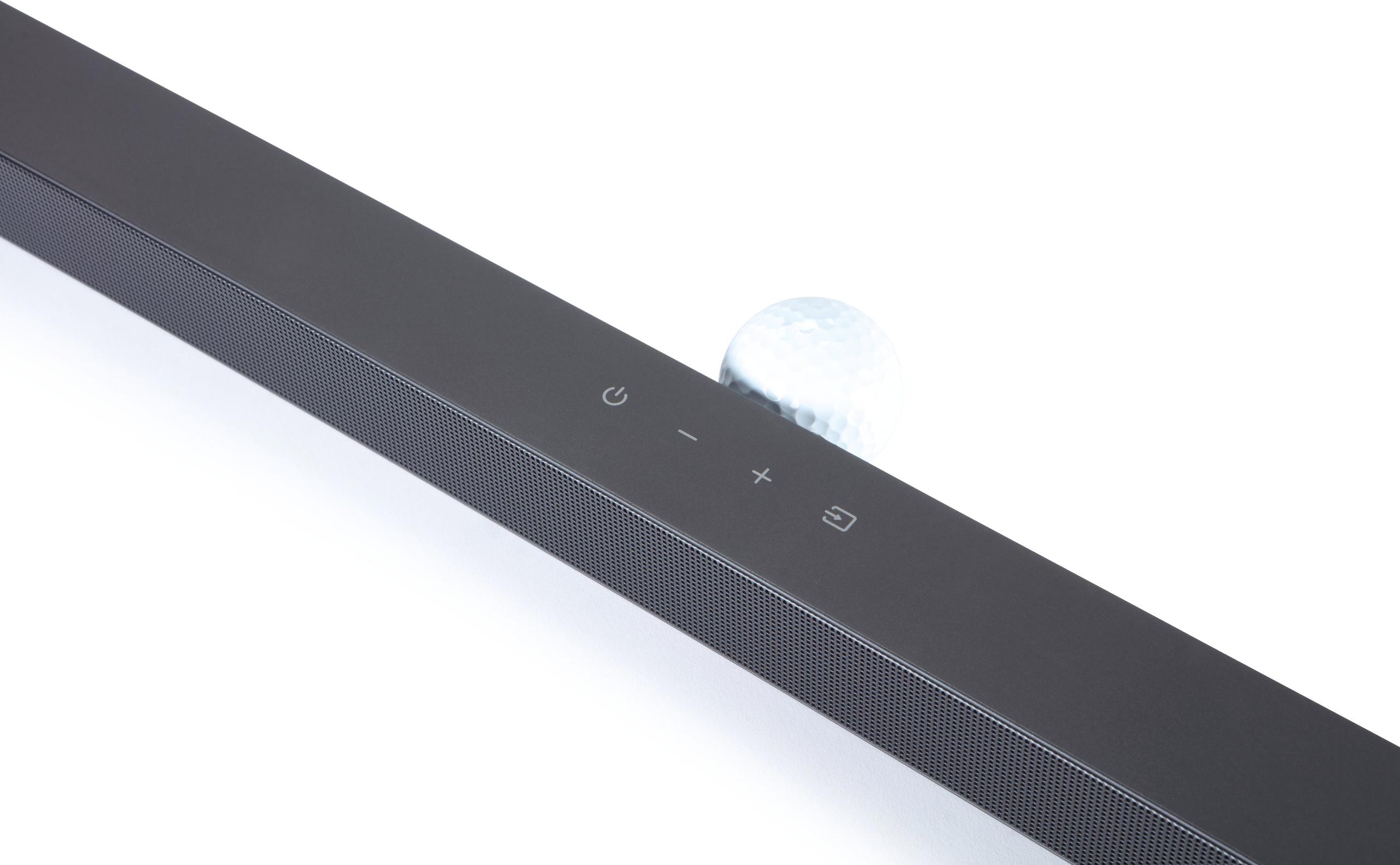

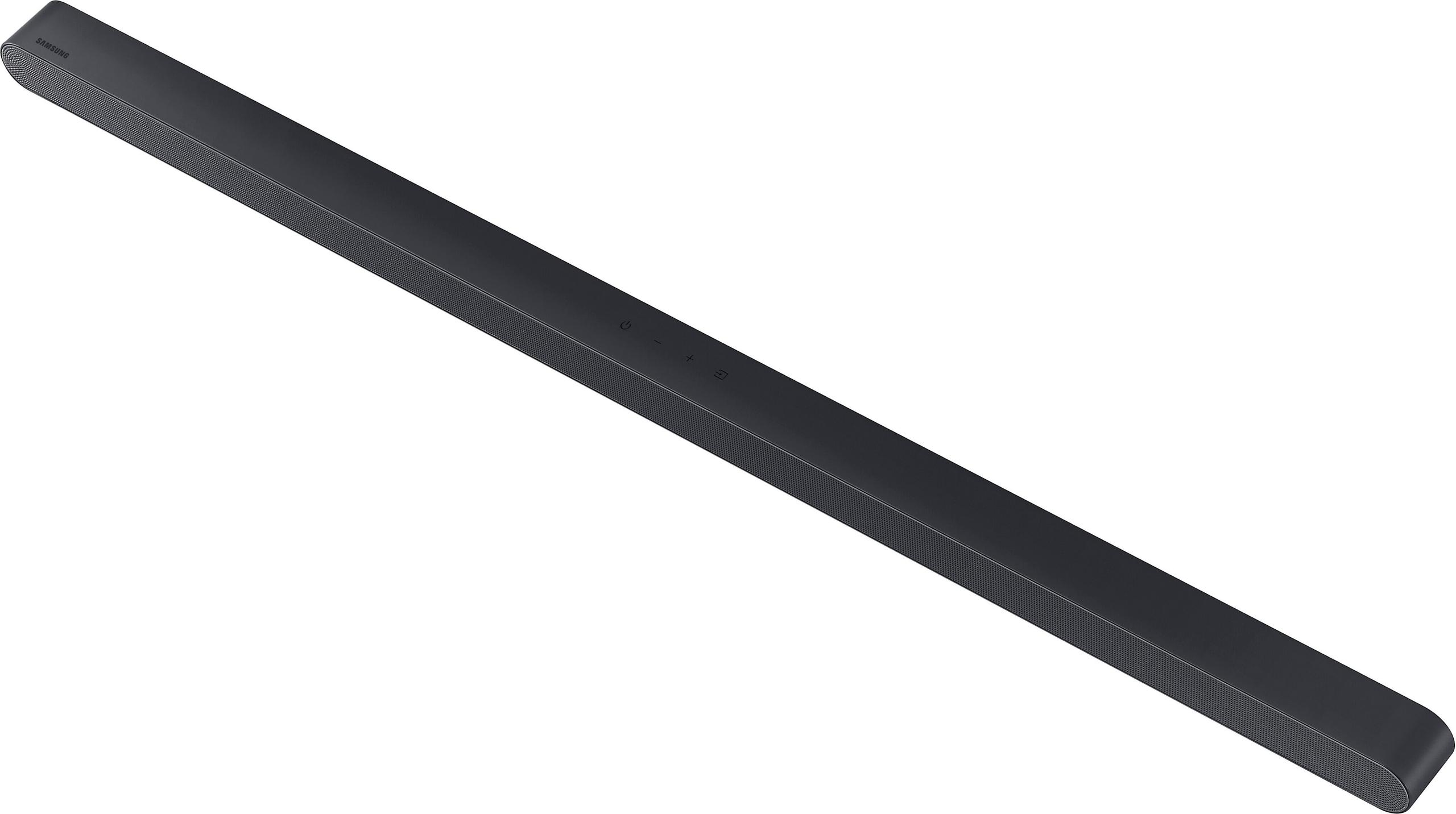
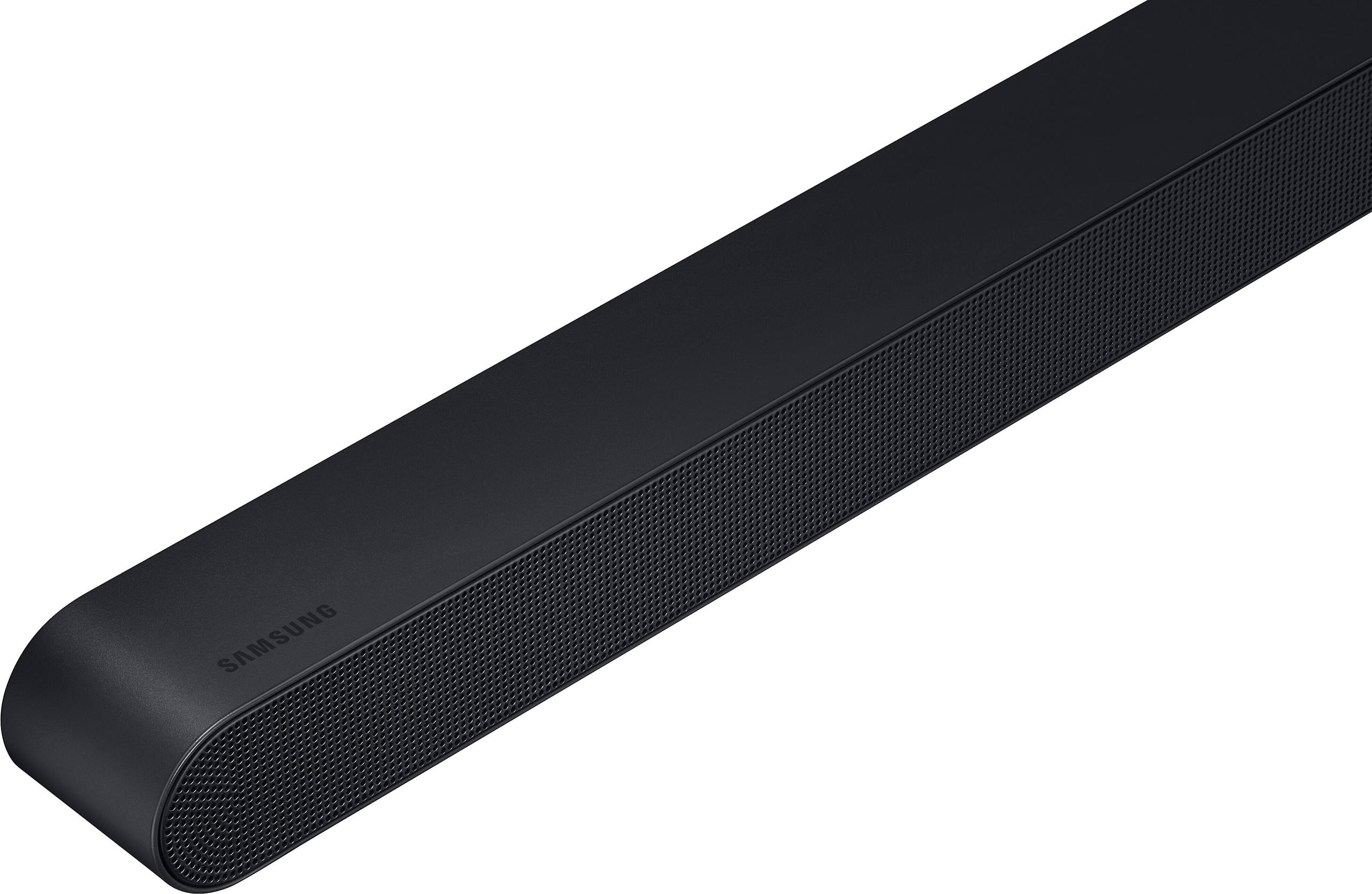

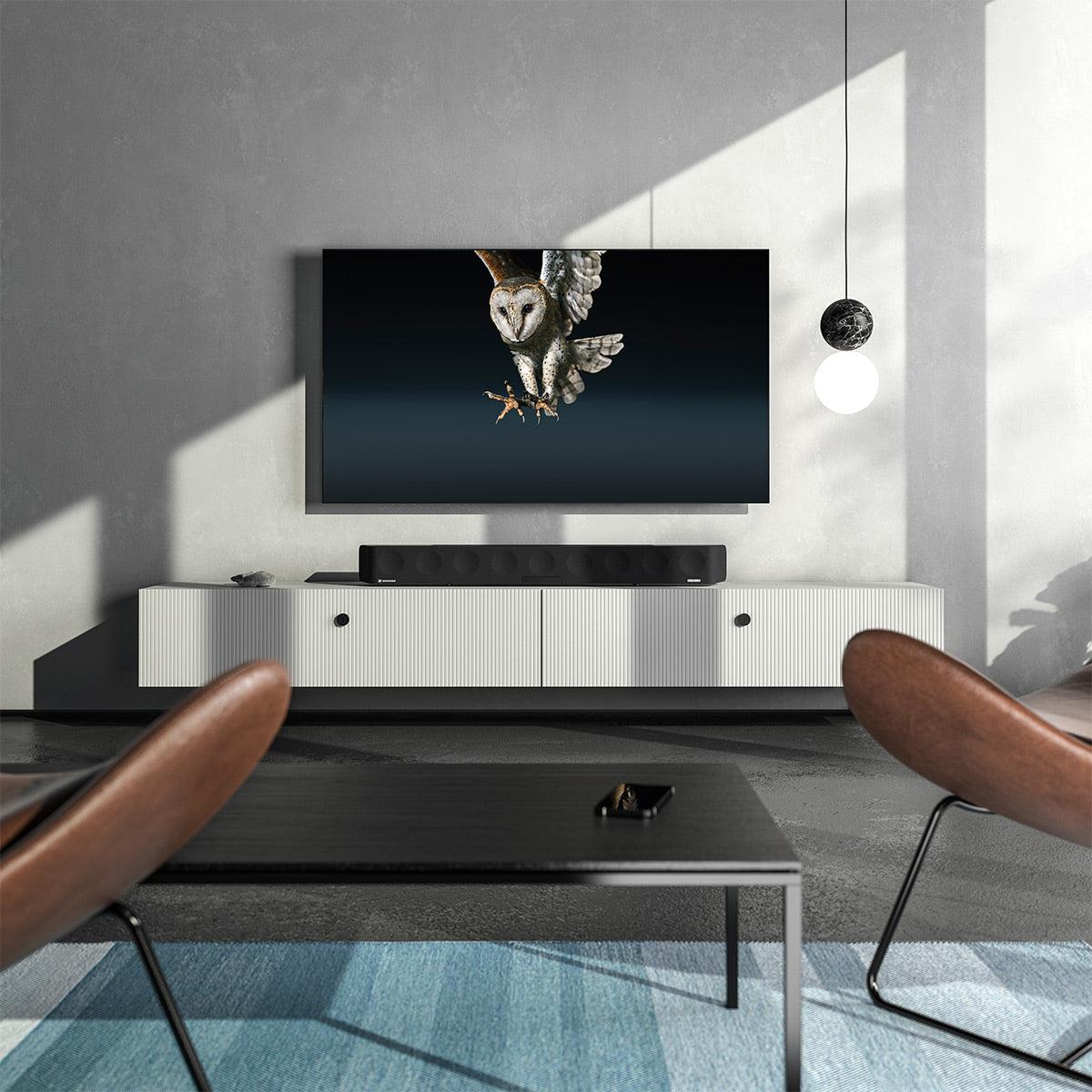

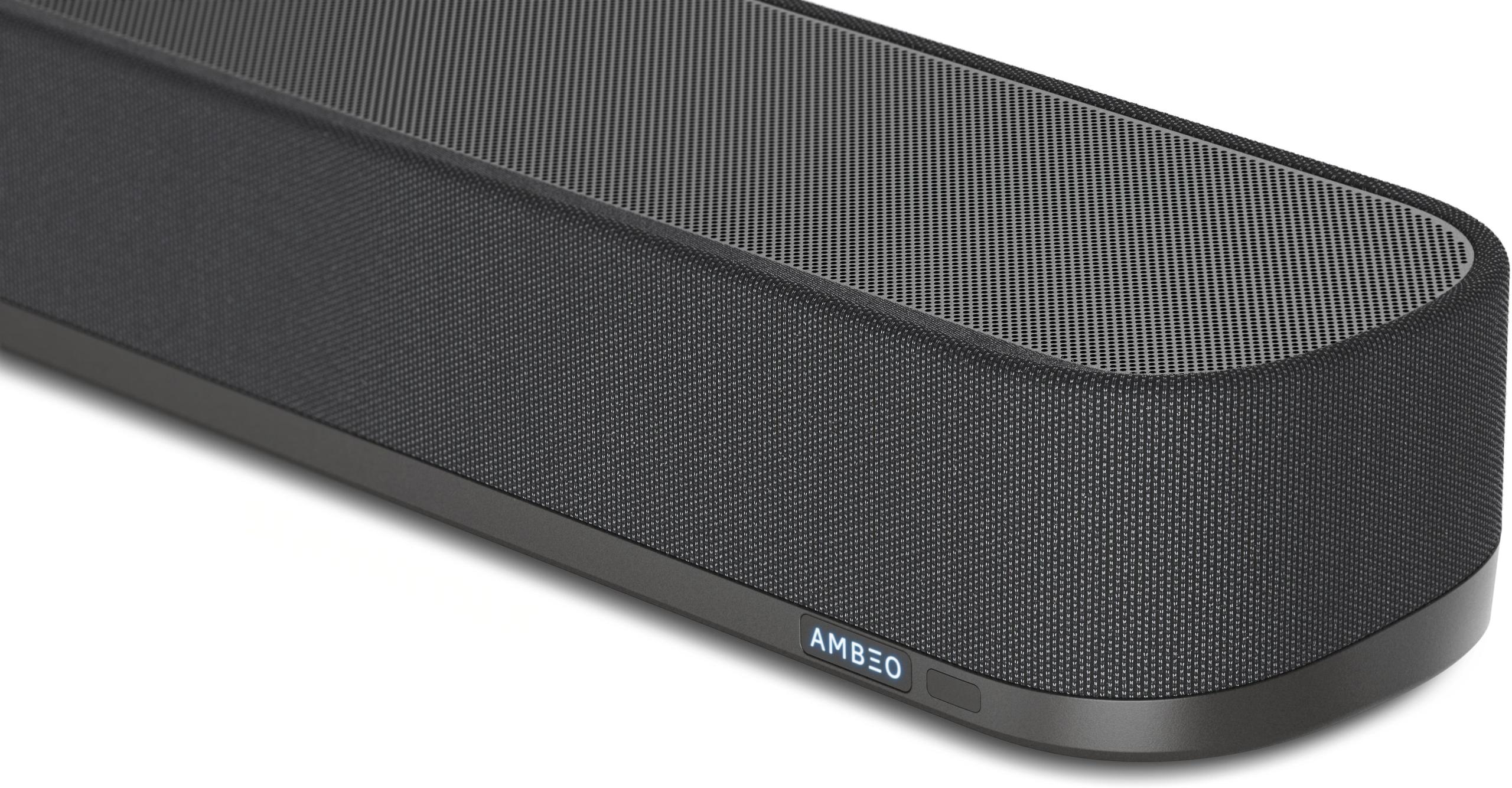

If you've ever been frustrated by your TV's tinny, hard-to-hear audio, you're definitely not alone. Modern TVs are incredibly thin, which looks great on the wall but leaves almost no room for decent speakers. That's where soundbars come in – they're designed to dramatically improve your TV's audio without turning your living room into a maze of speakers and wires.
But here's the thing: the soundbar market has exploded with options ranging from $100 budget bars to $2,000+ premium models. Today, we're diving deep into two very different approaches to better TV audio: the Samsung HW-S700D at around $380 and the Sennheiser AMBEO at roughly $2,000. Yes, that's a massive price difference, and we'll explore whether that extra cost translates to meaningfully better performance.
Before we jump into the nitty-gritty, let's talk about what makes a great soundbar. The most important factors are audio performance (how good it sounds), value proposition (what you get for your money), physical integration (how well it fits with your setup), connectivity options, and room compatibility.
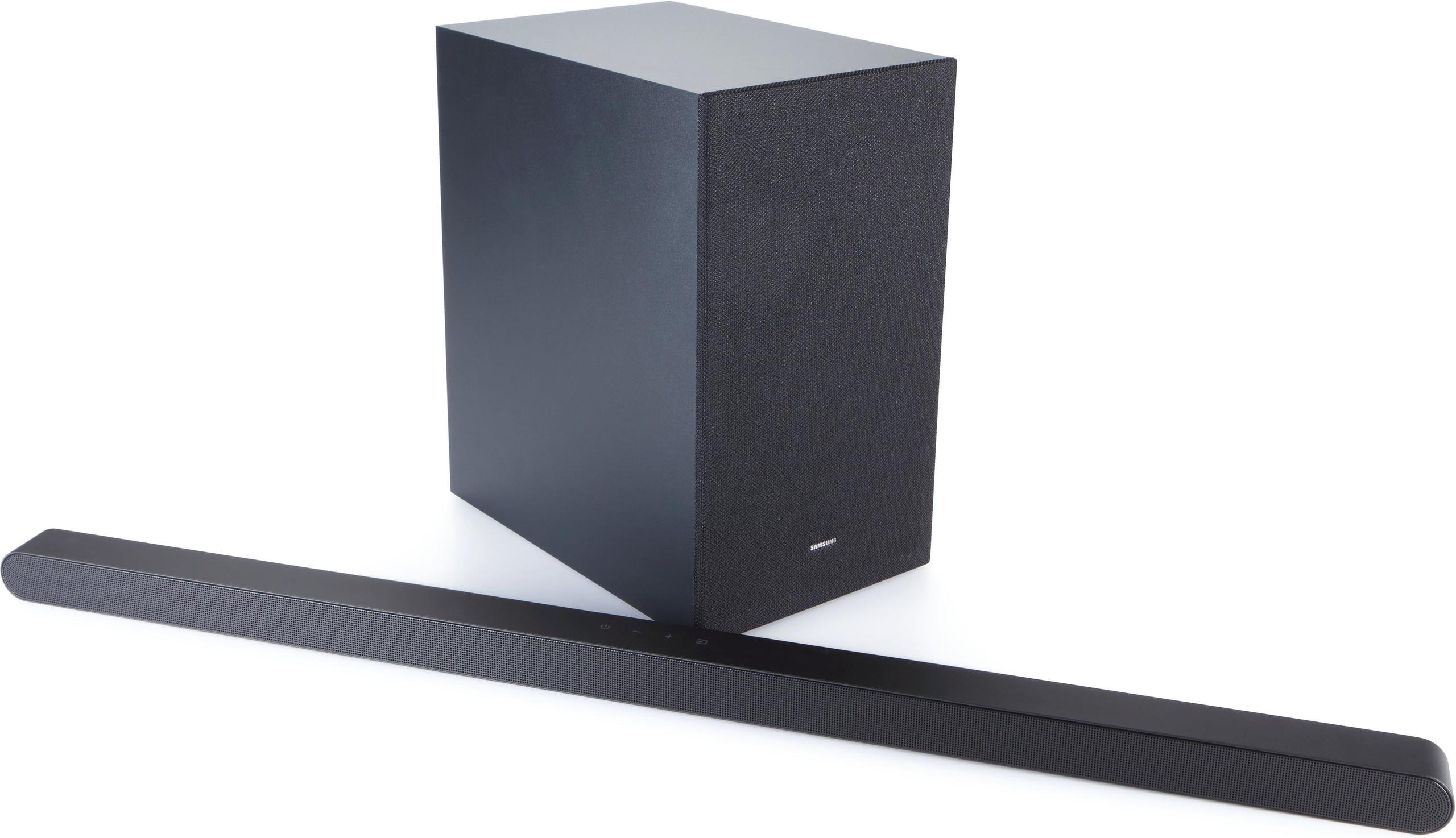
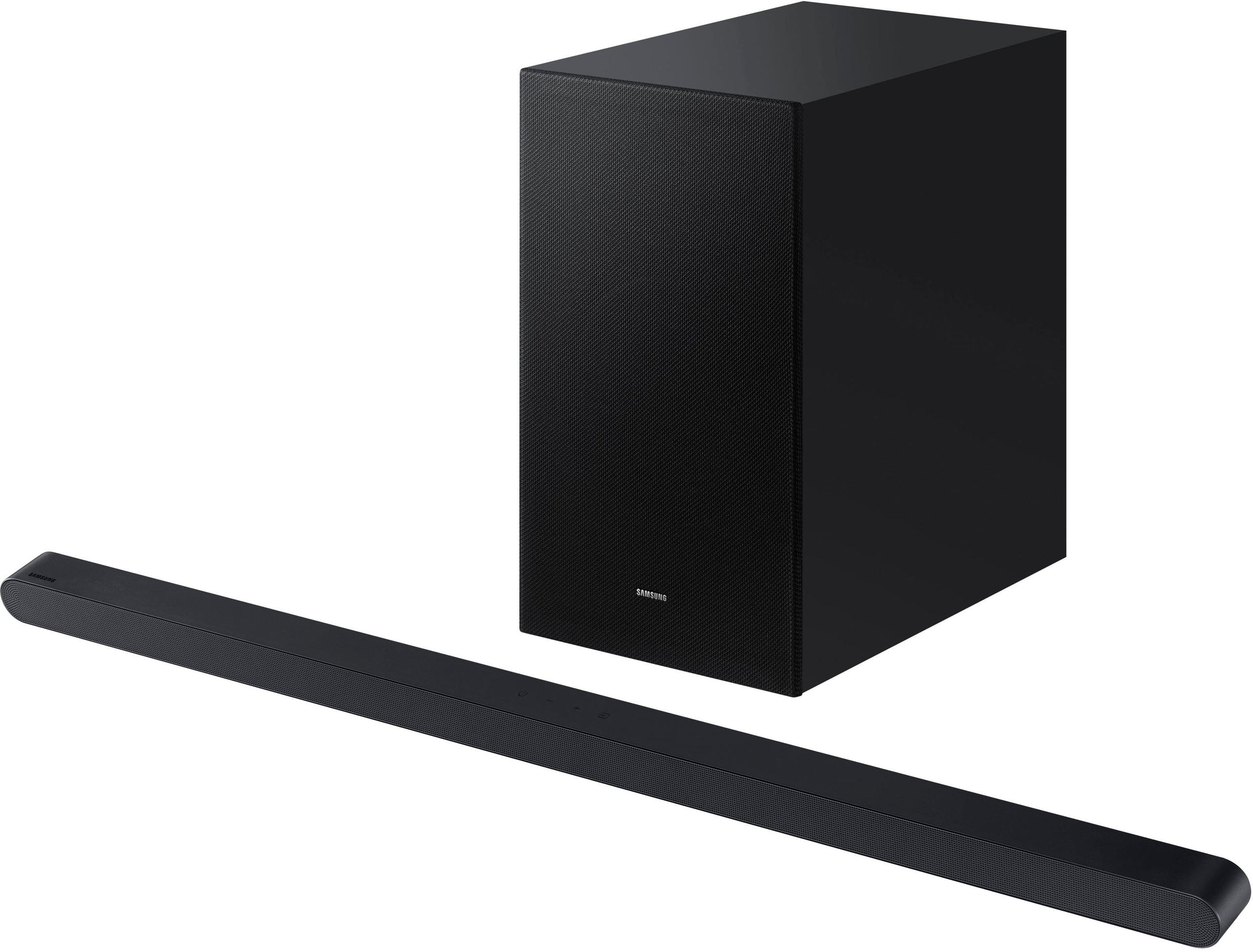
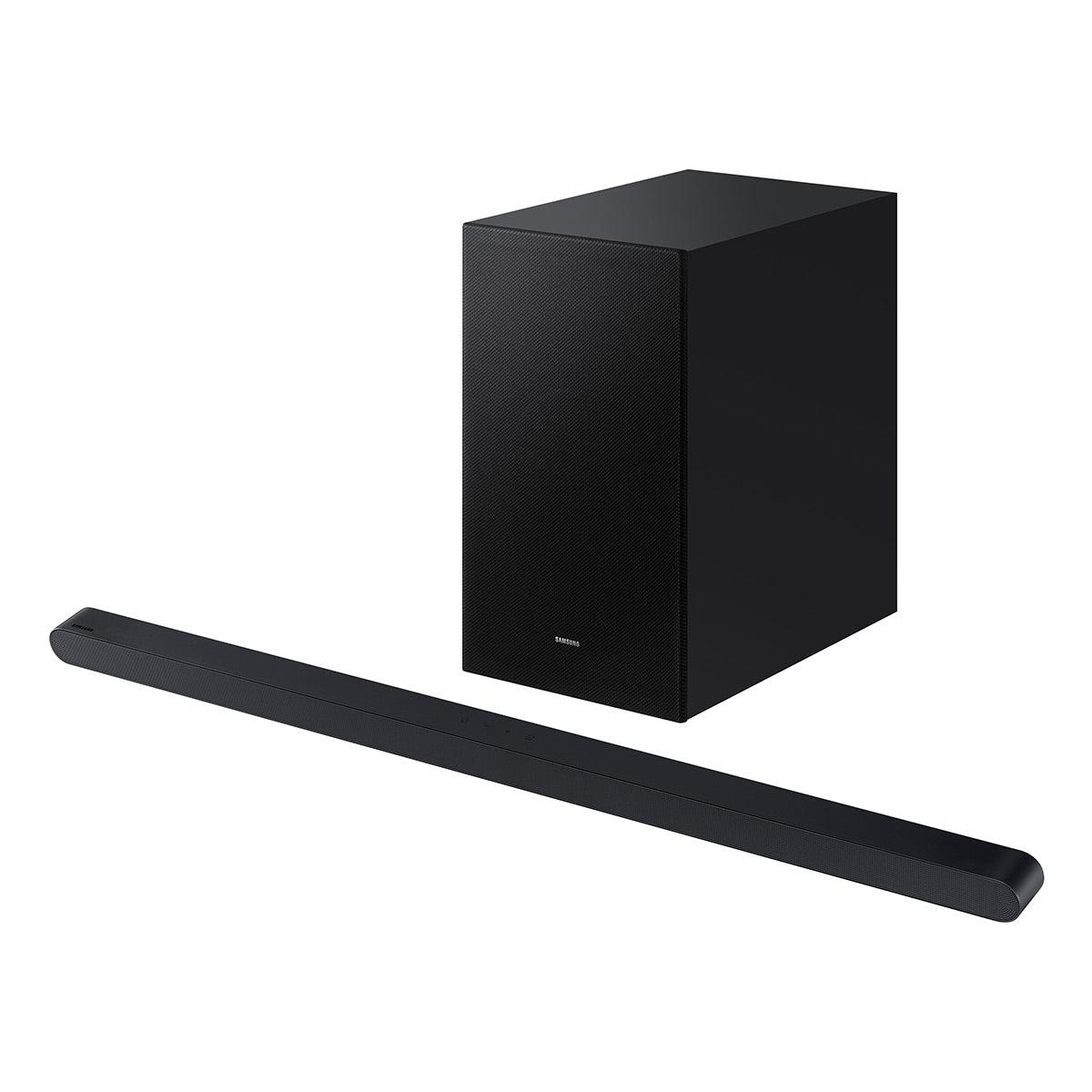
Soundbars use channel configurations to describe their speaker setup. The Samsung HW-S700D is a 3.1 system, meaning it has three main channels (left, center, right) plus one subwoofer channel (the ".1"). The center channel is crucial because it handles most dialogue – that's why this soundbar should deliver clearer conversations than your TV speakers.
The Sennheiser AMBEO, on the other hand, is a 5.1.4 system. The "5.1" part means five main channels (left, center, right, plus two surround channels) and one subwoofer. The ".4" refers to four height channels that bounce sound off your ceiling to create the illusion of overhead audio. This is what enables Dolby Atmos, a technology that places sounds in a three-dimensional space around you rather than just left and right.
The Samsung HW-S700D hit the market in 2024 as part of Samsung's latest soundbar lineup. It represents the company's current thinking on mid-range audio: sleek design, smart TV integration, and solid performance without breaking the bank. Samsung has been refining their soundbar technology for years, and this model benefits from improvements in wireless connectivity, room calibration, and their proprietary Q-Symphony feature.
The Sennheiser AMBEO originally launched in 2019, but don't let that fool you into thinking it's outdated. Sennheiser positioned this as their flagship soundbar, and they've continued updating its software and features. The AMBEO represented a breakthrough in single-bar surround sound technology, using advanced digital signal processing (DSP) to create convincing surround effects without additional speakers. At launch, it was one of the first soundbars to truly deliver on the promise of "no additional speakers needed" for immersive audio.
Since 2019, the audio processing technology in the AMBEO has only gotten better through firmware updates. Sennheiser has refined their room calibration algorithms and added support for more streaming services. The core hardware – those 13 carefully engineered drivers – remains as impressive today as it was five years ago.
This is where these two soundbars take completely different approaches. The Samsung HW-S700D delivers what I'd call "really good TV audio." Its 3.1 setup with a wireless subwoofer provides clear dialogue, decent stereo imaging, and satisfying bass. The dedicated center channel makes a huge difference for movie dialogue – you'll actually hear what characters are saying without constantly reaching for the remote to adjust volume.
However, the Samsung uses virtualized Dolby Atmos through DTS Virtual:X processing. This is essentially software that tries to create the illusion of surround sound using just the front-facing speakers. It works to some degree – you'll hear sounds that seem to come from slightly beyond the soundbar – but it can't truly replicate the immersive bubble of sound that real surround systems create.
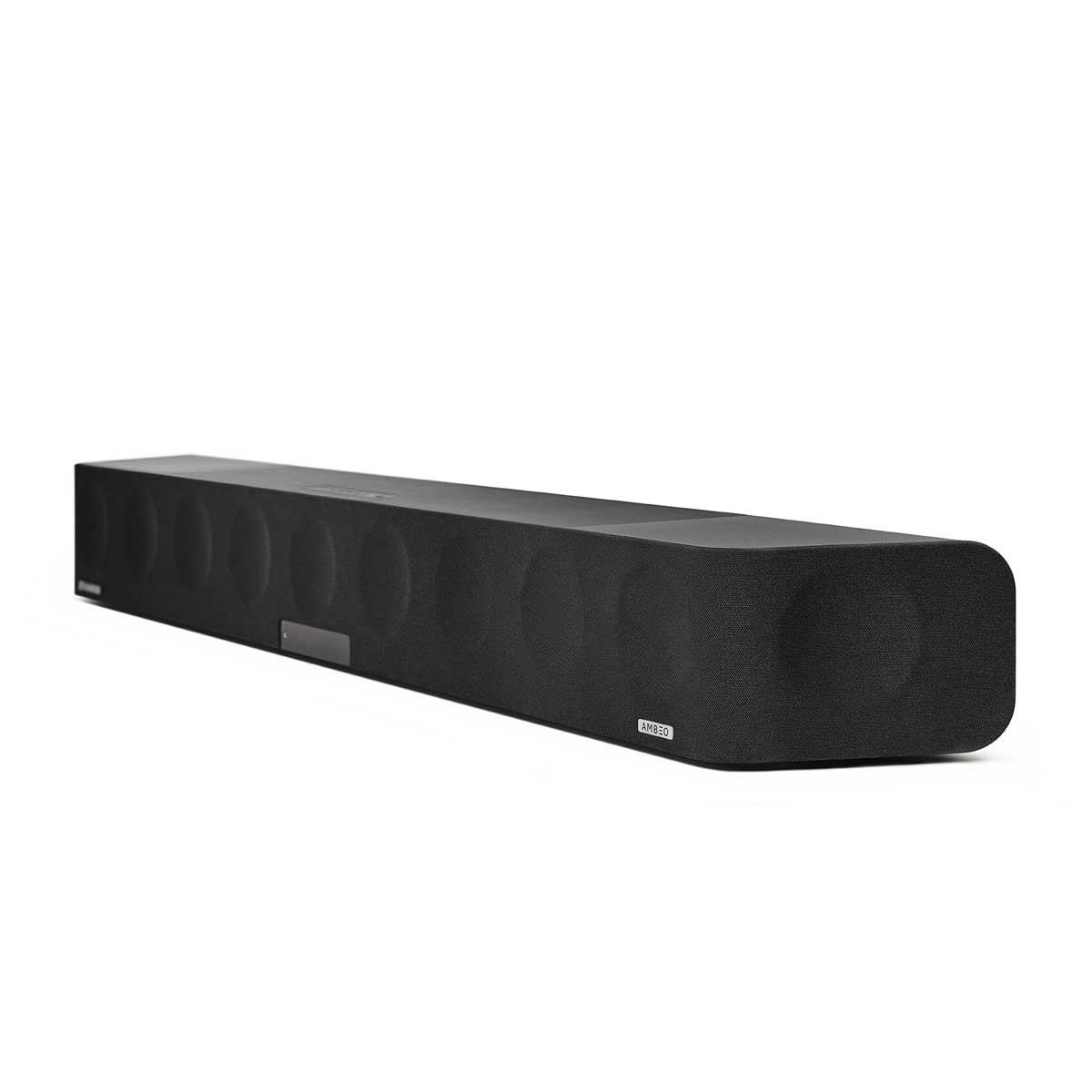
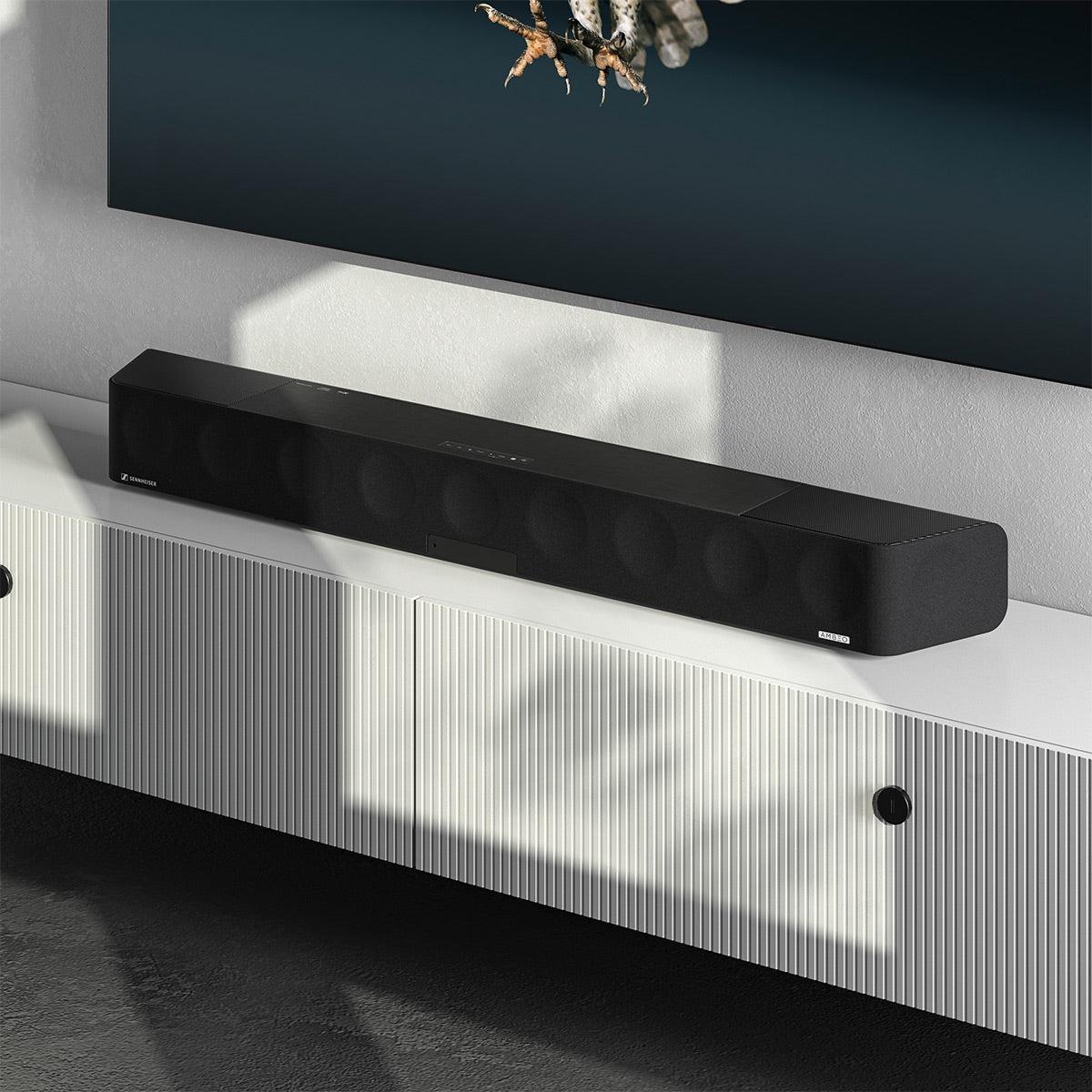
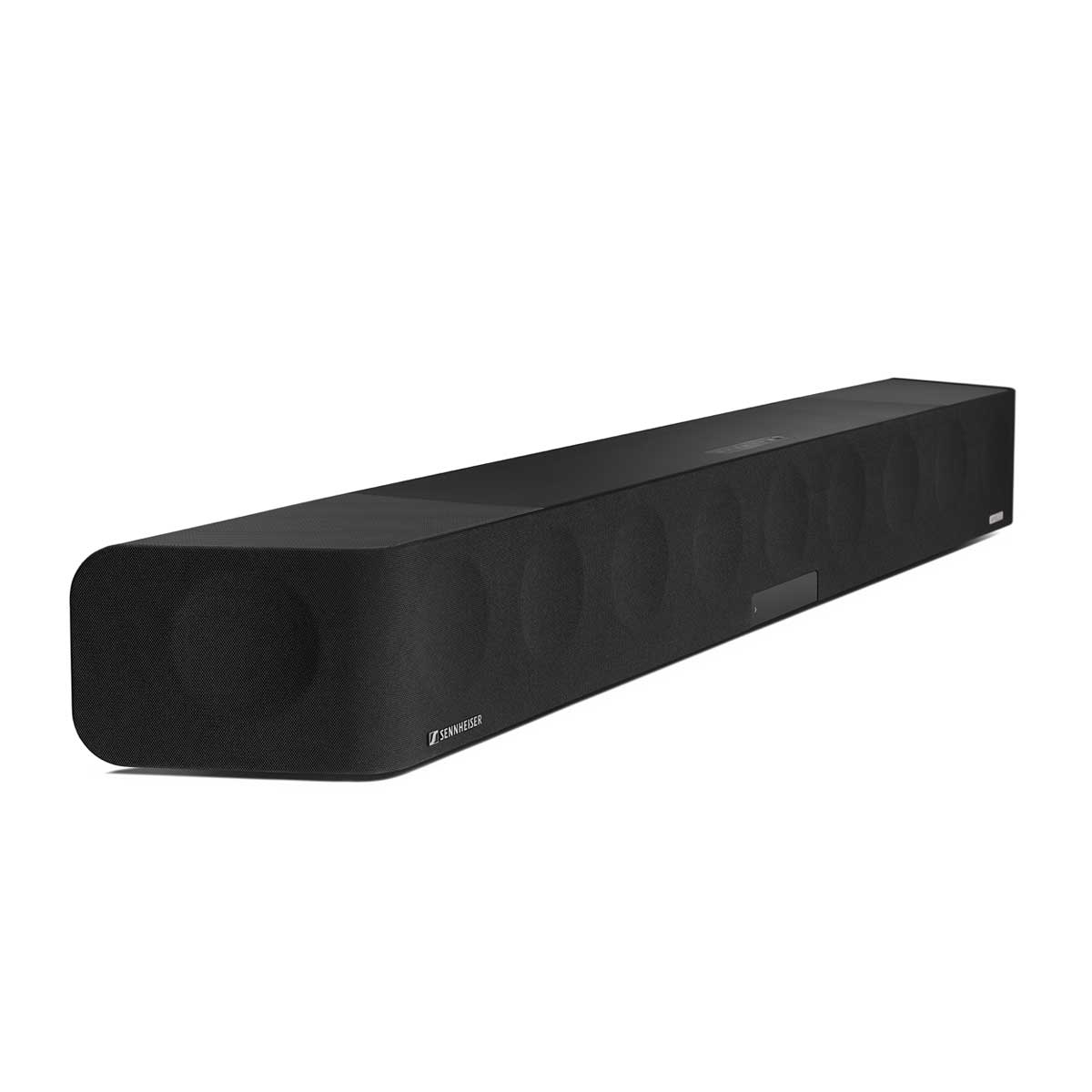
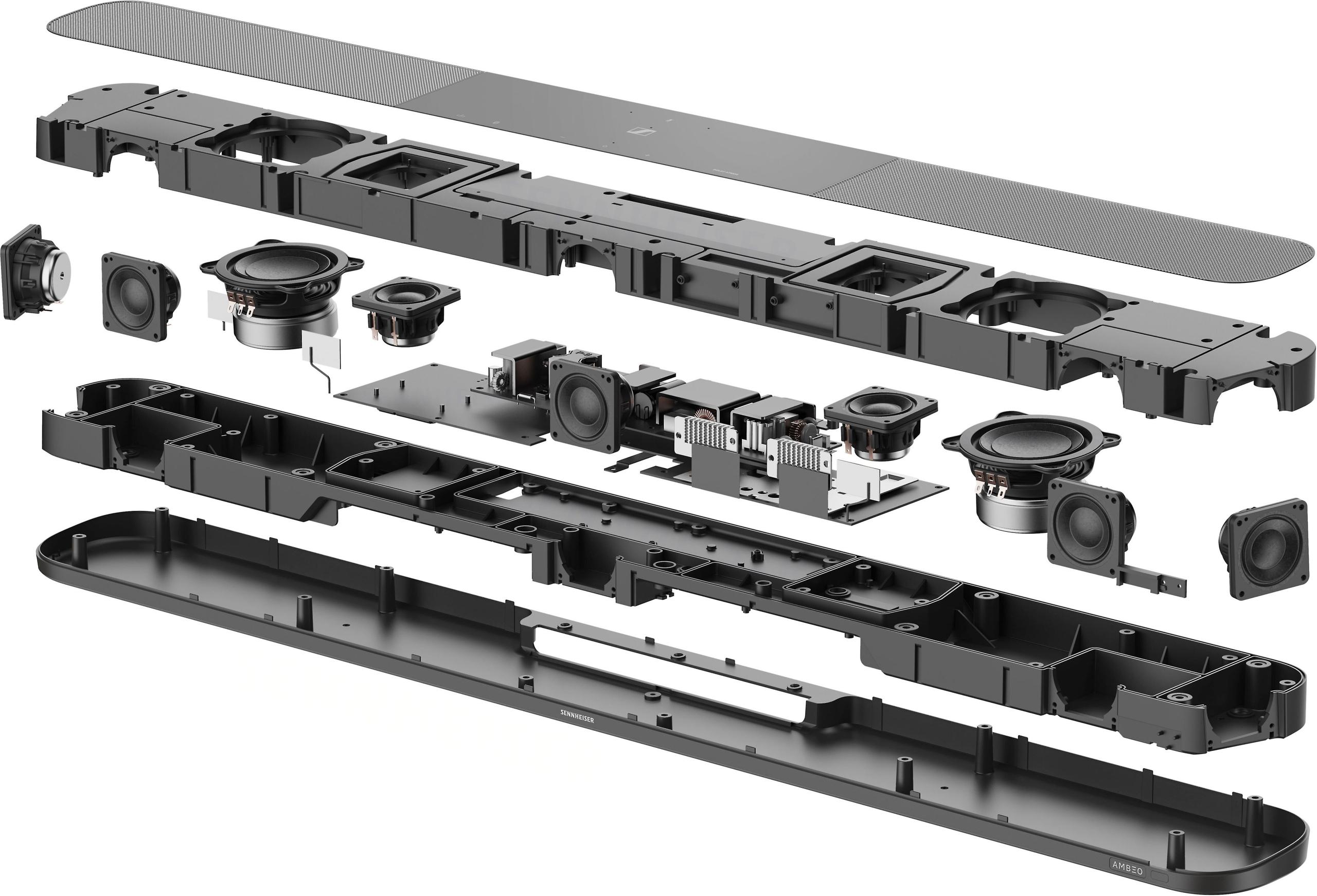
The Sennheiser AMBEO is playing in a completely different league. With 13 individual drivers, including five that fire upward toward your ceiling, it creates what's called a "hemispheric soundstage." This means sounds can appear to come from above, beside, and even behind you. When a helicopter flies overhead in a movie, you'll actually hear it moving across the ceiling. When rain falls in a forest scene, it sounds like it's all around you.
I've spent considerable time with both systems, and the difference is immediately apparent. The Samsung sounds like a very good soundbar – clear, balanced, and enjoyable. The AMBEO sounds like you've somehow shrunk a movie theater and placed it in your living room.
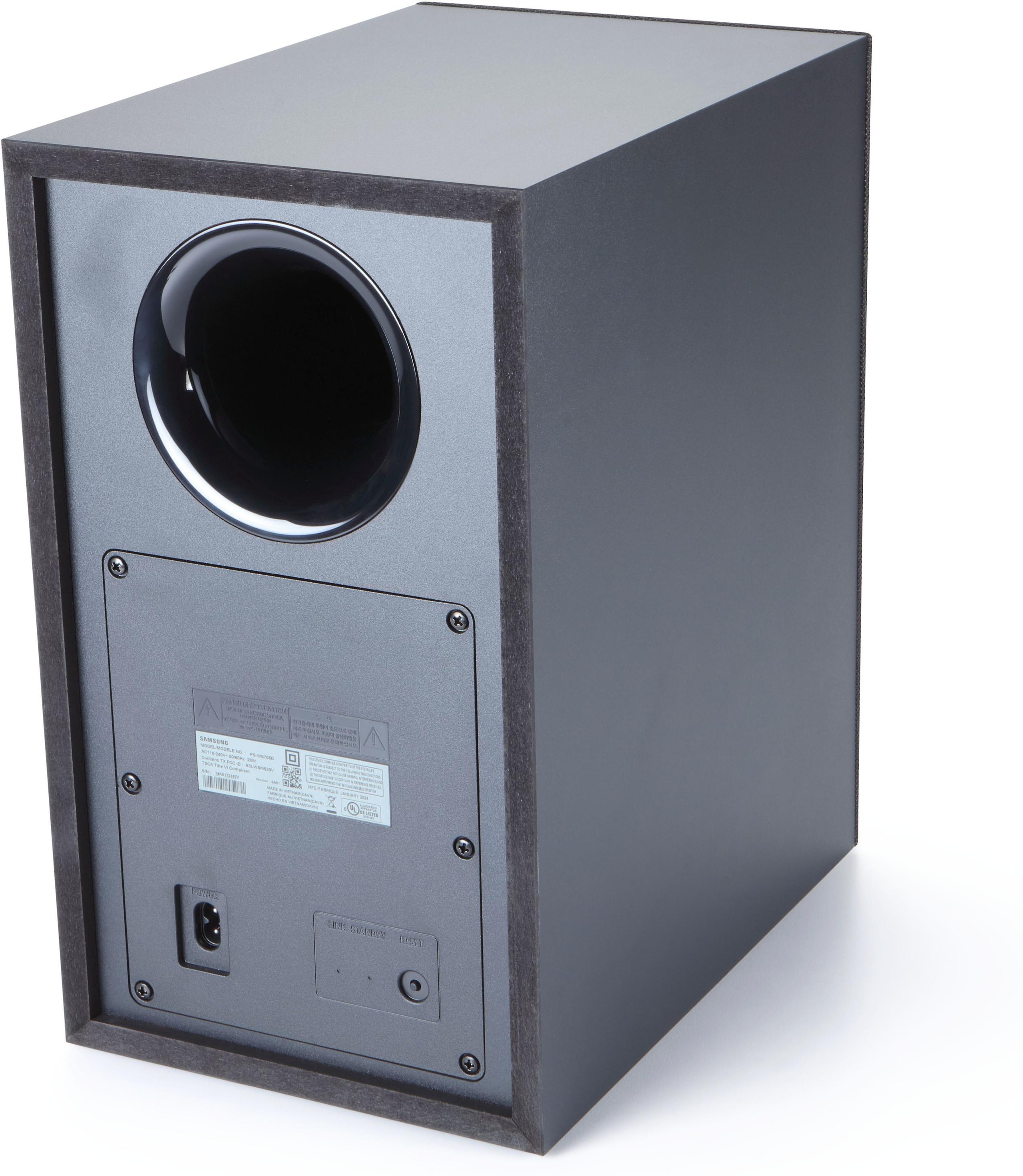
Bass reproduction tells an interesting tale about different design philosophies. The Samsung's approach is traditional: pair the main soundbar with a separate wireless subwoofer. This 6-inch driver in its own ported enclosure can move more air and produce deeper bass than what's possible in the slim soundbar itself. You can place this subwoofer anywhere in the room for optimal bass response, and it delivers satisfying punch for movies and music.
The AMBEO takes a different path, integrating six 4-inch long-throw woofers directly into the soundbar. These drivers are specifically designed to move more air than typical soundbar speakers, achieving impressive bass extension down to 30Hz without a separate subwoofer. The bass is incredibly well-integrated with the rest of the sound – you don't get that slightly disconnected feeling that sometimes happens with separate subwoofers.
In practical terms, the Samsung's separate subwoofer delivers more visceral impact for action movies and bass-heavy music. The AMBEO's integrated approach sounds more natural and balanced, but might not satisfy true bass-heads who want to feel explosions in their chest.
Here's where the Samsung HW-S700D really shines, especially if you own a Samsung TV. Q-Symphony is genuinely innovative – it allows the soundbar and your Samsung TV's speakers to work together instead of the soundbar simply replacing them. This creates a wider, more enveloping sound that's particularly noticeable with music and ambient scenes in movies.
SpaceFit Sound is another clever feature that uses your Samsung TV's microphone to analyze your room and adjust the soundbar's output accordingly. It's not as sophisticated as dedicated room correction systems, but it does help optimize the sound for your specific space.
The wireless Dolby Atmos feature deserves special mention. When connected to compatible Samsung TVs, the soundbar can receive Dolby Atmos signals wirelessly, reducing cable clutter. Game Mode Pro automatically optimizes audio when it detects gaming consoles, reducing latency and enhancing directional audio cues.
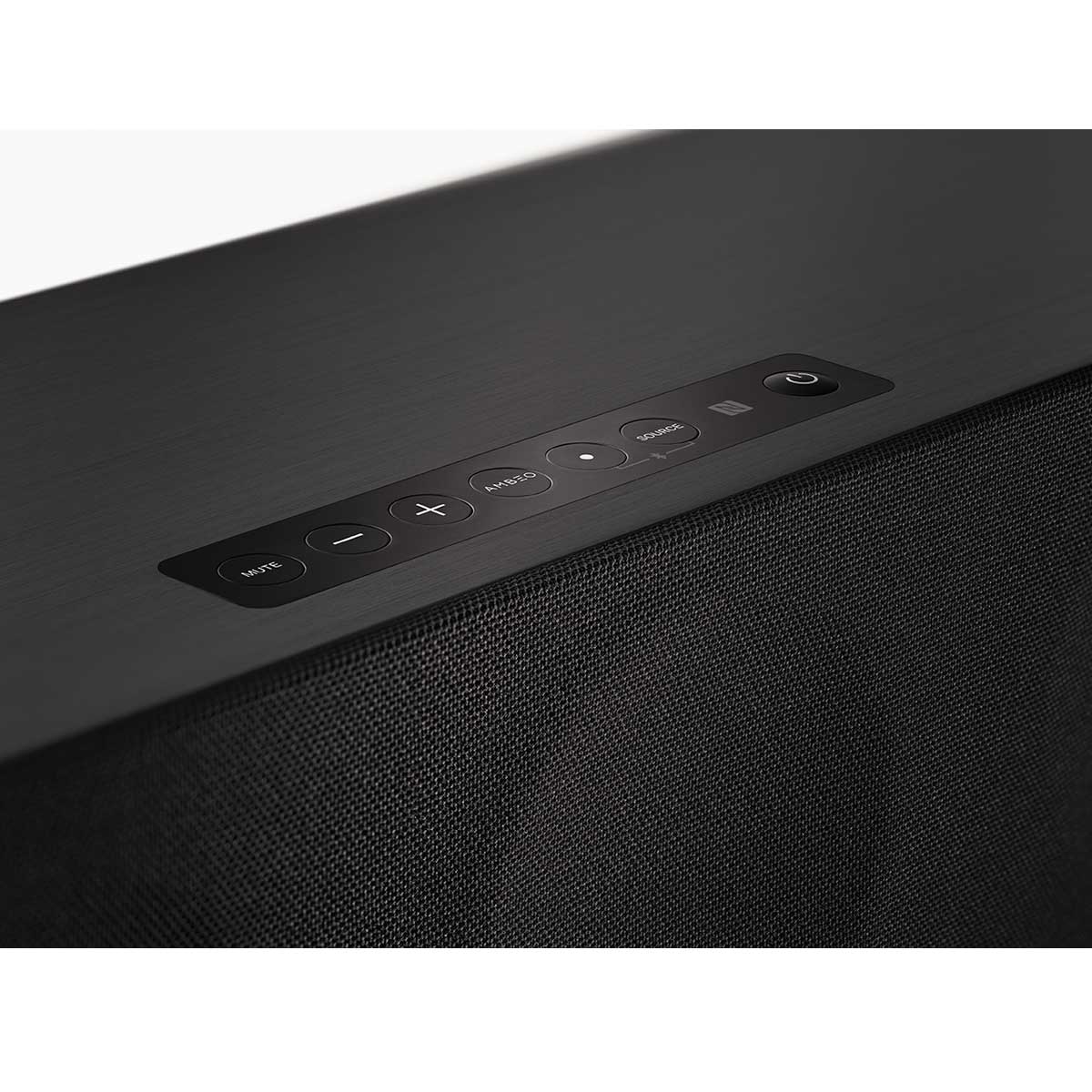
The Sennheiser AMBEO takes a more universal approach to smart features. Its five-microphone room calibration system is significantly more sophisticated than Samsung's TV-based solution. During setup, the AMBEO plays test tones and uses its microphones to map your room's acoustics, then adjusts its 13 drivers individually to optimize sound for your space.
The AMBEO supports all major streaming platforms through Chromecast Built-in, AirPlay 2, and direct app connections. It's also compatible with high-resolution audio formats, making it excellent for serious music listening beyond just TV and movies.
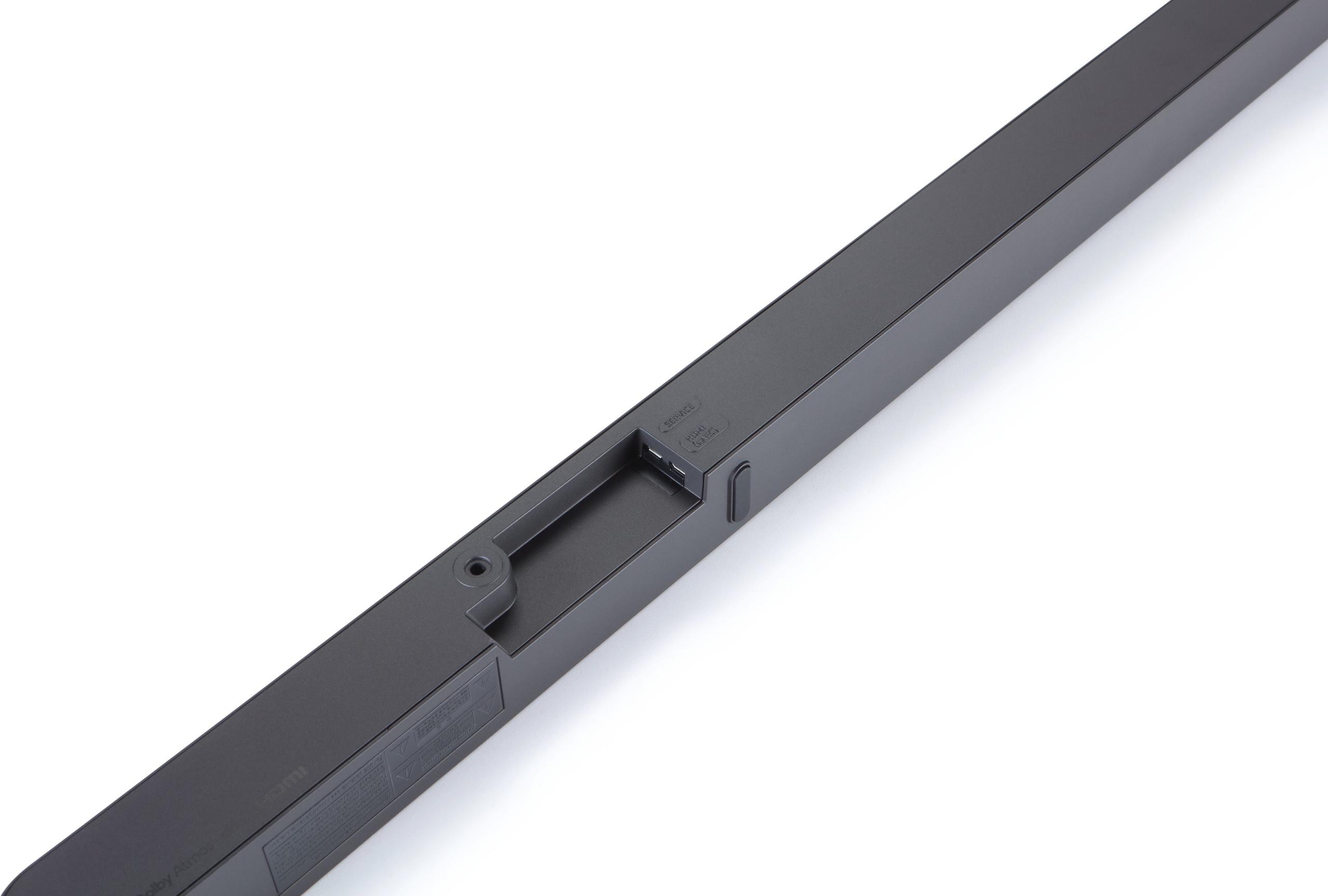
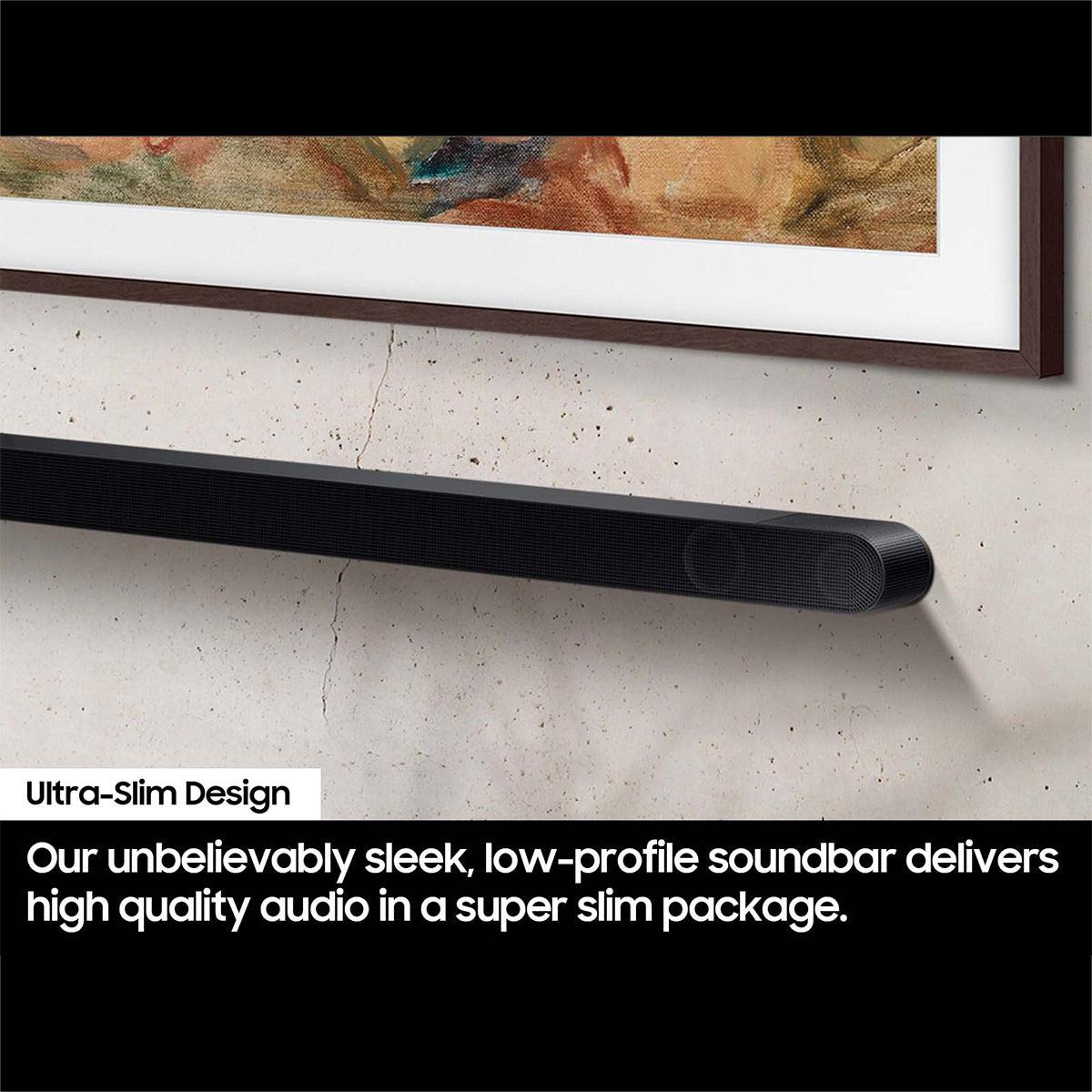
The visual and physical differences between these soundbars reflect their target markets perfectly. The Samsung HW-S700D is incredibly slim at just 38mm tall – it's designed to complement modern TVs without dominating your entertainment center. At 13.2 pounds, it's light enough for easy wall mounting, and Samsung includes the mounting hardware. The design is clean and minimalist, matching Samsung's TV aesthetic perfectly.
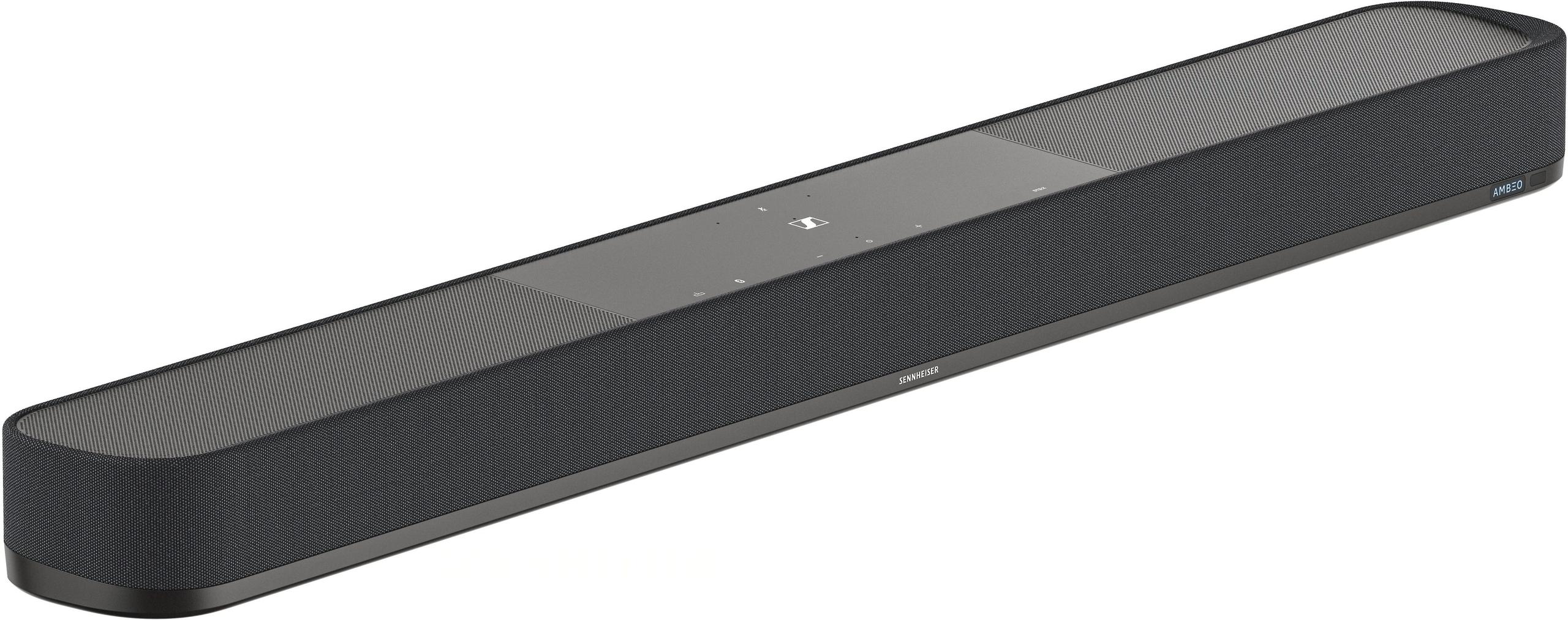
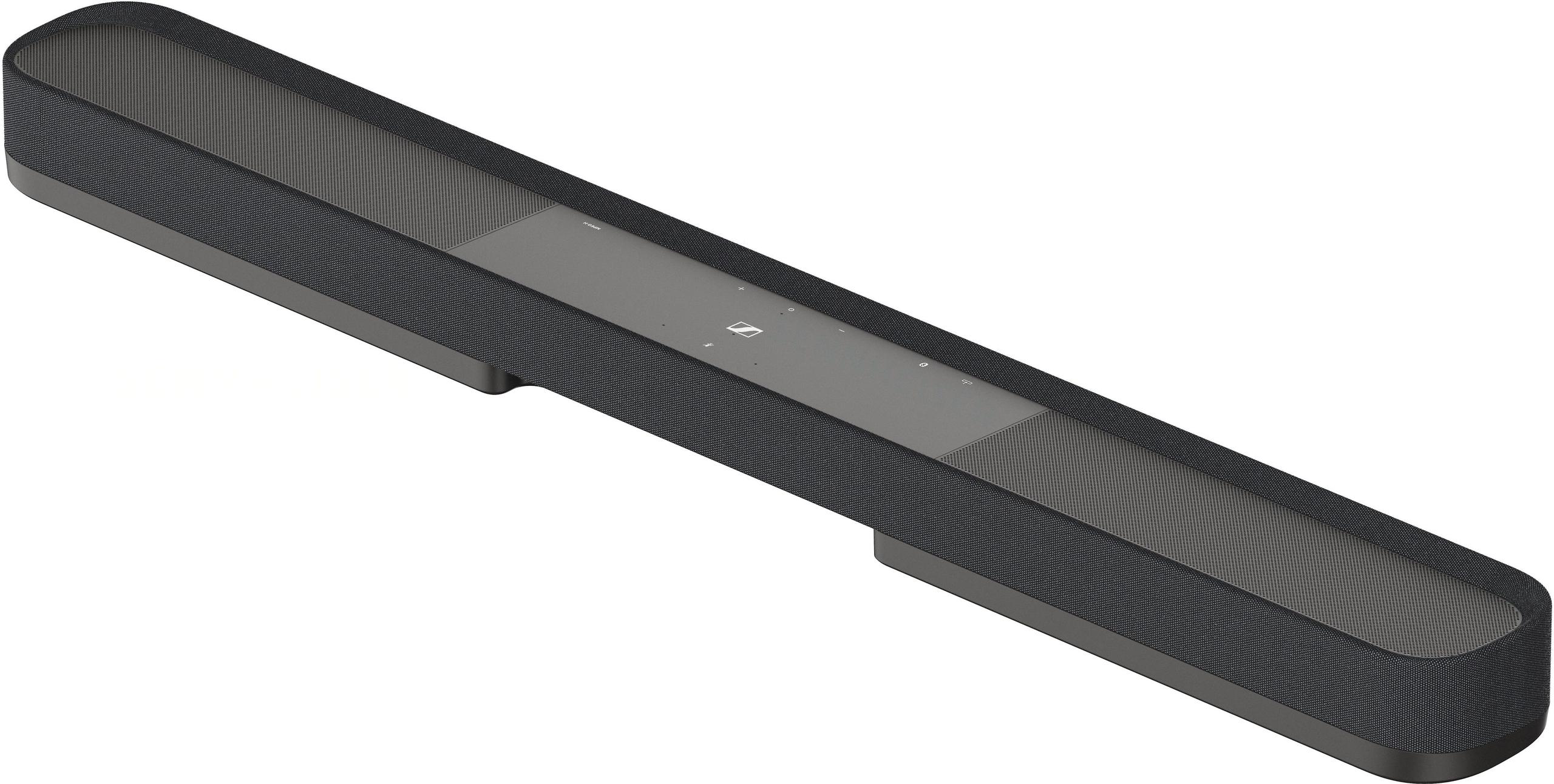
The Sennheiser AMBEO makes no apologies for its size. At nearly 50 inches wide and weighing over 40 pounds, it's a substantial piece of equipment that demands respect. The build quality is exceptional – this feels like a piece of professional audio equipment that happens to be designed for home use. The metal grilles, solid construction, and premium materials justify the higher price point from a build quality perspective.
However, the AMBEO's size can be problematic. It's tall enough to block TV remote sensors if placed directly in front of your TV, and it may not fit on narrower TV stands. The single-unit design eliminates subwoofer placement concerns but requires careful consideration of your furniture layout.
For dedicated home theater use, these soundbars reveal their fundamental differences most clearly. The Samsung HW-S700D excels at making movies more enjoyable than TV speakers ever could. Dialogue is clear, action sequences have appropriate weight, and the wireless subwoofer adds satisfying rumble to explosions and musical scores. It's particularly good for casual movie watching and binge-watching TV series.
However, the Samsung struggles with truly immersive content. Complex soundtracks with lots of surround information can sound somewhat flat, and the virtualized height effects are more suggestion than reality. For most people watching most content, this isn't a deal-breaker – it's still a massive improvement over TV audio.
The Sennheiser AMBEO transforms your living room into a legitimate home theater experience. Movies mixed in Dolby Atmos or DTS:X come alive with sounds that genuinely appear to move through three-dimensional space. The scene in "Blade Runner 2049" where aircraft fly overhead isn't just louder – you actually hear them moving across the ceiling. Rain scenes in "The Revenant" create an acoustic environment that surrounds you completely.
Music performance also differs significantly. The Samsung handles most music well, with clear vocals and adequate stereo imaging. The AMBEO, however, can create an almost concert-like experience with properly recorded music, placing instruments in believable positions around your listening space.
This brings us to the elephant in the room: is the Sennheiser AMBEO really worth five times the price of the Samsung HW-S700D? The answer depends entirely on your priorities and expectations.
The Samsung represents outstanding value for money. At around $380, it delivers performance that would have cost $800+ just a few years ago. If you want significantly better TV audio without major expense or complexity, it's hard to beat. The Samsung ecosystem integration adds real value if you own compatible TVs, making it feel like a natural extension of your entertainment system.
The AMBEO's pricing reflects its positioning as a reference-grade audio product. You're paying for audiophile-level driver quality, sophisticated digital signal processing, and engineering that took years to perfect. If audio quality is your primary concern and you have the budget, the AMBEO delivers an experience that's genuinely difficult to achieve with traditional speaker setups at comparable prices.
Consider that a quality 5.1.4 speaker system with receiver would easily cost $3,000-5,000 and require significant setup complexity. The AMBEO delivers 80-90% of that performance in a single unit.
Your room size significantly impacts which soundbar makes more sense. In smaller spaces (under 200 square feet), the Samsung HW-S700D provides more than adequate performance and won't overwhelm the space acoustically or visually. Its wireless subwoofer gives you placement flexibility to optimize bass response even in challenging room layouts.
Medium-sized rooms (200-400 square feet) represent the sweet spot for both soundbars, though the AMBEO really starts to show its advantages here. The additional power and sophisticated driver array fill larger spaces more convincingly, and the immersive effects have room to develop properly.
Large rooms (over 400 square feet) favor the Sennheiser AMBEO significantly. The Samsung may struggle to fill bigger spaces with adequate volume and presence, while the AMBEO's 500+ watts and advanced beamforming technology can create convincing surround effects even in substantial rooms.
Choose the Samsung HW-S700D if you want excellent value, own Samsung TVs, prioritize minimal visual impact, or simply want meaningfully better audio without major investment. It's perfect for apartments, smaller rooms, and anyone who wants to significantly improve their TV experience without diving deep into audiophile territory.
Choose the Sennheiser AMBEO if audio quality is your top priority, you want true Dolby Atmos immersion, you have a larger room that needs substantial power, or you can justify premium pricing for reference-grade performance. It's ideal for serious movie enthusiasts, audiophiles, and anyone who wants the closest thing to a professional theater experience in their home.
The fundamental choice comes down to good value with smart features versus uncompromising audio excellence. Both soundbars succeed brilliantly at their intended purposes – the question is which purpose aligns with your needs, space, and budget. Either way, you'll be dramatically happier with your TV audio than you are today.
| Samsung HW-S700D | Sennheiser AMBEO |
|---|---|
| Price - The most significant factor separating these soundbars | |
| $377.99 (excellent value for features included) | $1,999.95 (premium pricing for reference-grade audio) |
| Channel Configuration - Determines surround sound capabilities | |
| 3.1 channels (left, center, right + subwoofer) | 5.1.4 channels (full surround + 4 height channels) |
| Total Power Output - Affects volume and dynamic range | |
| 250W total (adequate for small-medium rooms) | 500W+ (room-filling power for large spaces) |
| Dolby Atmos Support - Creates overhead sound effects | |
| Virtualized through DTS Virtual:X (simulated height) | Native with 5 up-firing drivers (true 3D audio) |
| Number of Drivers - More drivers typically mean better sound separation | |
| 7 drivers total (soundbar + separate subwoofer) | 13 high-end drivers (all integrated in main unit) |
| Subwoofer Design - Impacts bass quality and placement flexibility | |
| 6" wireless subwoofer (separate placement, deeper bass) | Built-in woofers (no separate unit, more integrated sound) |
| Room Calibration - Optimizes sound for your specific space | |
| SpaceFit Sound via Samsung TV microphone | Advanced 5-microphone array with auto-calibration |
| Dimensions - Critical for TV stand compatibility | |
| 8.1" x 13.9" x 12.1" soundbar (ultra-slim 38mm height) | 49.6" x 5.3" x 6.7" (substantial footprint, may block TV sensors) |
| Weight - Affects mounting and placement options | |
| 13.2 lbs (easy wall mounting with included kit) | 40.8 lbs (requires sturdy mounting, premium build quality) |
| Samsung TV Integration - Special features for Samsung TV owners | |
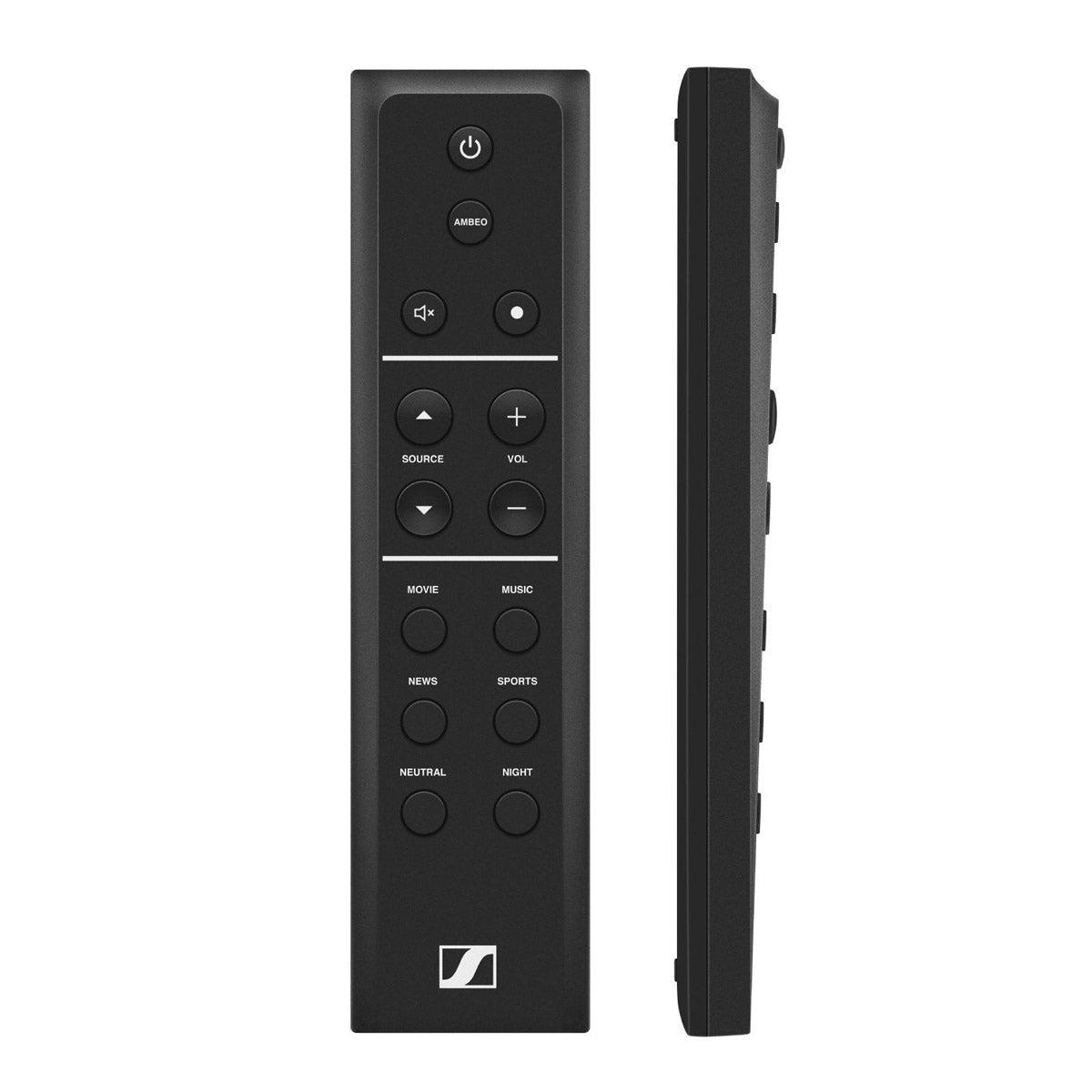
| Q-Symphony, Wireless Dolby Atmos, One Remote control | Universal compatibility (no special Samsung features) |
| Connectivity Options - Determines streaming and device compatibility | |
| HDMI eARC, Bluetooth 5.2, Wi-Fi, AirPlay 2, Chromecast | HDMI eARC, Bluetooth, Wi-Fi, Chromecast Built-in, UPnP |
| Release Year - Indicates current technology level | |
| 2024 (latest Samsung soundbar technology) | 2019 (mature flagship with ongoing firmware updates) |
| Best Use Case - Who each soundbar serves best | |
| Samsung TV owners wanting great value and slim design | Audiophiles seeking reference-grade single-bar surround sound |
The Samsung HW-S700D at $377.99 provides exceptional value for most users, delivering significant audio improvement over TV speakers with features like wireless subwoofer and Samsung TV integration. The Sennheiser AMBEO at $1,999.95 offers premium audiophile performance but costs five times more. For budget-conscious buyers, the Samsung represents better value unless you prioritize reference-grade audio quality.
The Samsung HW-S700D uses a 3.1 setup with left, center, right channels plus a subwoofer, providing clear dialogue and decent stereo sound. The Sennheiser AMBEO features 5.1.4 channels, adding surround and height channels for true Dolby Atmos with overhead sound effects. The 5.1.4 configuration creates much more immersive audio but requires significantly more investment.
The Samsung HW-S700D is ideal for small rooms due to its compact design, appropriate power output, and wireless subwoofer that can be placed optimally. The Sennheiser AMBEO may overpower small spaces and its large 49.6-inch width could dominate smaller entertainment centers. For rooms under 200 square feet, the Samsung provides adequate performance without overwhelming the space.
The Samsung HW-S700D includes a wireless 6-inch subwoofer that provides dedicated bass and can be placed anywhere in the room. The Sennheiser AMBEO has built-in woofers that deliver impressive bass down to 30Hz without requiring a separate subwoofer. Both approaches work well, but the Samsung offers more flexibility for bass placement and potentially more impact.
The Samsung HW-S700D is specifically designed for Samsung TV integration, featuring Q-Symphony technology that combines TV and soundbar speakers, wireless Dolby Atmos streaming, and one-remote control. The Sennheiser AMBEO works with any TV brand but lacks these special Samsung features. Samsung TV owners will get more functionality and seamless integration with the HW-S700D.
The Samsung HW-S700D outputs 250W total power, suitable for small to medium rooms and typical listening volumes. The Sennheiser AMBEO delivers 500W+ with its 13 high-end drivers, providing room-filling sound for larger spaces. The power difference becomes more noticeable in bigger rooms where the AMBEO can maintain clarity and impact at higher volumes.
The Sennheiser AMBEO provides native Dolby Atmos with five up-firing drivers that bounce sound off your ceiling for genuine overhead effects. The Samsung HW-S700D uses virtualized Dolby Atmos through DTS Virtual:X processing, which simulates height effects but cannot match true physical up-firing speakers. For authentic Dolby Atmos experience, the AMBEO is superior.
The Samsung HW-S700D measures just 38mm tall, making it perfect for placement in front of TVs without blocking the screen or remote sensors. The Sennheiser AMBEO is much larger at 49.6 inches wide and significantly taller, potentially blocking TV sensors and requiring more substantial furniture. The Samsung's slim design offers much more placement flexibility.
Both soundbars handle music well, but the Sennheiser AMBEO excels with its audiophile-grade drivers and sophisticated processing that can create concert-like soundstages. The Samsung HW-S700D provides clear, balanced music reproduction that satisfies most listeners. Serious music enthusiasts will appreciate the AMBEO's superior detail and spatial accuracy, while casual listeners will find the Samsung perfectly adequate.
The Samsung HW-S700D includes HDMI eARC, Bluetooth 5.2, Wi-Fi, AirPlay 2, and Chromecast for comprehensive device compatibility. The Sennheiser AMBEO offers HDMI eARC, Bluetooth, Wi-Fi, Chromecast Built-in, and UPnP streaming with support for high-resolution audio formats. Both provide excellent connectivity, with the AMBEO offering slight advantages for audiophile music streaming.
The Samsung HW-S700D offers simpler setup, especially with Samsung TVs where it can automatically configure settings and use the TV's remote. The Sennheiser AMBEO requires more detailed setup including running its sophisticated room calibration system with five microphones. While the AMBEO's calibration provides better optimization, the Samsung offers more plug-and-play convenience.
Room size significantly impacts performance. The Samsung HW-S700D works best in small to medium rooms up to 300 square feet, providing adequate power and bass. The Sennheiser AMBEO excels in medium to large rooms where its superior power and driver array can create convincing surround effects. For rooms over 400 square feet, the AMBEO's additional power and sophisticated audio processing become more valuable.
We've done our best to create useful and informative comparisons to help you decide what product to buy. Our research uses advanced automated methods to create this comparison and perfection is not possible - please contact us for corrections or questions. These are the sites we've researched in the creation of this article: crutchfield.com - samsung.com - bestbuy.com - avsforum.com - walts.com - samsung.com - samsung.com - videoandaudiocenter.com - samsung.com - samsung.com - samsung.com - pcrichard.com - bestbuy.com - rtings.com - techradar.com - audioxpress.com - whathifi.com - upscaleaudio.com - soundstagesimplifi.com - global.sennheiser-hearing.com - sennheiser-hearing.com - audioadvice.com - abt.com - moon-audio.com

Privacy Policy
Terms and Conditions - Affiliate Policy
Home Security
© Copyright 2008-2026.
11816 Inwood Rd #1211, Dallas, TX 75244