





If you've ever found yourself cranking up your TV volume just to hear what characters are saying, or felt like explosions in movies sound more like gentle puffs than earth-shaking booms, you're definitely not alone. TV speakers have gotten thinner along with our TVs, and frankly, they're just not up to the job anymore. That's where soundbars come in – they're designed to solve these exact problems without turning your living room into a maze of speakers and wires.
But here's where it gets tricky: soundbars range from simple stereo upgrades to sophisticated audio systems that can cost as much as a decent used car. Today, we're comparing two products that sit on completely opposite ends of this spectrum – the Sonos Ray ($279) and the Sennheiser AMBEO Soundbar ($1,999+). These aren't just different price points; they represent fundamentally different philosophies about what a soundbar should do and how much you should spend to get there.
Before we dive into the specifics, let's talk about what soundbars are actually trying to accomplish. The main job is fixing dialogue clarity – that's usually the biggest complaint people have about TV audio. Beyond that, they're expanding the soundstage (making audio feel wider and more spacious), adding bass response that your TV simply can't produce, and in more advanced cases, creating the illusion of surround sound.
The key considerations when shopping for any soundbar include audio quality, spatial audio capabilities (basically how well it can make sounds seem like they're coming from around you), connectivity options, how well it fits your room size, whether it plays nicely with other devices you might want to add later, and of course, whether the performance justifies the price tag.
What's particularly interesting about the soundbar market right now is how it's split between two very different approaches. Some companies focus on creating affordable entry points that dramatically improve your TV experience without breaking the bank. Others are pushing the boundaries of what's possible from a single horizontal speaker bar, incorporating technologies that were unimaginable just a few years ago.
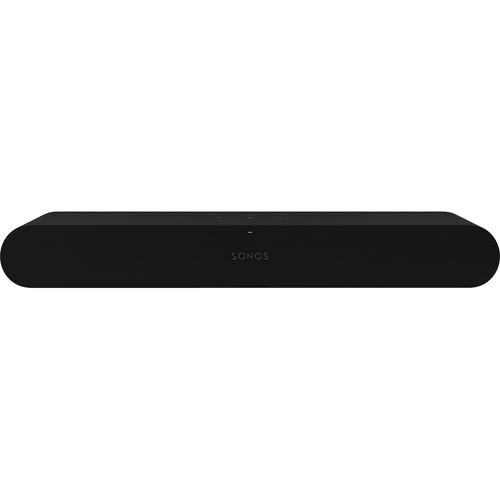
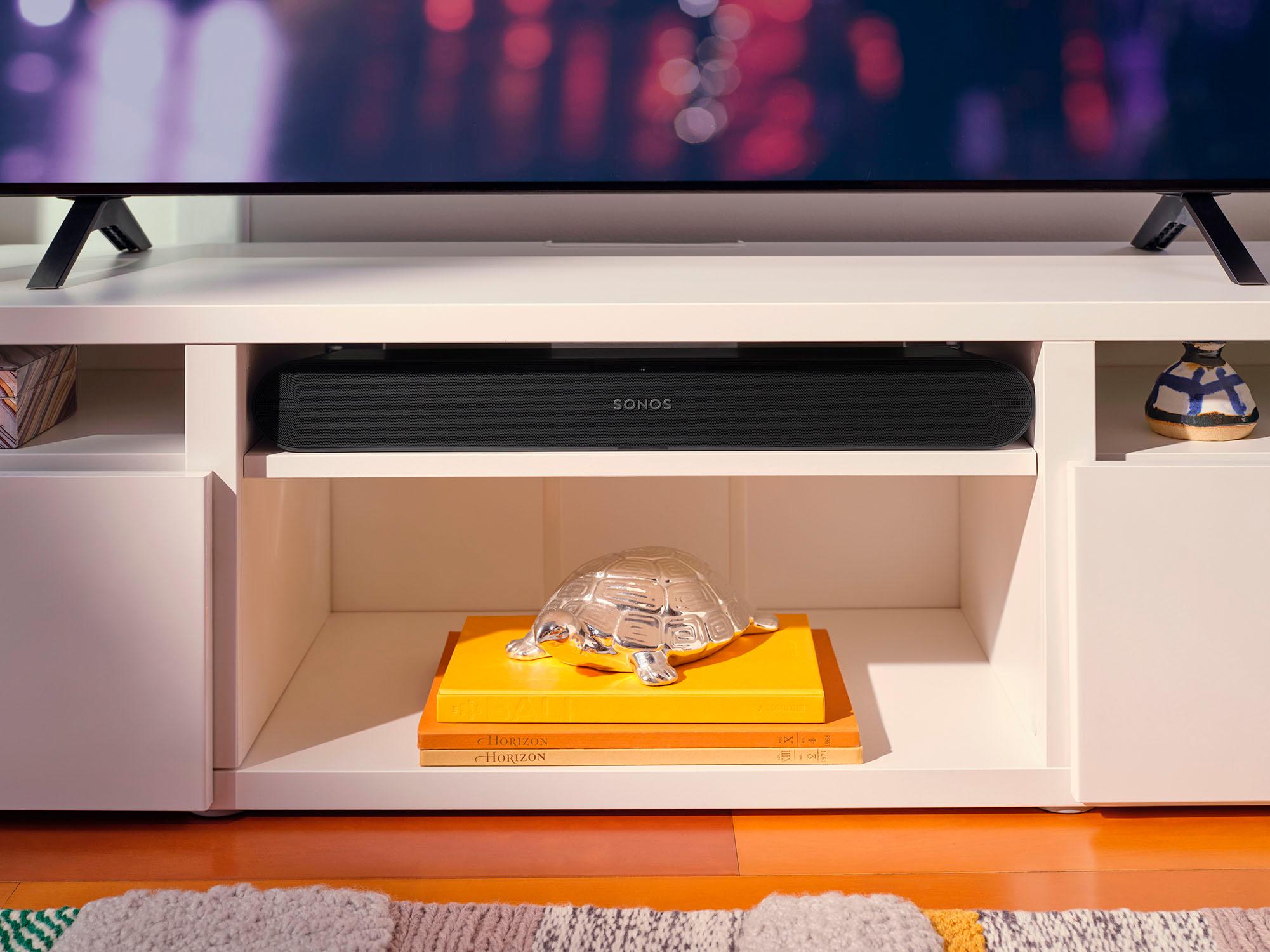
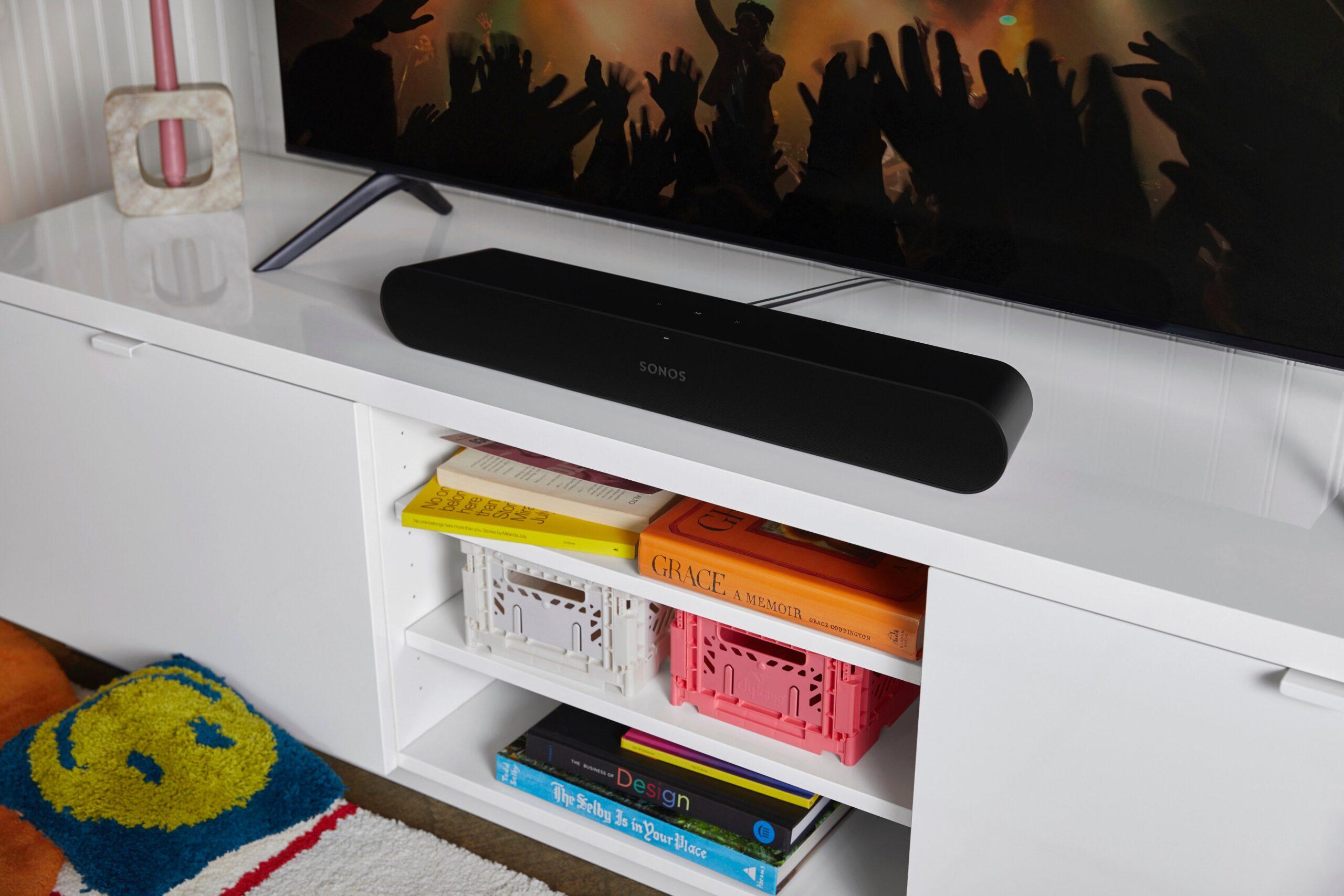
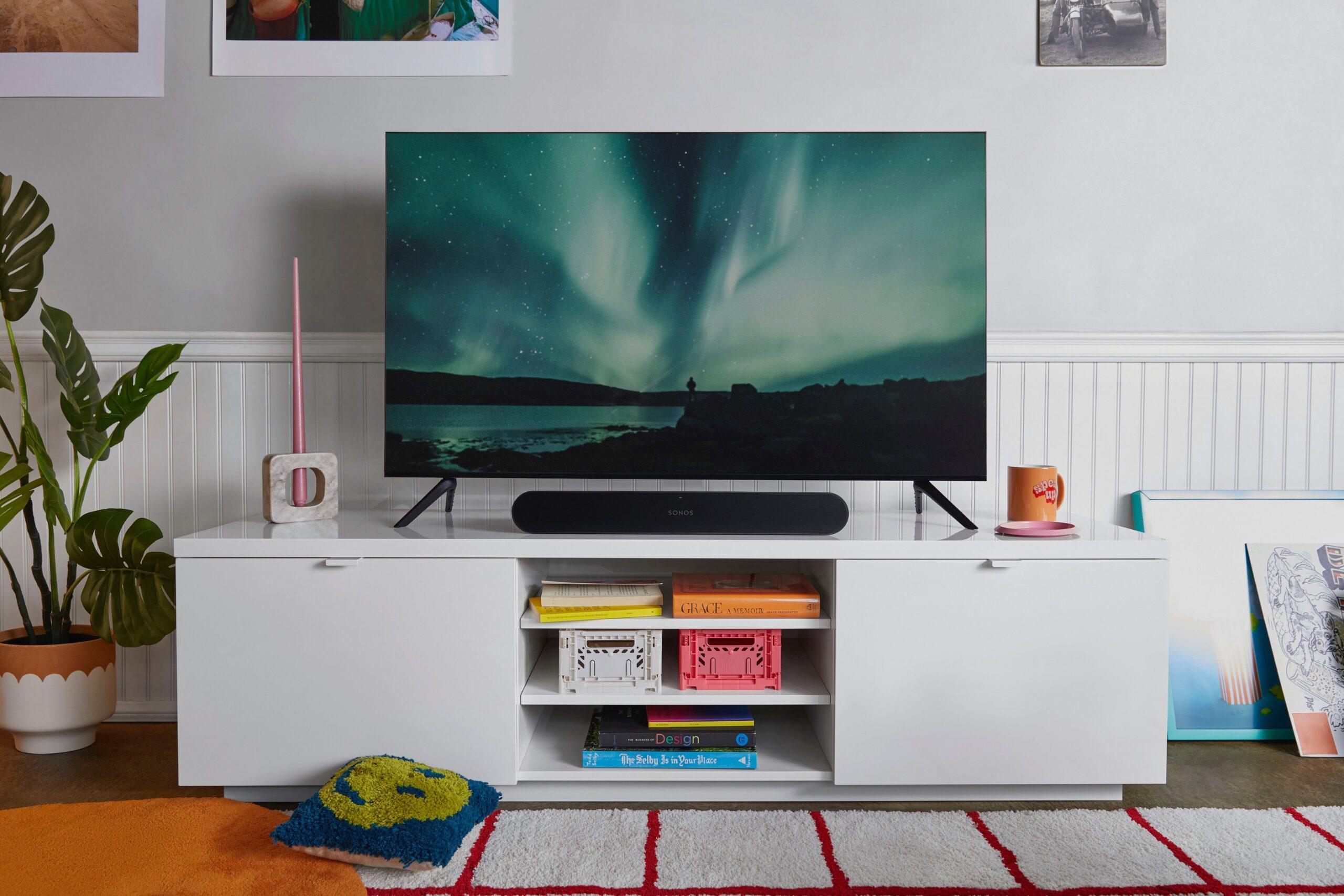
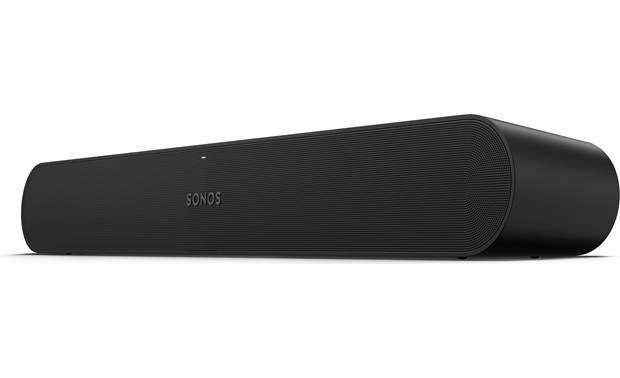
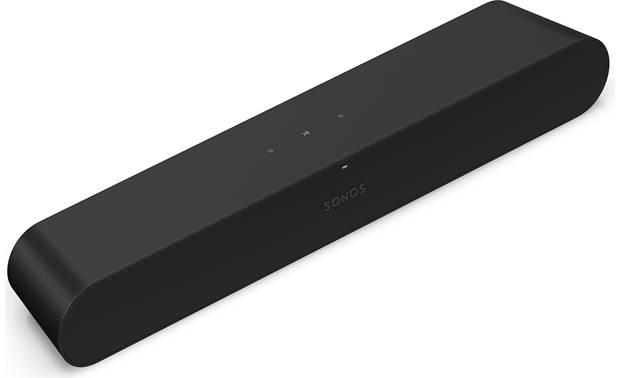
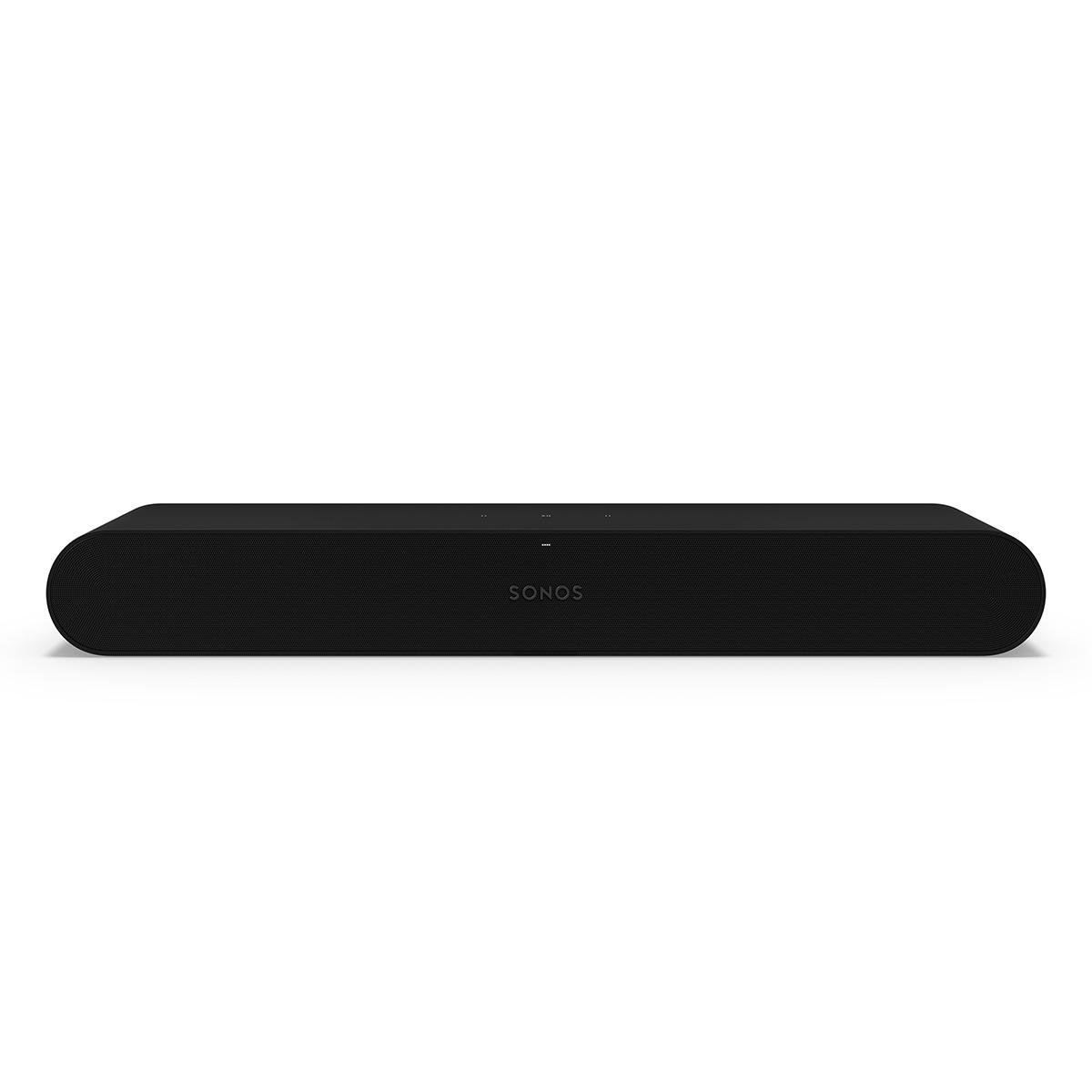
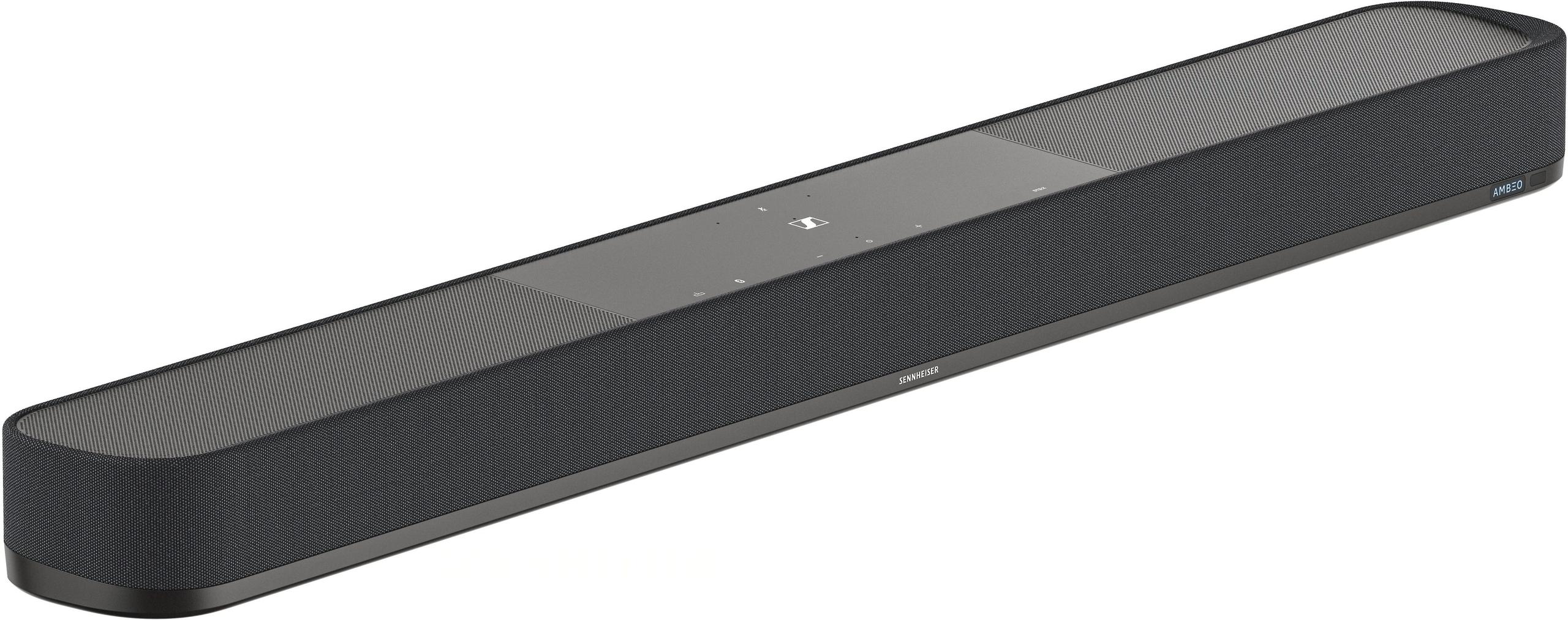
The Sonos Ray, released in 2024, represents the "smart simplicity" approach. At $279, it's positioned as an accessible entry point into quality audio that happens to integrate beautifully with Sonos's ecosystem of wireless speakers. If you're familiar with Sonos, you know they've built their reputation on making high-quality audio products that just work, and the Ray continues that tradition.
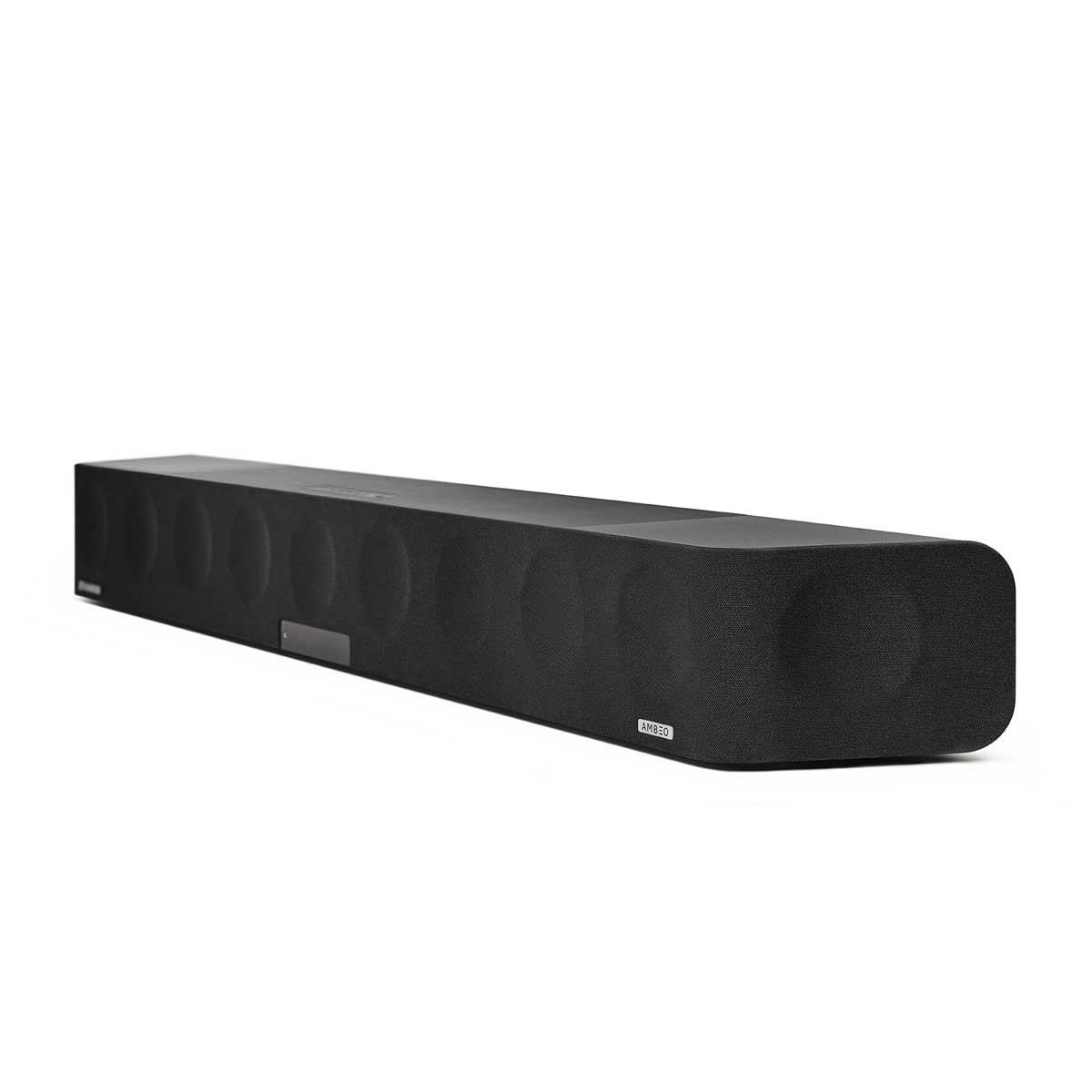
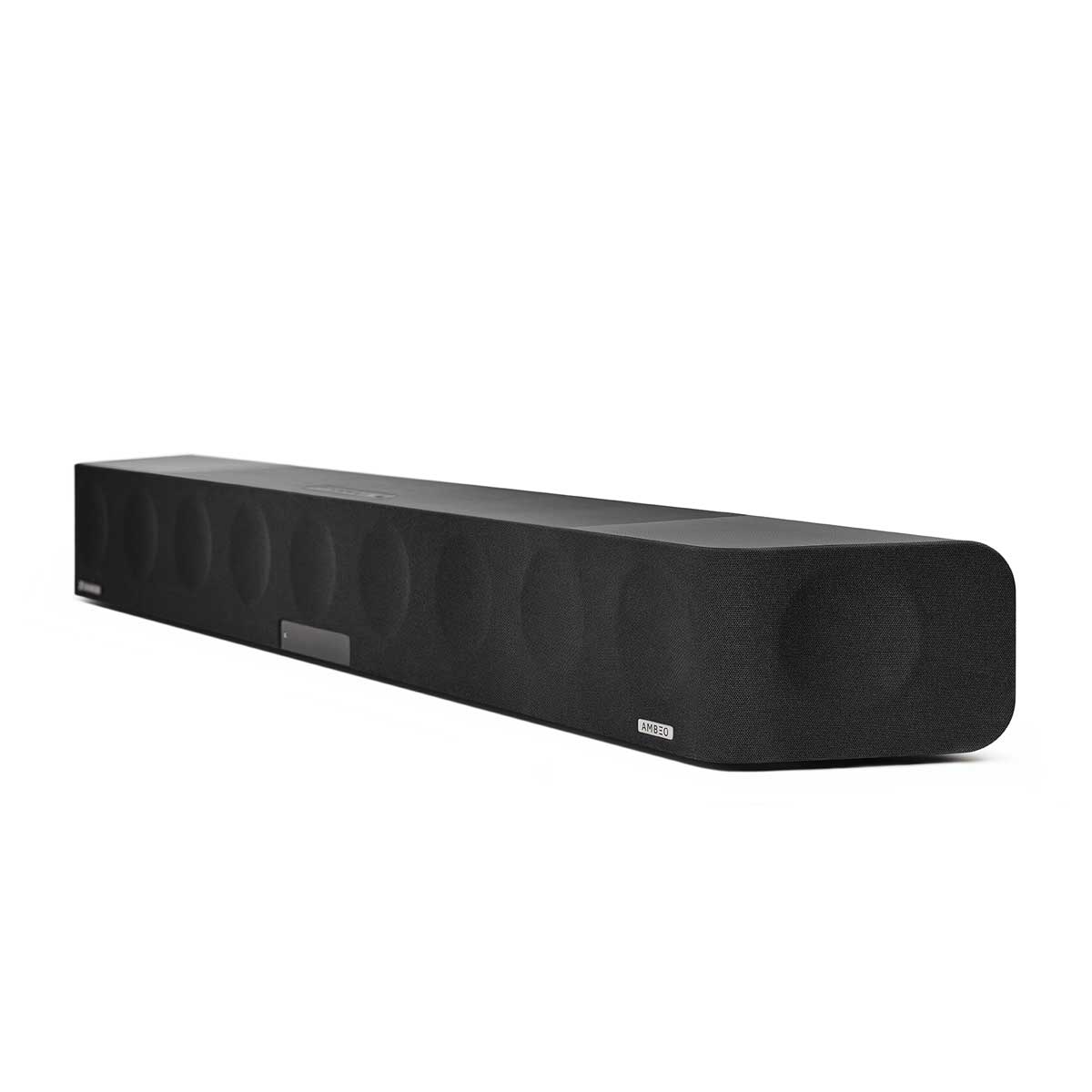
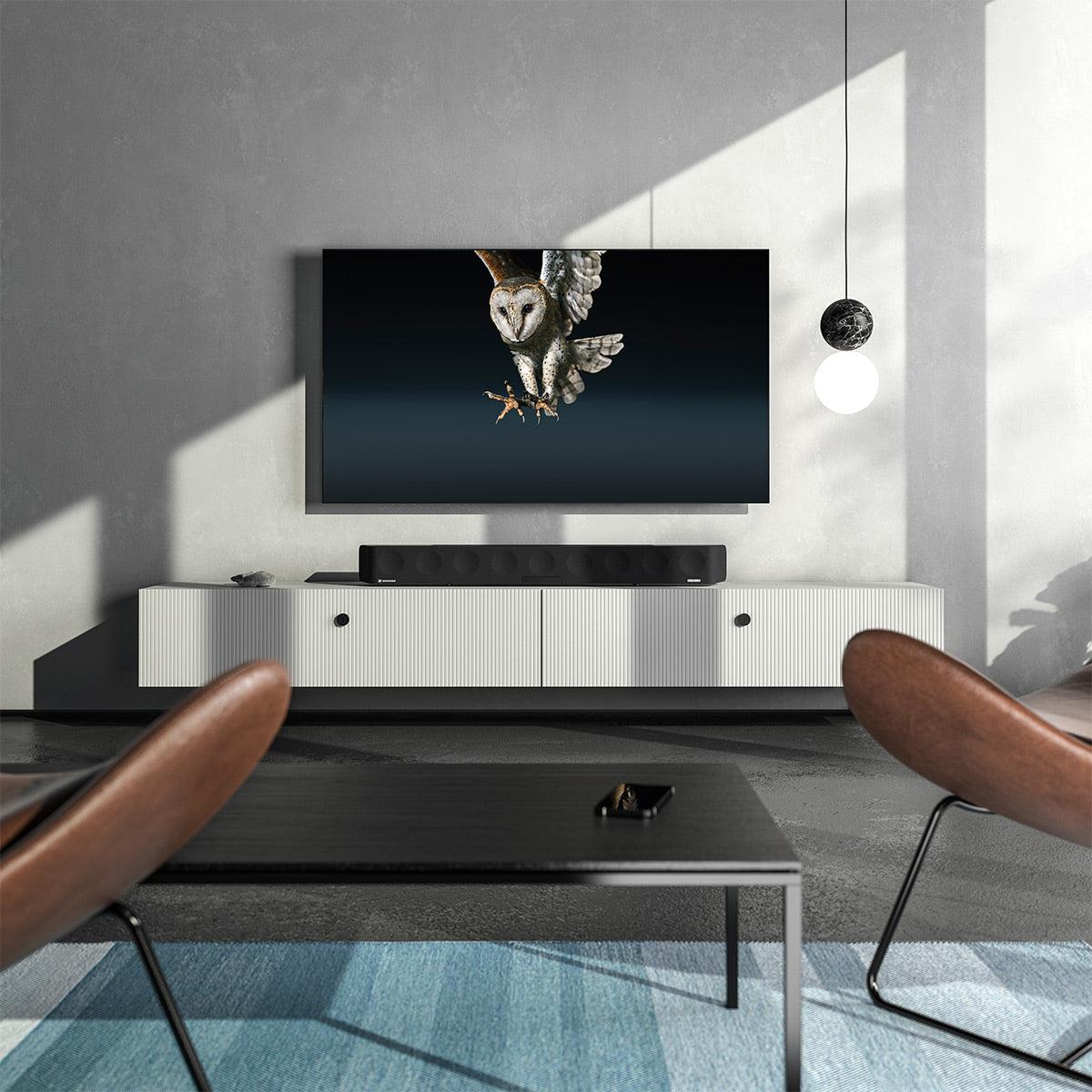
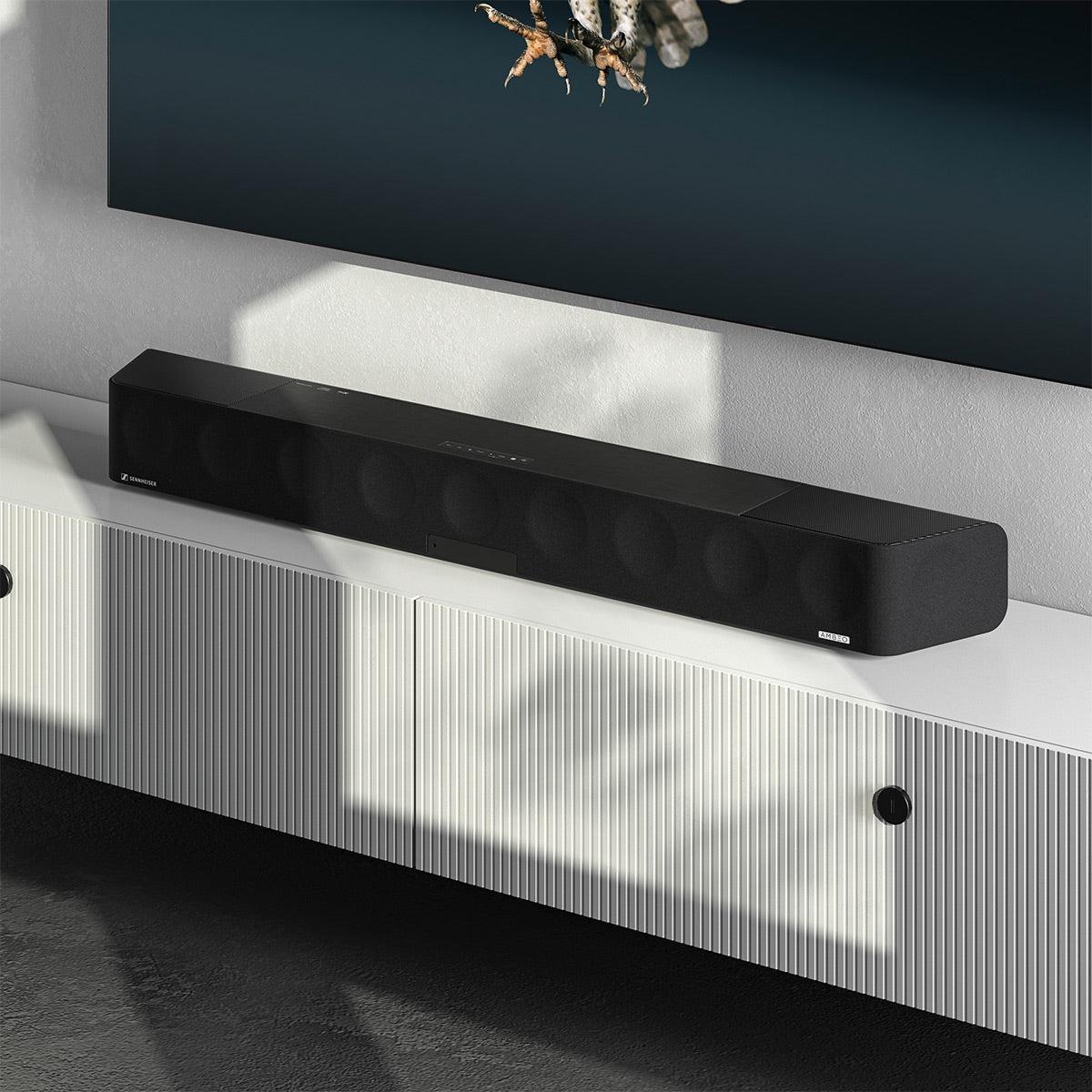
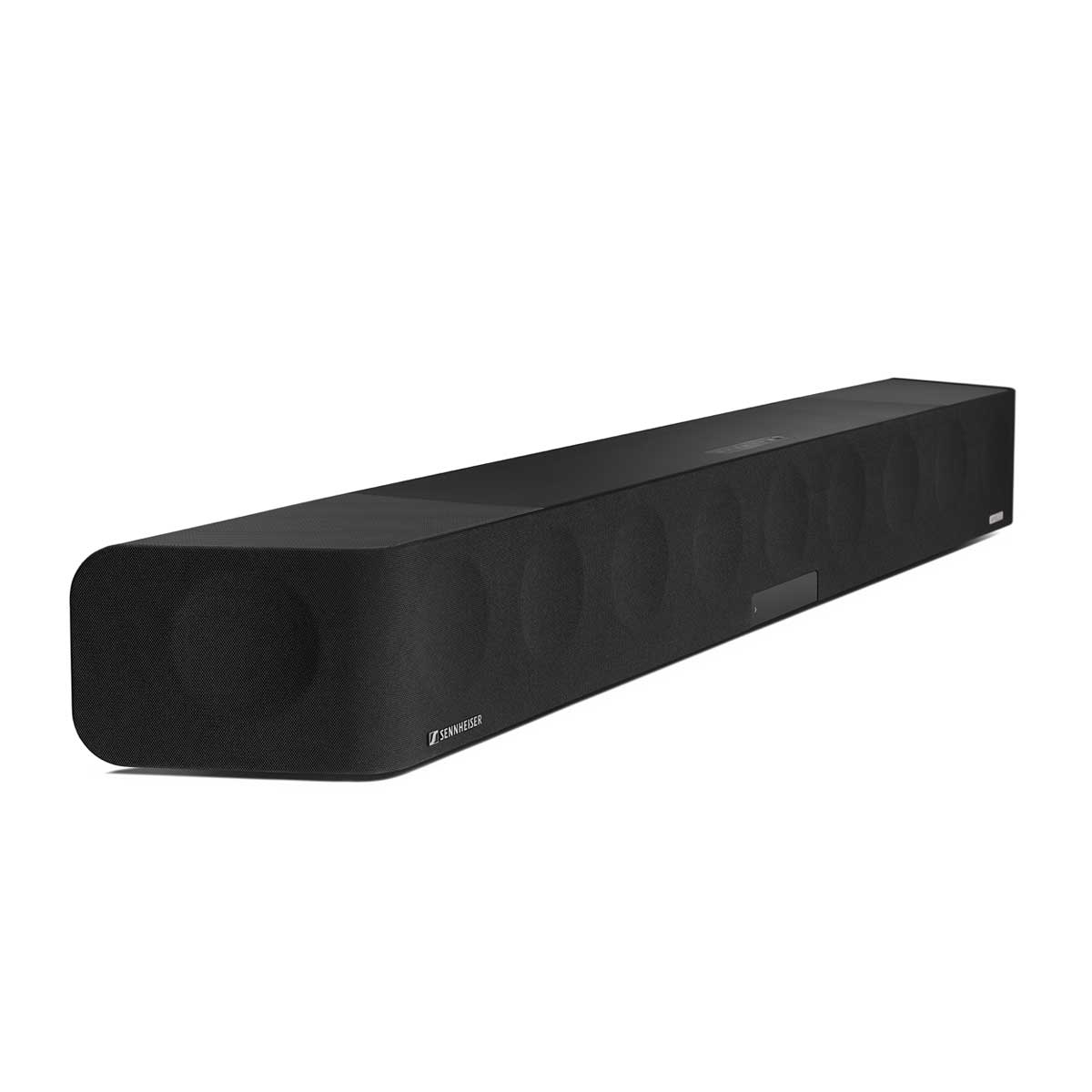
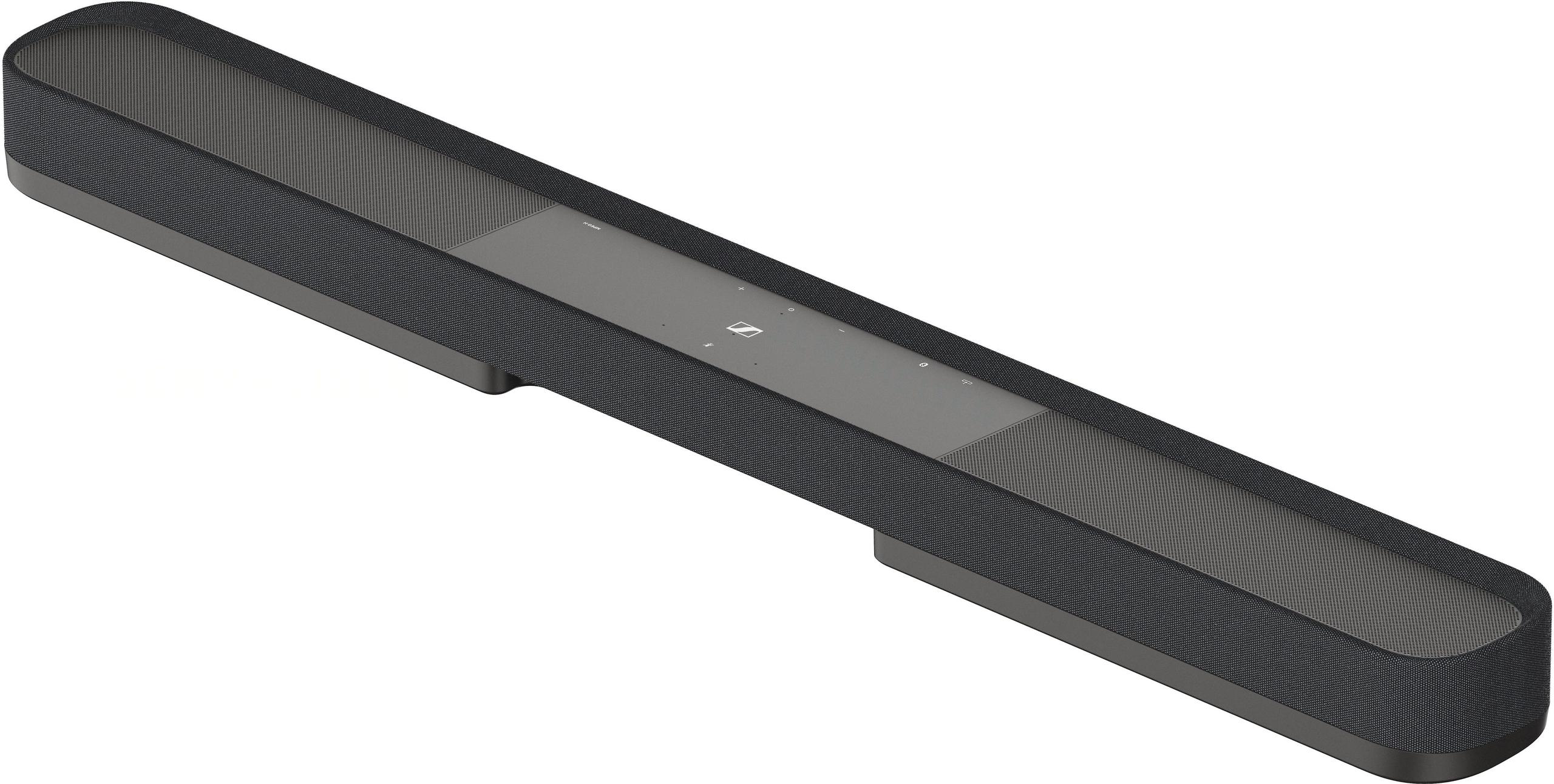
On the complete opposite end of the spectrum, the Sennheiser AMBEO Soundbar, also released in 2024 at $1,999+, is what happens when an audio company with serious engineering chops decides to see just how much immersive audio experience they can pack into a single unit. Sennheiser has been making professional audio equipment for decades, and the AMBEO represents their attempt to bring studio-quality spatial audio to home theaters.
The technology gap between these two release dates might seem minimal, but the soundbar market has evolved rapidly. Both products incorporate lessons learned from earlier generations – the Ray benefits from Sonos's years of perfecting wireless audio and room tuning, while the AMBEO leverages advances in digital signal processing and virtualization technology that make today's spatial audio experiences possible.
Let's start with the most important thing: making sure you can actually hear what people are saying on screen. This is where both soundbars excel, but in very different ways.
The Sonos Ray approaches dialogue clarity through what they call "Hollywood-tuned vocal processing." Essentially, Sonos has analyzed how dialogue is mixed in movies and TV shows, then designed the Ray's frequency response to emphasize the range where human voices live while reducing interference from other sounds. The result is remarkably clear speech that cuts through background music and sound effects.
What makes this particularly impressive is that the Ray doesn't have a dedicated center channel – that's the speaker in traditional surround systems that handles most dialogue. Instead, it uses custom-designed waveguides (think of them as acoustic lenses) that shape how sound travels from the drivers to your ears. These waveguides help create the illusion that dialogue is coming from the center of your TV screen, even though the sound is actually coming from a stereo bar sitting below it.
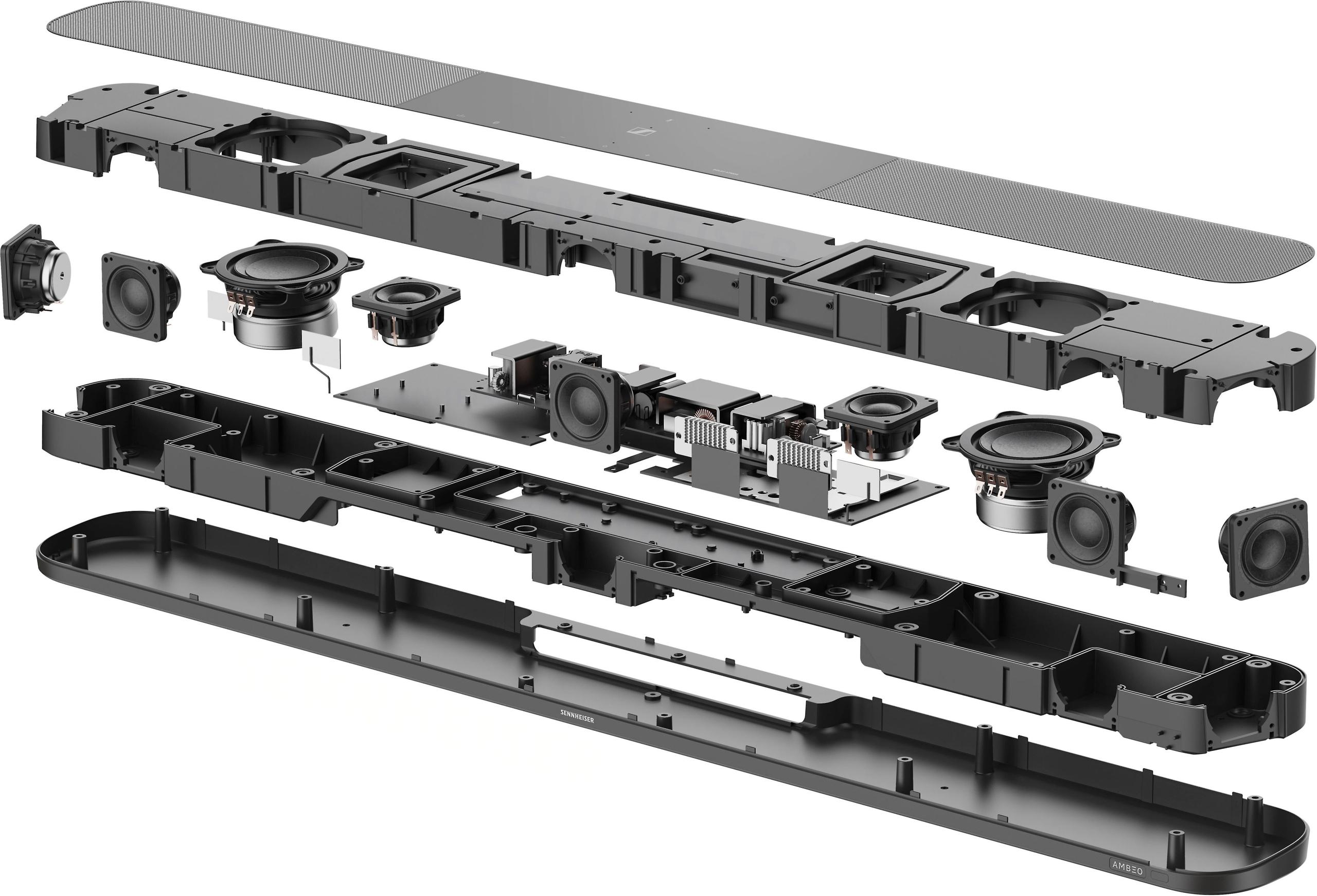
The AMBEO takes a more brute-force approach to dialogue clarity. With 13 individual drivers including dedicated tweeters and full-range speakers, it has the raw hardware to create a proper center channel experience. The result is dialogue that doesn't just sound clear – it sounds like it's coming from exactly where the actor's mouth is on screen. When I've tested similar setups, the difference is immediately noticeable. Voices have more weight and presence, and you can distinctly hear spatial cues like whether someone is speaking from the left or right side of the scene.
Both soundbars include features to further enhance dialogue. The Ray has Speech Enhancement mode, which boosts voice frequencies when you're having trouble following along. The AMBEO offers multiple preset modes that optimize the entire frequency response for different content types, including a dedicated dialogue mode.
This is where the fundamental differences between these products become most apparent. The Ray creates a wider soundstage through clever acoustic engineering, while the AMBEO attempts to surround you with sound using advanced virtualization technology.
The Ray's approach is elegantly simple. Those custom waveguides I mentioned earlier don't just help with dialogue – they also spread stereo audio much wider than you'd expect from such a compact unit. The effect is subtle but noticeable: instead of sound feeling like it's coming from a small box under your TV, it feels like it's coming from a much larger space. Music, in particular, benefits from this treatment, with instruments feeling more separated and spacious.
However, the Ray doesn't support Dolby Atmos, which is becoming increasingly common in streaming content and Blu-rays. Dolby Atmos is an audio format that includes information about where sounds should appear in three-dimensional space, including overhead. Without HDMI connectivity (the Ray only has optical input), it simply can't receive the high-bandwidth audio signals that carry this information.
The AMBEO, on the other hand, is specifically designed around Dolby Atmos and spatial audio. It uses what's called "virtualization technology" – sophisticated digital processing that analyzes your room's acoustics and uses strategically placed drivers to bounce sound off your walls and ceiling. The goal is to create the illusion that you have speakers positioned all around your room, including above your head.
The AMBEO includes upfiring drivers (speakers that point toward the ceiling) and side-firing drivers that work together with the room's surfaces to create height effects and surround envelopment. When it works well, the effect can be genuinely impressive. Helicopters in movies don't just sound like they're flying – they sound like they're flying over your head. Rain sounds like it's falling around you rather than just in front of you.
This technology works best in rooms with the right acoustics – you need a ceiling that's not too high, walls that can reflect sound effectively, and minimal acoustic interference from furniture or room layout. In ideal conditions, the AMBEO can create an experience that rivals traditional surround sound systems.
Bass response is where the physical limitations of the Ray become most apparent, and where the AMBEO's premium engineering really shines.
The Sonos Ray extends down to about 43Hz, which is respectable for its size but not particularly impressive in absolute terms. For context, the lowest note on a bass guitar is around 41Hz, and movie sound effects often go much lower. The Ray uses proprietary bass reflex ports (openings that help reinforce low frequencies) to make the most of its compact internal volume, but physics ultimately limits what's possible.
In practical terms, this means the Ray provides enough bass for most TV content and music, but action movies and bass-heavy music will reveal its limitations. At higher volumes, the bass can become distorted as the small drivers struggle to move enough air. There's also no subwoofer output, so you can't easily add more bass later without buying additional Sonos products.
The AMBEO takes a completely different approach with dual built-in 4-inch subwoofers. These aren't just larger drivers – they're dedicated bass speakers with their own amplification and signal processing. The result is bass extension down to 30Hz, which covers the vast majority of content you'll encounter. More importantly, the AMBEO can produce this bass at much higher volumes without distortion.
The difference in bass performance between these two products is dramatic. Explosions in movies don't just sound bigger through the AMBEO – they feel bigger, with the kind of physical impact that you associate with dedicated subwoofer systems. Music benefits too, with bass lines that have genuine weight and presence rather than just being suggested by mid-range frequencies.
This might seem like a boring technical topic, but connectivity differences between these products have major practical implications for what content you can actually enjoy and how easy the setup process will be.
The Sonos Ray's optical-only input is both its biggest limitation and, in some ways, part of its charm. Optical connections (also called TOSLINK) use fiber optic cables to carry digital audio signals. They're reliable and immune to electromagnetic interference, but they have limited bandwidth compared to HDMI connections.
This bandwidth limitation means the Ray can't receive high-resolution audio formats like Dolby Atmos, DTS:X, or even high-bitrate versions of standard surround formats. You're limited to stereo audio, Dolby Digital 5.1 (though it gets downmixed to stereo), and DTS. For many people, this isn't a problem – especially if your main goal is improving dialogue clarity and music listening.
The setup simplicity is genuinely appealing. One optical cable from your TV, one power cable, and you're done. The Ray includes an IR sensor that lets it respond to your TV remote's volume commands, so you don't need to learn new controls or deal with additional remotes.
However, this simplicity comes with trade-offs. If your TV doesn't have an optical output (increasingly rare but not unheard of), you'll need an adapter. More importantly, you're missing out on the higher-quality audio that modern streaming services and Blu-rays can provide.
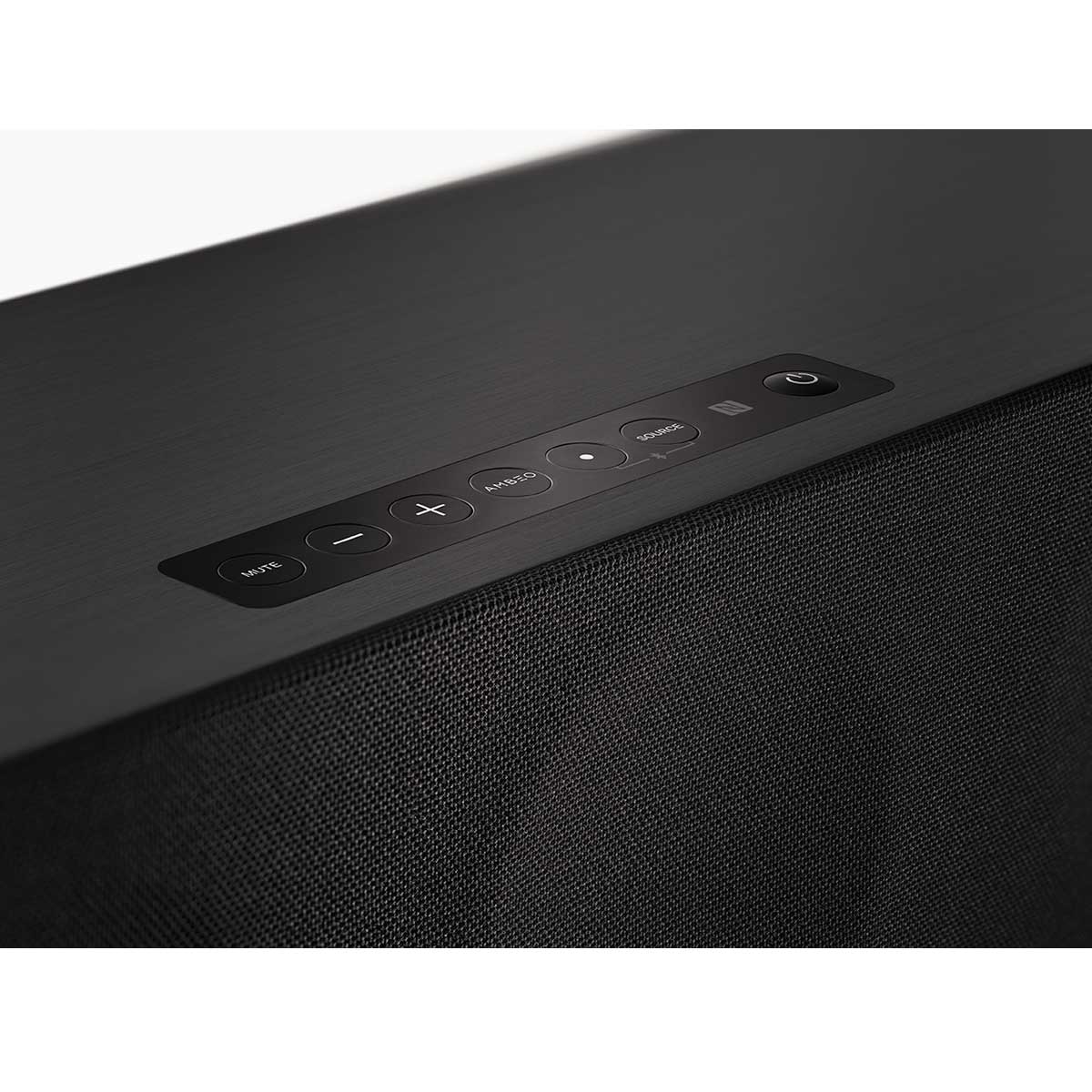
The Sennheiser AMBEO offers comprehensive connectivity that can handle anything you throw at it. HDMI eARC (enhanced Audio Return Channel) provides the full-bandwidth connection needed for Dolby Atmos and other advanced audio formats. There are also optical and analog inputs for older devices, plus Bluetooth, Wi-Fi, and Ethernet for streaming and updates.
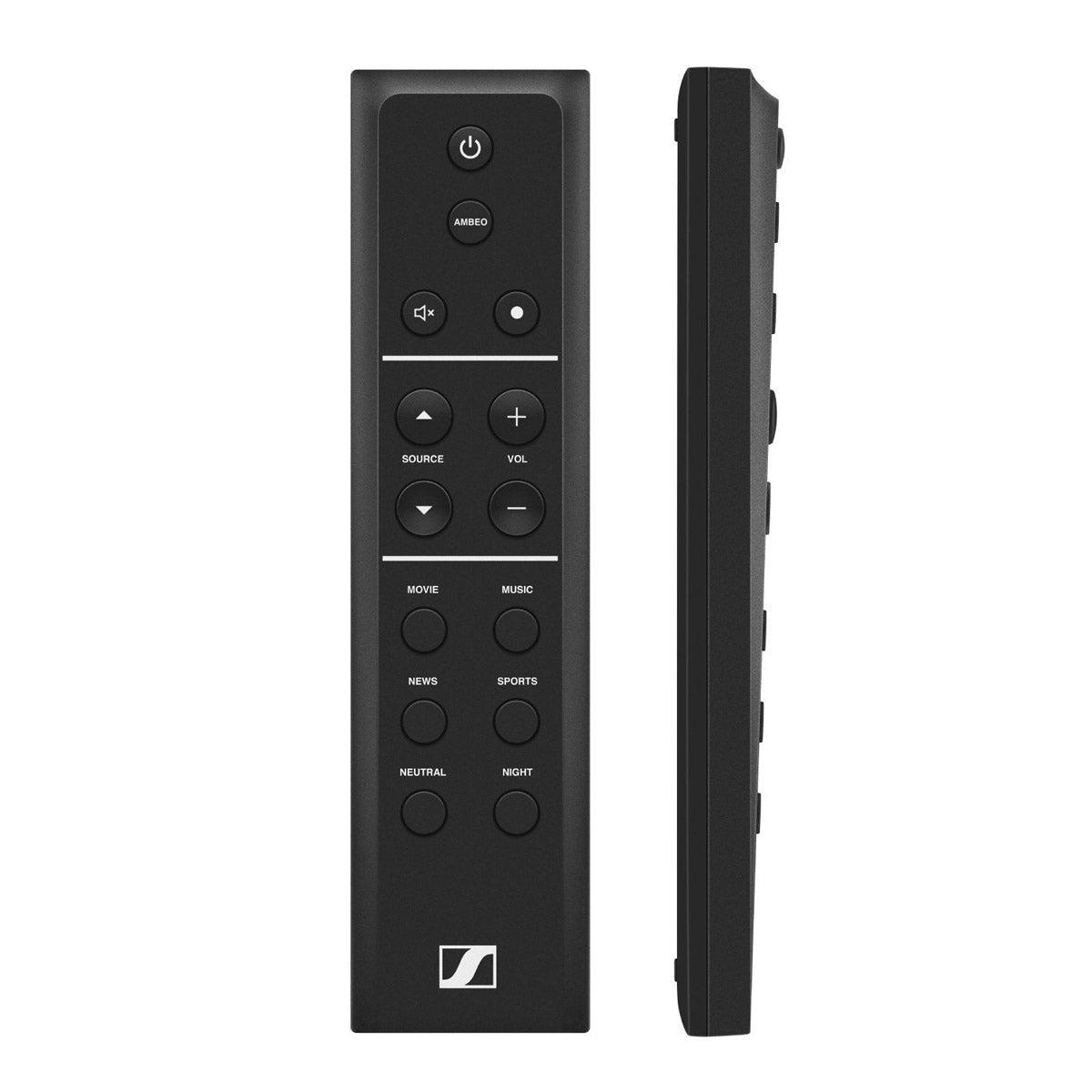
This connectivity flexibility means the AMBEO can serve as a proper home theater centerpiece. It can receive high-resolution audio from your TV, gaming console, streaming device, or any other source. The HDMI connection also enables features like automatic power-on when you start your TV and seamless integration with your existing remote controls.
The trade-off is complexity. More connection options mean more decisions to make during setup, and more potential points of failure if something goes wrong. You'll also need to make sure your TV supports the audio formats you want to use – there's no point in paying for Dolby Atmos capability if your TV can't pass those signals through.
Both soundbars offer smart features, but they represent very different philosophies about how audio devices should integrate with your home.
The Ray is designed from the ground up as part of the Sonos ecosystem. If you already have Sonos speakers in other rooms, the Ray integrates seamlessly for whole-home audio that stays perfectly synchronized. You can start playing music on the Ray and seamlessly move it to speakers in other rooms, or play different music in each room while keeping everything controlled from a single app.
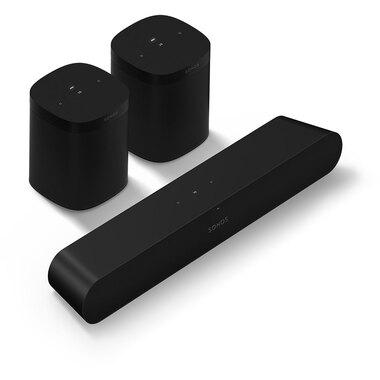
The Sonos ecosystem is also expandable in ways that make sense for soundbar users. You can add a Sonos Sub for more bass, or use other Sonos speakers as wireless rear channels for true surround sound. This modular approach means you can start with the Ray and gradually build a more sophisticated system as your needs and budget allow.
Trueplay tuning is another Sonos standout feature, though it only works with iOS devices. Using your iPhone's microphone, Trueplay analyzes your room's acoustics and adjusts the soundbar's frequency response accordingly. It's remarkably effective at optimizing sound for your specific space, though Android users are left out of this particular feature.
The AMBEO takes a more self-contained approach to smart features. Built-in Amazon Alexa and Google Assistant mean you can control the soundbar with voice commands, adjust settings, and even use it as a smart home hub. Chromecast built-in enables easy streaming from mobile devices, while support for various streaming protocols means compatibility with a wide range of apps and services.
The AMBEO's room calibration is more sophisticated than Sonos's Trueplay, using an automated process that analyzes your space and optimizes not just frequency response but also the spatial audio processing. This calibration is crucial for the AMBEO's virtualization technology to work properly – it needs to understand your room's characteristics to effectively bounce sound off surfaces.
However, the AMBEO is essentially a standalone product. While it works well as a single unit, there's no broader ecosystem to expand into. You're buying a complete solution rather than a building block for future growth.
The price difference between these products – roughly seven times more expensive for the AMBEO – raises obvious questions about value and diminishing returns.
The Ray's value proposition is straightforward: it provides a dramatic improvement over TV speakers for a relatively modest investment. At $279, it costs less than many people spend on a single dinner out, yet provides benefits you'll enjoy every time you watch TV or listen to music. The dialogue clarity alone justifies the purchase for most users, and the additional benefits of wireless streaming and ecosystem integration add long-term value.
From a pure performance-per-dollar perspective, the Ray is exceptional. You're getting genuine high-quality audio engineering, not just a cheap speaker in a fancy package. Sonos has a track record of supporting products with software updates for many years, so you're also buying into ongoing improvements and new features.
The Ray also offers value through versatility. While it's designed primarily as a TV soundbar, it works equally well for music streaming. Many owners report using it as much for Spotify and Apple Music as for TV audio, essentially getting two products in one purchase.
The AMBEO's value equation is more complex. At $1,999+, it's competing not just with other soundbars but with full surround sound systems, high-end stereo speakers, and other serious audio equipment. The question isn't whether it sounds better than TV speakers (it obviously does), but whether it provides enough additional benefit over less expensive alternatives to justify the premium.
For users who prioritize the convenience of a single-unit solution but want genuine home theater performance, the AMBEO can represent good value. Consider that a comparable surround sound system might include a receiver ($500+), multiple speakers ($1000+), and a subwoofer ($500+), plus the complexity of installation and room treatment. The AMBEO delivers similar or better performance without the complexity, which has real value for many users.
The advanced spatial audio processing is genuinely impressive technology that simply wasn't available at any price just a few years ago. If you regularly watch content with Dolby Atmos soundtracks and have a room that can take advantage of the virtualization technology, the AMBEO provides an experience that's difficult to replicate with traditional speakers.
For dedicated home theater use, the choice between these products depends largely on your priorities and room characteristics.
The Ray works best in smaller to medium-sized spaces where dialogue clarity is the primary concern. If you're mainly watching TV shows, news, and lighter entertainment content, the Ray provides everything you need while maintaining the flexibility to expand later. Its compact size and understated design also work well in multi-use spaces where a large soundbar might feel intrusive.
However, the Ray's limitations become more apparent with action movies, concerts, and other content that relies heavily on dynamic range and spatial audio. Without Dolby Atmos support and with limited bass response, you're missing significant portions of the modern movie-watching experience.
The AMBEO is specifically designed for serious home theater use. It excels with content that takes advantage of spatial audio – think Marvel movies with their elaborate soundscapes, nature documentaries with immersive environmental audio, and concert films where you want to feel like you're in the venue rather than just watching it.
Room characteristics matter significantly for the AMBEO's performance. You need appropriate ceiling height (8-12 feet is ideal), reasonably reflective surfaces, and minimal acoustic interference from furniture or room layout. In the right room, the AMBEO can create an impressively immersive experience that rivals dedicated surround systems.
Choosing between these products ultimately comes down to understanding your priorities, room characteristics, and long-term audio goals.
Choose the Sonos Ray if you're primarily looking to improve dialogue clarity and overall TV audio quality without making a major investment. It's ideal for users who want something that just works, integrates well with other devices, and provides room for future expansion. The Ray makes particular sense if you're already invested in the Sonos ecosystem or frequently stream music to your TV setup.
The Ray is also the better choice if you're unsure about your long-term audio needs. At $279, it's easy to justify as a starting point, and the Sonos ecosystem provides clear upgrade paths if you decide you want more capability later.
Choose the Sennheiser AMBEO if you're committed to creating the best possible single-unit home theater experience and have the budget to support it. It makes sense for users with dedicated theater rooms or large living spaces who regularly watch content with advanced audio formats. The AMBEO is particularly compelling if room constraints make traditional surround speakers impractical but you don't want to compromise on audio quality.
Consider waiting or looking at alternatives if your TV lacks the necessary audio outputs, your room has challenging acoustics that might interfere with either product's performance, or you're unsure about committing to either approach. Sometimes the best decision is to start with TV speaker improvements and work your way up as you better understand your preferences.
The soundbar market continues to evolve rapidly, with new technologies and price points emerging regularly. Both the Ray and AMBEO represent excellent examples of their respective approaches, but understanding which philosophy aligns with your needs is more important than any specific feature comparison. Whether you choose the accessible excellence of the Sonos Ray or the premium performance of the Sennheiser AMBEO, you'll be getting a substantial upgrade over standard TV audio – the question is just how far down the rabbit hole you want to go.
| Sonos Ray Soundbar | Sennheiser AMBEO Soundbar |
|---|---|
| Price - Determines value proposition and target audience | |
| $279 (entry-level premium) | $1,999+ (flagship premium) |
| Audio Channels - Affects surround sound capability | |
| 2.0 stereo (no surround sound) | 5.1.4 virtual surround with height channels |
| Dolby Atmos Support - Essential for modern movie soundtracks | |
| ❌ Not supported (optical input limitation) | ✅ Full support with 3D virtualization |
| Bass Response - Determines impact for movies and music | |
| 43Hz (limited, no subwoofer output) | 30Hz with dual built-in 4" subwoofers |
| Total Power Output - Affects maximum volume and dynamics | |
| Not specified (compact drivers) | 500W peak (room-filling power) |
| Connectivity Options - Determines compatible devices and audio quality | |
| Optical only (limits audio formats) | HDMI eARC, optical, Bluetooth, Wi-Fi, Ethernet |
| Room Calibration - Optimizes sound for your specific space | |
| Trueplay (iOS only, basic tuning) | Advanced auto-calibration with microphone setup |
| Dimensions - Affects placement options and room aesthetics | |
| 22" x 2.8" x 3.7" (compact, discrete) | 49.6" x 5.3" x 6.7" (substantial presence required) |
| Smart Features - Voice control and streaming capabilities | |
| Sonos ecosystem, AirPlay 2, no voice assistant | Built-in Alexa/Google Assistant, Chromecast |
| Expandability - Future upgrade potential | |
| Full Sonos ecosystem (Sub, rear speakers) | Standalone unit (no expansion options) |
| Best For - Target user and use case | |
| Dialogue clarity, small-medium rooms, music streaming | Immersive home theater, large rooms, movie enthusiasts |
Both the Sonos Ray ($279) and Sennheiser AMBEO ($1,999+) excel at dialogue clarity, but in different ways. The Ray uses Hollywood-tuned vocal processing specifically designed to make speech clearer, while the AMBEO creates a proper center channel experience with its 13 drivers. For basic dialogue improvement, the Ray provides excellent results at a much lower price point.
The Sonos Ray costs $279, while the Sennheiser AMBEO costs $1,999+. That's roughly a 7x price difference, with the AMBEO targeting premium home theater users who want the most immersive experience possible, while the Ray focuses on providing great value for everyday TV watching.
No, only the Sennheiser AMBEO supports Dolby Atmos with its 5.1.4 virtual surround system. The Sonos Ray doesn't support Dolby Atmos due to its optical-only connectivity, which limits it to stereo and basic surround formats. This is a key differentiator for modern movie content.
The Sonos Ray is better suited for small to medium rooms due to its compact 22-inch design and focused sound projection. The Sennheiser AMBEO at nearly 50 inches wide is designed for larger spaces and needs room for its spatial audio technology to work effectively.
The Sonos Ray offers extensive expandability through the Sonos ecosystem - you can add a Sonos Sub for more bass or rear speakers for true surround sound. The Sennheiser AMBEO is designed as a complete standalone solution with no expansion options, but includes built-in subwoofers.
The Sennheiser AMBEO has significantly better bass with dual built-in 4-inch subwoofers extending down to 30Hz, compared to the Sonos Ray's 43Hz limit and compact drivers. For action movies and bass-heavy music, the AMBEO provides much more impactful low-end performance.
The Sonos Ray only has optical input, which limits audio format support but simplifies setup. The Sennheiser AMBEO offers comprehensive connectivity including HDMI eARC, optical, Bluetooth, Wi-Fi, and Ethernet, supporting all modern audio formats and devices.
Both excel at music streaming, but differently. The Sonos Ray integrates seamlessly with the Sonos ecosystem for whole-home audio and supports AirPlay 2 and Spotify Connect. The Sennheiser AMBEO offers higher-fidelity music reproduction with its premium drivers but lacks the multi-room ecosystem benefits.
The Sennheiser AMBEO is specifically designed for serious home theater use with Dolby Atmos virtualization and immersive spatial audio that works well in dedicated theater rooms. The Sonos Ray works better for casual TV watching and can be expanded later for home theater use through the Sonos ecosystem.
The Sonos Ray offers exceptional value at $279 for users who primarily want better dialogue and overall TV audio improvement. The Sennheiser AMBEO justifies its premium price for users who want the most advanced single-unit home theater experience available and have the budget for it.
The Sonos Ray focuses on ecosystem integration with seamless multi-room audio and app control, plus Trueplay room tuning for iOS users. The Sennheiser AMBEO includes built-in voice assistants (Alexa and Google), advanced room calibration, and Chromecast built-in for direct streaming.
For your first soundbar upgrade, the Sonos Ray is typically the better choice due to its affordable price, simple setup, and excellent dialogue improvement. You can always expand with additional Sonos products later. Choose the Sennheiser AMBEO only if you're committed to premium home theater performance and have the budget and room space to support it.
We've done our best to create useful and informative comparisons to help you decide what product to buy. Our research uses advanced automated methods to create this comparison and perfection is not possible - please contact us for corrections or questions. These are the sites we've researched in the creation of this article: techradar.com - soundandvision.com - youtube.com - appleinsider.com - youtube.com - sonos.com - cnet.com - howtogeek.com - pcrichard.com - en.community.sonos.com - epicsystems.tech - en.community.sonos.com - cepro.com - videoandaudiocenter.com - bestbuy.com - rtings.com - techradar.com - audioxpress.com - whathifi.com - upscaleaudio.com - soundstagesimplifi.com - global.sennheiser-hearing.com - sennheiser-hearing.com - audioadvice.com - abt.com - moon-audio.com

Privacy Policy
Terms and Conditions - Affiliate Policy
Home Security
© Copyright 2008-2026.
11816 Inwood Rd #1211, Dallas, TX 75244