







When you're tired of straining to hear dialogue over explosions in your favorite action movie, or constantly reaching for the remote to adjust volume, it's time to consider a soundbar upgrade. But with options ranging from under $250 to over $2,000, choosing the right one can feel overwhelming. Today, we're comparing two soundbars that represent opposite ends of the spectrum: the budget-friendly Klipsch Flexus Core 100 ($228) and the premium Sennheiser AMBEO Soundbar ($2,000).
Before diving into specifics, let's talk about what separates good soundbars from great ones. The biggest challenge any soundbar faces is physics – cramming multiple speakers into a slim form factor while trying to fill your entire room with sound. Traditional surround sound systems use speakers placed around your room, but soundbars must create that immersive experience from a single location beneath your TV.
The key factors that determine a soundbar's performance include driver quality (the actual speakers inside), power output (how loud and clean it can get), digital signal processing (the computer brain that manipulates audio), and room calibration capabilities (how well it adapts to your specific space). Premium models also include features like object-based audio processing, which can precisely place sounds in 3D space – imagine hearing a helicopter fly overhead or rain falling around you.
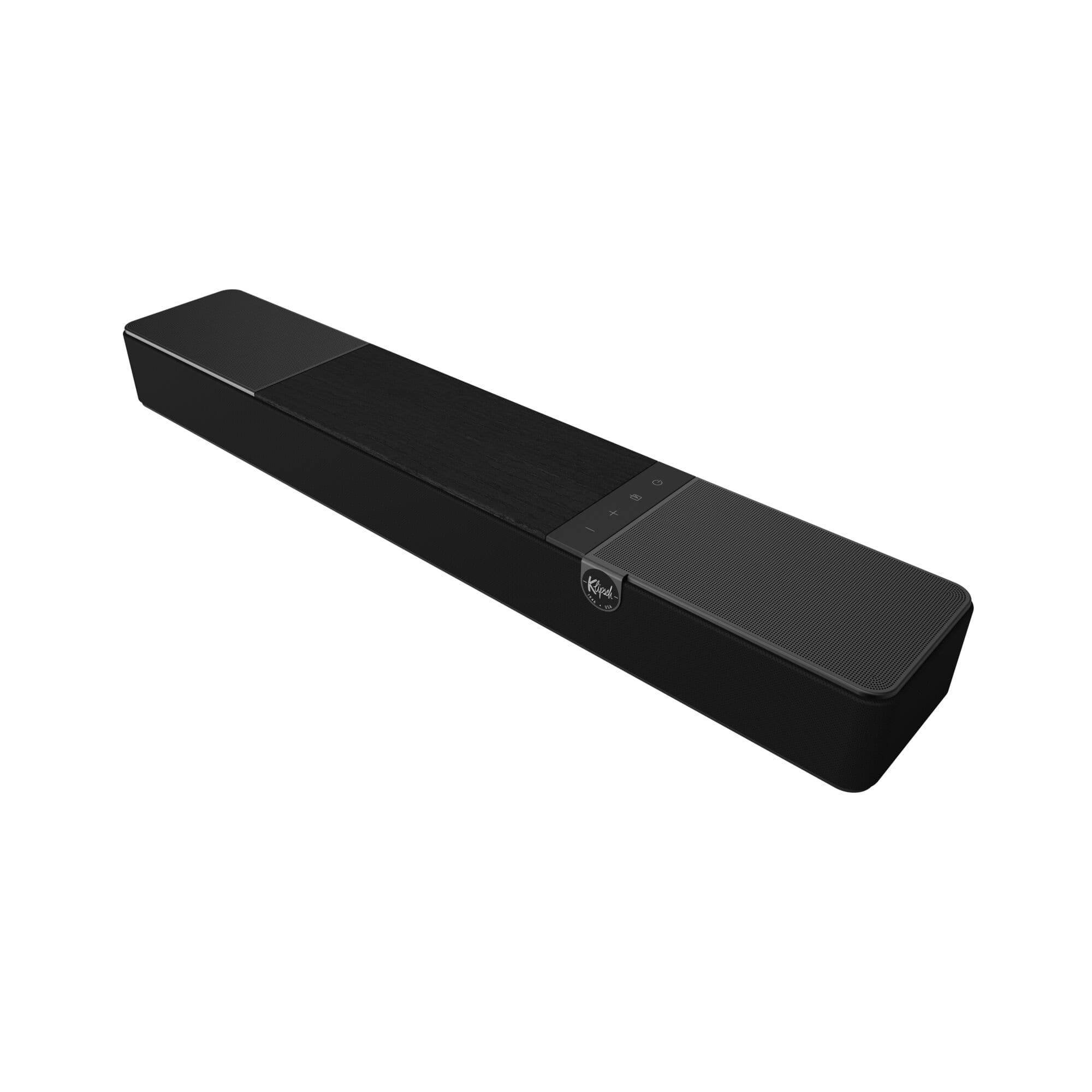
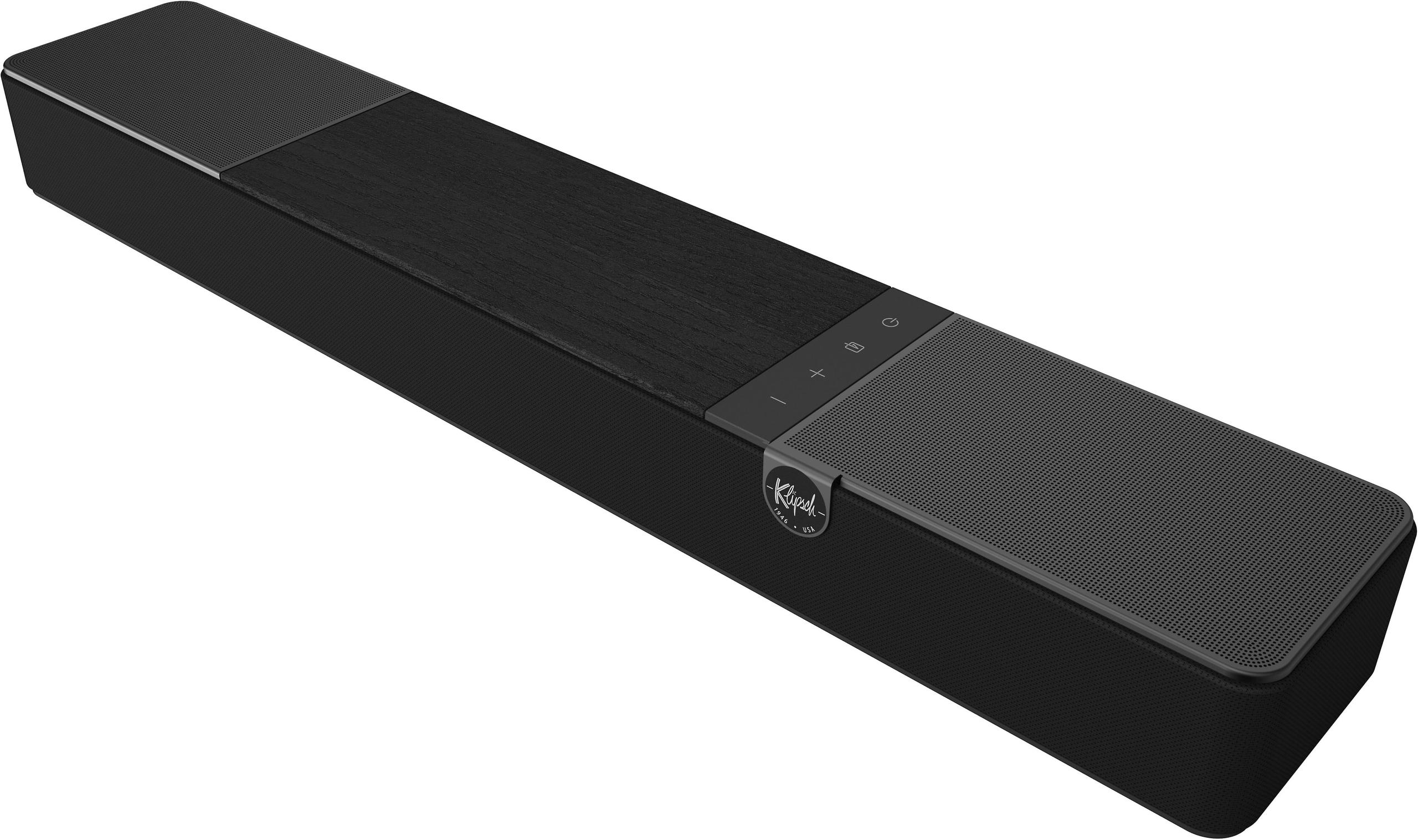
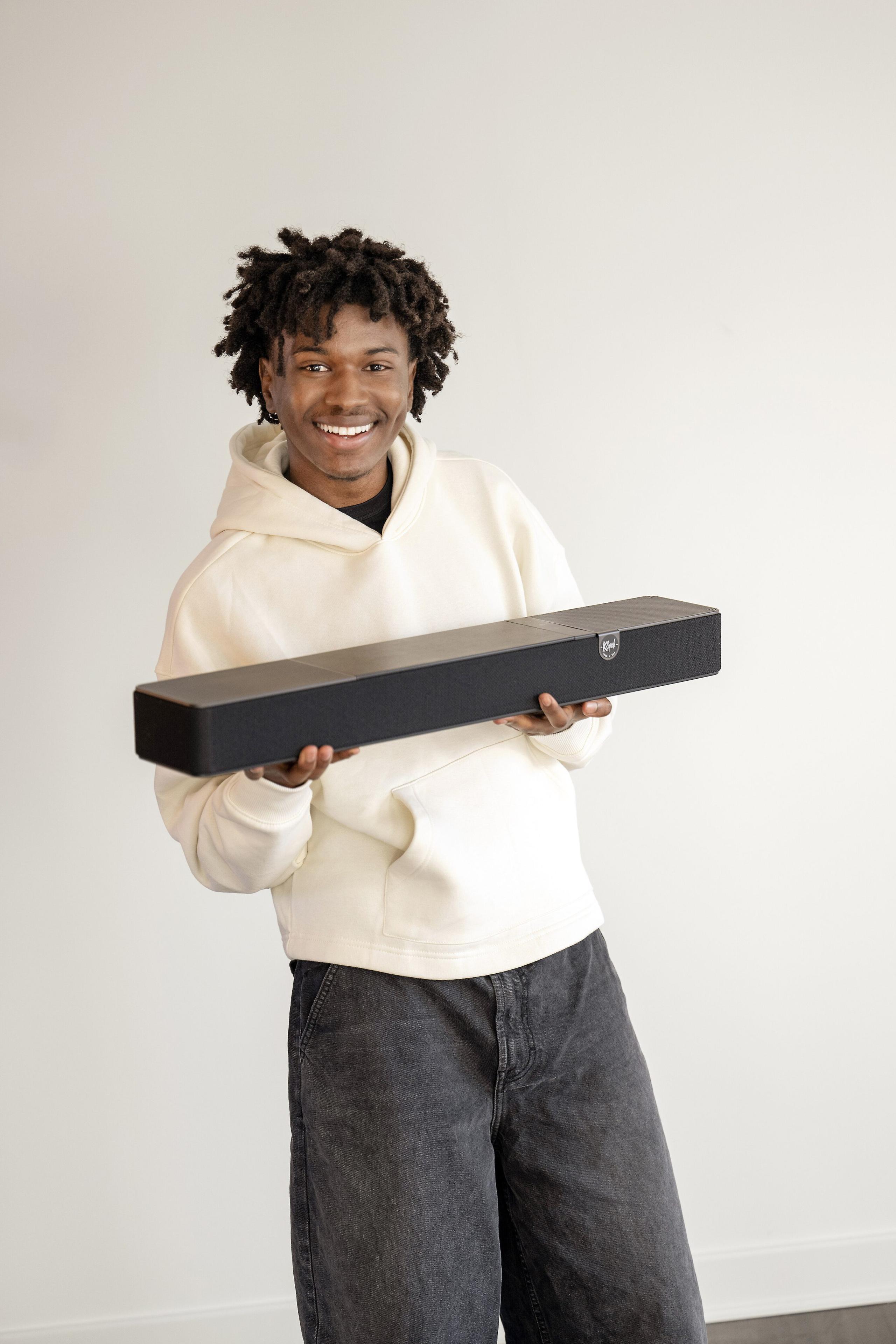
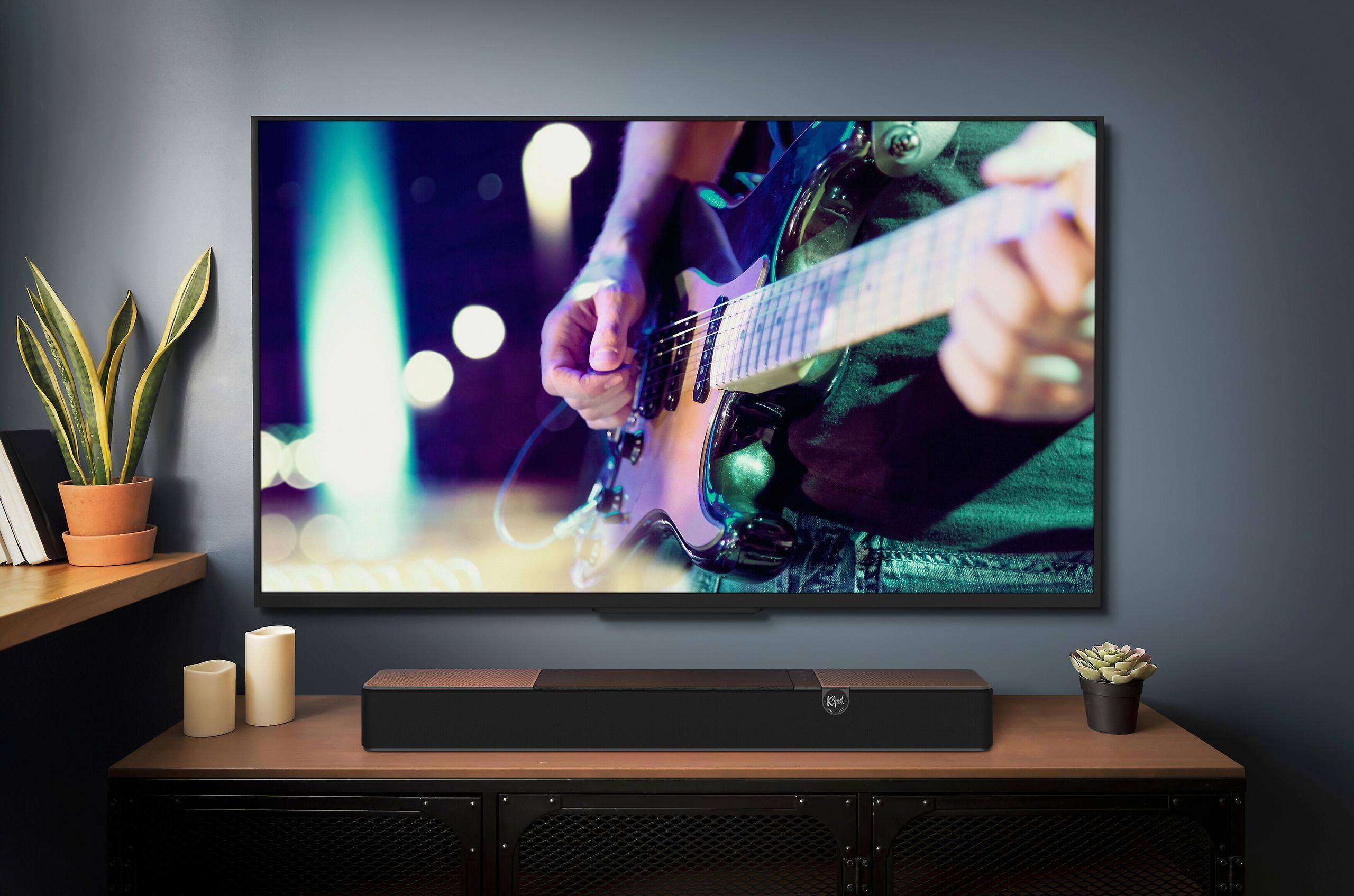
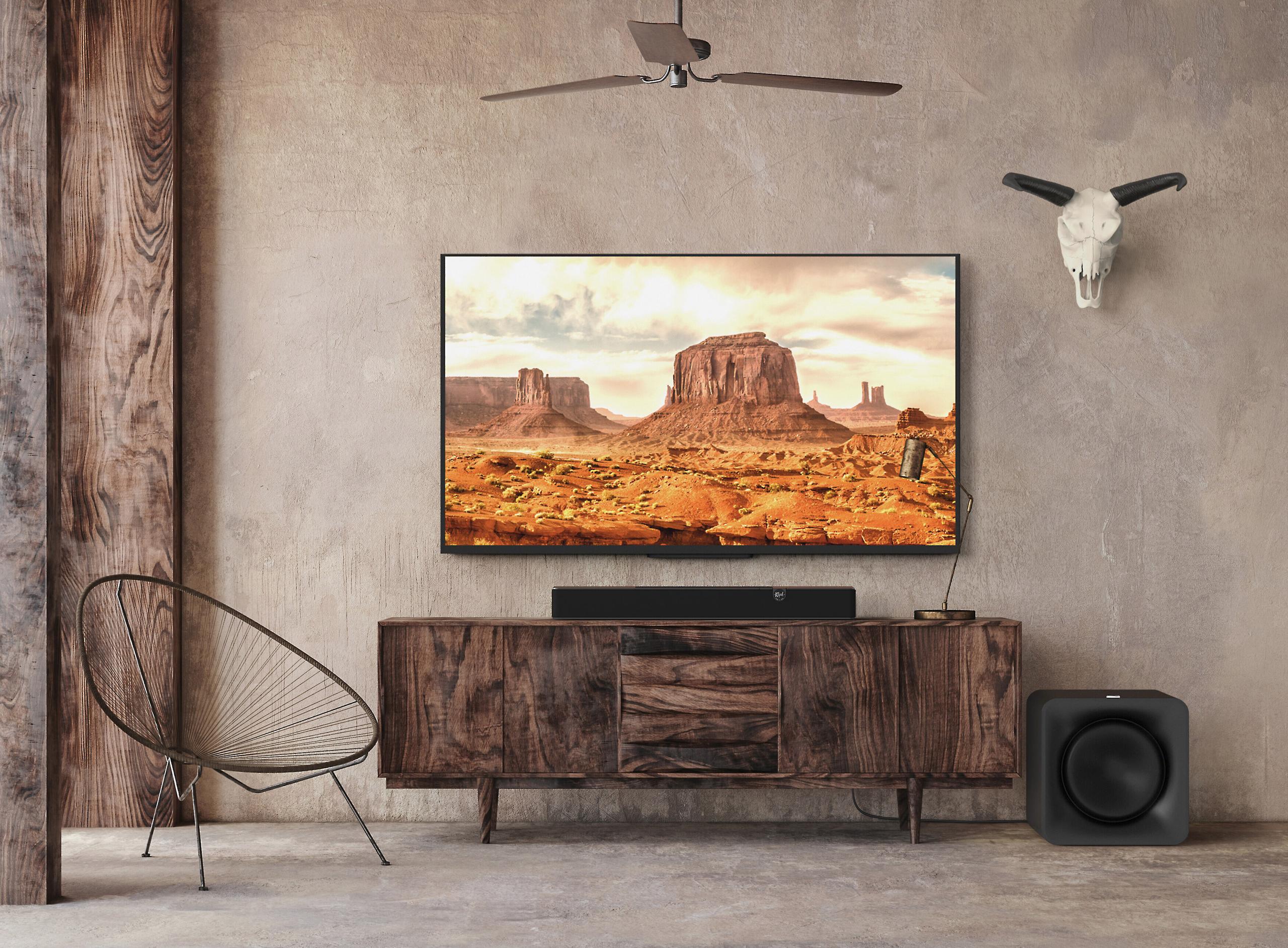
The Klipsch Flexus Core 100, released in early 2024, represents Klipsch's entry into the affordable soundbar market. At $228, it's designed for people who want significantly better TV audio without breaking the bank. This 2.1-channel soundbar (meaning two main channels plus a dedicated bass channel) uses virtual Dolby Atmos processing to simulate surround sound effects.
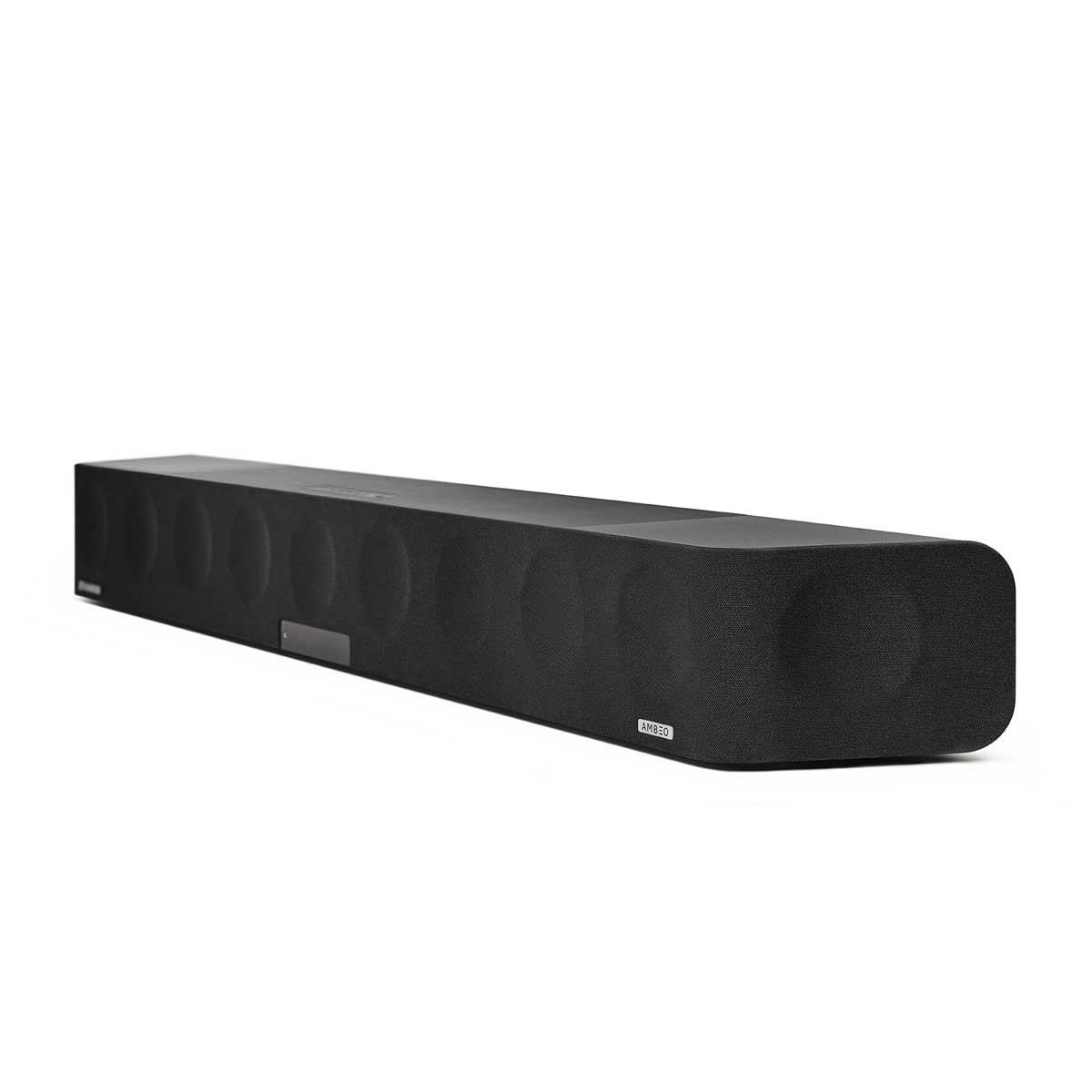
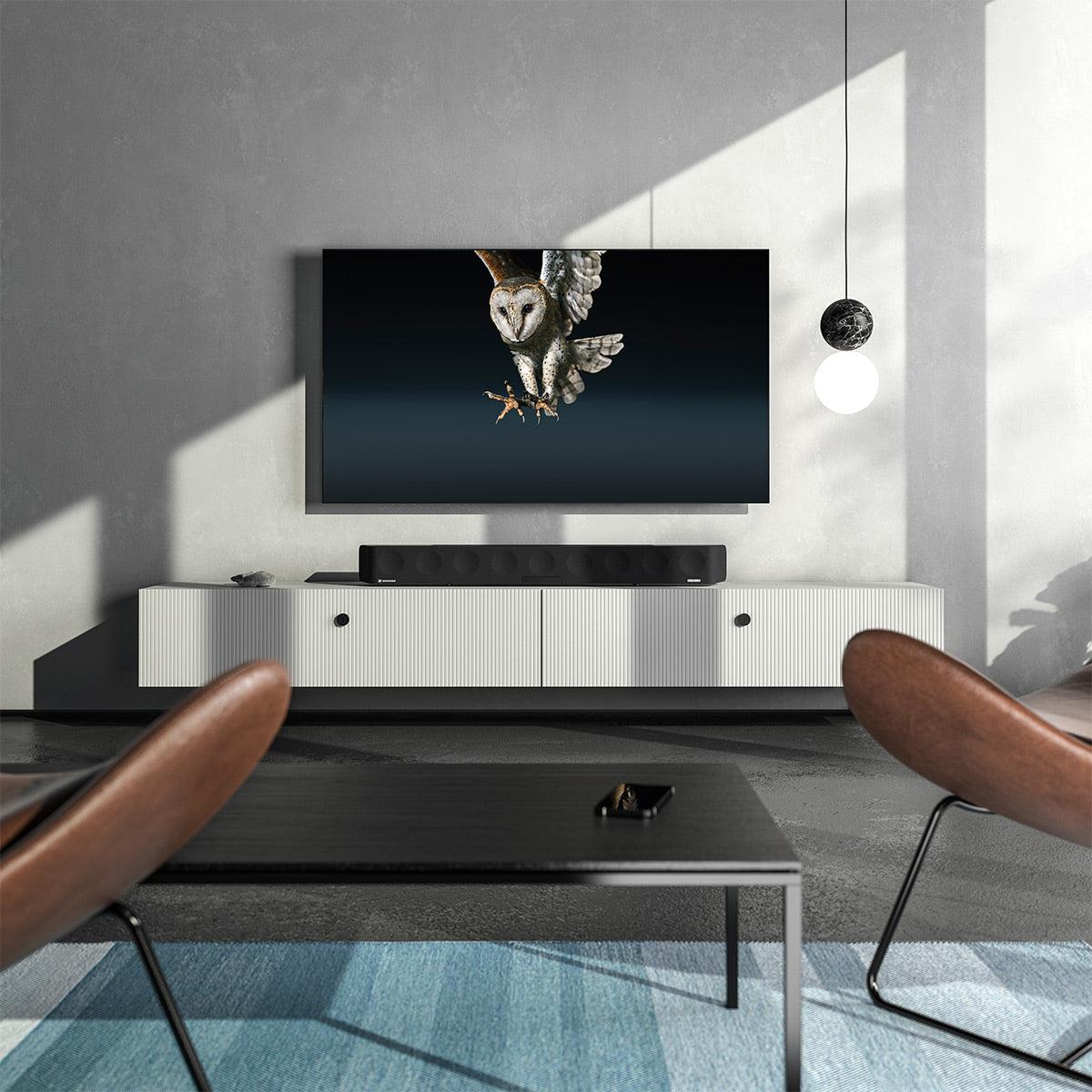
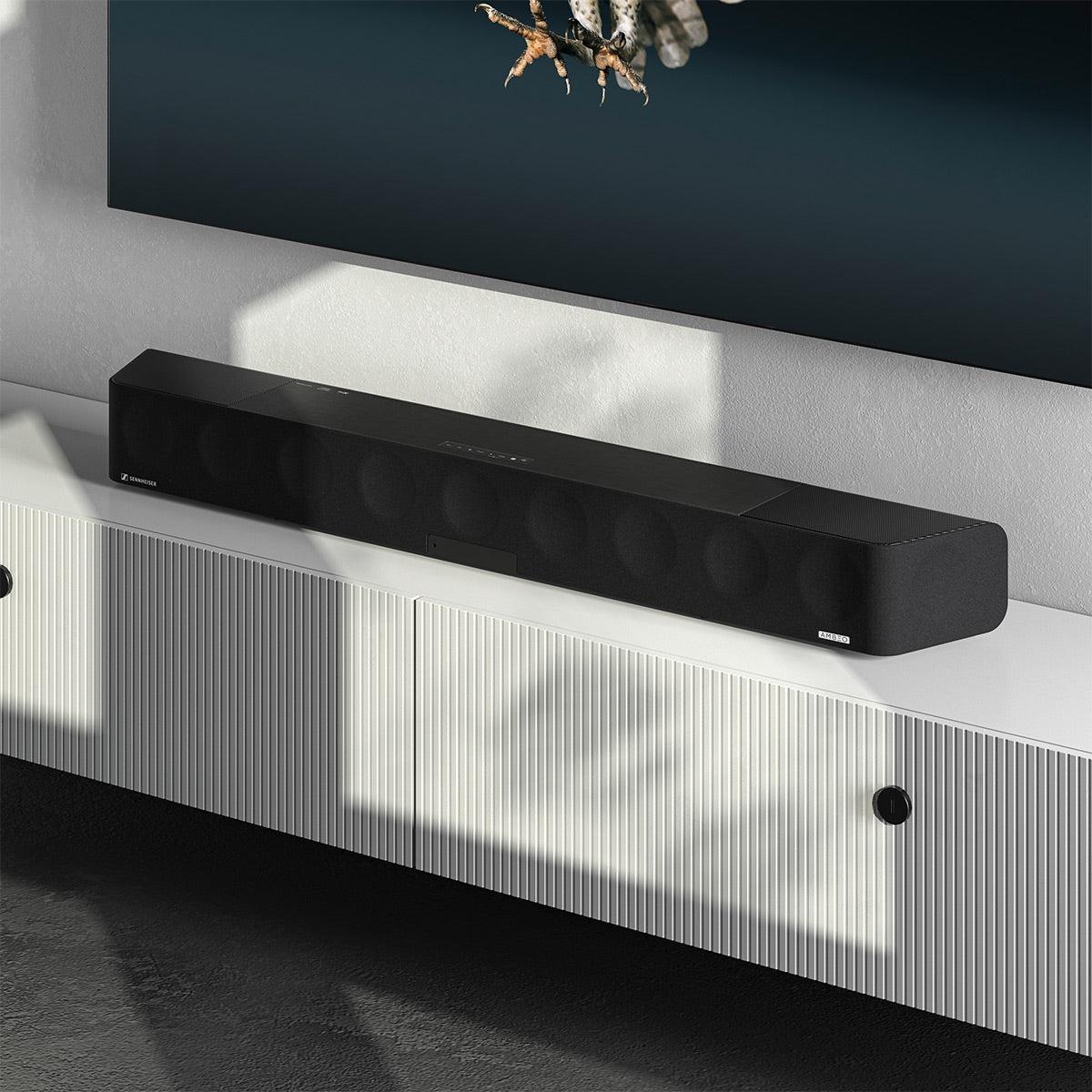
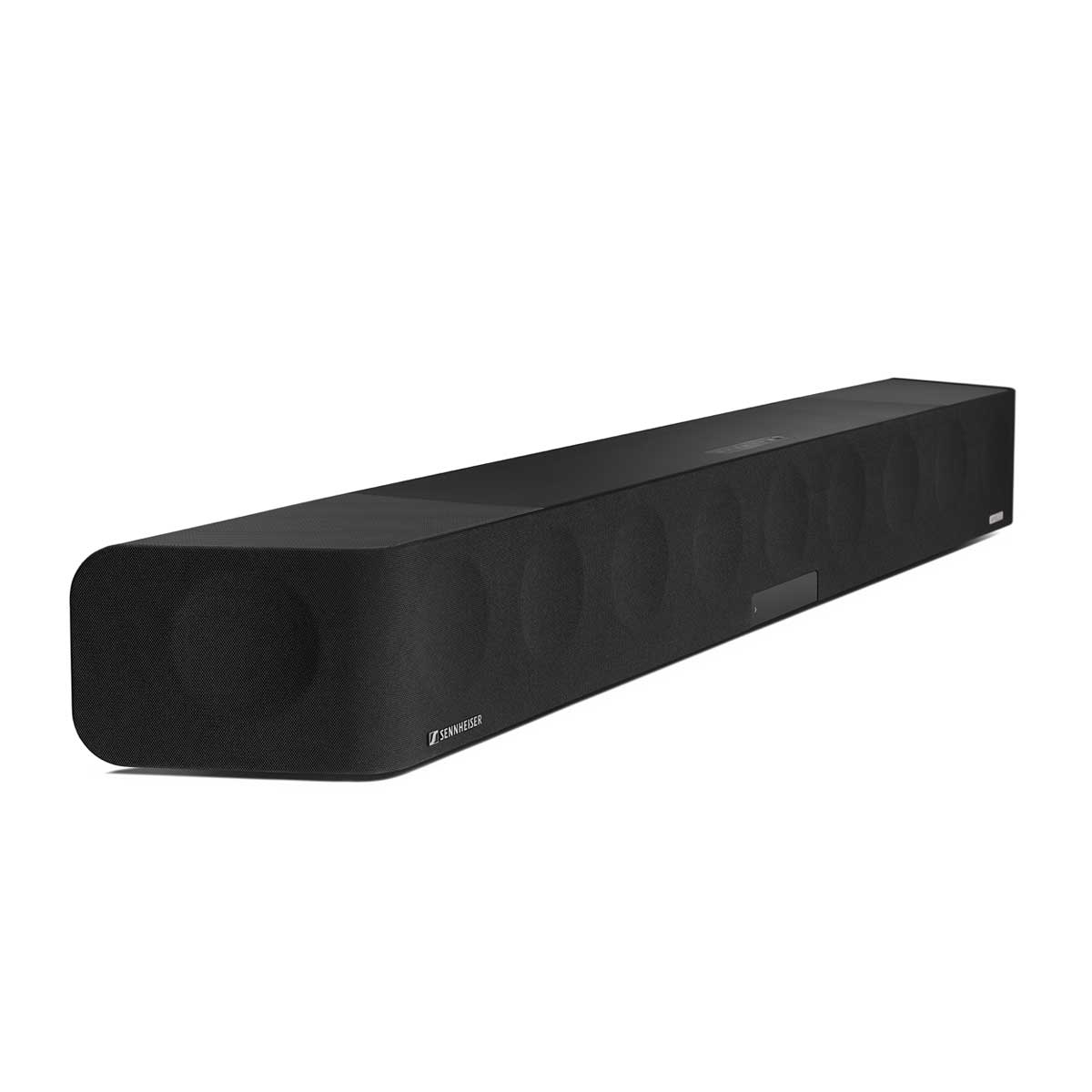
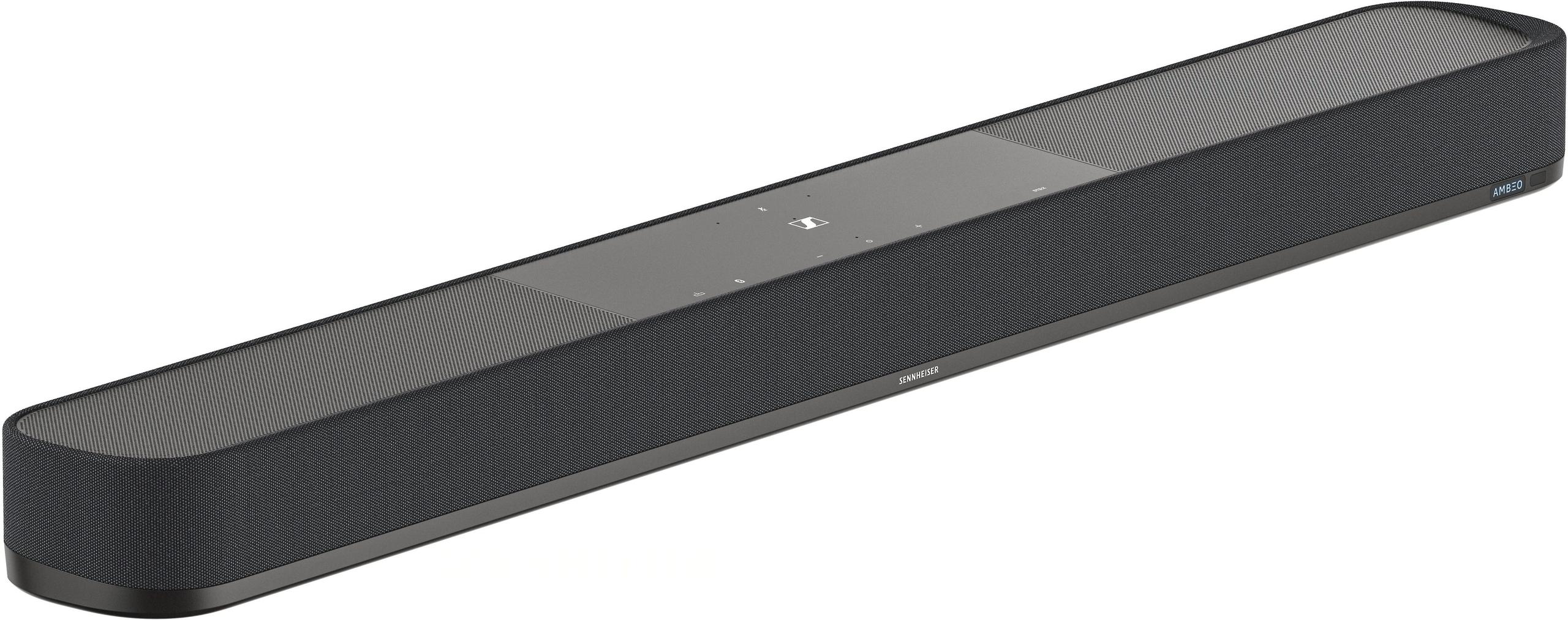
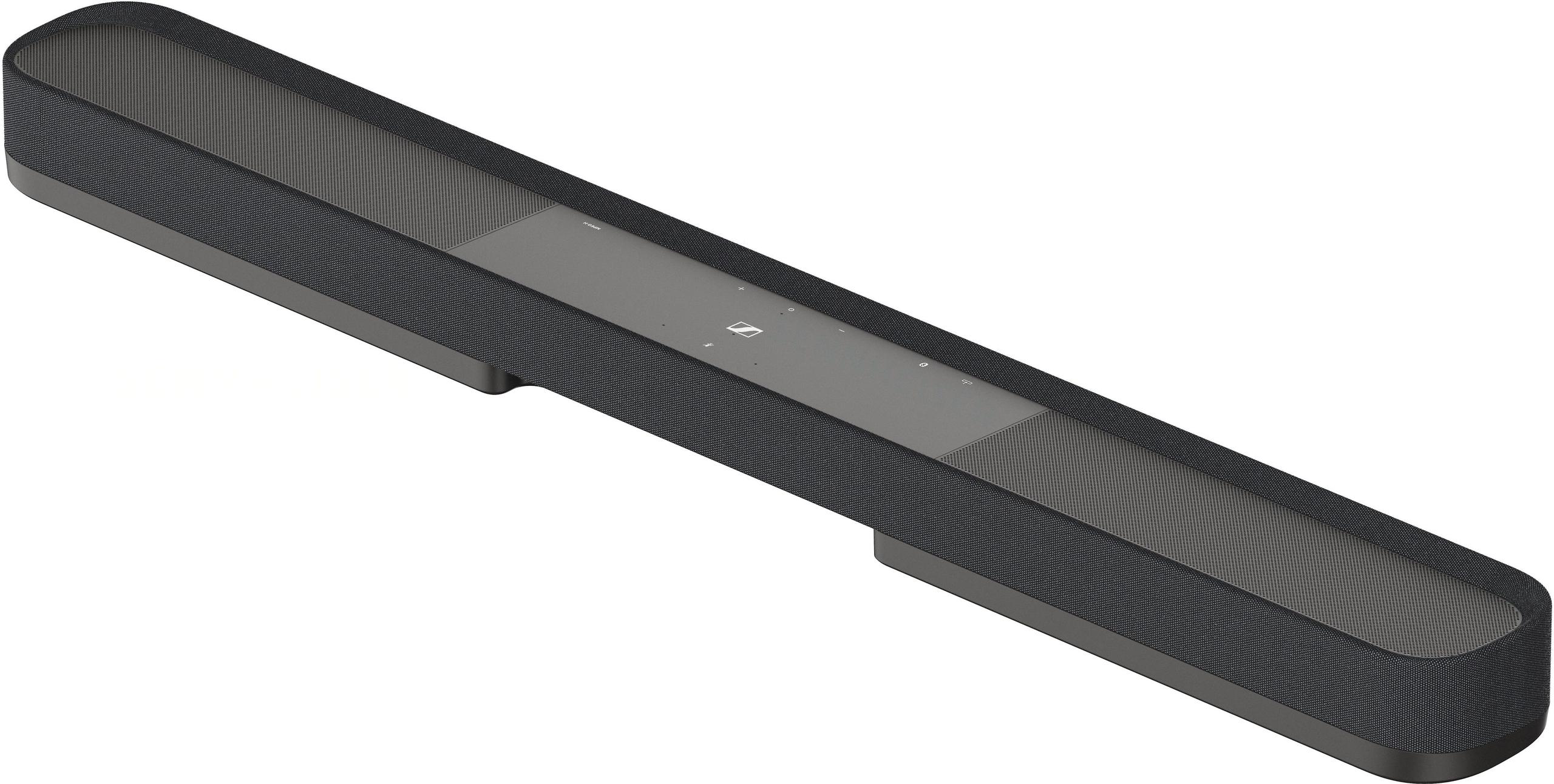
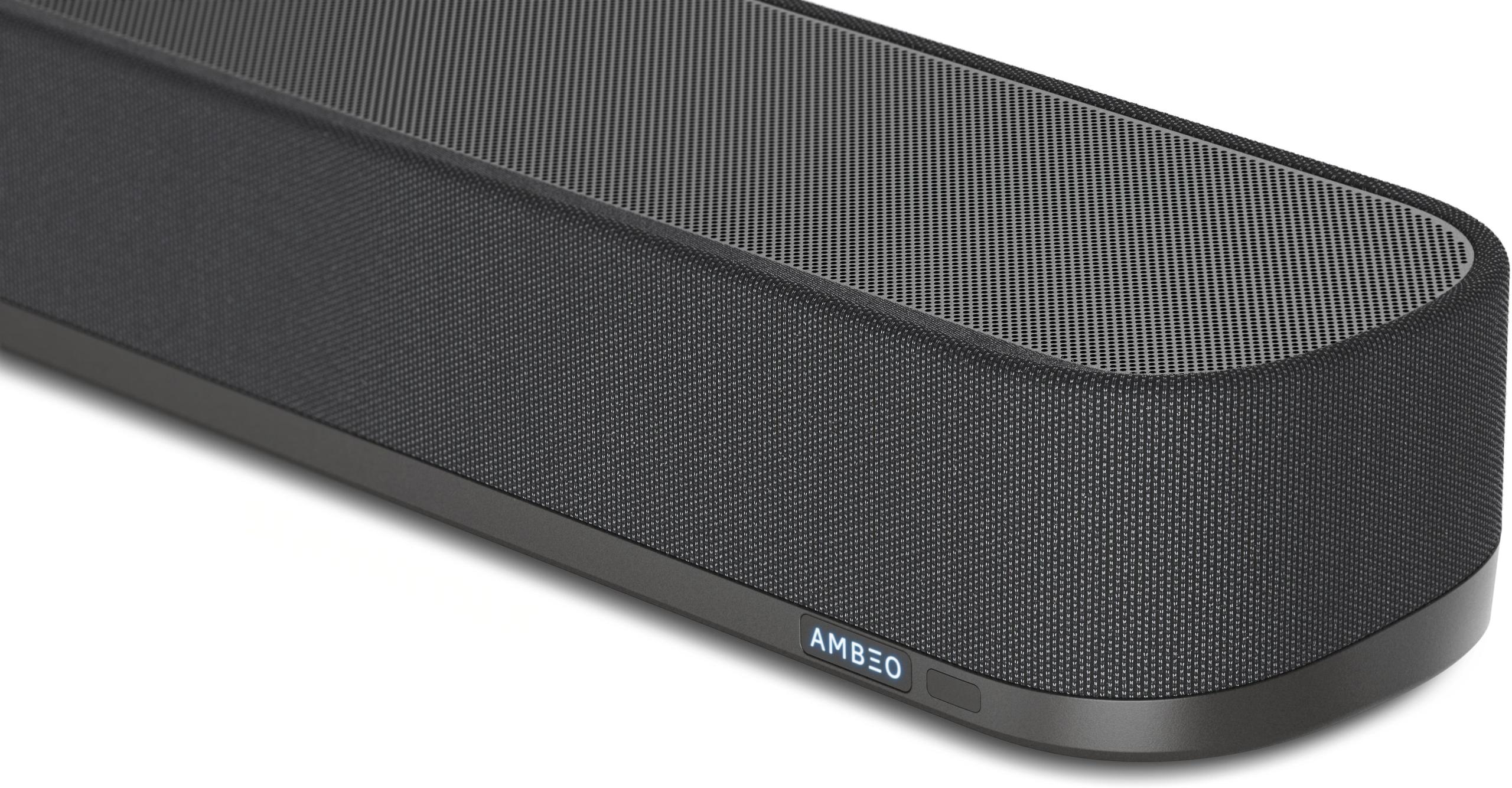
On the opposite end sits the Sennheiser AMBEO Soundbar, launched in 2023 as an updated version of their flagship model. At $2,000, it's positioned as a complete home theater replacement, featuring true 5.1.4-channel processing (five main channels, one subwoofer channel, and four height channels) with 13 individual drivers packed into its massive 49.6-inch frame.
The nearly 9x price difference isn't just about brand prestige – these products use fundamentally different approaches to solve the same problem.
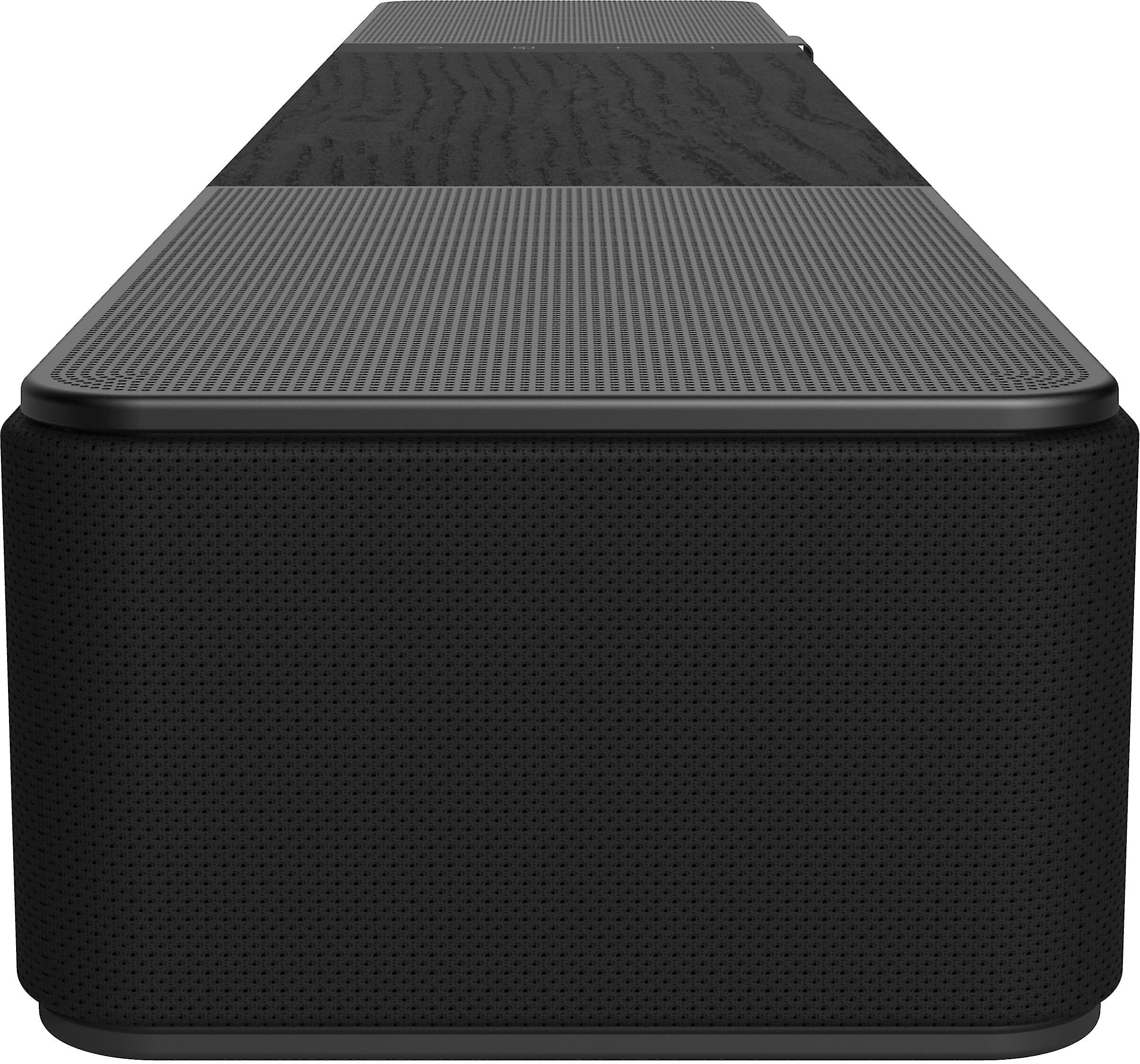
The most obvious difference between these soundbars lies in their driver configuration. The Klipsch uses a minimalist approach with two 2.25-inch aluminum cone drivers for mid and high frequencies, plus dual 4-inch built-in subwoofers for bass. This creates what's called a 2.1 setup – essentially stereo sound with dedicated bass handling.
Aluminum cone drivers, like those in the Klipsch, offer excellent rigidity and quick response times, which translates to crisp dialogue and clear high frequencies. However, with only two main drivers, the soundstage (the perceived width and depth of audio) remains relatively narrow. You'll get a significant upgrade from TV speakers, but don't expect sounds to seem like they're coming from beside or behind you.
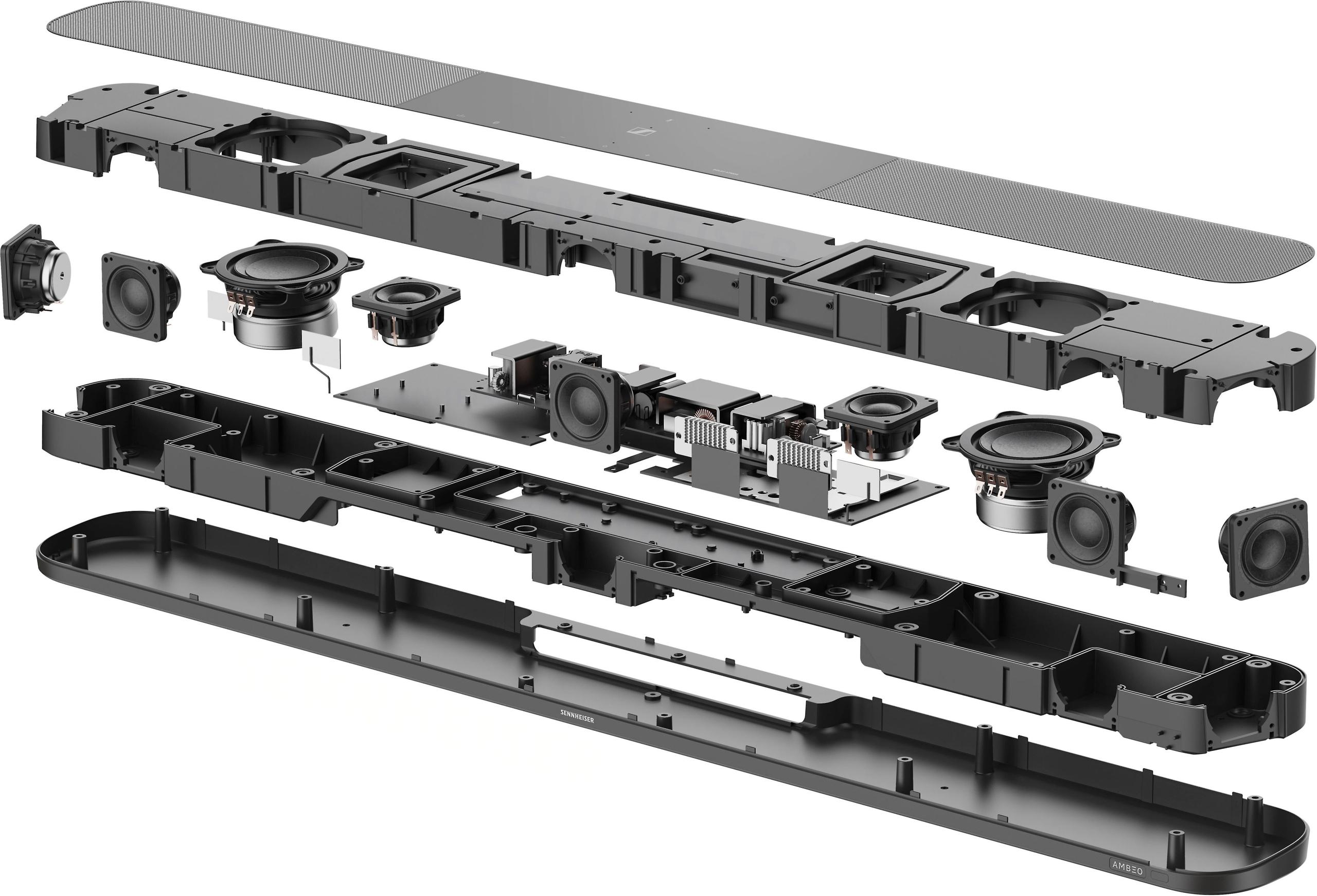
The Sennheiser takes a dramatically different approach with 13 individual drivers: six 4-inch woofers for bass, five 1-inch aluminum dome tweeters for highs, and two 3.5-inch full-range drivers positioned on the top corners. This isn't just about having more speakers – it's about creating a true surround sound field from a single bar.
Those upward-firing drivers on top are crucial for Dolby Atmos effects. They bounce sound off your ceiling to create the illusion of height channels, so when a spaceship flies overhead in a movie, you actually hear it above you. The Sennheiser's advanced DSP (digital signal processing) can calculate your room's dimensions and adjust timing and volume for each driver to create convincing 3D audio.
Bass performance often separates budget soundbars from premium ones, and the difference here is substantial. The Klipsch Flexus Core 100 includes dual 4-inch subwoofers built into the main bar, which is impressive for a $228 product. These handle frequencies down to 45Hz, covering most music and movie content adequately. For reference, male voices typically bottom out around 85Hz, while movie explosions and music bass lines often extend much lower.
However, the Sennheiser AMBEO goes significantly deeper with its six 4-inch woofers reaching down to 30Hz. That extra 15Hz of extension might not sound like much, but it's the difference between hearing bass and feeling it. Those lowest frequencies are what make explosions rumble through your chest and give music that full-bodied presence.
I've tested both in medium-sized rooms, and while the Klipsch provides satisfying bass for most content, the Sennheiser delivers the kind of low-end impact that typically requires a separate subwoofer. If you live in an apartment, the Klipsch's more restrained bass might actually be preferable to keep neighbors happy.
This is where the philosophical differences become most apparent. The Klipsch uses virtual processing to simulate surround effects – essentially audio trickery that manipulates stereo sound to create the illusion of wider soundstage. It works reasonably well for dialogue-heavy content and can create some sense of space, but action scenes with complex audio don't achieve true immersion.
The Sennheiser, however, creates genuine surround sound through physical speaker placement and advanced room modeling. Its AMBEO 3D technology, developed in partnership with Fraunhofer (a German research institute known for creating the MP3 format), analyzes your room's acoustic properties and adjusts each driver accordingly.
When watching something like "Top Gun: Maverick," the difference is dramatic. With the Klipsch, jet engines sound fuller and more dynamic than TV speakers, but they're clearly coming from in front of you. The Sennheiser places those engines in 3D space – you hear them approach from behind, pass overhead, and fade into the distance. It's the closest thing to a movie theater experience you can get from a single speaker.
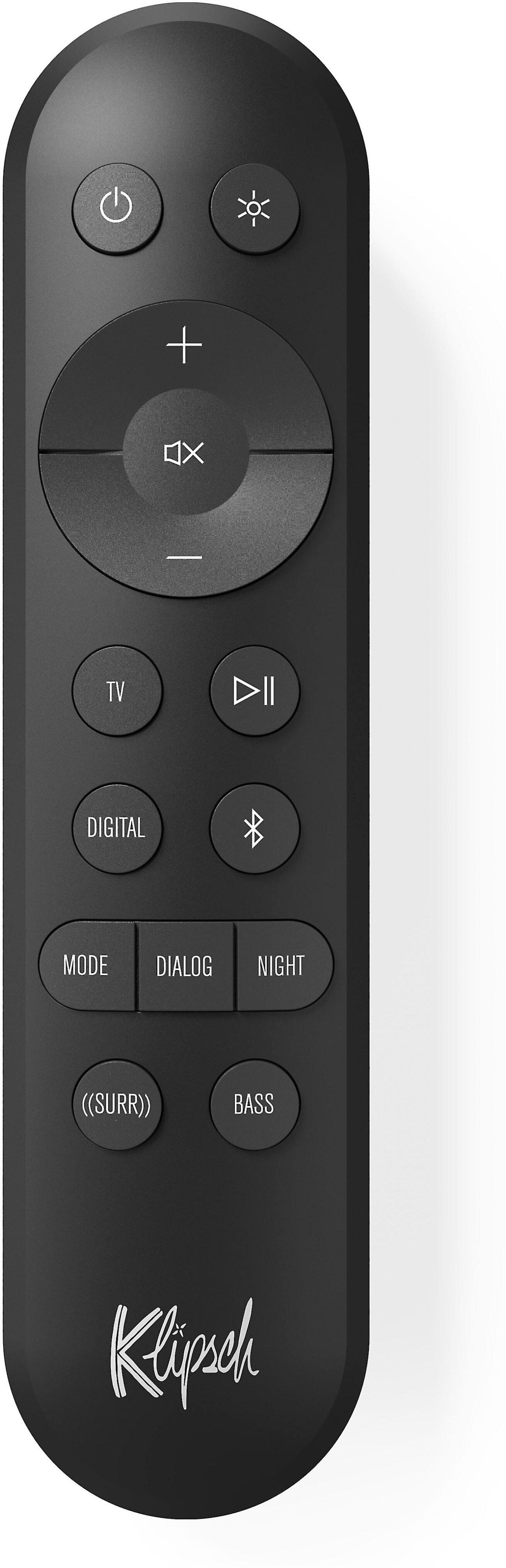
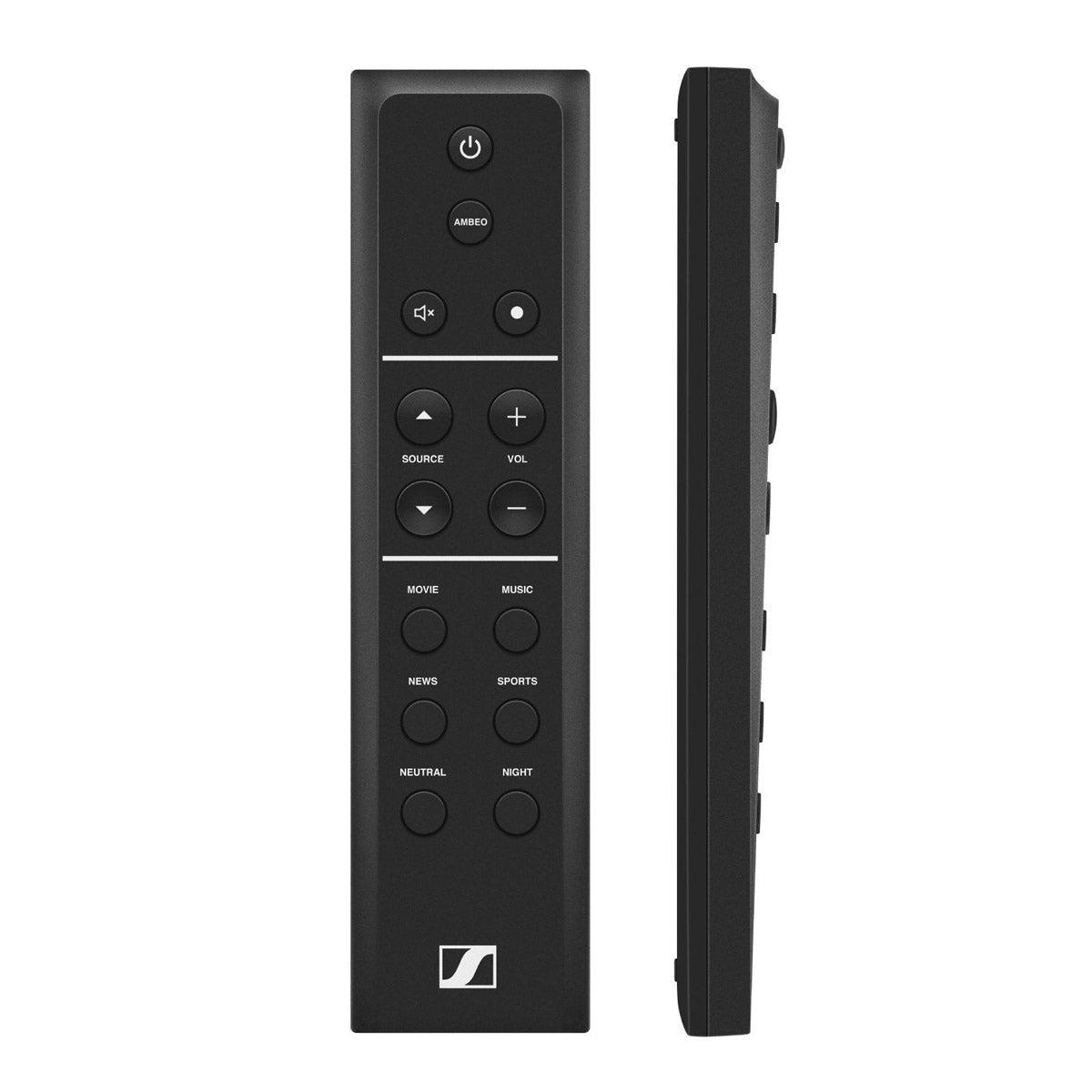
The Klipsch keeps things simple with basic EQ presets accessible through their Connect Plus app. You can adjust bass, treble, and select from preset modes like Movie or Music, but there's no automatic room measurement. Setup involves connecting cables and adjusting settings by ear.
The Sennheiser includes sophisticated auto-calibration that would typically cost thousands in a separate AV receiver. Using built-in microphones, it measures your room's acoustic properties – ceiling height, wall materials, furniture placement – then optimizes each driver's output accordingly. This process takes several minutes but results in sound tailored specifically to your space.
I've found this calibration makes a dramatic difference in larger or acoustically challenging rooms. Hard surfaces like tile floors and large windows can create audio reflections that muddy sound, but the Sennheiser's processing compensates automatically.
Both soundbars include HDMI eARC (enhanced Audio Return Channel), which allows them to receive high-quality audio directly from your TV. However, their additional connectivity tells different stories about their intended use.
The Klipsch Flexus Core 100 focuses on essential connections: HDMI eARC, Bluetooth for wireless streaming, digital optical for older TVs, and USB-C for direct device connection. It's straightforward and covers most users' needs without complexity.
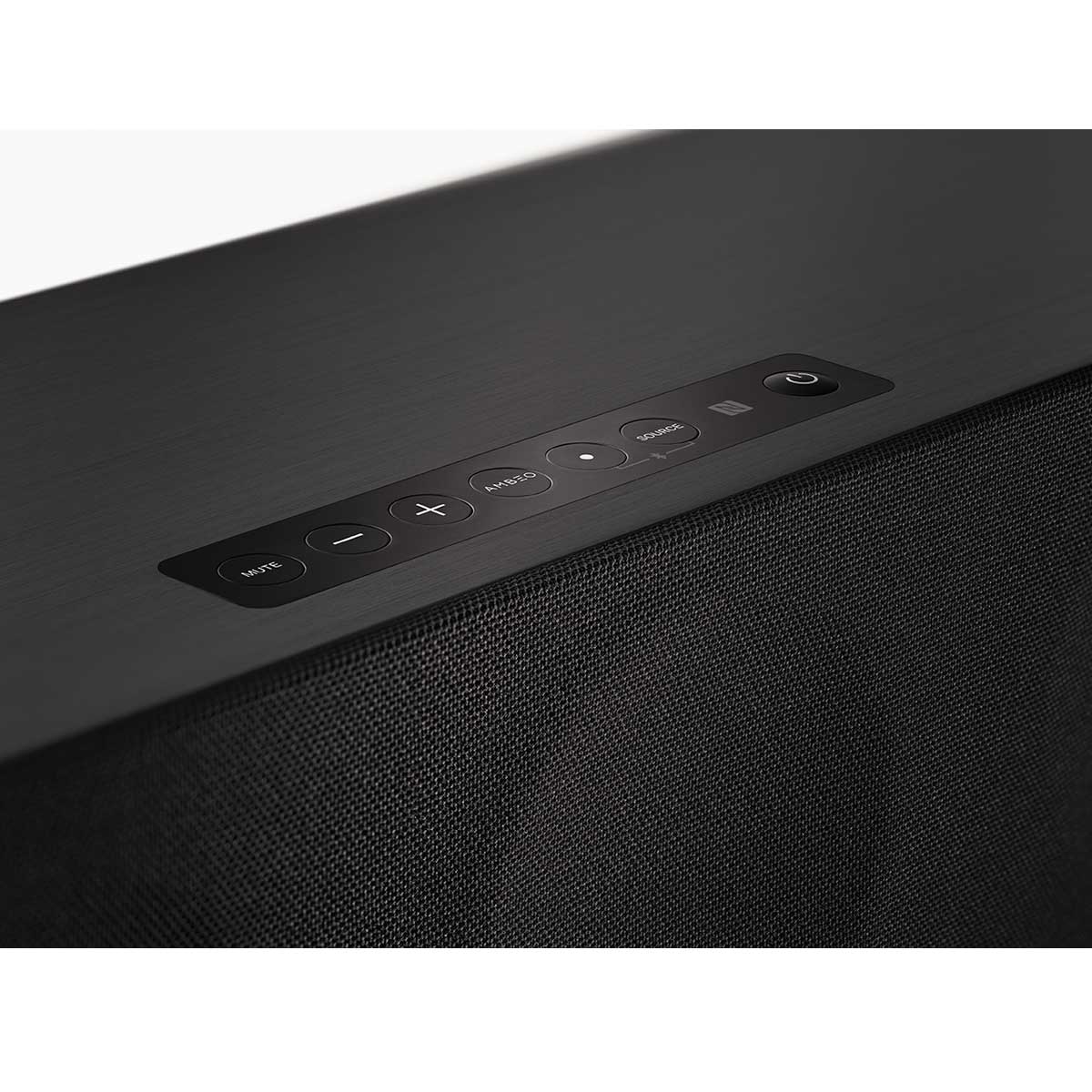
The Sennheiser AMBEO positions itself as a home theater hub with multiple HDMI inputs, built-in Wi-Fi, Ethernet, and support for virtually every streaming service and smart home platform. You can stream directly from Spotify, Apple Music, or Tidal without needing another device, and it integrates with Alexa, Google Assistant, and Apple HomeKit.
At $228, the Klipsch delivers remarkable value for money. You're getting genuine Klipsch audio engineering – a company with 75+ years of speaker design experience – in a package that dramatically improves TV audio. The built-in subwoofers eliminate the need for additional components, and the sleek design fits most TV stands without domination.
Perhaps most importantly, the Klipsch is expandable through their Transport wireless technology. You can add matching surround speakers and a wireless subwoofer later, gradually building a more comprehensive system as budget allows. This modular approach means your initial investment isn't wasted if you want to upgrade.
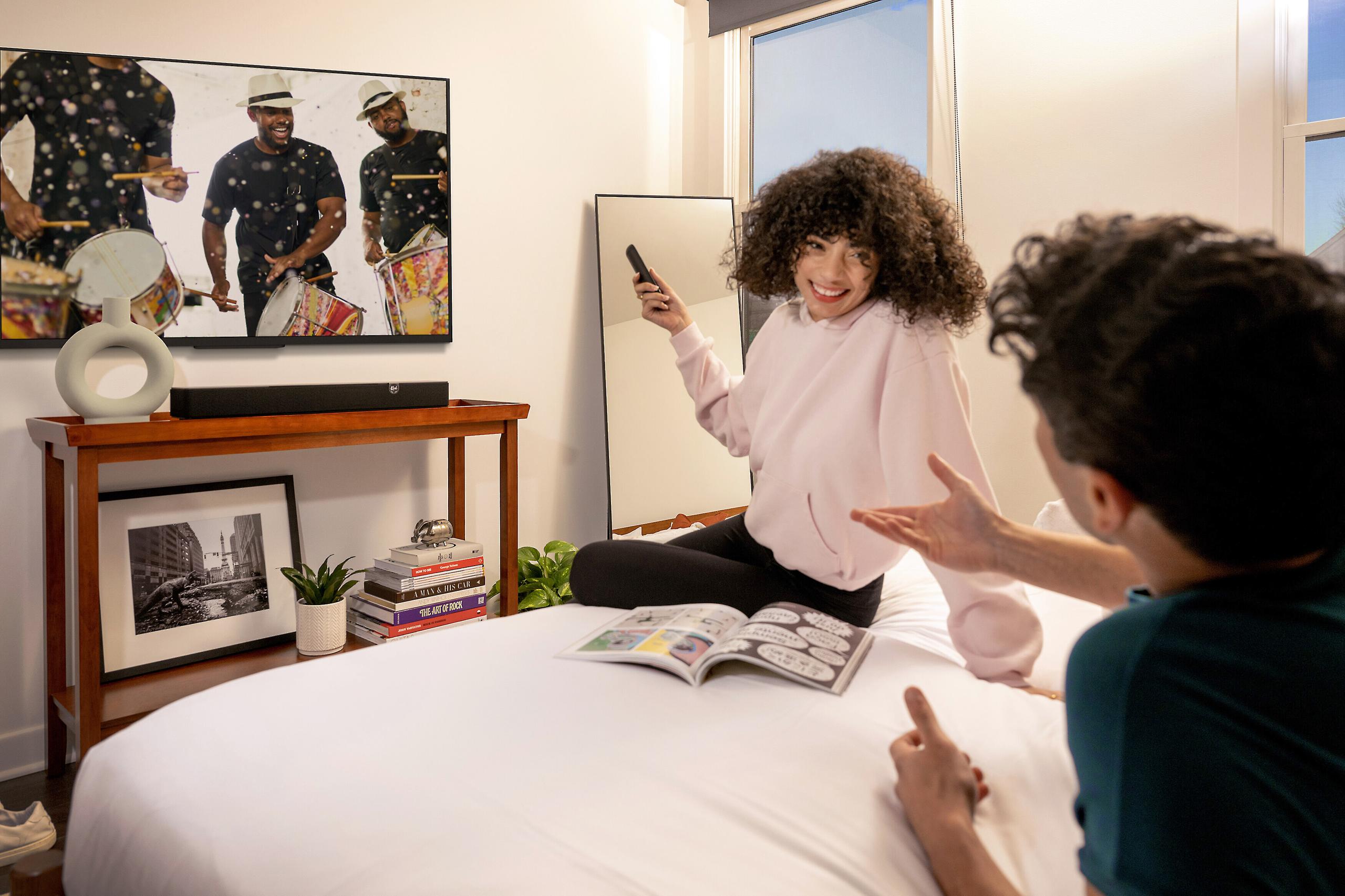
For most people using TVs in bedrooms, apartments, or smaller living rooms, the Klipsch provides all the improvement they'll notice. Dialogue becomes crisp and clear, music has better dynamics, and action scenes gain impact without overwhelming complexity.
The Sennheiser's $2,000 price tag puts it in different territory entirely. You're not just buying a soundbar – you're getting German acoustic engineering, professional-grade DSP, and performance that rivals traditional surround sound systems costing significantly more.
Consider that a comparable traditional setup might include a $800 AV receiver, $1,200 worth of speakers, plus installation complexity. The AMBEO delivers similar performance in a single, albeit large, package. For dedicated home theaters or media rooms where audio quality is paramount, this represents reasonable value.
The AMBEO also future-proofs your investment with support for emerging audio formats and regular firmware updates that add new features. Sennheiser's reputation means this soundbar will likely perform excellently for many years.
The Klipsch works well in rooms up to about 200 square feet. Its 28-inch width fits most TV stands, and wall mounting is straightforward with included brackets. The compact size means it won't dominate your living space or require furniture rearrangement.
The Sennheiser demands more consideration. At nearly 50 inches wide and 41 pounds, it may not fit under many TVs and requires substantial wall mounting hardware. However, it's designed for larger spaces where its powerful drivers can fully stretch. In rooms over 300 square feet, the Sennheiser's ability to fill space becomes a significant advantage.
Your room's acoustics dramatically affect performance, especially for the Sennheiser's height effects. Rooms with vaulted or textured ceilings may not reflect sound properly for Atmos effects. Hard surfaces help sound bounce, while heavy carpeting and furniture absorb reflections.
The Klipsch Flexus Core 100 is less dependent on room acoustics since it doesn't rely heavily on reflections. This makes it more forgiving in challenging spaces like open-concept homes or rooms with irregular layouts.
You want dramatic improvement over TV speakers without complexity or major expense. It's perfect for bedrooms, apartments, or secondary viewing areas where good-enough sound matters more than reference quality. The expandability means you can grow the system over time, and the compact size won't dominate your space.
I'd particularly recommend it for people who primarily watch dialogue-heavy content like news, sitcoms, or dramas. The clear vocal reproduction alone justifies the modest investment.
You're serious about home theater audio and have the budget for uncompromising performance. It's ideal for dedicated media rooms, large living spaces, or situations where you want the best possible single-speaker solution. The immersive effects truly shine with action movies, gaming, and music listening.
However, be prepared for its size and ensure your room can accommodate both its physical dimensions and acoustic requirements.
These soundbars serve fundamentally different purposes despite solving the same basic problem. The Klipsch Flexus Core 100 democratizes better TV audio, offering substantial improvement at a price point most people can justify. The Sennheiser AMBEO Soundbar pushes boundaries, delivering reference-quality performance that rivals much more expensive and complex systems.
Neither is inherently better – they're simply designed for different users with different priorities and budgets. The Klipsch succeeds brilliantly at its mission of affordable enhancement, while the Sennheiser excels at creating truly immersive home theater experiences.
Your choice should depend on your room size, audio priorities, budget, and how you actually use your entertainment system. Both represent excellent engineering at their respective price points, ensuring you'll be satisfied with either decision for years to come.
| Klipsch Flexus Core 100 ($228) | Sennheiser AMBEO Soundbar ($2,000) |
|---|---|
| Price - The most obvious difference between these soundbars | |
| $228 (exceptional value for money) | $2,000 (premium performance justifies cost) |
| Audio Channels - Determines surround sound capabilities | |
| 2.1 channels (virtual Dolby Atmos) | 5.1.4 channels (true Dolby Atmos with height effects) |
| Total Power Output - Affects maximum volume and room filling ability | |
| 100W RMS (suitable for small-medium rooms) | 500W total/400W RMS (fills large spaces effortlessly) |
| Driver Configuration - The actual speakers that produce sound | |
| 2 x 2.25" aluminum drivers + dual 4" subwoofers | 13 drivers: 6 x 4" woofers, 5 x 1" tweeters, 2 x 3.5" full-range |
| Bass Response - How deep the low frequencies extend | |
| 45Hz-20kHz (good for most content) | 30Hz-20kHz (feel-it-in-your-chest bass without separate sub) |
| Room Calibration - Automatically optimizes sound for your space | |
| Basic EQ presets via app | Advanced Fraunhofer auto-calibration with microphones |
| Physical Size - Important for TV stand compatibility | |
| 28" W x 3" H x 5" D (fits most setups) | 49.6" W x 5.3" H x 6.7" D (may not fit under many TVs) |
| Connectivity Options - How you connect devices and stream content | |
| HDMI eARC, Bluetooth, USB-C, optical | 4x HDMI, Wi-Fi, AirPlay 2, Chromecast, Spotify Connect |
| Expandability - Ability to add more speakers later | |
| Wireless surrounds/subwoofer via Klipsch Transport | None needed (complete system in one bar) |
| Smart Features - Voice control and home automation | |
| Basic app control, no voice assistants | Alexa, Google Assistant, Apple HomeKit integration |
| Best Room Size - Where each performs optimally | |
| Small to medium rooms (up to 200 sq ft) | Large rooms (300+ sq ft) where power advantage shows |
The biggest difference is price and performance level. The Klipsch Flexus Core 100 ($228) is a budget-friendly 2.1-channel soundbar with virtual Dolby Atmos, while the Sennheiser AMBEO ($2,000) is a premium 5.1.4-channel system with true 3D audio and 13 individual drivers.
The Klipsch Flexus Core 100 offers exceptional value at $228, providing significant improvement over TV speakers at an affordable price. The Sennheiser AMBEO offers premium value for serious audio enthusiasts who want reference-quality sound and can justify the $2,000 investment.
Yes, both soundbars include built-in bass drivers. The Klipsch Flexus Core 100 has dual 4-inch subwoofers built into the bar, while the Sennheiser AMBEO features six 4-inch woofers that deliver deep bass down to 30Hz without needing an external subwoofer.
The Klipsch Flexus Core 100 is ideal for small to medium rooms up to 200 square feet. Its compact 28-inch width fits most TV stands, and its power output is perfectly suited for smaller spaces without overwhelming them.
The Klipsch Flexus Core 100 uses virtual Dolby Atmos processing to simulate height effects, while the Sennheiser AMBEO delivers true Dolby Atmos with dedicated upward-firing drivers that bounce sound off your ceiling for genuine overhead audio effects.
The Sennheiser AMBEO excels in large rooms over 300 square feet thanks to its 500W power output and 13-driver array that can fill expansive spaces with immersive sound. The Klipsch Flexus Core 100 may struggle to adequately fill very large rooms.
The Klipsch Flexus Core 100 is expandable using Klipsch Transport wireless technology, allowing you to add matching surrounds and a subwoofer later. The Sennheiser AMBEO is designed as a complete all-in-one system that doesn't require expansion.
The Sennheiser AMBEO offers superior connectivity with multiple HDMI inputs, Wi-Fi, AirPlay 2, Chromecast, and direct streaming from services like Spotify. The Klipsch Flexus Core 100 covers the basics with HDMI eARC, Bluetooth, USB-C, and optical inputs.
For dedicated home theaters, the Sennheiser AMBEO delivers cinema-like immersion with true 3D audio that rivals traditional surround sound systems. The Klipsch Flexus Core 100 provides solid home theater improvement for casual viewing but lacks the immersive capabilities of the premium option.
The Klipsch Flexus Core 100 offers simpler setup with basic connections and manual EQ adjustments. The Sennheiser AMBEO includes sophisticated auto-calibration that measures your room acoustics but requires more initial configuration time.
The Klipsch Flexus Core 100 provides adequate bass down to 45Hz suitable for most content, while the Sennheiser AMBEO delivers deeper, more impactful bass extending to 30Hz that you can physically feel during action scenes and music.
If you're budget-conscious, the Klipsch Flexus Core 100 ($228) is the clear choice, offering dramatic improvement over TV speakers at an affordable price point. The Sennheiser AMBEO ($2,000) is only worth considering if you have a substantial budget and prioritize premium audio performance above all else.
We've done our best to create useful and informative comparisons to help you decide what product to buy. Our research uses advanced automated methods to create this comparison and perfection is not possible - please contact us for corrections or questions. These are the sites we've researched in the creation of this article: cnet.com - klipsch.com - klipsch.com - bestbuy.com - sweetwater.com - assets.onkyo-av.com - youtube.com - worldwidestereo.com - avnirvana.com - target.com - bestbuy.com - rtings.com - techradar.com - audioxpress.com - whathifi.com - upscaleaudio.com - soundstagesimplifi.com - global.sennheiser-hearing.com - sennheiser-hearing.com - audioadvice.com - abt.com - moon-audio.com

Privacy Policy
Terms and Conditions - Affiliate Policy
Home Security
© Copyright 2008-2026.
11816 Inwood Rd #1211, Dallas, TX 75244